Photo credit: Baldur93/Pixabay.com
If you’ve ever watched your dog lock onto a rabbit and suddenly act like you don’t exist, you’ve seen prey drive kick the “good dog” right out of them. This isn’t always stubbornness. A lot of working and hunting breeds are wired to chase, track, and finish. When that switch flips, recall goes from “pretty good in the yard” to “dead radio silence.” The mistake people make is thinking more yelling fixes it. It doesn’t. You fix this with management (leashes, long lines, fenced areas), repetition, and training that’s built around distractions instead of pretending distractions won’t happen.
Also, don’t beat yourself up if you’re dealing with this. A high-prey-drive dog can be incredible, but you have to treat recall like a skill you maintain, not a trait the dog is born with. Here are 15 breeds that are notorious for blowing off recalls when prey shows up—plus what actually helps.
Siberian Husky
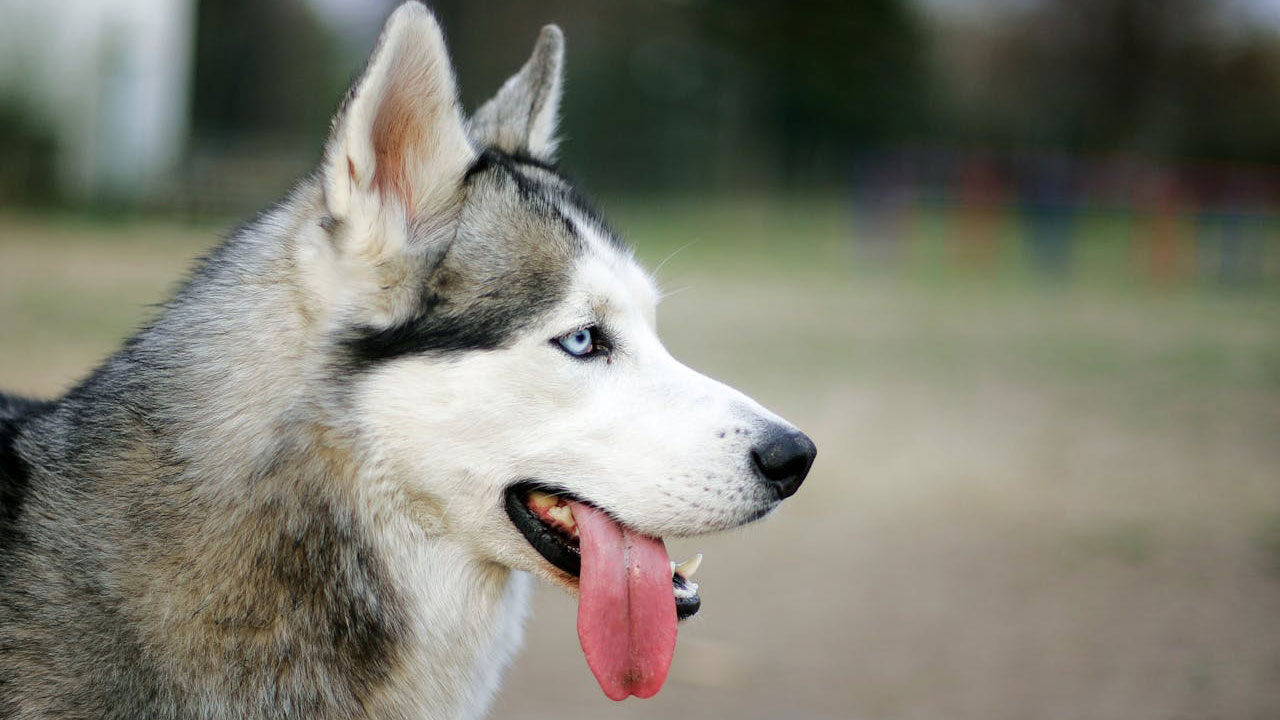
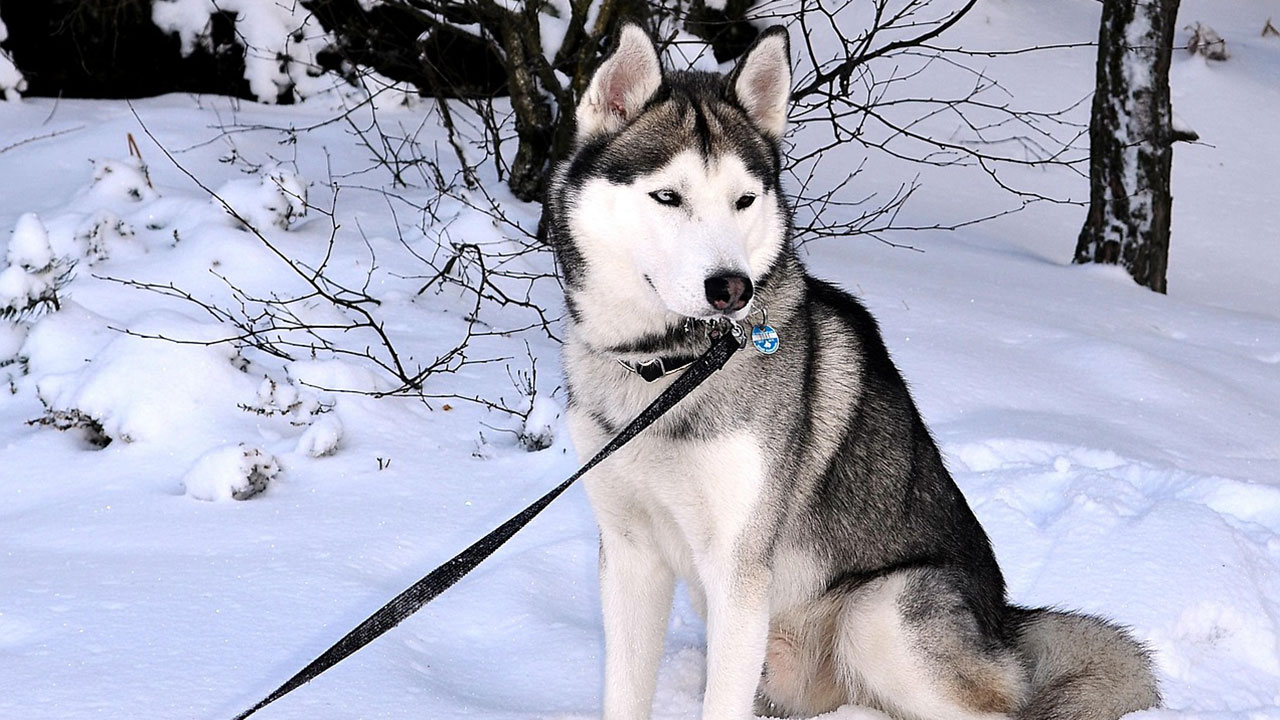
Huskies are independent, athletic, and built to move. A lot of them will happily run through a recall like it’s background noise once something triggers chase. It’s not that they’re “dumb.” It’s that the reward of chasing can outweigh your voice, your treats, and your best intentions if you haven’t built a training history that competes with it. The other problem is that Huskies often learn they can self-reward by running. If they’ve ever gotten loose and had fun doing it, you’re behind the curve. The fix is boring but effective: long-line work, fenced freedom only, and recall practice that starts easy and gradually adds distractions. If you want a Husky off-leash in unfenced areas, you’re basically signing up for a lifetime training project. Most people do better accepting leash life in prey-heavy zones and focusing on controlled outlets like running, pulling, and structured play.
Alaskan Malamute
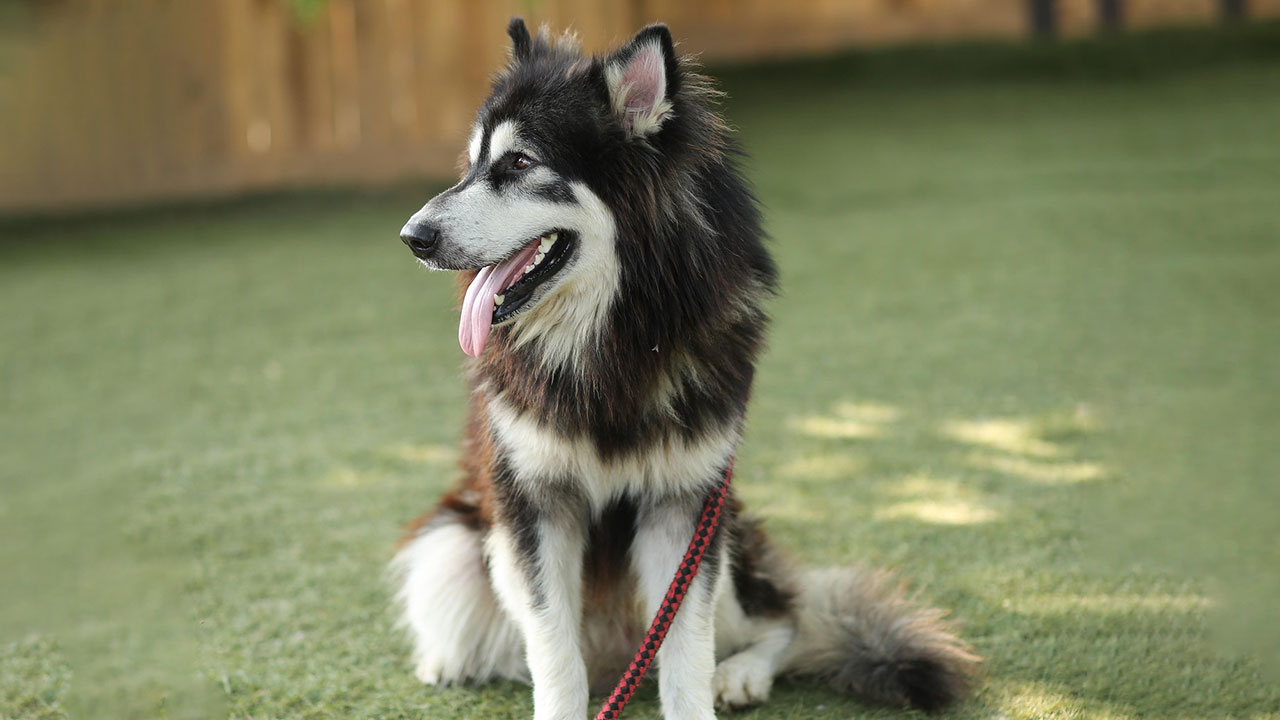
Malamutes are powerful and confident, and when they decide to chase, you’re not “calling them back” with hope and vibes. They’re also less people-pleasing than a lot of breeds, which means recall training has to be consistent and worth it to them. The prey drive varies by individual, but the big common thread is independence. If a Malamute gets momentum, you can’t physically “catch up,” and that’s where people get into trouble. Management is the name of the game: secure fencing, a leash or long line, and recall practice that’s drilled when nothing exciting is happening so it holds up when something does. If you live rural and you’ve got critters around, you also need to train a hard stop (sit/down) at distance and reward it like crazy—because sometimes “come” won’t happen fast enough, but “down” can.
Beagle
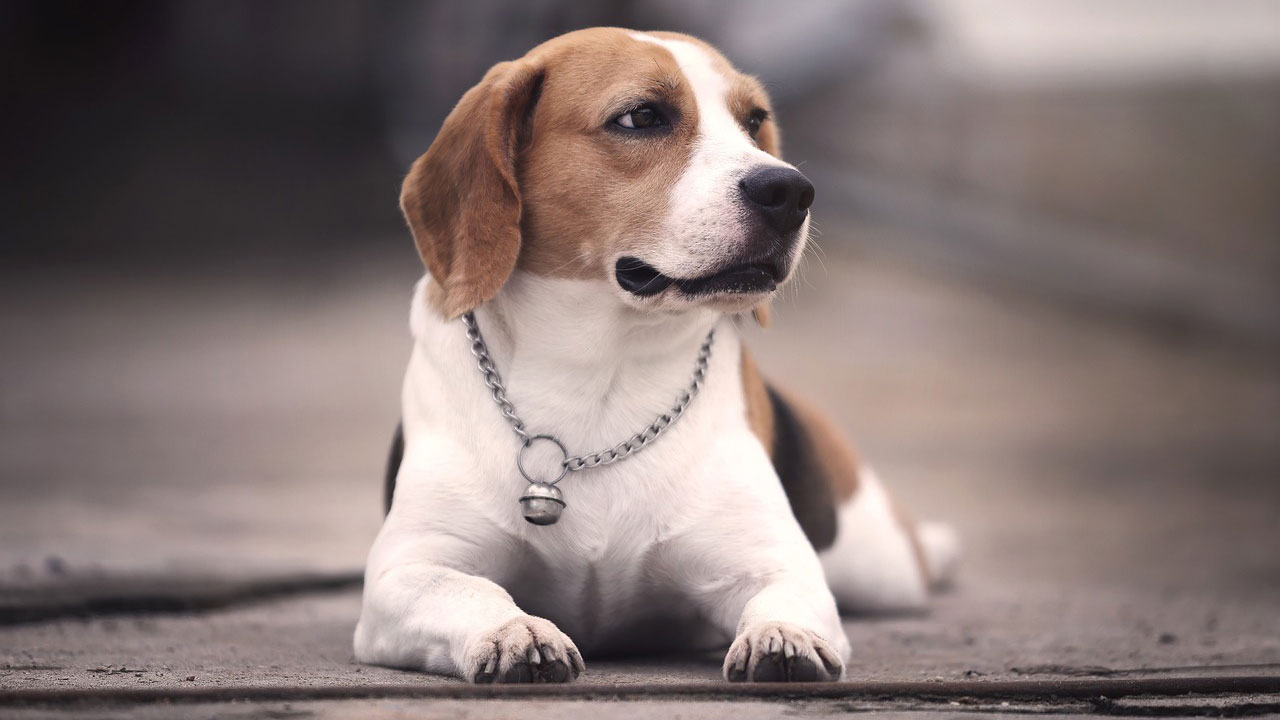
Beagles aren’t ignoring you because they hate you. They’re ignoring you because their nose is basically a steering wheel. Once a Beagle is on a hot scent line, recall often turns into “I’ll get to you after I solve this mystery.” And if they see a rabbit or a squirrel, that chase is self-rewarding in a big way. The classic Beagle story is the dog that slips out and goes on a solo hunt while you jog behind yelling their name like it matters. The fix is serious long-line work and a mindset shift: your Beagle can have freedom, but it should be controlled freedom. Practice recall on a long line, reward fast returns hard, and don’t give off-leash privileges until the dog has proven it with real distractions. Also: teach a “check-in” habit. You want that dog looking back to you regularly, not disappearing into the brush on autopilot.
Treeing Walker Coonhound

Coonhounds are designed to leave you, follow scent, and stay on it. That’s the job. So if you buy one as a pet and expect off-leash recall around wildlife, you’re going to have a bad time. A Treeing Walker can cover ground fast, and once the hunt drive is activated, your voice gets filtered out. A lot of owners make it worse by only calling the dog when it’s time to end the fun. The dog learns: recall equals “party is over.” You fix that by making recall pay, even during play. Call the dog, reward, and release back to the fun sometimes. But even with training, management stays important. Leash up near roads and heavy wildlife areas, use GPS collars if you live rural, and give them a job outlet—scent games, tracking, and structured runs—so they’re not creating their own hunt every time they get bored.
Bluetick Coonhound
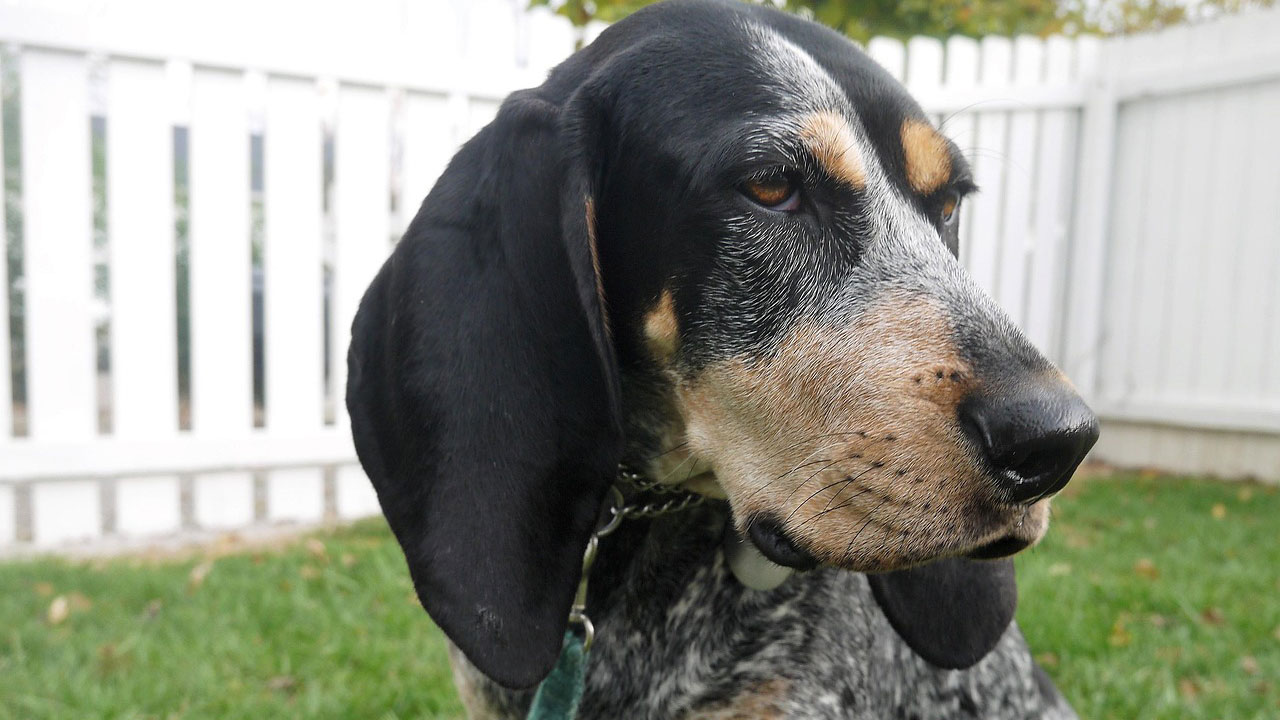
Blueticks have that same “nose first, brain second” style once they’re on scent, and they’re built to be persistent. Recall can be great in a calm environment and completely vanish the second they strike a trail. People get fooled because a Bluetick can be sweet and chill at home, then turn into a single-minded tracker outside. If you want a Bluetick to come back reliably, you have to train recall as a conditioned response, not a suggestion. That means hundreds of reps, building up distractions slowly, and never letting the dog practice blowing you off. Long line, consistent rewards, and a recall cue you protect like it’s valuable (don’t spam it when you can’t enforce it). Also, accept reality: some dogs can be managed into good off-leash behavior in certain places, but most Blueticks are safer and happier when their freedom is structured.
Plott Hound

Plotts can be intense, gritty, and extremely focused once prey drive turns on. They’re the kind of dog that can ignore the world because the world isn’t the mission. Recall training can work, but you’re not going to “good vibes” your way into success with a Plott. The best approach is a layered system: a strong recall cue, a strong emergency stop cue, and a lot of long-line practice around mild distractions before you ever test it around real ones. People also underestimate the importance of daily outlets. A bored Plott will go looking for something to chase. Give them structured scent work and exercise so they’re not constantly hunting for stimulation. And if you’re in an area with livestock, deer, or small game everywhere, don’t treat off-leash time like a right. Treat it like something that has to be earned every season, because one good chase can undo a lot of training.
German Shorthaired Pointer
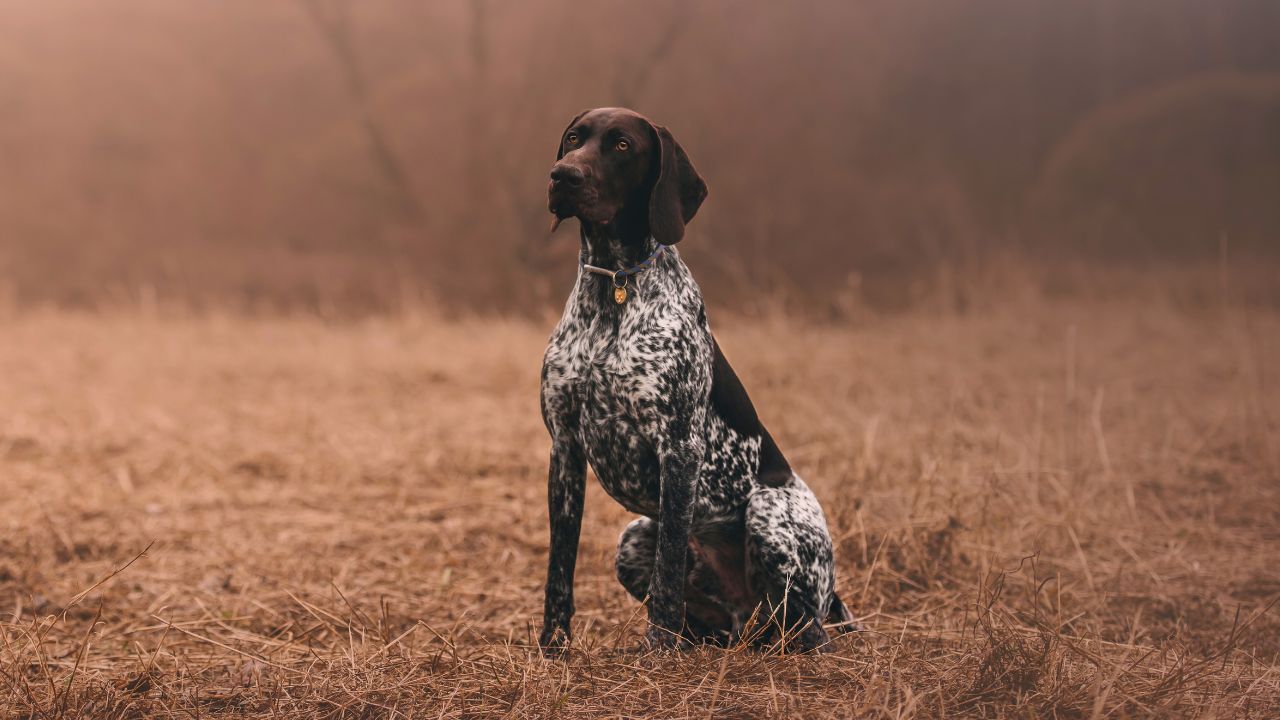
A GSP is basically a missile with opinions once birds or rabbits get moving. Many of them have strong recall potential because they’re handler-oriented, but prey drive can still override it if you haven’t trained under real conditions. The big trap is thinking “he comes in the yard, so he’s fine.” Then you get to a field, a pheasant flushes, and you’re suddenly not part of the plan. The fix is structured field recall training: long line at first, then controlled off-leash in low-risk areas, and recall drills when the dog is already excited, not only when it’s calm. If you hunt with your GSP, use that to your advantage—build recall into the routine instead of letting the dog free-run until you’re frustrated. A well-trained GSP can be one of the better breeds on this list for recall, but only if you treat it like a performance skill.
Brittany
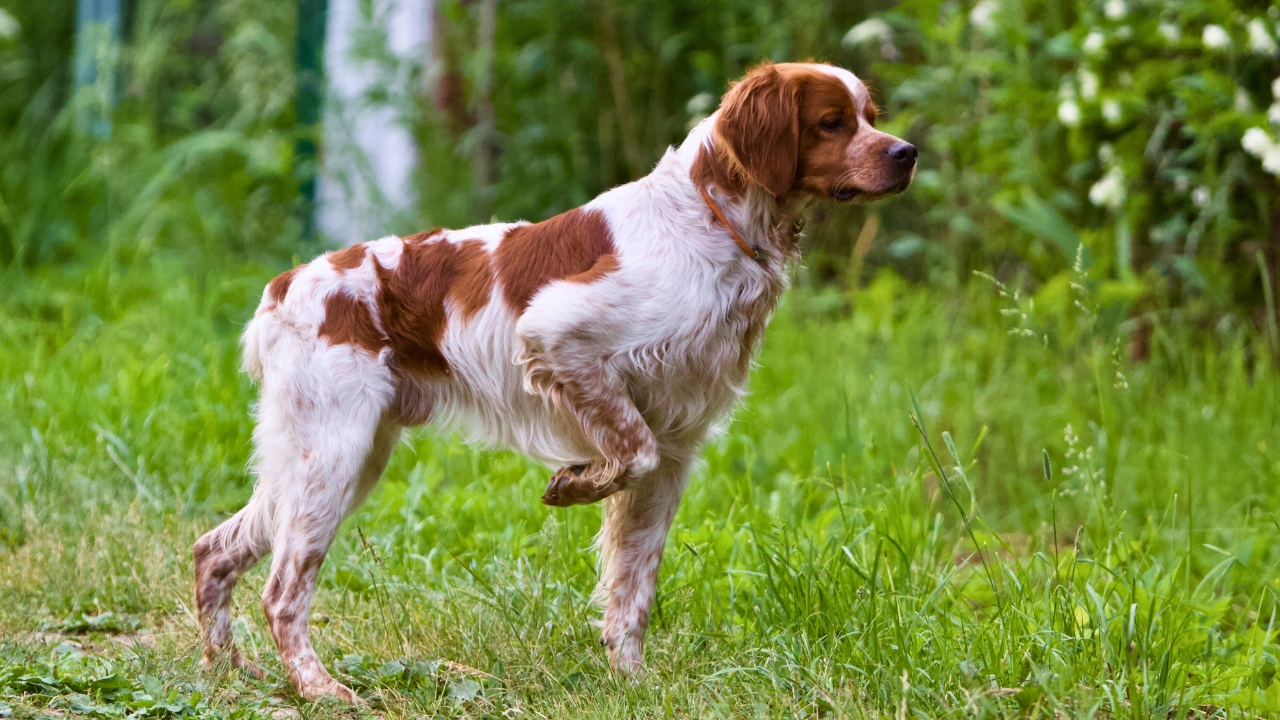
Brittanys can be very responsive, but they’re still bird dogs with prey drive and speed. When something flushes, they can switch into chase mode fast. Owners get caught because Brittanys are often sweet and biddable at home, so they assume recall will translate everywhere. It doesn’t unless you train it that way. What helps most is making recall a game and practicing it in phases: quiet yard, then mild distractions, then fields, then actual wildlife exposure with a long line. A Brittany that learns “come” equals great rewards and sometimes gets released back to exploring will take you more seriously. Another thing: don’t rely on constant calling. Teach the dog to check in on its own and reward that check-in. That’s how you get a dog that stays connected instead of only remembering you exist when you’re mad.
English Setter

Setters can be dreamy, soft, and affectionate—and then a bird pops up and they’re gone. A lot of Setters have that classic “wide running” style that looks beautiful in the field but can make recall a headache if you’re not on top of it. They’re not always trying to escape; they’re just built to range. If you want recall reliability, you need reps in environments where the dog wants to range but you can still enforce the cue. Long lines in open areas, recall drills when the dog is moving, and a consistent reward system matter. Also, build a strong “turn” cue—something that means “change direction with me.” That’s often more practical than trying to call a dog all the way back constantly. With Setters, recall success is usually about keeping the dog mentally connected, not trying to overpower prey drive with yelling.
Jack Russell Terrier
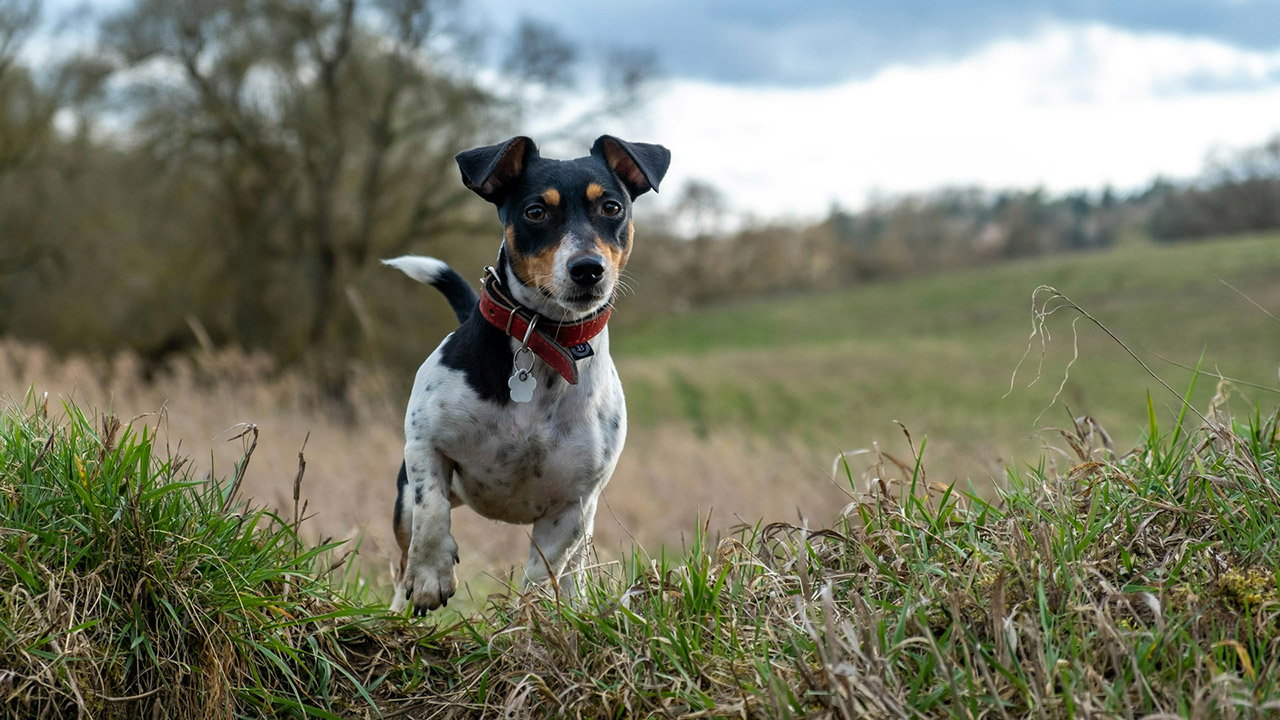
Small dog, big predator brain. Jack Russells were built to chase and kill vermin, and a lot of them still act like it. When a squirrel bolts, recall often gets ignored because the chase is the reward. The other issue is that Jack Russells are clever and stubborn, so if they learn they can ignore you and still have fun, they’ll keep doing it. The fix is strict management early: long line, fenced time, and recall training that’s fast and frequent. Don’t wait until the dog is in full chase to start teaching recall. Train it in controlled games—call off a toy, call off a low-level distraction, reward, repeat. Also teach impulse control: “leave it” and “stay” aren’t optional with a prey-driven terrier. A well-trained JRT can be awesome off-leash in the right place, but most of them need structure or they’ll pick a target and go.
Rhodesian Ridgeback
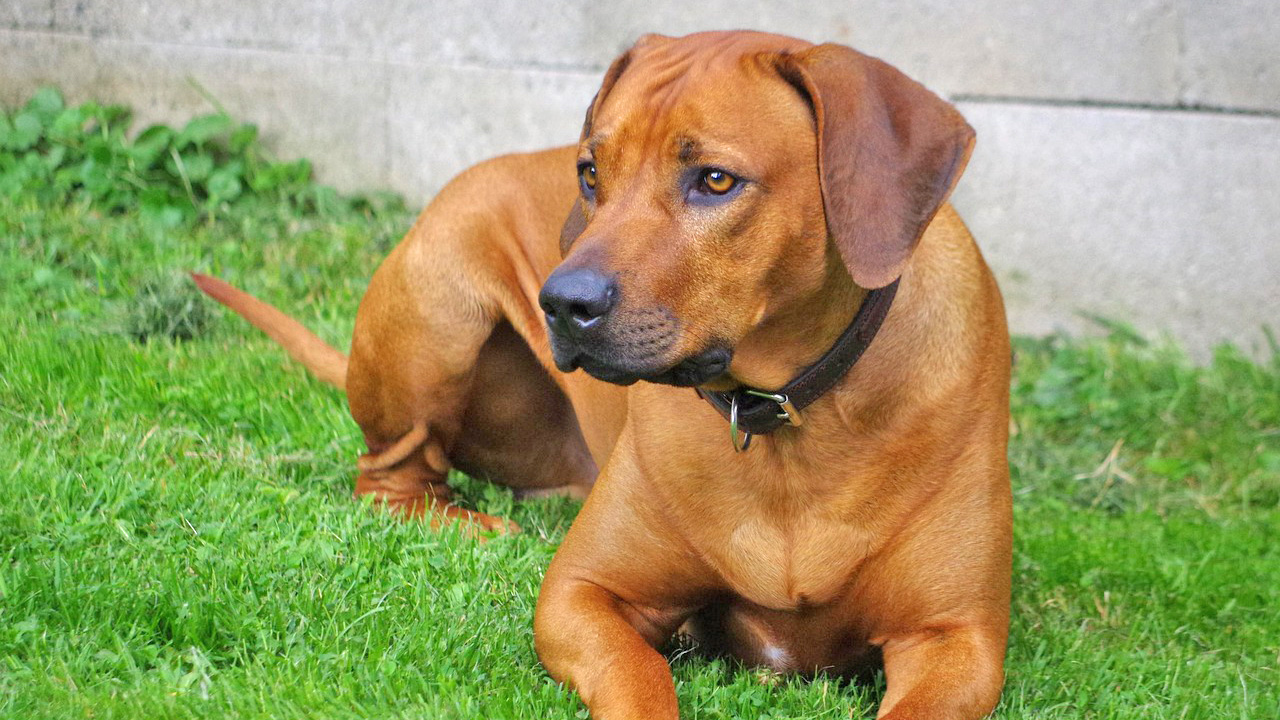
Ridgebacks can have a strong chase instinct and a strong independent streak. When prey shows up, some Ridgebacks go into “I’ve got this” mode and recall becomes optional. Because they’re big and fast, that can get dangerous quickly around roads or livestock. The mistake people make is assuming a Ridgeback will be naturally obedient. Many aren’t. They’re smart and capable, but they’re not always eager to comply without a reason. Training needs to be consistent, calm, and built around high-value rewards and clear boundaries. Long line work is huge here, and so is teaching a rock-solid “stop” cue. If your dog is already moving away, “stop” can be safer than “come” in the moment. Ridgebacks are also the type that need exercise and mental engagement, or they’ll go looking for their own entertainment—often in the form of chasing something that moves.
Border Collie
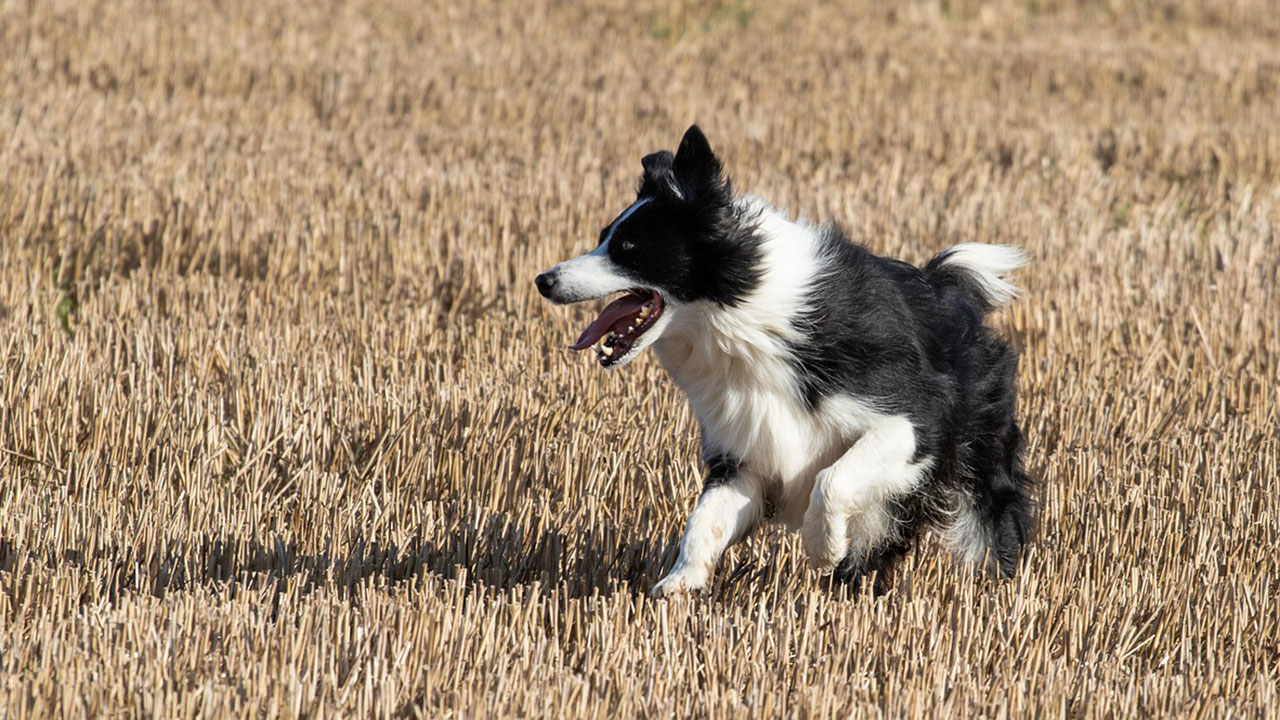
Border Collies aren’t always “prey drive” in the same way as hounds, but many have a strong chase-and-control instinct that looks similar. Bikes, squirrels, deer, cats—anything moving can trigger that herding brain. When it hits, recall can fail because the dog feels like it’s doing its job. The bigger issue is that Border Collies can become obsessive: once they start chasing, they can lock in hard. The fix is teaching disengagement early. Reward the dog for breaking focus, for looking back at you, for choosing you over the moving target. Build a strong “leave it” and a strong recall, and practice it when the dog is mildly triggered, not only when it’s calm. Also, don’t let the dog rehearse bad habits. Every successful chase makes the next one easier to choose. Border Collies are highly trainable, but they’ll also outsmart sloppy training fast.
Australian Cattle Dog

Heelers are intense, fast, and wired to react to movement. That’s why they’re so good at herding and why they can be such a pain when prey shows up. The chase can start as “I’m controlling that thing,” and then it becomes full pursuit. Recall can be strong with a Heeler if you train it, but the dog has to learn that you control the game, not the environment. What works: structured obedience, impulse-control games, and recall drills that include movement triggers—like someone rolling a ball or jogging past at a distance while you reward the dog for staying engaged with you. Heelers also need a job outlet. If they’re bored, they’ll make movement their hobby. If you want them off-leash safely, keep it in low-risk areas and treat training like something you maintain, not something you “finish.”
Belgian Malinois
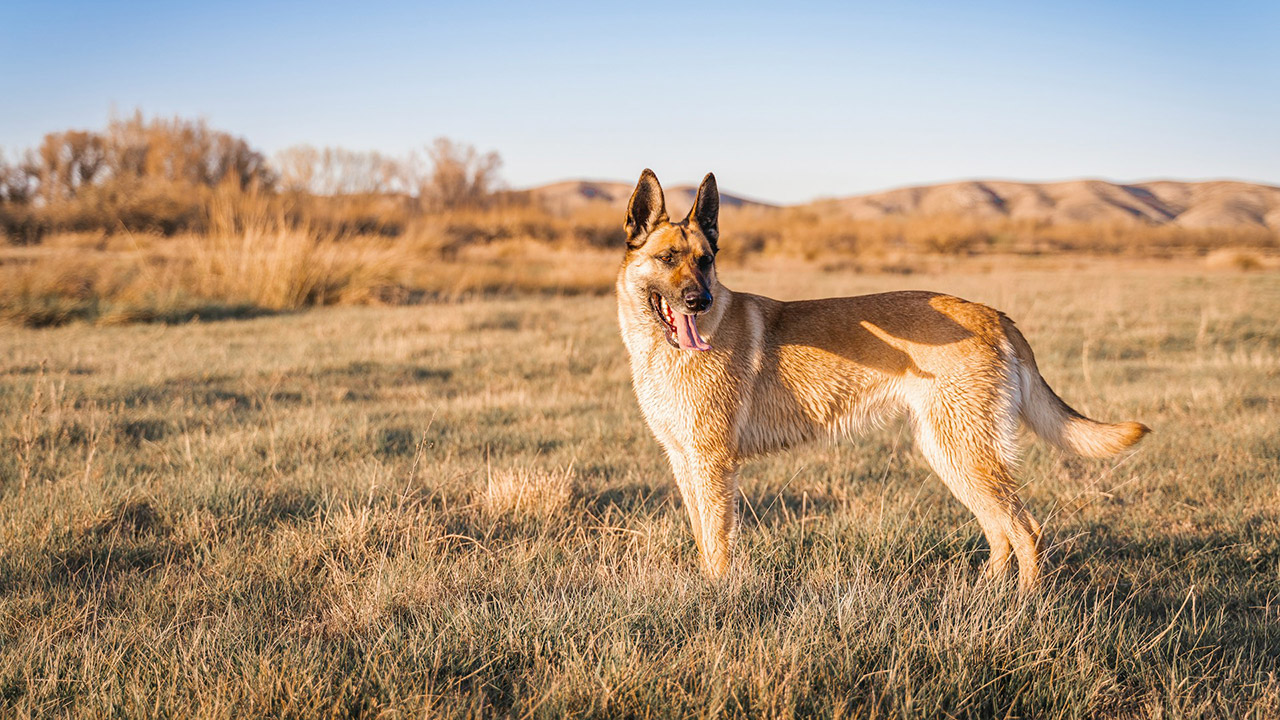
A Malinois with prey drive is a serious animal, and recall can collapse fast if the dog hasn’t been trained under pressure. These dogs are built to engage, chase, bite, and persist, and they’re smart enough to make their own decisions if you haven’t installed clear rules. The biggest problem is that Malinois are often owned by people who love the idea of a high-performance dog but don’t have the time or structure to train one. If a Mal gets into chase mode, you need more than a casual recall cue. You need a conditioned response, an emergency stop, and a training plan that includes distractions on purpose. Most Mal owners who succeed are doing daily training, not occasional practice. If you aren’t ready for that, you manage the environment: leashes, fenced spaces, and controlled outlets like sport training, tracking, and structured work.
Saluki

Salukis are sighthounds. They’re literally designed to spot prey, explode into pursuit, and ignore everything else. Recall with a sighthound can be decent in a controlled setting and still fail hard when something runs. This is one of those breeds where you have to be honest: off-leash freedom in unfenced areas is risky, period. If you’ve got open country and no roads and you’ve built a ton of training reps, you can get away with more. But most people live around roads, other dogs, and wildlife, and that’s where sighthounds get killed. A Saluki chasing a rabbit doesn’t care about your voice; it cares about the rabbit. The best approach is management and safe outlets—secure fenced runs, lure coursing, and controlled exercise. You can still train recall and it helps, but you don’t build your safety plan on it.
Like The Avid Outdoorsman’s content? Subscribe to our newsletter so you never miss an article.
Here’s more from us: