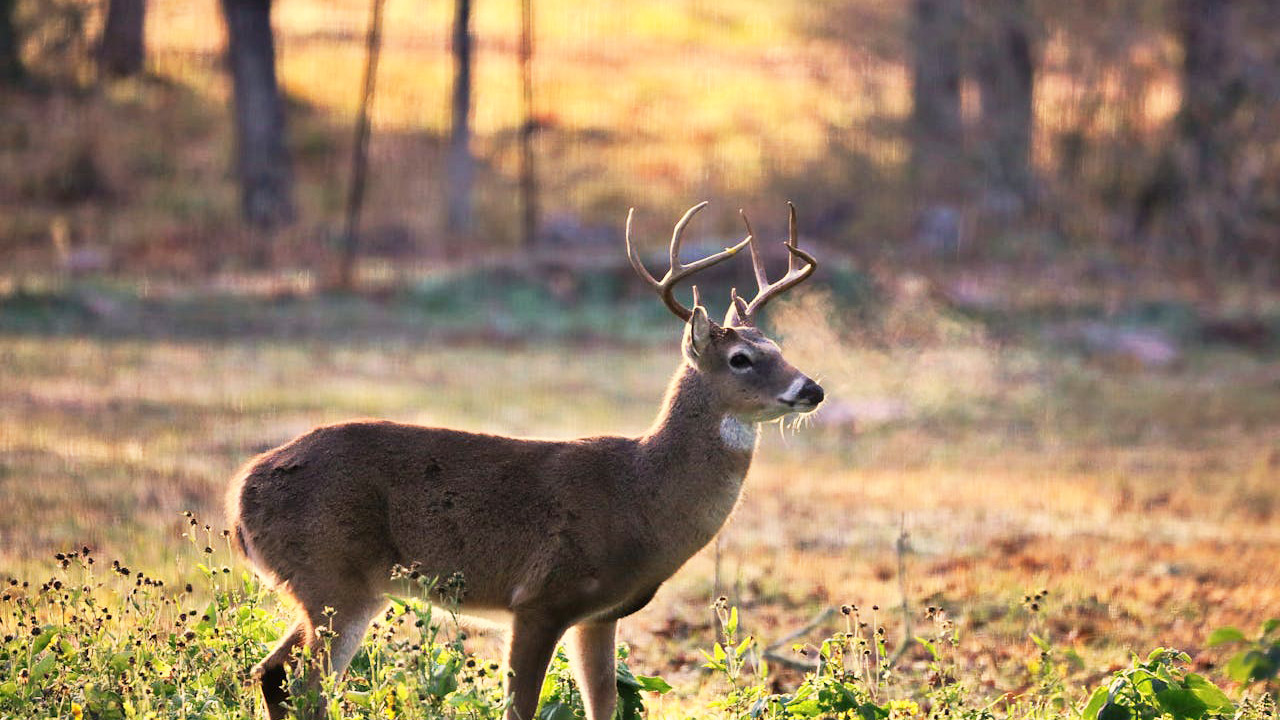
Photo credit: Janice Carriger/Pexels.com
Deer disease talk isn’t “internet panic” anymore. It’s showing up in real ways: new counties getting added to CWD zones, agencies expanding surveillance, local die-offs from hemorrhagic disease, and rule changes like baiting/feeding bans or harvest adjustments. Chronic wasting disease (CWD) in particular keeps expanding—CDC’s county-level tracking shows it’s been reported across 36 states and hundreds of counties as of 2025.
Below are 15 states where the concern level is rising for very specific, documented reasons.
Wisconsin

Wisconsin’s CWD footprint keeps creeping, and that always ramps up concern because it changes how people hunt (and how they move deer). In early January 2026, officials confirmed the first CWD detection in Clark County, which triggered an extension of a local deer baiting and feeding ban. That’s the kind of “new dot on the map” that makes hunters pay attention, because it signals spread into areas that didn’t have it before.
When a new county gets added, you usually see the same ripple effects: more testing, more questions about carcass movement, and a whole lot more “where was that deer taken?” talk at processors. If you hunt Wisconsin, this is a state where it’s smart to treat testing as normal—not optional—especially if you hunt anywhere near expanding zones.
Michigan
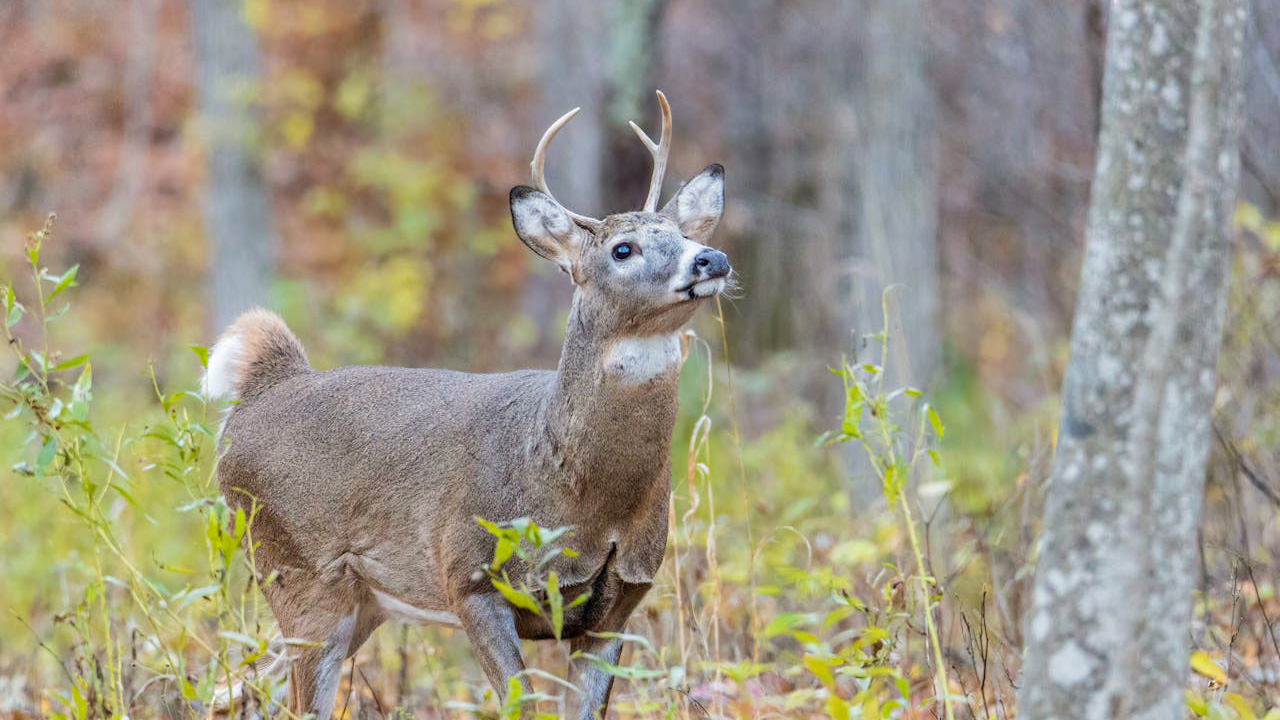
Michigan’s concern level is rising because CWD keeps popping up in places that weren’t previously on the “confirmed” list. In February 2026, Michigan DNR reported Gladwin County’s first CWD-positive wild deer, noting the county was under focused surveillance in prior years. First detections matter because they often change where agencies focus testing and what hunters should assume about local risk.
Michigan also deals with periodic EHD years, so hunters get hit from two angles: long-term slow spread (CWD) and sudden late-summer die-offs (EHD). The practical takeaway is simple: don’t ignore testing, don’t move whole carcasses carelessly, and pay attention to any local advisories tied to new positives.
Tennessee
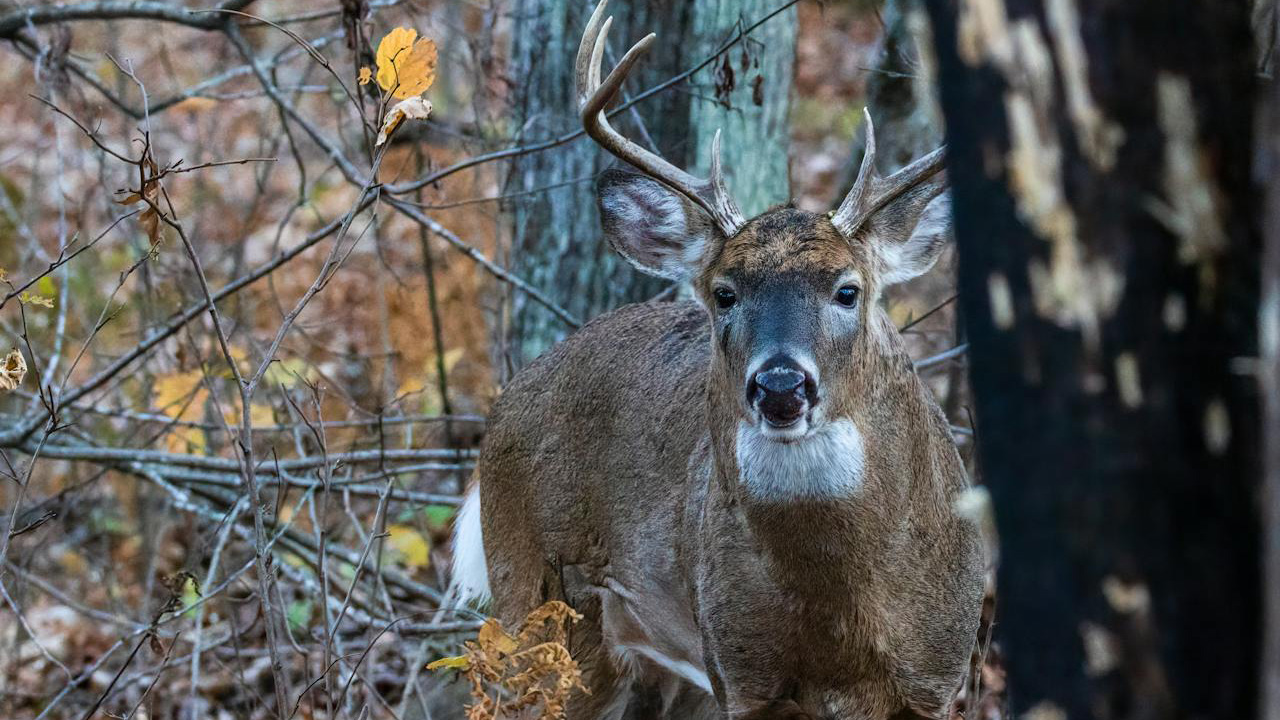
Tennessee is a classic example of “it’s not just in the usual zone anymore.” In late December 2025, TWRA announced first-time CWD positives in Dickson and Williamson counties—outside the established management zone footprint enough that it got everybody’s attention. When positives show up beyond the core area, concern spikes because hunters immediately wonder what else hasn’t been detected yet.
TWRA’s response was the expected one: more sampling and closer monitoring in the new counties. For Tennessee hunters, this is a reminder that “it’s a west TN problem” isn’t a safe assumption anymore. If you hunt multiple counties, keep tabs on what county you killed in, where you’re taking it to process, and what rules apply to moving parts.
Arkansas
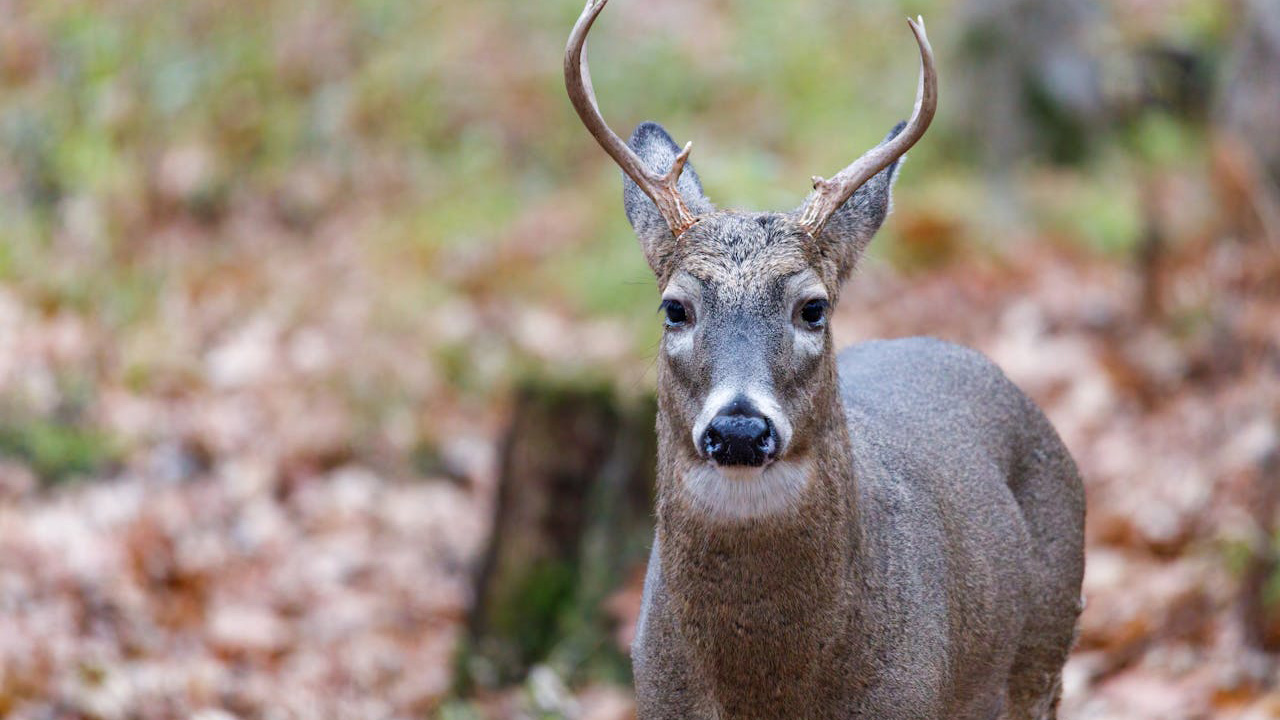
Arkansas keeps adding new dots, which is exactly how a disease becomes a statewide conversation. In December 2025, Arkansas Game and Fish confirmed CWD-positive deer in Grant and Sevier counties. When new counties pop, it usually comes with a hard push from the agency: test your deer, follow carcass disposal rules, and don’t do anything that spreads it faster than it already spreads on its own.
Arkansas has been tracking this for years, and the longer it’s present, the more management zones and surveillance expand. That’s why concern grows—because the “CWD map” doesn’t stay still. For hunters, the winning move is being disciplined: test, don’t cut corners on disposal, and don’t treat regulations like suggestions.
Idaho

Idaho’s concern has been climbing because detections are pushing into new hunting units. Idaho Fish and Game reported CWD detected for the first time in Unit 15 south of Grangeville (Dec. 30, 2025), noting it’s near existing detections and that detections have been increasing in nearby areas. That “near existing detections” line is the quiet part hunters should hear loud: this isn’t a one-off—it fits a spread pattern.
In western states where people travel across units and regions, unit-level first detections change behavior fast. Expect more emphasis on testing, and more scrutiny on moving carcasses. If you’re hunting Idaho and crossing zones/units, treat your processing and disposal plan as part of the hunt, not an afterthought.
Florida
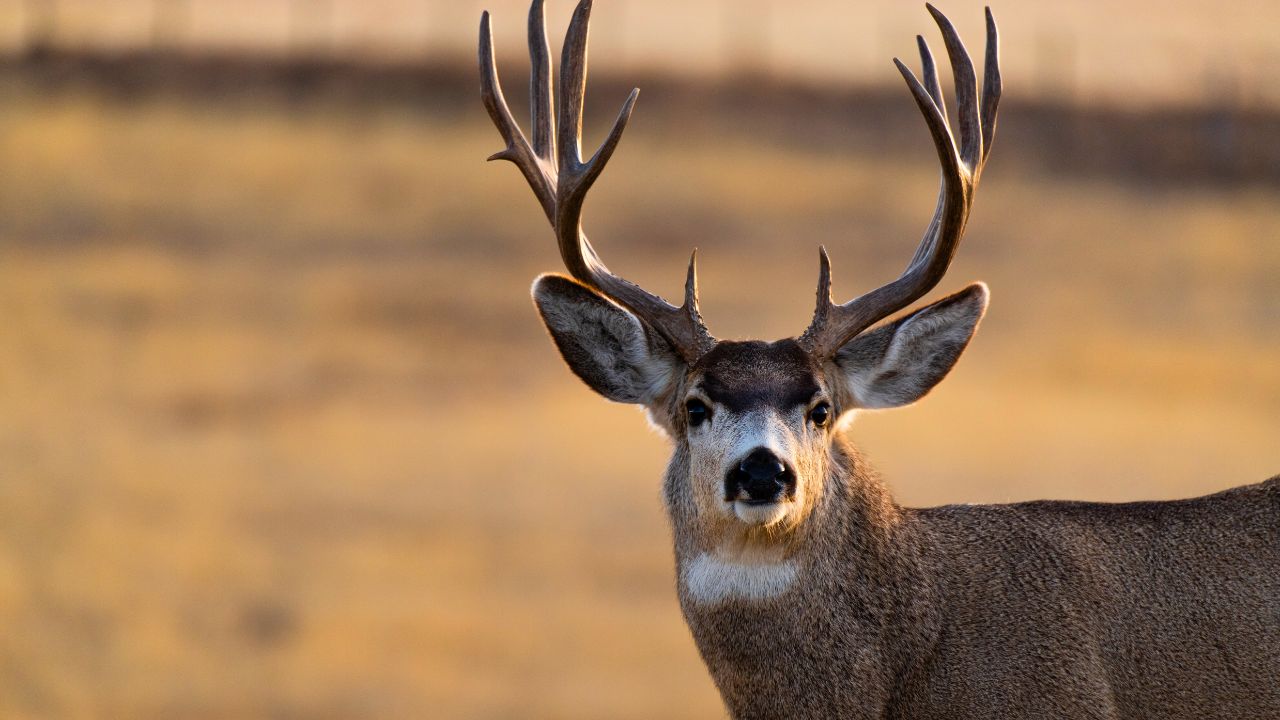
Florida is still early in the CWD timeline, which is exactly why the concern is loud: early detections are when agencies fight hardest to contain it. FWC confirms a second CWD case in Holmes County, and their FAQ even gives the details (a road-killed doe sampled Sept. 12, 2025; confirmed Oct. 2, 2025). Early-stage management usually means tighter surveillance, more testing, and clearer rules around what can be moved out of the area.
FWC also notes a key detail: Georgia’s first CWD cases were detected near the Florida border in early 2025. That regional proximity is part of why Florida hunters are taking it seriously—because this isn’t isolated to one state line.
Georgia

Georgia went from “watching nearby states” to “we’re in it now.” Georgia DNR confirmed the first positive CWD case in Georgia in January 2025. Once a state confirms its first case, the concern curve shoots up because every hunter asks the same question: “Where’s the next one going to show up?”
Georgia has pushed the basics hard: don’t move live deer, dispose of carcasses properly, and pay attention to management area guidance. For Georgia hunters, this is where disciplined habits matter—especially if you hunt near the initial detection area or move deer to processors across county lines.
Mississippi
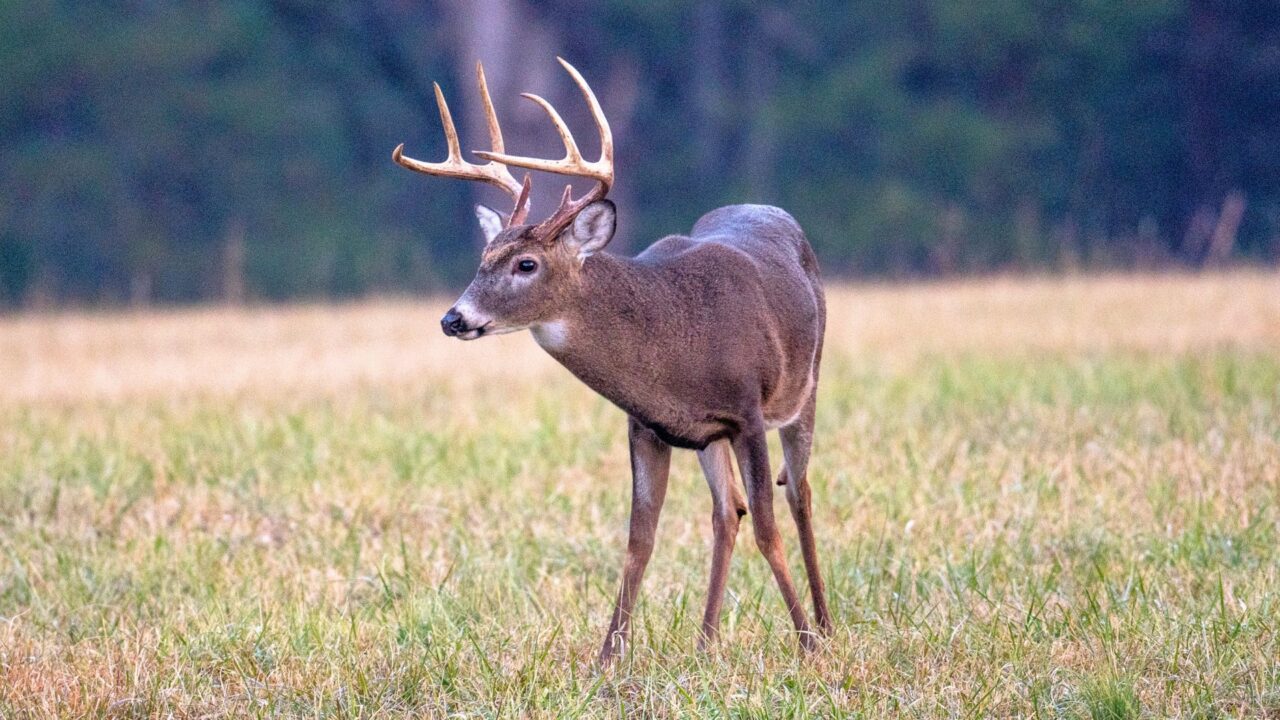
Mississippi’s concern isn’t hypothetical—it’s already spread enough to change the way people manage deer in multiple regions. Mississippi State Extension notes CWD has been detected in 18 Mississippi counties (as of Aug. 2025 reporting) and frames management as an ongoing effort tied to harvest strategies and disease control. That “18 counties” number is exactly why the worry grows: it’s not a single hot spot anymore.
In states where CWD becomes multi-county, the cultural shift is what you notice first. Testing becomes normal, carcass rules become routine, and hunters start paying attention to where they hunt the way they pay attention to wind direction. Mississippi is firmly in that phase.
Pennsylvania

Pennsylvania is a pressure state for deer hunting already, and adding disease management zones on top of that makes concern feel constant. The Pennsylvania Game Commission has been adjusting Disease Management Areas (DMAs) and announcing changes for seasons like 2024–25. They also provide detailed mapping resources for CWD status and surveillance efforts for 2025–26.
When DMAs expand or shift, it affects baiting/feeding rules, carcass movement, and what’s recommended (or required) for testing. In a high-participation state, even small rule changes ripple fast because so many hunters and processors are involved. If you hunt PA, treat DMA boundaries like you treat property lines—know them before you shoot.
Virginia

Virginia’s concern is rising because the state is producing bigger surveillance summaries and the numbers aren’t nothing. Virginia DWR’s CWD page summarizes the 2024–2025 season surveillance: 8,801 deer tested with 109 positives, and they note “new for 2025–2026” management updates tied to counties. When an agency is testing that many deer and reporting triple-digit positives, it’s not background noise anymore.
Virginia also sits in a region that periodically gets hammered by hemorrhagic disease in late summer, so hunters are watching both: slow-burn CWD management plus occasional EHD years that can drop local numbers quickly. The smart move in VA is staying plugged into DWR updates and not assuming your county is “fine” just because you haven’t personally seen a sick deer.
Maryland

Maryland’s growing concern lately has been tied heavily to hemorrhagic disease (EHD/HD), which can cause ugly, localized losses and a lot of “what’s happening to our deer?” conversations. Maryland DNR confirmed an EHD outbreak in September 2025 and said deer deaths were being reported across numerous counties.
Maryland also points out something hunters feel immediately: outbreaks can affect local populations and show up later in harvest numbers. In February 2026, Maryland DNR referenced EHD outbreaks as a factor that likely reduced local deer populations and may have contributed to lower harvests in certain areas. That’s why concern grows—because it’s not theoretical; it affects what you see (and don’t see) next season.
West Virginia
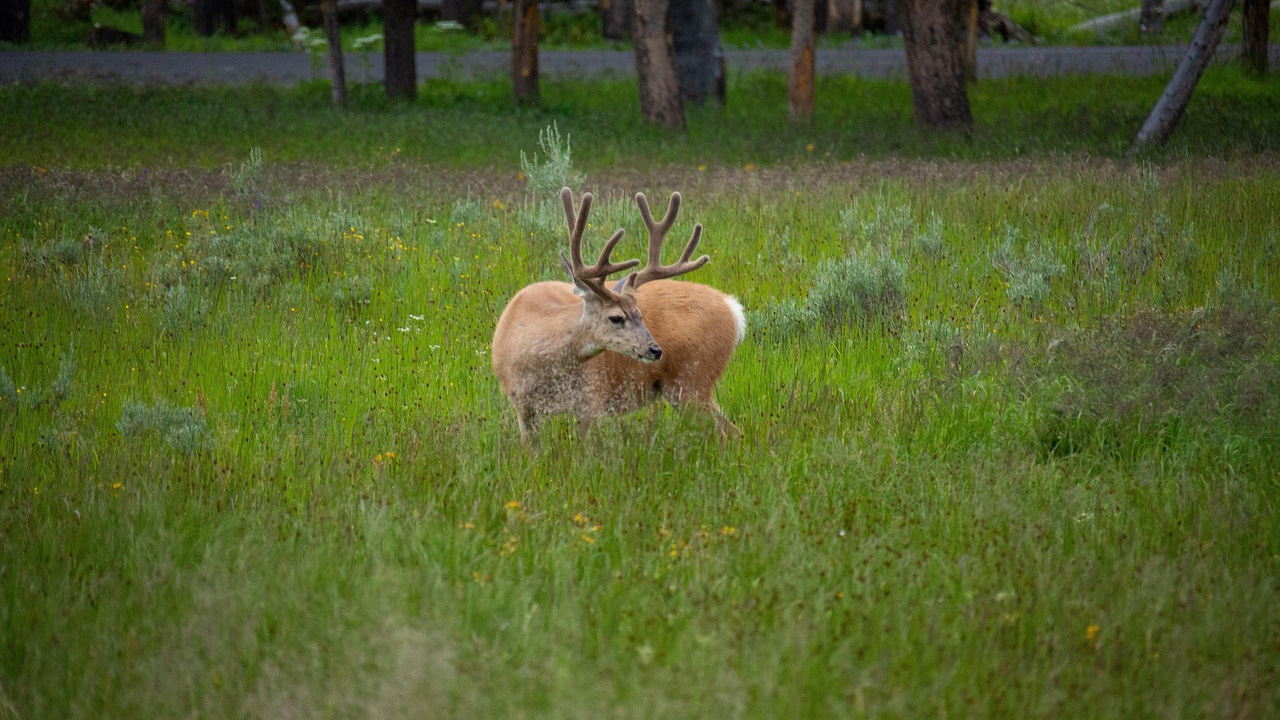
West Virginia’s concern has been loud because hemorrhagic disease reports got big enough to require public-facing county totals and updates. WVDNR published county-by-county numbers and showed hundreds of dead deer reports in some counties, with a statewide total listed in their reporting. When you’ve got that level of reported mortality, hunters notice immediately—less deer movement, fewer sightings, and a lot more dead deer near water.
WVDNR has also been actively communicating about monitoring and investigation during HD season. In practical terms, WV is a state where late-summer disease can shift local deer numbers fast, and hunters should treat “reporting sick/dead deer” as part of helping the agency understand what’s actually happening.
Ohio
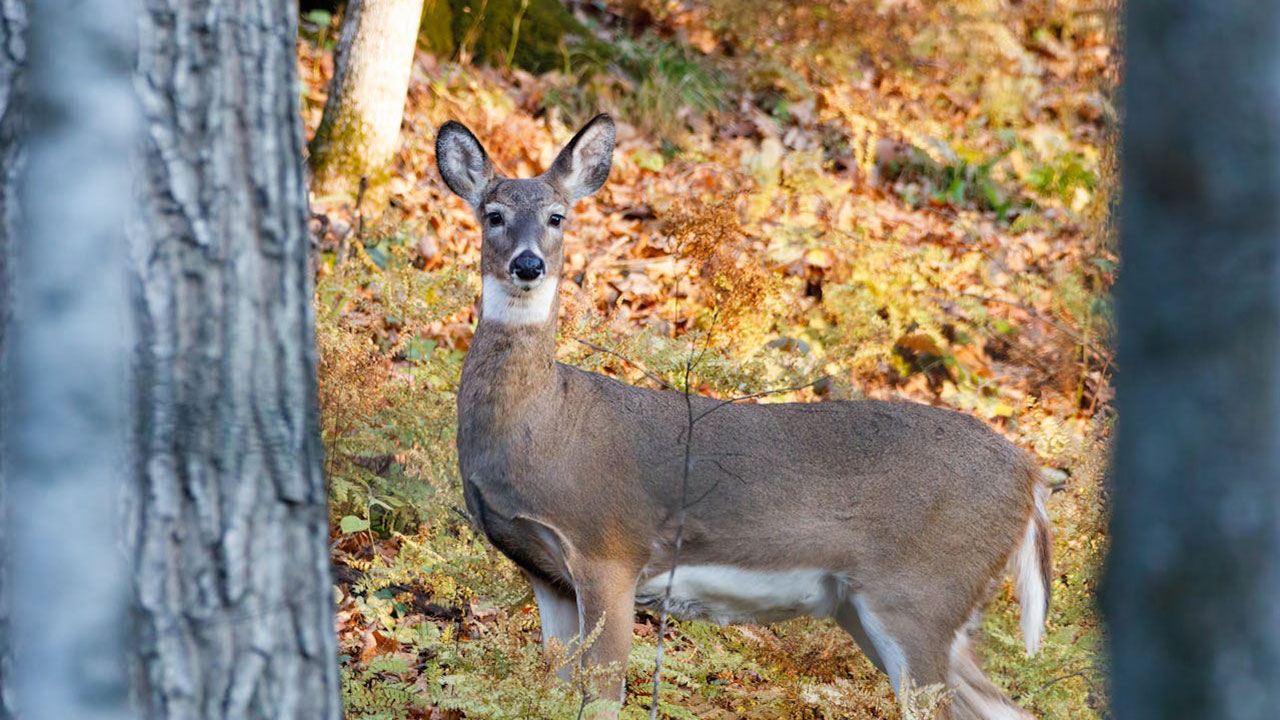
Ohio’s concern has climbed fast because ODNR flat-out tied harvest impacts to a major EHD outbreak. In December 2025, ODNR said deer harvest totals were lower than average in specific southeast counties as a result of an unprecedented outbreak. When a state uses the word “unprecedented” in an official hunting-season release, that’s not small talk.
Ohio has also been a hotspot in public discussion about EHD impacts in certain regions, and those outbreaks can create short-term local gaps even if statewide numbers recover later. For hunters, this means you need to think county-by-county, not “Ohio as a whole,” because EHD is notorious for being brutally local.
Indiana
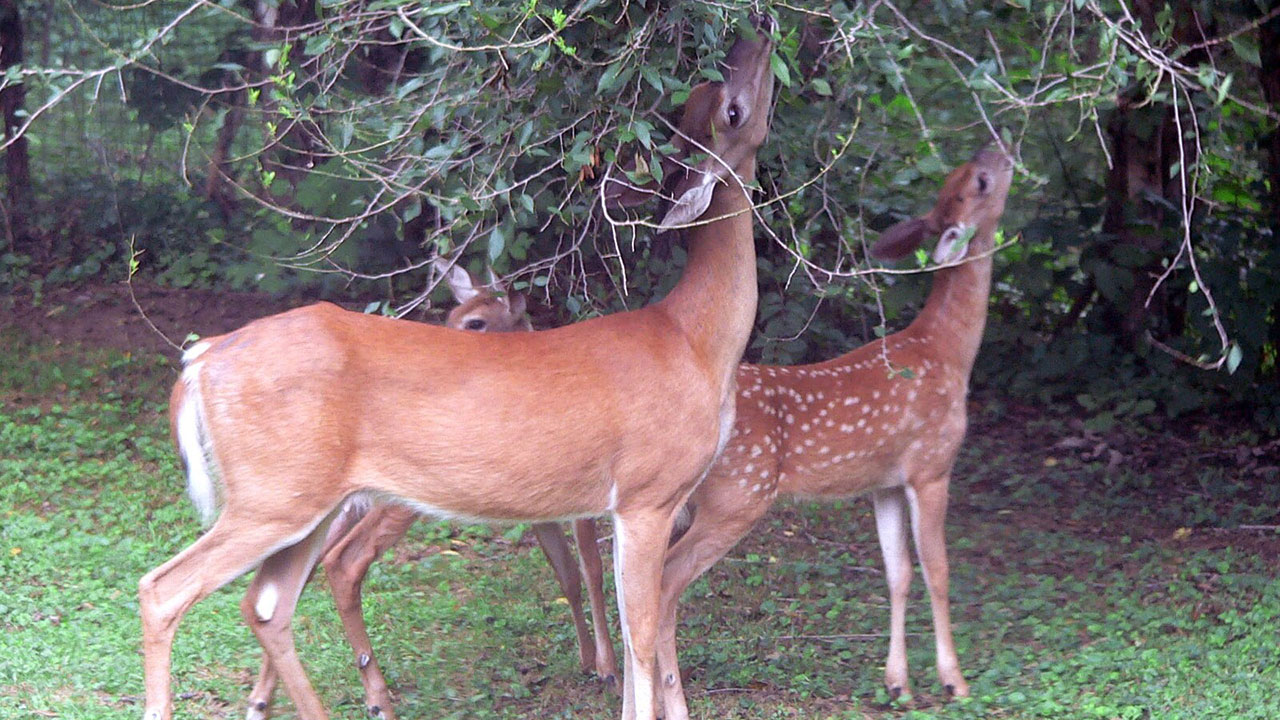
Indiana is on this list because they’ve had EHD events serious enough to affect regulations. Indiana DNR notes that as of late September 2025, a significant EHD event was affecting multiple counties—and they even adjusted antlerless bag limits in response. When harvest limits get tweaked due to disease, that’s a clear sign agencies see real population impact in those areas.
EHD years also tend to show hunters a harsh lesson: you can have a “good deer county” that suddenly feels empty in spots the following fall. Indiana’s approach—tracking it and adjusting limits—signals that concern is not just talk; it’s management.
Colorado

Colorado has lived with CWD for a long time, but concern keeps growing because management has to evolve as it persists. Colorado Parks & Wildlife emphasizes expanded testing as part of a long-term CWD response plan that rotates mandatory testing around the state to monitor prevalence. Long-term plans like that exist because CWD doesn’t go away—and because prevalence can change over time and space.
In other words: Colorado isn’t “new to CWD,” but the concern is ongoing because it’s a permanent management reality. If you hunt CO, the expectation is that testing, surveillance rotations, and unit-specific guidance are just part of the big-game landscape now.
Like The Avid Outdoorsman’s content? Subscribe to our newsletter so you never miss an article.
Here’s more from us: