Photo credit: KLAYCO47/Youtube
Everybody knows the feeling: you’re cleaning out the safe, trying to “simplify,” and you start talking yourself into letting a few go. Maybe it’s bills. Maybe it’s a new project gun. Maybe you just want space. Then a year later you realize the one you sold wasn’t just another firearm—it was a specific tool, from a specific era, that quietly did its job better than most of the shiny new stuff.
Not every gun is rare. Not every gun is a “collector.” But there are a bunch of common, real-world firearms that have gotten weirdly hard to replace. Prices jumped. Quality changed. Import pipelines shifted. A certain model got “updated” into something you don’t like as much. Here are 20 that catch folks off guard.
1. Pre-2007 Remington 700 (BDL/ADL)

I’m not saying every old 700 is perfect, but the older ones have a feel that’s hard to explain until you run the bolt a few hundred times. They tend to feed smooth, balance well, and they just point like a hunting rifle is supposed to point.
Replacing one sounds easy until you try. Newer production guns vary more, and the used market knows what the older ones are. If you had a plain .270 or .30-06 that always put a deer down and never gave you drama, you already owned the version people keep trying to “build” again.
2. Winchester Model 70 “pre-64”
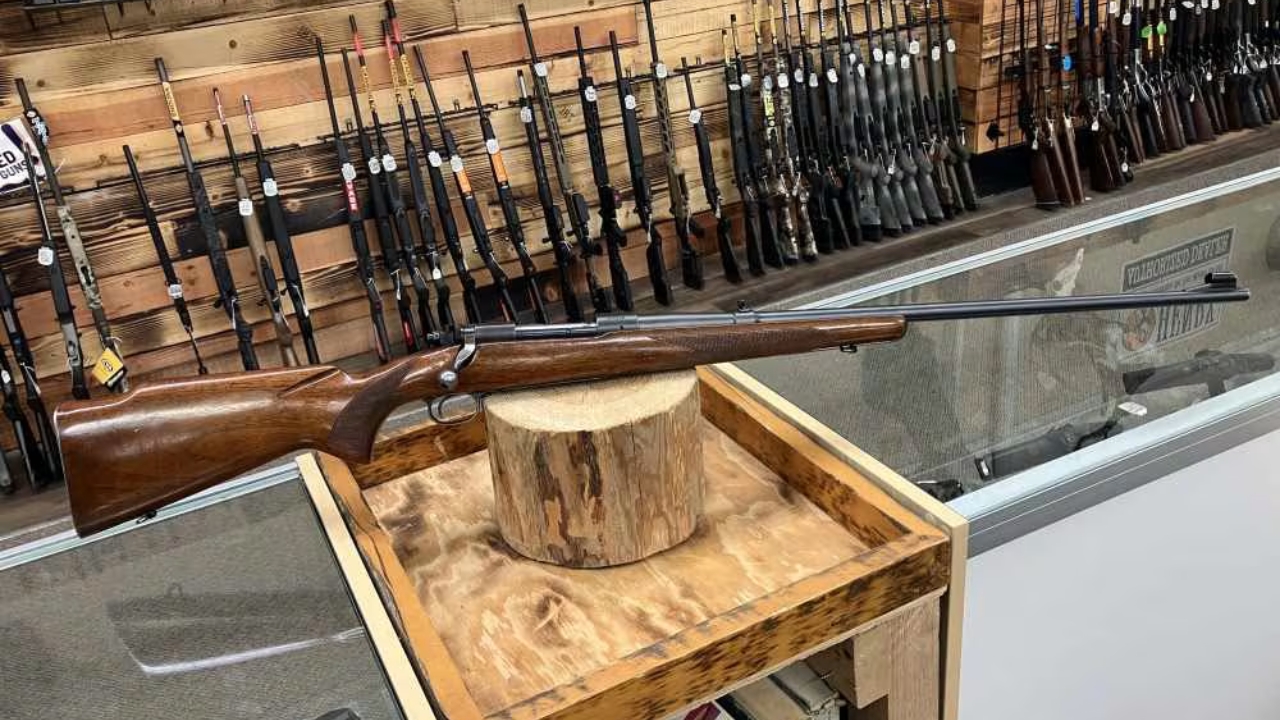
This is the classic case of “yeah, I know it’s old,” right up until you shoulder it in the woods. The controlled-round feed, the weight, the way the safety works—it all makes sense when it’s cold and you’re wearing gloves and you’re halfway up a ridge.
Folks sell them because they’re not tactical, they don’t take detachable mags, and the stock might have honest wear. Then they go shopping and realize the good ones aren’t sitting on every rack anymore, and the prices don’t care about your budget.
3. Ruger M77 Mark II (especially stainless)
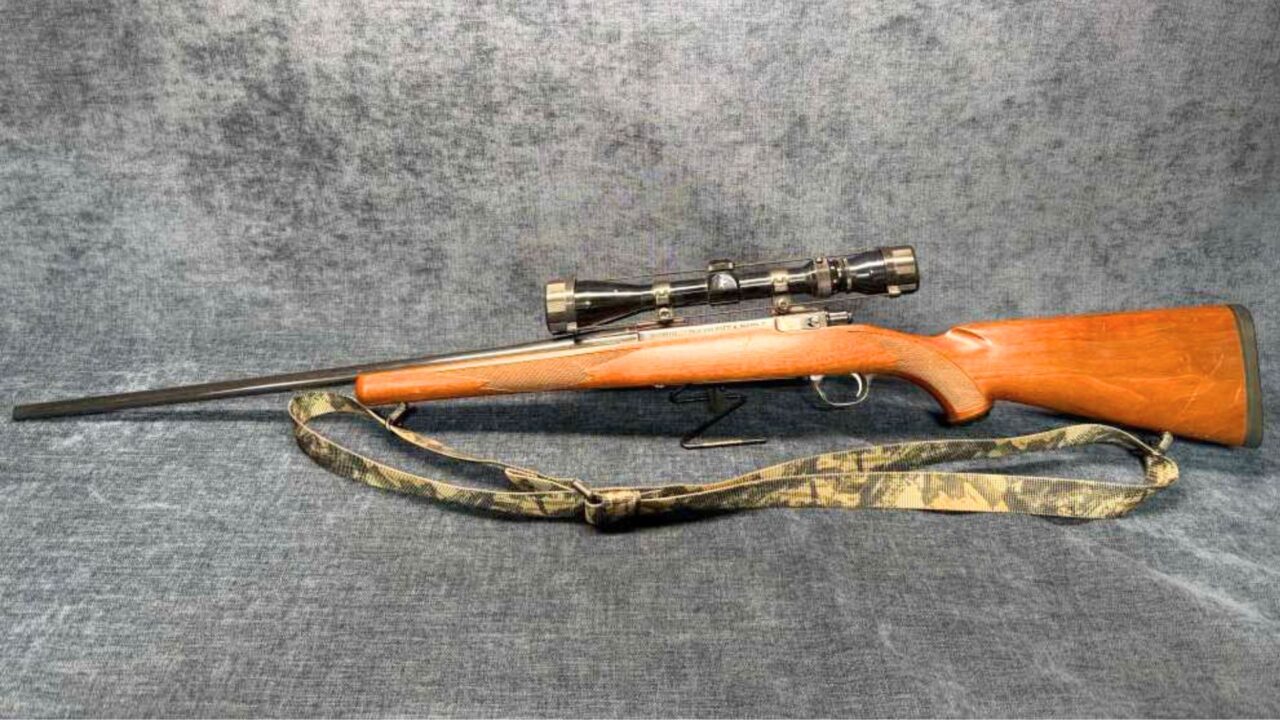
These rifles are not flashy. Some triggers were nothing to write home about, and they’re not the lightest option for mountain hunts. Still, the Mark II has a reputation for being boringly dependable.
In stainless with a synthetic stock, it’s the kind of rifle you can keep behind a truck seat, take in the rain, and not baby. Try replacing that exact combo today without climbing into a new price bracket or ending up with something that feels more delicate than you want.
4. Browning A-Bolt (original generation)
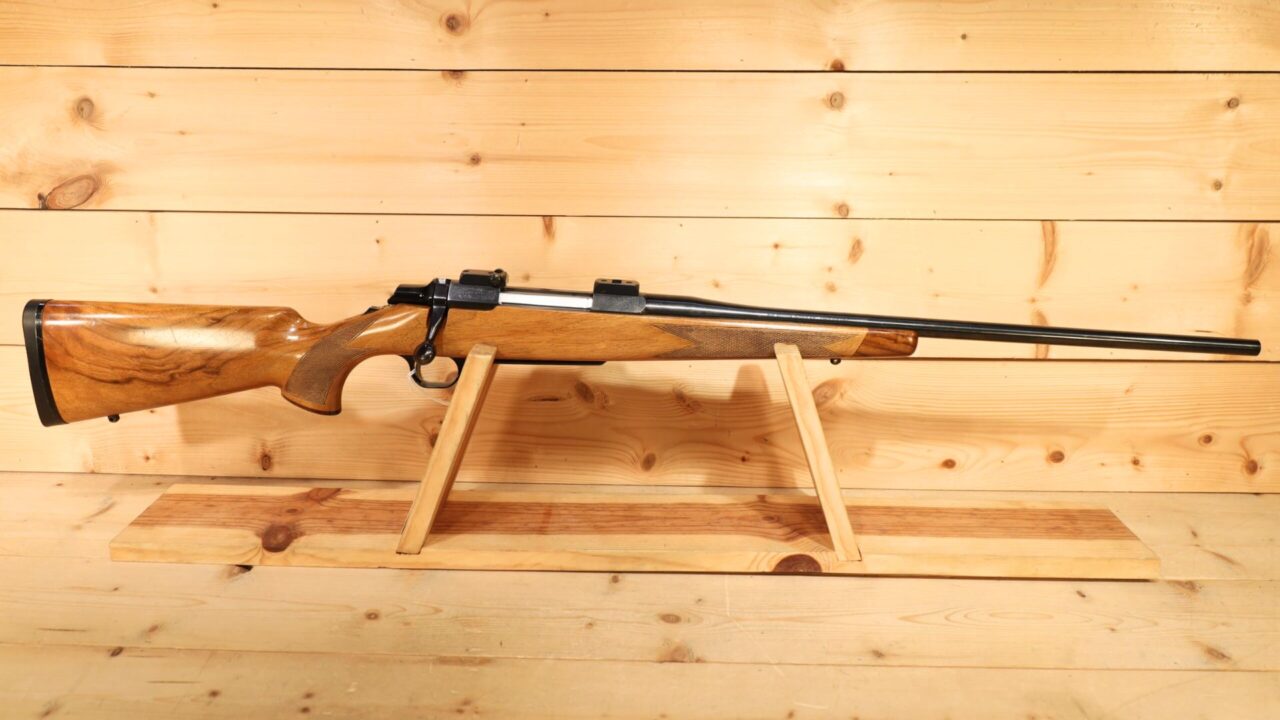
The A-Bolt carried well and handled quick. It’s a “walk-all-day” deer rifle that still feels trim even with a decent scope on top. The action is slick, and they tend to shoot better than they have any right to.
What surprises people is that Browning moved on. You can find A-Bolts, sure, but the clean, un-messed-with ones aren’t as common as they used to be, and they’re not getting cheaper.
5. Savage 110/111 “old flat-back” hunting rifles
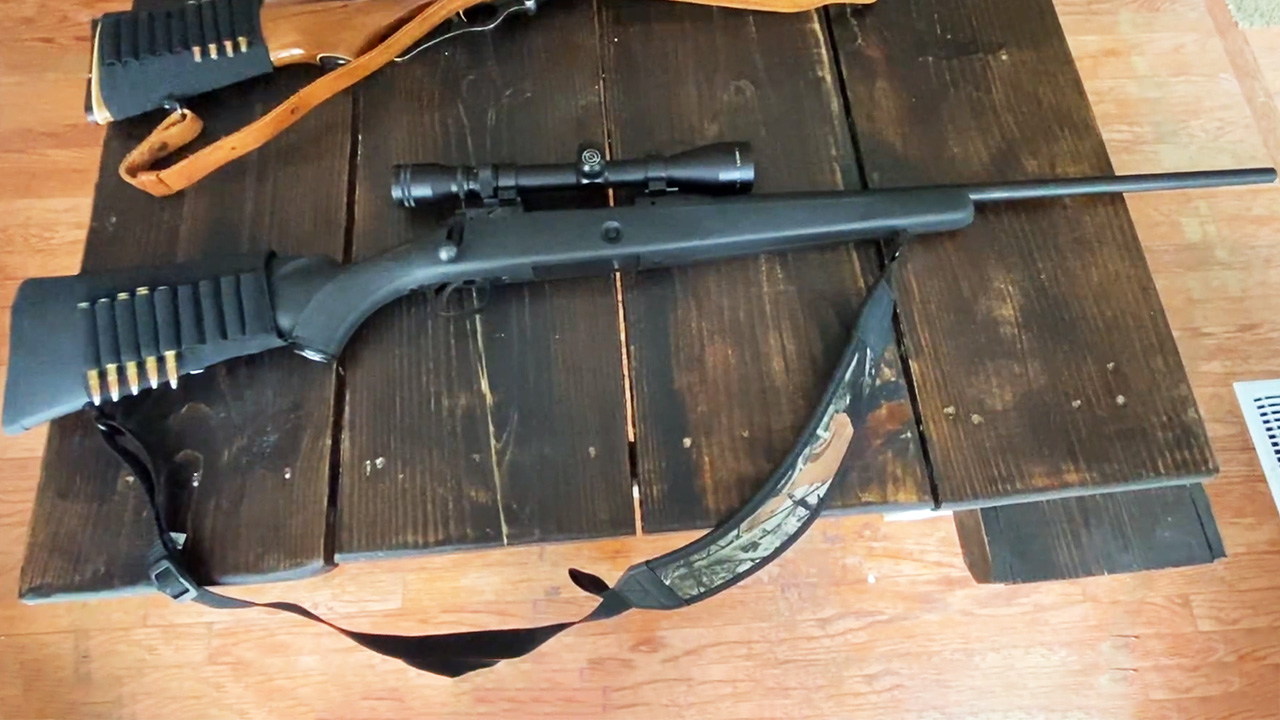
These are the rifles guys used to buy when they didn’t want to waste money. Ugly? Sometimes. Accurate? A whole lot of the time. And they’re easy to keep running.
When someone sells a good old 110 that already has a load it likes, they usually think they’ll “upgrade” later. Then they’re standing at the counter staring at price tags, realizing that a basic, dependable bolt gun is no longer a bargain category.
6. Marlin 336 (North Haven-era)
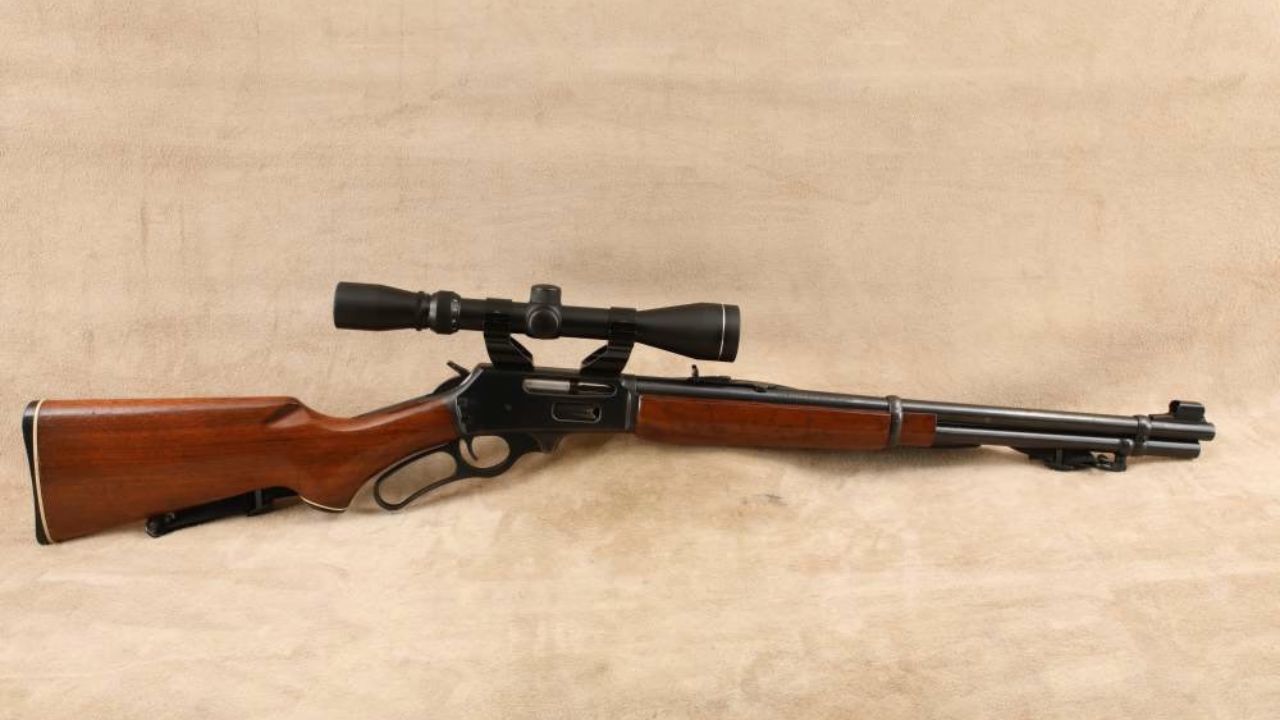
A good 336 is a woods rifle you can live with. It rides in the hand right, doesn’t hang up in brush, and cycles with that solid lever-gun feel that makes you want to run it just because it’s fun.
The newer ones are improving, but the older “JM” rifles are still what most folks want. If you let a clean .30-30 go because it felt old-fashioned, you probably learned how modern “availability” works the hard way.
7. Marlin 1894 in .357 Magnum (older production)
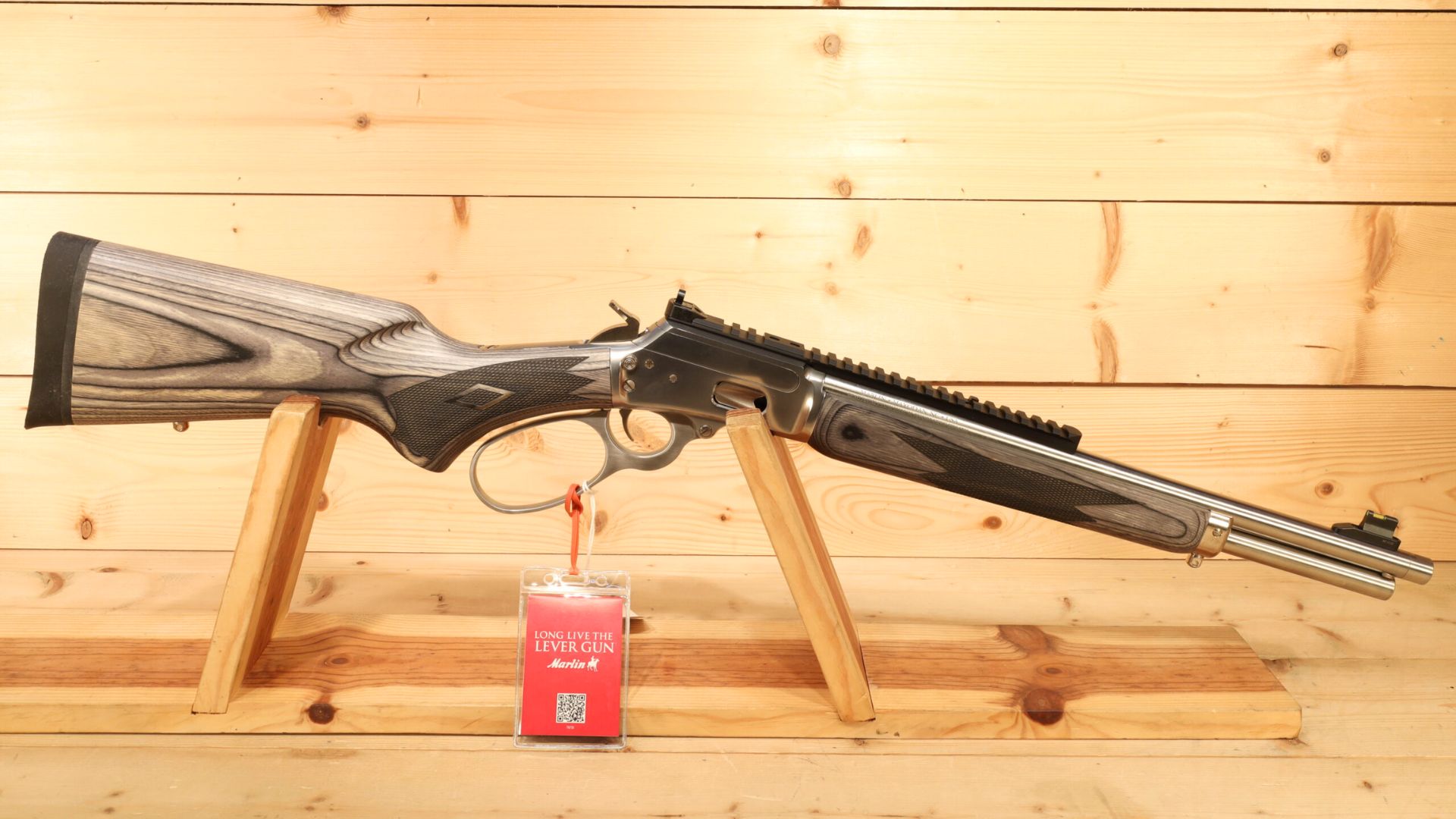
This one hurts when it’s gone. A .357 lever gun is useful in ways people don’t appreciate until they own one—cheap-ish practice with .38s, serious punch with .357, and it handles like it’s part of you.
They’ve become a darling for good reason, and the used market acts like it. If you had one that fed everything and didn’t need work, that’s the kind you don’t sell unless you absolutely have to.
8. Winchester Model 94 (pre-safety, pre-angle-eject debates)
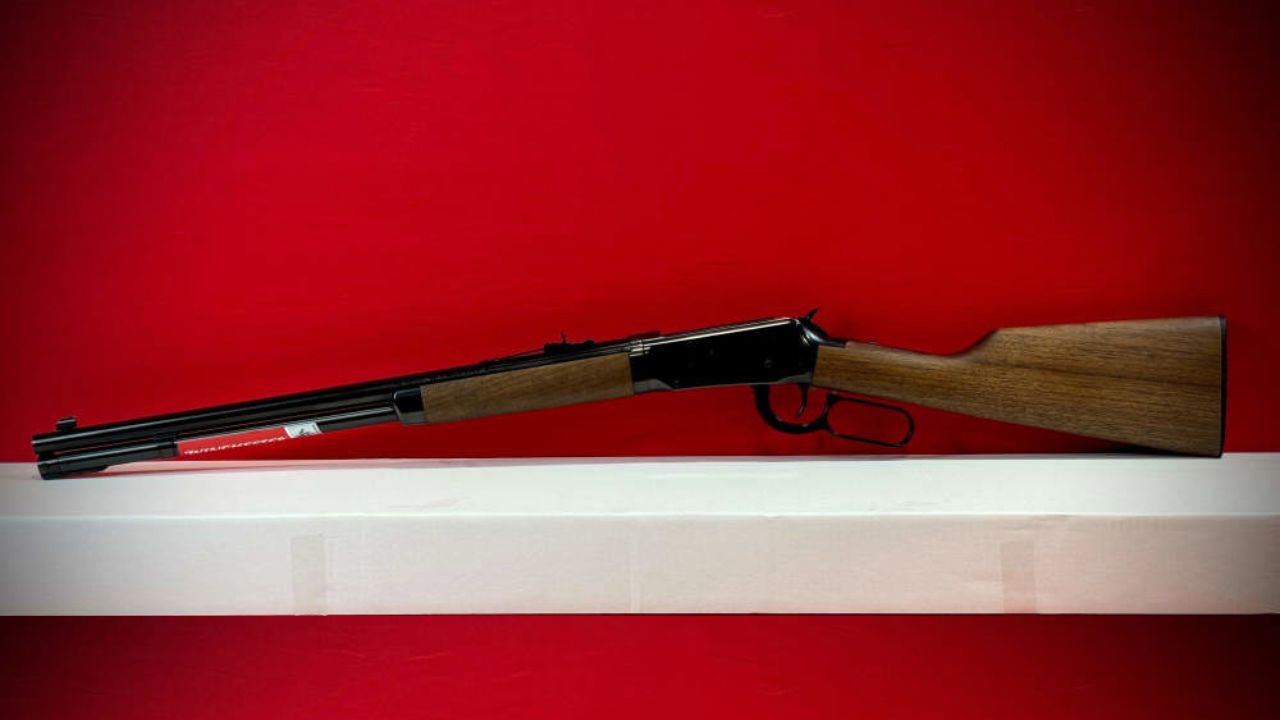
Model 94s are everywhere until you start being picky about what you actually want. The older ones carry like a feather and feel like a piece of American hunting culture, for better or worse.
Lots of folks got rid of them because they wanted a scope-friendly rifle, or they “outgrew” iron sights. Then they go looking for a clean, traditional 94 and realize the cheap ones are rough and the nice ones aren’t cheap.
9. Ruger Mini-14 (early blued Ranch Rifle)
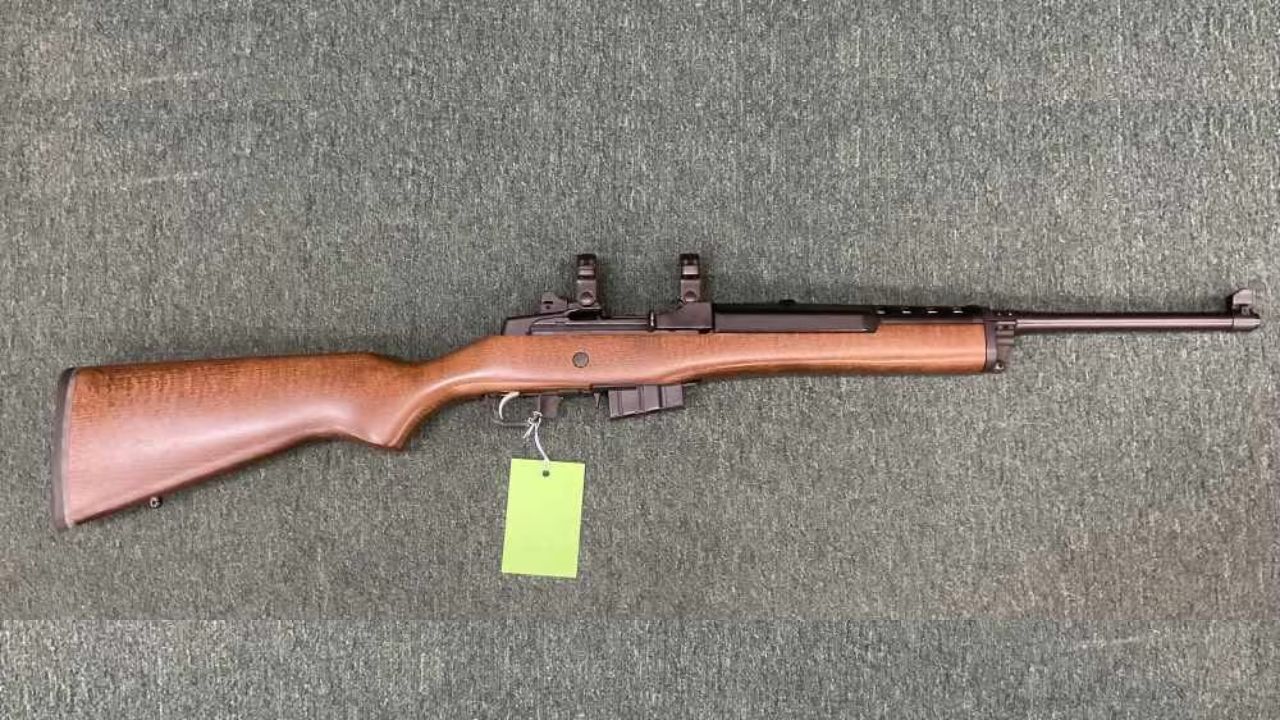
The Mini-14 gets dragged online, mostly by people who want it to be something it isn’t. In real life, it’s a handy, reliable ranch gun that carries easy and doesn’t scream for attention.
Here’s the catch: magazines, model variations, and pricing have all gotten more complicated. If you had a simple Mini that ran and you had a pile of good mags, replacing that setup later can become a scavenger hunt.
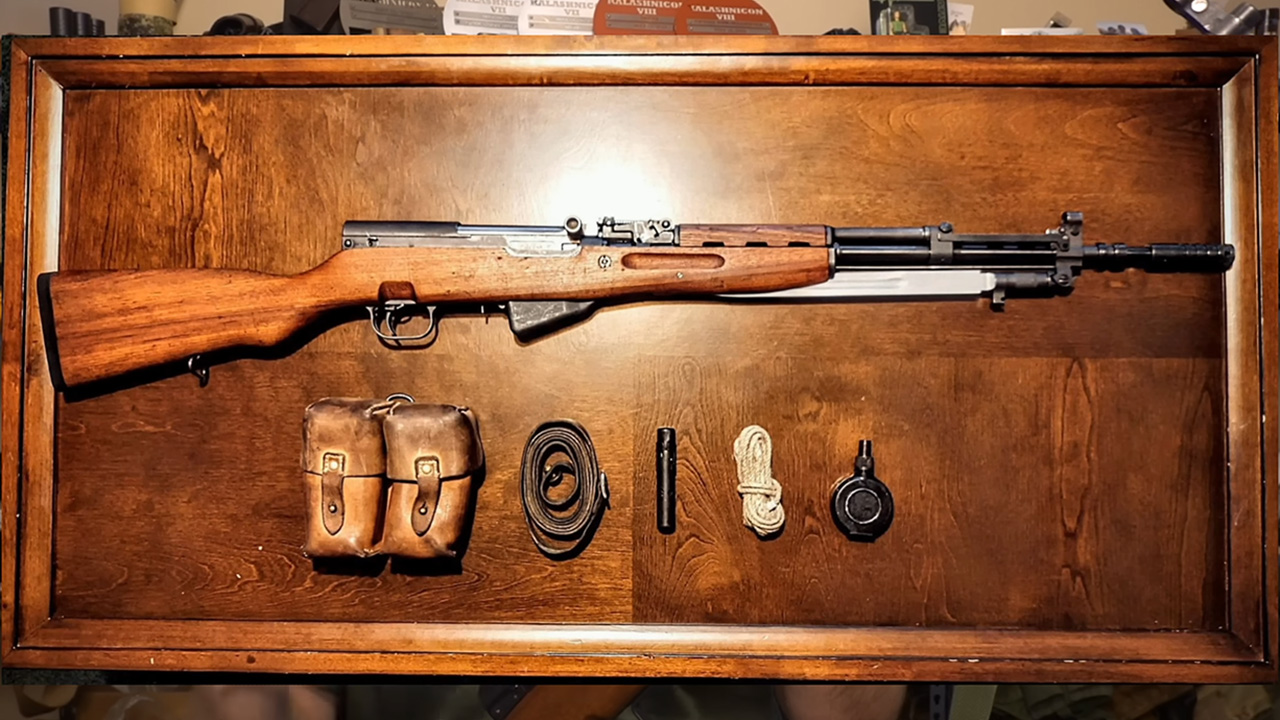
10. SKS (especially matching, unmodified)
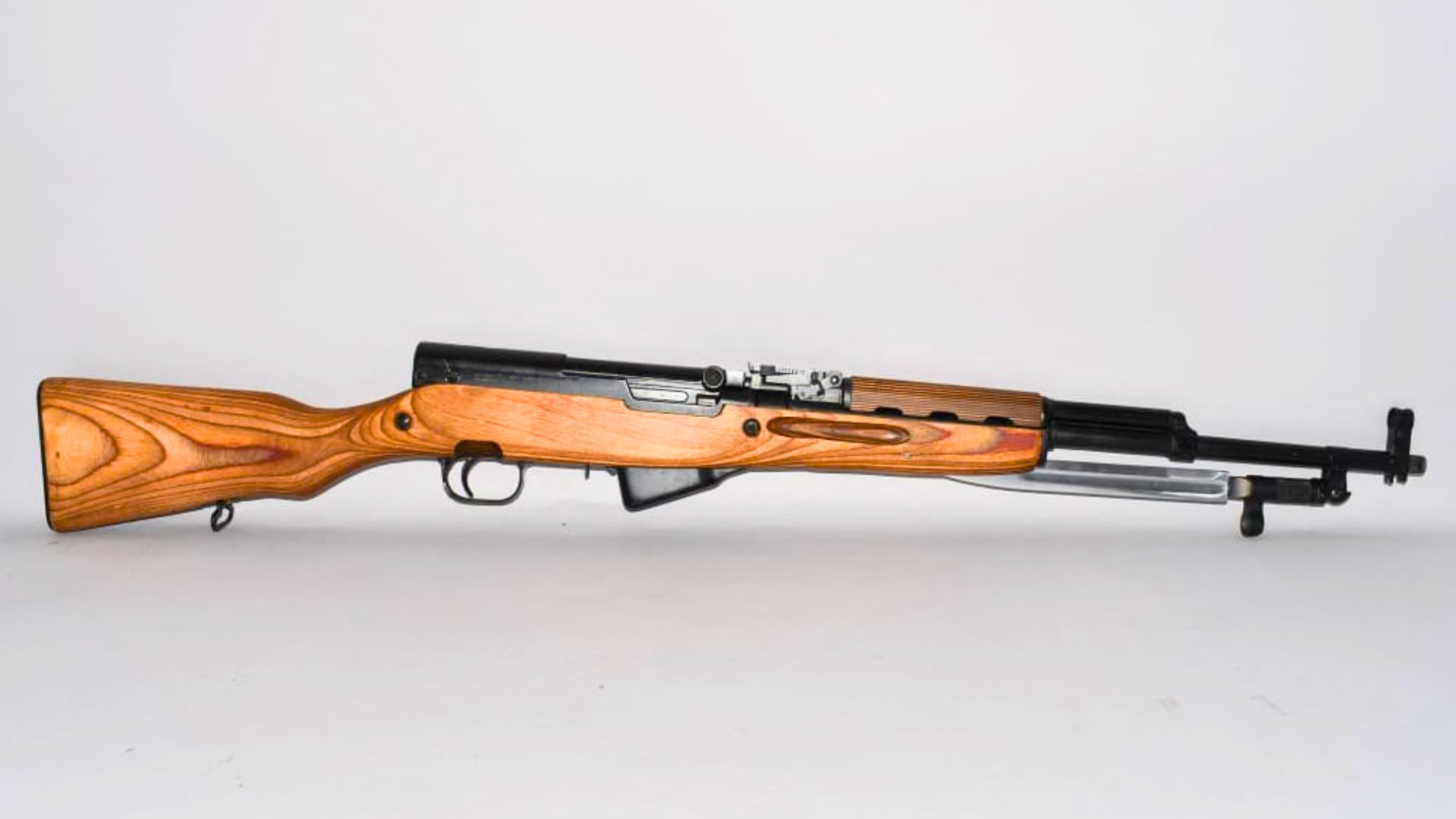
There was a time SKSs sat in racks like old lawn mowers. A lot of them got “upgraded” with plastic stocks and questionable accessories, which usually made them worse, not better.
Now the clean, matching ones—still wearing their original wood—are the ones everyone wants. They’re reliable, they shoot fine for what they are, and they’re one of the few classic semi-autos that still feels like a practical field gun instead of a project.
11. Ruger 10/22 from the “good old” basic carbine era

I know, they still make them. But older 10/22 carbines with simple sights and a decent trigger feel like a different animal than the ones that get bought and immediately turned into a custom build.
The replacement problem isn’t that you can’t find a 10/22. It’s that a plain, well-worn one that runs forever and has already proven itself can be more valuable than a safe queen. There is nothing fancy about it, and that is kind of the point.
12. Remington 870 Wingmaster (older)
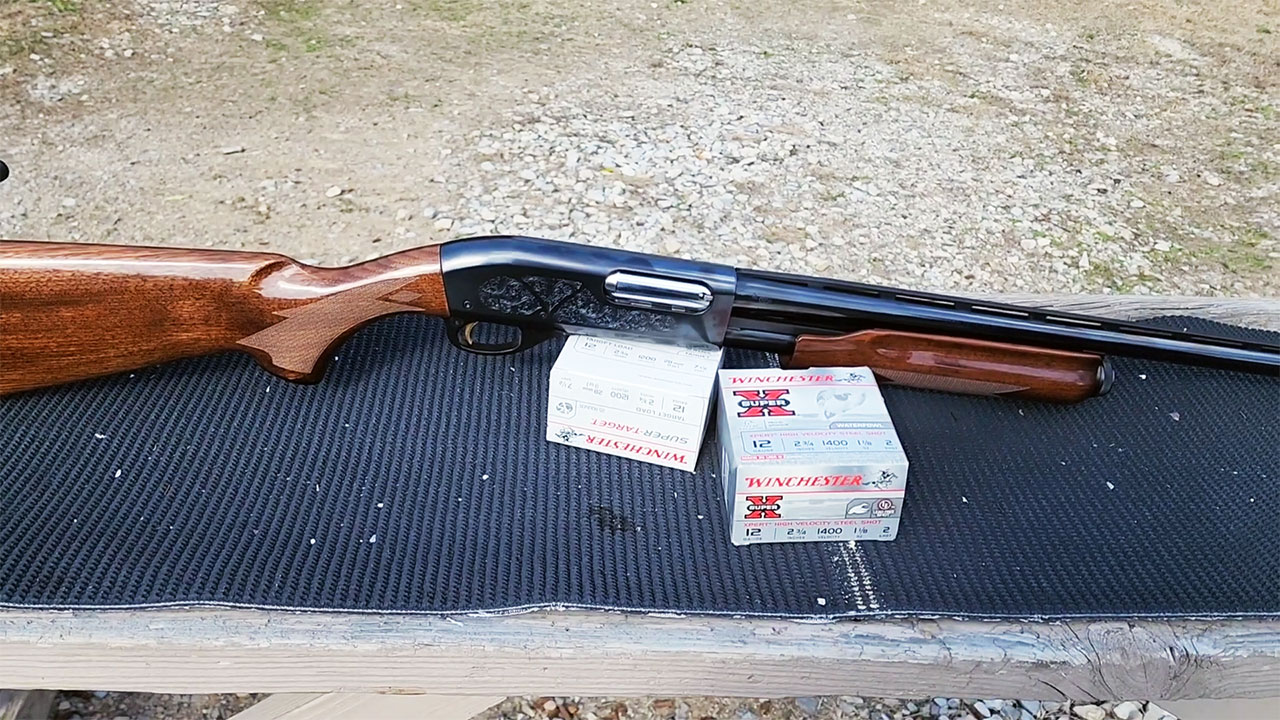
If you’ve carried an older Wingmaster in wet cattails or bounced it in a duck boat, you know why people miss them. They’re smooth, they run, and they feel like they were built to be used.
The newer versions and other lines can be fine, but the older Wingmasters have a finish and action feel that’s tough to replicate. Once you sell one that’s already worn in, you can’t “un-wear” a new gun into that same smoothness overnight.
13. Mossberg 500 “plain-Jane” field gun with a short barrel

These are the guns that do chores. They get leaned in corners, hauled behind seats, and used for everything from coyotes to camp meat. They’re not glamorous, but they work.
People underestimate how useful a simple pump shotgun is until they don’t have one. Then they’re stuck choosing between pricey tactical packages or hunting models that don’t fit the role they actually need.
14. Browning Auto-5 (Belgian and early Japanese)
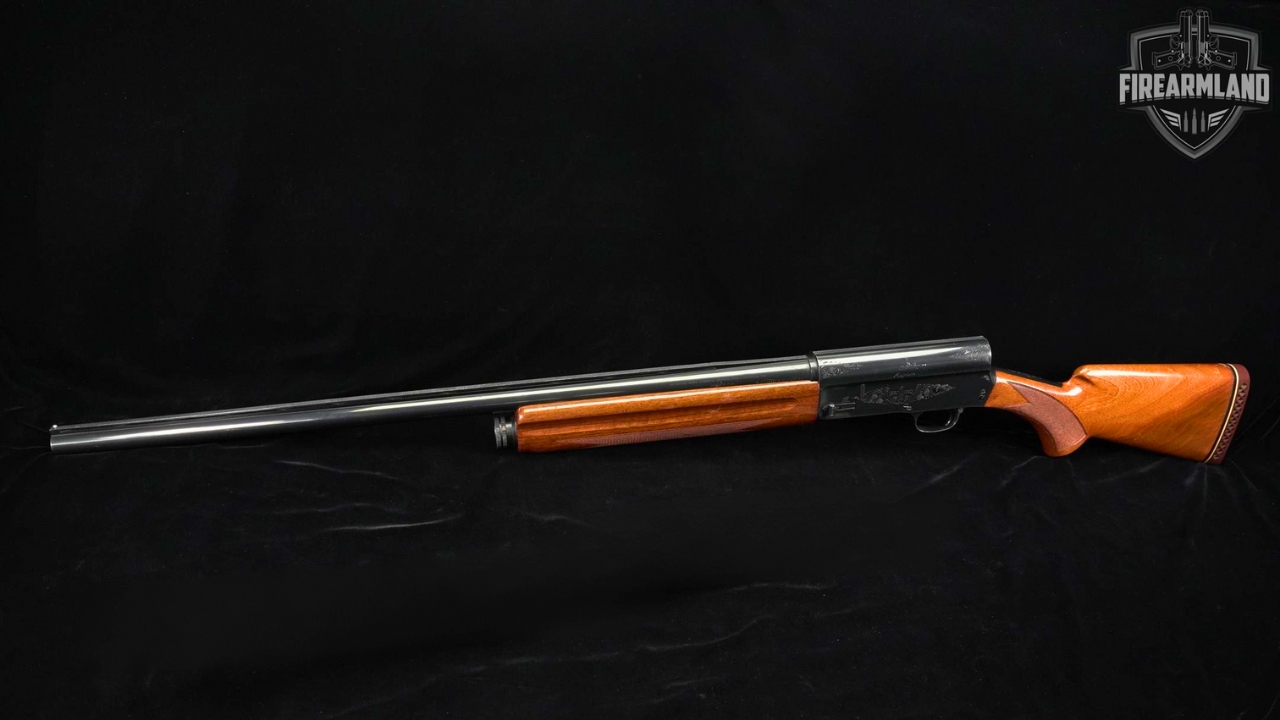
The humpback isn’t for everybody, but it has a feel that modern shotguns don’t. The recoil impulse is different, the gun has soul, and it carries its own kind of confidence.
When someone lets one go, it’s often because it’s “old tech” or they don’t want to deal with friction rings. Then they try to buy another decent one and realize the nice Auto-5s aren’t being given away anymore.
15. Ithaca 37 (older, smooth action guns)
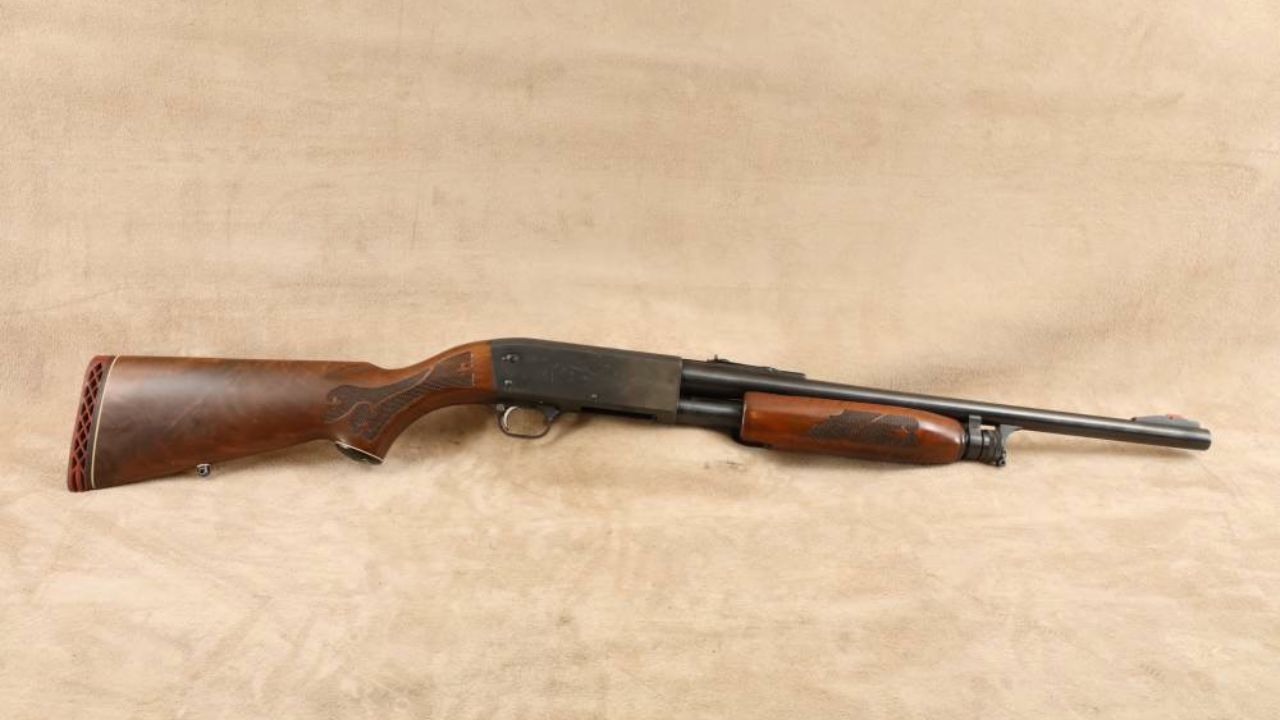
An Ithaca 37 is one of those shotguns that makes you wonder why more companies didn’t stick with bottom-eject for field use. It’s slick, it’s trim, and it stays out of your face when you’re shooting from odd positions.
If you had one that fit you, you had something special even if you didn’t call it that. Finding another clean one that hasn’t been beat, refinished poorly, or priced into the clouds can take patience.
16. Smith & Wesson Model 19 (pinned and recessed era)
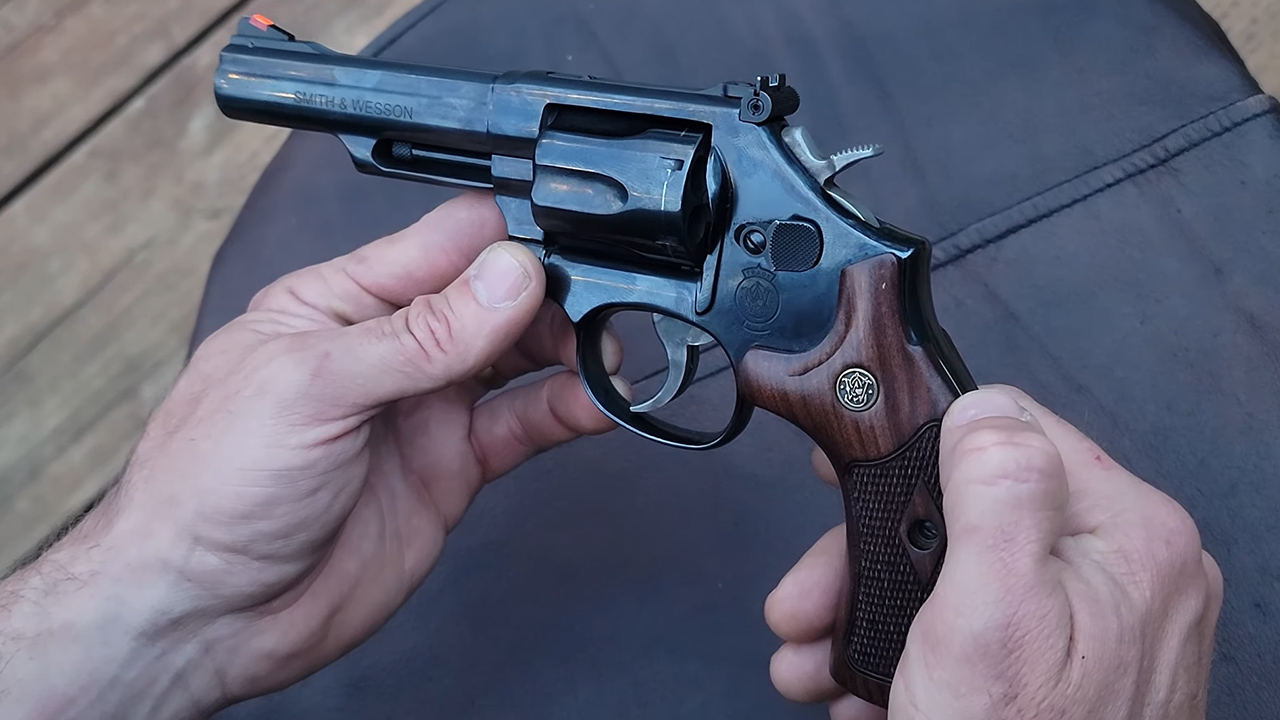
The Model 19 is the classic “do-it-all” .357 that still carries like a real belt gun. It’s not a brick, it points naturally, and it has that older Smith trigger feel that people chase for a reason.
Not everybody should run hot magnums through it all day, and it’s not indestructible. Still, if you sold a clean old Model 19 because you thought you’d just grab another later, you probably noticed how the market treats them now.
17. Smith & Wesson Model 10 (good, honest .38)

This is one of the most “boring” guns on the list, and that’s why it’s here. A Model 10 is a serious revolver that shoots well, carries well, and doesn’t ask for much besides decent ammo and a little cleaning.
It’s also the kind of revolver a lot of folks sold when polymer pistols took over. Then they went looking for a clean, tight Model 10 and found out that the really good police trade-ins dried up and the remaining ones got picked over.
18. Ruger GP100 (older production, no-nonsense setup)

The GP100 isn’t romantic. It’s a workhorse .357 that can take a steady diet of real ammo without acting fragile. If you want a revolver for woods carry, farm chores, or a nightstand, it’s hard to argue against it.
What gets harder is finding one already set up the way you like—good grips, a decent sight picture, and a trigger that’s been shot in. When you sell your “sorted” GP100, you’re often selling the time you already invested.
19. Glock 19 Gen 3 (simple, proven, parts everywhere)

Newer generations have their improvements, but the Gen 3 Glock 19 hit a sweet spot for a lot of shooters. It’s the Honda Civic of carry guns: it just runs, and everybody knows how to keep it running.
When someone ditches one chasing the newest thing, they usually miss how easy life was with a pistol that takes common mags, common holsters, and common parts. If you’re the type who actually trains, that convenience matters more than internet arguments.
20. Colt Python (older production)

The Python is not a “need” gun for most folks. It’s more like a grail gun you might own once, appreciate for a while, and then foolishly treat like an investment you can cash out whenever.
Then you try to buy it back. Even with new production options out there, the older ones have their own feel and finish, and the market knows it. If you let one go and later decide you want that exact kind of revolver again, the price usually isn’t a friendly conversation.
None of this means you should never sell a firearm. Life happens, and sometimes the safe has to fund the truck repair or the property tax. But if a gun is already proven in your hands—fits you, shoots where you look, runs in bad weather, and has mags or parts you can actually get—think twice before it goes down the road. The replacement you picture in your head often doesn’t exist at the price you remember.
Like The Avid Outdoorsman’s content? Subscribe to our newsletter so you never miss an article.
Here’s more from us: