Photo credit: Buffalo's Outdoors/YouTube
Small guns are easy to carry—but they’re not always easy to shoot. The trade-off for that pocket-friendly size is usually a short grip, more recoil, and less control. And when you actually take them to the range, you find out real quick that hitting what you’re aiming at isn’t as simple as you’d hoped.
These guns aren’t junk—but they do take more effort to shoot well. If you’re carrying one of these, make sure you’re putting in the reps. Small doesn’t always mean simple.
Ruger LCP
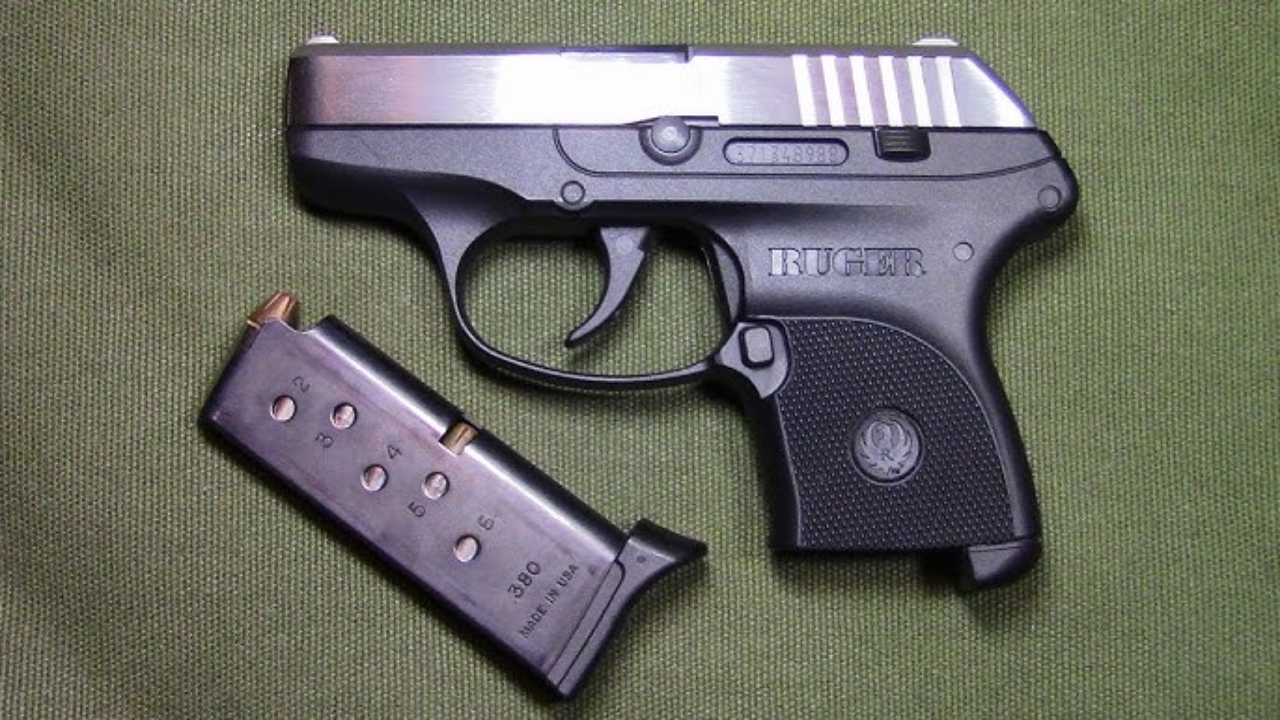
The Ruger LCP is about as small as pocket pistols get, but that size comes with trade-offs. It’s lightweight and easy to carry, sure—but that short grip and snappy recoil make it tough to control. The trigger’s long and gritty, which doesn’t help when you’re trying to shoot fast or accurately.
It’s great for deep concealment, but not something most folks enjoy putting rounds through at the range. If you’re not used to shooting small .380s, expect a learning curve—and a sore hand after a few mags.
Smith & Wesson Bodyguard .380
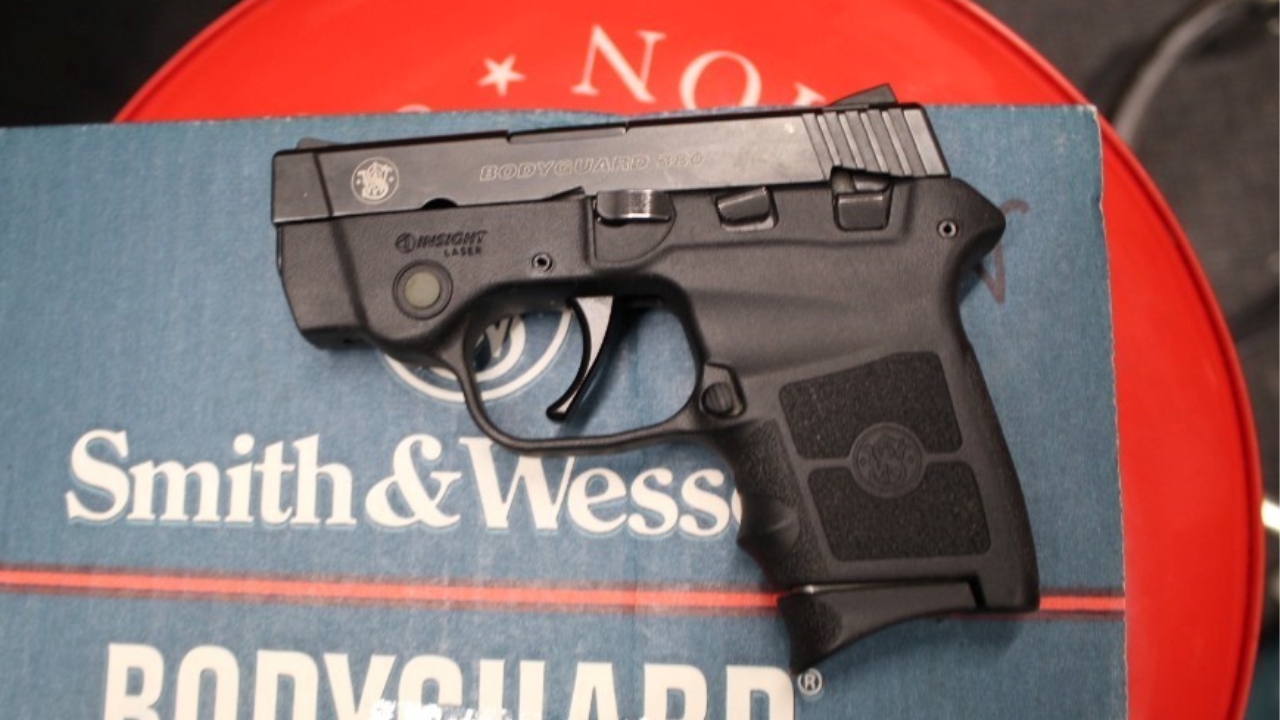
At first glance, the Bodyguard seems like a solid pick for concealed carry. It’s slim, lightweight, and comes with a built-in laser on some models. But once you get behind the trigger, the downsides show up quick.
The trigger pull is long and heavy, and the tiny grip makes it hard to get a solid hold. Add in snappy recoil from the small frame, and you’ve got a gun that’s harder to shoot well than it looks. It’s reliable—but not exactly range-friendly.
KelTec P3AT

The P3AT is about as no-frills as pocket pistols come. It’s small, simple, and very easy to carry—but shooting it is another matter. The recoil feels sharp, and the trigger leaves a lot to be desired.
With its light frame and lack of sights worth mentioning, follow-up shots can be a challenge. It’s a tool for last-resort defense, not comfort or accuracy. If you carry it, you’ll want to practice often—but it probably won’t be fun.
Taurus TCP 738
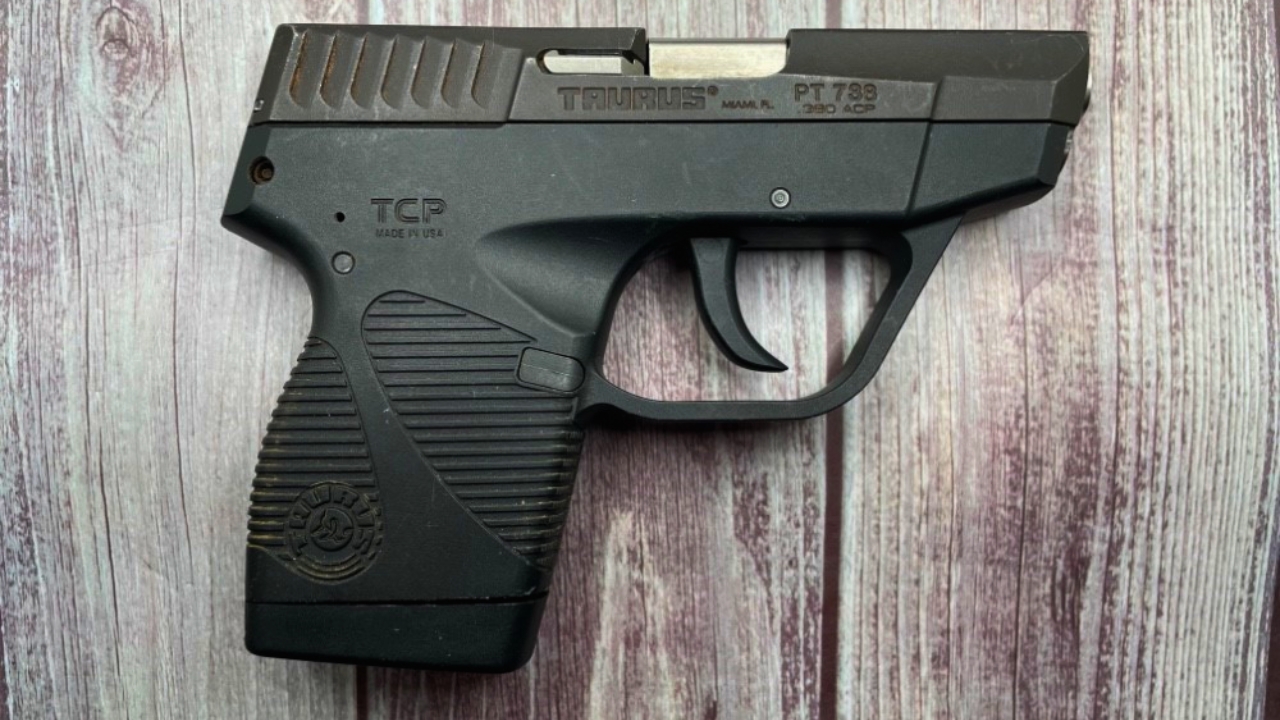
The Taurus TCP 738 is a budget-friendly pocket .380, but it doesn’t make things easy. It’s got a decent trigger for the price, but recoil management is tough thanks to the ultra-light build and small grip.
It’s one of those guns that feels okay in the hand but jumps around once you start shooting. You can carry it all day without noticing it’s there—but when it’s time to shoot, expect a fight to keep it on target.
NAA Mini Revolver (.22 Magnum)

The NAA Mini Revolver looks like a novelty, but people do carry them for deep concealment. That said, they’re not easy to shoot. The grip is tiny, the hammer’s stiff, and the single-action setup makes fast follow-ups slow.
The recoil in .22 Magnum isn’t punishing, but control is tricky with such a small frame. It’s better than nothing, but this one takes patience and practice if you want to shoot it well—and even then, you’re limited on accuracy and speed.
Glock 42

The Glock 42 is one of the softer-shooting .380s out there, but it’s still not as easy to shoot well as folks think. It’s slim, light, and has a short grip that doesn’t give you much to hold onto—especially if you’ve got bigger hands.
The trigger’s typical Glock, which is fine, but the small frame amplifies every bit of movement and recoil. It’s reliable, no doubt—but getting consistent accuracy takes more work than you’d expect from something wearing the Glock name.
SIG Sauer P238
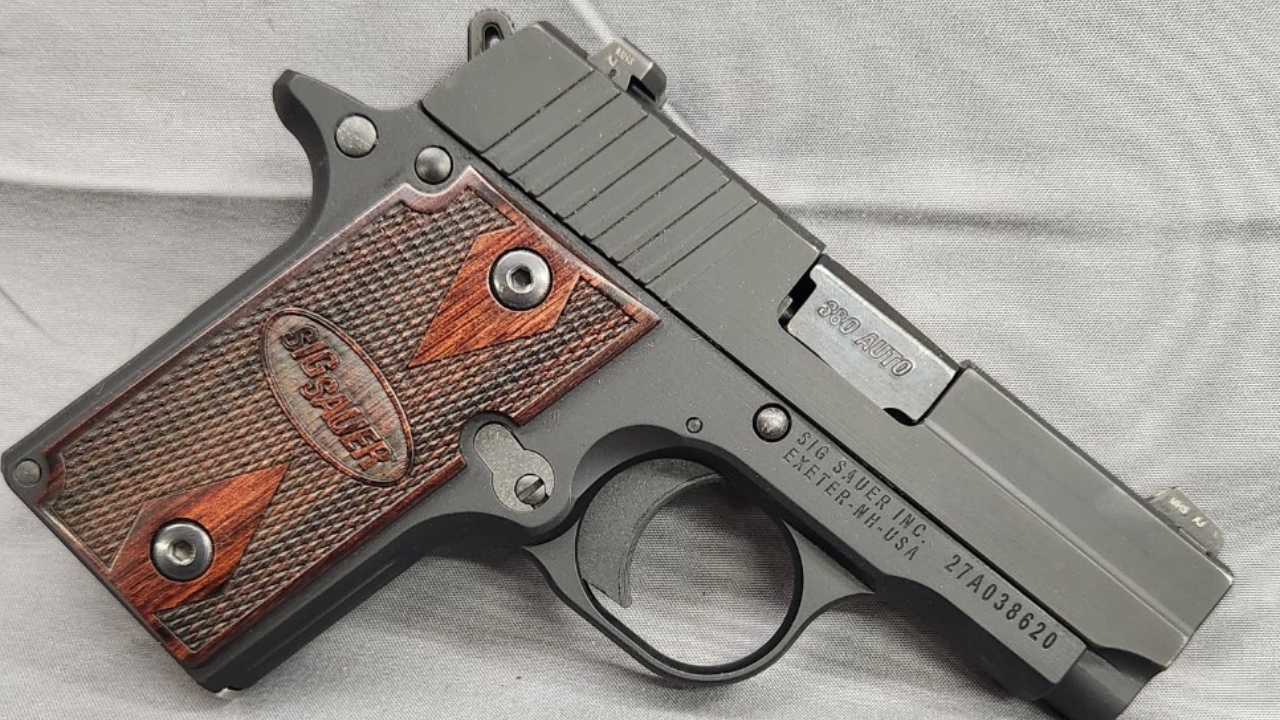
The SIG P238 has nice build quality and a smooth trigger, but don’t let the 1911 styling fool you—it’s still a tiny .380 with a small grip and a decent snap. The short sight radius makes precision harder than you’d think.
It’s better to shoot than most pocket .380s, but it’s still not beginner-friendly. The manual safety, small controls, and single-action setup mean you’ve got to be comfortable running it under pressure. Not a bad carry gun, just not the easiest to run clean.
Beretta Pico

The Beretta Pico is compact and slick-looking, but it’s got one of the stiffest triggers in the pocket pistol category. Combine that with low-profile sights and minimal grip, and accurate shooting becomes a real challenge.
Recoil’s not terrible, but the overall shooting experience feels stiff and slow. It’s built well and easy to carry, but range time is where it shows its rough edges. If you go with this one, plan on spending extra time getting used to it.
Springfield 911

The Springfield 911 feels solid and looks great, but like the SIG P238, it’s a single-action .380 that takes more practice than most folks expect. The controls are small, and the grip doesn’t leave much room for error.
It shoots better than some micro pistols, but it still requires solid fundamentals to run well. If you’re used to full-size guns, the transition to something this small takes some getting used to—especially if you want quick, accurate follow-ups.
Ruger LCR in .357 Magnum

The LCR in .357 Magnum is a handful—literally. The revolver itself is light, which is great for carry, but that means the .357 loads pack a punch. Recoil is snappy, and even with the cushioned grip, it’s hard to manage for extended shooting.
You can run .38 Special to keep it more manageable, but if you’re carrying full-power .357 loads, expect it to be a challenge. Follow-up shots are slower, and it’s not a gun most folks enjoy putting more than a few cylinders through.
*This article was developed with AI-powered tools and has been carefully reviewed by our editors.