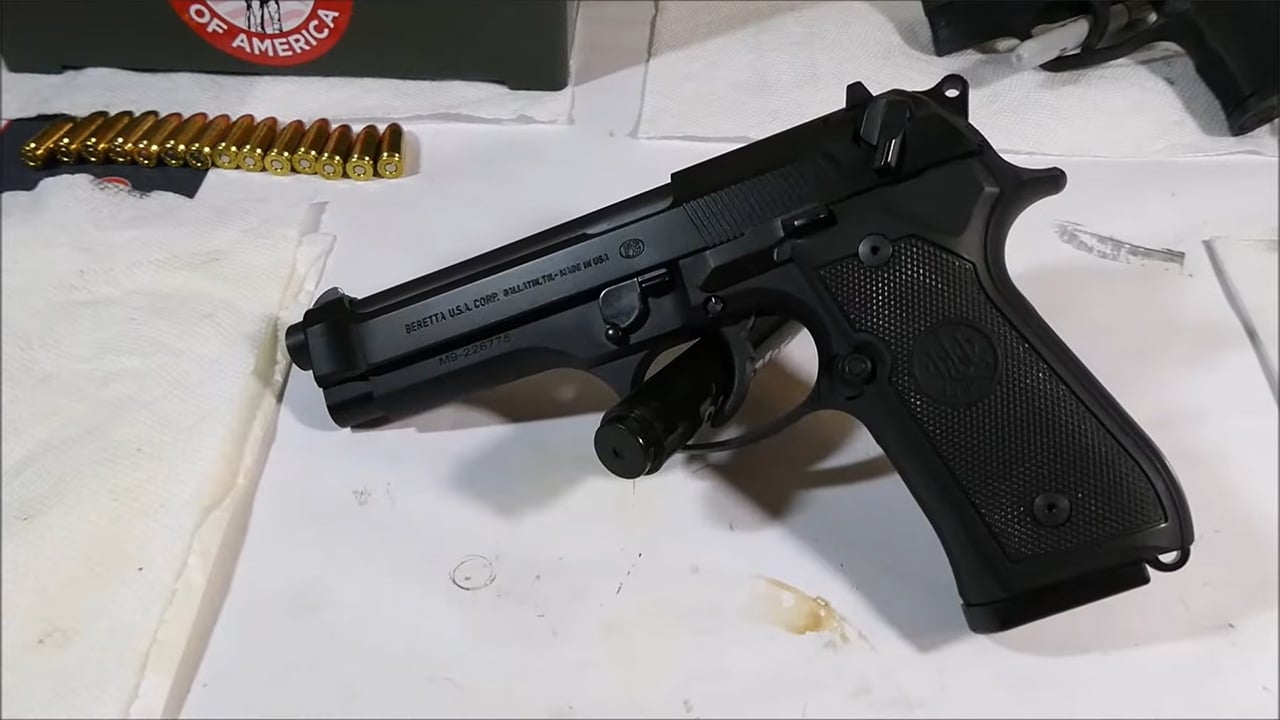
Photo credit: bench175/Youtube
There’s a funny thing that happens when you’ve been around handguns long enough. The new hotness comes and goes, the marketing slogans fade, and what’s left is what still runs when it’s cold, dirty, underfed, and riding in a holster that’s seen too many seasons. Some pistols get better with age because the design was right from the start. Others just get tired, finicky, and expensive to keep running.
This isn’t a museum list. It’s a working-gun list—pistols that earned their reputations the hard way and still make sense after the hype guns from the same era start showing their cracks.
1. Glock 19 (Gen3 and Gen4)

I’ve watched a lot of “better than a Glock” pistols come through ranges and gun counters. The Glock 19 just keeps doing what it does: feeds, fires, ejects, repeats. It’s not elegant, and the trigger won’t make you write poetry, but it’s the gun that still shows up running when everything else is on its second extractor and third set of magazines.
The real reason it aged well is boring: parts are everywhere, mags are cheap and plentiful, and every holster maker on earth supports it. It’s hard to call anything a “forever pistol,” but this one has the track record.
2. SIG Sauer P226

The P226 is one of those pistols that feels like a tool made by grown-ups. The slide-to-frame fit, the way it returns to target, the controllability under fast strings—it’s confidence in metal form. You carry one all day and you’ll notice the weight, but you’ll also notice how soft it shoots.
A lot of its competitors were “duty” pistols that looked the part but aged like milk once springs, small pins, and brittle plastics started failing. The P226 just keeps getting rebuilt and keeps going.
3. Beretta 92FS / M9
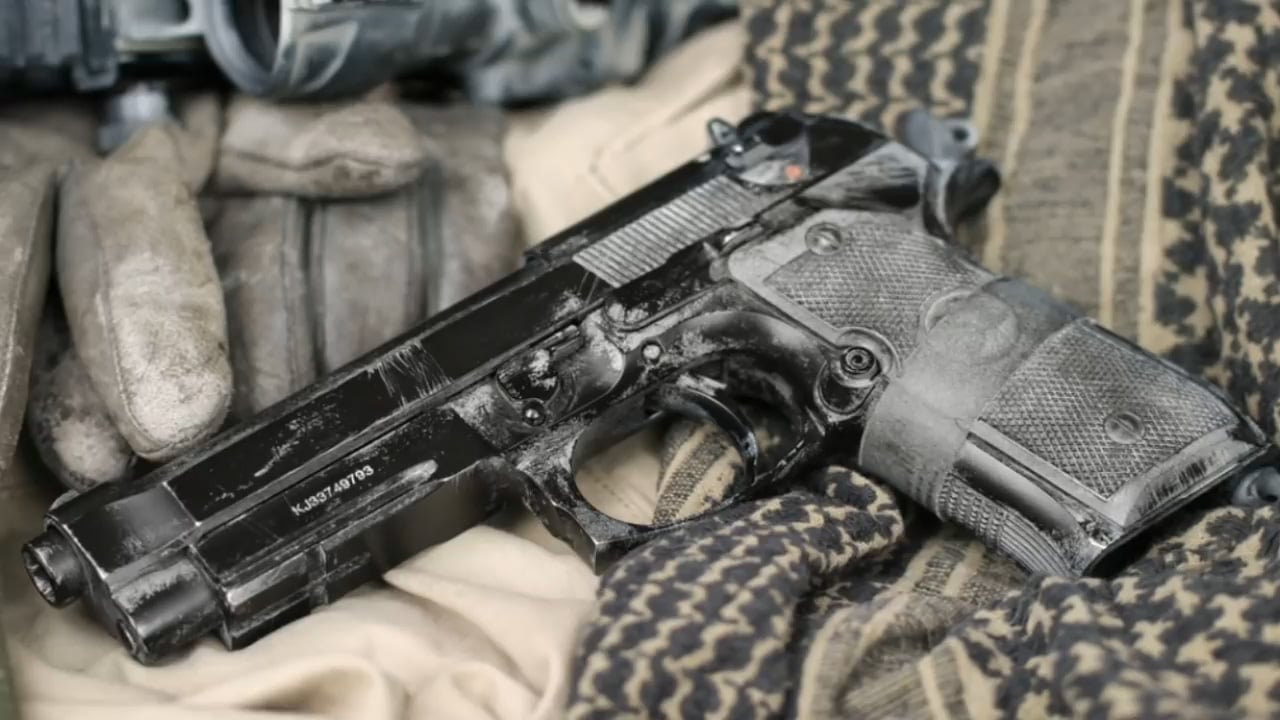
Big grip, long slide, and it points like a bird gun for some folks. The Beretta’s open-top slide and smooth cycling made it a steady performer long after plenty of other service pistols started choking on cheap ammo or weak magazines. You can run it hard and it stays predictable.
It’s not everyone’s favorite to conceal, and I get the complaints about the safety/decocker location. Still, as an all-around house gun or range workhorse, it’s tough to argue with decades of real use.
4. CZ 75B
The first time you shoot a CZ 75 that’s been broken in, you understand the cult following. It sits low in the hand, tracks flat, and the ergonomics feel natural in a way some modern pistols still can’t match. The steel frame isn’t fashionable anymore, but it’s stable.
What makes it age into “legend” territory is that it’s not fragile. Springs and small parts are available, magazines aren’t a nightmare, and you can run it as a range gun, nightstand gun, or even a carry gun if you don’t mind weight.
5. Browning Hi-Power (FN)
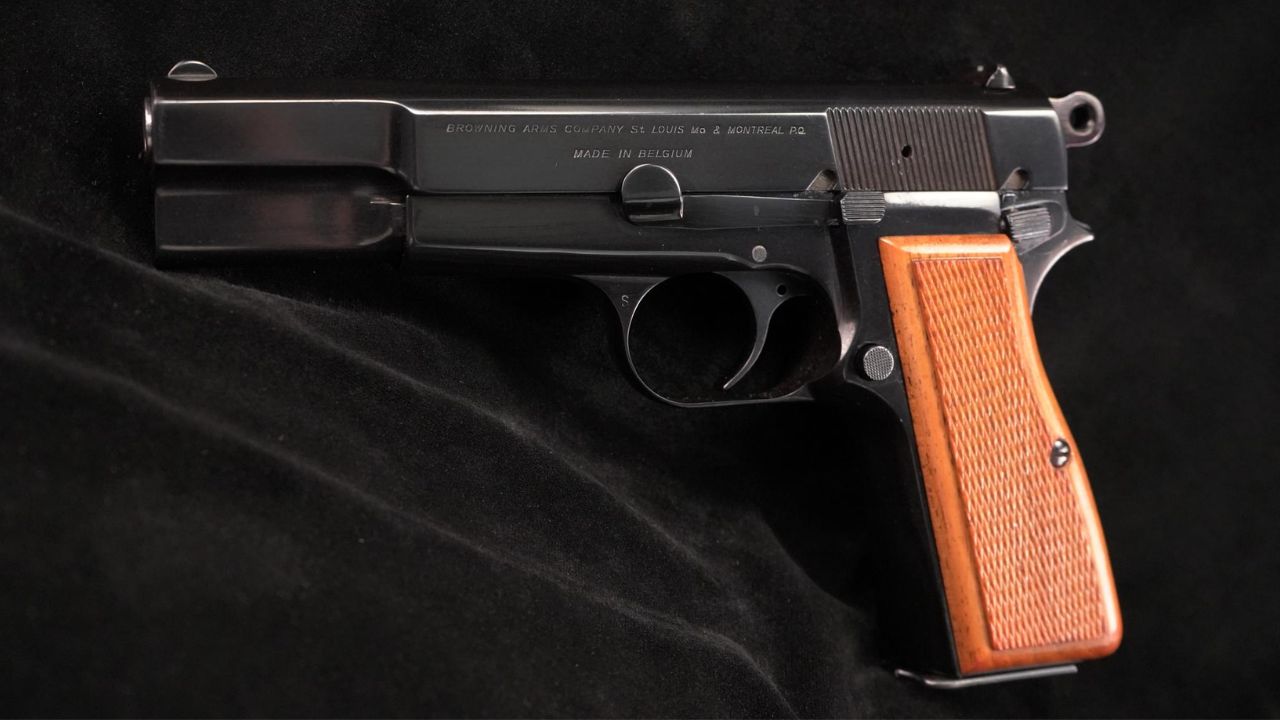
Yes, it’s dated. Yes, the factory sights on many of them are small, and the trigger can be a mixed bag. But the Hi-Power remains one of the most shootable, natural-pointing 9mms ever made, and it’s still relevant because it simply works when maintained.
Meanwhile, a lot of its “wonder-nine” competitors from the same decades now have cracked frames, broken decockers, or magazines you can’t find without paying collector prices.
6. Colt Government Model 1911 (Series 70 style)
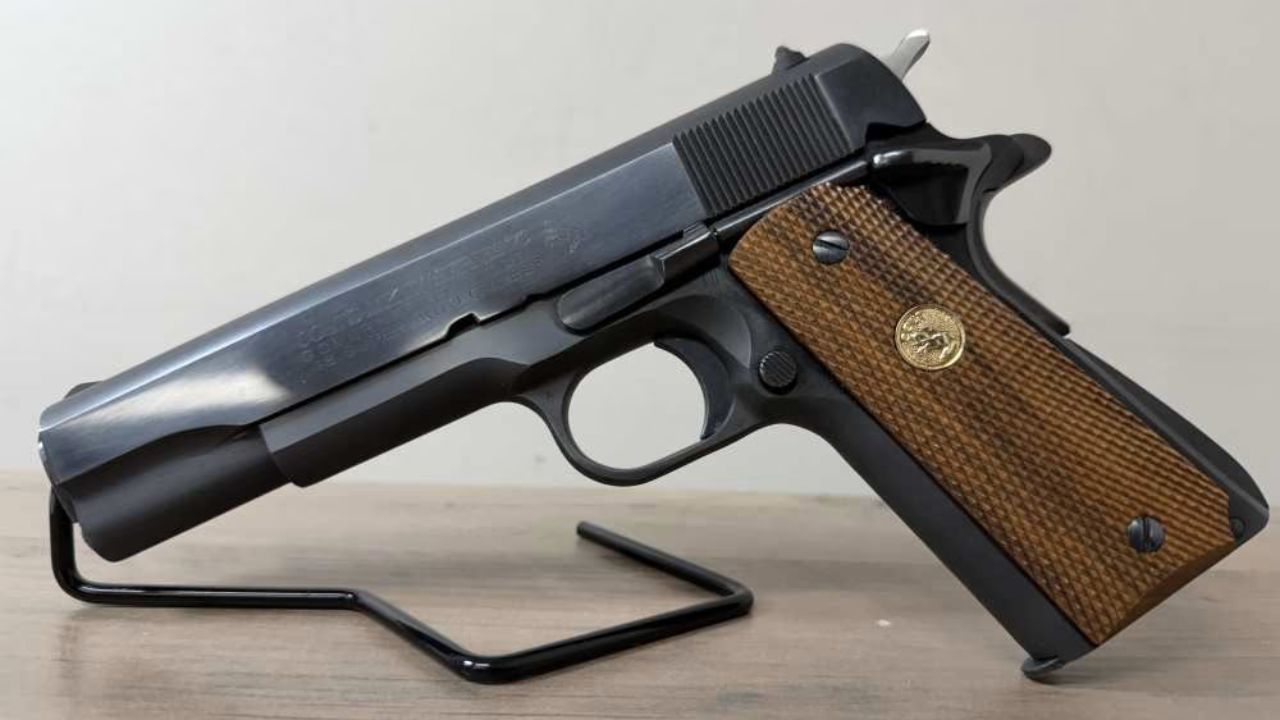
There are finicky 1911s out there, and there are 1911s that will make you question your life choices. A properly built Government Model, in the original spirit of the design, is not that. When it’s right, it’s accurate, shootable, and surprisingly durable.
What aged well here is the ecosystem. Parts, magazines, and knowledge are everywhere. Even if you don’t carry .45 ACP anymore, a solid 5-inch 1911 is still one of the best “teach someone trigger control” pistols around.
7. Smith & Wesson Model 10

A fixed-sight K-frame .38 isn’t flashy, but it’s about as honest as a handgun gets. The Model 10 is what a lot of modern defensive revolvers wish they were: balanced, durable, and easy to run well. It rides on a belt without fuss and doesn’t care about magazine springs.
Plenty of bargain revolvers from past decades developed timing issues and endshake early. The Model 10 just keeps clicking along with basic care.
8. Smith & Wesson Model 19

The Model 19 is one of the great “do most things” revolvers. It carries easier than the big N-frames, shoots .38s like a dream, and still handles .357 Magnum with the right ammo choices and a little respect. If you’ve ever hunted with a revolver or packed one in the woods, you get it.
Some competing .357s were heavy, rough, or built with soft internal parts. The Model 19 earned trust the old-fashioned way.
9. Ruger GP100
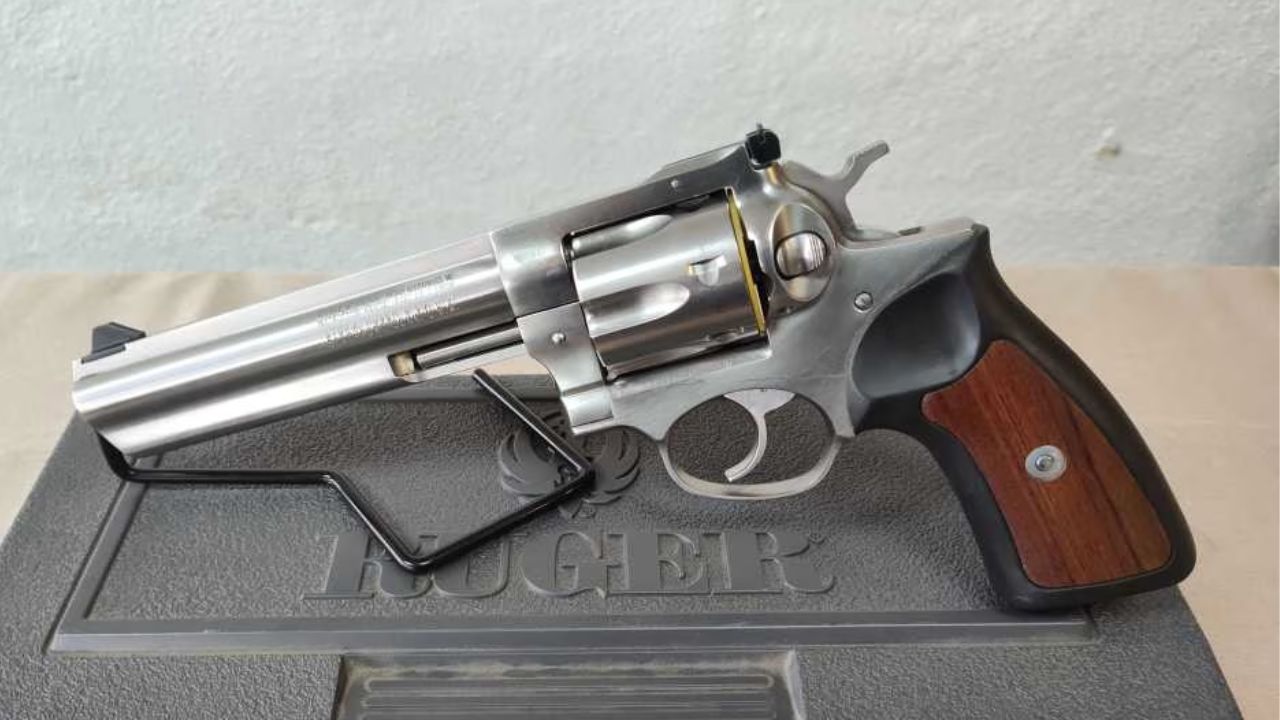
Ruger built the GP100 like it expected you to actually use it. It’s not delicate, and it doesn’t feel like a “collector” revolver. It feels like something you’d keep in a truck, on a trapline, or on the hip while fixing fence.
It’s also one of the few revolvers that doesn’t get weird when it’s been shot a lot. The design tolerates real-world neglect better than many of the lighter, more “slick” options.
10. Ruger SP101
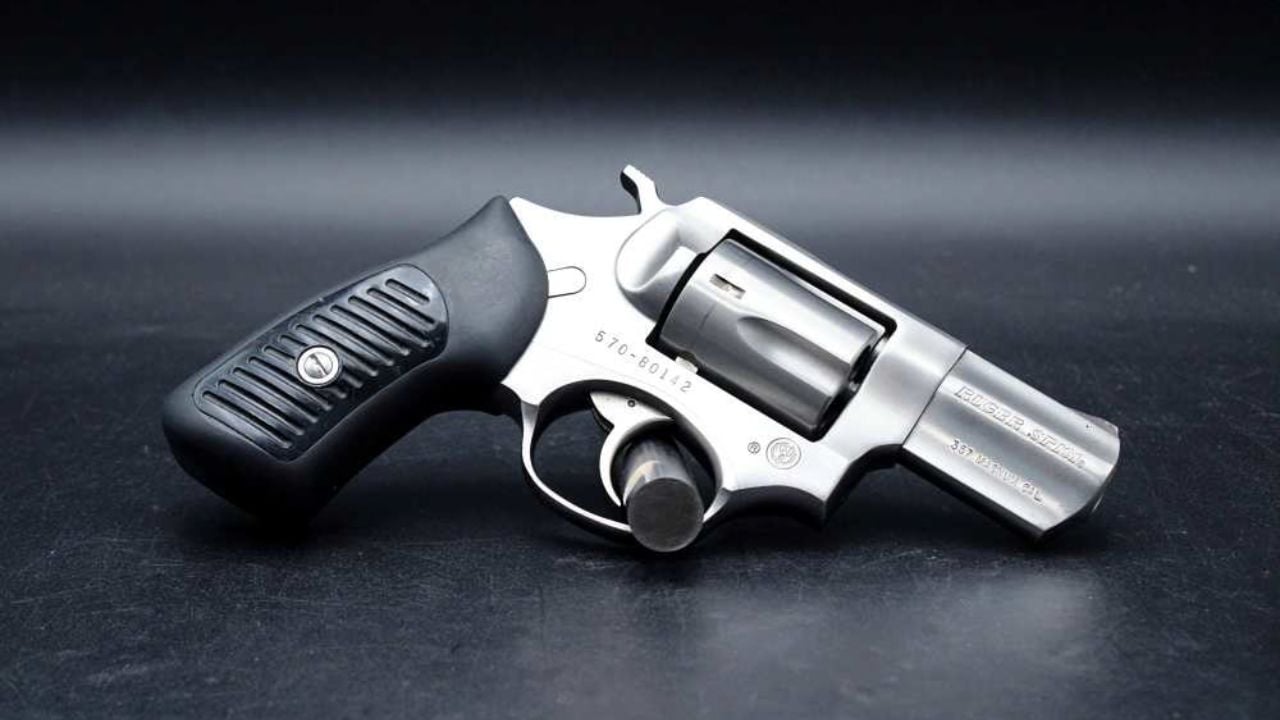
Small revolvers can be miserable. The SP101 is one of the rare ones that’s stout enough to be shot often without beating itself up. It’s not light, but that extra weight pays you back in controllability, especially with .357.
A lot of compact revolvers from the same “carry magnum” idea ended up as safe queens because they were too punishing or too fragile. The SP101 actually gets carried.
11. Heckler & Koch USP 9 / USP .45
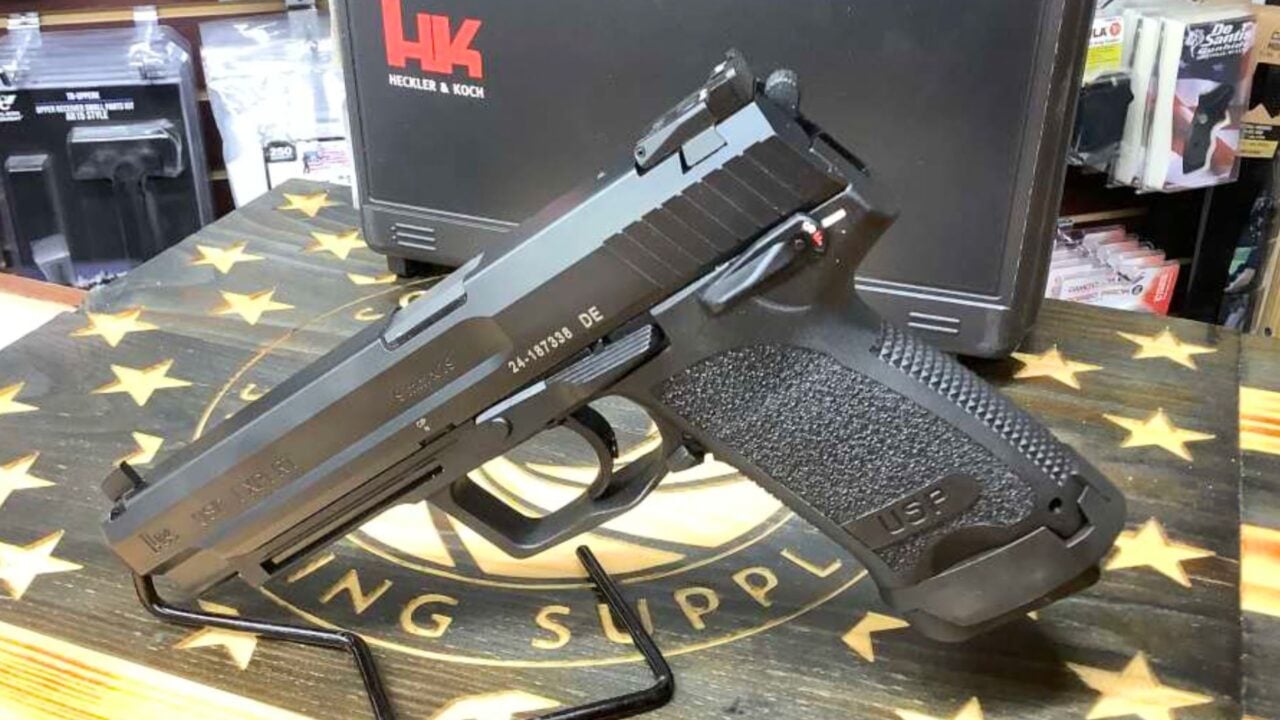
The USP has always been a little blocky, and nobody buys one because it’s sleek. They buy it because it’s built like it was designed for bad weather, indifferent maintenance, and high round counts. The recoil system helps, but it’s the overall durability that stands out.
I’ve seen plenty of polymer pistols from the same era get sloppy, crack, or turn into parts-hunting exercises. USP owners tend to just keep shooting.
12. Heckler & Koch P7 (PSP / P7M8)
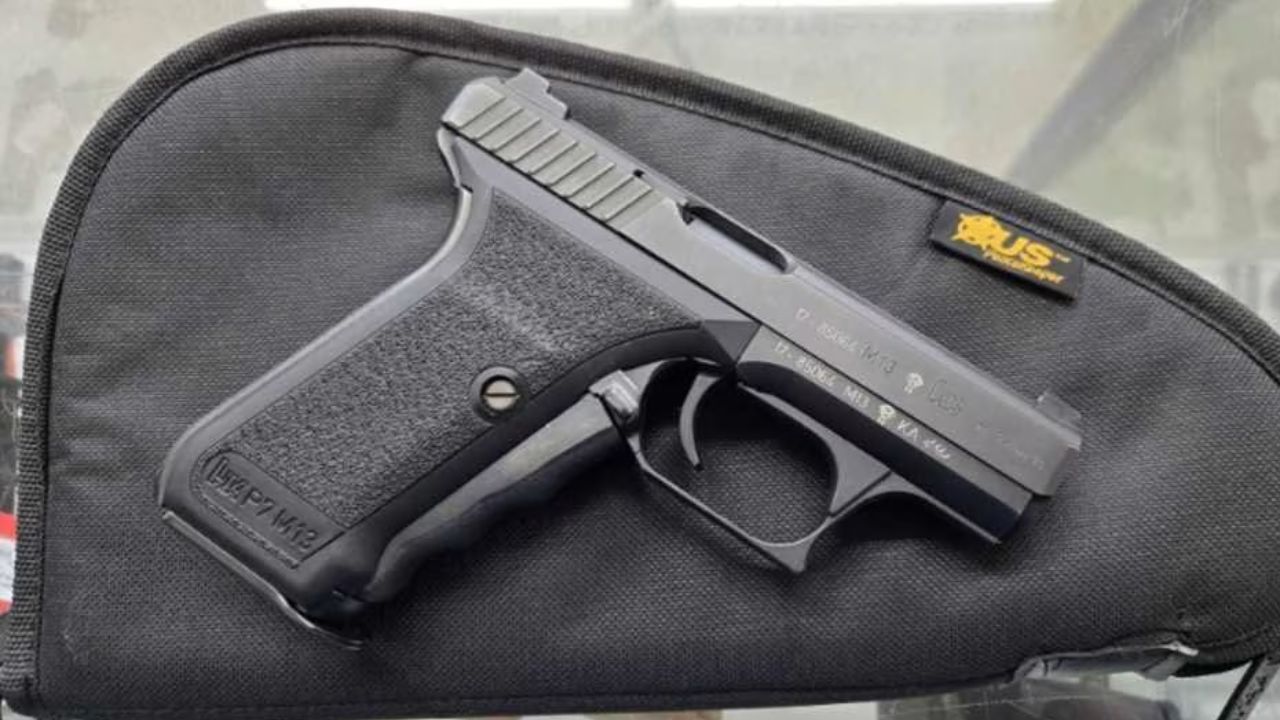
The P7 is weird, expensive, and it gets hot. It also shoots like a laser and carries flatter than you’d expect for a steel pistol. The squeeze-cocker isn’t for everyone, but it’s one of those designs that still feels ahead of its time in accuracy and concealability.
Some “innovative” pistols from the same decades are now orphaned, unsupported, and mostly remembered for malfunctions. The P7 is remembered because it performs.
13. Walther PP / PPK
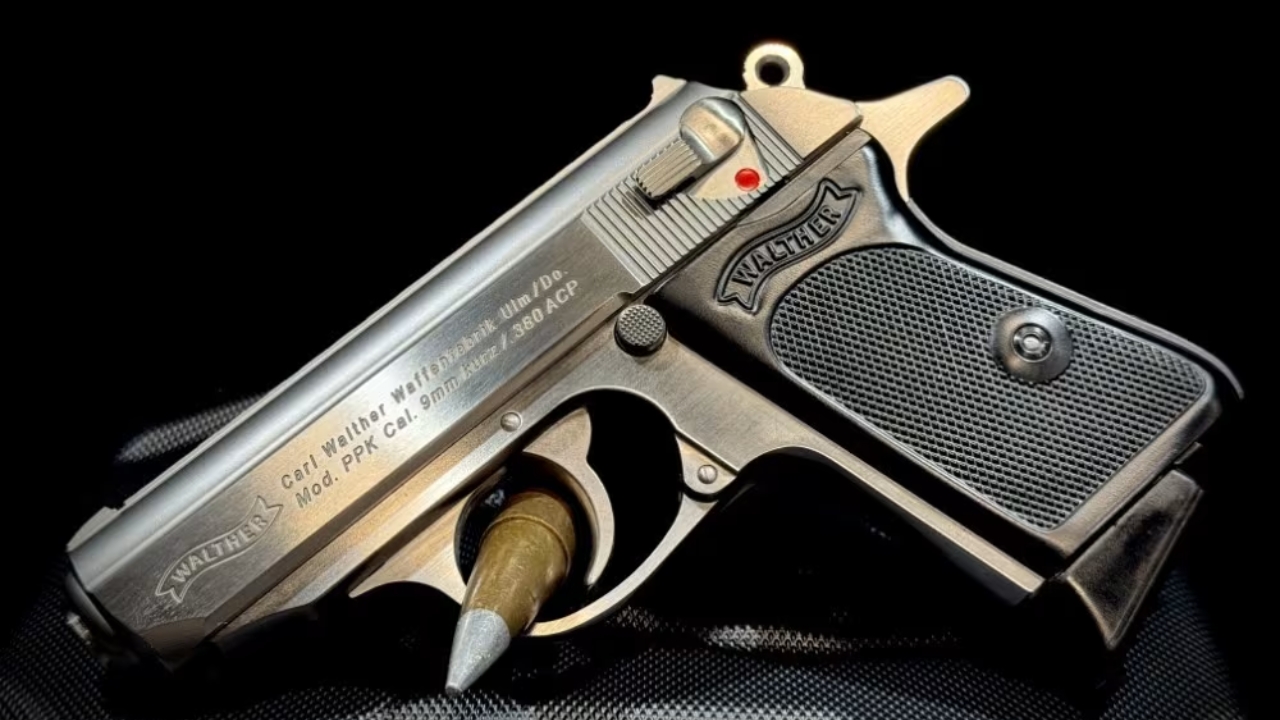
It’s not a modern defensive pistol, and it’s not a range blaster unless you enjoy a little sting. Still, the Walther PP-series guns have a quality to them that lasts—good steel, solid machining, and reliability within their design envelope.
So many small blowback autos from the mid-20th century turned into jam-prone junk drawers. The PP and PPK are still legitimate carry guns for folks who understand what they are and aren’t.
14. Ruger Mark II

If you’ve ever taught a kid to shoot, carried a .22 on a trapline, or just tried to stay sharp without spending a fortune, you know why the Ruger Mark II is loved. It’s accurate, reliable, and it’ll digest bulk ammo that makes other .22s choke.
Yes, disassembly has frustrated plenty of people. Ask me how I know. But these pistols survive decades of use, and most of the “cheap .22 pistols” people bought instead are long gone.
15. Browning Buck Mark
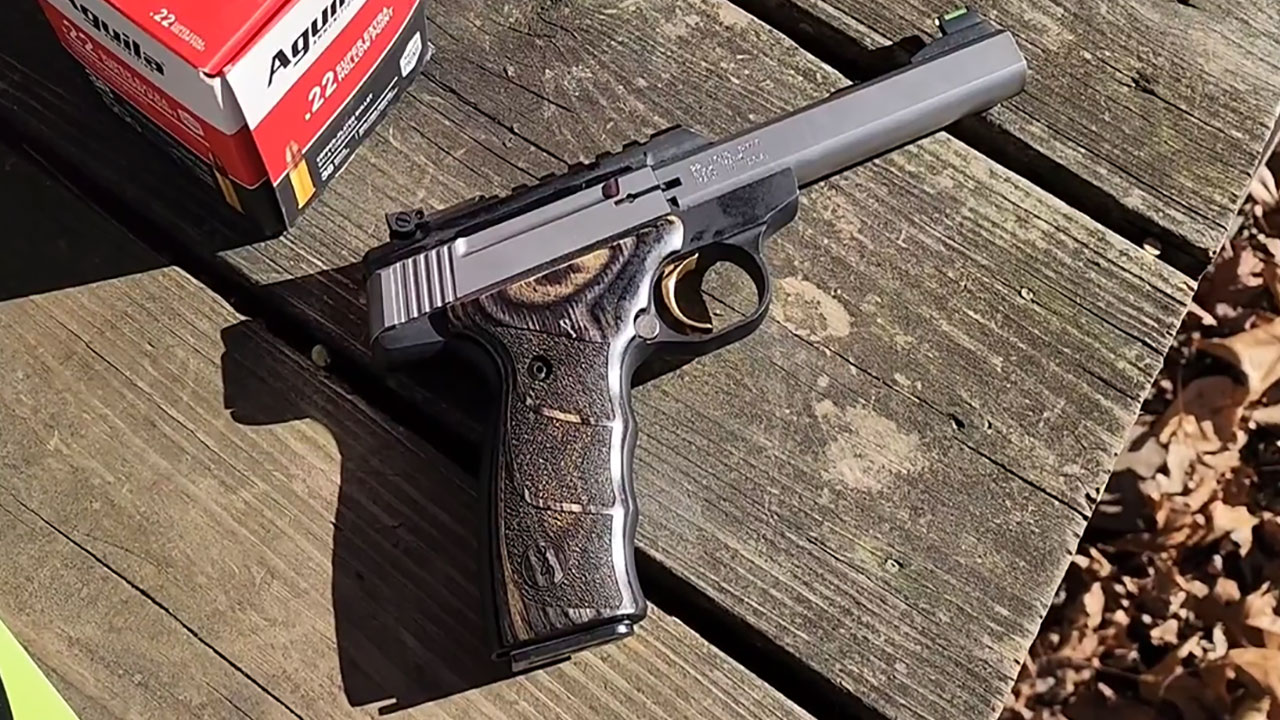
The Buck Mark doesn’t get the same “tough as nails” reputation as the Ruger, but it earns its keep with accuracy and a trigger that usually feels good right out of the box. It’s a pistol you can hand to someone and watch them shoot better than they thought they could.
Aging well here looks like simple consistency. As long as screws stay snug and you keep it reasonably clean, it just keeps stacking rounds where you aim.
16. Glock 17
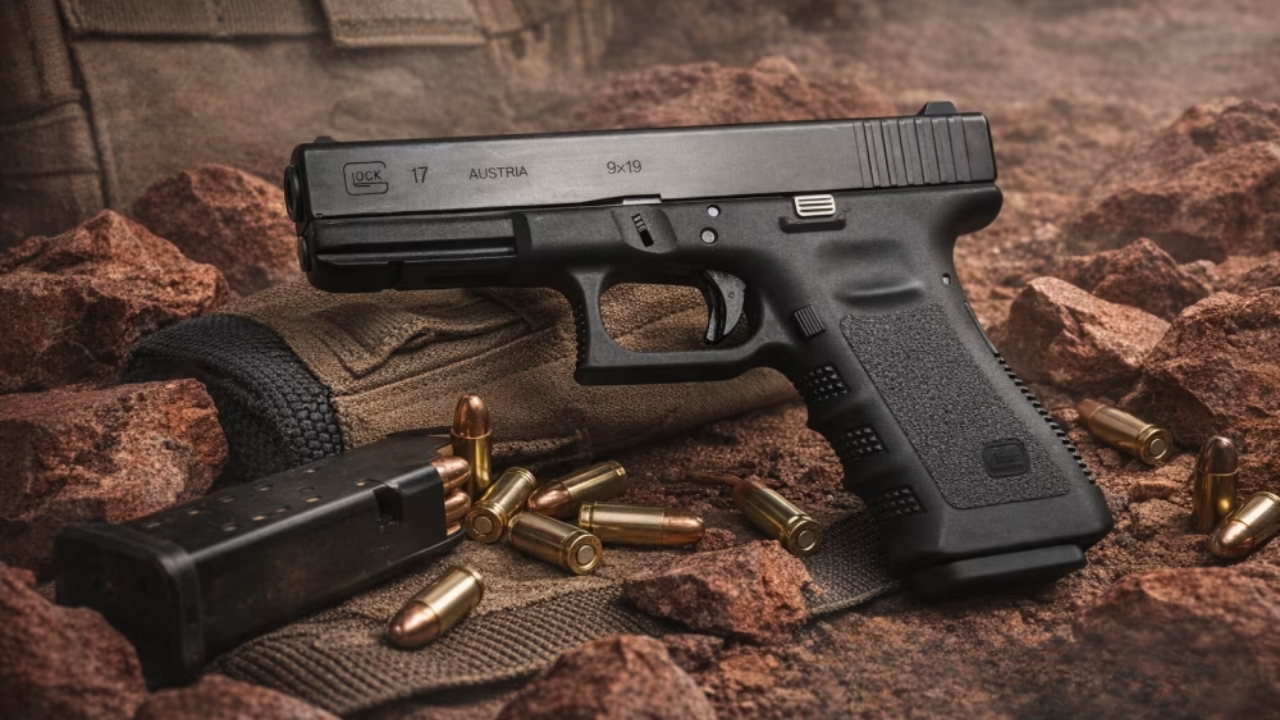
The Glock 17 is the full-size version of the same boring miracle: it works. It’s the pistol that turned a lot of handgunners into believers in simplicity. With a little lubrication and decent magazines, it runs and runs.
Competitors chased features—more levers, more gadgets, more “feel.” A lot of those features became failure points. The 17 stayed plain and kept winning.
17. SIG Sauer P229

If the P226 is a full-size duty classic, the P229 is the slightly trimmer brother that still feels like a serious pistol. It’s compact enough to carry, heavy enough to shoot well, and built in a way that doesn’t feel disposable. In .40 S&W it was everywhere for a reason, and in 9mm it’s just easy living.
The downside is cost—mags and parts aren’t bargain-bin. But it’s a pistol you can still bet on after years of use.
18. Smith & Wesson M&P9 (1.0 and 2.0)
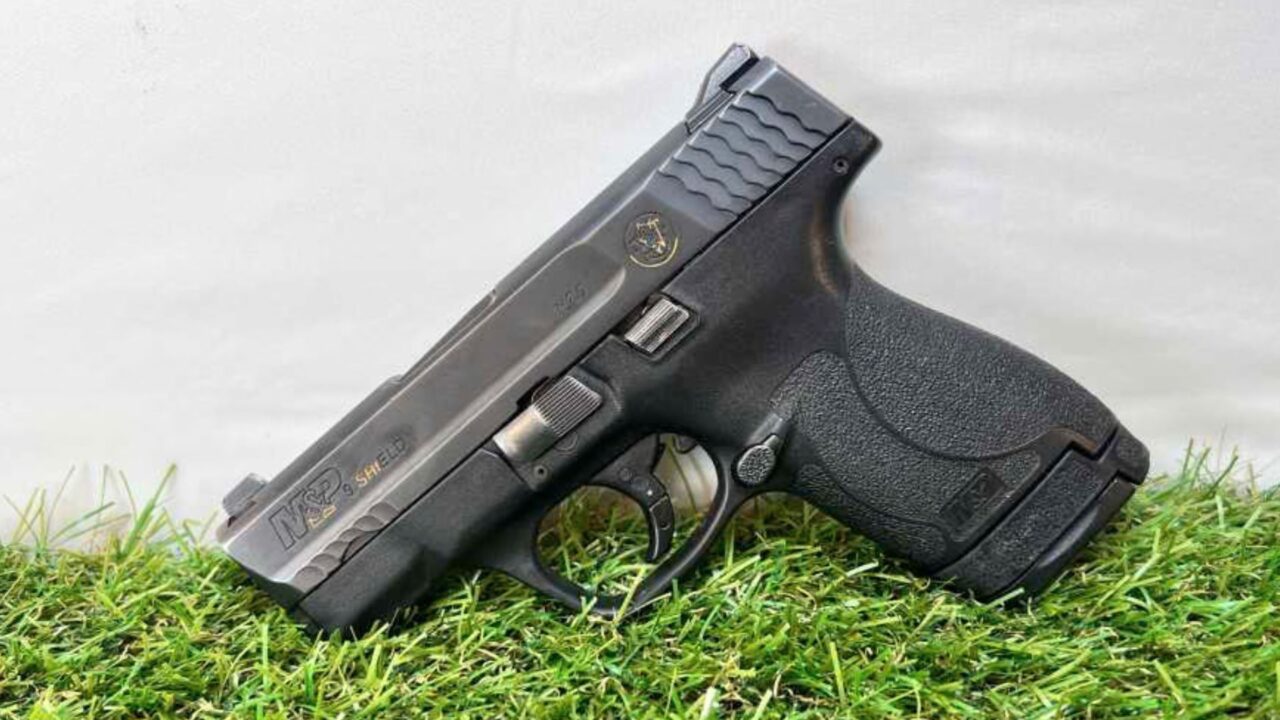
The early M&P triggers were nothing to brag about. A lot of guys bought them, grumbled, and either upgraded parts or learned to run them. What’s proven out over time is the platform’s reliability and ergonomics, especially for folks who never liked Glock grip angles.
Plenty of “me too” striker pistols appeared and disappeared. The M&P line stuck around because agencies and regular shooters kept them running without drama.
19. Springfield Armory XD (XD-9 / XD Service Model)

This one will start arguments, but I’ve seen enough XDs with honest round counts that I’m comfortable putting it here. It’s not the coolest pistol in the safe, and it’s thicker than it needs to be, but many of them have been stubbornly reliable for regular shooters.
Where a lot of similar-era polymer pistols turned into cracked frames and mystery malfunctions, the XD often just keeps chugging with basic spring replacement and good mags.
20. Kahr PM9
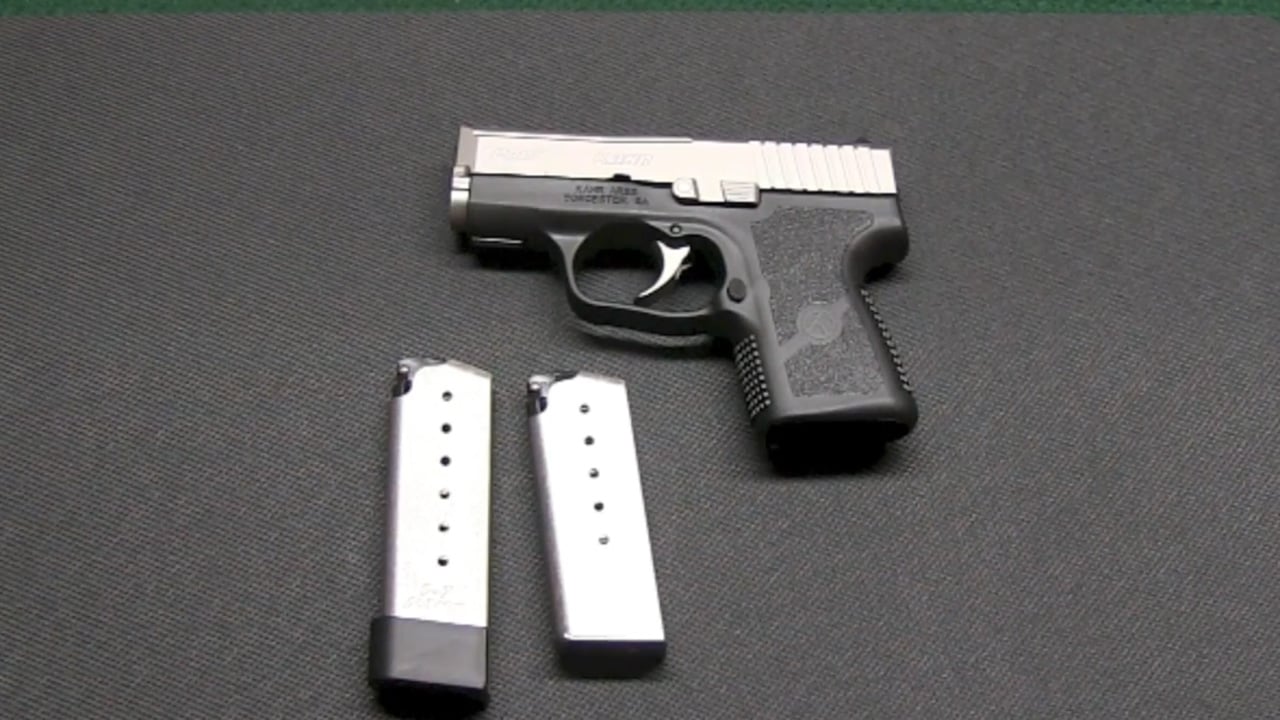
For deep concealment, the little Kahr earned a reputation the hard way. It’s slim, it carries comfortably, and it points naturally for a pistol that disappears under a T-shirt. The trigger is long but smooth, and in the real world that matters more than internet trigger-snob arguments.
Lots of pocket 9mms from the early micro-compact race were unreliable, painful, or both. The PM9 wasn’t perfect, but the good ones became trusted carry pistols instead of trade-in fodder.
What makes these pistols different isn’t magic, and it’s not nostalgia. It’s that they were built around sound design and real-world use, then supported well enough that normal shooters could keep them alive. If you’ve got one of these that runs, treat it like a tool, replace springs when they’re tired, feed it decent magazines, and don’t be too quick to trade it off for whatever is trending this season. The older I get, the more I respect the boring guns that still work.
Like The Avid Outdoorsman’s content? Be sure to follow us.
Here’s more from us: