Photo credit: Buckeye Ballistics/Youtube
Some guns seem easy to replace when they’re common. They don’t look special, they don’t have a dramatic feature list, and nobody treats them like rare treasures while they’re still sitting everywhere. Then production changes, newer models show up, quality gets uneven, or the replacement just doesn’t feel as good.
That’s when ordinary starts looking better. A gun doesn’t have to be fancy to be worth keeping. Sometimes it only has to be solid, familiar, and better than whatever came after it.
Remington 870 Wingmaster
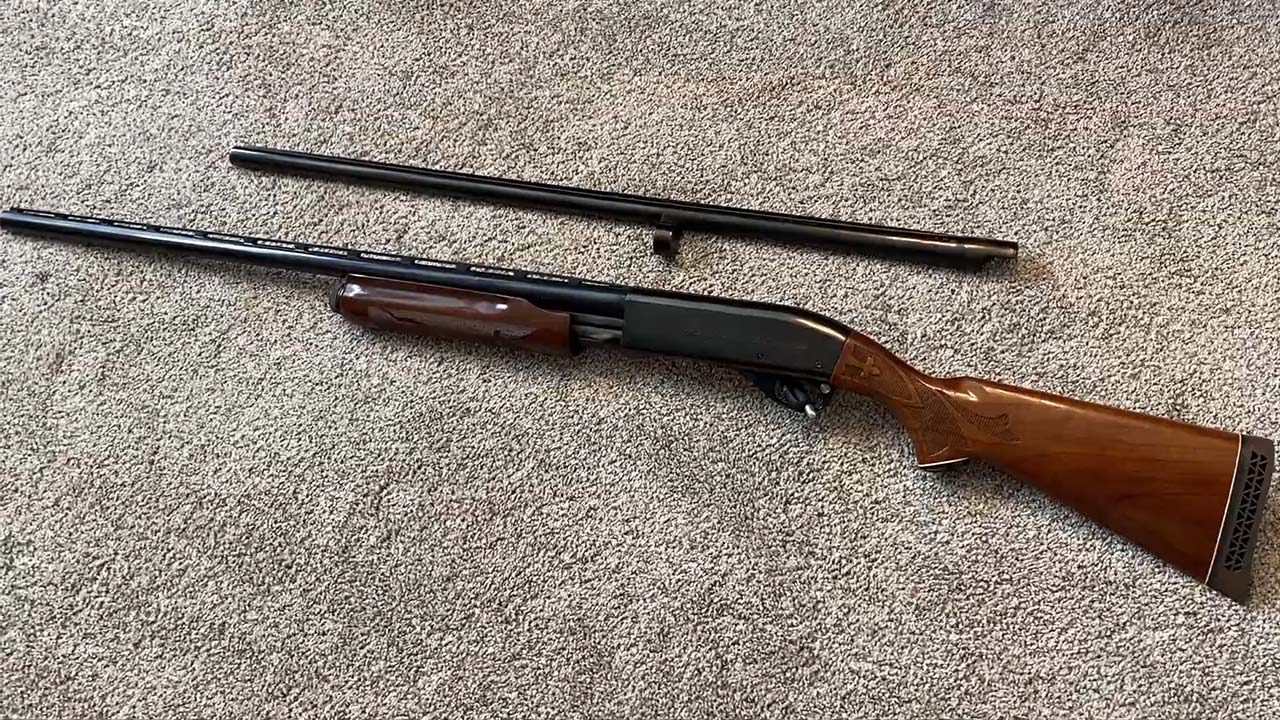
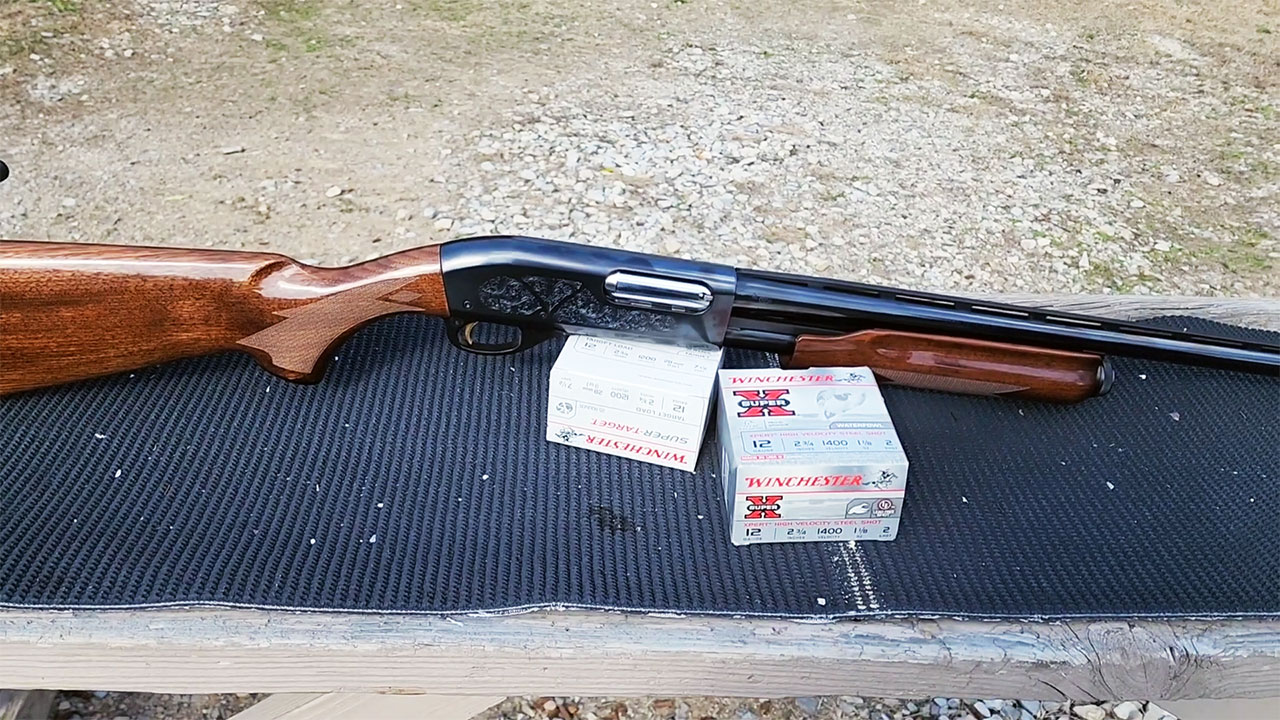
The Remington 870 Wingmaster used to be so common that plenty of shooters treated it like any other pump shotgun. It was a good gun, sure, but it didn’t always feel special when used racks were full of them and newer shotguns kept showing up with fresh finishes and cheaper price tags.
Then people started comparing older Wingmasters to rougher budget pumps and later lower-end 870 variants. The difference became obvious. A good Wingmaster cycles smoothly, carries well, and has a level of finish that many newer pumps don’t match. It can hunt birds, shoot clays, run slugs, or serve as a general-purpose shotgun with the right barrel. What once looked ordinary now feels like the pump gun people should have held onto.
Marlin 336 JM-Stamped Rifles
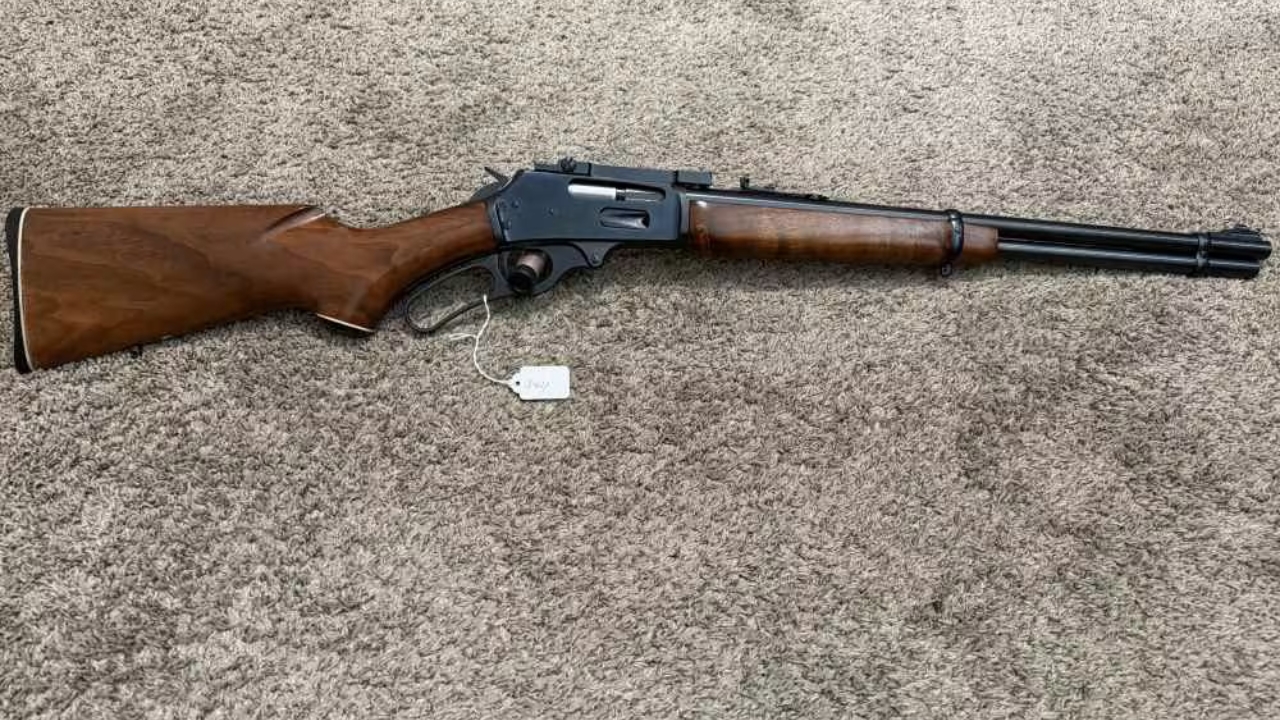
For years, the Marlin 336 looked like a normal deer rifle. It leaned in cabin corners, rode in trucks, and sat in used racks without much drama. In .30-30 Winchester or .35 Remington, it was simply the lever gun a lot of hunters already knew.
Then lever-action quality got uneven, older JM-stamped rifles climbed in demand, and shooters started realizing how good the old 336 really was. The side-eject receiver made optics practical, the action slicked up nicely with use, and the rifle handled woods hunting beautifully. It didn’t need to be flashy. Once replacements felt rougher or more expensive, the old 336 stopped looking ordinary and started looking like the right answer all along.
Glock 19 Gen 3
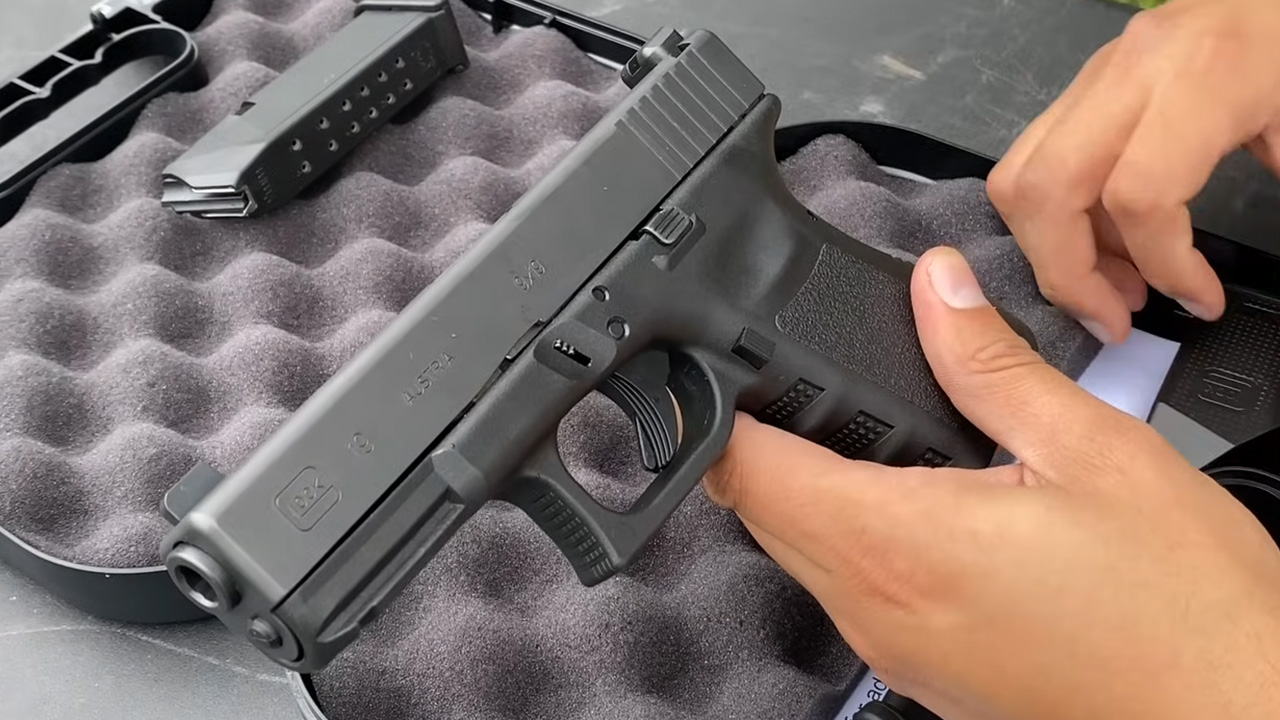
The Glock 19 Gen 3 spent a long time being almost too common to appreciate. It was everywhere. Police trade-ins, carry classes, range bags, nightstands, and used cases were full of them. That kind of availability made some shooters assume it was boring and easily replaced.
Then the market filled with compact pistols that promised better ergonomics, better triggers, more features, and more personality. Some were excellent. Many still didn’t replace what the Gen 3 did well. The Glock 19 Gen 3 is simple, reliable, easy to maintain, and backed by endless parts and magazine support. It may not feel exciting, but it keeps working. Once newer pistols started needing excuses, the old Gen 3 looked smarter.
Winchester Model 70 Classic

The Winchester Model 70 Classic looked like a normal hunting rifle to people who didn’t care about controlled-round feed, safety design, or field handling. It had traditional lines, familiar chamberings, and a reputation that some hunters took for granted.
Then plenty of newer rifles arrived lighter, cheaper, and more aggressively marketed, but not always better-feeling. The Model 70 Classic still offers a strong extractor, excellent three-position safety, solid action feel, and a confidence that matters in rough country. It doesn’t feel like a rifle built around shortcuts. Hunters who passed one up because it looked ordinary often learned that replacements can shoot fine and still feel less trustworthy.
Smith & Wesson Model 5906

The Smith & Wesson 5906 used to look like a plain stainless service pistol from the old law-enforcement era. Once polymer striker-fired guns took over, the 5906 seemed heavy, dated, and easy to replace. A lot of shooters moved on without thinking twice.
Now, that heavy stainless build looks a lot better. The 5906 shoots softly, handles high round counts, and feels nearly indestructible compared with some lighter pistols. The DA/SA system takes practice, but the gun rewards a shooter who learns it. It may not be the best modern carry pistol, but as a range, home-defense, or collection piece, it has aged very well. Ordinary service pistols started looking better once replacements felt cheaper.
Ruger M77 Mark II
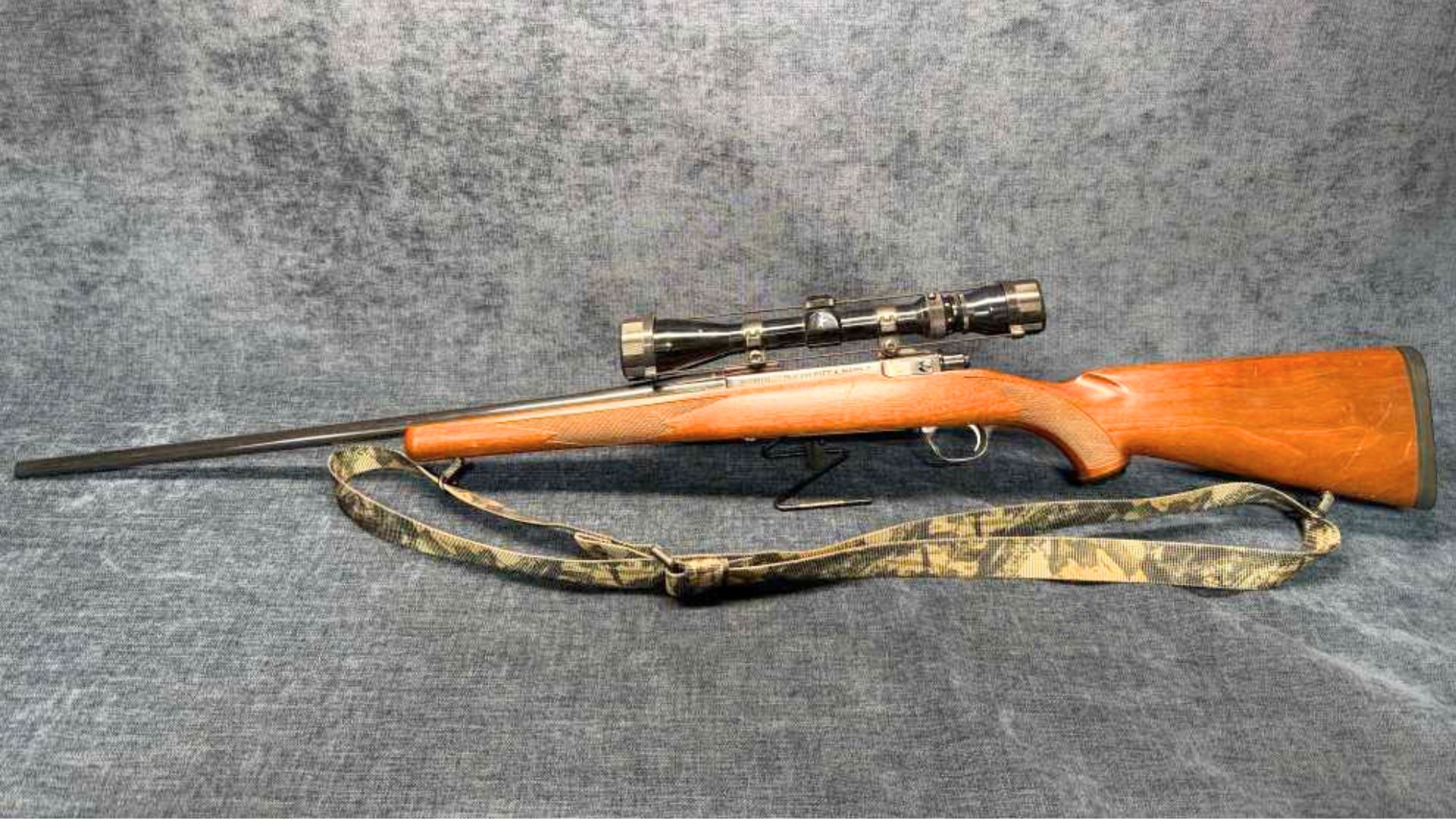
The Ruger M77 Mark II didn’t always get treated like something special. It was a rugged hunting rifle with a controlled-round-feed action, but many hunters focused more on flashier rifles, smoother actions, or lighter platforms. The Ruger looked dependable, but not especially exciting.
Then a lot of newer hunting rifles started feeling hollow, overly light, or built mainly around price. The Mark II’s strength became easier to appreciate. It has a solid action, strong extractor, and field-ready personality that makes it feel built for hard use. The trigger wasn’t everyone’s favorite, but the rifle itself had backbone. Once replacements got lighter in all the wrong ways, the old Ruger looked a lot better.
Beretta 92FS

The Beretta 92FS spent years being treated like yesterday’s service pistol. It was big, heavy, DA/SA, and saddled with controls some shooters didn’t love. When lighter polymer pistols took over, a lot of buyers saw the 92FS as ordinary military surplus thinking.
Then people kept shooting it. The 92FS is smooth, soft-recoiling, accurate, and pleasant during long range sessions. A lot of newer pistols are easier to carry, but not all of them are nicer to shoot. The Beretta’s metal frame, long sight radius, and open-slide design still make it feel refined. Once replacements got smaller, snappier, and less enjoyable, the old 92FS started looking less outdated and more like a gun worth keeping.
Savage Model 110
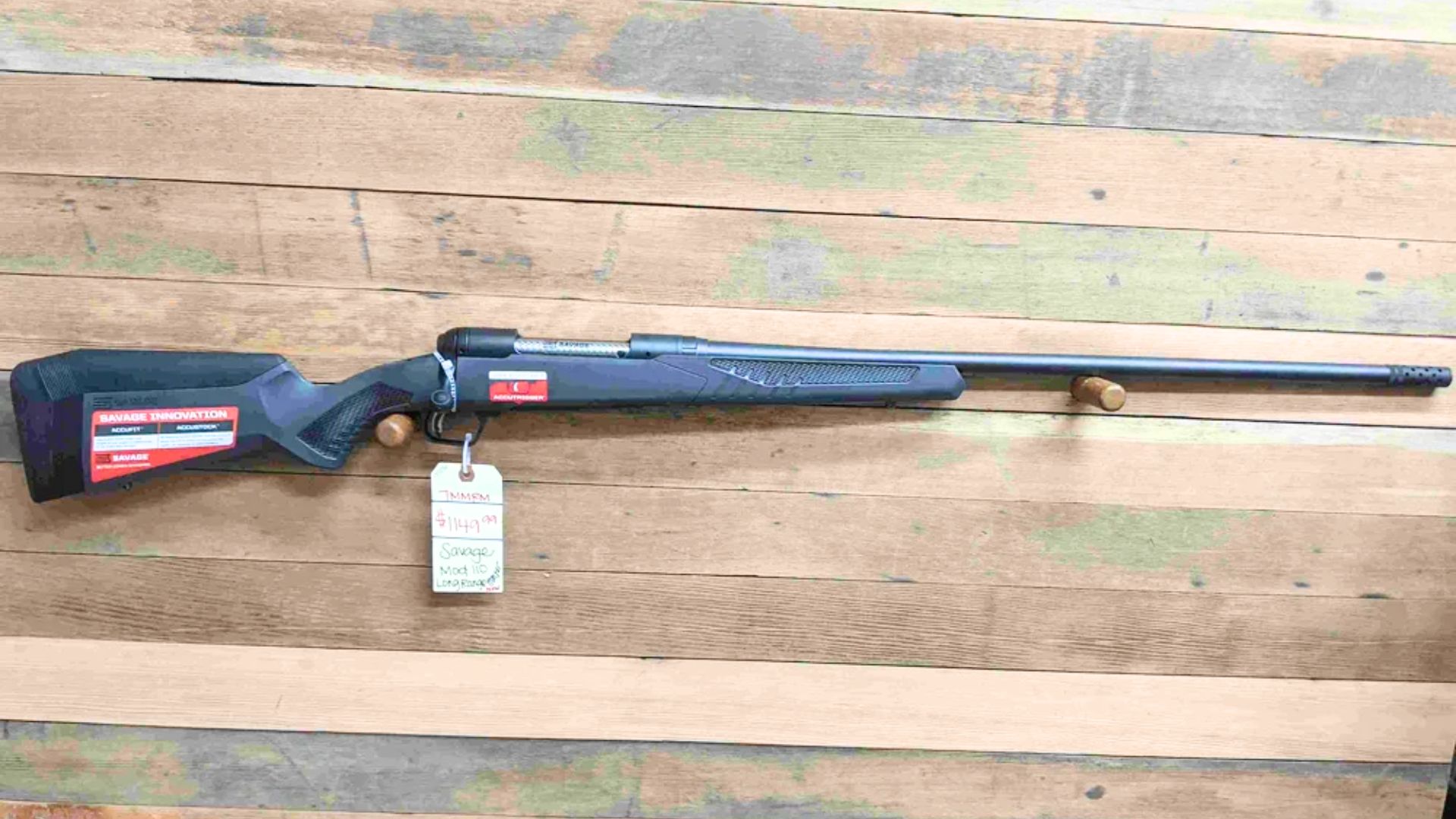
The Savage Model 110 was never the rifle people bought for looks. It was plain, affordable, and known mostly for shooting better than expected. For years, that made it seem ordinary. Hunters who cared about walnut, polish, and old names sometimes looked past it.
Then newer budget rifles started chasing lower price points while Savage kept leaning on practical accuracy. The 110’s reputation became harder to dismiss. The AccuTrigger helped modern versions, but even older rifles often shot well enough to embarrass prettier guns. A rifle doesn’t have to be elegant to be useful. Once some replacements started feeling cheap and inconsistent, the plain Savage looked like the honest workhorse it always was.
Browning Auto-5

The Browning Auto-5 was once just an old semi-auto shotgun to plenty of hunters. The humpback receiver, long-recoil action, and older handling didn’t appeal to everyone once gas guns and modern inertia guns became more common. Some owners sold them thinking replacements would be easier to live with.
Then the Auto-5’s quality started standing out. A good Belgian or well-kept Japanese Auto-5 has character, durability, and mechanical personality that modern shotguns rarely duplicate. It does require understanding the friction ring system and keeping the gun properly maintained, but it rewards owners who know it. Once newer shotguns felt more disposable, the old Auto-5 stopped looking ordinary and started looking like real craftsmanship.
Colt Government Model 1911
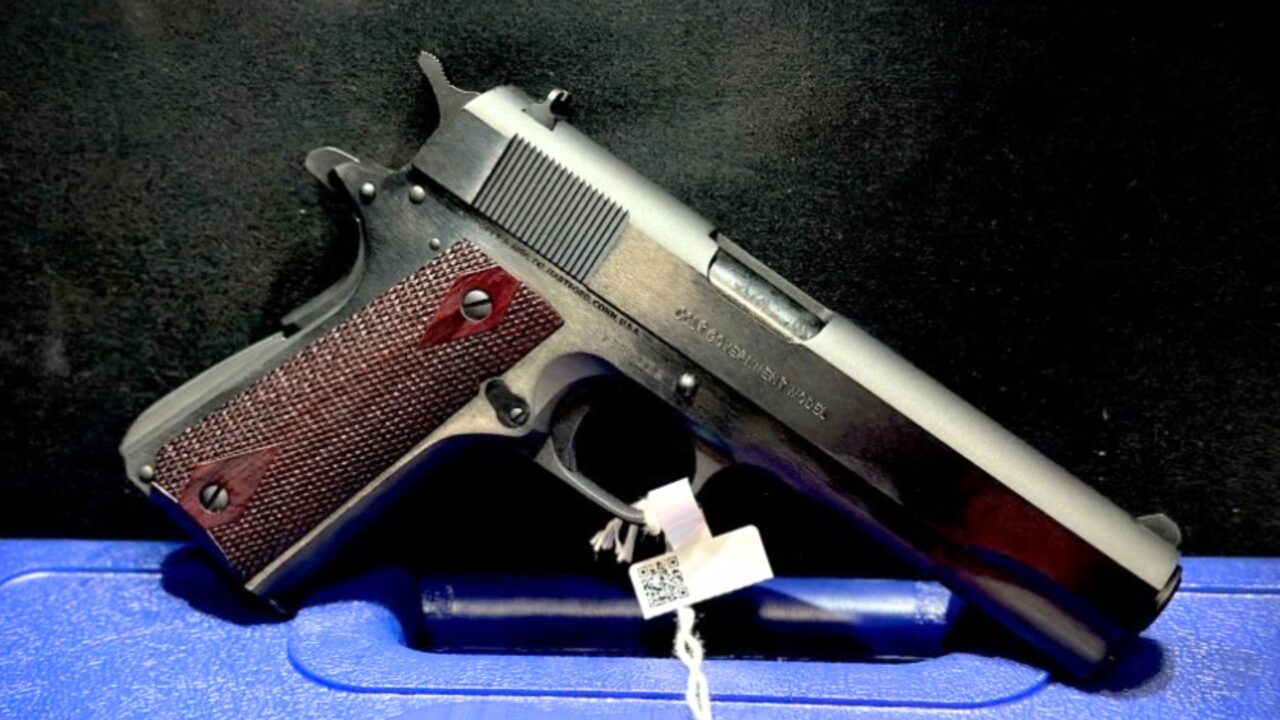
The Colt Government Model 1911 looked ordinary for years because the 1911 world became packed with upgraded versions. Rails, checkering, beavertails, optics cuts, match barrels, and custom touches made a plain Colt seem basic. Some shooters treated it as a starting point rather than a keeper.
Then enough bargain 1911s showed their problems, and enough overly modified pistols became finicky, that a good Colt Government Model started making more sense. The core design still gives shooters a clean trigger, slim grip, and satisfying recoil impulse. It may not have every modern feature, but it has the feel that made the platform matter. Sometimes the plain version ages better than the dressed-up replacements.
Tikka T3 Lite
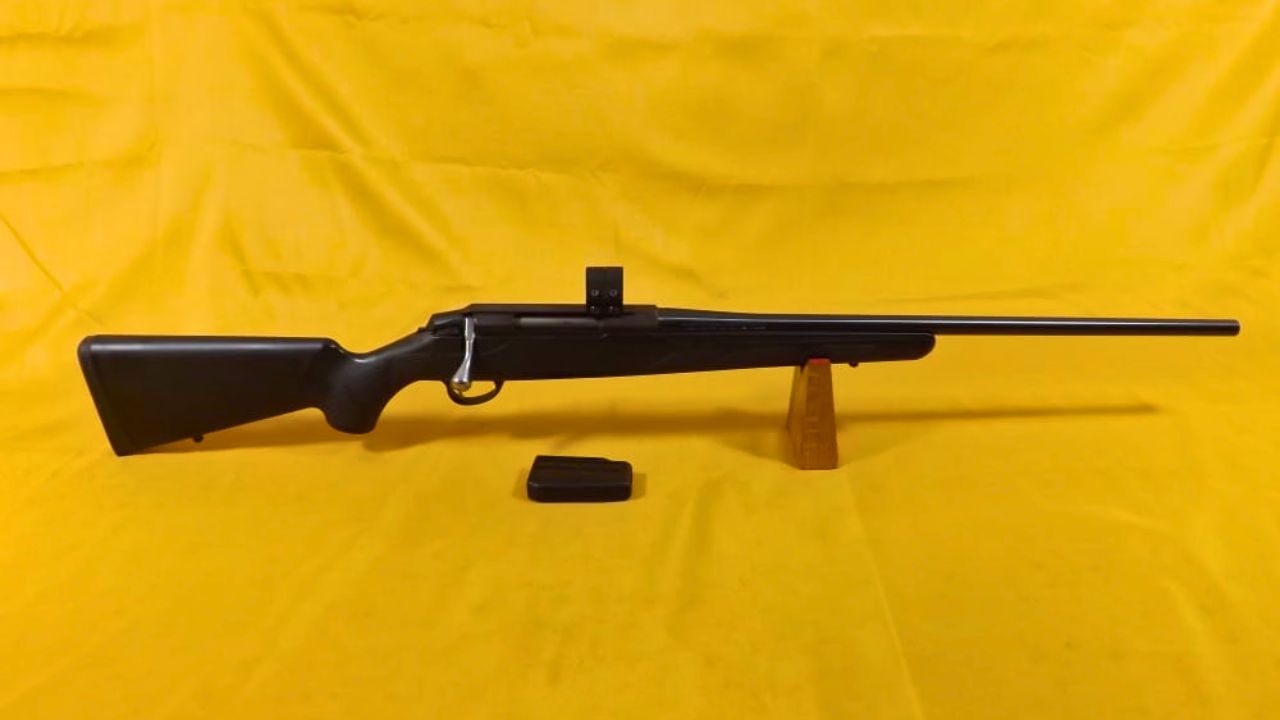
The original Tikka T3 Lite looked almost too plain when it was new. Synthetic stock, simple lines, and no dramatic styling made it seem like another lightweight hunting rifle. Then owners started realizing how smoothly the bolt ran and how well many rifles shot with factory ammo.
Later updates improved certain details, and plenty of newer rifles entered the same lane. Still, the original T3 Lite never stopped making sense. It was light, accurate, and easy to trust. Some replacements added features without improving the things hunters actually cared about. A rifle that carries well and shoots well doesn’t become obsolete just because the next version arrives. The T3 Lite proved ordinary can be excellent.
Smith & Wesson Model 10
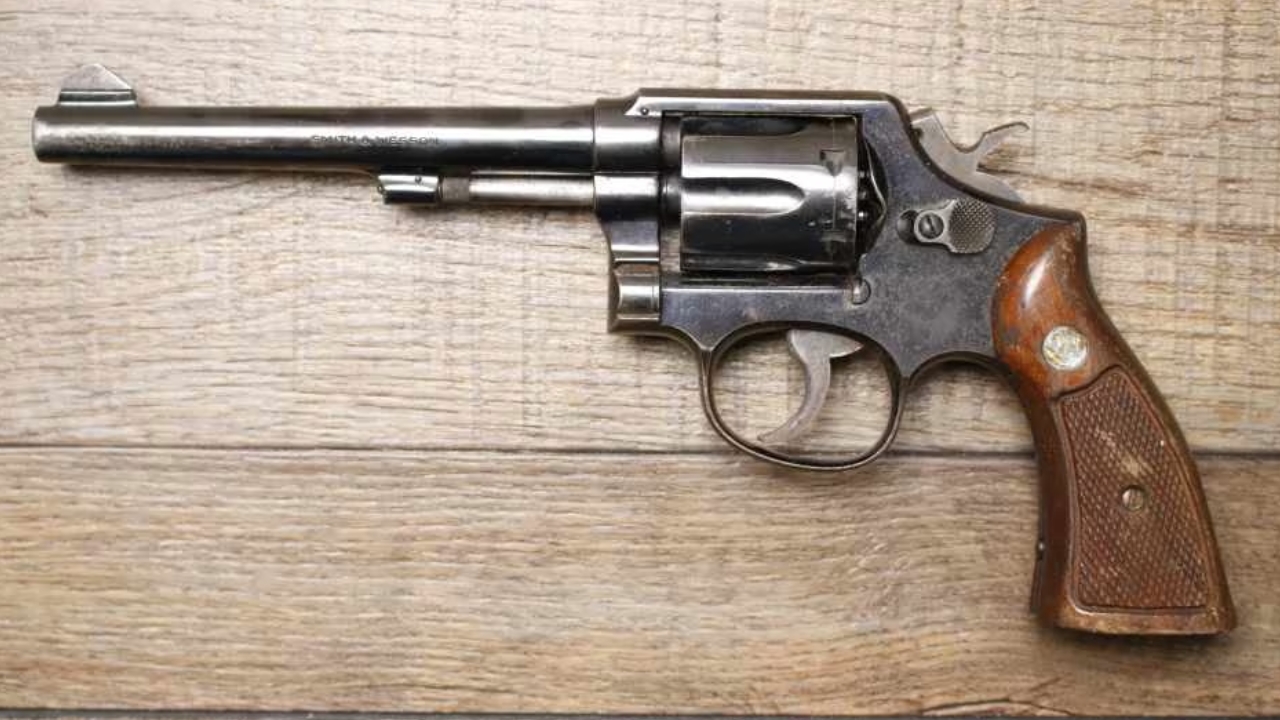
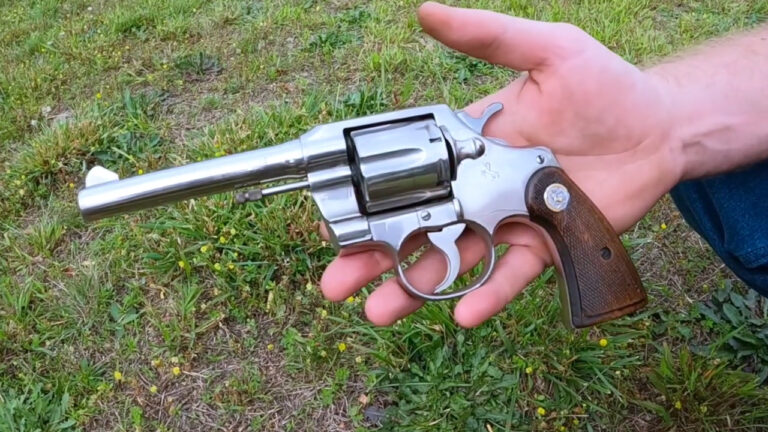
The Smith & Wesson Model 10 looked ordinary because it was ordinary in the best way. It was a fixed-sight .38 Special revolver used by police, guards, homeowners, and range shooters for decades. Nothing about it screamed rare or exciting.
Then revolvers got more expensive, cheaper examples got rougher, and shooters rediscovered how well a good Model 10 handles. The balance is excellent, recoil is mild, and the double-action trigger can teach real skill. It doesn’t win modern capacity arguments, but it remains one of the most useful training and range revolvers around. Once newer budget revolvers felt gritty or crude, the old Model 10 looked far better than ordinary.
Remington Model 700 ADL

The Remington 700 ADL was the plain version of a famous rifle. Blind magazine, basic stock, no fancy trim. Because of that, plenty of hunters treated it like a budget stepping stone. It looked replaceable because it didn’t have the gloss or polish of a BDL.
That judgment didn’t always hold up. A good ADL still had the Model 700 action, strong aftermarket support, and practical hunting accuracy. The blind magazine kept things simple, and many rifles served hunters for decades without drama. Newer budget rifles may come with more features, but they don’t always feel like they have better bones. The ADL looked ordinary until people realized the basic rifle was often the smart one.
Browning Buck Mark
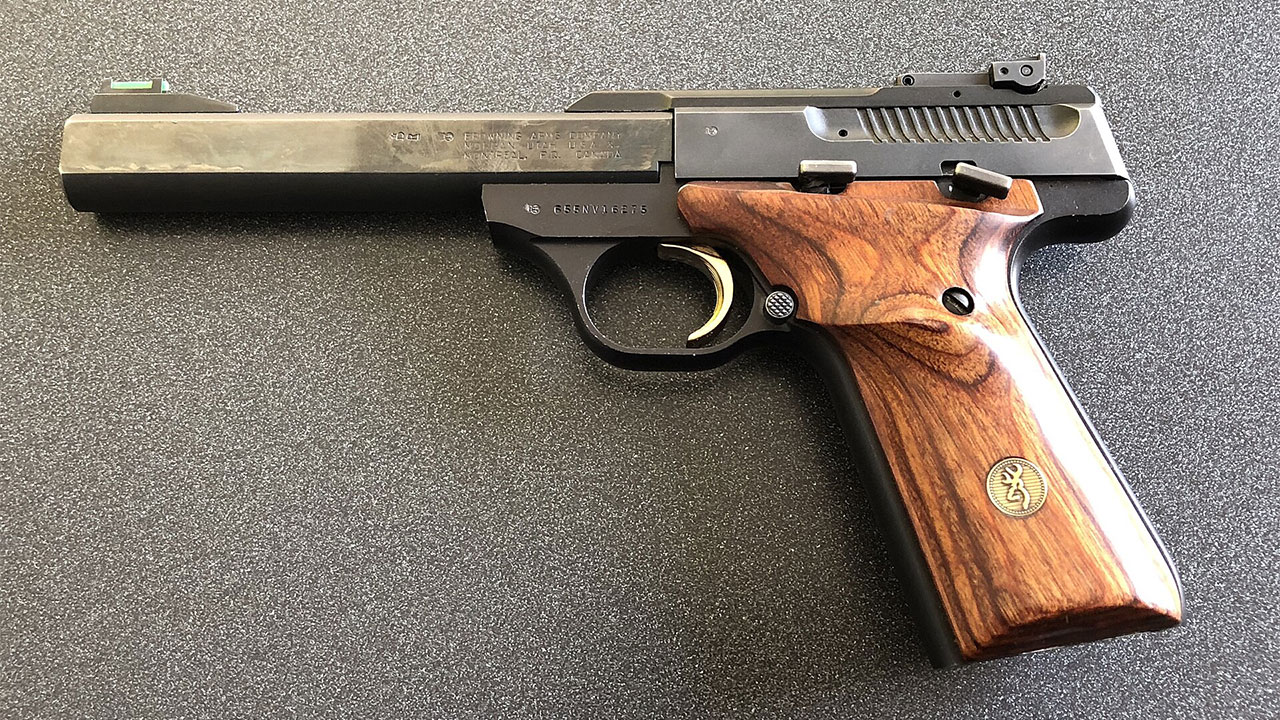
The Browning Buck Mark looked like a normal rimfire pistol for years. It wasn’t as historic as the Ruger Mark series and didn’t have the tactical styling of newer .22 pistols. It just sat there as a comfortable, accurate, practical rimfire.
Then shooters spent time with it and realized how hard it was to improve on. The grip feels good, the trigger is usually solid, and the pistol is accurate enough to make range time productive. Some newer rimfires offered lighter frames, rails, or suppressor-ready setups, but not all felt as satisfying. A .22 pistol gets used when it’s enjoyable. The Buck Mark became more appreciated once replacements proved that more features don’t always mean more fun.
Winchester Model 12
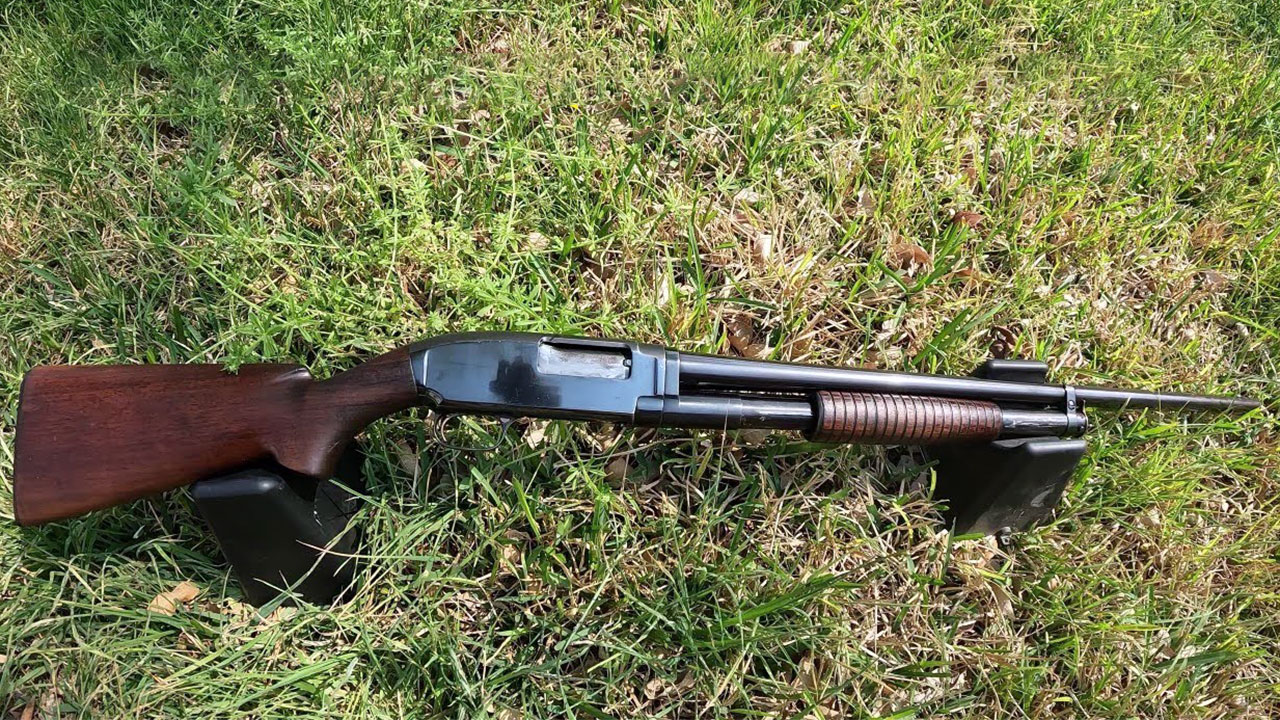
The Winchester Model 12 spent years as a common old pump shotgun. It hunted birds, shot clays, rode in closets, and often got treated like a used working gun rather than a classic. Then newer pump shotguns became cheaper, rougher, and less refined, and the Model 12’s quality became easier to see.
A slick Model 12 has a feel that modern pumps rarely match. The action, balance, and old Winchester workmanship all stand out once you run one. It isn’t as easy to accessorize as modern shotguns, and used condition matters. But a good Model 12 feels like a shotgun from an era when even working guns were built with pride. That kind of ordinary doesn’t stay ordinary forever.
Like The Avid Outdoorsman’s content? Subscribe to our newsletter so you never miss an article.
Here’s more from us: