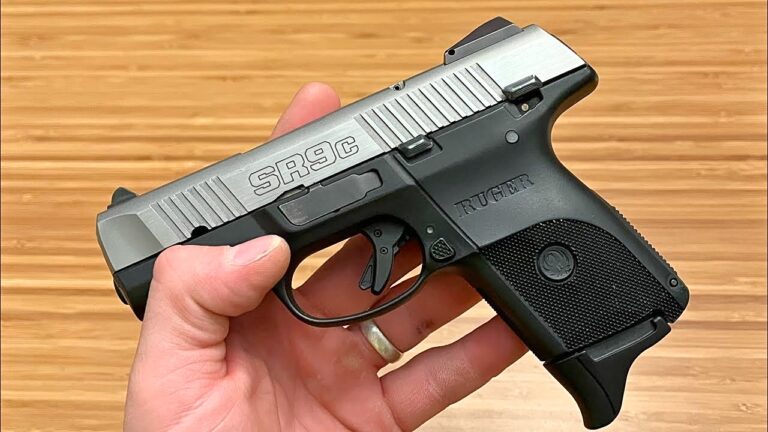
Photo credit: Champion Jigs Outdoors/Youtube
Estate sales are where you see two kinds of buyers. The first kind is hunting for furniture and Pyrex. The second kind walks straight to the back bedroom closet and quietly checks for old gun cases leaning in the corner like forgotten ladders. If you’ve been around rural communities long enough, you’ve seen both, and you’ve probably watched a working man’s rifle get tagged like it’s just another dusty tool.
What gets me is how often the real gems go for almost nothing, not because they’re junk, but because the folks running the sale don’t know what they’re looking at. A blued steel classic with honest wear isn’t “old,” it’s proven. And a plain-looking revolver with a few holster marks might be the one gun in the whole pile that will still be running when the polymer wonder-guns of the day are long out of fashion.
The estate-sale gun table is a weird mix of treasures and trouble
Most estate sales aren’t “gun sales.” They’re a family trying to empty a house, and the firearms are just one more stressful box to check. That’s how you end up with a tag that says “old shotgun $150” taped to something that would cost three times that to replace today.
But it’s also how you end up with missing bolts, mystery ammo tossed in coffee cans, and rifles that haven’t been cleaned since the first Bush administration. If you’re looking, you need to look like a grown-up: safe handling, no muzzle sweeping, ask before you touch, and don’t try to play gunsmith on someone’s kitchen table. If something feels off, walk away. There’s always another sale.
Why “nothing” prices happened in the first place
Back when ammo was cheap and every hardware store had a gun rack, plenty of these firearms were treated like appliances. A deer rifle was a deer rifle. A 12-gauge was a 12-gauge. When grandpa passed, the family remembered the gun as “the one he kept behind the door,” not as a specific model with a following.
Then there’s the awkward factor. Some families don’t want to mess with firearms at all. They don’t know the rules, they don’t know the market, and they’d rather price it to move than spend a week learning what they’ve got. I get that, but it’s how $300 turns into $80, and how serious guns end up sold like lawn tools.
The guns that quietly moved from closets to display cases

Rayvolver44/YouTube.
Here’s the part that stings: a lot of those “cheap estate sale” guns are the exact ones you now see sitting behind glass with a little card and a price that makes you swallow hard. Not every old firearm is a collectible, and not every collectible is even that useful. But there are certain models that used to be everywhere, and now you’re lucky to find a clean example that hasn’t been “upgraded” into something it was never meant to be.
Below are a few that show up in that exact pattern—bought for pocket change years ago, and now priced like someone finally remembered what they are.
1. Winchester Model 94
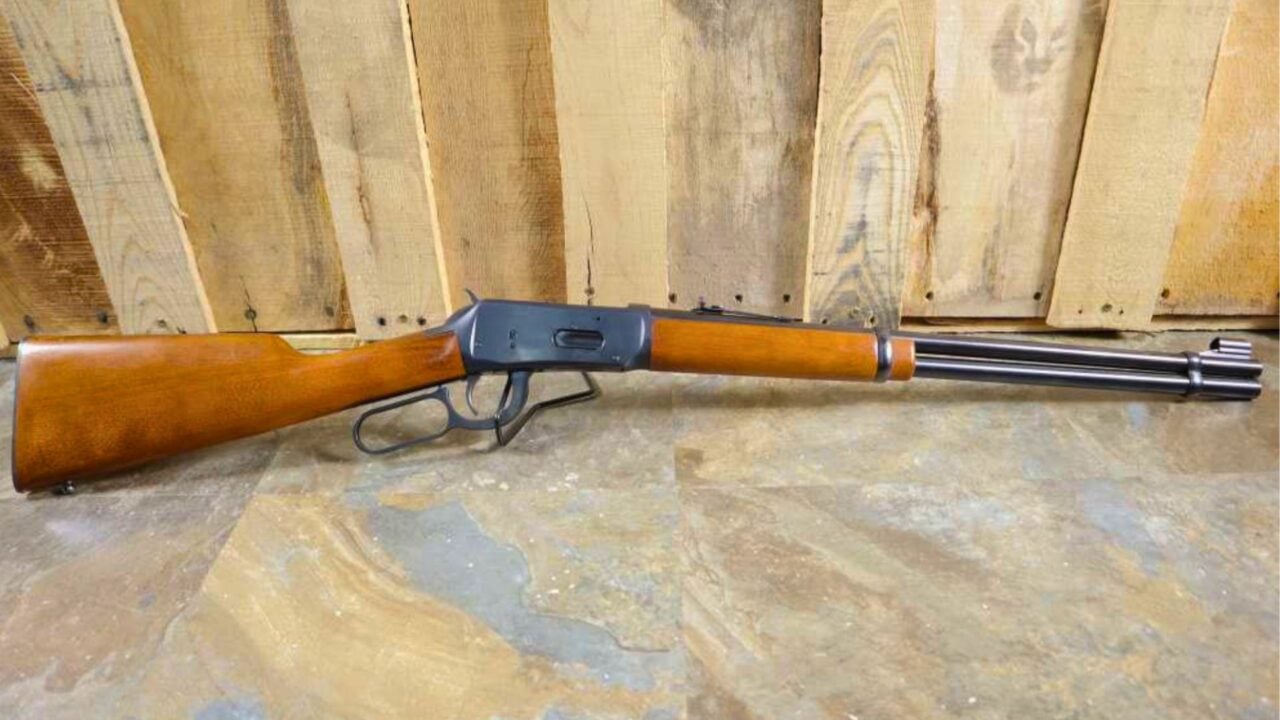
This is the one I’ve watched get treated like an old saddle more times than I can count. A worn Model 94 in .30-30 is about as “regular” as it gets in deer country, which is why they used to sit at estate sales with a tag that barely covered a tank of gas.
Now? Clean examples, especially pre-safety or older production, don’t sit long when they show up. They carry light, point fast, and they still do the job inside normal woods ranges. There is nothing fancy about it, and that is kind of the point.
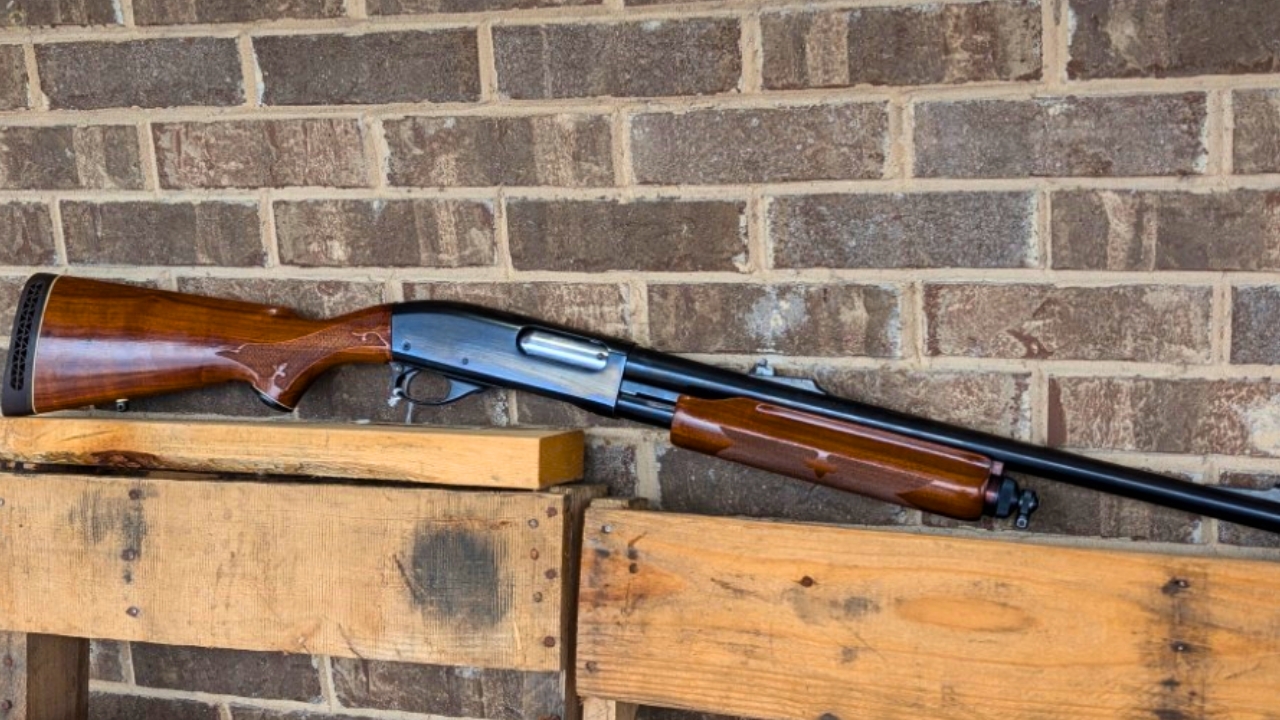
2. Remington 870 Wingmaster

Plenty of folks think an 870 is an 870, and the Wingmaster gets lumped in with every beat-up police trade-in they’ve ever seen. But pick up an older Wingmaster and run the action a few times. It’s slick in a way you don’t have to explain to anyone who’s handled a few shotguns.
Used to be, you could snag one cheap because it looked “plain.” Today the nicer ones are priced like people finally noticed what old-school fit and finish feels like. Parts are everywhere, barrels are common, and it’ll hunt anything you ask it to.
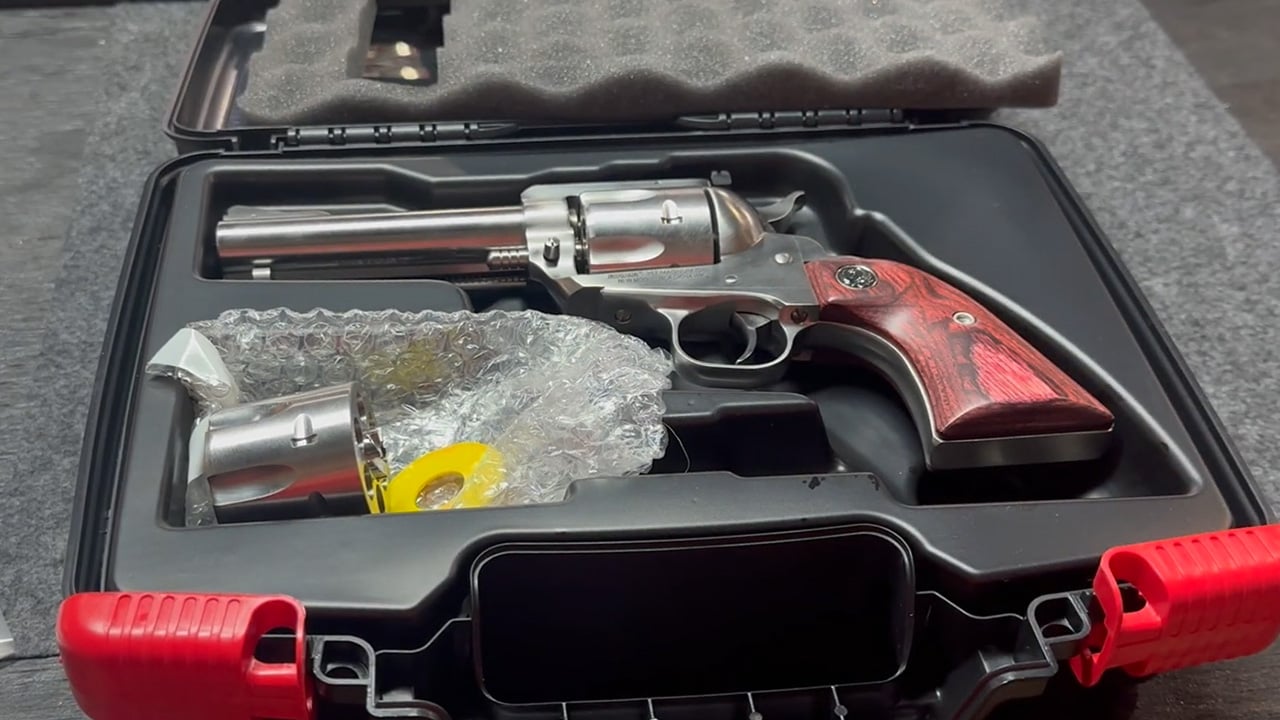
3. Ruger Blackhawk
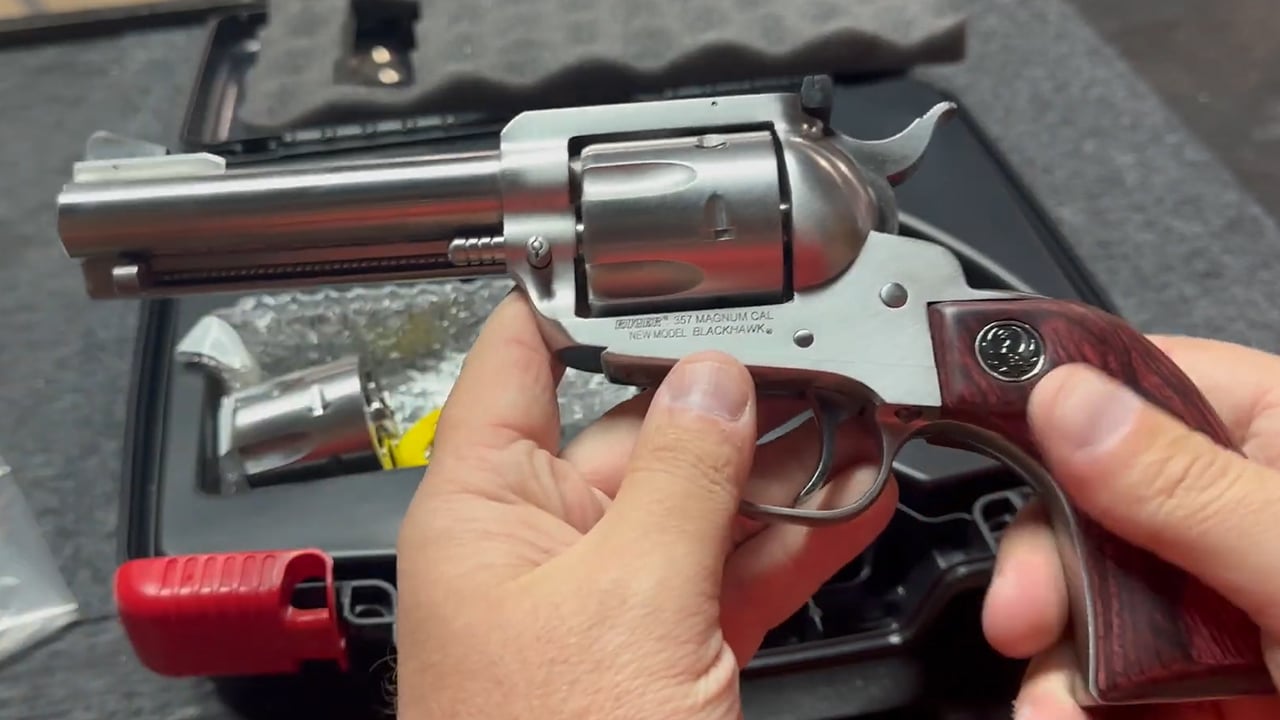
Single-action revolvers confuse non-gun people and bore some gun people. That helps them get undervalued at estate sales. The Blackhawk isn’t delicate, and it isn’t meant to be a safe queen. It’s a hard-use revolver that will take real loads and keep its timing.
They’re also the kind of gun that gets passed down, then sold off fast because “nobody shoots a cowboy gun.” Then someone sees it behind glass later with a price tag that’s suddenly very modern. That one hurts.
4. Smith & Wesson Model 10

A lot of older .38 revolvers look the same to the untrained eye, which is how Model 10s get priced like generic wheelguns. But there’s a reason police carried them for decades. They’re simple, durable, and they shoot better than most folks expect, especially with a decent set of grips.
Now you’ll see clean Model 10s treated like “classic service revolvers,” and they kind of are. They’re not rare, but condition matters, and nice ones aren’t being made anymore.
5. Colt Python (older production)
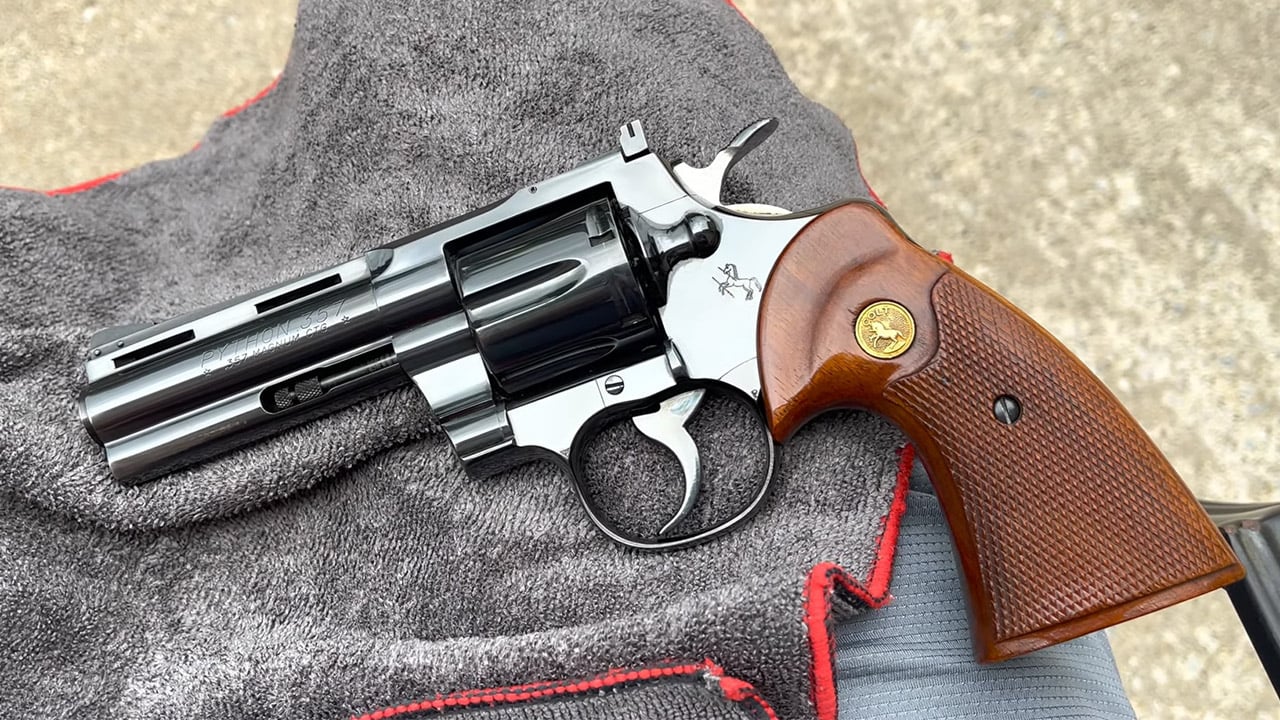
This is the extreme example, and it’s real. There was a time when a well-used Python was just “a fancy .357,” and if the family didn’t know what it was, it could slip out the door way under value. That doesn’t happen much now, because everyone has a phone and the word is out.
But the Pythons that got away years ago? Those are the ones sitting behind glass with prices that feel like a dare. Whether you’d actually carry one in the woods is another question. Still, the market has spoken.
6. Browning Auto-5
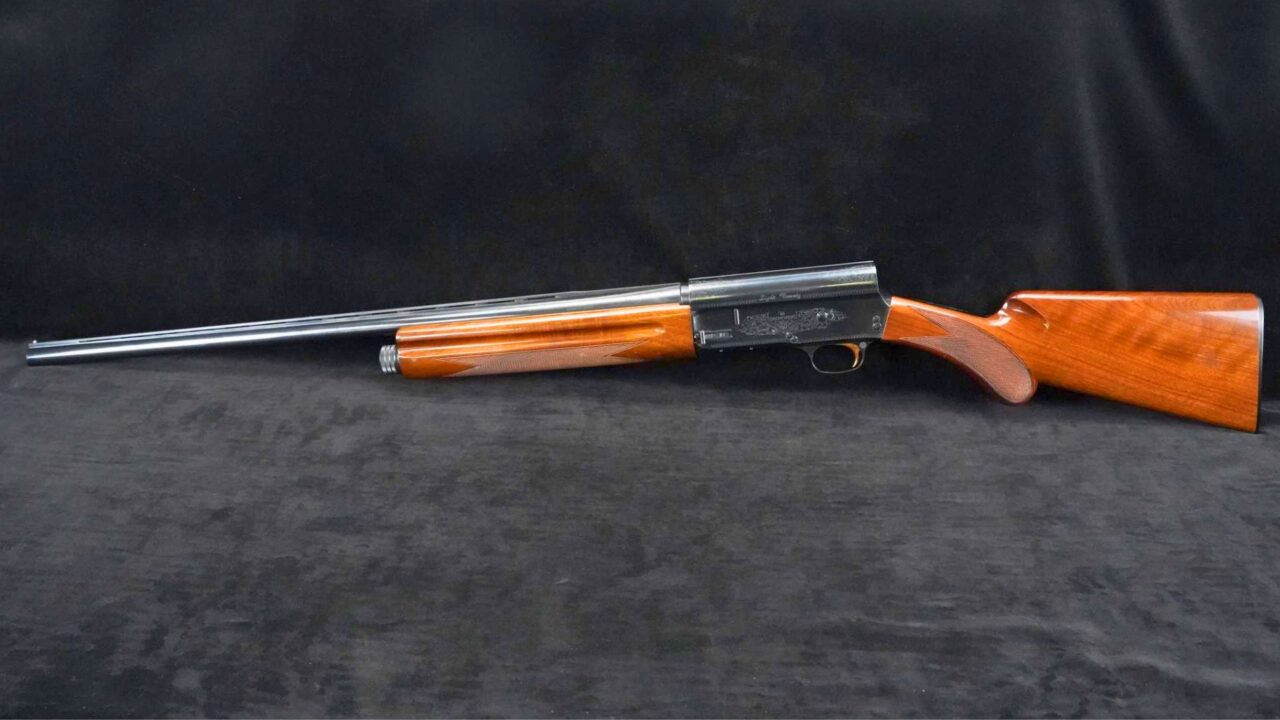
The humpback shotgun looks odd to folks who grew up on modern gas guns. At estate sales, that odd look can translate to “old and heavy” and “who wants that?” Meanwhile, an Auto-5 with honest wear is a lot of shotgun, and it has a feel that’s hard to fake.
They’re not for everyone. Recoil can be sharp depending on setup, and they’re not as simple as a pump. But they’re iconic for a reason, and good ones don’t stay cheap anymore.
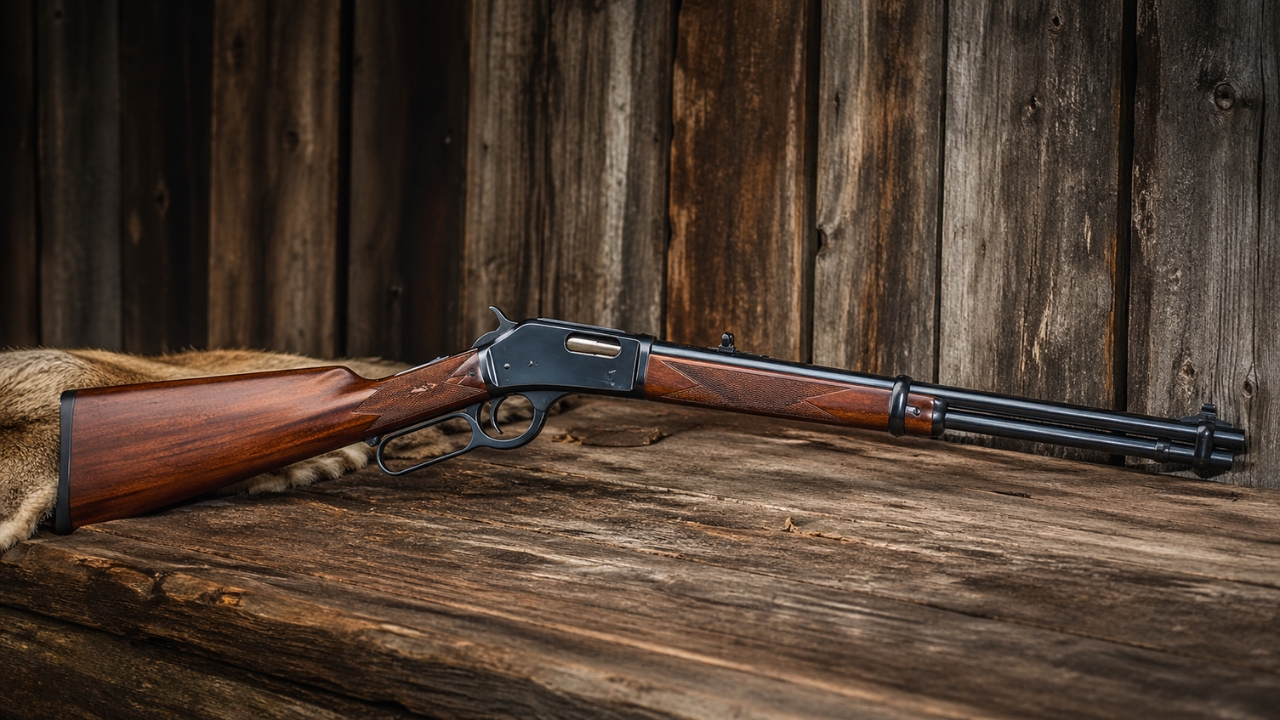
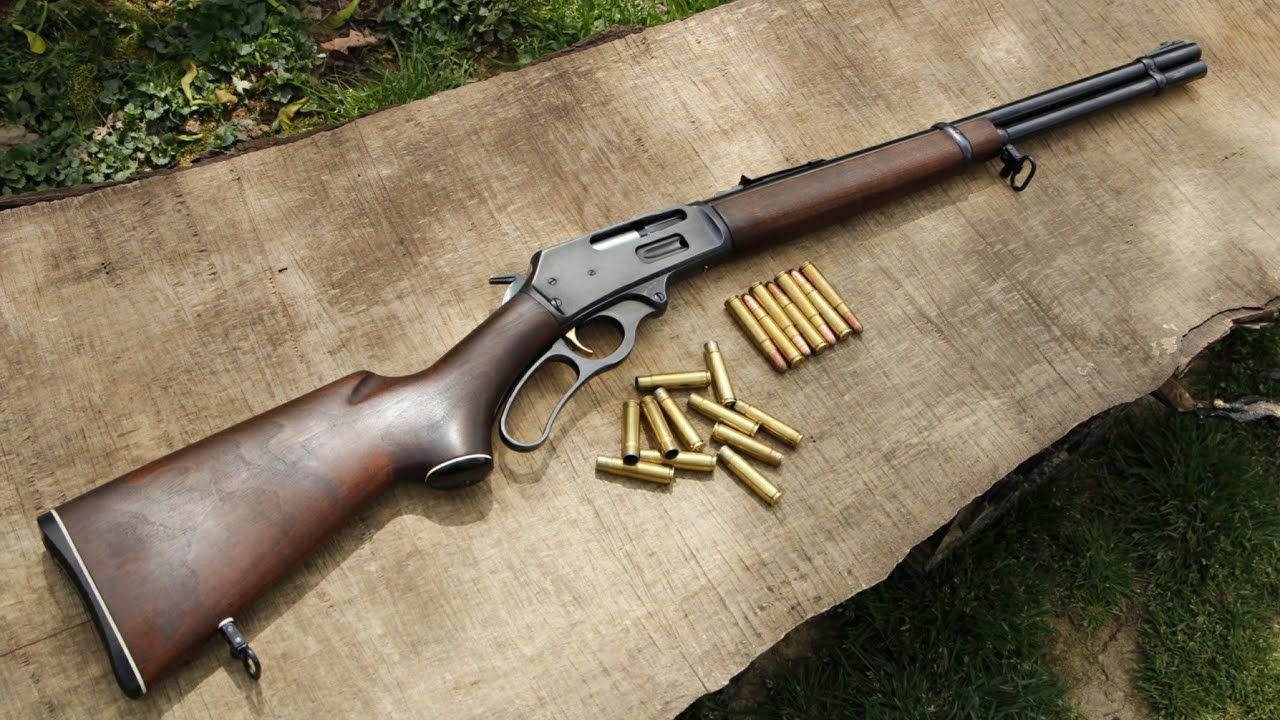
7. Marlin 336 (especially older, nicer wood/metal)

The Marlin 336 is one of those rifles that rides in a truck rack for twenty years and still gets it done. At an estate sale, that kind of working wear can spook buyers who only understand “like new.”
Now you see 336s behind glass with folks checking the roll marks and build era like they’re evaluating a used chainsaw engine. They’re handy, accurate enough for real hunting, and they balance in a way that makes you want to carry them.
8. Ruger 10/22 (older carbines with honest bones)

You’d think a 10/22 would never be overlooked because everybody knows what it is. And yet I’ve seen them tagged low because they’re “just a .22,” especially when they’re missing a magazine or wearing a cheap scope.
Here’s the deal: magazines are common, parts are everywhere, and the base rifle is still one of the most useful small-game and plinking tools ever made. The ones behind glass aren’t always “collectible,” but clean older carbines are getting more respect than they used to.
9. Winchester Model 70

When a bolt gun shows up at an estate sale, it often gets lumped in as “old hunting rifle.” That’s how a Model 70 can sit there while folks argue over fishing rods. Pick one up, though, and you’ll feel the difference in the way it shoulders and the way the bolt runs, especially on older examples.
Not every Model 70 is magic and not every caliber is desirable, but it’s a rifle with a serious following. And when people start talking about “classic American bolt guns,” this one comes up fast.
10. Springfield Armory M1 Garand
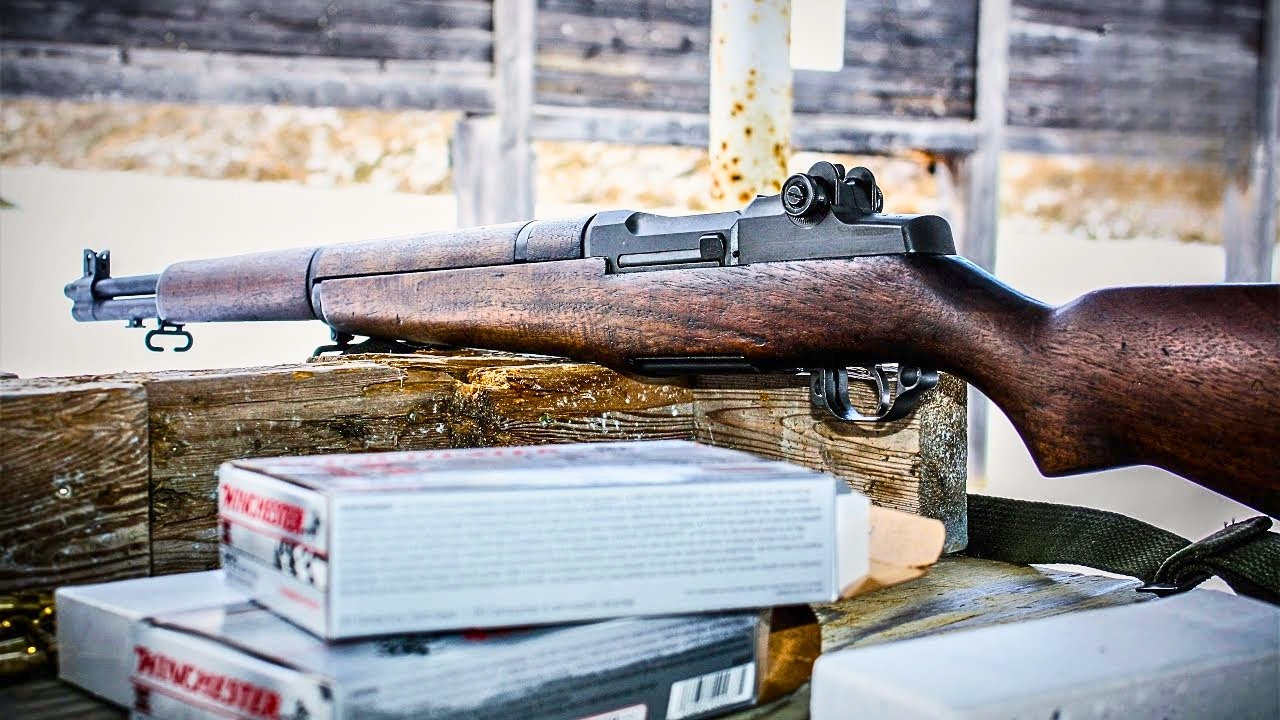
I’ve heard more than one person call a Garand “that old war gun” and move right along. If the estate sale is run by folks who don’t want the attention, sometimes they price it to disappear. That’s how history ends up in the hands of the first guy who recognizes what he’s holding.
Now, most Garands are either in collections, in safes, or sitting behind glass with paperwork and a price that reflects demand. They’re heavy, they’re loud, and they’re not the most practical hunting rifle. But as an American classic, they’re hard to ignore.
The part nobody talks about: families can prevent the “cheap and gone” outcome

If you’ve got firearms in the family and you don’t want them sold off like mismatched coffee mugs, do the boring work now. Write down what they are. Keep the serial numbers recorded in a secure place. Put a note with each case that says the make/model/caliber and any special history that matters.
And for the love of common sense, store them safely. A gun found loaded in a nightstand at an estate sale changes the mood fast. Safe storage isn’t just about theft and kids; it’s also about keeping a stressful situation from turning into a dangerous one when strangers are walking through a house.
What buyers should do if they stumble onto one
If you find a deal that feels too good, slow down. Make sure it’s being transferred legally through whatever process your area requires. Check the basics without getting cute: is it unloaded, does the action function, does the bore look like a sewer pipe, are there cracks in the stock, are screws chewed up from bad tinkering?
Also, don’t be the guy who brags about stealing it. If a family clearly doesn’t know what they have, you can still be fair. There’s a difference between finding a good buy and taking advantage of folks on a bad day.
The funny thing about these guns is that they didn’t get better sitting behind glass. They were always good at what they do. The only thing that changed is the supply dried up, the prices climbed, and everybody finally remembered that “old” isn’t the same thing as “worthless.”
Like The Avid Outdoorsman’s content? Be sure to follow us.
Here’s more from us: