Photo credit: Jacobs Custom Gun Works/Youtube
You can tell who actually trains by what they bring to the range when the buzzer goes off or when a follow-up shot matters. It is easy to fall in love with a gun that looks good in the case, has a cool name, or carries some old-school mystique. It is harder to live with one that makes you fight for every second shot.
This is not about “one-shot” hunting ethics or dumping mags. It is about real-world control: recoil that bucks you off target, actions that hang up, triggers that stack weird, sights that disappear, or designs that punish you for trying to run them with cold hands and a little pressure. Here are 20 specific firearms that tend to make quick, clean follow-ups harder than they need to be.
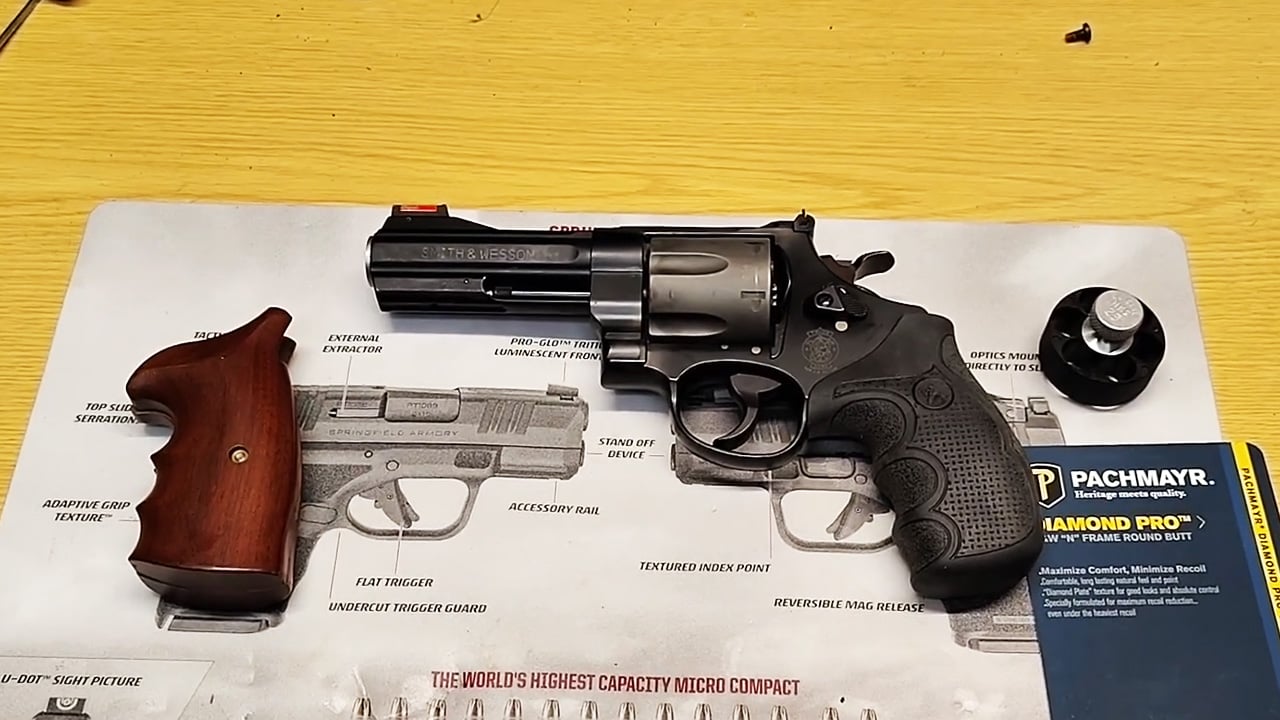
1. Smith & Wesson Model 329PD
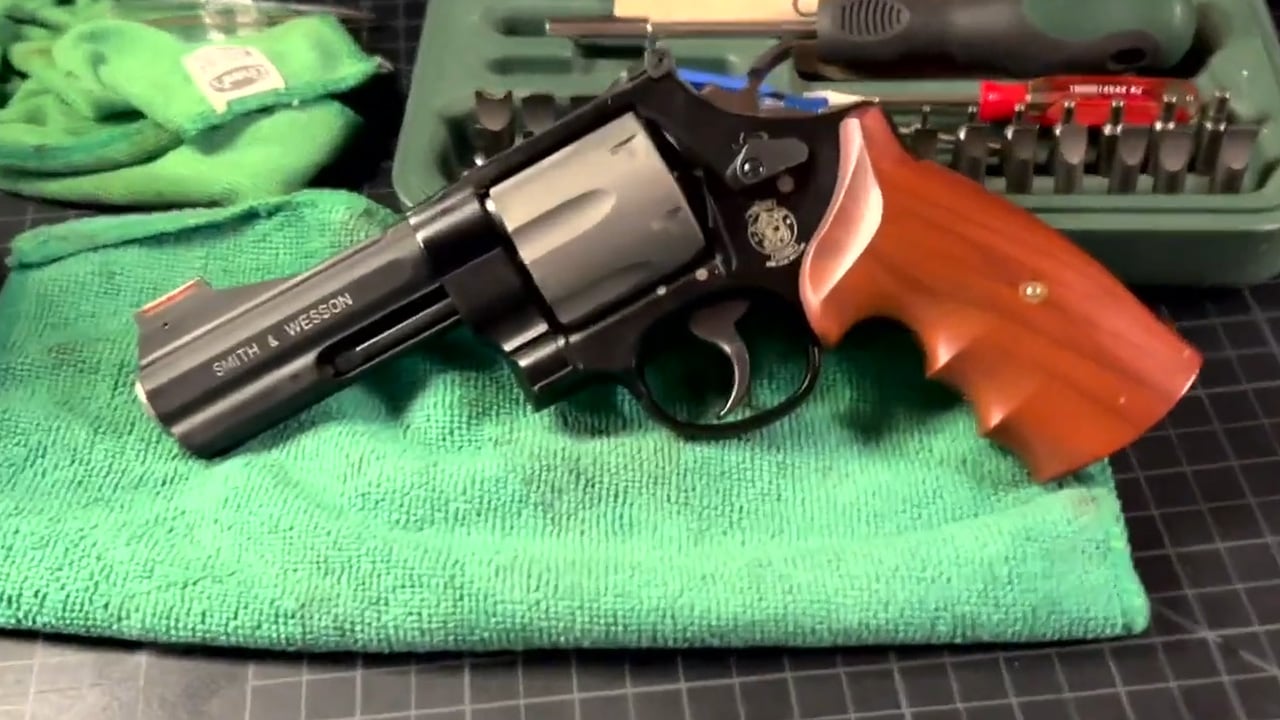
A scandium-frame .44 Magnum sounds like the perfect “carry a real gun in the woods” answer until you actually touch it off. The recoil is sharp, fast, and rude, and it does not just lift the muzzle. It slaps your grip, your palm, and your confidence all at once.
Can you shoot it well? Sure, some can. But most folks end up shooting it like they are trying not to get hurt, and that means the sights are never back on target quickly. It is a brilliant idea on paper, and a brutal one in practice if you want accurate doubles.
2. Ruger Super Redhawk Alaskan (in .454 Casull)
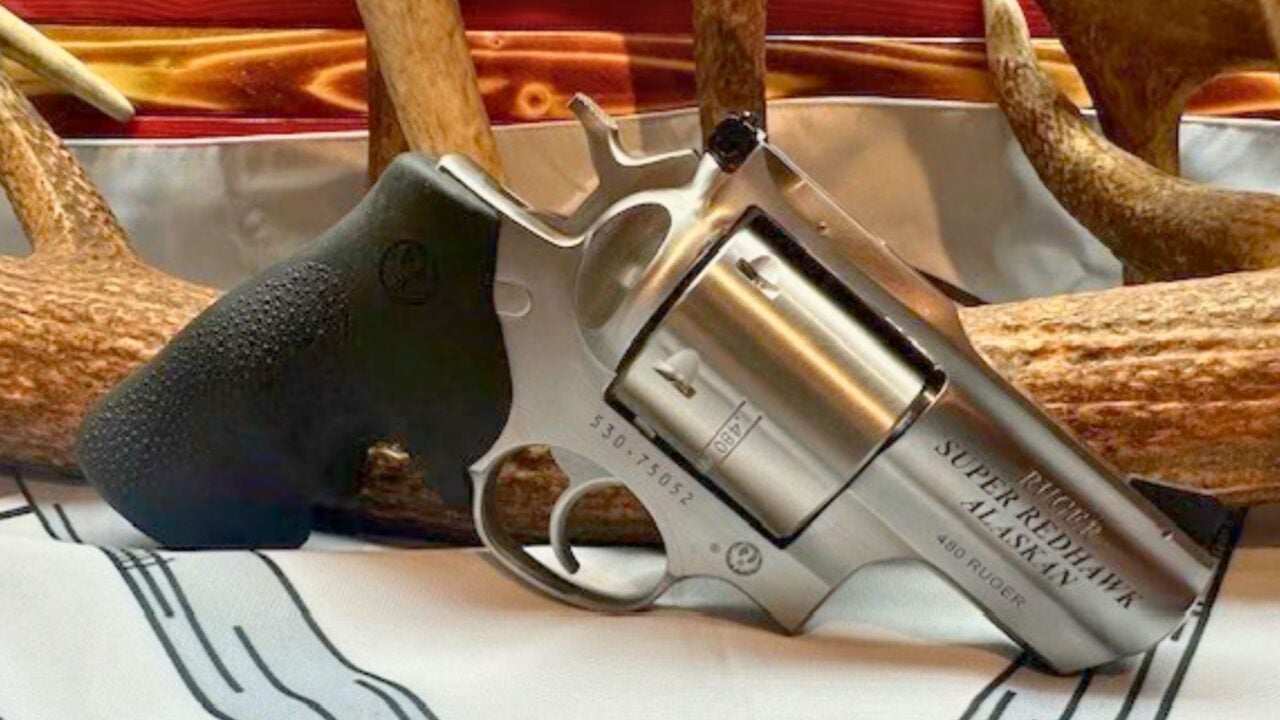
This one is built like a tank, and I respect it for that. But the short barrel and heavy Casull loads combine into a fast muzzle rise that takes time to settle, even with a solid grip. It is not “unshootable.” It is just not fast.
In a hunting or defense context where you might want two controlled hits, the Alaskan tends to turn that into a wrestling match. Follow-ups usually turn into a pause, a re-grip, and a second shot that feels like starting over.
3. Taurus Judge (3-inch, .410/.45 Colt)

The Judge sells the idea that it can do everything. In reality, the long trigger pull and bulky frame can make it tough to keep the front sight honest, especially when you are trying to shoot quickly. With .410 defensive loads, the recoil impulse is also a little odd and rolly.
It is also not a gun most folks practice with a lot, which matters. When you do try to run it faster, you find out quick that “handy” and “fast to shoot well” are not the same thing.
4. Bond Arms Texas Defender
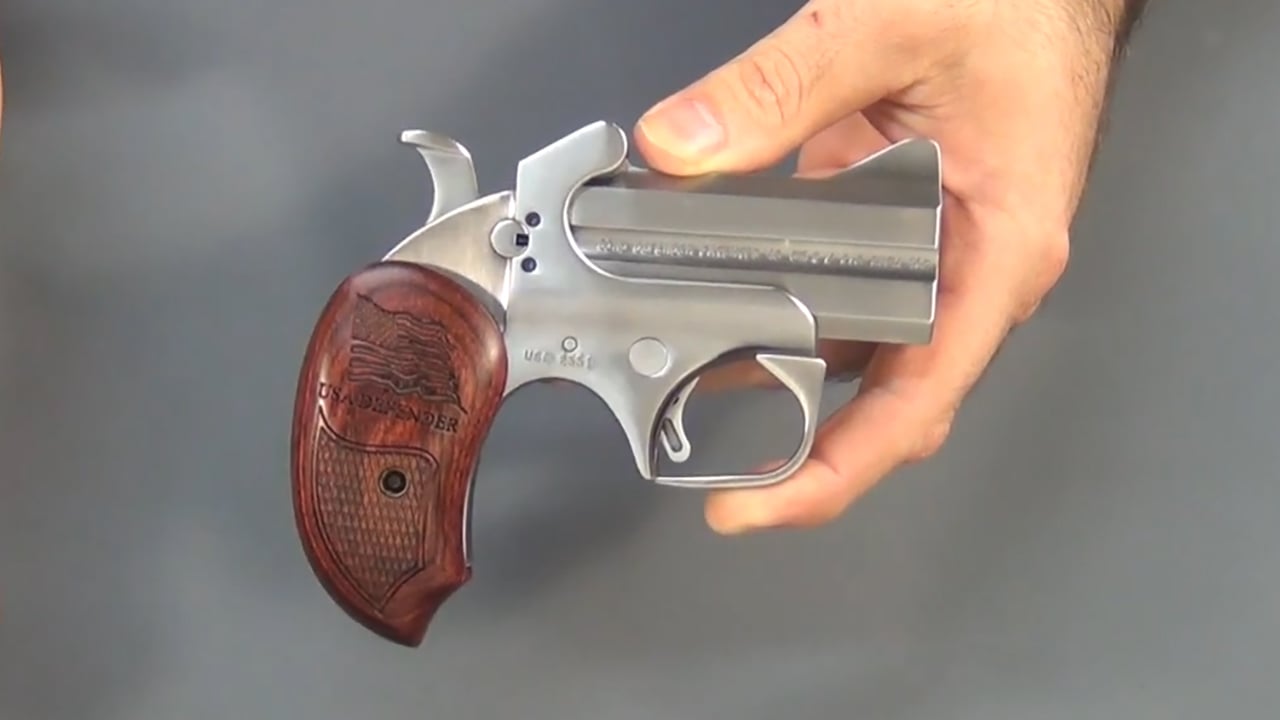
Two barrels, two shots, and a tiny grip that seems designed for a different species. These little derringers are built well for what they are, but what they are is slow. The heavy trigger and stiff action make a fast second shot more of a deliberate second event.
Add in stout chamberings and minimal sights, and you have a firearm that asks you to shoot it like a pocket cannon, not a controllable tool. As a novelty or deep-carry “better than nothing,” fine. As something you plan to run quickly? No.
5. Springfield Armory XD-S Mod.2 (in .45 ACP)
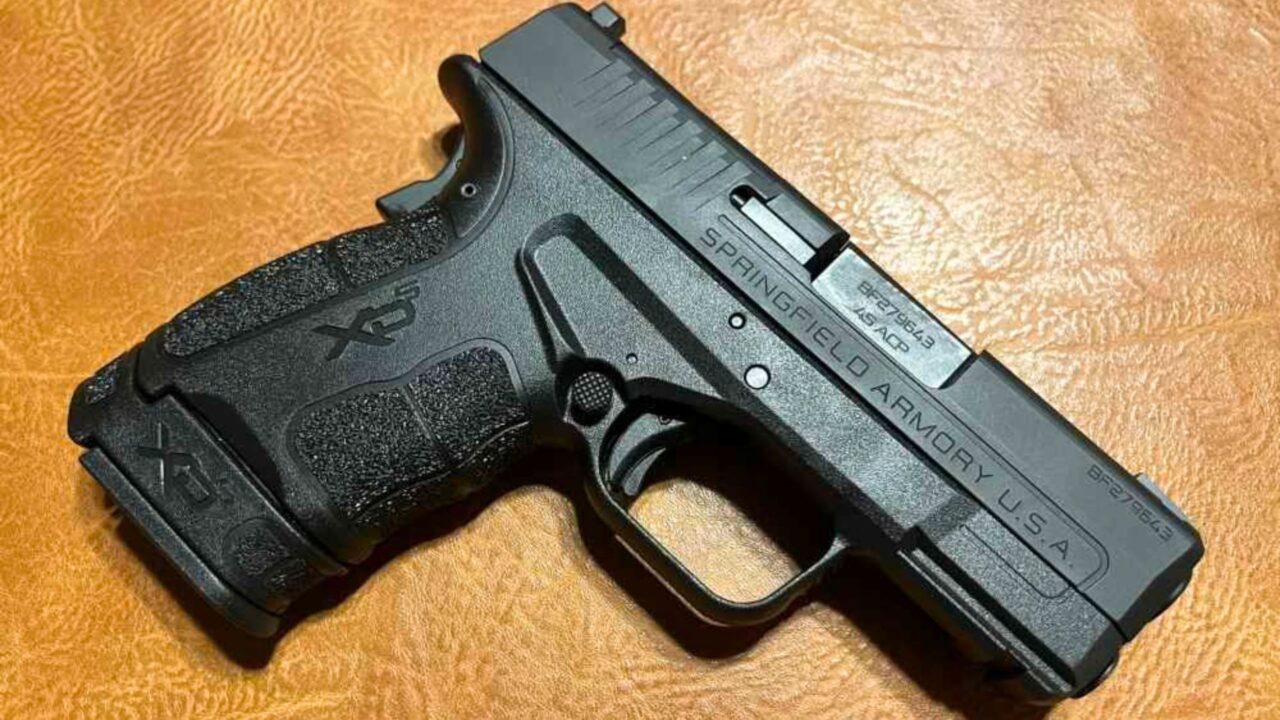
Small .45s are a lesson a lot of us learn once. The XD-S is slim and easy to carry, and it points okay, but it is snappy in a way that slows your return to sights. That narrow grip concentrates recoil, and it can shift in the hand during faster strings.
Plenty of them run reliably, which is good. But the whole platform is a reminder that concealment comfort and shooting comfort are two different bills you pay at different times.
6. SIG Sauer P938
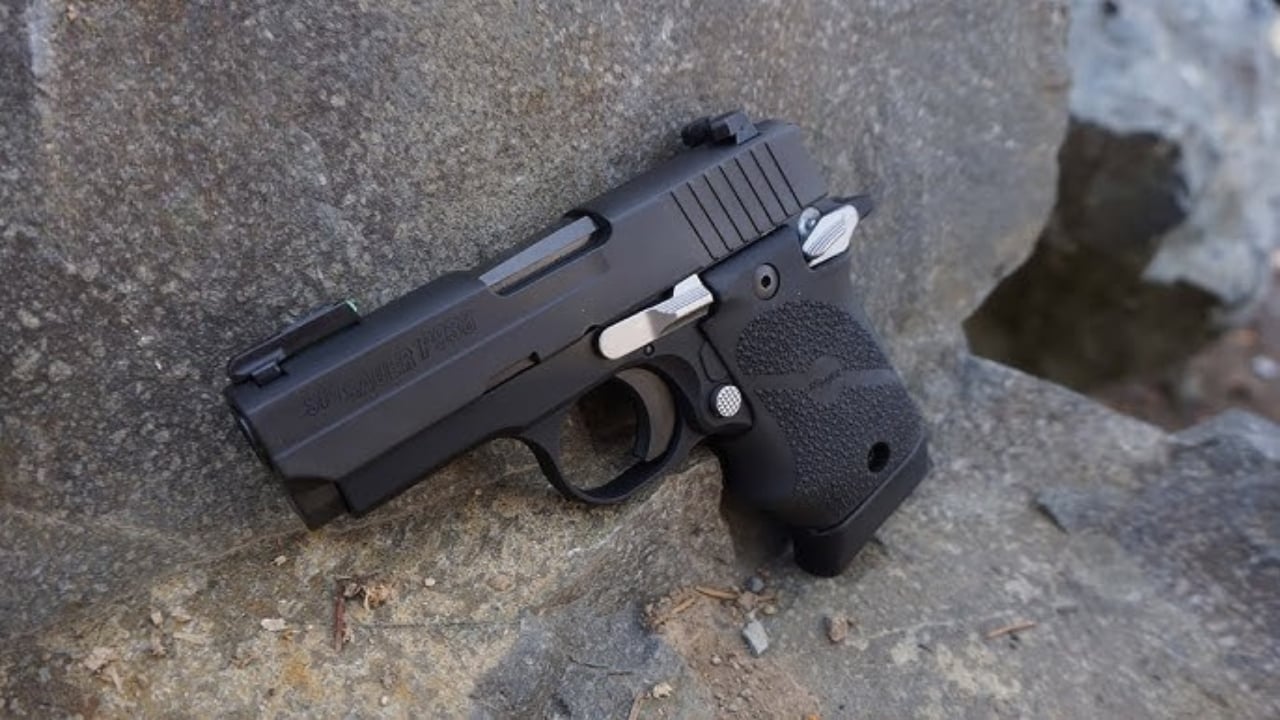
I like little SIGs, and I get why folks buy them. But the P938 is a small, metal, micro-9 with a short sight radius and a grip that does not give you much real estate. If your hands are bigger, your support hand ends up chasing a place to live.
Fast follow-ups usually turn into “lift, settle, confirm, press,” instead of a smooth cadence. It is capable, but it asks more from the shooter than a slightly larger pistol would.
7. Ruger LCP (original, .380 ACP)
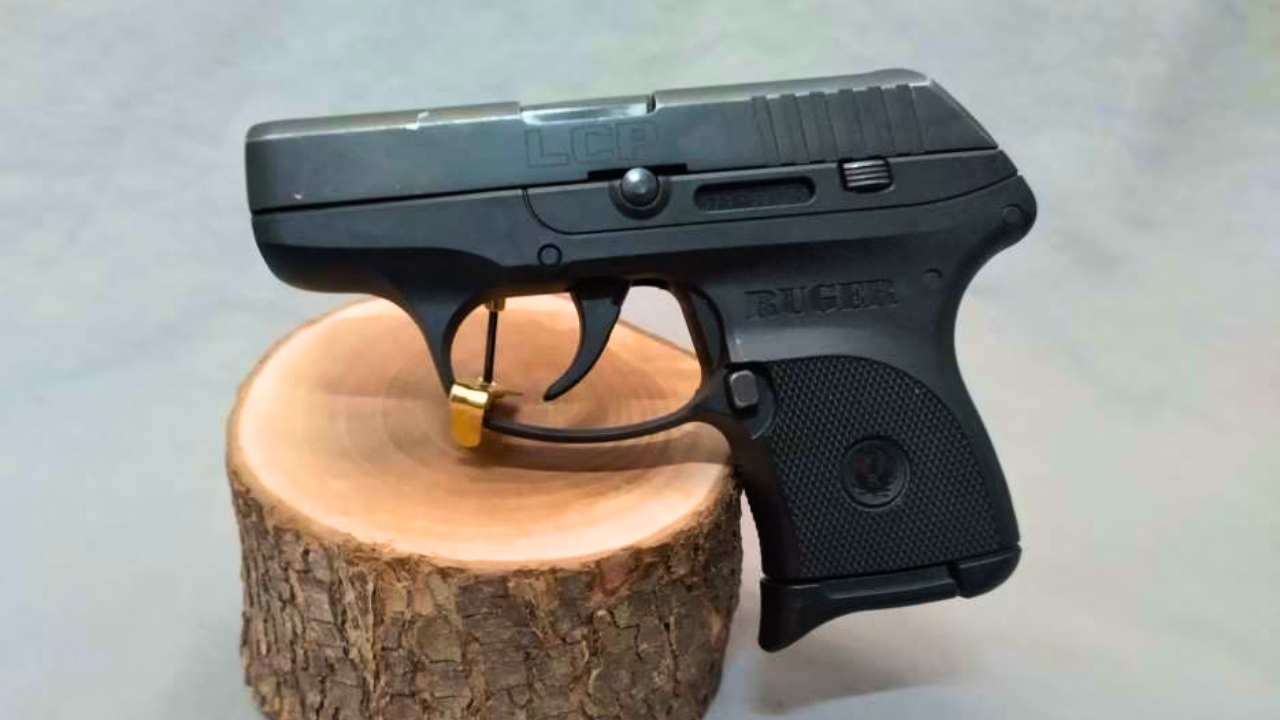
The original LCP is famous for going everywhere, not for being fun. The sights are minimal, the grip is short, and the recoil is snappy for the size. It is the definition of a pistol that gets carried a lot and shot a little.
When you do try to shoot it quickly, you find out why pocket guns are a compromise. They work, but they rarely encourage clean, fast doubles unless you practice more than most folks do.
8. Kel-Tec PF-9
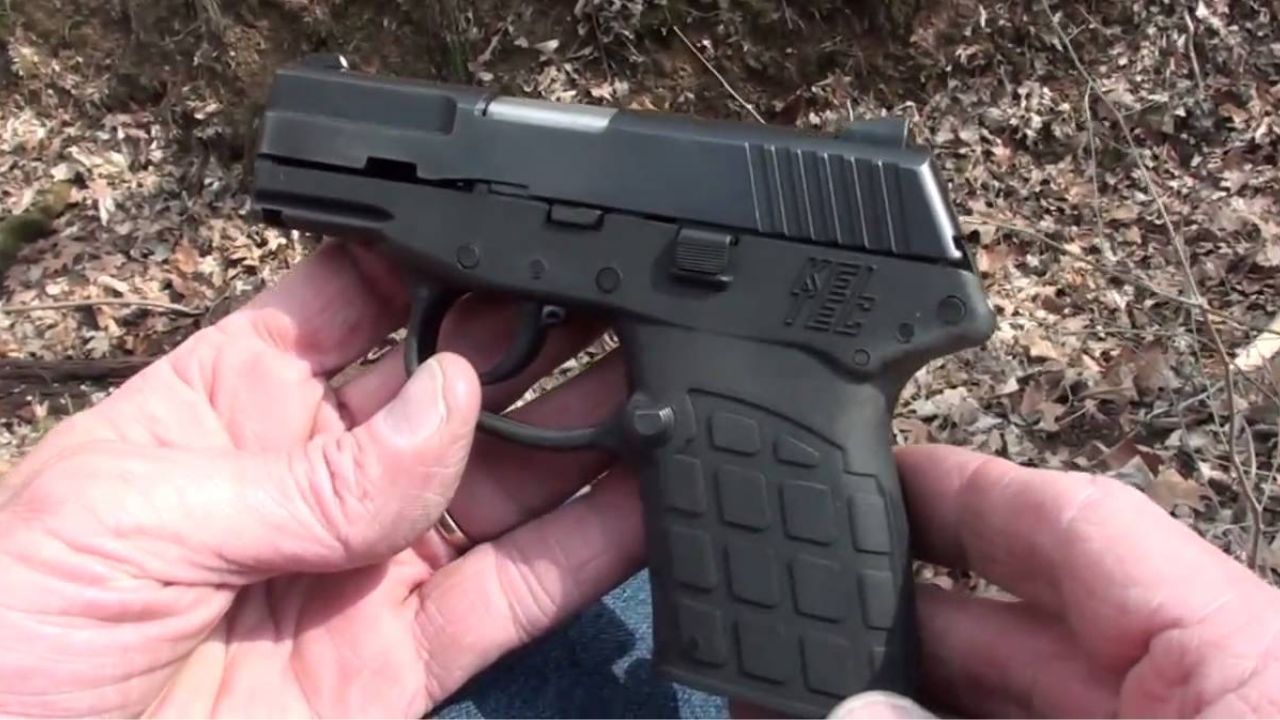
The PF-9 is light and thin, and it earned its following because it made 9mm carry affordable for a lot of folks. The tradeoff is that it can feel harsh, with a trigger and recoil combination that makes the gun move around during recoil and during the press.
Some examples run fine, some need attention, and none of them feel like a “fast shooter.” Follow-up shots tend to be slower because the gun never really settles into your hands the same way a slightly heavier compact does.
9. Glock 43 (not 43X)
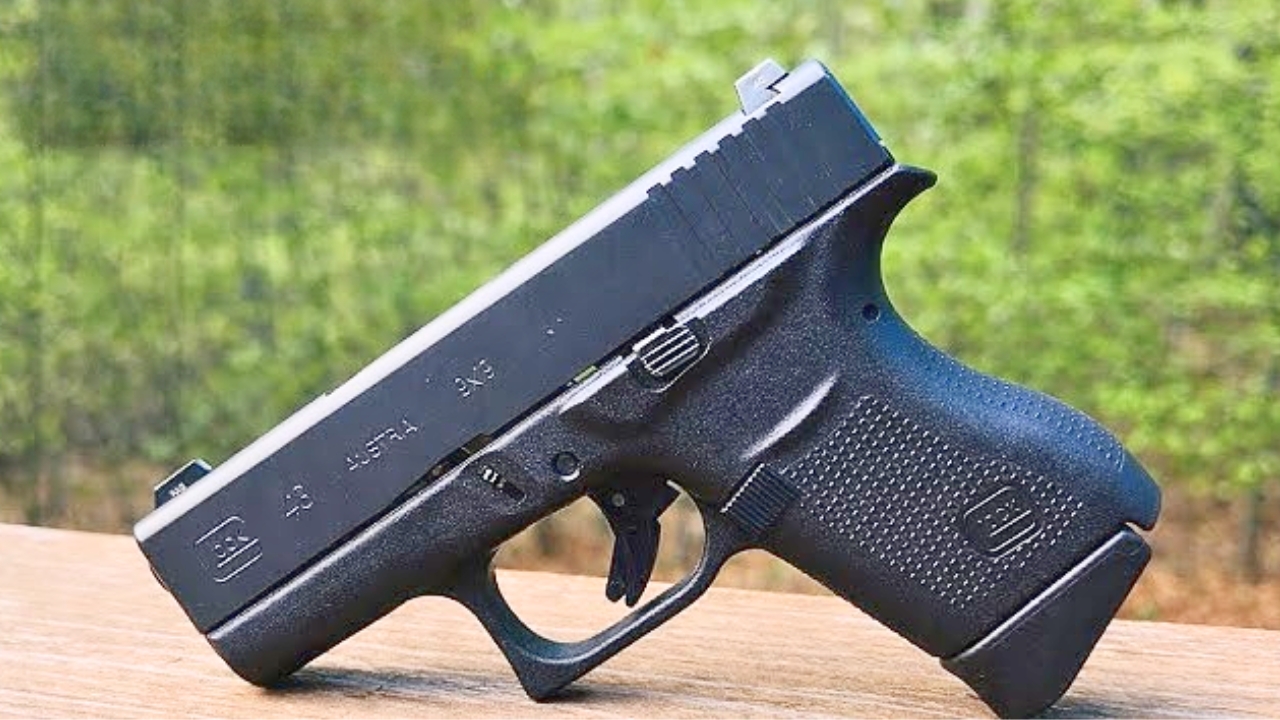
The Glock 43 is a solid little pistol, but the short grip is what slows most shooters down. With a flush magazine, the gun can torque in recoil, especially if your pinky is floating or half-on. Add the short sight radius and you have to work a little harder to call shots.
The 43X fixed a lot of this with more grip to hang onto. If you want fast follow-ups, that extra grip length is not a small thing.
10. Smith & Wesson Model 340PD

A featherweight .357 snub is a painful teacher. Even with .38 +P, the 340PD is jumpy, and with .357 it is the kind of blast that makes your eyes blink hard. The grip is small, and the sight picture is usually not generous.
Double-action revolver work can be very fast in trained hands, but ultralight snubs punish the average shooter. The gun moves so much that a quick second shot often becomes a slow second shot.
11. North American Arms Mini Revolver (in .22 Magnum)

These little minis are neat, and they disappear in a pocket like almost nothing else. They are also tiny to the point of being hard to shoot with any speed. The grip is more of a suggestion, and the sights are not what you would call helpful.
Also, they are single-action. That alone puts a ceiling on follow-up speed. It is a last-ditch tool, not a “put two on target fast” tool.
12. Remington 870 (with a pistol-grip-only setup)

The 870 itself is a classic, and with a proper stock it is a very controllable shotgun. But the pistol-grip-only setups you see behind truck seats and in closets are usually a mess when it comes to fast, accurate second shots. Recoil pushes the gun up and back with no good cheek weld or shoulder contact to drive it back down.
It also tends to encourage bad habits, like firing from awkward positions because it “feels compact.” Shotguns are serious recoil tools. If you want speed, give yourself a stock and a way to manage the gun.
13. Mossberg 500 Cruiser (pistol grip)
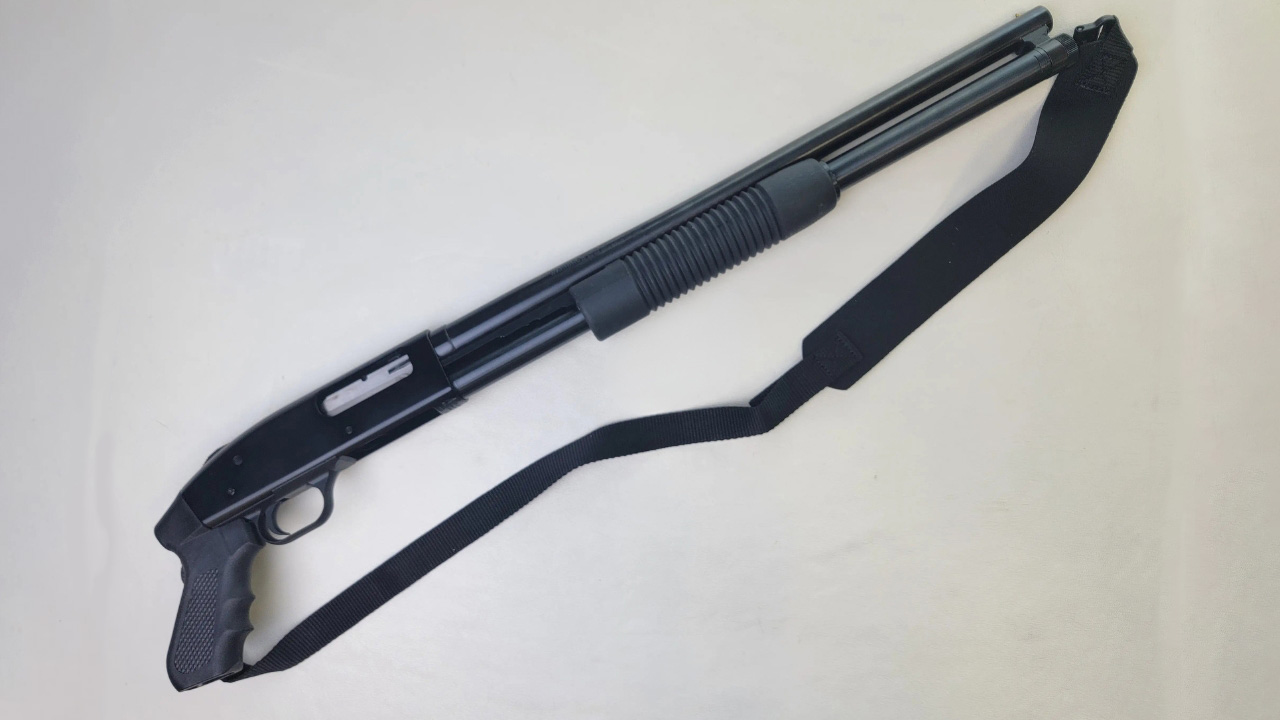
Same problem, different badge. A cruiser-style 500 is handy to store, and it looks tough, but it is not friendly for quick, accurate follow-ups. The forend stroke can also get sloppy when the gun is recoiling in your hands instead of into your shoulder.
Pump guns can be fast. They just need to be set up like you actually plan to hit what you aim at, twice.
14. Winchester Model 1894 (in .30-30, top-eject with a stiff action)
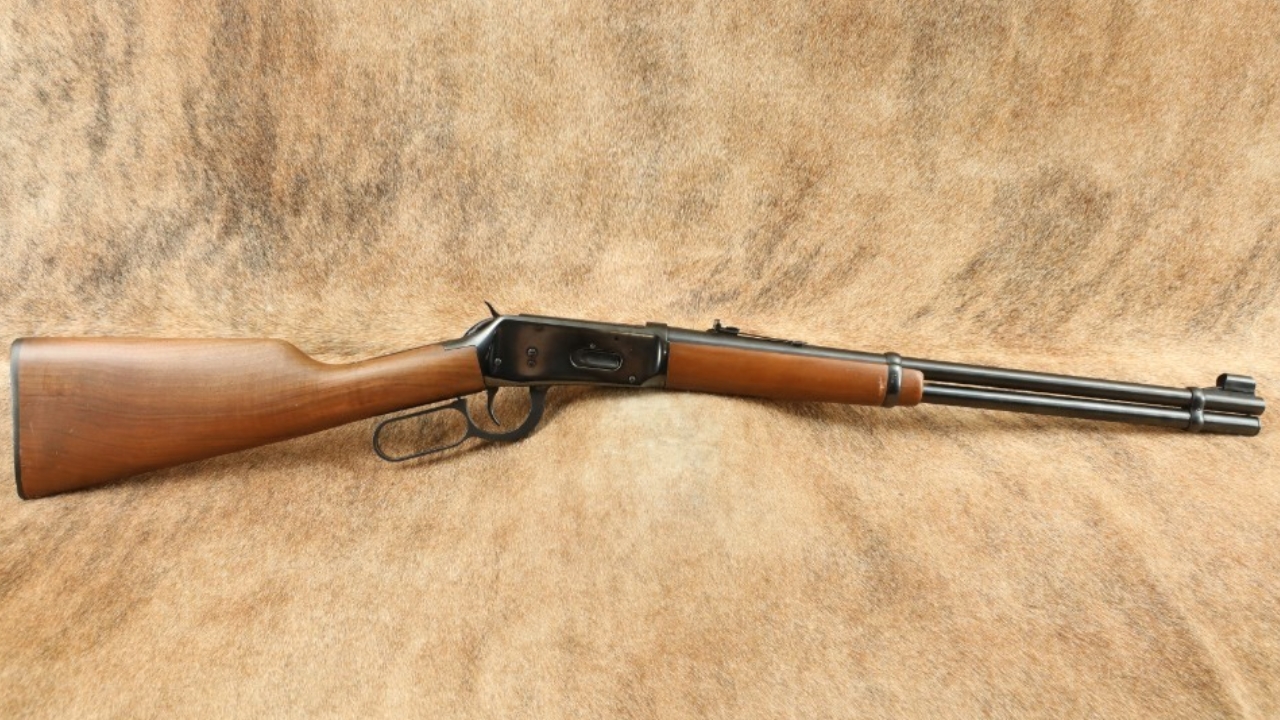
Levers are quick when they are slick and when the shooter runs them right. But plenty of older 94s have stiff actions, awkward sight pictures, or stocks that don’t fit modern shooters well. If you have to break your cheek weld to run the lever, your follow-up speed drops.
Throw in buckhorn sights in low light and the second shot turns into a search for the front bead. Great deer rifle. Not always a great “fast second shot” rifle unless you tune the setup and practice.
15. Marlin 1895 Guide Gun (in .45-70 Government)
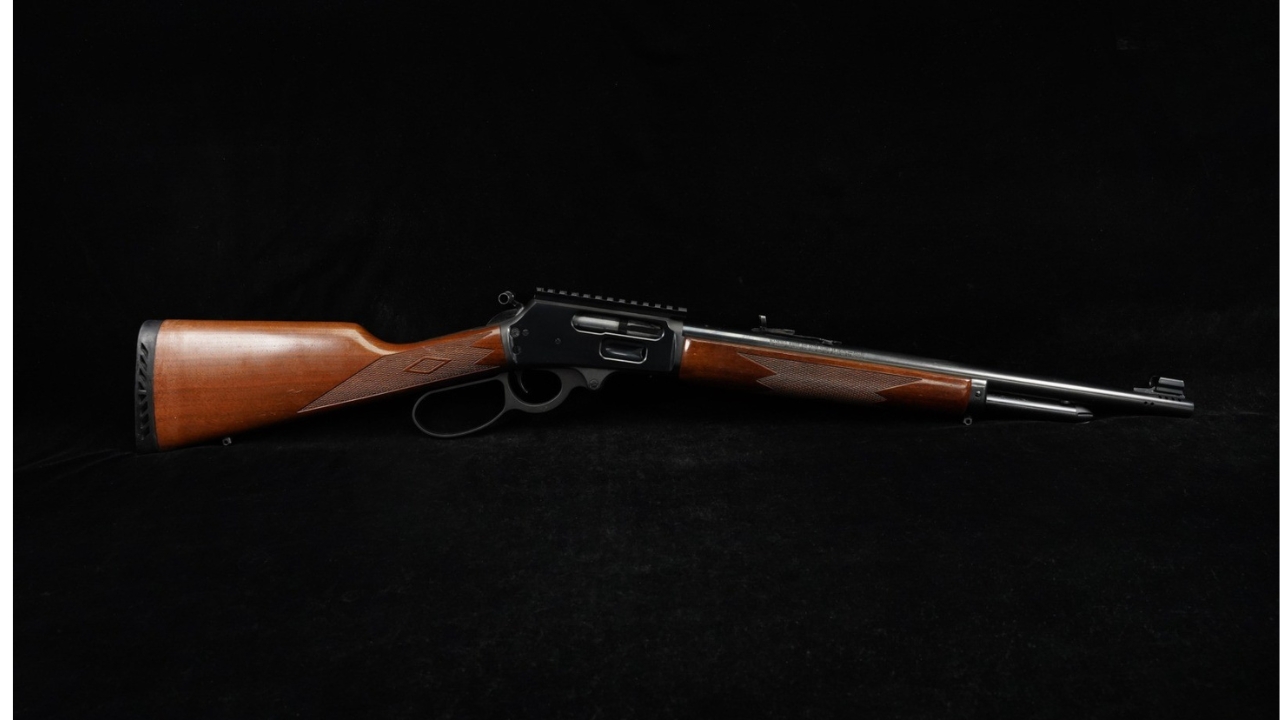
I like the Guide Gun. It carries well, and it hits hard. But heavy .45-70 loads rock the rifle, and most Guide Guns are light enough that you feel it. The muzzle lifts, your shoulder takes the shove, and you usually need a moment to rebuild the sight picture.
If you stick to sensible loads, it gets better. If you feed it hot stuff because you watched too many videos, follow-up shots get slow and sloppy in a hurry.
16. Tikka T3x Lite (in .300 Win. Mag.)

Tikka makes smooth actions, and that helps. The problem here is pairing a very light hunting rifle with a hard-kicking magnum. The recoil can bounce you off target and make it tough to spot impacts, which slows everything down, including your decision to shoot again.
It is not that the rifle is bad. It is that the “lite rifle + big magnum” combo is a follow-up shot killer for most hunters in real field positions.
17. Remington Model 700 (ultralight builds in 7mm Rem. Mag.)

This is another version of the same lesson. The 700 is everywhere, and plenty of them are accurate. But when you get into very light mountain-style setups in 7mm mag, recoil starts moving the rifle more than you want, especially off a pack or awkward rest.
Also, some factory triggers and stock fits make it harder to stay planted through recoil. If your head lifts and your eye leaves the scope, you are not sending a fast second shot with confidence.
18. Ruger No.1 (in .338 Win. Mag.)
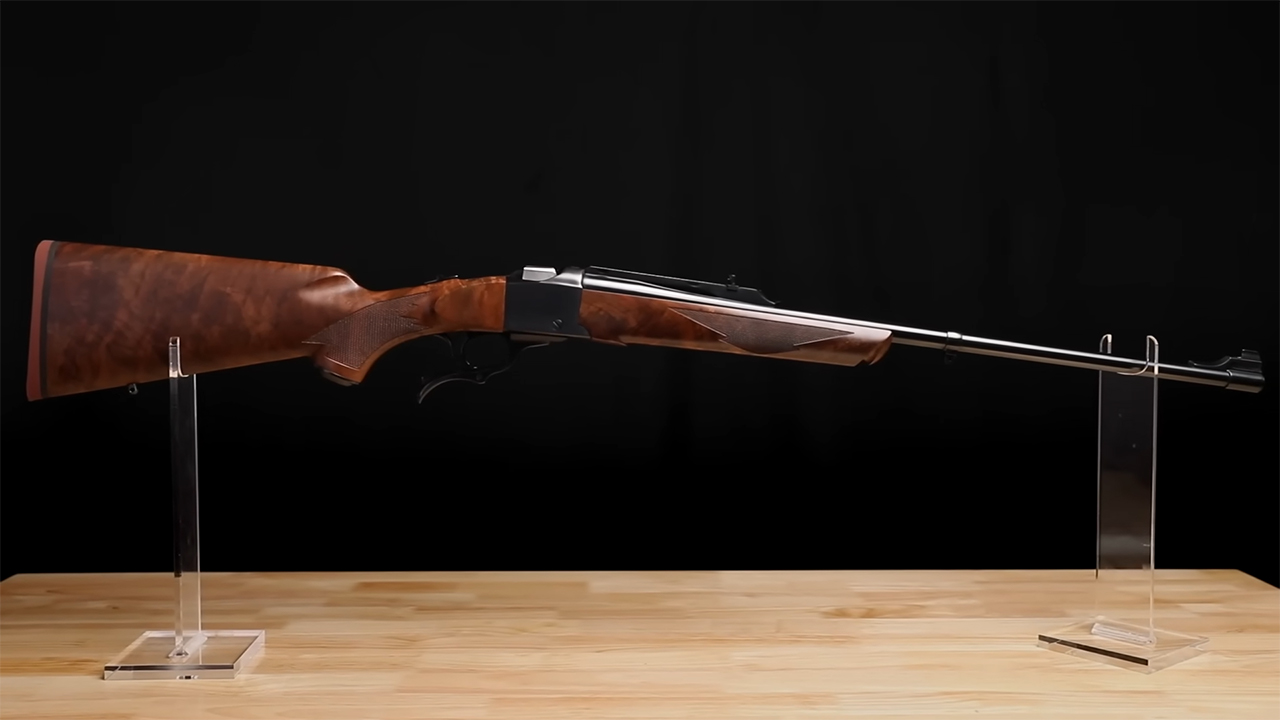
The Ruger No.1 is classy, and it is accurate enough to make you look good. It is also a single-shot, and that alone makes follow-ups slower than they need to be for most hunting scenarios. Add a thumping cartridge like .338 and you are really taking your time.
Single-shots have their place, and I enjoy them. But if you are buying one thinking you will be quick on a second animal or a moving target, you are setting yourself up for frustration.
19. Barrett M82A1

Yes, it is semi-auto. No, it is not a “fast follow-up” rifle in any normal sense. The weight, blast, recoil impulse, and sheer disruption of the sight picture make it a rifle you shoot deliberately, even if the action cycles itself.
It is also the kind of gun that turns a public range into a windstorm. Fun, impressive, and absolutely not what you grab when quick, clean second shots are the goal.
20. Springfield Armory M1A Scout Squad (with a forward-mounted optic setup)

I have seen more than a few shooters struggle with the scout-style setup on an M1A, especially with a forward-mounted optic that sits high or doesn’t match their cheek weld. The rifle recoils straight enough, but the sight picture can be slow to reacquire if your head position is inconsistent.
Also, the M1A is not a light rifle, and it carries its weight in a way that can feel clumsy in fast positional shooting. When it is set up right, it runs. When it is not, your second shot turns into a hunt for your reticle.
None of these guns are “bad” across the board, and a few of them are downright excellent at what they were built to do. The common thread is that they demand more time, more grip, more patience, or more practice before that second shot is there when you need it. If you care about follow-ups, pick something you can control, set it up to fit you, and shoot it enough that your hands stop arguing with the design.
Like The Avid Outdoorsman’s content? Be sure to follow us.
Here’s more from us: