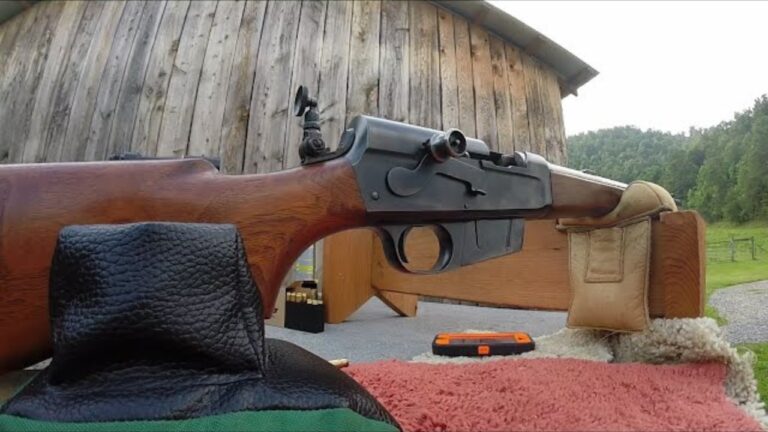
Photo credit: Reloading Weatherby/YouTube
Some rifle cartridges fail because they are weak ideas. Others fail because they are good ideas wrapped in terrible economics. The round may shoot flat, hit hard, or fit an unusual niche, but none of that helps much if ammunition is expensive, rifles are limited, and the performance gain over a common cartridge is barely noticeable in the field.
That is what makes these cartridges interesting. Many worked exactly as advertised, yet owners still ended up paying more for ammunition, brass, specialized rifles, or short barrel life without gaining enough to justify it. A few have dedicated followings today, but from the beginning they asked buyers to spend a lot of money for benefits that were often easier to get elsewhere.
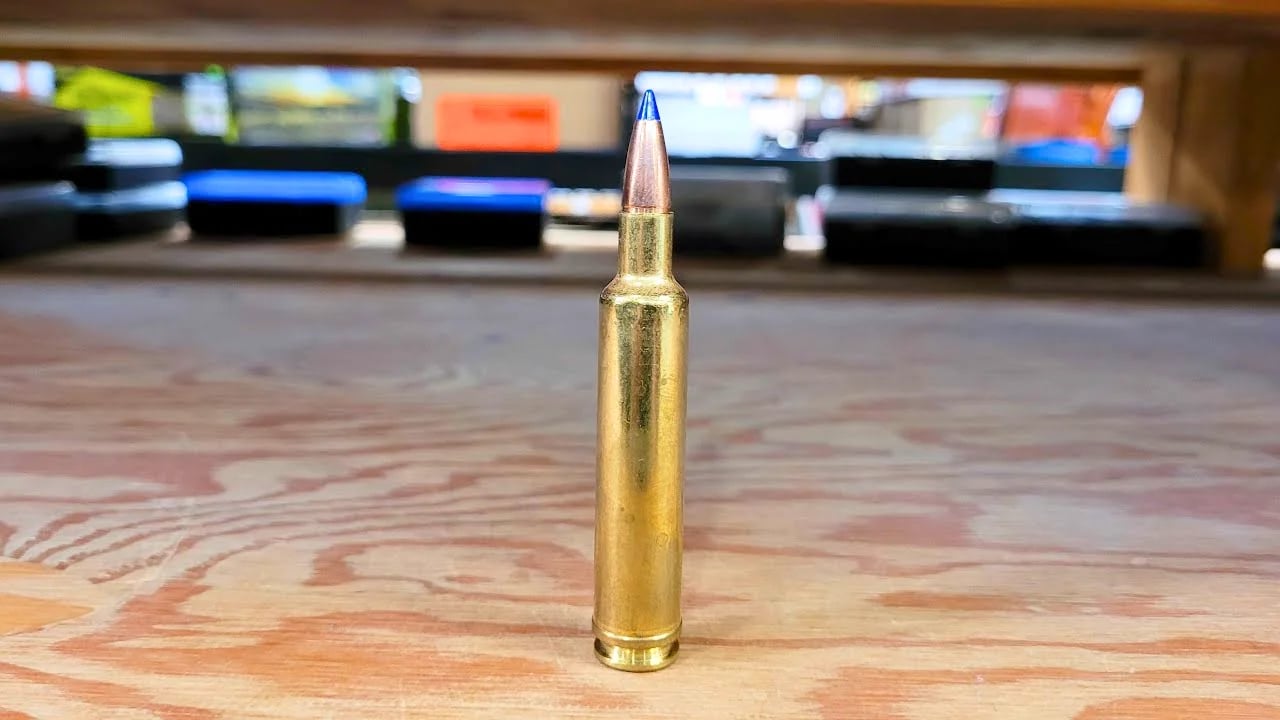
.30-378 Weatherby Magnum

The .30-378 Weatherby Magnum was built around extreme velocity, and it absolutely delivers it. The cartridge can push heavy .30-caliber bullets at speeds that make ordinary magnums look restrained.
The problem is what it costs to achieve that performance. Factory ammunition is brutally expensive, recoil is substantial, and the cartridge burns a huge amount of powder every time you pull the trigger. Barrel life can also become an issue for shooters who practice frequently. Unless you genuinely need extreme long-range performance, a .300 Win Mag or .300 PRC accomplishes nearly everything most hunters actually do for considerably less money.
.338-378 Weatherby Magnum

The .338-378 takes the same philosophy and applies it to heavy .338-caliber bullets. It offers tremendous downrange energy and enough velocity for serious long-range hunting.
Everything surrounding it is expensive. Rifles are premium-priced, ammunition is costly, and the recoil encourages many owners to shoot far less than they should. The cartridge makes sense for a very narrow group of hunters who actually exploit its capabilities. For everyone else, it is an expensive way to own more power than they can realistically use.
.416 Weatherby Magnum
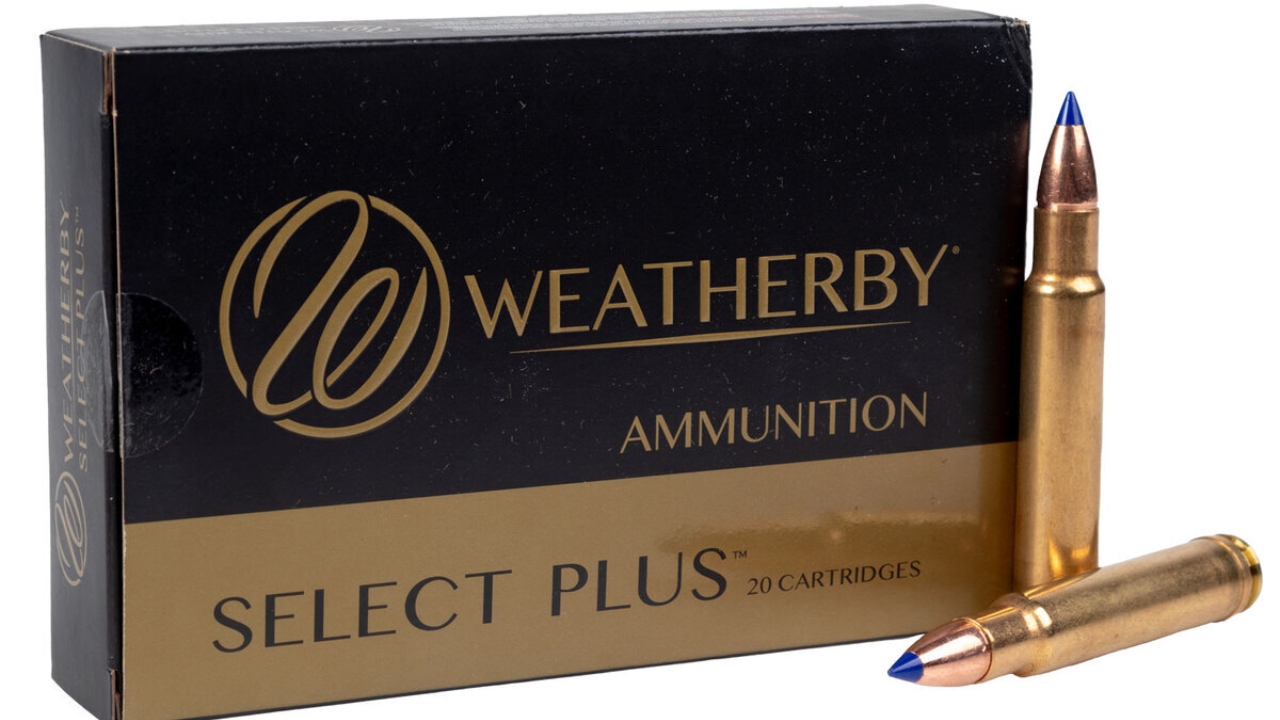
The .416 Weatherby Magnum gives dangerous-game hunters enormous power, but it does so at a price that was difficult to justify from the beginning.
The cartridge produces heavy recoil, burns plenty of powder, and requires expensive ammunition that most shooters are not going to practice with regularly. The .416 Rigby and .416 Remington Magnum already offered proven dangerous-game performance without pushing velocity quite so hard. The Weatherby version added speed, but dangerous-game hunting has never been a place where every additional foot per second automatically improves the rifle.
.460 Weatherby Magnum

The .460 Weatherby is one of the most powerful commercial hunting cartridges ever produced, which made it irresistible to shooters fascinated by raw numbers.
The real ownership experience is less appealing. Ammunition is extremely expensive, recoil is severe, and very few hunters will ever encounter game that actually requires this level of power. A .375 H&H, .416 Rigby, or .458 Lott already covers dangerous game for far less punishment. The .460 Weatherby is impressive, but it has always been a niche cartridge with a price tag to match.
.500 A-Square
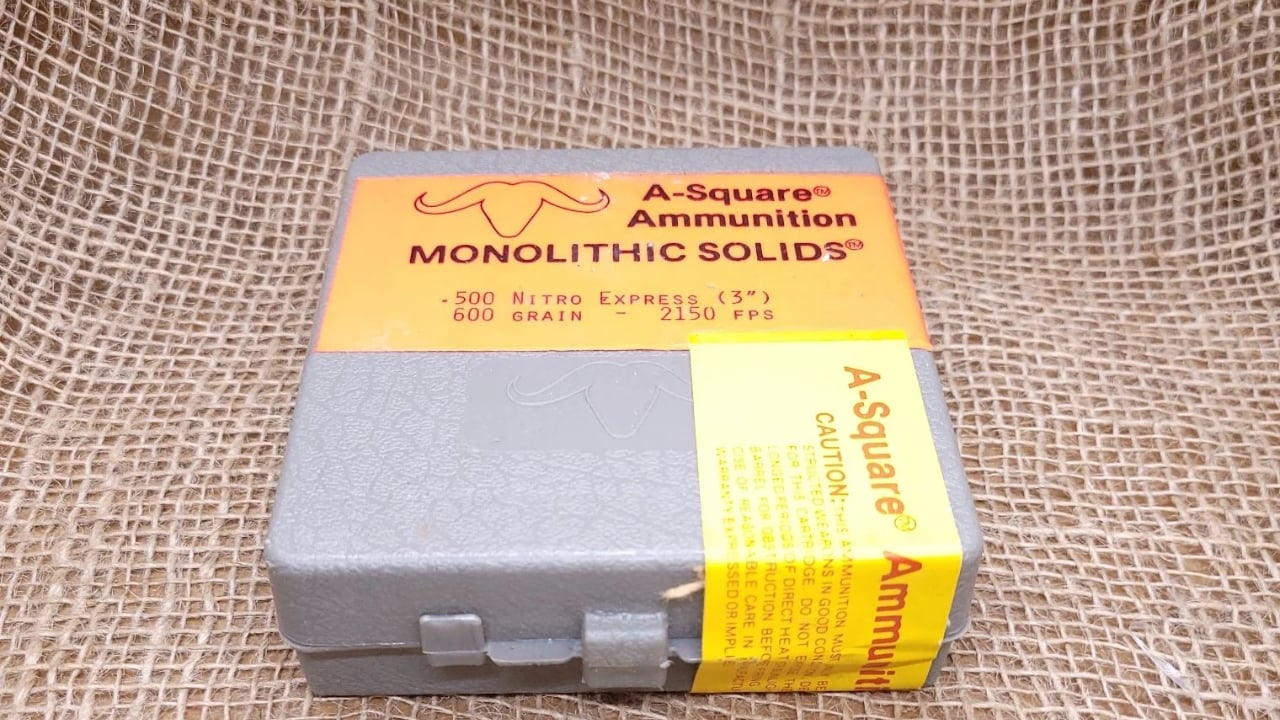
The .500 A-Square was designed for enormous dangerous-game performance using very heavy bullets and tremendous muzzle energy.
That sounds impressive until you consider how few hunters need anything remotely close to it. Rifles were specialized, ammunition was never cheap, and recoil reached a level that made serious practice difficult for most shooters. The cartridge had legitimate professional uses, but as a commercial hunting round it was always going to be an expensive commitment with very little versatility.
.470 Capstick
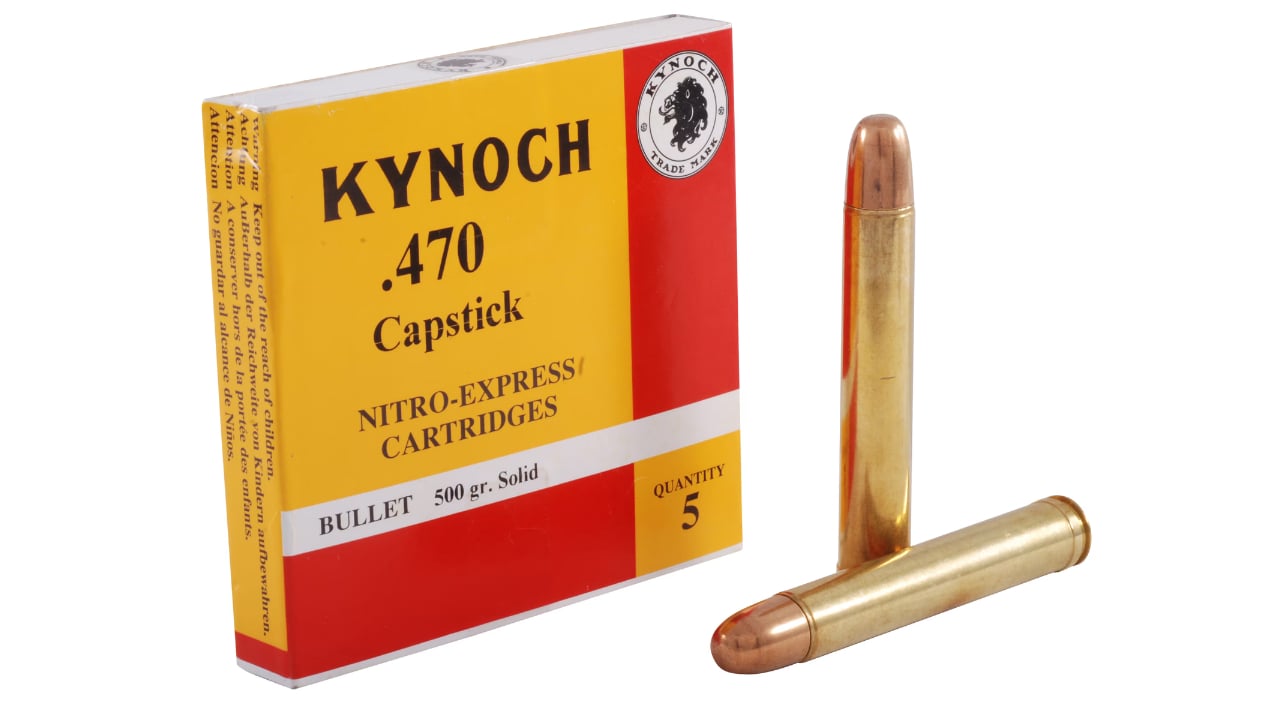
The .470 Capstick was intended to deliver serious dangerous-game performance from a standard-length bolt-action format.
The problem was that established African cartridges already owned the market. Hunters spending that kind of money generally preferred something with broad ammunition availability and a long field history. The Capstick worked, but buying into it meant paying premium prices for a cartridge that offered little practical advantage over better-supported alternatives. It was a costly niche from the start.
.450 Rigby

The .450 Rigby delivers tremendous stopping power and gives bolt-action dangerous-game hunters a cartridge with plenty of authority.
It also asks for premium rifles and expensive ammunition while competing against established rounds such as .458 Lott and .458 Winchester Magnum. The performance is real, but the market for such cartridges is tiny, and most hunters want ammunition they can actually replace while traveling. The .450 Rigby makes sense in theory and becomes much harder to justify once logistics enter the picture.
.450 Dakota
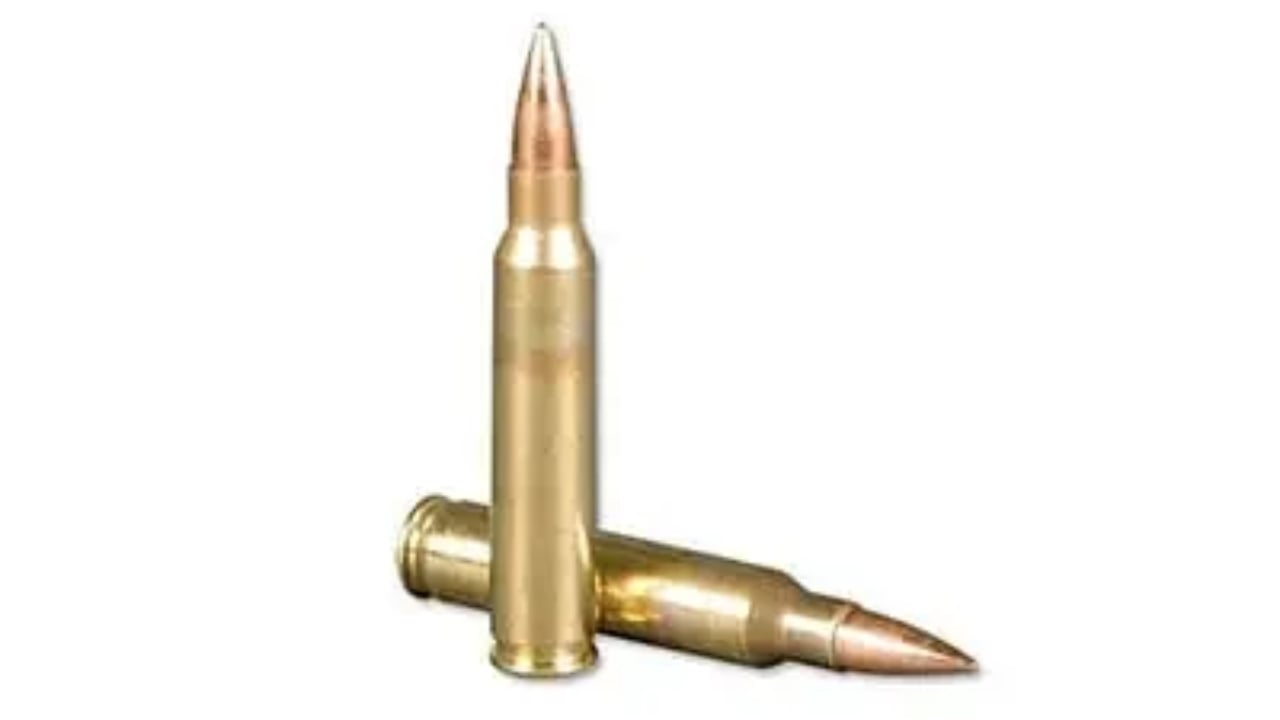
The .450 Dakota was another attempt to offer heavy dangerous-game power through a modern magnum case.
Like several Dakota cartridges, it suffered from being tied to a comparatively small ecosystem. Ammunition and brass were never cheap or widely available, which is a major disadvantage for a rifle intended for expensive international hunts. The cartridge could certainly do the job, but buyers had to accept higher costs and weaker support than with established dangerous-game rounds.
.404 Dakota
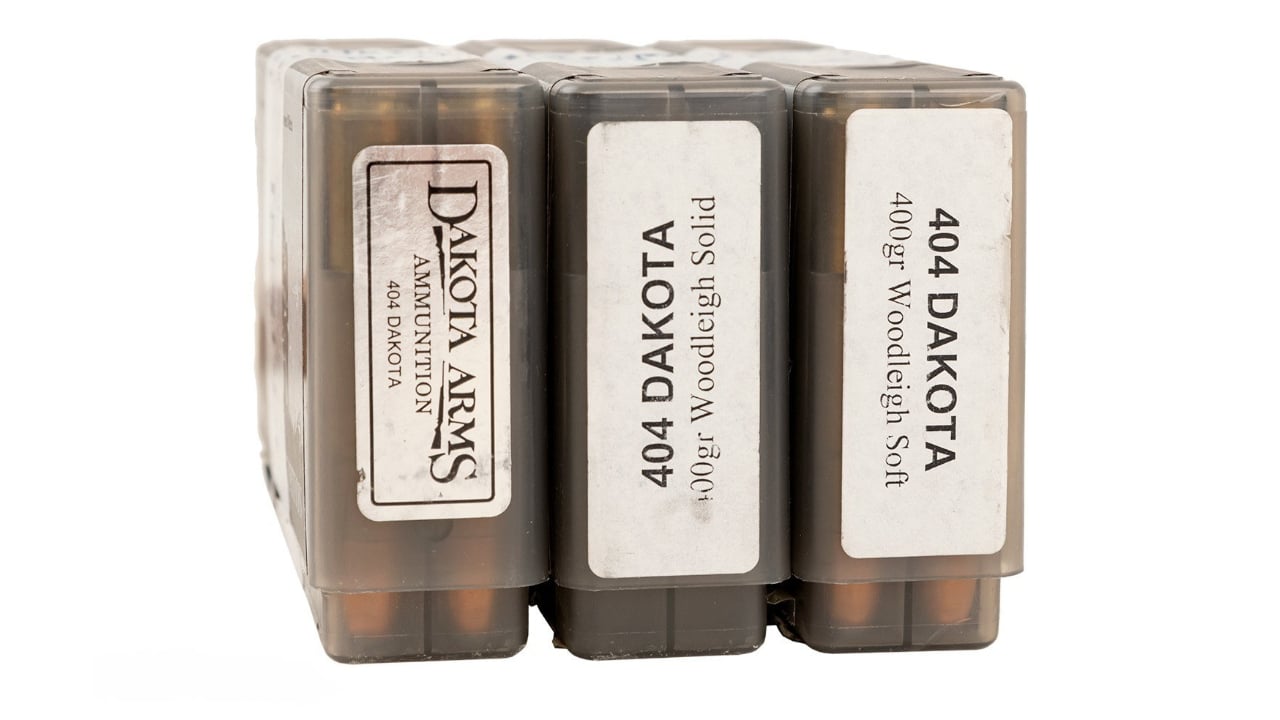
The .404 Dakota offered strong large-game performance with a modern case and excellent bullet potential.
The trouble was that .404 Jeffery already carried tremendous historical credibility, while .416-class cartridges offered broader factory support. The Dakota version never had enough market presence to make ammunition affordable or easy to find. It was a capable cartridge, but ownership always required more commitment than the performance difference justified.
.330 Dakota
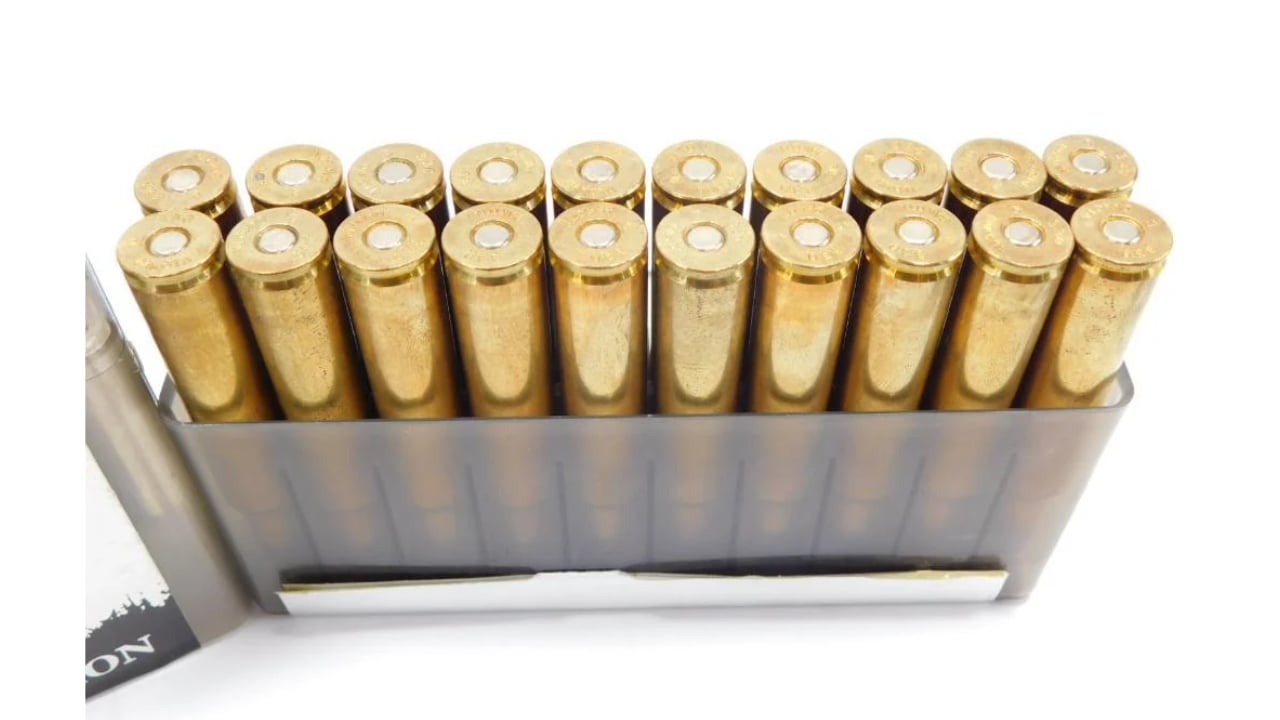
The .330 Dakota was meant to provide serious long-range hunting performance in a proprietary cartridge that sat between common .30- and .338-caliber magnums.
That was exactly the problem. It landed in a crowded performance space without the ammunition support of .300 Win Mag or .338 Win Mag. Brass, loaded ammunition, and rifles were expensive, while the practical hunting advantage remained relatively small. The cartridge was effective, but buyers paid boutique prices for performance available elsewhere.
.300 Dakota
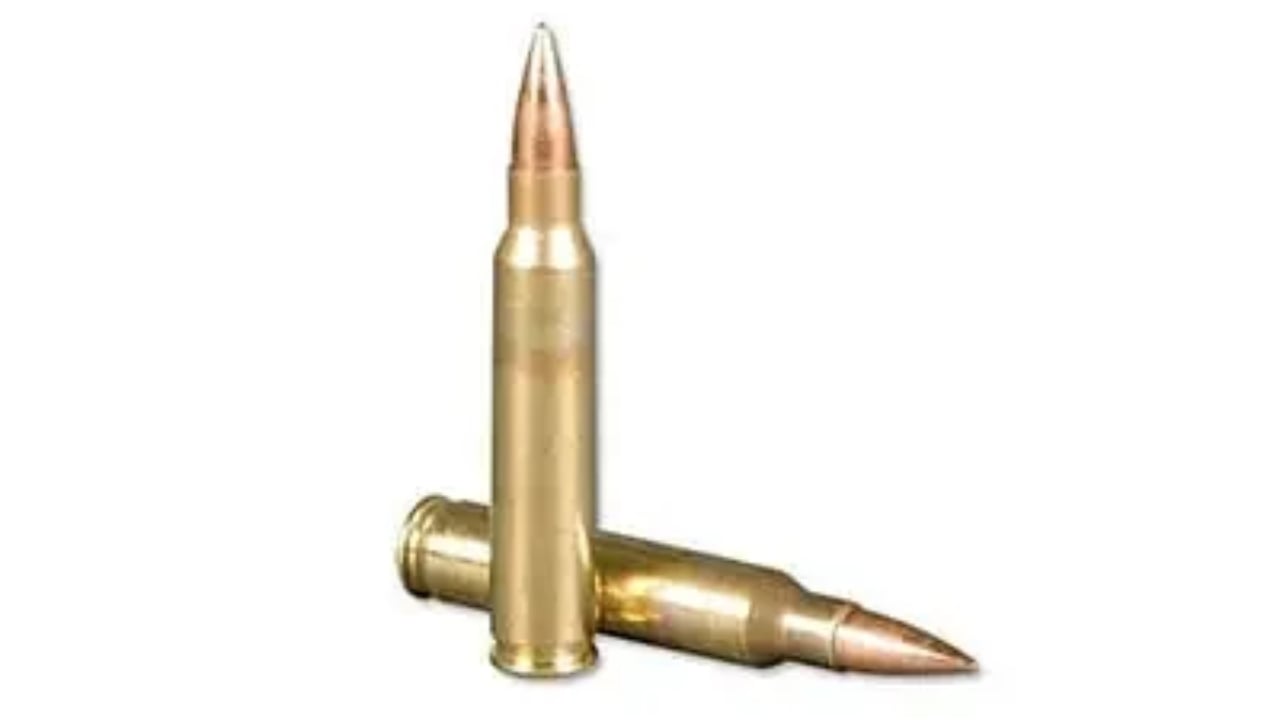
The .300 Dakota offered strong magnum performance from a case designed to deliver high velocity without requiring the longest actions.
Again, the economics worked against it. .300 Win Mag was everywhere, .300 Weatherby had a loyal following, and later cartridges offered similar or better long-range performance with greater industry support. The Dakota never became common enough to reduce ammunition costs. It was good ballistically and difficult financially from the beginning.
.375 Dakota
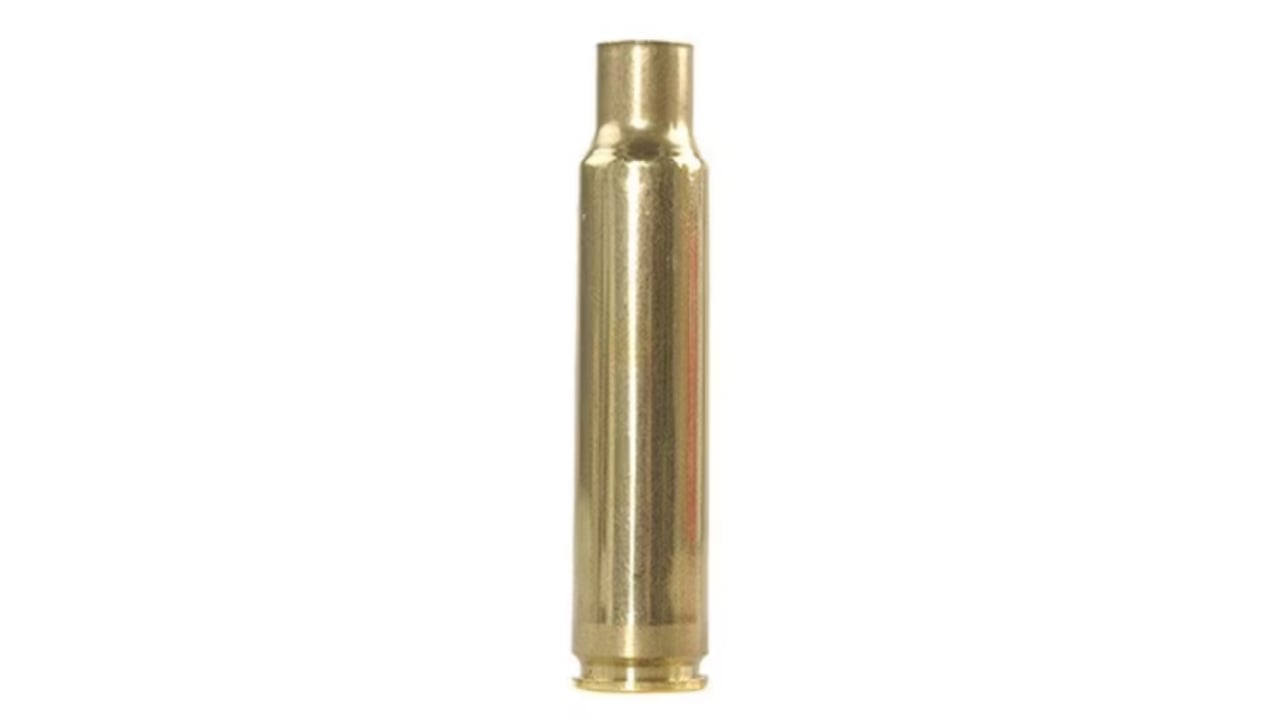
The .375 Dakota gave hunters a powerful .375-caliber cartridge with plenty of velocity for large and dangerous game.
The cartridge entered a world where .375 H&H was already one of the most trusted hunting rounds ever created. Convincing hunters to abandon that availability and history required a huge advantage, and the Dakota did not provide one. Instead, buyers took on expensive ammunition and limited support for a performance gain most would never notice in the field.
.376 Steyr
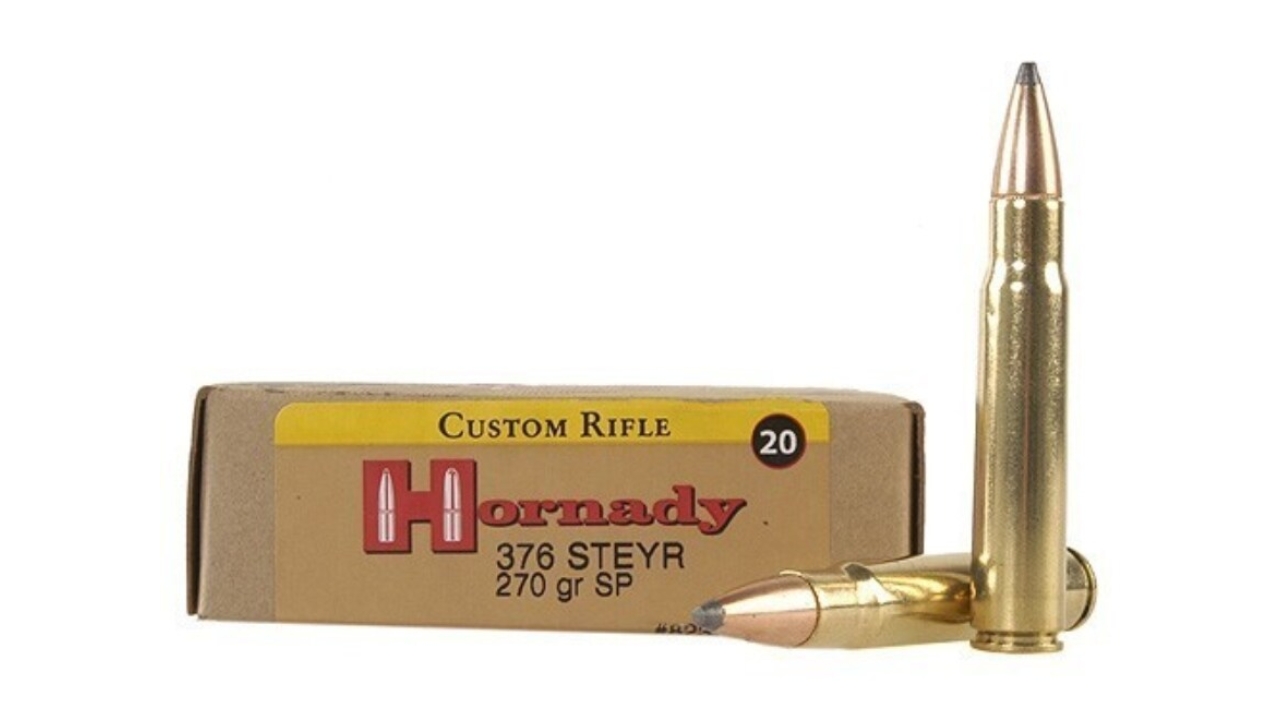
The .376 Steyr was designed around the Steyr Scout concept and promised serious medium-bore hunting performance from a relatively compact rifle.
It never achieved enough commercial momentum to make ownership easy. Ammunition was uncommon and expensive, while .375 Ruger and .375 H&H provided broader usefulness. The cartridge itself was capable, but buying one tied the shooter to a narrow supply chain. That made it an expensive choice almost immediately.
.45 Blaser
International Ammunition Association
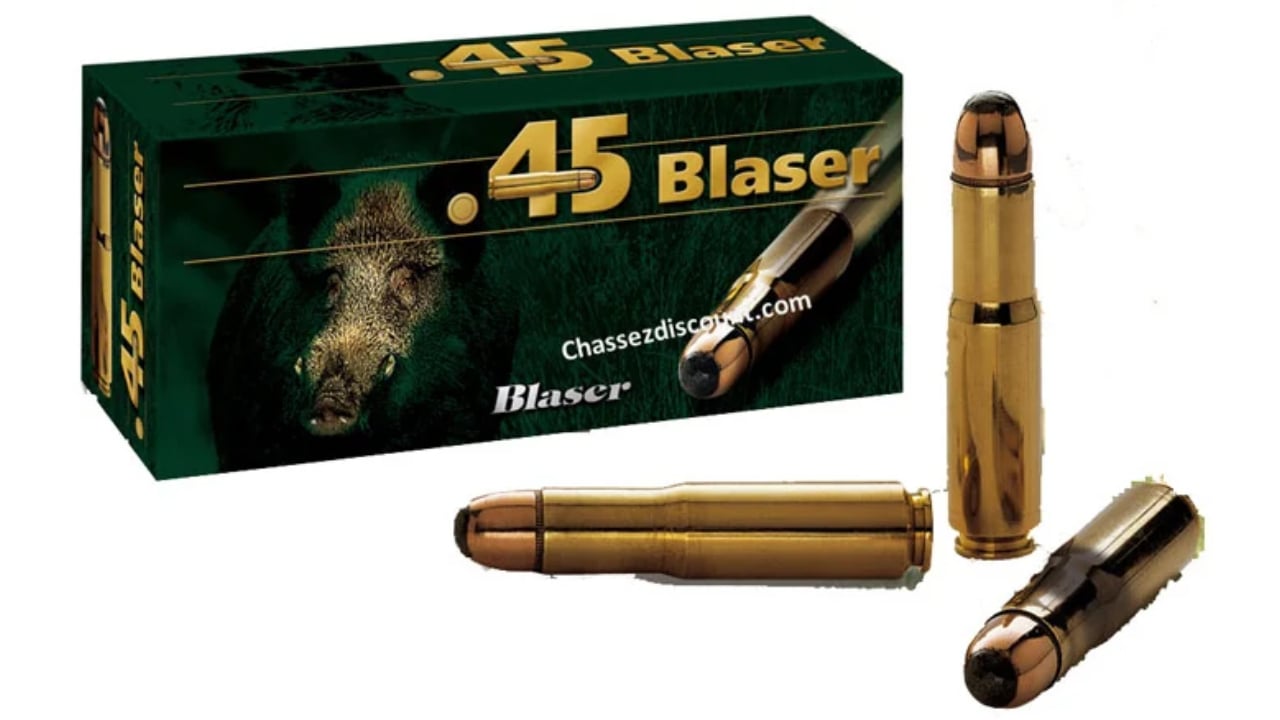
The .45 Blaser was created for European hunting and delivered heavy-bullet performance from a modern rimless cartridge.
Its problem was always accessibility. Rifles and ammunition were expensive, factory support outside Europe was limited, and North American hunters already had cartridges like .45-70 and .450 Marlin. The round filled a legitimate niche, but for most buyers it was a very costly answer to a problem already solved by cheaper cartridges.
.300 Pegasus
Your source for Collectible Ammunition
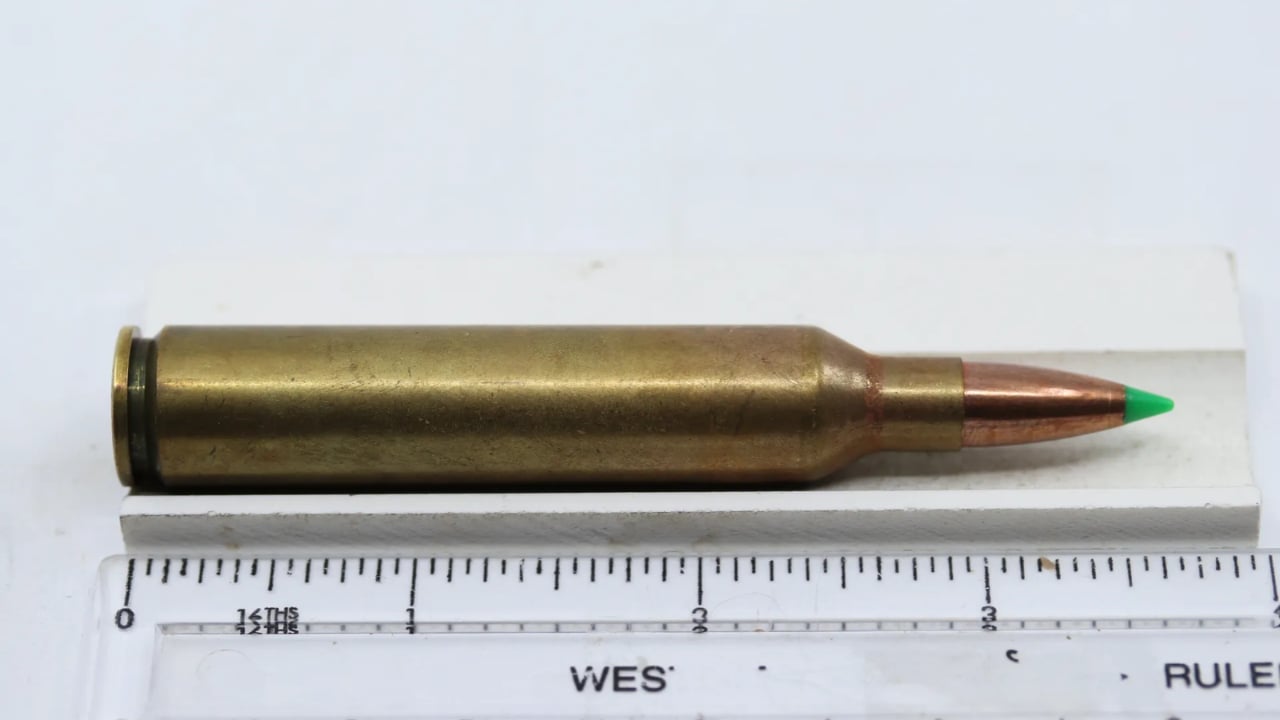
The .300 Pegasus was built during the era when ultra-fast magnums were becoming a fascination. It promised tremendous velocity and long-range performance.
The cartridge never developed enough support to make ownership practical. Ammunition was specialized, rifles were uncommon, and other .300 magnums offered similar field capability without nearly as much difficulty. It is one of those cartridges that looked exciting in ballistic tables but never had the infrastructure needed to justify buying into it.
.30 Newton
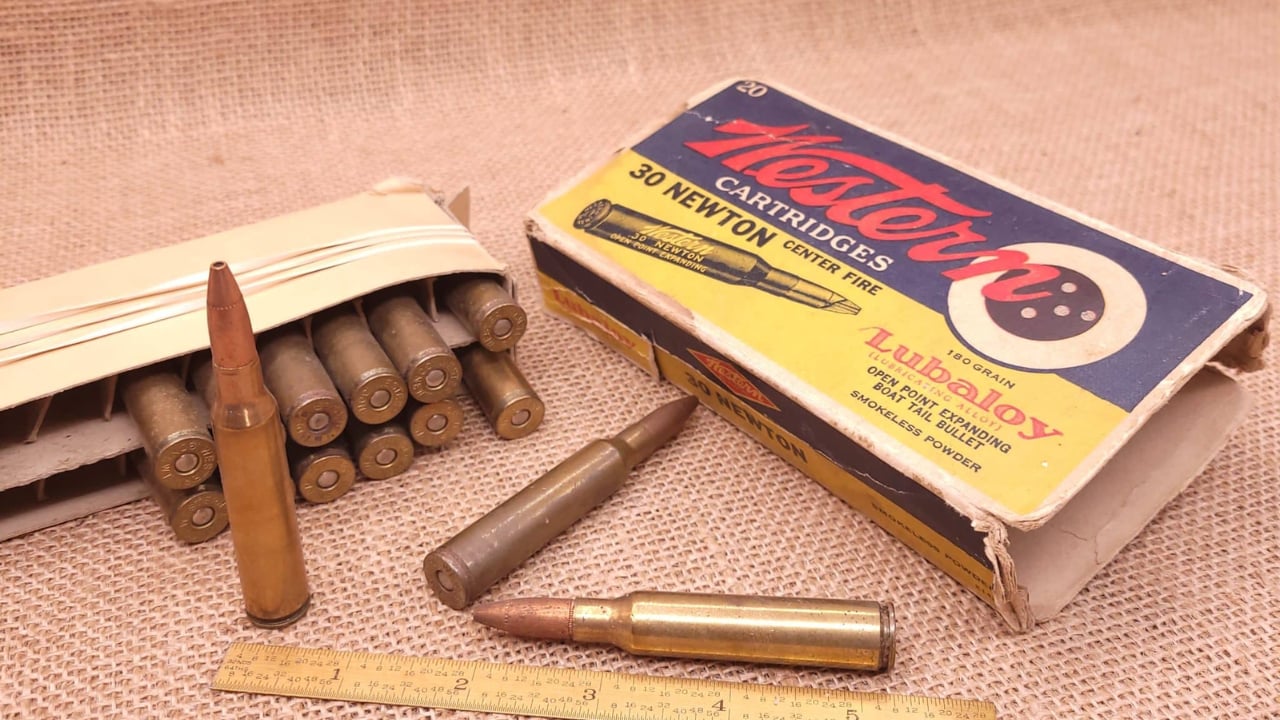
The .30 Newton was far ahead of its time in terms of case capacity and velocity. It offered performance that looked remarkably modern compared with many cartridges of its era.
Unfortunately, it also arrived without the manufacturing and ammunition ecosystem necessary to become mainstream. Rifles and ammo were expensive, and the cartridge never achieved the scale needed to bring costs down. In hindsight, the design was influential, but for original buyers it was a risky and costly platform to adopt.
.256 Newton
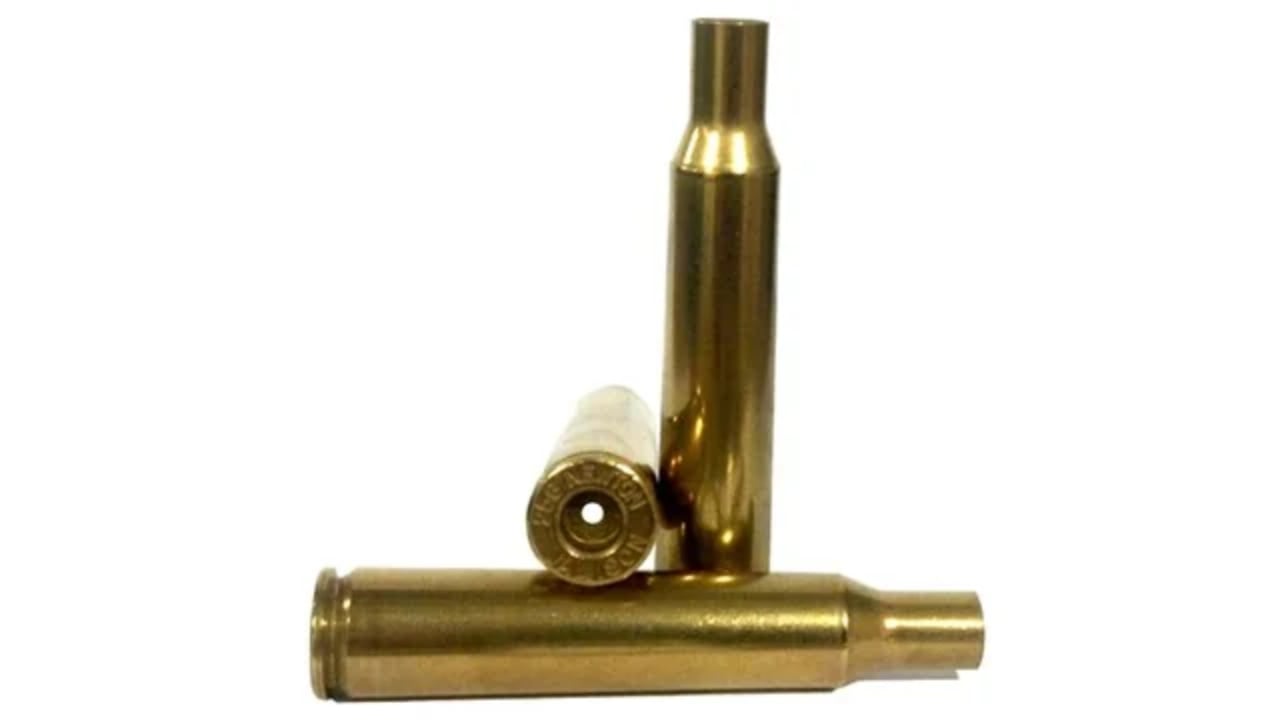
The .256 Newton was another advanced Charles Newton design that delivered impressive velocity from a relatively modern-looking case.
The problem was exactly the same: great ballistics without enough commercial backing. Ammunition availability became an issue, rifles were uncommon, and owners were left with a cartridge that required far more effort to keep shooting than better-supported alternatives. It was technically interesting but financially risky from the start.
.400 H&H Magnum
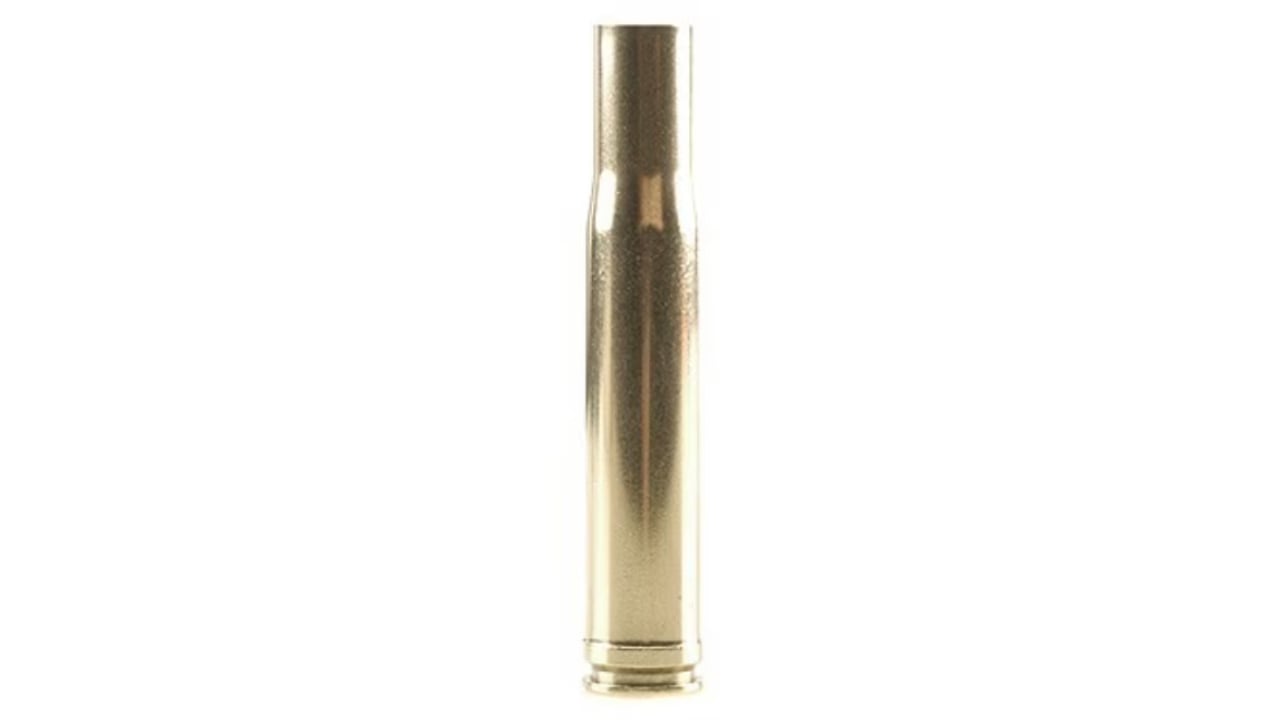
The .400 H&H Magnum was introduced as a modern medium-bore dangerous-game cartridge with excellent penetration and enough bullet weight for serious hunting.
The problem is that dangerous-game hunters already had .375 H&H, .404 Jeffery, and multiple .416 options with much stronger support. The .400 H&H never created enough separation to make its premium ammunition and rifle costs worthwhile. It is a classy cartridge, but class alone does not make a commercial success.
.425 Westley Richards
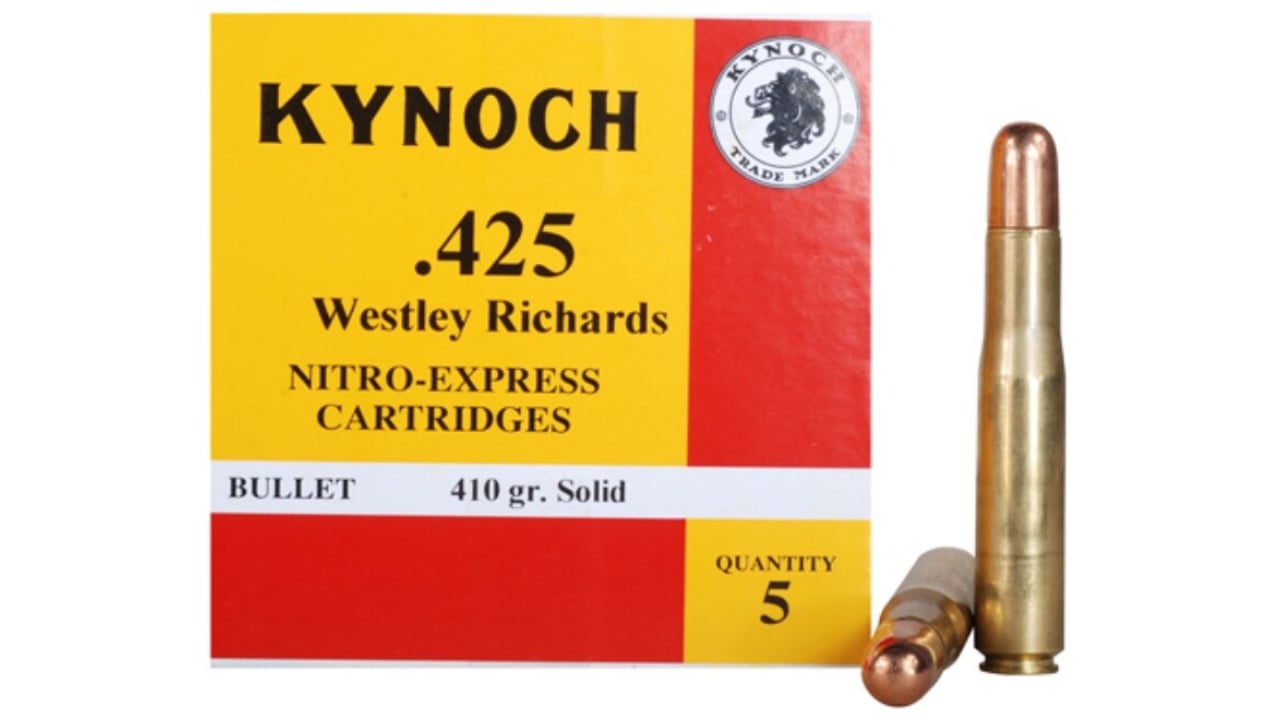
The .425 Westley Richards is historically fascinating and mechanically unusual, but it has always been an expensive proposition for ordinary shooters.
The cartridge uses a rebated rim and was designed around dangerous-game use, which meant rifles and ammunition were specialized from the beginning. As more common cartridges gained worldwide support, the .425 became increasingly difficult to justify outside collecting and traditional African hunting. It still works, but it has never been the economical choice for anyone looking at pure performance.
Like The Avid Outdoorsman’s content? Subscribe to our newsletter so you never miss an article.
Here’s more from us: