Photo credit: Academy Sports
A gun does not have to be completely unreliable to become a regretted purchase. Sometimes the problem is terrible ergonomics, painful recoil, expensive magazines, weak aftermarket support, awkward controls, disappointing accuracy, or simply discovering that the gun is much less useful than it looked in the store.
These are the firearms that can make sense on paper and become frustrating once you actually own them. Some have loyal fans, and individual examples can run perfectly well. But each one has enough drawbacks that plenty of buyers eventually decide they would rather have spent the money somewhere else.
Remington R51
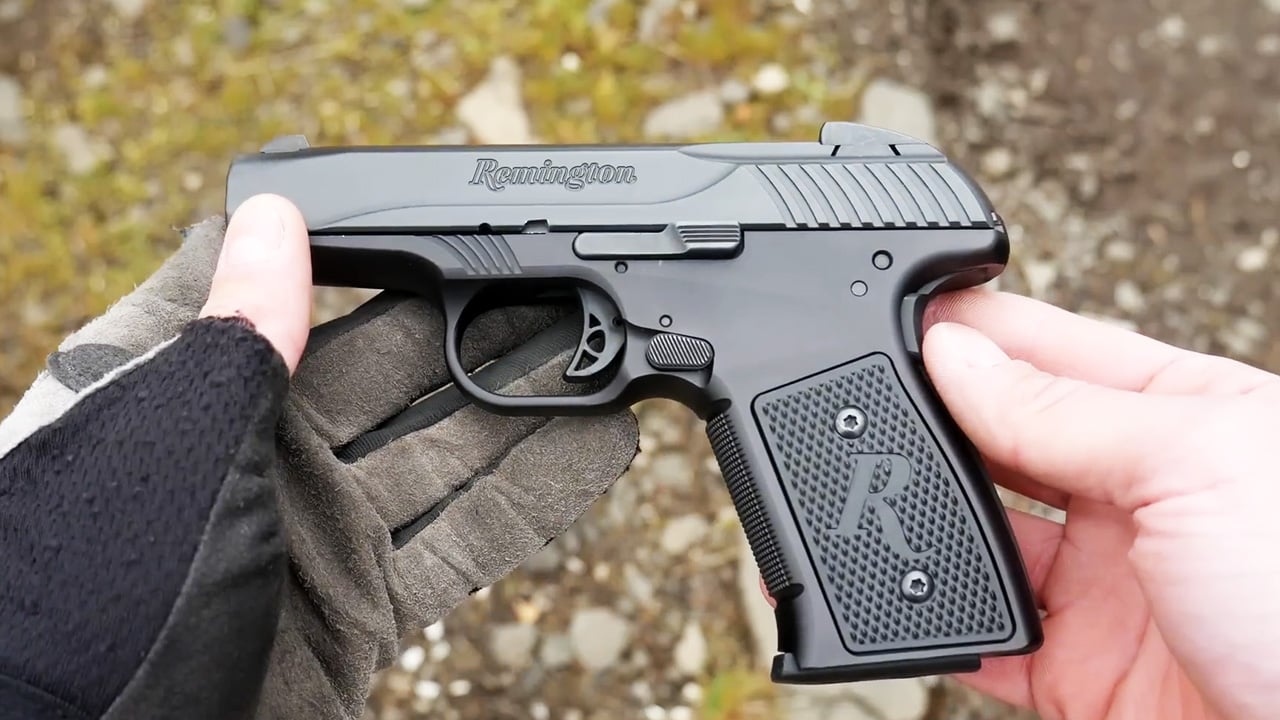
The R51 had all the ingredients for an interesting concealed-carry pistol. It was slim, relatively compact, chambered in 9mm, and based around an unusual operating system that separated it from the endless field of conventional striker-fired guns.
Unfortunately, the launch was plagued by enough problems that the pistol’s reputation never recovered. Even later examples had to fight against that history, and the gun never developed the magazine, holster, parts, and accessory ecosystem available for more successful carry pistols. A handgun purchased for defensive use needs to inspire confidence. The R51 instead left many buyers wondering whether they should have simply purchased something more established.
SIG Sauer Mosquito
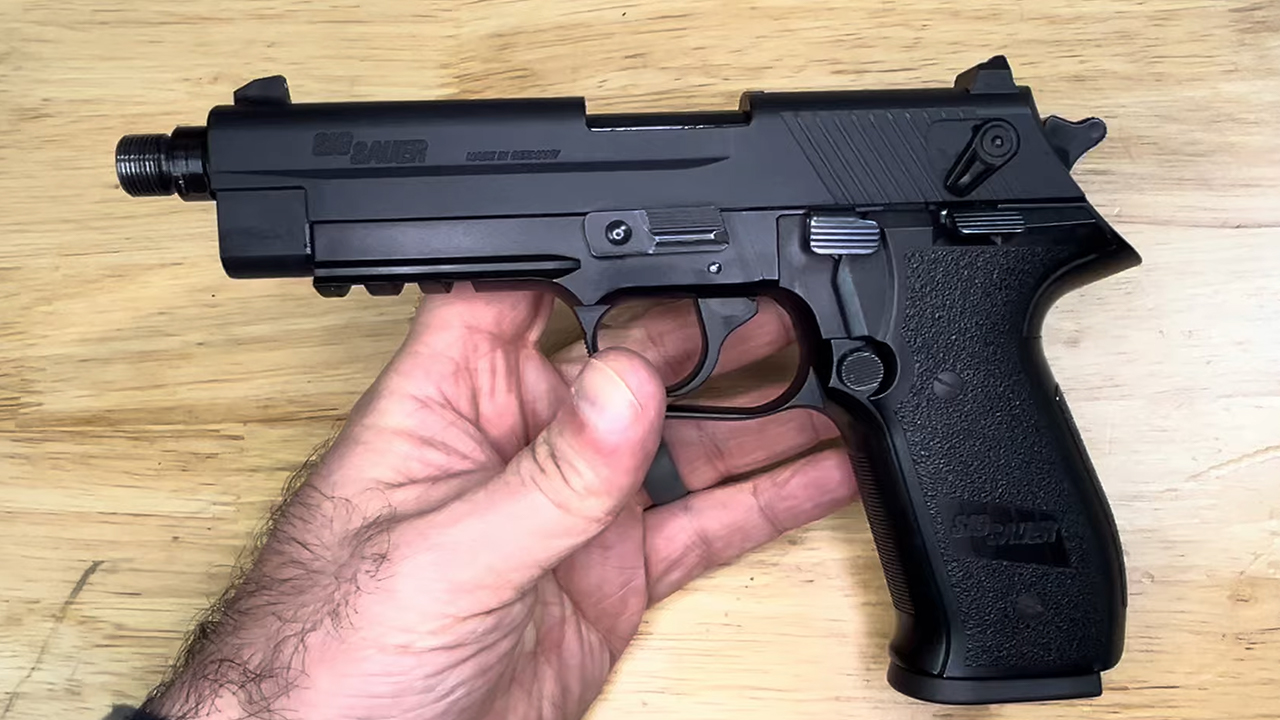
The Mosquito looked like an excellent idea for shooters who wanted a rimfire trainer that resembled a centerfire SIG.
Ownership could be considerably less satisfying. These pistols developed a reputation for being picky about ammunition, and rimfire guns become frustrating quickly when you spend more time diagnosing cycling problems than shooting. The trigger was also nothing special, which made it difficult to justify keeping one when there were so many excellent .22 pistols available. Plenty of owners eventually moved on rather than continuing to experiment with ammunition.
Walther P22
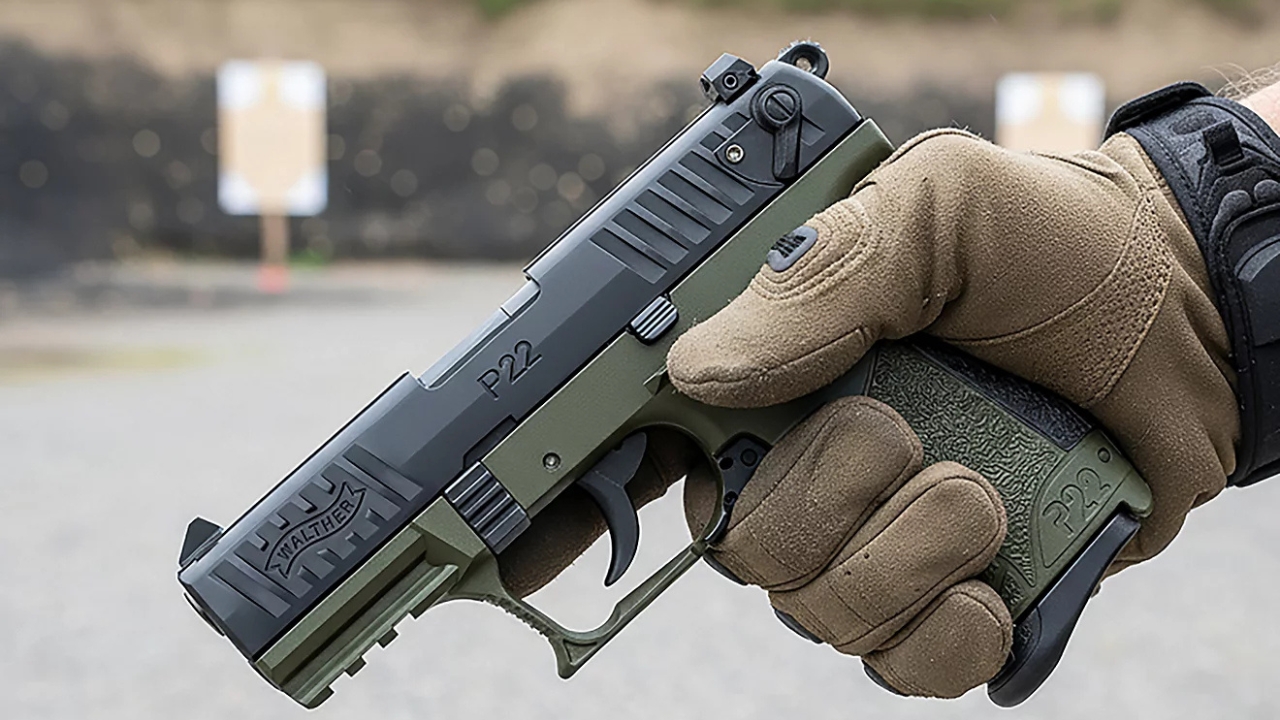
The P22 has sold for years because it is compact, lightweight, inexpensive to shoot, and visually more interesting than a traditional target .22.
Those same buyers sometimes discover that the little Walther is more ammunition-sensitive and less refined than expected. The small grip does not work for everybody, and older examples in particular earned mixed reliability reputations. A .22 pistol should ideally be the gun you bring when you want an effortless afternoon of shooting. If yours constantly demands a particular load to behave, the novelty can wear off fast.
Taurus Curve
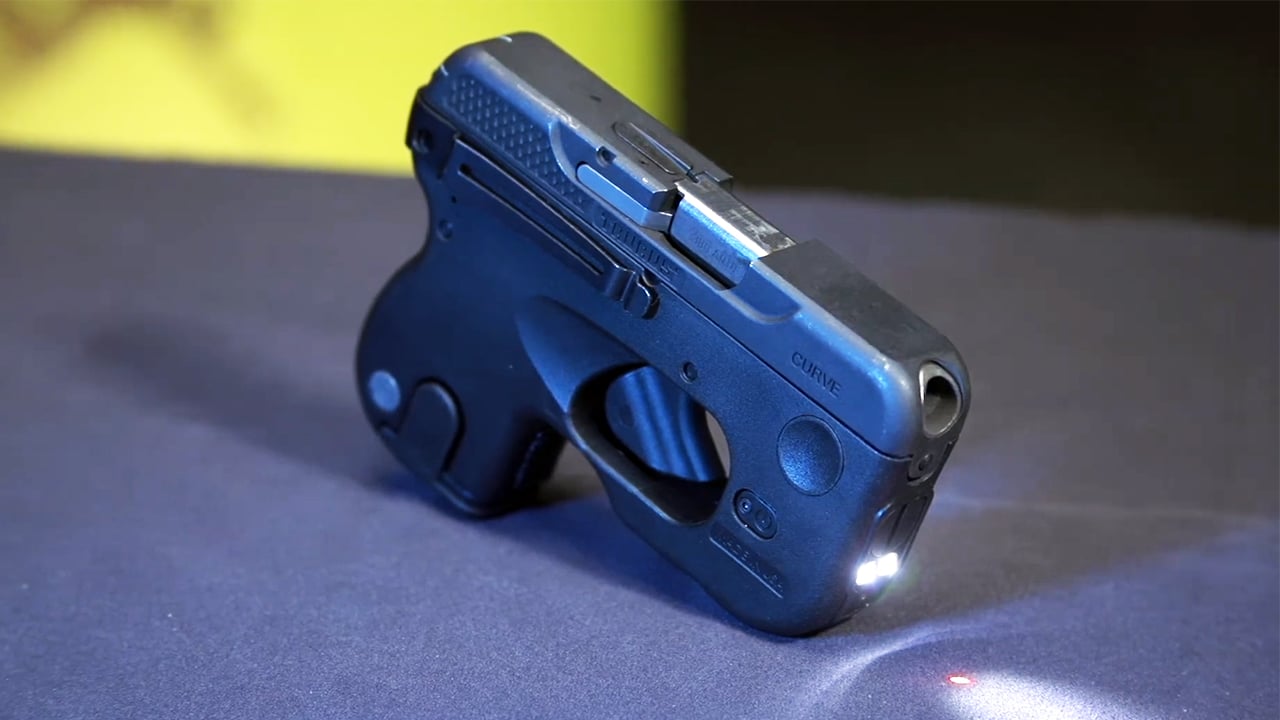
The Curve was designed around concealed carry, with a frame literally shaped to follow the body.
That sounded clever until buyers considered the compromises. The unusual shape limited conventional holster options, the pistol had minimal sights, and its tiny dimensions made it far less pleasant to shoot than larger defensive handguns. The design solved a problem in a way that created several new ones. A carry pistol that is easy to wear but difficult to shoot well can leave an owner questioning the entire purchase.
Boberg XR9-S
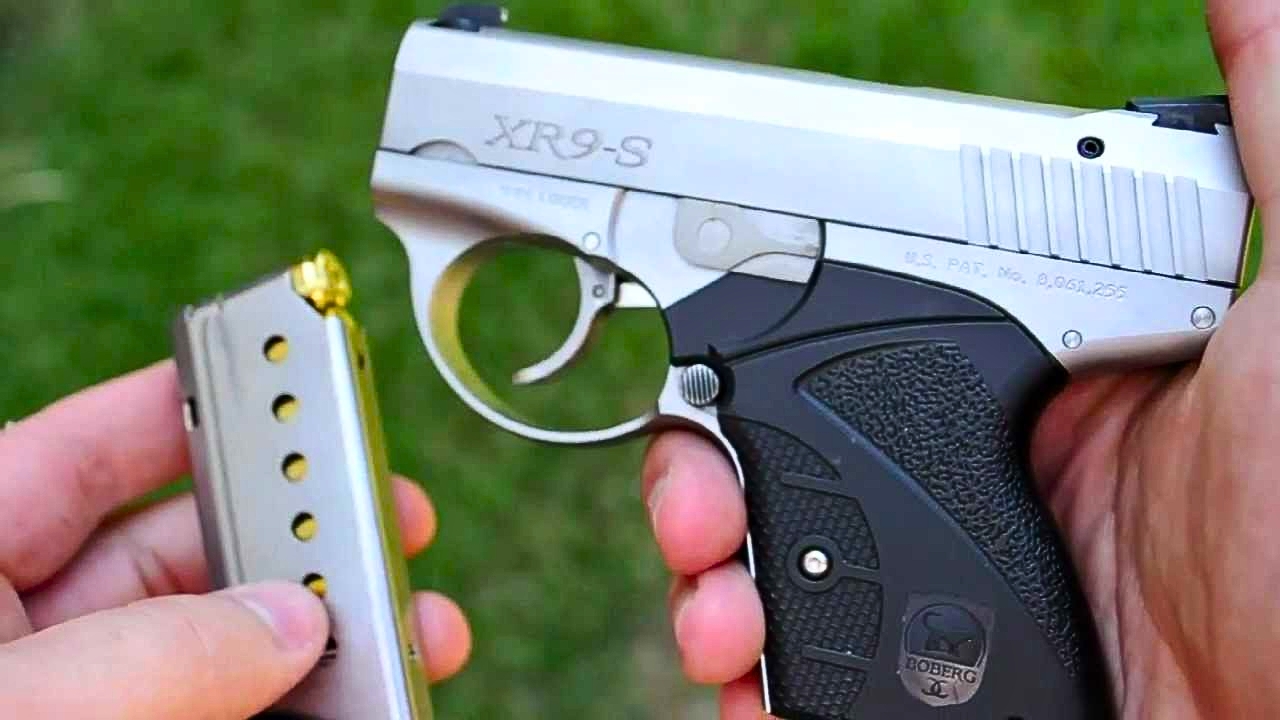
The XR9-S was mechanically fascinating. Its feeding system pulled cartridges rearward from the magazine before chambering them, allowing a relatively long barrel inside a compact overall package.
That complexity came with tradeoffs. Ammunition selection mattered because the feeding system could place unusual stresses on cartridges, and the gun was expensive compared with more conventional carry pistols. For someone who enjoys unusual engineering, the Boberg is fascinating. For someone who simply wanted a dependable compact 9mm, it could become a very complicated answer to a problem other guns solved more easily.
Colt All American 2000
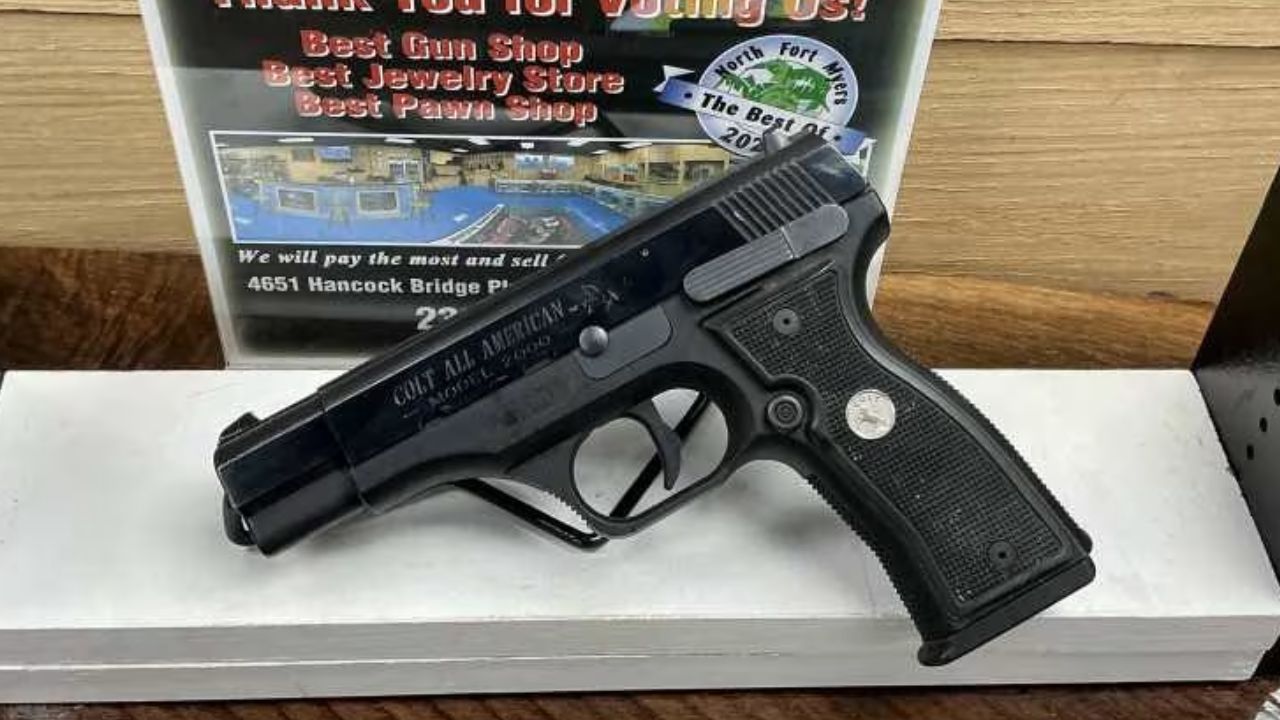
Colt’s All American 2000 should have been an important modern service pistol from one of America’s most famous manufacturers.
Instead, it became a reminder that a famous name does not guarantee a successful design. The pistol suffered from a poor reputation for accuracy and an unusually heavy trigger, and it never developed the following Colt likely hoped for. Owners who bought one expecting a modern classic received a handgun that quickly disappeared while competitors became industry standards.
Rogak P-18
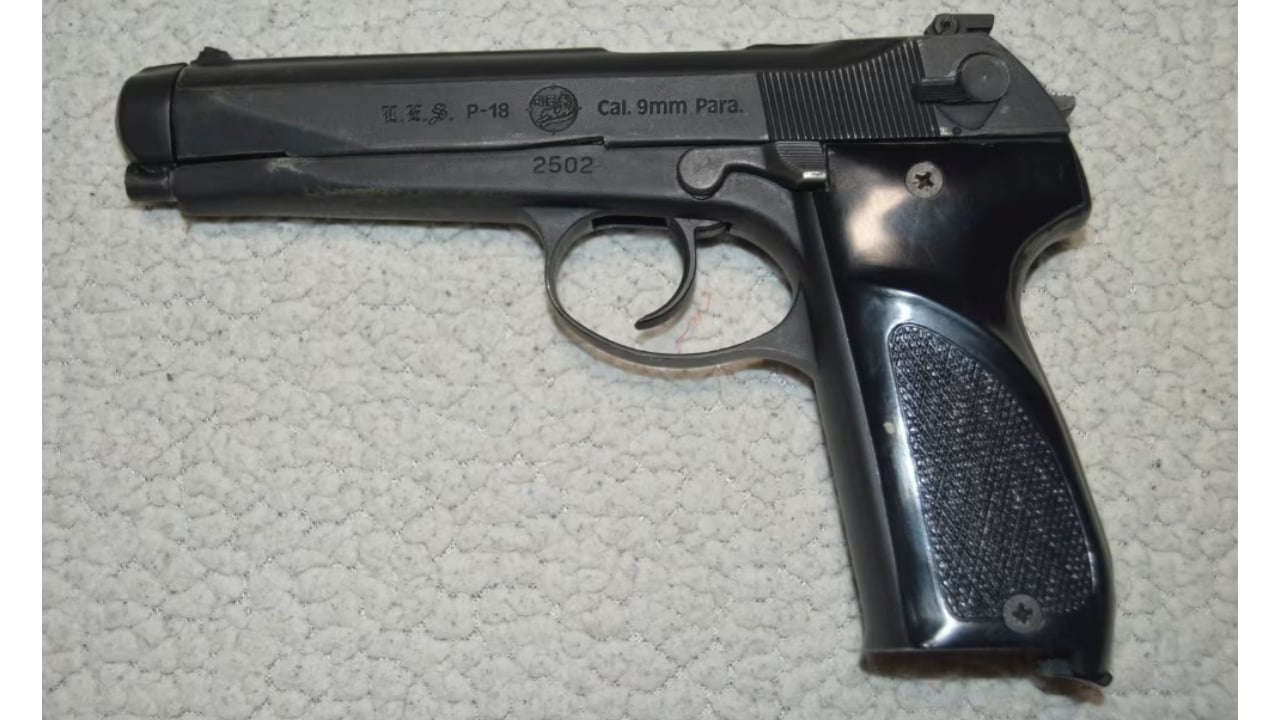
The Rogak P-18 attempted to reproduce the Steyr GB concept in the United States.
Its reputation became considerably worse than the original gun it was based on. Quality-control problems and reliability complaints made the pistol a risky purchase, while the unusual design provided little reason to tolerate those shortcomings. Today it has curiosity value, but that does not mean original buyers felt fortunate. Some guns become collectibles because they were excellent. Others become interesting because the project went so badly.
Dardick Model 1500
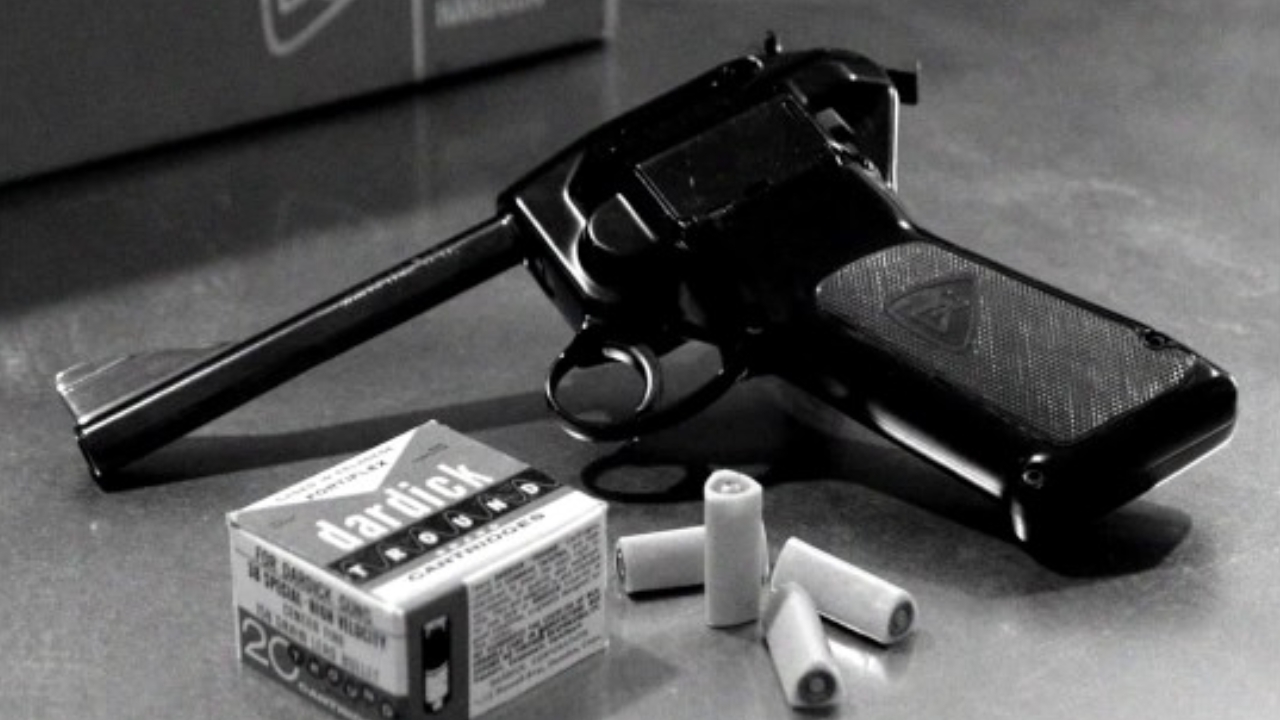
The Dardick is one of the strangest handguns ever commercially offered. Its open-sided chambers and proprietary triangular “trounds” make it fascinating from a firearms-history perspective.
As an ownership proposition, though, it was a nightmare once ammunition became scarce. A firearm dependent on a proprietary cartridge can become nearly useless when the supporting ecosystem disappears. Collectors may gladly chase a Dardick today, but an owner who originally wanted something to shoot could easily have wished for a conventional revolver instead.
Gyrojet Carbine
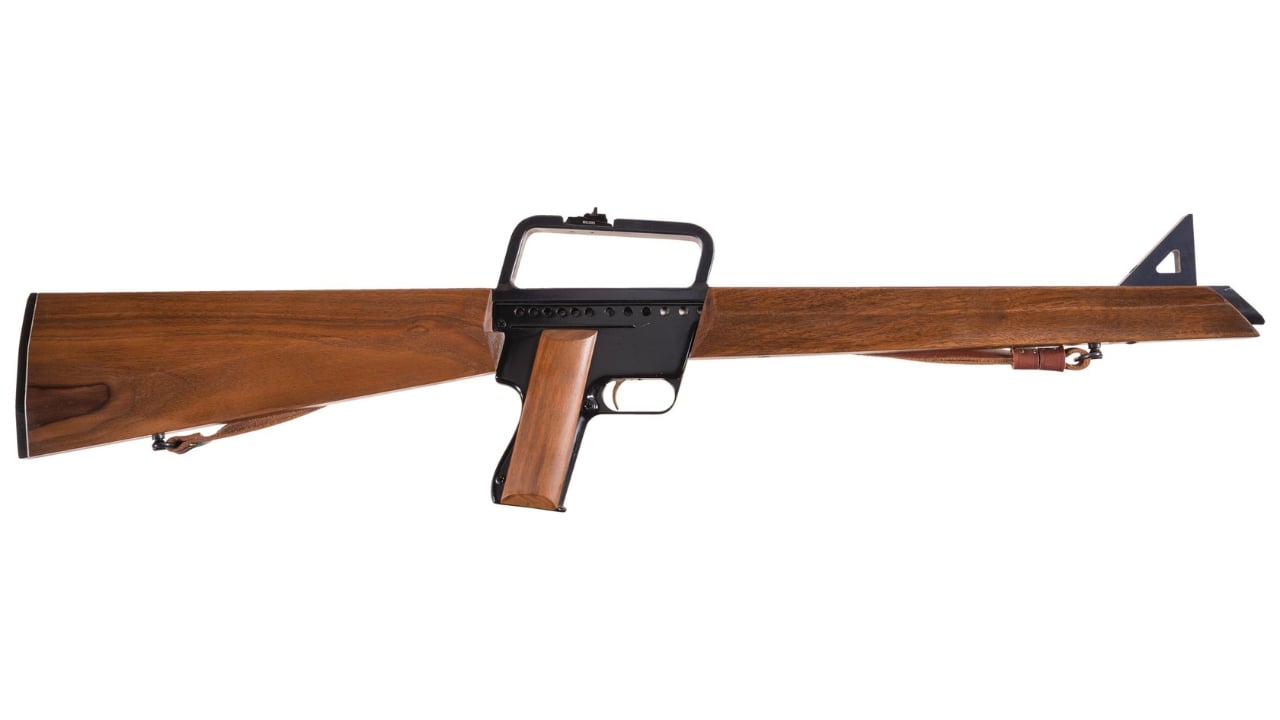
The Gyrojet concept replaced conventional cartridges with rocket-propelled projectiles, producing one of the most unusual firearms systems of the 20th century.
That novelty is wonderful for collectors and awful for ordinary ownership. Ammunition became rare and expensive, practical performance never lived up to the futuristic premise, and shooting the gun casually eventually became unrealistic. Someone who bought one as a serious firearm could easily regret it. Someone who preserved one untouched accidentally made a much better decision.
Cobray Terminator
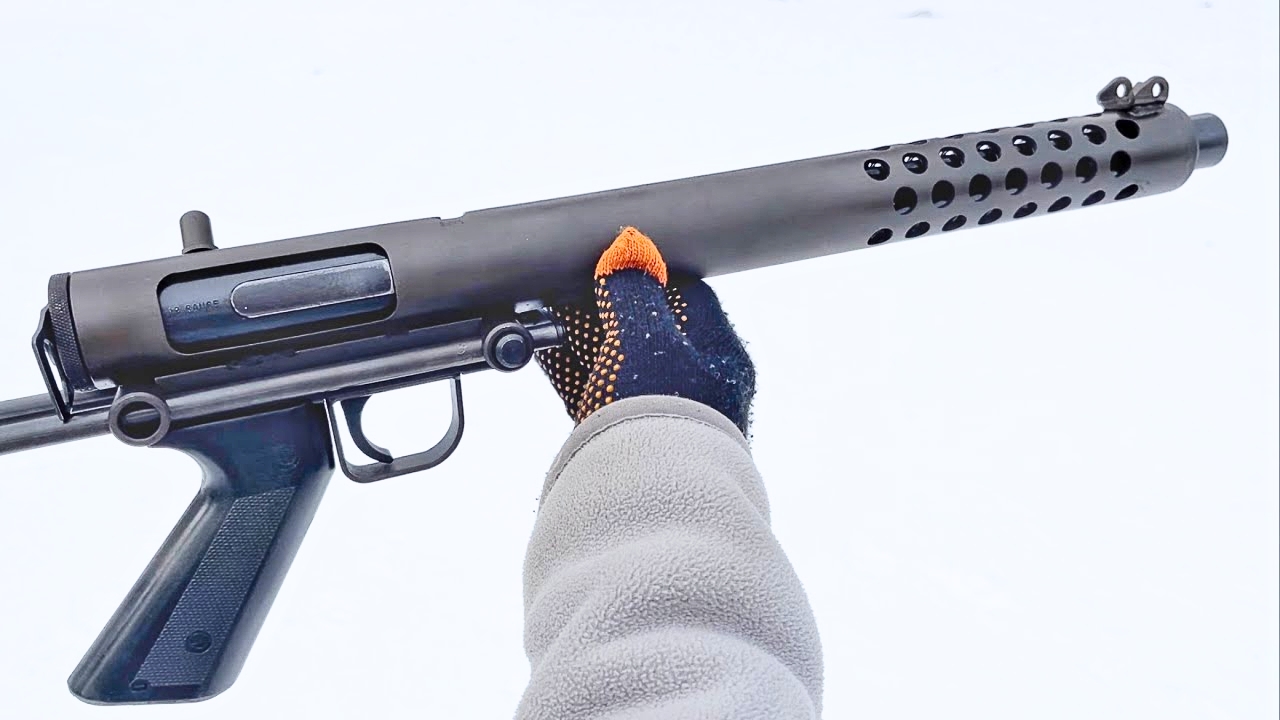
The Cobray Terminator looks intimidating until you understand what it actually is.
It is essentially a crude single-shot 12-gauge shotgun built in a pistol-like configuration, creating significant bulk and recoil without giving you the advantages of a conventional repeating shotgun. The design’s visual novelty is far stronger than its practical usefulness. It is the sort of gun that can seem entertaining at the counter and substantially less entertaining after the first range session.
USFA Zip .22
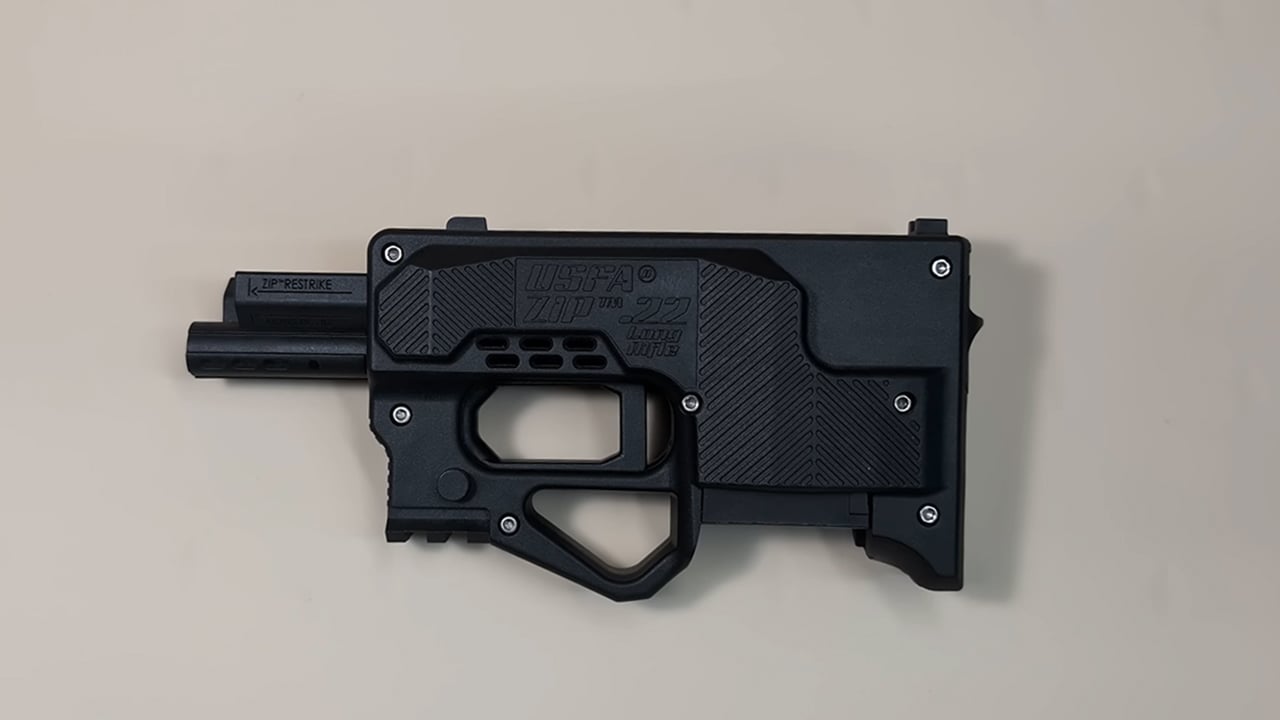
The Zip .22 was supposed to be an inexpensive, modular rimfire pistol with unconventional controls and a futuristic layout.
Instead, it developed one of the rougher reputations of any modern rimfire pistol. Users complained about malfunctions, awkward operation, and a manual of arms that felt strange without providing an obvious benefit. A cheap .22 can be forgiven for basic sights or a rough finish. It is much harder to forgive a rimfire that makes ordinary plinking feel like troubleshooting.
Intratec CAT-9
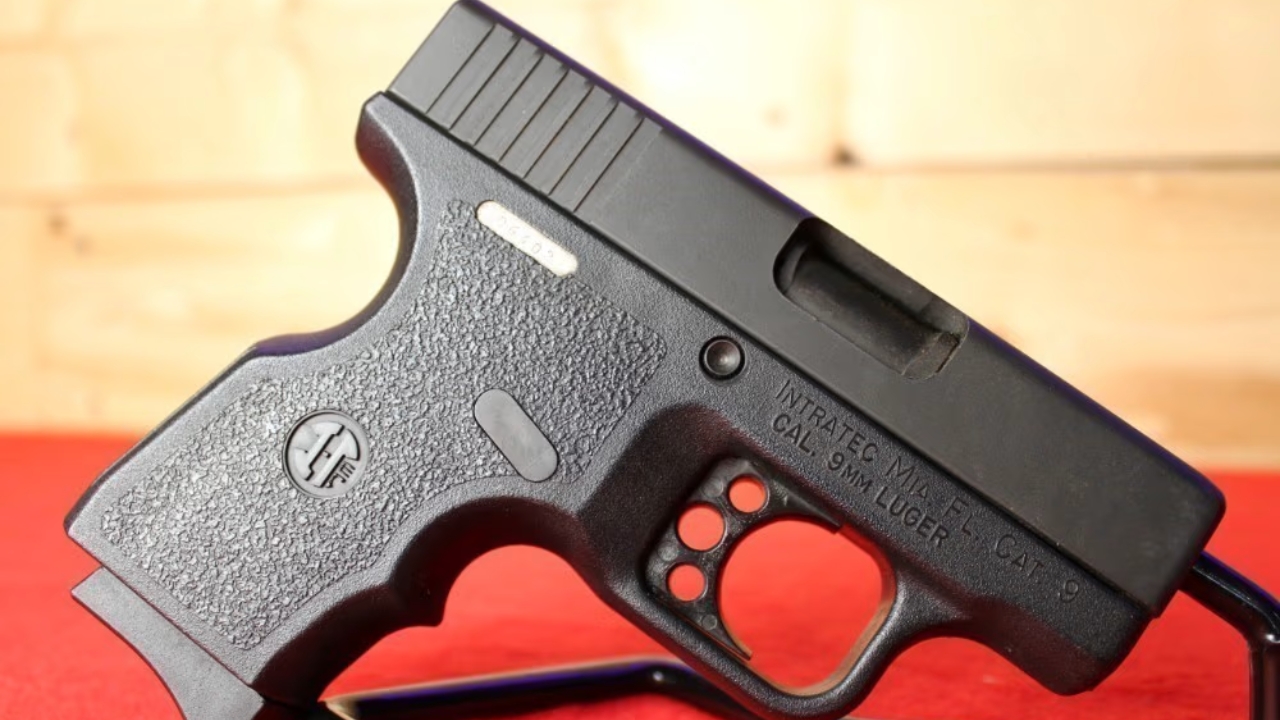
The CAT-9 was intended as a compact defensive pistol, but Intratec’s reputation and the gun’s own limitations made it a questionable choice.
It was bulky relative to its capacity, lacked the refinement of better-known defensive pistols, and never developed much lasting support. Compact pistols are already difficult to shoot well, so poor ergonomics or questionable reliability become even more noticeable. Buyers who wanted an inexpensive carry gun often discovered that paying slightly more for a better platform would have made far more sense.
COP .357
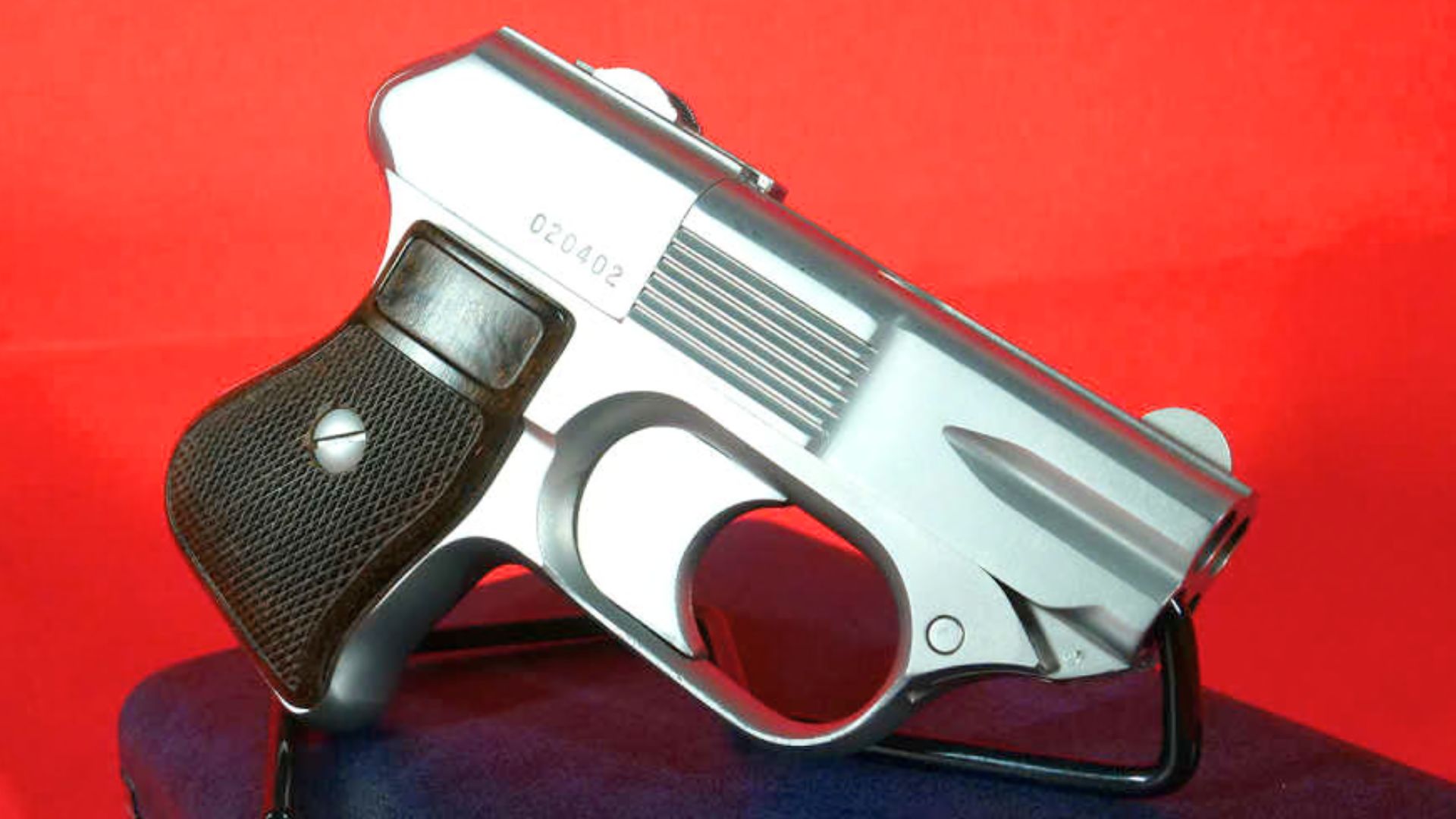
The COP .357 is unquestionably interesting. Four .357 Magnum barrels packed into a compact stainless package sound like an impressive defensive solution.
Then you feel the trigger and the weight. The gun is extremely heavy for its capacity, and the double-action trigger can be brutally difficult compared with a conventional revolver. You get only four shots while carrying something that feels far heavier than many five- or six-shot alternatives. It is a fascinating collectible, but as a practical purchase it can become difficult to justify.
Magnum Research Lone Eagle
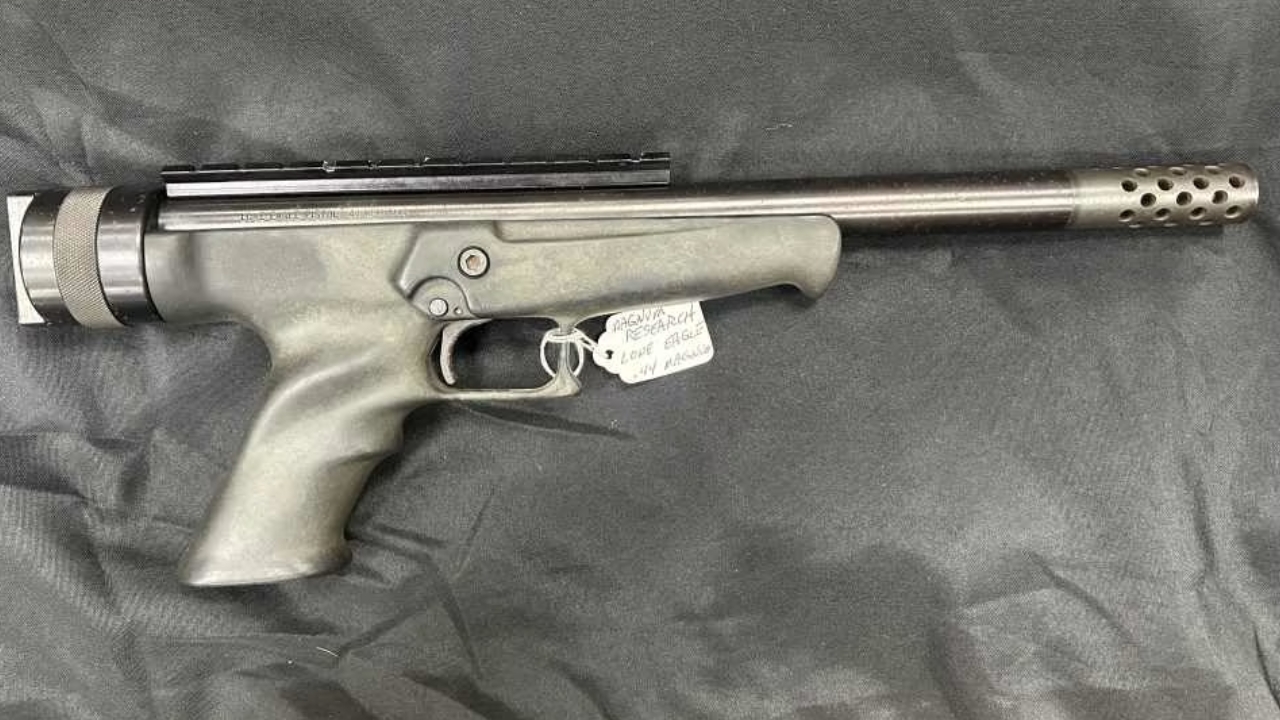
The Lone Eagle is a rotating-breech single-shot pistol designed around powerful rifle cartridges.
That makes it extremely capable for specialized handgun hunting, but it also makes the gun enormous, heavy, and nearly useless for most ordinary handgun roles. Buyers fascinated by the power can quickly discover that they rarely have a reason to take it out. Specialized firearms are fantastic when you actually need the specialty. Otherwise, they can become expensive safe occupants.
Century Arms C39V2
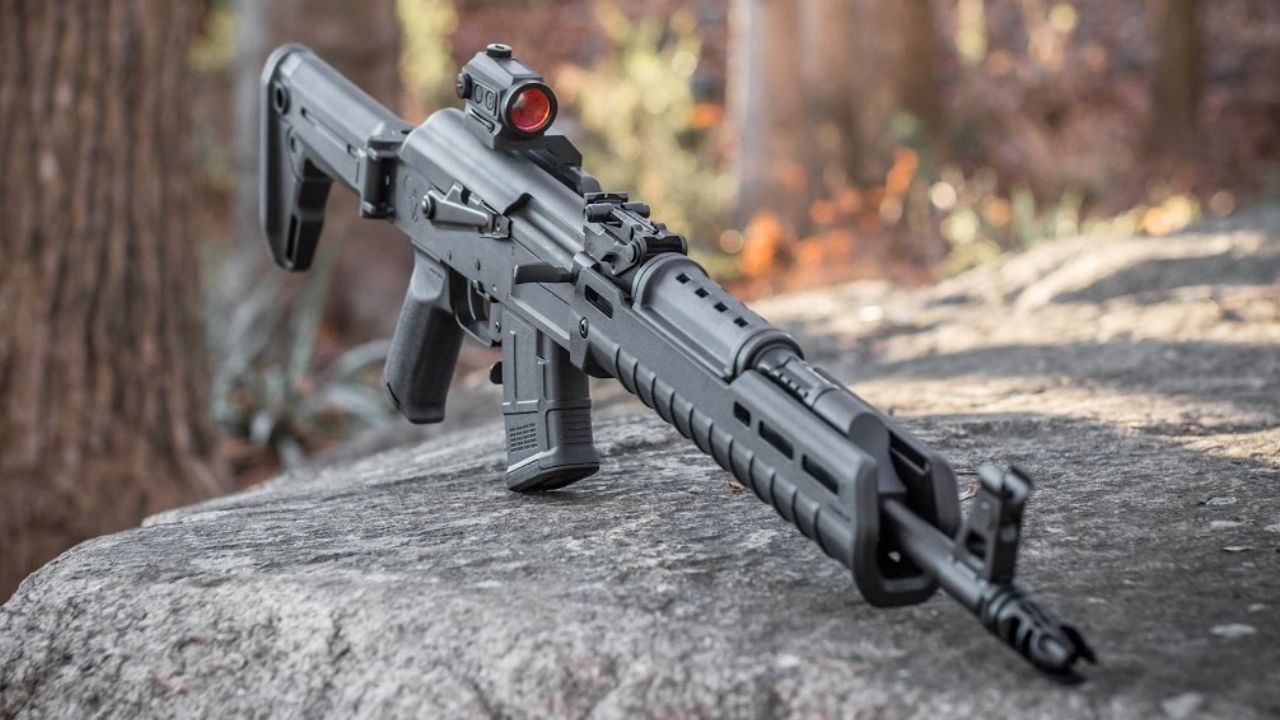
The C39V2 attracted buyers who wanted an American-made AK-pattern rifle without spending premium money.
The problem was that the rifle developed a poor reputation among serious AK shooters, particularly regarding durability concerns involving critical components. That is a major issue on a rifle bought specifically because the AK platform is associated with longevity. Even owners whose rifles functioned adequately had to deal with the platform’s damaged reputation, which is enough to make a purchase difficult to feel good about.
Remington 887 Nitro Mag

The 887 Nitro Mag looked like an attempt to modernize the pump shotgun by wrapping much of the exterior in protective polymer.
It never displaced the 870, and many shooters found it bulkier and less appealing than the gun it was supposed to improve upon. The styling was polarizing, the action could feel less refined, and the model eventually disappeared. Owners who wanted a durable pump often ended up wondering why they had not simply bought one of the established designs in the first place.
Mossberg 500 Chainsaw
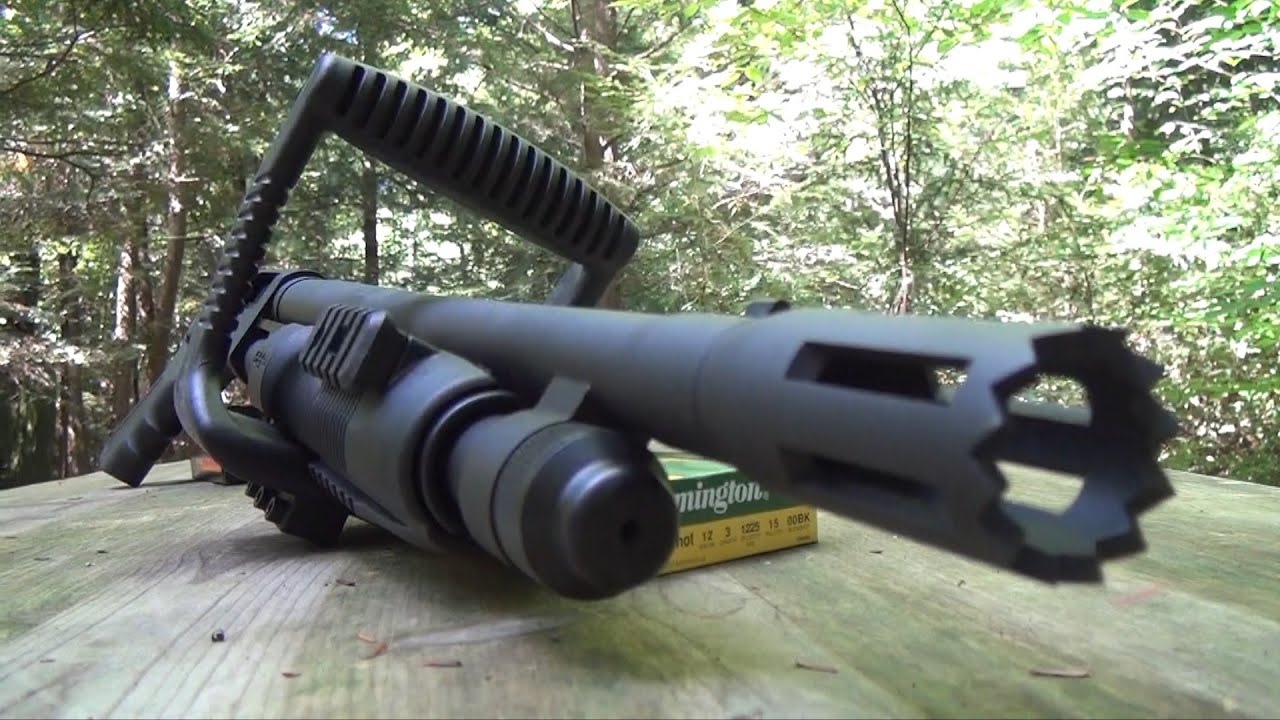
The Chainsaw configuration is one of those firearms that makes perfect sense as a conversation piece and considerably less sense once practical use enters the discussion.
The over-the-top handle mounted above the shotgun gives it an unmistakable appearance, but it adds bulk without solving an important shooting problem. Once the novelty wears off, many owners are essentially left with a Mossberg 500 wearing furniture they would rather remove. Buying the conventional configuration first would have been the cheaper and more useful route.
KelTec PLR-16
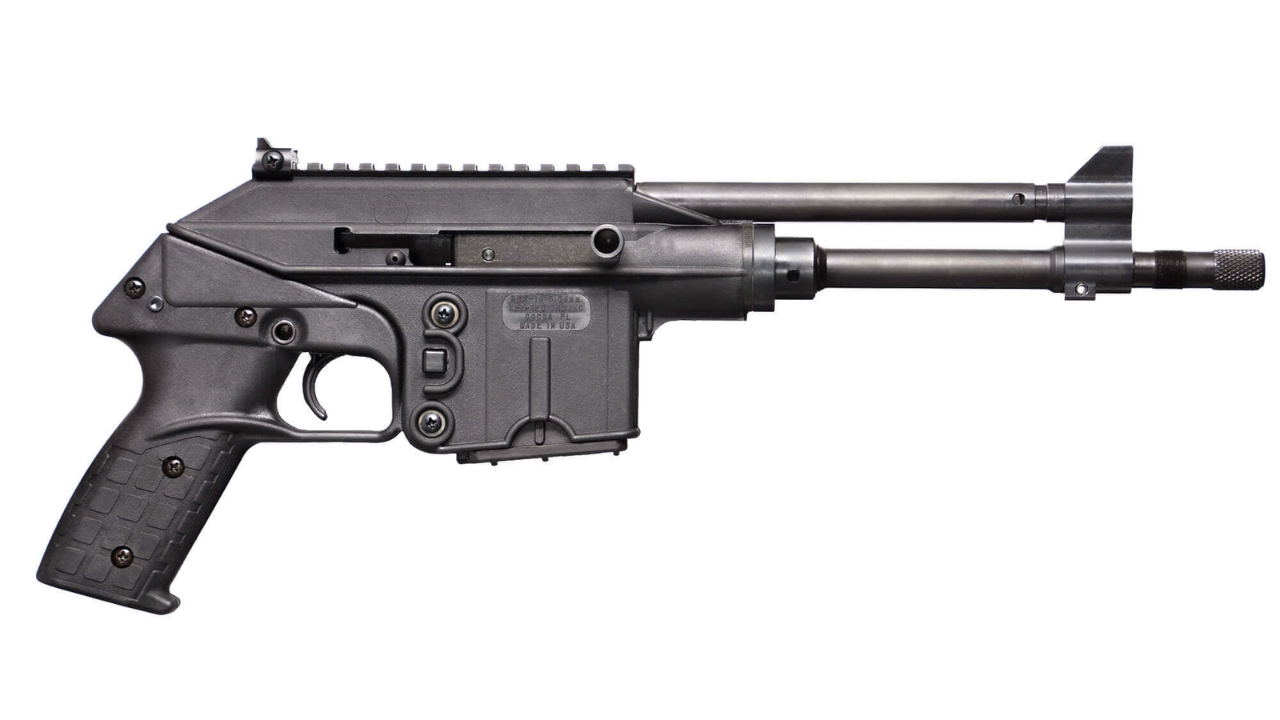
The PLR-16 gives you a compact semiautomatic firearm chambered in 5.56 NATO, which sounds exciting until blast enters the equation.
A short 5.56 barrel can be extremely loud and concussive, especially at an indoor range or beneath a covered firing line. The large-format pistol also occupies an awkward space between a conventional handgun and a full rifle. It can certainly be fun, but owners expecting a broadly useful firearm may discover that the shooting experience makes them reach for something else.
Heizer Defense DoubleTap

The DoubleTap tried to modernize the derringer by creating an extremely thin two-shot pistol chambered in serious defensive cartridges.
The result can be punishing to shoot. Very light weight combined with cartridges such as 9mm or .45 ACP creates a handgun that is easy to carry but difficult to practice with extensively. Two rounds also provide little margin compared with modern compact pistols. A carry gun should encourage regular training. When practicing with it feels like punishment, buyers often start reconsidering their priorities.
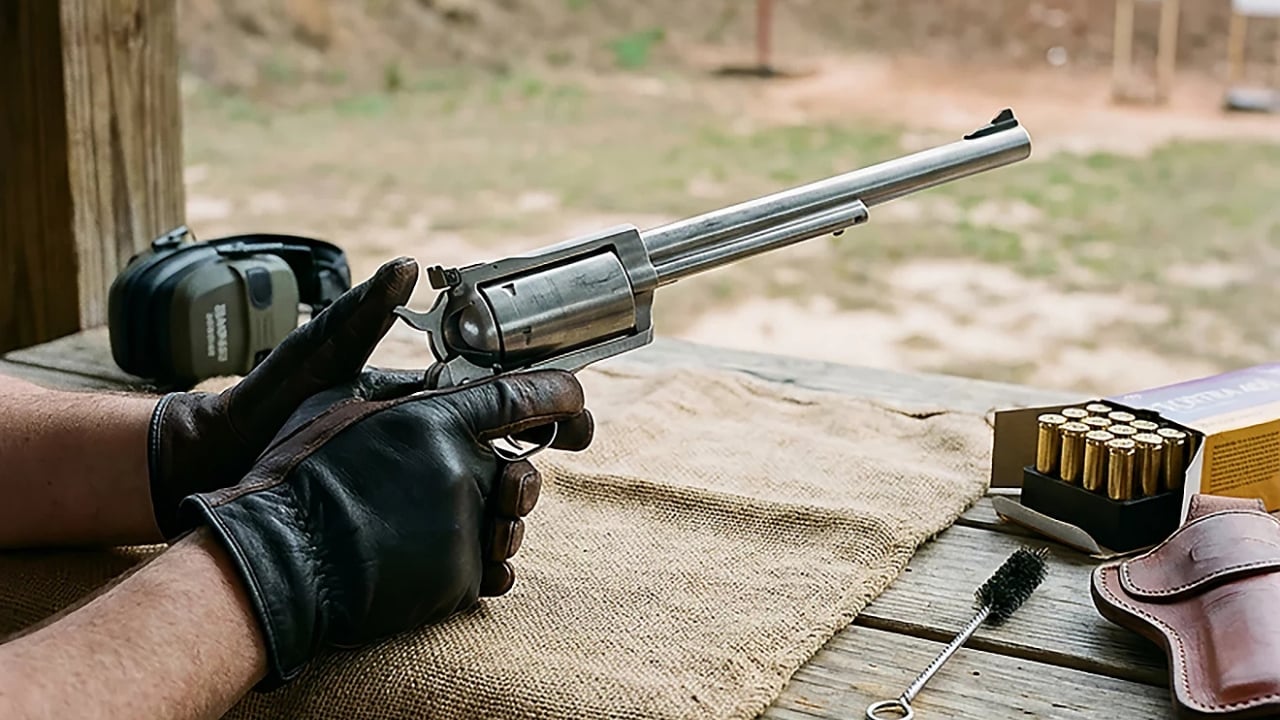
Magnum Research BFR .45-70

The BFR chambered in .45-70 is an impressive piece of engineering, and there is absolutely a place for giant hunting revolvers.
The problem begins when someone buys one because it looks entertaining rather than because they actually need a handgun this specialized. It is huge, heavy, expensive to feed, and capable of producing far more recoil than most shooters want during an ordinary range trip. The first cylinder can be memorable. The question is how often you genuinely want to shoot the second. For some owners, the answer turns out to be not very often.
Like The Avid Outdoorsman’s content? Subscribe to our newsletter so you never miss an article.
Here’s more from us: