
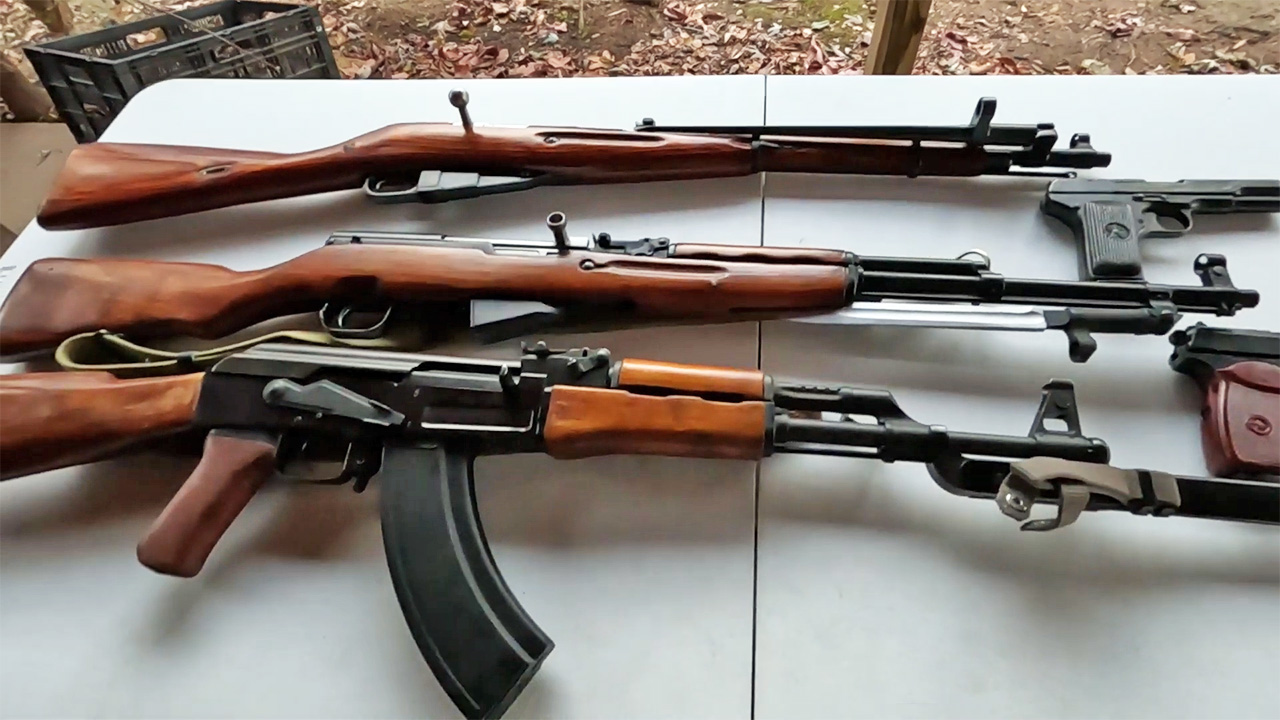
Photo credit: Mishaco/Youtube
Every gun counter has a little glass case of heartbreak. It’s the spot where you see something you swear used to be a “two-hundred-dollar gun” back when you were paying rent, buying diapers, or trying to stretch a tank of gas through deer season. Now it’s tagged at two grand, and the guy behind the counter says, “They don’t make ’em like that anymore,” like it’s supposed to make you feel better.
This isn’t about get-rich flipping. It’s about the oddball mix of nostalgia, bans and import stops, movies and video games, and the plain fact that solid steel and walnut costs real money now. Here are 20 firearms that used to be the kind of purchase you could justify with a little overtime, and now they’re priced like a small used boat.
1. Russian SKS (Izhevsk/Tula)
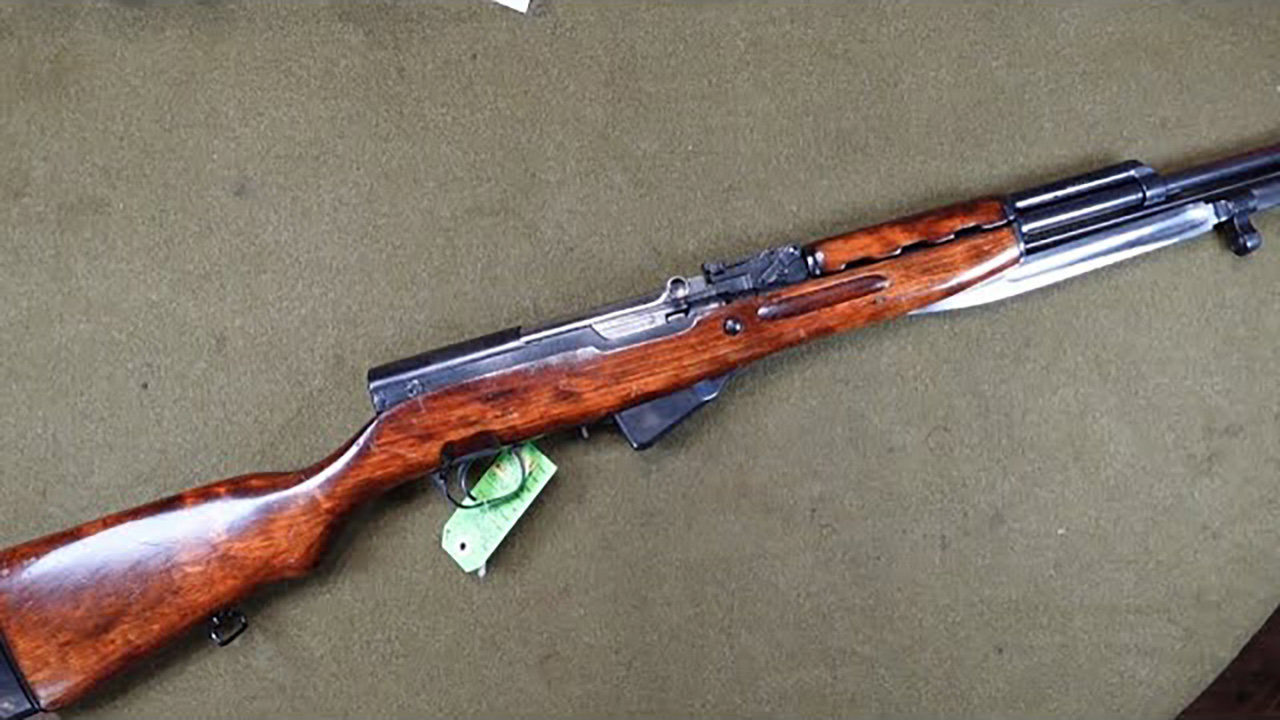
There was a time an SKS was the “first rifle” for a lot of folks who wanted something that went bang every time and didn’t care if it got bounced around behind a truck seat. You could find a clean Russian example around the two-hundred mark if you weren’t picky about matching numbers.
Now the Russian ones—especially with original finish, correct stock, and no Bubba extras—are in a different class. They’re still not a precision rifle, and the safety and sights feel dated, but they run. What got expensive is the specific flavor: Russian, correct, un-messed-with.
2. Chinese Type 56 SKS (early / factory code guns)
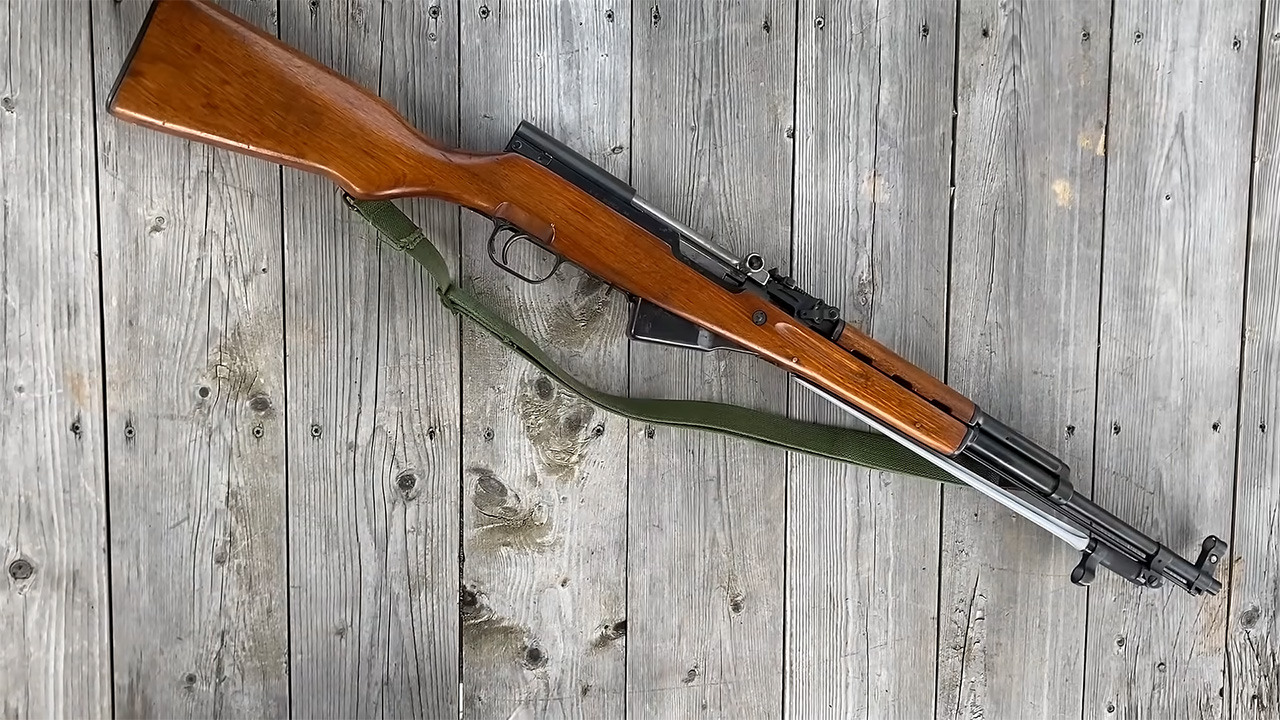
Chinese SKS rifles were the “working man’s semi-auto” for a long time. They were everywhere, and for a while nobody cared about triangle stamps, blade bayonets, or early production features.
Then imports dried up, and collectors started sorting them into “common” and “hard to find.” A rough one is still a rough one, but a clean, early gun with the right parts can cost real money now. That one hurts if you sold yours because you wanted to “upgrade” to something tactical.
3. Romanian WASR-10 (early import era)
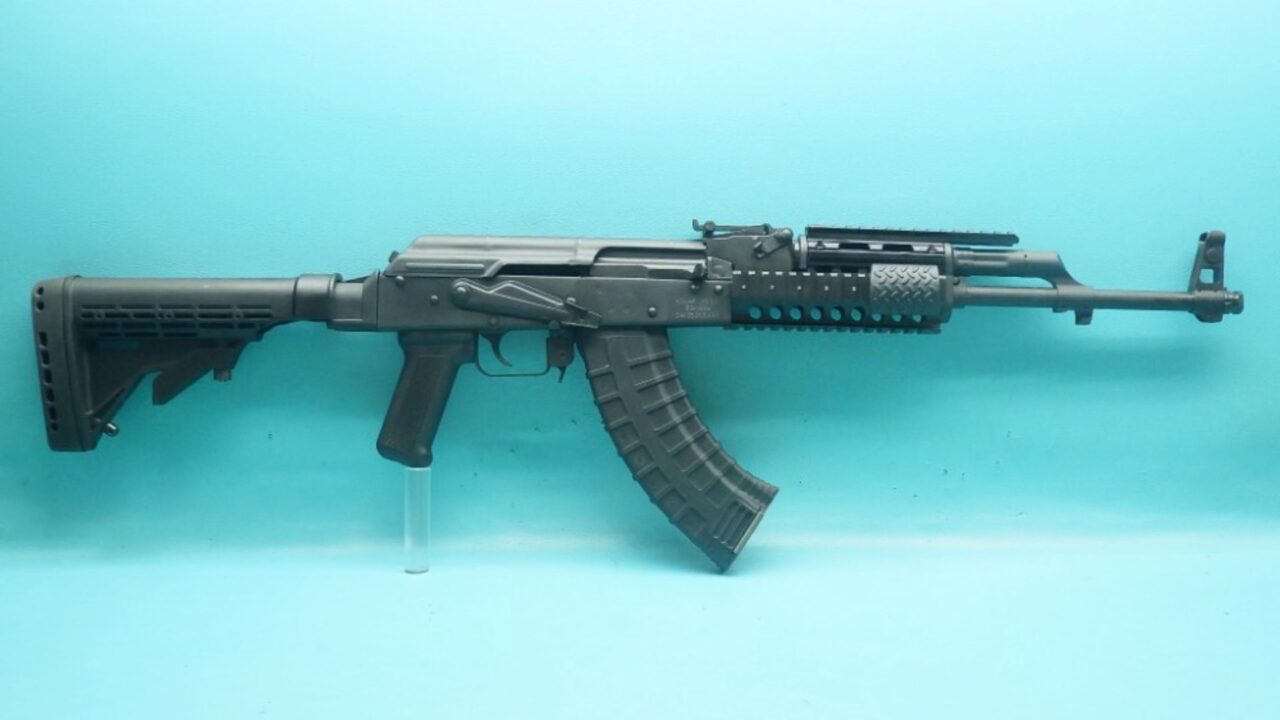
Early WASRs had a reputation: canted sights, sloppy mag wells, finish that looked like it was applied with a broom. But they were affordable AKs when affordable AKs were a thing, and you could grab one close to two hundred during certain stretches of the market.
Today, even the ugly ones bring far more than they should based on fit and finish alone. It’s not because they got better in your safe—it’s because the whole AK market shifted. The irony is you can still hunt hogs and knock around the farm with one, but paying “collector money” for a rifle that was once a bargain-bin bruiser feels backwards.
4. Norinco MAK-90

The MAK-90 used to be the “nice Chinese AK” with the weird thumbhole stock. Most guys bought them, swapped furniture, and never thought twice. They were smooth, reliable, and usually better put together than the cheapest imports.
Now the Chinese imports are their own universe because they’re not coming back in the same way. A straight, uncut receiver MAK-90 that hasn’t been hacked up is a different animal on price. If you have one, it’s worth keeping original parts in a box even if you prefer a different stock for shooting.
5. Poly Technologies / Norinco M14S

These were the “almost an M1A” rifles that plenty of shooters bought when they wanted the look and feel without paying for Springfield pricing. For a while, they were just another used-rack semi-auto in .308.
They’ve climbed hard because they’re well-made, they scratch the classic battle rifle itch, and import realities make them finite. They aren’t lightweight and they aren’t cheap to feed, but they shoulder well and have that old-school thump that newer rifles don’t replicate.
6. Colt AR-15 SP1

For years, an SP1 was just an older AR with slick-side vibes and furniture that felt a little toy-like compared to modern rails. You could stumble into one cheap if the seller thought “old AR” meant “obsolete.”
Now the retro crowd is serious, and real Colt roll marks matter. SP1s have become the kind of rifle you don’t lean in the corner of the barn anymore. They’re still just an AR in function, but the market treats them like history.
7. Colt Python (older production)

Anybody who’s shot a good Python understands why they got famous. The double-action can feel like it’s running on ball bearings, and the whole gun has that deep, old-school polish that modern production rarely matches.
Back when they were “just a nice revolver,” two hundred wasn’t impossible if the timing was right and the seller needed cash. Those days are gone. Now you’re paying for the name, the finish, and the fact that people want what they can’t replace easily.
8. Smith & Wesson Registered Magnum / pre-Model 27
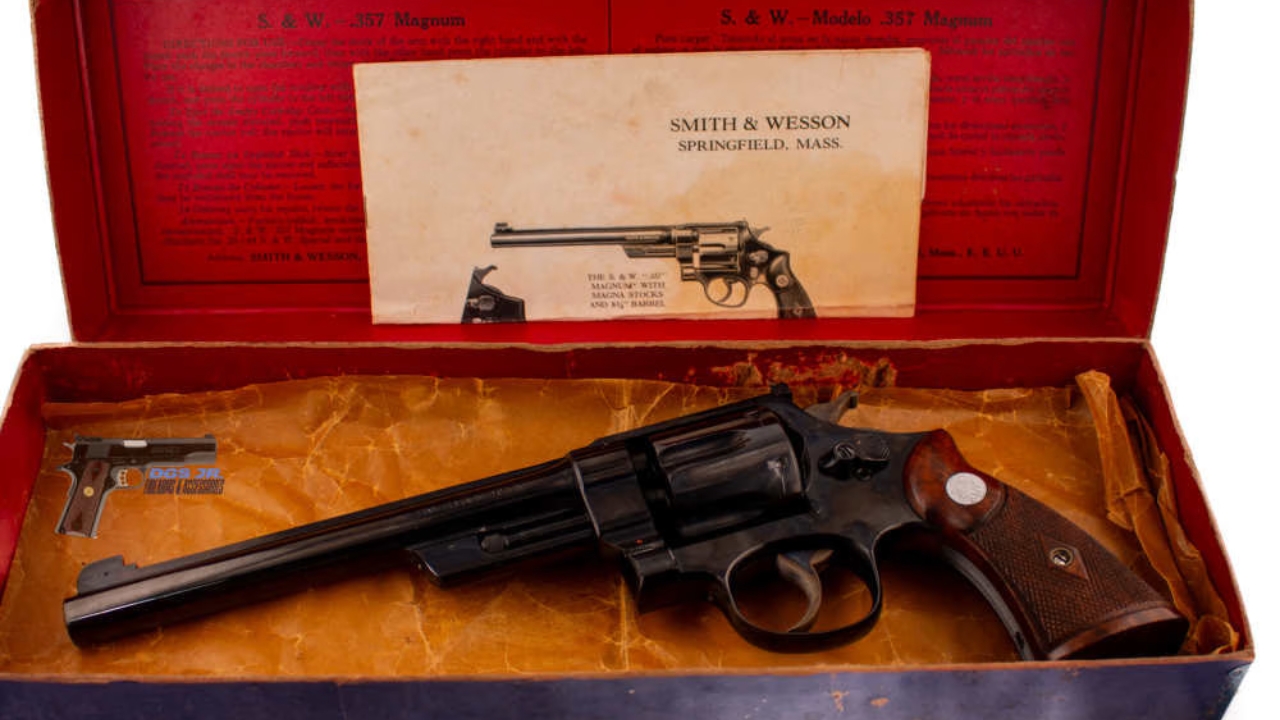
This is one of those revolvers that makes you slow down when you handle it. The checkering, the bluing, the feel of the cylinder lockup—there’s a craftsmanship there that’s hard to explain to somebody who only buys polymer.
Long ago, these could be found cheap in estate boxes because “it’s just an old .357.” Now collectors chase them hard, especially when the details are right. They’re not the handiest woods carry gun, but they’re the kind of revolver you hand down.
9. Smith & Wesson Model 19 (pinned & recessed)
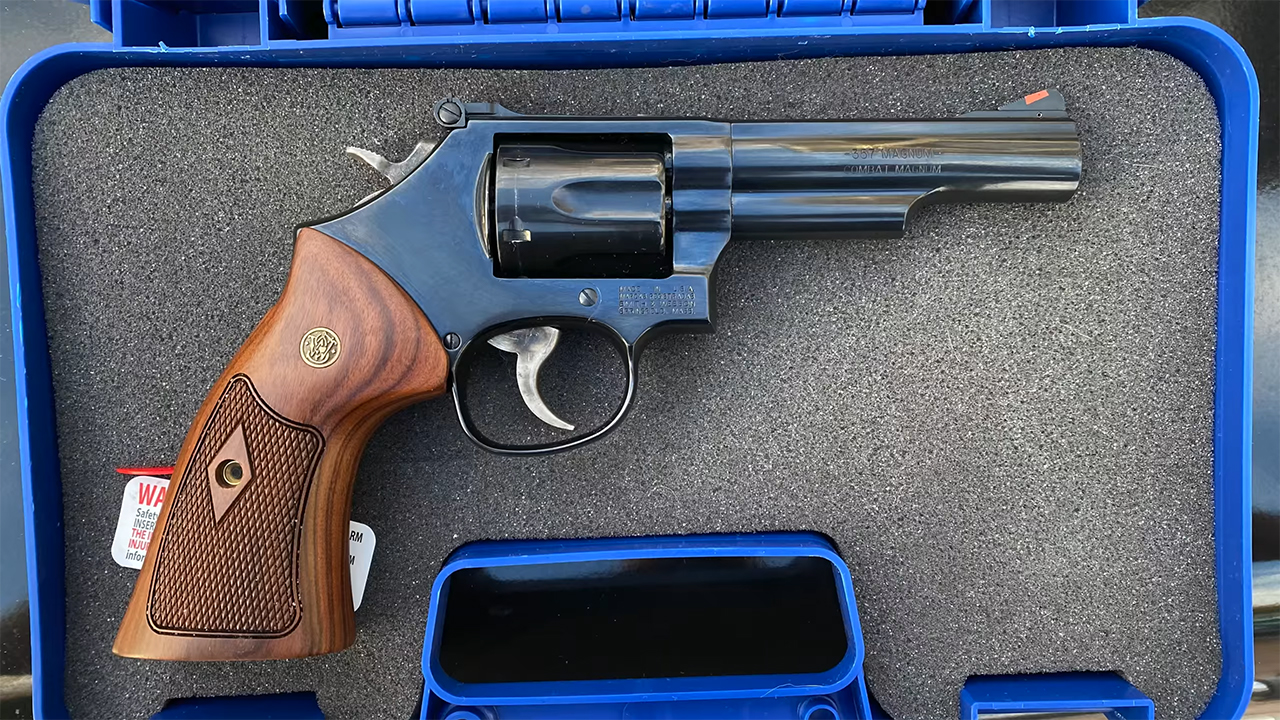
The Model 19 is what a .357 should feel like in the hand: not too big, not too small, points naturally. The older pinned-and-recessed guns have a following because they represent a certain era of S&W fit and finish.
You used to see them in pawn shops for around two hundred, especially with holster wear. Now, even worn examples get attention because the good ones are getting scooped up. They’re still shooters, too—just don’t run a steady diet of the hottest loads and expect no wear.
10. Ruger “Three-Screw” Blackhawk

Old Ruger single-actions were everywhere, and they were honest working revolvers. Guys carried them for ranch chores, shot cans, and hunted with them when scopes on handguns were still a novelty.
The three-screw guns jumped because collectors want the older lockwork and the “before they changed it” factor. They’re not delicate, but they’re also not something you want to abuse just because Rugers have that reputation for toughness. If you’ve got one with the original parts, keep them together.
11. Ruger Redhawk .44 Magnum (early production)
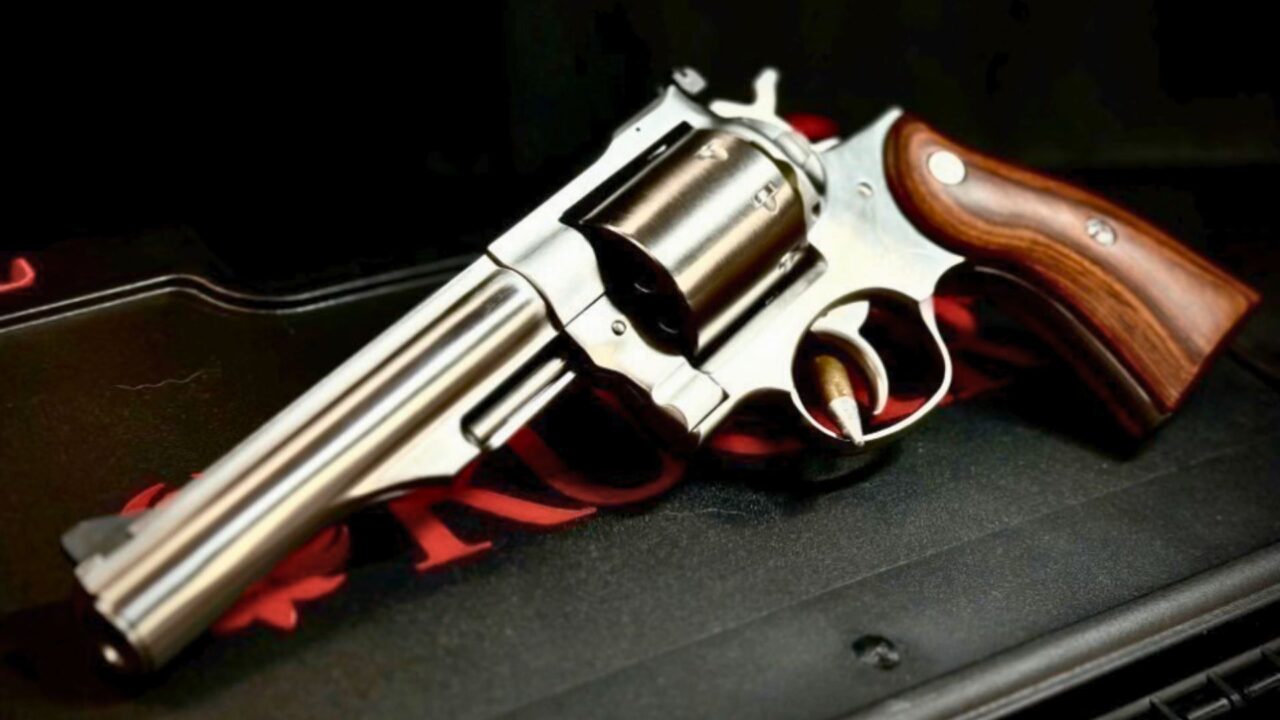
The Redhawk is not subtle. It’s heavy, built like a bridge component, and it carries like a brick on your belt. But it’s one of those revolvers you trust when you’re out where things have teeth and attitude.
Years back, they could be found cheap because plenty of folks bought a .44, shot it twice, and decided recoil wasn’t their hobby. Now clean early guns bring a premium. They’re still practical in the right role, but the price jump is mostly about demand for stout revolvers and fewer deals floating around.
12. Browning Hi-Power (Belgian production)

The Hi-Power has a feel that’s hard to fake—thin in the grip for a double-stack, points quick, carries flatter than you’d think. For a long time it lived in the shadow of 1911s and modern striker guns, which kept prices low.
Once production changed and then stopped in the classic form, the good Belgian guns started climbing. Magazines are available, parts are around, and it’s still a very usable 9mm. The trigger can be hit-or-miss, but the whole package has that “real steel” vibe.
13. Heckler & Koch P7 (PSP/M8)

The P7 is the kind of pistol you either love or you think is weird. The squeeze-cocker is different, the bore axis is low, and it shoots flatter than it looks like it should. It also gets hot fast if you run it hard, which is a real thing on the range.
They used to be the “strange police trade-in” gun you could snag cheap if you trusted German engineering. Now they’re expensive because they’re unique and they aren’t coming back. It’s not the simplest carry gun, but it’s a serious piece of design.
14. SIG Sauer P225 / P6 (German police trade-ins)

Trade-in P6 pistols were one of the best kept secrets for a while. Single-stack, easy to carry, classic SIG feel, and reliable as a sunrise. They weren’t glamorous, so prices stayed friendly.
Then the supply dried up and shooters figured out what they were. The old heel-style habits of some police guns and the heavier trigger on certain examples aren’t for everybody, but as a practical 9mm it’s hard to argue with. The new equivalent costs a lot more, and it doesn’t always feel the same.
15. CZ 75 (pre-B / early imports)

The CZ 75 spent years being the “smart guy’s pick” when you wanted steel, capacity, and a good trigger without paying big-name money. Early guns have their own collector draw, and the ergonomics are still top-tier.
They’ve climbed because CZ’s reputation caught up with reality, and the older versions are now a defined niche. They’re not tiny, and they’re heavier than polymer carry guns, but they shoot like they’re on rails. If you sold one because it wasn’t trendy, I get it. Still stings.
16. Marlin Model 39A
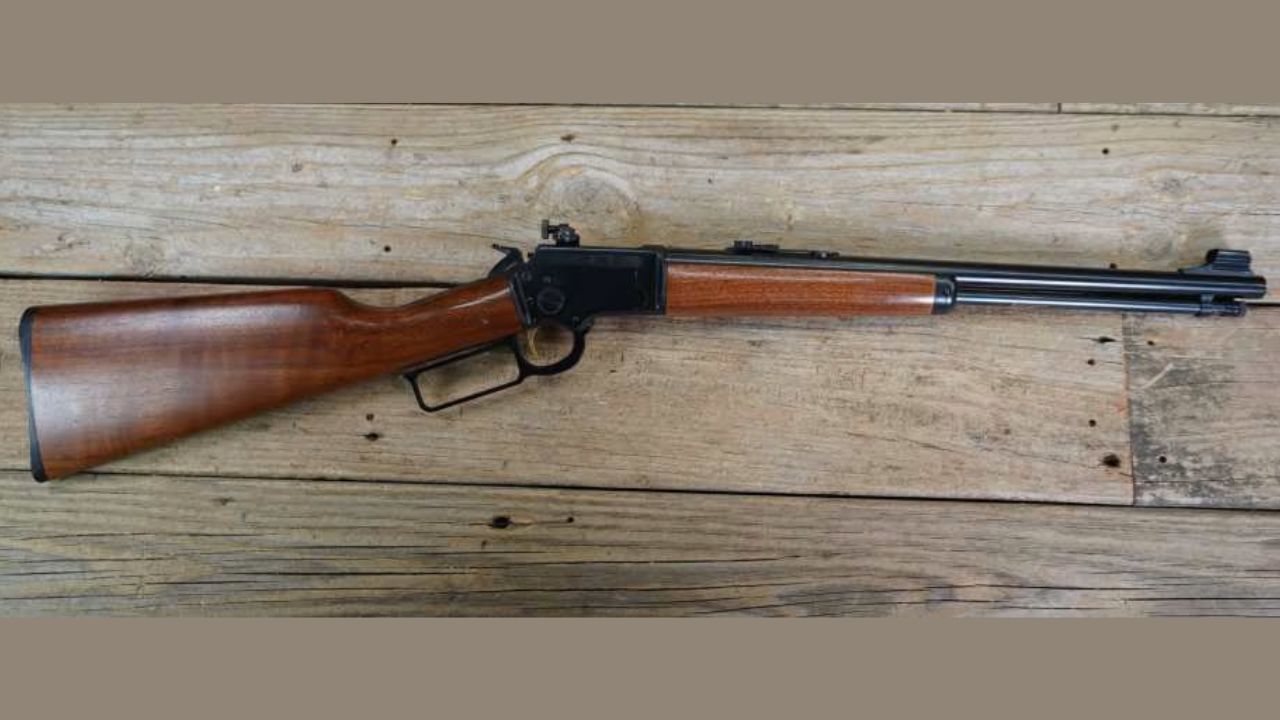
A good .22 lever gun is one of the most useful firearms you can own, and the 39A is a classic for a reason. It’s accurate, it balances well, and it’ll turn an afternoon of plinking into a habit.
These used to be “grandpa’s .22” you could buy for a couple hundred if the stock had some dings. Now, especially for older North Haven production, prices are wild. It’s partly nostalgia, partly quality, and partly because a well-made .22 that’ll last generations isn’t cheap to produce anymore.
17. Winchester Model 94 (pre-1964)
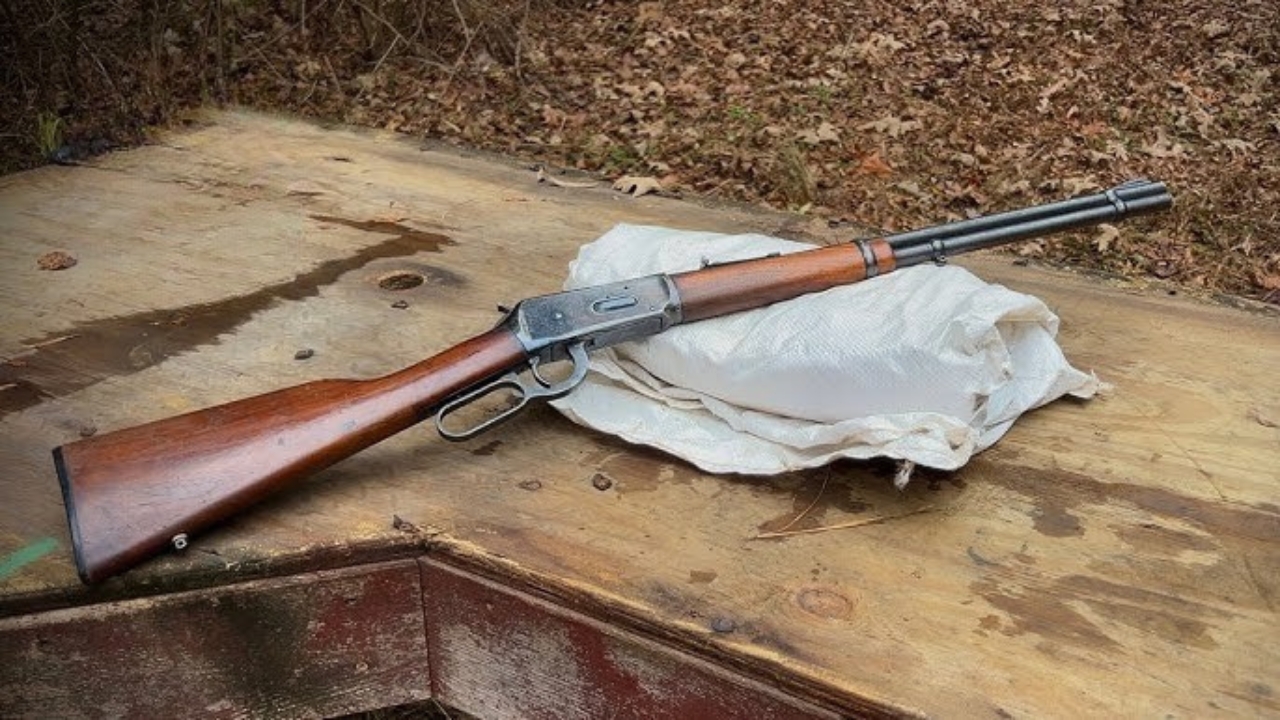
The pre-’64 Model 94 is one of those rifles that just feels right in the deer woods. Slim, quick to shoulder, and it carries like it wants to be carried. You used to see them leaning in corners of cabins like they were no big deal.
They got expensive because pre-’64 means something to collectors, and because they’re still practical. A .30-30 doesn’t need to win internet arguments; it needs to put venison on the pole inside 150 yards. This rifle does that job without drama.
18. Remington 870 Wingmaster (older blued guns)
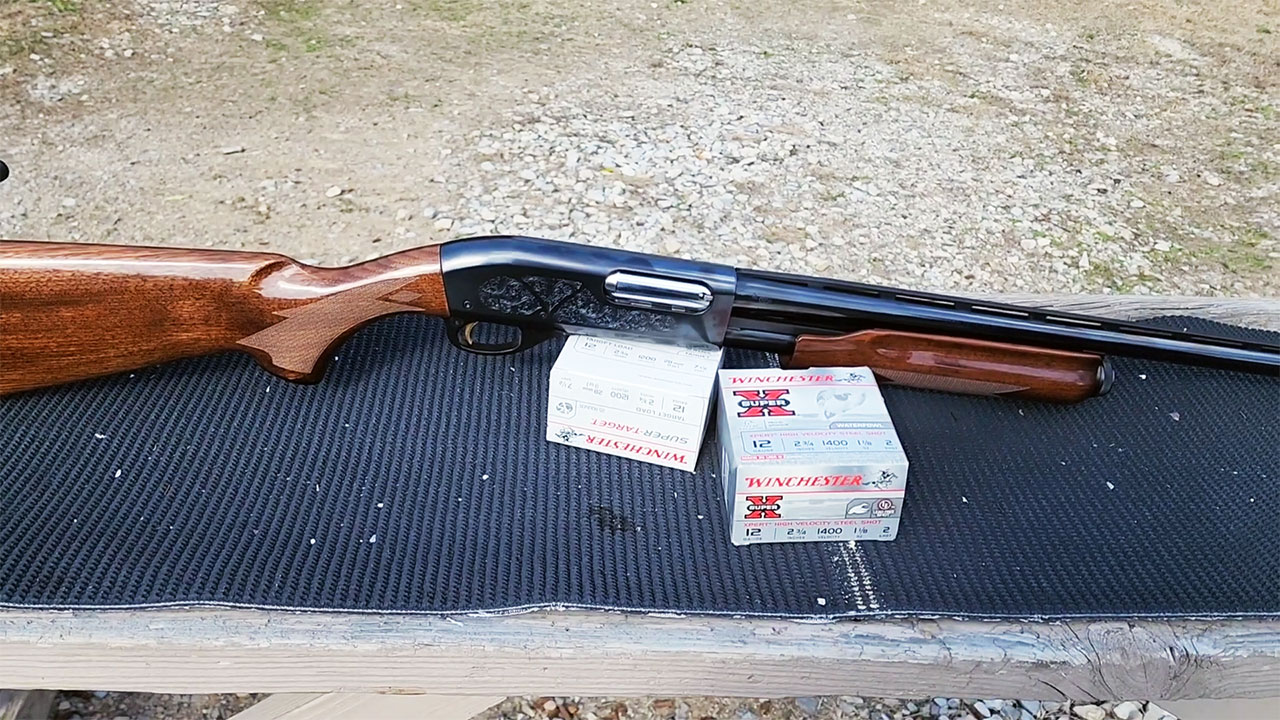
There are pump shotguns, and then there are old Wingmasters. The action feels slick, the bluing looks deep, and they tend to just run—mud, rain, and cold mornings included.
For a long time, a used Wingmaster was an easy two-hundred-dollar buy if it had honest wear. Now they’re priced like somebody finally remembered what “quality” felt like. Newer pumps can be fine, but an older Wingmaster has a way of making you stop shopping.
19. Ithaca 37 (older featherlight guns)

The Ithaca 37 is a bird gun that carries like it’s not there. Bottom ejection is a real advantage for lefties and for anybody who doesn’t want hulls flinging across the blind. They aren’t flashy, which kept them undervalued for years.
Clean, older guns have climbed because hunters who grew up with them want them back, and because they’re simply good in the field. The controls take a little getting used to if you’re a Remington 870 guy, but once you’re used to it, it’s a natural extension of your hands.
20. Springfield Armory M1 Garand (CMP-era deals)
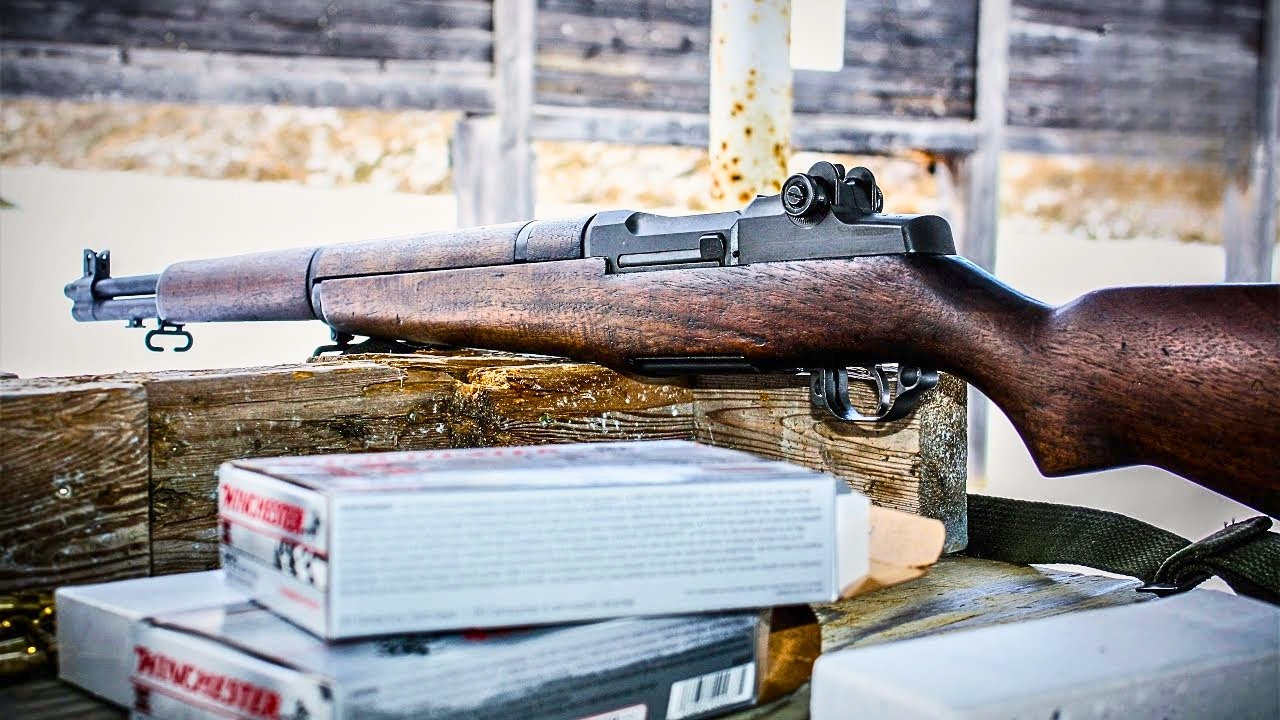
Plenty of shooters remember when you could get a service-grade Garand for around two hundred if you jumped through the right hoops and didn’t mind a rifle with some history on it. You’d bring it home, clean out old grease, and feel like you’d bought a piece of the country.
Now, between demand, limited supply, and the general climb of everything gun-related, those prices are a memory. The Garand is heavy, and feeding it right takes some attention, but it’s still one of the most satisfying rifles to shoot. If you’ve got one, it’s not just an investment—it’s a rifle that still earns range time.
The hard lesson in all of this is that “cheap” guns don’t always stay cheap, especially when they’re tied to a certain era, a certain importer, or a level of craftsmanship that doesn’t pencil out anymore. I’m not saying never sell anything. I’ve sold guns to pay bills and fund other projects, and sometimes that’s life. But if you’ve got one of these sitting in the safe and it still runs, think twice before you let it walk for a quick stack of cash.
Like The Avid Outdoorsman’s content? Subscribe to our newsletter so you never miss an article.
Here’s more from us:


