Photo credit: Texas Plinking/YouTube
Some firearms earn their reputation after years of hard use. Others become internet sensations before most buyers have even handled one. A dramatic launch, military connection, unusual operating system, or long list of factory upgrades can convince shooters that a new gun will completely change its category.
The disappointment begins when the firearm finally reaches the range. The trigger may feel ordinary, the gun may be less reliable than expected, or the supposed breakthrough may solve a problem that never mattered. Several guns on this list are still capable and enjoyable to own. They simply arrived with promises and expectations that their actual performance could never fully satisfy.
SIG Sauer P365 SAS
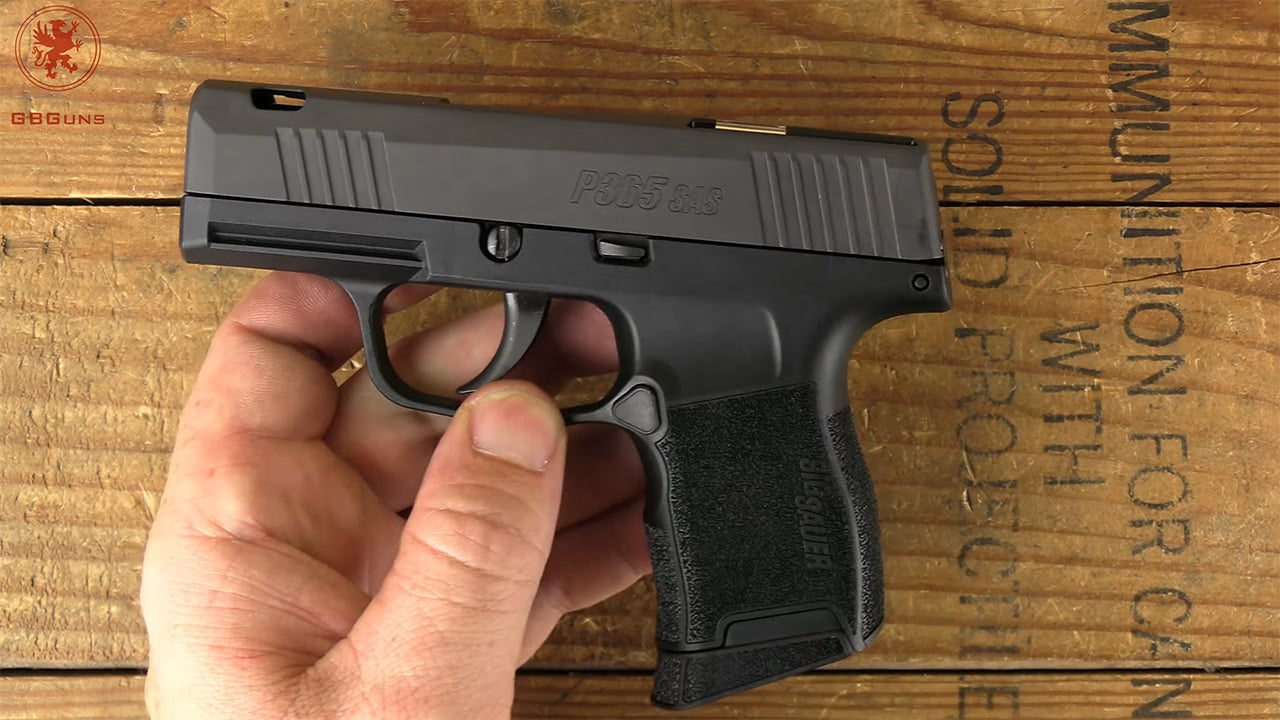
The P365 SAS was promoted as a snag-free evolution of one of the most successful concealed-carry pistols ever made. SIG removed the conventional front and rear sights, recessed the controls, and installed a flush sighting system intended to keep the pistol from catching on clothing during the draw. On paper, it sounded like a purpose-built deep-concealment gun.
The problem was that the ordinary P365 was already easy to draw from concealment. The recessed sight can be slower to locate than conventional sights, particularly under poor lighting or when the shooter’s presentation is slightly imperfect. The flush slide release and takedown control also make routine handling less convenient. The SAS sacrificed several useful features to address a snagging problem most carriers rarely experienced.
SIG Sauer P320 XTen Comp

The P320 XTen Comp promised to make the 10mm cartridge easier to control by combining a shorter slide with an integrated compensator. It offered high capacity, optics compatibility, and the modularity of the P320 platform. Shooters looking for a powerful woods pistol had reason to expect a flatter and more manageable alternative to traditional 10mm handguns.
The compensator cannot completely overcome the recoil and blast of full-power 10mm ammunition. The short barrel also gives up some velocity, which works against one of the main reasons for choosing the cartridge. Add a light and optic, and the pistol becomes bulky without gaining the barrel length of a dedicated hunting handgun. It is interesting, but the concept sounds more impressive than the practical result.
Springfield Armory XD-S Mod.2
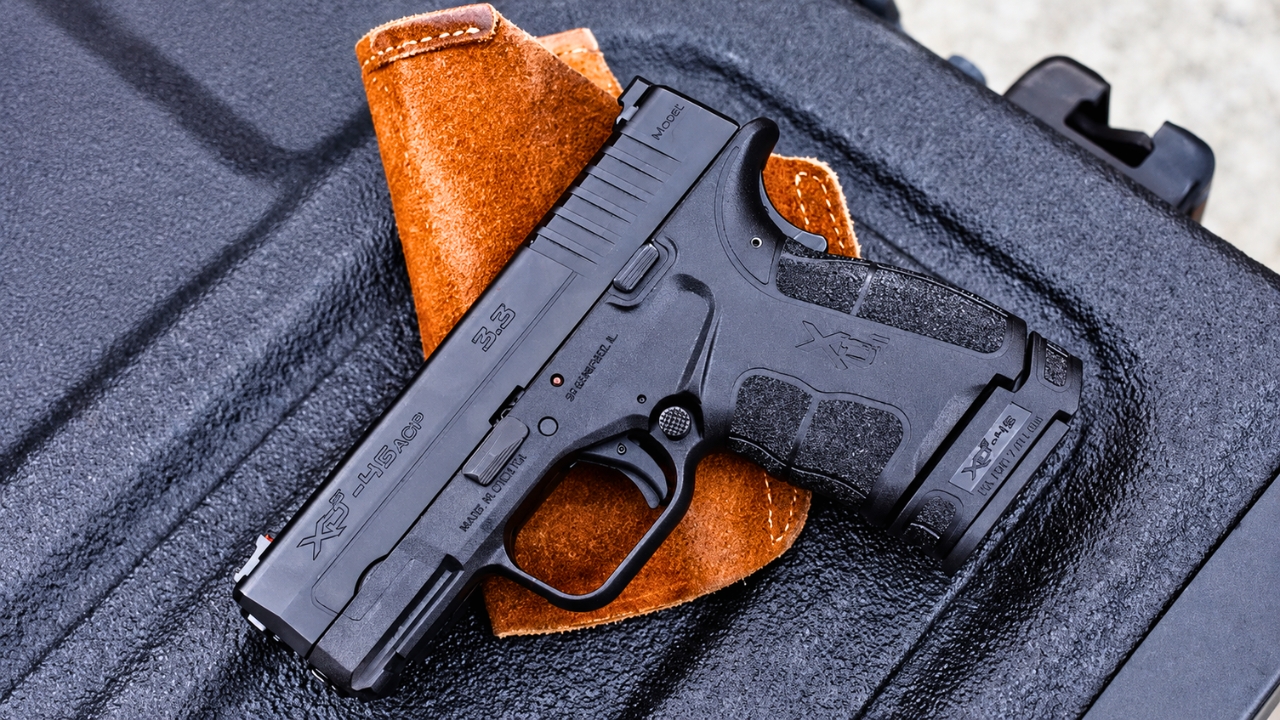
The XD-S Mod.2 arrived as an improved version of Springfield’s slim single-stack carry pistol. It had updated grip texturing, better sights, and several ergonomic changes intended to keep it competitive with the rapidly expanding concealed-carry market.
Unfortunately, the market was already moving toward micro-compacts that carried ten or more rounds in a similar footprint. The XD-S Mod.2 remained limited by its narrow single-stack magazine and relatively tall slide. It was usable and dependable, but it did not provide enough of an advantage over the original XD-S. The update felt behind the market almost as soon as it appeared.
Springfield Armory Saint Edge ATC
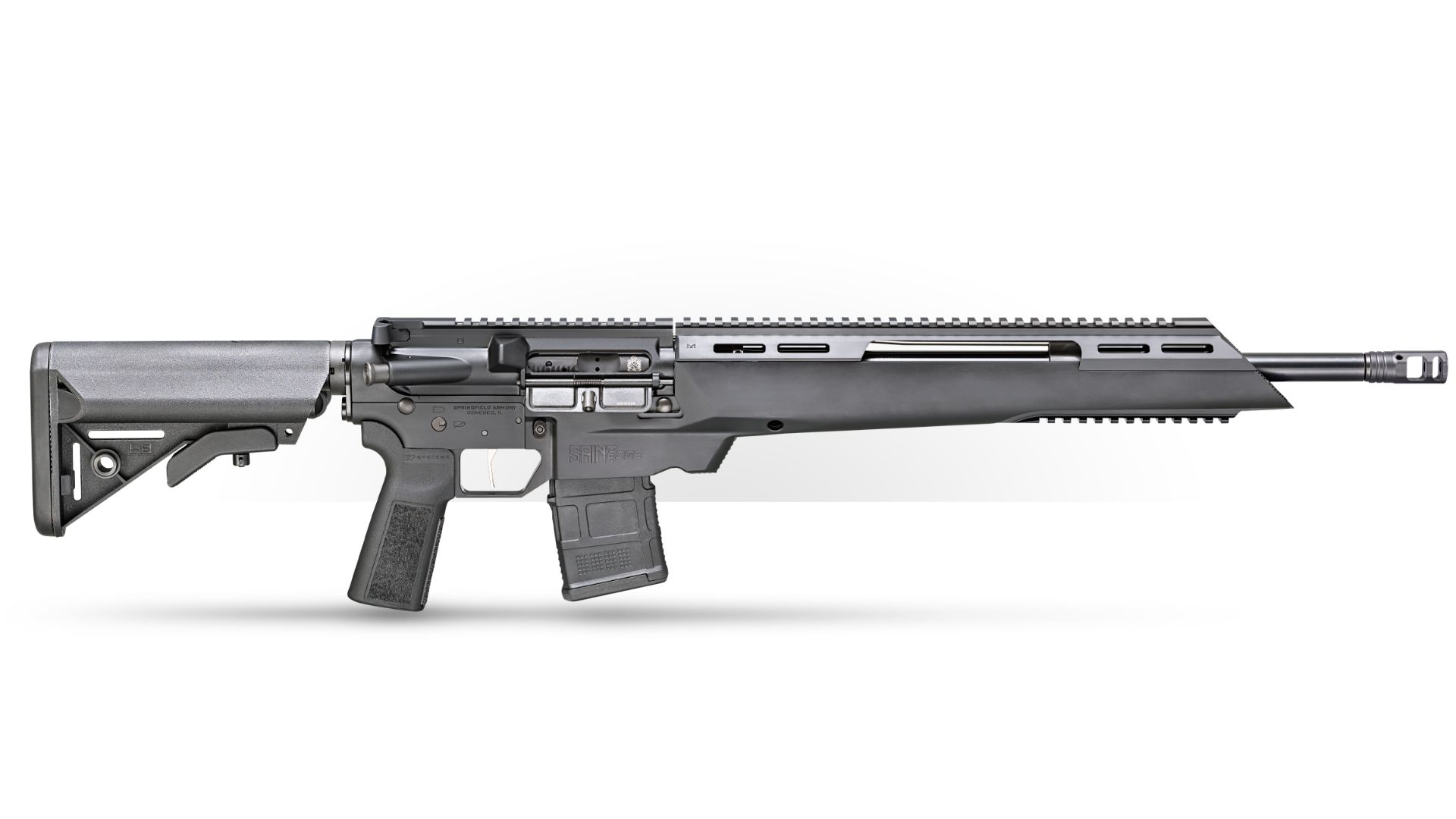
The Saint Edge ATC attracted attention with a chassis system that separated the barrel and handguard from many of the stresses normally placed on an AR-15 upper receiver. Springfield promoted the design around improved consistency and accuracy, giving precision-minded AR shooters a rifle that looked genuinely different from ordinary factory builds.
The design added considerable weight, bulk, and complexity. Most shooters could achieve all the practical accuracy they needed from a conventional free-floated AR with a quality barrel and ammunition. The ATC’s unusual shape also made it less comfortable to carry and less compatible with standard components. It was an engineering exercise that solved a narrow problem at the expense of the AR-15’s familiar simplicity.
Remington R51
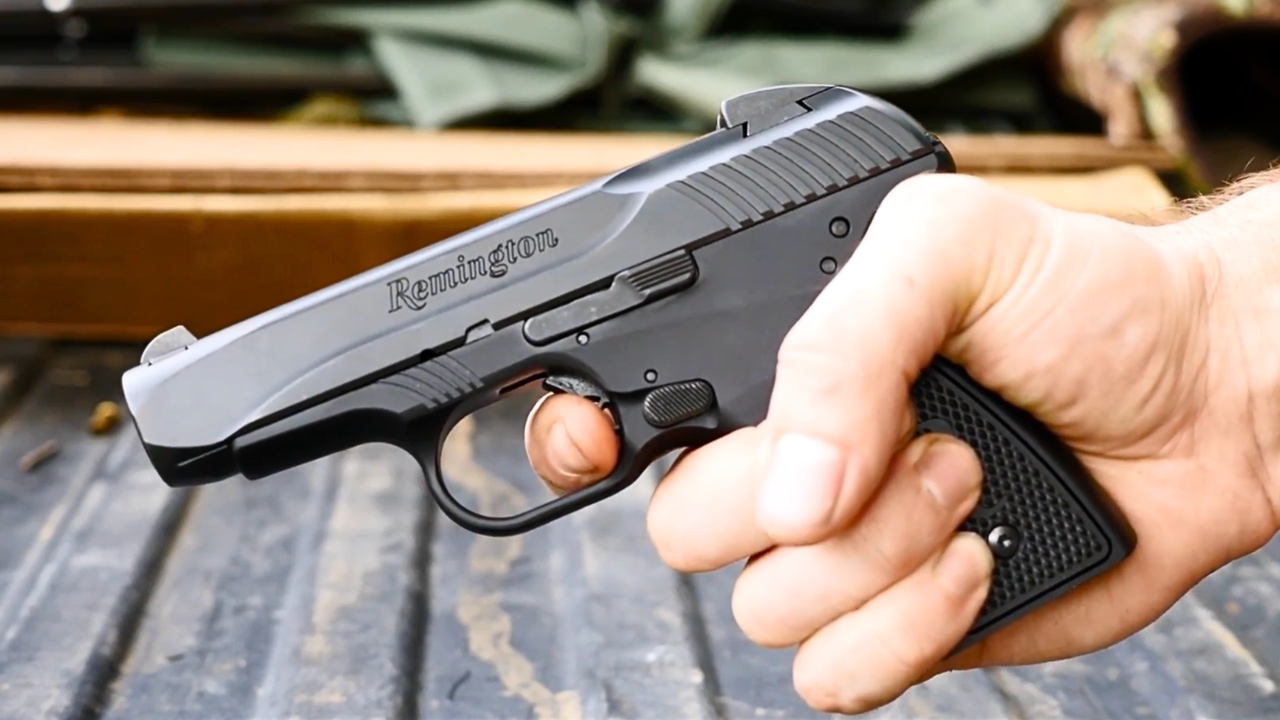
The Remington R51 generated enormous excitement before its release. Its slim metal frame, low bore axis, concealed hammer, and revived Pedersen-style operating system made it look like a sophisticated alternative to ordinary polymer carry pistols. Remington also had enough name recognition to make buyers expect a polished and dependable product.
The initial production guns suffered from serious quality problems, including difficult assembly, rough operation, feeding failures, and inconsistent fit. Remington eventually recalled the pistol and attempted to correct it, but the reputation never recovered. The R51 is one of the clearest examples of an exciting concept reaching the market before the manufacturing was ready.
Hudson H9
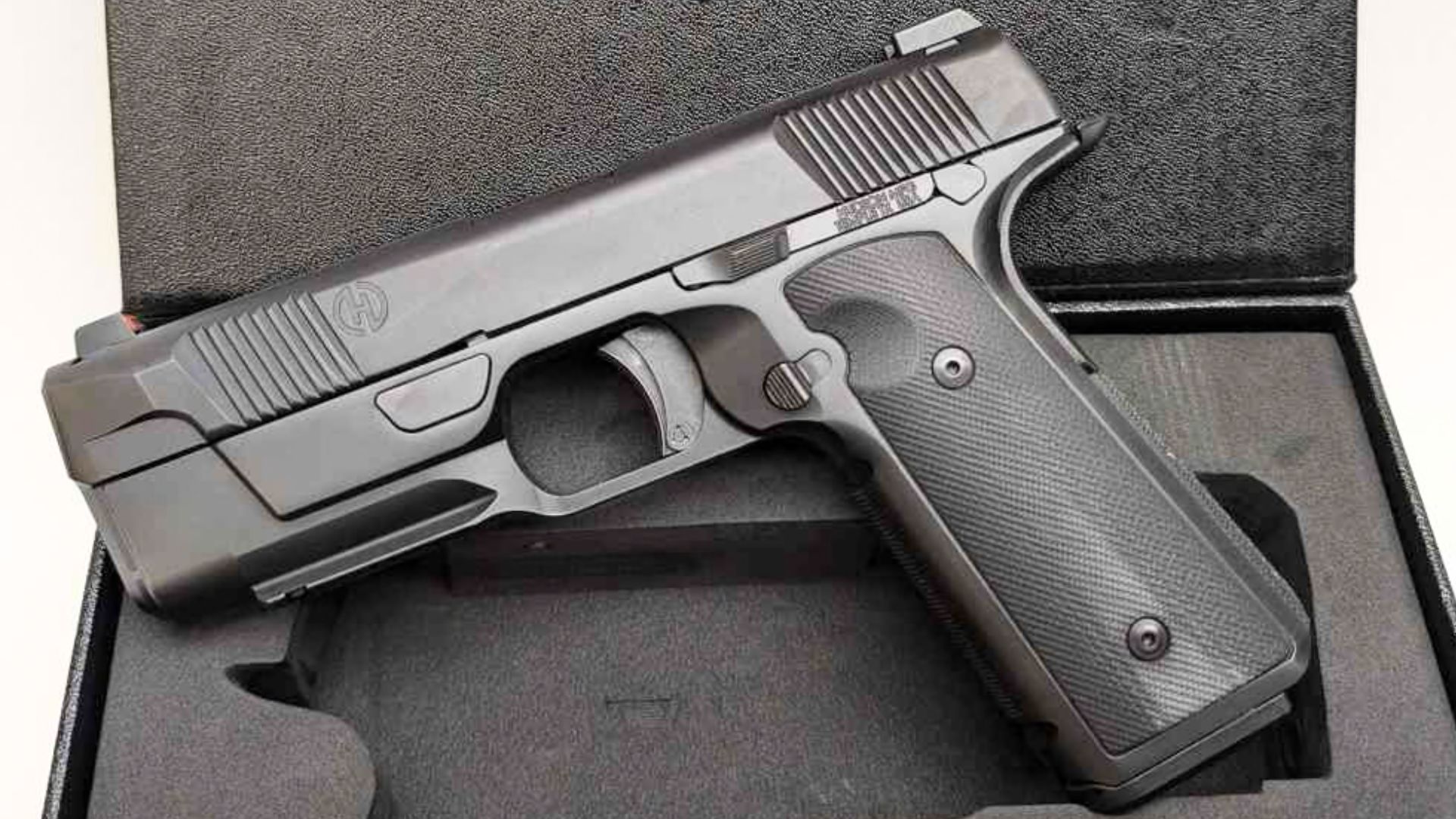
The Hudson H9 appeared to combine the best features of a 1911 and a modern striker-fired pistol. Its low recoil spring assembly created a low bore axis, while the metal frame and straight-pull trigger gave it a premium feel. Early coverage treated it as a potential breakthrough in duty-pistol design.
The gun was heavy, expensive, and dependent on proprietary parts from a young company. Its unusual construction made manufacturing difficult, and Hudson eventually collapsed. Owners were left with pistols that had limited factory support and increasingly scarce replacement components. The H9 could shoot well, but its ambitious engineering and marketing grew much faster than the business needed to support it.
Laugo Alien

The Laugo Alien received tremendous attention because of its fixed barrel, gas-delayed action, extremely low bore axis, and reciprocating system that allowed the optic to remain stationary. It looked unlike any mainstream pistol and promised exceptionally flat shooting with minimal disruption to the sight picture.
The Alien does shoot remarkably well, but its price places it far beyond the reach of most handgun owners. It is also mechanically complicated, heats up quickly, and requires more specialized maintenance than an ordinary competition pistol. For the majority of shooters, a tuned CZ Shadow 2, 2011, or polymer competition gun delivers most of the practical performance for a fraction of the cost.
KelTec P50
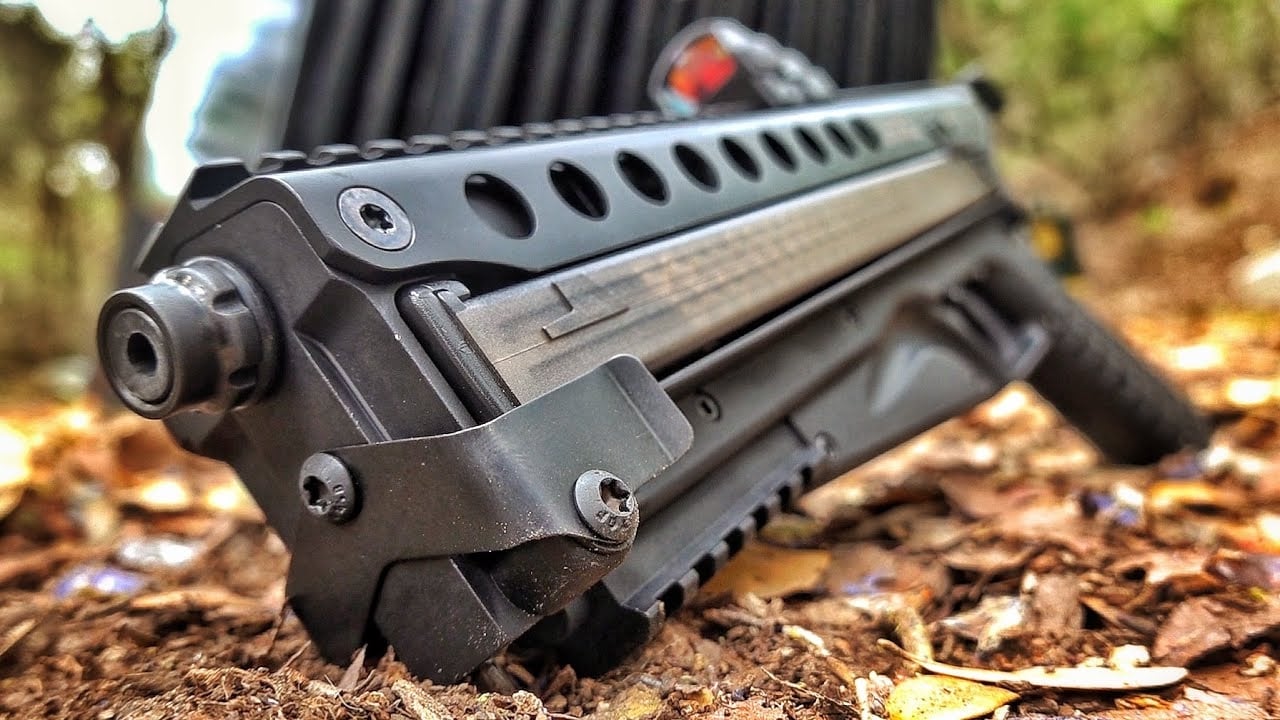
The KelTec P50 became an immediate attention magnet because of its futuristic shape and 50-round 5.7x28mm magazine. It looked like a compact personal-defense weapon from a science-fiction movie and was heavily shared online before many buyers understood what role it was supposed to fill.
The P50 is too large to function like a conventional pistol and lacks the stock and handling characteristics of a proper carbine in its standard form. The top-opening magazine arrangement is unusual, and the cost of 5.7mm ammunition reduces its appeal as a high-volume range gun. It is entertaining and distinctive, but much of the original excitement came from appearance rather than practical utility.
KelTec KS7
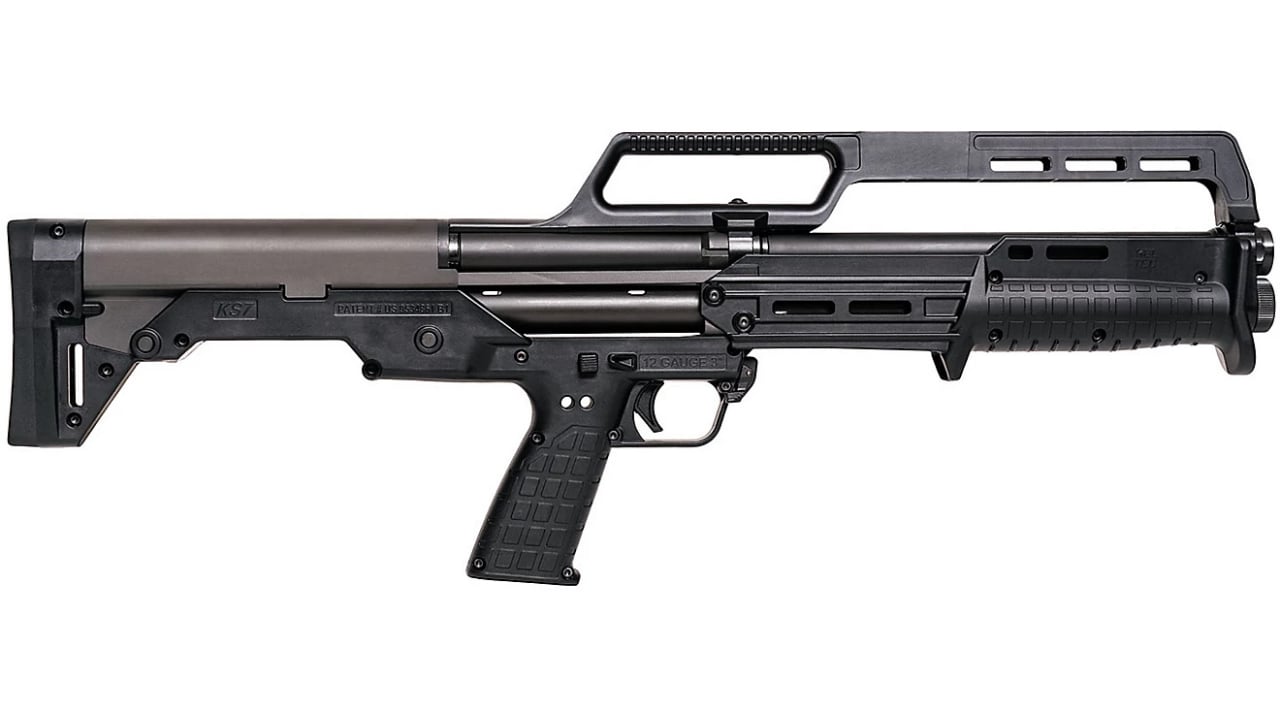
The KS7 appeared to offer most of the capacity and compactness of the KSG in a lighter and less expensive single-tube shotgun. Its bullpup layout created an extremely short overall package without requiring a short-barreled-shotgun registration.
The compact design also concentrates recoil into a lightweight gun with a short length of pull. The carry handle and basic sighting arrangement are less useful than they first appear, while loading and clearing the shotgun are more awkward than with a conventional pump. The KS7 can work, but many buyers discover that its dramatic dimensions come with more handling compromises than expected.
Mossberg 590 Shockwave
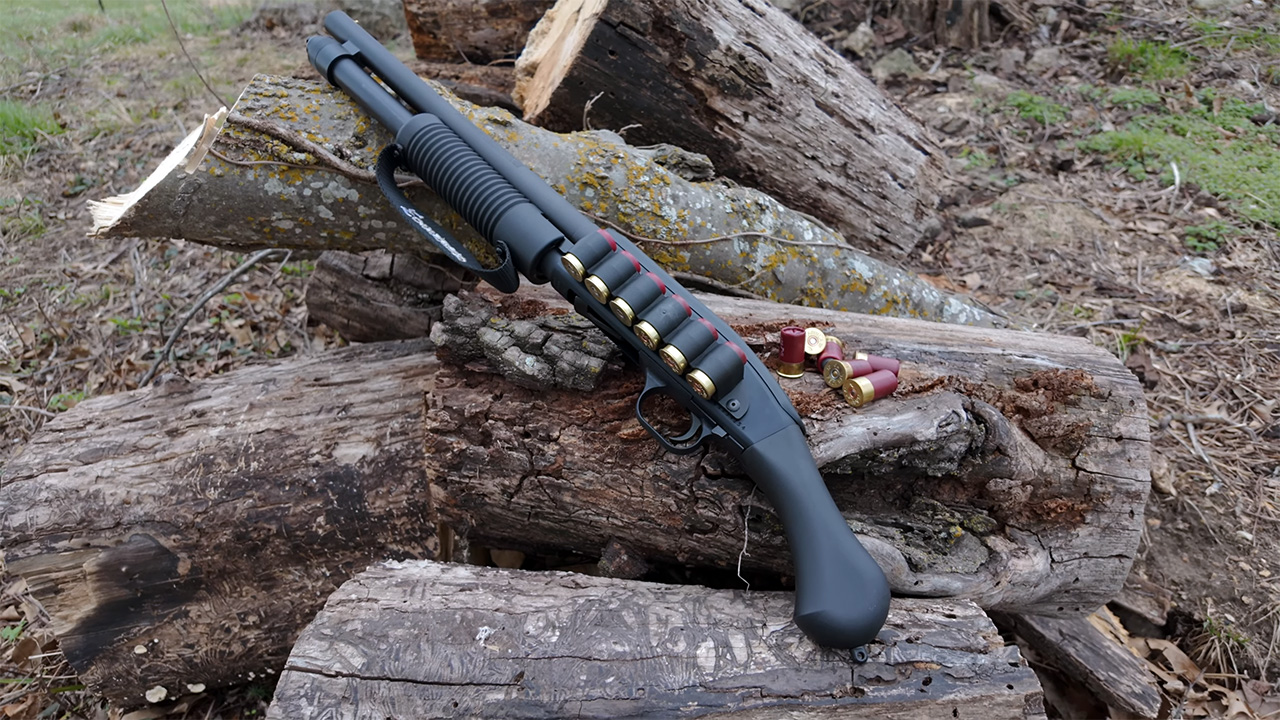
The 590 Shockwave became one of the most discussed firearms of its era because it offered a short overall length without being legally classified as a conventional short-barreled shotgun. Its birds-head grip and 14-inch barrel made it look like a compact defensive powerhouse.
The lack of a shoulder stock makes the gun harder to aim, control, and fire rapidly than an ordinary stocked shotgun. Techniques that place it near eye level can work, but they demand more practice and provide less stability. The Shockwave is easy to store and undeniably interesting, yet a conventional 18-inch Mossberg 500 or 590 is far easier for most people to use effectively.
Standard Manufacturing DP-12
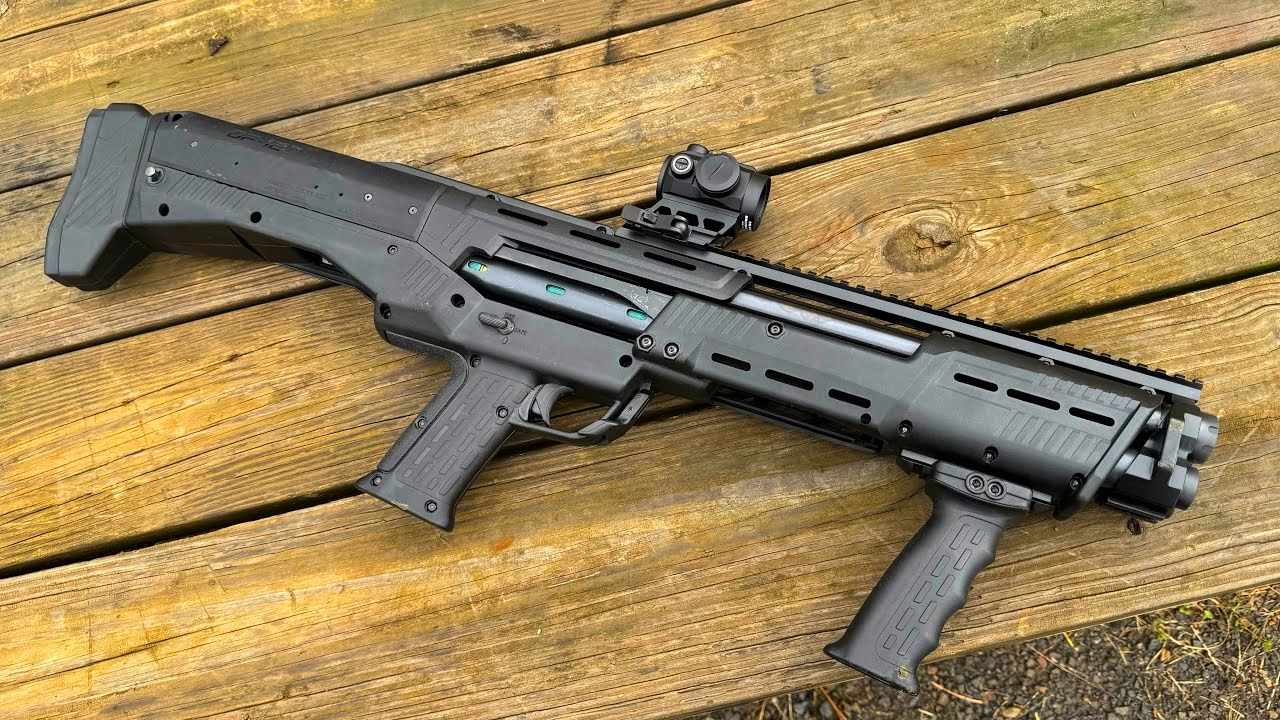
The DP-12 attracted attention by placing two barrels and two magazine tubes into a bullpup pump-action shotgun. Each pump cycle allowed the shooter to fire two shots before operating the action again, giving the gun a claimed capacity and firing sequence unlike nearly any other shotgun.
That novelty comes with tremendous weight, width, cost, and mechanical complexity. The shooter must remember which barrel is firing and maintain a specific rhythm during operation. Clearing malfunctions or checking the gun’s condition is less intuitive than with a standard pump or semiautomatic shotgun. It looks formidable, but a quality conventional shotgun is lighter and easier to manage.
UTAS UTS-15

The UTS-15 was launched as an advanced bullpup shotgun with twin selectable magazine tubes and a capacity of up to 15 rounds. Its aggressive styling and compact dimensions made it look like the next generation of defensive shotgun design.
Early examples developed a reputation for feeding problems, fragile components, and inconsistent reliability. The complicated tube-selection system gave the user flexibility, but it also created more opportunities for confusion and malfunction. Later production improved, yet the gun never escaped the impression that its appearance and capacity claims had been prioritized over the refinement expected from a serious defensive shotgun.
FN Five-seveN

The FN Five-seveN became famous through its military association, unusual cartridge, 20-round capacity, and appearances in video games and popular culture. Shooters expected a lightweight pistol with rifle-like penetration, flat trajectory, and almost nonexistent recoil.
The pistol is accurate and easy to control, but its size, price, and ammunition cost reduce its practical appeal. The 5.7x28mm cartridge does not transform a handgun into a rifle, and civilian ammunition varies considerably in performance. Less expensive pistols now offer similar capacity and mild recoil. The Five-seveN remains distinctive, but its reputation often exceeds what it delivers to an ordinary owner.
FN 509 CC Edge
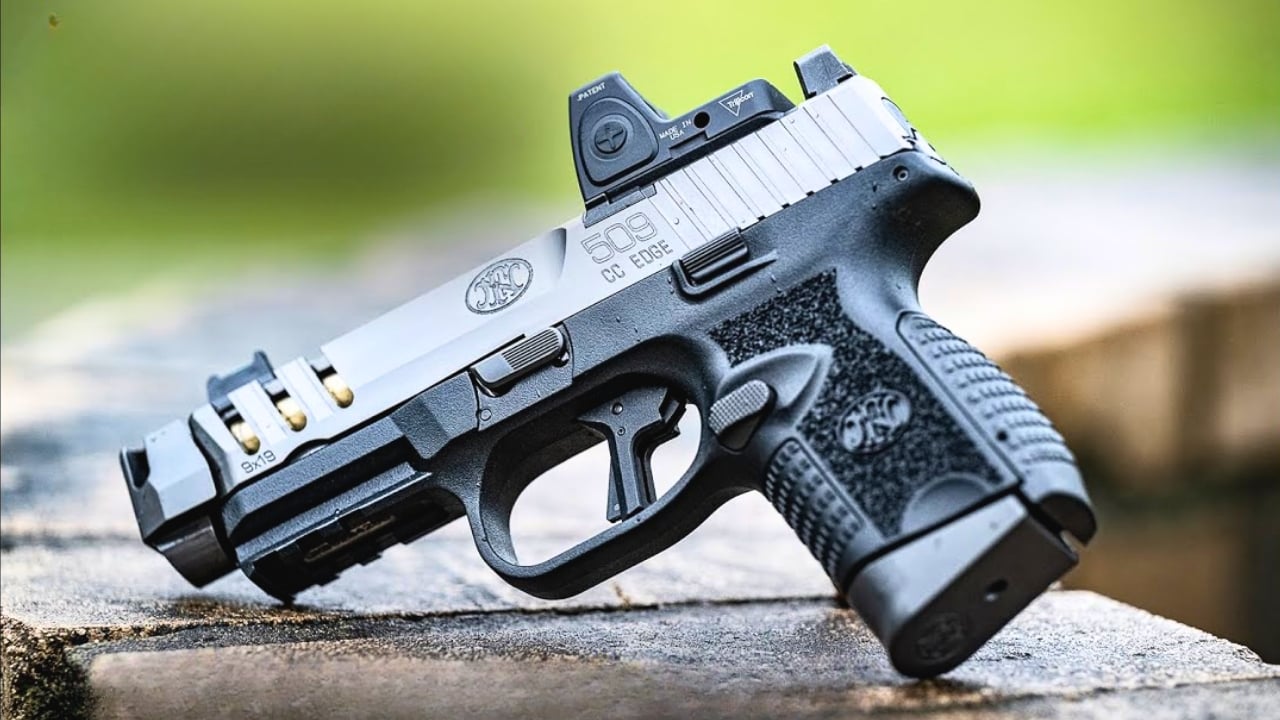
The 509 CC Edge was marketed as a factory-custom concealed-carry pistol with a compensator, flat trigger, optics mounting system, extended magazines, and extensive slide machining. It promised the advantages of a heavily modified carry gun without requiring owners to send a standard pistol to several aftermarket shops.
Its price placed it against metal-framed pistols and entry-level double-stack 1911s. Underneath the premium treatment, it remained a polymer FN 509 with a trigger that did not always feel as special as the cost suggested. The compensator also increased length and maintenance. It delivered many features, but not enough transformation to justify the original excitement.
Canik TTI Combat
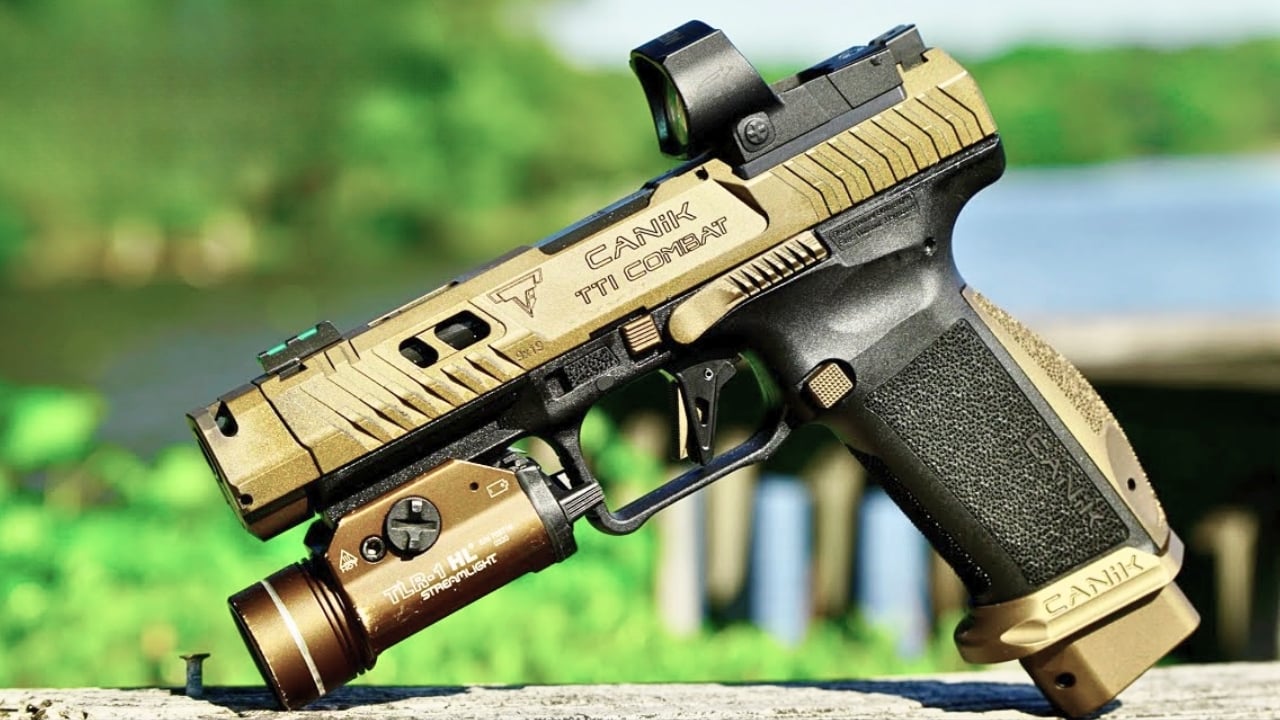
The Canik TTI Combat generated enormous interest through its Taran Tactical branding, aggressive styling, compensator, performance trigger, and competition-ready presentation. It appeared to bring custom-shop features to a price below many established race guns.
The pistol still competes against Canik’s own Rival and METE models, which offer excellent triggers and range performance for considerably less. The TTI branding and presentation account for part of the price, while serious competitors may still change springs, magazines, and optic hardware. It is a capable pistol, but the difference on target is not as dramatic as the launch suggested.
Kimber R7 Mako
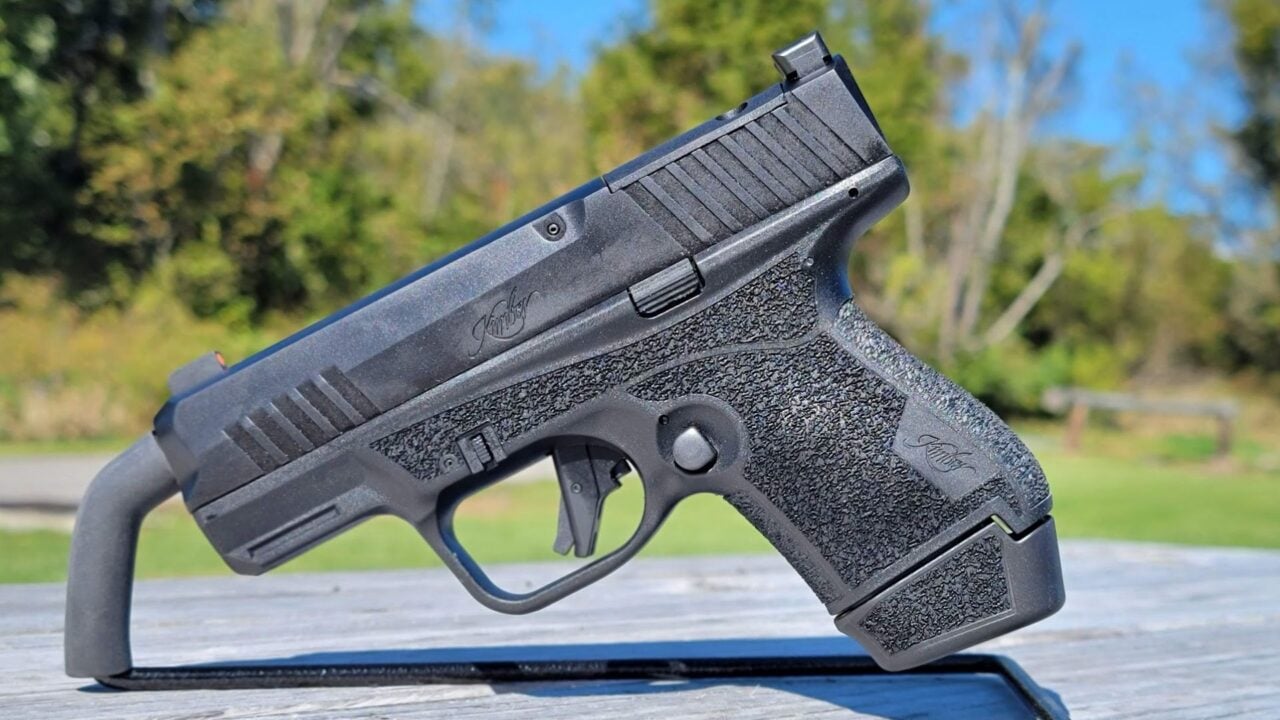
The R7 Mako was Kimber’s major entry into the high-capacity micro-compact market. It arrived with an enclosed ejection-port design, optics-ready variants, a good trigger, and styling that was different from the P365 and Hellcat.
The unusual slide shape limited holster compatibility, and the pistol entered a category already dominated by models with much larger accessory ecosystems. Its grip and shooting characteristics were respectable, but not enough to pull buyers away from established competitors. The Mako was treated like a major new direction for Kimber, yet it never became a defining pistol in the carry market.
Colt All American 2000

The Colt All American 2000 was supposed to move Colt beyond traditional revolvers and 1911s. It used a rotating-barrel system and a polymer or aluminum frame, with a design linked to respected firearms engineers. Expectations were high because Colt appeared ready to challenge the growing market for modern service pistols.
The production gun suffered from a heavy trigger, disappointing accuracy, poor ergonomics, and inconsistent manufacturing. The reputation declined quickly, and production lasted only a few years. Instead of modernizing Colt’s handgun lineup, it became a reminder that a famous name and innovative mechanism cannot compensate for weak execution.
Smith & Wesson Sigma

The Sigma was introduced as Smith & Wesson’s answer to the rapidly growing striker-fired pistol market. It had a polymer frame, high capacity, and a simple operating system that looked positioned to compete directly with Glock.
The pistol’s extremely heavy trigger became its defining characteristic. It could be reliable, but the trigger made practical accuracy difficult and gave the entire line a budget reputation. Legal conflict over design similarities also added to its troubled image. Later SD-series pistols improved the concept, but the original Sigma never came close to the expectations attached to its launch.
Taurus Curve

The Taurus Curve was promoted around a radically shaped frame designed to follow the contour of the body. It included a built-in light and laser, lacked conventional sights, and had rounded surfaces intended to reduce printing during concealed carry.
The curved shape only favored one side of the body and did not solve the fundamental challenges of drawing and controlling a tiny .380 pistol. The integrated electronics added complexity, while the absence of normal sights limited flexibility. The Curve attracted attention because it looked different, but the design was driven more by marketing novelty than by the needs of experienced concealed carriers.
Remington RP9
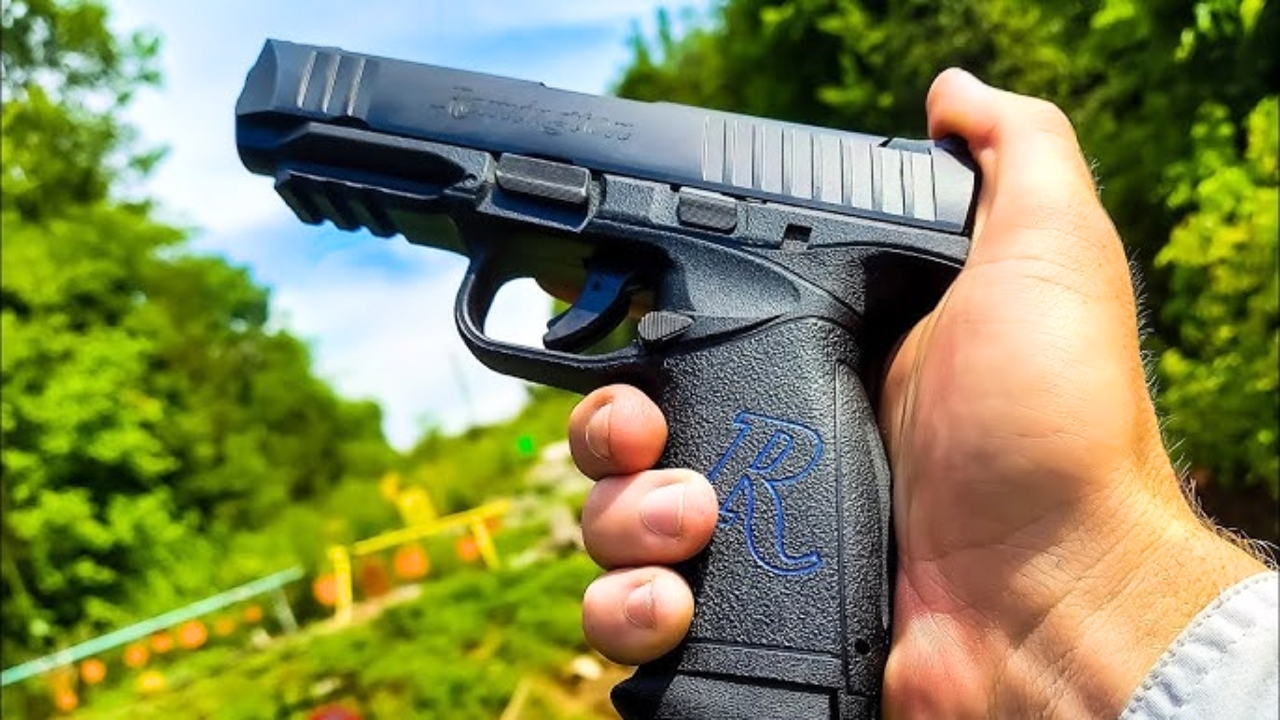
The Remington RP9 was introduced as an affordable, high-capacity duty pistol with an 18-round magazine and a grip designed to fit a wide range of hands. Remington’s name and the pistol’s low price created expectations that it could become a serious competitor to Glock, Smith & Wesson, and SIG.
The gun was physically large, top-heavy, and supported by a limited supply of magazines, holsters, and parts. Its trigger and finish did little to separate it from other inexpensive pistols, while Remington’s broader financial problems made long-term support uncertain. The RP9 was not disastrous, but it never offered the compelling advantage suggested by its launch.
Bushmaster ACR

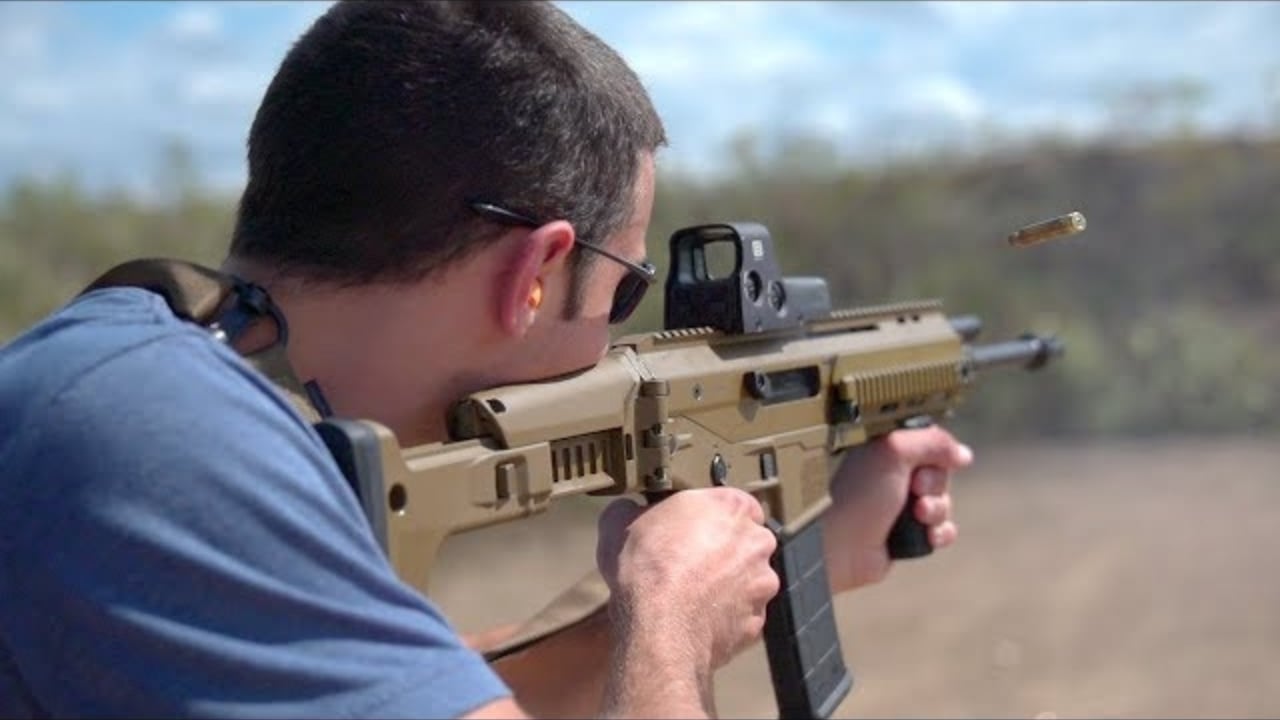
The Bushmaster ACR may be the most famous example of a rifle being overwhelmed by its own expectations. Originally revealed as the Magpul Masada, it promised quick barrel changes, multiple calibers, ambidextrous controls, a folding stock, and a modular architecture that appeared ready to surpass the AR-15.
By the time the production rifle reached buyers, it was heavier, more expensive, and less configurable than expected. The promised caliber conversions were slow to appear or never became widely available. The AR-15 continued improving while remaining lighter, cheaper, and supported by a massive parts market. The ACR was a capable rifle, but it never became the revolutionary platform shooters were promised.
Like The Avid Outdoorsman’s content? Be sure to follow us.
Here’s more from us: