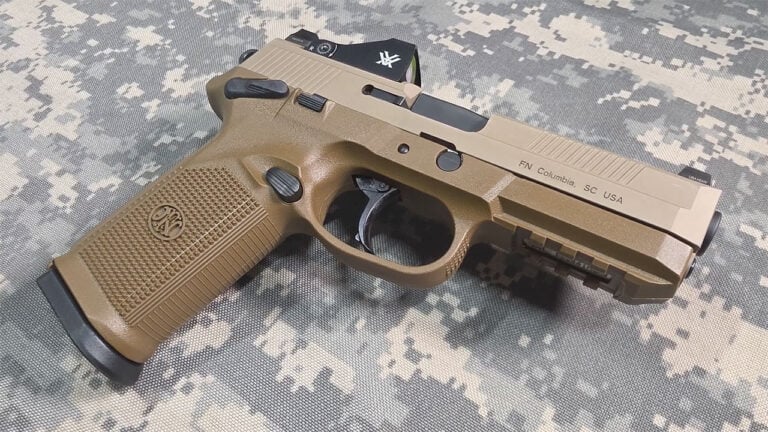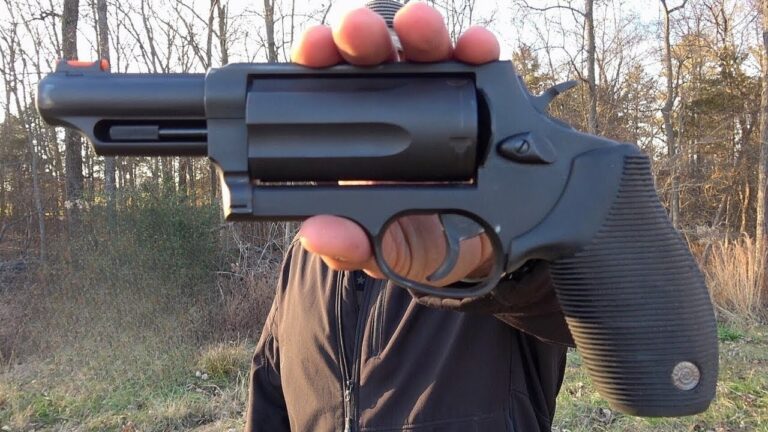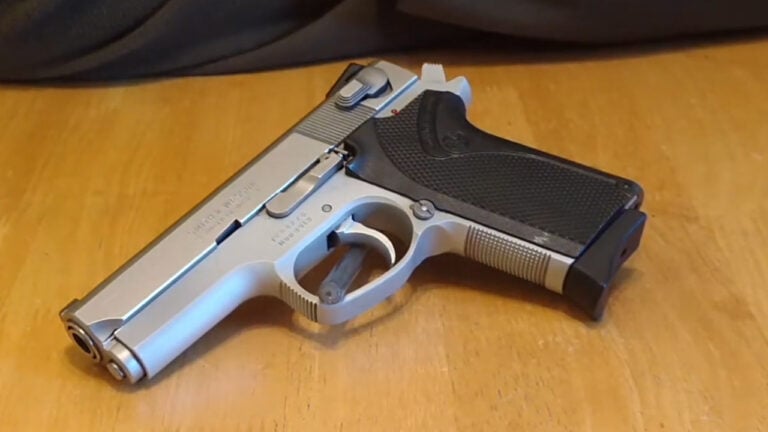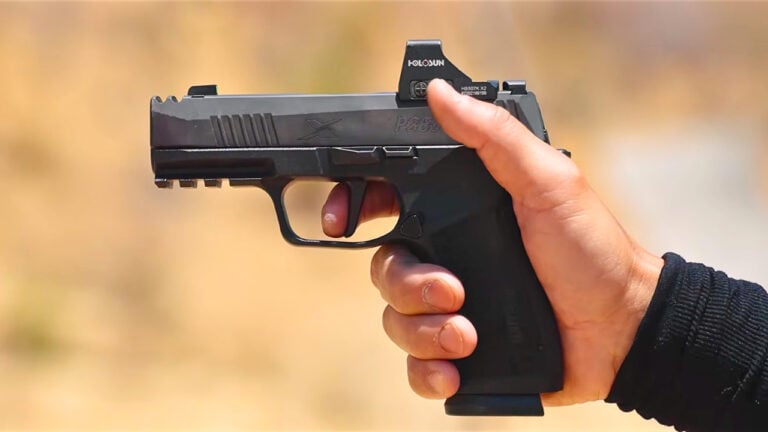
Photo credit: The AK Geek/Youtube
Farm sales are funny. There’ll be a line of guys looking at a table of old wrenches like they’re studying for an exam, and right behind them sits a hard case nobody touches. The hinges are dusty. The latches feel stuck. Half the crowd assumes it’s fishing rods, photo gear, or somebody’s old surveying equipment.
Then one buyer who’s handled enough guns to know the shapes and weights will pick it up, give it a little shake, and suddenly the whole mood changes. Sometimes it’s because the case is worth money. Most of the time it’s because what’s inside is the kind of firearm that got parked away “for later” and never came back out. Here are 20 that show up like that more than you’d think.
1. Browning Auto-5 (Belgium-made)
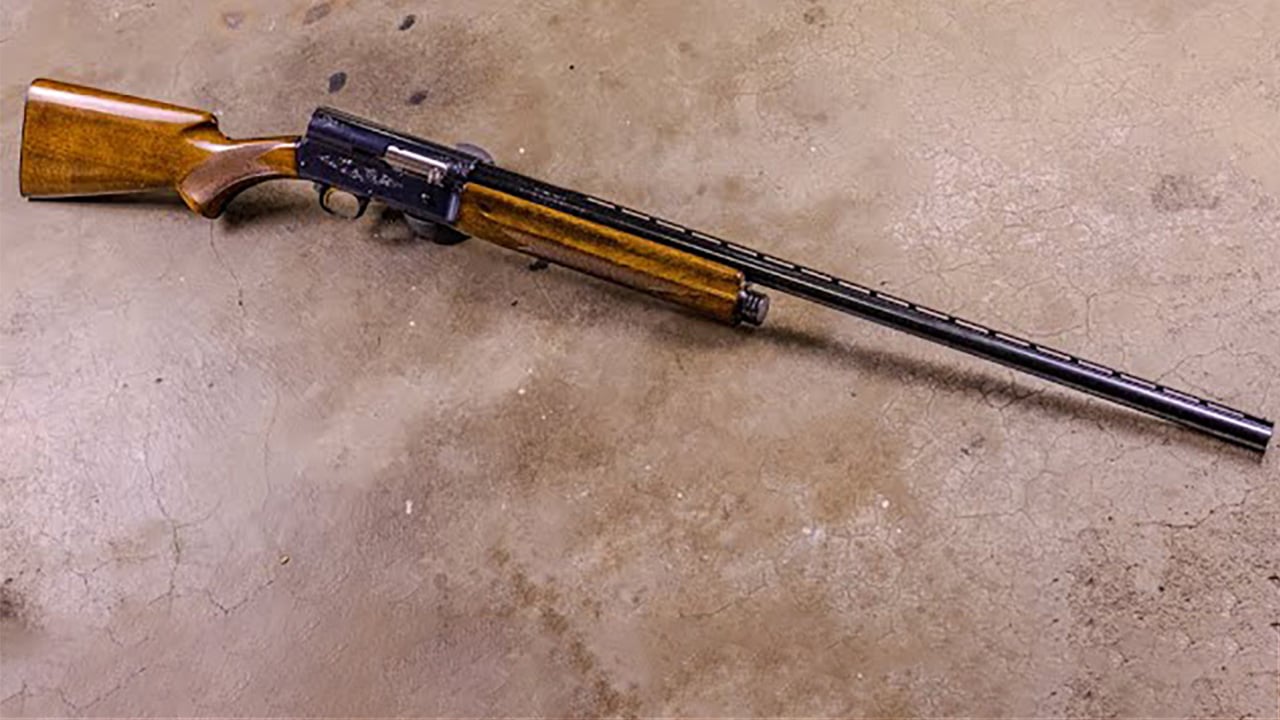
You can spot an old Auto-5 case from ten feet away if you’ve hauled enough shotguns around. Long, skinny, usually scuffed to the point you can’t tell what color it started as. Folks walk past because “it’s just an old humpback,” and they’re thinking modern gas guns with soft recoil and screw-in everything.
Then the right person opens it and looks for the marks: Belgium, not just any production run, and ideally a barrel that hasn’t been cut down by somebody’s “brush gun” phase. These aren’t light, and they’ll thump you with heavy field loads, but the action is a tank and they point in a way some people shoot better than they deserve. The hurt comes later when you realize replacing a good one isn’t as simple as finding “another old Browning.” Condition matters, and clean ones aren’t sitting around cheap anymore.
2. Remington 1100 (classic 12 gauge)
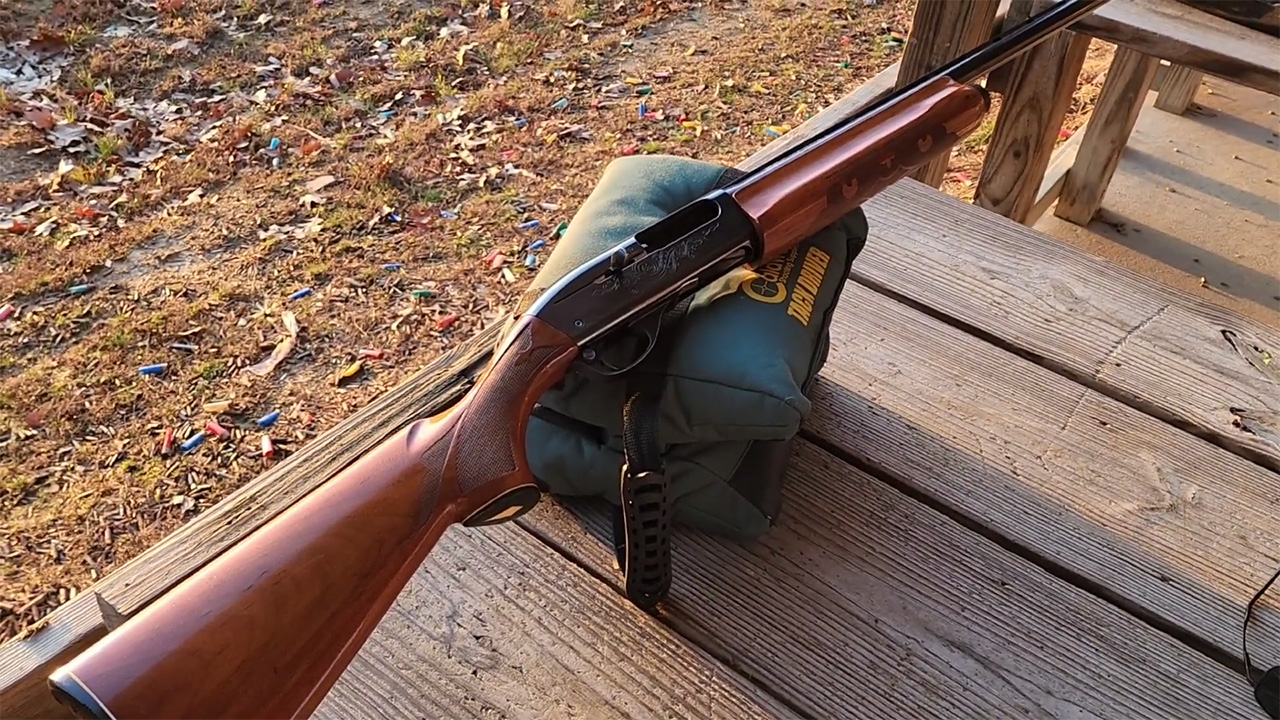
The 1100 is the shotgun that gets “retired” more than it gets sold. It’ll run for decades, then it starts coughing because of an O-ring or a neglected seal, and the owner decides it’s worn out. It goes into a case, gets pushed under a bed, and eventually lands on a farm-sale table with some old vests.
A buyer who knows better checks the gas system for gunk, looks at the magazine tube for rust, and cycles the bolt to feel if it’s gritty or just dry. Most of the time it’s a simple maintenance story, not a dead gun. They’re smooth swingers, they soak up recoil better than most budget semi-autos, and parts are still easy to find. The only real “gotcha” is cracked wood around the receiver from hard use, and that’s visible if you take a second. When you find one that’s been stored right, it’s a serious bird gun for farm-sale money.
3. Winchester Model 12
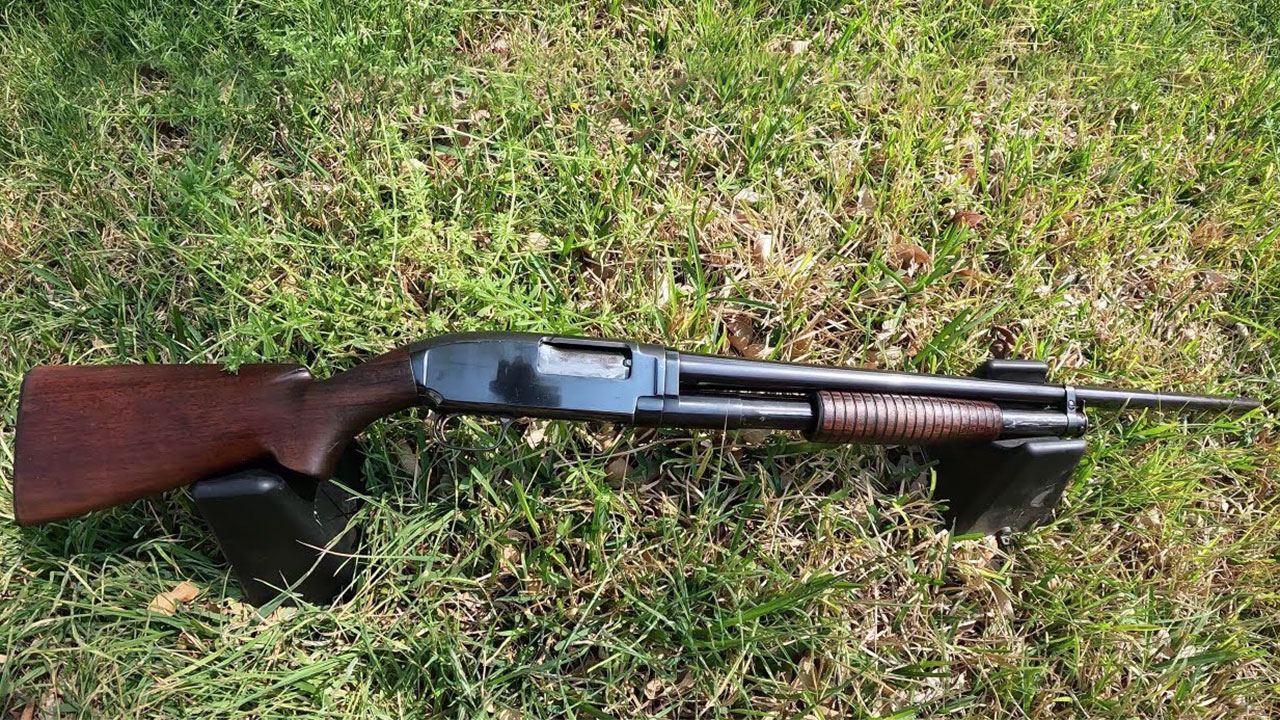
There’s nothing flashy about a Model 12 sitting in a plain case. It doesn’t have rails, it doesn’t have a fancy finish, and it won’t impress anybody who thinks shotguns should hold a pile of shells. But the action on a good one feels like it’s on ball bearings, and that’s what the case-hunters are listening for.
These show up because they were granddad’s “one shotgun,” and the family doesn’t know what to do with it. The buyer who knows checks barrel length, choke markings, and whether the rib is straight. They also watch for bulges and for a gun that’s been reblued so hard it looks like a dipped wrench. The Model 12 is heavy compared to modern pumps, and it isn’t for everyone, but it is the kind of gun that makes a new shooter understand what “smooth” means. A tight, honest Model 12 is still a keeper.
4. Ithaca 37
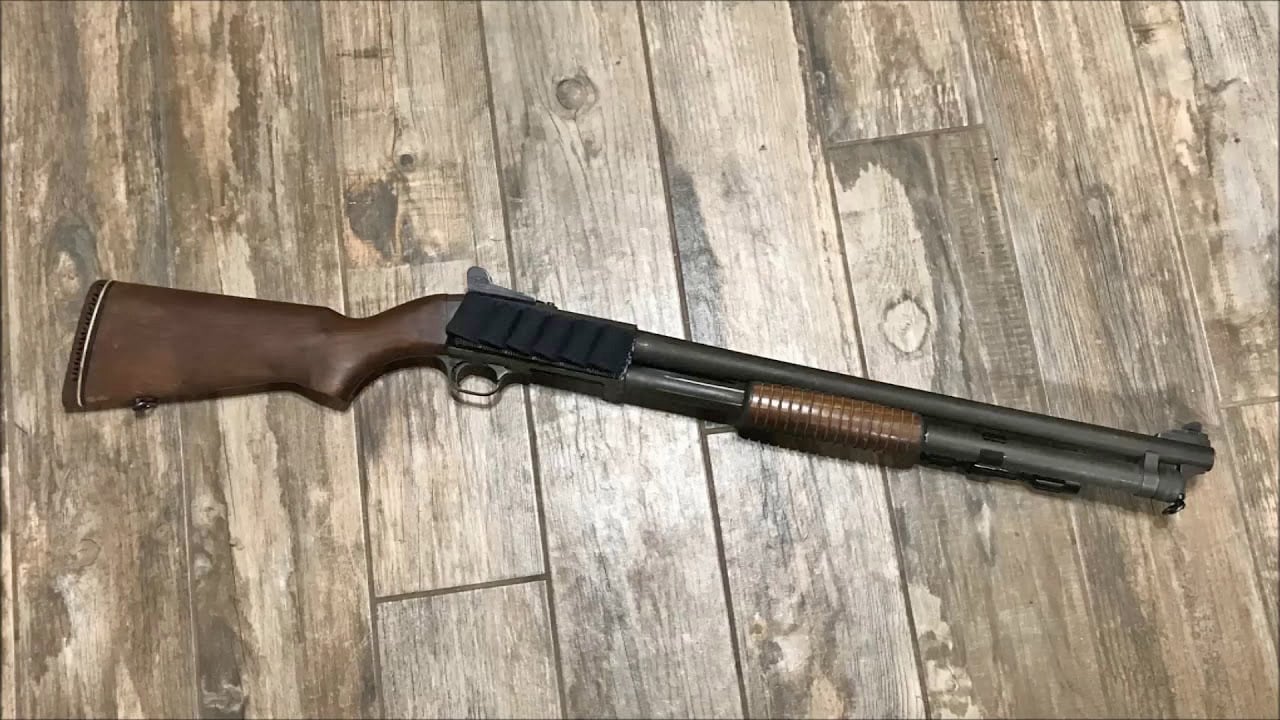
Bottom-eject shotguns confuse people. They look “different,” and different makes buyers nervous when they’re standing in the wind next to a card table and a cigar box full of screws. The Ithaca 37 ends up ignored because the crowd can’t quickly tell what it is, and they assume it’s some off-brand pump.
Then somebody works the slide and feels that slick travel, and they look down and remember why bottom-eject is nice in a duck blind or on a lefty’s shoulder. The 37 carries well, it’s trim, and it’s been quietly doing work for generations. The farm-sale risk is the same as any old pump: cracked fore-end, a worn extractor, or a gun that’s been stored in a soft case that held moisture. Still, when you find one that’s tight, it’s a no-nonsense hunting gun that doesn’t need an apology.
5. Ruger 10/22 (older walnut-stock carbine)

Every farm seems to have a .22 that “nobody shoots anymore,” and the 10/22 is usually the one that gets thrown in a case with a couple half-empty bricks of ammo. The crowd walks past because it’s “just a .22,” and they’re chasing deer rifles and tactical stuff.
That’s a mistake. The older walnut-stock carbines have a feel the newer plastic-stock versions don’t, and they tend to have lived an easy life. A smart buyer checks the bore, looks for magazine fit, and makes sure the bolt face isn’t pitted from neglect. Magazines are everywhere, parts are everywhere, and you can keep one running basically forever. More important, it’s the rifle you actually shoot the most: pests, plinking, teaching kids, and staying sharp without burning up centerfire ammo. When a good one shows up in a dusty case, it’s usually the best buy on the property.
6. Marlin Model 60
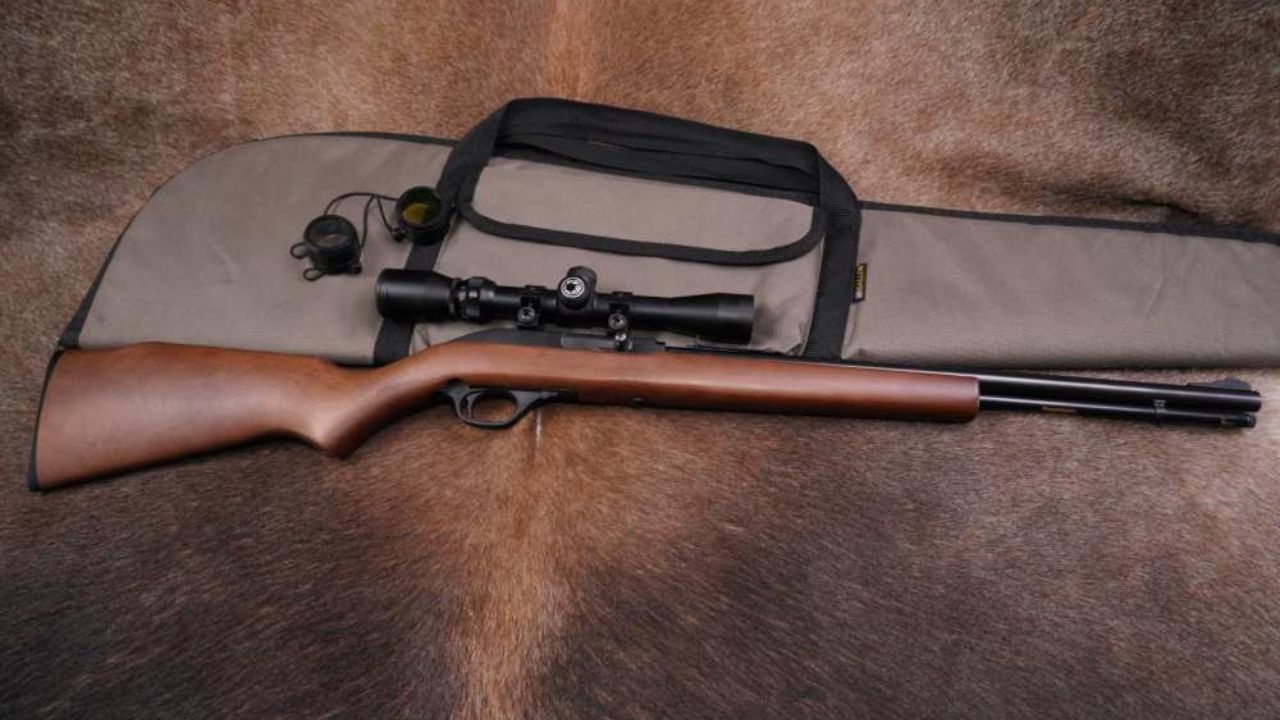
The Marlin 60 is the working man’s .22 that gets no respect until you’ve owned one. Tube-fed means no missing magazines, and that’s exactly why they show up at farm sales: they stayed on a nail in the mudroom for 30 years and then got put away when somebody bought a new rifle.
The case is often an old soft zipper bag, and that’s where you need to be careful. A rifle stored that way can have surface rust starting around the muzzle or under the sights. If it’s clean, though, a Model 60 is accurate enough to make you look like you know what you’re doing. They can be a little picky if they’re filthy, and the feed system likes reasonable ammo, but they’re not fragile. When one comes with the original metal parts and hasn’t been “improved” by backyard sanding, it’s a classic rimfire that still earns a spot behind the truck seat or by the back door.
7. Savage Model 99
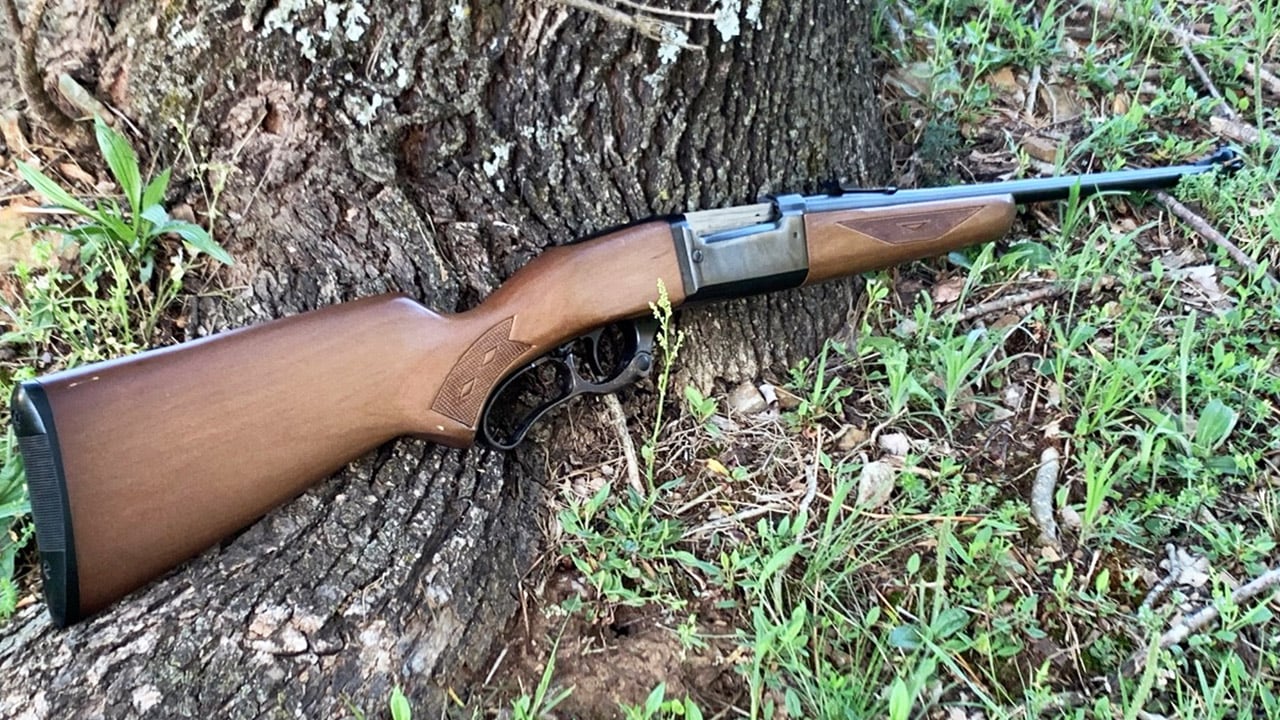
Most folks at a farm sale see a lever gun and think “cowboy rifle,” then move on to the next table. The Savage 99 isn’t a cowboy rifle in the usual sense, and the people who know them will open that case even if they’re not buying anything else.
The 99 carries like a deer rifle, not a novelty, and the rotary magazine setup is part of why it stayed relevant so long. You’ll find them in real hunting cartridges, and many have been dragged through brush for decades, so honest wear is normal. The buyer who knows checks the lever lockup, the bore, and whether the fore-end is cracked from being used as a walking stick. A clean 99 is hard to replace with anything modern that feels the same. It’s not lightweight, and it’s not cheap to “restore,” but it’s one of those rifles that makes you wonder why anyone ever parked it in a case and forgot about it.
8. Winchester Model 94 (pre-64)
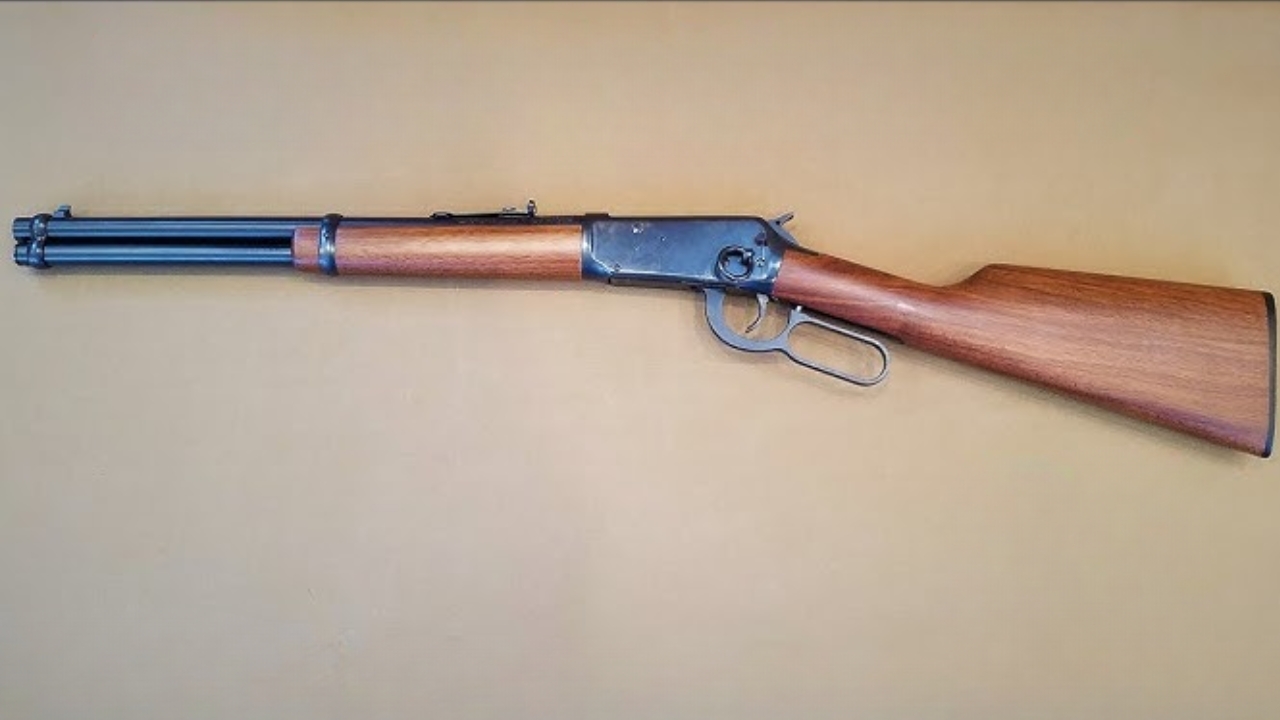
The Model 94 is the deer rifle that gets treated like a household tool. It leans in corners, rides behind seats, and gets handed down with a shrug. When it finally lands at a sale, it’s often in a basic case because someone was trying to be “careful” for the day, not because it was cared for over time.
Pre-64 guns bring a different level of attention, and the knowledgeable buyer is looking at fit, finish, and whether the screws look like they were attacked with the wrong screwdriver. These rifles aren’t target guns, and anyone expecting tiny groups is missing the point. They point fast, carry easy, and in thick woods they’re about as handy as it gets. Watch for muzzle wear and for a saddle ring carbine that’s been drilled, tapped, and messed with until it’s a parts gun. A straight pre-64 with a decent bore is the kind of find that makes you walk to the truck with your arm locked around that case.
9. Marlin 336 (JM-stamped)

A JM-stamped 336 doesn’t always look special until you shoulder it. The balance is right, the action feels “together,” and the gun just settles on target. You’ll see these in beat-up cases because they were real hunting rifles, not safe queens, and the family selling them often sees “old lever gun” and nothing more.
The buyer who knows is checking the stamp, checking for a straight barrel, and making sure the crown isn’t trashed from years of leaning in a corner. The 336 is forgiving in the field, and with iron sights it’s one of the easiest rifles to carry all day without thinking about it. It’s also the rifle a lot of guys wish they’d never let go of when they got into bolt guns and long-range talk. New-production rifles may shoot fine, but the older guns have a fit and feel you notice when you run the lever with cold hands.
10. Ruger Blackhawk (Old Model “three-screw”)
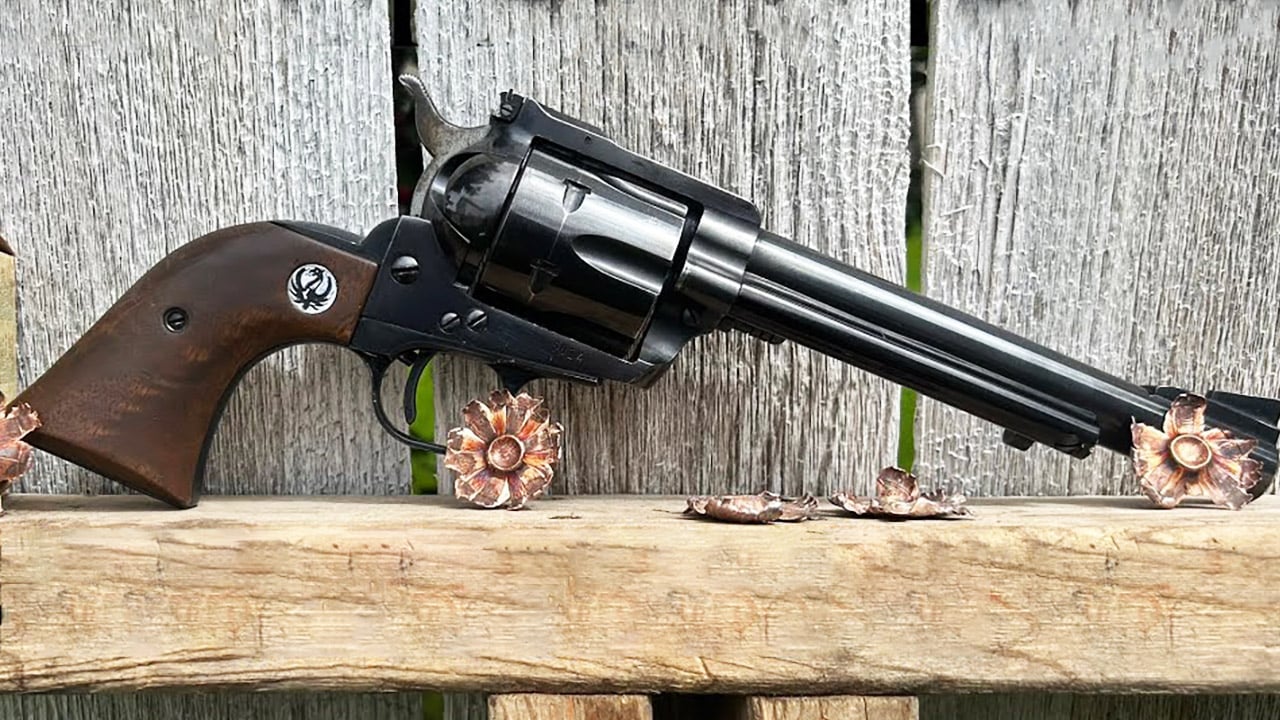
Revolvers in cases are often either junk or gold. The Old Model Blackhawk is the one that makes a knowledgeable buyer slow down. The three-screw Rugers have a feel that newer ones don’t, and the older guns tend to have been owned by shooters, not collectors, which means they’re often honest and usable.
The caution is safety and handling. These are typically carried with an empty chamber under the hammer, and anyone buying one needs to understand exactly what they’re getting and have it checked over if they’re not sure. Condition-wise, look for timing issues, excessive endshake, and a cylinder that looks like it was fed a steady diet of hot loads. When they’re right, they’re tough, accurate, and simple. They’re also the kind of revolver that will still be running when most plastic stuff has been replaced twice. If you hunt with a sidearm or spend time in the woods, a solid Blackhawk is never a bad tool to have.
Free for gun owners: If something happened to you tomorrow, would your family know where the guns are, who has the safe combination, or what to do first? Our free Gun Owner’s Family Checklist walks them through it. It takes about 15 minutes to fill out. Get your free copy here.
11. Smith & Wesson Model 10
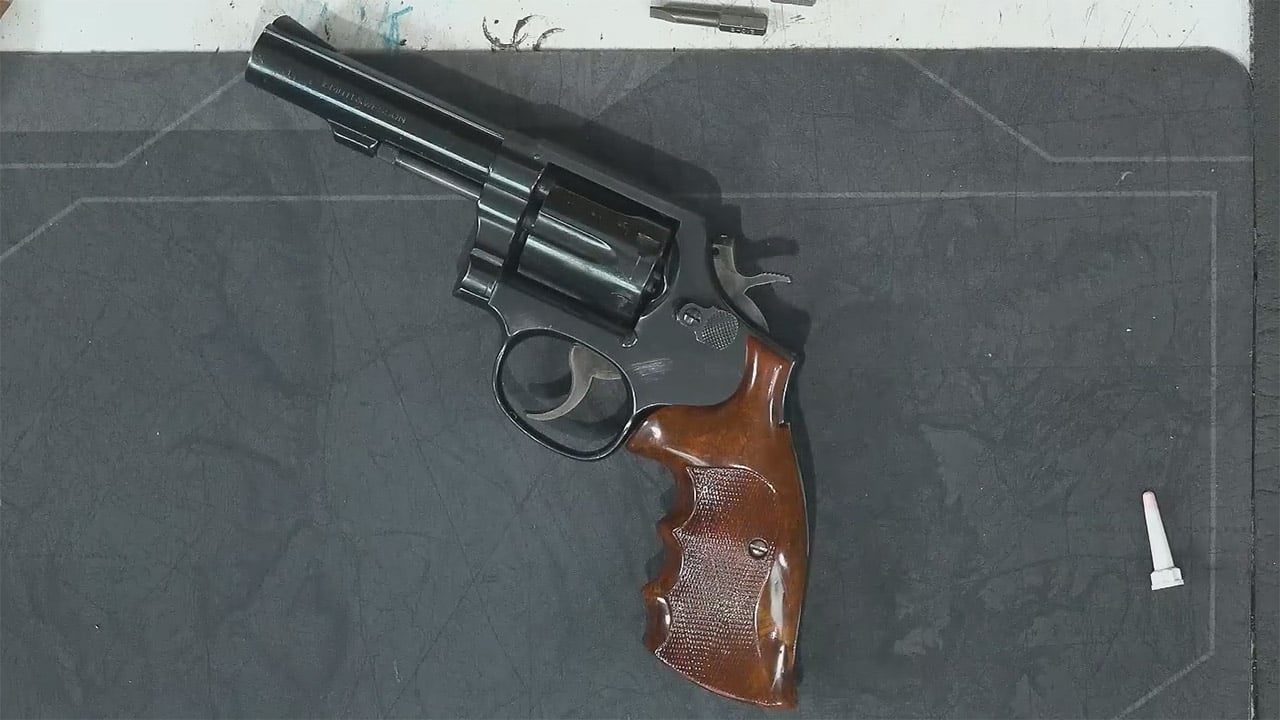
There’s always a revolver case that gets ignored because it looks like “an old police gun.” That’s usually exactly what it is, and the Model 10 is the classic example. Blued finish, fixed sights, service grips, and plenty of holster wear. That wear scares buyers who don’t know better.
The guy who knows opens the case and checks the basics: lockup, timing, and the look of the forcing cone. A Model 10 with honest wear can still be a smooth, accurate .38 that’ll outshoot most new shooters. It’s not glamorous, and it won’t win an internet argument, but it’ll ride in a truck, live in a drawer, and be shot without complaint. The real value is that it’s simple and predictable. If you want a revolver that just does revolver things, a decent Model 10 is hard to hate. I get why families sell them, but it still stings when a good one is gone.
12. Colt Detective Special
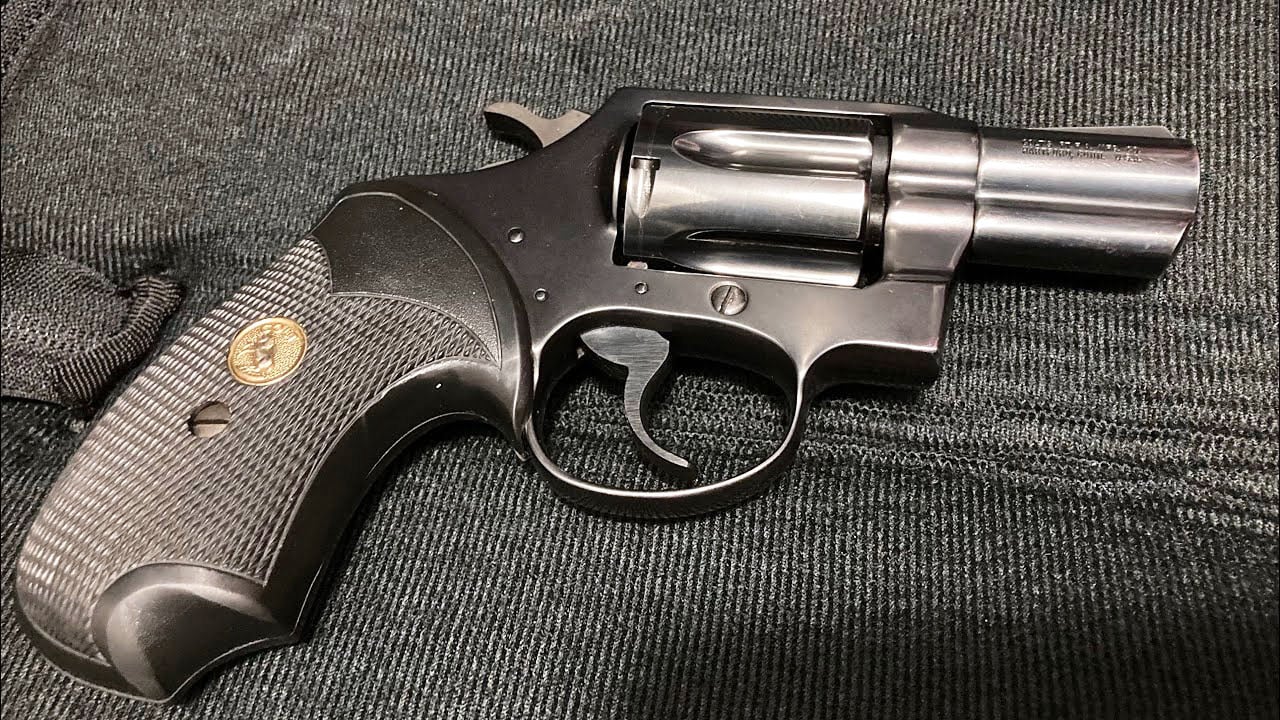
Small-frame Colts have a way of hiding in plain sight, especially when they’re in a generic case with no paperwork. The Detective Special doesn’t look like much until you pick it up and feel that Colt trigger and the way the cylinder locks. The crowd that only knows modern striker guns will walk right past it.
These revolvers can be excellent, but they’re not “toss it in the toolbox and forget it” guns. Parts and qualified hands aren’t as common as they used to be, and abuse shows up fast in timing. A smart buyer checks cylinder play, listens for clean clicks, and looks for signs of someone trying to “improve” the action. When they’re right, they carry well, point naturally, and have a kind of mechanical grace that’s hard to describe. They’re also a piece of American handgun history that doesn’t need to be babied, just respected. Finding one that hasn’t been messed with is why you open cases other folks ignore.
13. Ruger GP100 (4-inch stainless)
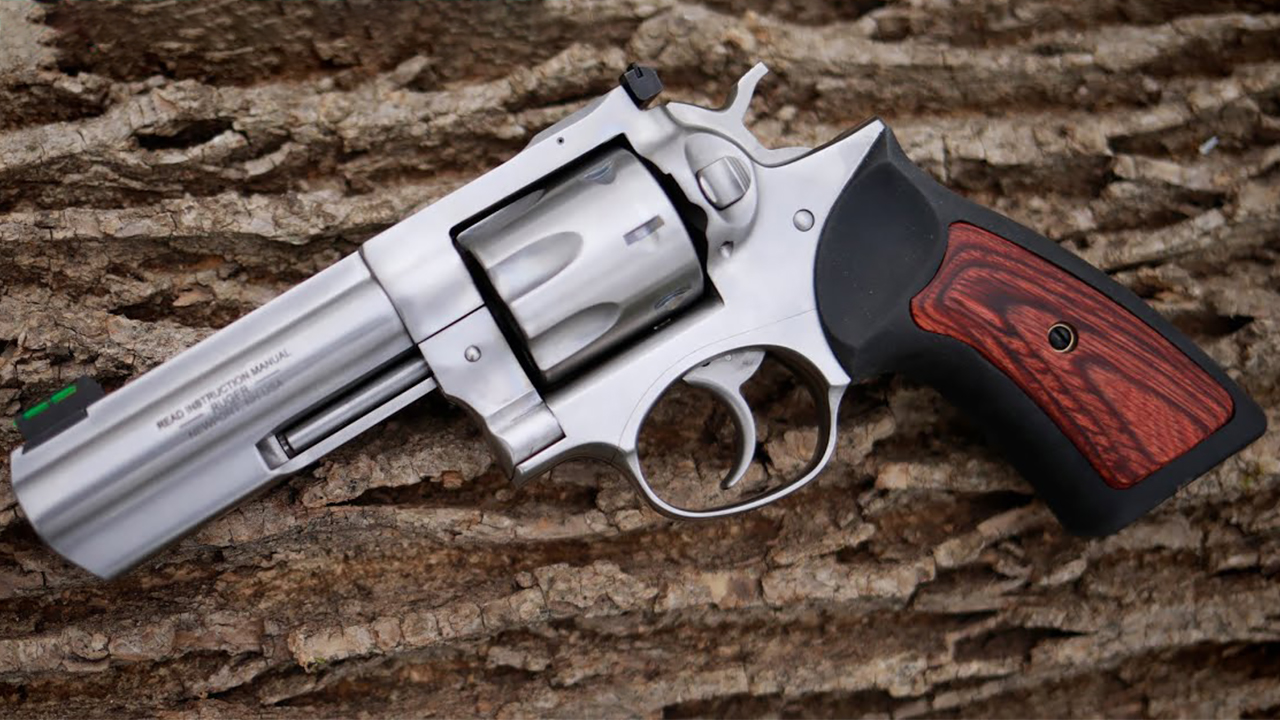
The GP100 shows up at sales because it’s boring. I mean that as a compliment. It’s the revolver someone bought for home protection, shot a couple times, then put away because they moved to a semi-auto or just stopped shooting much. It sits in a case with a cheap nylon holster and a box of mixed .357 and .38.
Anyone who’s actually run revolvers hard knows the GP100 is a workhorse. The stainless 4-inch version is about as practical as it gets: heavy enough to tame magnum loads, short enough to carry, and built to take a steady diet of real shooting. The weight is the downside if you’re thinking “trail carry,” but on a belt with a proper holster it’s manageable. Check the cylinder gap, make sure the ejector rod isn’t bent, and look for flame cutting that suggests someone was playing with lightweight screamers. If it’s clean, it’s a revolver you can trust without treating it like a museum piece.
14. Glock 19 (Gen 3)
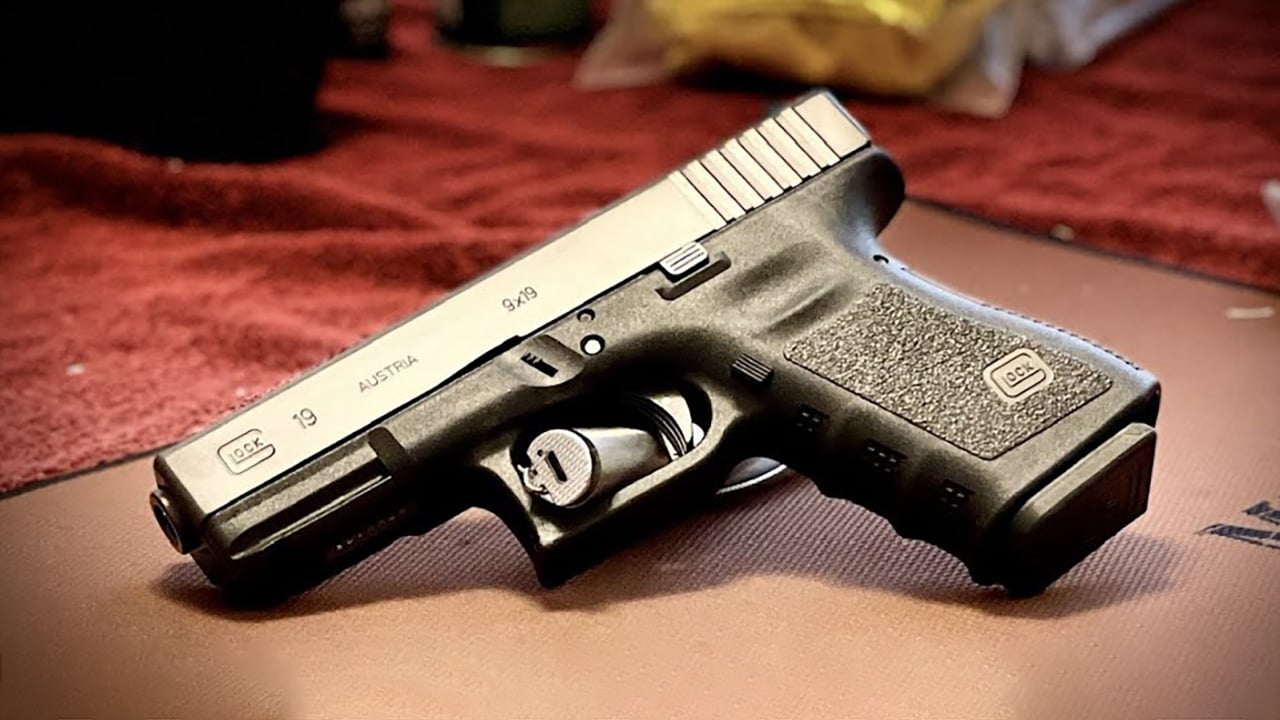
Yes, even Glocks end up in cases nobody opens. Usually it’s because the case is tucked under a table with random “gun stuff,” and the owner’s kids don’t know what’s what. The Gen 3 Glock 19 is one of those pistols that just keeps showing up because it’s been around forever and it works.
A buyer who knows better isn’t dazzled by a Glock, but they understand how easy it is to keep one running. Magazines are everywhere, holsters are everywhere, and parts support is basically unmatched. The farm-sale angle is checking for DIY stippling, sketchy aftermarket connectors, and sights that look like they were installed with a hammer. A stock-ish Gen 3 with decent night sights is still one of the most useful pistols ever made. It’s not a status symbol. It’s a tool. And tools are exactly what you want when you’re buying from a folding table in a pasture.
15. SIG Sauer P226 (West German or early German-frame guns)
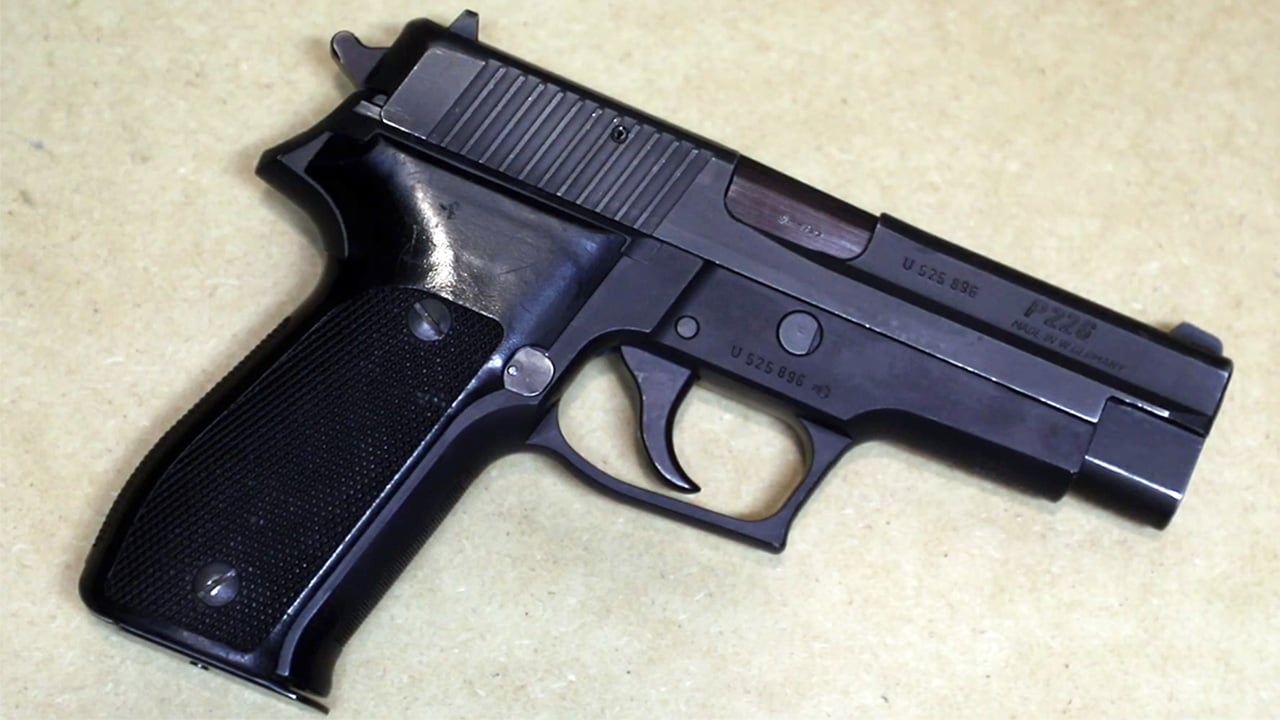
The P226 case is usually nicer than the gun deserves to be sitting in at a farm sale. Foam cut clean, maybe a spare mag tucked in. It gets ignored because it looks like a “cop gun” or an “old heavy 9mm,” and the crowd is chasing micro-compacts and optics-ready everything.
The early guns, especially those with the old markings, have a certain build quality you can feel the second you rack the slide. They’re not light, and they’re not cheap to feed if you start burning through ammo. Still, they shoot flat, the trigger can be very good, and reliability is why the platform has the reputation it has. A buyer who knows checks the frame rails for unusual wear, makes sure the decocker works properly, and looks for matching mags that aren’t beat to death. If you want a pistol that will shoot like a “real gun” for decades, an honest P226 is a serious find in a forgotten case.
16. CZ 75B (or pre-B CZ 75)
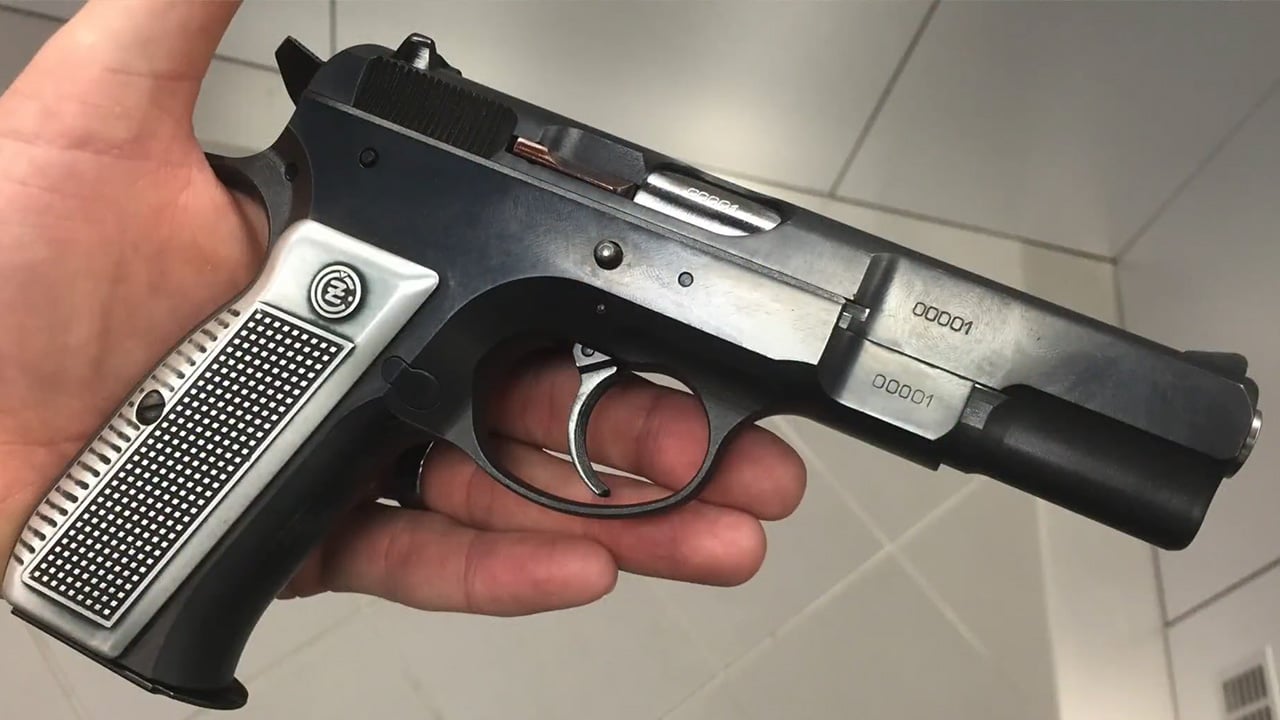
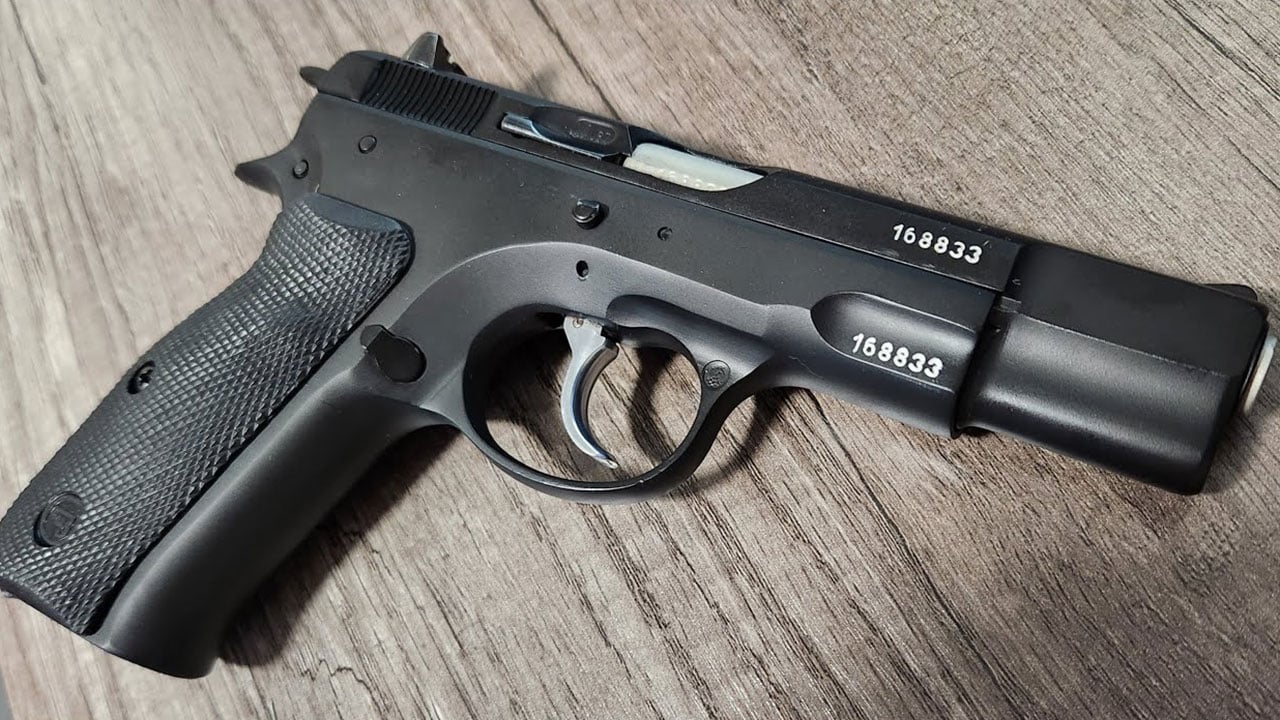
CZ pistols don’t always get recognized by casual buyers. The shape is classic, but unless you’ve handled one, it looks like “some steel 9mm.” That’s why they sit. The people hunting for polymer bargains don’t want to deal with weight or a manual safety.
Open the case and the right buyer looks at the rails, the slide-to-frame fit, and the overall condition of the internals. CZs have a loyal following for a reason: they point naturally, recoil is easy to manage, and accuracy is usually better than the price would suggest. The downside is they can be more finicky about certain magazines, and some older examples have been “trigger job” victims. If you find one that’s mostly stock and not abused, it’s a pistol that feels like it was made to be shot, not just carried. It’s also a great candidate for somebody who wants one all-around 9mm without chasing trends.
17. Ruger M77 (tang-safety models)
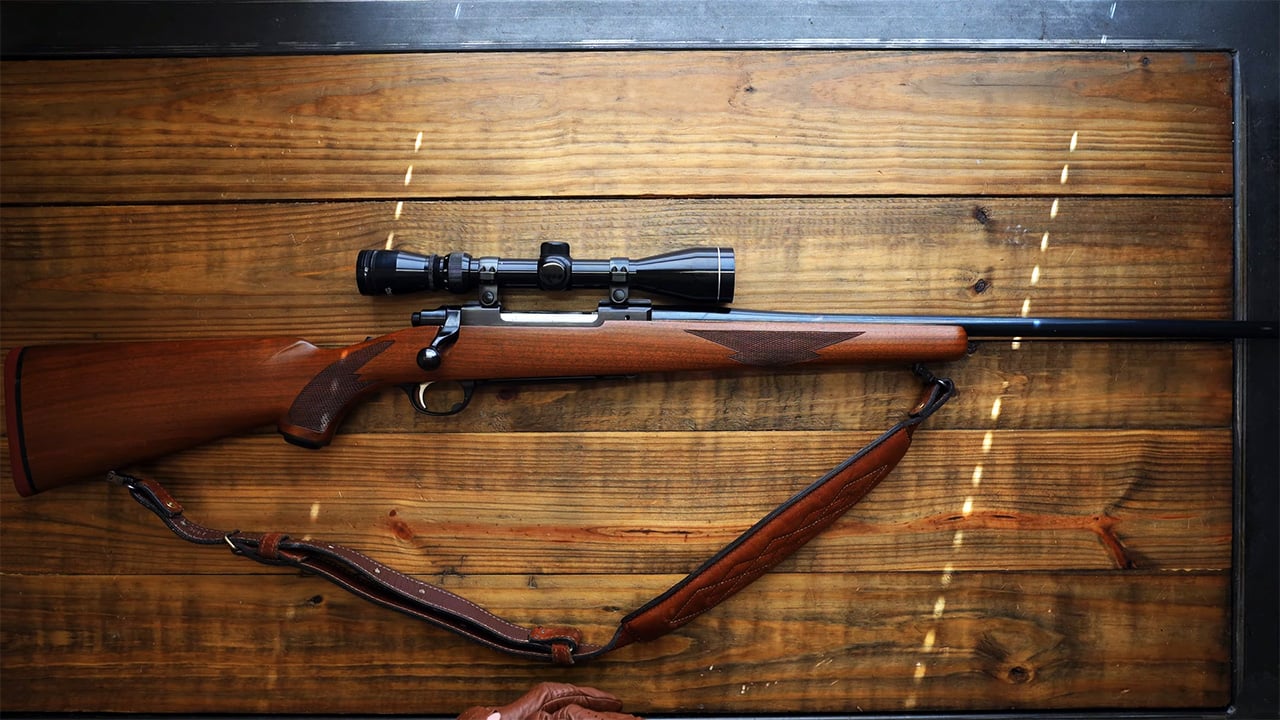
Old tang-safety Ruger M77s tend to show up in hard cases that look like they rode behind a pickup seat for 20 years. The rifle inside usually has ring marks from old mounts and a scope that’s seen better days. That combination makes the casual buyer assume it’s “just another used deer rifle.”
The guy who knows checks the action, the safety feel, and the barrel for throat wear. These rifles are not dainty, and they’re not always the lightest carry on a mountain, but they’re built for real hunting conditions. The tang safety is a big part of the appeal—intuitive and easy with gloves. The factory triggers vary, and some shoot better than others, so you’re rolling the dice a little unless you can put rounds on paper. Still, they’re the kind of rifle that can live in a truck during season, get dragged through snow and rain, and keep doing its job. There is nothing fancy about it, and that is kind of the point.
18. Remington 700 BDL (older walnut-and-blue)
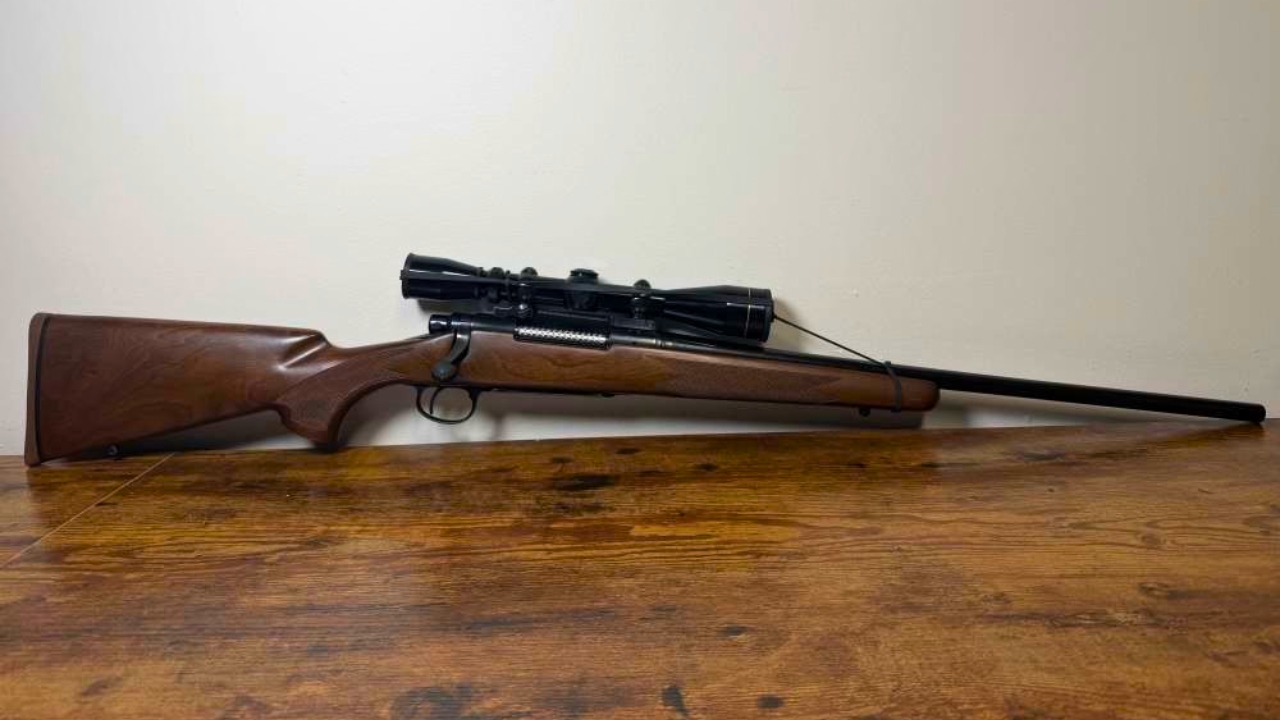
The 700 BDL is one of those rifles that can be both common and undervalued, depending on who’s looking. At a farm sale, it’s often sitting in a case with an old leather sling and a scope that’s fogged. The rifle itself might be perfectly fine, but the “whole package” looks dated, so buyers drift away.
Here’s what matters: the older walnut-and-blue guns often have excellent fit, and they balance nicely for a hunting rifle. A buyer who knows checks the bore, looks closely at the stock around the tang for cracks, and pays attention to whether the action screws look chewed up. You also want to be careful with any rifle that’s been “bubba’d” for a project—odd bedding, sloppy recoil pad installs, or mystery trigger work. But a clean, unmolested BDL in a sensible cartridge is still a rifle you can hunt with for the rest of your life. The wood might have dings, but dings don’t stop deer tags from getting filled.
19. Springfield Armory M1 Garand (CMP-era rifles included)
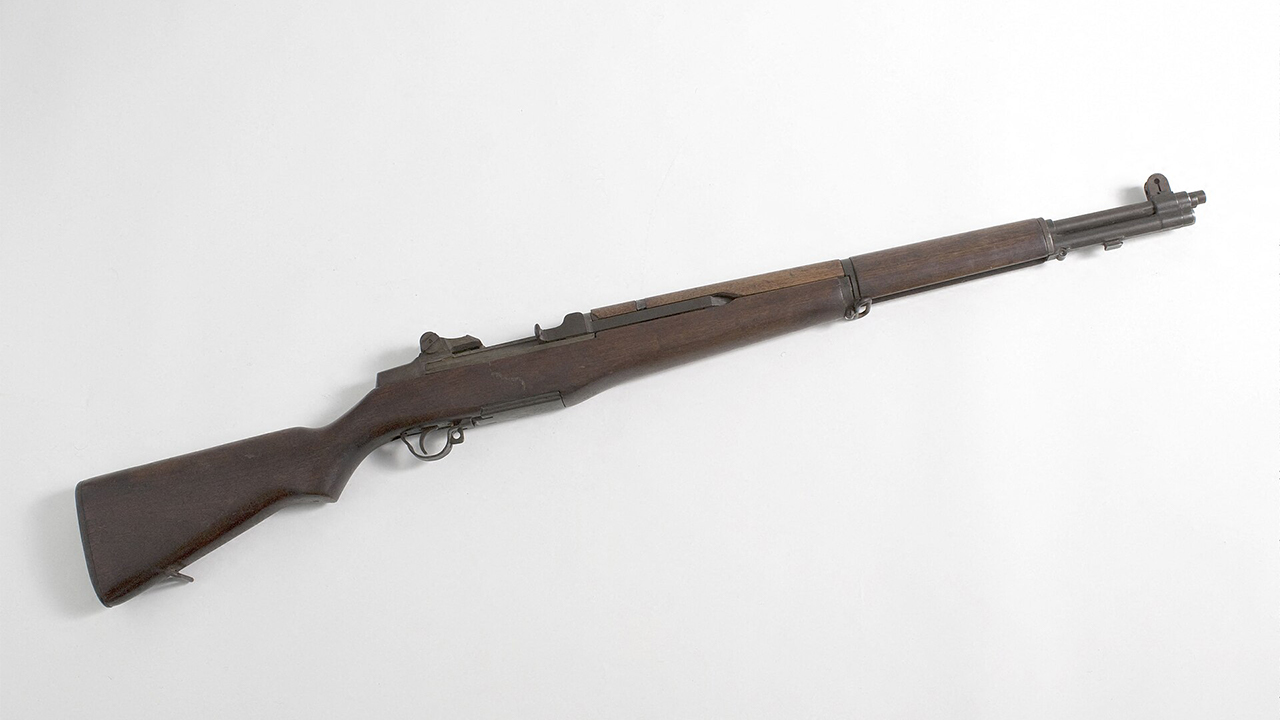
A Garand case at a farm sale is the definition of “nobody opens it until somebody does.” The case is usually long and heavy, and folks assume it’s an old sporting rifle they don’t want to mess with. The buyer who knows recognizes the weight and the outline and gets serious fast.
There’s history here, but it’s not just about nostalgia. A Garand is a real shooter, and when it’s in decent condition it’s a reliable, accurate rifle for what it is. The smart buyer looks for overall originality, checks the bore and op-rod for obvious issues, and pays attention to whether it’s been stored properly or left in a damp basement. Ammunition considerations are real—this isn’t a “feed it whatever” situation—and anyone buying one should understand what’s appropriate for the rifle. Still, a good Garand is not something you casually replace. They don’t get more common with time, and finding one tucked away like it’s just another long gun is why you never ignore the heavy case.
20. Winchester Model 70 (pre-64)
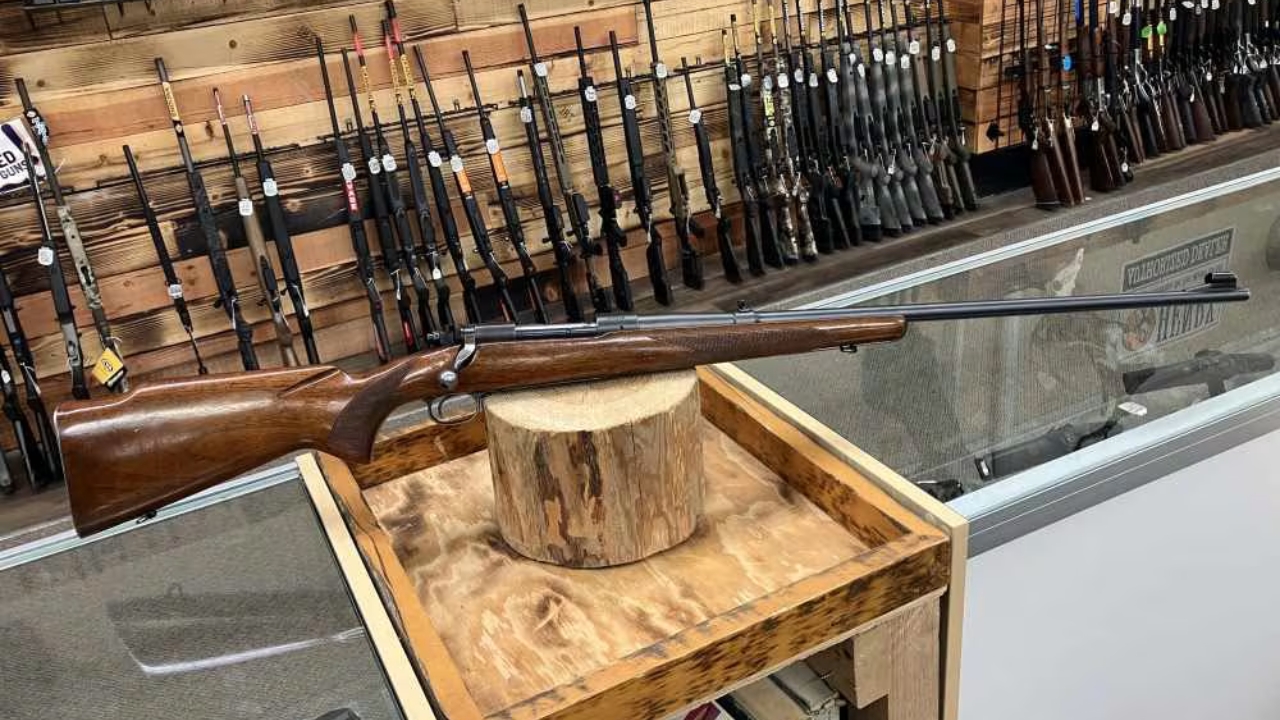
The pre-64 Model 70 is one of those rifles that can sit in a case for years because the owner treated it like a “nice gun,” but not necessarily a collectible. It comes out for one week of deer season, gets wiped down, and goes back in the case. Then the owner is gone, and the family sets it out with the rest of the estate items like it’s any other bolt gun.
When somebody who knows opens that case, they’re looking at the controlled-round-feed action, the condition of the stock finish, and whether the metal has been refinished. A pre-64 that’s been drilled, hacked, or cut loses a lot of what makes it special. But a clean one, even with honest hunting wear, has a feel that modern rifles rarely match. The bolt throw is smooth, the balance is right, and it carries like it was meant to be carried. It’s not the cheapest rifle to scope properly if you want to keep it period-correct, but it doesn’t need to be fancy to be valuable. It just needs to be right.
If you’re the one walking farm sales this fall, don’t get tunnel vision on the obvious tables. Pick up the cases. Feel the weight. Look at the latches and the shape. And if you do open one, handle it safely, ask questions, and don’t get talked into buying somebody else’s problem just because it’s “old.” Still, every now and then, there’s a rifle or shotgun in there that’s been quietly waiting on a buyer who recognizes it for what it is.
Like The Avid Outdoorsman’s content? Subscribe to our newsletter so you never miss an article.
Here’s more from us: