Photo credit: Outer Limitless 2/Youtube
Spend enough time around trainers, range staff, and working folks who actually carry a pistol daily and you start to notice a funny pattern. The gun they tell a new carrier to buy is often the same model they carry themselves… but theirs has a few quiet tweaks. Not “race gun” stuff. More like a better sight picture, a cleaner trigger, grips that don’t chew skin, and a light that doesn’t wobble loose after a month of truck-seat living.
Here are 20 pistols that get recommended over and over because they’re dependable, supported, and easy to live with—plus the kinds of low-drama modifications you’ll often find on the ones that ride on a professional’s belt.
1. Glock 19
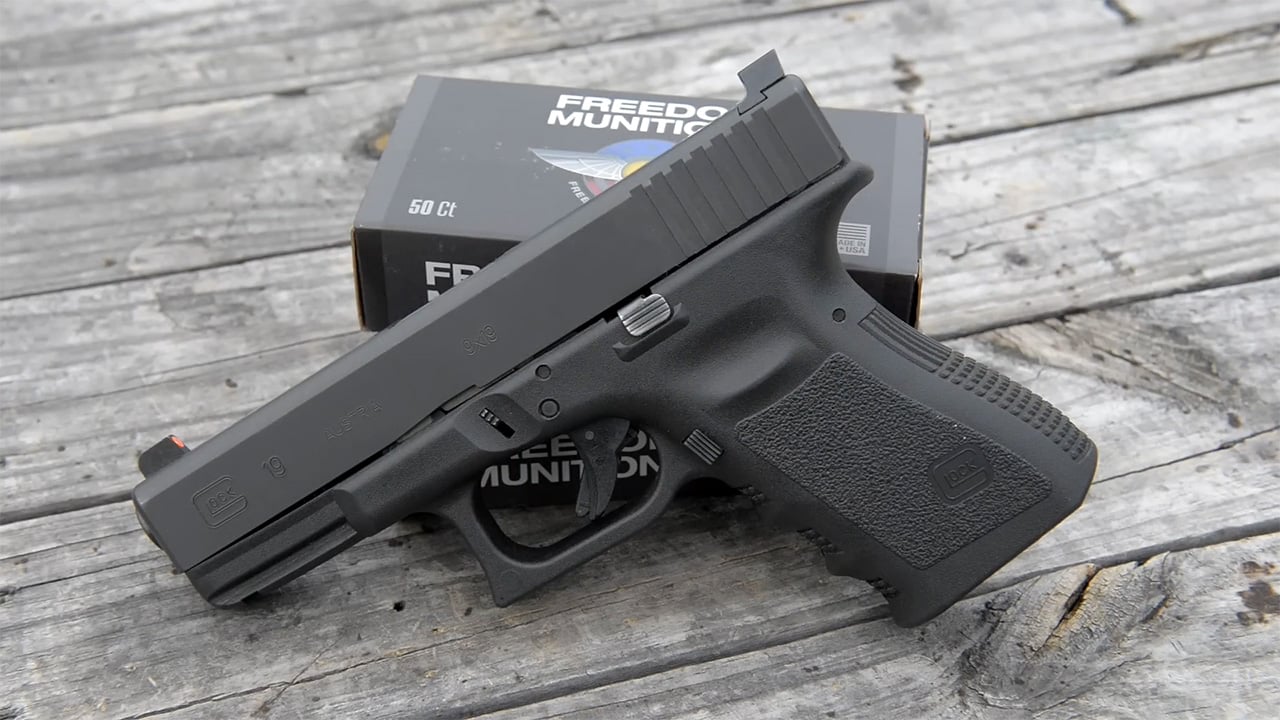
The Glock 19 is the plain ham sandwich of carry pistols, and I mean that as a compliment. It fits more hands than it doesn’t, it runs with ugly ammo, and magazines are everywhere—from gun counters to range bags to the bottom of a buddy’s console. It’s also the size that still hides under a hoodie but doesn’t feel like you’re shooting a toy. When someone asks for a “one pistol” answer, this is the one that gets said out loud.
The quiet part is what many do to theirs. You’ll see metal night sights instead of the factory plastics, a slightly cleaner trigger feel from a connector or polished internals, and grippy tape where the gun rubs slick when you’re sweaty. A lot of folks also add a compact weapon light because the gun is often doing home-defense duty too. Nothing fancy—just making a good tool easier to run hard.
2. Glock 43X

If you carry every day through real life—bending, lifting, climbing in and out of a truck—the 43X makes sense fast. It’s thin, it doesn’t print like a brick, and the grip is long enough that you don’t feel like you’re hanging onto a key fob. It points naturally for most shooters, and the recoil is manageable for a lightweight 9mm. It’s one of those pistols that disappears until you need it.
The common “pro” touches are boring but smart: better sights, a more positive magazine release, and a texture upgrade so the gun stays planted during fast strings. Some keep it slick for comfort, but many add a little traction where the heel of the palm rides. The other quiet upgrade is magazines and carry ammo testing—because these slim guns can be pickier than a duty-size pistol. The serious carriers run their setup before trusting it.
3. SIG Sauer P365
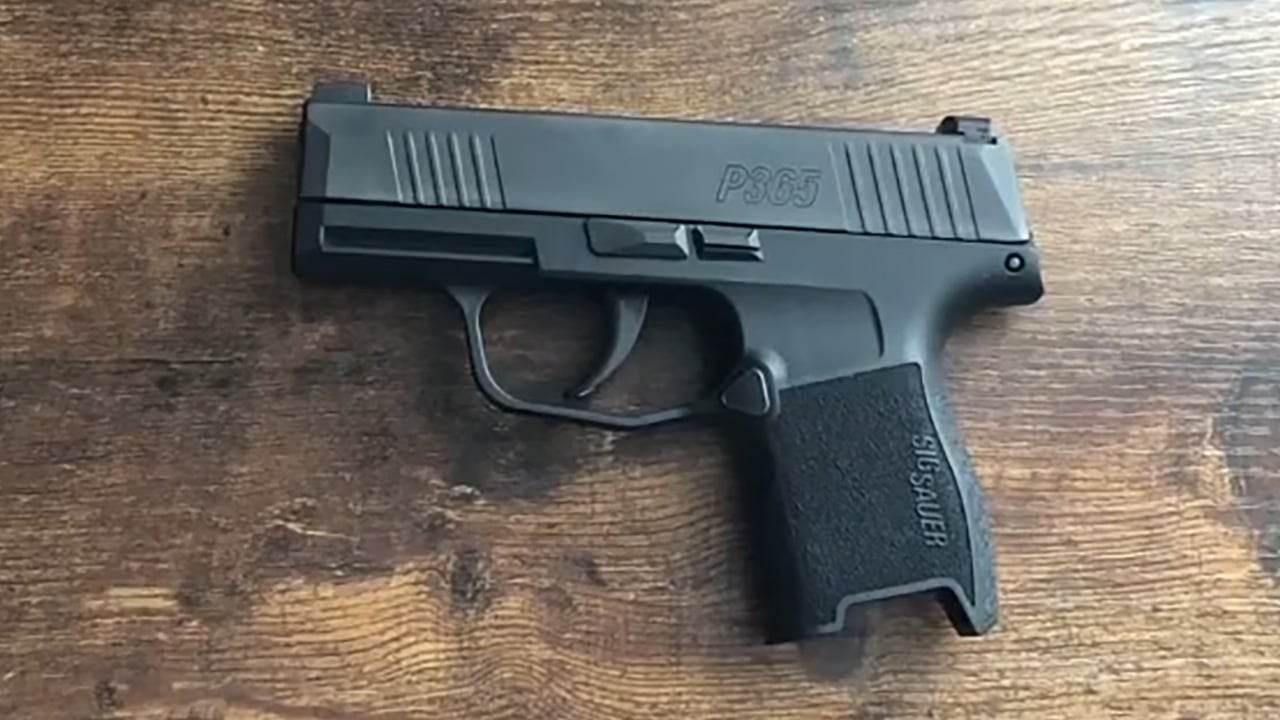
The P365 changed the carry market, whether a person likes SIG or not. It gave folks a small pistol that shoots bigger than it looks, and it did it with capacity that made the old single-stacks feel dated overnight. It’s easy to conceal in summer clothes, yet it’s still something you can take to a class without feeling punished. For many, it’s the first “small gun” they don’t hate shooting.
On the ones that actually get carried for work, you’ll often see a different grip module to fit the hand better, plus high-visibility sights. Some add a flat trigger for a more consistent press, not to chase a lighter pull. And because these pistols live close to the body, pros are picky about holsters and sweat protection—rust doesn’t care how popular your gun is. A little maintenance and a sensible setup keeps the P365 in the trusted category.
4. Smith & Wesson M&P9 M2.0 Compact

The M&P Compact is what a lot of Glock 19 shoppers end up buying after they actually handle both. The grip texture is aggressive in the right way, the ergonomics fit a lot of hands, and it tracks flat when you run it fast. It’s also a pistol that doesn’t demand you become a “brand person” to get good results. It just works, and it points like it wants to be shot.
The modified versions usually show up with improved sights and, fairly often, a trigger tweak. Not because the factory trigger is unusable, but because a cleaner break helps consistency under stress and speed. Another thing you’ll notice is dedicated magazines and base pads for training—because professionals train, and training mags get beat up. When a pistol is going to ride daily, durability and repeatability matter more than internet opinions.
5. Heckler & Koch VP9

The VP9 is one of those pistols that makes a lot of shooters look better than they are, especially at speed. The grip fits well, the trigger is generally solid out of the box, and the gun tends to be easy to shoot accurately. It’s not the cheapest option, and it’s not trying to be. It’s for folks who want a refined striker gun without turning it into a project.
The “quiet mods” on VP9s are usually about sights and carry comfort. You’ll see different height sights for a preferred sight picture, sometimes an optic cut slide on newer variants, and grip panel swaps to dial in fit. Some add extended controls, but not everyone wants that on a concealed pistol. The real advantage is HK reliability with a modern feel, and the small changes are just about making a good shooter even easier to run with cold hands or under a jacket.
6. Heckler & Koch P30
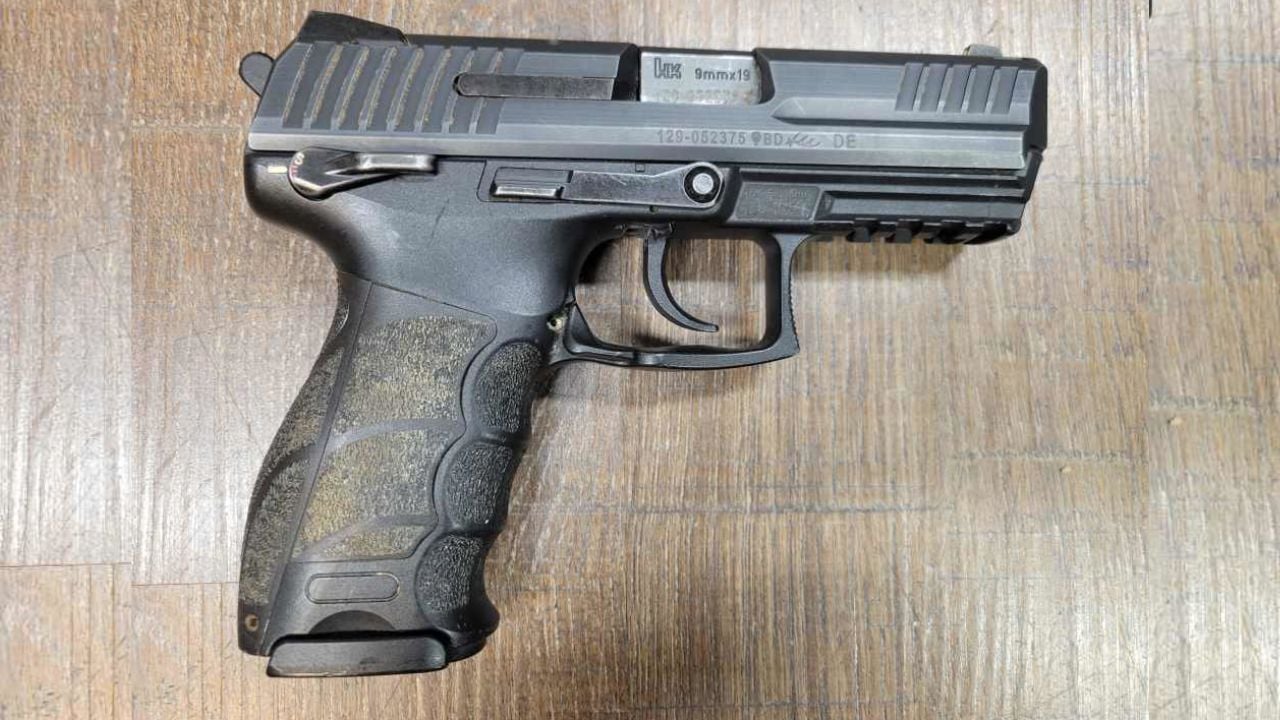
The P30 has been riding in serious holsters for a long time, especially in places where durability is non-negotiable. The grip shape is excellent, and the gun feels like it was made to be held all day. It’s also one of those pistols that can go a long time between complaints. Not glamorous. Just steady.
Where you’ll see changes is in the trigger system choices and sights. Many who carry a P30 pick a setup they can run safely and consistently, then stick with it. You may see upgraded night sights, and sometimes a different variant configuration to better match training habits. Pros who carry P30s tend to be “set it and forget it” types—once it’s dialed, they shoot it a lot and leave it alone.
7. SIG Sauer P320 Compact
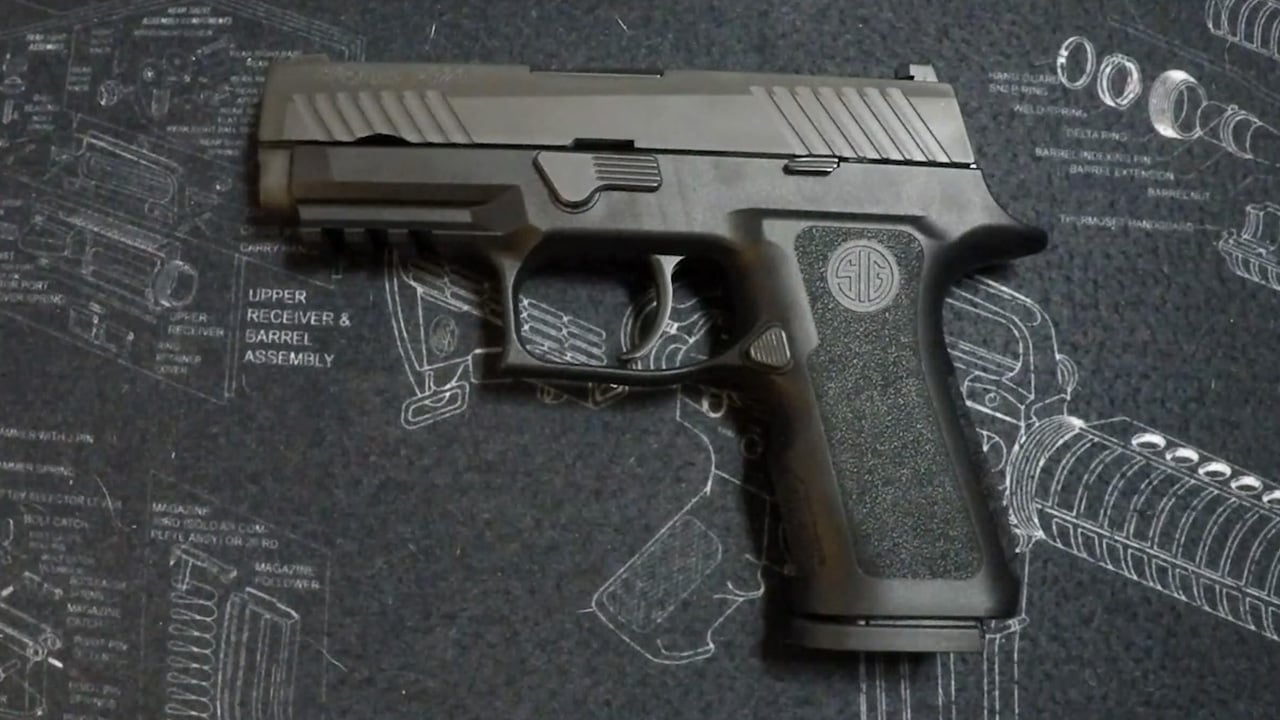
The P320 Compact shows up because it’s modular, common, and easy to fit to different hand sizes and roles. It can be a carry gun, a training gun, and a home gun without changing your whole manual of arms. The recoil impulse is friendly for most shooters, and the aftermarket is deep enough that parts and holsters aren’t a scavenger hunt.
The typical “work” P320 has a grip module that fits the hand better than the default, plus sturdy sights and often an optic. You’ll also see folks standardize on one trigger feel across multiple P320s so the press is the same every time. The other quiet thing is magazine management—marking mags, rotating them, and keeping the weak ones out of the carry pile. That’s not exciting, but it’s how professionals keep guns boring.
8. Beretta 92G (or 92X G-style)
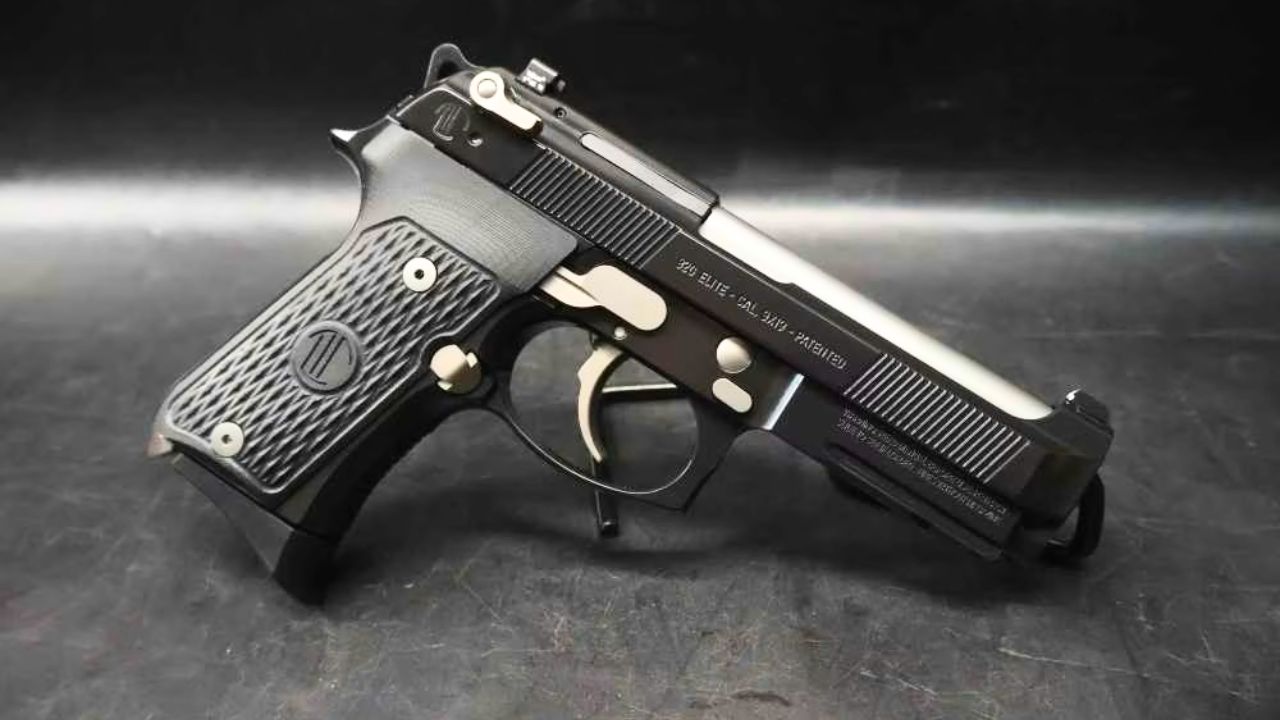
The Beretta 92 has been around forever, and it still gets recommended because it’s soft-shooting, accurate, and reliable when it’s cared for. Big hands tend to like it, and the weight helps it track smoothly. For outdoorsmen, it’s also a pistol that doesn’t mind being shot a lot. It’s built like a service pistol because it is one.
The common preference is the “G” decocker-only setup for simpler operation, plus improved sights. Many also swap grips because the factory panels aren’t everyone’s favorite, especially if you carry close to the body. You’ll also see recoil spring tuning within sane limits for the ammo they actually use, not to chase some mystical performance. The 92 is heavy for concealed carry, but the folks who pick it usually value shootability and proven longevity over saving ounces.
9. Beretta PX4 Storm Compact Carry

The PX4 Compact Carry is one of the more underappreciated options that professionals still nod at. The rotating barrel system can feel smoother than a typical tilting-barrel gun, and it’s surprisingly easy to control for its size. It carries well with the right holster, and it’s a pistol that doesn’t get knocked out of battery easily when handled hard. Not everyone loves the look, but looks don’t matter in a holster.
The “carry” versions already come with smart enhancements, and that’s part of the appeal. Beyond that, you’ll see sights that match the user’s eyes and lighting conditions, and sometimes levers swapped to low-profile parts to reduce snagging. The main thing is that the PX4 rewards real practice—once someone is used to the controls, it’s fast. The folks who run them tend to commit and then keep them for a long time.
10. CZ P-10 C
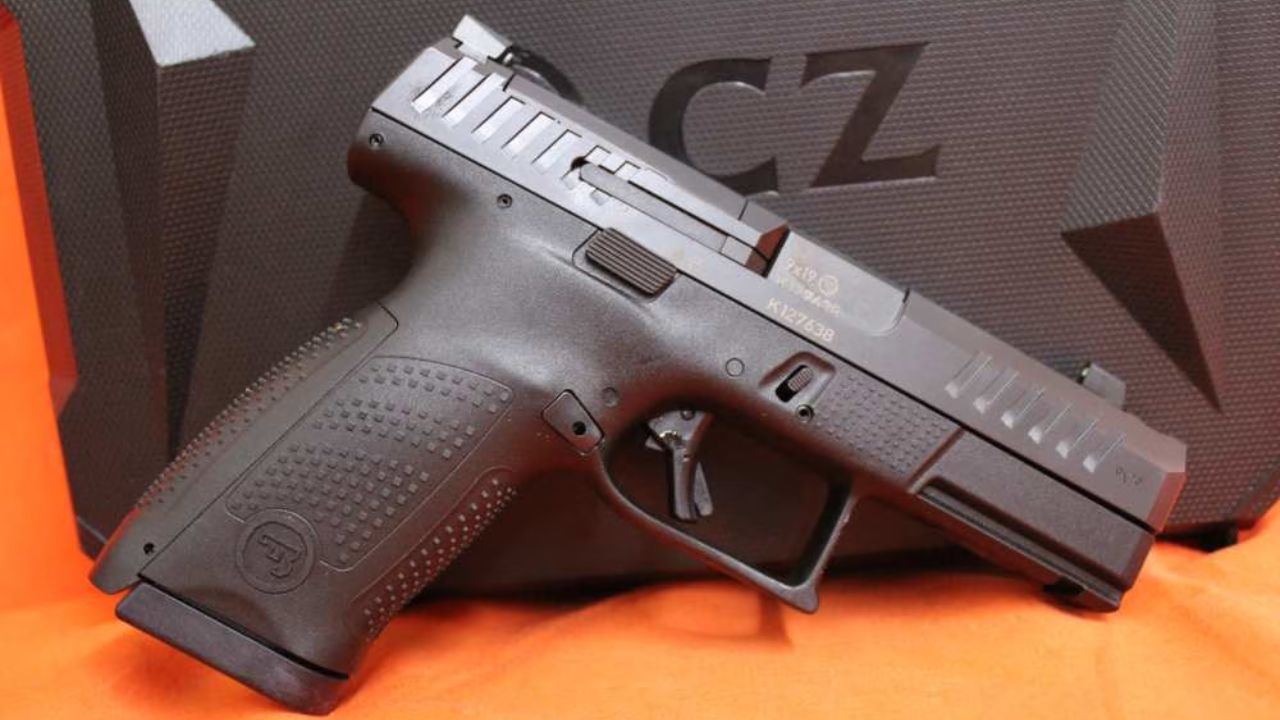
The P-10 C is a workmanlike striker gun with a trigger that often surprises people for the money. It sits low in the hand, tracks flat, and the grip geometry works for a lot of shooters who never quite bonded with other polymer compacts. It’s also accurate enough that you can’t blame the gun when you throw a shot. Ask me how I know.
Quiet modifications usually center around sights and sometimes a little smoothing in the controls. Many keep the internals stock because the gun already runs well. You’ll see folks add a light for nightstand duty and choose holsters that actually protect the trigger guard completely—CZ’s shape can be less universal than Glock, so gear selection matters. The P-10 C is the kind of pistol that doesn’t need to be “built,” just set up sensibly and shot until it’s second nature.
Free for gun owners: If something happened to you tomorrow, would your family know where the guns are, who has the safe combination, or what to do first? Our free Gun Owner’s Family Checklist walks them through it. It takes about 15 minutes to fill out. Get your free copy here.
11. CZ P-01
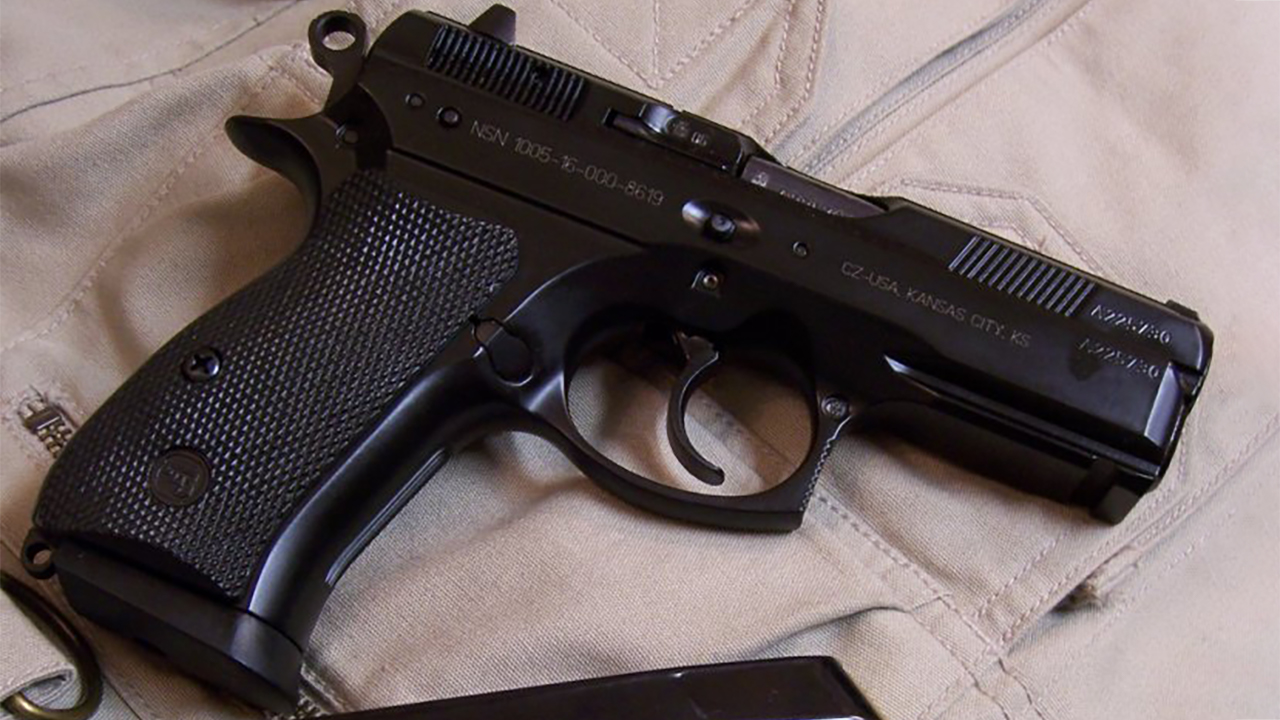
The P-01 is one of the better “do-it-all” metal-framed carry pistols ever made. It’s compact, solid, and it shoots like a bigger gun. The weight helps on recoil, and the grip shape is classic CZ—natural pointability, good control, and it doesn’t feel blocky. It’s a pistol that makes you want to shoot it more, which is never a bad thing.
The most common upgrades are sights and trigger work to smooth the double-action pull and clean up the reset. Not to make it fragile—just to make it more consistent. You’ll also see thin grips for better concealment and comfort, especially for inside-the-waistband carry. The P-01 takes a little more commitment than a striker gun because of the DA/SA manual of arms, but the professionals who stick with it tend to run it very well.
12. Ruger LCR (in .38 Special)
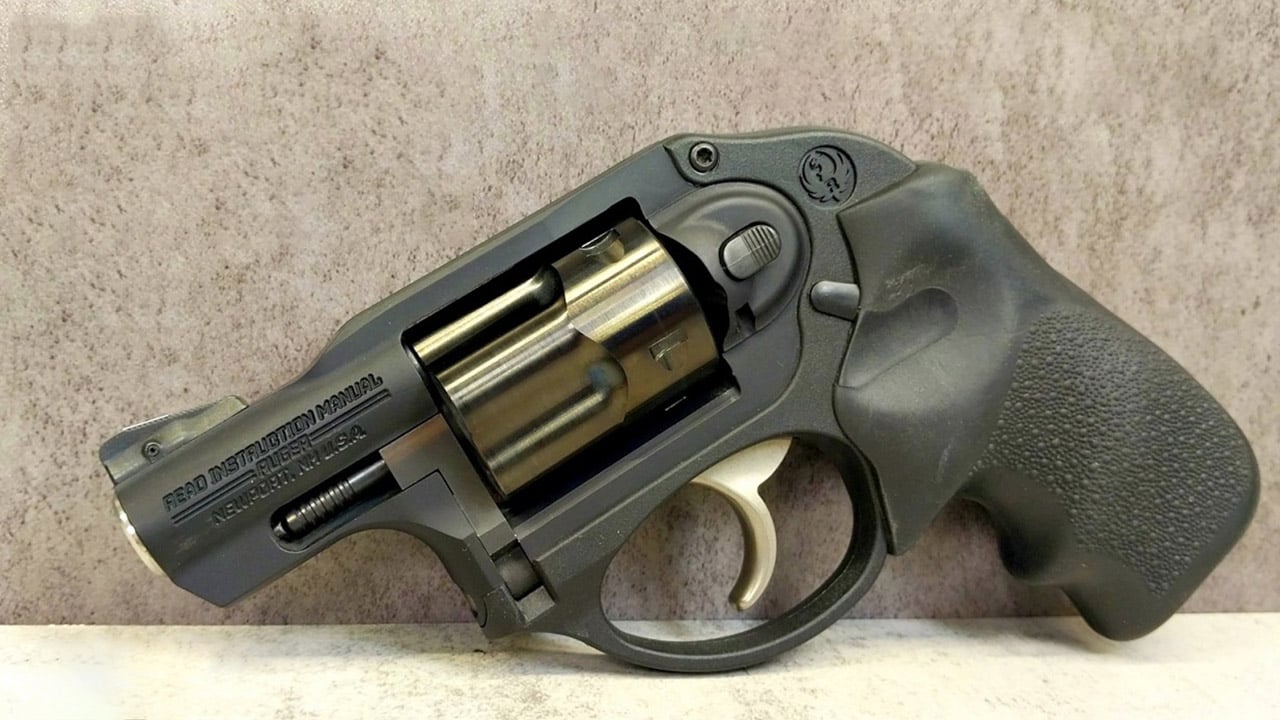
Revolvers don’t get the online love they used to, but the Ruger LCR still gets recommended in quiet conversations for one reason: it’s easy to carry when you truly don’t want to carry. Pocket carry is its lane, and it fills that lane without being a boat anchor. For quick trips, farm chores, or an ultralight option when you’re dressed light, it’s hard to beat.
The modifications are usually simple. Better grips to manage recoil and protect the knuckle, and a front sight that shows up in real lighting. Some folks choose a laser grip, not because it’s cool, but because it can help in awkward positions where a full sight picture is hard. The big “pro move” with an LCR is ammo choice and practice—snub recoil is real, and light guns can make people flinch. It’s effective when you can hit with it.
13. Ruger SP101 (2.25-inch)

The SP101 is heavier than the LCR, and that weight is exactly why some folks like it. It’s stout, it soaks up recoil better, and it holds up to a lot of shooting. As a trail-side revolver or a carry gun for someone who wants a rugged steel option, it makes sense. There is nothing delicate about it.
The common tweaks are grips and sights, and sometimes a trigger smoothing job to make the double-action pull less gritty. Nobody needs a “hair trigger” on a defensive revolver, but a smoother pull helps accuracy when you’re shooting fast and close. The SP101 also rewards a good holster because the cylinder is the bulk—carry position matters. It’s not as easy to hide as a slim 9mm, but it’s the kind of gun you can trust to be the same gun every time you press the trigger.
14. Smith & Wesson J-Frame Model 642
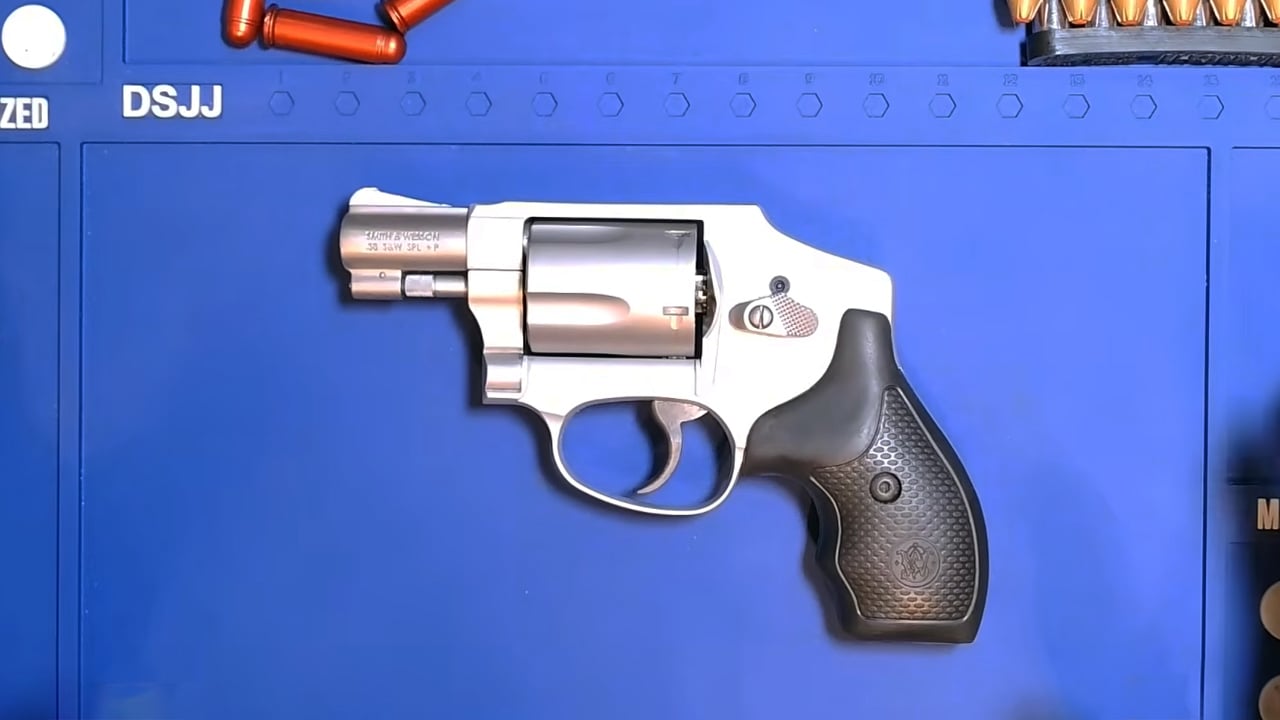
The 642 is the little aluminum revolver that’s lived in pockets for decades. It’s not fun at the range, and anyone who tells you it is probably doesn’t shoot it much. But it’s light, it’s simple, and it’s a legitimate “always” gun when you can’t make a belt holster work. In the real world, that matters.
The quiet upgrades are usually about making it shootable. Better grips that don’t bite, and a front sight solution that’s visible when your heart rate is up. Some carry folks also choose to have the action smoothed by someone who knows what they’re doing. The big thing with a 642 is accepting its limits and still training. If you buy one and never practice because it stings, you’re just carrying weight. Carried right, it’s a useful tool for close problems.
15. Springfield Armory Hellcat

The Hellcat is a micro-compact that fits the modern demand: small, decent capacity, and easy to conceal in warm weather. It’s snappy like most guns its size, but it’s not unmanageable. The controls are straightforward, and it’s become common enough that holsters and magazines aren’t hard to find. That matters more than most people admit.
The professionals who run these tend to change the sights if their eyes prefer a different picture, and many add grip texture in targeted spots to keep the gun from shifting under recoil. Some go with an optic-ready version, but only if they’re committed to the dot and the maintenance that comes with it. With pistols this small, reliability testing with carry ammo is not optional. A micro-compact that’s never been proven with your load is just a guess you’re wearing on your belt.
16. Walther PDP Compact
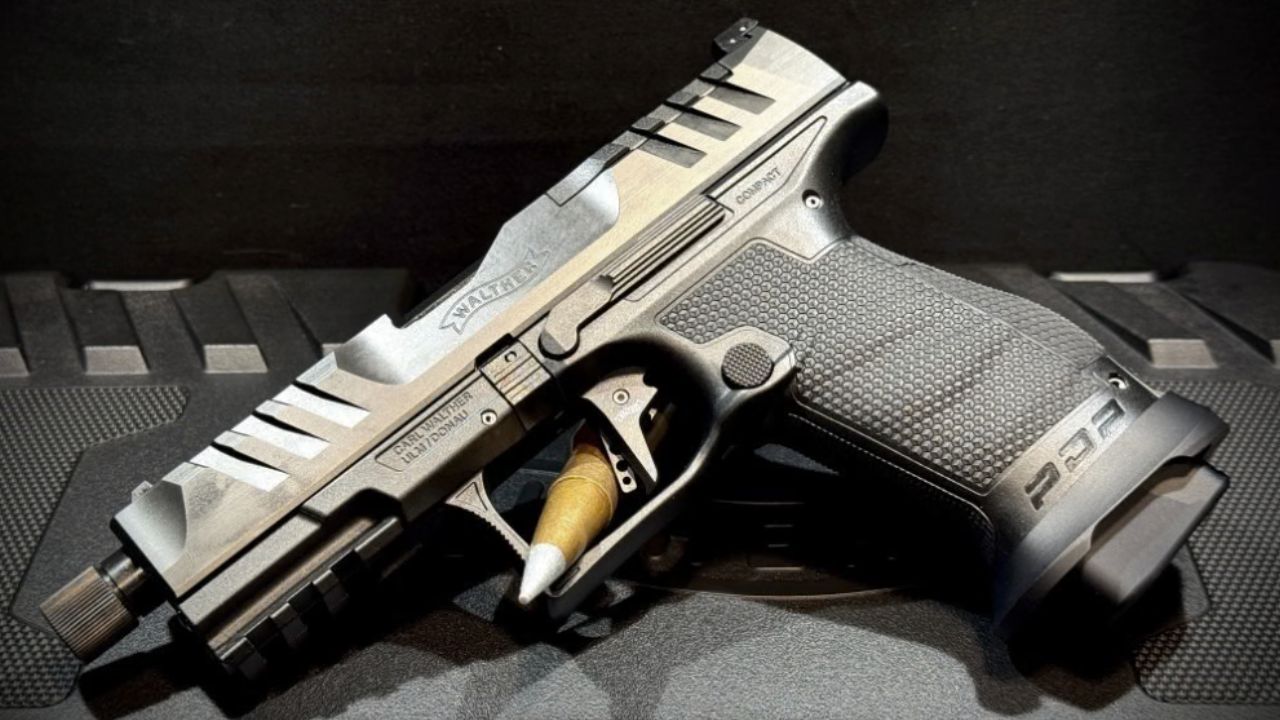
The PDP Compact is for the shooter who cares about grip and trigger feel, and wants a pistol that’s easy to run fast. The ergonomics are excellent, and the gun has a “point and shoot” feel that a lot of people click with immediately. It’s also built with optics in mind, which is where the market keeps going whether we like it or not.
The modifications you’ll see are usually an optic, tall sights that co-witness, and sometimes a different recoil spring setup from reputable sources if the shooter is tuning for a specific load. Not to make it finicky—just to keep it consistent. Another common change is adding a compact light and using a holster that fully supports the extra weight and length. The PDP is not the smallest carry gun, but it’s easy to shoot well, and that’s a real advantage when cold hands and heavy clothes show up.
17. Staccato C2

The Staccato C2 is the “nice truck” option in the carry world. It’s not cheap, and it doesn’t pretend to be. What you get is a 2011-style pistol that shoots very flat, has a crisp trigger, and can be extremely fast without feeling sketchy. If you’ve ever watched a competent shooter run one, you get it immediately. It’s a serious pistol for someone who shoots a lot.
The quiet changes are usually reliability and comfort oriented: choosing proven magazines, setting it up with durable sights or an optic, and dialing in the grip so it doesn’t abrade skin during long days. Many also run a quality light because this gun often doubles as a “do everything” sidearm. The C2 isn’t for everyone, especially if you’re not going to train, because it’s easy to get lazy with a gun that shoots that well. Still, in capable hands, it’s hard to argue with.
18. Colt Lightweight Commander (1911)
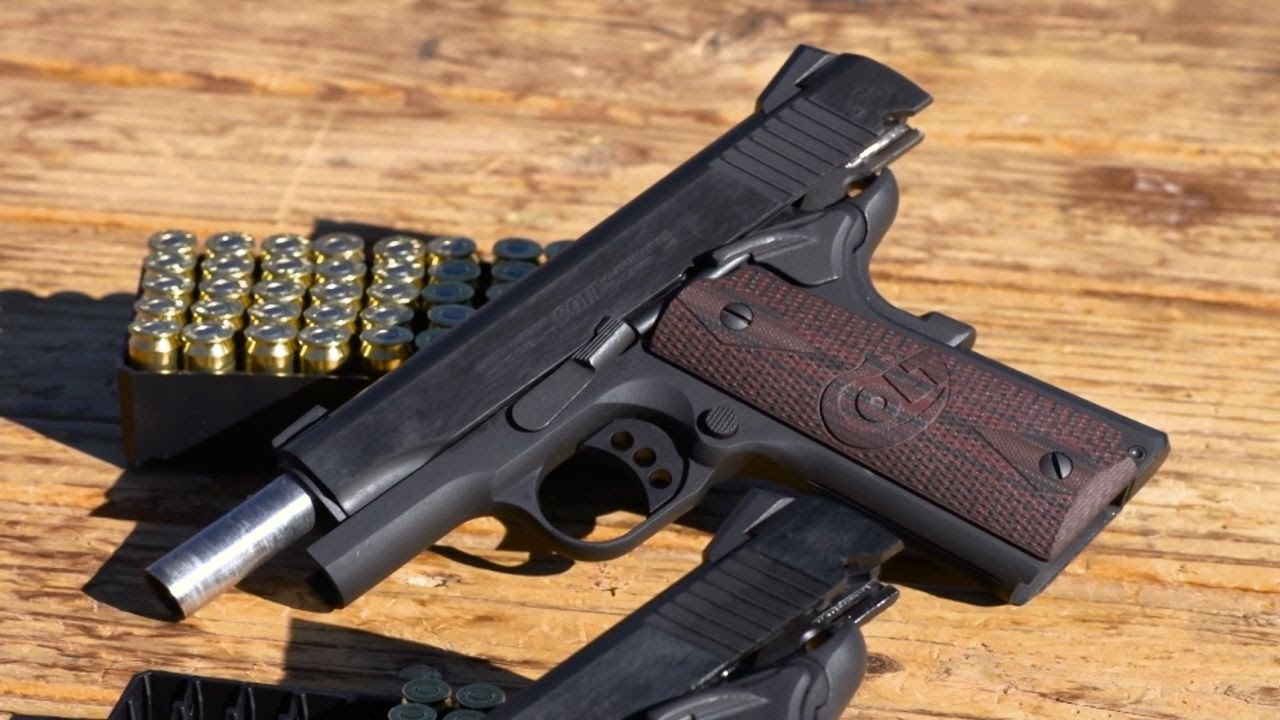
A Lightweight Commander is one of those pistols that gets carried by folks who have carried a lot of pistols. It’s thinner than double-stacks, it hides well, and it carries comfortably for a full-size fighting handgun. The 1911 manual safety isn’t everyone’s cup of tea, but for someone trained on it, it’s fast and familiar. And there’s a reason it still has a following after all these years.
The “professional” Commander is rarely bone stock. You’ll see high-visibility sights, a tuned but safe trigger, and small reliability upgrades like quality springs and proven magazines. Feed reliability matters more than brand loyalty with 1911s. Many also swap grips for something that won’t tear up cover garments while still giving traction. The 1911 can be a hobby if you let it, but a properly set up Commander can be a very practical carry gun—especially for folks who value slimness and a clean trigger.
19. Kimber K6s (2-inch)

The K6s is a modern snub-nose revolver that gives you six shots in a package that competes with the usual five-shot options. It’s smooth, it’s solid, and it feels like it was designed by someone who actually understands carry. For folks who like revolvers but want a little more capacity without going to a bigger frame, it fills a real niche.
The typical upgrades are grips and sights, and sometimes a carry-friendly hammer configuration depending on the model. The key is making it draw cleanly and shoot predictably under stress. Snubs live in pockets and ankle rigs, where lint and grime are just part of the deal, so maintenance becomes part of the routine. The K6s is not a beginner’s toy, but it’s a serious option for experienced carriers who know what a snub is and isn’t.
20. FN FNX-45 Tactical
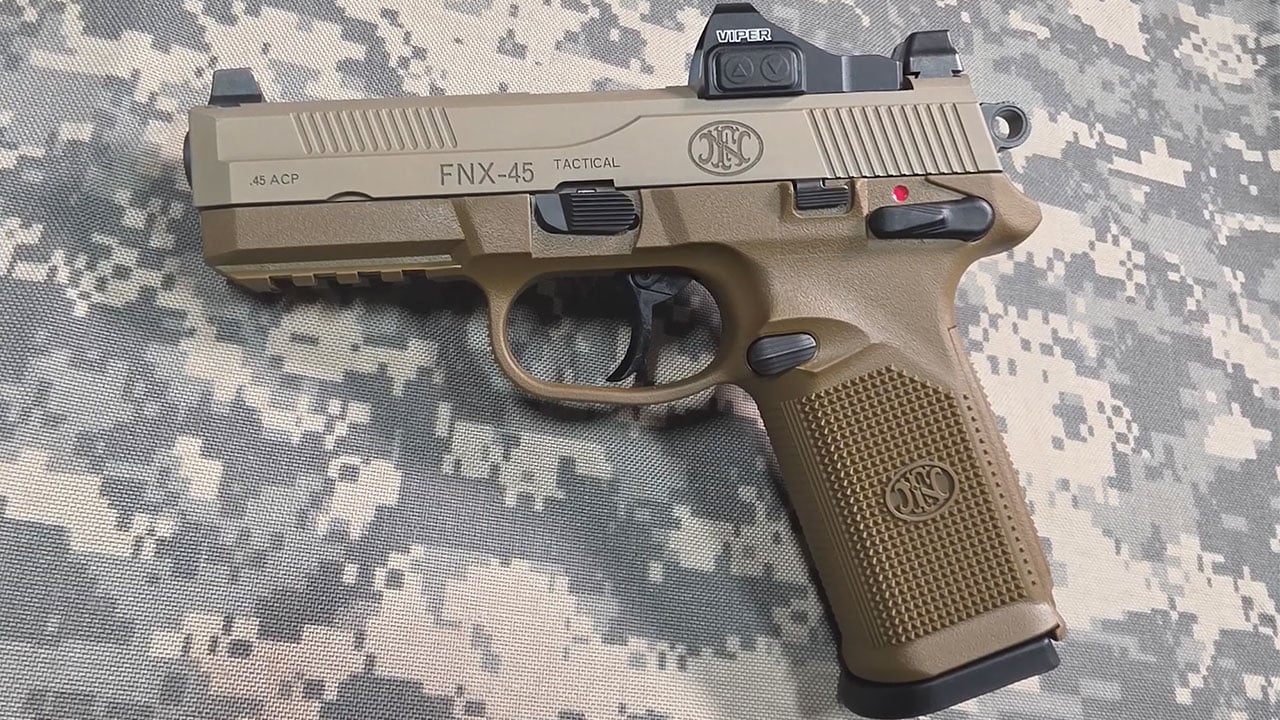
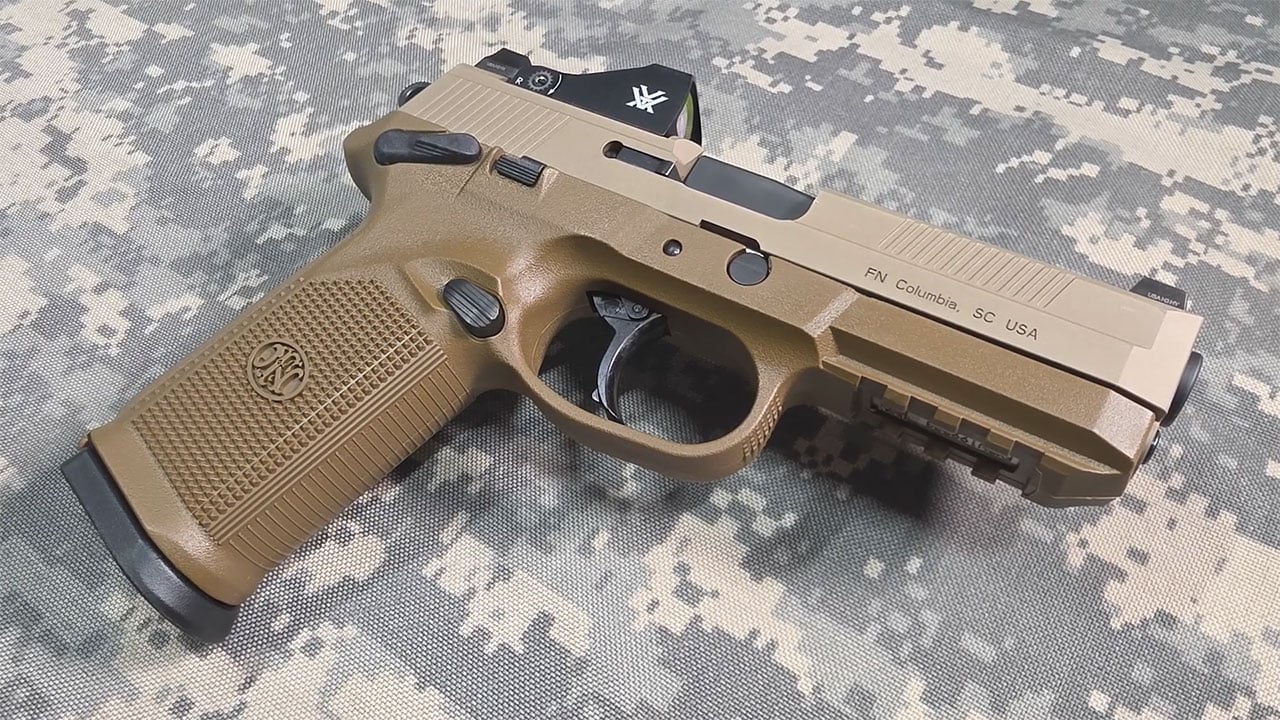
This one isn’t a “normal” concealed carry recommendation, but it shows up with professionals who want a hard-hitting handgun that also works with a light and optic, and who don’t mind the size. As a backwoods sidearm, nightstand pistol, or a dedicated duty-style setup, the FNX-45 Tactical is built for abuse. It’s big, it’s heavy, and it holds a lot of .45. If you’ve got large hands, it can feel surprisingly manageable.
The modified versions are usually about making a big gun easier to run: a preferred optic, robust suppressor-height sights for the sight picture they like, and controls that don’t snag. You’ll also see careful magazine testing because large double-stack .45 mags are not something you want to “assume” about. This is a specialized pistol, no doubt, but for the right role—especially where predators and remote property concerns are real—it’s a confidence piece.
None of these pistols are magic. The common thread is that they’re proven platforms with parts, mags, holsters, and institutional knowledge behind them. The quiet upgrades aren’t about showing off; they’re about seeing the sights in bad light, getting a consistent trigger press, and carrying the thing without it beating you up. Pick a solid model, set it up conservatively, and then do the part nobody wants to talk about: shoot it enough that you don’t have to “think” when it matters.
Like The Avid Outdoorsman’s content? Subscribe to our newsletter so you never miss an article.
Here’s more from us: