Photo credit: Tools&Targets/YouTube
Some handgun cartridges die quickly. Others linger for decades in a strange middle ground where they are technically still alive, but almost nobody is building new pistols for them and factory ammunition shows up only in limited runs. Those are often the most frustrating calibers to own because the gun itself may still be perfectly functional while the ammunition market quietly moves on.
That does not necessarily mean these cartridges were bad. Several were clever ideas, and a few delivered genuinely impressive performance. The problem is that manufacturers eventually follow demand. Once law enforcement, competition shooters, or mainstream buyers lose interest, factories have little reason to keep producing large quantities of ammunition or new pistols. The result is a cartridge that survives mostly through collectors, handloaders, and small specialty companies. These 20 pistol calibers are among the clearest examples of rounds the industry has nearly left behind.
.45 GAP
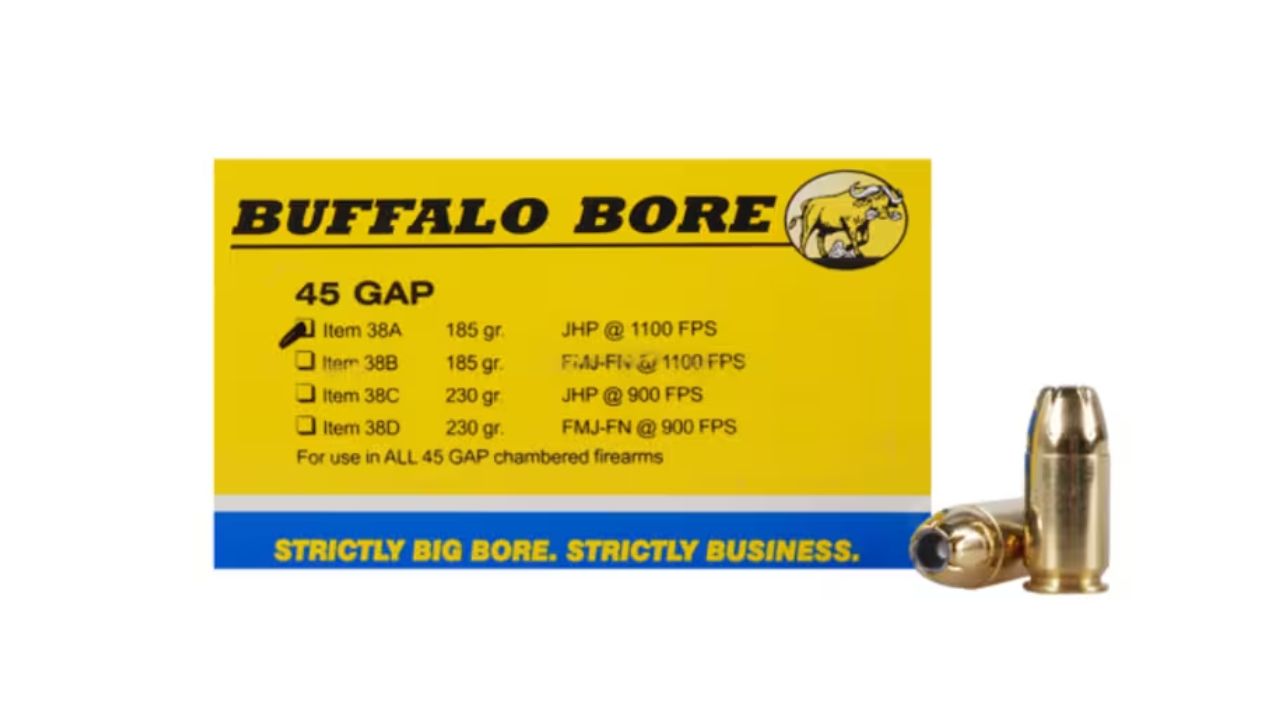
The .45 GAP was introduced to give shooters .45 ACP-like performance from a shorter cartridge that could fit into pistols with more compact grip dimensions. Glock supported it aggressively, and several law-enforcement agencies adopted it, which briefly made the cartridge look like a serious contender.
That support did not last. Improvements in pistol ergonomics made large .45 ACP frames easier to manage, while 9mm regained dominance in law enforcement. Once agencies moved away from .45 GAP, the civilian market had little reason to keep it alive. New pistol introductions essentially disappeared, and factory ammunition became increasingly limited. You can still find .45 GAP if you look hard enough, but it has gone from a heavily promoted service cartridge to something most gun shops barely acknowledge.
.41 Action Express
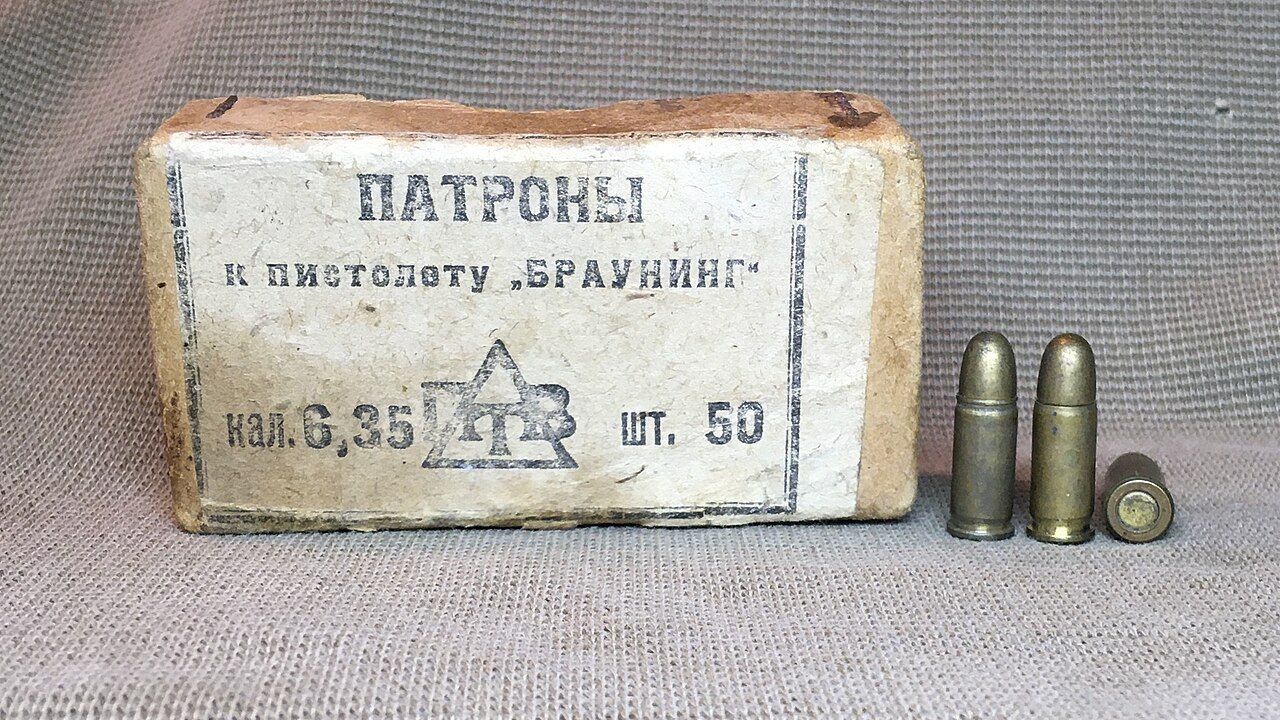
The .41 AE was one of the more interesting conversion cartridges of its era. It used a rebated rim that allowed shooters to convert some 9mm pistols to a larger .41-caliber bullet without replacing every major component.
Then .40 S&W arrived and destroyed its market almost overnight. The .40 had law-enforcement support, major ammunition companies behind it, and factory pistols from nearly every important manufacturer. There was simply no room left for .41 AE. Ammunition production shrank rapidly, new pistols disappeared, and the cartridge became almost entirely a curiosity for collectors and handloaders. It is a good example of a cartridge that was not necessarily flawed but lost a commercial fight it had virtually no chance of winning.
.356 TSW

The .356 TSW was developed around competition shooting and offered higher pressure and velocity than standard 9mm while fitting into many similarly sized pistols. For a brief period, it looked like it might carve out a serious niche among competitive shooters.
The rules and market changed before that could happen. Once its specific competition advantage disappeared, there was little reason for ordinary shooters to adopt another high-pressure 9mm-class cartridge. 9mm itself kept improving, while .357 SIG covered the high-velocity defensive niche more effectively. Factory support for .356 TSW dwindled, pistols chambered for it became uncommon, and the cartridge mostly disappeared into the world of old competition guns and specialty ammunition.
9x23mm Winchester
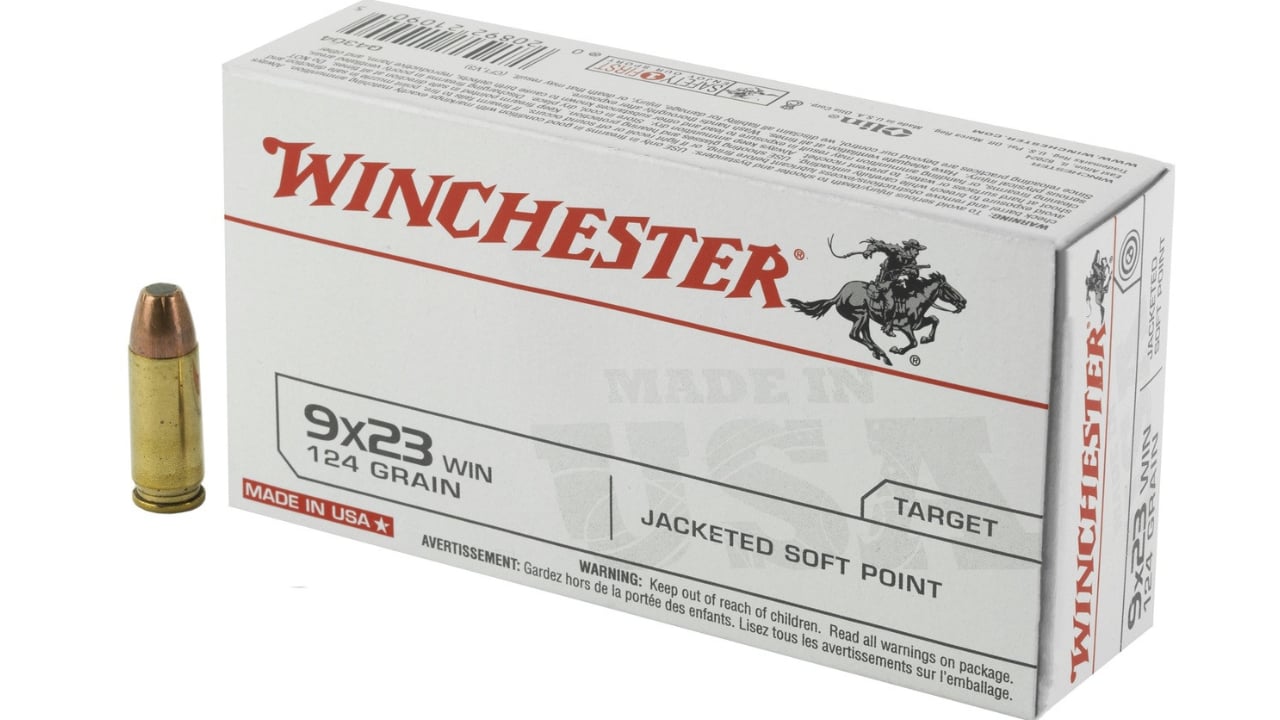
The 9×23 Winchester was an impressive cartridge. It could deliver very high velocity from a strong case while maintaining a relatively slim magazine profile, making it attractive for competition and defensive use.
Its problem was that it entered a crowded neighborhood. .38 Super already had an established competition following, 9mm was everywhere, and .357 SIG was gaining attention as a high-velocity defensive cartridge. The 9×23 never received enough pistol support to break through. Once Winchester and other major manufacturers reduced attention, the cartridge became increasingly difficult to feed. Today, it survives mainly among enthusiasts who specifically appreciate what the design can do rather than among shooters buying new pistols off the shelf.
.400 Cor-Bon
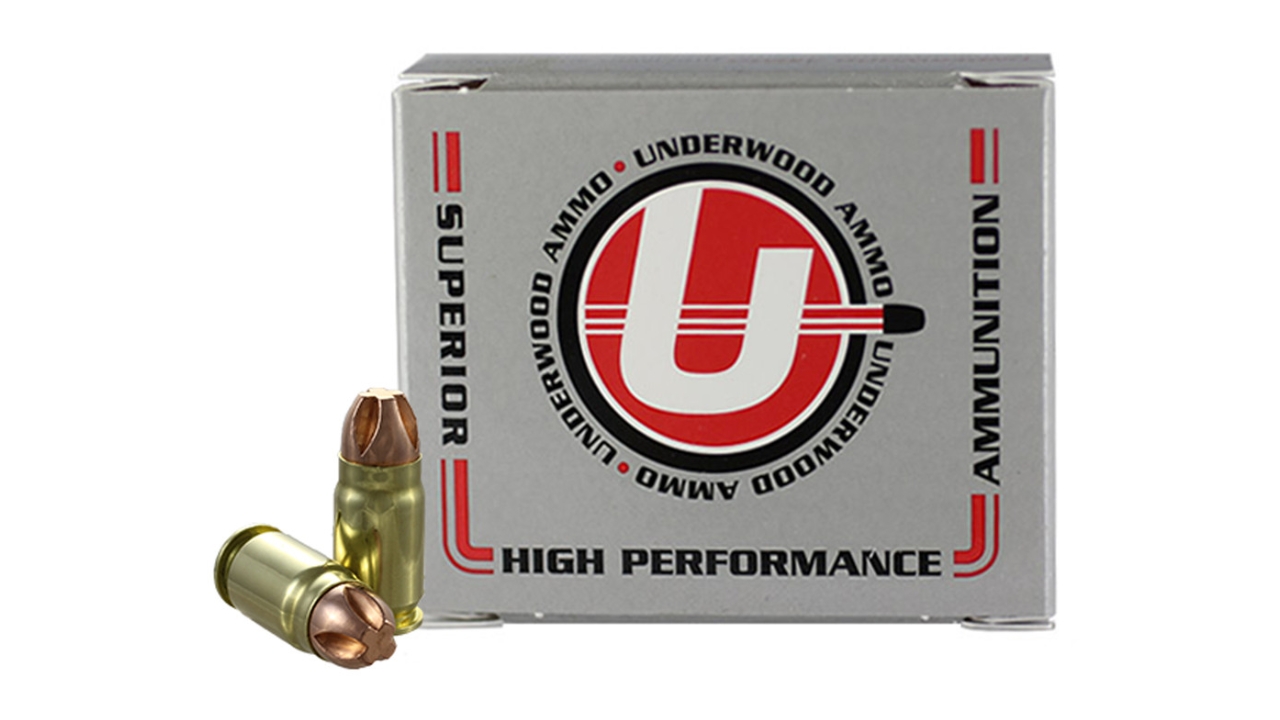
The .400 Cor-Bon was created by necking .45 ACP down to .40 caliber. The idea was to give shooters more velocity and flatter trajectory while allowing relatively straightforward barrel conversions in many .45 ACP pistols.
The cartridge worked, but the market was already packed with .40 S&W, 10mm Auto, and .357 SIG. Each of those had a clearer identity and stronger factory support. The .400 Cor-Bon ended up being a cartridge that appealed heavily to experimenters and handloaders but never generated enough demand for broad production. Factory loads became scarce, new pistols were virtually nonexistent, and the cartridge now feels more like a reminder of the conversion-barrel craze than a living mainstream caliber.
.45 Winchester Magnum
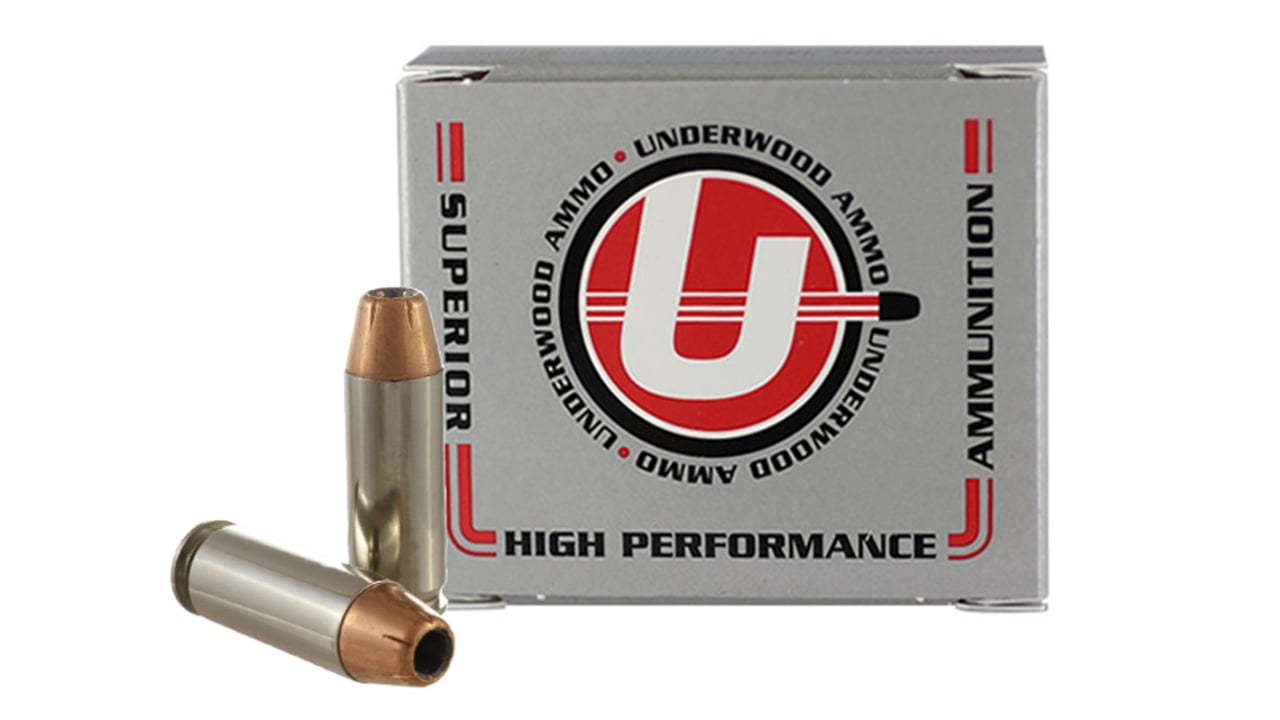
The .45 Winchester Magnum was built for enormous semiautomatic pistols and was intended to give handgun hunters serious power without moving to a revolver. Guns such as the Wildey and LAR Grizzly gave the cartridge a dramatic home.
That same specialization limited it. The pistols were huge, ammunition was expensive, and magnum revolvers already dominated serious handgun hunting. When the original platforms faded, the cartridge lost much of its reason to exist. Factory ammunition became increasingly sporadic, and almost no mainstream manufacturer had an incentive to design a new pistol around it. The .45 Win Mag still has real performance, but commercially it has been reduced to a small enthusiast and collector market.
.440 Cor-Bon
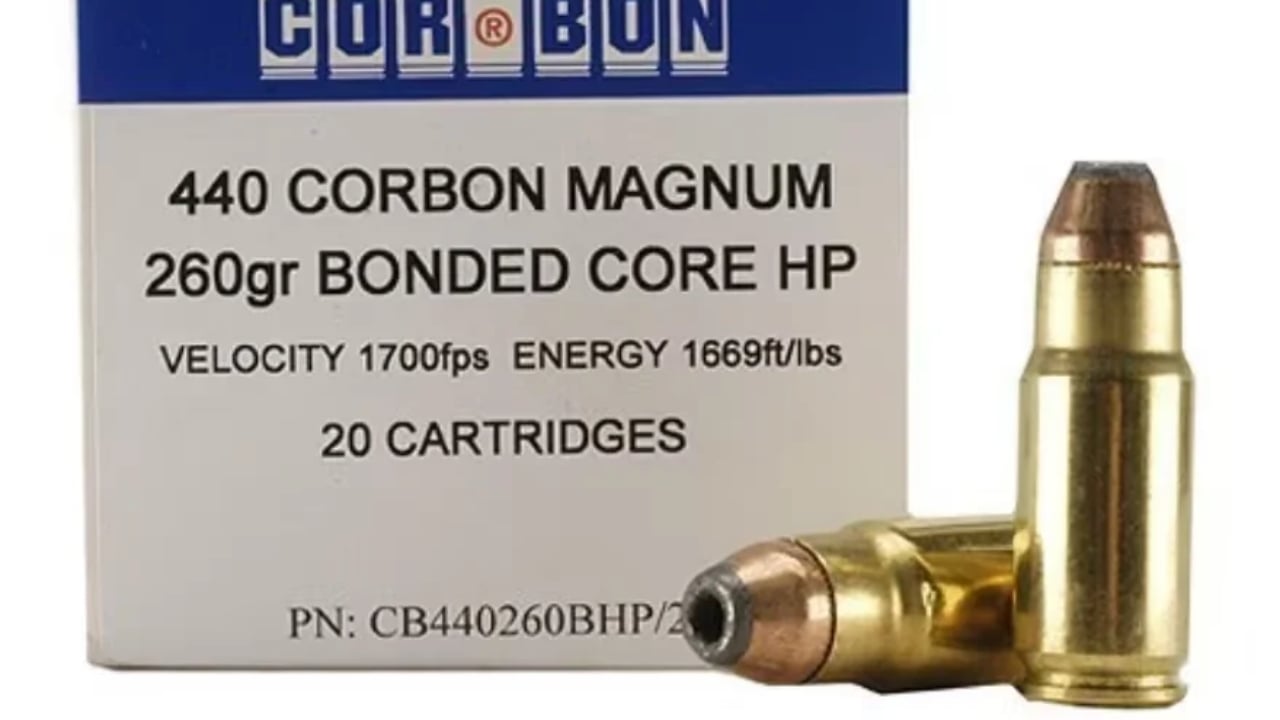
The .440 Cor-Bon was essentially a .50 Action Express case necked down to .44 caliber. It promised higher velocity, flatter trajectory, and serious hunting performance from large semiautomatic pistols.
The problem was that the people willing to buy a massive Desert Eagle-sized handgun were often perfectly happy with .50 AE or .44 Magnum. The .440 did not offer a compelling enough advantage to build a large user base of its own. Factory support faded quickly, pistols chambered for it became scarce, and ammunition production never became broad enough to bring costs down. Today, it is remembered more as an interesting technical experiment than as a cartridge manufacturers are eager to support.
.475 Wildey Magnum
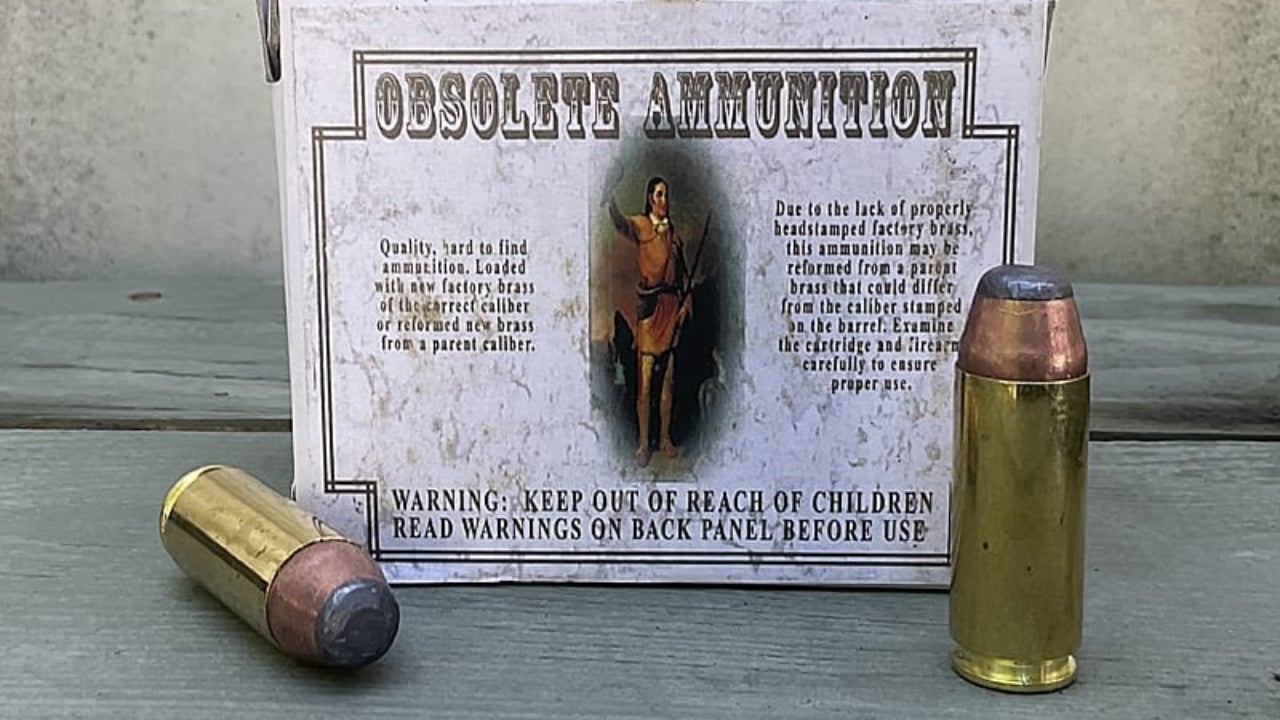
The .475 Wildey Magnum is one of the most distinctive big-bore autoloading handgun cartridges ever developed. It was built around the massive gas-operated Wildey pistol and delivered power well beyond ordinary service rounds.
That connection to one specialized platform became a serious weakness. Once Wildey production became inconsistent and ownership shifted toward collectors, the cartridge lost almost all mainstream relevance. Ammunition remained expensive and specialized, while hunters had easier access to powerful revolver cartridges and later high-performance 10mm loads. A .475 Wildey still attracts attention whenever one appears, but the cartridge is so closely tied to a niche pistol that broad manufacturer support has essentially disappeared.
.32 NAA
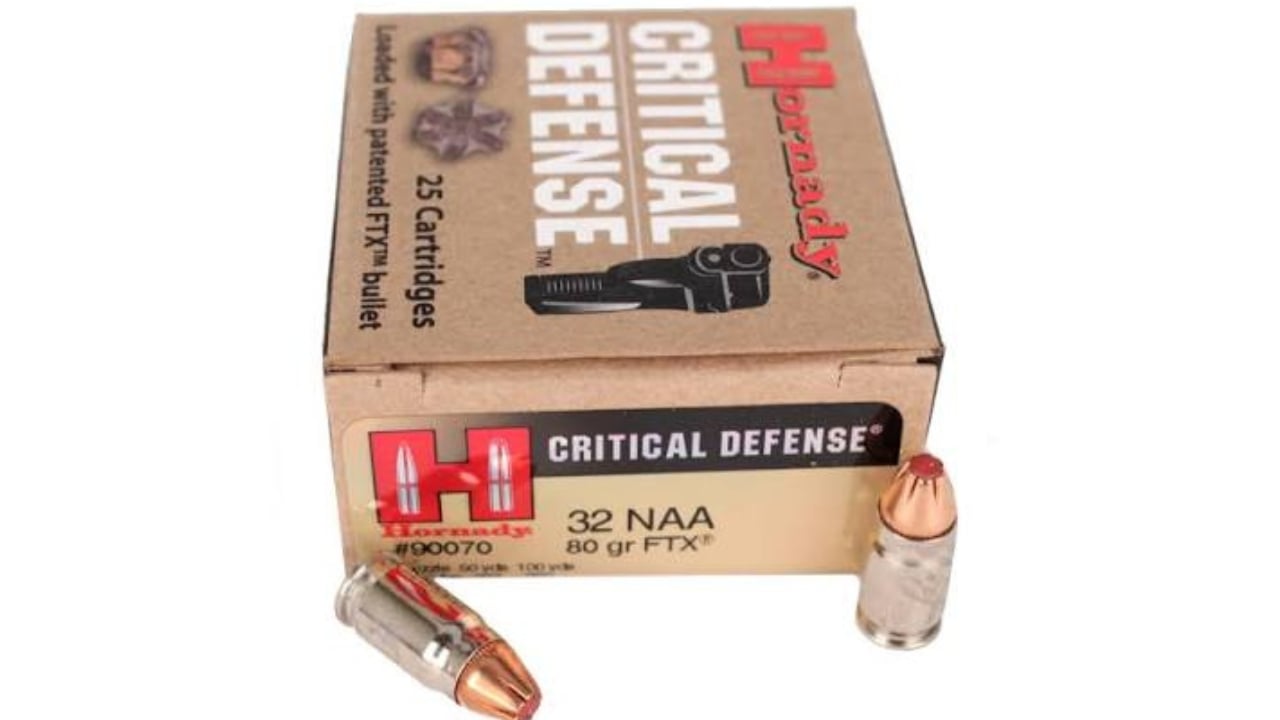
The .32 NAA was designed by necking a .380 ACP case down to .32 caliber. The idea was to increase velocity from extremely compact pistols while retaining a small overall package.
It was an interesting solution, but the market did not see enough benefit. .380 ACP improved dramatically, and micro-9mm pistols eventually became small enough to compete directly with the tiny guns that once justified cartridges like the .32 NAA. Without widespread pistol adoption, ammunition demand remained low. New chamberings became rare, factory loads were reduced to specialty offerings, and most shooters today can go years without seeing a box of .32 NAA on a store shelf.
.25 NAA
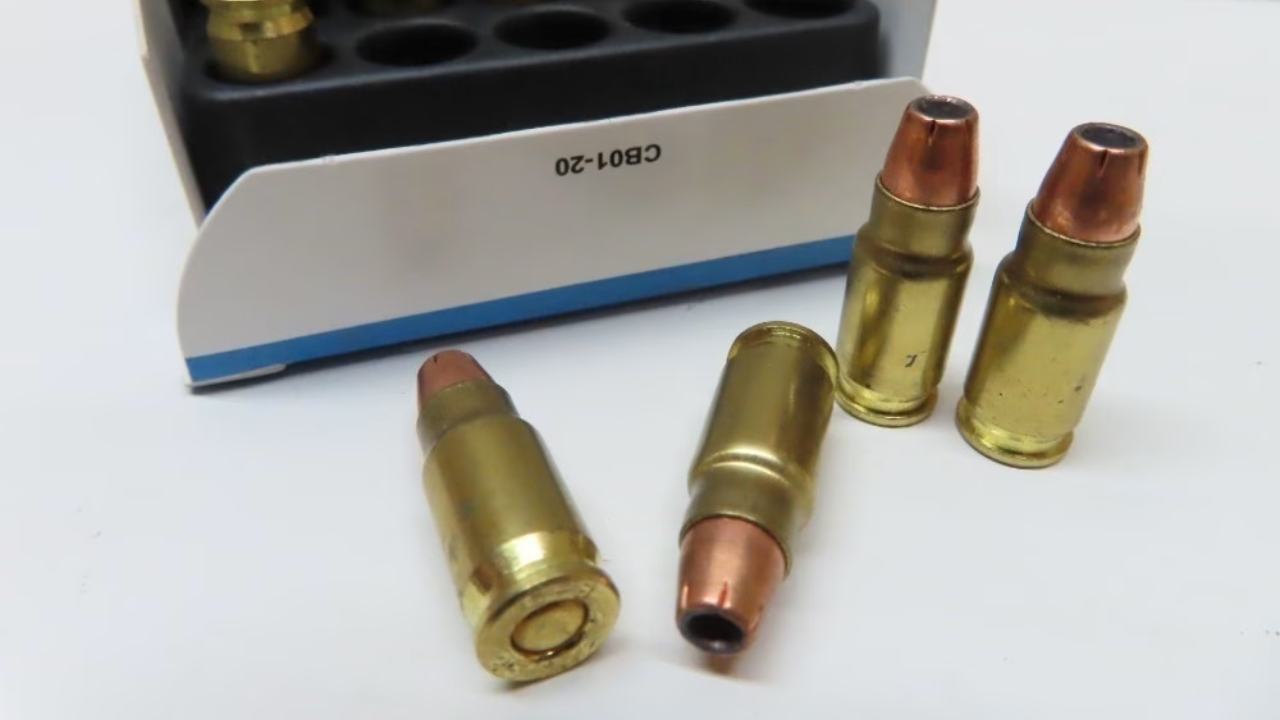
The .25 NAA pushed the same concept even further by necking a .32 ACP case down to .25 caliber. That produced impressive velocity for such a tiny bullet and gave ultra-small pocket pistols a cartridge that looked interesting on paper.
The practical advantage was too narrow to sustain a market. Shooters who wanted tiny pistols already had .25 ACP, .32 ACP, and later improved .380 choices. The .25 NAA required specialized ammunition and specific pistols without providing enough improvement to convince large numbers of buyers to switch. As those pistols faded from catalogs, ammunition production became increasingly obscure. It is still known among collectors, but manufacturers have almost completely moved on.
Free for gun owners: If something happened to you tomorrow, would your family know where the guns are, who has the safe combination, or what to do first? Our free Gun Owner’s Family Checklist walks them through it. It takes about 15 minutes to fill out. Get your free copy here.
.50 GI
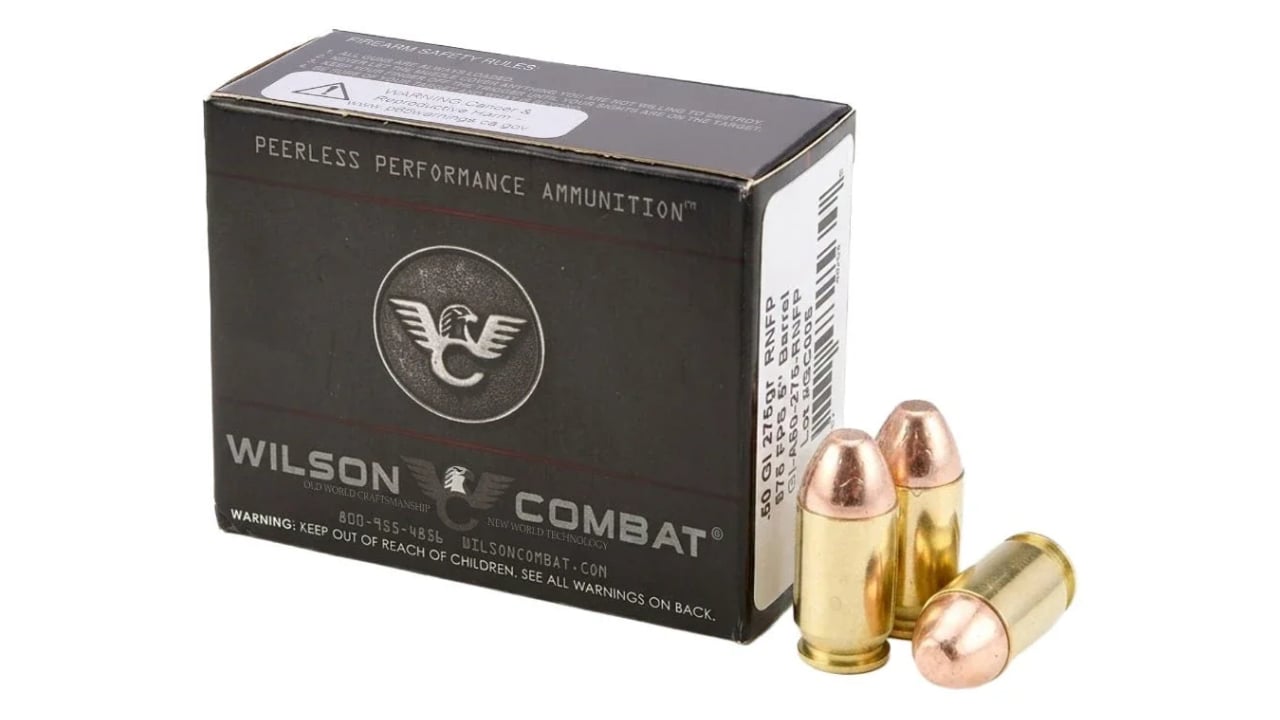
The .50 GI was created to launch a true half-inch bullet from a semiautomatic pistol without the enormous grip and extreme velocity associated with .50 AE. It gained attention because conversion kits allowed some large-frame pistols to use it.
The cartridge never became more than a specialty option. Ammunition is expensive, capacity is low, and the practical defensive advantages over .45 ACP or 10mm are difficult to justify for most shooters. The platform also remains tied to a very small number of manufacturers and conversions. .50 GI is not completely dead, but mainstream pistol makers have shown almost no interest in adopting it. Its survival depends much more on a small enthusiast base than on broad industry support.
.224 BOZ
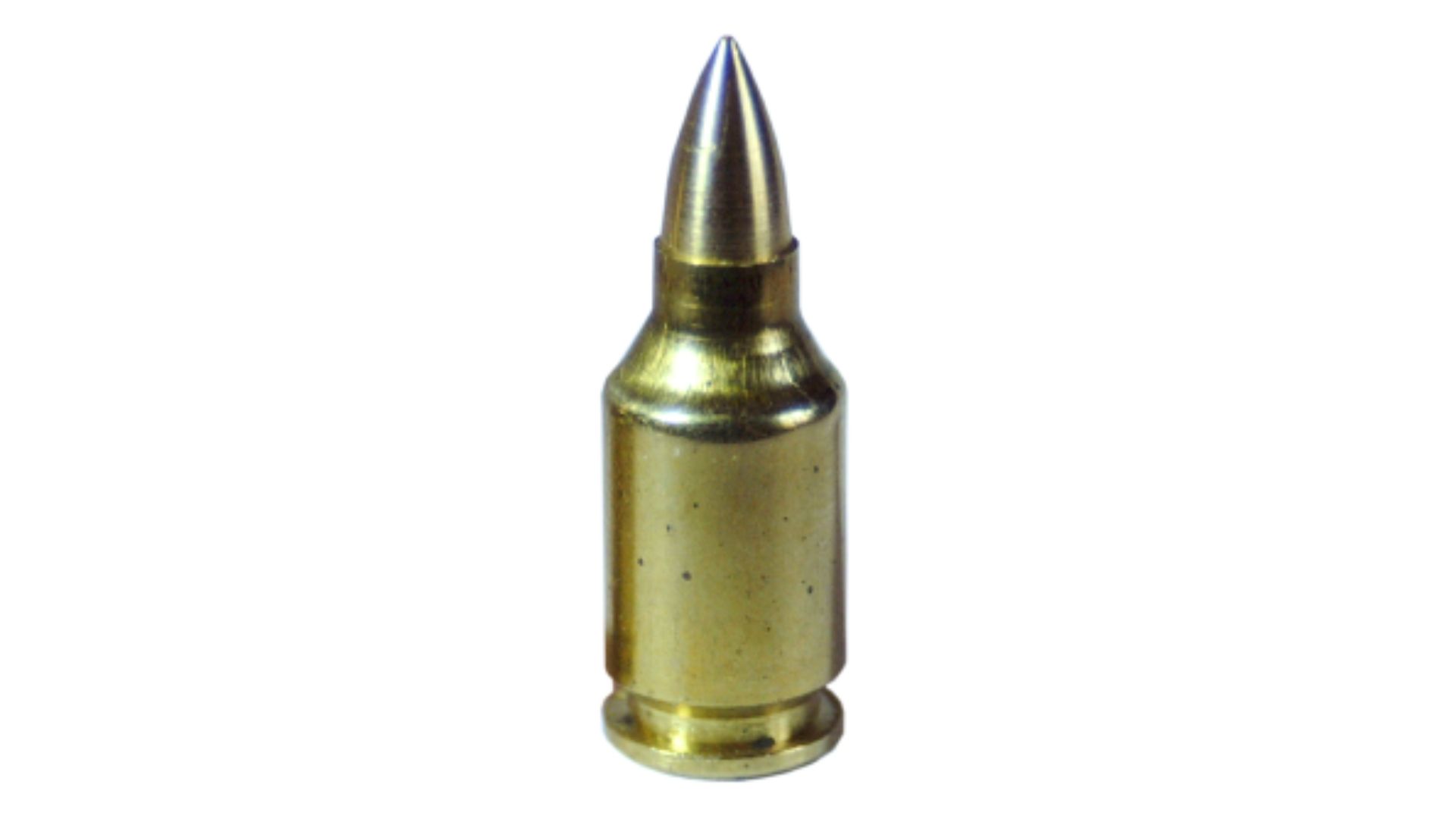
The .224 BOZ was designed as a high-velocity bottleneck handgun cartridge that could push small bullets at speeds approaching compact-carbine territory. It was intended for specialized military and law-enforcement applications where armor penetration and flat trajectory were attractive.
It never became a mainstream commercial cartridge. Civilian pistol availability was almost nonexistent, factory ammunition support was minimal, and other small-caliber high-velocity cartridges gained far more attention. The concept was technically fascinating, but without a broad market or major pistol platform behind it, there was no reason for manufacturers to keep investing. Today, the .224 BOZ is more likely to appear in discussions of unusual cartridges than in an ammunition catalog.
.44 Auto Mag
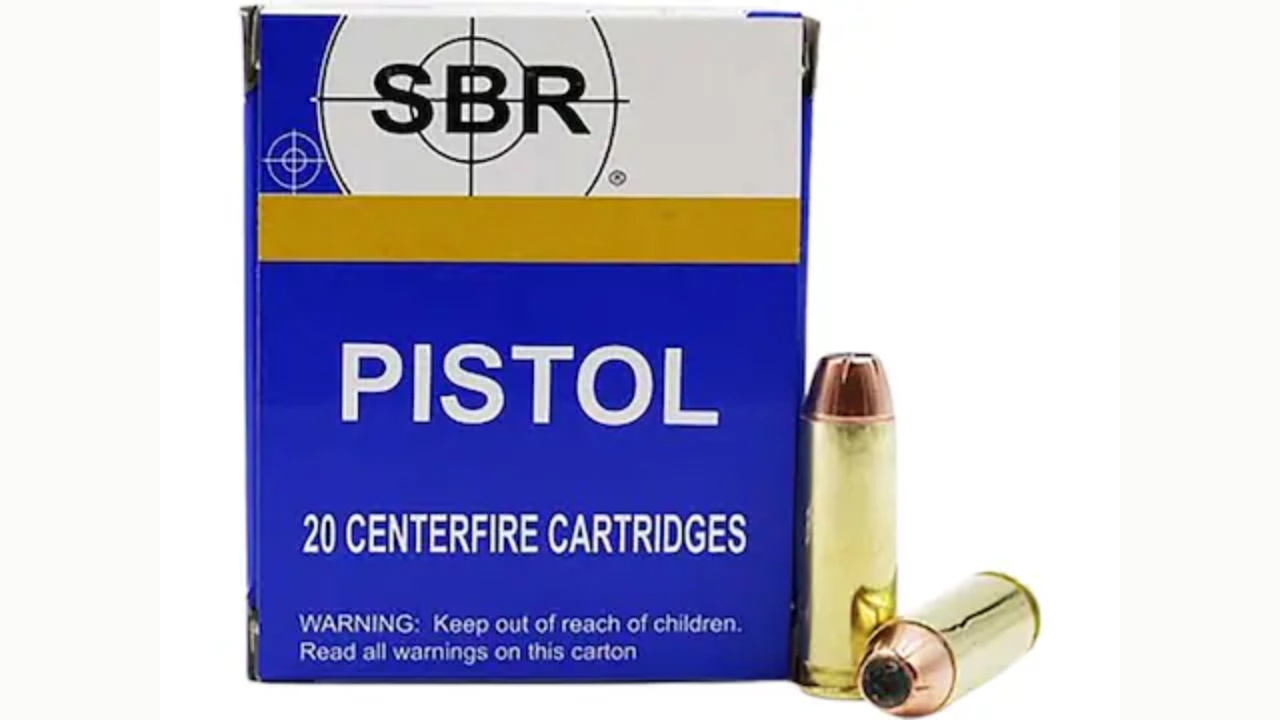
The .44 Auto Mag was created to give semiautomatic shooters magnum-level performance that could compete with powerful revolvers. The original Auto Mag pistol became legendary for its appearance and engineering.
The cartridge’s economics were never easy. Ammunition was expensive, brass could be difficult to source, and the pistols themselves went through repeated production problems and ownership changes. That prevented the caliber from building the stable user base needed for consistent factory support. Even when renewed interest in Auto Mag pistols appears, the cartridge remains a specialty proposition. Compared with .44 Magnum revolvers, it requires far more effort to keep fed, which has kept mainstream ammunition makers at a distance.
.30 Luger
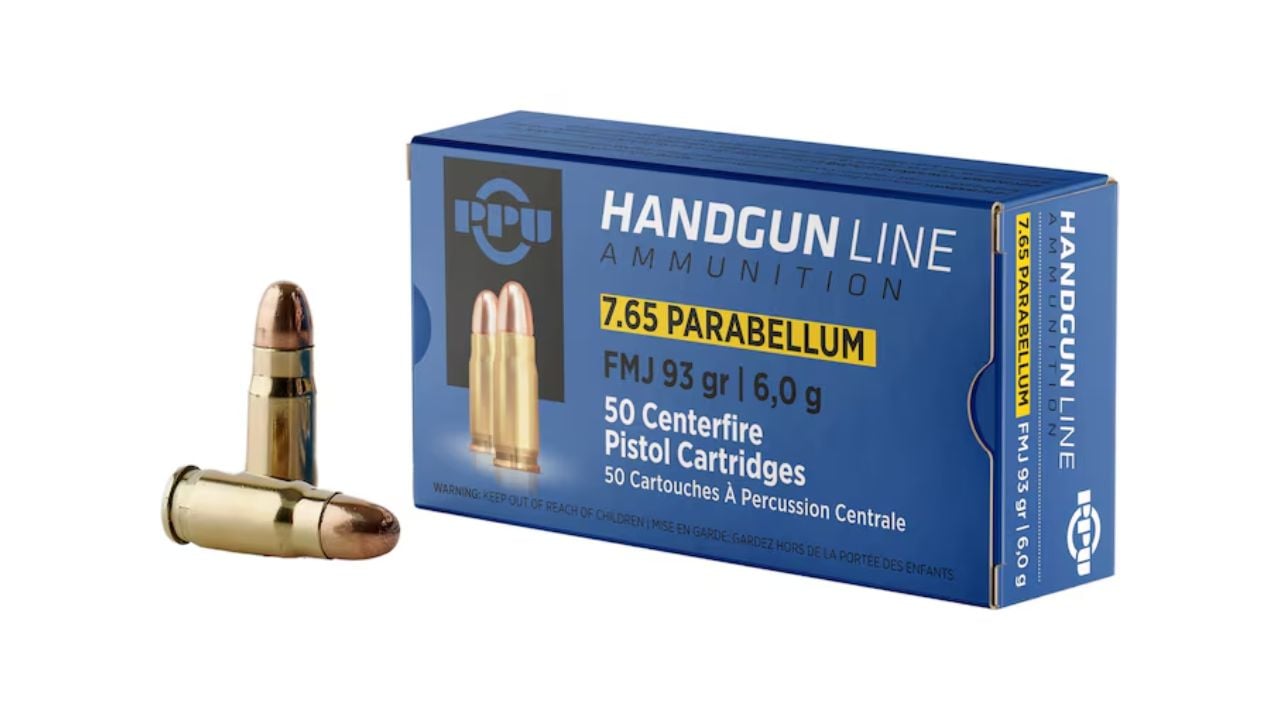
The .30 Luger, also known as 7.65x21mm Parabellum, was once an important European military and commercial pistol cartridge. It predates 9mm Luger and helped establish the basic pistol design that would later dominate much of the world.
Its place in the modern market has almost vanished. 9mm offers larger bullets, more energy, cheaper ammunition, and an overwhelming selection of pistols. There is little reason for manufacturers to build new .30 Luger handguns when the 9mm version of the same basic concept sells vastly better. Ammunition still appears in limited production because old pistols remain in circulation, but the cartridge survives mostly because collectors need something to shoot through vintage guns.
.30 Mauser
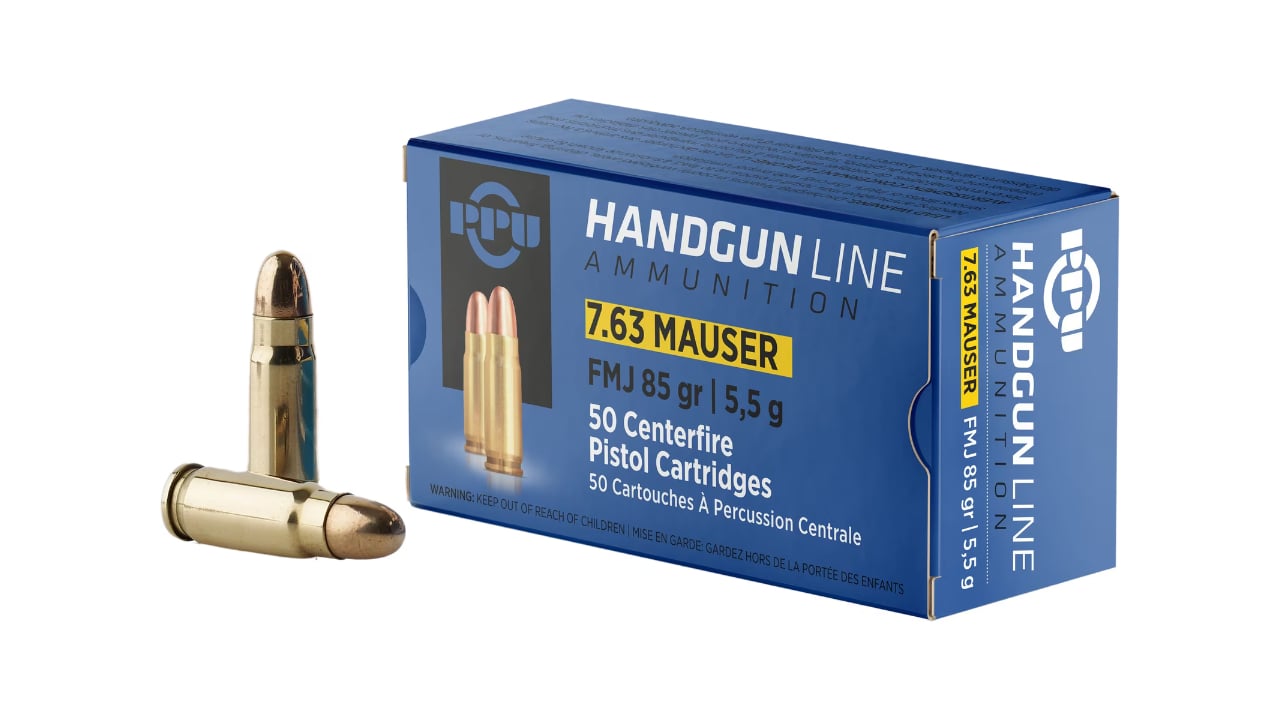
The .30 Mauser, or 7.63x25mm Mauser, became famous through pistols such as the Mauser C96. It was a high-velocity cartridge for its era and had a major influence on later bottleneck handgun rounds.
Modern manufacturers have virtually no incentive to support it beyond occasional specialty ammunition. The original pistols are collectibles, and very few new firearms are chambered for the round. Shooters interested in similar ballistic performance historically had access to 7.62×25 Tokarev, while modern buyers have countless better-supported options. The .30 Mauser remains historically significant, but as a living commercial pistol caliber it is hanging on almost entirely because old guns still exist.
7.65mm French Longue
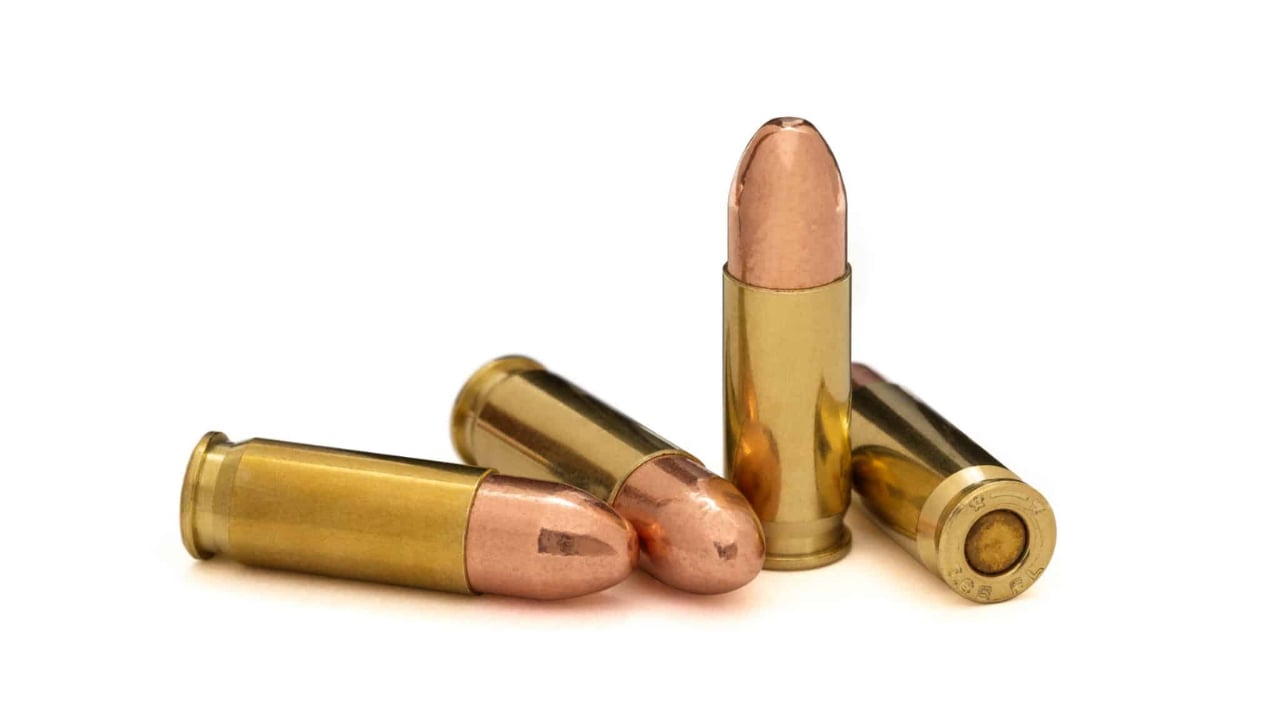
The 7.65mm French Longue served in French military pistols and submachine guns, but it never developed a significant civilian market outside surplus collectors.
Once those military firearms became historical pieces, ammunition demand collapsed. Modern pistol manufacturers have no reason to chamber new guns for it, and major ammunition makers rarely treat it as anything more than an obscure legacy caliber. Owners often rely on specialty production, reformed brass, or handloading knowledge to keep old pistols functional. The caliber is not completely forgotten, but its commercial life is essentially tied to preserving historical firearms rather than supporting any modern shooting role.
9mm Largo
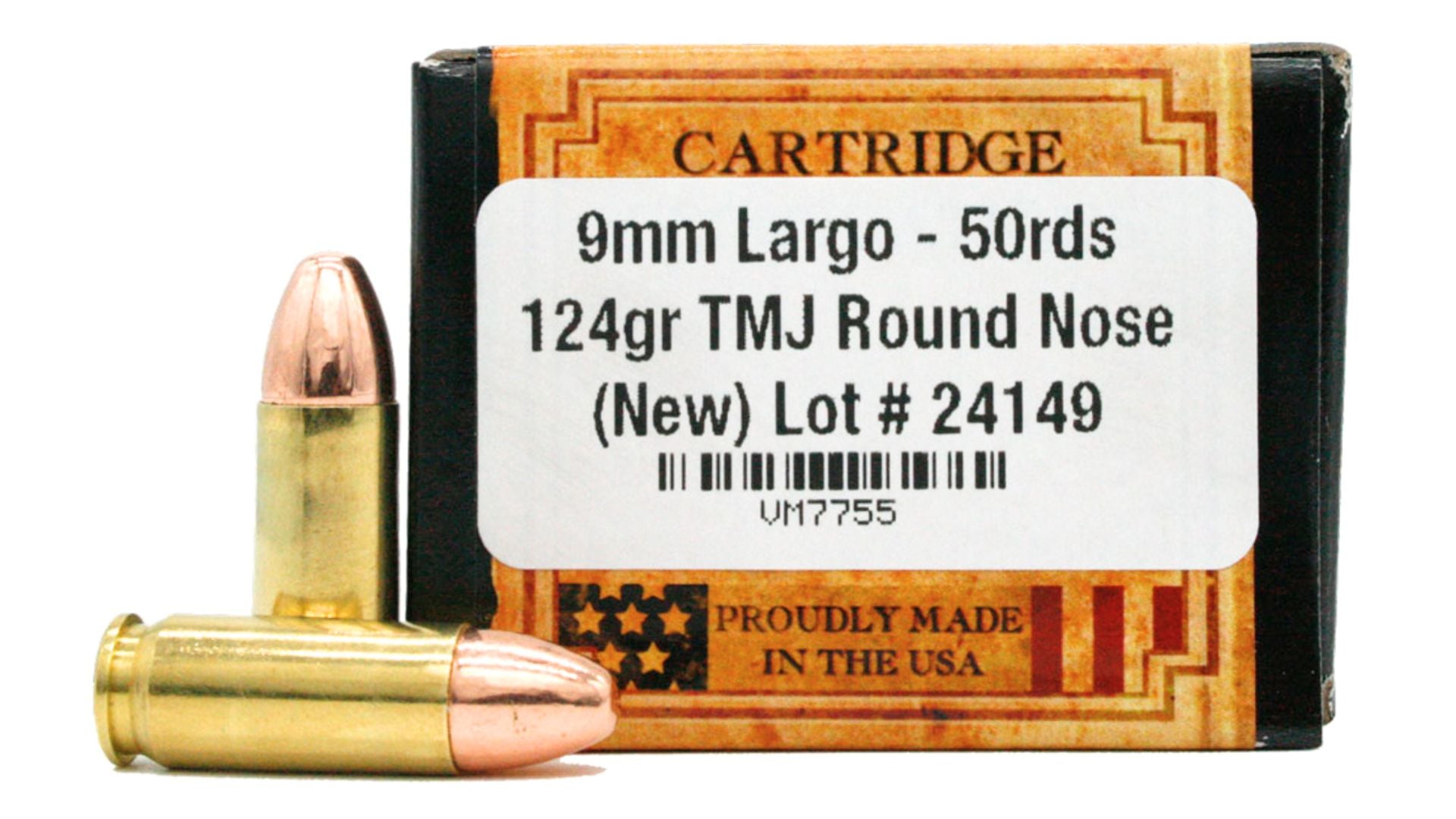
The 9mm Largo had a long service history in Spain and appeared in several military and police pistols. It offers more case capacity than standard 9mm Luger and was once a significant service cartridge.
Its problem is that 9mm Luger eventually became the global standard. Once surplus Spanish pistols stopped flowing into the market in large numbers, demand for 9mm Largo ammunition shrank sharply. New pistols are virtually nonexistent, and mainstream factories have little reason to devote production capacity to a cartridge with such a small installed base. The round survives mainly because collectors still own Star, Astra, and other older Spanish pistols chambered for it.
.38 ACP
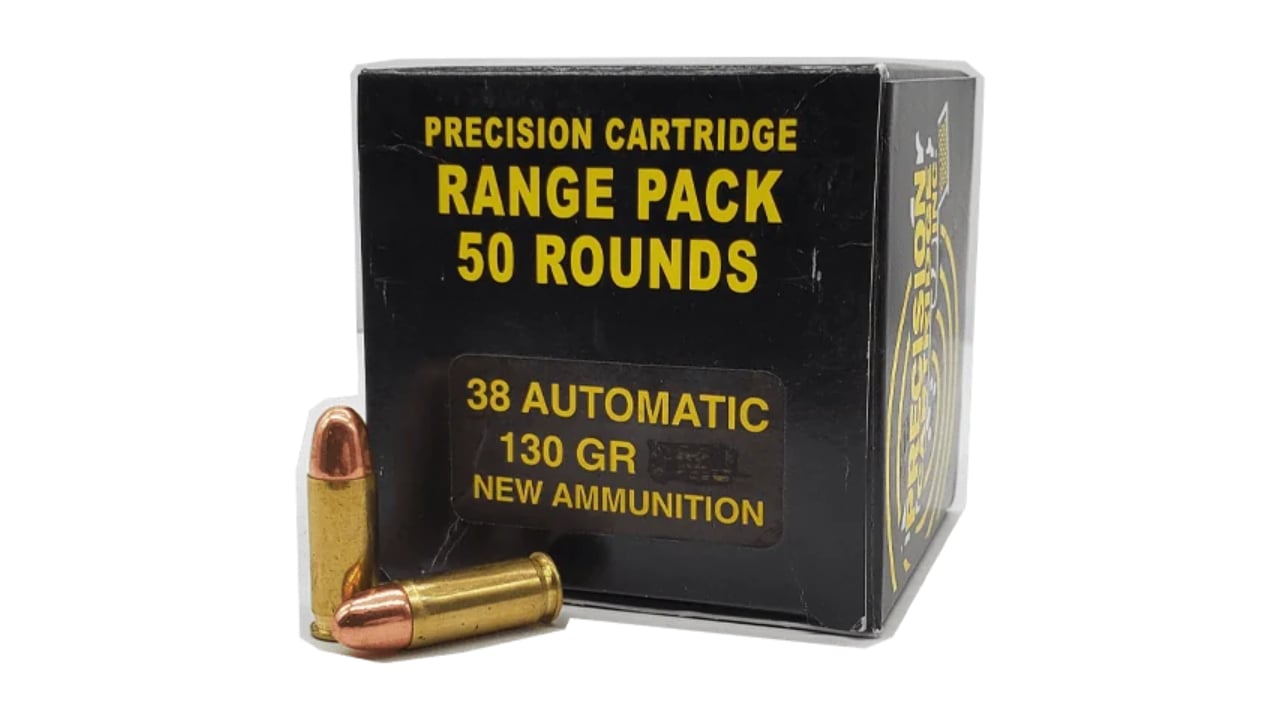
The .38 ACP predates .38 Super and was used in early Colt automatic pistols. It has similar dimensions to .38 Super but operates at significantly lower pressure.
That dimensional similarity creates another problem because shooters must be careful not to confuse the two cartridges in older pistols. Modern manufacturers overwhelmingly support .38 Super instead, which offers far more performance and a larger competition following. There is almost no reason to produce a new pistol specifically for .38 ACP. Factory ammunition exists only because antique guns still need safe, lower-pressure loads. In practical market terms, the caliber has been abandoned to collectors.
.455 Webley Auto
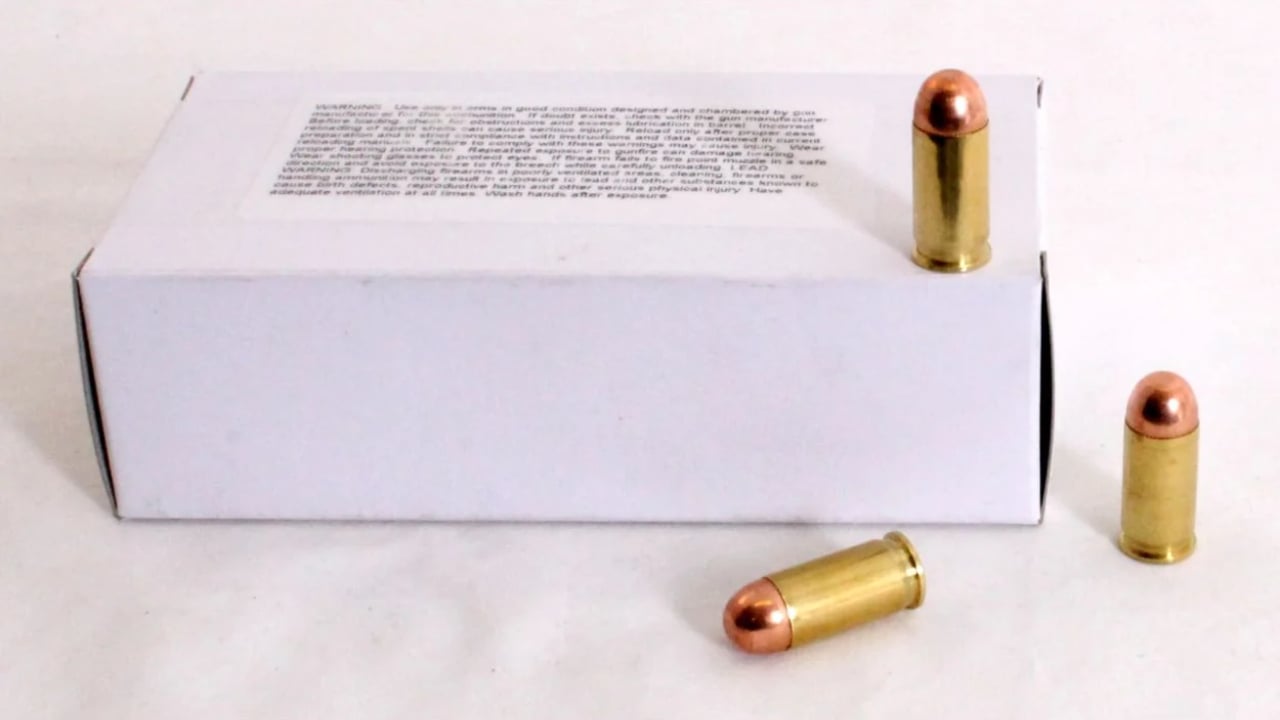
The .455 Webley Auto was developed for early British semiautomatic service pistols and is closely associated with designs such as the Webley & Scott self-loading pistols.
Its military life ended long ago, and the civilian market was never large enough to sustain modern production. Original pistols are collector pieces, and ammunition is so uncommon that many owners rarely fire them. Unlike .455 Webley revolver ammunition, the automatic cartridge occupies an even smaller niche with virtually no modern firearm support. Manufacturers have little economic incentive to keep it alive beyond occasional specialty runs for historical shooters.
9mm Steyr
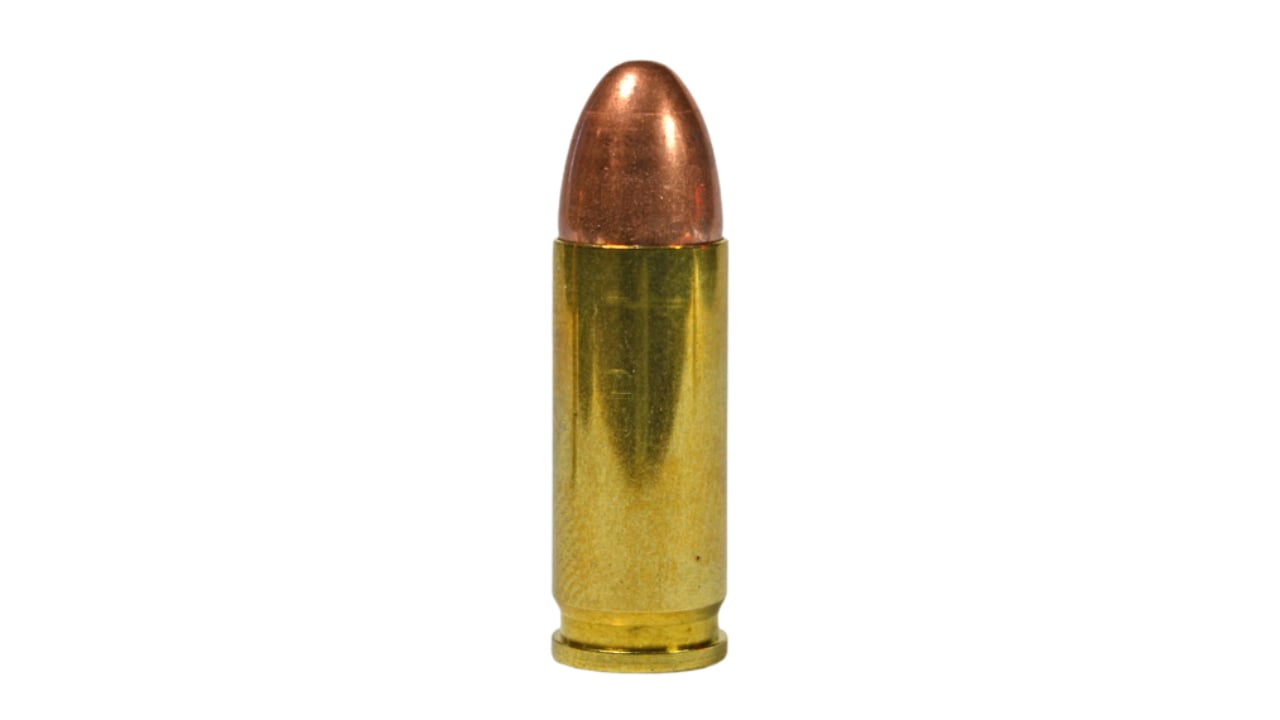
The 9mm Steyr was developed for early 20th-century Steyr pistols and served in several European military and police roles. It was a serious service cartridge in its time, but that time passed decades ago.
Modern 9mm Luger completely eclipsed it. The two are not interchangeable, and almost no new pistol manufacturer is going to design around an obsolete cartridge when standard 9mm already dominates the world. Ammunition production now exists almost entirely to support surviving Steyr M1912 pistols and other historical firearms. When you do find factory ammunition, it is often expensive enough that owners hesitate to shoot much of it. That is about as close to manufacturer abandonment as a cartridge can get without disappearing altogether.
Like The Avid Outdoorsman’s content? Subscribe to our newsletter so you never miss an article.
Here’s more from us: