Photo credit: Tactical Hyve/YouTube
Compact 9mm pistols have reached the point where you really do not have to give up much anymore. The best current guns hold plenty of ammunition, accept red dots, offer good triggers, and shoot closely enough to their full-size counterparts that many owners never feel a need to move up to a larger handgun. The trick is finding the models that actually balance those advantages without becoming too big to carry comfortably.
For this list, I am looking for more than the smallest measurements. A good compact should give you enough grip for real recoil control, enough barrel and slide to shoot comfortably, and enough reliability to trust beyond the range. Some of these are straightforward duty-style pistols, while others use compensators, metal frames, or premium triggers to push performance further. These 20 are the compact 9mms I would put at the top of the current market.
Walther PDP Compact 4-Inch
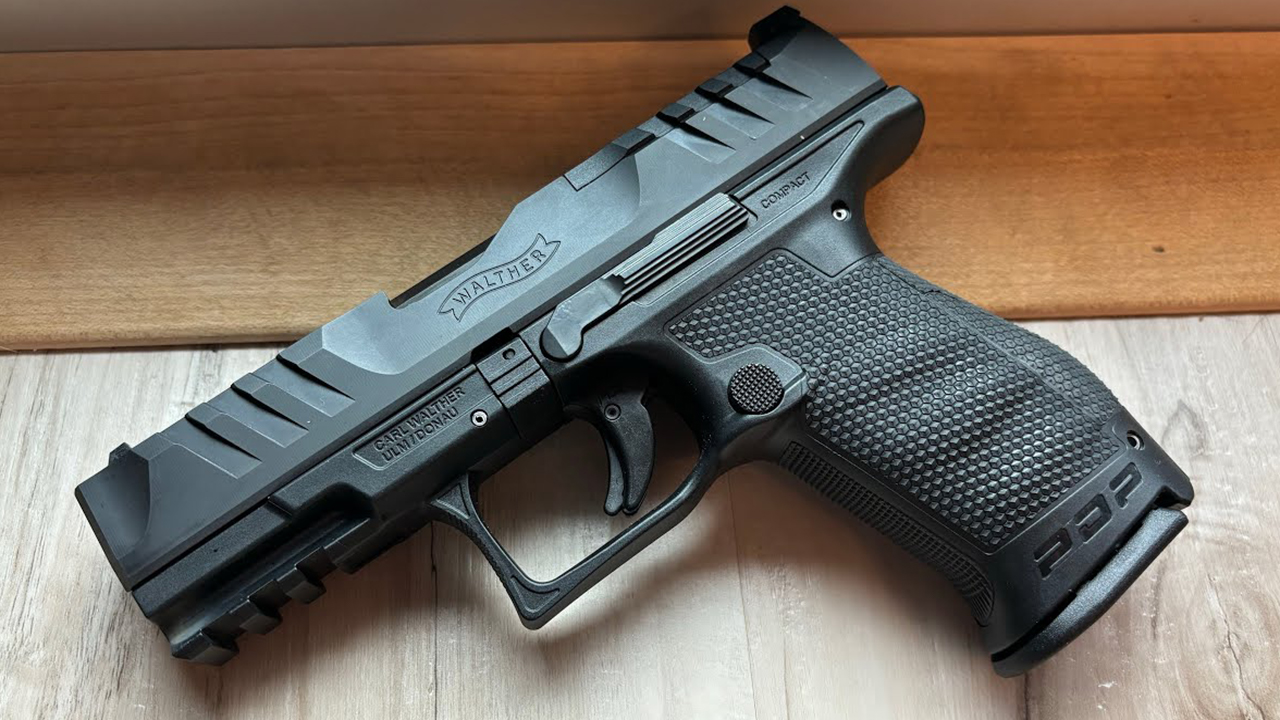
The PDP Compact gets one of the most important things right immediately: it is exceptionally easy to shoot well. Walther’s grip shape gives your hands plenty of leverage, the texture actually holds during rapid strings, and the factory trigger remains one of the strongest reasons to choose the pistol. The 4-inch configuration also hits a useful size where you get enough slide to control without carrying a full-size gun.
It is not the thinnest compact here, and the relatively high slide gives it a little more movement under recoil than some low-bore-axis competitors. That is the main tradeoff. Everything else is difficult to criticize. The controls are easy to manipulate, the slide serrations are excellent, and the optics-ready setup makes it easy to configure as a modern carry gun. If somebody wanted one compact 9mm for range use, home defense, and concealed carry, the PDP Compact would be very high on my list.
Glock 19 Gen 6
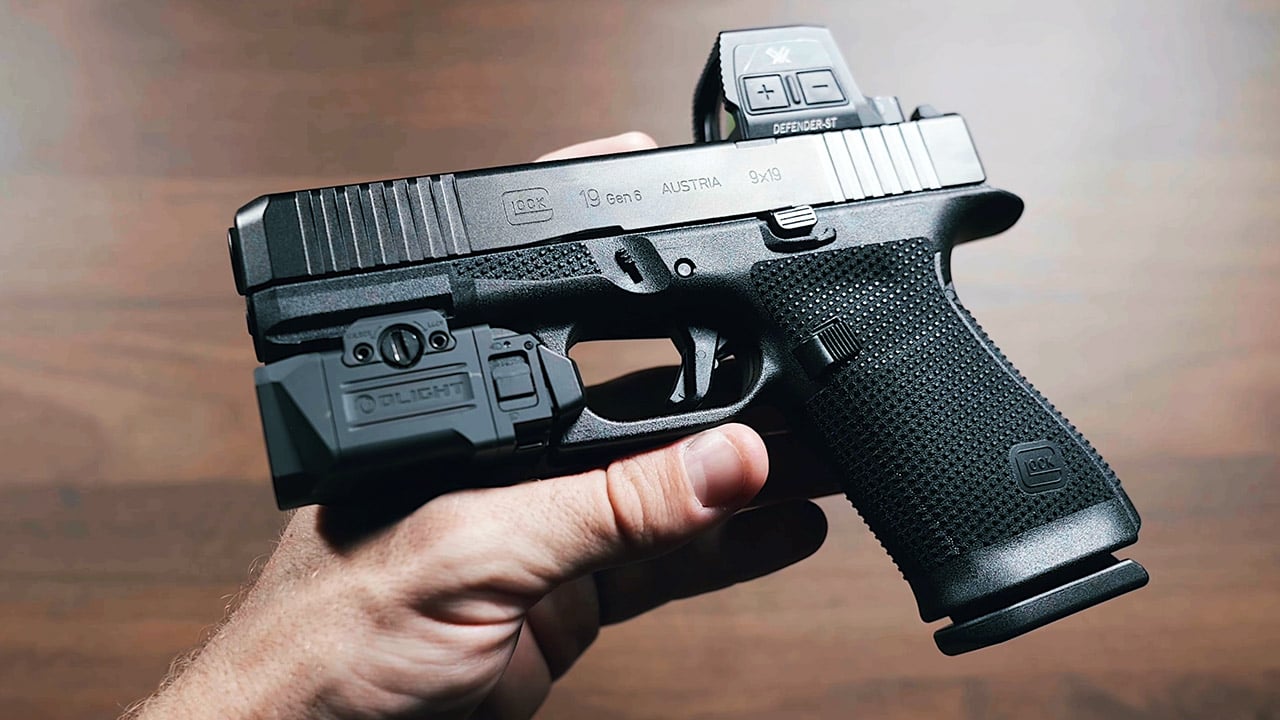
The Glock 19 has spent decades being the default compact 9mm, but the Gen 6 version matters because it finally addresses several things shooters had simply tolerated on earlier guns. The grip has been reshaped, the trigger guard area is more comfortable, and the overall ergonomics feel less blocky. You still get the basic dimensions that made the 19 so useful in the first place.
What keeps it near the top is everything surrounding the pistol. Magazines are easy to find, holster support is enormous, replacement parts are everywhere, and the basic operating system remains easy to maintain. The trigger still is not the reason to buy one, and several rivals feel better straight from the box. The Glock’s advantage is that almost nothing about ownership becomes difficult. If you want a compact that can become a carry gun, range gun, training pistol, or general-purpose defensive handgun without much thought, the 19 remains one of the safest choices.
Smith & Wesson Performance Center M&P9 M2.0 Compact Carry Comp
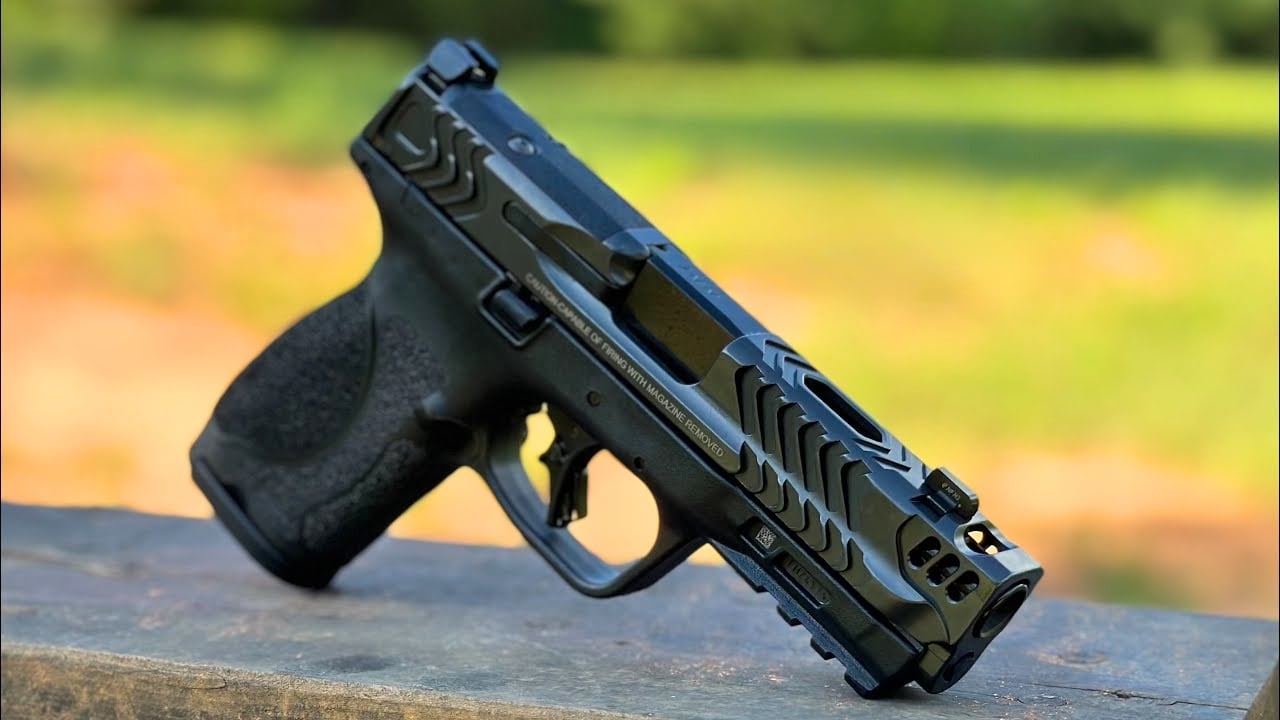
The Compact Carry Comp takes an already excellent M&P compact and makes it noticeably easier to control without turning it into an oversized competition pistol. The compensated slide takes some of the edge off muzzle rise, while the aluminum-framed feel is not required to get good results because the grip texture does so much of the work.
Smith & Wesson also improved the M&P trigger considerably over the early generations, so you are no longer buying the pistol with the assumption that the trigger needs immediate replacement. The interchangeable palm swells are especially useful if your hands fall outside the average range. It is a little more expensive than a standard M&P Compact, but this is one of the rare upgraded factory versions where the extra money actually changes the shooting experience. For someone who wants a flatter-shooting compact without carrying a giant ported race gun, the Carry Comp makes a very strong argument.
Springfield Armory Echelon 4.0C Comp

The compact Echelon already gives you one of the better modular striker-fired platforms, and the compensated version makes the package even more attractive. The grip is shaped well enough to give you solid support-hand contact, while the internal chassis system allows the gun to be configured without being permanently married to one grip shell.
The compensation is what separates this version from the ordinary compact crowd. You get noticeably better muzzle control without adding a screw-on compensator or a long threaded barrel. Springfield also did a good job with the optic mounting system, which lets the pistol work with a wide variety of popular dots without stacking unnecessary height on top of the slide. The 4.0C Comp is not the lightest or cheapest compact 9mm available, but it feels like a current-generation design rather than an older pistol that has simply been updated with an optics cut.
Staccato HD C3.6

The HD C3.6 brings Staccato-style shooting performance into a genuinely compact pistol while moving the company toward a more duty-oriented design. The single-action trigger is obviously a major part of the appeal, but the way the gun tracks under recoil is just as important. It gives you the fast follow-up shots people expect from a 2011-style pistol without requiring the dimensions of a full-size competition gun.
The downside is easy to identify: it costs a lot. You can buy several perfectly dependable compact 9mms for the price of one C3.6. What you are paying for is the combination of trigger quality, barrel fit, controllability, and overall refinement. It also uses a more practical magazine approach than older premium double-stack 1911-style pistols, which improves its usefulness beyond pure range work. If price is secondary and you want a compact that feels clearly better under live fire than the average polymer gun, this is one of the strongest premium options.
CZ Shadow 2 Compact

The Shadow 2 Compact is what happens when CZ takes the basic shooting qualities that made the full-size Shadow 2 famous and trims the package enough to make carry realistic. You still get a metal frame, excellent grip geometry, and a low slide profile that helps the pistol stay settled when firing quickly.
The trigger is another major advantage. In single action, it gives you a level of precision that most striker-fired compacts cannot match. The tradeoff is that this is heavier than the typical polymer carry pistol, and its manual of arms requires more attention than grabbing a striker gun and heading out the door. For shooters comfortable with DA/SA pistols, though, that is not much of a complaint. The extra weight is exactly what makes it so pleasant to shoot. If you value range performance almost as much as concealability, the Shadow 2 Compact is difficult to beat.
Beretta PX4 Compact Carry 2

The PX4 Compact Carry 2 looks almost understated compared with newer pistols covered in ports and aggressive slide cuts, but its rotating-barrel action still gives it one of the more pleasant recoil impulses in the compact category. Instead of feeling snappy, the gun tends to move smoothly and return to target with surprisingly little effort.
The Compact Carry treatment also addresses several weaknesses of the ordinary PX4. The controls and trigger are better suited to serious use, and the pistol feels far more refined than the older stock versions many shooters remember. It is fairly thick, so somebody chasing the thinnest possible carry setup will probably look elsewhere. For a shooter who prefers hammer-fired guns, however, the PX4 offers something most current compacts do not. It combines DA/SA operation with genuinely good recoil control in a gun that remains small enough for everyday carry.
FN 509 Midsize Tactical
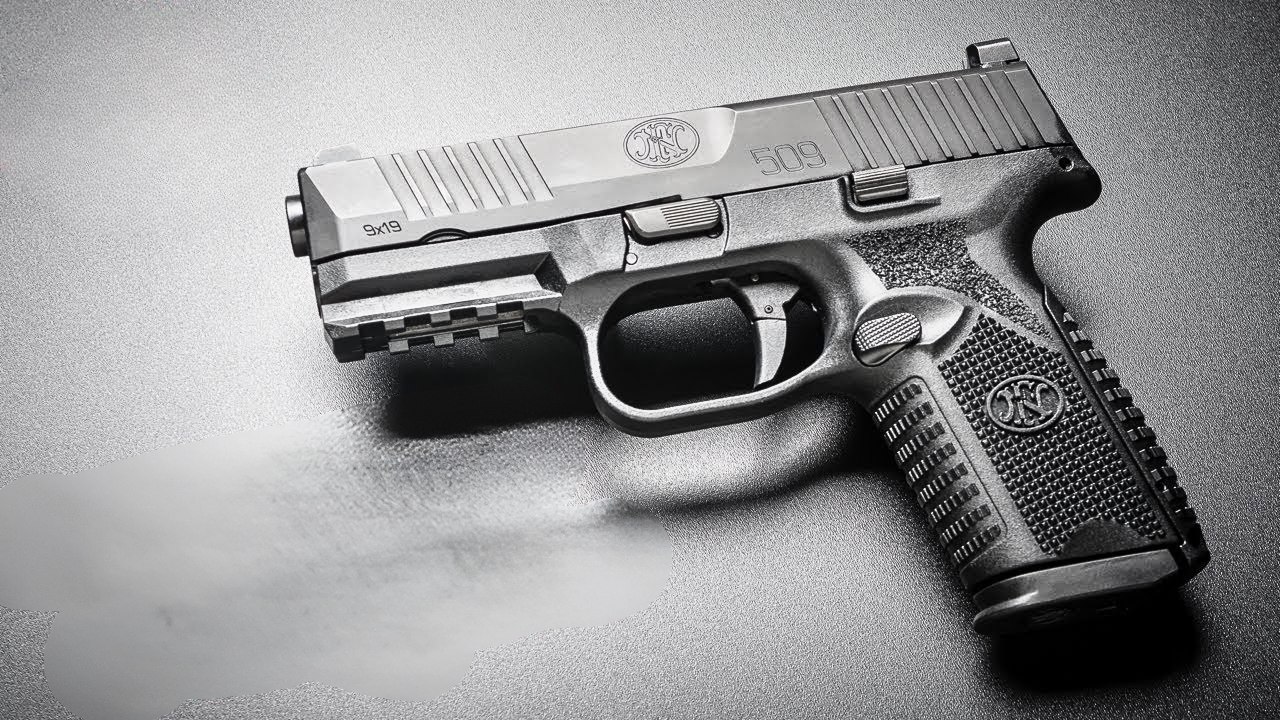
The 509 Midsize Tactical gives you most of the useful features of a larger tactical pistol without forcing you to carry the full-size frame. You get a threaded barrel, optics compatibility, good capacity, and enough grip to establish a proper two-handed hold without adding unnecessary height.
FN’s biggest advantage here is that the pistol feels like a serious service gun that happens to be compact. The controls are substantial, the magazines are durable, and the frame does not feel delicate or overly optimized for minimal weight. The trigger is not as impressive as the Walther or some premium competitors, but it is workable and predictable. This is especially appealing if you intend to run a suppressor or want a compact with factory features that would require aftermarket parts on other pistols. It is not the cheapest route, but the overall package is very complete.
HK P30

The P30 remains one of the best compact hammer-fired pistols because its ergonomics are still ahead of plenty of newer designs. The interchangeable side panels and backstraps let you adjust more than just the rear of the grip, which makes the pistol unusually adaptable to different hand shapes.
You are not buying the P30 for a competition-grade trigger. The standard DA/SA setup takes practice, and even the better variants are not going to feel like a tuned metal-frame gun. What you are buying is durability, excellent grip design, and a compact pistol that feels extremely secure during fast shooting. The controls are also easy to manipulate with either hand. For somebody who specifically wants a hammer-fired carry pistol and values reliability over having the shortest reset possible, the P30 remains one of the smartest choices even after years on the market.
Free for gun owners: If something happened to you tomorrow, would your family know where the guns are, who has the safe combination, or what to do first? Our free Gun Owner’s Family Checklist walks them through it. It takes about 15 minutes to fill out. Get your free copy here.
Kimber KDS9c
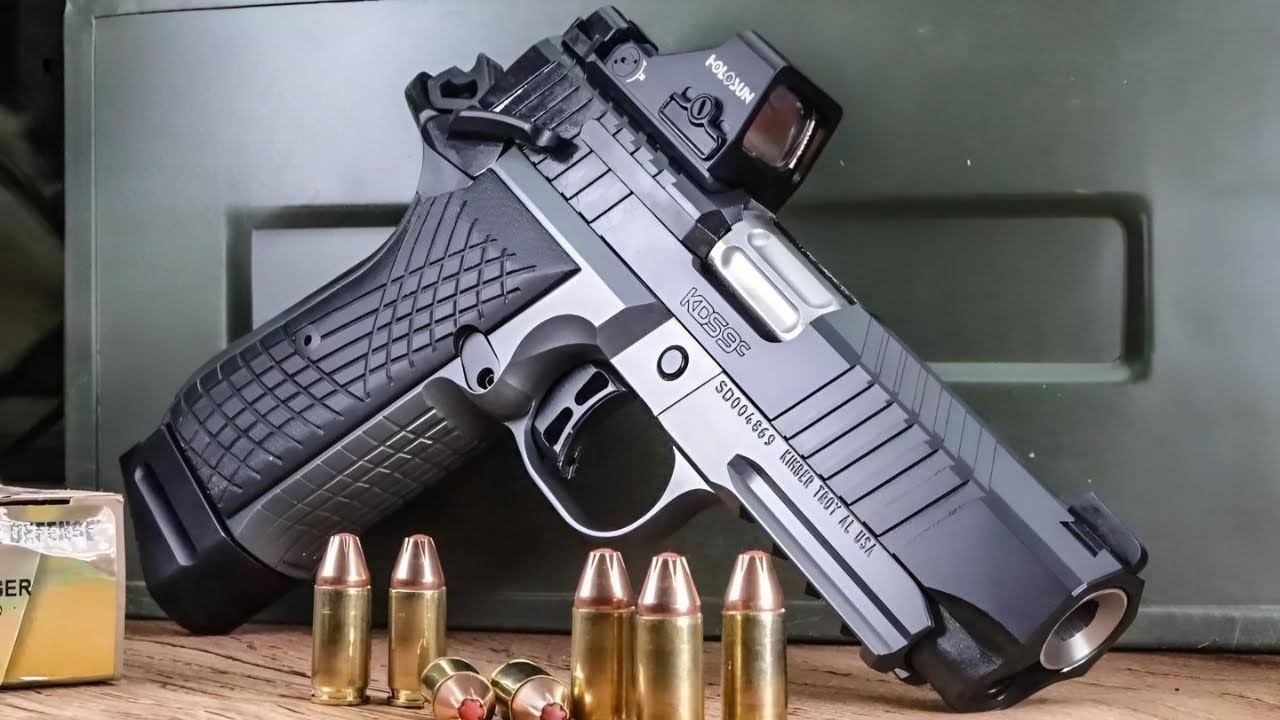
The KDS9c gives you something different from the usual polymer compact: a slim metal-framed pistol with a single-action trigger and useful magazine capacity. It manages to feel more substantial during recoil without becoming excessively thick through the grip.
That balance is what makes it interesting. The metal frame adds enough weight to smooth out the shooting experience, while the thin profile keeps it realistic for concealed carry. The trigger is also much cleaner than what you get from most striker-fired pistols, especially when trying to shoot precise groups at distance. You do pay more than you would for a conventional compact, and buyers who want the simplest possible manual of arms may prefer a striker gun. For someone who likes the feel of a 1911-style trigger but does not want the bulk of a traditional double-stack design, the KDS9c fills the gap very well.
Ruger RXM
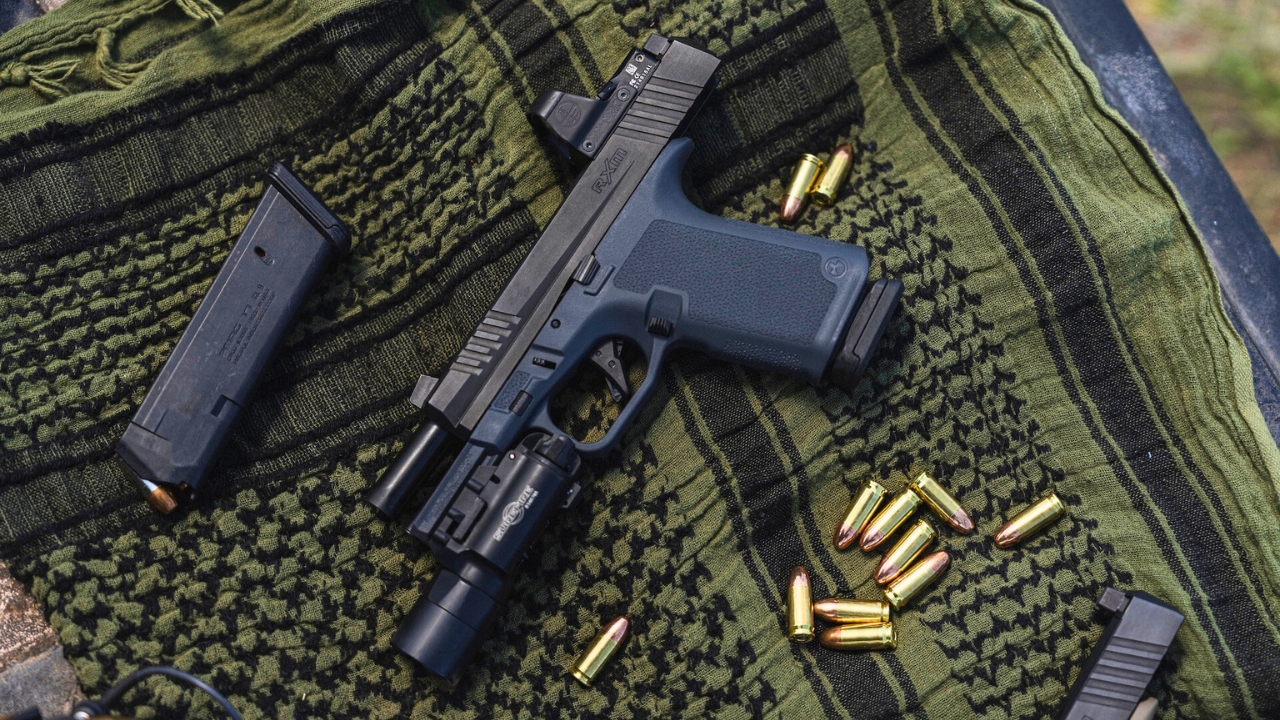
The RXM is one of the more interesting value choices because Ruger entered the modular compact market without trying to reinvent every part of the handgun. The familiar operating layout means shooters already comfortable with striker-fired pistols will have almost no learning curve.
Where the RXM becomes appealing is its combination of modularity and price. You can configure the grip and internal system more easily than with many traditional pistols, yet you are not paying premium money just to gain that flexibility. The grip shape is also more comfortable than the blockiest older compact designs, and the pistol is set up around modern optic use from the beginning. It does not have the refined trigger of a PDP or the recoil control of the compensated models here, but it offers a lot of practical gun for the money. For someone starting from scratch, that matters.
Canik METE SF
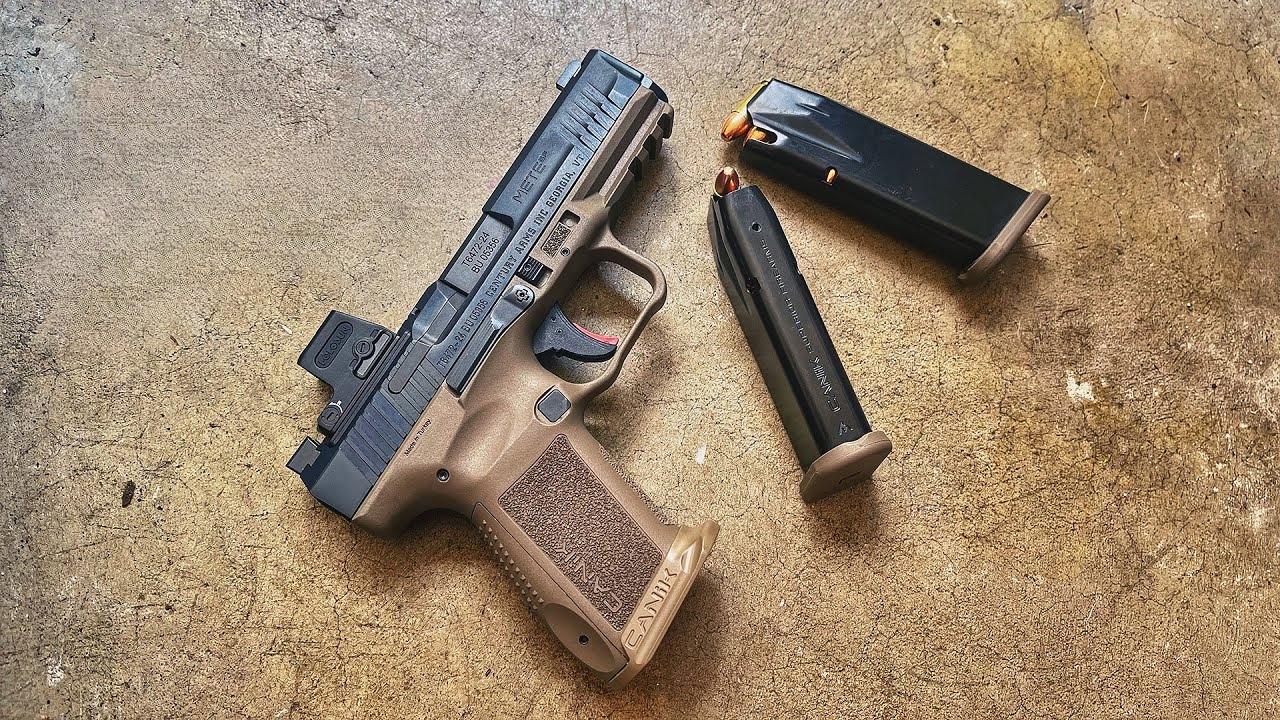
The METE SF is one of the better values in the compact category because Canik gives you a strong trigger and a surprisingly complete package without moving into premium pricing. The grip is large enough to control properly while remaining short enough to conceal more easily than a true full-size service pistol.
The trigger is the big selling point. Canik has consistently done a good job making striker-fired triggers that feel cleaner and more defined than what many basic duty pistols offer. That helps both speed and accuracy, especially for shooters who do not want to immediately start swapping internal parts. The pistol is somewhat chunky compared with the slimmer carry-oriented choices, but that extra material also makes it easier to shoot. If concealment is important but you still want a gun that feels substantial on the range, the METE SF delivers an impressive amount of performance for the price.
Shadow Systems MR920 Elite

The MR920 Elite takes the basic compact striker-fired formula and gives you many of the upgrades owners usually add themselves. The frame has a more aggressive shape, the optic system is well thought out, and the slide comes configured for serious carry rather than requiring immediate modification.
The grip angle can also be adjusted through the backstrap system, which is useful for shooters who like the general size of a Glock 19 but never loved the way one points. The MR920 is more expensive than the basic pistols it competes against, but you are getting upgraded sights, better texturing, and a more refined overall setup from the start. It is not necessary if you are happy with a completely stock duty pistol. If you already know you will start changing parts, however, buying the MR920 can make considerably more sense than building another compact piece by piece.
CZ P-10 C OR
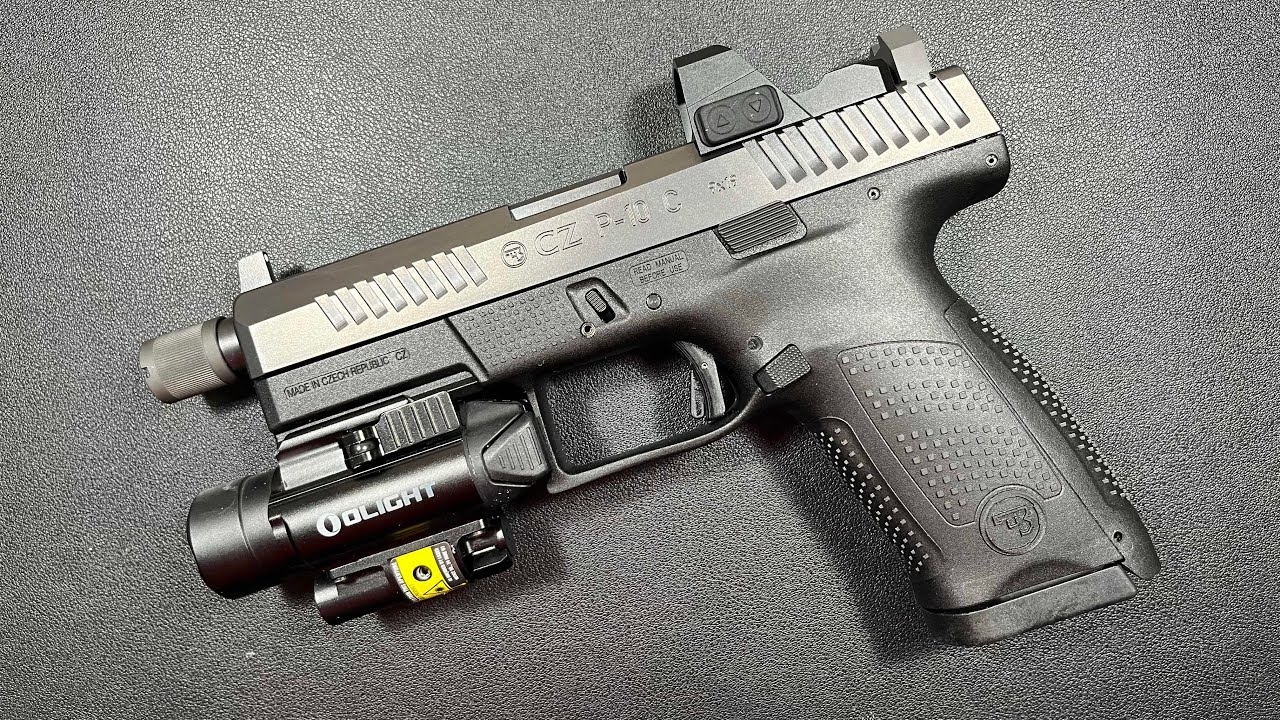
The P-10 C earned its reputation by giving shooters a compact striker pistol with excellent ergonomics and a trigger that felt better than many of its early competitors. The optics-ready version keeps the formula relevant without changing what made the original gun work.
The grip texture is aggressive enough to stay planted, and the low bore relationship makes the gun easy to control during rapid fire. The trigger has a defined wall and clean break that encourages accurate shooting without feeling overly light for defensive use. It is also one of the compact pistols that tends to feel natural immediately if you are used to CZ ergonomics. The P-10 C may not have the newest marketing campaign behind it, but it still competes extremely well where it matters. If the price is right, it can be one of the best performance-per-dollar choices in the entire compact category.
Springfield Armory Prodigy Compact

The Prodigy Compact gives you a double-stack 1911-style platform without immediately jumping into the highest end of the market. That means a short, clean single-action trigger and a grip designed around serious recoil control in a package that can still be concealed.
The extra weight is noticeable compared with polymer compacts, but it also makes the gun much calmer during rapid shooting. That is the tradeoff with most compact 2011-style pistols: you carry more weight and get a much better shooting experience in return. Earlier Prodigy pistols had enough growing pains to make some buyers cautious, but the platform has matured considerably. If you want the feel of a premium double-stack single action without paying Staccato or Wilson money, the compact Prodigy deserves a serious look. It is especially attractive for someone who spends a lot of time actually shooting the carry gun.
Dan Wesson DWX Compact
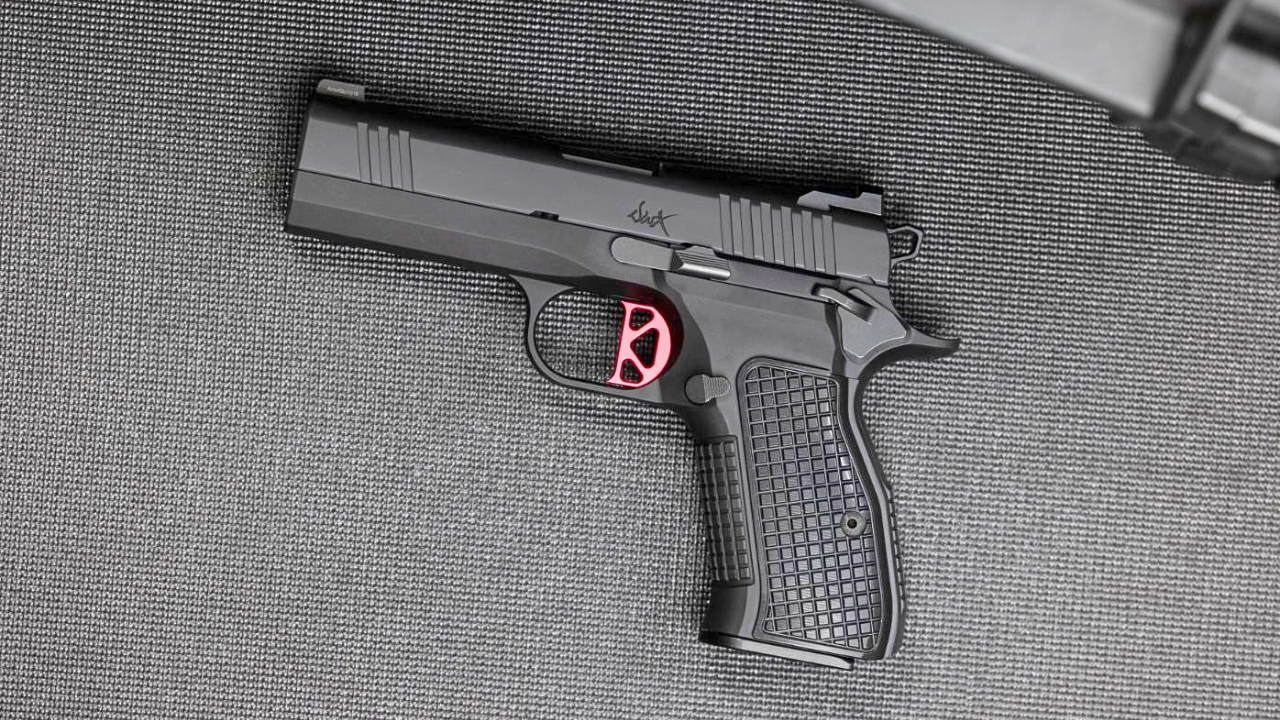
The DWX Compact combines two excellent ideas: CZ-style grip ergonomics and a 1911-style single-action trigger. That sounds good on paper, and the shooting experience backs it up. The frame feels natural in the hand, while the trigger makes precision work much easier than with the average striker-fired compact.
It is also heavy enough to stay planted without feeling like a full-size steel competition pistol. That gives it a very useful middle ground between concealed-carry practicality and range performance. The downside is price, and it does not have the universal magazine and holster support of the biggest polymer platforms. Buyers willing to accept that get one of the most refined compact metal-frame 9mms available. The DWX Compact is the kind of pistol you buy because shooting quality matters enough that you are willing to carry a little extra weight.
Wilson Combat SFX9 4-Inch Compact
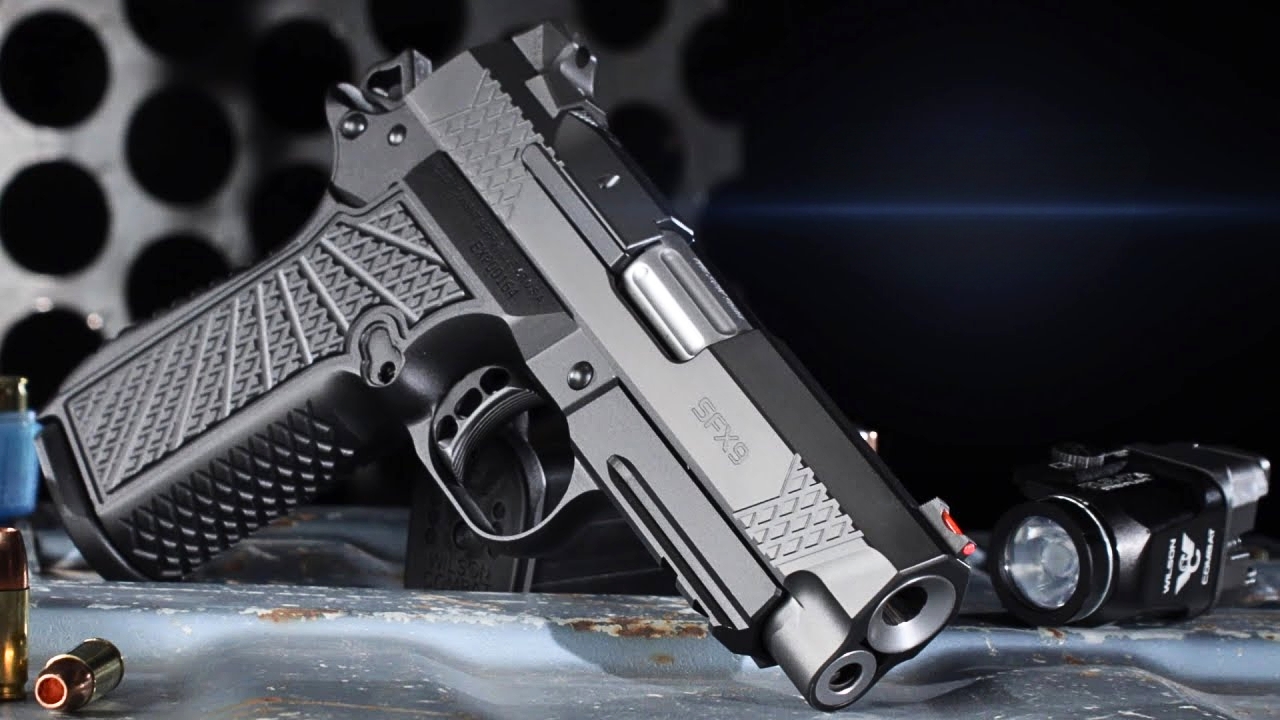
The SFX9 is expensive, but it solves a problem many premium double-stack pistols struggle with: giving you serious capacity and a great trigger without building an oversized grip. The solid frame is thin and beautifully shaped, making it feel surprisingly compact for the level of performance it delivers.
The 4-inch version also gives you enough slide and barrel to remain very controllable without turning the pistol into a full-size gun. The single-action trigger is excellent, and the metal frame provides a stable recoil impulse that polymer guns simply cannot completely duplicate. This is not the sensible budget answer. It is the answer for someone who wants one of the best-shooting compact carry pistols available and is willing to pay accordingly. The SFX9 feels expensive because it is, but the quality shows up in actual use rather than just engraving or cosmetic finish.
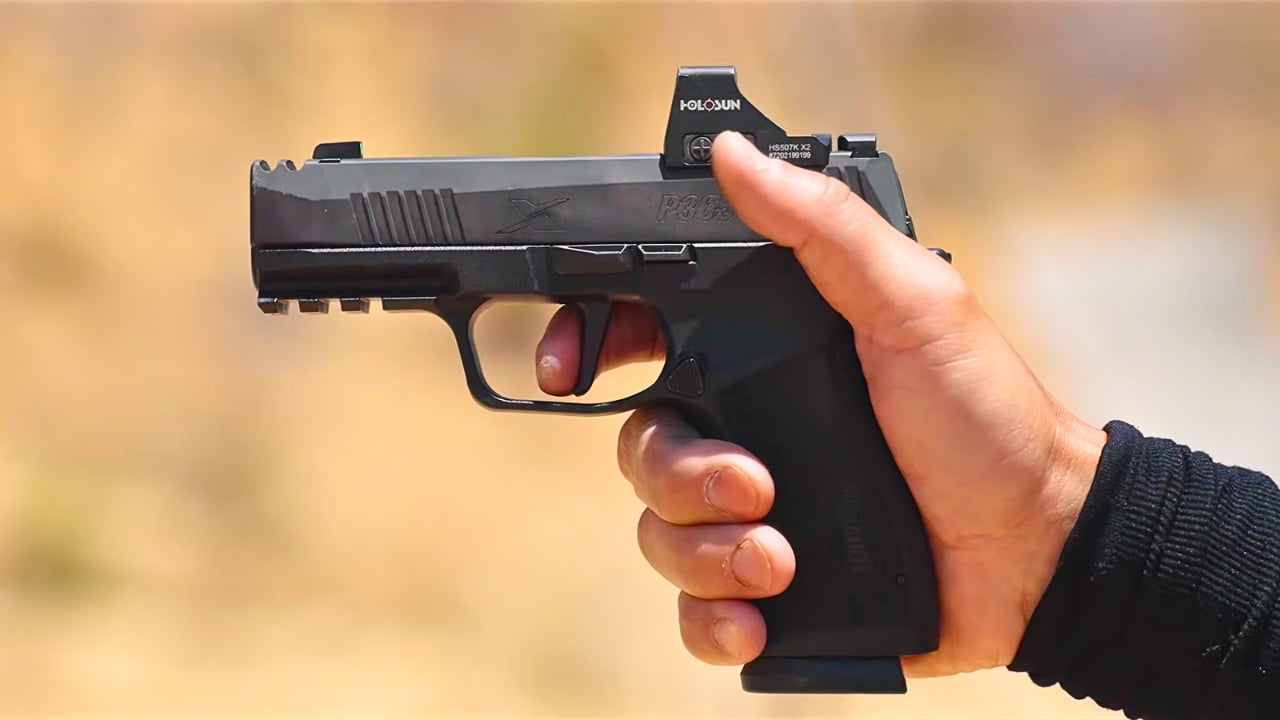
SIG Sauer P365 X-Macro Comp
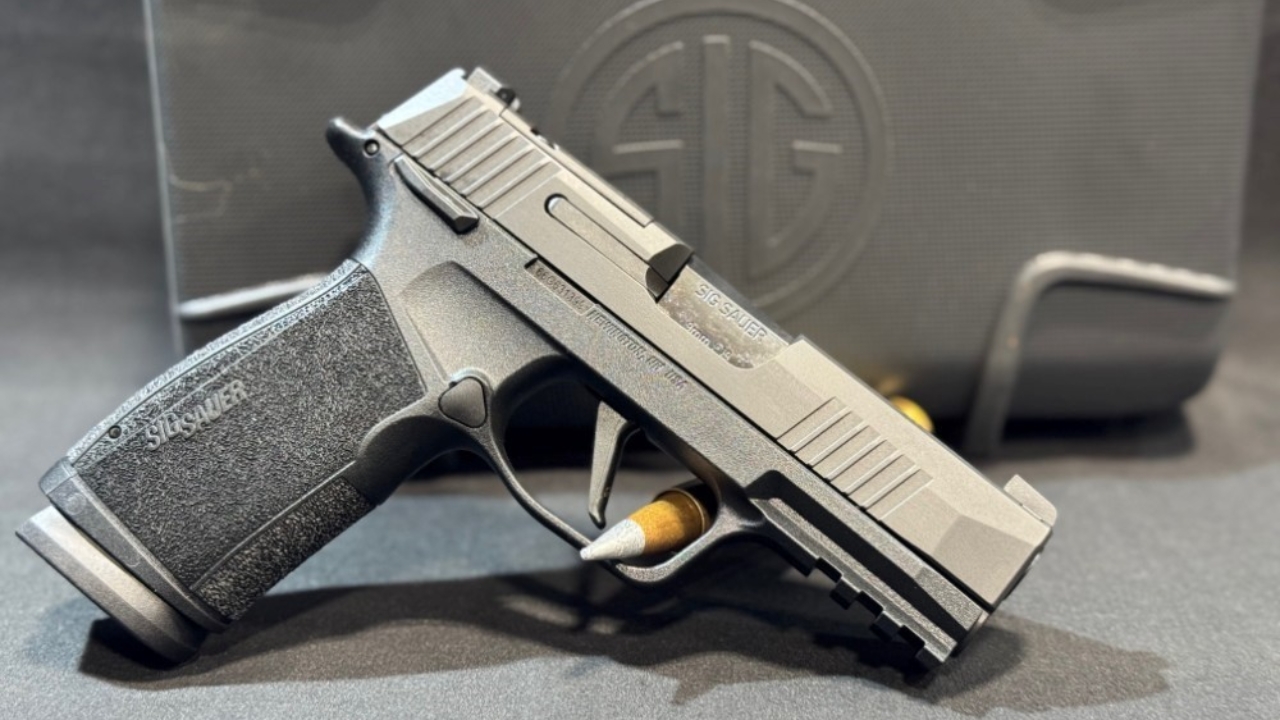
The X-Macro Comp stretches the definition of micro-compact enough that I think it belongs in the compact conversation. The grip gives you full-size-like capacity and enough length for a complete firing hold, while the frame remains noticeably thinner than traditional compact pistols.
That width advantage is huge for concealed carry. You can carry a pistol that behaves much more like a compact at the range without dealing with the thickness of many duty-derived designs. The integral compensation also helps control the sharper recoil that usually comes with a thin, light pistol. The trigger is not the strongest part of the package, but capacity, modularity, and concealability make up for it. If your priority is getting the most gun into the least waistband space without dropping all the way to a tiny micro-9, the X-Macro Comp is one of the best current solutions.
Springfield Armory Hellcat Pro Comp

The Hellcat Pro Comp follows a similar idea but feels a little more straightforward. It gives you a longer grip than the original Hellcat, enough capacity for serious defensive use, and a compensated slide that helps make the thin pistol less demanding under recoil.
That makes it considerably easier to shoot than the tiny original Hellcat while retaining the slim dimensions that make the family attractive for carry. You can get a full firing grip, mount a red dot, and shoot reasonably long practice sessions without feeling like you are wrestling a pocket pistol. It is still lighter and snappier than heavier compact guns, but that is the tradeoff for thinness. For someone who carries every day and wants concealment to remain the priority without accepting a tiny grip, the Hellcat Pro Comp is one of the more practical choices on the market.
Arex Delta Gen 2 M
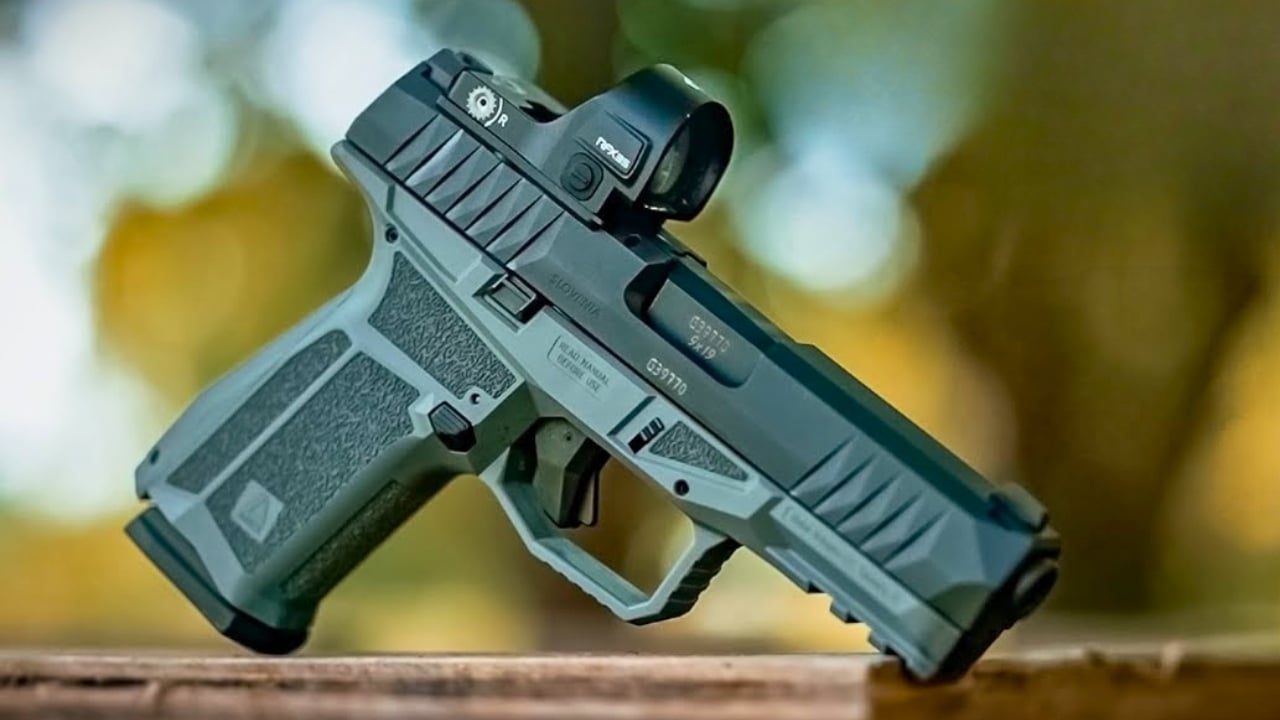
The Delta Gen 2 M is one of the least celebrated pistols on this list, but its dimensions make a lot of sense for concealed carry. The grip is thin, the frame is light, and the medium configuration gives you enough room for a proper firing hold without becoming unnecessarily tall.
It also has a low slide profile that helps keep recoil manageable despite the pistol’s relatively low weight. The trigger is serviceable rather than spectacular, but the gun’s overall proportions are excellent. Where it falls behind the bigger brands is ecosystem. Holsters, magazines, and replacement parts are not going to be as effortless to find as Glock or Smith & Wesson gear. If you are willing to work around that, the Delta gives you a surprisingly capable compact that carries easily and shoots better than its modest popularity would suggest.
Like The Avid Outdoorsman’s content? Subscribe to our newsletter so you never miss an article.
Here’s more from us: