Photo credit: Kentucky Ballistics/YouTube
A low price can make almost any gun look attractive in the display case. Add a threaded barrel, optics cut, high capacity, or aggressive styling and it gets even easier to convince yourself you found a bargain. The problem is that specs and price tags only tell part of the story. Once the gun starts recoiling in your hands, the trigger stacks, the controls feel awkward, or the action starts showing its rough edges, that bargain can look a lot less impressive.
That does not mean every inexpensive gun is bad. Some of the best values in the market are affordable because manufacturers focused on the right things. The guns on this list are different. They tend to look appealing because of price or features, but the actual shooting experience exposes compromises quickly. Some are harsh, some are crude, and some simply remind you why spending a little more can matter.
Taurus G3
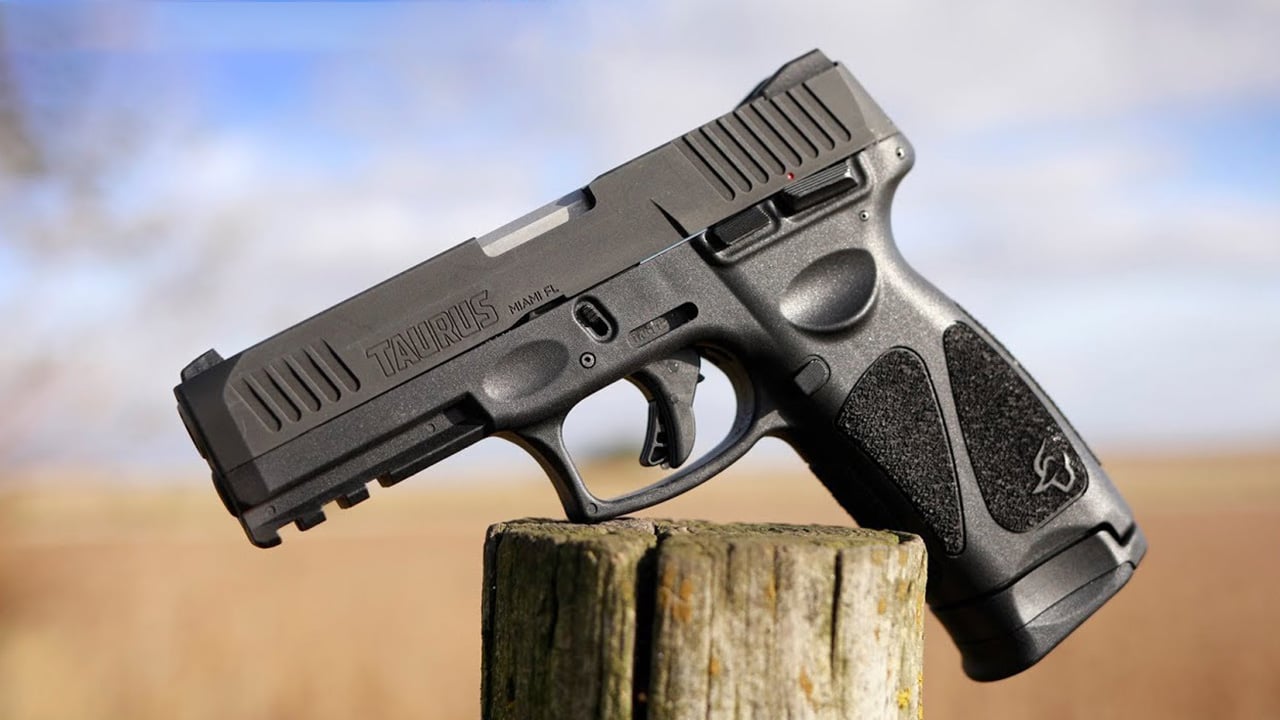
The G3 looks like a lot of pistol for the money. You get good capacity, a full-size grip, decent sights, and a price that undercuts most mainstream service pistols by a wide margin.
Once you shoot it, the compromises become more obvious. The trigger can feel long and somewhat mushy, the reset is less refined than better striker guns, and the overall cycling feel is rougher than what you get from the better-known duty platforms. The pistol may run fine, but the difference in refinement shows up quickly during rapid fire. It is not unusable by any stretch, but it often feels exactly like the budget gun it is, which makes the initial savings seem less exciting after a few boxes of ammo.
SCCY CPX-2
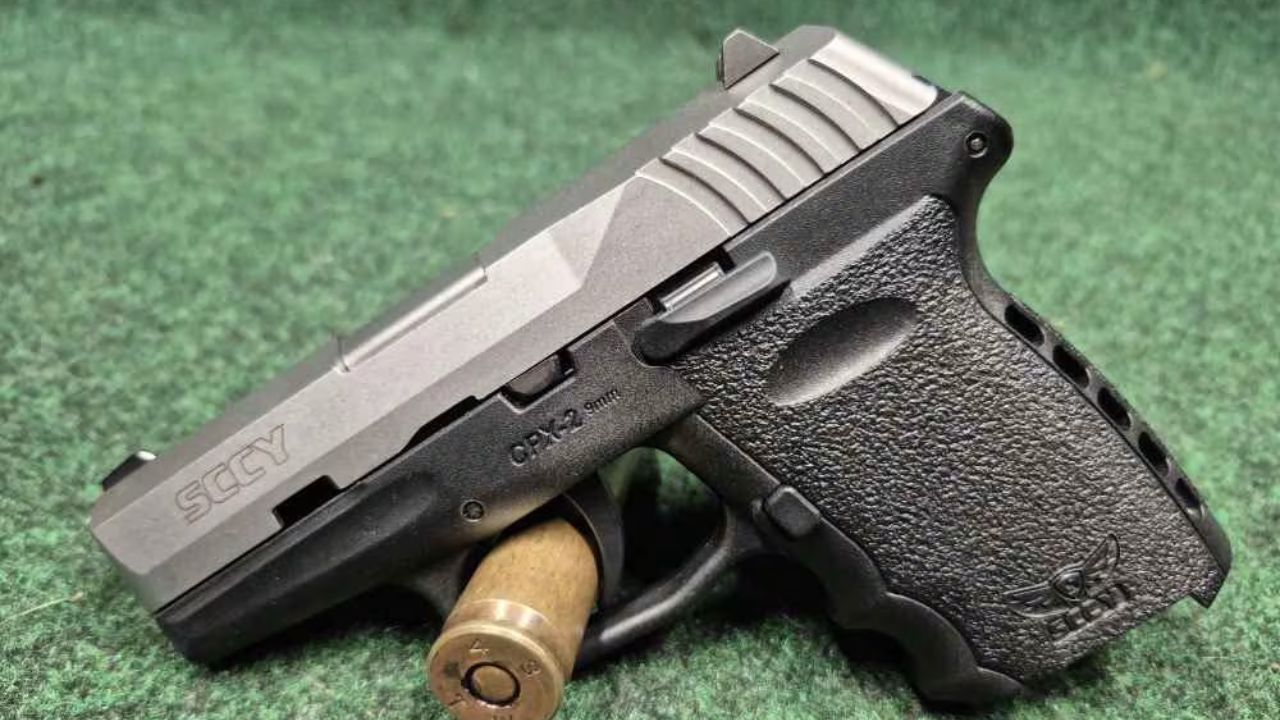
The CPX-2 has always looked attractive to buyers who want a cheap, compact 9mm with decent capacity. On paper, it checks a surprising number of boxes.
The shooting experience is where the enthusiasm usually fades. The long double-action trigger requires far more effort than most modern carry pistols, and the light frame makes recoil feel sharper than expected. The grip shape can also make the gun move around in the hand during rapid strings. It is compact and inexpensive, but those two strengths are not enough to overcome how much harder it is to shoot well than a slightly more expensive micro-compact.
Kel-Tec PF-9
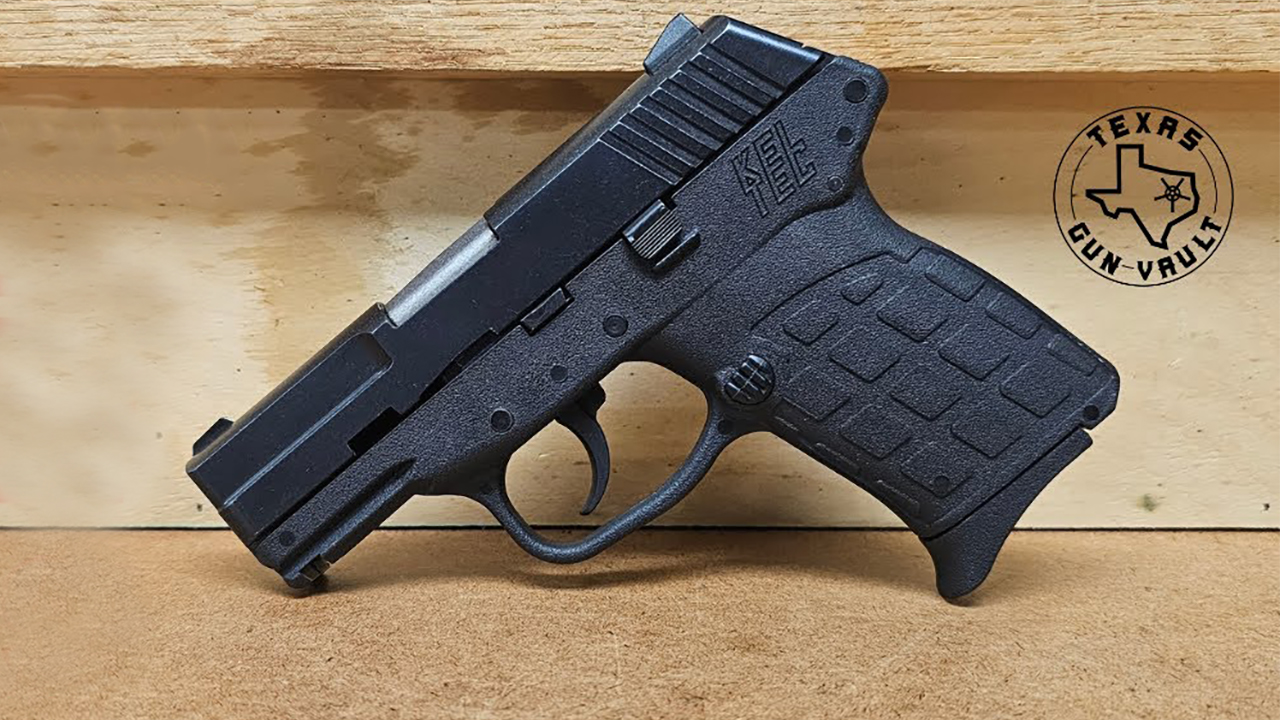
The PF-9 was appealing because it gave shooters a remarkably thin 9mm at a time when few pistols were that easy to conceal.
The price for that concealability was a harsh shooting experience. The gun is very light, the grip is narrow, and recoil can feel abrupt even with ordinary defensive loads. The long trigger and small frame also make accurate shooting more demanding than the specs suggest. It proved that a 9mm could be made extremely compact, but it also showed that making a pistol smaller does not automatically make it better. Plenty of shooters bought one for carry and then realized they hated practicing with it.
Hi-Point C9
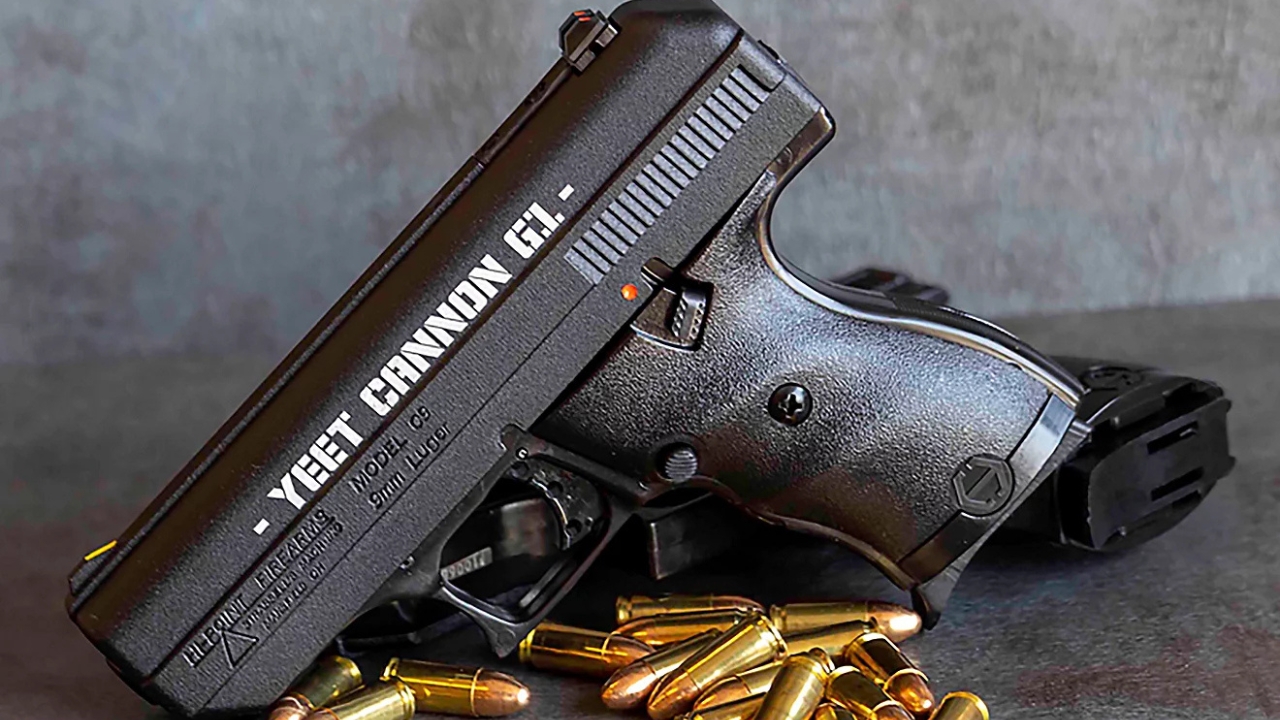
The C9 is famously inexpensive, and that alone makes it look tempting to someone who just wants a functional handgun without spending much.
The problem is that the cost savings show up in size, weight, ergonomics, and trigger feel. The blowback design requires a heavy slide, which makes the pistol bulky for its capacity. The grip and controls are crude compared with even modestly priced modern pistols, and the gun feels top-heavy in the hand. It may function, but after shooting one it becomes obvious why more refined pistols cost more. The C9 can fill a role, but it rarely leaves shooters thinking they found a hidden bargain.
ATI Omni Hybrid

The Omni Hybrid sounds clever because the polymer receiver construction keeps weight and price low. For a budget AR buyer, that can look like an easy way into the platform.
Once you start shooting and handling it beside a conventional forged-aluminum AR, the compromise becomes harder to ignore. The receiver can feel less substantial, and the rifle often lacks the solid, confidence-inspiring feel of even basic aluminum builds. The weight savings are also not dramatic enough to transform the shooting experience. Since affordable aluminum ARs are so common now, the Omni’s main selling point feels much weaker once you have actually spent time behind it.
Radical Firearms RF-15

The RF-15 often looks like a strong deal because it gives buyers modern furniture and a free-float appearance at a very aggressive price.
The trouble is that budget ARs are all about consistency. A rifle that feels fine in the store can reveal rough triggers, overgassing, loose assembly, or fit-and-finish issues once you actually shoot it. Not every RF-15 has problems, but enough shooters have encountered inconsistent examples that the bargain becomes a gamble. When a little more money buys a rifle with a stronger quality-control reputation, the low sticker price starts looking less convincing.
Diamondback DB15

The DB15 has improved over the years, but entry-level versions still sell largely on price and feature count.
At the range, the rifle can feel less refined than similarly priced competitors. The trigger is often basic, the gas system can feel sharp, and the furniture may not inspire much confidence. None of those issues alone are catastrophic, but together they can make the gun feel cheaper than it looked on the rack. Once you add the cost of swapping parts to improve the shooting experience, the original bargain starts disappearing.
Mossberg Patriot Predator

The Patriot Predator attracts buyers because it is affordable, available in useful hunting chamberings, and often sold with features that sound great for the price.
The problem is that the stock and overall action feel can be underwhelming once you shoot it. The forend can feel flexible, the bolt lacks the smoothness of better budget rifles, and the trigger and bedding can vary enough that some examples are more pleasant than others. It may still shoot acceptable groups, but the rifle can feel less polished than the box and price tag initially suggest. In a market full of excellent entry-level bolt guns, that matters.
Savage Axis
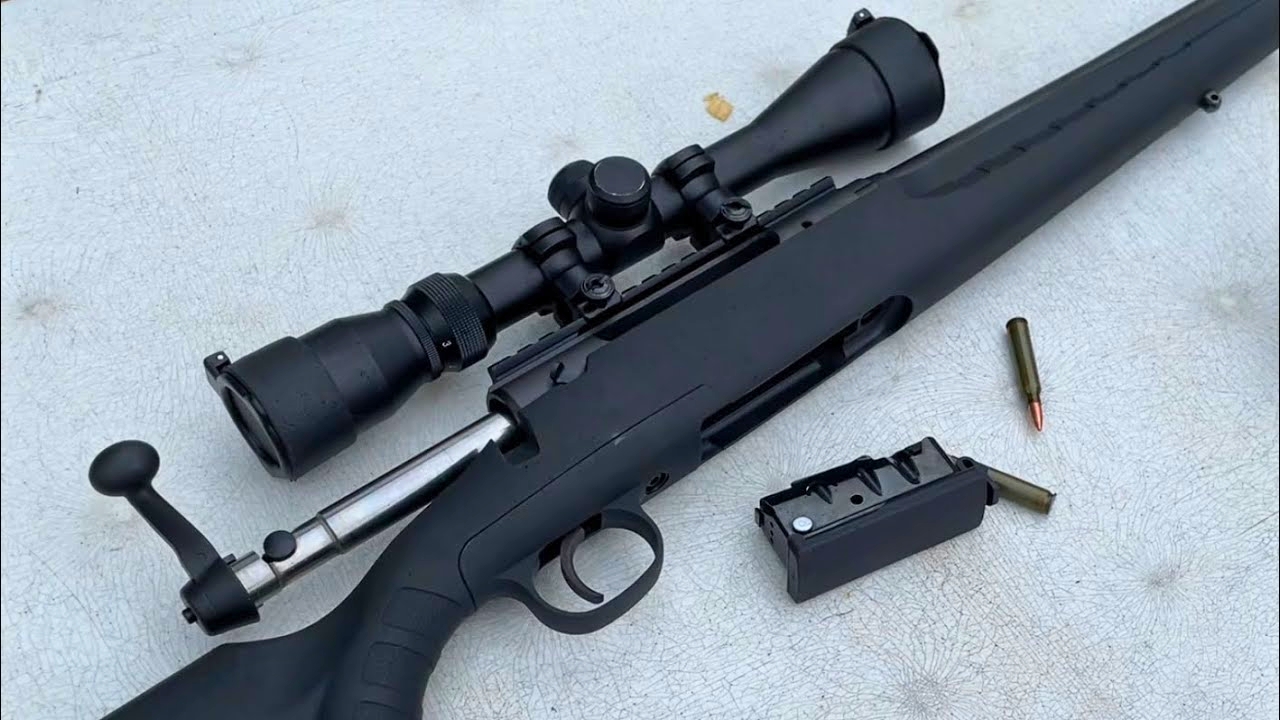
The Axis built its reputation on being cheap and accurate, and that is still the strongest argument for it.
The problem is everything surrounding the barrel. The stock feels hollow, the bolt can feel rough, and the overall rifle lacks the solid, composed feel you get from better budget hunting guns. Accuracy can absolutely be good, but the shooting experience often makes the rifle feel more like a disposable tool than something you enjoy owning. If all you care about is putting a deer down cheaply, it can work. If you want a rifle that feels good every time you shoot it, the bargain starts losing some shine.
Remington 783

The 783 often looks appealing because the Remington name still carries weight, and the price puts it squarely in the affordable hunting-rifle category.
The actual rifle feels much more ordinary than the name suggests. The stock is basic, the bolt travel is not particularly smooth, and the overall package lacks the refinement older Remington buyers may expect. It can shoot well enough for hunting, but the experience does not feel meaningfully better than several competitors that cost similar money. That mismatch between brand expectation and actual shooting feel is what makes the deal seem less impressive after the first range trip.
Rossi RS22
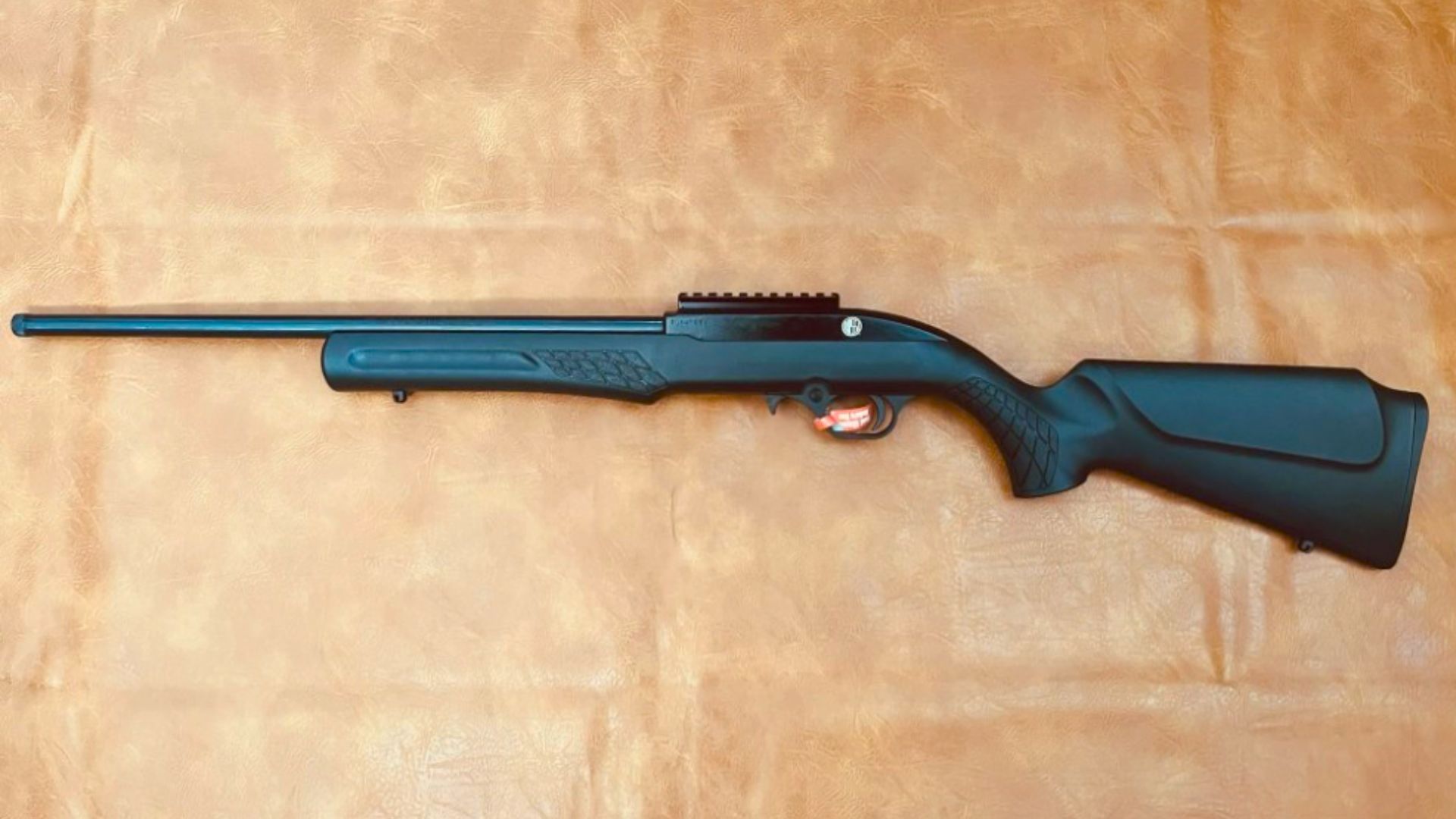
The RS22 is inexpensive, light, and easy to find, which makes it look like an ideal first rimfire or casual plinker.
The shooting experience is serviceable but not especially refined. The trigger is basic, the stock feels inexpensive, and the action lacks the smoothness or long-term confidence of better .22 rifles. For occasional plinking, that may not matter. But once you compare it directly with a better-built rimfire, the extra money starts making sense. The RS22 can be a fun cheap gun, but it rarely feels like a bargain beyond the price tag.
Heritage Rough Rider
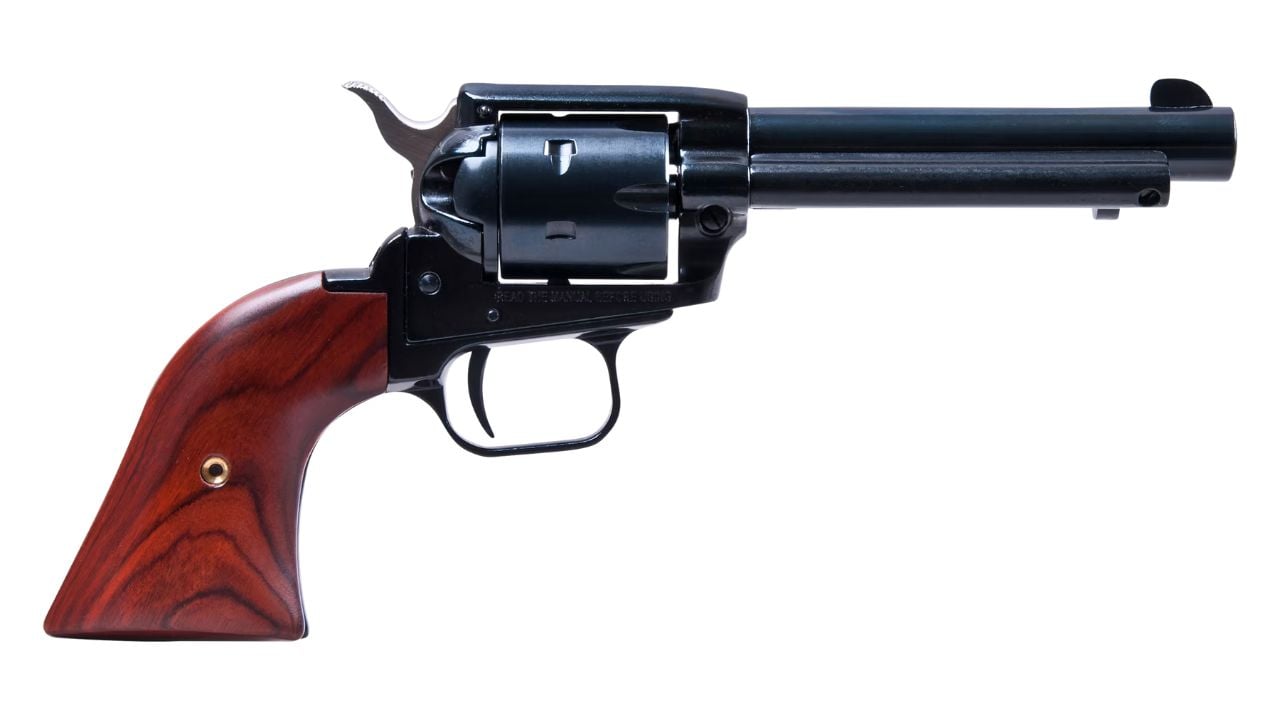
The Rough Rider is one of the cheapest ways to buy a single-action .22 revolver, and that makes it incredibly tempting.
Once you shoot it, you start noticing where the savings came from. The finish is basic, the sights are crude, and the action does not feel nearly as refined as a Ruger Single-Six or other higher-quality revolvers. The manual safety also looks and feels out of place on a traditional single-action design. It is fun for casual plinking, but shooters expecting an heirloom-style revolver experience usually understand very quickly why it costs so little.
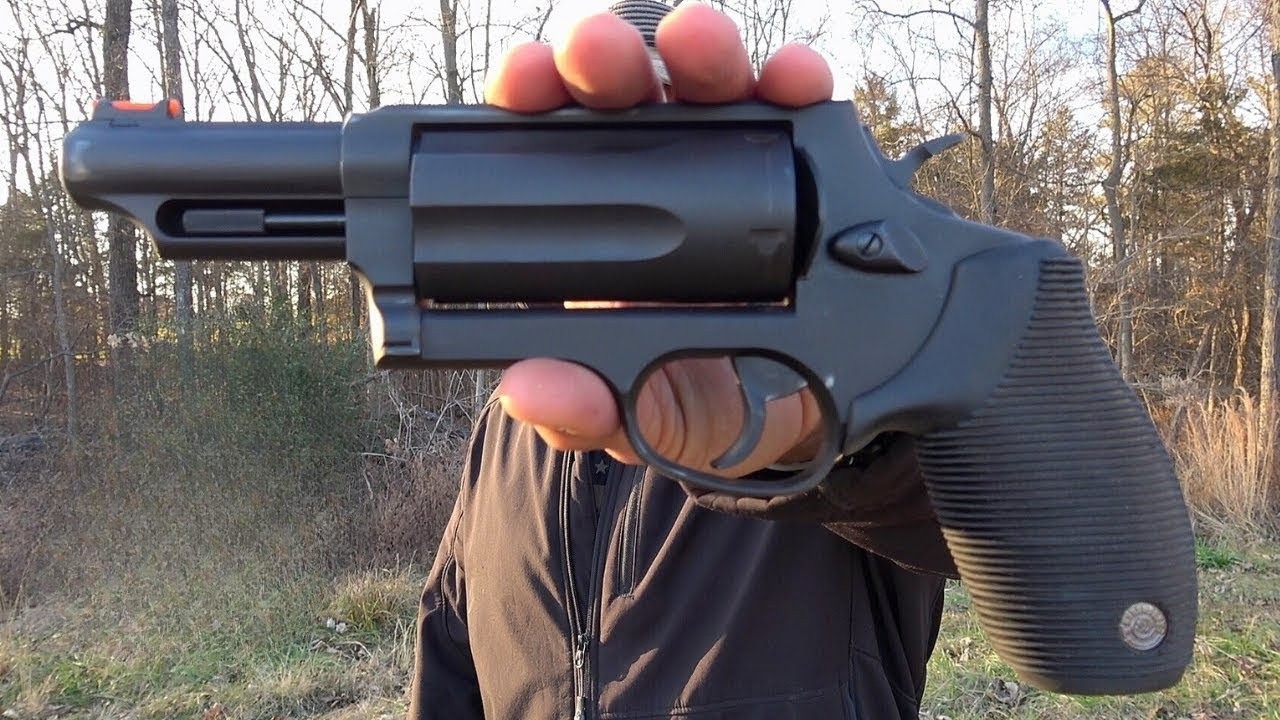
Taurus Judge
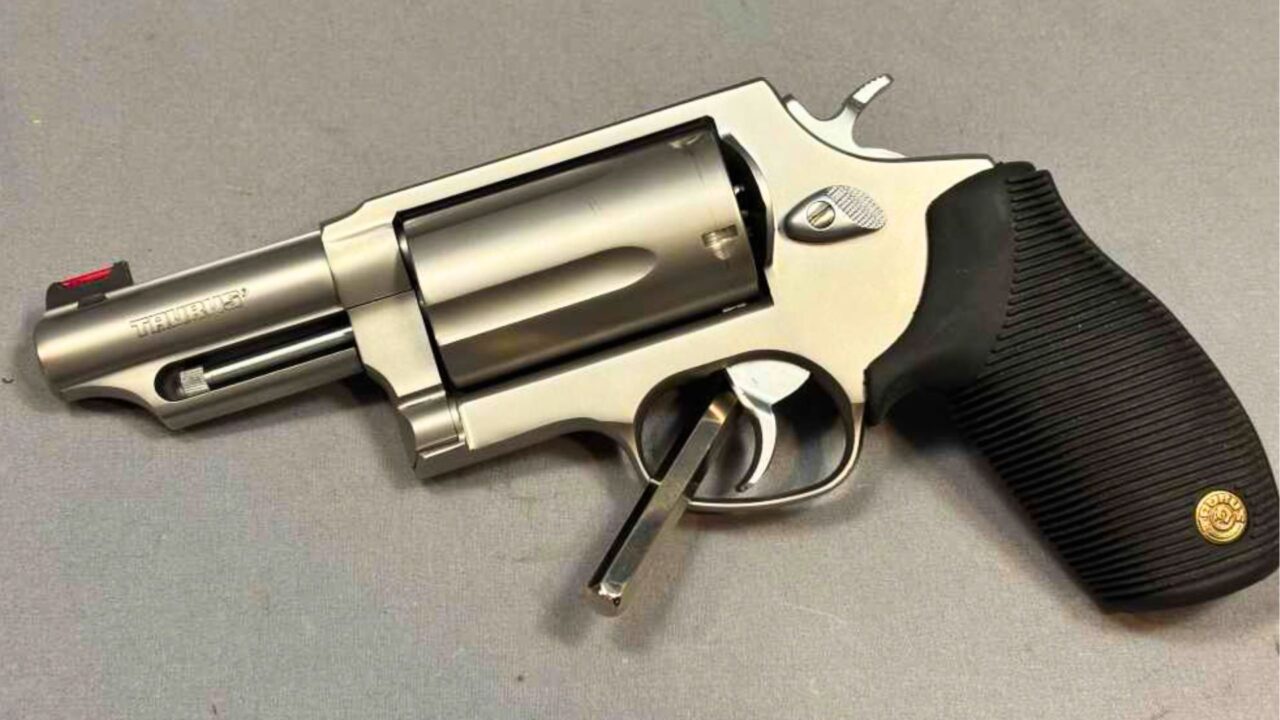
The Judge sounds incredibly versatile because it can fire both .45 Colt and .410 shotshells. In the gun shop, that seems like getting two guns in one.
At the range, the compromises become obvious. The cylinder is long and heavy, the revolver is bulky, and neither cartridge performs as impressively as many buyers expect from the short barrel. .410 patterns can spread quickly, while .45 Colt accuracy may not match a dedicated revolver. The Judge is entertaining and unusual, but the versatility is much more theoretical than practical. Once you shoot one, it becomes clear that doing two jobs does not mean doing either one especially well.
Bond Arms Snake Slayer
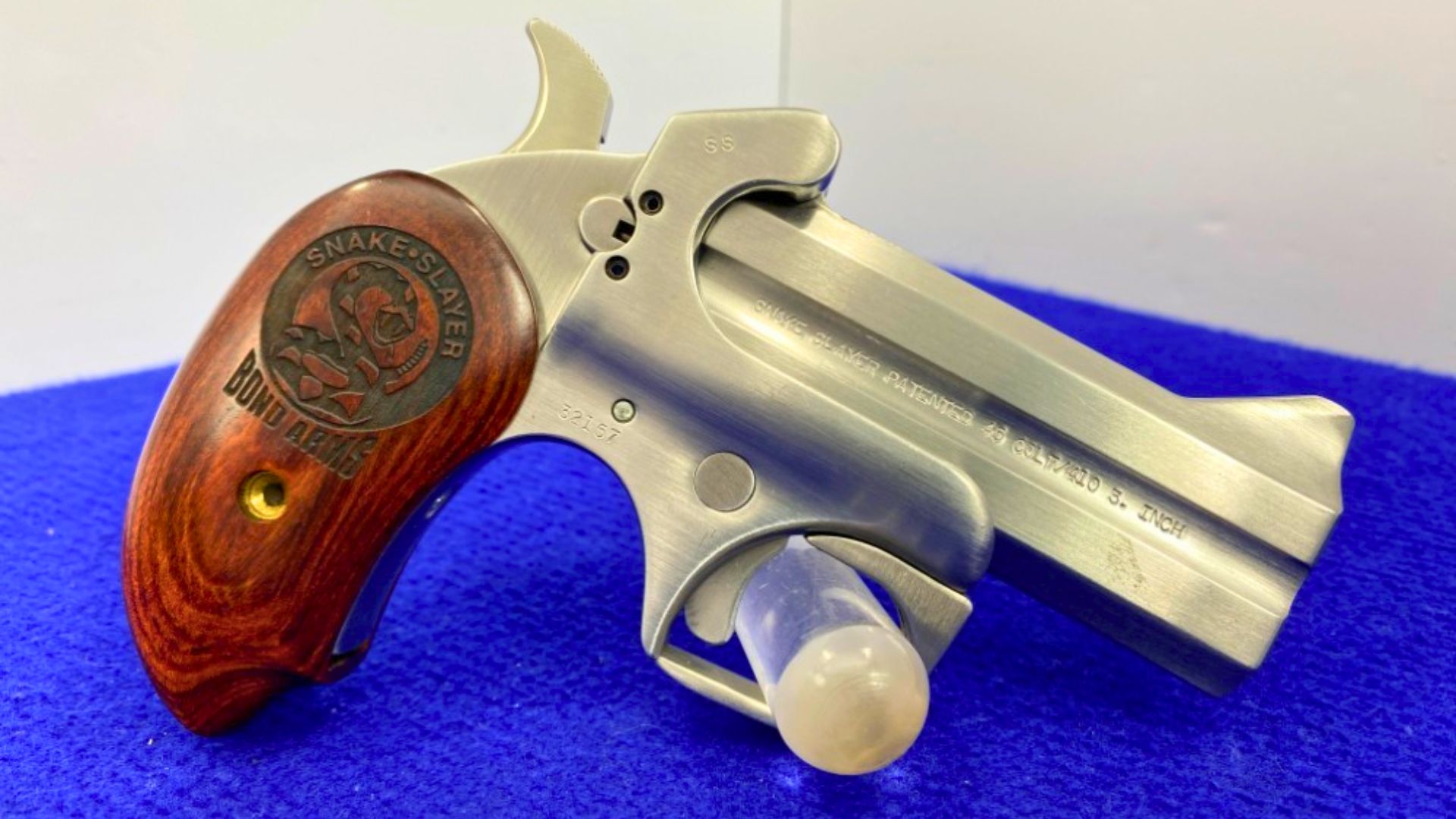
The Snake Slayer looks extremely well built, and the over-under derringer format gives it a rugged, almost indestructible feel.
The issue is that shooting one is far less enjoyable than handling one. Recoil can be surprisingly harsh, the trigger is heavy, and the grip gives you very little leverage. With .410 or heavy .45 Colt loads, the gun can become unpleasant quickly. It is compact in one dimension but heavy for its capacity. Buyers who expect a handy little trail gun often discover that a small revolver is easier to shoot, easier to reload, and far more practical.
Kel-Tec SUB2000

The SUB2000 sells itself on portability. It folds in half, uses common pistol magazines, and is usually priced far below many other pistol-caliber carbines.
The shooting experience is much less polished. The cheek weld is awkward, the trigger is basic, and the narrow stock can become uncomfortable during longer sessions. Optic mounting used to be especially inconvenient, and even newer versions still feel more like clever portable tools than refined carbines. The folding feature is genuinely useful, but once the gun is open and firing, plenty of shooters realize they would rather have a conventional PCC that feels better on the shoulder.
Chiappa M1-9

The M1-9 attracts buyers because it looks like a lightweight, affordable way to get M1 Carbine styling with cheap 9mm ammunition.
The resemblance is mostly cosmetic. The shooting feel, controls, and overall refinement do not deliver the same charm as the real thing, while the rifle lacks the smoothness of better modern PCCs. The blowback operation can feel clunky, and the gun ends up occupying an awkward place between historical replica and practical carbine. It looks fun in the rack, but the experience can feel more like imitation than substance.
GSG-16

The GSG-16 looks like a futuristic tactical rifle and often comes with enough rails and features to make it seem like a lot of rimfire for the money.
Once you shoot it, the plastic-heavy construction and busy ergonomics become more obvious. The controls can feel less natural than a traditional .22, and the rifle may be more complicated than necessary for simple rimfire shooting. It is still fun, especially for younger shooters attracted to the styling, but the appearance promises a level of seriousness the actual rifle does not really deliver. A simpler .22 often ends up being easier to shoot and easier to maintain.
Century Arms C308
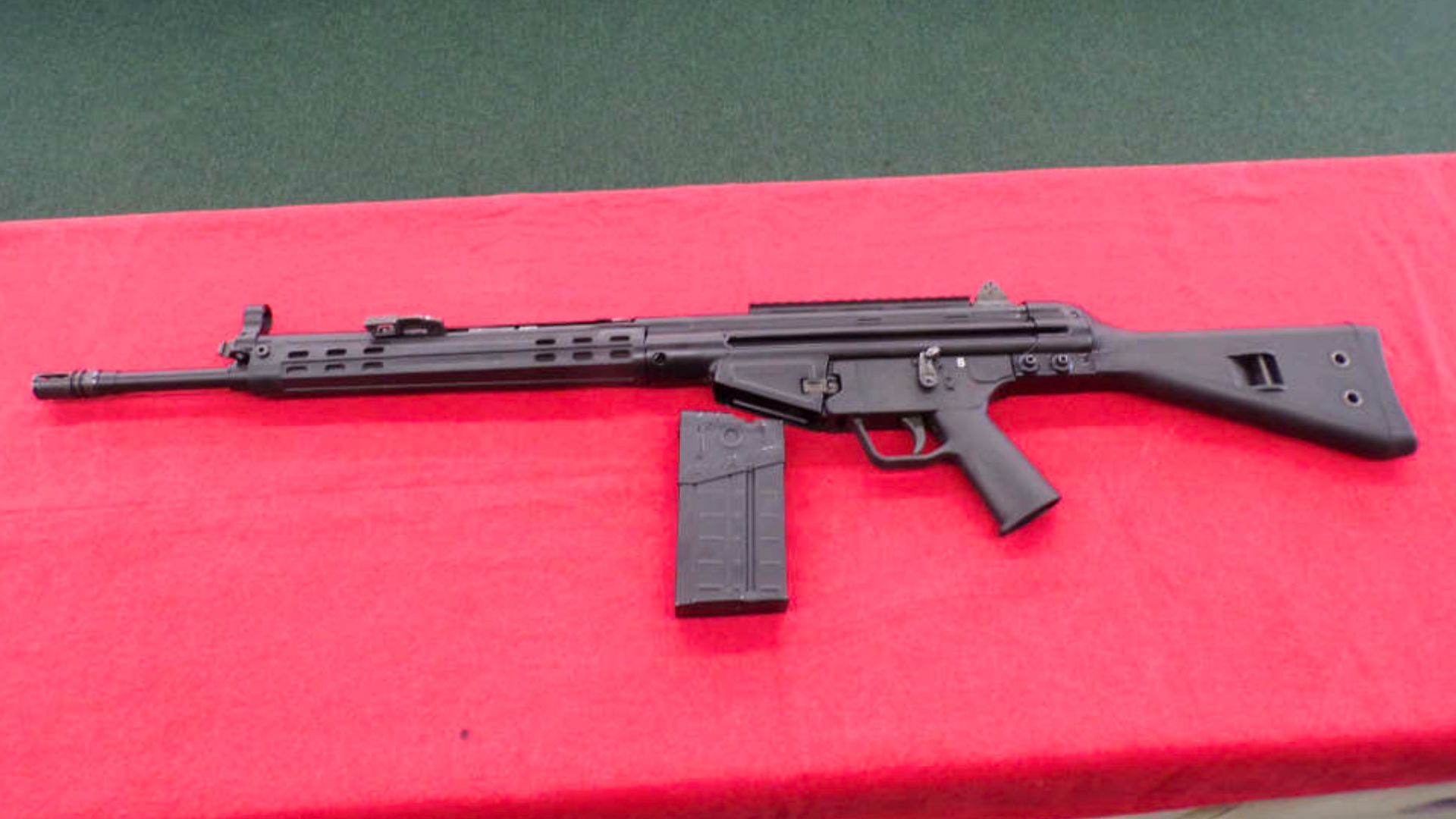
The C308 has always been tempting because it gives buyers roller-delayed .308 operation and HK-style looks without genuine HK pricing.
The problem is that these rifles can vary significantly in assembly quality and overall refinement. The trigger is heavy, recoil is stout, brass gets treated harshly, and the ergonomics feel dated compared with modern .308 platforms. When you get a good one, it can be fun. When you get a rough one, the savings vanish quickly. The low price gets you into the roller-delayed world, but it does not necessarily get you the polished HK experience buyers imagine.
Smith & Wesson SD9 VE
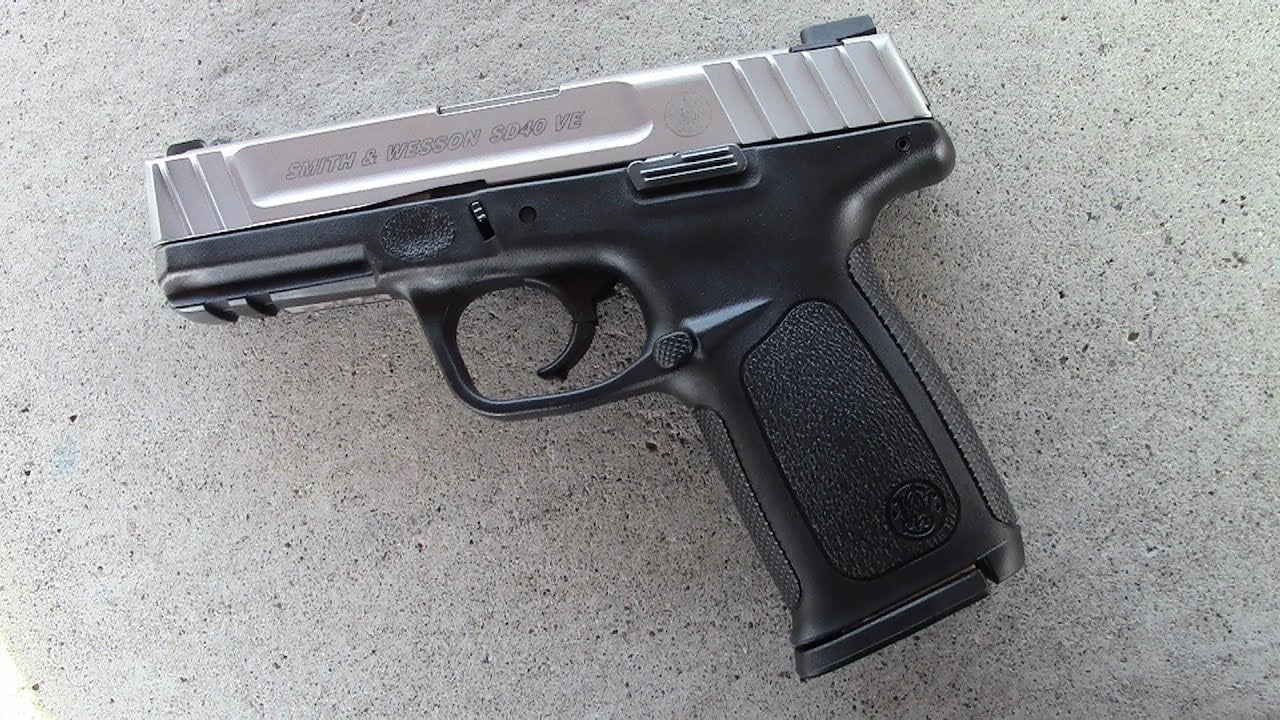
The SD9 VE has always looked like a logical budget defensive pistol. It is affordable, reliable enough for many owners, and backed by a major manufacturer.
The trigger is what usually changes opinions. It is long and heavy enough to make accurate rapid fire harder than it should be, especially for newer shooters. The ergonomics are decent, but the gun does not offer much else to make up for the trigger. Once buyers shoot something like a modern M&P, PDP, or even a better budget striker gun, the difference becomes obvious. The SD9 VE can work, but the savings often feel less meaningful after real range time.
Bersa Thunder 380

The Thunder 380 has long been attractive because it offers a metal frame, DA/SA operation, and Walther-inspired styling at a very approachable price.
The problem is that the gun is large and heavy for a .380, while the trigger and controls feel more dated than refined. Recoil is mild, but you are carrying nearly 9mm-sized bulk without getting 9mm performance. The pistol can be reliable and pleasant enough, yet once buyers compare it with modern compact 9mms or lighter .380s, the value proposition changes. It still has charm, but charm is doing more of the work than the shooting experience.
Like The Avid Outdoorsman’s content? Subscribe to our newsletter so you never miss an article.
Here’s more from us: