Photo credit: WHO_TEE_WHO/YouTube
Ballistic charts can make some rifle cartridges look underwhelming. A round may not have the highest velocity, the flattest trajectory, or the biggest energy figure, yet still work exceptionally well once you put it in a practical hunting rifle and start looking at what actually happens inside normal shooting distances.
That is because raw numbers leave a lot out. Bullet construction, sectional density, recoil, rifle weight, efficiency from shorter barrels, and how easily a shooter can place a second shot all matter in the real world. Some cartridges punch above their paper statistics because they are easier to shoot well, penetrate better than expected, or deliver all the performance most hunters need without unnecessary recoil and blast. These 20 are good examples of rounds that often prove more capable than their numbers initially suggest.
.30-30 Winchester

The .30-30 does not impress anyone looking strictly at muzzle velocity. Most common hunting loads leave the barrel at speeds that seem modest beside modern bottleneck cartridges, and the trajectory becomes noticeably curved once distance starts stretching.
Inside the ranges where most .30-30s are actually used, none of that matters much. The cartridge pairs with short, fast-handling lever rifles and drives relatively heavy bullets at velocities that promote reliable expansion without destroying excessive meat. Recoil is mild enough that most hunters shoot it well, and penetration on deer-sized game is better than the energy numbers might suggest. In thick woods, the combination of handling, control, and dependable terminal performance matters far more than another few hundred feet per second.
7mm-08 Remington

The 7mm-08 rarely wins attention for raw power because it sits well below the big 7mm magnums in velocity and energy. That can make it look like a compromise cartridge when compared only on paper.
In the field, it is one of the most efficient hunting rounds around. The 7mm bullets offer excellent sectional density and retain velocity well without requiring heavy recoil or long actions. A lightweight 7mm-08 rifle is easy to carry, easy to shoot accurately, and still fully capable of handling deer, black bear, and elk with the right bullets. The cartridge gets a lot done without punishing the shooter, and that balance is worth more than a flashy muzzle-velocity figure.
.308 Winchester
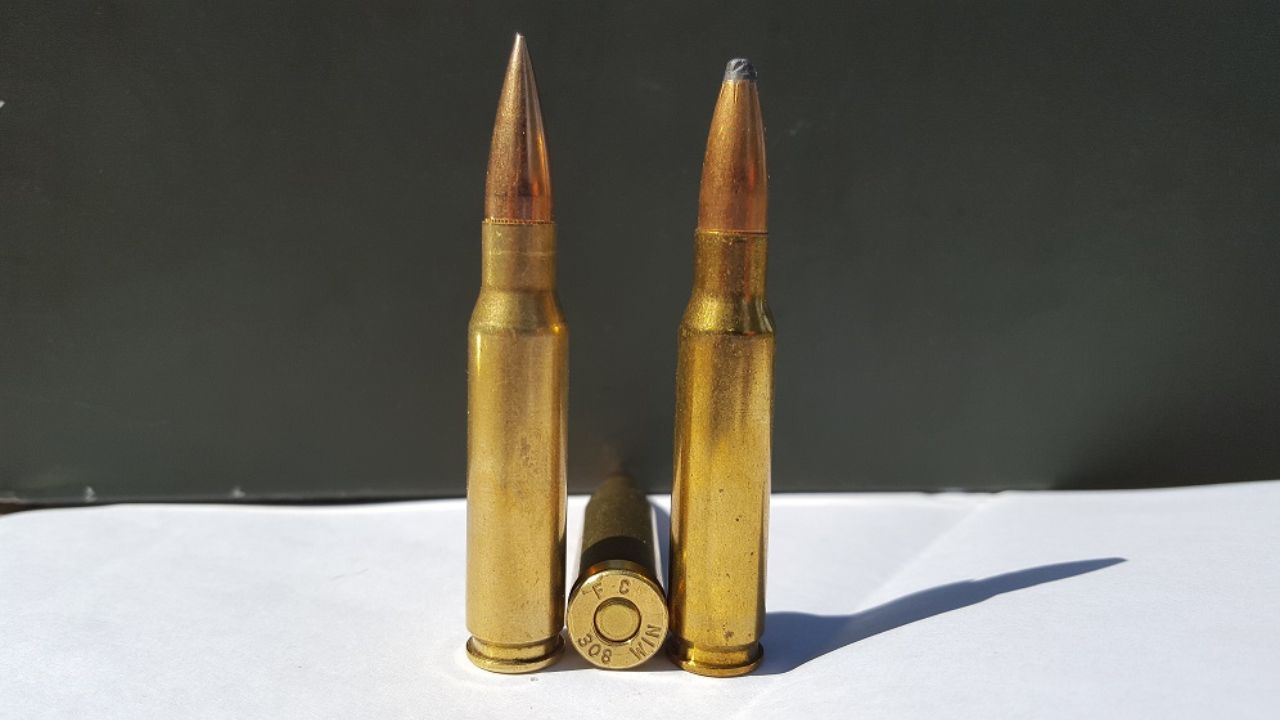
The .308 looks almost boring because it has been around so long and does not produce magnum velocities. Compared with newer long-range cartridges, the numbers can seem ordinary.
Its real strength is efficiency. The .308 performs very well from shorter barrels, fits compact rifles, and gives hunters access to an enormous range of bullet weights. Recoil stays manageable, ammunition is widely available, and the cartridge delivers reliable penetration on everything from deer to elk. It is also forgiving about rifle length and does not require extreme velocity to make hunting bullets work properly. The .308’s reputation comes from how consistently it performs rather than from any one impressive number.
.257 Roberts

The .257 Roberts is not fast enough to compete with modern quarter-bore magnums and not common enough to dominate store shelves. That makes it easy to overlook.
What the cartridge offers is an unusually pleasant balance of mild recoil and effective deer performance. With good hunting bullets, the Roberts penetrates very well and carries enough velocity for normal hunting distances without turning a lightweight rifle into something unpleasant to shoot. It is especially well suited to hunters who value accuracy and shot placement over raw horsepower. The numbers may look modest, but the cartridge is much more capable in the field than its paper reputation suggests.
.300 Savage

The .300 Savage does not have the velocity of .308 Winchester, and modern factory ammunition does not make it look particularly exciting. It is easy to dismiss as an older cartridge that has been passed by.
Inside normal deer-hunting distances, the difference matters very little. The .300 Savage pushes useful .30-caliber hunting bullets fast enough for dependable expansion and strong penetration while keeping recoil reasonable. It also works beautifully in compact rifles like the Savage 99. The cartridge’s real advantage is that it gives you nearly everything a woods hunter needs without excess. It is not flashy, but it remains far more effective than the ballistic tables make it look.
.338 Federal

The .338 Federal does not generate the dramatic velocity figures people associate with .338-caliber cartridges. Compared with .338 Win Mag, it looks almost tame.
That lower velocity is actually part of why it works so well. The cartridge drives heavy .338 bullets from a short-action case with much less recoil and blast than a magnum. Those bullets bring strong sectional density and frontal area, which helps on elk, black bear, and hogs at sensible ranges. It fits compact rifles and does not require a heavy platform to control. The .338 Federal is a good example of a cartridge whose real-world authority is much greater than the muzzle number alone suggests.
.358 Winchester
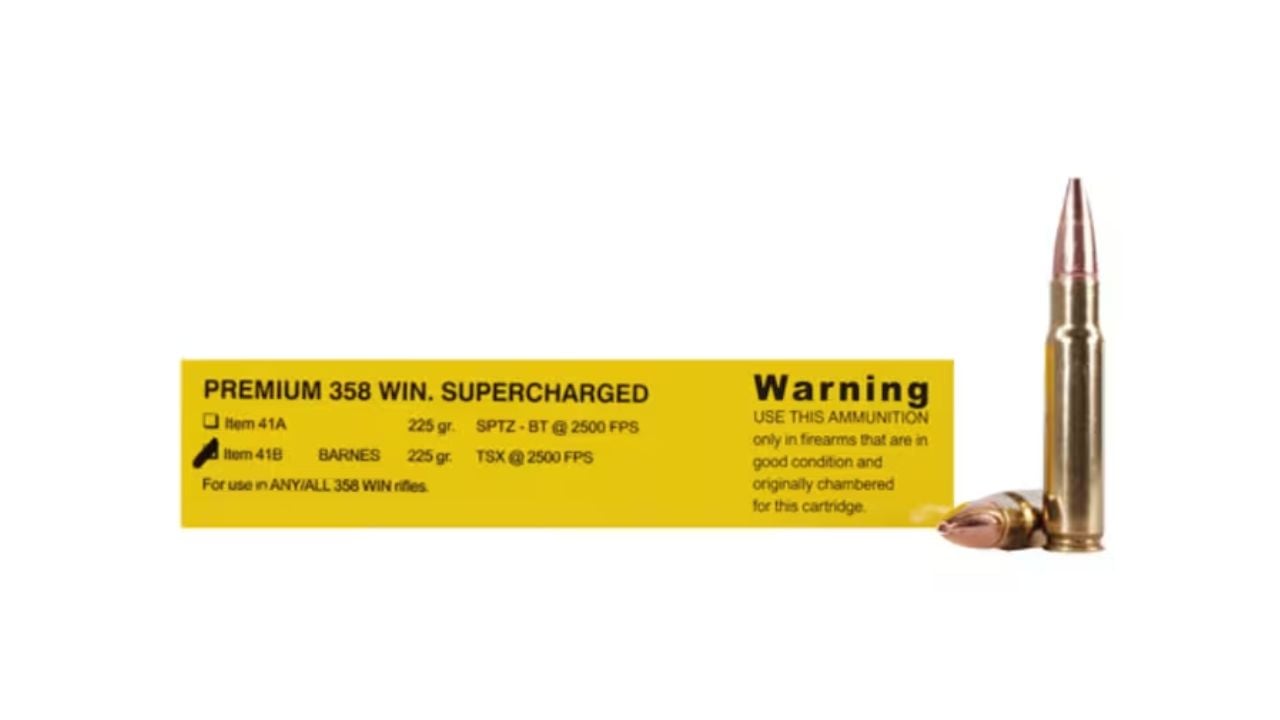
The .358 Winchester looks slow compared with modern hunting cartridges, and its trajectory is nothing special. That has kept it from getting much attention outside a small group of woods hunters.
At closer ranges, it is extremely effective. The cartridge pushes heavy .35-caliber bullets from a short action and delivers excellent penetration without magnum recoil. The broad bullet diameter also gives it strong terminal performance on deer, hogs, black bear, and elk. It works especially well in compact rifles where long-range trajectory is irrelevant. On paper, the .358 looks dated. In thick timber, it still makes a lot of sense.
6.5 Grendel

The 6.5 Grendel does not produce eye-catching muzzle velocity, especially from short AR-platform barrels. That can make it look weak beside larger hunting cartridges.
Its efficiency is where the cartridge earns respect. High-sectional-density 6.5mm bullets retain velocity well and penetrate better than the modest case capacity might suggest. The Grendel also fits the AR-15 platform, giving hunters a compact, light-recoiling rifle with much better downrange performance than 5.56. For deer and hogs at realistic distances, it delivers more than its small case and mild recoil would lead you to expect.
6.5×55 Swedish

The 6.5×55 has never depended on extreme speed to work. Traditional loads are often quite mild compared with newer 6.5mm cartridges.
What makes it special is how effectively long, heavy-for-caliber bullets penetrate. The cartridge has spent generations taking deer, moose, and other game in Europe with performance that looks almost understated on paper. Recoil is mild, accuracy is usually excellent, and the bullets carry their momentum well. Modern shooters sometimes assume newer cartridges must be more capable, but the old Swede continues to prove how much can be done with sensible velocity and excellent bullet geometry.
.270 Winchester

The .270 Winchester actually has good numbers, but what gets overlooked is how forgiving and versatile those numbers are in the field.
It shoots flat enough for open-country hunting without needing magnum recoil, and 130- to 150-grain bullets offer excellent penetration on deer and elk-sized game. The cartridge also works well in relatively light rifles and has enough factory ammunition support that hunters can choose loads for very different applications. It is easy to focus on newer 6.5mm and 7mm rounds, but the .270 still gives hunters a remarkably useful balance of speed, recoil, and terminal performance.
.280 Remington

The .280 Remington has always lived in the shadow of the .270 Winchester and .30-06, which makes its performance easy to underestimate.
The cartridge handles excellent 7mm bullets and provides enough velocity for serious deer and elk hunting without requiring magnum recoil. Its advantage is not one spectacular statistic but the way everything fits together. You get strong sectional density, good retained velocity, and useful bullet weights in a standard-length action. It is one of those cartridges that makes more sense the longer you hunt with it because it quietly does almost everything well.
.35 Remington

The .35 Remington looks slow and old-fashioned beside modern bottleneck cartridges. Muzzle energy figures do not jump off the page either.
In the woods, it is a different story. The cartridge launches relatively heavy .35-caliber bullets at velocities that work extremely well on deer and black bear. Expansion is dependable, recoil is manageable, and the cartridge pairs with short lever rifles that are fast to shoulder in thick cover. It does not need extreme speed because it was built around close-range effectiveness. The .35 Remington’s field performance has always been greater than the numbers suggest.
.44 Magnum

From a handgun, .44 Magnum is already powerful. From a rifle, it becomes much more useful than many hunters realize.
Velocity increases substantially from a carbine-length barrel, and that extra speed turns heavy .44-caliber bullets into very effective short-range hunting projectiles. Recoil remains manageable in most rifles, and the cartridge works in compact lever actions and bolt guns. The trajectory limits range, but inside roughly 100 to 125 yards, the .44 Magnum can handle deer and hogs with surprising authority. Its handgun reputation sometimes hides how useful it becomes in a rifle.
.45 Colt

The .45 Colt has such a long history with low-pressure ammunition that many shooters underestimate what it can do from a strong modern rifle.
With proper hunting loads in a rifle rated for them, the cartridge can push heavy bullets with enough authority for deer, hogs, and other close-range game while maintaining relatively mild blast. A lever gun chambered in .45 Colt is also compact and pleasant to carry. The important part is matching ammunition to the rifle because load pressure varies widely. In the right setup, the cartridge offers far more hunting capability than its cowboy-load reputation suggests.
.350 Legend

The .350 Legend does not look especially powerful next to traditional bottleneck hunting cartridges. Its velocity is moderate and the case is relatively small.
What it offers is efficiency in a very practical package. Recoil is mild, rifles can be compact, and the cartridge performs well on deer inside the ranges where many hunters actually shoot. It also works from AR-platform rifles and complies with straight-wall regulations in places where bottleneck rounds are restricted. The .350 Legend’s advantage is not raw power. It is how much useful deer-hunting performance it delivers with very little punishment to the shooter.
.360 Buckhammer
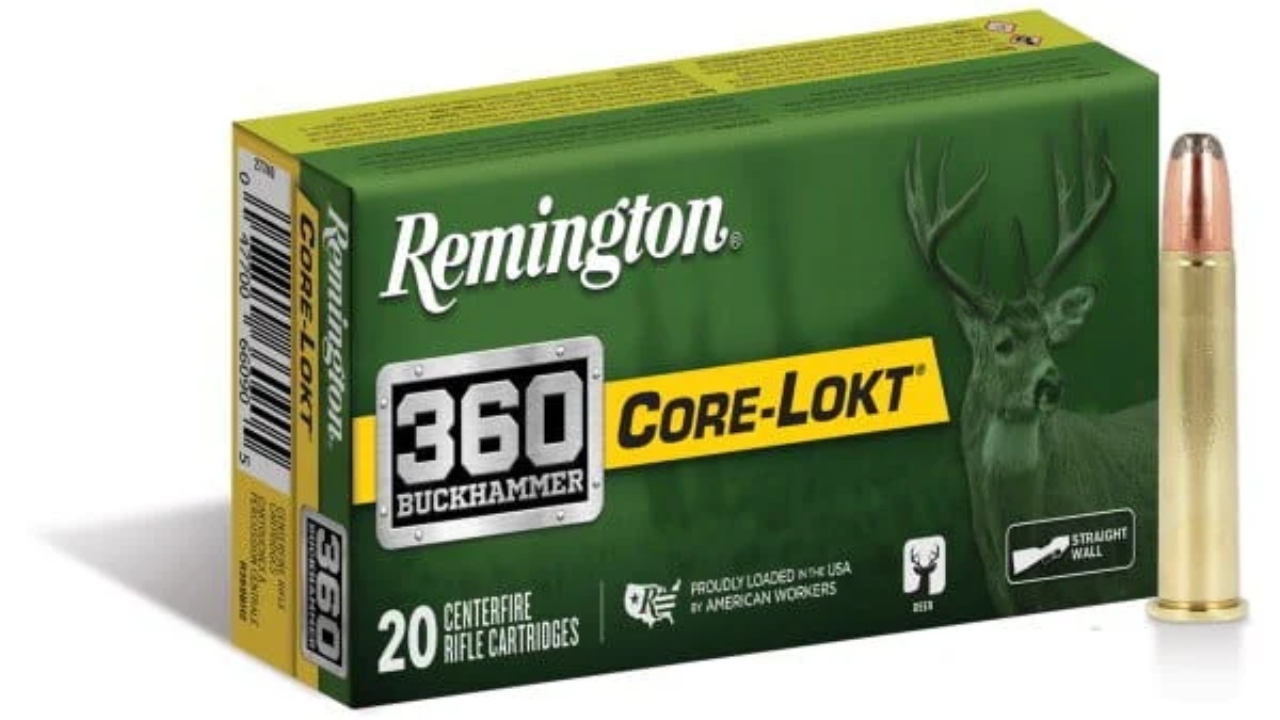
The .360 Buckhammer is another cartridge whose numbers do not look dramatic until you consider what it is designed to do.
It pushes relatively heavy .358-caliber bullets at sensible velocity and works well in lever rifles, making it a natural fit for woods hunting. Recoil is moderate, penetration is strong, and the cartridge gives hunters more bullet weight than smaller straight-wall options without jumping to the recoil level of .45-70. It is not trying to win long-range contests. It is built to hit deer and hogs hard at practical distances, and in that role it offers more than the charts suggest.
.444 Marlin

The .444 Marlin is often overshadowed by .45-70, which makes it seem like the lesser big-bore lever cartridge.
That is not necessarily fair. The .444 drives heavy .44-caliber bullets at true rifle velocity and delivers excellent penetration on deer, hogs, black bear, and larger game at moderate range. Recoil is stout but generally more manageable than the heaviest .45-70 loads, and rifles chambered for it remain relatively handy. The cartridge does not need enormous energy figures to work because the combination of bullet weight and diameter already gives it plenty of authority.
.45-70 Government
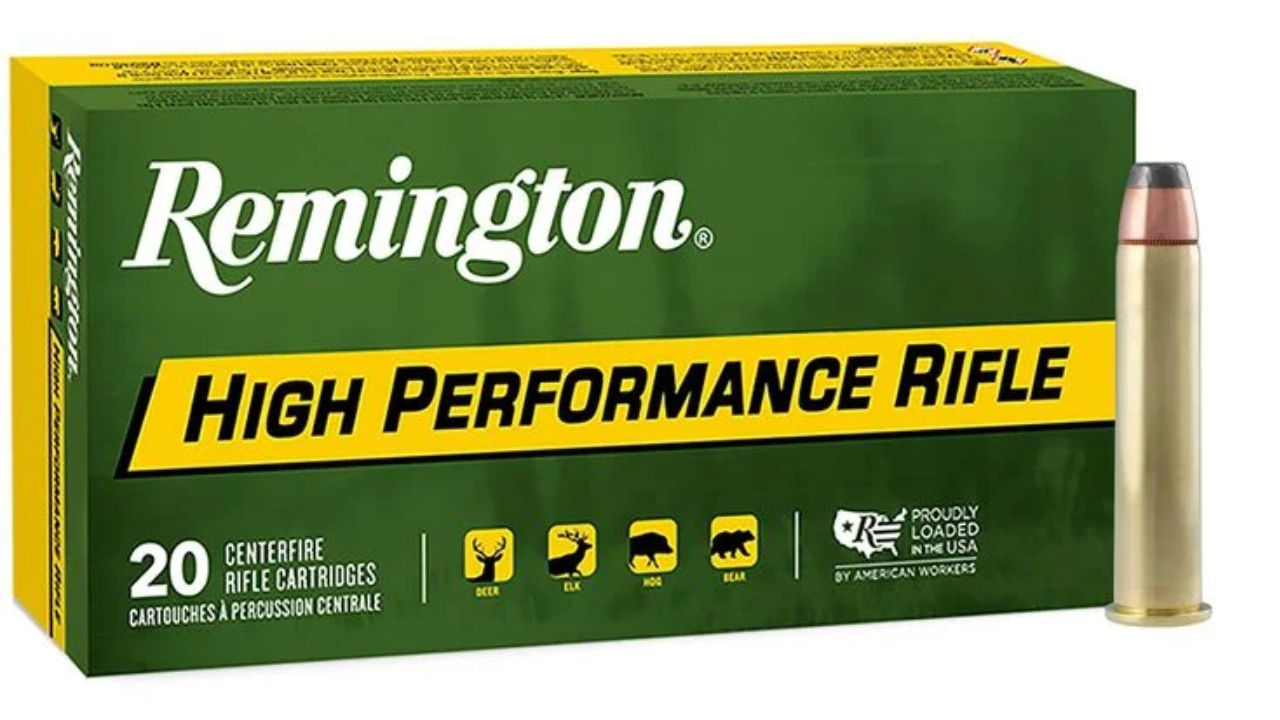
The .45-70 is ancient by modern standards and looks almost primitive if you focus on velocity alone.
Heavy bullets at moderate speed can still be devastatingly effective. The cartridge penetrates deeply, works in short lever rifles, and can be loaded from mild deer levels to heavy loads suitable for much larger game. Its trajectory is limited, but inside normal woods distances that drawback barely matters. The .45-70 has survived because it delivers a type of performance that velocity charts do not fully capture. Big, heavy bullets moving at sensible speed still work.
.32 Winchester Special
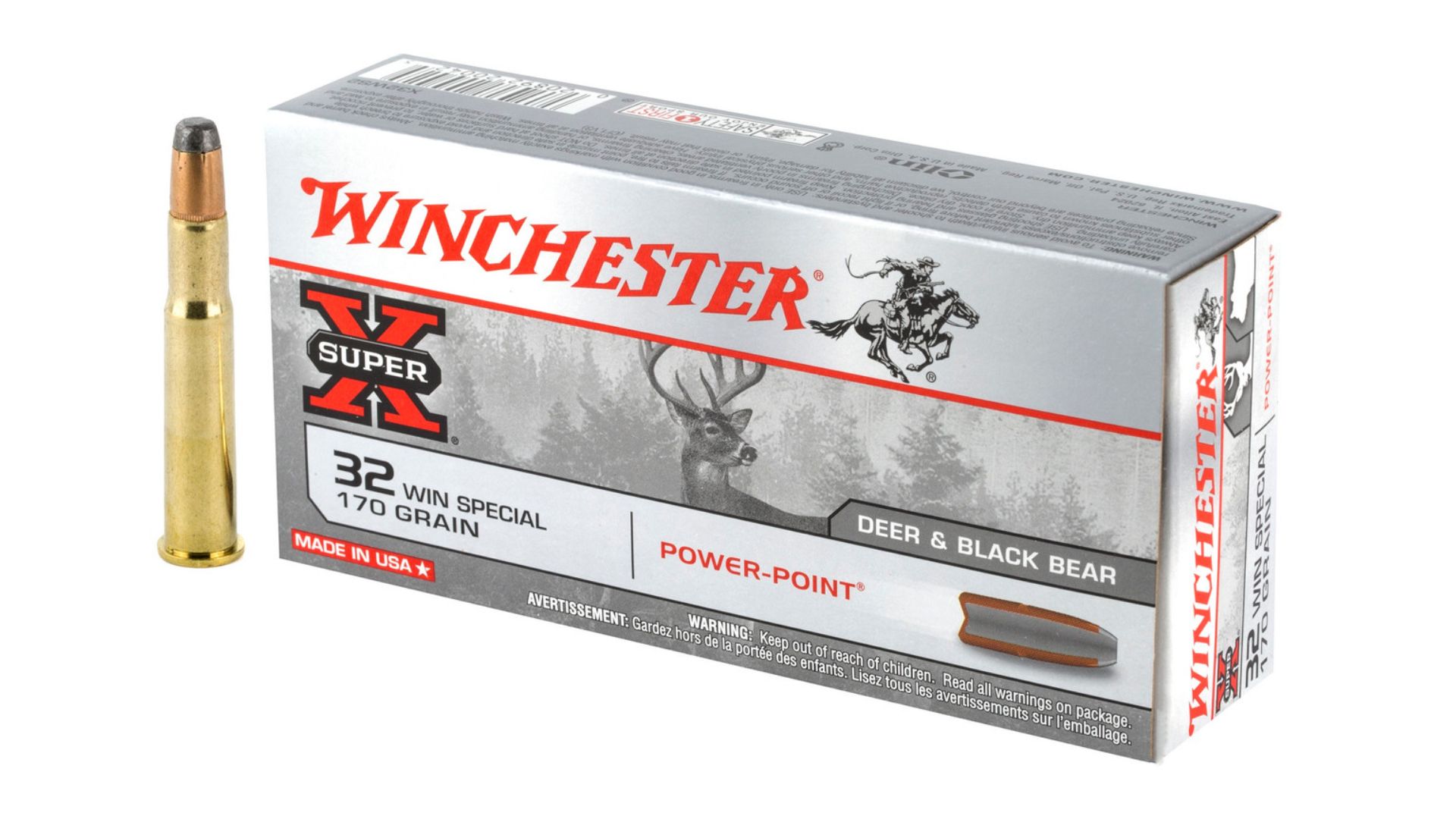
The .32 Winchester Special has always lived in the shadow of the .30-30, and the differences between them look small on paper.
That does not mean the .32 is ineffective. It throws a slightly larger bullet at similar velocities and performs very well on deer and black bear at close to moderate ranges. In a lever rifle, it offers the same quick handling and mild recoil that made the .30-30 famous. Ammunition availability is the bigger problem today, not field performance. When properly loaded, the .32 Special remains a better woods cartridge than its declining popularity suggests.
.22 Hornet

The .22 Hornet looks weak beside .223 Remington and .22-250, and in terms of raw velocity it absolutely is.
Its real strength is efficiency. The Hornet is quiet by centerfire standards, uses very little powder, produces almost no recoil, and works beautifully for varmints and small predators at moderate ranges. It also fits in lightweight rifles that are pleasant to carry all day. Not every shot requires maximum velocity. For farm use, pests, and close-range predator work, the .22 Hornet often gives you exactly enough performance without the noise and expense of larger cartridges.
Like The Avid Outdoorsman’s content? Subscribe to our newsletter so you never miss an article.
Here’s more from us: