Photo credit: Texas Gun Vault/YouTube
Some guns become bigger than the metal, polymer, and wood they are built from. A good military story, a famous movie appearance, a strong fan base, or one genuinely good feature can turn a firearm into a legend. After that, the reputation starts doing a lot of the selling.
The problem is that not every gun can live up to the myth forever. Some were great for their time but feel dated now. Others were always more interesting than practical. A few are still good firearms, just not as flawless as their fans claim. These are the guns that built huge reputations, then struggled to match the expectations that came with them.
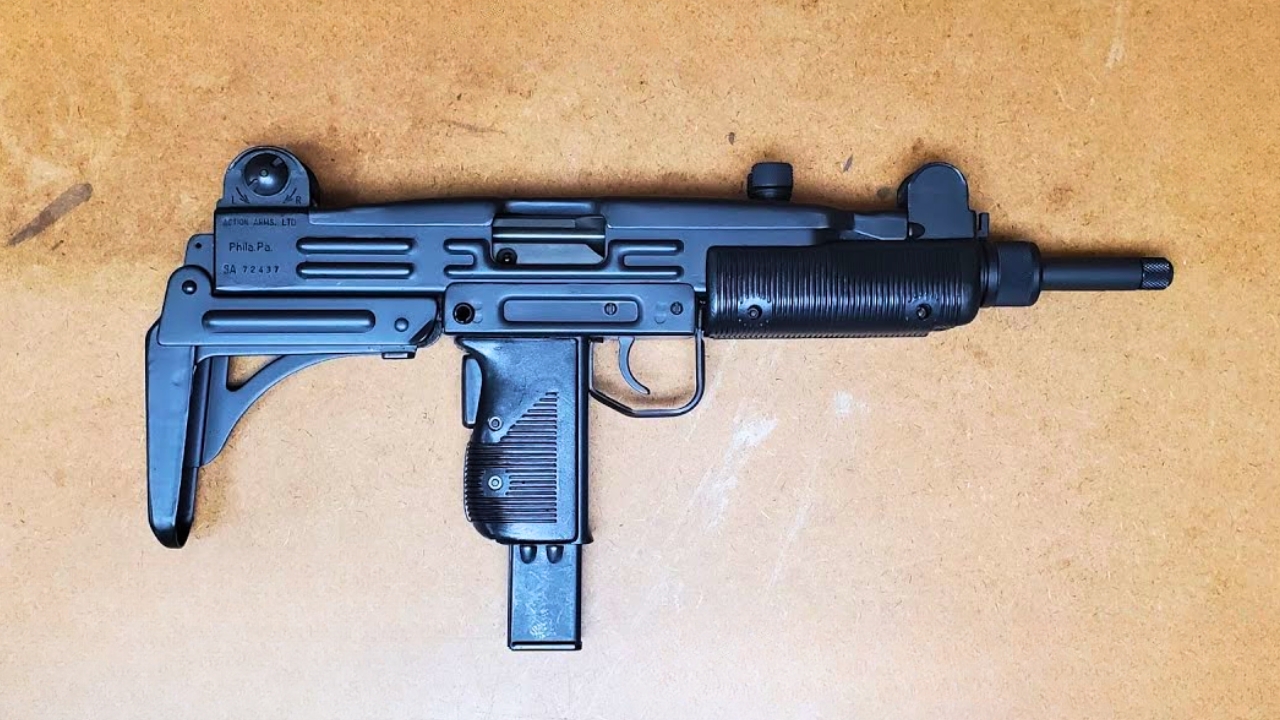
IMI Uzi Model B
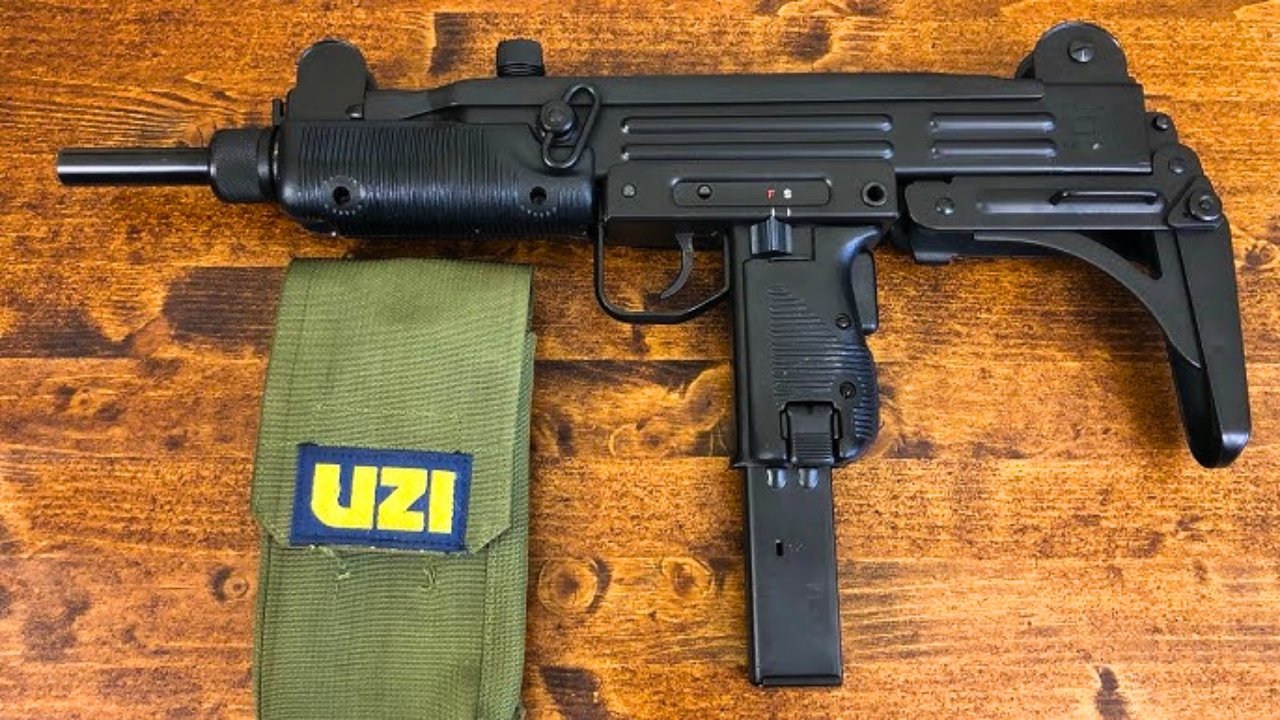
The Uzi has one of the strongest reputations in firearm history. It looks tough, it has military and law-enforcement history, and it became instantly recognizable through movies, TV, and video games. Even people who know very little about guns know what an Uzi is supposed to look like.
The civilian semi-auto Model B has the same attitude, but the reality is less exciting. It is heavy for a 9mm, awkward compared with newer pistol-caliber carbines, and not especially refined as a range gun. The reputation comes from the submachine gun world, but the semi-auto version mostly gives buyers the weight and shape without the same practical payoff.
Thompson 1927A1
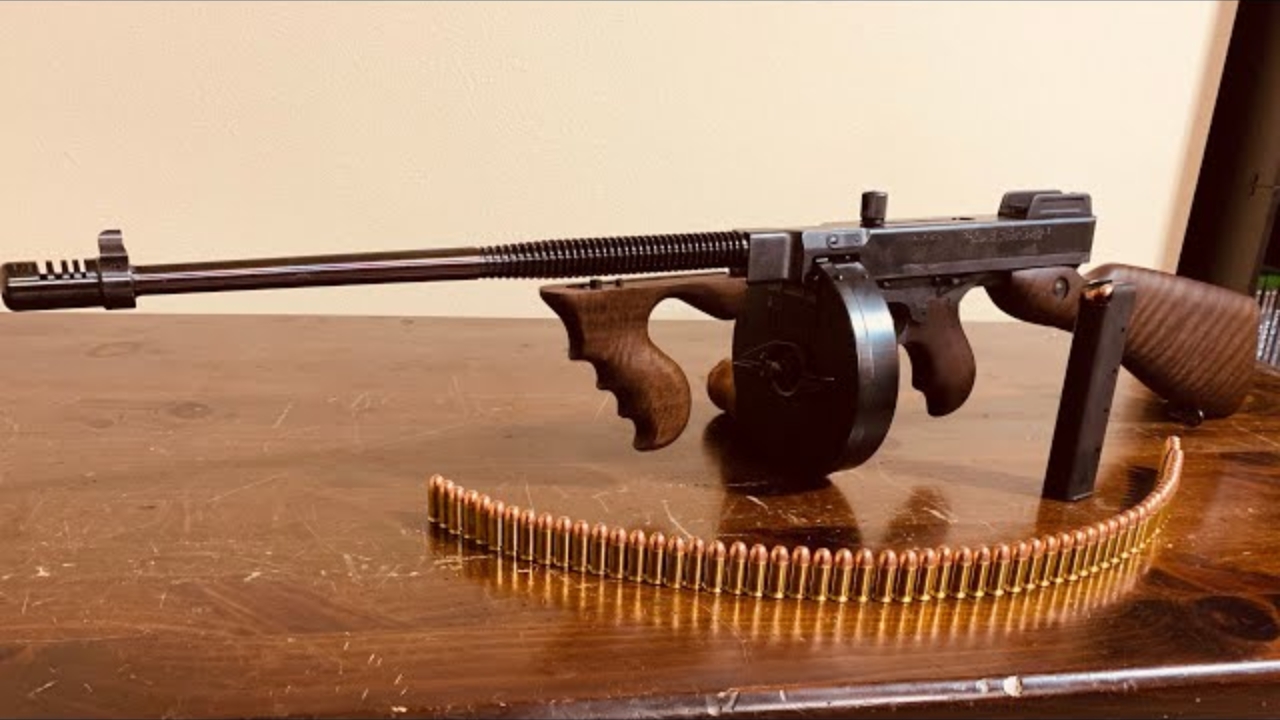
The Thompson 1927A1 sells on history almost entirely. The gangster-era look, walnut furniture, drum magazines, and “Tommy Gun” image make it one of the most recognizable firearms ever made. Pick one up in a gun store, and the cool factor is immediate.
Then you realize how heavy and awkward it is. The semi-auto Thompson is expensive, bulky, and not nearly as handy as its legend suggests. It is fun in small doses, but it is not a practical .45 ACP carbine by modern standards. The name is doing most of the work, and buyers are paying for the image more than the performance.
Desert Eagle .50 AE

The Desert Eagle built its reputation on pure spectacle. It is huge, loud, powerful, and impossible to ignore. Movies and video games turned it into the default answer for anyone who wanted the biggest handgun in the room.
As an actual handgun, it is much harder to justify. It is heavy, expensive to feed, picky compared with simpler pistols, and too large for most normal roles. It can be accurate and fun, but that does not make it practical. The Desert Eagle lives up to the drama, but not the usefulness people imagine when they first want one.
Colt Python
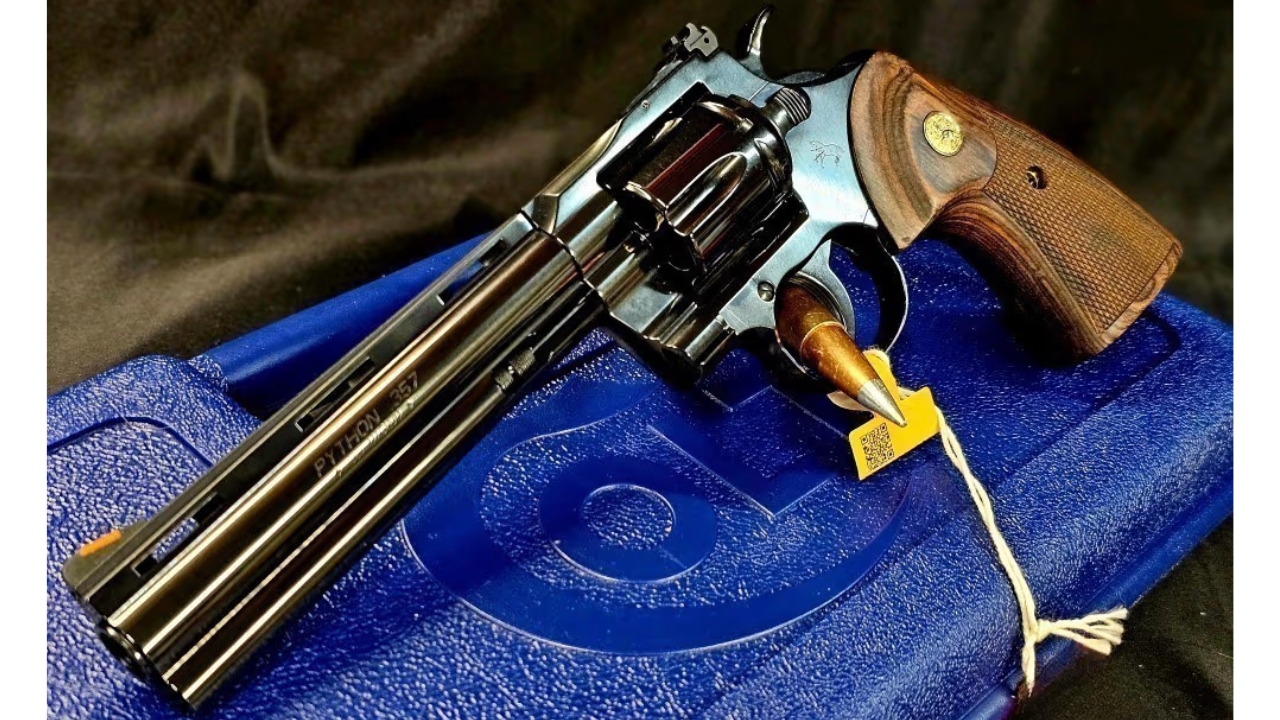
The Colt Python deserves a lot of its reputation. It is beautiful, smooth, and one of the most famous revolvers ever made. Older examples especially have the kind of finish and mechanical feel that made people treat them like functional artwork.
The issue is that the reputation has grown so large that no revolver can fully match it. A Python is not automatically tougher, more practical, or more accurate than every other quality .357 Magnum. A good Smith & Wesson or Ruger can do serious work for less money. The Python is special, but the legend sometimes makes people forget it is still just a revolver with tradeoffs.
Remington R51

The Remington R51 had a reputation before it ever earned one. It was supposed to be a clever, modern revival of an unusual older design, with soft recoil and a slim carry profile. People wanted it to be the thinking man’s alternative to another striker-fired compact.
What happened instead was a long lesson in how bad execution can ruin a good idea. Reliability issues, quality-control problems, and awkward real-world performance buried the excitement fast. The concept was interesting, but the gun could not live up to the anticipation. It became known more for disappointment than innovation.
Springfield Armory SA-35
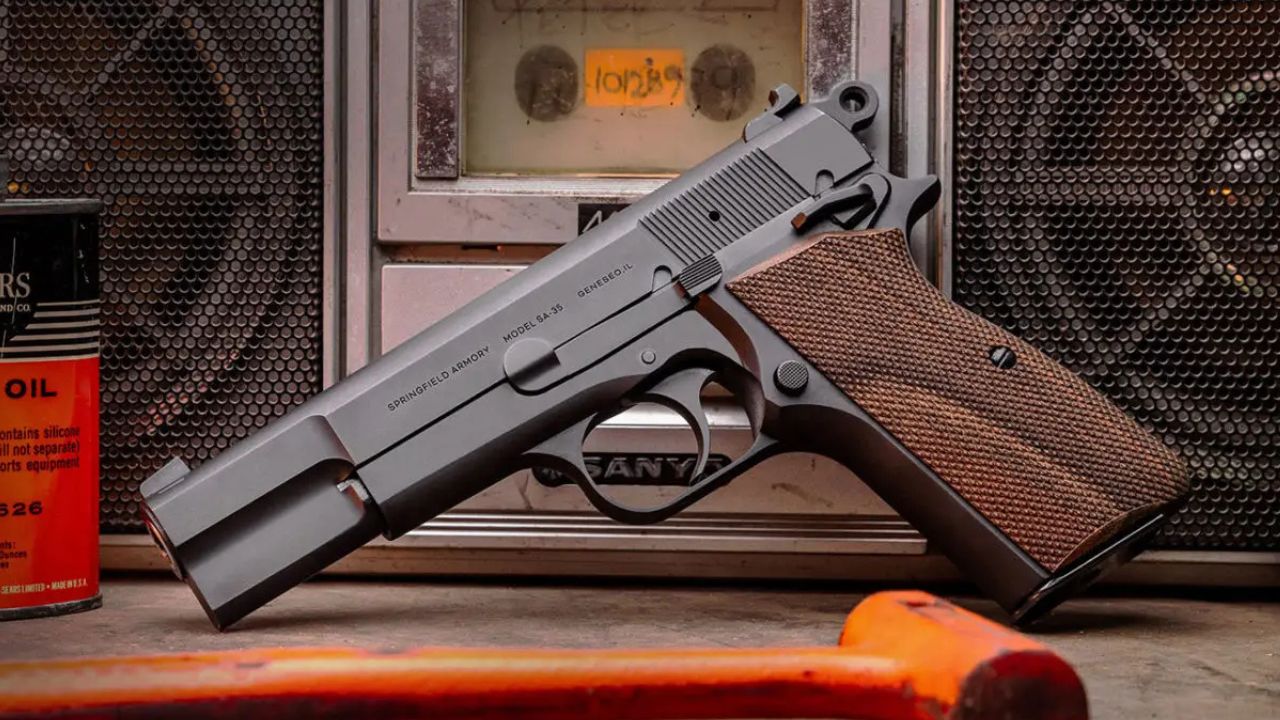
The Springfield SA-35 arrived with a reputation built mostly on the Browning Hi-Power’s legacy. That is both its strength and its problem. The look, feel, and promise of a modern Hi-Power-style pistol made people want it before many had even shot one.
The SA-35 can be a good pistol, but it entered the world carrying expectations that were almost impossible to satisfy. It does not offer modern optics capability, modern striker-fired simplicity, or the collector magic of an original Browning. For some buyers, it is exactly what they wanted. For others, it is a nostalgia gun that has to work harder than expected to justify the hype.
Mossberg 500 Chainsaw
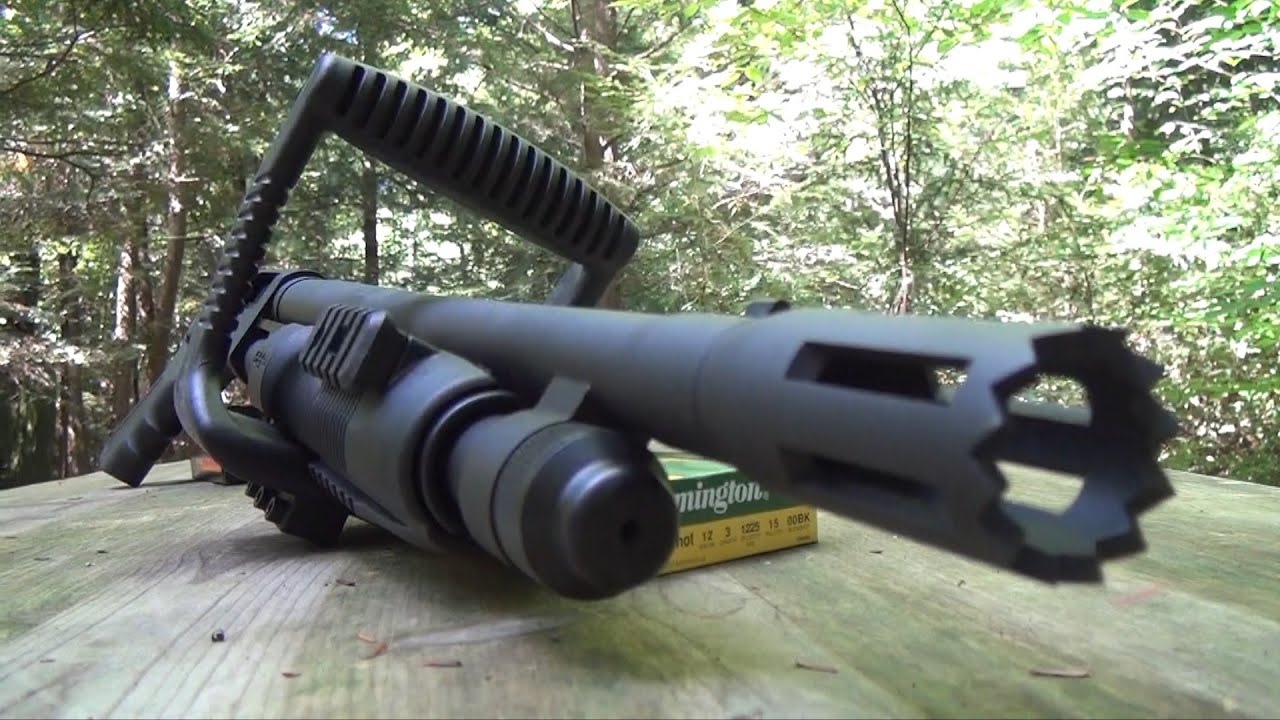
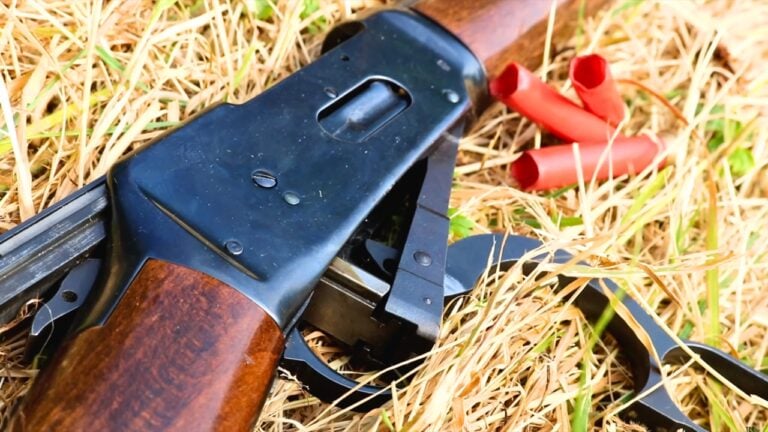
The Mossberg 500 itself is a proven shotgun. The Chainsaw version is where the reputation and reality split apart. The top-mounted handle and aggressive appearance made it look like the ultimate close-range problem solver. It screamed tough before anyone fired a shell.
The problem is that the setup is more awkward than useful. A shotgun with a handle on top may look intimidating, but it does not make the gun easier to aim, control, or run well. The standard Mossberg 500 is a far better practical shotgun. The Chainsaw built a reputation on looks, not real improvement.
Winchester Model 1907
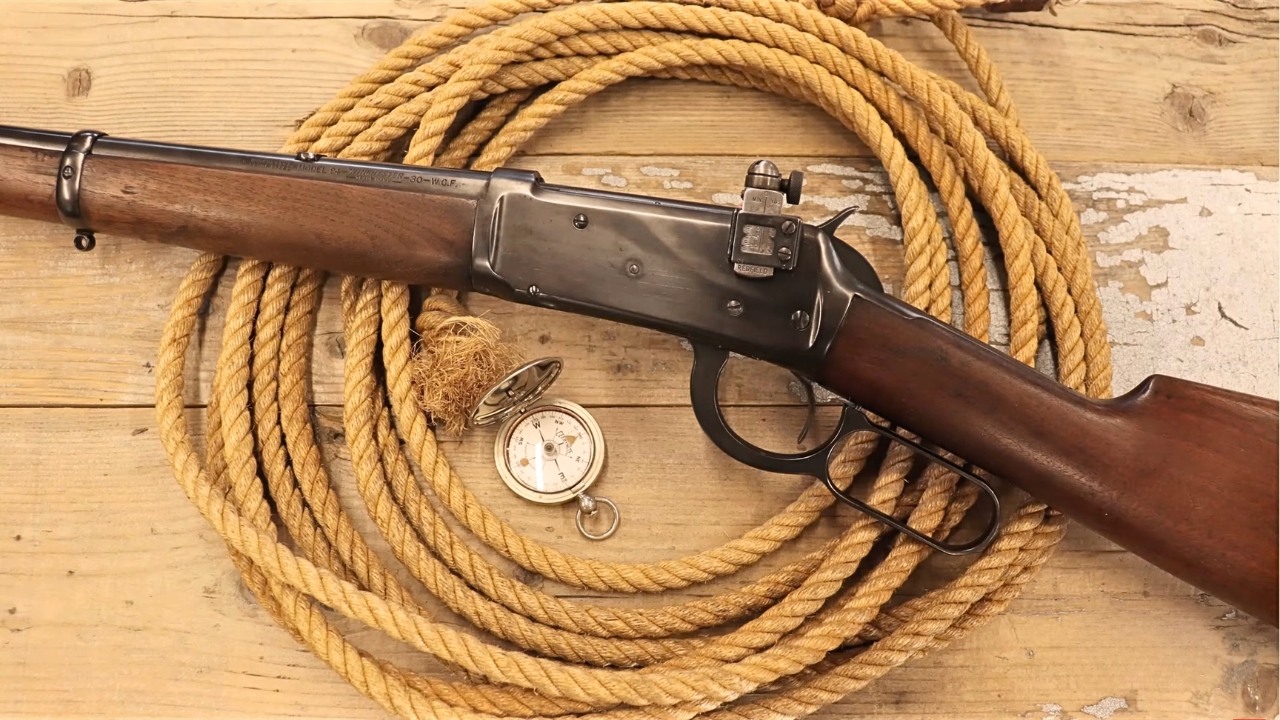
The Winchester Model 1907 has a fascinating reputation because of its early semi-auto design and historical use. It looks like something from a different era because it is. For collectors, that early 20th-century semi-auto appeal is real.
But as a shooter today, the rifle is more interesting than practical. Ammunition is expensive and uncommon, the design is dated, and the rifle does not offer much that a modern carbine cannot do better. It deserves respect as a historical firearm, but the reputation is more about what it represented then than what it delivers now.
FN SCAR 17S

The FN SCAR 17S has a serious reputation as a modern battle rifle. It is lightweight for a .308 semi-auto, distinctive, and tied to military use. Its name alone makes people expect something nearly untouchable.
The SCAR is good, but the price and hype set expectations sky-high. Magazines, parts, optics mounts, and accessories all add to the cost, and plenty of AR-10-style rifles now offer excellent accuracy and reliability for less money. The SCAR still has real strengths, but its reputation makes it sound like nothing else belongs in the conversation. That is not true anymore.
Kimber Solo
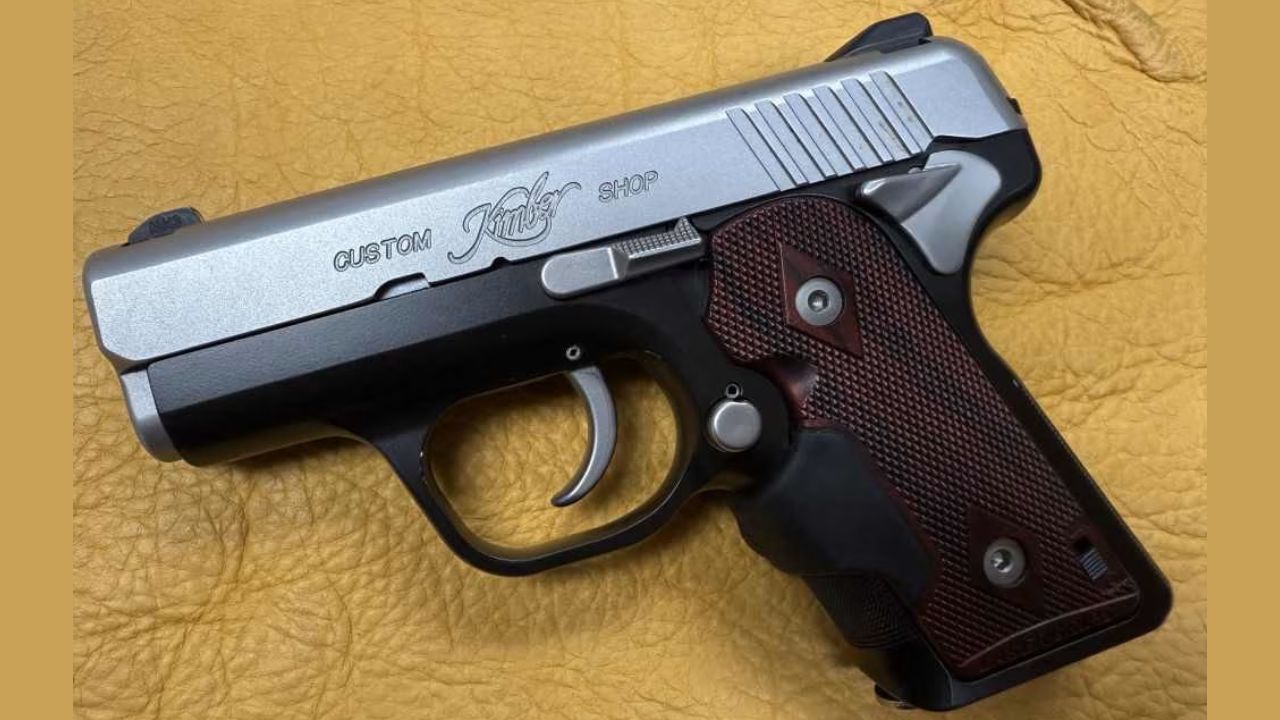
The Kimber Solo was supposed to be a premium micro 9mm before that category became crowded. It looked classy, felt expensive, and carried the Kimber name, which made people expect refinement. At the time, a sleek little 9mm with upscale styling sounded like a winner.
The reputation did not survive real use for many shooters. The Solo became known for being picky, snappy, and less dependable than a carry pistol needed to be. It looked like a premium solution, but simpler pistols ended up being easier to trust. The idea was stronger than the execution.
KelTec KSG
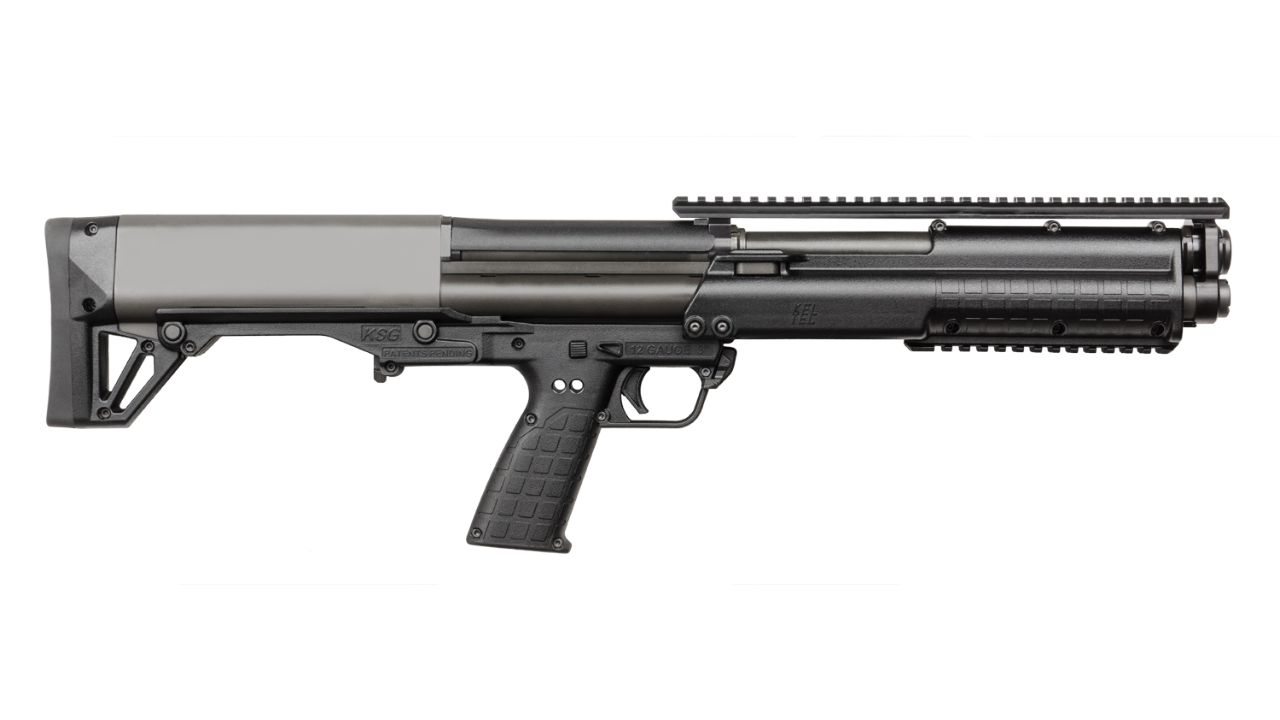
The KelTec KSG built a huge reputation because it looked like the future of defensive shotguns. A compact bullpup 12 gauge with dual magazine tubes and big capacity sounded almost too good to ignore. It looked like something out of a sci-fi armory.
The reality is more complicated. The KSG can be fun and compact, but it is also awkward to load, awkward to clear, and less natural to run under stress than a traditional pump shotgun. The capacity is impressive, but capacity does not automatically mean simplicity. It built a reputation on being different, then asked shooters to work around everything that came with being different.
Bushmaster ACR
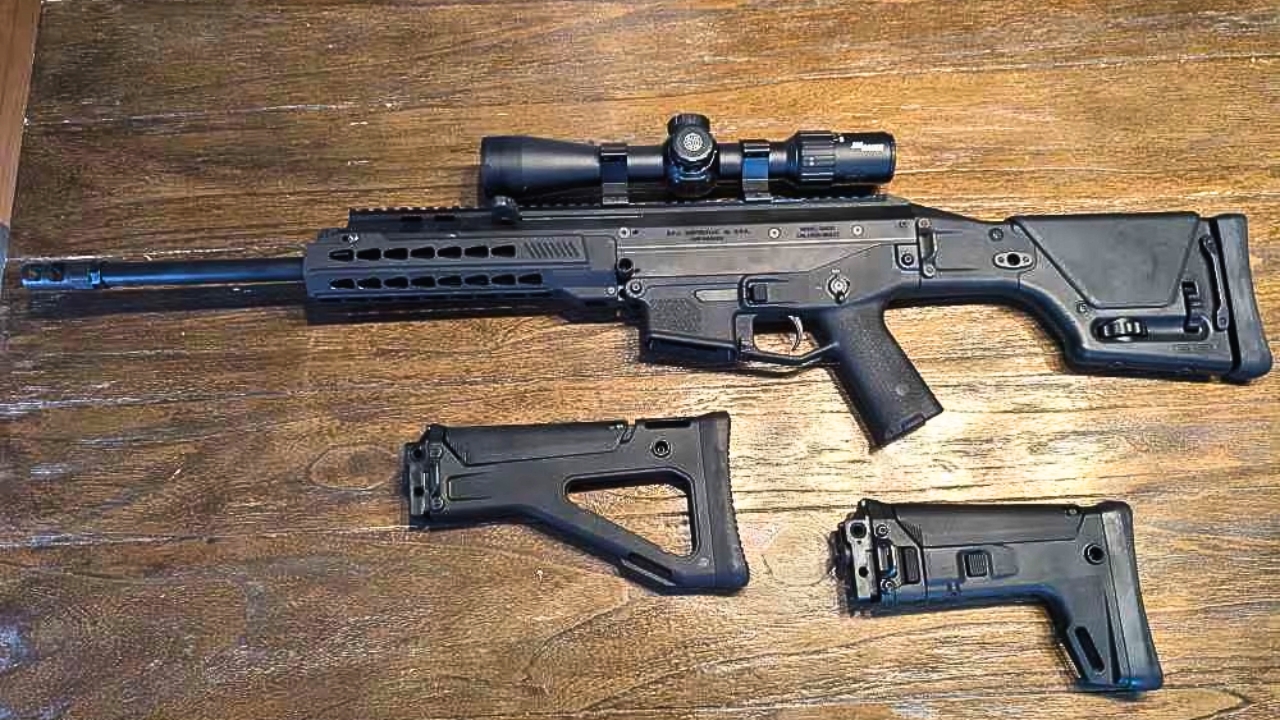
The Bushmaster ACR had enormous hype behind it. It looked modern, modular, and ready to be the next great evolution beyond the AR-15. Shooters expected a rifle that would change the market and make older designs feel outdated.
Instead, it became a lesson in missed potential. The rifle was expensive, heavier than many expected, and never received the level of support needed to become a true modular platform. The ACR looked like the future, but the AR-15 kept getting better and cheaper around it. Its reputation was built on what people thought it would become.
Taurus Raging Judge Magnum
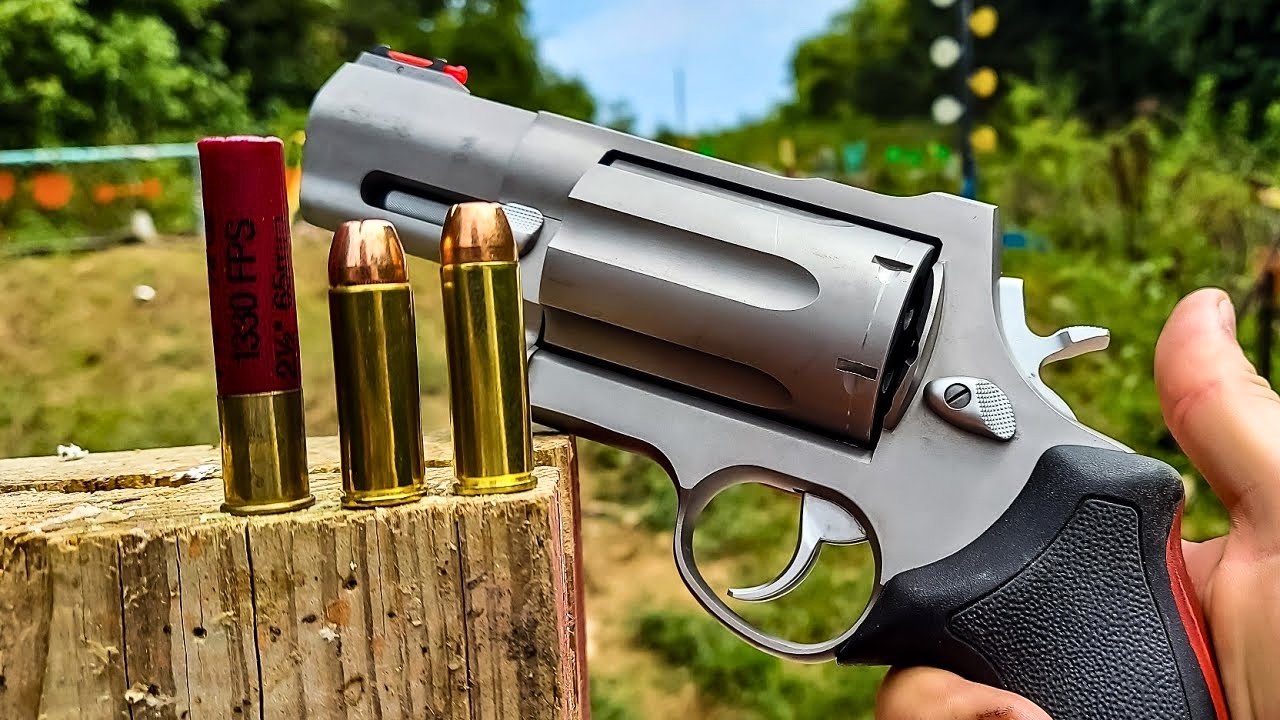
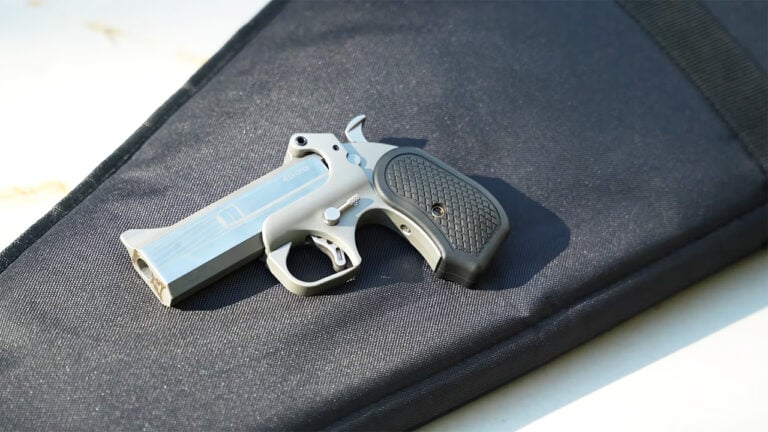
The Taurus Raging Judge Magnum has the kind of reputation that comes from being absurd in the best and worst ways. It fires .454 Casull, .45 Colt, and .410 shells, which sounds like a revolver designed to win arguments before they start. On size and chambering alone, it gets attention.
But the practical side is much harder to defend. It is enormous, heavy, expensive to feed, and more specialized than most buyers admit. The ability to fire multiple cartridges sounds useful, but it does not automatically make the gun good at everything. Its reputation is built on shock value more than everyday usefulness.
H&K Mark 23

The H&K Mark 23 has a near-mythic reputation. It was built as a military offensive handgun, it is incredibly durable, and it has the kind of overbuilt feel that HK fans love. As a piece of engineering, it is impressive.
The problem is that the reputation makes people talk about it like it is a practical answer for normal handgun use. It is huge, expensive, and more pistol than almost anyone needs. A USP Tactical, FNX-45 Tactical, or modern threaded .45 can make more sense for most shooters. The Mark 23 is legendary, but its legend is much bigger than its everyday usefulness.
Ruger Mini-14

The Ruger Mini-14 has a reputation as the handy ranch rifle that does everything. It looks less aggressive than an AR, carries well, and has decades of loyal users behind it. There is real appeal in a light semi-auto .223 that feels more traditional.
The problem is that the reputation often ignores the competition. AR-15s are usually cheaper to customize, easier to accessorize, more accurate, and supported by endless parts and magazines. Newer Mini-14s are better than older ones, but the rifle still struggles to match what people expect for the price. It is useful, but not the all-purpose winner its fans describe.
Auto-Ordnance M1 Carbine
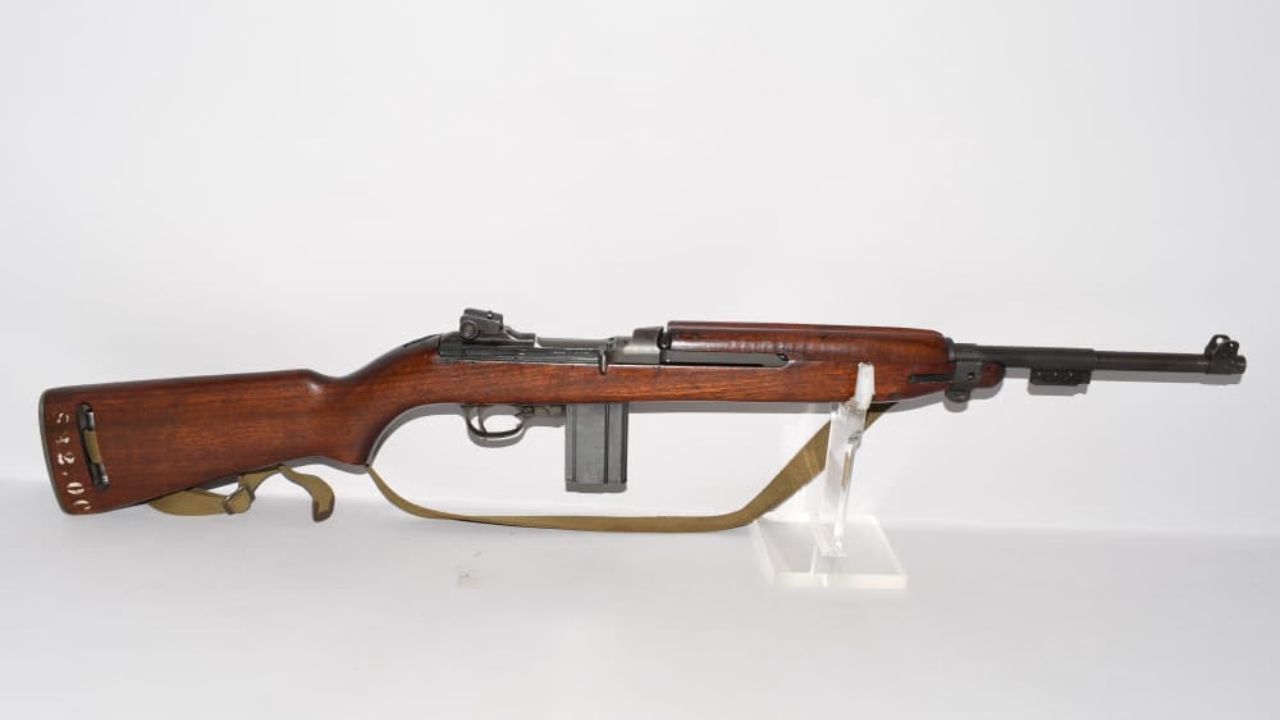
The original M1 Carbine has a reputation built on history, light handling, and real military service. The Auto-Ordnance version benefits from that same image. Buyers want the feel of a classic carbine without paying collector prices for a genuine U.S. military example.
The issue is that the modern reproduction has to live up to a beloved original, and that is not easy. Fit, reliability, and overall feel can vary in ways that make buyers question the value. The M1 Carbine concept is excellent, but a reproduction does not automatically inherit the full reputation of the wartime guns.
SIG Sauer P238

The SIG P238 built a reputation as one of the nicer pocket .380 pistols. It is attractive, metal-framed, and far more pleasant than many tiny defensive pistols. For people who like 1911-style controls, it feels familiar and polished.
The problem is that the market moved on. It is still a small .380 with limited capacity, tiny controls, and a single-action manual of arms not everyone wants for pocket carry. It may shoot better than many pocket pistols, but it also costs more and gives less capability than many modern micro 9mms. Its reputation is strong, but its role has narrowed.
IWI Tavor SAR

The IWI Tavor SAR built a reputation around being a compact, combat-proven bullpup that brought real military pedigree to the civilian market. It offered a full-length barrel in a short overall package, and that made it stand apart from standard AR-15s. The cool factor was undeniable.
The reality is that bullpups always come with compromises. The trigger is not great compared with good AR triggers, the balance feels rear-heavy to some shooters, and the manual of arms takes adjustment. It is compact and durable, but not automatically better than an AR. The reputation sells the concept, while the shooting experience reminds people of the tradeoffs.
Chiappa Rhino
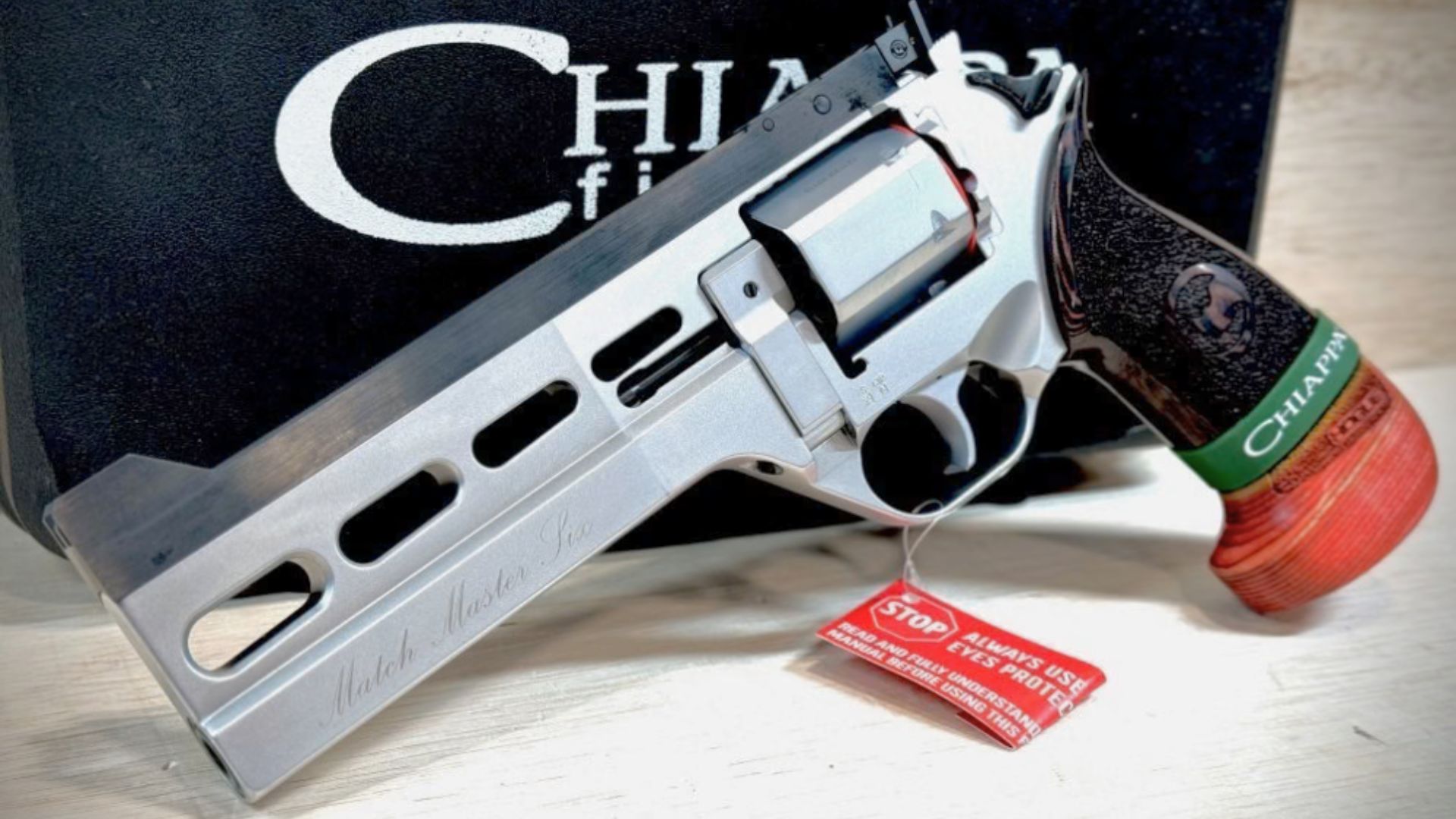
The Chiappa Rhino built a reputation because it looks completely different and promises a different recoil experience. The low bore axis really does change how the gun behaves, and the design is one of the most visually distinct modern revolvers around. It is easy to understand why people are curious.
But the Rhino is not as universally loved once people actually use it. The controls are unusual, the looks are divisive, and the price is high enough that buyers expect a lot. It solves one problem while creating a few quirks of its own. The reputation is based on being unique, but unique does not always mean better.
KRISS Vector

The KRISS Vector has a reputation built on futuristic styling and a recoil system that sounds impressive. It looks unlike almost anything else, and in pistol-caliber carbine form it draws attention immediately. People expect it to feel like a high-tech answer to recoil and control.
For many civilian shooters, the payoff is not as dramatic as the reputation suggests. In semi-auto form, especially in 9mm, the advantage is less obvious than people expect. The gun is expensive, bulky in odd places, and not as simple as more traditional PCCs. It is cool, but its reputation is larger than its practical edge.
Like The Avid Outdoorsman’s content? Be sure to follow us.
Here’s more from us: