Photo credit: Gun Talk Media/YouTube
Buying a gun should feel like the end of a search, not the beginning of another one. Unfortunately, some firearms look perfect at the gun counter and start revealing their limitations once the owner carries them, shoots them regularly, or compares them with better options.
A few are reliable but uncomfortable. Others are too large, too snappy, too limited, or too expensive to improve. Many buyers do not hate these guns. They simply realize the firearm does not fit the role as well as expected. These 20 models often become trade-in material long before their owners planned to replace them.
Ruger LCP
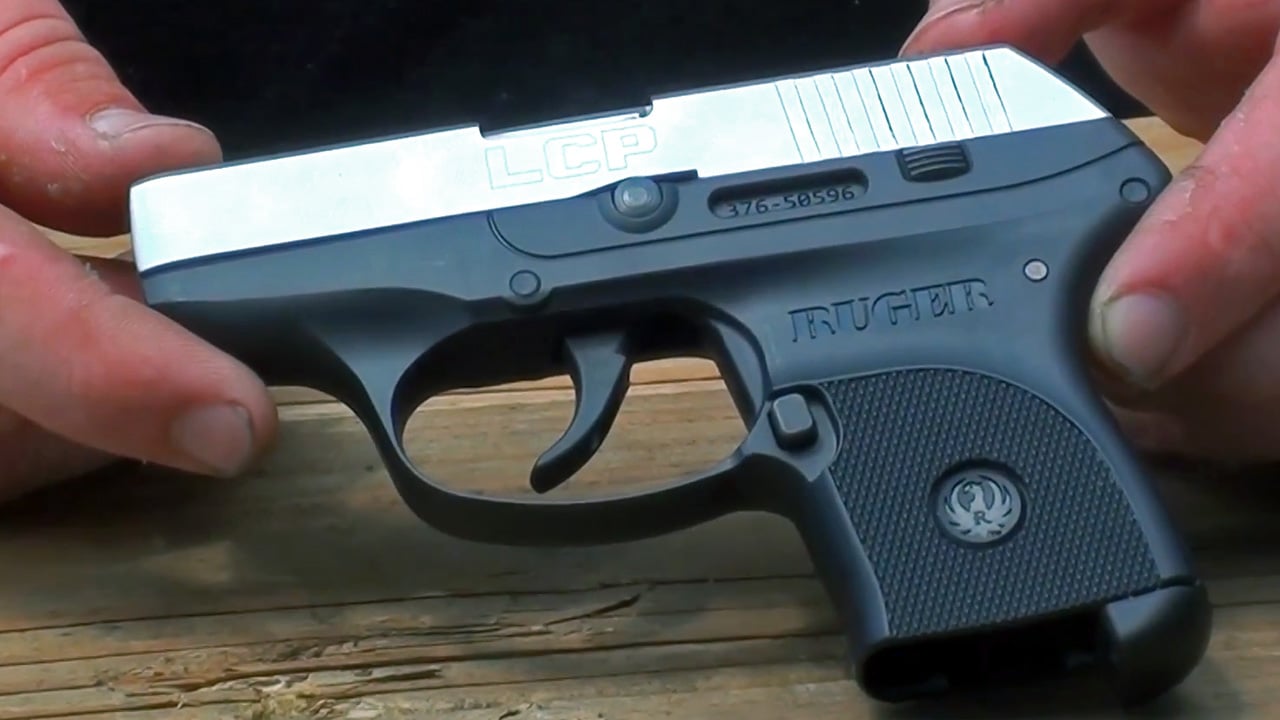
The original Ruger LCP remains one of the easiest centerfire pistols to conceal. It is thin, light, and small enough to carry when nearly every larger handgun feels inconvenient.
The problem appears when the owner starts practicing. The tiny sights, short grip, long trigger, and sharp recoil make the LCP difficult to shoot well. Many buyers eventually move to the LCP MAX, Bodyguard 2.0, or a small 9mm that offers better sights and more capacity. The original LCP usually still works. Owners replace it because carrying comfort stops outweighing poor shootability.
Smith & Wesson Bodyguard 380
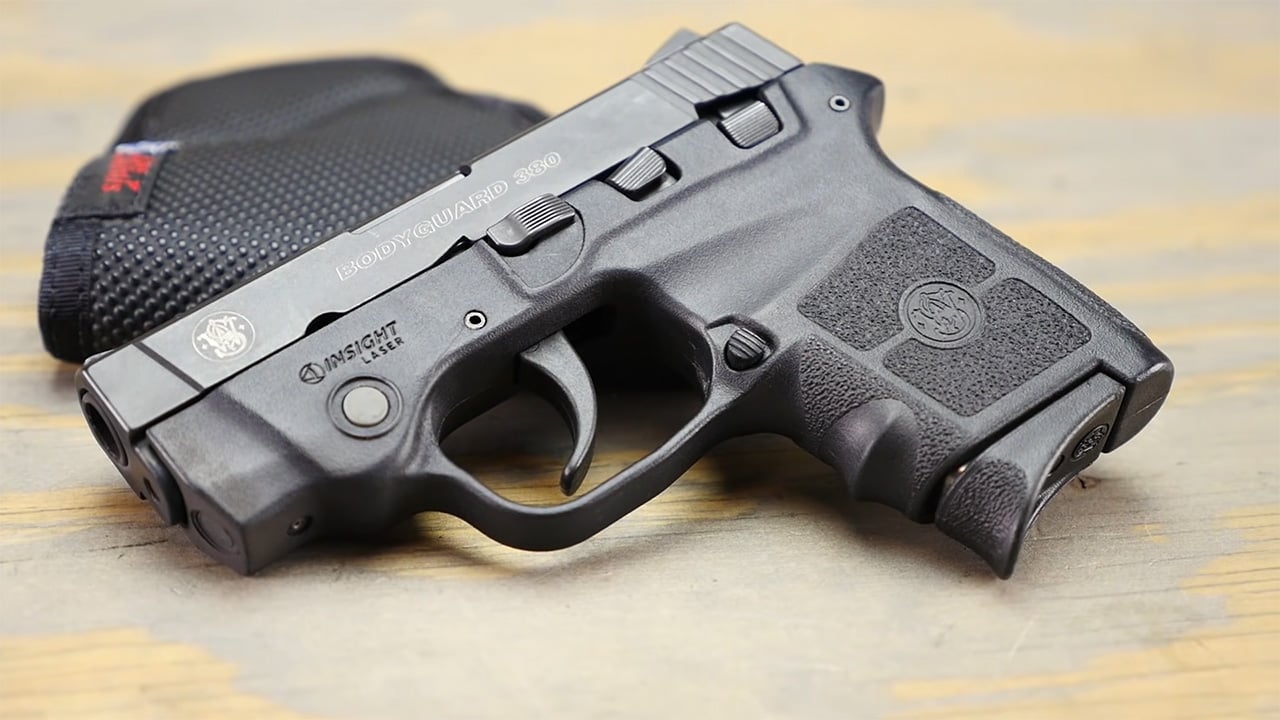
The original Bodyguard 380 looked like a practical pocket pistol with a recognizable brand name and optional integrated laser. Its size made it appealing to people who wanted something easier to conceal than a compact 9mm.
The long, heavy trigger quickly becomes frustrating during regular practice. Its limited grip, small sights, and modest capacity make accurate shooting harder than expected. Smith & Wesson’s newer Bodyguard 2.0 exposes how compromised the older pistol was. Buyers often replace the original once they realize a pocket gun can be both small and reasonably pleasant to shoot.
Taurus G2C

The Taurus G2C attracts buyers with low pricing, decent capacity, and compact dimensions. It provides a functioning defensive pistol for people who cannot spend much more.
Many owners eventually want a cleaner trigger, better sights, stronger finish, optics compatibility, or a larger aftermarket. Upgrading the G2C rarely makes financial sense because the cost of parts quickly approaches the value of the pistol. Buyers often keep it as a spare while moving to a Glock, M&P, CZ, or Canik that feels more refined.
SCCY CPX-2

The CPX-2 offers a double-stack 9mm magazine in a compact and inexpensive package. Its bright color options and low gun-counter price have made it a common first handgun.
The heavy double-action trigger is difficult for new shooters to manage, especially when combined with the light frame and sharp recoil. The thick grip also feels larger than the pistol’s capacity and dimensions suggest. Owners frequently replace it after trying a modern striker-fired pistol with a shorter trigger and better recoil control. The SCCY may remain functional, but it becomes hard to enjoy once the buyer has handled better options.
KelTec P-3AT
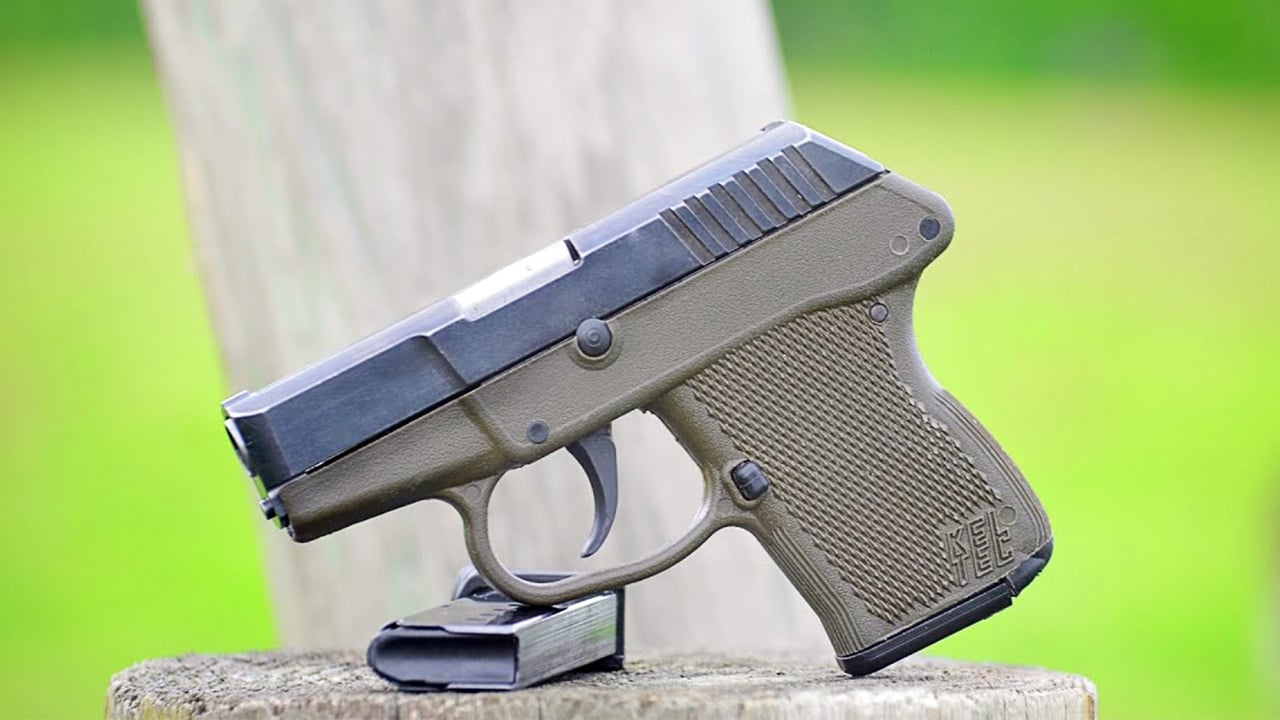
The P-3AT helped establish the modern pocket .380 category. It is extremely thin and light, which makes it easy to carry in clothing that will not hide a larger handgun.
That convenience comes with crude sights, a small grip, unpleasant recoil, and an overall feel that reminds the owner how little material is in the gun. Many buyers eventually replace it with a Ruger LCP MAX, Glock 42, or Bodyguard 2.0. Those pistols are still compact but provide better controls and more confidence during practice.
SIG Sauer P365 SAS

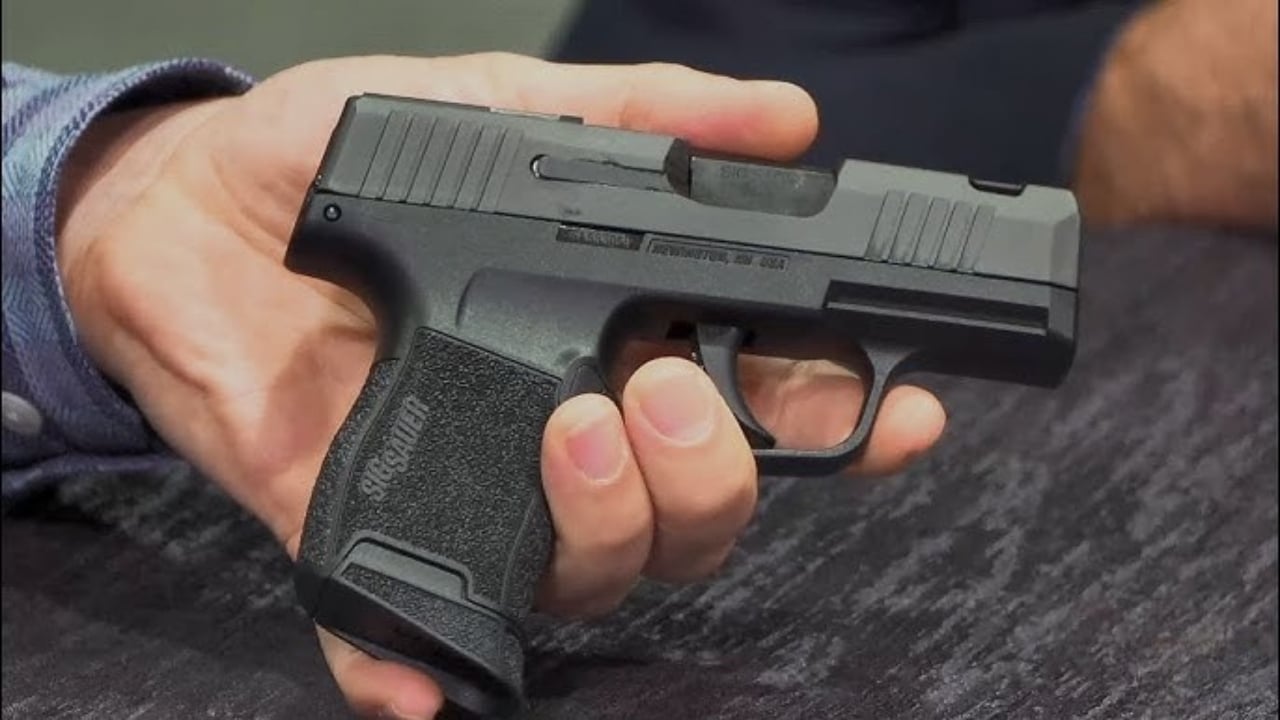
The P365 SAS was designed to eliminate snag points through a flush sighting system, smooth controls, and a highly streamlined slide. It seemed ideal for pocket carry and deep concealment.
Many shooters discover that the recessed sight is slower and less precise than ordinary iron sights. It can also be difficult to see under certain lighting conditions, and the ported versions direct more blast upward near the sighting plane. Owners often replace the SAS slide or trade the entire gun for a conventional P365. The anti-snag concept sounds better than it performs for many shooters.
Springfield Armory Hellcat

The Hellcat combines excellent capacity with dimensions small enough for everyday carry. Its aggressive grip texture, usable sights, and proven magazine design made it one of the strongest early competitors to the P365.
Its recoil impulse is noticeably sharp. Some shooters find the grip too short, the backstrap too narrow, or the trigger safety uncomfortable during longer sessions. Many eventually move to the Hellcat Pro, Shield Plus, or a compact pistol that provides more leverage. The Hellcat remains highly concealable, but buyers sometimes learn that the smallest gun is not the easiest gun to live with.
Glock 43
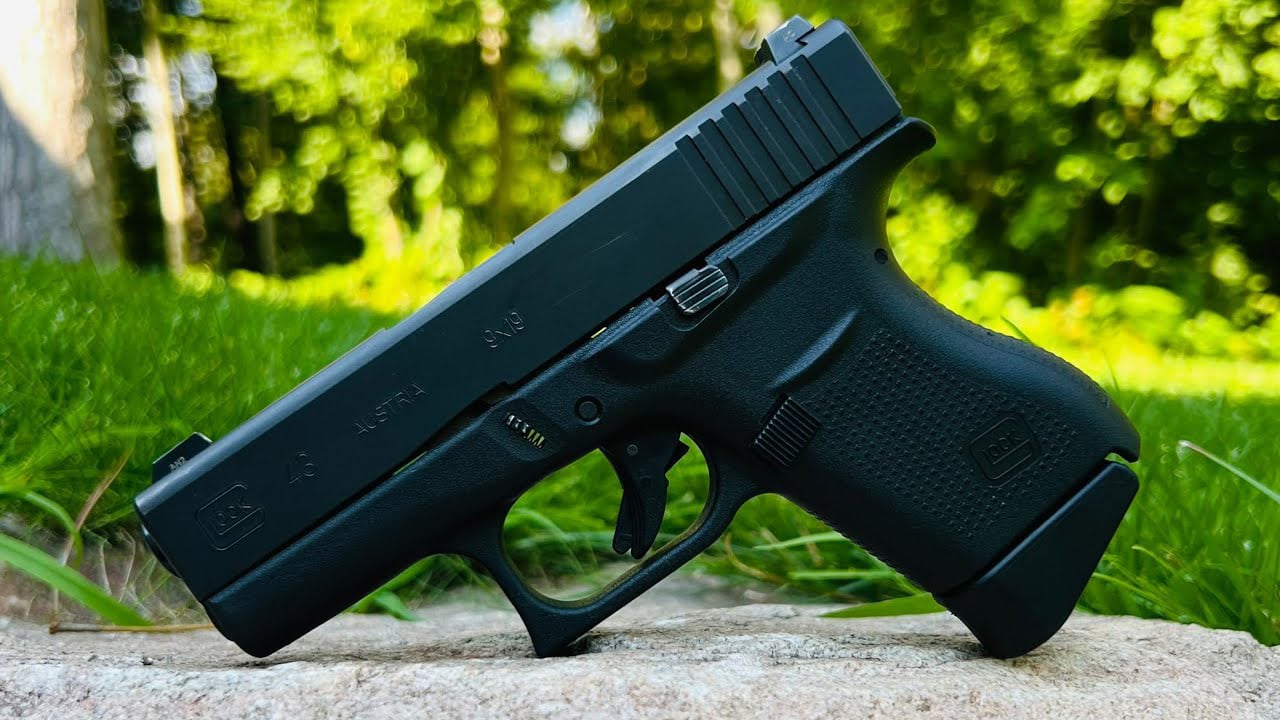
The Glock 43 gave Glock owners a thin single-stack 9mm that carried more comfortably than the Glock 26. It was dependable, lightweight, and supported by a large accessory market.
Its six-round factory capacity became difficult to defend once newer pistols began offering 10 or more rounds in similar dimensions. Magazine extensions increase capacity but also increase grip length, reducing the advantage that made the Glock 43 appealing. Many owners move to the Glock 43X, SIG P365, or Shield Plus instead of continuing to upgrade a pistol built around an outdated magazine.
Glock 27

The Glock 27 was once a common concealed-carry choice for shooters who trusted the .40 S&W cartridge. It offered duty-level power in a short, reliable package and accepted larger Glock magazines.
The pistol is difficult to control compared with the nearly identical Glock 26 in 9mm. Ammunition costs more, capacity is lower, and the sharp recoil slows follow-up shots. As police agencies and civilian shooters moved away from .40 S&W, many Glock 27 owners followed. The gun usually works, but the cartridge makes it harder to justify than it was 20 years ago.
SIG Sauer P938
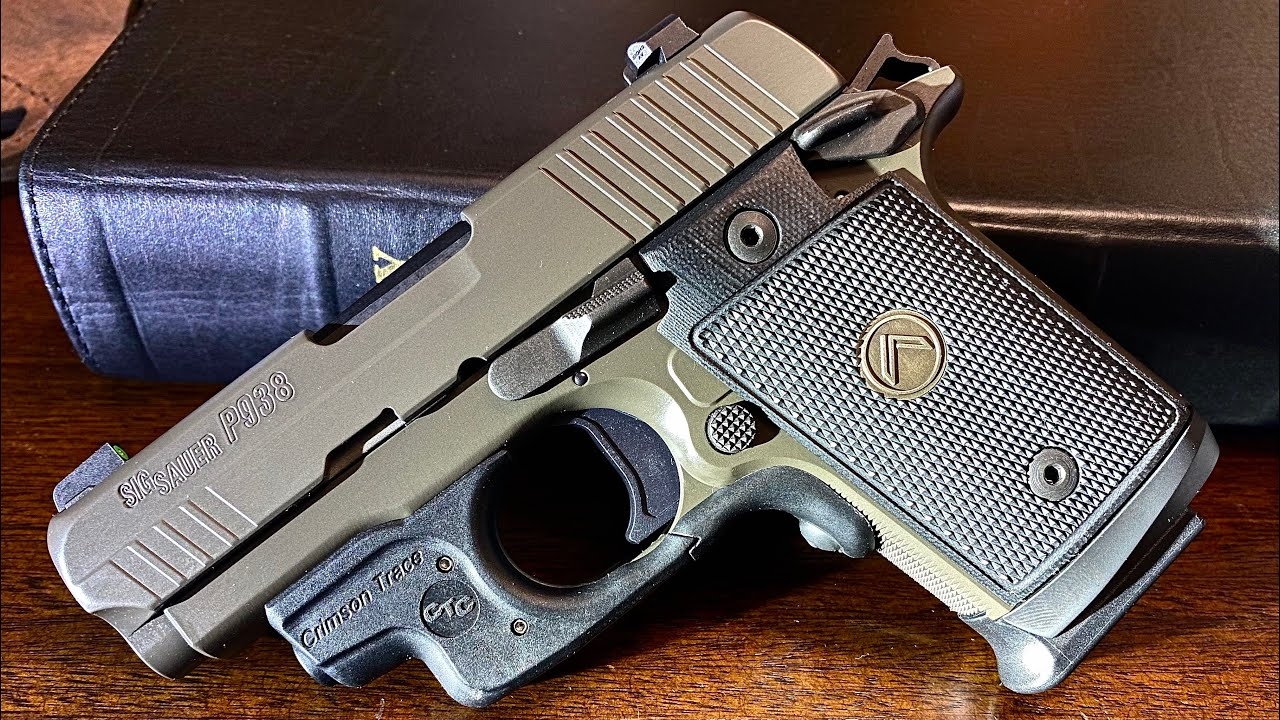
The P938 looks like a miniature 1911 and offers a crisp single-action trigger in a very compact metal-framed pistol. It appeals to shooters who dislike striker-fired triggers and want a manual safety.
Its short grip and narrow frame make recoil sharper than expected. The safety requires consistent training, capacity is modest, and the small controls become tiring during high-volume practice. Many buyers eventually switch to a larger micro-compact with greater capacity and easier manipulation. The P938 is attractive, but modern alternatives require fewer compromises.
Kimber Micro 9

The Micro 9 offers 1911-inspired styling, an aluminum frame, and several attractive finishes. Its slim profile and single-action trigger make it feel more refined than an ordinary polymer pocket pistol.
Owners may encounter magazine sensitivity, abrupt recoil, small controls, or reliability that requires more attention than expected. Replacement magazines are expensive, and the pistol does not provide the capacity of newer double-stack micro-compacts. Many buyers eventually choose a P365, Shield Plus, or similar pistol that is easier to maintain and less demanding to test.
Walther CCP
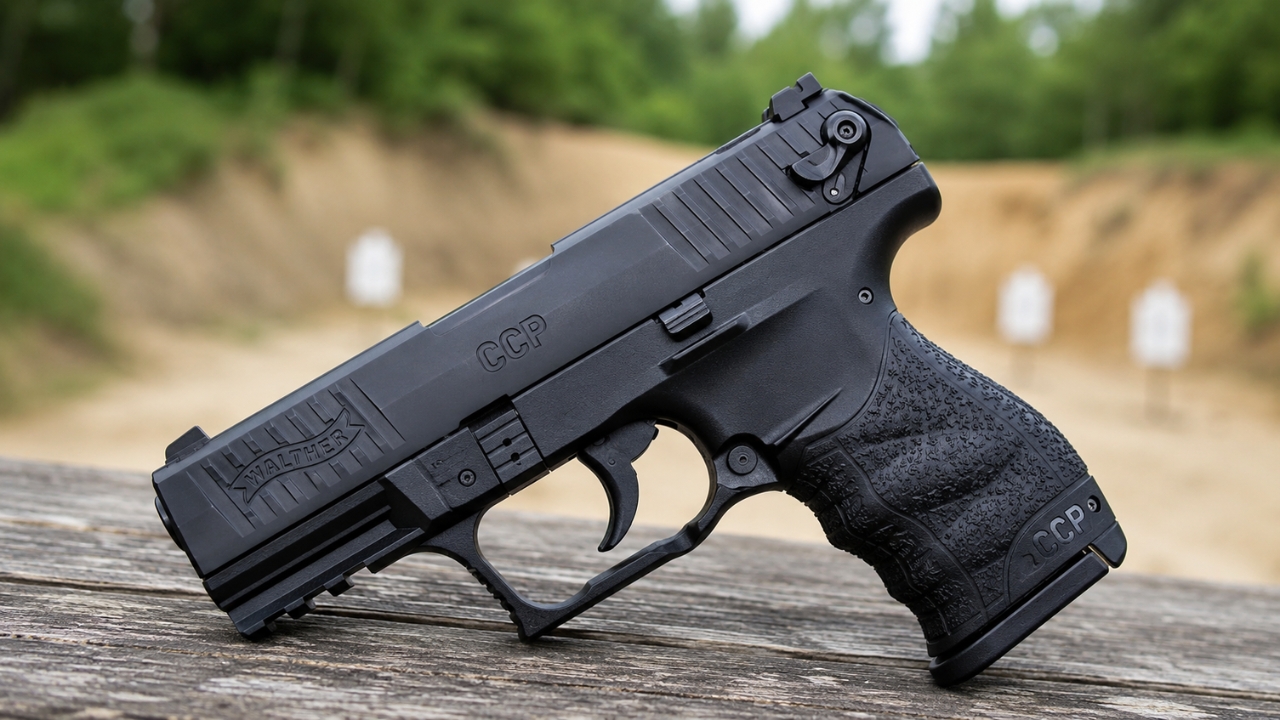
The Walther CCP uses a gas-delayed system intended to reduce recoil and make the slide easier to operate. Its grip is comfortable, and the pistol was marketed heavily toward concealed carriers who struggled with stiff recoil springs.
The design is more complicated than a conventional locked-breech pistol, and early versions had an awkward takedown procedure. The CCP also never developed the aftermarket or reputation of the Walther PDP and PPS lines. Buyers often replace it when they want easier maintenance, more magazine availability, or optics compatibility. The pistol solves one problem while introducing several smaller inconveniences.
Ruger EC9s
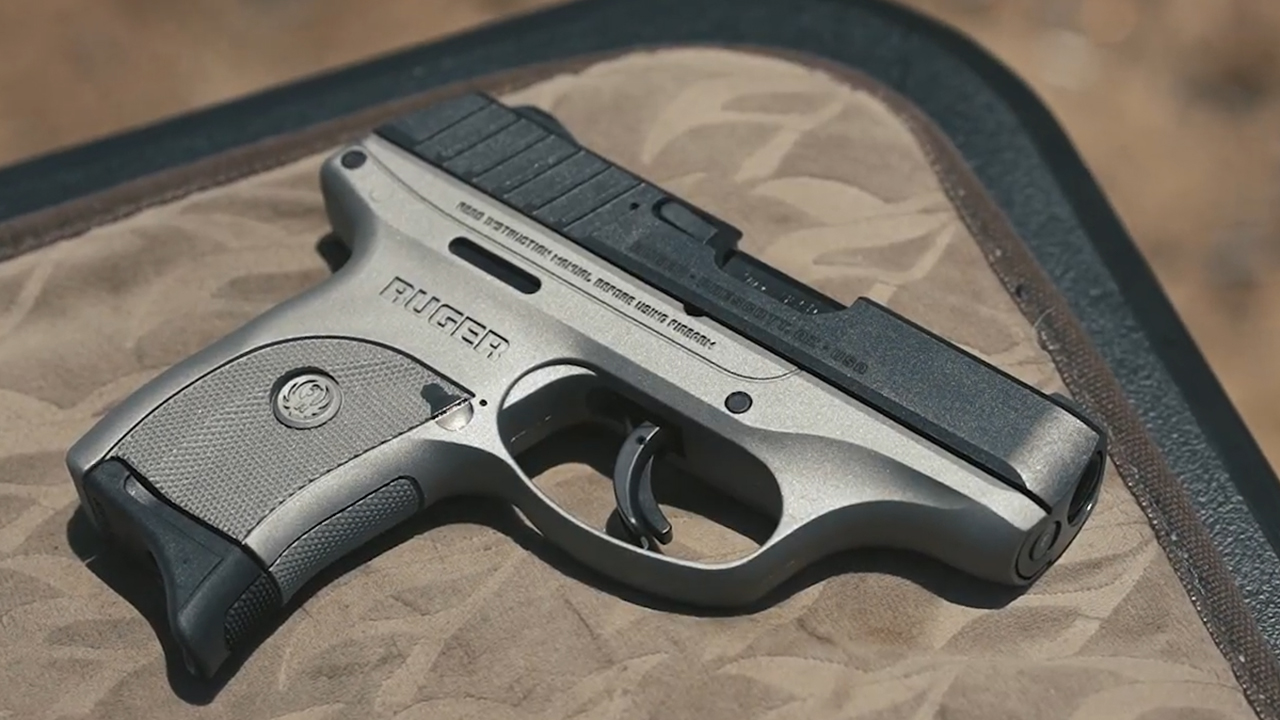
The EC9s provides an affordable and extremely thin 9mm carry pistol. It is simple, lightweight, and small enough for buyers who do not want a wide double-stack handgun.
The fixed sights are machined into the slide and cannot be replaced easily. Capacity is limited, the trigger is ordinary, and the pistol can feel snappy during practice. Owners who begin carrying more regularly often move to a higher-capacity micro-compact with better sights. The EC9s makes sense as a low-cost entry point but is rarely the last carry gun someone buys.
Beretta Pico

The Pico was built to be one of the thinnest .380 pistols available. Its smooth exterior and removable chassis made it mechanically interesting, while its small size made concealment easy.
The slide can be difficult to manipulate, the trigger is long, and the tiny grip gives the shooter little control. The pistol also arrived just before more shootable pocket guns became widely available. Many owners replace it because its extreme thinness does not compensate for how demanding it is at the range.
Remington RM380

The RM380 is a sturdy little metal-framed pocket pistol with a double-action-only trigger. Its construction feels more substantial than many lightweight polymer .380s.
That heavier build does not solve the long trigger pull, limited capacity, small sights, or declining accessory support. Remington’s broader corporate troubles also made some owners concerned about future parts and warranty service. Buyers often trade the RM380 for a newer pocket pistol that offers more rounds and a better trigger without being noticeably harder to conceal.
Ruger Security-9 Compact
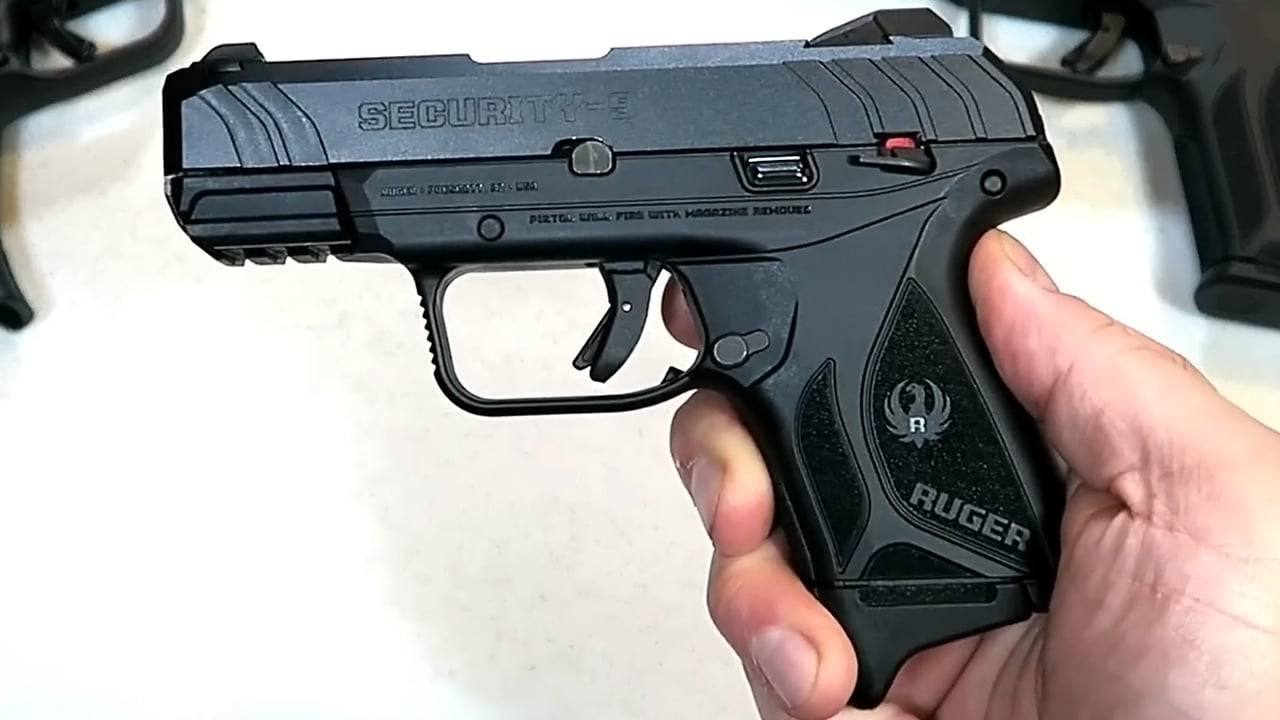
The Security-9 Compact offers reasonable capacity, simple controls, and an affordable price. Its internal hammer system gives it a lighter trigger than many older budget handguns.
The pistol lacks the optics readiness, grip customization, and aftermarket support available with newer compact designs. Its short grip can also feel cramped, while extended magazines make it nearly as large as the standard Security-9. Owners often replace it once they decide to add a red dot or want a pistol supported by more holster and magazine manufacturers.
Springfield Armory XD-S Mod.2
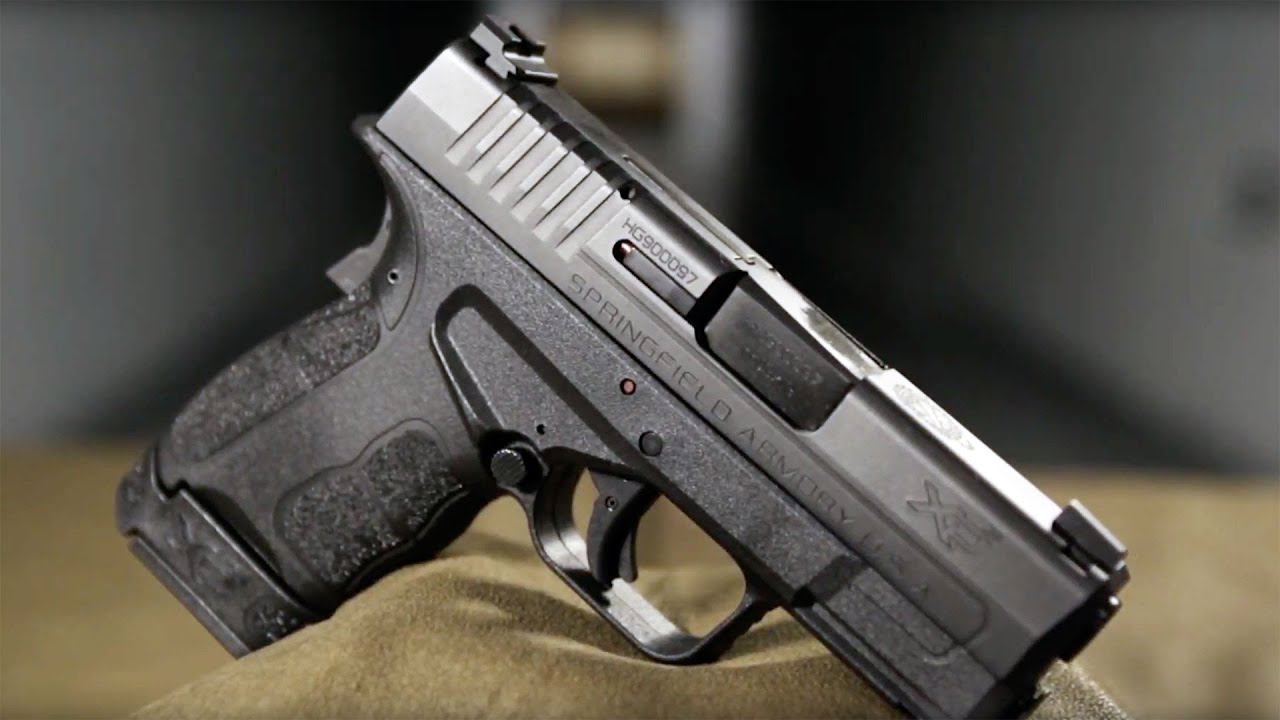
The XD-S Mod.2 is slim, dependable, and available in several defensive chamberings. It improved the grip and sights of the original XD-S while retaining the platform’s grip safety.
Its single-stack capacity became outdated quickly. The relatively high bore axis and narrow grip can produce more muzzle movement than newer micro-compacts, especially in .40 S&W or .45 ACP. Buyers often move to the Hellcat, Shield Plus, or another pistol that carries more ammunition without adding much width. The XD-S still works, but the market moved past it.
Mossberg MC1sc
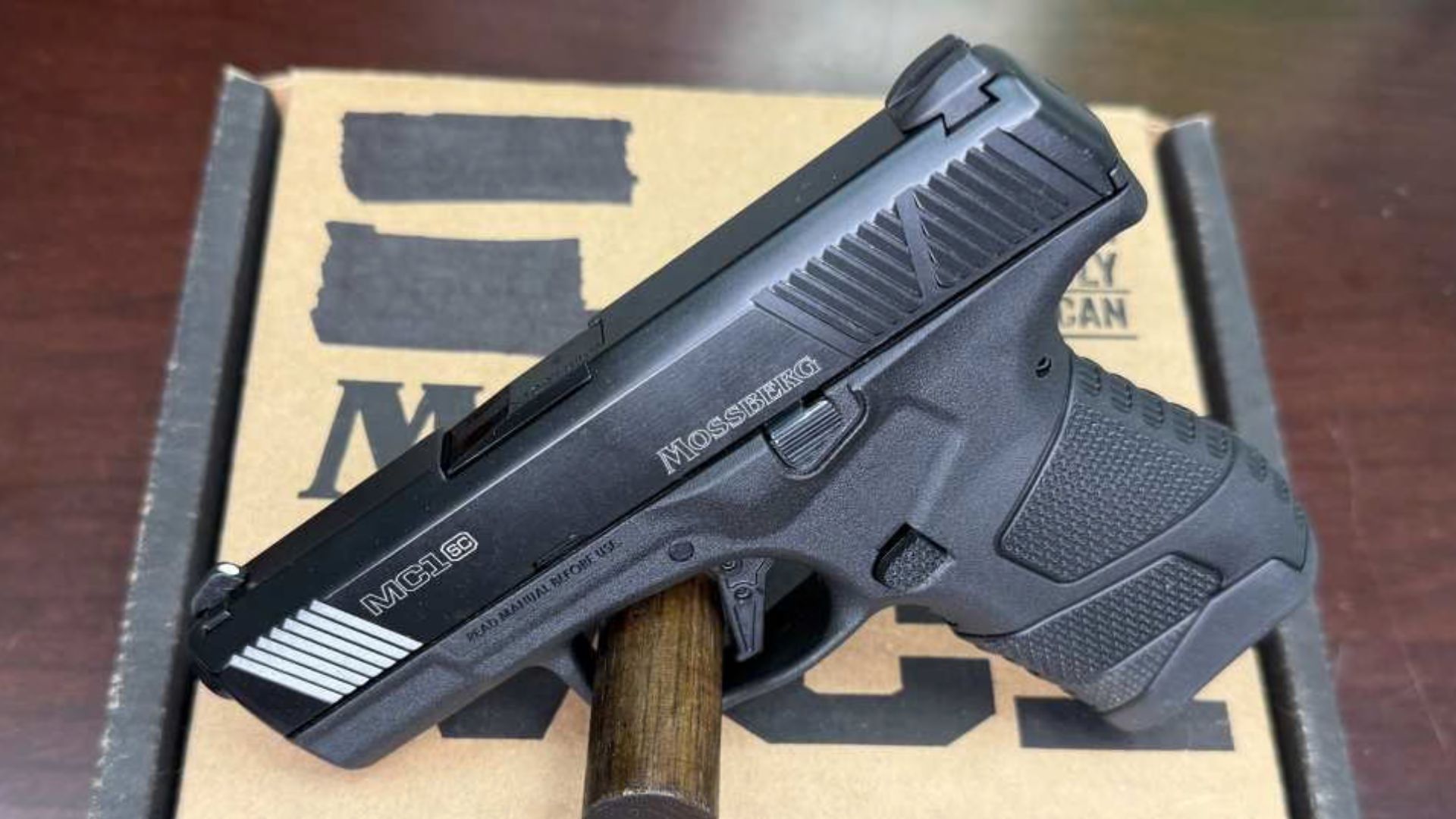
The MC1sc marked Mossberg’s return to the handgun market. It was a slim, affordable 9mm with clear magazines, familiar controls, and dimensions suitable for concealed carry.
It entered the market just as higher-capacity micro-compacts were becoming the new standard. Its limited magazine capacity and weak aftermarket prevented it from developing much momentum. Buyers who originally chose it for simplicity often replace it when they want an optic, larger magazines, or better holster availability. It was not a disastrous pistol. It simply arrived without enough advantages.
Remington R51

The R51 promised a low bore axis, slim metal frame, manageable recoil, and a revived locking system based on an older Remington design. It was supposed to be a more refined alternative to common polymer carry guns.
The disastrous original launch destroyed buyer confidence. Revised pistols improved, but the complicated design, unusual disassembly, and lingering reliability concerns never disappeared from the gun’s reputation. Owners who bought the corrected version often moved on because trusting the pistol required more testing and patience than modern alternatives demanded.
Taurus Judge
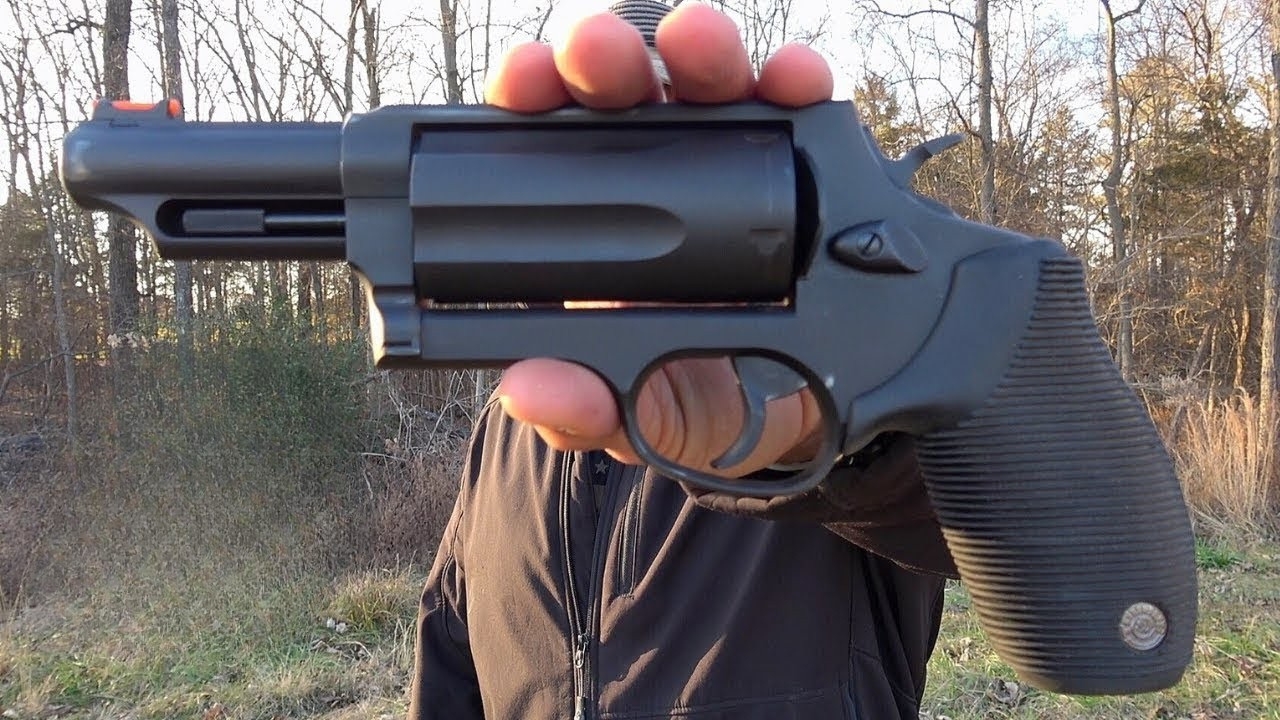
The Taurus Judge attracts buyers with the ability to fire both .45 Colt cartridges and .410 shotshells. It looks powerful, offers obvious novelty, and is commonly marketed as a versatile defensive revolver.
Many owners later realize that it is large, heavy, difficult to conceal, and less effective with .410 ammunition than the appearance suggests. The rifled barrel spreads shot quickly, while the long cylinder can limit accuracy with .45 Colt. Buyers frequently replace it with a conventional .357 Magnum revolver or semiautomatic pistol that performs one defensive role much better. The Judge sells the idea of versatility more effectively than it delivers it.
Like The Avid Outdoorsman’s content? Subscribe to our newsletter so you never miss an article.
Here’s more from us: