Photo credit: SUNDAY GUNDAY/YouTube
Future collectibles usually do not look like collectibles when they are still sitting in dealer cases. They look like ordinary production guns, niche chamberings, strange configurations, or models that never quite became mainstream.
That is what makes them interesting. The revolvers most likely to gain collector attention later are often the ones buyers overlook today because they seem too new, too specialized, or too unconventional. Limited configurations, unusual cartridges, short production runs, and distinctive factory features can all matter once production ends. These 20 revolvers have at least some of those ingredients.
Ruger GP100 Match Champion .10mm Auto
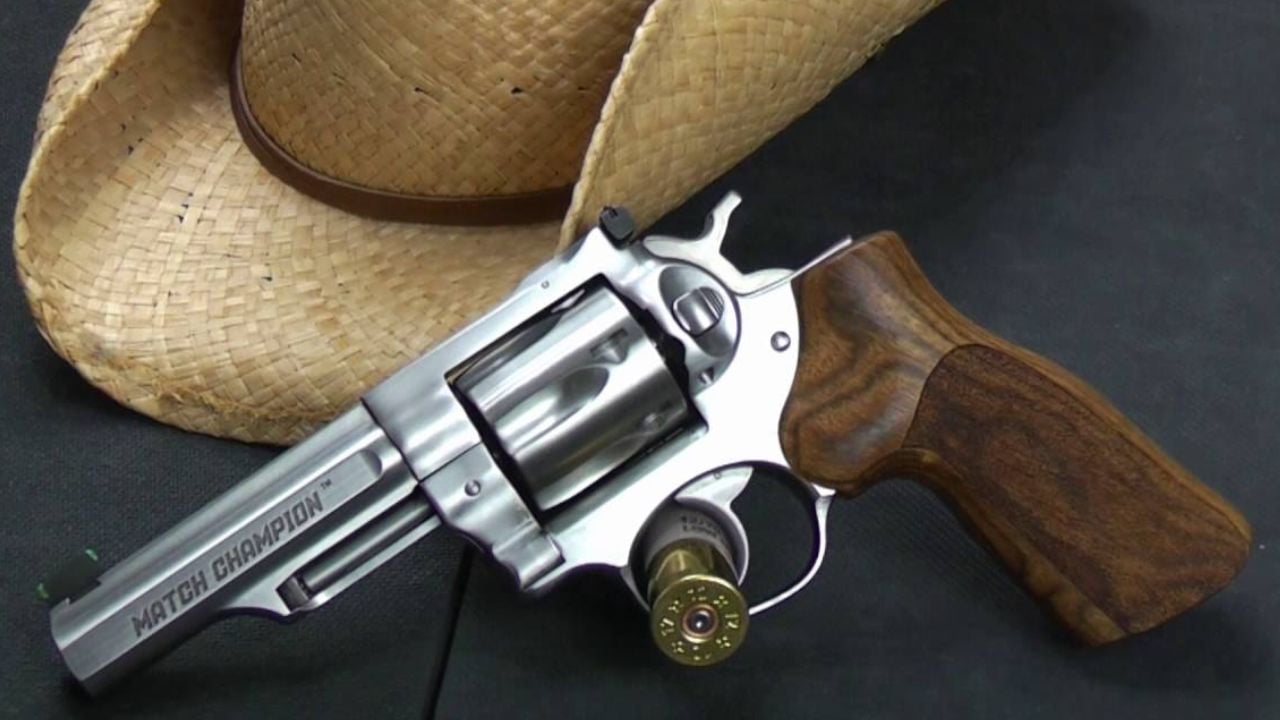
A 10mm revolver is already unusual, and putting the cartridge into Ruger’s GP100 platform makes this one even easier to overlook.
The Match Champion version adds a more specialized factory configuration than the ordinary GP100, while moon clips allow the rimless 10mm cartridge to function cleanly in a revolver. That combination is unlikely to become the default choice for most buyers, which may ultimately help its collector appeal. Years from now, shooters could look back at the 10mm GP100 as one of Ruger’s stranger factory experiments.
Smith & Wesson Model 610
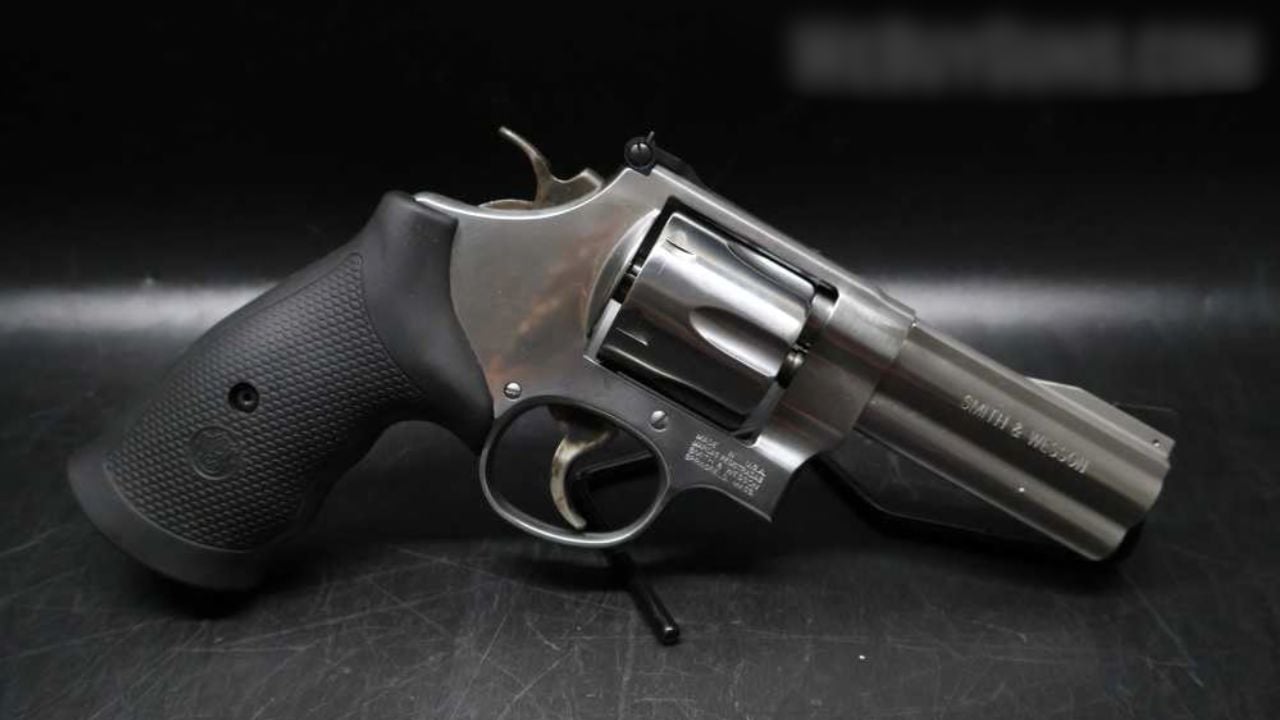
The Model 610 has always occupied a small corner of the revolver market because it fires 10mm Auto and can also use .40 S&W with moon clips.
That flexibility makes it an interesting shooter today, but it could also matter to collectors later. Revolvers chambered for mainstream semiautomatic cartridges remain relatively uncommon, and the 610 has gone through periods of availability that have already made older examples desirable. If production becomes intermittent again, certain barrel lengths and configurations could become much tougher to find.
Colt Kodiak
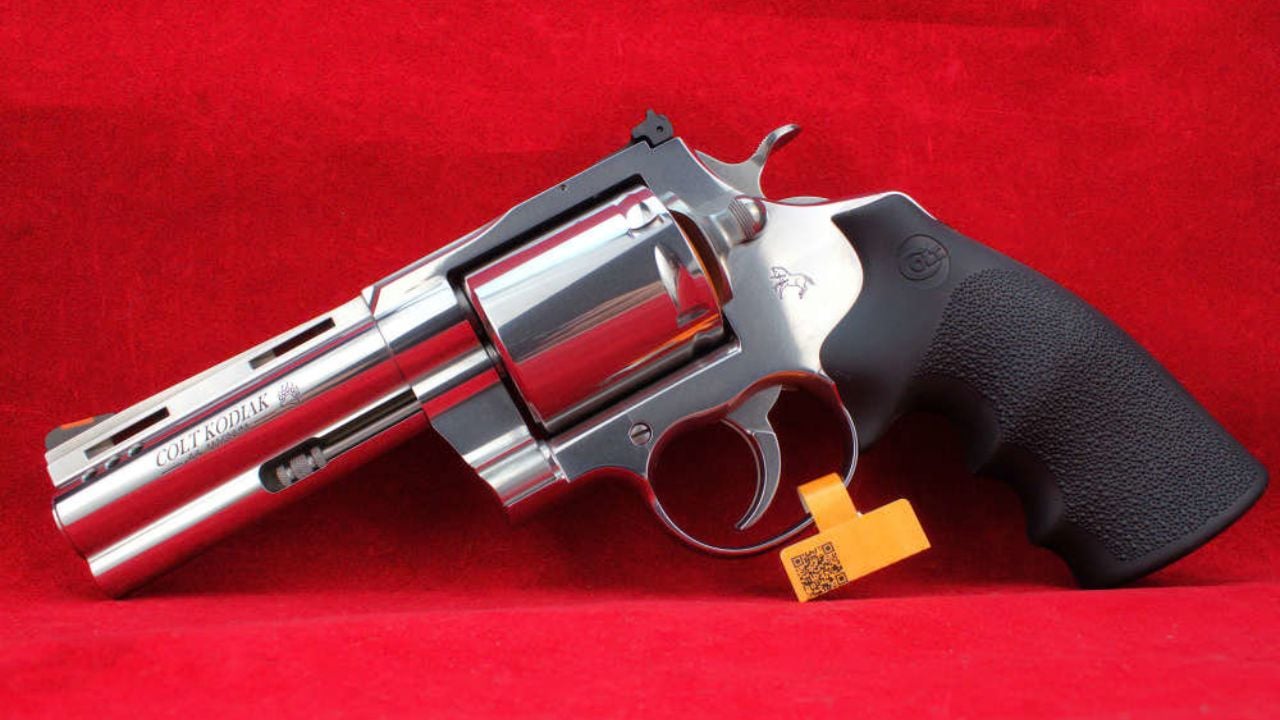
The Kodiak takes Colt’s modern Python-based revolver architecture and pushes it toward serious outdoor use.
Its .44 Magnum chambering, heavy construction, and specialized appearance separate it from the company’s more traditional snake-gun revivals. That matters because collectors often gravitate toward unusual first-generation configurations after a product line evolves. If Colt changes the Kodiak significantly or eventually drops it, early examples could become a recognizable snapshot of the company’s return to large-frame magnum revolvers.
Colt Grizzly
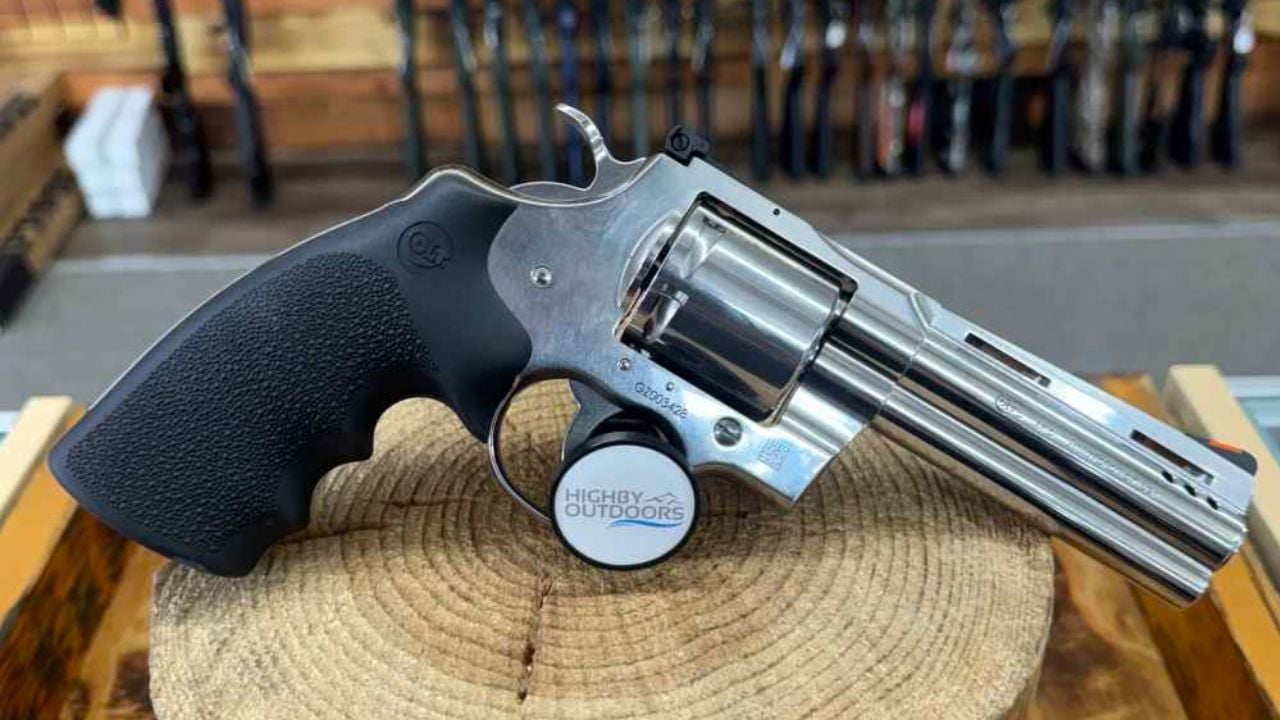
The Grizzly sits in an interesting position because it combines the modern Python action with features aimed at hard field use rather than polished collector appeal.
That could make it more desirable later. Special-purpose Colt revolvers have a history of developing followings after production stops, particularly when they carry distinctive names and limited configurations. Buyers treating the Grizzly as merely another current .357 may be overlooking how easily a short-lived Colt variation can become difficult to replace.
Smith & Wesson Model 350 Legend X-Frame
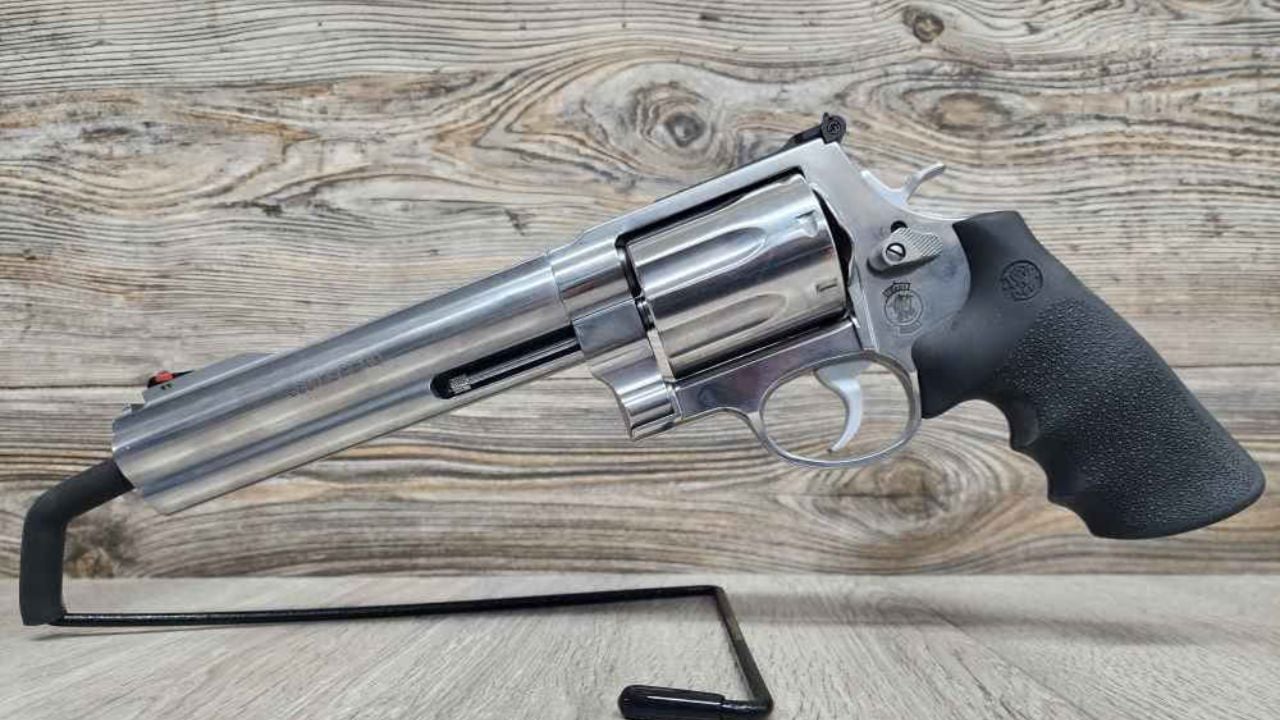
The Model 350 is one of the strangest revolvers Smith & Wesson has produced in recent years.
An X-frame revolver chambered for .350 Legend is not something the market was begging for, and that is exactly what makes it potentially interesting. It combines an enormous revolver platform with a cartridge overwhelmingly associated with rifles. Whether it becomes a long-running product or a short experiment, it already has the kind of unusual factory configuration collectors tend to remember.
Magnum Research BFR .45-70 Government
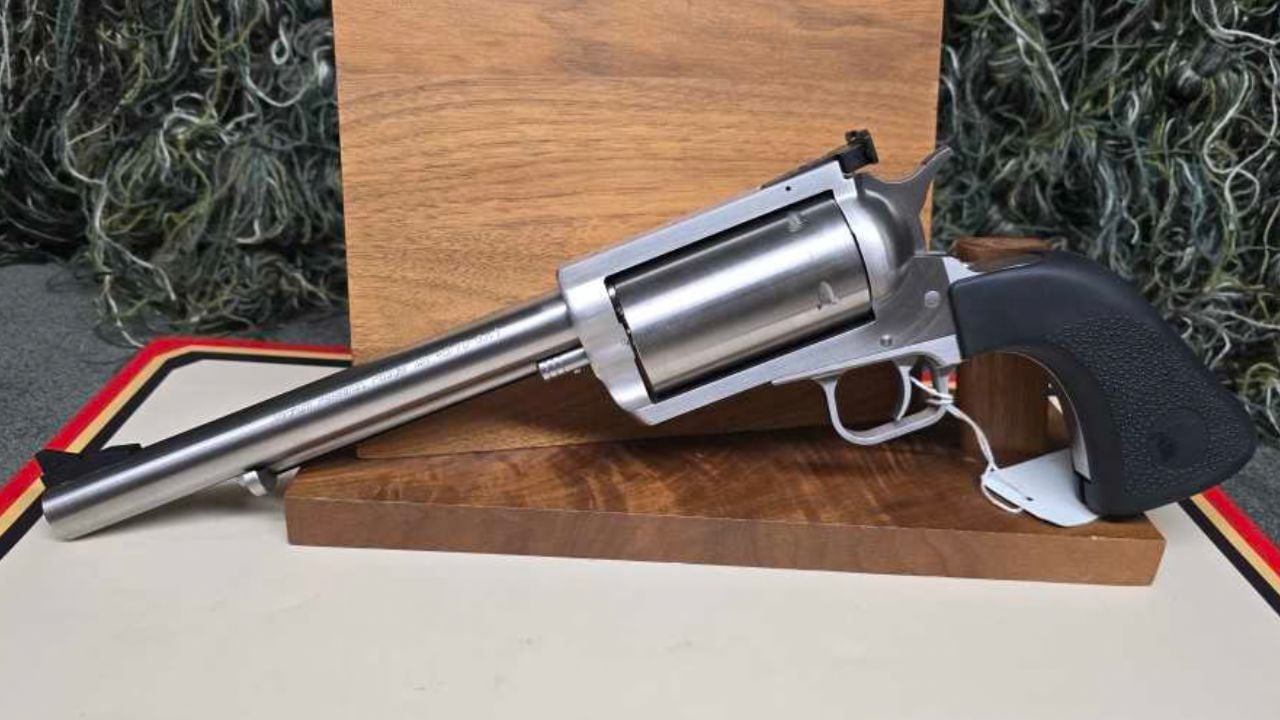
The BFR has always sat a little outside the usual revolver conversation. It is a purpose-built single-action designed from the start to chamber rifle cartridges most wheelguns were never meant to handle.
The .45-70 version makes that point more clearly than almost any other chambering. It turns a classic 19th-century rifle round into a five-shot hunting handgun with a long cylinder and proportions that look almost oversized until you see one in the field. Production volume has never been high, and Magnum Research’s custom options mean many examples differ in barrel length, sights, and grips. If the company ever simplifies the catalog or shifts focus, clean standard-production .45-70 BFRs from this period could become the specific guns collectors hunt for.resents a very specific period when manufacturers began adapting straight-wall hunting cartridges into increasingly unusual platforms. If this concept does not last, clean examples could eventually become far more interesting than buyers expect today.
Taurus Raging Hunter .460 S&W Magnum
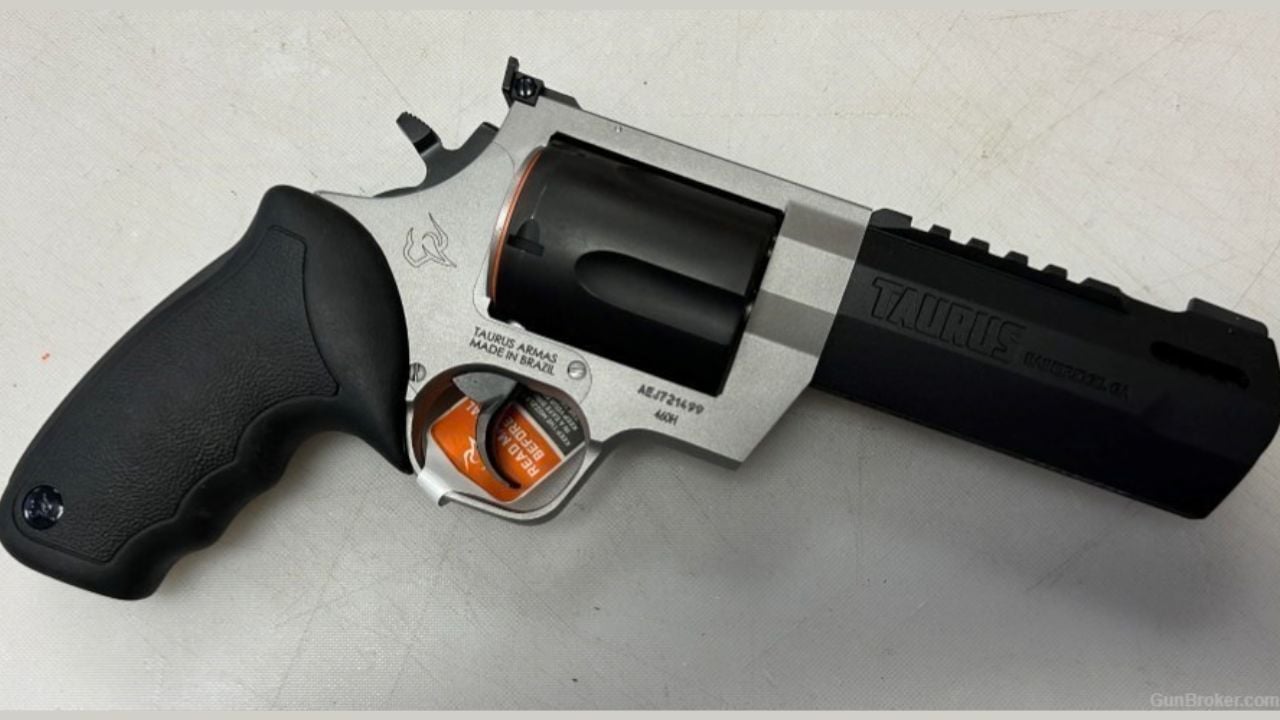
The Raging Hunter series is built around the idea of serious hunting performance without premium custom-revolver pricing.
The .460 S&W version may have the strongest long-term collector potential because the cartridge pushes the platform into truly extreme territory. Giant hunting revolvers tend to sell to a relatively small audience, and unusual chamberings can disappear quickly when manufacturers simplify their catalogs. That makes early or less-common Raging Hunter variants worth watching.
Taurus Raging Hunter .454 Casull
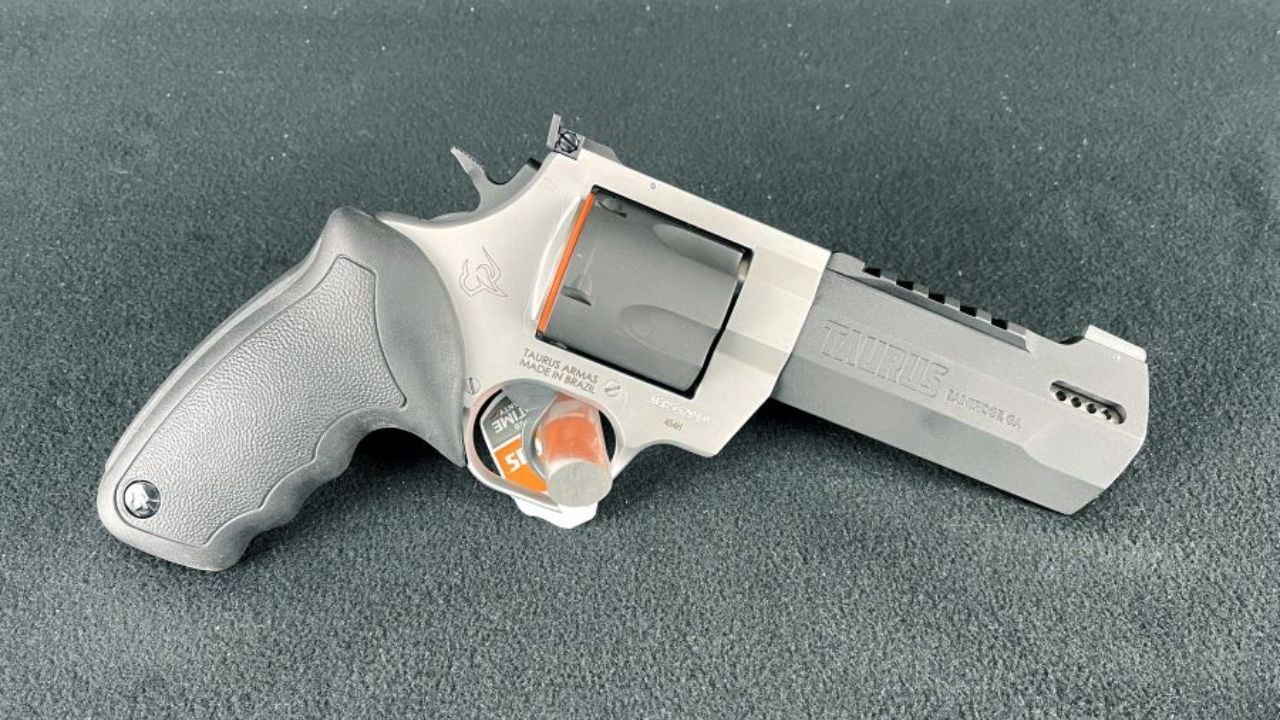
The .454 Casull version sits slightly below the .460 in raw power, but it arguably has a broader traditional revolver identity.
It is still a massive hunting handgun with distinctive barrel shrouding and a look tied closely to this era of Taurus design. If the Raging Hunter line changes substantially, specific chamberings could eventually separate themselves from the more common versions. Collectors often become interested only after they realize a model was not produced forever.
Ruger Super Redhawk Toklat
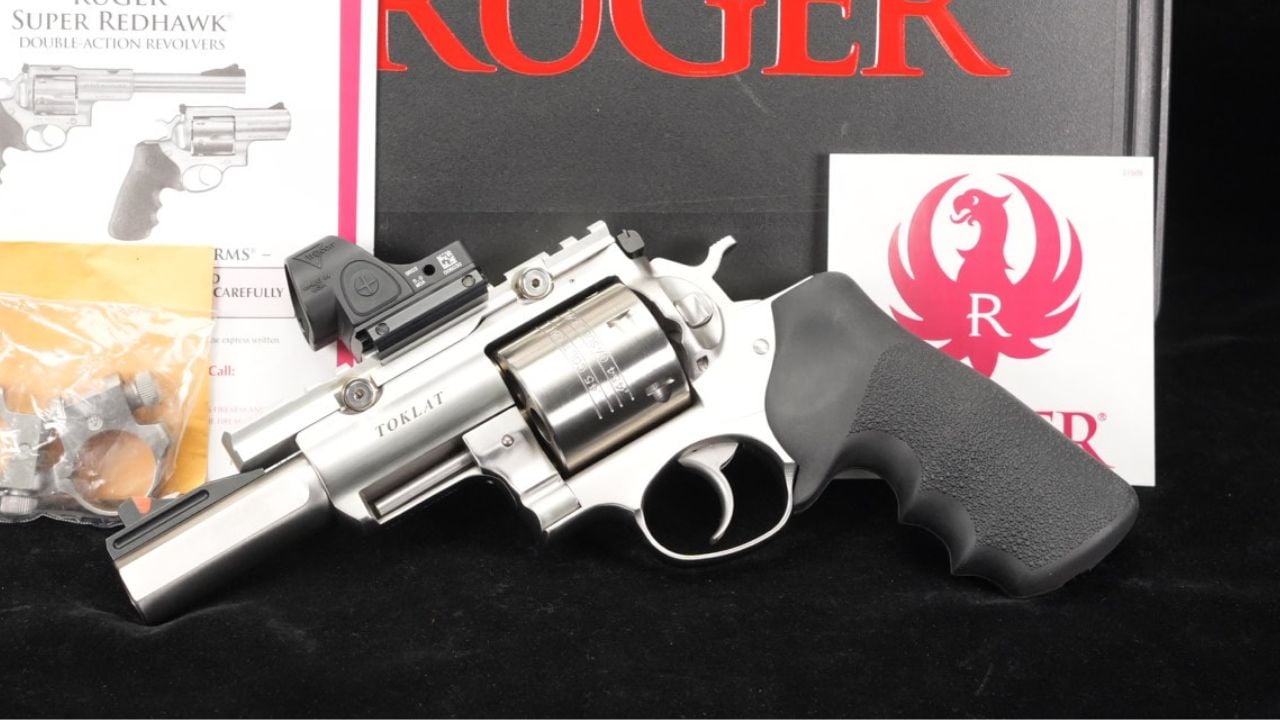
The Toklat takes the already substantial Super Redhawk and gives it a shorter barrel that dramatically changes the gun’s proportions.
That factory combination makes it instantly recognizable. It is still a serious .454 Casull revolver, but the shorter barrel gives it more of a heavy field-gun character than a long-range hunting revolver. Specialized Ruger configurations have a tendency to become much more interesting once they disappear, and the Toklat has enough personality to stand apart from standard Super Redhawks.
Ruger New Model Blackhawk Convertible .45 Colt/.45 ACP
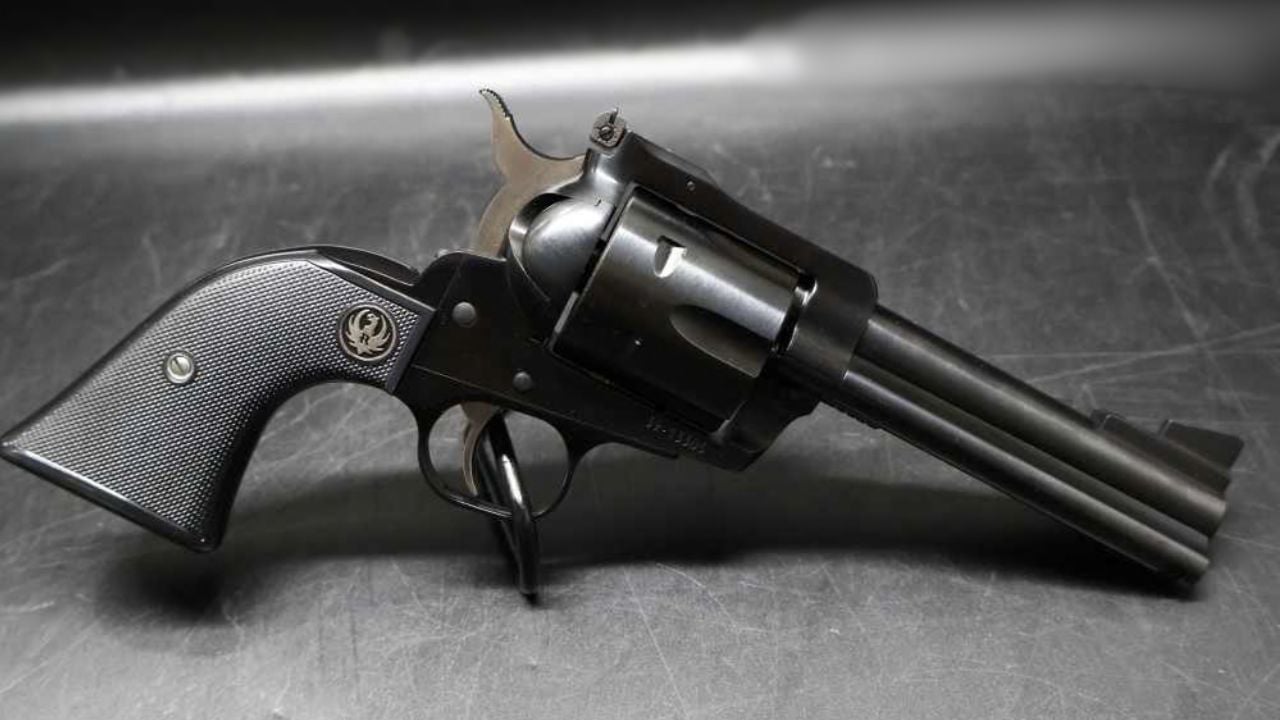
Convertible Rugers have always been practical, but they also have the kind of unusual factory versatility collectors appreciate later.
The .45 Colt and .45 ACP combination is particularly attractive because the two cartridges give the owner very different shooting experiences without requiring a different gun. If certain barrel lengths or distributor-specific configurations disappear, those variations could become much more desirable. Ruger collectors are notoriously detail-oriented, and factory cylinder combinations give them plenty to chase.
Ruger Wrangler Birdshead
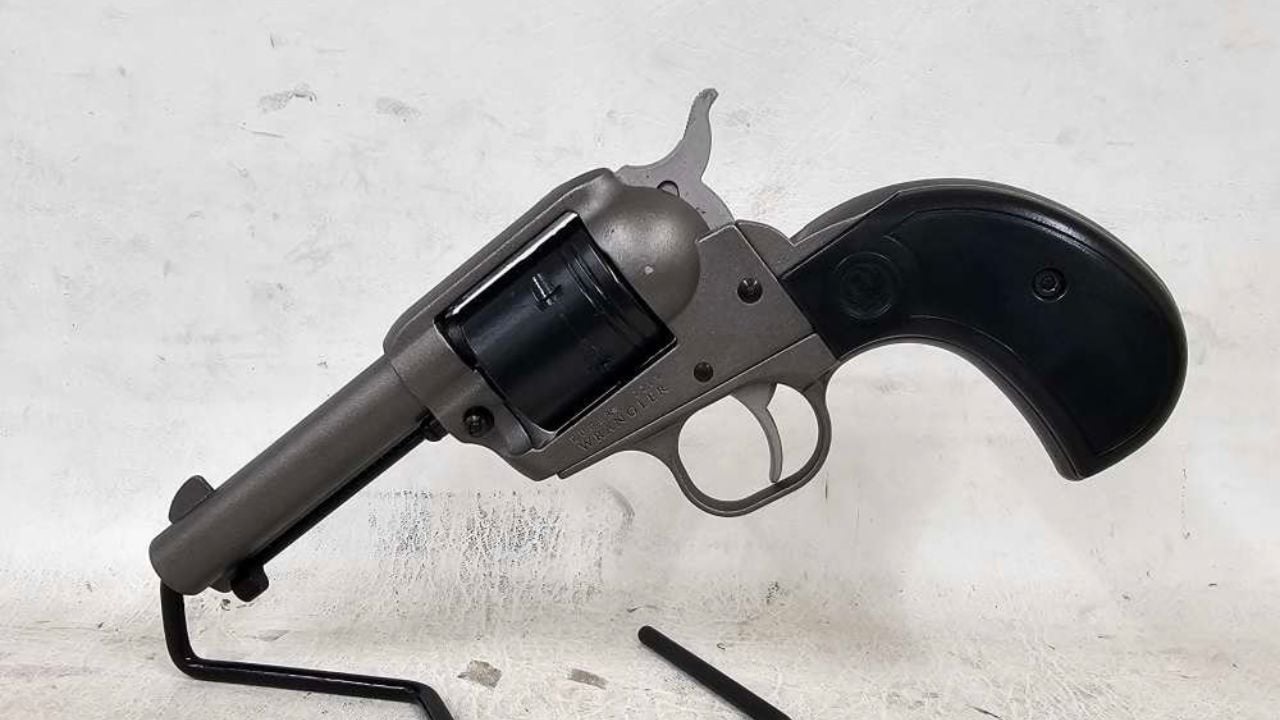
The standard Wrangler is inexpensive enough that almost nobody treats it like a future collectible.
That is exactly why unusual factory versions could matter someday. The birdshead grip gives the revolver a completely different silhouette, while the low purchase price means plenty will be scratched, modified, or simply used hard. If Ruger eventually changes the Wrangler family, clean early specialty configurations could become far more interesting than the basic models.
Ruger Super Wrangler
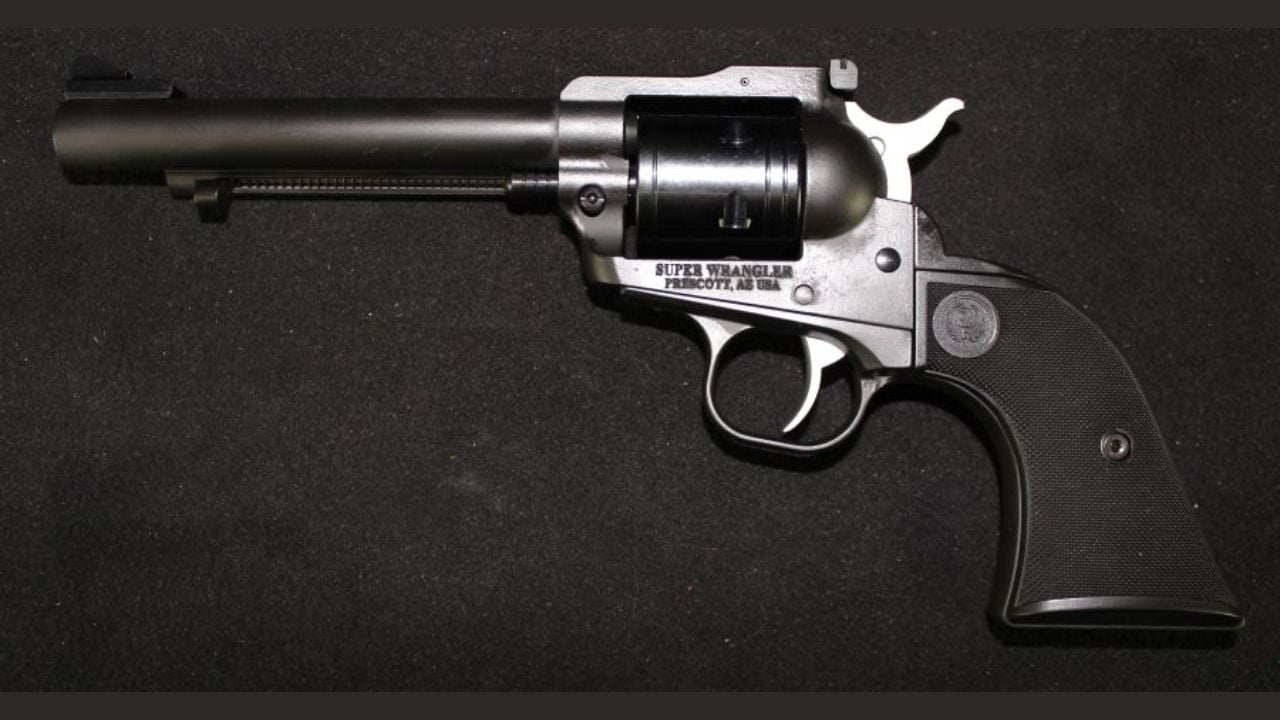
The Super Wrangler is another revolver buyers are likely to treat purely as a shooter.
Its adjustable sights and convertible-cylinder capability make it more mechanically interesting than the basic Wrangler, though. Affordable guns are often the ones least likely to be preserved, which can make original examples surprisingly scarce decades later. If the Super Wrangler eventually becomes a short chapter rather than a permanent Ruger fixture, early examples could develop a following.
Smith & Wesson Model 351 PD
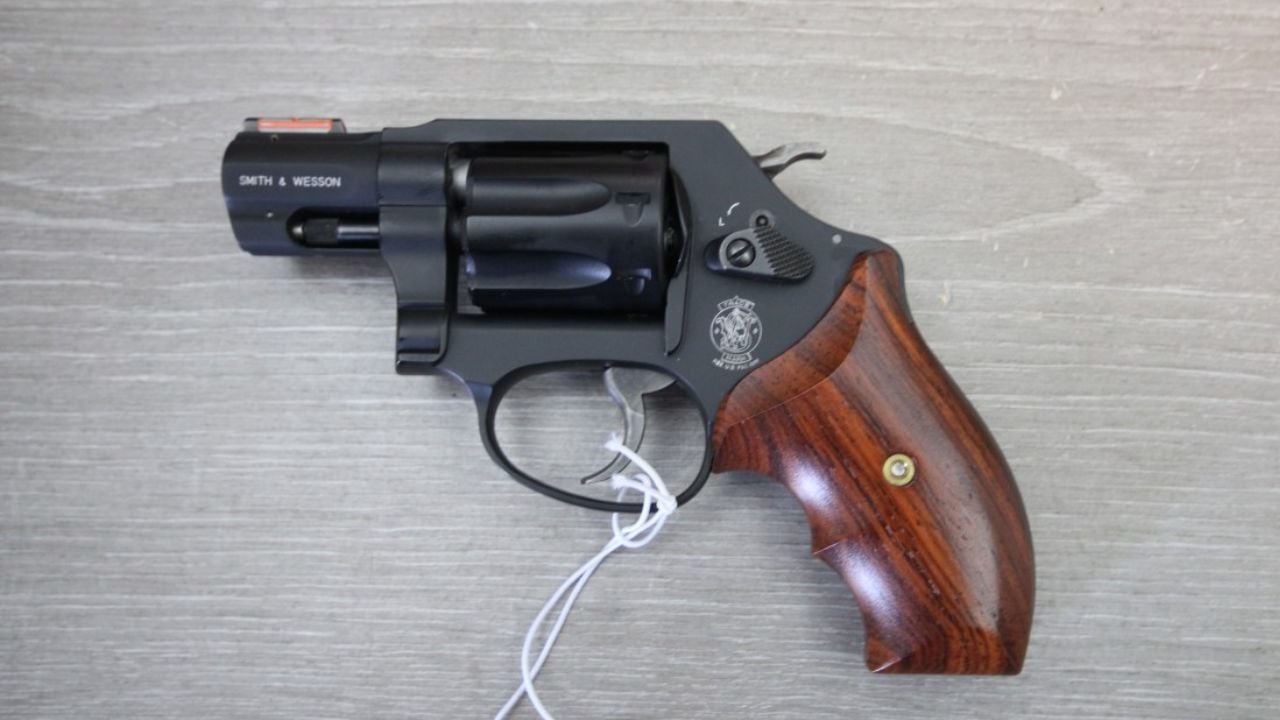
The Model 351 PD combines a lightweight J-frame with .22 Magnum and unusually low carry weight.
It is a specialized combination that makes sense for trail use, lightweight carry, and shooters who simply want something different from another .38 snubnose. Smaller-production J-frame chamberings have historically attracted attention once discontinued, and .22 Magnum is distinctive enough to separate the 351 PD from the enormous number of standard .38 Special guns.
Smith & Wesson Model 351 C
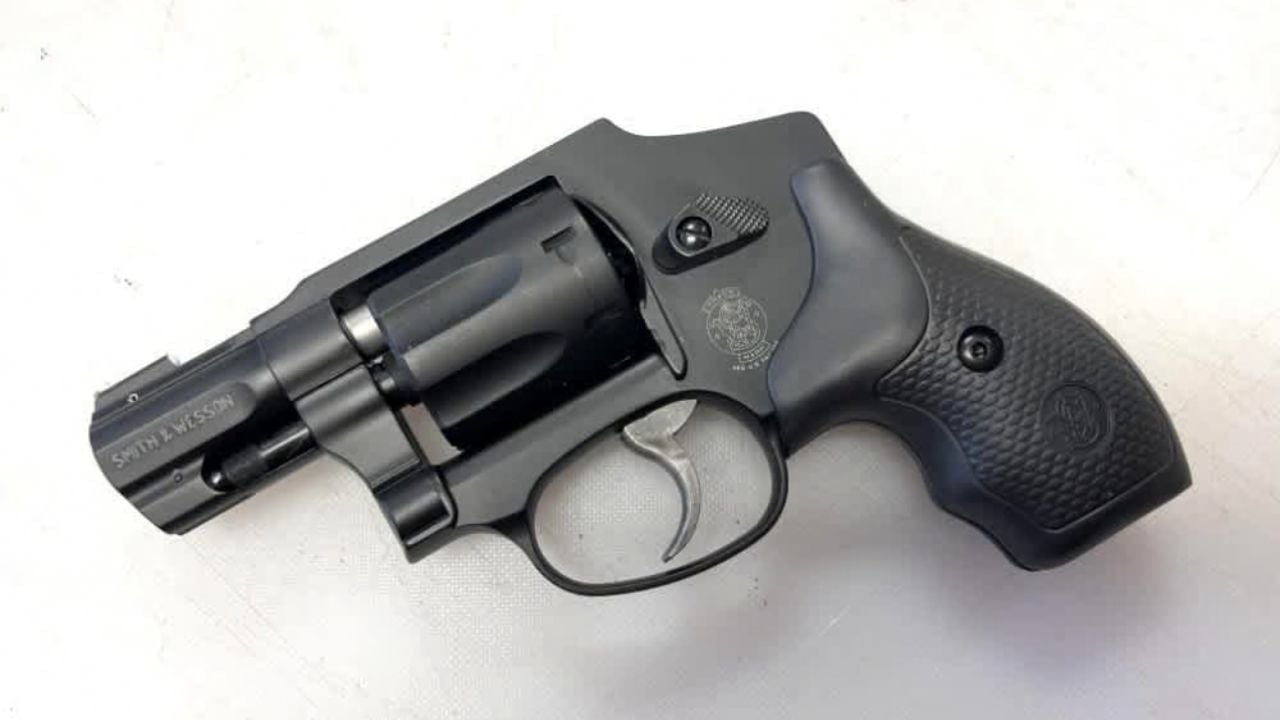
The 351 C takes the same basic .22 Magnum concept and packages it into an even more stripped-down defensive-style revolver.
That simplicity may eventually be part of its appeal. It is one of the few modern revolvers that combines very low weight, rimfire magnum ammunition, and a concealed-hammer configuration. If Smith & Wesson eventually trims the niche rimfire J-frame offerings, the 351 C could become one of those guns owners suddenly start searching for after it is gone.
Smith & Wesson Model 329PD
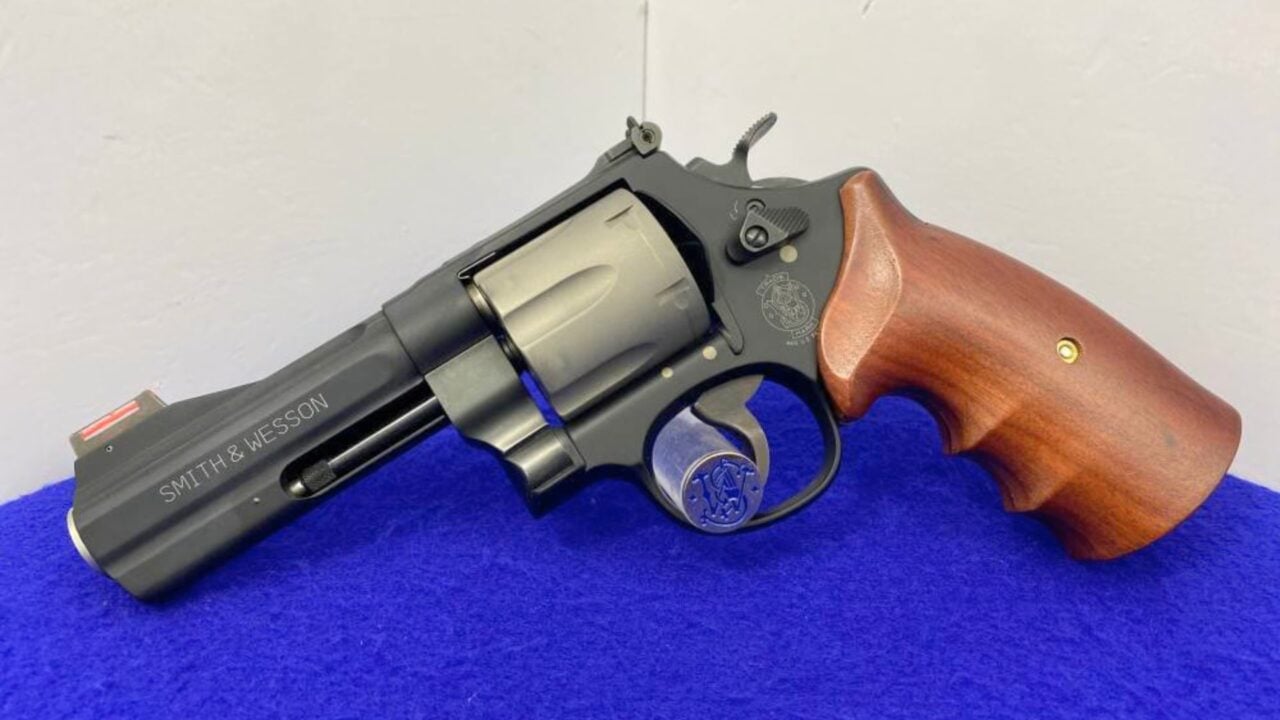
The 329PD is one of the more extreme examples of weight reduction ever applied to a serious .44 Magnum revolver.
Its scandium-alloy frame makes it remarkably light for the cartridge, and that creates a shooting experience people tend to remember. Whether someone loves or hates it, the gun is unquestionably distinctive. Extreme factory configurations often become collectible because manufacturers eventually decide the compromise is too specialized. The 329PD has that kind of personality.
Smith & Wesson Model 325 Thunder Ranch
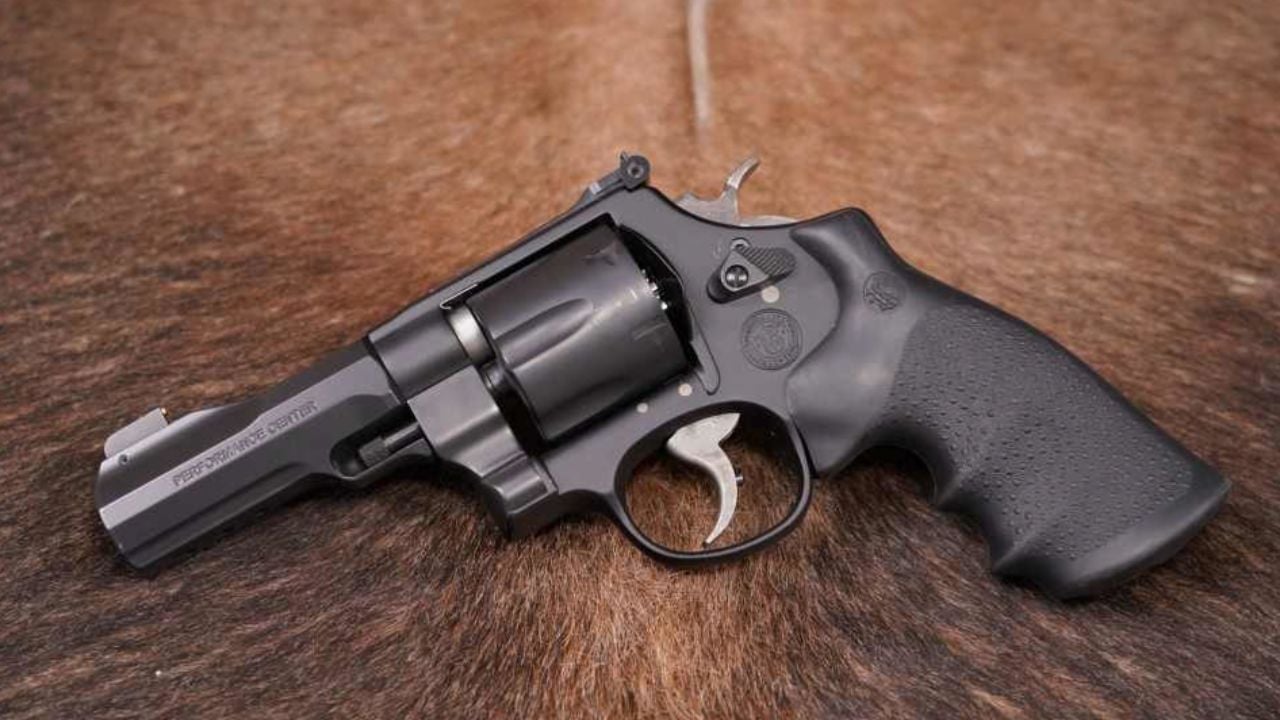
The 325 Thunder Ranch combined a lightweight N-frame with .45 ACP and defensive-oriented features.
That is a configuration unlikely to be confused with an ordinary production revolver. Thunder Ranch branding adds another layer of identity, while the chambering separates it from traditional .44 and .357 wheelguns. Specialized collaboration models often become more appealing once they are no longer available, particularly when the underlying gun was never produced in huge numbers.
Kimber K6s DASA Combat
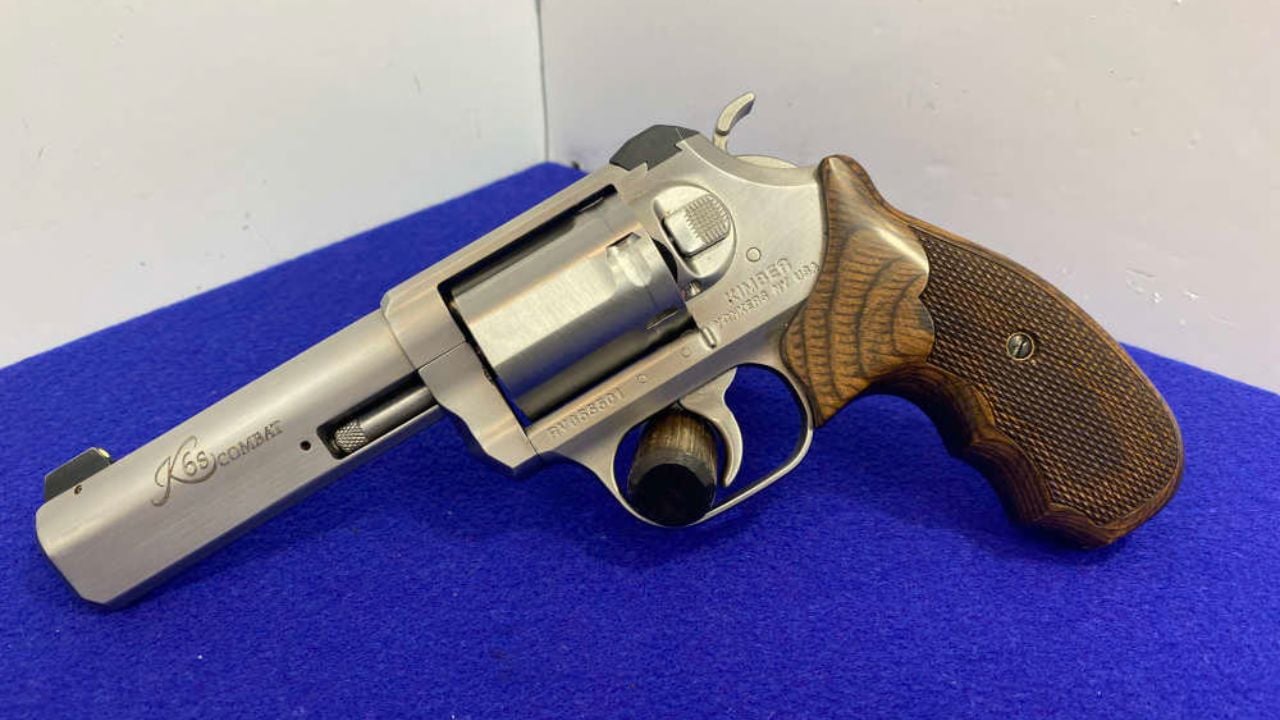
The K6s line proved Kimber could build a serious revolver, but the larger DASA Combat versions remain overshadowed by more established Smith & Wesson, Ruger, and Colt models.
That could work in their favor later. The K6s has a distinctive cylinder profile, modern construction, and an unusually refined presentation for a relatively new revolver family. If Kimber ever leaves the revolver market or changes direction, early full-size K6s variants could become much more interesting.
Kimber K6xs
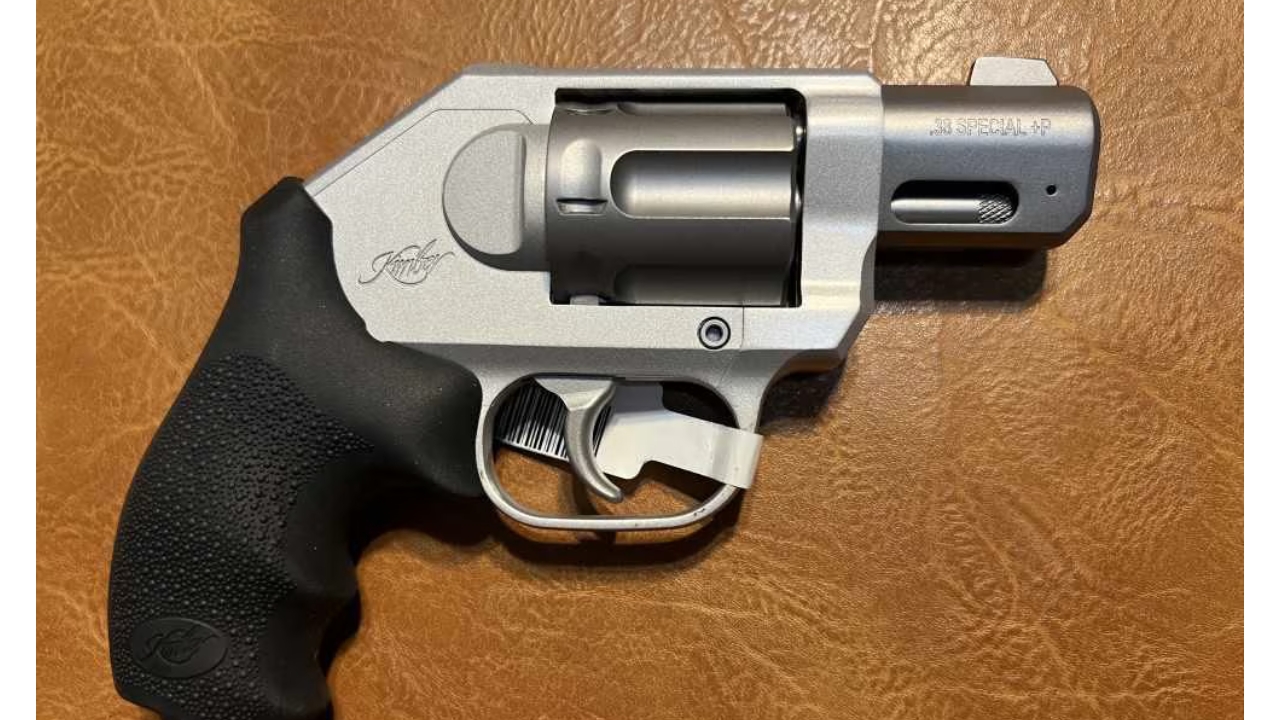
The K6xs is almost the opposite of the heavier K6s models. It is a lightweight carry revolver designed around minimal weight and straightforward defensive use.
Right now, that makes it simply another option in the crowded snubnose market. Years from now, the significance could be different if it represents a brief stage in Kimber’s revolver development. Early models from companies entering new firearm categories often become collectible precisely because nobody thought to save them.
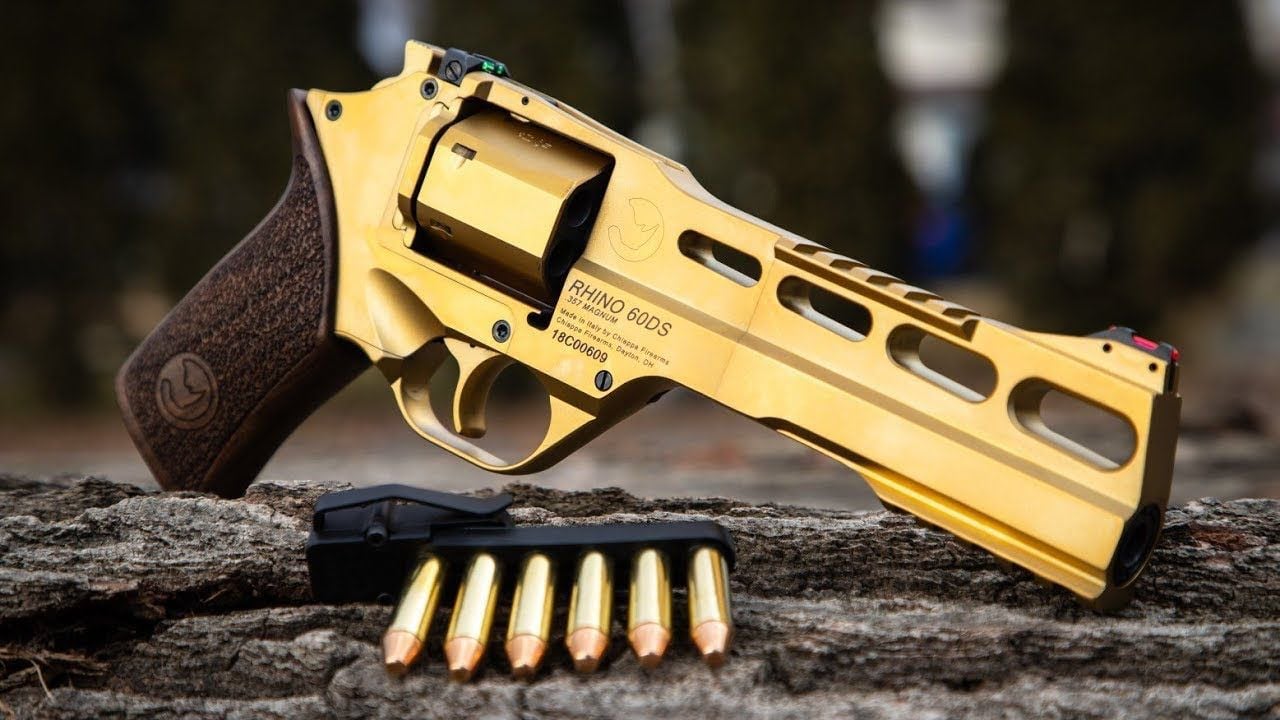
Chiappa Rhino 60DS
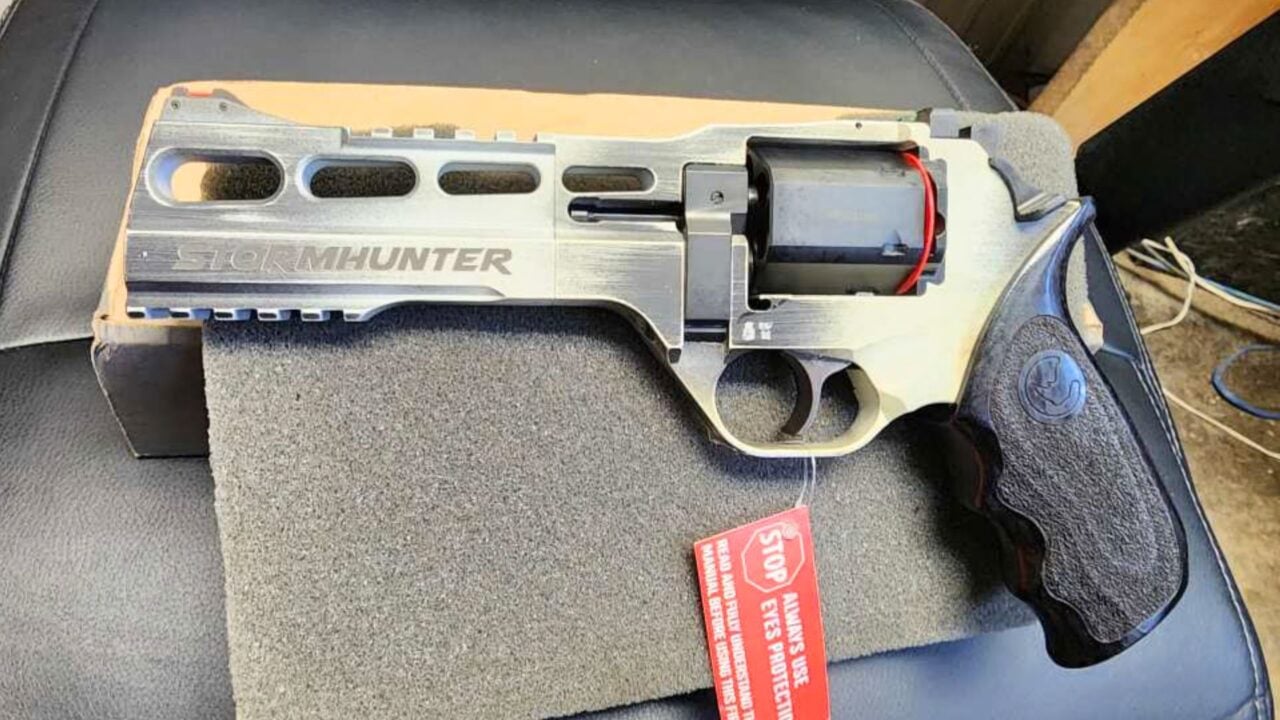
The Rhino is already one of the most visually distinctive revolvers of the modern era, and the long-barreled 60DS pushes that appearance even further.
Its barrel fires from the bottom chamber, radically changing the geometry compared with conventional revolvers. Whether the design remains in production for decades or eventually disappears, it will always be immediately recognizable. That kind of mechanical and visual identity is one of the strongest ingredients a future collectible can have.
Korth Mongoose
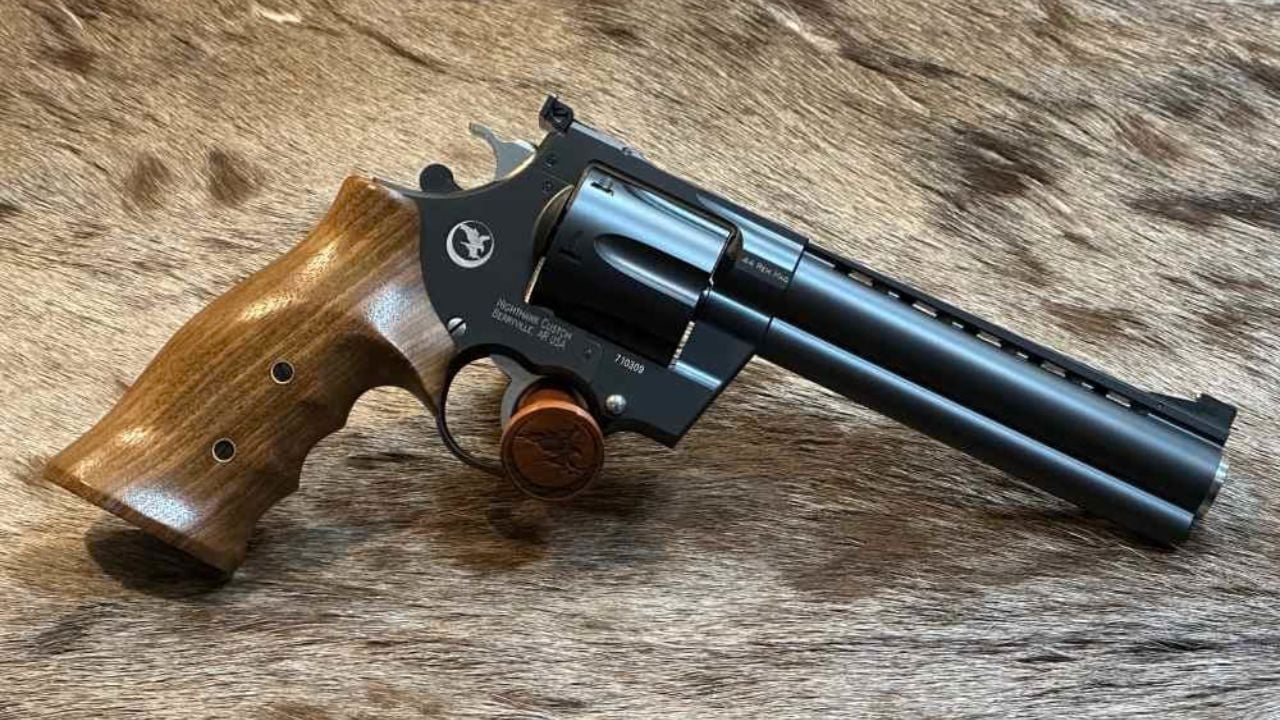
Korth revolvers are already premium firearms, so the Mongoose is not going to become collectible because people suddenly discover it was cheap.
Its potential comes from craftsmanship and relatively limited exposure. The Mongoose represents a modern European approach to the traditional double-action revolver at a time when most manufacturers are chasing lower-cost production. If particular barrel lengths, finishes, or early configurations become unavailable, collectors could become extremely specific about which examples they want.
Like The Avid Outdoorsman’s content? Subscribe to our newsletter so you never miss an article.
Here’s more from us: