Photo credit: Pat RMG/Youtube
I have watched more than one guy walk out of a gun shop grinning like he just bought confidence. New gun smell, slick marketing, a story attached to it. Then hunting season hits, or the first real range day, or the first time you try to find mags and holsters that are actually in stock, and the shine comes right off.
This isn’t a hit piece on any one brand. It’s a reality check on guns that often ask premium money while delivering regular-guy results, or worse—special problems you didn’t budget for. Some of these are “bad buys” only at today’s prices. Others were a headache the day they were introduced. Either way, if you’re spending your hard-earned cash, you ought to know where the traps are.
1. Kimber Custom II (1911)

Kimber has sold a pile of 1911s on looks and a clean slide profile. When they run, they feel great and point naturally, especially for folks who grew up on thumb safeties and crisp single-action triggers.
The problem is consistency. Plenty of shooters end up chasing reliability with magazines, ammo pickiness, extractor tension, and “break-in” talk that gets old fast. For the money Kimber usually commands, you can buy a 1911 that just works, or you can buy a less fancy one and spend the rest on practice.
2. Colt Python (new production)
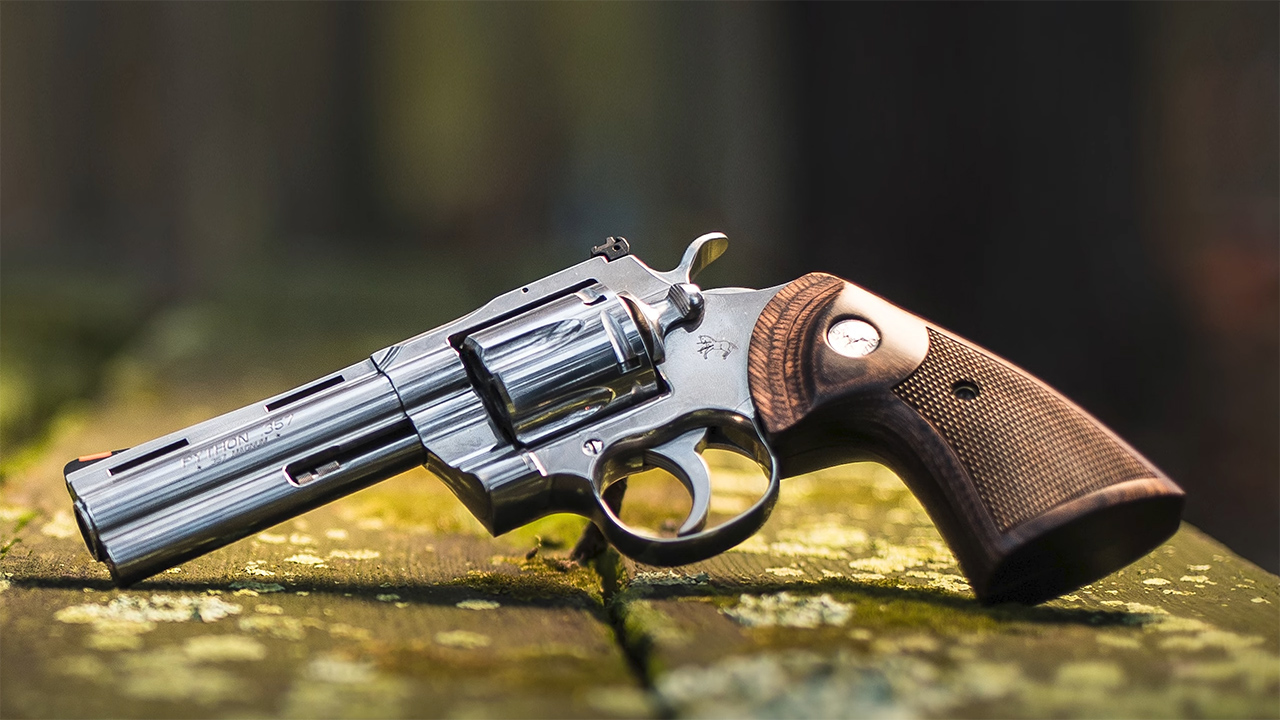
I get the appeal. A Python is smooth, iconic, and it scratches that “buy once, cry once” itch. The new ones are also priced like you’re buying a time machine back to the old days.
For most outdoorsmen, it’s a safe queen with a range habit, not a hard-use revolver you’ll drag through rain, mud, and a saddle scabbard. If you want a .357 to actually ride in a truck or on a hip, there are sturdier, cheaper options that won’t make you nervous every time it bumps a gate.
3. SIG Sauer P226 Legion
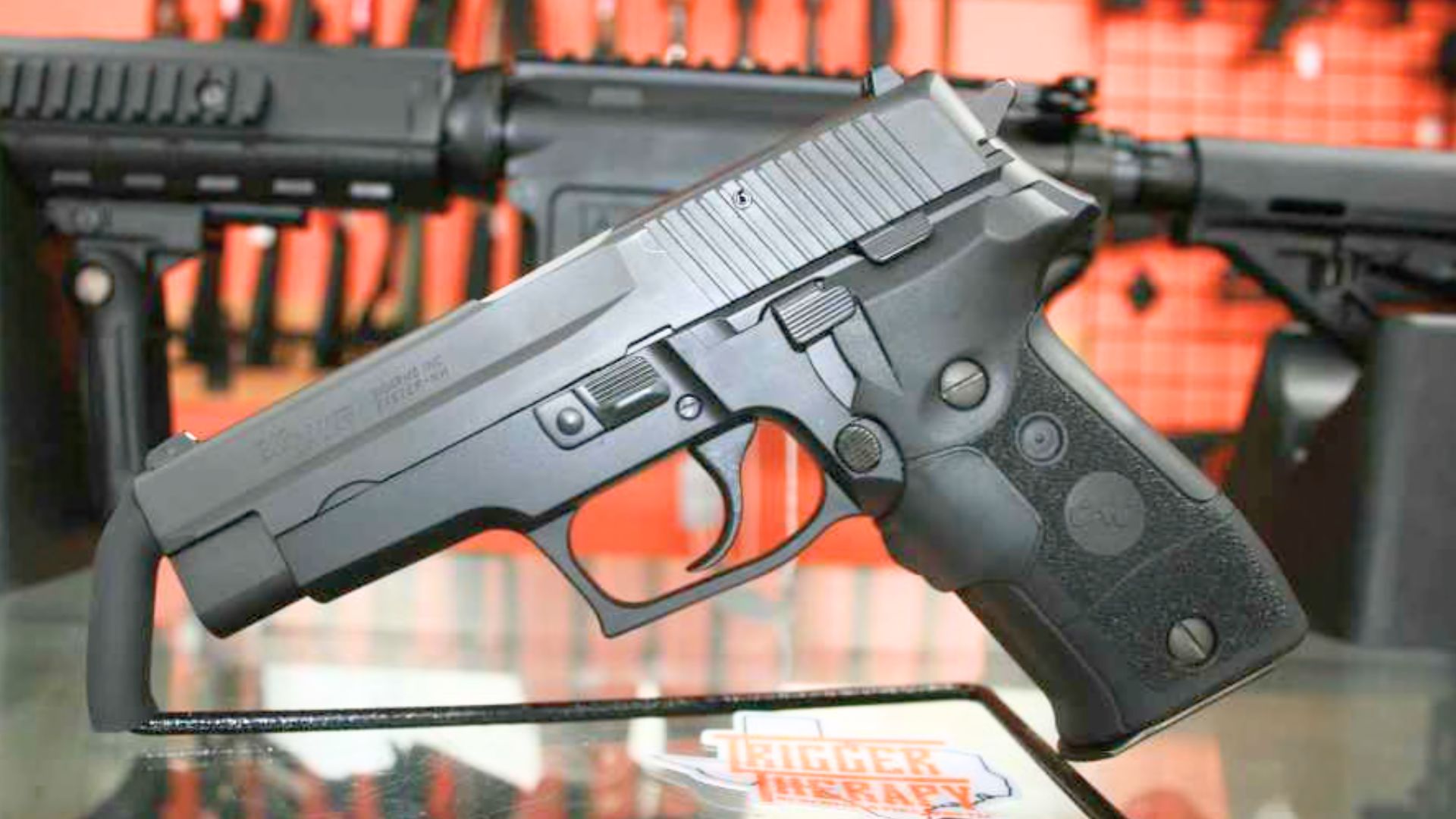
The P226 is a proven pistol with real service history, and the Legion trim is undeniably nice in the hand. That trigger and the controls feel “finished,” and the gun shoots flat if you do your part.
Still, the Legion price tag is where it gets sideways. You’re paying a lot for cosmetics and minor refinements when a standard P226, a used police trade-in, or even a different modern duty pistol will do the same work with less money tied up. It’s a sweet gun. It just isn’t twice-as-sweet as the cost suggests.
4. Heckler & Koch VP9 Match

HK makes solid guns, and the VP9 line is easy to shoot well. The Match version looks like it’s ready for a trophy table, and it does have real refinements.
But it’s also the kind of purchase that leaves you realizing you didn’t actually need a long-slide, optics-ready, premium-trim striker pistol for your normal life. If you’re not competing regularly, you’re paying extra for capability you won’t use, while holsters and parts aren’t as plentiful as the Glock and M&P world.
5. FN SCAR 17S
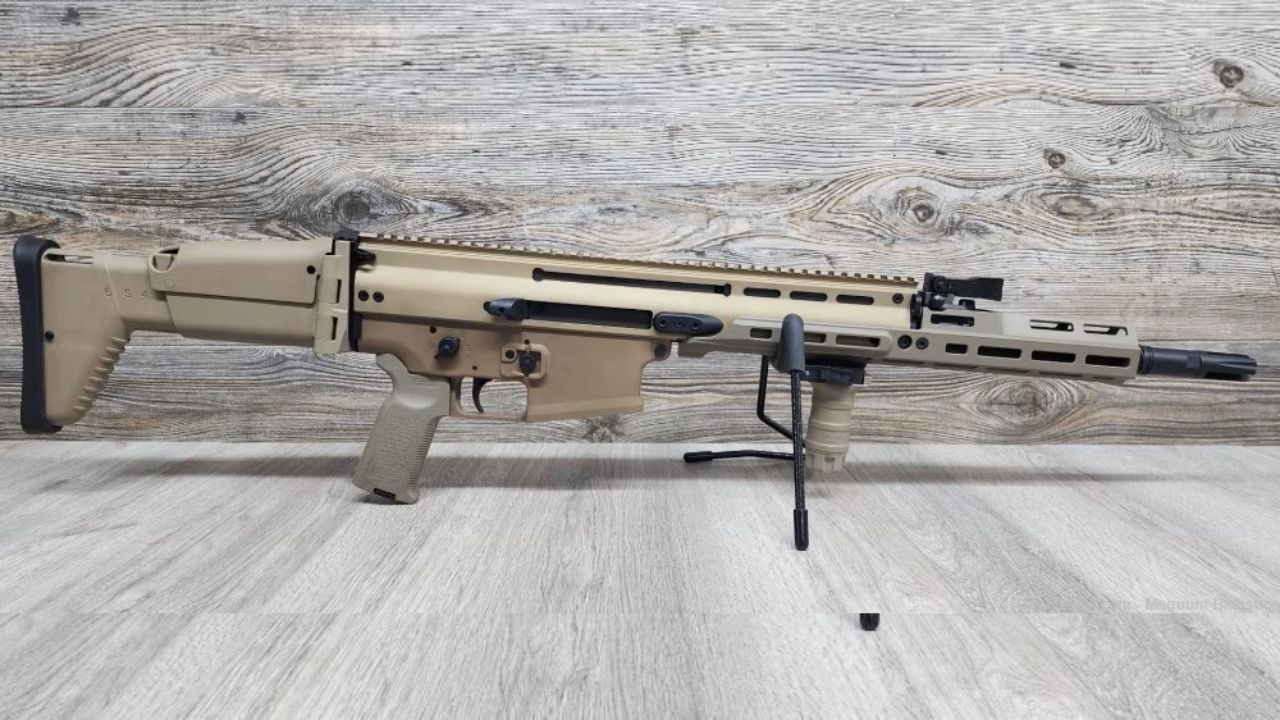
The SCAR 17S is a beast in the best and worst ways. It runs, it hits hard, and it has that “serious rifle” aura that makes people talk at the range.
Then you look at what it costs to feed, what it costs to accessorize, and how picky it can be about optics mounts and recoil impulse on gear. For the same money, you can build a .308 AR that’s easier to set up, easier to service, and a lot easier on your wallet when something breaks or you want to change direction.
6. Desert Tech MDRX
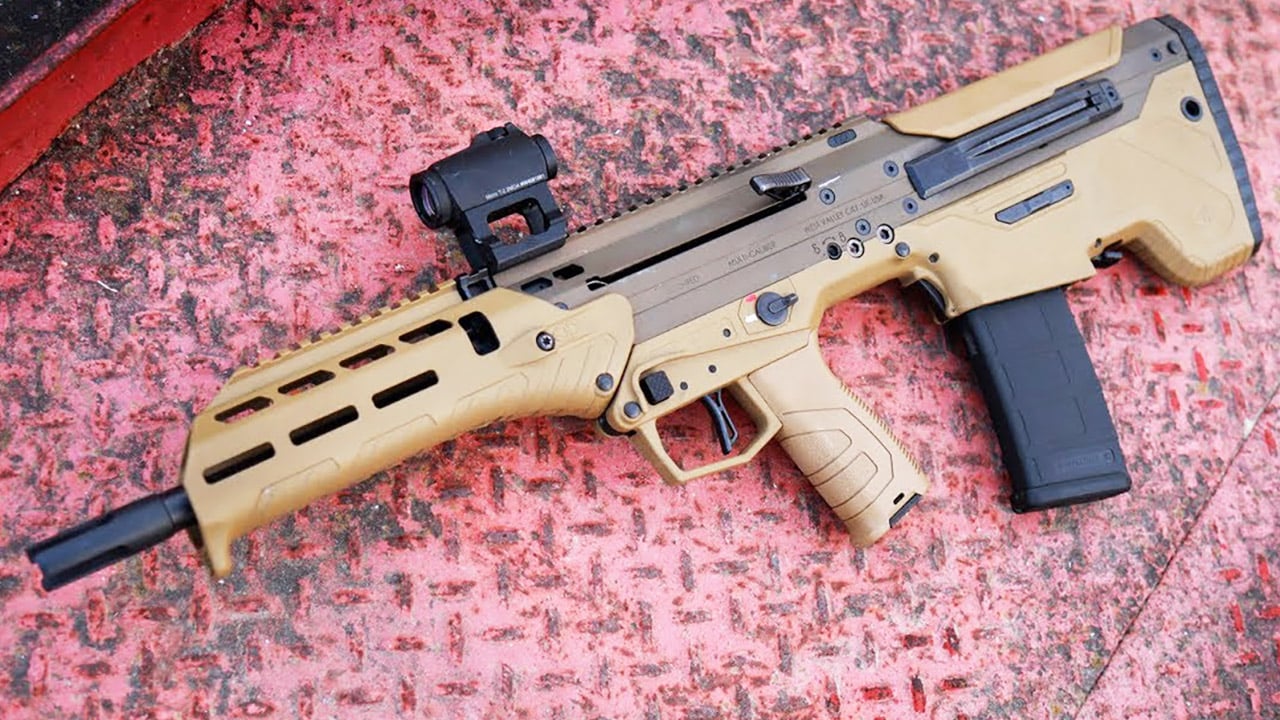
Bullpups are always tempting because the idea is so good: full barrel length in a short package. The MDRX looks like it belongs in a patrol truck in a different decade.
In practice, you’re buying into a niche with niche support. Triggers, ergonomics, and maintenance aren’t what most hunters want when it’s cold and you’re wearing gloves. It’s an expensive way to learn that “compact” isn’t the same as “handy” for everyone.
7. IWI Tavor X95

The X95 is reliable and tough, and a lot of people genuinely love them. If you need a compact rifle for specific constraints, it can make sense.
But a regular AR-15 handles better for most shooters, has a better trigger feel, balances more naturally, and doesn’t make you hunt down specialized parts. When the price climbs, the X95 starts feeling like you paid extra to accept compromises you didn’t know you were accepting.
8. Daniel Defense DDM4 (certain high-priced trims)

Daniel Defense builds quality ARs. The barrels are good, the rails are good, and they’re generally reliable. No argument there.
The issue is when you’re paying top-of-market for a configuration that doesn’t actually solve your problem any better than a mid-tier rifle with a good optic and a pile of ammo. Past a point, AR money is better spent on glass, a sling, a light, and training than another notch of brand prestige.
9. Springfield Armory SAINT Victor (at inflated prices)

The SAINT line can be a solid shooter, and the Victor trim usually has the features folks want right now. Lightweight, modern furniture, ready to go.
But when pricing gets goofy, it’s hard to justify versus a plain, dependable AR and a quality red dot. You’re not buying a magic rifle. You’re buying an AR, and the market is crowded with ARs that run just as well for less.
10. Q Honey Badger (pistol/SBR platform)
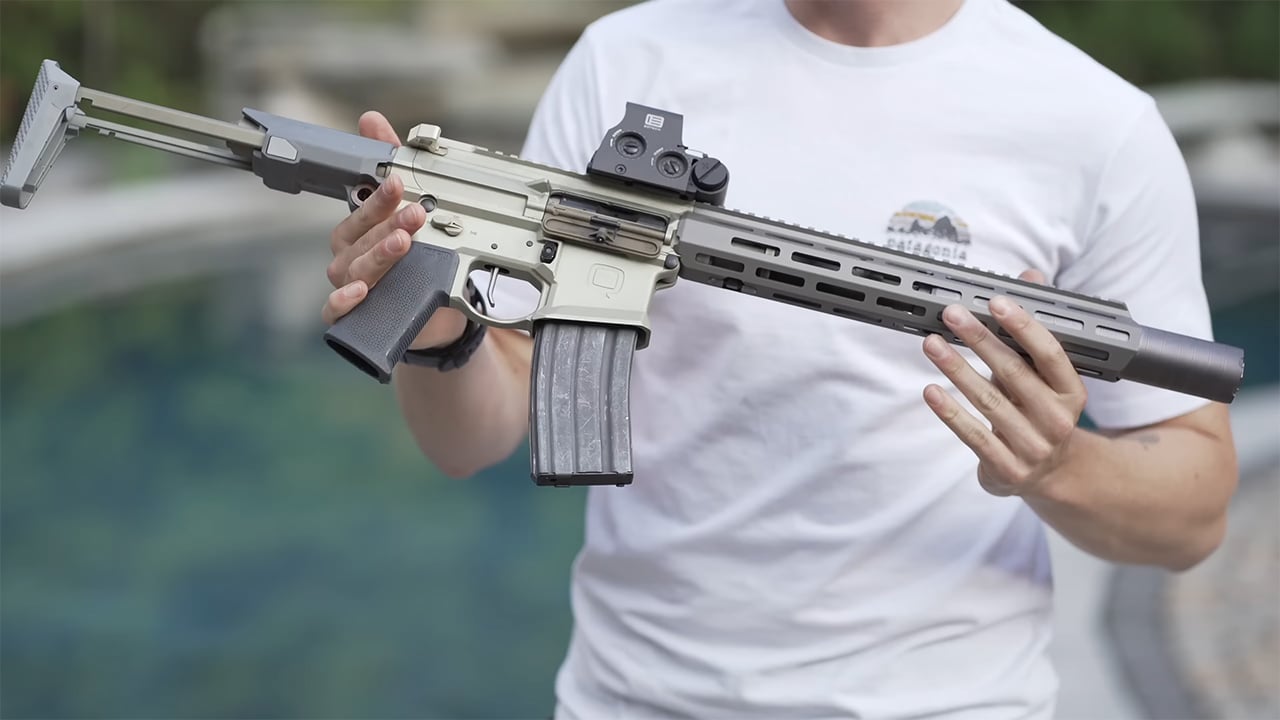
This is one of those guns that sells a lifestyle. Compact, slick, trendy, and it photographs like a dream. I also understand the appeal of a short, suppressed-friendly setup.
But most folks don’t need to pay boutique prices to get a compact .300 BLK. The Honey Badger is expensive to begin with, and it tends to push you into expensive accessories and tuning decisions. Unless you’re living in that niche, it’s an eye-watering way to end up with a range toy.
11. Christensen Arms Ridgeline (when you’re buying hype over results)
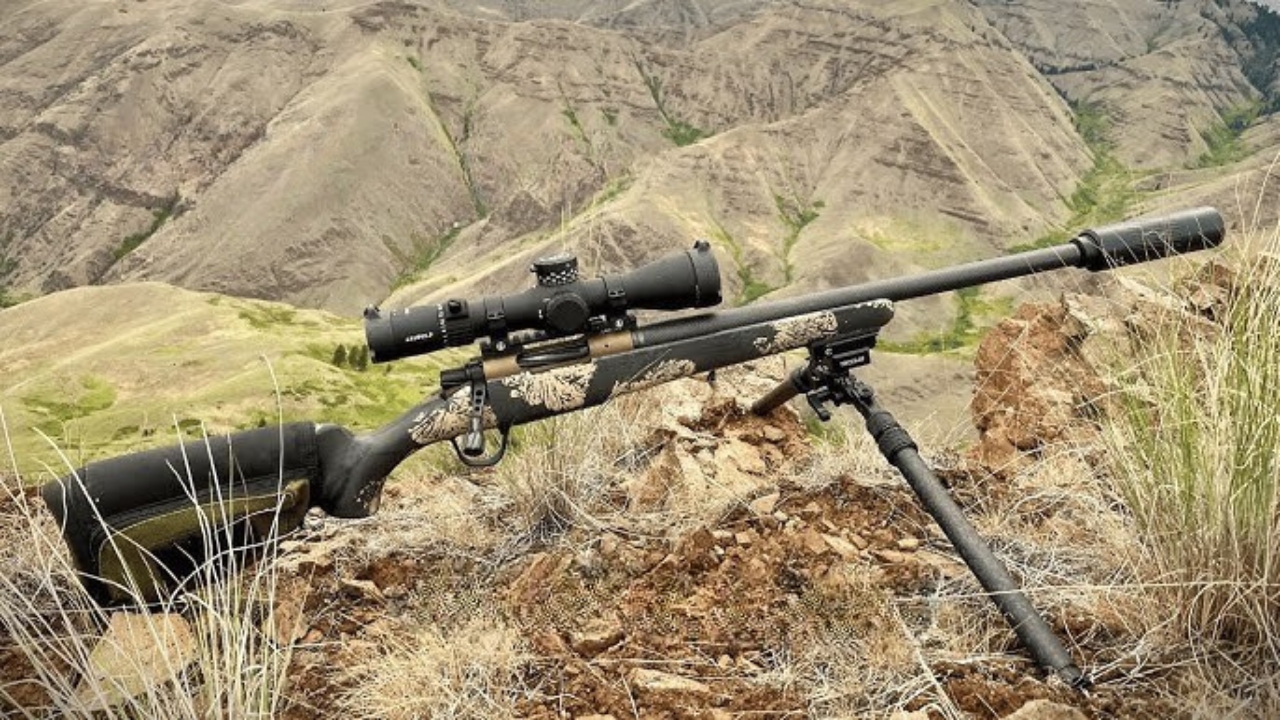
Lightweight rifles are a gift in the mountains, and the Ridgeline checks all the boxes on paper. Carbon barrel, clean lines, “premium hunting rifle” vibe.
What burns guys is paying big money and still dealing with accuracy or consistency complaints, then shipping it back, then waiting, then wondering if it’s you or the rifle. For the same money, a proven production rifle with a good barrel and a solid warranty can be less drama and more dead-on practical.
12. Remington R51

This one hurt because the idea was cool: slim 9mm, different operating system, easy carry. A lot of people wanted it to be the next smart concealed-carry option.
Instead, it became a lesson in why you don’t preorder your personal protection. The early reputation stuck for a reason. Even if you find one that runs, you’re living with limited parts support and a design that never became mainstream.
13. Taurus Judge
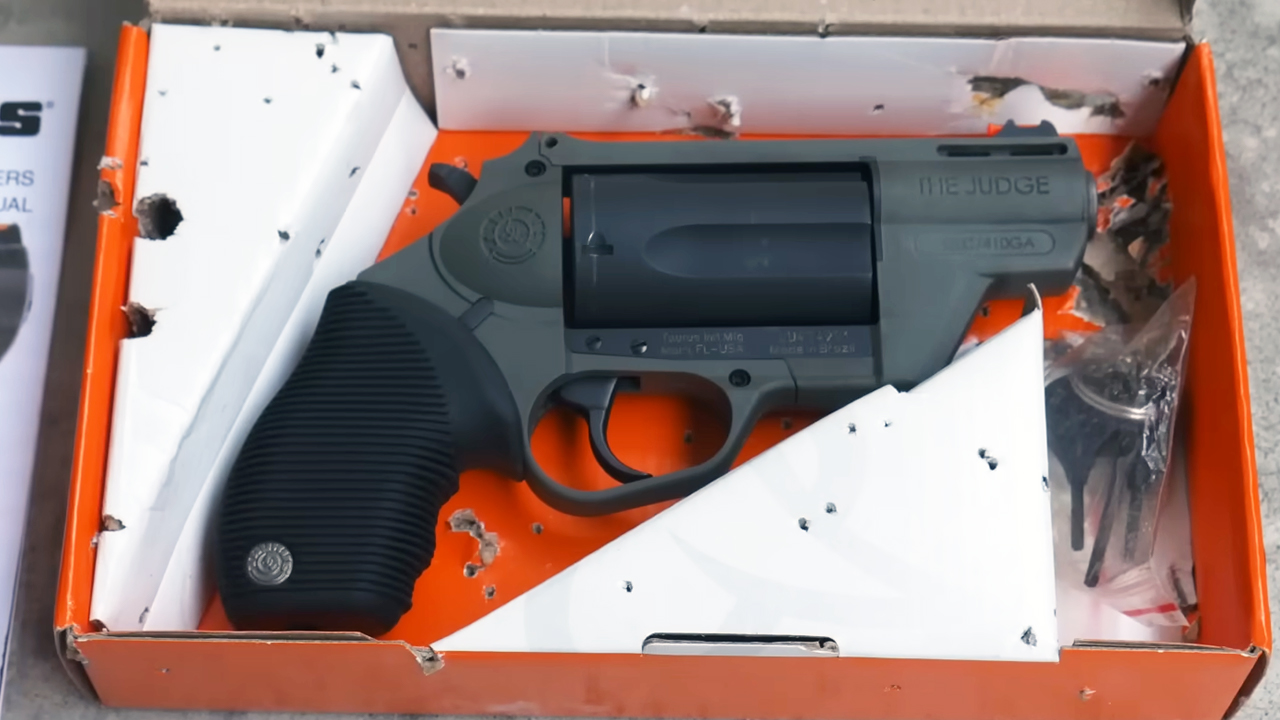
The Judge sells itself. Big revolver, .410 shells, snakes, bad guys, you name it. It’s one of the easiest guns in the world to talk yourself into.
Out in the real world, it’s bulky, heavy, and often disappointing in patterns and practical accuracy compared to what people imagine. For trail carry, a normal .357 or a compact 9mm makes more sense, carries better, and gives you ammo options that aren’t a gimmick.
14. Smith & Wesson Performance Center Model 327 (8-shot .357)
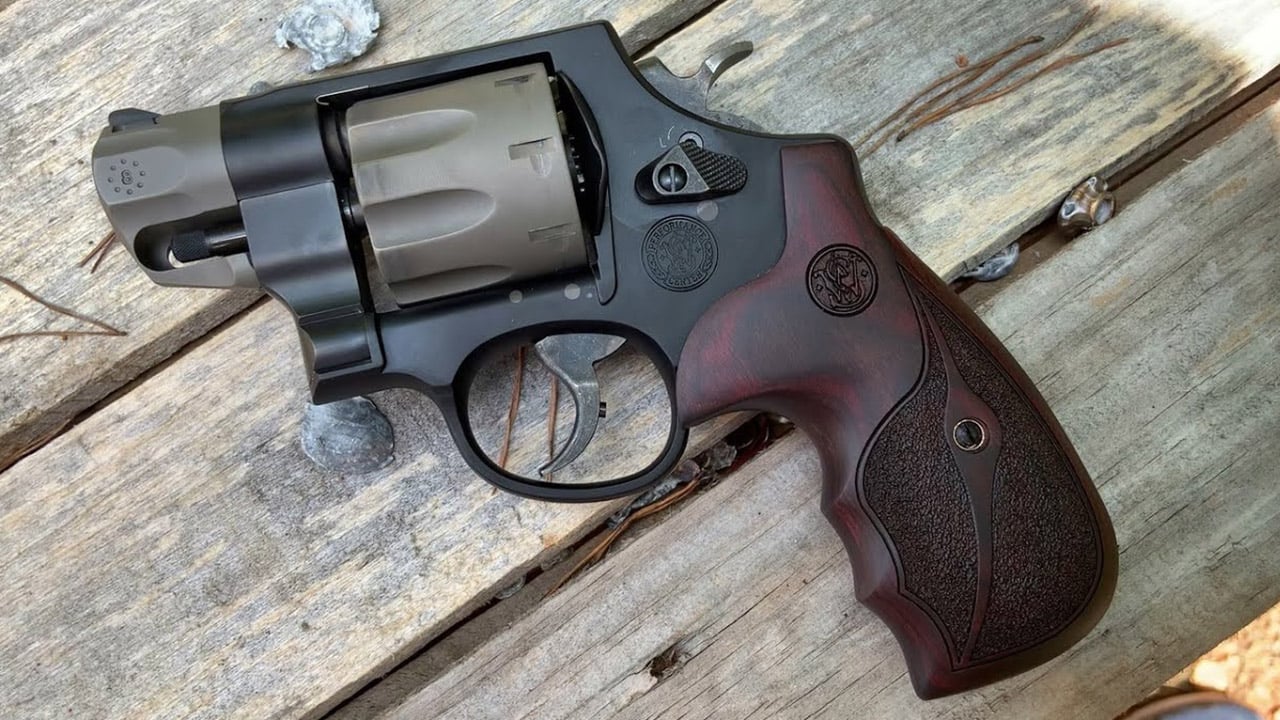
An eight-shot .357 sounds like the perfect “do everything” revolver. The Performance Center touches are nice, and it’s a slick piece of gear for the right shooter.
But it’s priced like a collector piece, and for most working folks it ends up being a safe resident. If you actually want a revolver to ride in a chest rig during elk season, a standard GP100 or 686 will take abuse with less worry and a lot more money left over for tags and fuel.
15. Korth PRS (or other ultra-luxury revolvers)
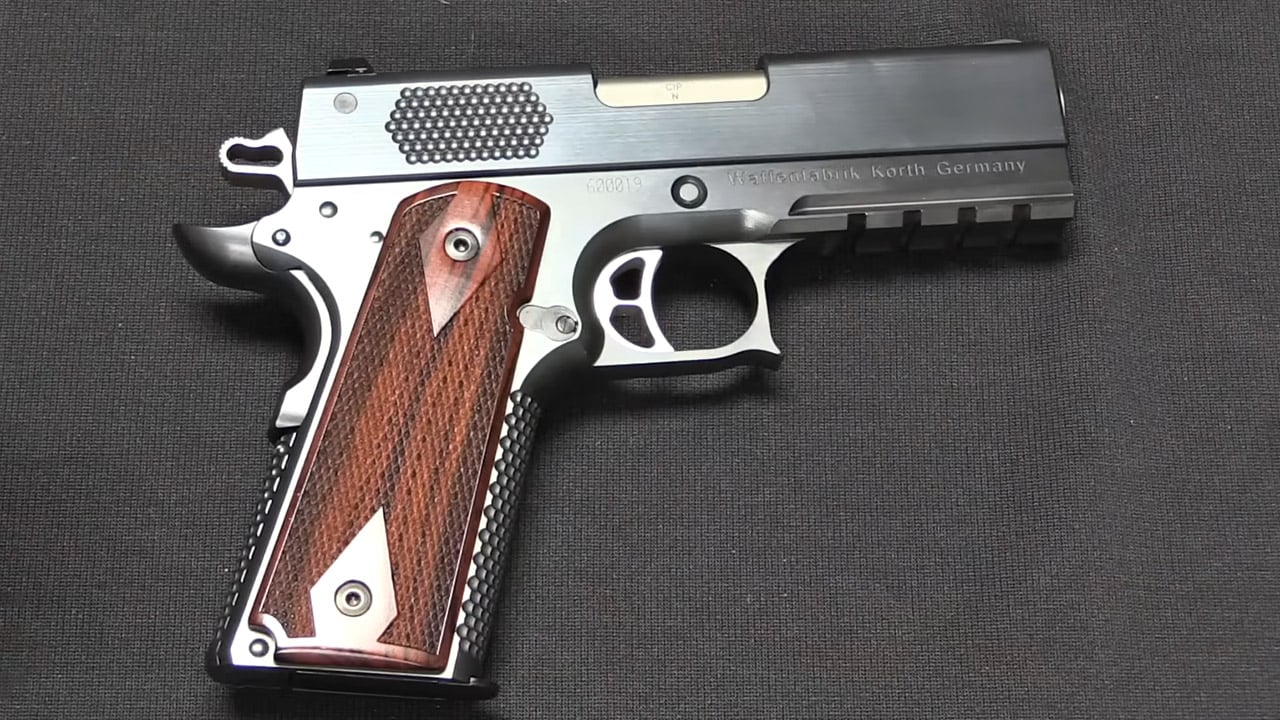
Korth makes incredible revolvers. The machining is unreal, the triggers are glassy, and they’re legitimately special.
They’re also priced so far beyond “practical” that most outdoorsmen can’t justify them as tools. If you buy one, you’re buying art. Nothing wrong with that, but don’t confuse it with value in the field.
16. Beretta 92X Performance
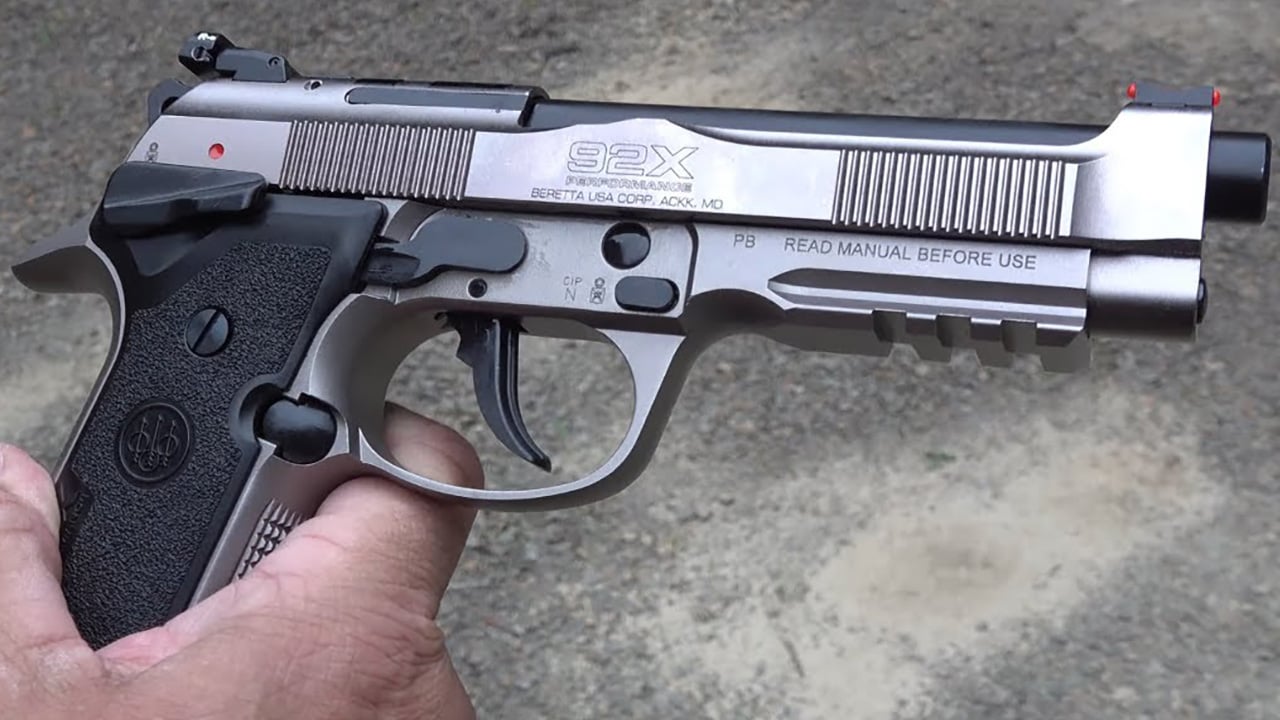
This is a soft-shooting, heavy, accurate pistol with a real competition intent. If you’re running matches and you like the Beretta platform, it’s a fun machine.
But it’s also a lot of money tied up in a gun that doesn’t carry well, doesn’t fit every hand, and doesn’t solve a problem most people have. Many folks would be better served with a standard 92 variant, a quality trigger job if needed, and a case of ammo.
17. Benelli M4
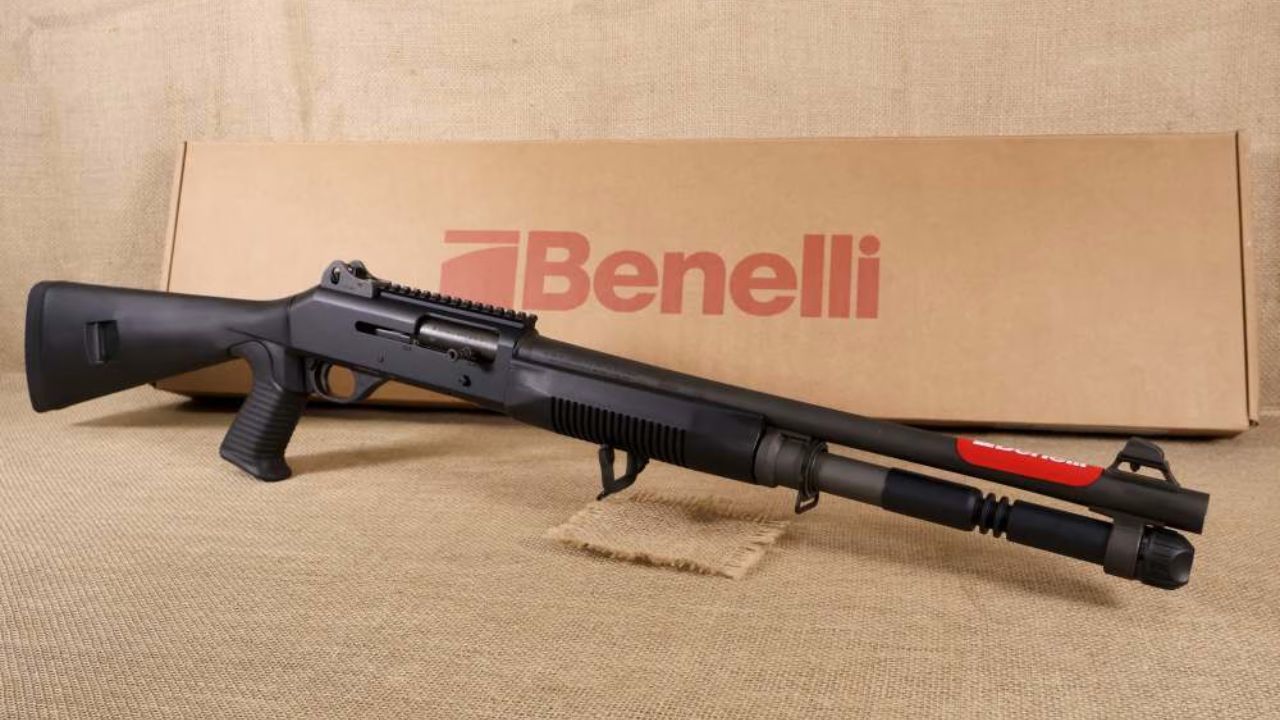
The Benelli M4 is a legend, and it earned that reputation in its lane. It’s reliable, it cycles well, and it’s built tough.
Where it starts costing more than it gives back is when normal homeowners and bird hunters convince themselves they need it. It’s heavy for upland work, expensive to accessorize, and most shooters won’t run it hard enough to justify the premium over a simpler pump or a less expensive semi-auto that fits them better.
18. Browning Citori (high-grade field models bought as “one shotgun to do it all”)
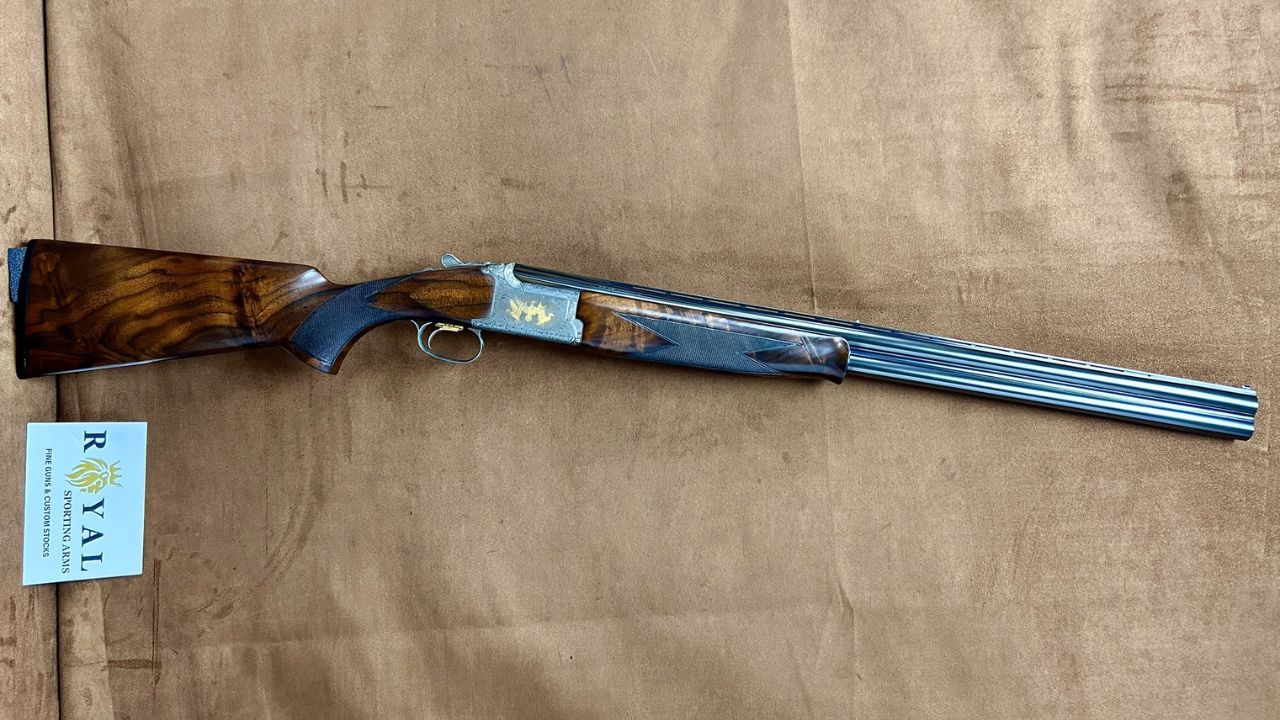
A Citori is a fine over/under. They balance well, they can last a lifetime, and they look right in the field. I’m not knocking the gun.
The overpay happens when someone buys a high-grade model thinking it’s automatically better for rough hunting. Mud, freezing rain, and cattails don’t care about engraving. If you’re the kind of hunter who leans a shotgun in the corner of a wet blind, a simpler workhorse that you won’t baby can be the smarter spend.
19. Ruger No. 1 (modern pricing)
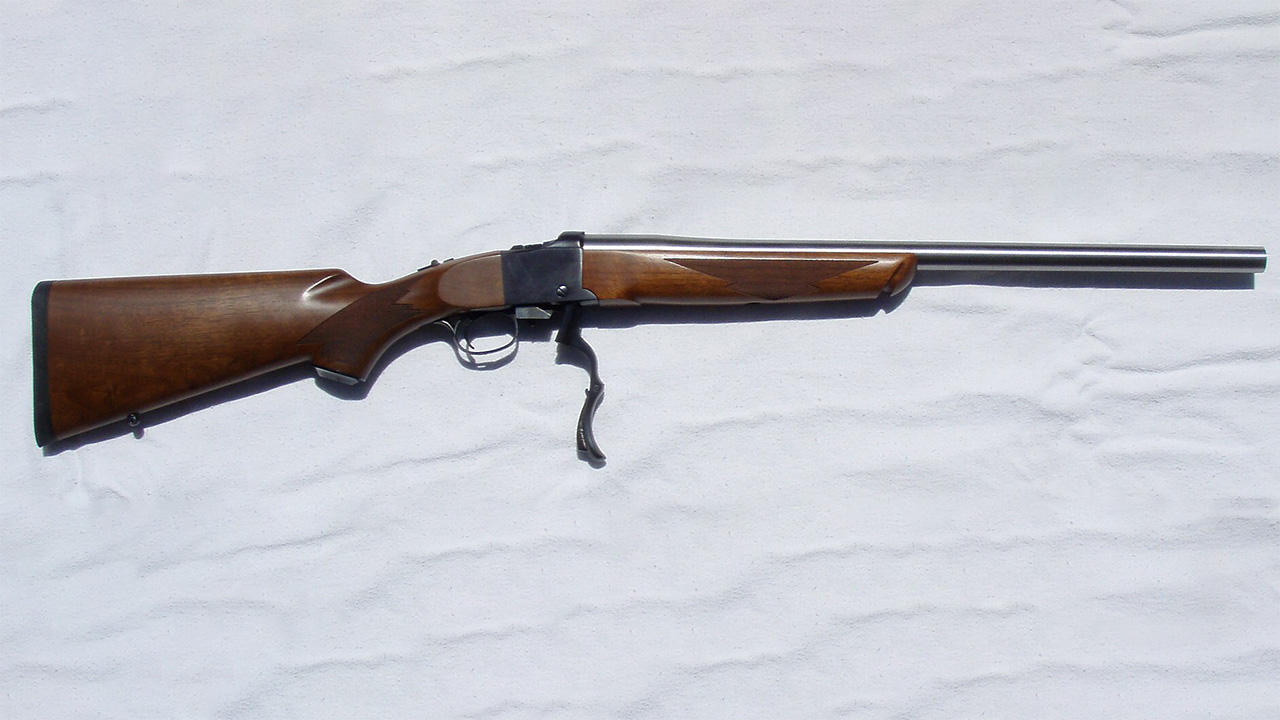
The Ruger No. 1 is classy, accurate enough for real hunting, and it carries beautifully. There’s nothing else quite like it, and I understand why folks want one.
But the price has crept into territory where you have to really want the single-shot life. For the average deer hunter, you’re buying nostalgia and style more than performance, and you’re giving up quick follow-ups and easy scope mounting choices compared to a basic bolt gun.
20. Winchester Model 70 “Super Grade” (when you only needed a working rifle)

The Model 70 is a classic for a reason. Good lines, good feel, controlled-round-feed on the right versions, and it flat-out looks like a hunting rifle should look.
Still, a Super Grade price tag can turn into a bad deal if what you really needed was a rifle you won’t be afraid to scratch on a rock slide. A standard Model 70 or any number of dependable bolt guns will put venison in the freezer just as well, and you won’t spend the whole season trying not to put the first ding in it.
The funny part is a lot of these guns are “good.” They’re just not good for the price asked, or not good for the job most folks actually have. Before you drop the money, think about where it’ll live—truck, safe, scabbard, nightstand, duck blind—and what it needs to do on its worst day, not its best. That little reality check has saved me more cash than any sale sign ever did.
Like The Avid Outdoorsman’s content? Be sure to follow us.
Here’s more from us: