Photo credit: AI-generated image created using ChatGPT. Illustrative only
Rural living has a way of turning “not my problem” into “everybody’s problem” real quick—especially when free-roaming dogs start ranging across property lines. In the original post, one family described a situation that went from everyday nuisance to a gut-punch request: a grieving neighbor asked them to shoot a troublesome dog that had been killing cats. There’s just one snag—they don’t even own a gun.
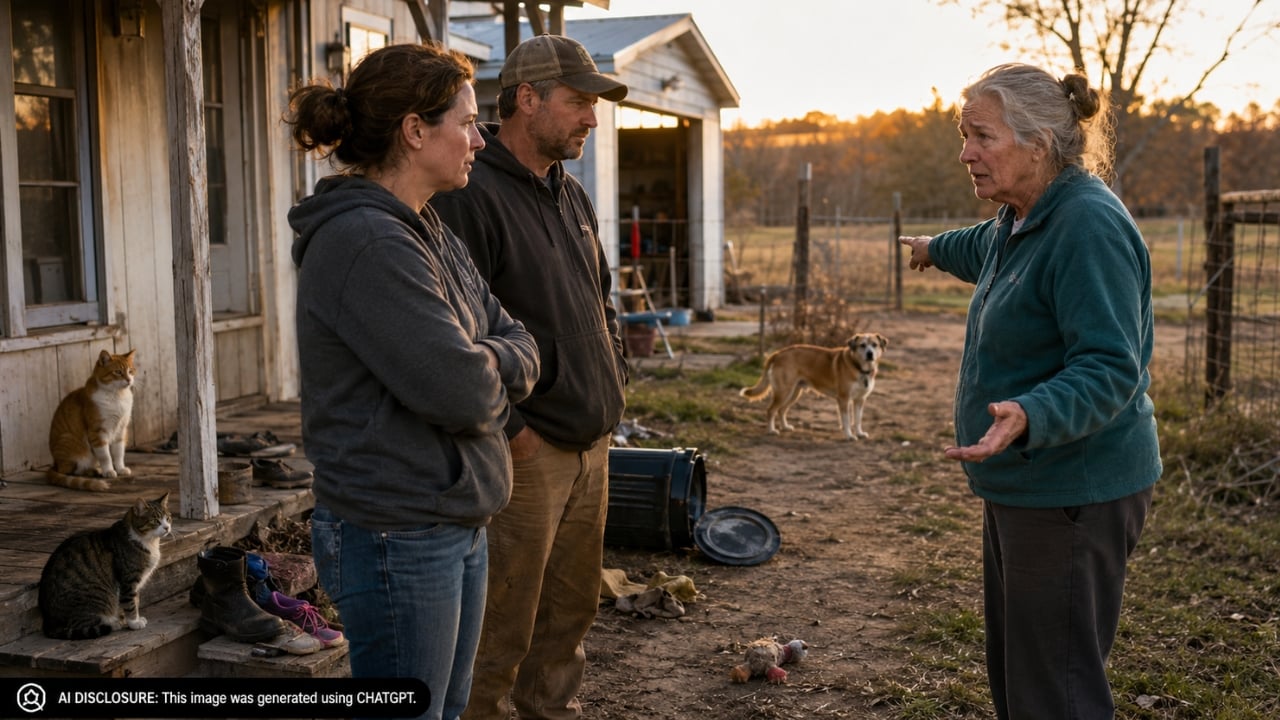
The dogs in question belong to a nearby owner who, according to the family, refuses to fence, chain, supervise, or keep the animals inside. And because they’re out in the country with no animal control or local pound, the usual “call somebody” option doesn’t exist. That’s how you end up with neighbors quietly sizing each other up, wondering where the line really is.
When “country dogs” turn into roaming predators
The worst damage wasn’t chewed-up toys or knocked-over trash. One of the dogs—a small mutt about dachshund size—has reportedly attacked and killed several cats belonging to another neighbor, including a beloved 15-year-old cat and kittens from a barn cat litter.
That kind of thing changes the tone fast. Folks can shrug off nuisance behavior for a while, but once an animal starts killing other animals, it becomes a property and livestock issue, not a personality conflict. And in rural America, those problems don’t stay theoretical for long.
A hard request lands on the wrong doorstep
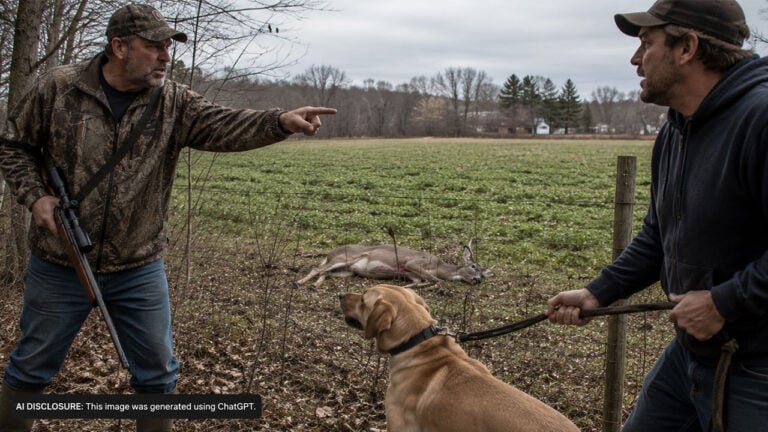
After the cat killings, the affected neighbor texted the family’s husband asking if one of them would be willing to shoot the dog because he couldn’t emotionally bring himself to do it. The sheriff had already told that neighbor he was within his rights to kill the dog if it continued attacking his cats.
But the family being asked to handle it doesn’t own a gun, which adds another layer of weird. Now it’s not just “would you do it,” it’s “do we borrow equipment, coordinate the act, and become part of this,” and that didn’t sit right with the person writing the post. That hesitation makes sense. Taking an animal’s life—especially someone else’s—can stick with you, even when you’re justified.
Meanwhile, the dogs are tearing up everyone else’s place
The cat killings weren’t the only issue. The same dogs were also routinely on this family’s property. They described the dogs getting into off-grid setups, crawling under the house and banging into pipes, getting into trash and burn barrels, stealing shoes and laundry off the porch or line, and chewing up kids’ toys.
Then there’s the daily grind stuff nobody likes talking about until they’re fed up: dog mess in the yard, kids tracking it into the house, and the constant feeling that you’re cleaning up after somebody else’s negligence. None of that, by itself, feels like a “shoot a dog” situation. Put it together over months, though, and it becomes a steady drip of trespass and damage that wears people down.
The real fight: responsibility and the cost of fixing someone else’s problem
The family said they’ve talked to the dog owner multiple times, and so has the neighbor who lost cats. The owner’s stance, as described, is basically that everyone else should deal with it because they live in the country. No fencing. No chaining. No supervision.
That’s where rural folks get rightly frustrated. The family built their home themselves and is still building, with plans for cabins and eventually fencing a small area for their kids. But they resent feeling pressured to redesign the property and spend thousands on bigger fencing just because a neighbor refuses to control his animals. That’s a fair complaint. In most places, “being rural” doesn’t mean “my dogs can run your land.”
What options actually exist when there’s no animal control
When there’s no local pound and nobody coming with a catchpole, practical options get limited fast. The poster mentioned being open to taking the dog to another county, but noted a second dog is too large and too cautious around people to get near. Catching one dog is tough. Catching a wary one that’s already learned to avoid humans is a whole different animal.
That’s also where folks need to slow down and think about safety and liability, not just anger. If you’re considering trapping or transporting a dog, you’re talking about bites, disease risk, and the possibility that the dog simply comes back—or someone claims you stole it. On the other hand, continuing to let it roam has already resulted in dead cats and repeated property damage. It’s not a clean choice either way.
The emotional gut-check: “It’s friendly” until it isn’t
One detail that stood out is that the small dog is described as very friendly, especially with the family’s kids. The writer said they’re not worried about the kids because of the dog’s size, and the cats it killed weren’t theirs. That’s the emotional tug-of-war a lot of decent people feel in the country: the animal can be pleasant in one context and destructive in another.
But plenty of rural folks have learned the hard way that “friendly to us” doesn’t cancel out “dangerous to animals” or “out of control.” Predatory behavior toward cats and kittens is a big red flag, even if the dog isn’t showing aggression toward people. And if the dog is willing to roam under houses, into burn barrels, and around off-grid gear, it’s also creating safety problems that aren’t about temperament—they’re about exposure to hazards and damage to essential systems.
The bigger question the family asked was where the line sits between protecting property and livestock and feeling guilty about consequences that stem from someone else’s neglect. That’s not hand-wringing; it’s the reality of living close to your neighbors with no buffer and no services.
Out in the country, the best outcome is usually the boring one: the owner steps up, contains the dogs, and makes it right. When that doesn’t happen, neighbors start making decisions they never wanted to make. And once you’re at the point of texting somebody to come shoot your problem, you’re already deep into a situation that’s gone on too long.
Like The Avid Outdoorsman’s content? Be sure to follow us.
Here’s more from us: