Photo credit: Bob’s Revolvers and Autos/Youtube
Walk enough gun auctions—online or in a drafty hall with folding chairs—and you start noticing patterns. Certain models bring crazy money because a YouTuber blessed them. Others sit there like unloved hammers, even though they’ll do real work in the field. Over the last decade, the same handful of guns keep slipping through at prices that don’t match what they’re worth to an actual shooter or hunter.
Sometimes it’s because they’re “too common.” Sometimes it’s because the crowd in the room doesn’t understand what they’re looking at. And sometimes it’s because the gun is plain, boring, and honest. Here are 20 models I’ve watched get bought “cheap” year after year—cheap compared to what they cost to replace, what they do well, and how hard it can be to find a clean one when you finally want it back.
1. Ruger M77 Mark II
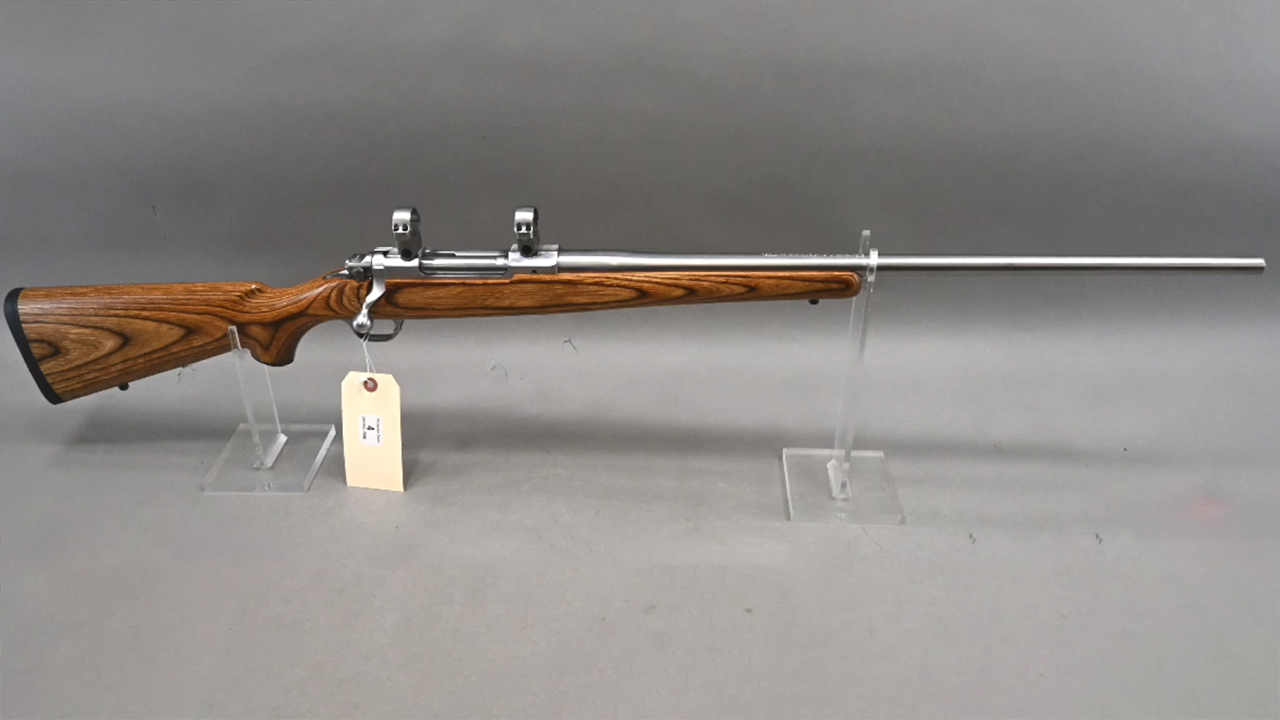
The M77 Mark II is one of those rifles that never needed social media approval. Controlled-round feed, stout extractor, and a safety you can run with gloves on—those things matter when it’s sleeting sideways and your buddy’s fancy bolt feels like it’s full of sand. They’re not light, and they’re not trendy, which is exactly why they get ignored at auction.
What surprises me is how often clean hunting calibers—.270, .30-06, .308—sell for “used budget rifle” money. The replacement cost for a comparable controlled-feed bolt gun isn’t small anymore. If you’re the kind of person who wants a rifle that can ride behind a truck seat, get rained on during elk week, and still feed like it should, this is a smart place to pounce.
2. Winchester Model 70 (post-’64 push-feed guns)

Everybody wants to argue about pre-’64 this and that. Meanwhile, a lot of post-’64 Model 70s—especially the push-feed versions—get treated like they’re second-class citizens. I get it. Collectors chase certain dates and features, and the auction crowd follows the collector money.
Here’s the thing: plenty of those “less desirable” Model 70s shoot straight, carry well, and have that classic handling you don’t get from a lot of modern plastic rifles. If you’re buying a hunting tool instead of a safe queen, a push-feed Model 70 can be a steal. The triggers are usually workable, the actions are smooth enough, and you’re still holding a Model 70 when it’s all said and done.
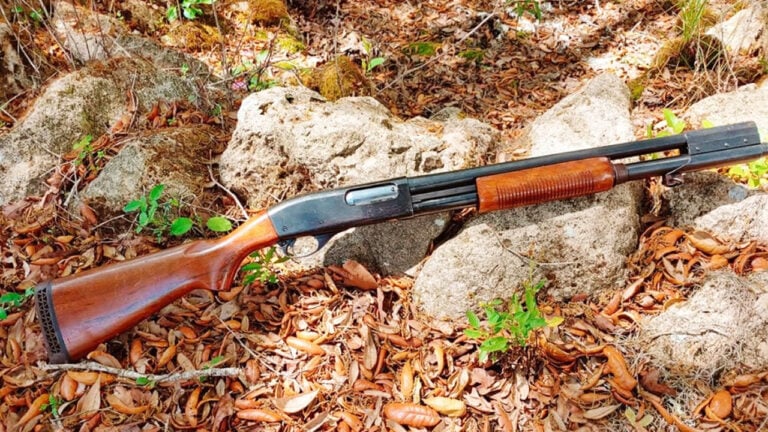
3. Remington 870 Wingmaster
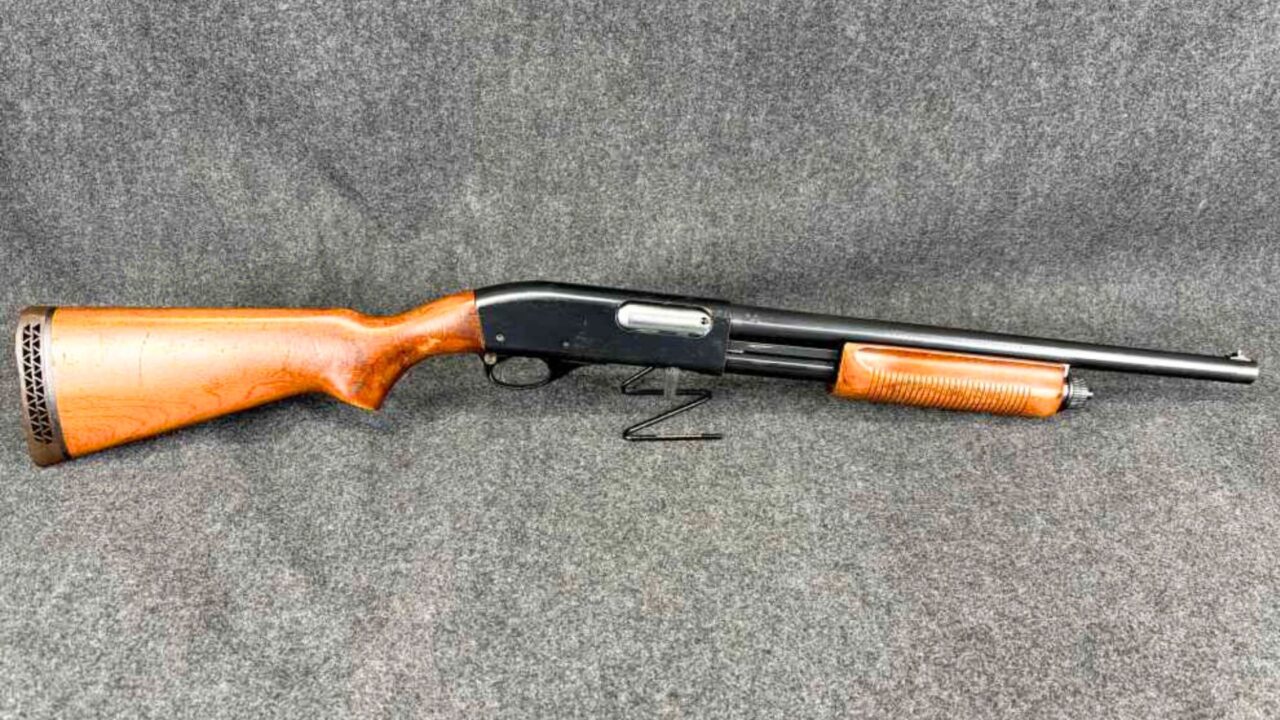
In a world full of tactical everything, the plain Wingmaster gets overlooked. That’s wild to me. The older Wingmasters have that slick, broken-in pump feel that newer budget pumps just don’t match. The bluing and walnut may show honest wear, but functionally they’re often better than what’s on the rack today.
They also make perfect “do it all” shotguns: dove field, turkey woods, backup home gun, truck gun—whatever. At auction, folks see an 870 and assume they’re all the same. They aren’t. A clean Wingmaster with decent wood is a different animal, and they still sell like they’re just another used pump. That one hurts when you pass on it, because you’ll miss it later.
4. Mossberg 500 (older blued guns with wood furniture)

The Mossberg 500 doesn’t get romance points, and it should. It’s one of the most useful shotguns ever made, and older examples with blued steel and wood stocks are better finished than many new production “value” guns. The tang safety alone is a big deal for lefties and for quick, intuitive handling.
Auctions tend to treat these like pawn-shop filler, especially if the barrel is long and the gun looks like it spent time in a closet. That’s exactly the kind of 500 you want if you’re going to swap barrels and actually use the thing. Parts are everywhere, accessories are cheap, and the gun will run filthy. It’s not fancy. It’s dependable.
5. Browning BPS
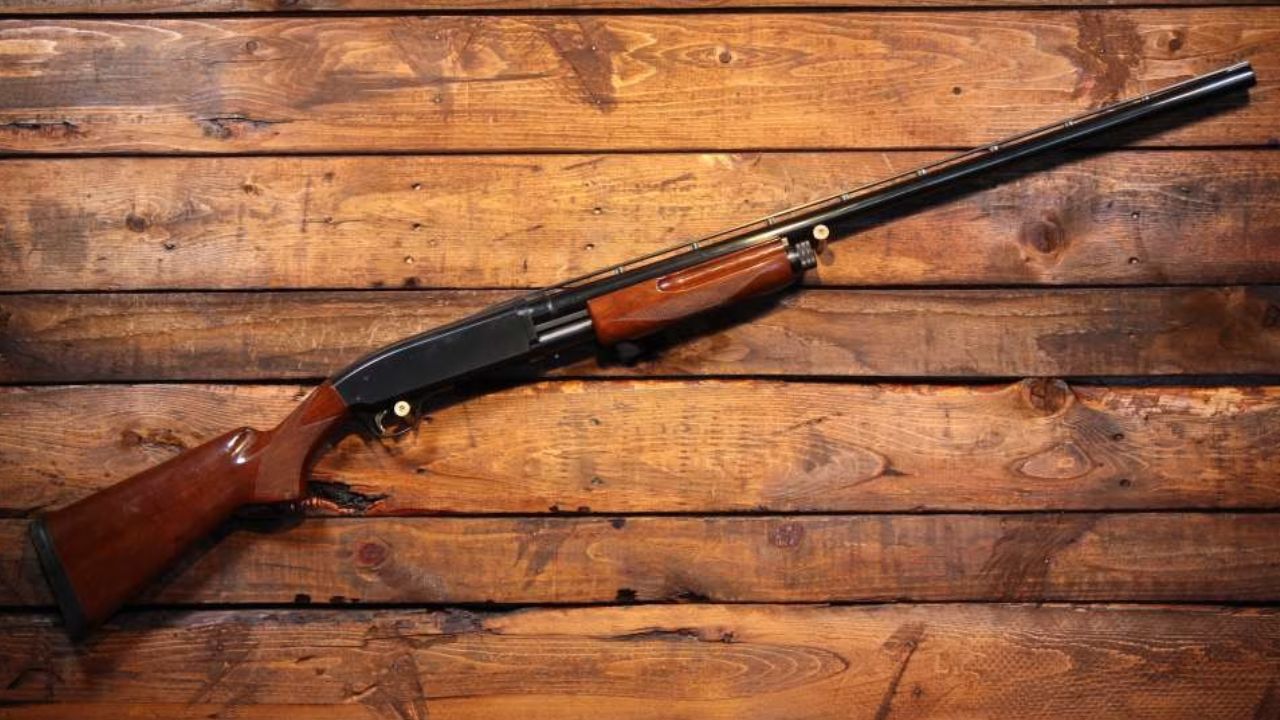
The Browning BPS is the shotgun a lot of folks respect but don’t “get excited” about. Bottom eject, steel receiver, smooth pump stroke, and it carries like a real field gun. For waterfowlers who shoot in nasty weather, the bottom eject keeps junk out and keeps empties from smacking your hunting partner.
At auction, BPS guns regularly sell below what they should because they aren’t the hot new semi-auto. And sure, they’re heavier than a lot of pumps. But that weight soaks recoil, and the build quality is there. Try finding a current-production pump with that level of fit without paying for it. If you see a 12 gauge with a ribbed barrel and clean action bars, don’t overthink it.
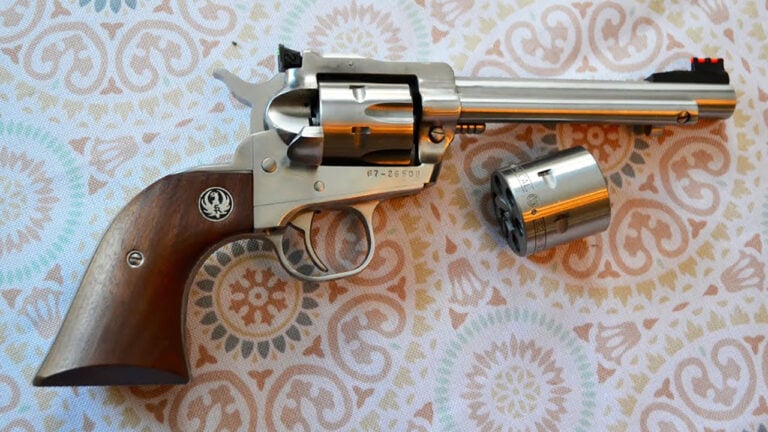
6. Ruger GP100
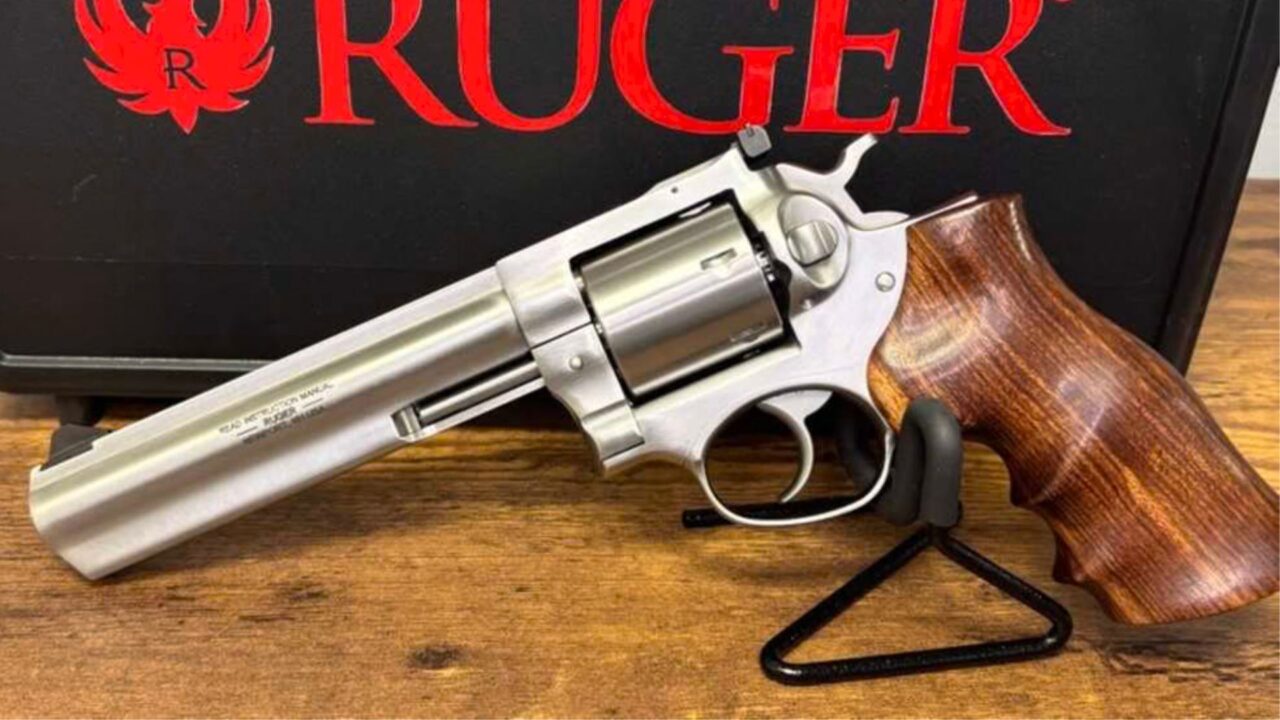
The GP100 is a working revolver. It isn’t dainty, it isn’t collectible in the way old Smiths are, and it doesn’t have “cowboy” vibes. What it does have is strength, easy maintenance, and the kind of durability that makes hot .357 loads feel like less of a gamble.
Because it isn’t a vintage collector piece, the auction crowd often keeps bids conservative. That’s good news if you actually shoot. A GP100 is also one of the better “ranch revolvers” for folks who want a sidearm that can live in a truck console or on an ATV without crying about it. Replace springs if you want, keep it stock if you don’t, and it’ll still be there years later.
7. Ruger SP101
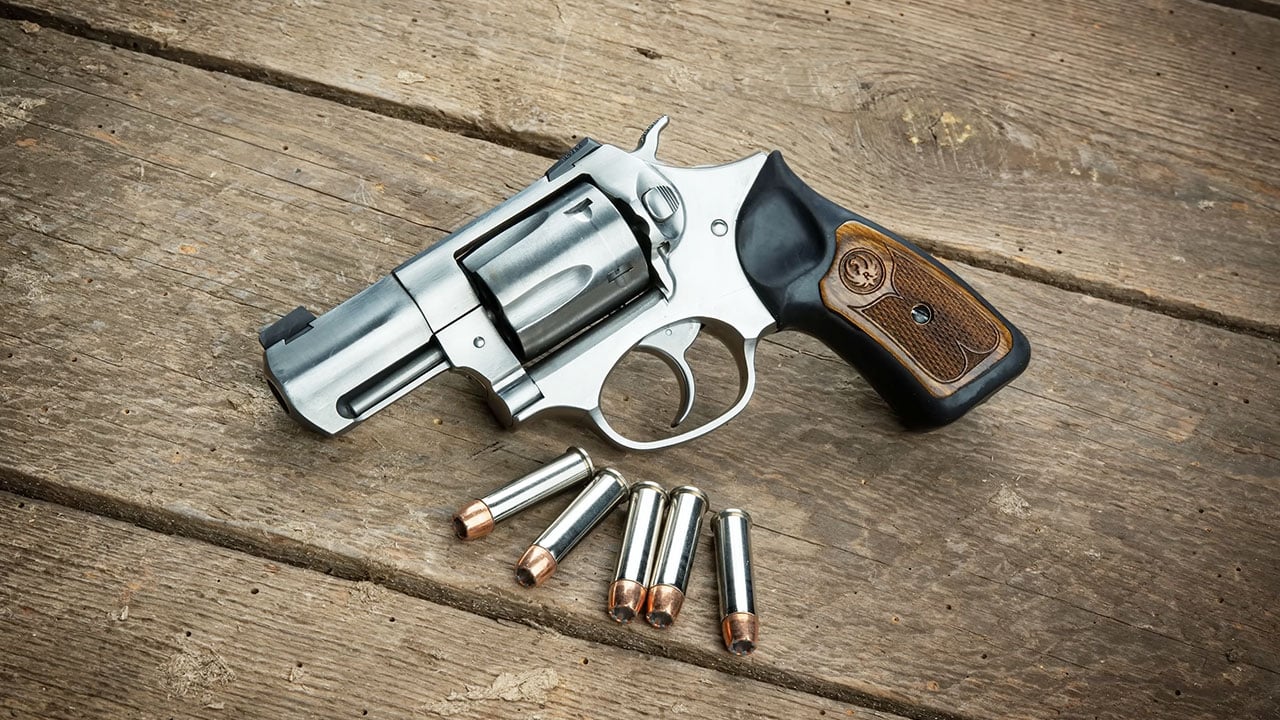
Small revolvers are either loved or ignored, and the SP101 somehow ends up in the ignored pile a lot. It’s not the lightest, which turns off the pocket-carry crowd. But that weight makes it shootable, especially in .357 or hot .38 +P, and that matters when you’re not just posing for a holster photo.
I’ve watched SP101s sell for less than similarly used micro 9mms, which is backwards if you value longevity. They’re tough, simple, and they don’t care about magazine availability. For an outdoorsman who wants a compact sidearm for fishing trips, checking trail cams, or knocking around the property, the SP101 makes a lot of sense. It’s not glamorous. It’s reliable.
8. Smith & Wesson Model 10
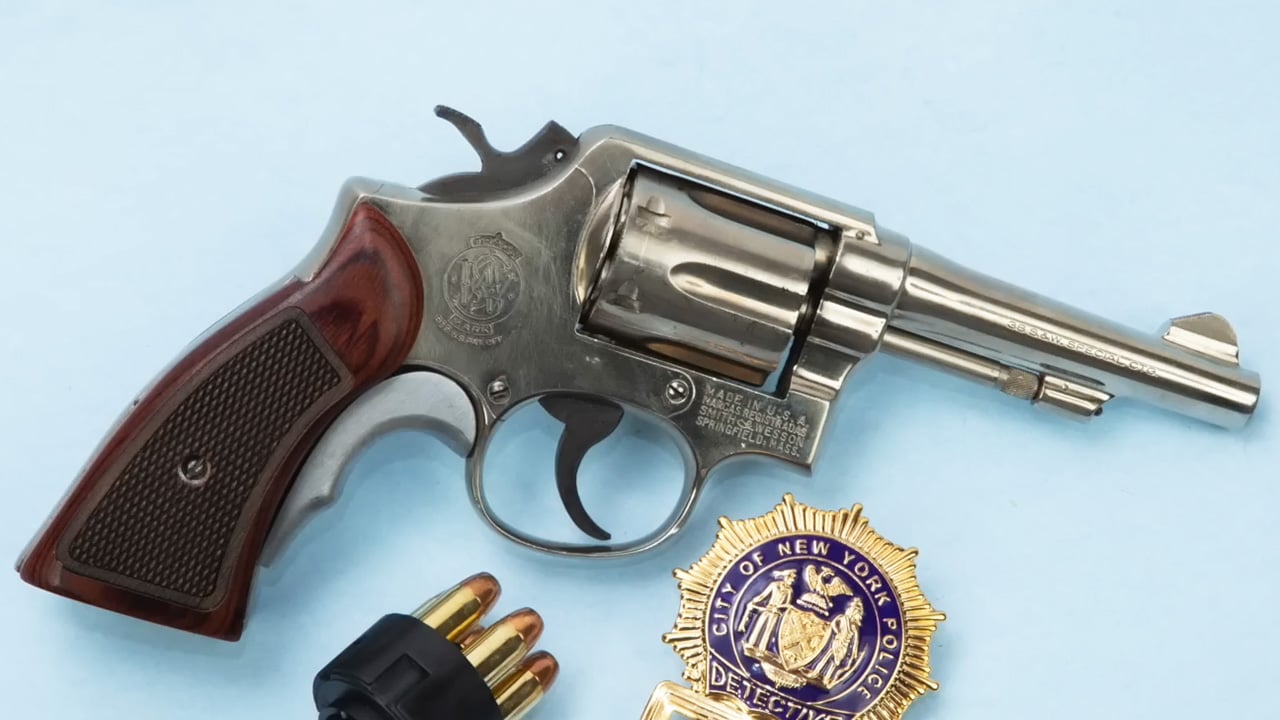
The Model 10 is the revolver that taught generations what “points naturally” means. Fixed sights, K-frame balance, and a trigger that—when it’s been cared for—feels like it’s running on oiled glass. The problem is, police trade-in revolvers aren’t fashionable anymore, so they don’t always get the bidding war they deserve.
If you want a .38 that’ll shoot straight and teach good habits, a Model 10 is hard to beat. It’s also the kind of gun you can hand to a new shooter without drama. At auction, cosmetic wear scares folks off. I’d rather have holster wear and a good lockup than a shiny gun with issues. Just check timing and endshake like you should with any used wheelgun.
9. Smith & Wesson Model 19 (well-used examples)

The Model 19 gets love, but it also gets misunderstood. Everybody wants a pristine pinned-and-recessed safe queen. Meanwhile, honest carry guns with worn bluing sometimes sell lower than you’d think because bidders are hunting “collector perfect.” For a shooter, that’s an opening.
A Model 19 is one of the best-handling .357s ever made. The grip frame and balance are just right, especially in a 4-inch. The caution is simple: don’t buy one expecting it to live on a diet of full-house 125-grain screamers. Feed it sensible .357 and lots of .38s, and it’ll treat you fine. If you find a tight one with good timing, it’s still a classic you can actually use.
10. Colt Police Positive Special
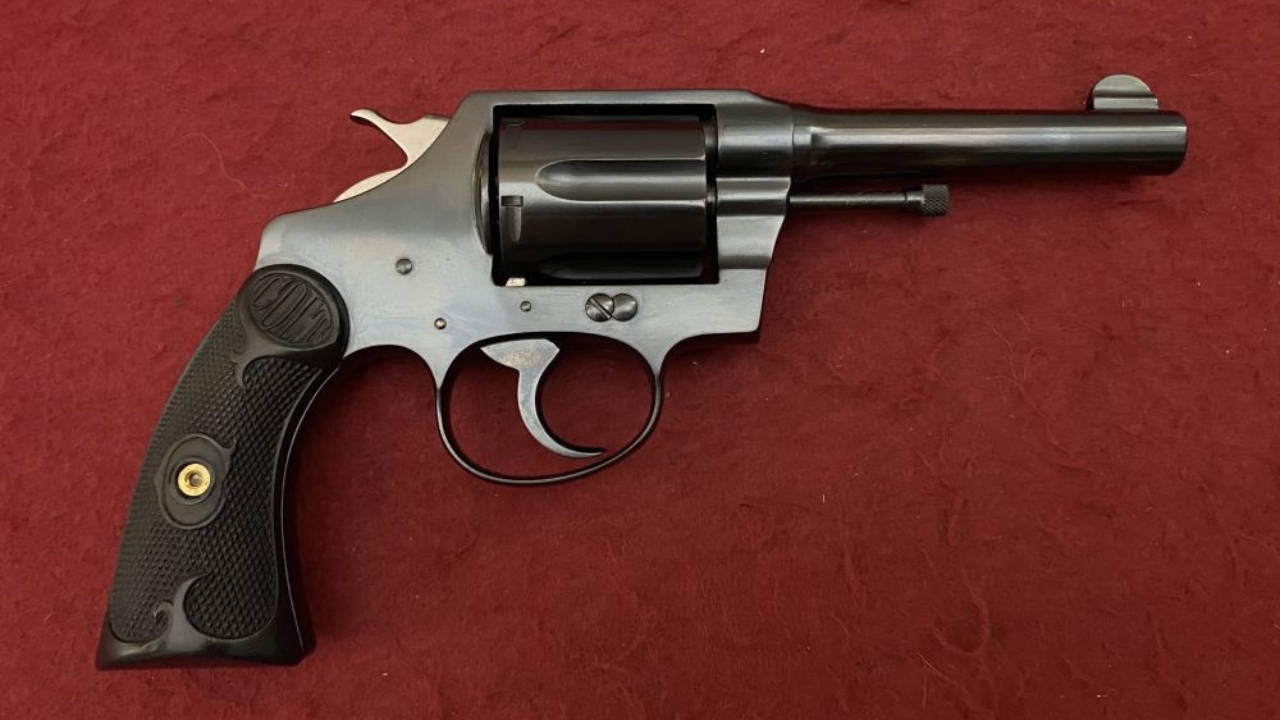
Colt’s older double-action revolvers have a feel that’s hard to explain until you run one. The Police Positive Special isn’t a big magnum bruiser, but for a traditional .38 it’s slim, handy, and surprisingly elegant. The auctions don’t always reflect that because it isn’t an “official” Python or Detective Special halo gun.
These can slip through when the crowd is distracted by higher-profile Colt names. Parts and gunsmithing aren’t as casual as Ruger or Smith, so you do need to buy carefully—tight lockup, good timing, and no amateur tinkering. Still, for a woods-walk revolver or a piece of American gun history you can actually carry, they’re undervalued more often than they should be.
Free for gun owners: If something happened to you tomorrow, would your family know where the guns are, who has the safe combination, or what to do first? Our free Gun Owner’s Family Checklist walks them through it. It takes about 15 minutes to fill out. Get your free copy here.
11. CZ 75B

The CZ 75B is one of those pistols that wins you over after the first magazine. The grip shape fits human hands, the gun tracks flat, and accuracy is usually there without begging. But because it isn’t the default “polymer striker” choice, it doesn’t always light up an auction room.
It also sits in that weird space where it’s respected but not “collector rare,” so bidders don’t always chase it. That’s how you end up with a steel-frame 9mm, proven design, and easy-to-find magazines selling like it’s just another used pistol. If you want a range gun that can pull nightstand duty too, the 75B is a steady pick. Heavy? Sure. Pleasant to shoot? Absolutely.
12. Beretta 92FS
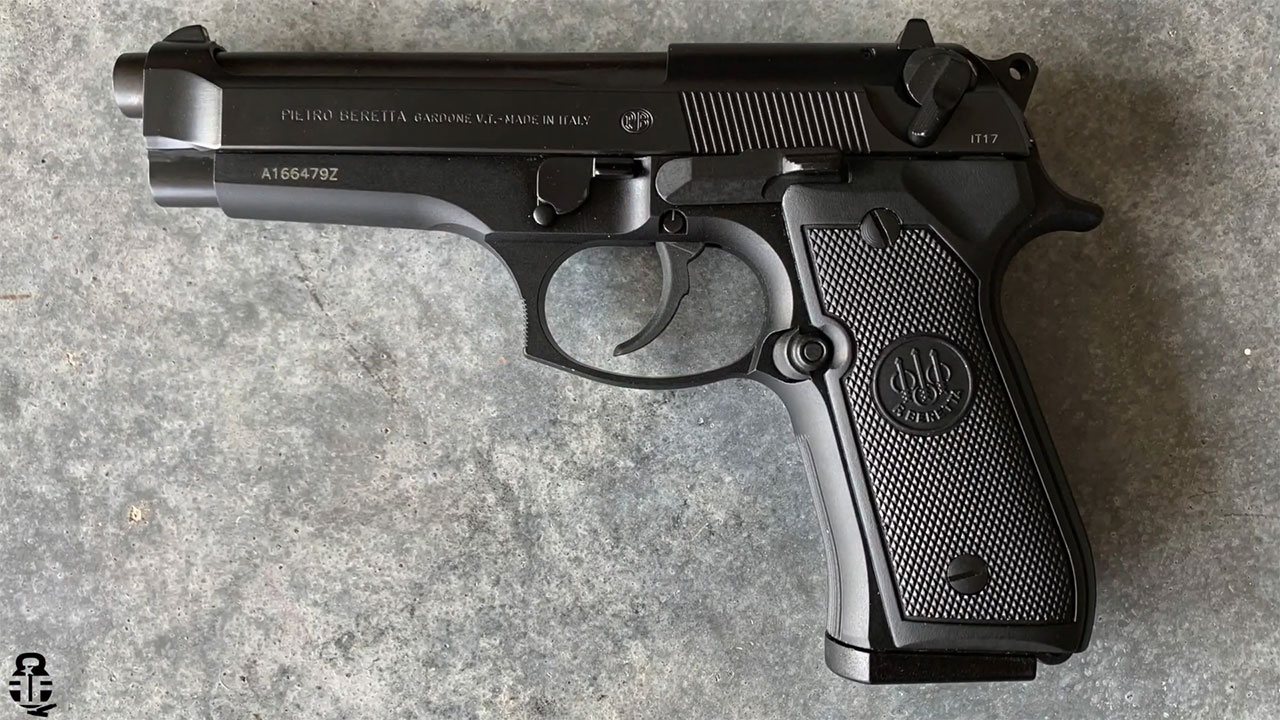
The 92FS is big, and that turns off the modern carry crowd. Fine. That big slide, long sight radius, and smooth recoil impulse are exactly why it’s such an easy pistol to shoot well. A lot of them have honest use, but they keep running. That open-top slide design is not a gimmick—these guns can stay reliable when others start getting finicky.
At auction, you’ll see 92FS pistols bring less than newer “compact wonder guns,” even though the Beretta is built to last and parts support is excellent. If you’ve got medium-to-large hands, it’s a dream. If your hands are smaller, the grip can feel like a 2×4. Either way, they’re undervalued as shooters, especially when they come with extra magazines and a decent holster setup.
13. SIG Sauer P226 (older German or early U.S. guns)
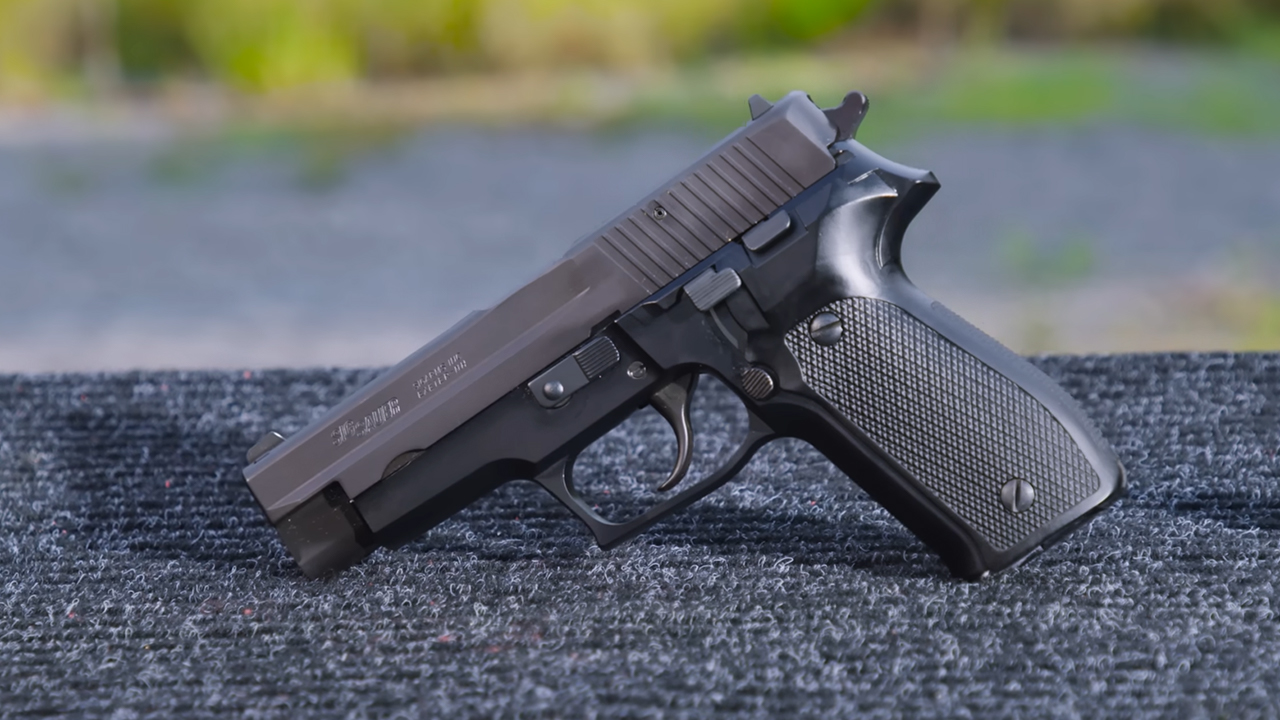
The P226 is another one that gets discounted because it’s not “new hotness.” Full-size metal pistols aren’t trendy, and auction crowds often chase optics-ready polymer guns. Meanwhile, a good P226 has one of the better DA/SA triggers out there once you learn it, and it’ll eat ammo for years.
Where I see folks miss the boat is on older examples with wear. That wear often means it was carried, not abused. Check the rails, check the locking surfaces, and make sure it passes the basic function test. If it does, you’ve got a serious pistol for less than a lot of entry-level new guns. For range work, home defense, and training, it’s still a workhorse.
14. Glock 19 (Gen 3 and Gen 4)

It sounds ridiculous to say a Glock 19 sells below value, because they’re everywhere. That’s exactly why it happens. Auctions are weird like that. When something is common, bidders assume there will always be another one. So they don’t bid aggressively, and a clean Gen 3 or Gen 4 can go for less than the “new gun smell” crowd expects.
Value here isn’t about rarity. It’s about utility. Magazines are everywhere, holsters are everywhere, parts are everywhere, and the gun just works. If you want a pistol that you can train with hard and keep supported for the next decade without chasing proprietary nonsense, the 19 is hard to beat. Just pay attention to condition and avoid guns that look like they were “customized” by a kitchen-table gunsmith.
15. Ruger 10/22 (older walnut-stock carbines)
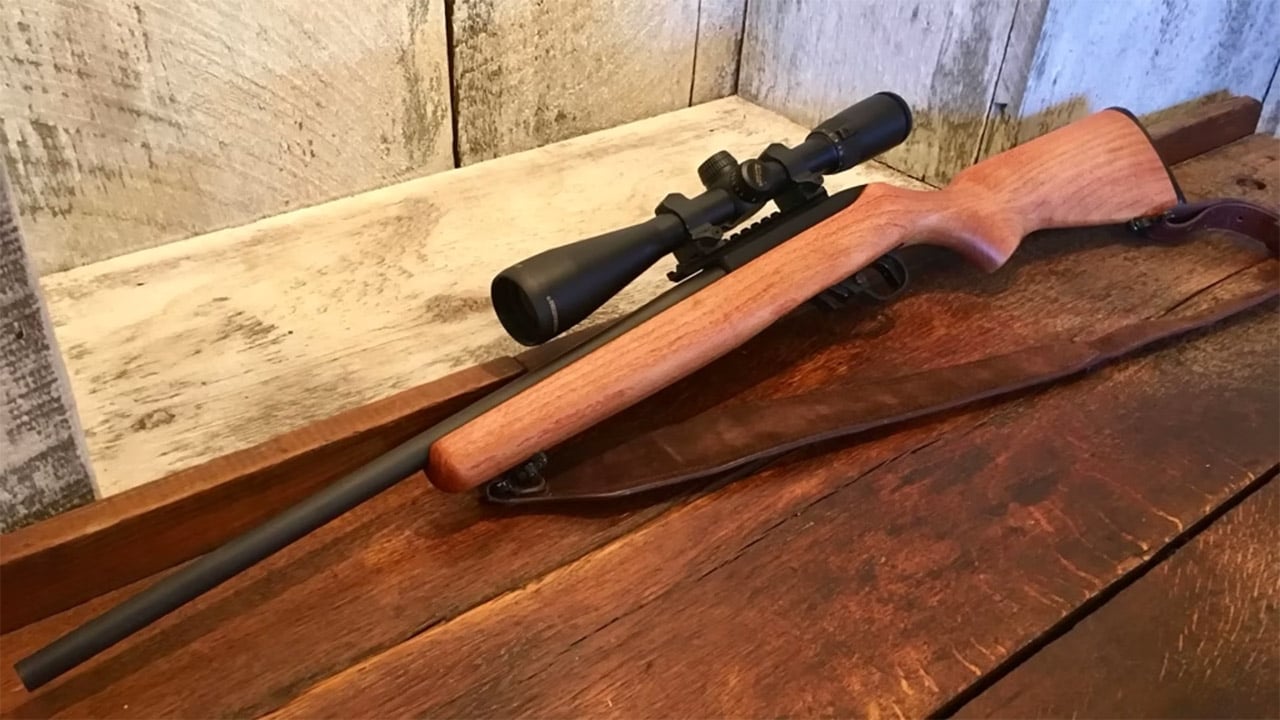
The 10/22 is another victim of being too common. Everybody has seen one, so at auction they can blend into the background. But an older walnut-stock carbine with a decent bore is one of the most useful firearms a household can own. Small game, pests, teaching new shooters, cheap practice—it does all of it.
The reason I call them undervalued is simple: try to replace one after you “clean out the safe.” You’ll end up paying more than you think, especially for nicer older wood. Also, a bone-stock 10/22 that runs well is sometimes more valuable than a heavily modified one with random parts. Don’t get hypnotized by a pile of aftermarket junk. Look for a solid receiver, clean crown, and a rifle that feeds and ejects like it should.
16. Marlin Model 336 (JM-stamped guns)

Lever guns have gotten expensive, and not always for good reasons. Still, I consistently see used Marlin 336 rifles—especially older ones—sell lower than what they’d cost you to replace in similar condition. A lot of bidders fixate on “tactical lever” hype or brand-new production, and they overlook a plain hunting rifle with real field manners.
A 336 in .30-30 carries easy through brush, comes up fast, and hits deer like it has for generations. The action should feel smooth without slop, and the sights are simple and tough. If you hunt hardwoods, river bottoms, or thick pines, this is not an obsolete tool. When one sells cheap, it’s usually because the wood has scratches or the bluing shows age. That’s not a deal-breaker. That’s character.
17. Savage Model 110 (older long-action rifles)

The Savage 110 doesn’t win beauty contests. The older ones can be downright homely. But if you care about rifles as tools, it’s hard to ignore how consistently these things shoot, especially for what they sell for at auction. The barrel nut system isn’t glamorous, but it works, and many of these rifles flat-out perform.
What drags prices down is the “cheap rifle” reputation and the fact that stocks on older guns can feel hollow or clunky. If you’re buying a hunting rifle you won’t cry over when it gets scratched, that’s a feature, not a bug. Check for a clean bore, make sure the bolt cycles smoothly, and don’t be scared of cosmetic ugliness. Ugly rifles still kill deer, and these often do it with boring regularity.
18. Tikka T3 (non-threaded, older blued models)
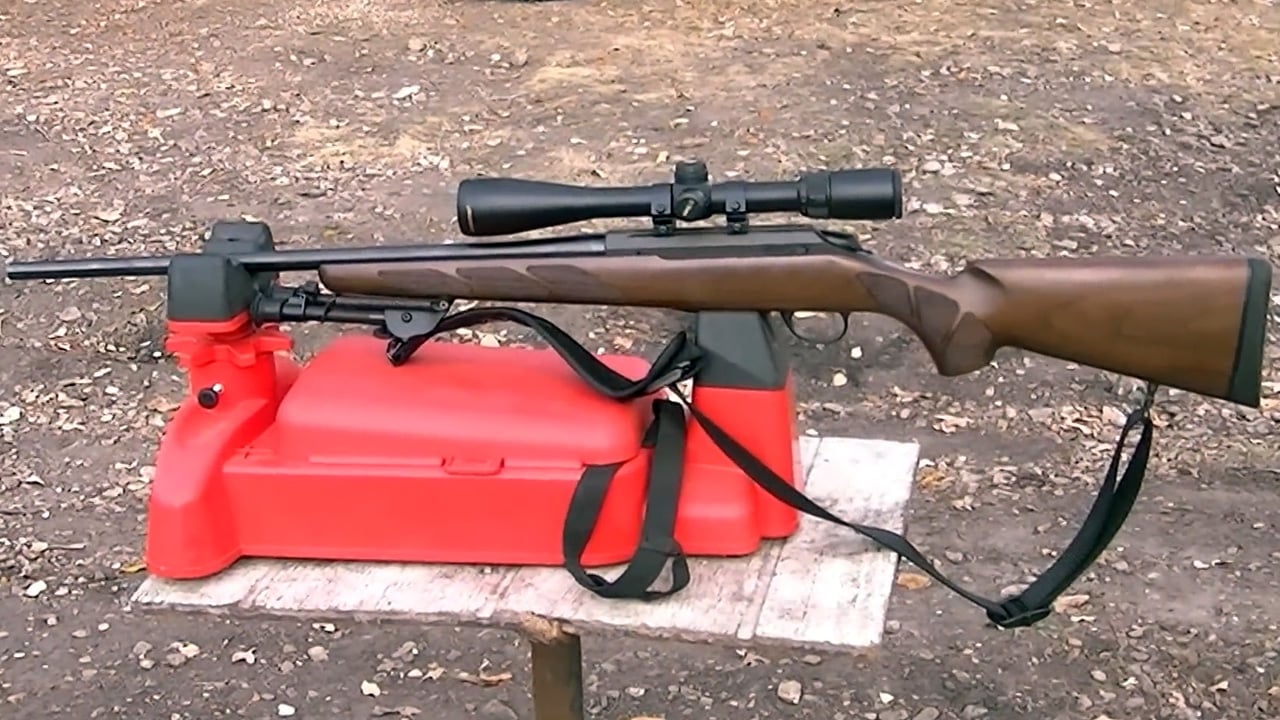
Tikka owners tend to be quiet about it, but they’re loyal for a reason. The actions are slick, the triggers are good, and they usually shoot better than the guy behind them. Even so, older T3 rifles without threaded muzzles or detachable “tactical” features sometimes sell softer at auction because they don’t look like the current trend.
For a hunter, an older blued T3 with a basic synthetic stock is about as practical as it gets. They’re light enough to carry all day, they feed well, and they don’t beat you up in common calibers. The factory magazines can be pricey, which scares bidders. My take: buy the rifle right, grab a spare mag or two when you can, and go hunt. It’s a simple rifle that makes a lot of sense.
19. Weatherby Vanguard Series 1

The original Vanguard isn’t the sexy one. The newer versions got better triggers and more marketing shine, and folks chase “Series 2” without thinking. That leaves Series 1 rifles sitting there—often accurate, often barely used—selling lower than they should just because they don’t have the right label.
They’re built tough, usually a bit heavier than the featherweight mountain rifles, and that weight helps when you’re shooting from field positions. If you want a .270 or .30-06 you can shoot well without developing a flinch, an older Vanguard can be just the ticket. Look for one that hasn’t been abused, make sure the scope mounts aren’t stripped, and check the crown. If it passes those basic checks, it’ll likely do everything a hunting rifle needs to do.
20. SKS (Chinese and Yugoslav variants)

The SKS has been around long enough that people forget what it is: a rugged, handy rifle with cheap-to-find ammo history and a simple manual of arms. It’s not an AR, it’s not a precision rifle, and it’s not a collector-only milsurp for most variants. That middle-ground status keeps auction prices lower than you’d expect, especially for clean examples.
Where the value shows up is reliability and practicality. An SKS with a fixed magazine and a decent sling will run dirty, handle rough storage, and still put rounds where they need to go at reasonable distances. The downside is weight up front on some versions and corrosive-ammo history, so check the bore carefully. If it’s clean and the action isn’t beat up, it’s a lot of rifle for the money. And yes, it’s also the kind of gun folks regret selling when they realize what replacements cost now.
Auctions are funny. The crowd decides what’s “cool” that day, and solid working guns get treated like leftovers. If you’re buying to hunt, train, or keep a dependable tool around the property, this is where you can win—quietly. Just do the basics: handle the gun, check for obvious abuse, don’t get hypnotized by cosmetics, and remember that boring usually means proven. That’s a good place to put your money.
Like The Avid Outdoorsman’s content? Subscribe to our newsletter so you never miss an article.
Here’s more from us: