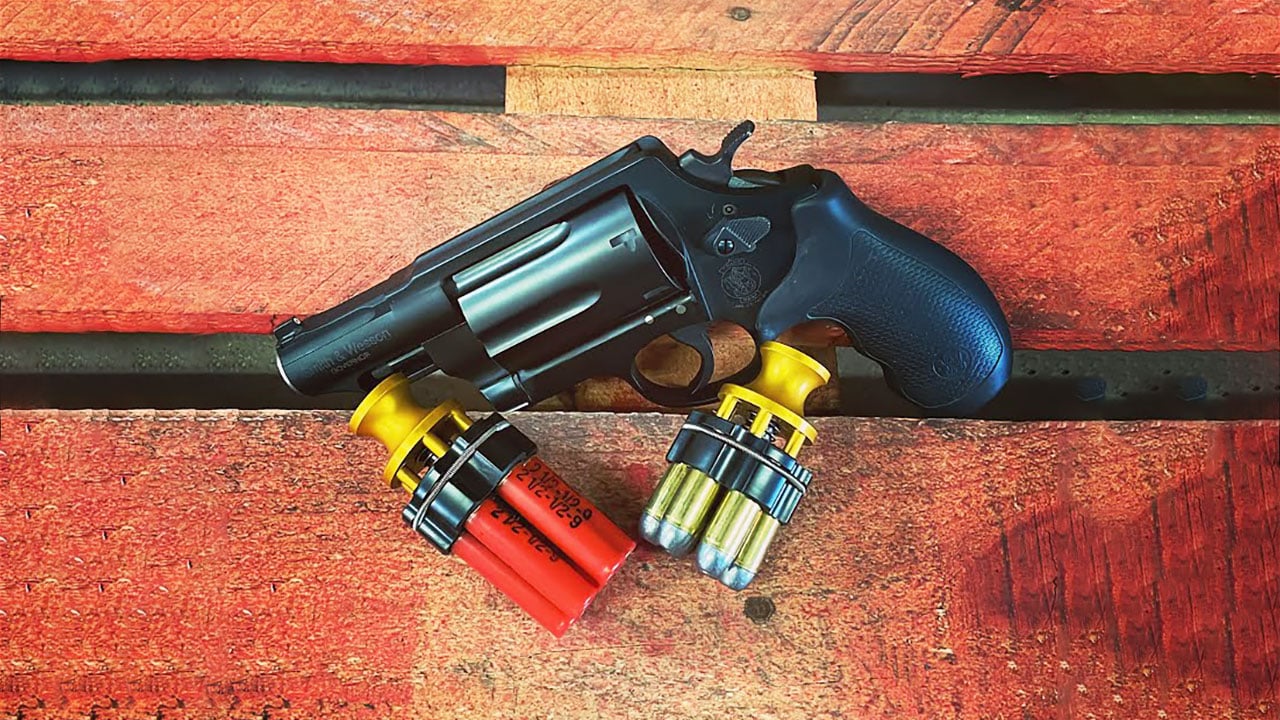
Photo credit: SPEED BEEZ®/Youtube
Every gun counter has a “spec sheet superstar.” The numbers line up, the marketing copy reads like a promise, and your brain starts building a whole new hunting season or carry setup around it. Then you actually buy it, put a few boxes through it, carry it for a month, or drag it up into a stand in November… and the shine wears off fast.
This isn’t a hit list of bad guns. Some of these are perfectly serviceable, and a few are even great in the right hands. The problem is they get sold as the answer for everybody. Here are 20 models that can look like a slam dunk on paper and then let you down once real life shows up with recoil, weight, finicky feeding, or just plain awkwardness.
1. Remington 710
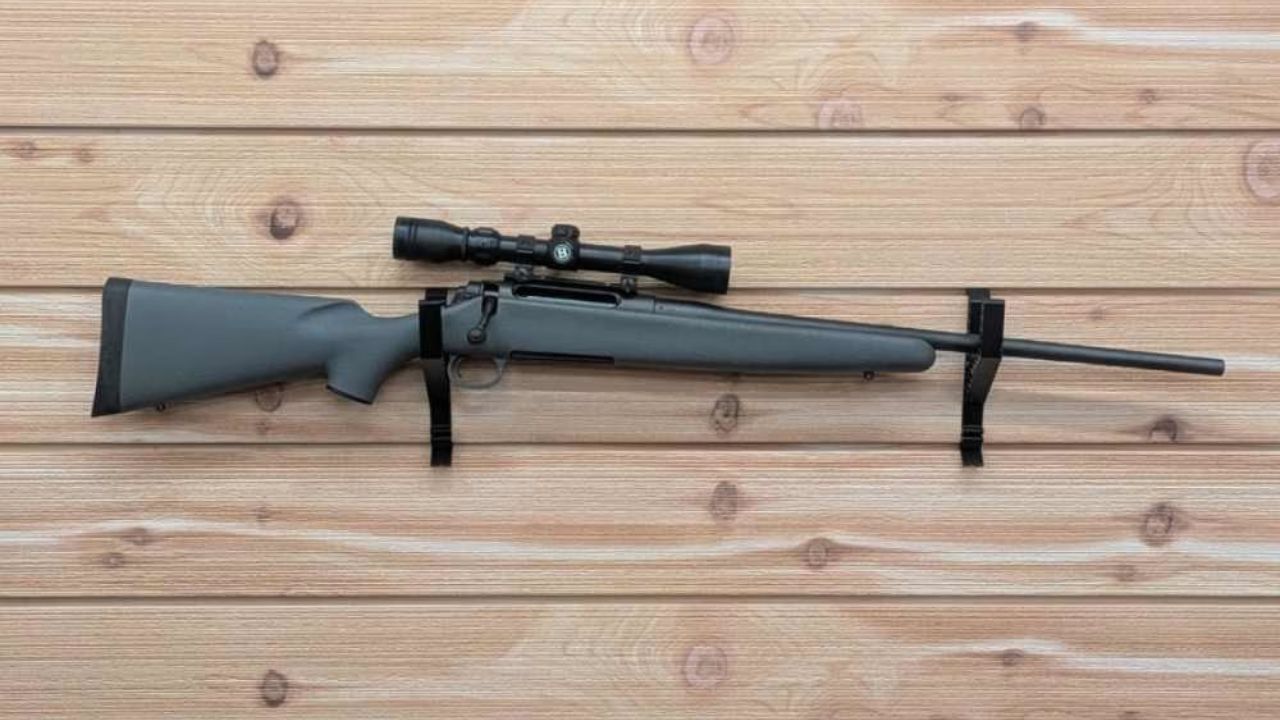
The 710 lured plenty of hunters with the idea of an affordable, scoped bolt gun from a famous name. In the store it feels like a simple path to a deer rifle, especially for someone trying to get set up quick before opener.
In the field and at the bench, the rough bolt feel, spotty durability, and “good luck finding parts” reality come out. When you’re fighting extraction or the rifle starts feeling loose in the wrong places, the savings stop feeling like savings. That one hurts because a basic deer rifle should be boring in the best way.
2. Remington 770
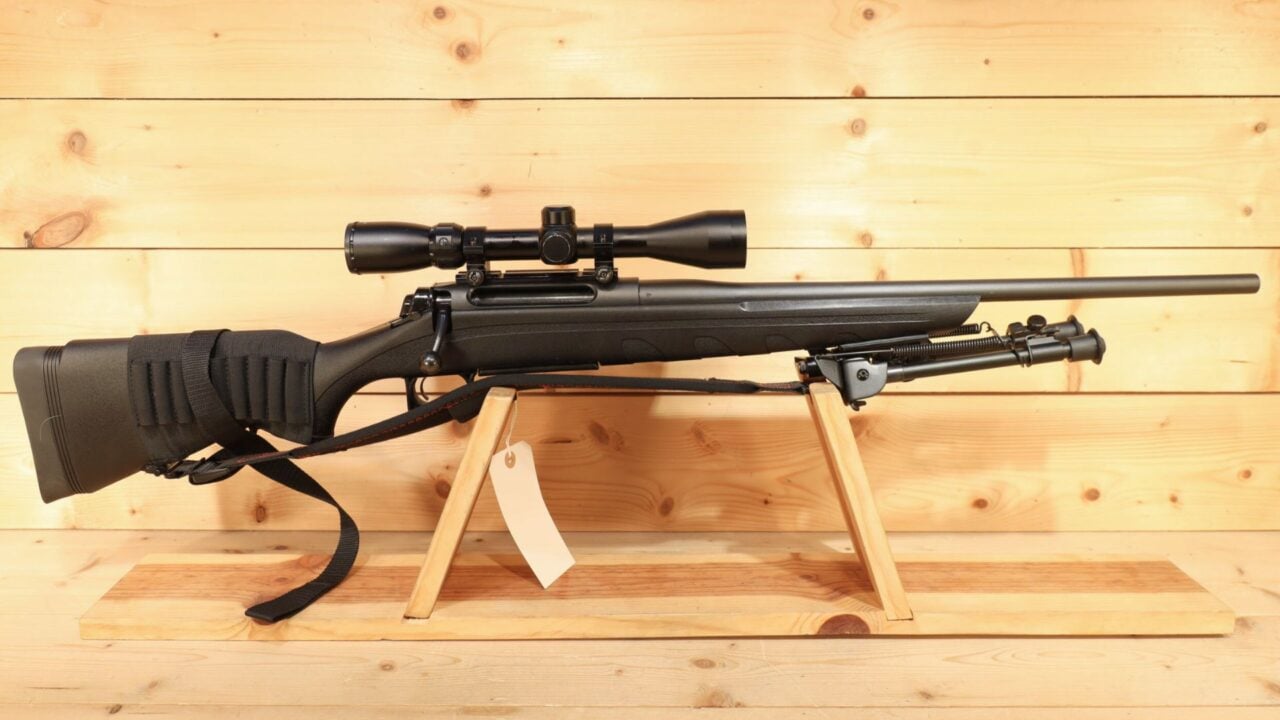
The 770 followed the same general idea: package rifle, ready to hunt, price that doesn’t scare new hunters. A lot of them got bought as first rifles and lived behind truck seats and in closet corners.
The disappointment usually shows up as inconsistent accuracy with normal hunting ammo and an action that never really slicks up. Add in the entry-level optics that often ship on them and you get a rifle that feels “almost there” but never confidence-inspiring. It’s not that they can’t kill deer—they can—it’s that they often don’t earn trust.
3. Mossberg Patriot

On paper, the Patriot checks boxes: light, budget-friendly, common chamberings, and a decent-looking rifle for the money. If you’re staring at the rack thinking “I just need something that works,” it makes sense.
Then you start noticing the little things—stiff bolt lift on some examples, cheap-feeling stock fit, and triggers that can feel inconsistent from rifle to rifle. The lightweight part is nice for mountains and long walks, but it can also make recoil feel sharp in bigger calibers. It’s a rifle you want to hand-pick in person, not roll the dice on.
4. Ruger American (early generations with flimsy stocks)
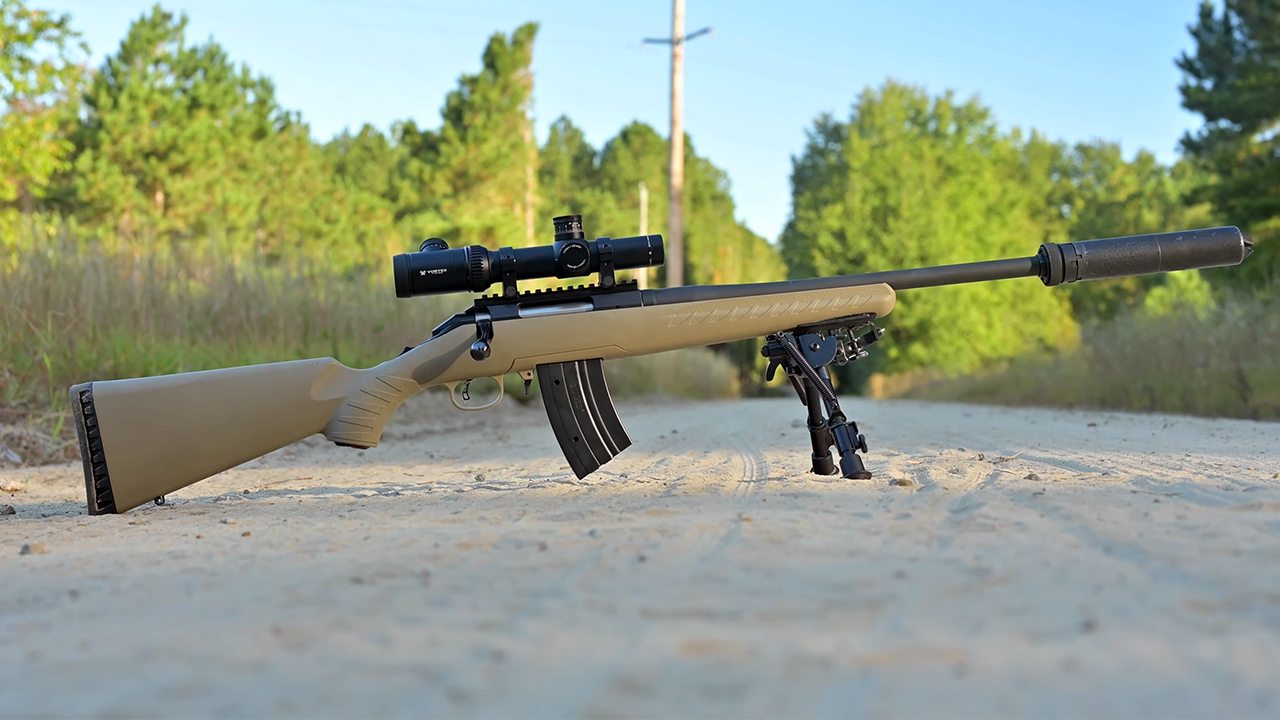
I get why these sell like they do. They’re accurate for the money more often than not, and they’re light enough to carry all day. The “just add scope and go” vibe is real.
The letdown for a lot of owners is the stock. Some of the earlier ones feel like a cheap plastic canoe paddle, and if you rest it wrong or load a bipod, you can get contact issues that turn groups into patterns. The action is fine, the barrel often shoots, but the whole rifle can feel like it’s held together by cost-cutting.
5. Savage Axis (factory trigger and ergonomics)
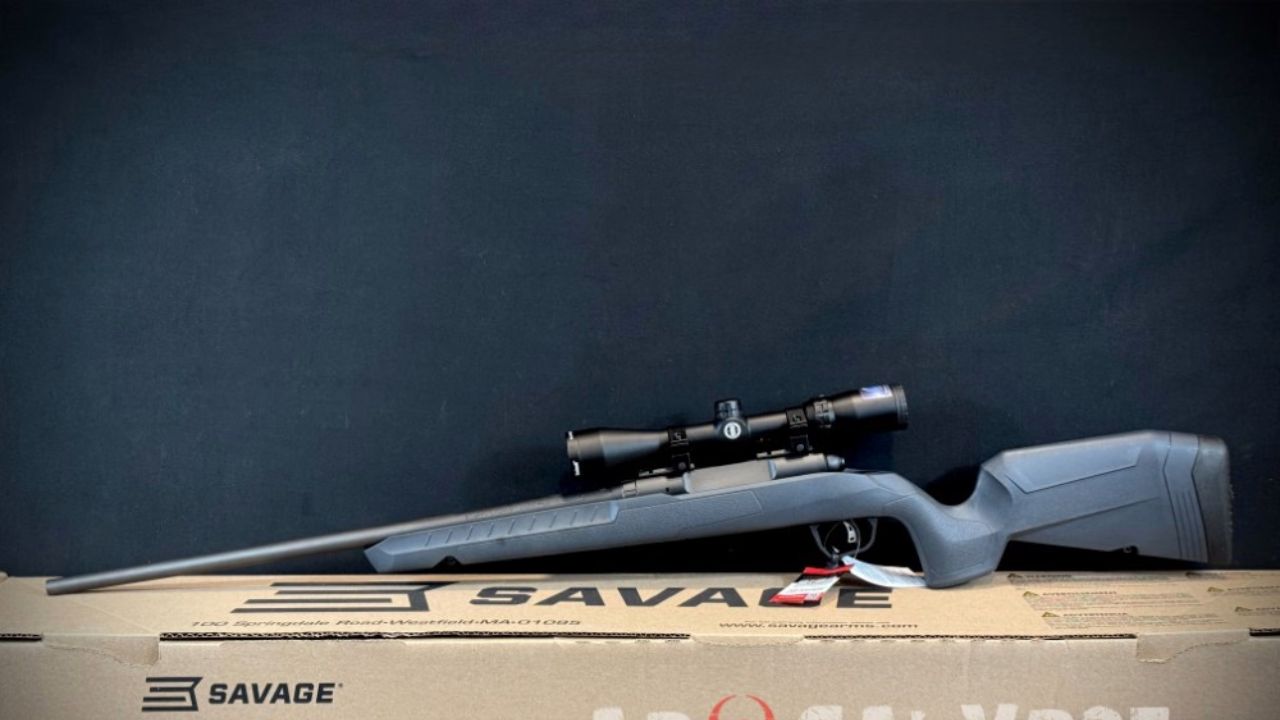
The Axis has put meat in freezers, no question. It also looks incredible on a price tag next to everything else, especially when you’re buying a kid’s first deer rifle or setting up a backup gun.
But that factory trigger feel on older models, plus a stock that doesn’t always sit right for grown-up shooters, can make it hard to shoot well from field positions. If you’re the kind of hunter who practices off sticks, kneeling, and against trees, you notice quickly when a rifle just doesn’t settle naturally. It can be fixed or worked around, but it’s rarely love at first shoulder.
6. Winchester SXP (as a “budget do-everything” pump shotgun)
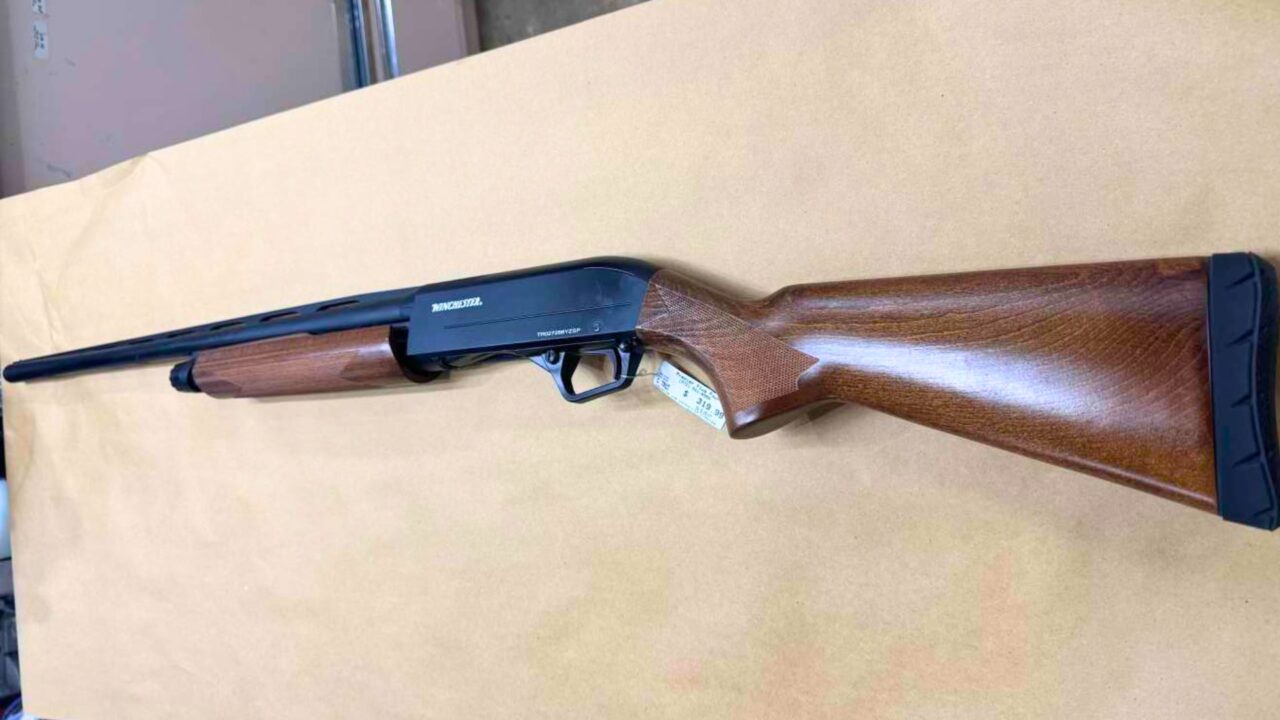
The SXP is fast and it points pretty well for a lot of folks. The spec sheet is solid and the price makes it tempting as a first bird gun, first turkey gun, and first home-defense shotgun all in one.
The problem is fit, finish, and long-term feel. Some run great, some feel like they’re made to a price (because they are), and when you start running heavier loads for turkey or slugs, the “light and handy” part can turn into “light and unpleasant.” It’s a shotgun you need to actually cycle and shoulder a bunch before committing.
7. Taurus Judge

It’s hard not to get sucked in by the idea: a revolver that can shoot .410 shotshells and .45 Colt. Sounds like the perfect snake gun, camp gun, and “everything” gun.
In reality, it’s bulky, heavy for what it gives you, and the performance with shotshells isn’t the magic wand folks hope for. The long cylinder and big frame make it carry like a brick, and accuracy with .45 Colt can be underwhelming depending on the gun and load. It’s a novelty that turns into safe weight for a lot of owners.
8. Smith & Wesson Governor
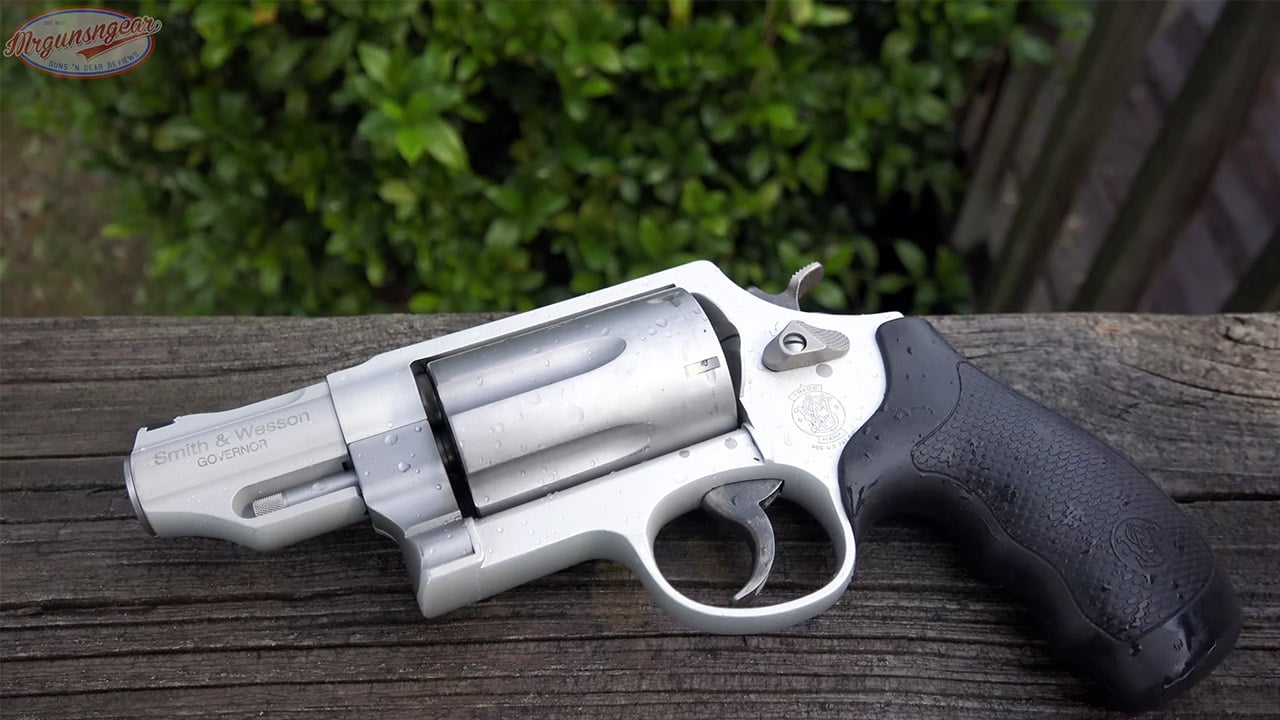
The Governor is the nicer, more polished version of the same general concept, and it’s easy to justify if you want that multi-ammo flexibility with a more established brand behind it.
The same practical problems follow: size, shootability, and the gap between “cool idea” and “real-world advantage.” If you’re actually worried about snakes, a small .22 with shot loads or a lightweight revolver you’ll really carry tends to win. If you’re worried about two-legged threats, you’re usually better served with a normal defensive handgun.
9. Taurus Curve
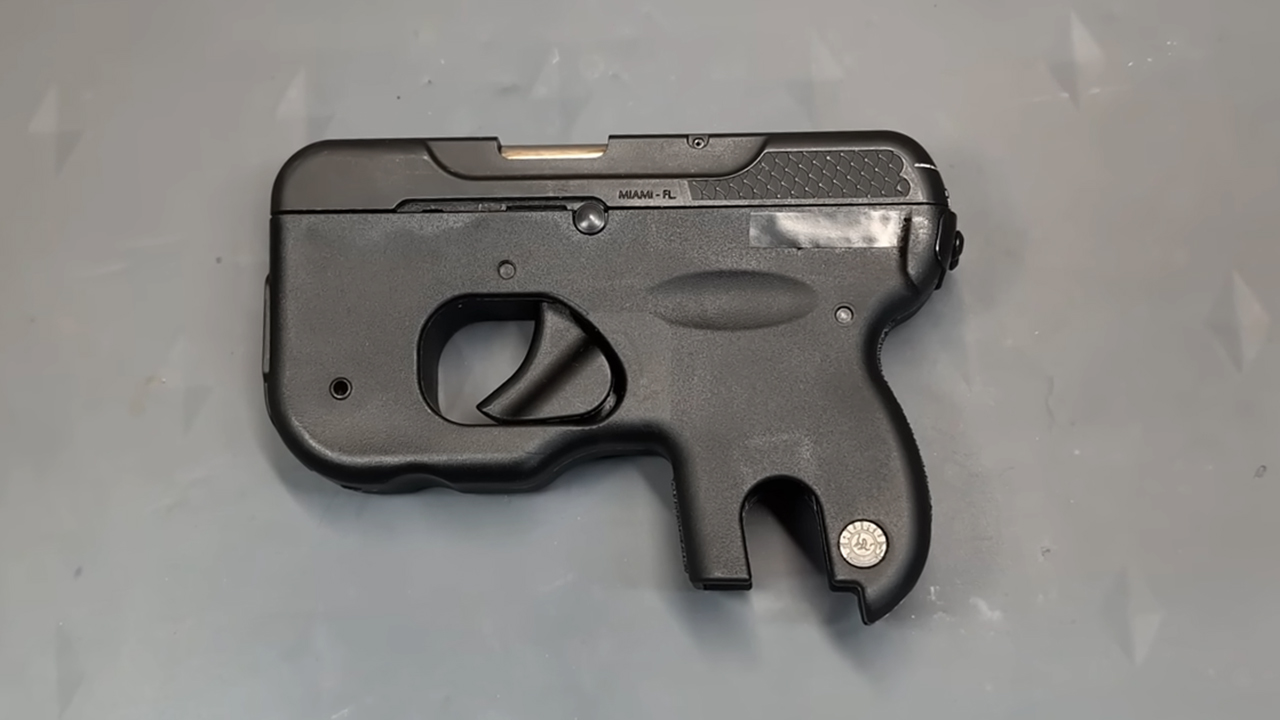
The Curve looked like the future for about five minutes. Curved frame for concealment, built-in laser and light, slick profile—on paper it’s a clever answer to printing.
What you get is a gun that doesn’t fit holsters like normal guns, doesn’t shoot like normal guns, and often doesn’t inspire confidence in handling or accuracy. Weird shapes have weird tradeoffs, and this one’s tradeoff is that it’s hard to run well under stress. I get why people sell it after the first range trip.
10. Kel-Tec SUB-2000

A folding pistol-caliber carbine that takes common magazines sounds like the ultimate truck gun and camp gun. Fold it, toss it in a bag, and you’ve got more stability than a handgun.
Then you shoot it and remember it’s a lightweight blowback gun with a cheek weld that can feel like you’re hugging a metal tent pole. The sight setup and ergonomics can be frustrating, and optics mounting can get awkward depending on generation and configuration. They can be fun, but “fun” isn’t the same as “I’m glad I bet my money on this.”
11. Kel-Tec KSG

The KSG is another one that looks unbeatable in a brochure: compact, high capacity, and futuristic. The idea of a short shotgun with lots of rounds makes people think “home defense solved.”
The reality is heavy when loaded, picky about technique, and not as simple under pressure as a plain pump gun. If you short-stroke it or get out of rhythm, things can go sideways fast. Add in the recoil impulse and the manual of arms, and it’s not the “grab-and-go” tool many imagine.
12. Springfield Armory Hellcat (for bigger hands)

The Hellcat sells the dream of full capacity in a tiny footprint. If you carry daily and want a small gun that doesn’t feel undergunned, the numbers are attractive.
But tiny guns are tiny guns. For some shooters—especially with bigger hands—it can feel snappy, cramped, and hard to shoot fast without working at it. Plenty of them run reliably, but “reliable” doesn’t automatically mean “pleasant,” and the gun you hate practicing with is the gun you won’t master.
13. SIG Sauer P365 (early-production reputation baggage)

The P365 changed the whole concealed-carry market, and the concept is still excellent. Compact, high capacity, and easy to conceal without feeling like a toy.
What disappoints some buyers is the long shadow of early-production issues and the fact that small, high-capacity pistols can be more sensitive to limp-wristing and grip consistency. Even when the gun itself is fine, the learning curve can surprise folks coming from larger pistols. When a carry gun demands more attention than you expected, it can sour the relationship.
14. Glock 43X (when you expect “43-sized” concealment)

The 43X is a sweet spot for a lot of people, and I’m not calling it a bad pistol. The paper pitch is simple: slim, easy to shoot, good capacity potential, and Glock reliability.
The disappointment shows up when someone expects it to conceal like a tiny micro-compact. That longer grip is what makes it shoot nicer, but it’s also what prints under a T-shirt on plenty of body types. It’s a great gun that gets bought for the wrong reason.
15. Kimber Solo
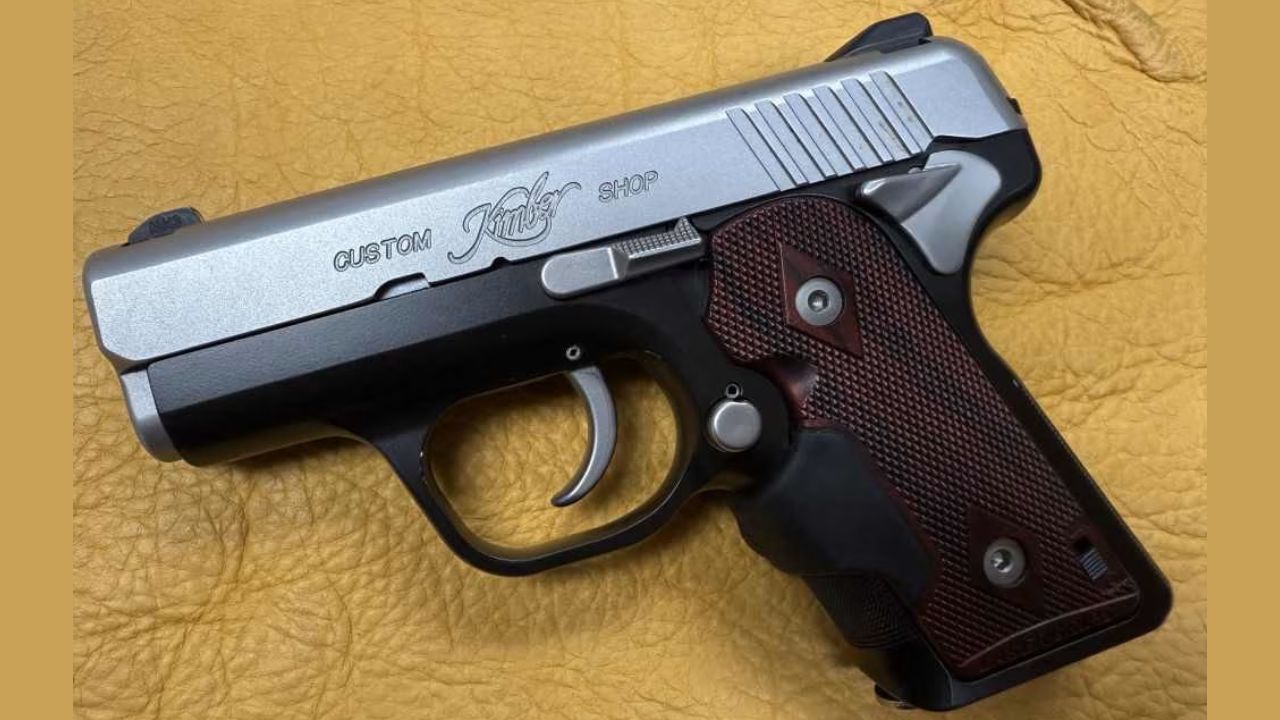
Kimber’s little 9mm looks like it should be the classy, reliable pocket carry option. Clean lines, premium branding, and a size that makes you think you’ll finally carry every day.
In practice, these have a reputation for being ammo-picky and less forgiving than a true “set it and forget it” carry pistol should be. When a small gun demands a narrow diet and constant validation at the range, it becomes a project. Carry guns shouldn’t be projects.
16. SCCY CPX-2

The CPX-2 gets bought because it’s there, it’s affordable, and it’s a “real” 9mm with a lifetime warranty. For a tight budget, that pitch is powerful.
The letdown is usually the trigger and shootability. Long, heavy pulls can be manageable with practice, but a lot of folks never get past the feeling that the gun is fighting them. Add in spotty reliability reports across the board and you end up with something that might run fine… or might not. Uncertainty is the enemy of confidence.
17. Walther P22
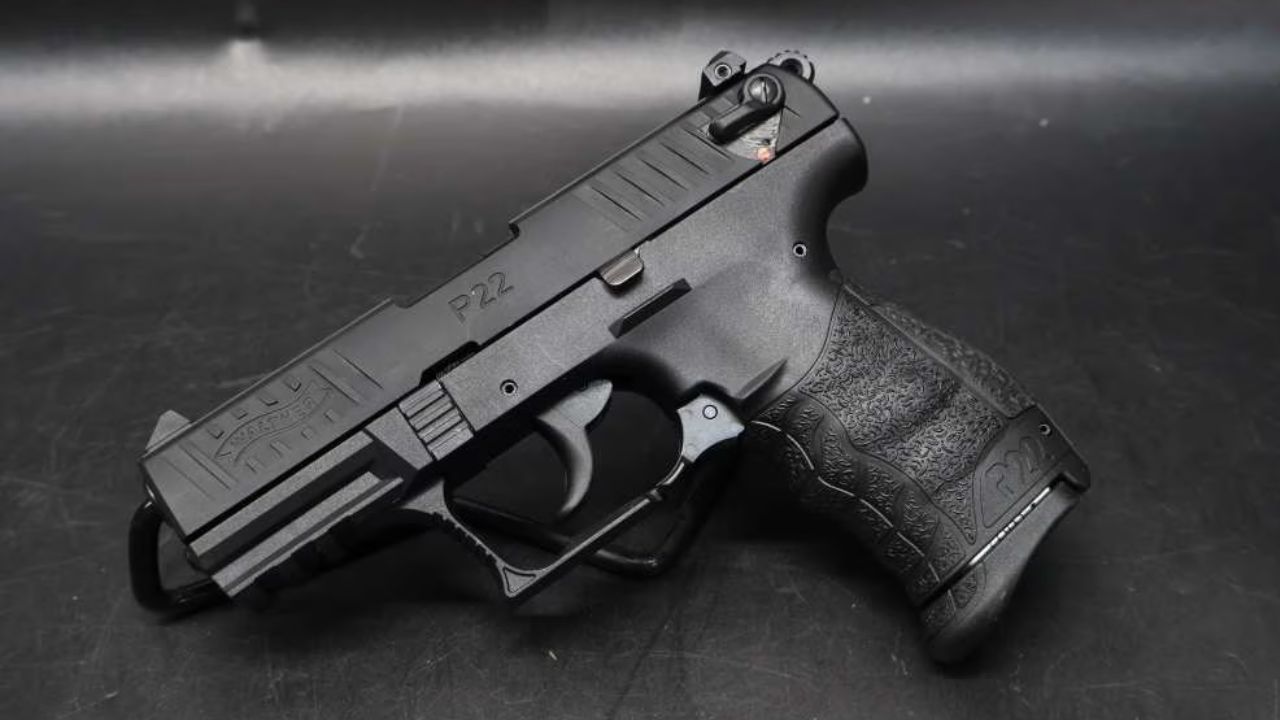
A compact .22 that looks like a centerfire pistol is a classic trap. It seems perfect for cheap practice, plinking, and maybe training new shooters without intimidation.
Many P22s are finicky with ammo and magazines, and “finicky” in a .22 is the difference between fun and frustration. When you spend more time clearing little stoppages than you do shooting, the novelty wears off. A .22 should be the easiest day you have at the range.
18. Ruger Mini-14 (older thin-barrel models)

The Mini-14 has ranch rifle charm and it carries well, points quick, and feels like a real working gun. On paper, it’s a handy alternative to an AR for folks who want something more traditional-looking.
Older thin-barrel guns can heat up and start walking shots, and accuracy can vary enough that you’re always wondering what you really bought. Then there’s magazines—factory mags are solid but not cheap, and off-brand mags can be a headache. When a rifle’s “simple” identity depends on the right mags and realistic accuracy expectations, disappointment isn’t rare.
19. Bushmaster Carbon 15
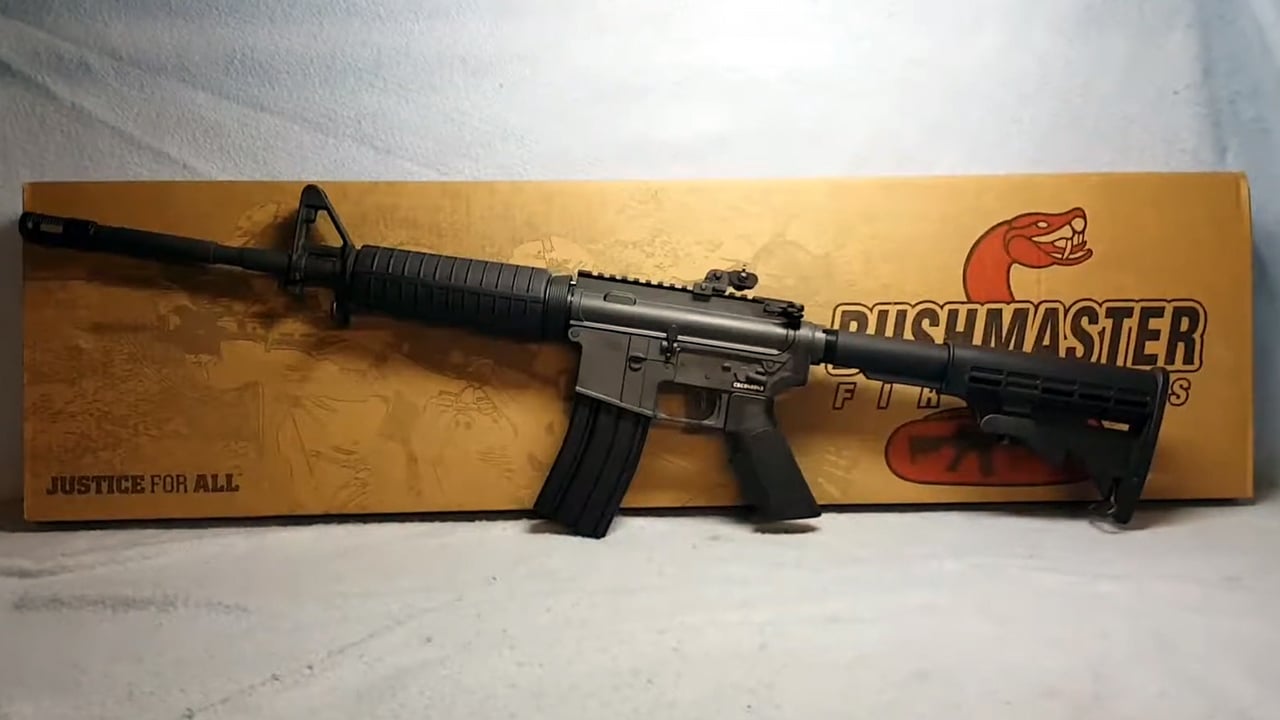
A lightweight AR sounds like the ultimate carry-around rifle. Less weight on a sling, less fatigue on long days, and the AR parts ecosystem behind it.
The Carbon 15 line has had mixed real-world experiences depending on model and generation, and some owners end up dealing with durability concerns and a rifle that feels less tolerant of hard use. A lightweight rifle is great, but not if the weight savings comes from places you’d rather not skimp. If you want “one AR,” most folks end up wishing they’d gone more conventional.
20. Desert Tech MDRX (as an all-purpose rifle)
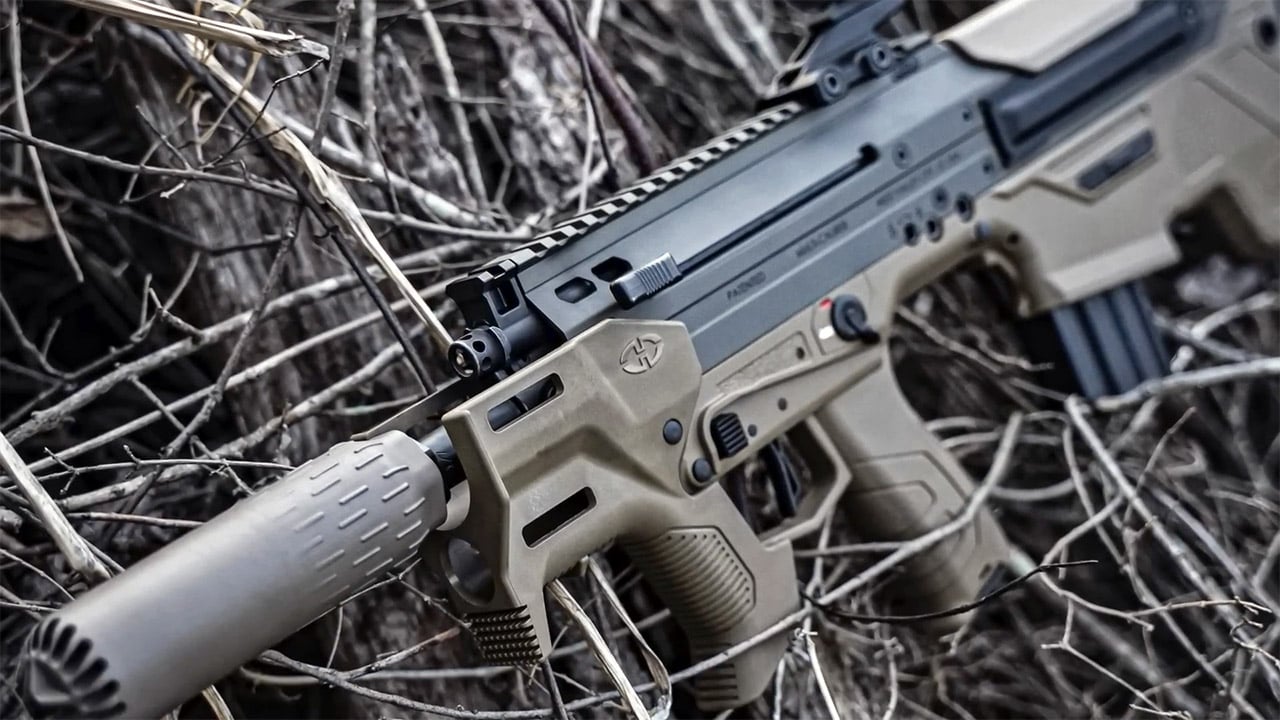
Modular bullpups read like a dream: compact overall length, rifle barrel length, slick ergonomics, and the idea of swapping calibers like you swap boots. The MDRX is a serious piece of gear, and it’s priced like one.
The disappointment comes when you try to make it your do-everything rifle. Bullpup triggers are almost never as good as a normal rifle, ejection and gas tuning can be more sensitive, and the whole system can feel like it wants careful ammo and careful setup to be its best. For the money, a lot of shooters realize they’d rather have a simple, proven rifle that never asks questions.
Specs matter, but they don’t carry well in a holster, they don’t climb a ridge, and they don’t fix a gun that’s awkward for your hands or unreliable with the ammo you can actually find. The best cure is boring range time: shoot it from real positions, run it a little when you’re tired, and see if you still like it when the novelty is gone. The gun you trust isn’t always the one with the best brochure—it’s the one that keeps doing its job without drama.
Like The Avid Outdoorsman’s content? Subscribe to our newsletter so you never miss an article.
Here’s more from us: