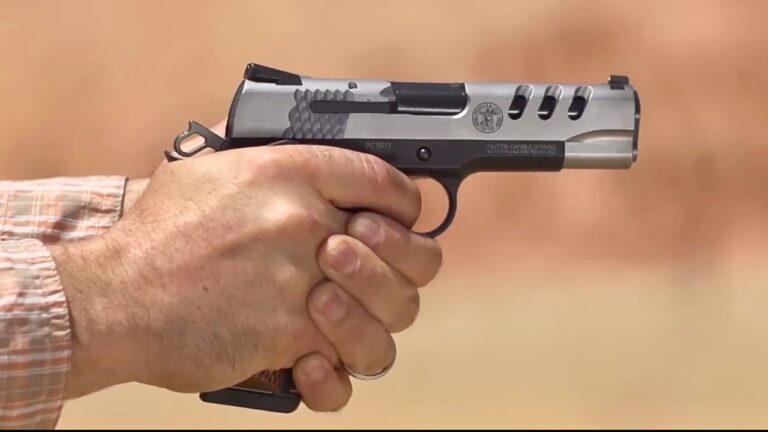
Photo credit: Henry Repeating Arms/YouTube
Lever-actions are supposed to be the dependable workhorses of the rifle world. Simple, slick, and proven over time—that’s the reputation they carry. But not every lever-gun lives up to that image. Some are finicky with ammo, others jam more than they should, and a few have parts that just don’t hold up. Whether it’s poor build quality or overcomplicated design, these lever-actions have let more than a few folks down when they needed them most. Here are ten that seem reliable on paper—but disappoint in the real world.
Henry Long Ranger

The idea was solid—a lever-action built for modern calibers with a box magazine. But in reality, the Long Ranger has had its share of feeding and cycling issues.
It’s not uncommon for users to report failure-to-eject problems or tight chambers. While Henry’s customer service is solid, the gun doesn’t offer the reliability you’d expect at this price point, especially when you need it to run without fuss.
Winchester Model 94 (Angle Eject)

This classic isn’t immune to hiccups—especially the post-1980s models. The angle-eject redesign brought accuracy gains for scopes but also made internal timing more sensitive.
Jams and carrier hang-ups became more common, especially with .30-30 rounds that weren’t perfectly shaped. It’s a legend, sure—but some versions are pickier than they should be.
Rossi R92

Rossi’s 92 clone looks great on paper—cheap, light, and based on a proven design. But inconsistent quality control has haunted this rifle for years.
Some cycle beautifully, others jam constantly, especially when feeding .38 Special. Rough internal machining and stiff levers make it a gamble unless you’re ready to polish and tweak it yourself.
Browning BLR

The BLR is a unique design—more like a bolt-action in lever form. Unfortunately, that’s where things get complicated. The complex internal mechanism can be a maintenance headache.
Many owners report feeding problems or extraction failures, especially in magnum calibers. It’s accurate, sure—but the reliability just isn’t there compared to more traditional levers.
Marlin 336 (Remington Era)

When Remington bought Marlin, build quality took a nosedive. The 336 was one of the worst hit, with barrels misaligned and actions gritty right from the factory.
These models often needed serious gunsmithing just to run halfway smooth. If you’ve got a newer one with “REP” on the barrel, it may not live up to the Marlin name.
Henry .410 Lever-Action Shotgun

This scattergun looks great and has the Henry name, but it’s had reliability trouble from the start. Shells often stick in the chamber, and cycling can be stiff and inconsistent.
While it’s a neat concept, especially for small game or snakes, the action isn’t nearly as slick as their rimfire or rifle offerings. It’s more novelty than trusted tool.
Chiappa 1892

Chiappa makes some fine-looking rifles, but their lever-actions have been hit-or-miss in the field. Some run fine, while others have cycling problems right out of the box.
The inconsistency in fit and finish can be frustrating, especially considering the price tag. You’ll either get a smooth shooter or a rifle that needs tuning before it’s usable.
Winchester 9410
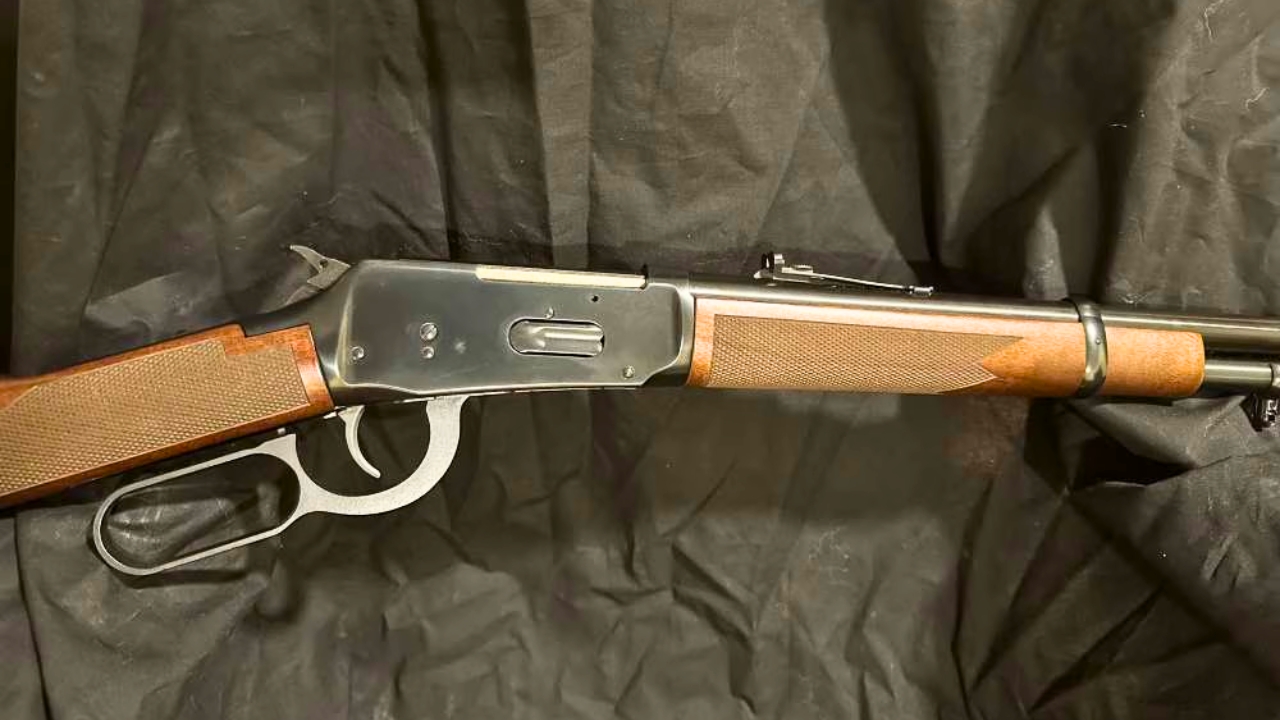
A lever-action .410 sounds handy, but the 9410 had its quirks. Feeding issues were common, especially with certain shell lengths, and the action was never as smooth as other Winchesters.
It’s a collector’s item now more than a go-to shotgun. If you’ve got one, you probably know it’s more of a range toy than a real workhorse.
Marlin 1894 in .357 Mag (Remington Era)

The Remington-era 1894s had many of the same problems as the 336—rough machining, poor timing, and jamming issues galore. The .357 model seemed especially finicky with different ammo.
It’s a shame because a reliable .357 lever-gun is incredibly useful. But if it came out during the dark years, you might spend more time fixing it than shooting it.
Citadel Levtac-92

This tactical-style lever gun made waves for its wild look, but reliability was another story. The action feels clunky, and users report frequent cycling issues.
While the rails and M-LOK slots add flash, it doesn’t change the fact that many units needed work to run right. Cool factor only goes so far if the gun won’t feed.
*This article was developed with AI-powered tools and has been carefully reviewed by our editors.