Photo credit: DBM Defense/Youtube
Every gun counter has the same trap sitting in it: the smaller version that feels perfect in the hand, looks easier to carry, and seems like the “smart” choice. Then you take it to the range, or worse, out on a cold morning with gloves on, and you figure out what you paid for. Shorter sight radius. Less weight soaking up recoil. Tiny controls. Less capacity. More muzzle blast. And a whole lot less fun.
I’m not saying compact guns are useless. Plenty of them do a job well. But there are certain models where the downsized variant is the one that bites you—because the full-size gun is the one that actually runs, shoots, and fits real-world use. Here are 20 that tend to punish buyers who go small first.
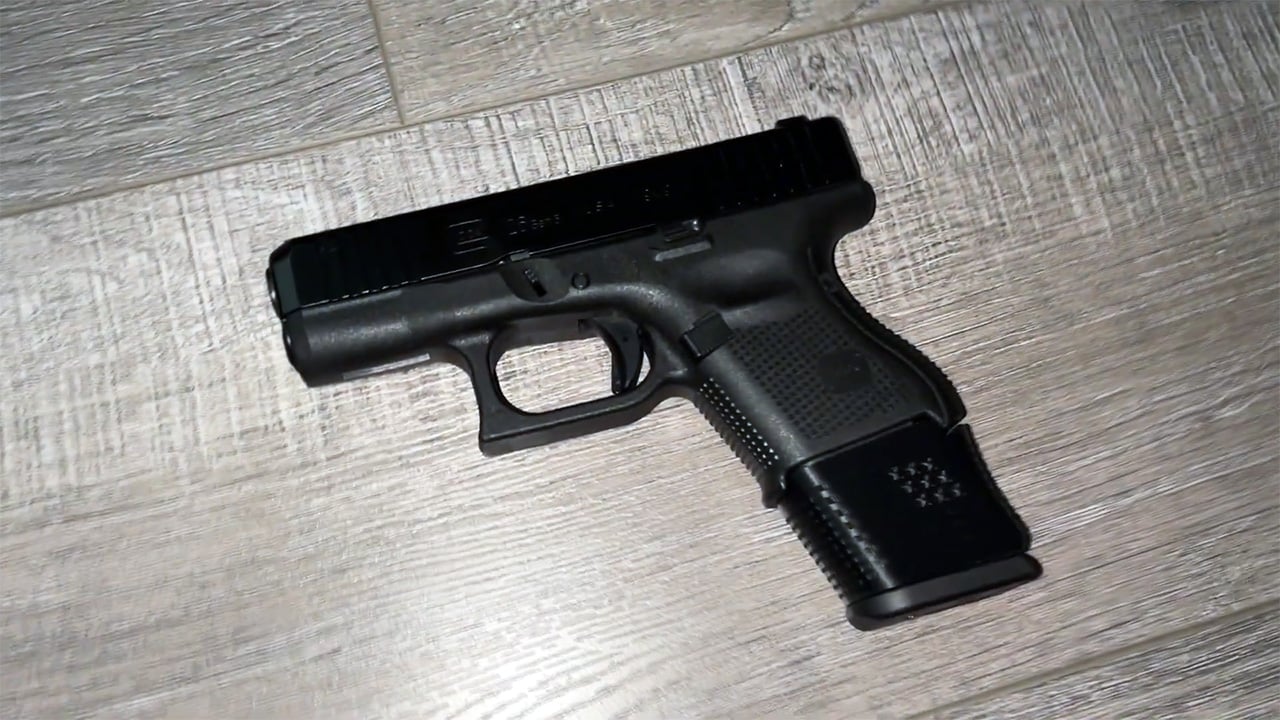
1. Glock 26
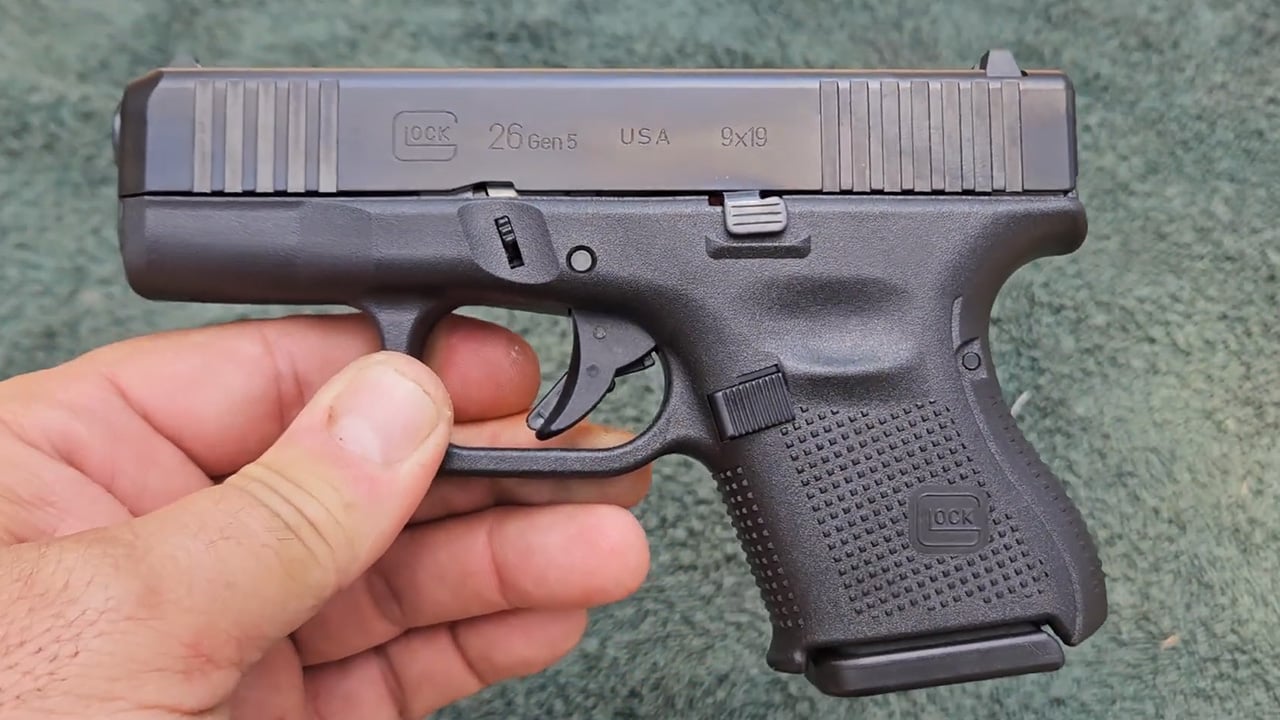
I get why the baby Glock has a fan club. It’s reliable, it’s easy to hide, and it’s a real Glock in a little package. The problem is it’s also the gun that makes a lot of new carriers think they “don’t shoot pistols well.”
That short grip turns into a two-finger hold for many hands, and the gun moves around under recoil. Add a flush mag and it’s worse; add extensions and you’ve basically walked back to a Glock 19 anyway. The 19 is the sweet spot for a reason.
2. SIG Sauer P365 (micro-9, early hype trap)

The P365 changed the carry world, no question. It also convinced a bunch of folks they should start with a micro-compact instead of a compact, and that’s where the punishment shows up.
It’s snappy, it’s small in the hand, and it’s not forgiving when your grip gets lazy. The XL-sized variants tend to shoot noticeably easier, and a P320 Compact or similar “real grip” gun is a better learning tool if you’re building fundamentals.
3. Smith & Wesson M&P Shield (original 1.0)
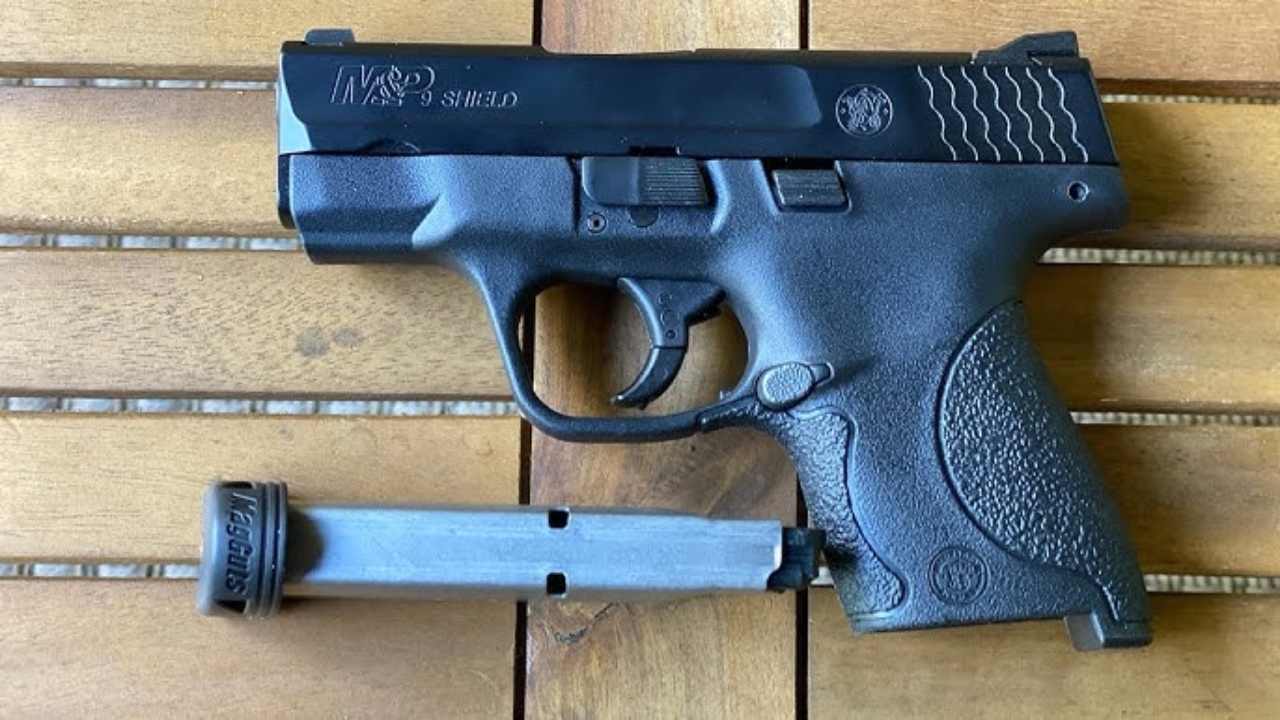
The original Shield sold like hotcakes because it carried flat and didn’t cost crazy money. But with the smaller frame and that thin grip, it can feel like it’s trying to jump out of your hand when you start pushing speed.
Accuracy is there, but it takes more work. The compact M&P models are just easier to run hard, and the newer Shield Plus improved things a lot. Still, plenty of folks bought the small one and then wondered why range day wasn’t enjoyable.
4. Springfield Armory Hellcat

The Hellcat is another one that nails the “tiny and capable” formula, but it’s not a gentle gun. Light weight and a short grip mean recoil is sharp, and the gun’s manners depend heavily on your hand size and grip strength.
For a dedicated deep-carry tool, fine. As the only 9mm you own, it can be a rough relationship. The Hellcat Pro-size guns make more sense for most normal life—still carryable, but they don’t beat you up as much.
5. Ruger LCP II (.380 ACP)

This one is the classic pocket-gun lesson: yes, it disappears in a pocket holster. No, it is not fun to shoot. That long-ish trigger, tiny sights, and featherweight frame can make practice feel like a chore.
And if practice feels like a chore, most folks don’t do it. A slightly larger .380 like a Glock 42 or a small 9mm you can actually grip is usually the better buy if it’s going to be carried and shot regularly.
6. Smith & Wesson Airweight Model 642
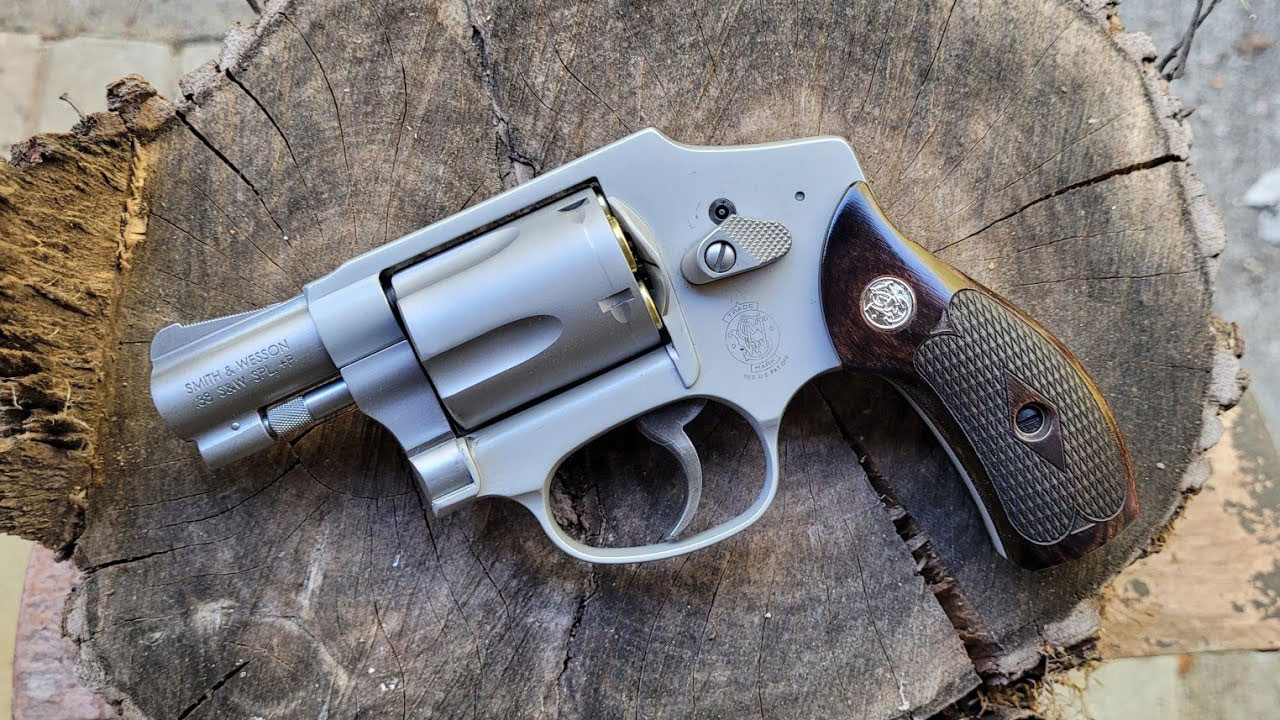
The little hammerless .38 is a great concept: snag-free, simple, and easy to carry. Then you touch off real defensive loads and remember it only weighs a little more than a good sandwich.
Recoil isn’t just “stout.” It’s the kind that makes people quit early. A steel J-frame or a slightly larger revolver is a whole different experience, and it’s the difference between “I carry it” and “it lives in the safe.”
7. Ruger LCR (.357 Magnum)

Putting .357 Magnum into a very light revolver is a choice, and it’s a choice that comes with consequences. The gun will handle it, but your hand might not enjoy the conversation.
Most owners end up shooting .38s through it, which is fine, but then you’re paying for magnum capability you don’t use. A heavier SP101 or GP100 makes magnum shooting realistic instead of a once-a-year dare.
8. Kimber Ultra Carry II (3-inch 1911)
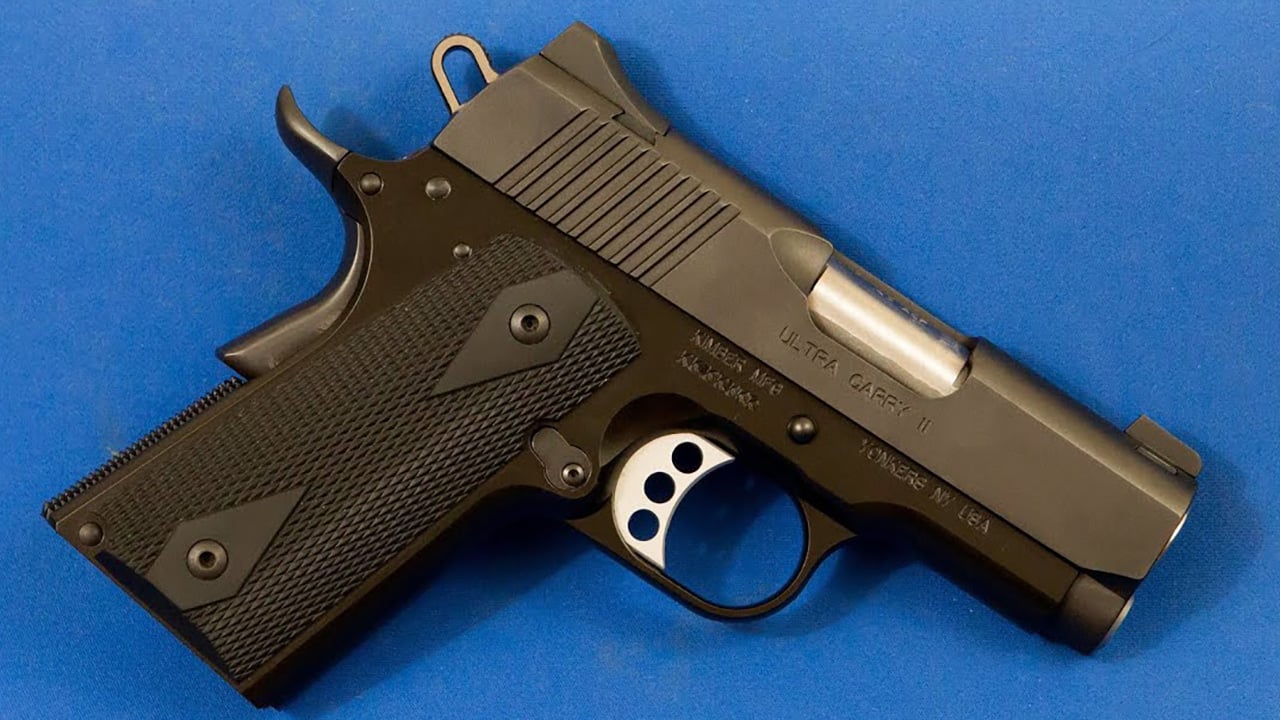
The short 1911 is where a lot of folks learn the hard way that some designs like barrel length. A 5-inch Government model has timing and slide mass on its side. Chop it down and you’re asking it to run with less margin.
Some run fine. Plenty get finicky with magazines and ammo, especially when they’re dirty or under-lubed. If you want a 1911 for serious use, the Commander length is usually the “small” version that still behaves.
9. Colt Defender (3-inch 1911)
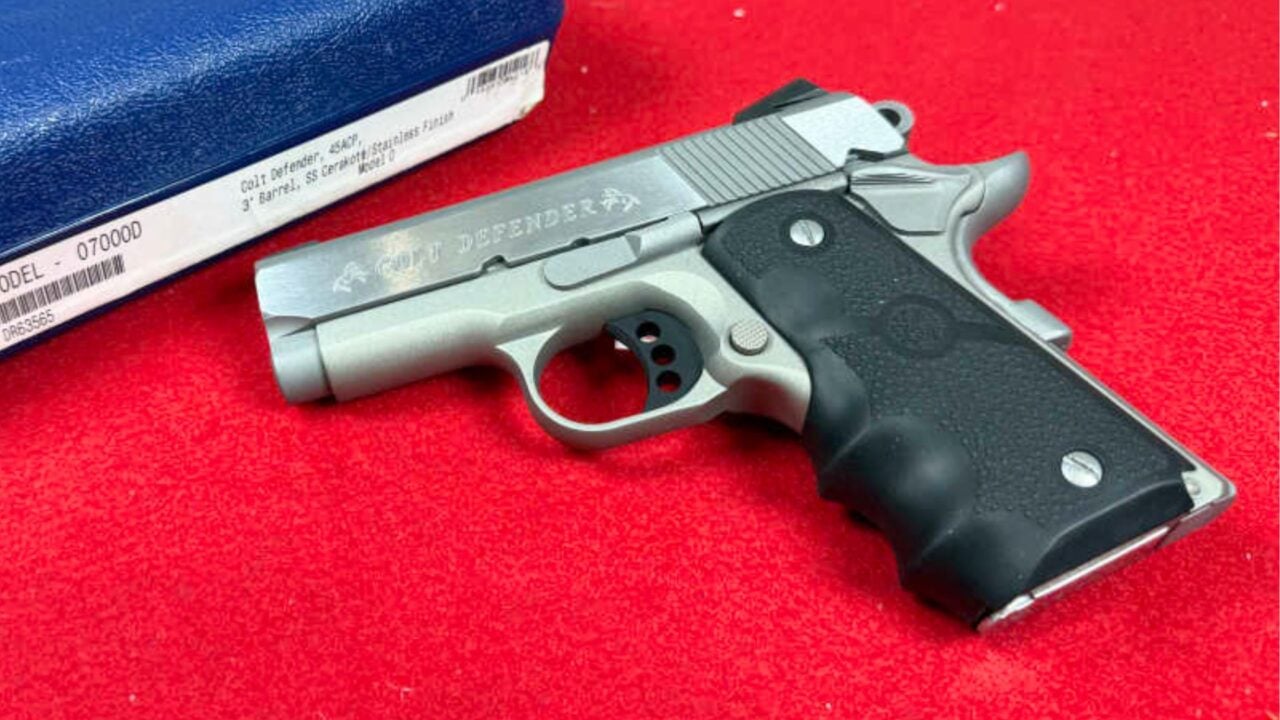
The Defender carries great. It also has all the same short-1911 issues, plus the reality that a tiny 1911 can be surprisingly snappy. That short grip frame doesn’t help either.
And when a 1911 is picky, you’re not troubleshooting like a polymer striker gun. You’re chasing springs, mags, and sometimes little tolerance stacks. A full-size 1911 is boringly easier to live with.
10. Beretta 92 Compact

The Beretta 92 is one of the smoothest-shooting 9mms out there in full-size form. The compact version keeps the same basic feel, but you lose some of the “soaks up recoil and tracks flat” magic that makes a 92 special.
It’s still a good pistol, but it can feel like you paid for less of what you wanted. The full-size gun is where the 92 shines, and it’s also the one with the broadest aftermarket and easiest parts/magazine sourcing.
11. CZ 75 Compact / PCR
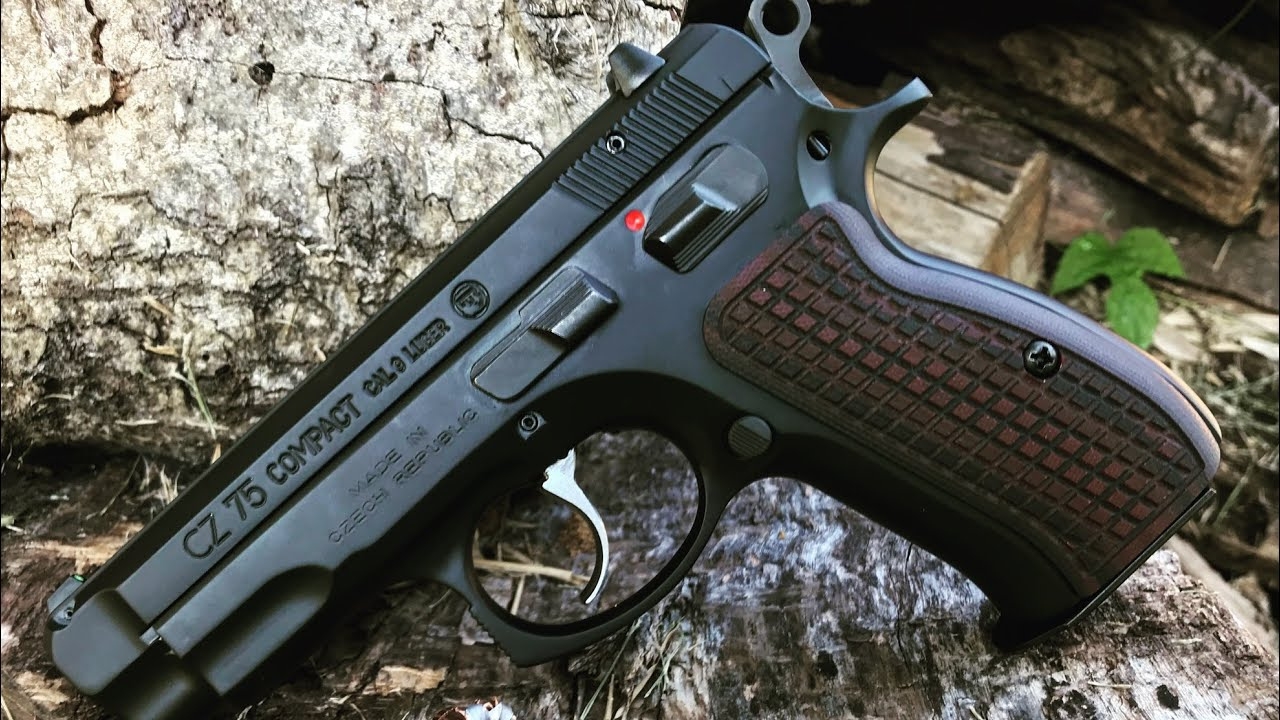
I like these guns, and they carry better than the full-size steel CZs. But if you bought one because you heard CZs shoot like a dream, the compact can be a rude awakening if your expectations were set by the heavier SP-01 and Shadow-style pistols.
Less weight means more snap, and the shorter grip can feel cramped. The compact still points well, but the full-size versions are where that low bore axis and weight really pay off during longer range sessions.
12. Walther PPK/S (.380)
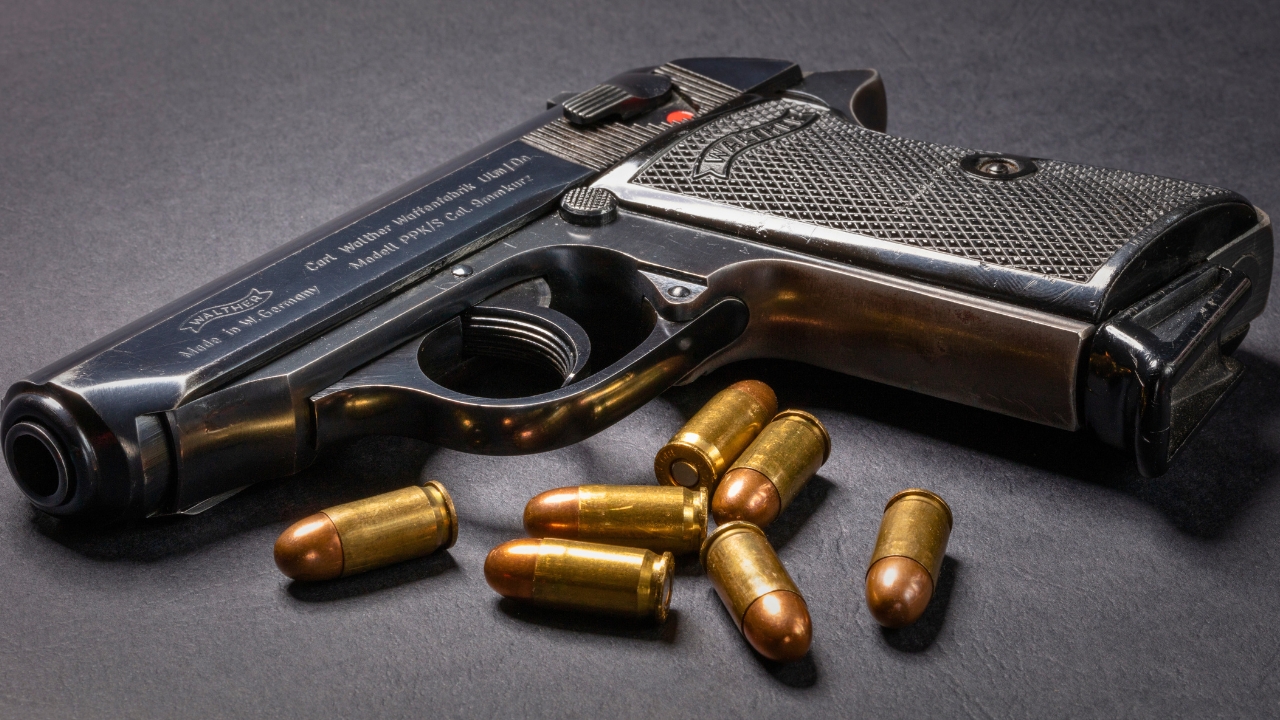
The PPK family has style and history. It also has a reputation for biting hands and making .380 feel sharper than it should. That straight blowback design doesn’t do you any favors when the gun is small and light.
Folks buy it because it’s classy, then realize it’s not a high-round-count range pistol. If you want a .380 you’ll actually practice with, modern locked-breech designs are just kinder.
13. Remington 870 TAC-14 (14-inch, birdshead grip)

These are fun in a “look what I bought” way until you actually try to shoot them with purpose. With no stock, recoil is abrupt and control takes practice that many owners never put in.
For most real-world roles—home defense, farm use, training—a stocked shotgun is easier to aim, easier to run, and easier to shoot well under stress. The short one is a niche tool, not a do-all.
14. Mossberg 590 Shockwave
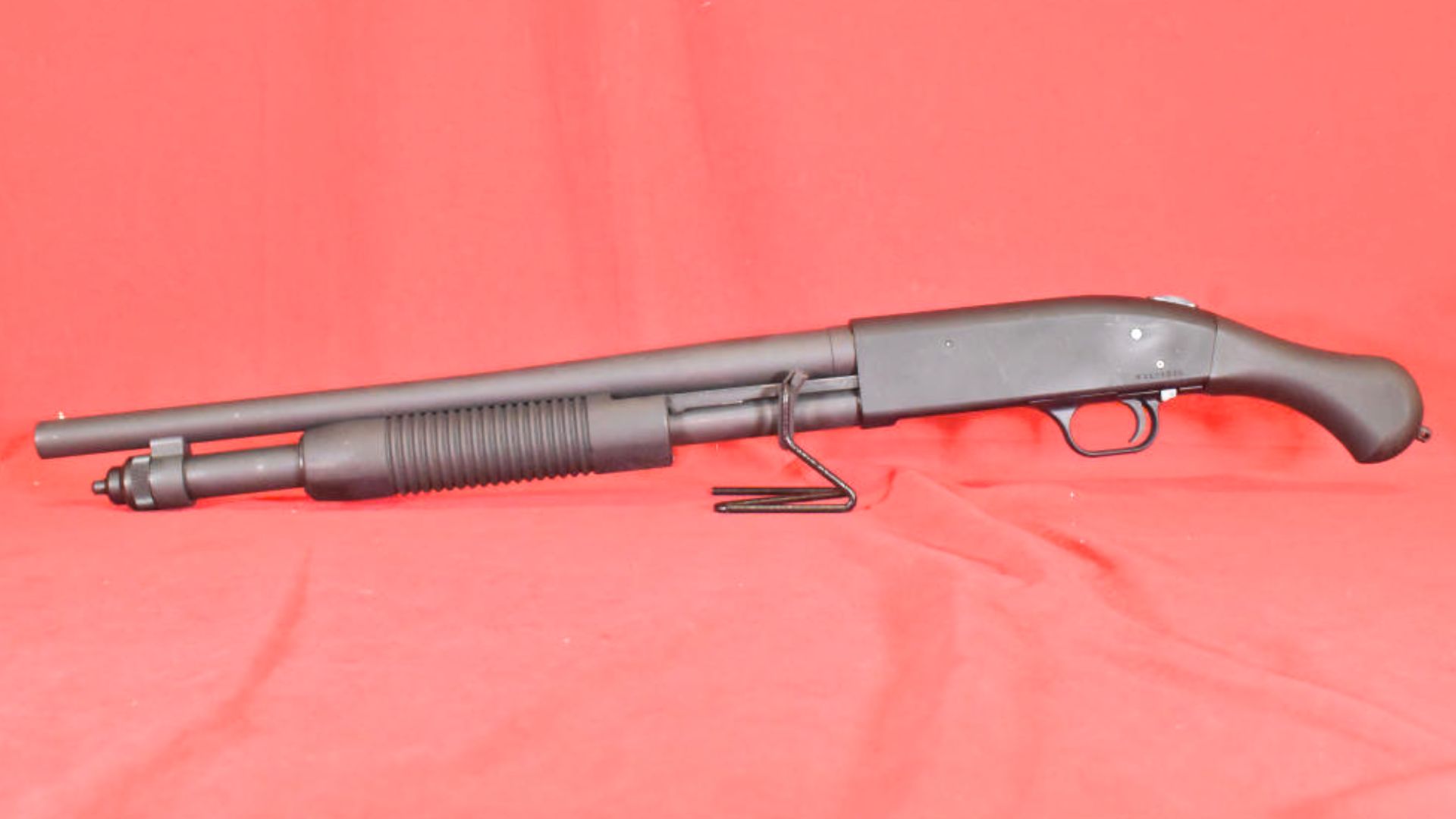
Same story as the TAC-14, and I’ve seen plenty of folks bring one to the range and leave with a new respect for stocks. It’s loud, it’s jumpy, and it’s easy to short-stroke when you’re getting knocked around.
If you already have a stocked 590/500 and you want a weird little range toy, have at it. If it’s your only shotgun, you bought the harder version for no good reason.
15. Ruger American Ranch Rifle (5.56 NATO, short barrel)

The little bolt-action ranch rifles are handy, and they carry well in the truck. The punishment comes when you expect them to be a light, handy deer rifle and realize the short barrel and light weight make them louder and less steady than you thought.
They can shoot, but the ergonomics and balance can feel “off” compared to a standard sporter-length bolt gun. And with 5.56, you’re also locked into being honest about what it can and can’t do on game in your area.
16. Ruger 10/22 Takedown
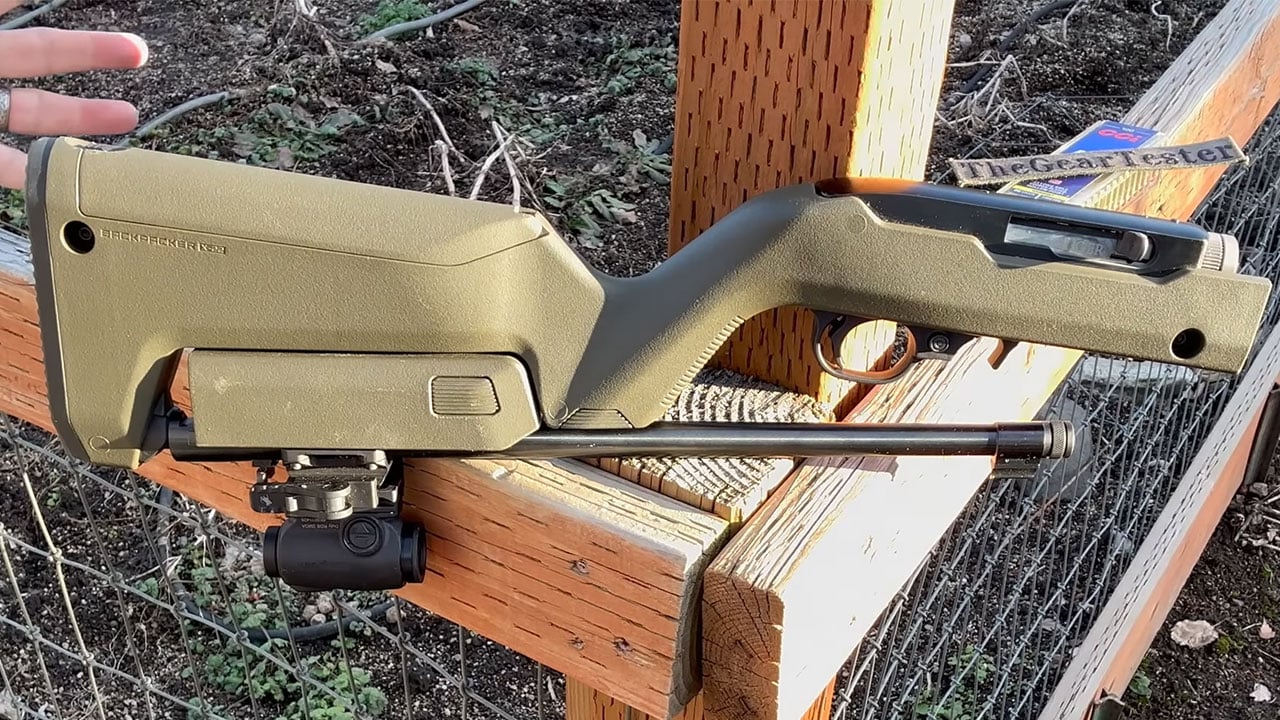
The takedown is convenient, and it’s a slick little backpack gun. But it’s also the version that can make a simple rimfire more complicated than it needs to be.
Point of impact shifts can happen if you’re not consistent with assembly and tension, and it’s one more system to keep clean if you shoot suppressed or shoot a lot. A standard 10/22 is simpler, steadier, and usually ends up being the one you grab.
17. Marlin 1894C (carbine length, .357 Magnum)
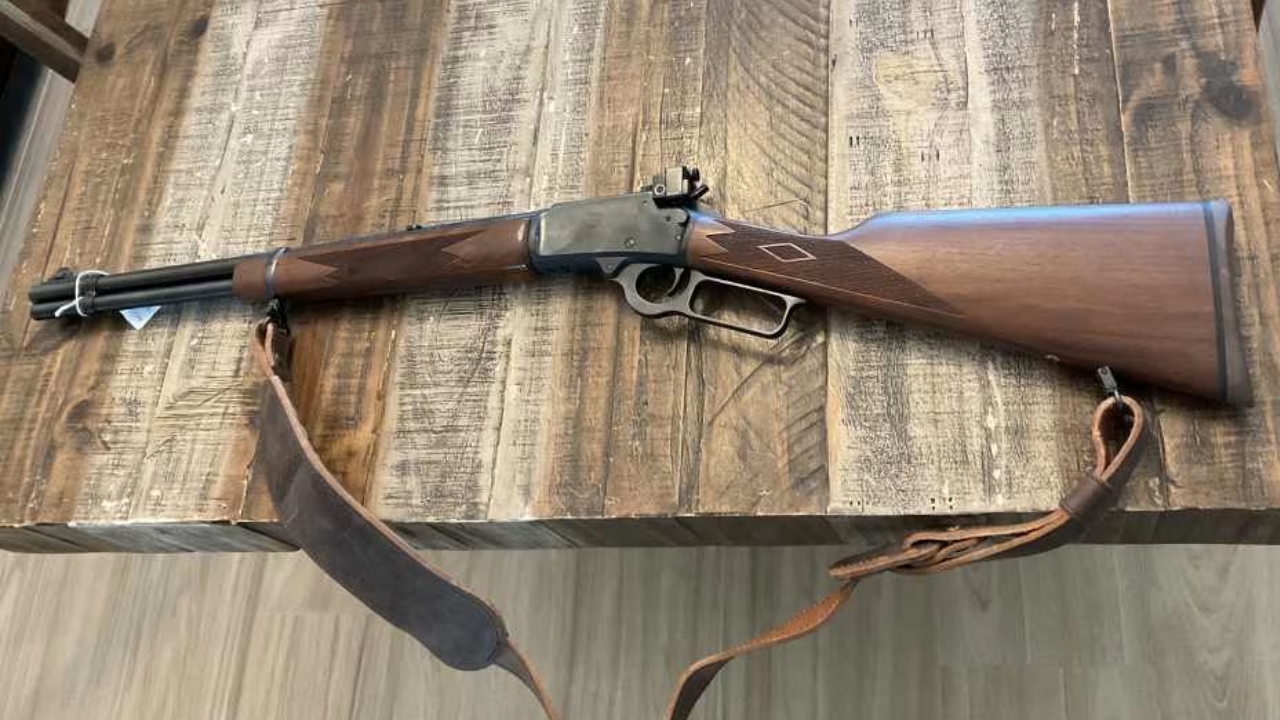
Hear me out: the 1894 is a great lever gun. The short, handy versions are quick in the woods, but they also crank up blast and can be pickier about feeding certain .38 Special loads, depending on the gun and the ammo.
With a slightly longer barrel, you often get smoother handling on target and a little less abruptness in recoil and report. The compact one feels perfect until you spend a day cycling mixed ammo and wishing it was just a touch more forgiving.
18. Winchester Model 70 Featherweight
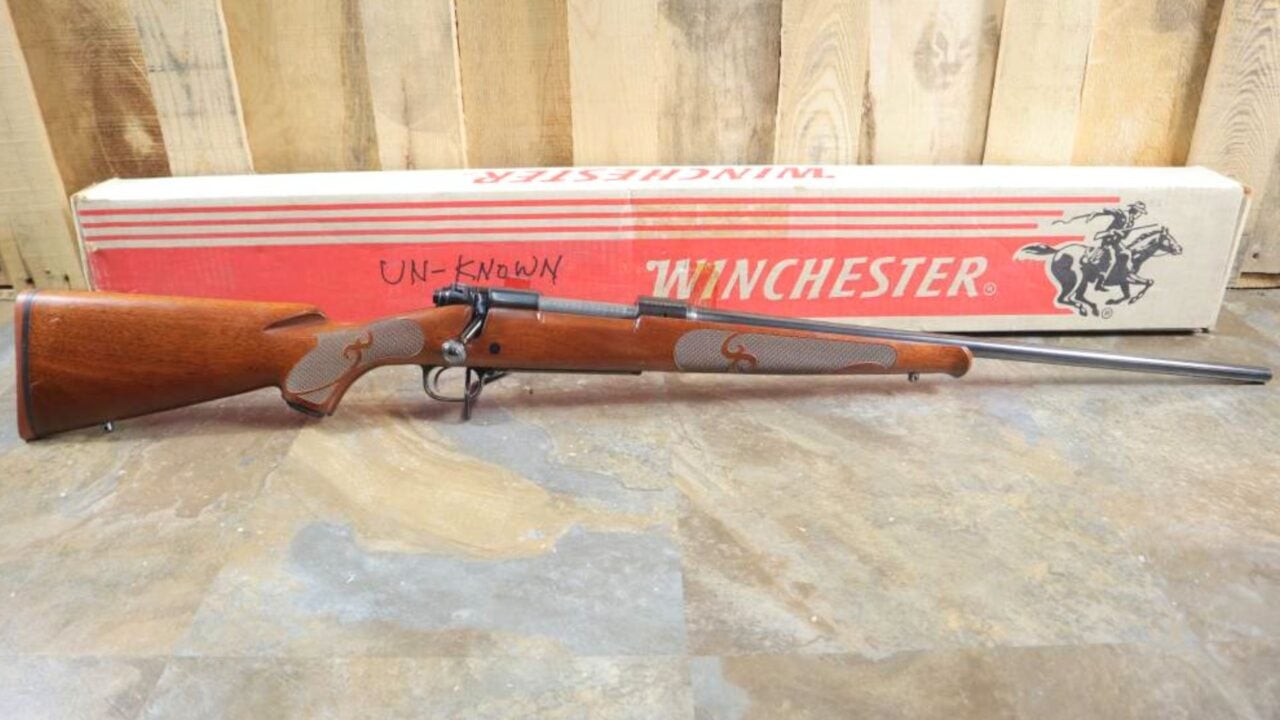
Light rifles are a joy to carry up a ridge. They can be a misery to shoot from a bench, and the bench is where most folks sight in. A Featherweight in a hard-kicking caliber teaches you what recoil anticipation looks like.
In the field, you might never notice it. At the range, it can punish you into bad habits. A standard-weight Model 70 is steadier, more pleasant to practice with, and for a lot of hunters, practice matters more than shaving a pound.
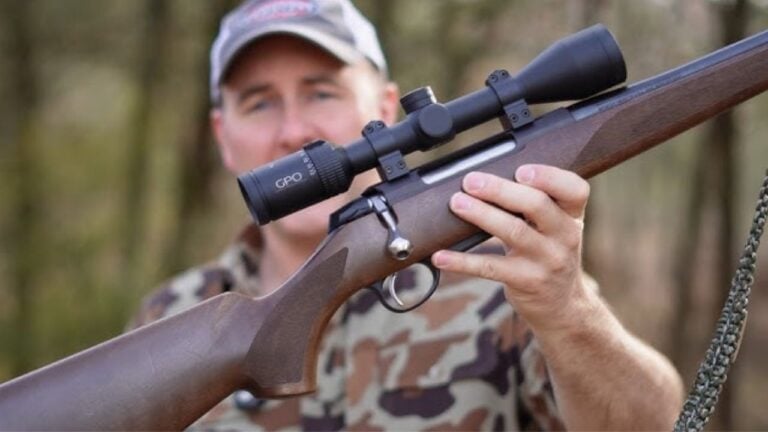
19. Tikka T3x Lite
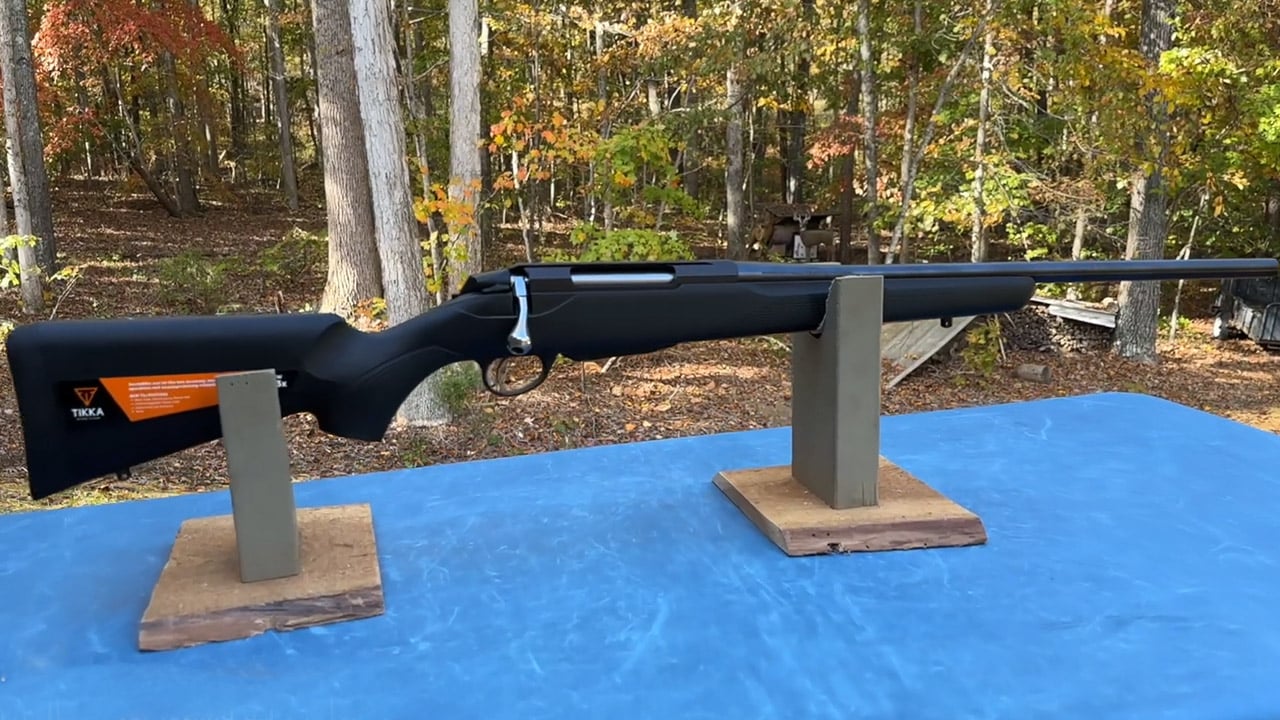
The Tikka Lite is accurate and smooth, and I’ve watched them stack bullets. I’ve also watched folks buy the light version in .300 Win Mag or similar and then wonder why they hate sight-in day.
Recoil in a light rifle is sharp, and it can make even a good trigger feel harder to manage. If you’re going to run a bigger cartridge, the heavier Tikka variants or a rifle with a little more mass can make you a better shot, plain and simple.
20. Mossberg 500 Bantam (youth/short LOP)
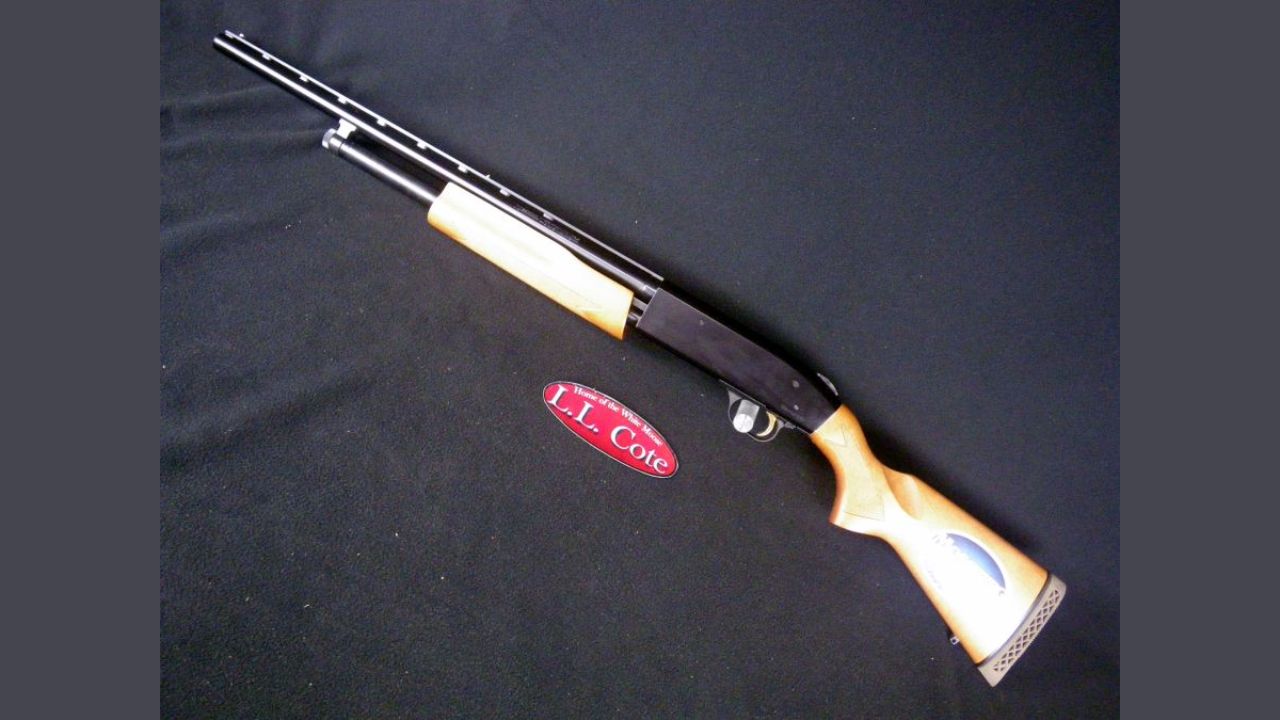
You’d be surprised how many full-grown adults buy a youth shotgun because it’s “handy.” Then they mount it and realize the short length of pull makes the gun feel cramped and fast in a bad way.
With heavy loads, a too-short stock can beat you up and even encourage poor cheek weld. For actual kids and small-framed shooters, the Bantam is a solid tool. For most adults, a standard stock (or an adjustable setup) is the smarter kind of “small.”
The lesson isn’t that you should always buy the biggest gun on the shelf. It’s that downsizing changes the whole experience, and sometimes it changes it enough that you stop practicing or stop enjoying the gun. If you’re on the fence, shoot the full-size first. If the smaller version still makes sense after that, then you’re buying it with your eyes open—ask me how I know.
Like The Avid Outdoorsman’s content? Be sure to follow us.
Here’s more from us: