Photo credit: TnHunter/Youtube
Anybody who’s spent time at a gun counter has heard it: “They don’t make ‘em like they used to.” Sometimes that’s just nostalgia talking. But with Ruger, there’s a real dividing line a lot of long-time owners point to—before the bean counters got loud, before little shortcuts started showing up in polish, wood fit, and the small parts you only notice after a few seasons.
This isn’t a hit piece on modern Rugers. Ruger still turns out plenty of solid working guns. But if you’ve ever handled an older example next to a newer one and felt the difference in the action, the finish, or the overall “tight” feel, you know what I’m talking about. Here are 20 Rugers from the earlier days that many folks keep, hunt with, and quietly refuse to trade off.
1. Ruger M77 (tang safety)

The tang safety M77 is one of those rifles that just feels right in hunting hands. The safety sits where your thumb naturally lives, and it’s easy to run with gloves on when it’s cold and you’re trying not to make a bunch of noise.
These rifles aren’t all laser beams, and some barrels have preferences, but the overall build is hard to deny. The metalwork and the way the stock meets the action tends to look like somebody cared. If you’ve got one that shoots a load well, it’s a “stop shopping” deer rifle.
2. Ruger M77 Mark II (early production)
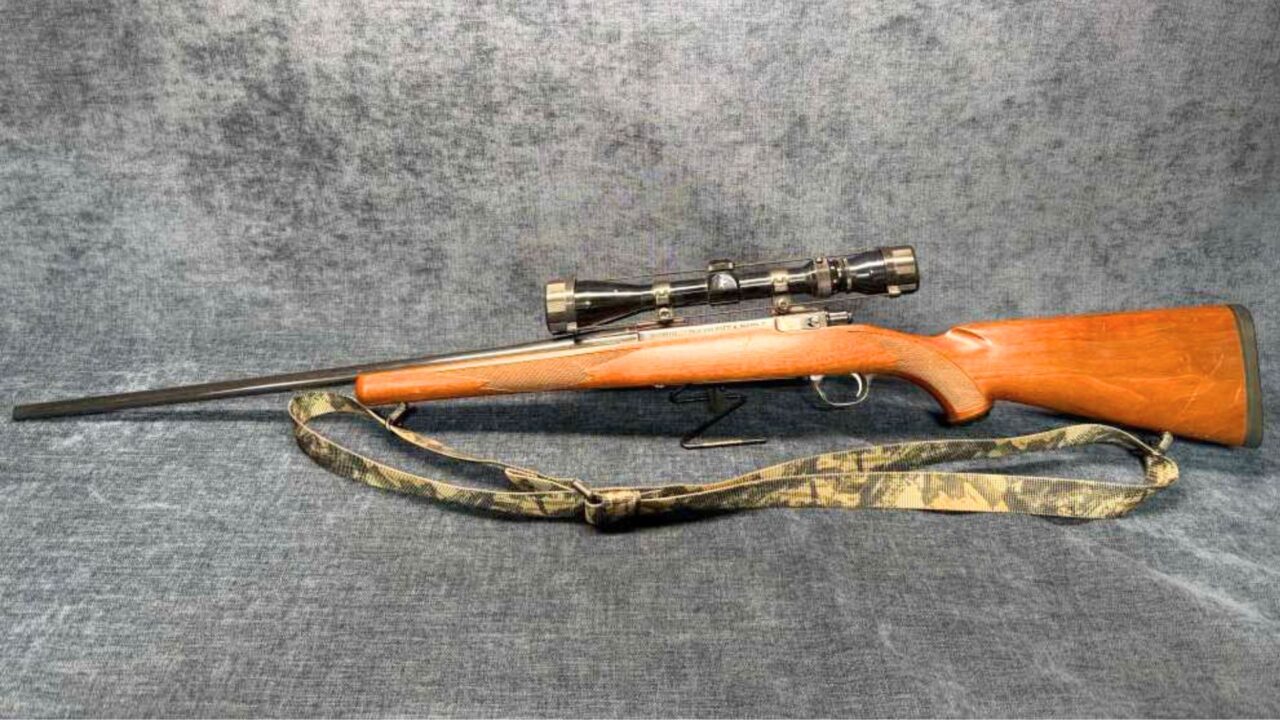
The Mark II brought controlled-round feed and a reputation for being tough as a fence post. Early ones especially have that no-nonsense feel in the bolt throw—smooth enough, but not loose or rattly.
They can be a little heavy compared to the latest mountain rifles, and the factory triggers weren’t always everyone’s favorite. Still, as a wet-weather elk or whitetail rifle that rides in a truck rack and doesn’t complain, it’s hard to beat.
3. Ruger No. 1 (early “Red Pad” rifles)
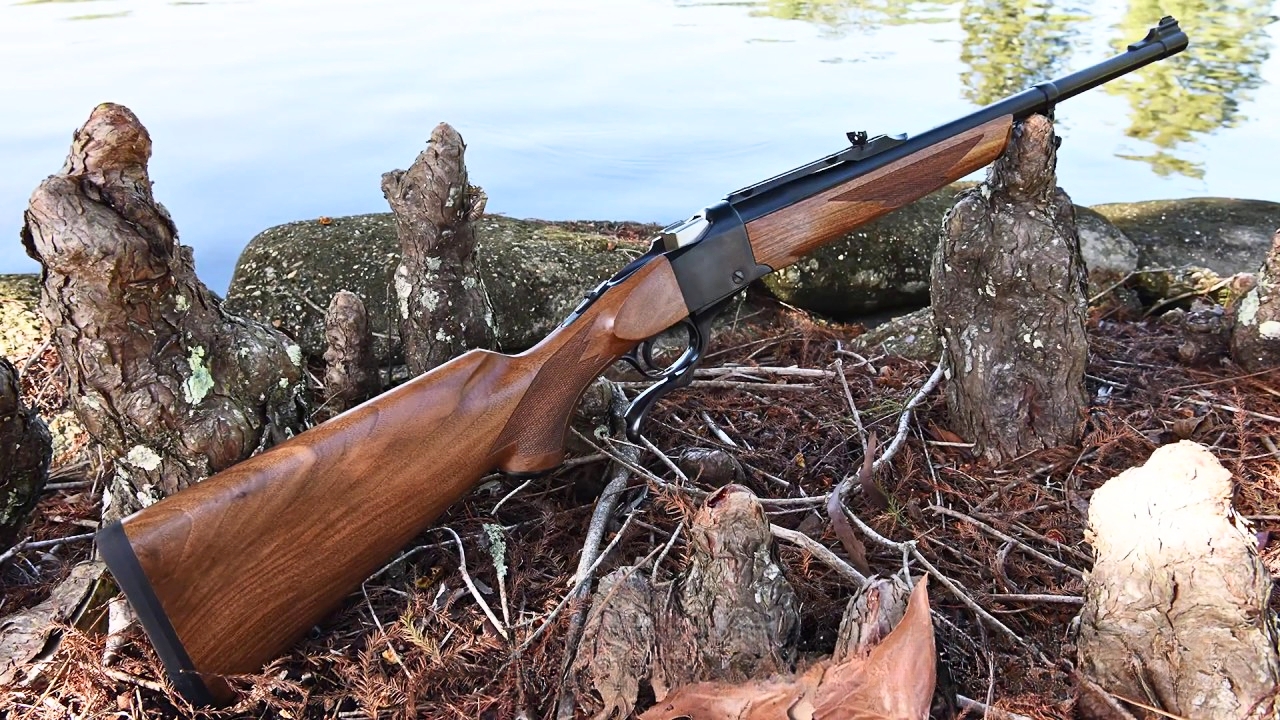
The early No. 1s with the red recoil pad are the kind of rifles that make you slow down and shoot like you mean it. Falling-block single shots don’t give you much to fiddle with, and that’s the point.
Fit and finish on the older guns tends to be what people remember—crisp lines, nice bluing, and wood that looks like it belongs on something more expensive. They’re not always the easiest rifles to tune for accuracy, but a good one will keep you smiling for decades.
4. Ruger No. 3

The No. 3 is the plainer cousin to the No. 1, and I mean that in a good way. It’s a handy single shot that feels like it was built for someone who actually uses their rifles instead of polishing them.
The older ones have a solid, honest feel, and the whole package carries well. It’s not fancy and it’s not for everybody, but if you like simple rifles and close-range woods hunting, this one just works.
5. Ruger 10/22 (early walnut-stock carbines)

Most of us learned something on a 10/22—trigger control, how to clear a jam, how to keep a rifle from getting banged up in the back of a pickup. The older walnut carbines had a warmth to them that the later plastic-stock era never really replaced.
They’re still 10/22s, so magazines are everywhere and parts are easy. What you notice is how the older guns tend to feel a little more “together” in the hands. And if you’ve got one that runs on cheap bulk ammo without being picky, hang onto it.
6. Ruger 10/22 “International” (Mannlicher-style stock)
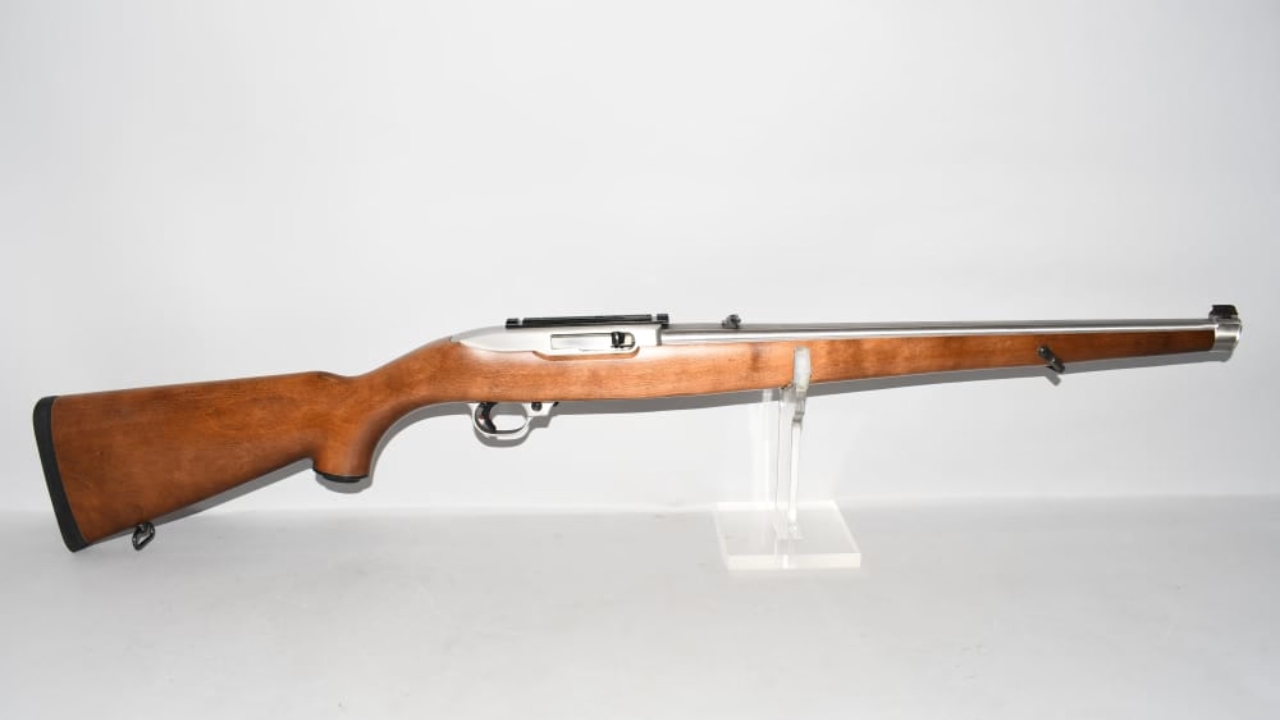
The full-length stock 10/22 International is pure woods-gun charm. It looks like a little centerfire stalking rifle, and it carries like one too—slim and balanced.
It’s not a benchrest toy, and you’re buying it because you like it, not because you need it. But in the squirrel woods, it points fast and feels like it belongs there. Replacing one with the same vibe usually costs more than you think.
7. Ruger 77/22 (early rifles)

A bolt-action .22 is underrated until you spend time hunting small game where the first shot matters. The early 77/22 rifles have that classic mini-M77 feel and a nice, controlled little bolt throw.
Accuracy can vary by ammo, but when you find what it likes, it’s a legitimate small-game hunting rig. The magazines aren’t as cheap as 10/22 mags, but they’re reliable, and these rifles tend to get passed down.
8. Ruger 77/44 (early production)
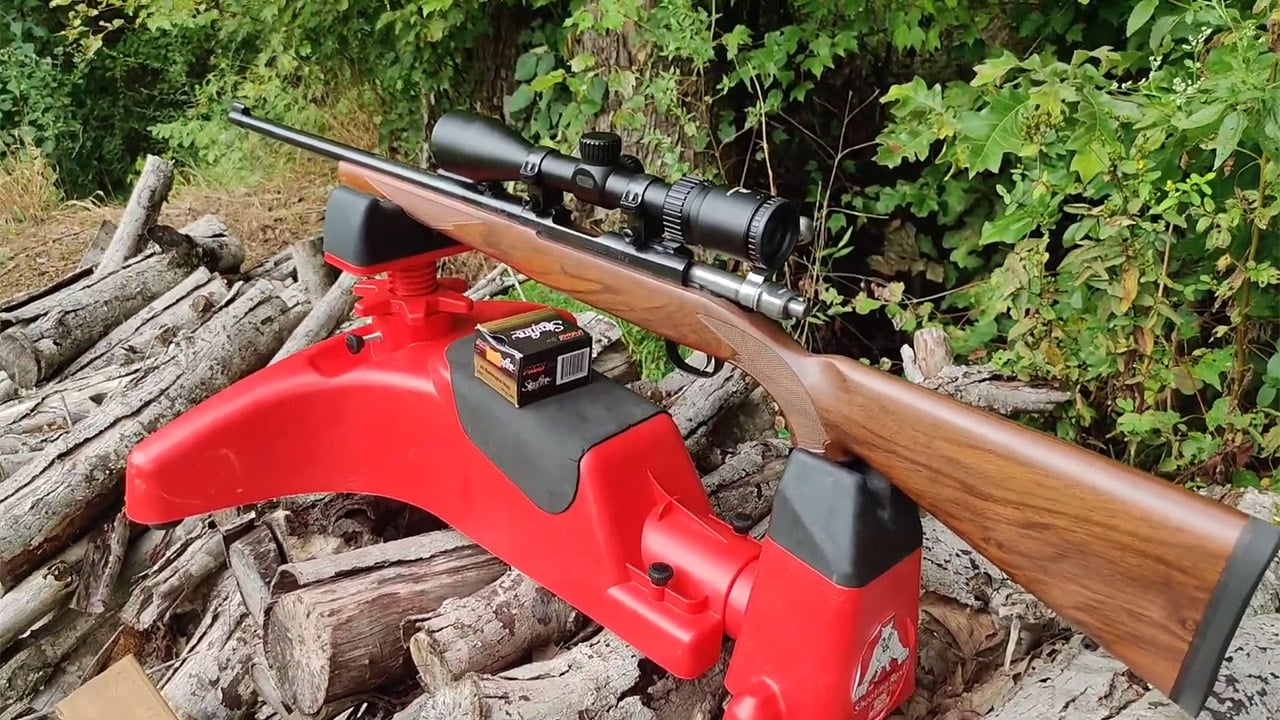
The 77/44 is one of the handiest whitetail rifles Ruger ever made. Short, quick, and easy to carry in thick cover, it’s a “walk the edges” rifle that doesn’t feel like a fence post in your hands.
Early ones have a sturdy, confidence-inspiring feel. They’re not long-range tools, and nobody should pretend they are, but inside normal woods distances they do the job with authority.
9. Ruger Mini-14 (180-series and early 181-series)
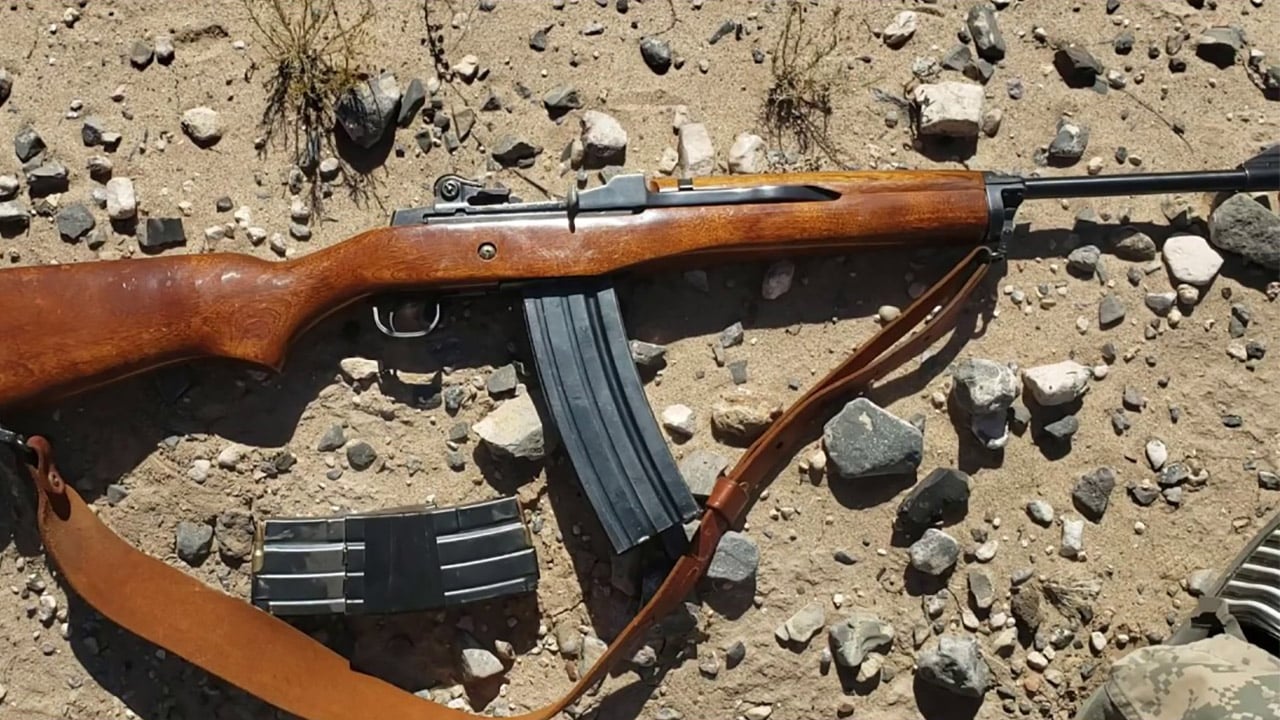
Older Mini-14s get knocked for accuracy, and sometimes they deserve it. But they also have a simple reliability that makes sense if you’ve carried one on a ranch or kept one as a farm rifle.
Before later changes and different production eras, the early Minis have a certain “old Ruger” vibe in the way the action runs. They’re light, handy, and fast to shoulder. If you’ve got an older one that groups well enough for how you actually use it, I would not be quick to let it go.
10. Ruger Mini-14 GB (early models)

The GB versions have their own following, and it’s not just looks. They were built around a working-gun mindset and tend to feel like serious tools.
These are the Minis that often get kept in the safe because they’re a slice of a particular era. Not everyone needs one, but they’re the kind of rifle that makes you understand why the platform has stayed alive this long.
11. Ruger Mini Thirty (early production)

The early Mini Thirtys filled a niche: a handy semi-auto that hit harder than .223 and still carried light. They can be a little ammo-sensitive depending on the firing pin setup and the primers on some imported loads, so it pays to test what you’re going to use.
When they run with your chosen ammo, they’re comfortable, quick-handling rifles for hogs or closer-range woods use. They’re also rifles you tend to see riding in a truck more than sitting on a bench. Ask me how I know.
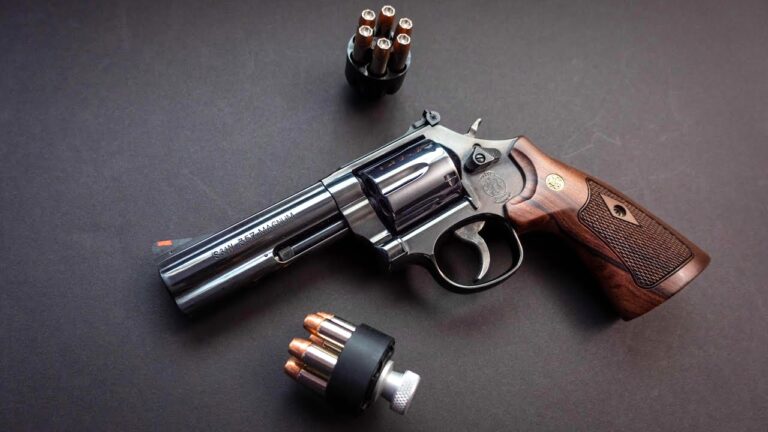
12. Ruger Redhawk (early blued revolvers)
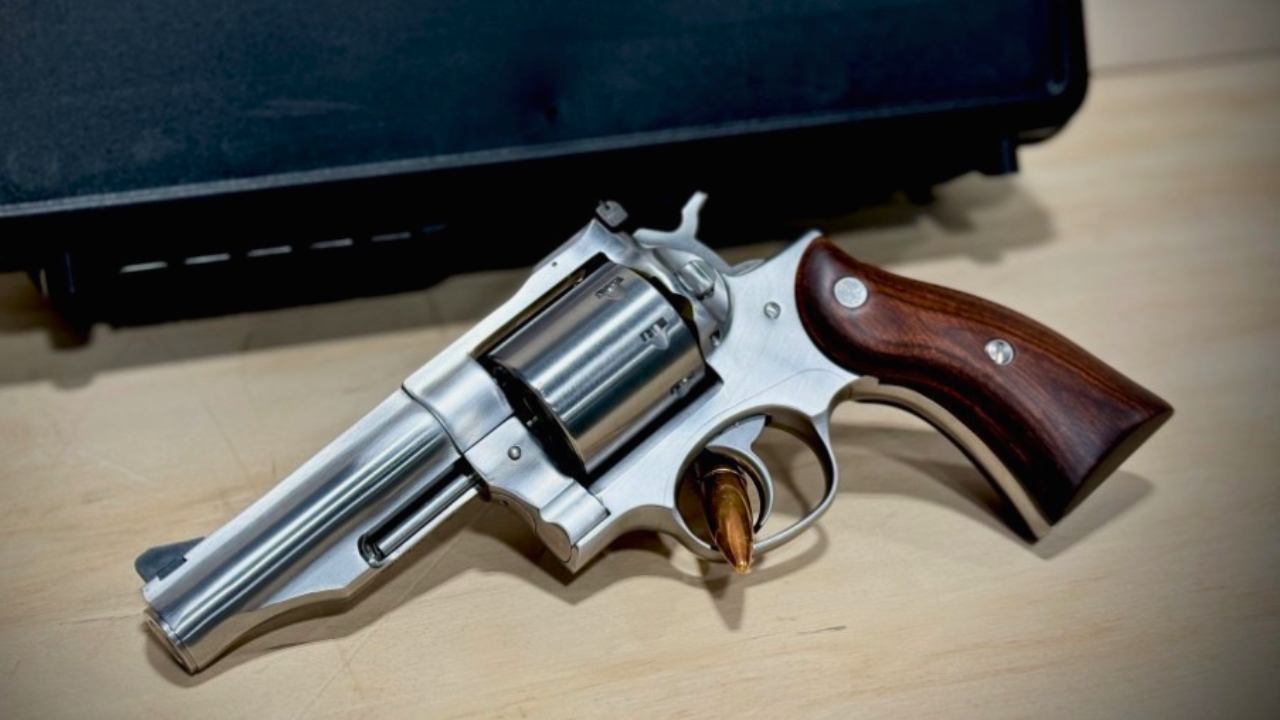
Early Redhawks have a tank-like feel that made Ruger’s double actions famous in the first place. The frame feels solid, the lockup feels serious, and you can tell it was built with heavy loads in mind.
They’re not dainty, and they’re not light, and that’s kind of the point. If you spend time in bear country or you want a revolver that can handle steady use without being babied, the older Redhawks are hard to argue with.
13. Ruger Super Redhawk (early production)

The Super Redhawk is a specialized tool, but it’s a good one if you actually use it. Those early guns have a rugged, purposeful build and a design that lends itself to optics without feeling like an afterthought.
They’re bulky on the hip, no way around it, and they’re not everybody’s idea of fun at the range. But if you’ve ever sat over a bait barrel or watched a cutline at last light, you understand why some folks stick with them.
14. Ruger Security-Six
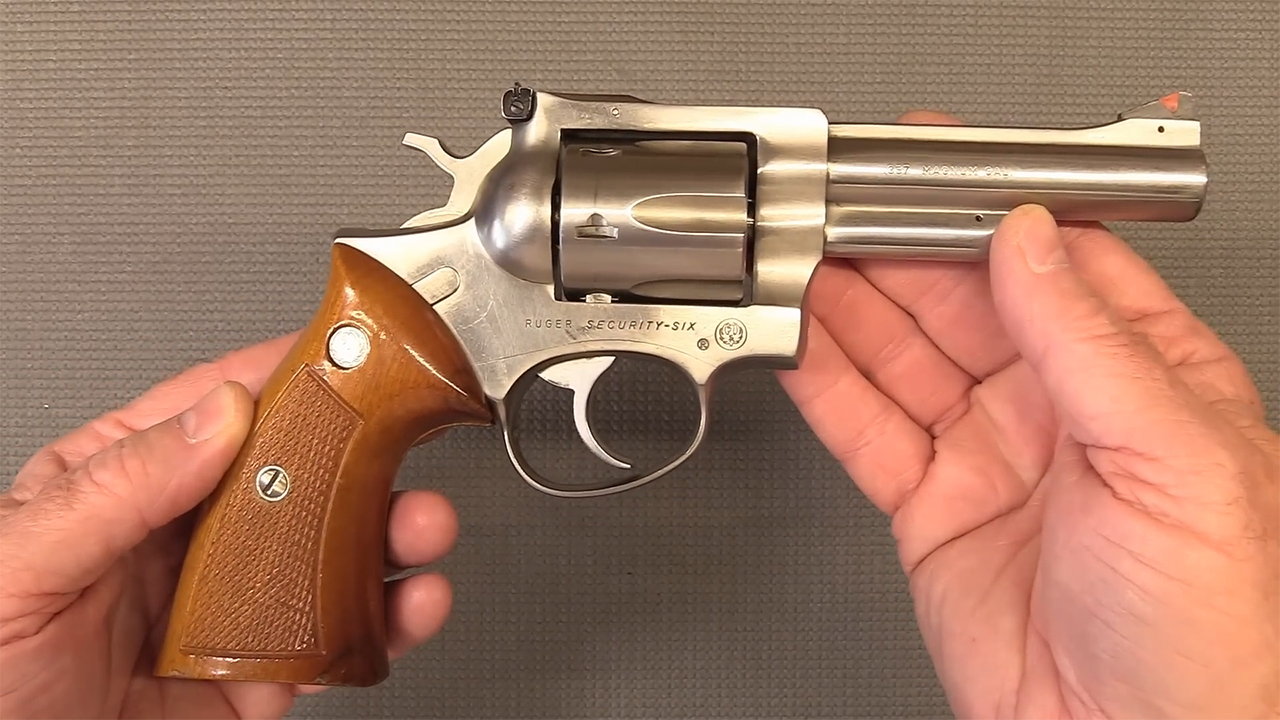
The Security-Six is one of those revolvers that just keeps going. The grip frame and balance make it carry better than you’d expect, and it points naturally for a lot of shooters.
It doesn’t have the collectability hype of some other brands, which is fine by me. What it has is reliability and a simple ruggedness. If you find one with a decent trigger, it’s a very easy revolver to like.
15. Ruger Service-Six
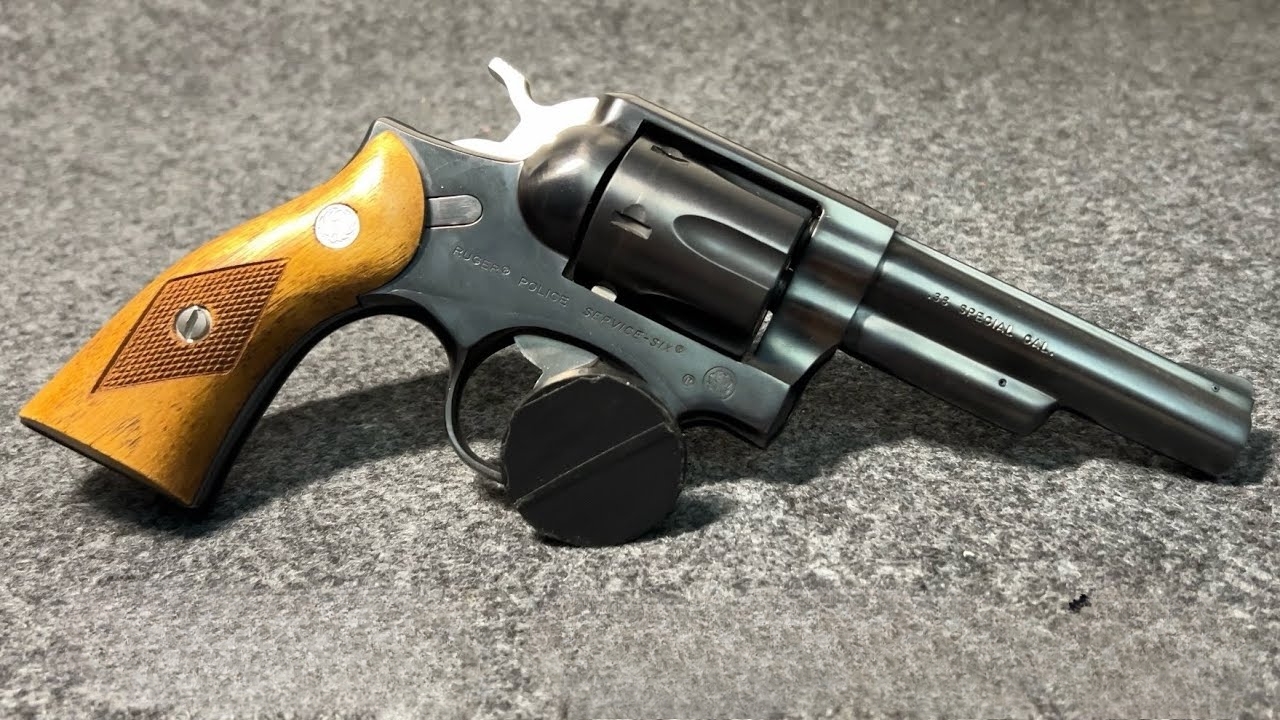
The Service-Six is the more duty-minded sibling, and it wears that role well. These were working revolvers, and many of them lived hard lives in holsters before ending up on the used market.
Even with holster wear, the older ones often have a solid action feel and a straightforward design that’s easy to maintain. They’re not glamorous. They’re just useful.
16. Ruger Speed-Six
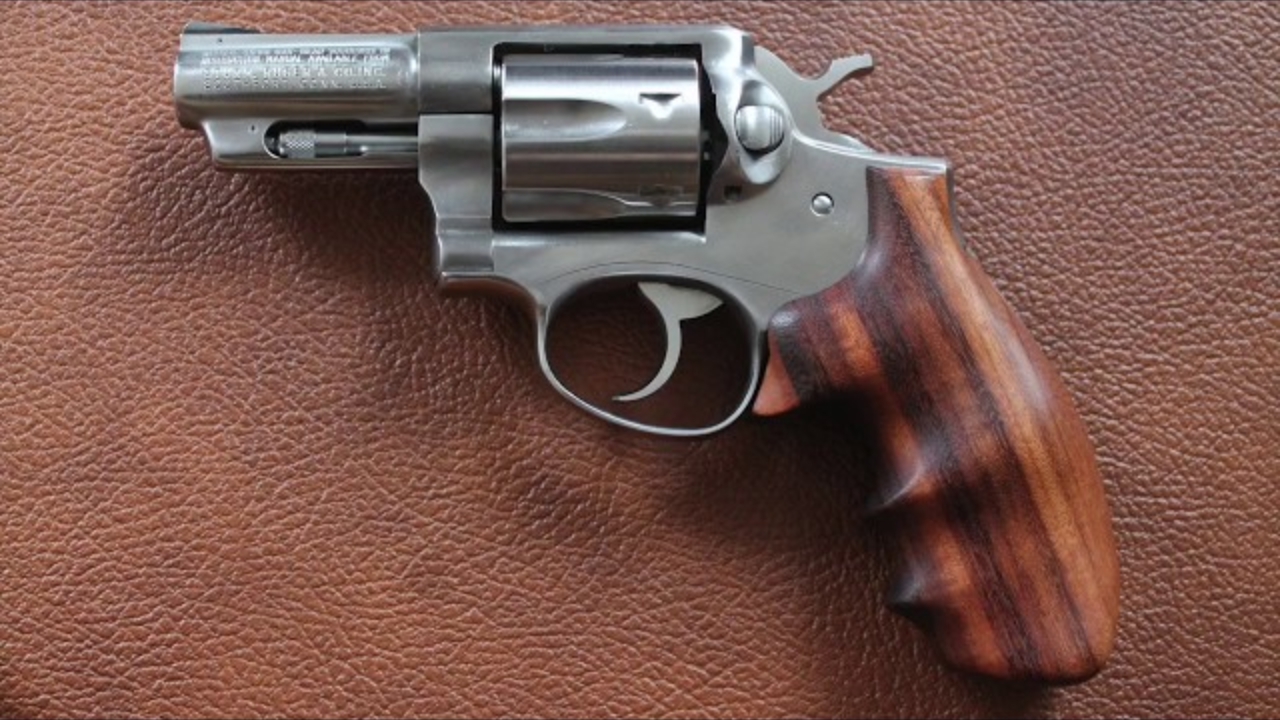
The Speed-Six is the one that always seems to vanish first when a shop gets a batch of older Ruger revolvers. It’s compact enough to carry without being tiny, and it balances in a way that makes quick shooting feel natural.
Good ones don’t sit long, and there’s a reason. They’re the kind of revolver you can actually live with day to day, and you don’t need to baby it for it to keep running.
17. Ruger Blackhawk “Three-Screw” (Old Model)
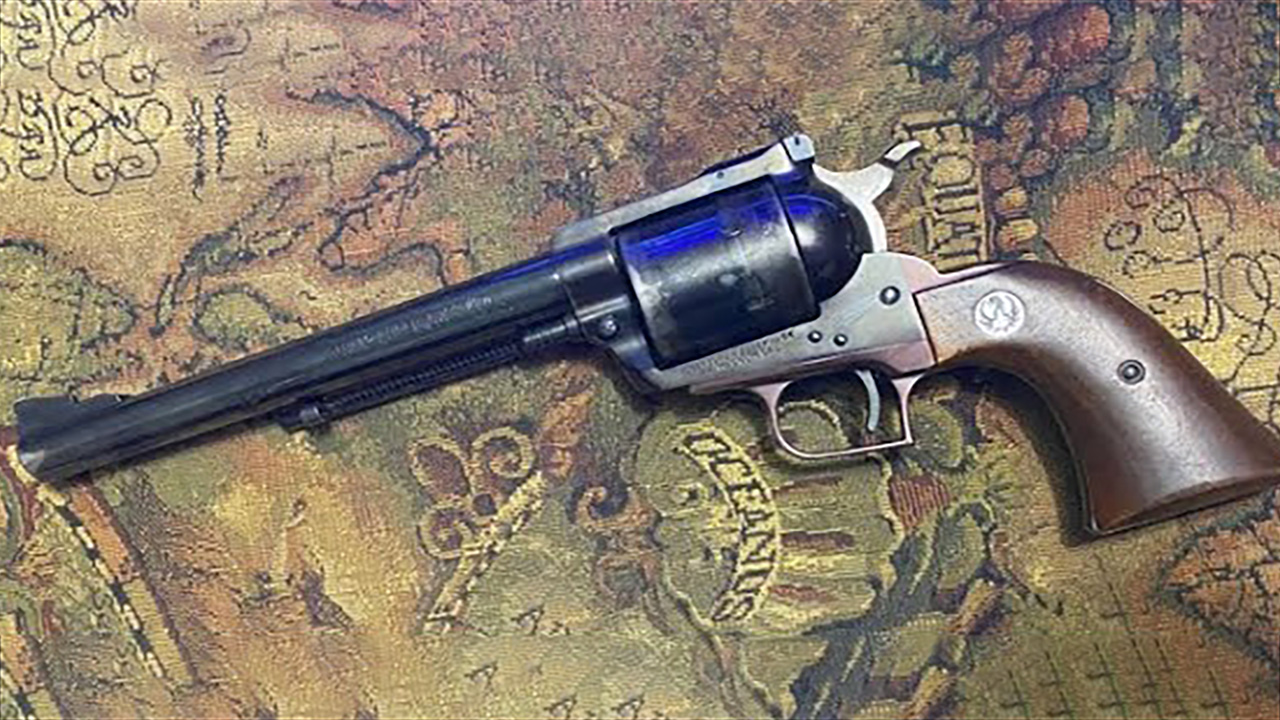
The old three-screw Blackhawks are pure classic Ruger. They have a feel in the hammer and clicks that single-action fans recognize immediately.
They’re not for someone who wants modern features and doesn’t care about the old-school handling. But if you grew up around single actions, these are the ones that make you slow down and shoot right. There’s also a reason collectors keep sniffing around them.
18. Ruger Super Blackhawk (early production)
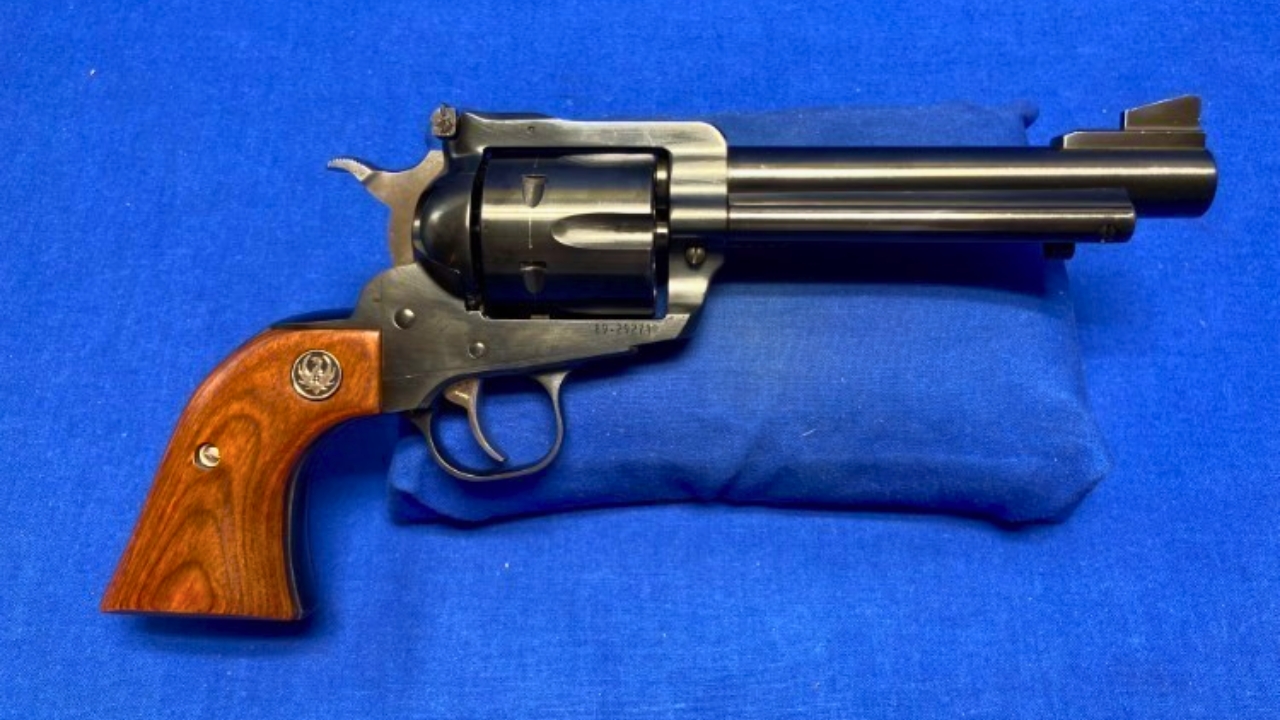
Early Super Blackhawks have a reputation for taking real .44 Magnum use without turning into a loose mess. They’re big, they’re stout, and the recoil with heavy loads is still real—don’t romanticize it.
But as a hunting revolver or a “because I can” range gun, they’re part of Ruger’s identity. When you pick up an older one that’s been cared for, you can feel the difference in how tight everything locks up.
19. Ruger Mark I (Standard .22 pistol)
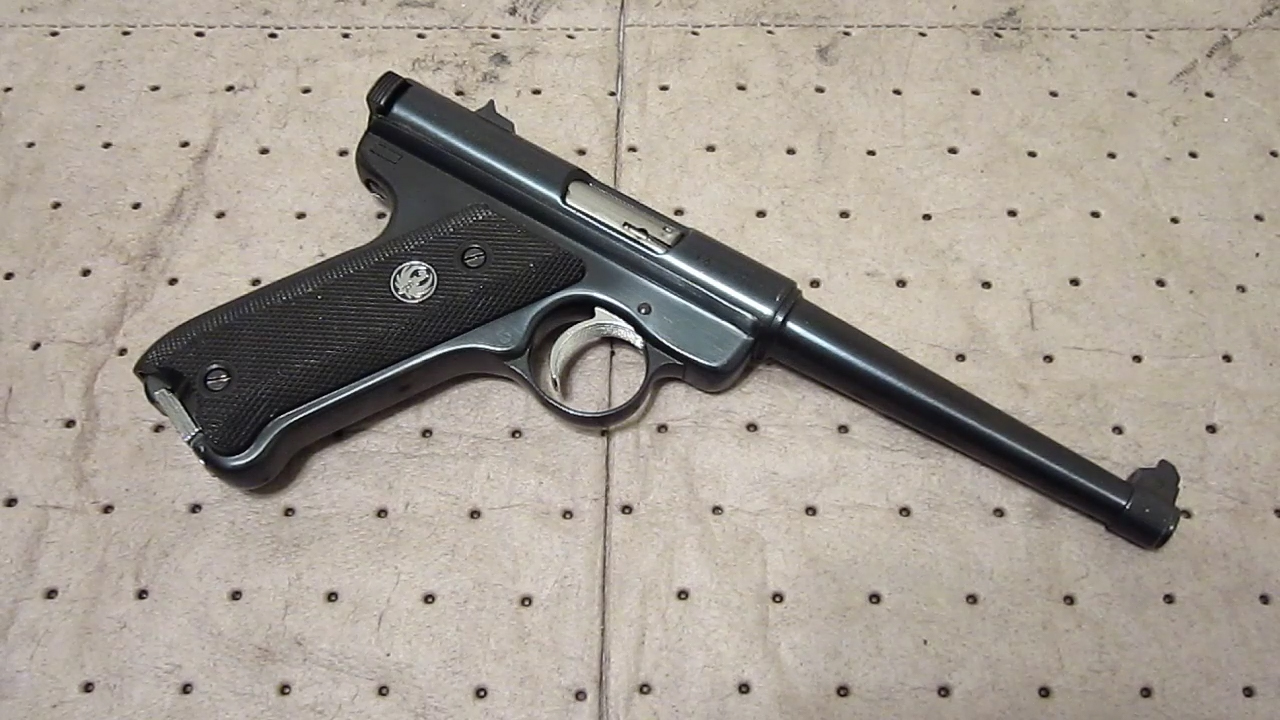
The Mark I is one of those pistols that quietly teaches you what good .22 shooting feels like. The grip angle and balance are natural, and the older guns tend to have a smoothness that comes from use and decent machining.
Field stripping has never been the Mark series’ strongest selling point, and anybody pretending otherwise is lying. Still, they run and run, and they’re the kind of .22 you bring out when you want to hit what you’re aiming at.
20. Ruger Mark II (Government Target Model and early variants)
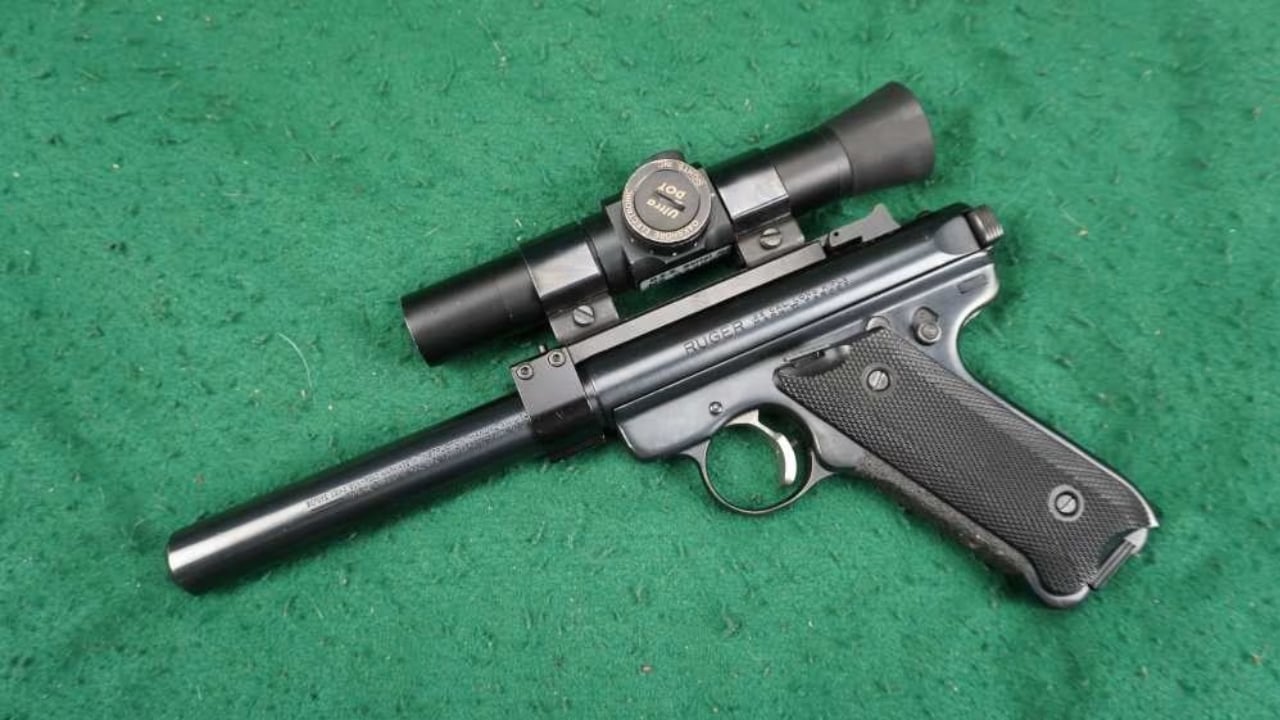
The Mark II era is a sweet spot for a lot of shooters. You get that classic Ruger .22 durability, good accuracy, and a design that holds up to high round counts without drama.
The Government Target Model in particular has the feel of a serious rimfire pistol—heavy enough to settle down, accurate enough to embarrass you when you miss. If you’ve got one that’s been dependable, it’s a “keep it forever” kind of gun.
Ruger didn’t get famous by building fragile safe queens. The older guns on this list earned their reputations the hard way—through rain, dust, truck seats, scuffed bluing, and lots of rounds downrange. If you’re staring at one in your safe and thinking about trading it off for the latest thing, at least take it to the range first. Some lessons are cheaper learned with a box of ammo than with a lifetime of regret.
Like The Avid Outdoorsman’s content? Be sure to follow us.
Here’s more from us: