Photo credit: TFB TV/YouTube
Gun companies have become very good at building packages that look loaded for the money. A pistol may include a compensator, an optics cut, extended magazines, aggressive slide work, and a familiar name without crossing into true custom-gun pricing. That can make it feel like you are getting far more gun than the price suggests.
The problem is that extra features do not always create extra value. Some models cost almost as much as better-established competitors, while others become awkwardly large, need expensive proprietary magazines, or solve problems that the cheaper standard version never had. These guns are not necessarily bad. They simply stop looking like bargains once you compare what you are paying against what you will actually gain.
SIG Sauer P365-FUSE
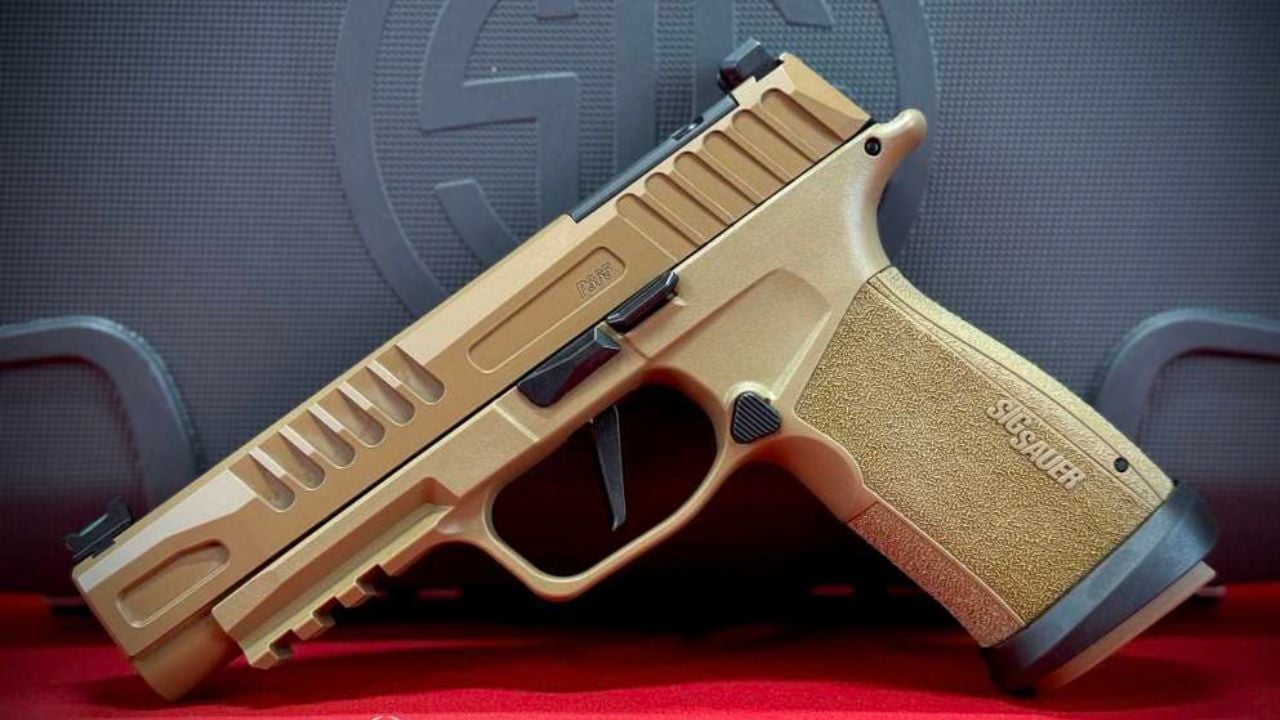
The P365-FUSE looks like a tremendous deal because it combines a thin P365 grip with a longer slide, a 21-round capacity, an optics cut, and upgraded sights. It promises full-size performance without the width of a conventional duty pistol, making it appear capable of handling concealed carry, home defense, and range use with one purchase. SIG currently describes it as having a one-inch-wide grip and a 21+1 capacity.
The problem is that its dimensions move it away from what originally made the P365 appealing. The long grip and extended magazines are harder to conceal, while the thin frame does not provide the hand-filling control of a true full-size pistol. Buyers may end up with a gun that is too large for easy carry but less comfortable than a Glock 17, M&P, PDP, or Echelon during long range sessions.
SIG Sauer P365 AXG Legion
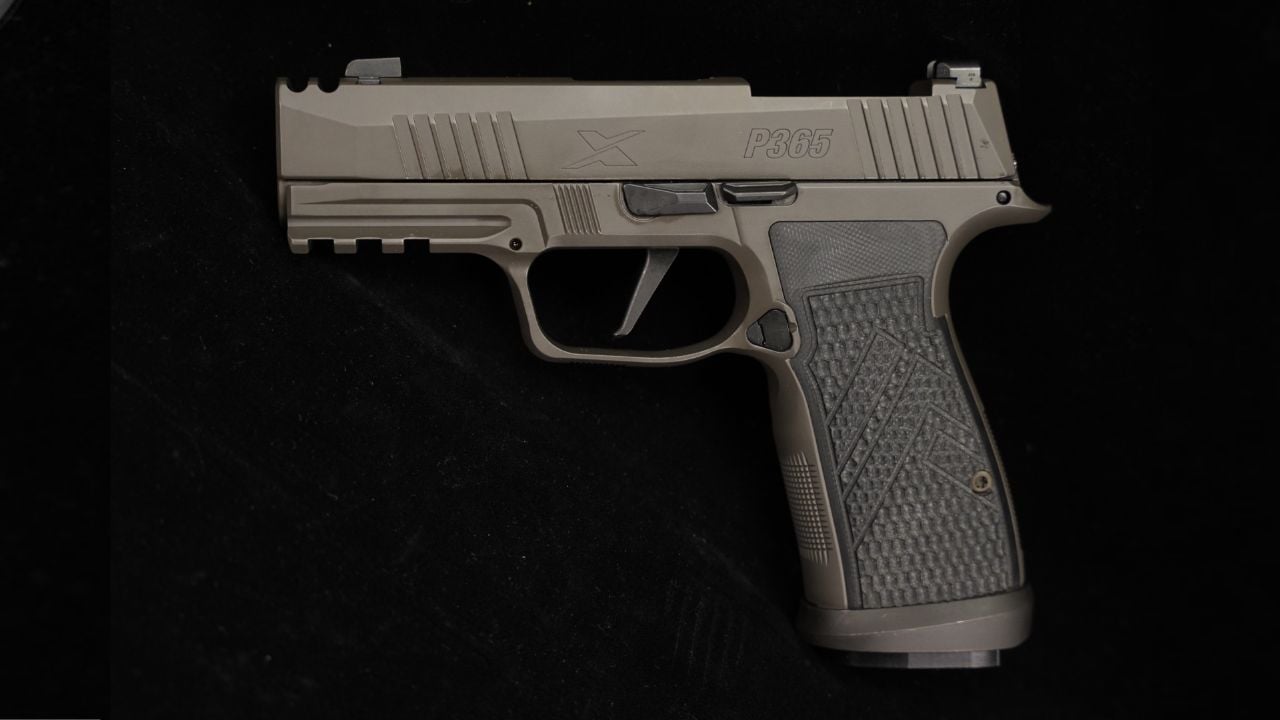
The P365 AXG Legion combines an aluminum grip module, compensator, upgraded controls, and Legion styling in a premium carry package. It feels more substantial than a polymer P365 and uses 17-round XMacro magazines. The metal frame and G10 grip panels also make it look like a major upgrade over the standard P365 lineup.
The value becomes harder to defend when the pistol is compared with larger metal-framed guns. It is still built around the compact P365 operating system, yet it can cost as much as a high-quality duty pistol or entry-level double-stack 1911. The added weight reduces one of the P365’s main carry advantages, while the narrow grip remains less comfortable for some shooters than a conventional compact frame.
SIG Sauer P320 XFive Legion
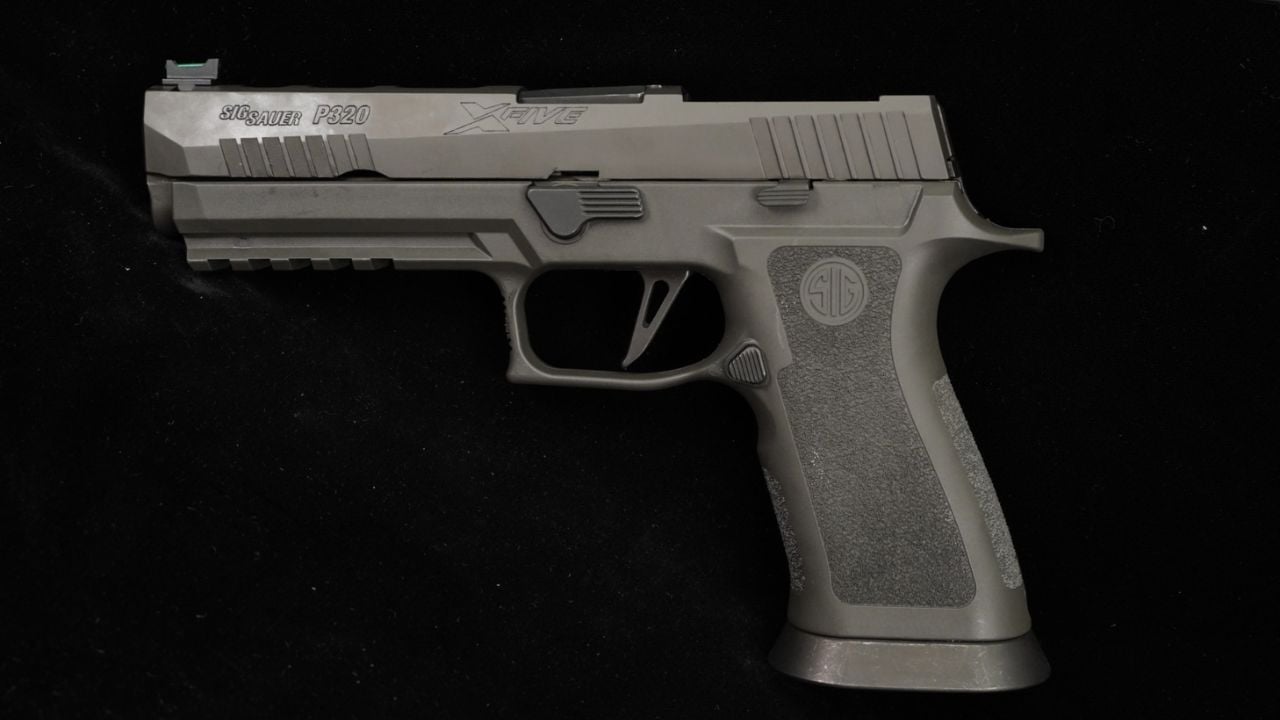
The P320 XFive Legion offers a heavy tungsten-infused grip module, long slide, optics compatibility, extended magazine well, and competition-oriented controls. It appears to provide many of the benefits of a metal-framed competition pistol without the cost of a high-end 2011. For shooters already invested in P320 magazines and parts, the package can look especially appealing.
However, the pistol occupies an awkward place between a serious competition gun and a general-purpose handgun. It is too heavy and large for comfortable daily carry, but many competitive shooters will still want a different optic mount, trigger work, springs, grip components, and base pads. Once those additions begin, the affordable route into competition can become an expensive P320 that still competes against more specialized designs.
Springfield Armory Echelon 4.0C Comp
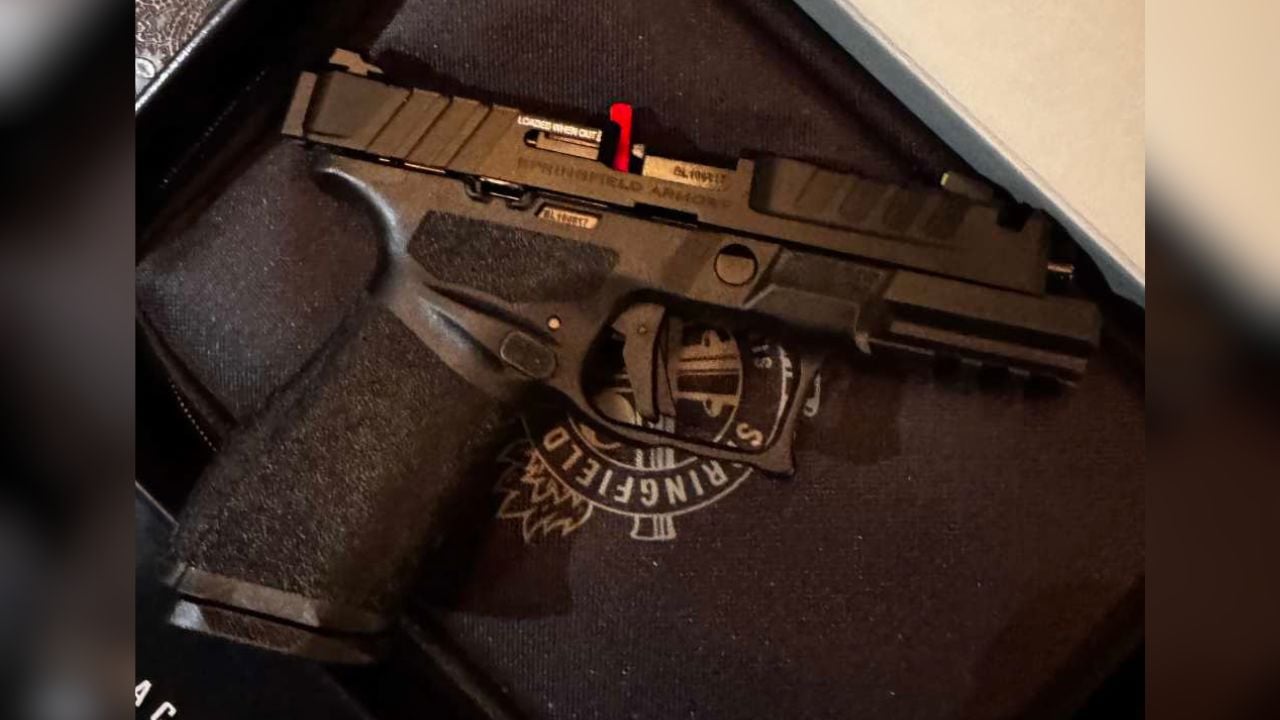
The Echelon 4.0C Comp adds an integral compensator to Springfield’s compact modular pistol. It retains the Echelon’s adaptable optics system, removable serialized chassis, and practical grip design while promising less muzzle rise. Springfield introduced the compact Comp model in August 2025 after launching the standard 4.0C.
The standard 4.0C already shoots like a larger pistol and offers most of the same features for less money. The compensated version adds cost, increased blast, and another opening that collects fouling without transforming the gun’s performance. Shooters using ordinary practice ammunition may notice only a modest difference. Unless faster splits are a genuine priority, the regular Echelon 4.0C leaves more money for an optic, holster, and ammunition.
Springfield Armory Hellcat Pro Comp
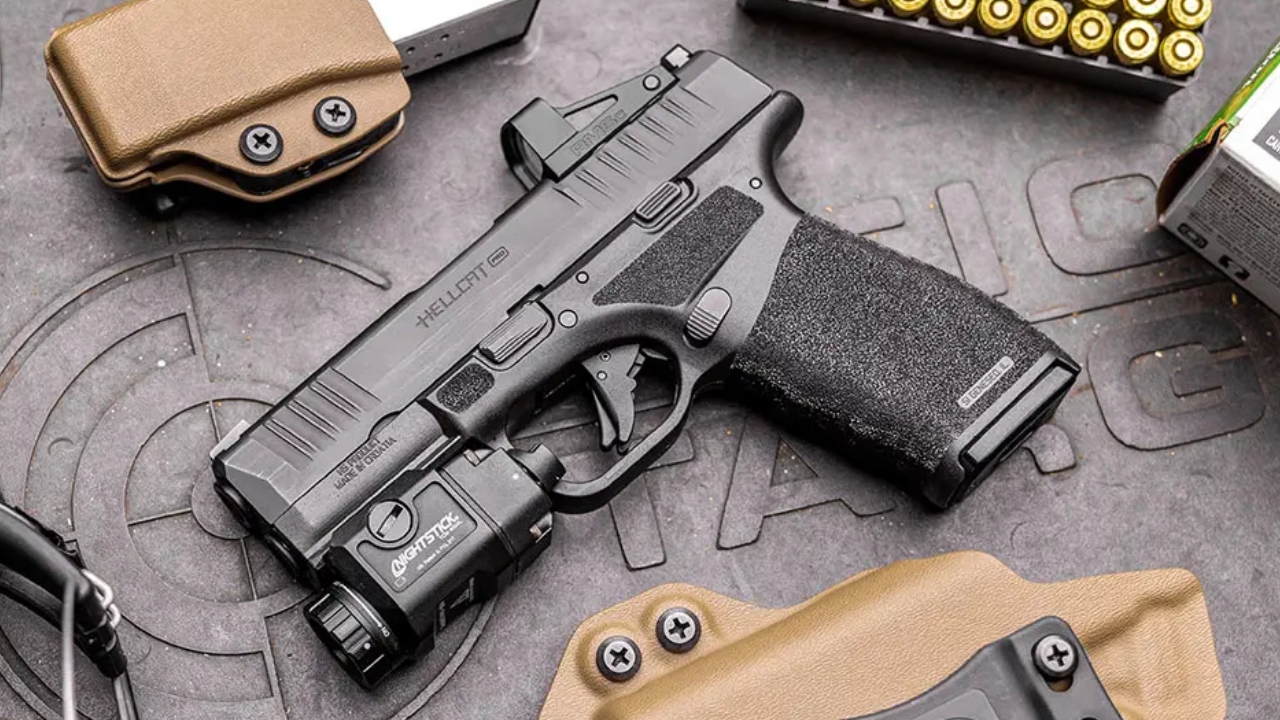
The Hellcat Pro Comp appears to correct the biggest complaint surrounding the original Hellcat family. Its integral port redirects gas upward to reduce muzzle rise, while the pistol retains 15- and 17-round magazine compatibility. It remains thin enough for concealed carry and comes ready for a small red-dot sight.
The issue is that the Hellcat Pro’s narrow frame and compact dimensions are still responsible for much of its sharp shooting character. A port can reduce muzzle movement, but it cannot make the grip wider or give the shooter more leverage. The Comp also costs more than the standard model and produces additional flash and noise. A slightly larger compact pistol may shoot better without needing compensation at all.
Springfield Armory Prodigy Compact

The compact Prodigy models make the double-stack 1911 platform look more attainable. Buyers get a metal frame, high-capacity magazines, an optics-ready slide, and the familiar 1911 trigger system without paying the price attached to many semi-custom pistols. On paper, it seems like an easy way to combine 2011-style performance with realistic concealed carry.
In practice, shrinking a double-stack 1911 does not make it a lightweight carry gun. The pistol remains thick and heavy compared with polymer compacts, while magazines, holsters, and replacement components cost more. Owners may also be tempted to replace ignition parts, safeties, springs, or controls in search of a more refined feel. The supposedly affordable 2011 can quickly become the starting point for an expensive project.
Smith & Wesson Bodyguard 2.0 Carry Comp
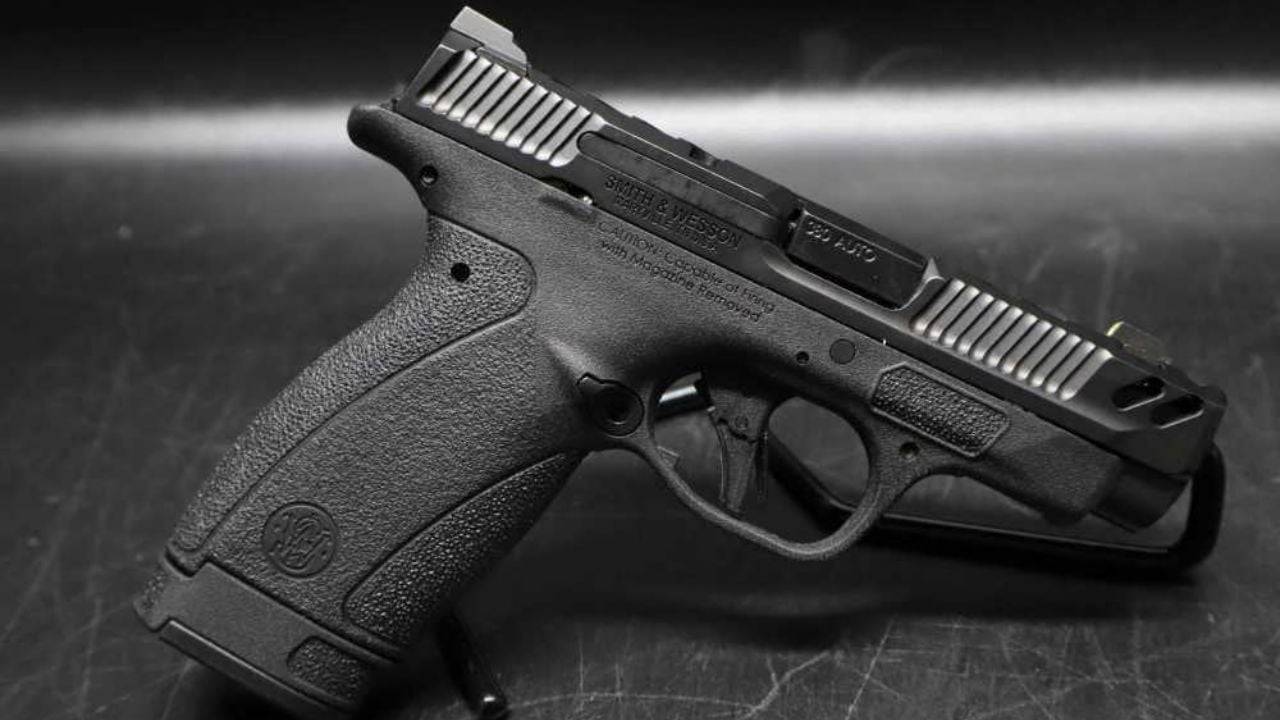
The Bodyguard 2.0 Carry Comp adds a longer ported barrel, night sights, Performance Center branding, and upgraded styling to one of the most impressive modern pocket pistols. It still holds ten or 12 rounds of .380 ACP and remains under an inch wide. Smith & Wesson lists the Carry Comp version with a 3.1-inch barrel and an MSRP above the standard models.
The standard Bodyguard 2.0 already has manageable recoil, useful sights, and excellent capacity for its size. Adding a compensator to a lightweight .380 produces a smaller benefit than it would on a harder-recoiling 9mm. The longer slide also reduces some of the pocket-carry advantage. Buyers may pay considerably more for a pistol that is slightly softer but no longer as convenient as the basic version.
Smith & Wesson Equalizer Carry Comp
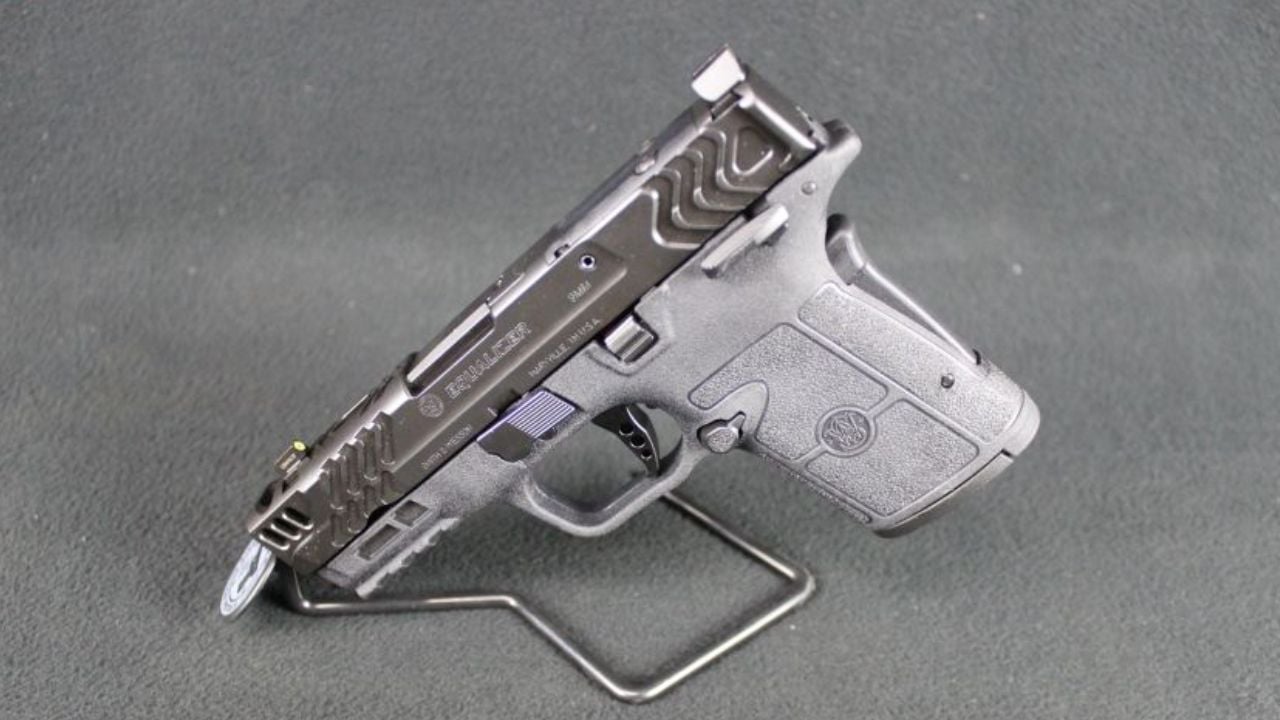
The Equalizer Carry Comp combines an easy-to-rack slide, grip safety, optic-ready slide, and ported barrel in a pistol intended to be approachable for recoil-sensitive shooters. It offers useful capacity and easier manipulation than many compact 9mm pistols. Smith & Wesson continues to offer the Equalizer alongside its other concealed-carry lines.
The problem is that the Equalizer already serves a narrow audience, and the Carry Comp pushes its price closer to more refined compact pistols. Its grip safety, manual safety on some versions, unusual proportions, and limited aftermarket make it less appealing as a general-purpose gun. Shooters who do not specifically need the easy-rack design may get a better trigger, simpler controls, and broader holster support elsewhere.
Smith & Wesson CSX

The CSX initially looks like a strong value for shooters who want a metal-framed micro-compact without paying premium SIG or 1911 prices. It offers a single-action trigger, ambidextrous controls, useful capacity, and a small aluminum frame. Smith & Wesson still includes the CSX in its concealed-carry catalog.
The pistol’s trigger system and compact controls keep it from feeling as refined as the specifications suggest. The reset can feel unusual, the safety is small, and the grip does not provide the solid feel many buyers expect from a metal handgun. It also lacks the enormous accessory market surrounding the Shield Plus and P365. A discounted CSX may look tempting, but the lower price often reflects limited demand rather than hidden value.
FN Reflex XL MRD
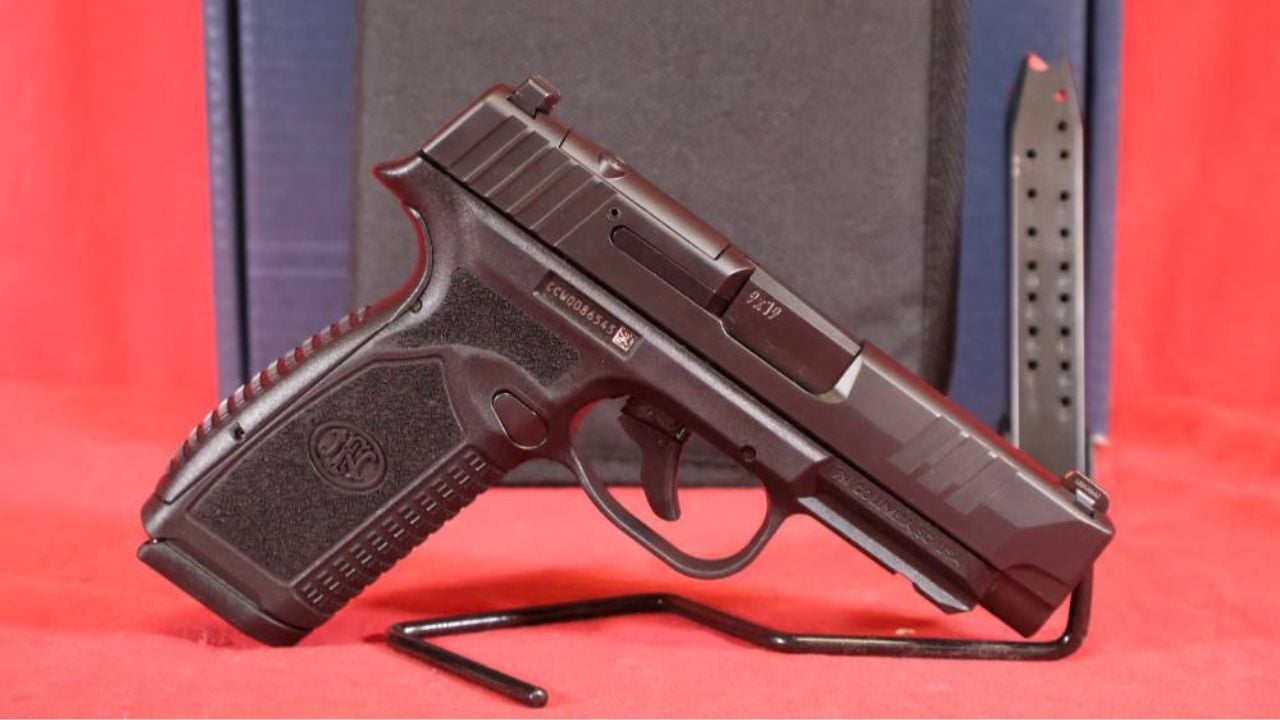
The Reflex XL MRD takes the original Reflex and adds a longer grip, extended capacity, and an optics-ready slide. It gives shooters more control than the short-gripped version while retaining the internal-hammer trigger system that separates the Reflex from most striker-fired micro-compacts. The result looks like a feature-rich alternative to the P365 XMacro and Hellcat Pro.
Once enlarged, however, the Reflex loses much of the concealment advantage that helped justify choosing it over a conventional compact. Buyers still face comparatively expensive magazines and a smaller selection of holsters and internal parts. At its usual price, it competes against pistols with longer track records and stronger aftermarket support. The gun may shoot well, but it is difficult to call it an obvious bargain.
FN 509 CC Edge
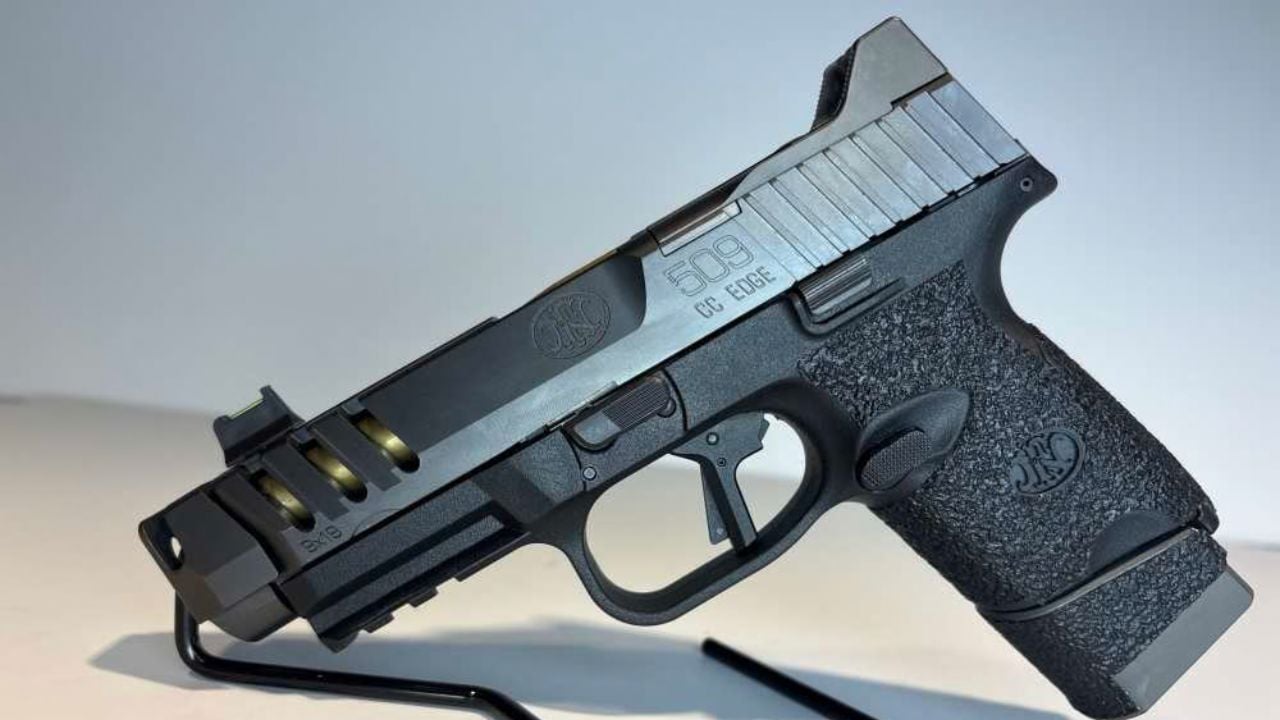
The FN 509 CC Edge is packaged like a custom carry pistol. It includes a compensator, flat-faced trigger, extended magazines, aggressive slide cuts, optics mounting hardware, and upgraded internal components. Compared with sending a standard pistol to several aftermarket companies, the factory package can initially appear reasonably priced.
The problem is that its premium price places it against metal-framed compacts and double-stack 1911s. It remains a polymer-framed 509 underneath the extra machining and accessories. The compensator also increases overall length and complicates cleaning without making the pistol as easy to conceal as a standard compact. Buyers who simply want a dependable carry gun can get most of the useful performance from the regular 509 for far less.
Canik TTI Combat
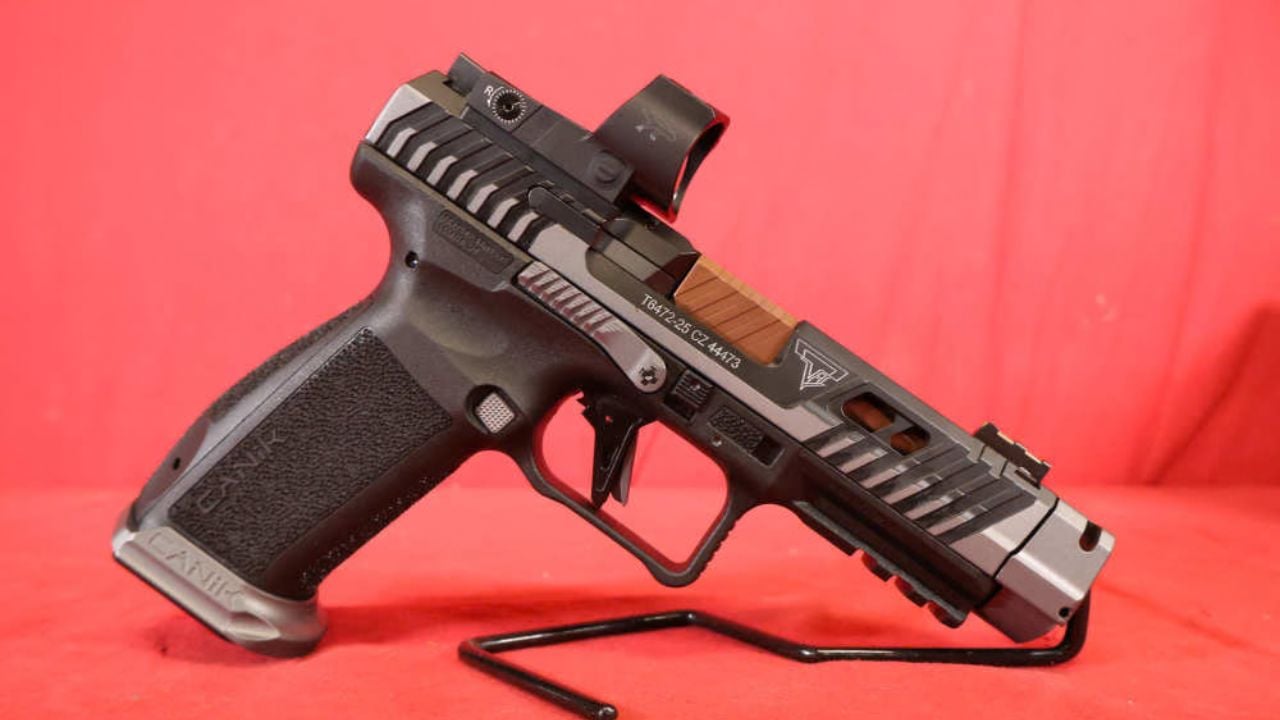
The Canik TTI Combat arrives with nearly every feature that currently attracts attention. It has a compensator, aggressive grip texture, flared magazine well, optics-ready slide, performance trigger, and Taran Tactical branding. Compared with buying a standard pistol and adding similar parts, the complete package can look like an impressive value.
The pistol is still competing in a price range where buyers have many proven options. Its large dimensions make it better suited for the range than concealed carry, while serious competitors may still change springs, base pads, optic mounting parts, or controls. Much of the price goes toward presentation and branding. A less expensive Canik Rival or Mete may deliver nearly the same practical enjoyment without the premium name attached.
Canik Mete MC9 Prime

The Mete MC9 Prime addresses several complaints associated with early micro-compact Caniks by using a longer grip, improved trigger, optics-ready slide, and 17-round capacity. Canik lists it with a 3.64-inch barrel, 17-round magazine, and a width of approximately 1.2 inches.
Those dimensions put it closer to compact-pistol territory than true micro-compact territory. Once the grip is tall enough to hold 17 rounds, buyers may be better served by a larger Mete model with a fuller grip and longer track record. The Prime also costs more than the basic MC9, reducing the price advantage that makes Canik so attractive. It risks becoming a compromise between categories rather than the best choice in either one.
Shadow Systems CR920XP
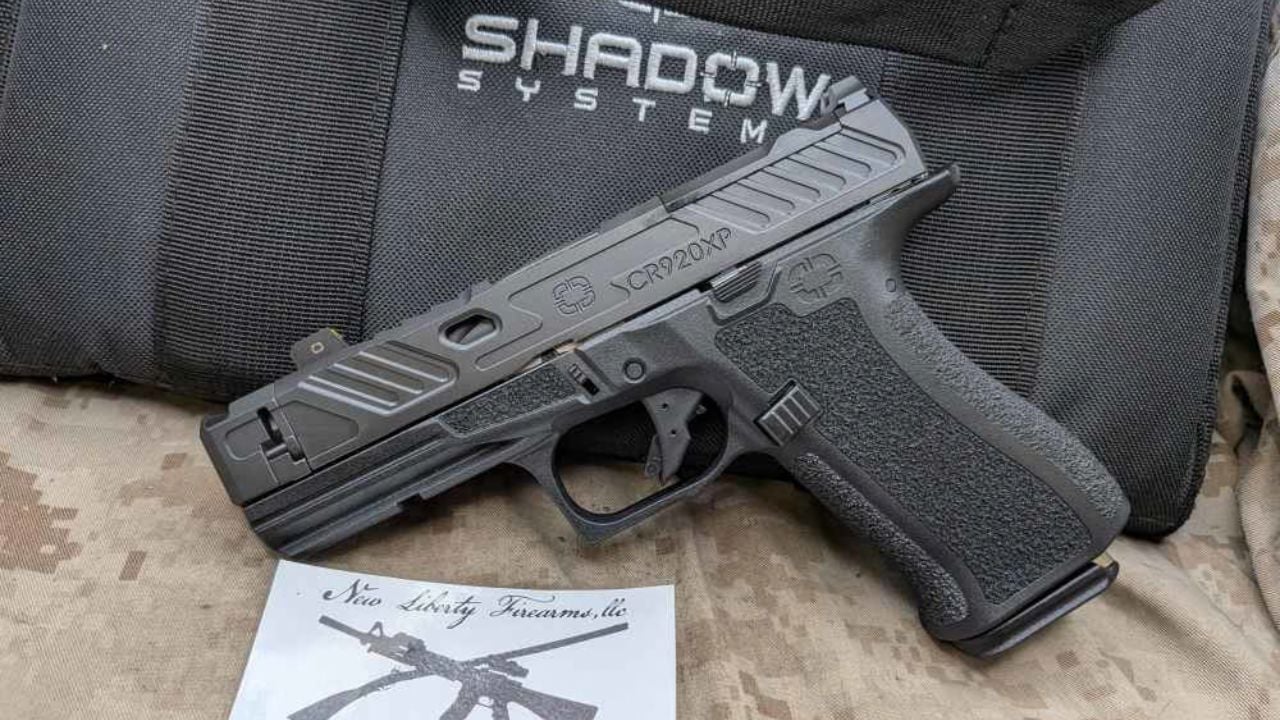
The CR920XP combines a compact grip, longer compensated slide, optics-ready design, and high-capacity magazines in a pistol intended to carry small while shooting large. It includes many changes that Glock owners frequently pay to add later, such as deeper slide serrations, improved grip geometry, an optic mounting system, and an integrated compensator.
The complete package is not cheap, and its proprietary approach creates more dependence on Shadow Systems parts than a standard Glock would. The longer slide and compensator also undermine the tiny footprint suggested by the CR name. Buyers may discover they are carrying a pistol nearly as long as a duty gun while still gripping a compact frame. A basic Glock 48 or 43X may be less exciting but easier to support.
Glock 49 MOS
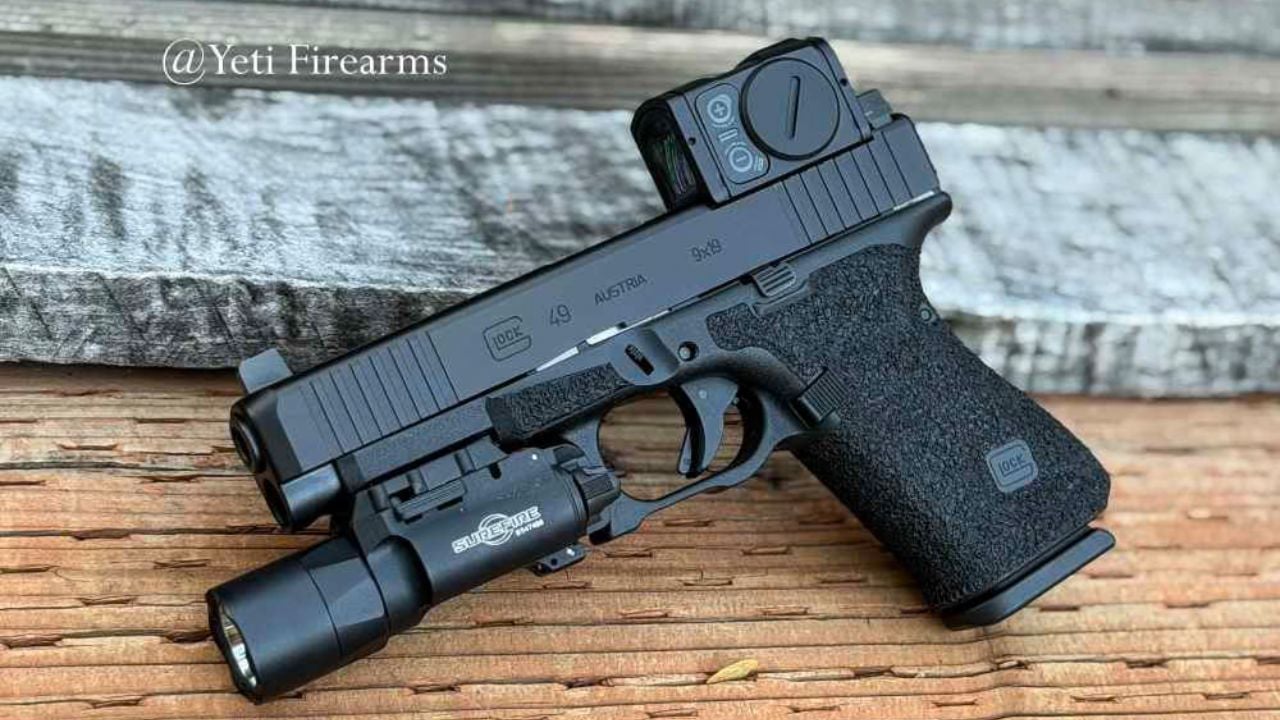
The Glock 49 MOS combines a Glock 19-size grip with a Glock 17-length slide. That configuration gives shooters a longer sight radius and additional slide mass without forcing them to conceal a full-size grip. It also uses common Glock magazines and internal components, making it look like a practical factory-built crossover.
The issue is that most shooters using a red-dot sight gain little from the longer sight radius. The extra slide length can be less comfortable when sitting or carrying appendix, while the short grip provides no improvement in range comfort. A Glock 19 MOS does nearly the same jobs in a smaller package. The Glock 49 is useful for a specific preference, but it is not automatically a better deal because it combines two familiar models.
Beretta 92XI SAO Tactical
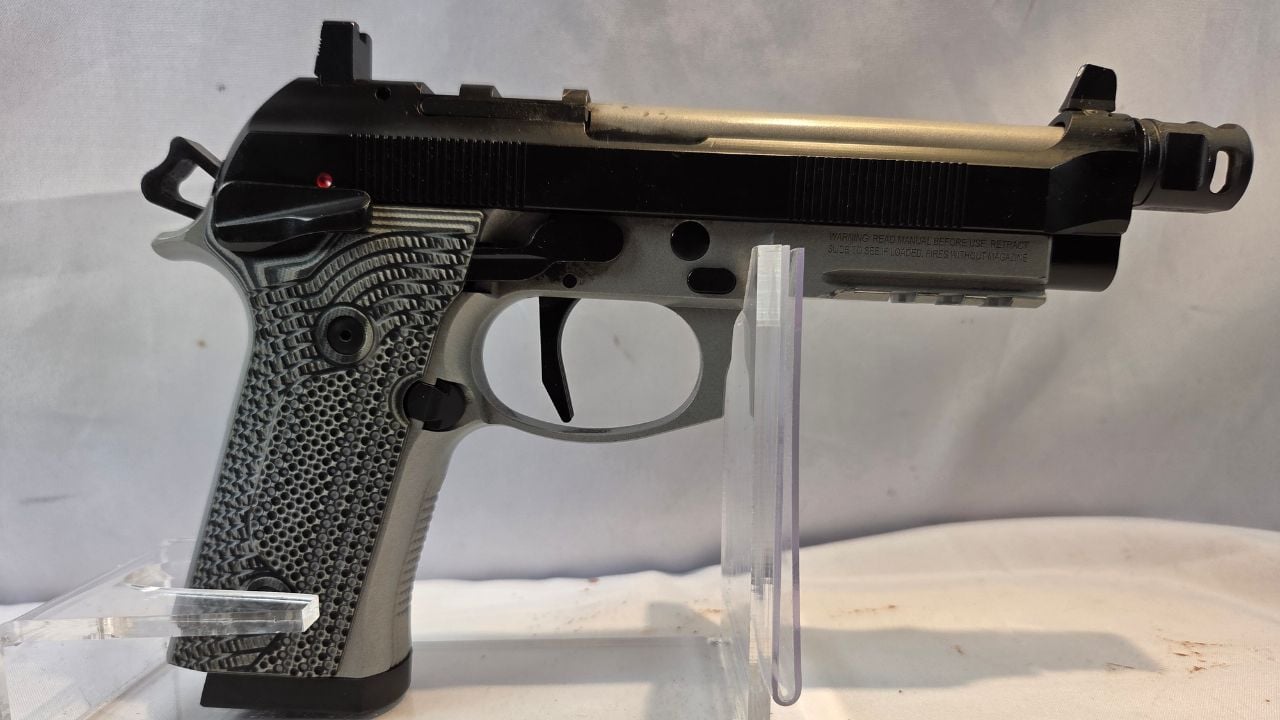
The Beretta 92XI SAO Tactical offers a single-action trigger, frame-mounted safety, optics-ready slide, accessory rail, and extended controls. It brings the classic 92 platform closer to the configuration shooters often create through expensive custom work. Beretta’s 92XI system uses a frame-mounted safety and supports factory red-dot mounting.
The Tactical version can still require more spending than buyers expect. Optic plates, suppressor-height sights, threaded-barrel accessories, holsters, and compatible magazines add to the total. The gun is also large and relatively heavy, limiting its usefulness outside the range or home. A standard 92X, used 92 Elite LTT, or basic 92XI may provide the parts that matter without charging for every tactical feature.
Kimber KDS9c

The Kimber KDS9c looks like a less expensive route into the premium double-stack carry-pistol market. It has an aluminum frame, high-capacity magazines, a crisp single-action trigger, and styling that separates it from polymer micro-compacts. It is easier to conceal than a full-size 2011 while still offering the feel of a metal handgun.
The value is weakened by expensive magazines, limited parts compatibility, and a smaller support network than the P365 or Glock platforms. Buyers paying this much may also expect perfect controls, extensive testing history, and wide holster availability. The KDS9c sits in an uncomfortable middle ground where it costs far more than mainstream compacts but lacks the reputation and ecosystem surrounding established premium designs.
Kimber R7 Mako Carbon Compact
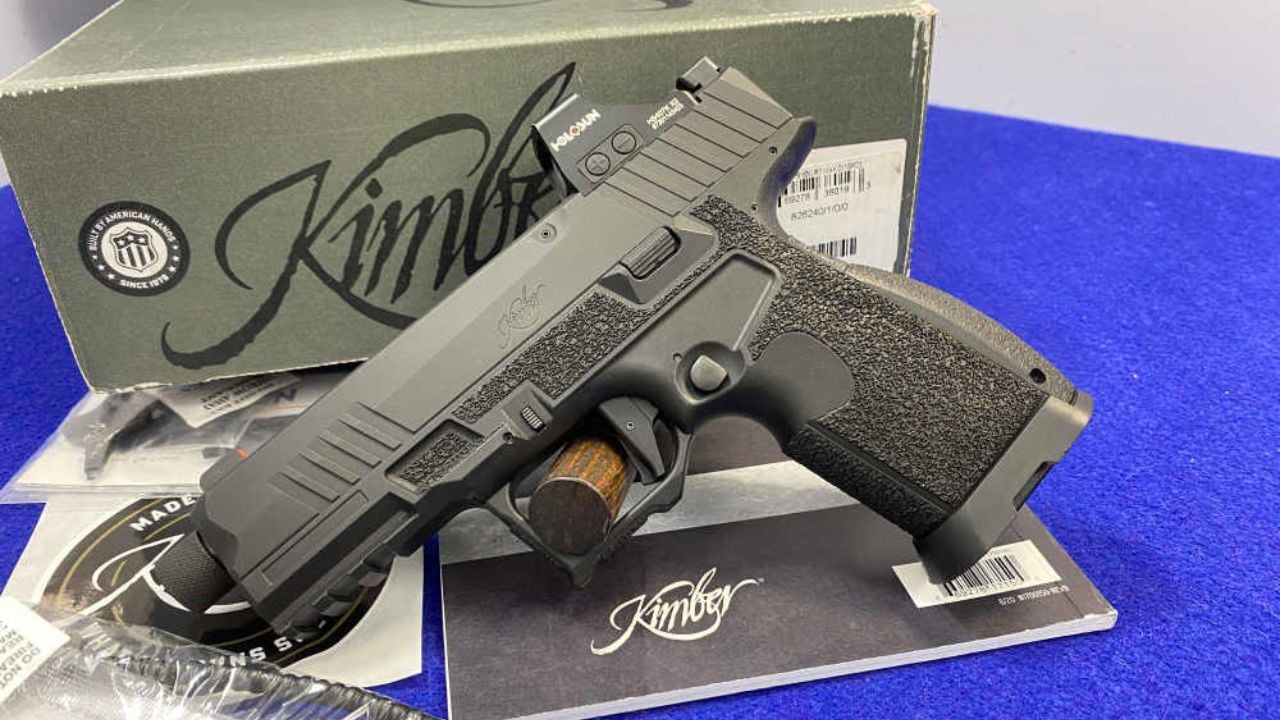
The R7 Mako Carbon Compact adds a carbon-fiber-infused frame, larger dimensions, improved capacity, and premium features to Kimber’s striker-fired line. It looks like an effort to offer a lighter and more upscale alternative to ordinary polymer compact pistols without moving into metal-frame pricing.
The problem is that the R7 Mako platform has never developed the accessory support of the Shield Plus, Glock 43X, or P365. Making it larger removes some of the original Mako’s concealment advantage while leaving buyers with the same limited magazine and holster selection. The carbon-fiber material sounds valuable, but it may not produce a noticeable benefit during ordinary use. Buyers are paying for an unusual specification rather than a major performance gain.
Taurus GX4 Carry
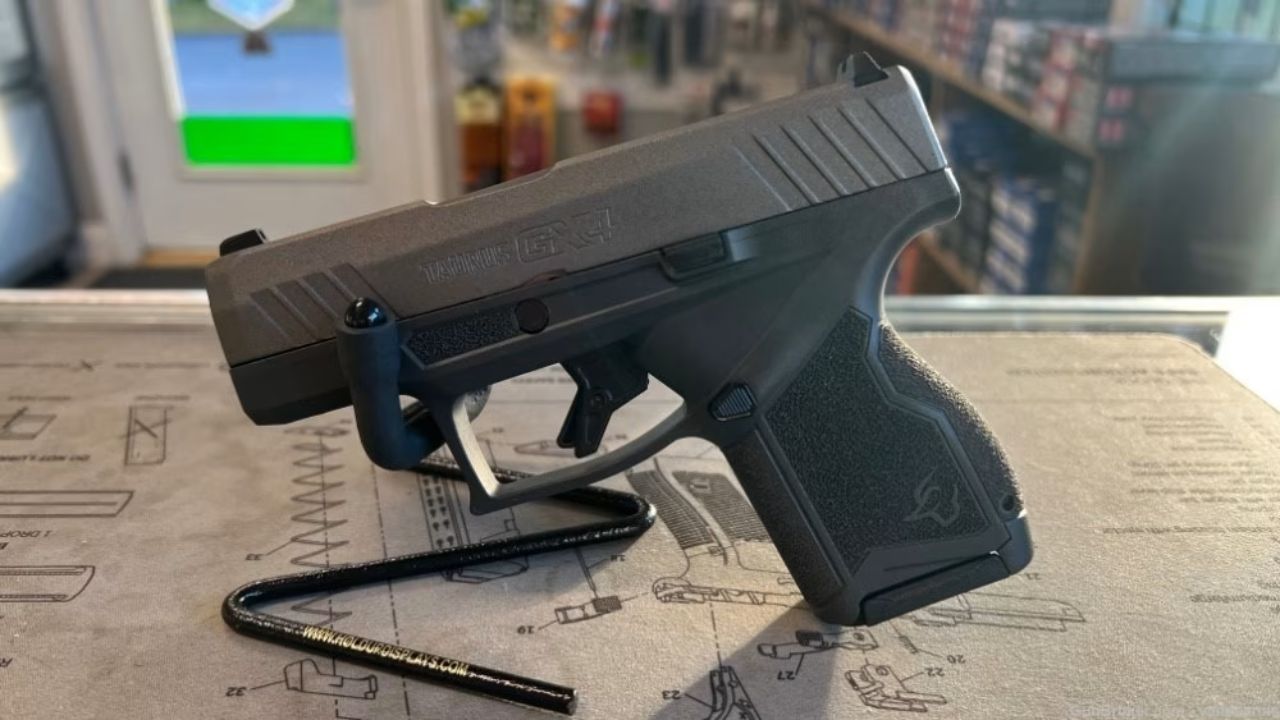
The GX4 Carry stretches the affordable GX4 platform into a larger pistol with a longer grip, more capacity, an accessory rail, and an optics-ready configuration on selected versions. It appears to give buyers compact-pistol capability for less than the cost of many micro-compacts.
The difficulty is that moving into the compact category exposes the GX4 Carry to stronger competition. Used Glock, M&P, CZ, Beretta, and Canik pistols are often available within reach of its price. Those platforms generally offer better magazine availability, more holsters, and stronger resale value. The GX4’s low price is most persuasive in its smallest form. Once enlarged, saving a modest amount becomes less important than buying into a proven ecosystem.
Walther PDP Pro-X Compact
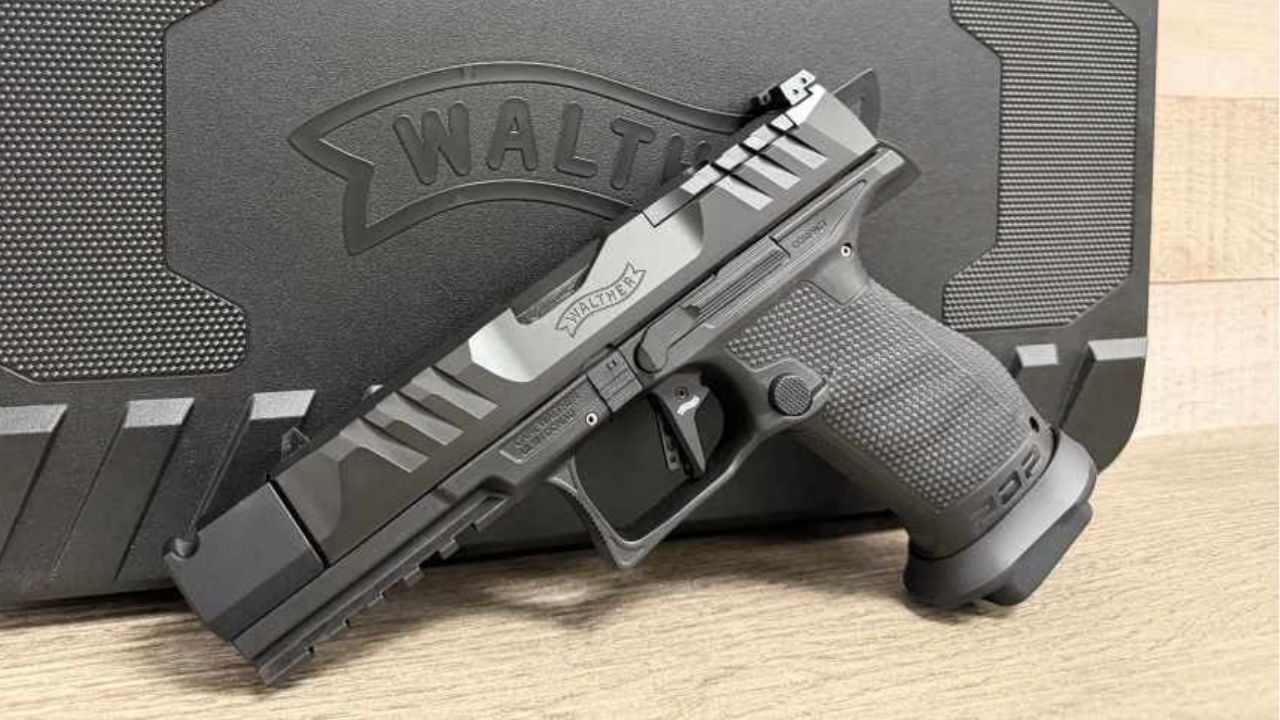
The PDP Pro-X Compact combines Walther’s excellent ergonomics and trigger with a compensator, threaded barrel, extended magazine well, and performance-oriented controls. It looks like a ready-made range and defensive pistol that would cost much more if the same modifications were purchased separately.
The package becomes less convincing when practical use is considered. The compensator makes the pistol longer, louder, and more difficult to conceal. The extended magazine well can print under clothing, while threaded-barrel and compensator maintenance adds another step during cleaning. Shooters who primarily want the PDP’s trigger and grip can get both from a standard compact model and spend the difference on a quality optic and ammunition.
CZ Shadow 2 Carry
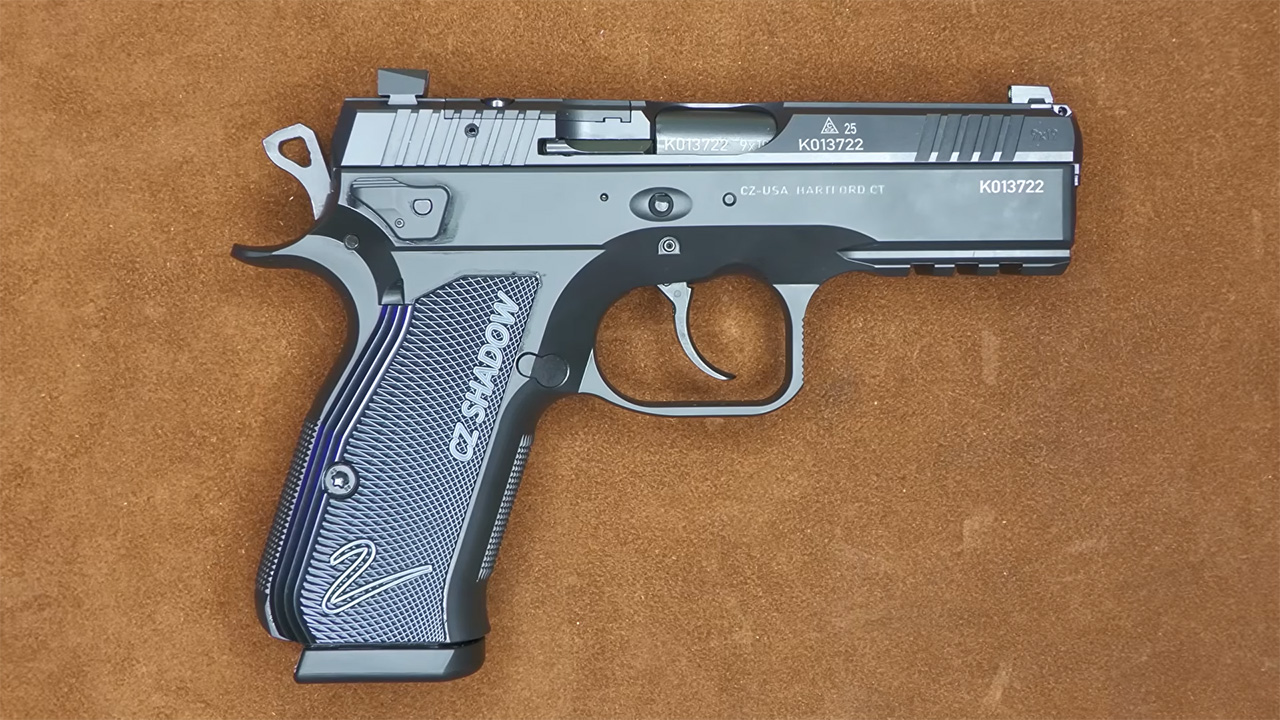
The Shadow 2 Carry sounds like an opportunity to obtain the accuracy, trigger quality, and metal construction of CZ’s competition line in a pistol suitable for defensive use. It combines premium machining with a shorter profile and carry-oriented features. Compared with a full custom compact, its factory configuration may initially seem reasonable.
It remains heavy, expensive, and more complicated to carry than a polymer compact. Its price also places it against premium 2011-style pistols, tuned Berettas, and other high-end metal guns. Most concealed carriers will never use enough of its mechanical accuracy to justify the added weight and cost. It is an appealing luxury pistol, but describing it as a deal requires ignoring several less expensive guns that are easier to carry.
Like The Avid Outdoorsman’s content? Be sure to follow us.
Here’s more from us: