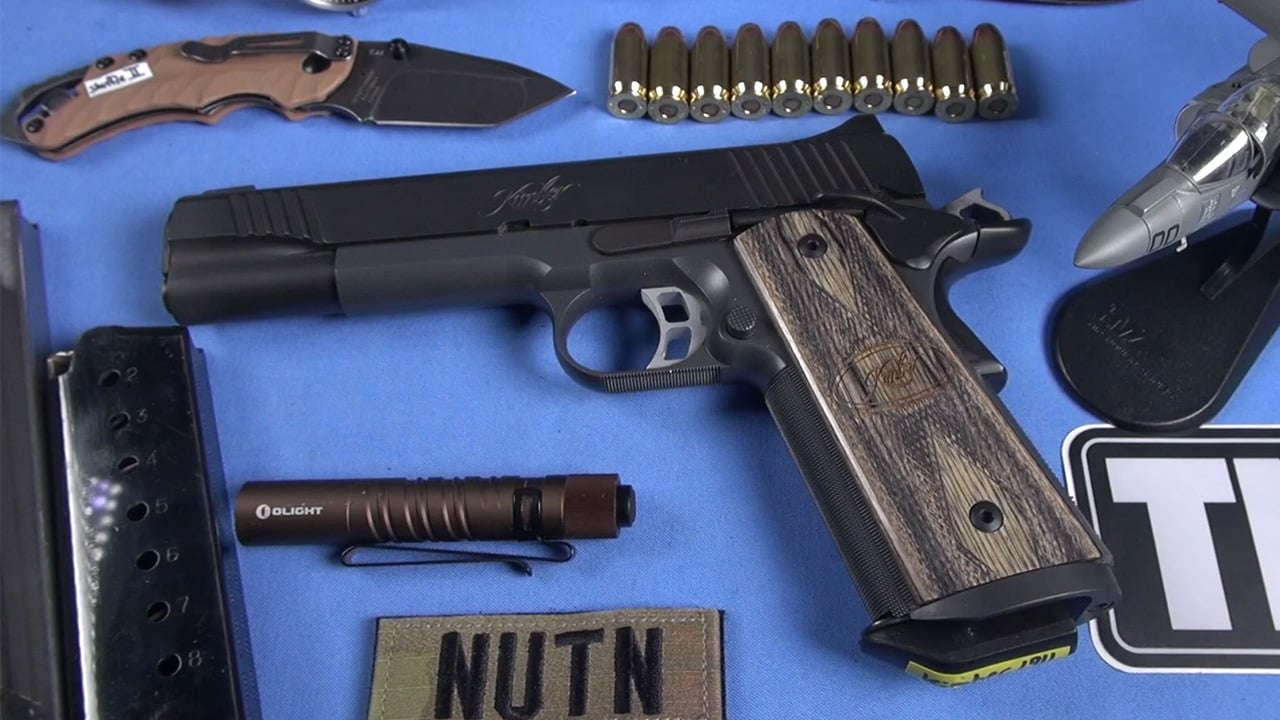
Photo credit: nutnfancy/Youtube
Every gun in my safe has a few marks. Some earned them the honest way: a cold treestand ladder, a gravel parking lot at the range, a week bouncing around in a truck during bird season. But there are certain models that seem to pick up wear the minute you start actually using them, even when you’re not abusing them. Finish rubs off fast, screws walk loose, pins start to drift, magazines get chewed up, or the “tight little carry gun” starts looking like it’s been rode hard after a month.
Now, wear by itself isn’t a deal-breaker. A working gun is going to show it. The problem is when the wear shows up in the places that matter: feed ramps, slide rails, bolt lugs, action bars, extractor tension, sights that won’t stay put, coatings that weren’t up to sweat and holsters, and soft parts that start rounding off. Here are 20 guns that tend to show their miles early, along with what I’d watch for if you own one.
1. Remington 870 Express
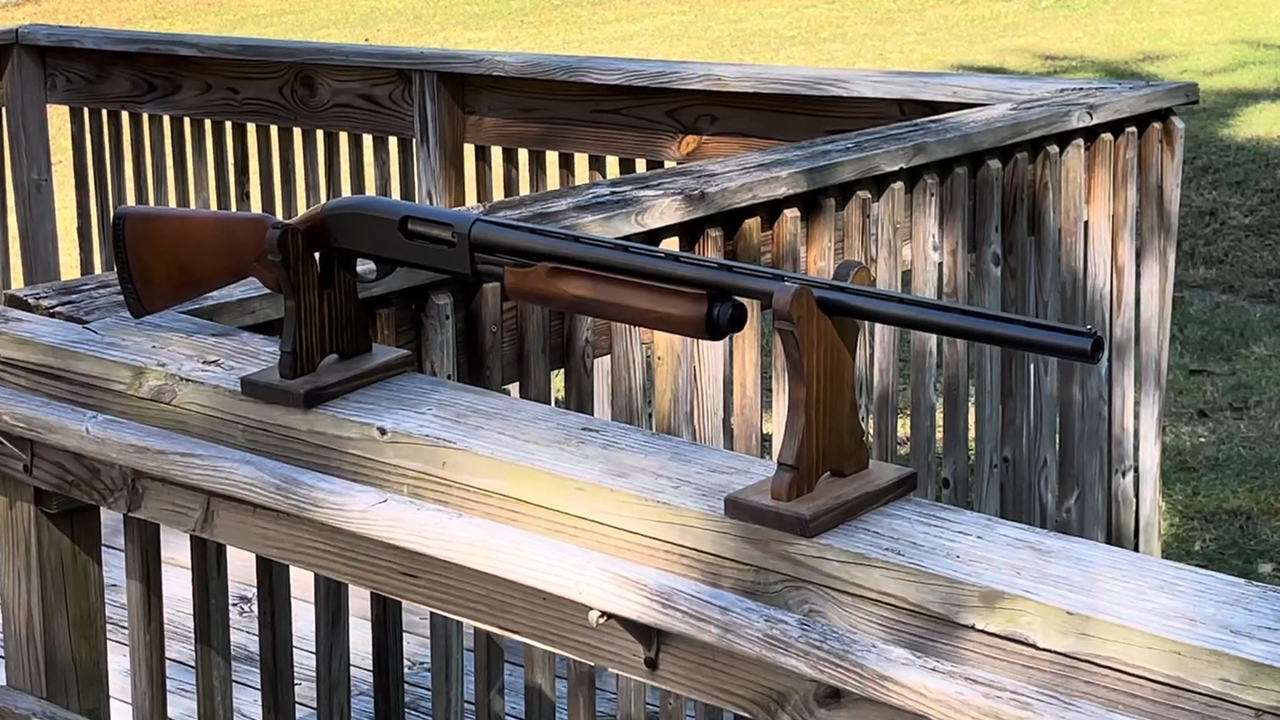
I’ve seen more “looks like it sat in a wet duck boat” 870s in Express trim than I can count. The older Wingmasters hold up better, but the Express finish can spot up quick from sweaty hands and a little humidity. The action will still run, but the outside starts telling a story fast.
If you’re going to hunt hard with one, wipe it down like you mean it and don’t ignore the magazine tube area and under the fore-end. A light coat of oil and a basic habit of drying it out after rain goes a long way. The gun’s still useful, but it’s not a set-it-and-forget-it finish.
2. Taurus G2C

The G2C is one of those budget pistols that can run fine, but it often looks tired early. Holster wear shows up quick, the finish can go thin on the edges, and the little controls start looking shiny and worn in a hurry.
None of that means it’s unsafe, but it does mean you need to pay attention to the small stuff: magazine condition, baseplates, and whether the sights stay tight. It’s a working-class carry gun, and it tends to look like one.
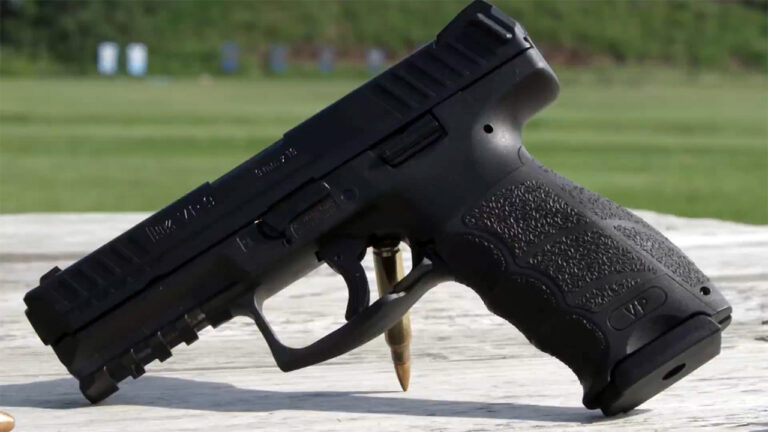
3. Smith & Wesson SD9 VE

These have been carried a lot because they’re affordable and they go bang. The downside is they’ll show holster wear quickly, especially around the muzzle and high points. The trigger feel also “wears in” in a way that some folks like and others don’t.
What I notice most is how fast the gun starts to feel like a tool instead of a new purchase. If you’re okay with that, it can be a solid beater. Just keep an eye on magazines and springs if you’re shooting it regularly.
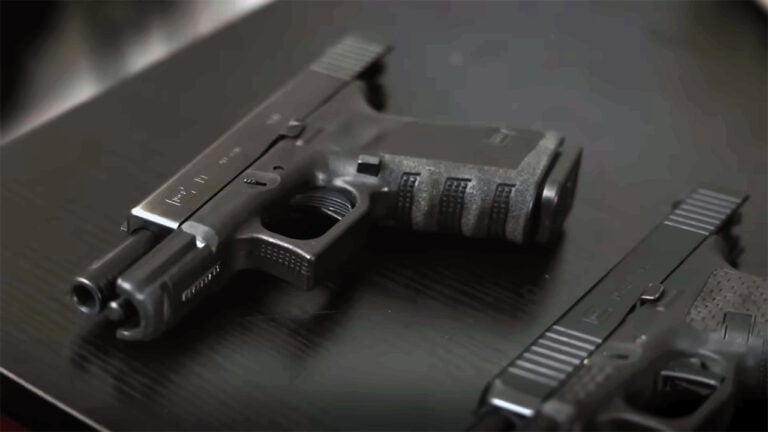
4. Glock 43

The Glock 43 is a great “always gun,” and always guns get ugly. The finish on Glocks is tough, but the 43 lives in pockets, waistband holsters, gloveboxes, and tackle bags more than most. That constant friction makes the slide edges polish up fast.
The bigger issue is small-gun recoil and grip. Folks clamp down harder, and that can accelerate wear on sights if they’re not installed right. It’s not fragile, but it sure won’t stay pretty.
5. SIG Sauer P365 (early production patterns)

The P365 family changed concealed carry, but the earliest guns had plenty of chatter about finish wear and small parts feeling “soft” early on. Even now, a hard-carried P365 will show rub marks fast because it’s thin and it rides close to the body.
If you carry one daily, sweat management matters. Wipe the gun down, inspect the magazines, and don’t ignore little changes in how the slide feels when you hand-cycle it. Tiny pistols can get gritty quicker than bigger ones.
6. Kimber Custom II (1911)
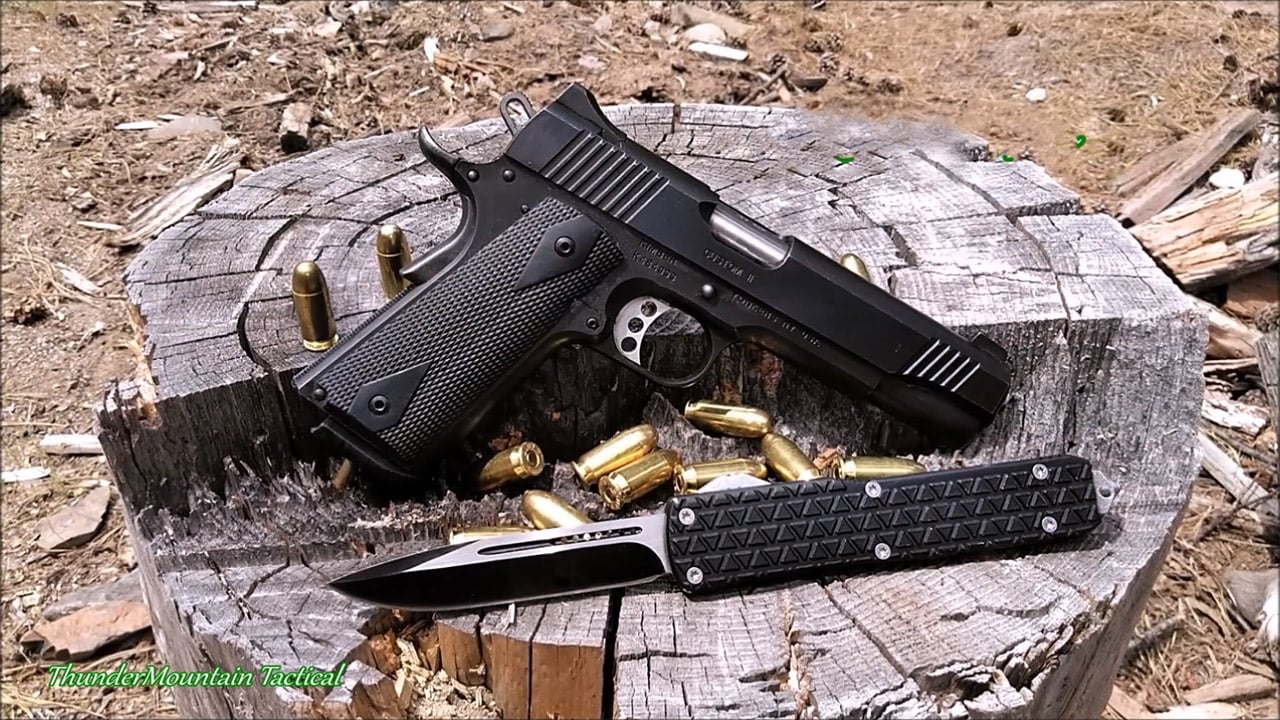
Kimber 1911s can be accurate and slick, but I’ve watched more than one start showing peening and finish wear earlier than expected for the price tag. A tight 1911 also tells on itself fast if it’s run dry or with questionable mags.
If you’re going to run a Kimber hard, keep it properly lubricated and don’t cheap out on magazines. The wear isn’t always a problem, but it can make you wonder why you didn’t buy something a little more forgiving for the same money.
7. Rock Island Armory GI Standard FS
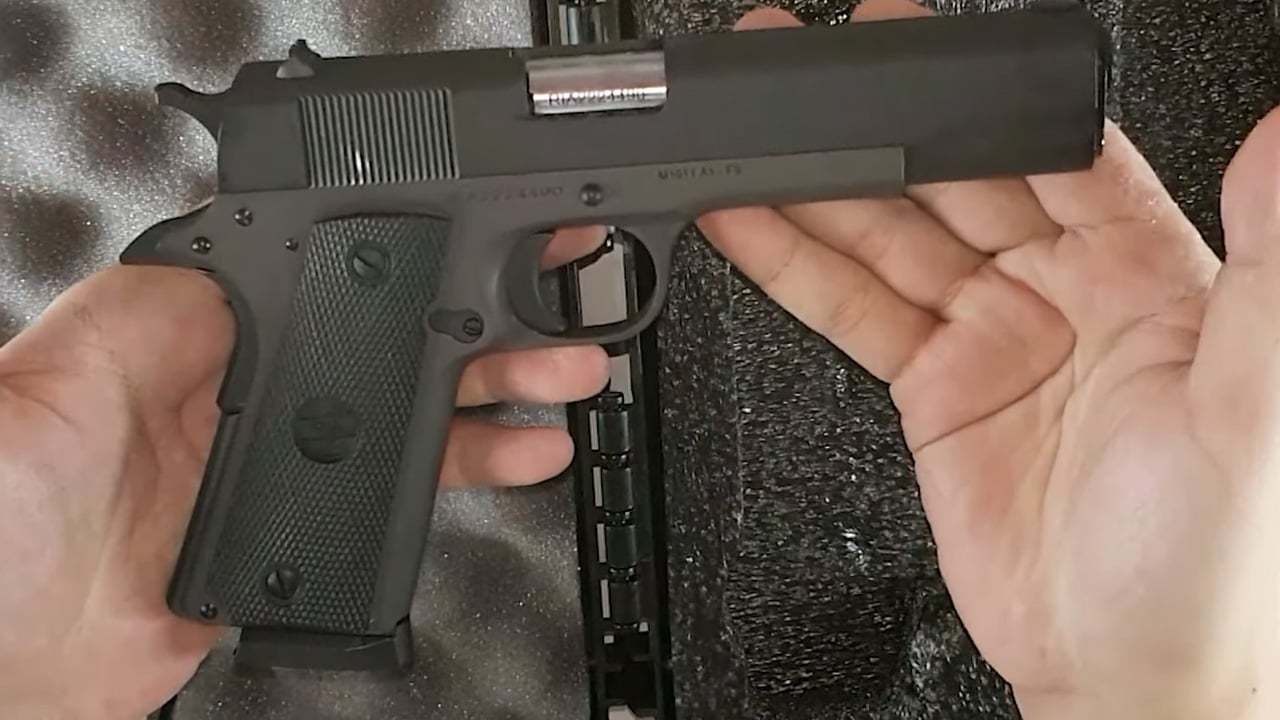
RIA GI guns are honest budget 1911s, and they’ll show it on the outside quick. The parkerized finish can polish up fast on edges, safeties, and the front strap. It’s normal, but it’s immediate.
The bigger thing is small parts wear if you start swapping springs and trying to “tune” it like a higher-end 1911. Leave it simple, keep it oiled, and accept that it’s going to look like a range rental sooner than you want.
8. Ruger LCP (original)
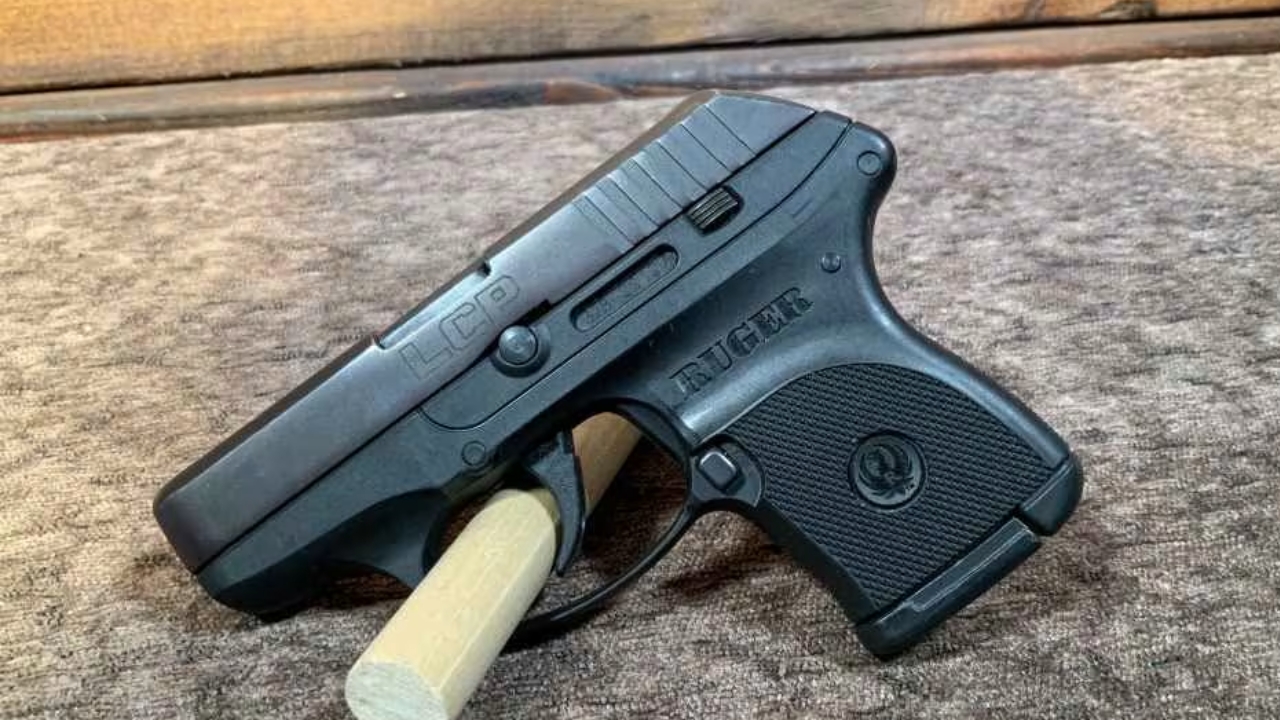
The original LCP is a classic deep-carry pistol, and deep-carry pistols live rough. Pocket lint, sweat, keys, and pocket holsters all gang up on the finish. These little guns can look beat after one summer.
Function-wise, the LCP is usually tougher than its appearance suggests. But you need to clean it more than you think, especially if it’s a pocket gun. Ask me how I know.
9. Smith & Wesson Bodyguard 380
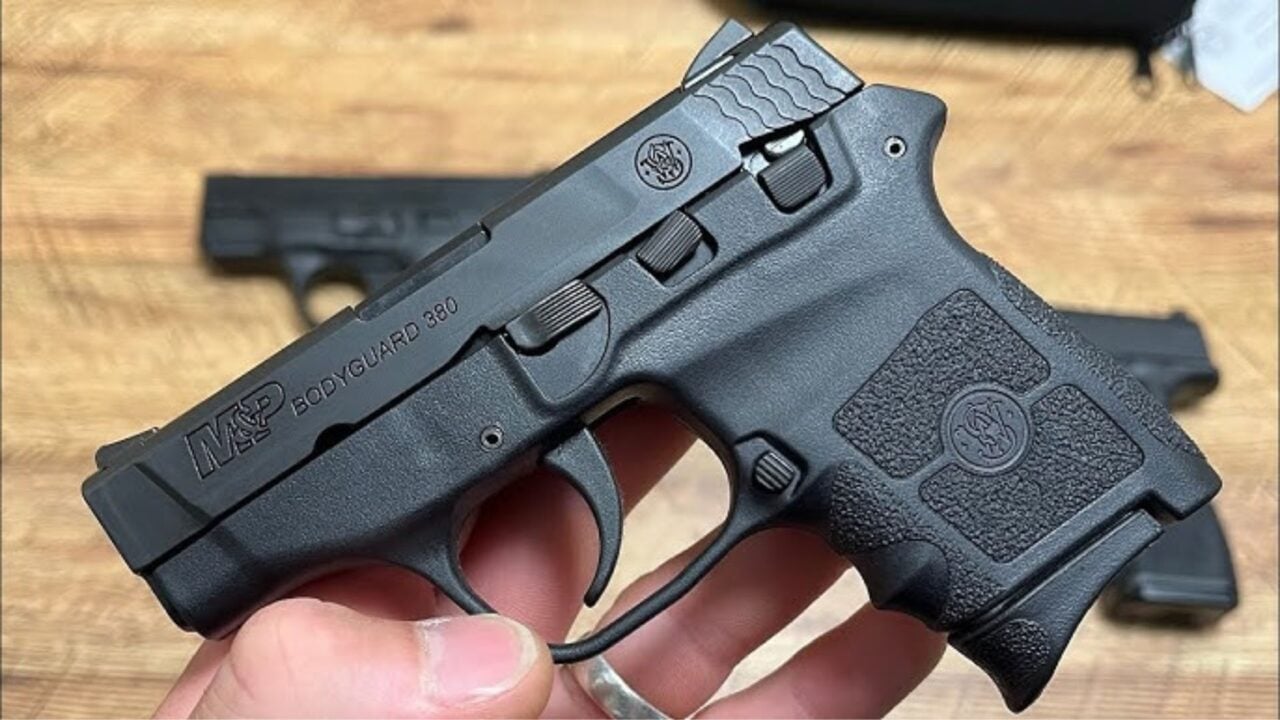
The Bodyguard 380 carries easy, but the combination of tiny controls and constant handling tends to show wear early. The slide edges and controls get shiny fast, and the laser-equipped versions add another layer of “more stuff to maintain.”
I’ve also seen magazines get finicky if they’re dropped a lot on concrete. If it’s your daily, treat the mags like gold. Most little pistol problems start there.
10. Springfield Armory XD-S

Single-stack subcompacts get carried more than they get shot, and the XD-S is one of those. The finish tends to show holster wear quickly on the corners, and the grip texture can look “smoothed” after steady use against clothing.
It’s also a gun that makes some shooters grip harder than they think because of recoil in a light frame. That extra clamp can reveal any loose sight or marginal holster fit in a hurry.
11. Ruger American Rimfire

.22s are supposed to be cheap fun, and the Ruger American Rimfire is exactly that. But rimfire ammo is dirty, and those rifles can start feeling gritty and worn-in quickly if you shoot bricks of bulk ammo without cleaning.
The stock and finish can also pick up scratches fast because it’s the kind of rifle that gets leaned against trees and tossed in the back seat. It’s still a great tool, but it’s not a safe queen for long.
12. Savage Axis
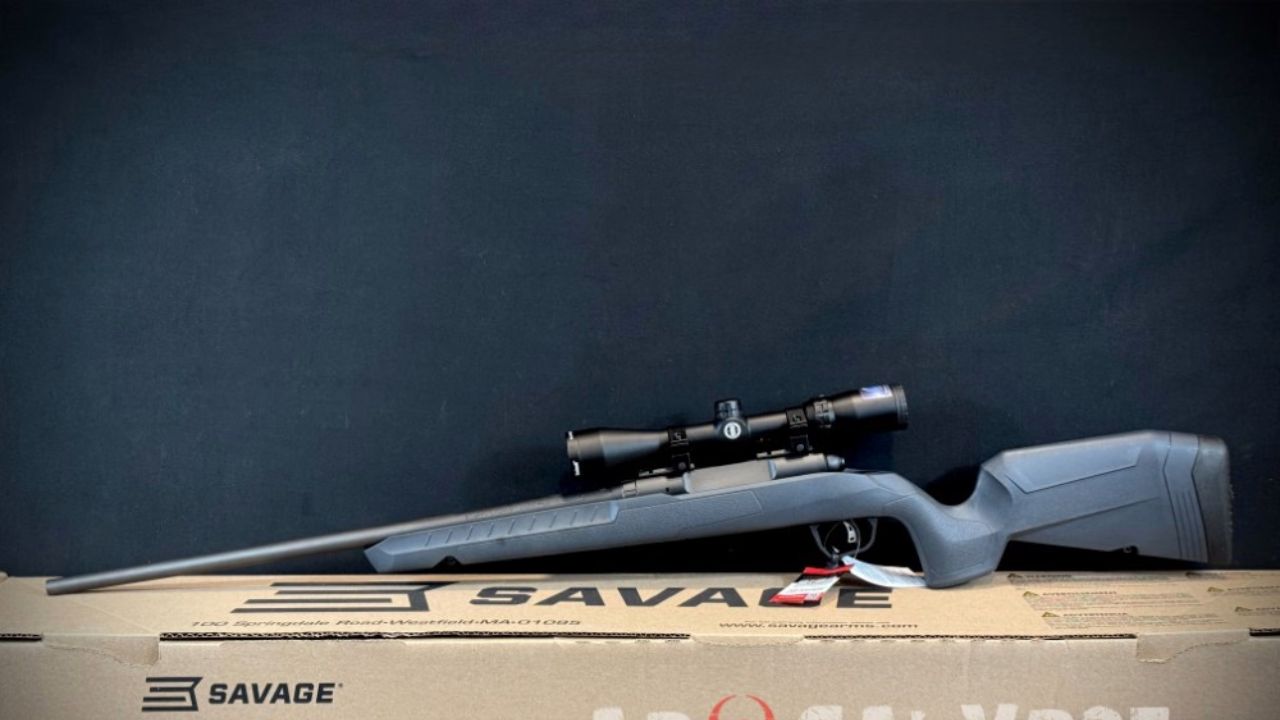
The Axis kills deer just fine, but it’s one of those rifles that can look and feel “used” quickly. The factory stock is light and tends to pick up dings, and the bolt can start to feel rough if you don’t keep it clean and lightly lubed.
Also, a lot of Axis rifles live hard lives because they’re bought as first rifles and loaners. That’s not a knock. It’s just reality. They get dragged through brush and banged on stands.
13. Mossberg Patriot
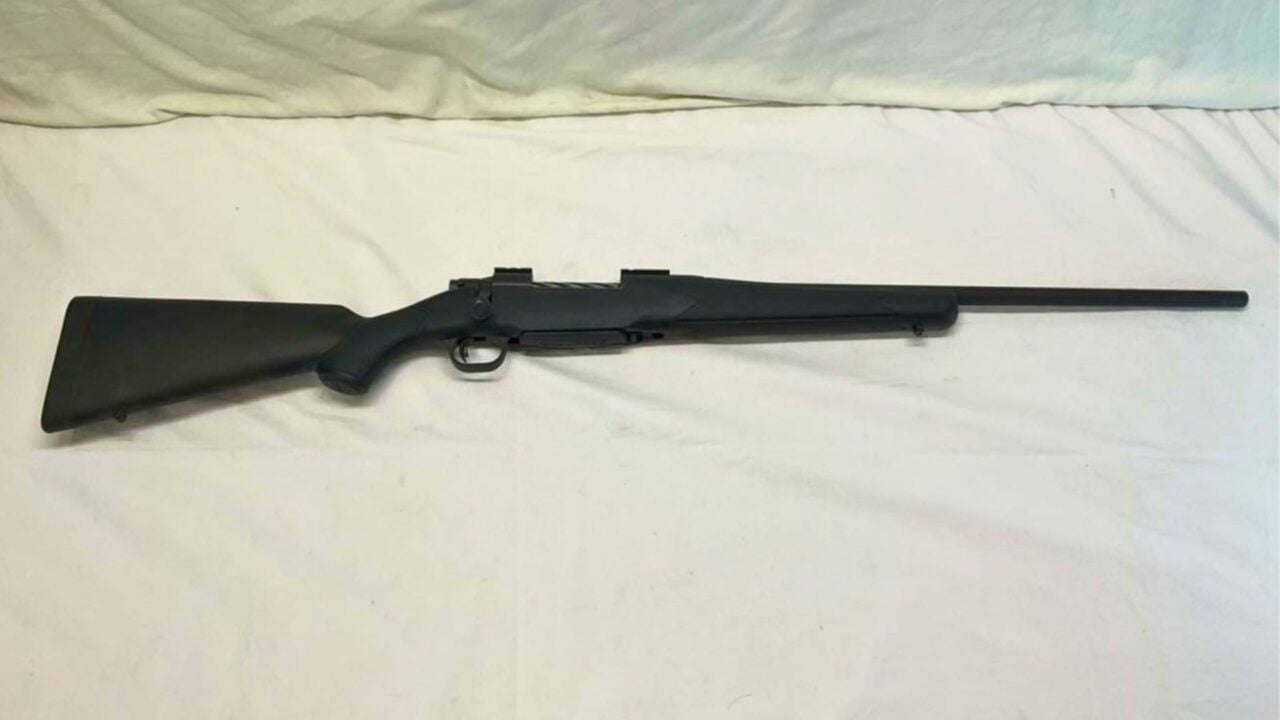
Patriots shoot better than their price suggests sometimes, but the finish and small hardware can show wear quick if you hunt in wet conditions. I’ve seen scope base screws and stock screws need attention early, and that’s the kind of “wear” that actually matters.
If you own one, check fasteners and don’t ignore rust starting under the stock line. Once that starts, it doesn’t stop by wishing it away.
14. Marlin Model 60
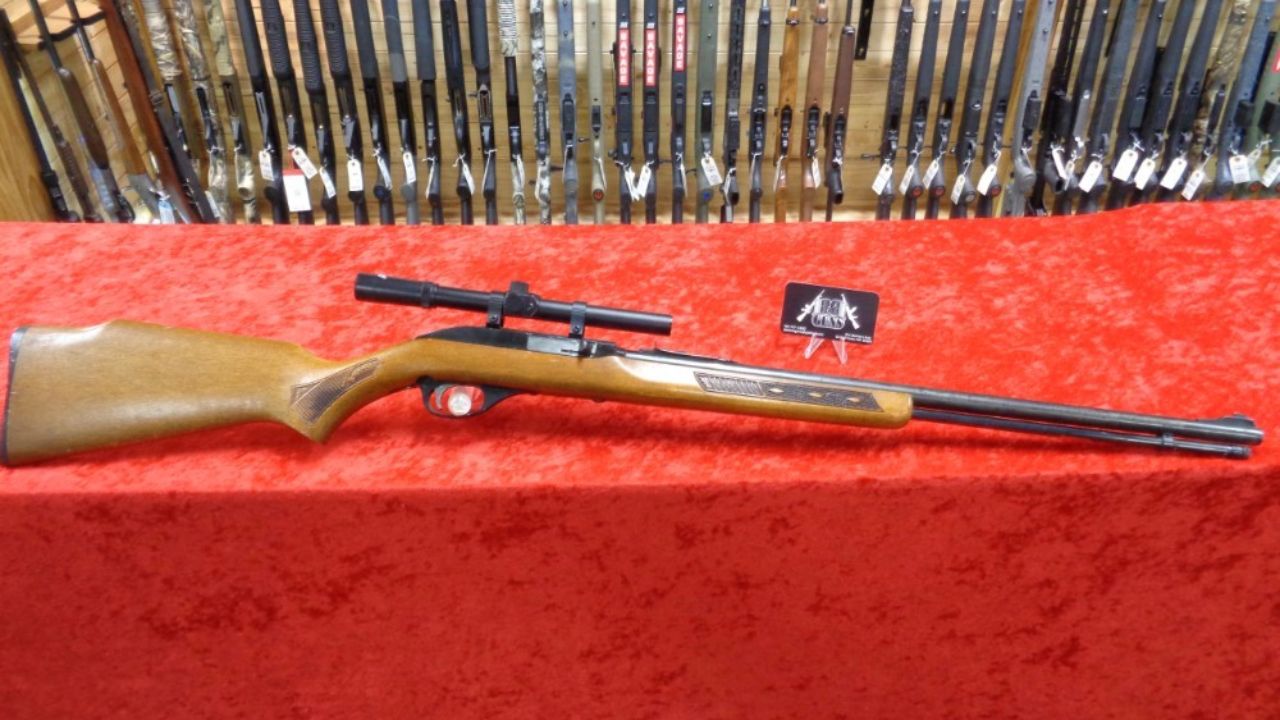
The Model 60 is a legend, but tube-fed .22s get dirty, and they get handled a lot. The bluing on many of them will show fingerprints and rub marks fast, especially on older, well-loved rifles that have been in and out of scabbards for years.
Wear also shows up in the feeding system if it’s neglected. Keep it reasonably clean, don’t force the action when it’s gummed up, and it’ll keep earning its keep even if it looks like it’s been around since camp was built.
15. Henry H001 Lever Action .22
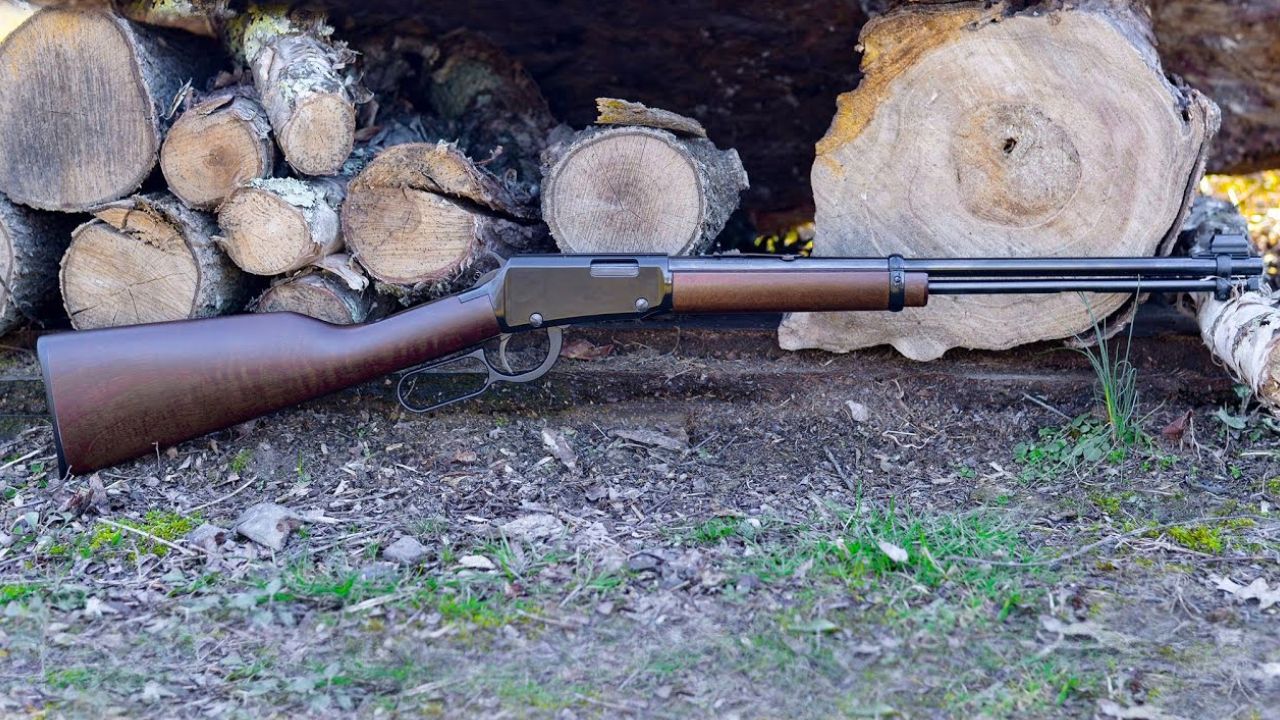
These Henry .22 levers are a joy, but they’re also “grab it every time” guns. That means they get hauled to the barn, the trapline, and the back porch. The black finish and alloy receiver cover can show marks quickly, especially around contact points.
Nothing about that ruins the rifle. Still, if you wanted a lever gun that stays pristine, a .22 you shoot constantly is the wrong plan. This one is meant to be used.
16. Kel-Tec SUB-2000

The SUB-2000 is handy, folds up neat, and fits in places other guns don’t. But the polymer-and-metal setup tends to show scuffs and wear early, especially around the folding interface and where it rubs when stored.
It’s also a gun that gets handled a lot because it’s “cool.” Folks fold it, unfold it, dry-handle it, toss it in bags. That handling shows up as wear quickly even before you put a bunch of rounds through it.
17. PSA PA-15 (basic M4-style builds)
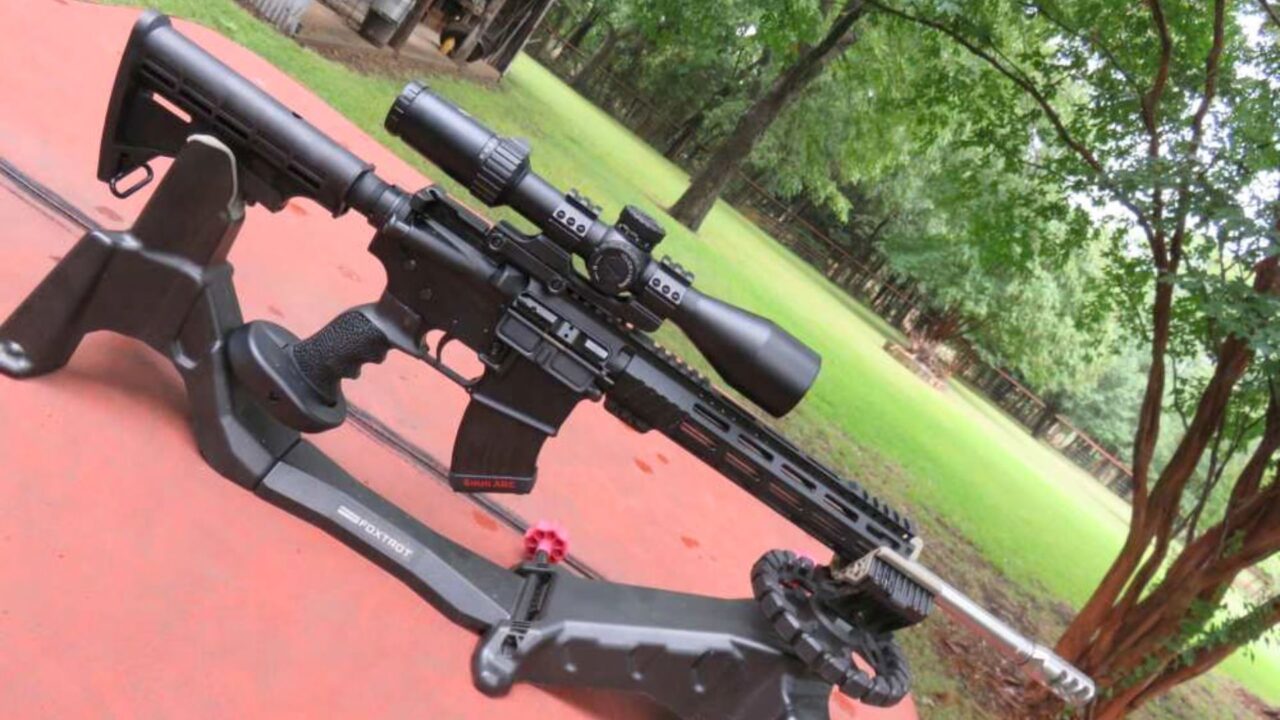
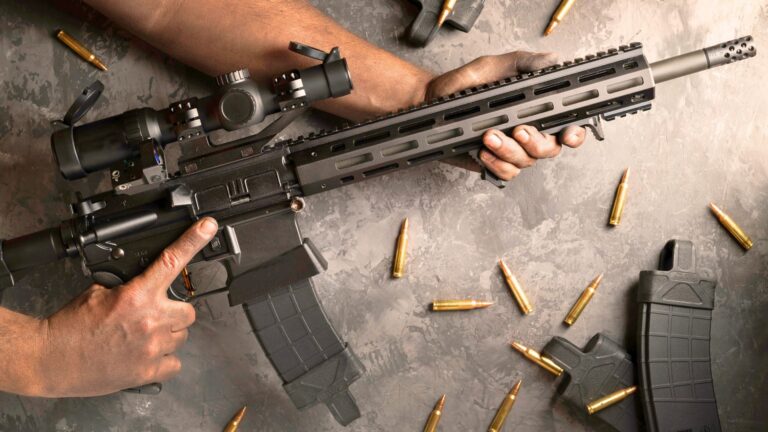
Entry-level ARs from PSA can be a great value, but the cheapest versions often show wear fast on the bolt carrier finish, brass deflector, and the general “contact points” inside the upper. Some of that is normal AR life, but it surprises new owners.
The important part is not confusing cosmetic wear with a problem. Keep it lubed, run decent mags, and pay attention to extractor/ejector behavior. ARs are happiest when they’re wet and fed right.
18. Ruger LCP MAX

The LCP MAX is a better shooter than the original, but it still lives that pocket-gun life. You’ll see finish wear quickly, especially if it rides in a pocket holster day after day. The sights and slide edges seem to pick up character fast.
What I like about it is that it’s actually useful, and that means you’ll carry it. If it looks worn, it’s because it’s doing its job. Just don’t let lint turn into reliability issues.
19. Remington 770
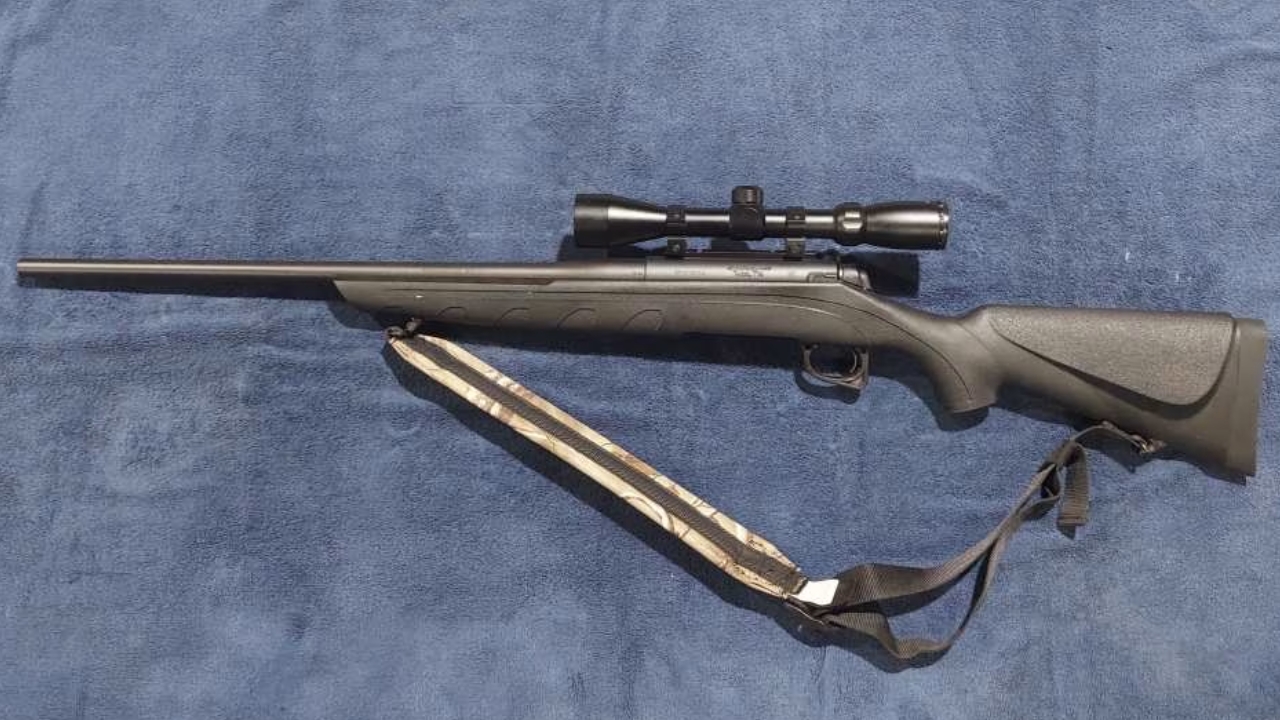
The 770 is one of those rifles that shows “cheap” early, and I don’t mean that to be cruel. The stock scuffs easily, the bolt feel can get rough, and I’ve seen scope setups on these become a headache if screws loosen or bases aren’t solid.
Plenty of deer have been taken with them, but they’re not built with the same long-term toughness as better rifles. If you’ve got one, baby the mounting hardware and don’t ignore changes in how it feeds and extracts.
20. Charter Arms Undercover .38 Special

Light revolvers are great until they get carried a lot. The Undercover will show finish wear quickly if it rides in a holster every day, and the small-frame revolver life includes sweat, bumping door frames, and bouncing around in vehicles.
Also, snub revolvers tend to get shot with heavier loads “just to test it,” and that can accelerate wear on a gun that isn’t overbuilt. Keep it clean under the ejector star, watch for screws backing out, and be honest about how much you really need to punish it at the range.
A worn gun isn’t a bad gun. Half the time it’s proof you actually use your stuff instead of staring at it. The key is knowing the difference between honest finish wear and the kind of wear that hints at soft parts, loose hardware, weak magazines, or a maintenance routine that’s not keeping up. If one of these is your go-to, it doesn’t need to be pretty. It needs to be dependable when the moment shows up.
Like The Avid Outdoorsman’s content? Be sure to follow us.
Here’s more from us: