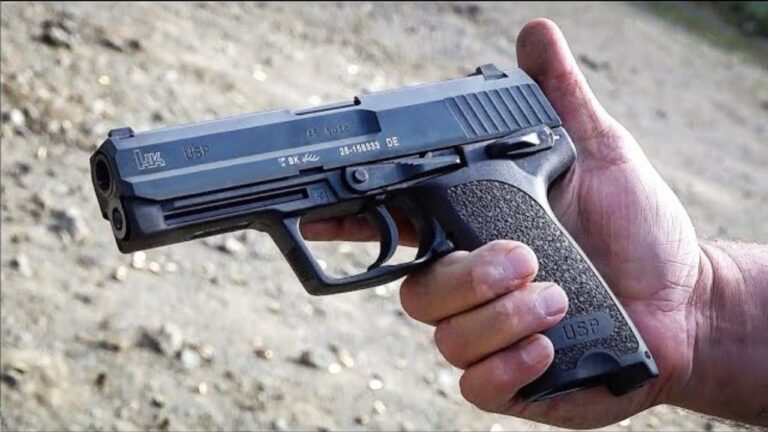
Photo credit: RawHawg/Youtube
Every season has a “new favorite” that shows up in camp. A guy buys it on a whim, or he trades for it, or he just wants to try something different than the same old rig he’s carried for years. Then the season happens. It rains sideways, the truck gets dusty, a scope gets bumped, you climb stands and crawl fences, and you find out what’s actually useful.
What’s funny is the guns that stick aren’t always the prettiest, the newest, or the ones with the most social media hype. They’re the ones that quietly do the job when you’re cold, tired, and trying to make a clean shot before legal light is gone. Here are 20 specific models I’ve watched veteran hunters buy for “one season” and then somehow never let leave the safe again.
1. Remington 870 Wingmaster
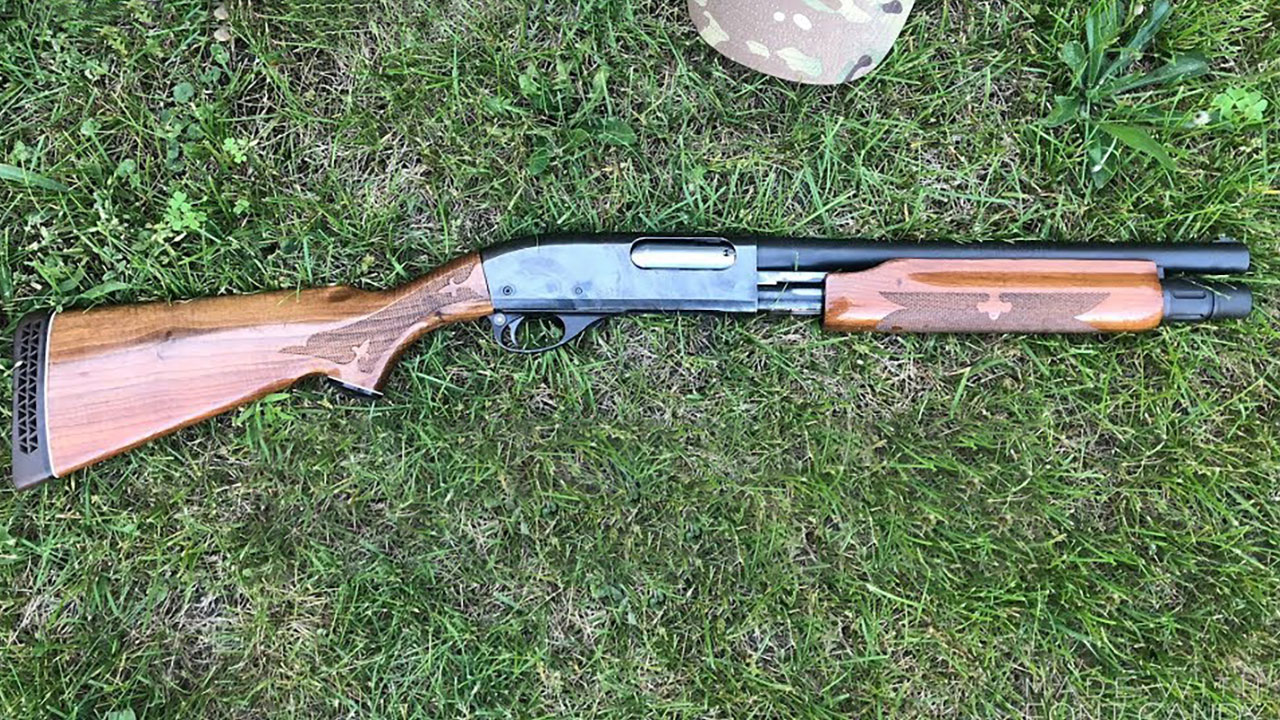
The first time you run a real Wingmaster, you understand why old-timers act like the pump stroke is a religion. It’s slick without being loose, and it points like it’s trying to help you. If you grew up on rougher pump guns, the difference is immediate.
Plenty of folks intend to “upgrade” to a fancy auto, then they realize the Wingmaster already does everything: birds, rabbits, buckshot, slugs, you name it. It’s not light, and it’s not cheap anymore, but it’s the kind of shotgun you hand to a kid without worrying it’ll quit.
2. Ruger American Rifle (in .308 or .30-06)
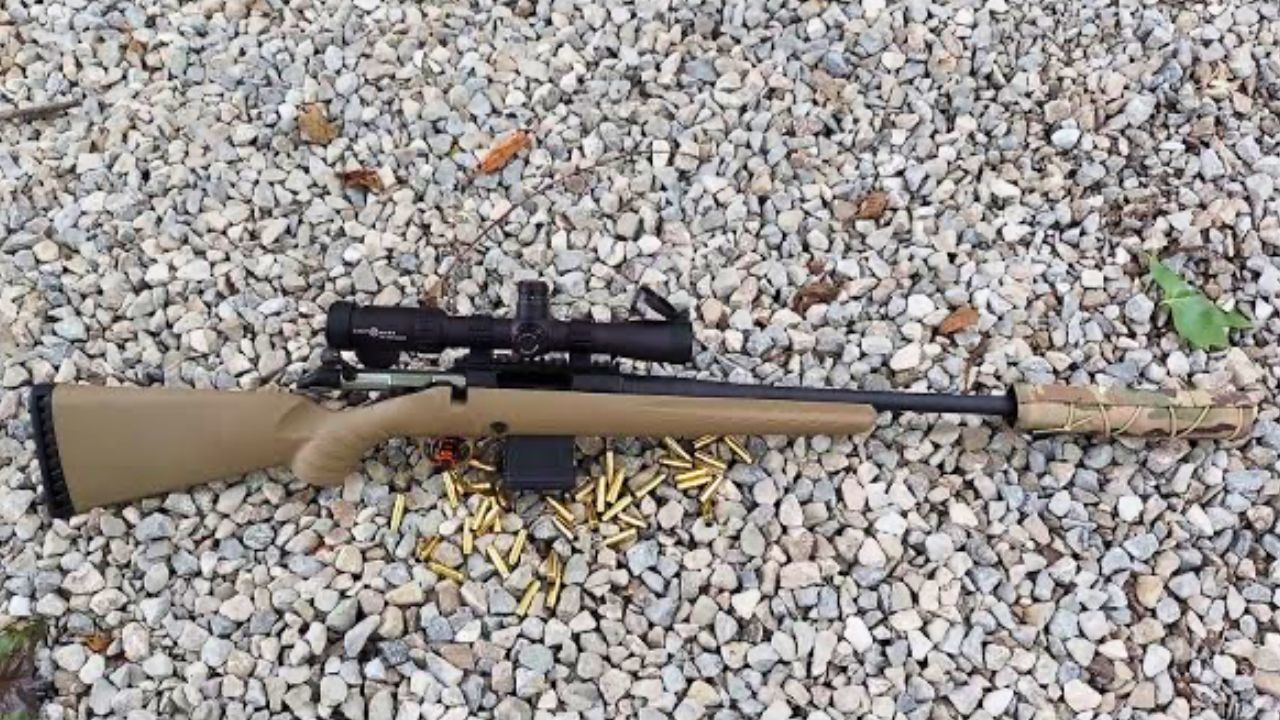
This is one of those rifles that feels almost too plain to get attached to. Then you carry it all week. It’s light enough, it shoots better than it has any right to for the money, and the magazine system is simple once you quit fighting it.
Veteran hunters like it because it’s a working rifle, not a safe queen. You can scratch it, get it wet, and keep hunting. And if your buddy’s rifle takes a tumble, the Ruger American is the one that ends up getting loaned out because everyone trusts it to group.
3. Tikka T3x Lite

If you want to start an argument in deer camp, say “Tikka” and watch the room split into two groups: guys who own one, and guys who haven’t shot one yet. The action is smooth in a way that makes other factory rifles feel gritty. The trigger is usually clean right out of the box.
The “one season” plan falls apart after the first long walk. The T3x Lite carries easy, shoots straight, and doesn’t demand babying. It’s not the cheapest rifle in the rack, but it’s the kind of purchase that stops a lot of future purchases.
4. Browning X-Bolt

Some rifles just fit a lot of people. The X-Bolt is one of them. It shoulders quick, the bolt throw feels tidy, and they tend to shoot well with normal hunting ammo instead of requiring a science project.
I get why a guy buys one for a “try it this year” move. What I don’t see as often is the guy actually selling it afterward. The X-Bolt ends up being the rifle that goes to every stand because it’s predictable, and predictable is what you want when your hands are numb.
5. Winchester Model 70 (Featherweight or Classic)

The Model 70 is not the newest idea in hunting rifles, but it’s still one of the best feeling bolt guns to carry. The balance is what keeps it relevant. A Featherweight in the woods just makes sense, especially when you’re in and out of brush all morning.
Controlled-round feed matters to some folks and not to others, but the bigger deal is trust. When a rifle has been “the rifle” for generations, it’s hard to talk yourself into selling it after it’s tagged a good buck.
6. Marlin 336 (especially older JM-stamped guns)

A lever gun can feel like a novelty until you hunt tight cover with one. The 336 carries flat to your body, comes to the shoulder fast, and doesn’t snag the way some longer bolt setups do. In .30-30, it’s boring in the best way.
What hooks hunters is how handy it is on real deer trails. Then they look up what an older, clean 336 costs now and decide it can just stay put in the safe. That one hurts if you sell it and try to replace it later.
7. Henry Big Boy Steel (in .357 Mag or .44 Mag)

Henry’s lever guns have a feel to them that wins people over fast. The Big Boy Steel isn’t a feather, but it’s smooth, accurate, and built like something you’d still be using twenty seasons from now.
Guys buy one thinking it’ll be a “fun gun” for the range and maybe a short-range deer season. Then they realize a .357 lever with the right loads is easy to shoot well, easy on the ears compared to a big rifle, and just plain enjoyable to carry.
8. Savage 110 (especially the older, plain-Jane models)

The Savage 110 has never been the prom king. The older ones can be homely. But they shoot. You see it over and over: an older 110 with a decent scope is stacking bullets while flashier rifles are being “worked on.”
Veteran hunters keep them because they’re honest tools. Parts are around, barrels can be replaced if you’re that type, and the rifles tend to keep trucking even when they’ve lived in a truck rack and a damp case longer than they should’ve.
9. CZ 457 (varmint or American)

Every hunter needs a .22 that actually shoots and doesn’t feel like a toy. The CZ 457 is the kind that turns a quick squirrel hunt into an all-morning excuse to stay in the timber. The bolt is slick, the trigger is good, and the accuracy is usually ridiculous with the right ammo.
A lot of guys buy it “just for small game season,” and then it becomes the rifle that gets the most rounds in a year. You don’t get bored practicing with it, and practice matters.
10. Ruger 10/22 Carbine
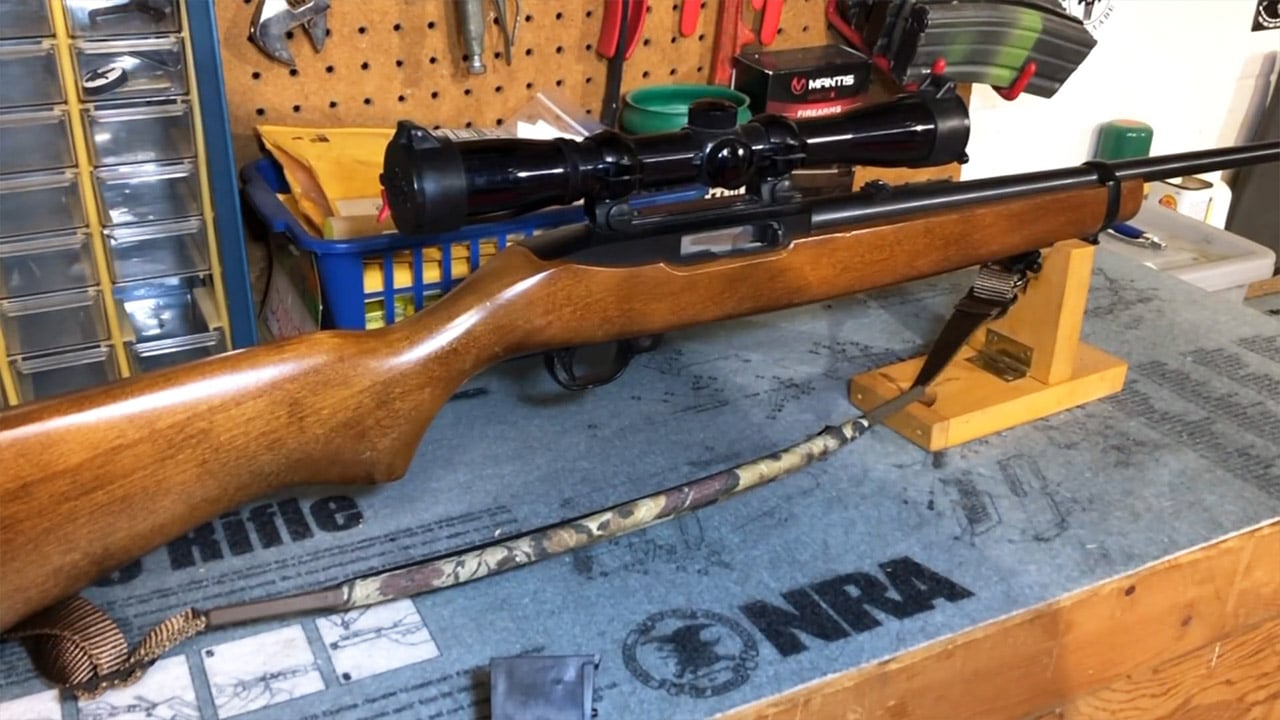
This one is almost too obvious, but there’s a reason it’s everywhere. The 10/22 is the .22 that always has magazines available, parts available, and somebody in camp who can help you if something gets weird. It’s also easy to shoot well, which is the whole point.
Some hunters tell themselves they’ll sell it once they “move up” to something nicer. They don’t. It ends up being the loaner gun, the trapline gun, the camp plinker, and the rifle that lives behind the truck seat on squirrel days.
11. Mossberg 500
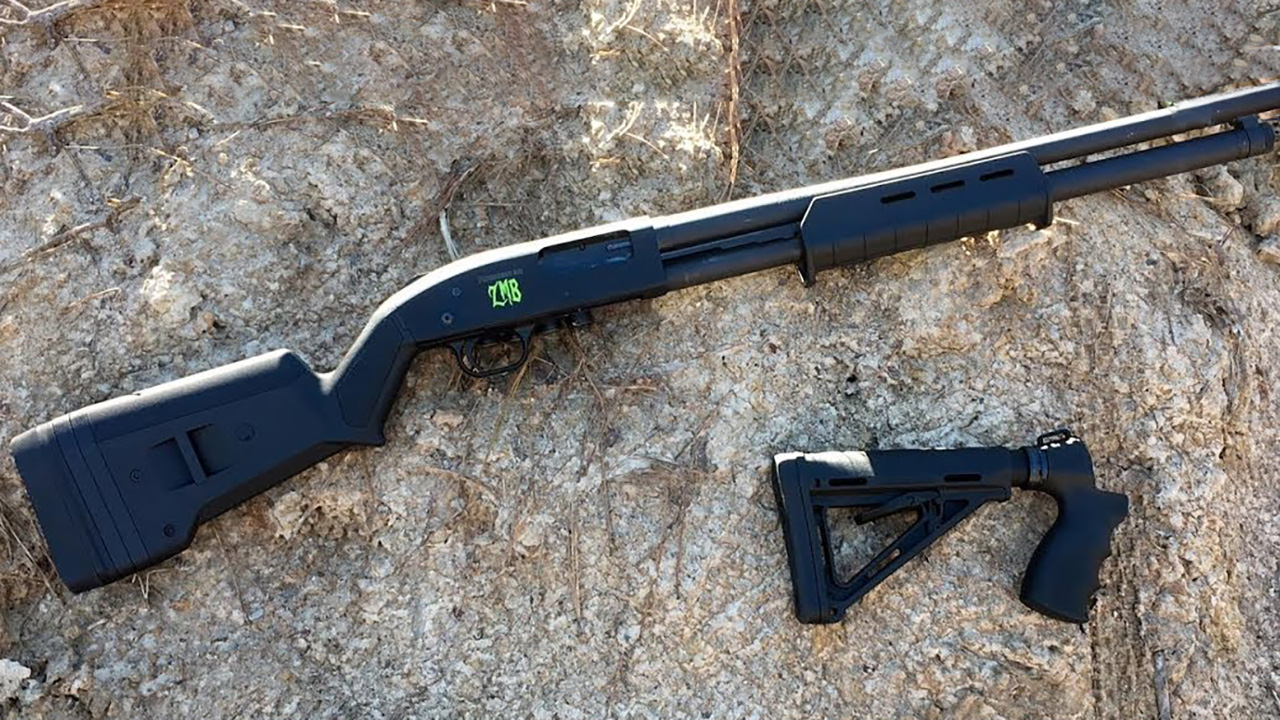
The Mossberg 500 isn’t fancy, and the action can feel a little rattly compared to other pumps. Still, they flat work. In bad weather, in mud, and with a little neglect that would make a gun-cleaning guy twitch, the 500 just keeps cycling.
Hunters keep them because they’re adaptable. Swap barrels, change chokes, run it for birds or deer, and you’re done. It’s the kind of shotgun that earns trust the hard way, one wet morning at a time.
12. Benelli Super Black Eagle (SBE II or SBE 3)
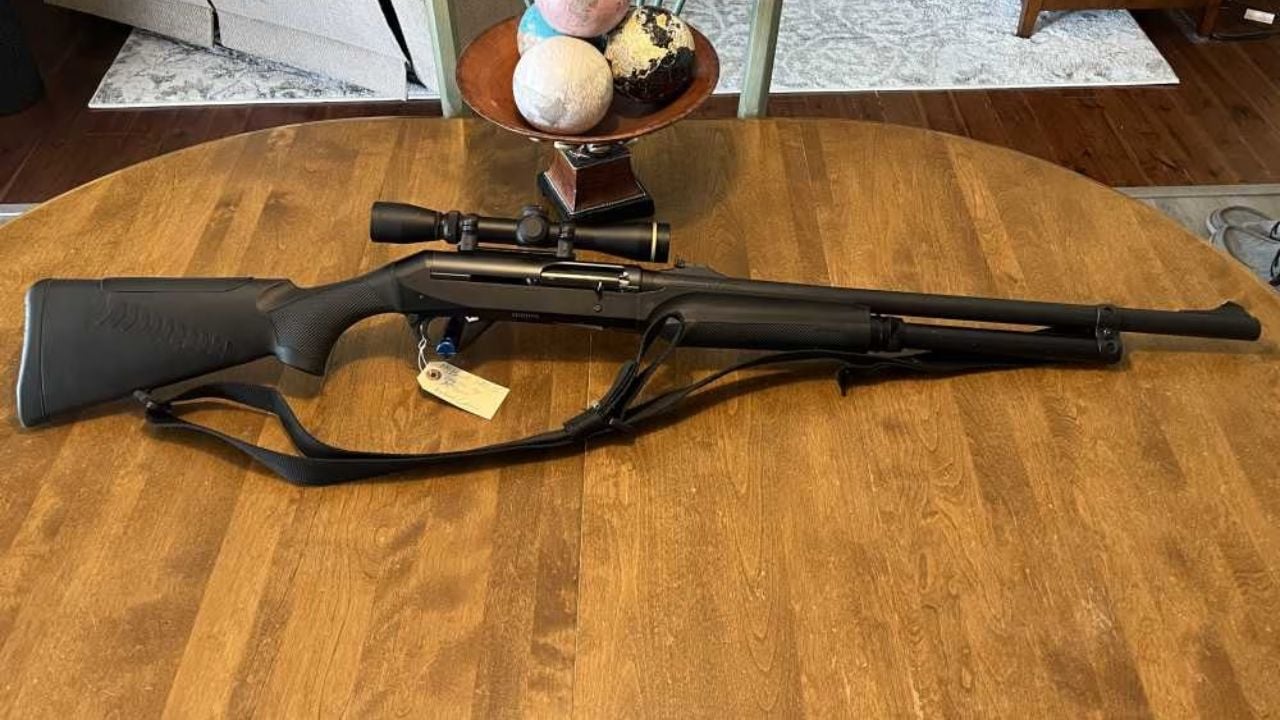
Waterfowl hunters don’t keep a gun that doesn’t run. Period. The SBE line is expensive, and plenty of folks buy one telling themselves it’s a “one-time splurge.” Then the thing cycles in freezing spray when other guns start acting picky.
It’s not a magic wand, and you still have to shoulder it right, but reliability buys loyalty. Once a guy has a season where his shotgun never hiccups, it’s hard to justify going back.
13. Beretta A300 Ultima
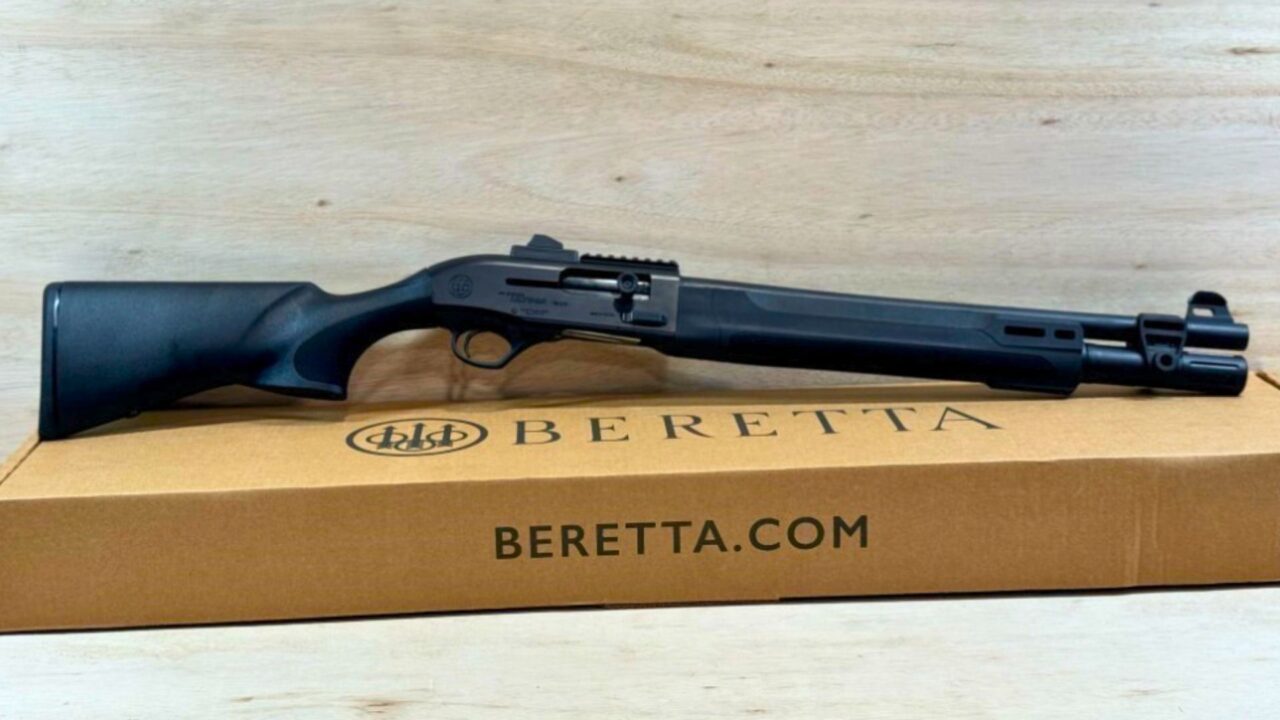
This is the semi-auto that surprises a lot of hunters. It’s not priced like a flagship, but it shoots soft, patterns well, and tends to be drama-free. For the money, it’s one of the best “do everything” autoloaders going.
It also fits a wide range of shooters without a bunch of gunsmithing. That matters in a family or a camp where different folks grab the same shotgun over the season. A gun that fits gets used, and a gun that gets used gets kept.
14. Franchi Affinity 3

The Affinity is one of those shotguns that feels lighter in the hands than the spec sheet suggests. It carries well on long walks to the field edge, and it doesn’t beat you up on a heavy dove shoot. The inertia system keeps it pretty clean, too.
Buyers often look at it as the “budget Benelli” and plan to trade up later. Then they realize it’s already doing the job, shells are going off where they’re supposed to, and the money they’d spend “upgrading” can go toward decoys or tags.
15. Ruger GP100 (4-inch)
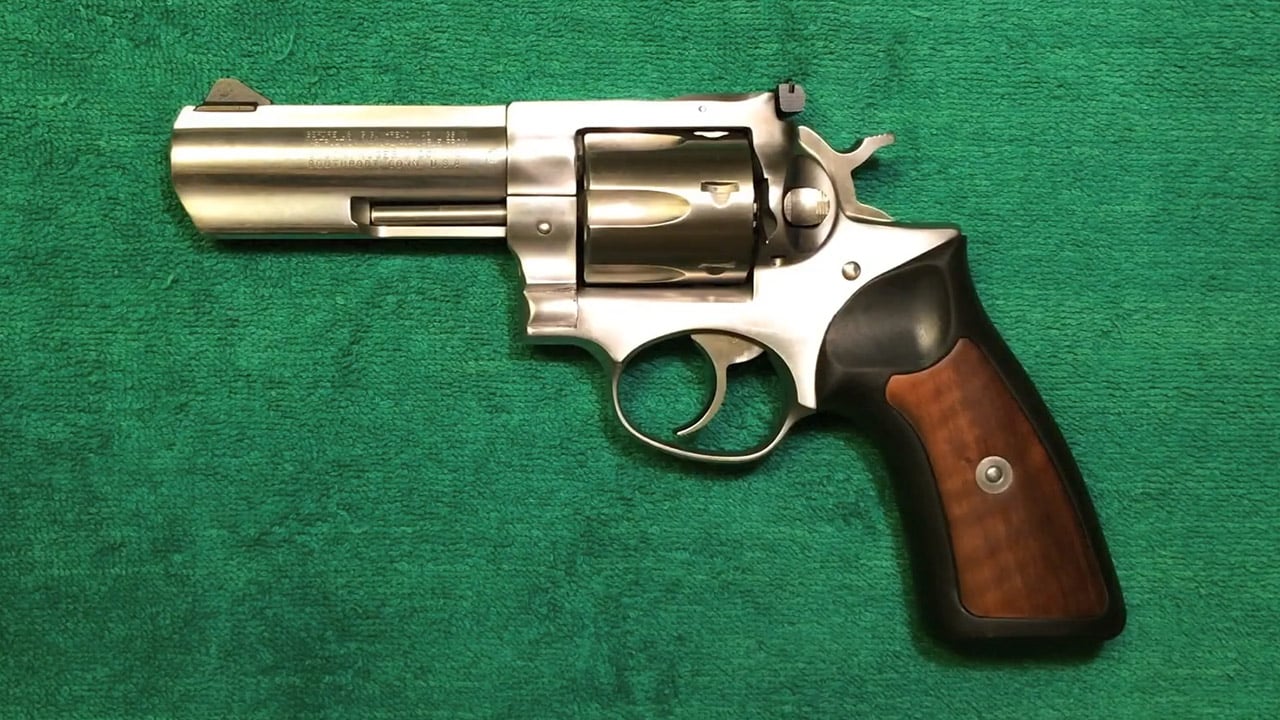
A good double-action revolver is a comfort item in the woods. The GP100 isn’t delicate, and it doesn’t pretend to be. It’s a tank that you can actually shoot a lot without loosening up, which isn’t true of every revolver once you start running real .357 loads.
Many hunters buy it as a “just in case” sidearm for bear country or for checking traps at dusk. After a season of carrying it, they stop thinking of it as extra weight and start thinking of it as part of their kit.
16. Smith & Wesson Model 686
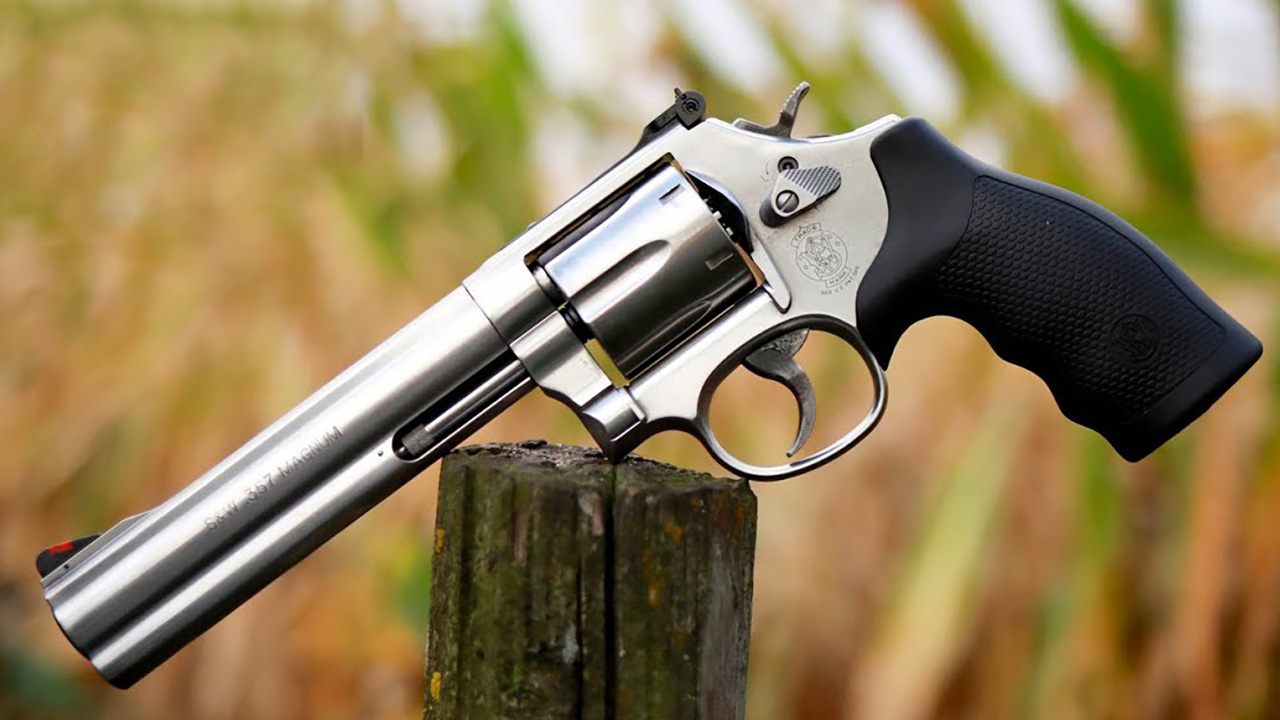
The 686 has a way of making you look better than you are. The trigger, the balance, the sight picture—everything about it encourages good shooting. It’s also a revolver you can hand down without apology.
Guys who pick one up for a season often end up using it year-round: hiking, property checks, maybe as a nightstand gun, maybe as a range staple. It’s not “trendy,” but it’s hard to argue with a tool that does so much so well.
17. Glock 19
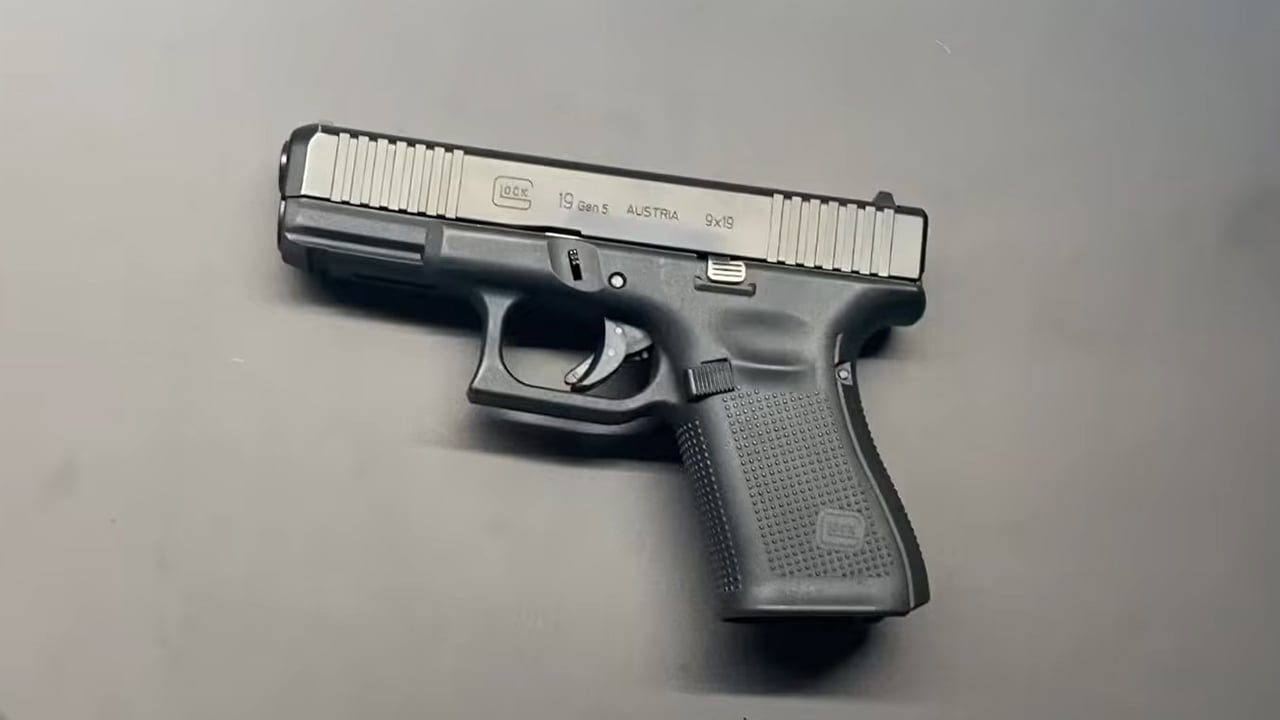
Hunters love to debate carry guns, but the Glock 19 keeps showing up because it’s the one that just works. Not the prettiest. Not the best trigger. Not the thinnest. But it’ll eat ammo, it’ll run dirty, and magazines are everywhere.
Lots of folks buy it as their “first serious pistol” and assume they’ll eventually move on. Then they realize every other option is a trade: smaller means harder to shoot, fancier means more maintenance, different means different mags and holsters. The 19 stays.
18. Glock 20 (10mm Auto)
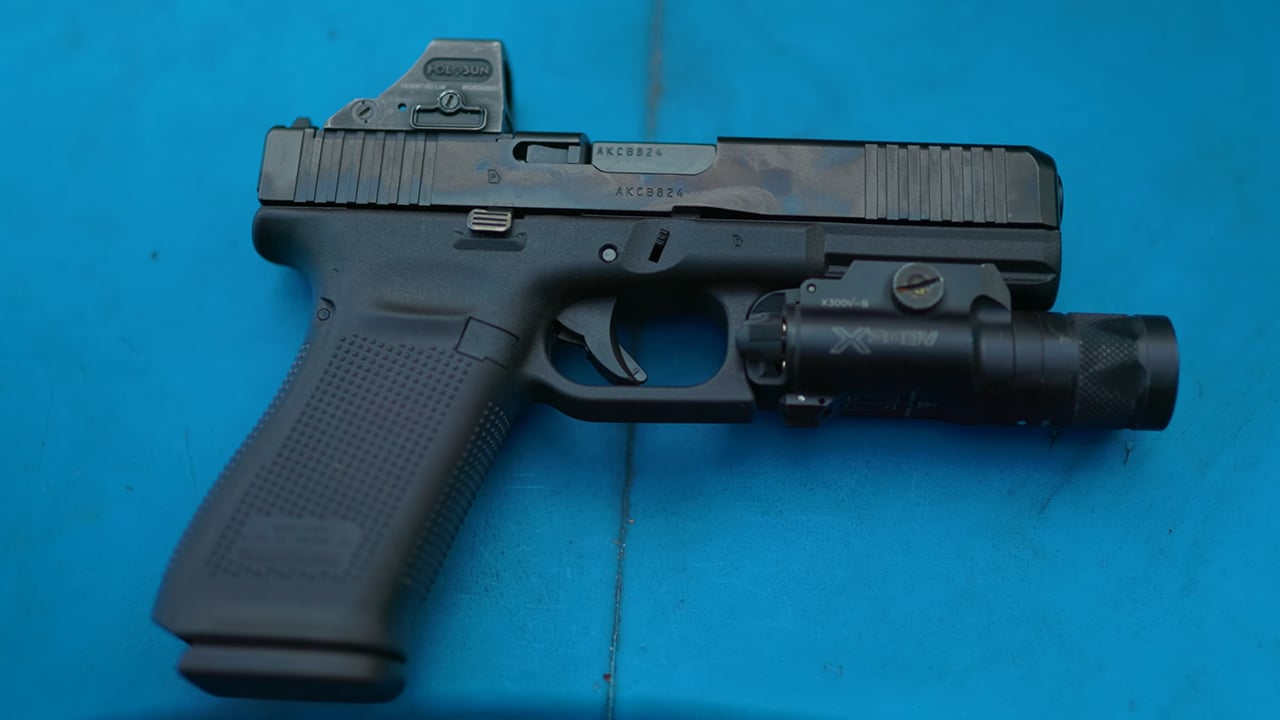
If a hunter is going to carry a semi-auto in big-woods country, the Glock 20 is a common answer. It’s not a pocket gun, and the grip isn’t for everyone, but it gives you real power in a platform that’s dead simple and proven.
Plenty of guys buy one ahead of a single trip—one bear hunt, one elk camp, one season in a new area. After that, it becomes the “woods pistol” that never gets traded because you don’t want to relearn gear when the stakes feel higher.
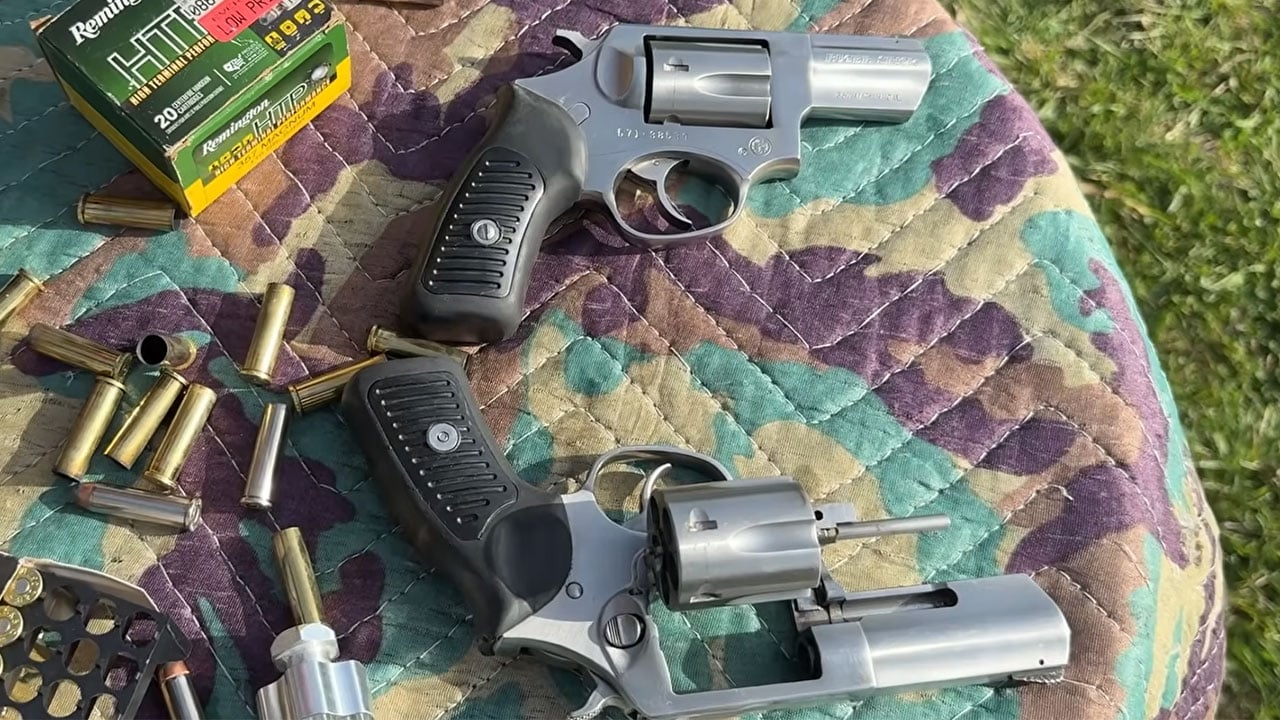
19. Ruger SP101 (2.25-inch)
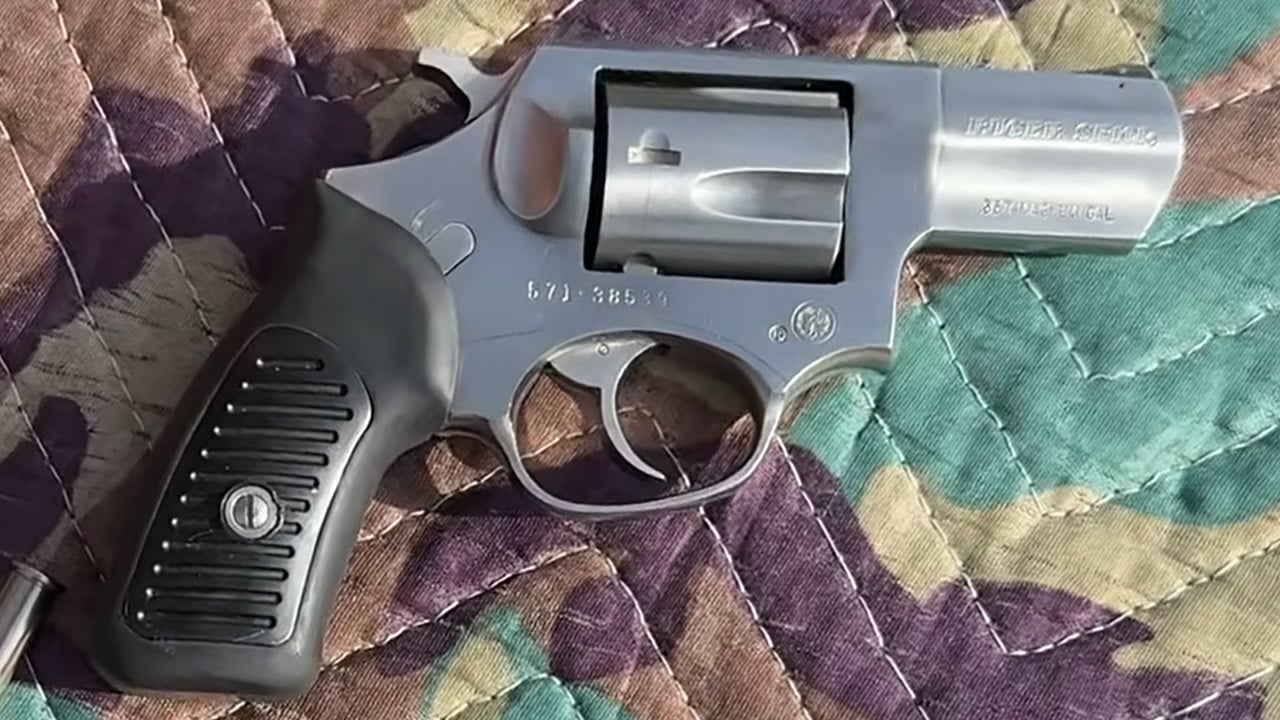
This is the revolver that rides well. The SP101 disappears on a belt better than the bigger wheel guns, and it’s still stout enough to handle real .357 work if you can handle it. It’s also one of the few small revolvers that doesn’t feel fragile.
Hunters keep it because it fills a real niche: light enough to actually carry while running a chainsaw on the back forty, checking fence, or slipping to a stand. A gun you actually have on you beats the bigger “better” gun you left in the truck.
20. Kimber 84M (in .308 or 7mm-08)

Not everyone needs a lightweight mountain-style rifle, but the guys who do tend to get attached fast. The Kimber 84M carries like a dream when you’re climbing, side-hilling, or hiking farther than you planned. When they shoot right, they’re hard to beat as a packable hunting rifle.
They aren’t cheap, and they can be picky about what load they like. Still, once a hunter has packed one through a long season and watched it put a buck down clean, the rifle stops being “a purchase” and starts being “my rifle.”
None of these guns are perfect for everybody, and a couple of them aren’t even my personal favorites. But they all share the same trait: they earn trust in real weather, on real hunts, with cold hands and tired legs. When a gun does that for you once, it’s hard to let it go.
Like The Avid Outdoorsman’s content? Be sure to follow us.
Here’s more from us: