Photo credit: TFB TV/YouTube
Predicting which modern firearms will become valuable collectibles is never easy. Plenty of guns that look special today will remain ordinary used firearms, while models that barely attract attention may become difficult to find once production ends. Collector demand often begins when shooters realize a firearm represented the end of an era, introduced an important design, or disappeared before buyers fully appreciated it.
Condition, original packaging, factory accessories, and production numbers will always influence value. A gun also does not need to become extremely expensive to earn collector status. Some firearms become desirable because people remember wanting one, regret selling one, or discover that nothing quite like it is being made anymore. These 21 models have the features, history, or timing that could make future shooters wish they had bought one while prices were still reasonable.
Beretta 80X Cheetah

The Beretta 80X Cheetah represents the return of a classic metal-framed .380 pistol at a time when nearly every manufacturer is focused on lightweight polymer carry guns. It keeps the general personality of the older Cheetah series while adding a modern trigger system, accessory rail, updated controls, and the ability to mount a red-dot sight.
That combination could make the 80X important to future collectors. It may eventually be remembered as one of the last serious attempts to keep the traditional double-action metal carry pistol alive. It is larger and more expensive than many high-capacity micro-compacts, which could limit sales and shorten its production life. Those same weaknesses may later make clean examples more interesting. Special finishes, launch editions, and versions that remain factory original will likely receive the most attention if Beretta eventually replaces the platform or stops building compact metal-framed pistols entirely.
Smith & Wesson M&P 5.7
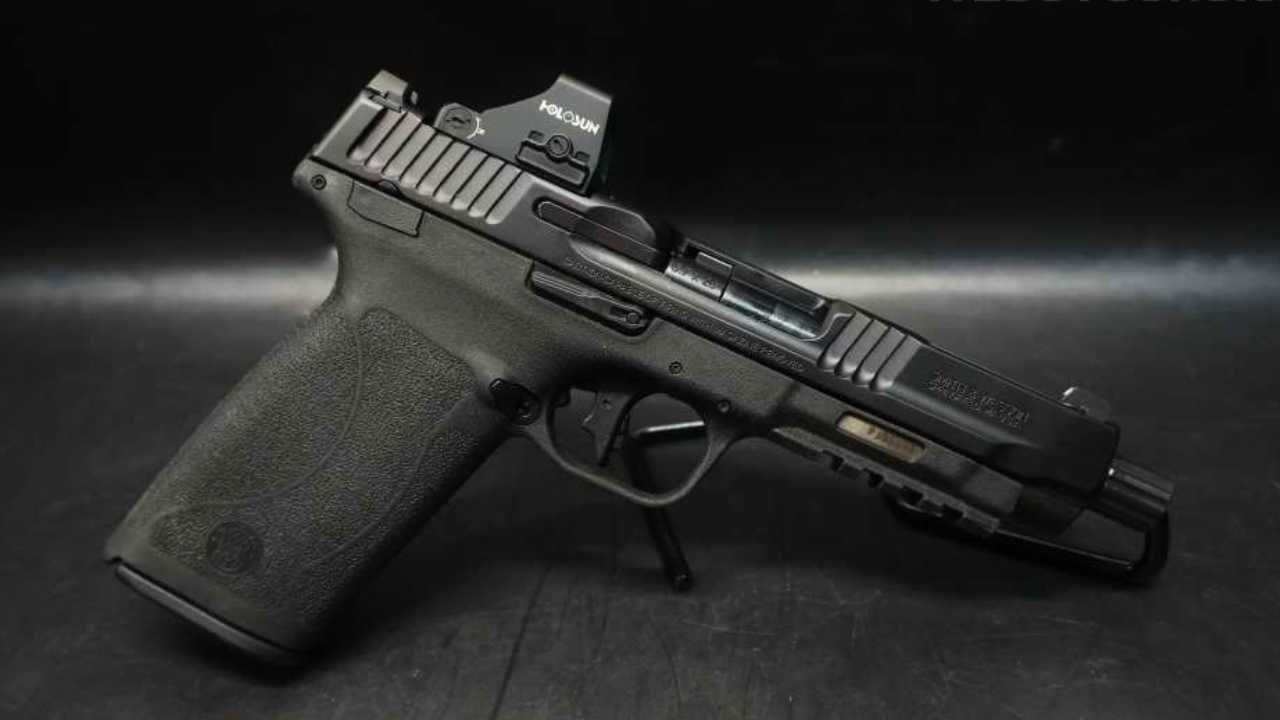
The Smith & Wesson M&P 5.7 entered the market during a major expansion of interest in the 5.7x28mm cartridge. Unlike many pistols using conventional locked-breech systems, the M&P 5.7 uses a gas-operated, rotating-barrel design that gives it a mechanical identity separate from most modern handguns.
Collectors often become interested in firearms that capture a specific moment in the industry, and the M&P 5.7 may eventually represent the period when 5.7mm pistols moved beyond expensive military-inspired designs. Its 22-round capacity, thin grip, and unusual operating system make it more than another variation of the standard M&P. Whether 5.7x28mm remains popular or fades again could help its future appeal. If the cartridge loses momentum, early examples may become reminders of a short-lived trend. If it continues growing, the M&P could be remembered as one of the models that pushed it into the mainstream.
FN Reflex
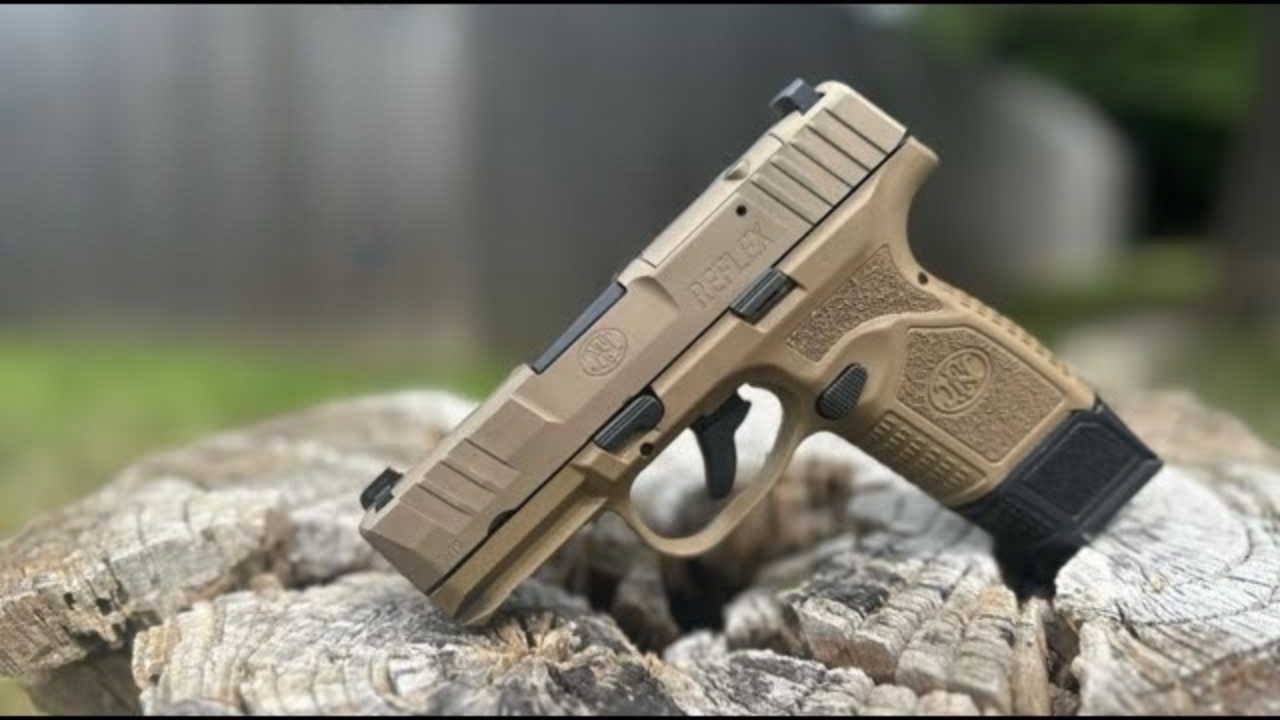
The FN Reflex gave FN a legitimate entry into the high-capacity micro-compact pistol market. Its internal-hammer-fired system separates it from the striker-fired designs that dominate the category, while its capacity and dimensions allow it to compete directly with the most popular concealed-carry pistols.
It may become collectible because it arrived during one of the most competitive periods in handgun development. Dozens of compact 9mm pistols are fighting for attention, and several capable models will inevitably disappear before shooters fully appreciate them. The Reflex also carries the FN name, which tends to attract collectors once models are discontinued. Early versions, unusual factory colors, and complete examples with original magazines and optic plates could become especially desirable. It may never reach the status of a classic military pistol, but it has enough mechanical and historical personality to become a sought-after FN sidearm years after production ends.
Springfield Armory Echelon
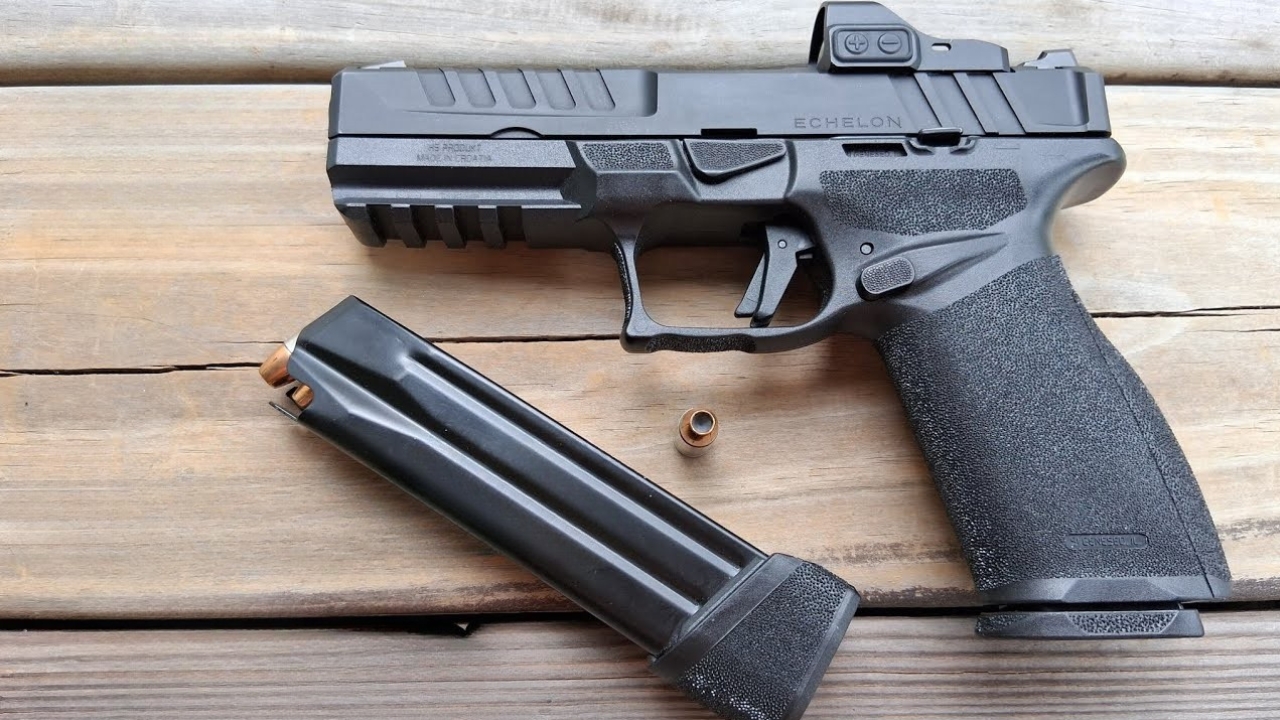
The Springfield Armory Echelon entered a crowded striker-fired market, but it brought several design features that could give it lasting importance. Its serialized central operating group allows the owner to change grip modules, while the optic-mounting system accepts numerous red-dot footprints without relying on a large stack of adapter plates.
The Echelon may eventually be viewed as the model that pushed Springfield beyond the XD family and into a new generation of service pistols. Firearms tied to major brand transitions often gain collector interest, especially when early production examples differ from later versions. The standard model may remain common, but limited packages, threaded-barrel versions, compact variants, and early factory configurations could become more desirable. Its future status will depend on whether the platform grows into a long-running family or gets replaced after a relatively short period. Either outcome gives collectors a reason to watch it.
Walther PDP Steel Frame Match

The Walther PDP Steel Frame Match takes the company’s successful striker-fired platform and turns it into a heavy, competition-oriented pistol. It combines the familiar PDP trigger and slide design with a steel frame that reduces movement and gives the gun a completely different balance from the standard polymer version.
High-end factory competition pistols often become more desirable after they leave production because they are expensive enough to sell in lower numbers. The Steel Frame Match is not the kind of handgun most buyers purchase as a first pistol, which may keep production totals relatively modest. It also represents a period when major manufacturers began building metal-framed striker pistols to compete with traditional hammer-fired race guns. Clean examples that remain unmodified could attract collectors once heavily customized and competition-used pistols become more common on the secondhand market.
CZ Shadow 2 Compact
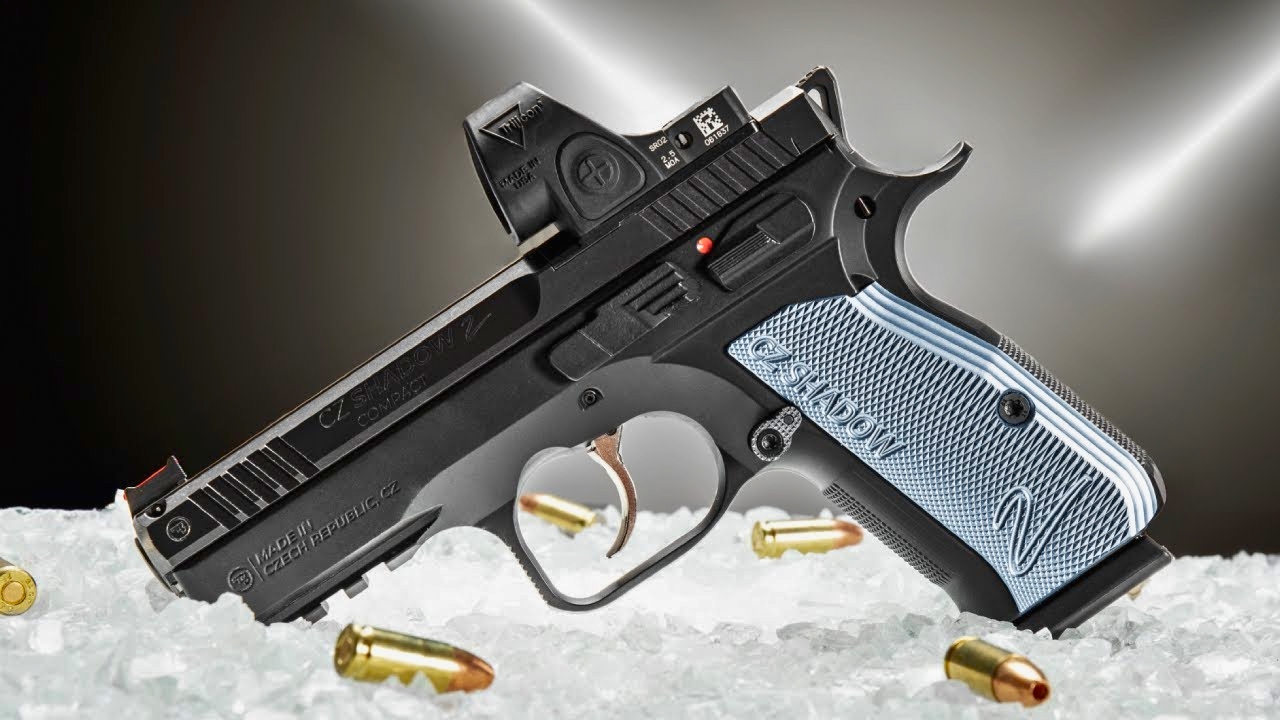
The CZ Shadow 2 Compact combines the handling and trigger characteristics of the full-size Shadow 2 with dimensions that make it more realistic for carry and general range use. That unusual position gives it appeal beyond dedicated competition shooters. It is a compact metal-framed pistol built during an era dominated by polymer carry guns.
Future collectors may value it because it offers a combination manufacturers may not continue producing forever. It is expensive, heavy for concealed carry, and more specialized than a standard defensive handgun. Those qualities could keep it from becoming as common as mainstream CZ models. It also carries the Shadow 2 name, which already has a strong reputation among serious shooters. Early examples, factory-original pistols, and limited-finish versions may eventually command attention from buyers who view it as one of the last great compact performance pistols of its generation.
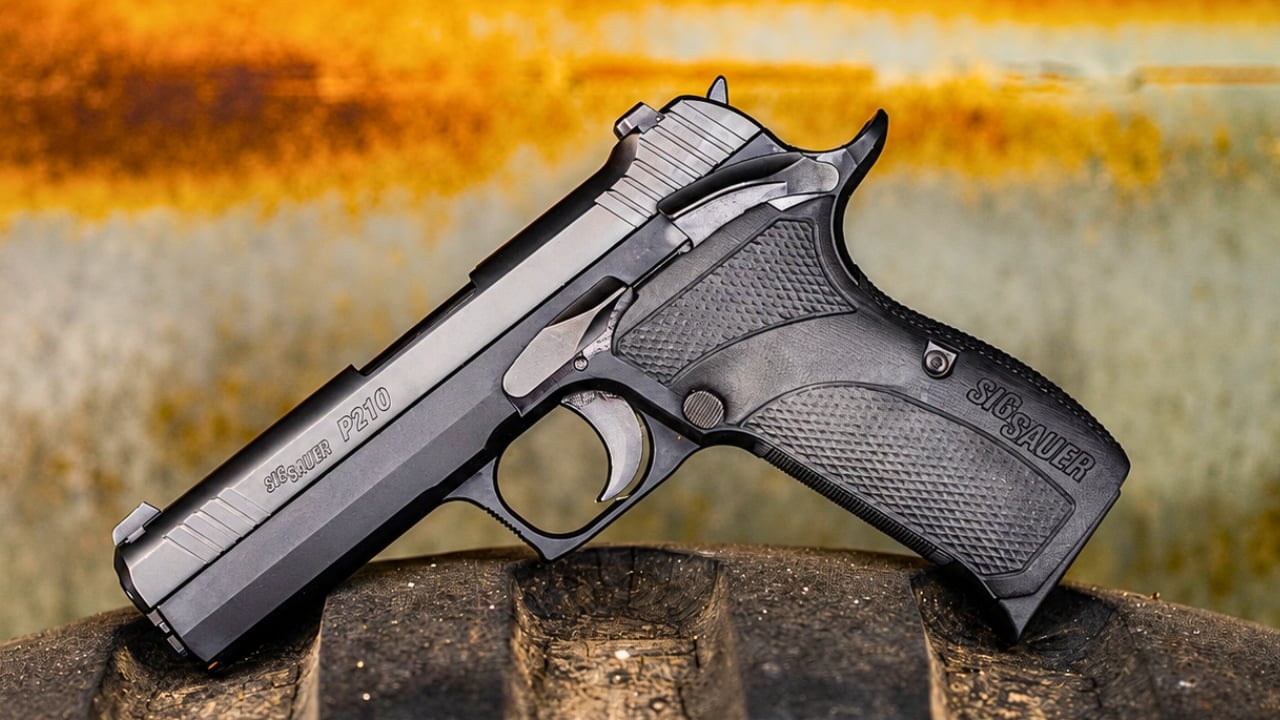
SIG Sauer P210 Carry

The SIG Sauer P210 Carry is an unusual variation of one of the company’s most respected pistol designs. It takes the classic P210 concept and reshapes it into a lighter, shorter handgun intended for concealed carry. The result is a gun that does not fit neatly into either the traditional collector category or the modern defensive pistol market.
That awkward position may help it later. The P210 Carry is expensive, limited in capacity, and competing against far less costly pistols that are easier to carry. It therefore seems unlikely to become a mass-market success. Collectors frequently become interested in models that manufacturers tried for a short period before abandoning. If SIG eventually ends production, the P210 Carry could become known as one of the company’s strangest attempts to modernize a classic. Low-mileage examples with original cases and magazines may be especially difficult to find.
Colt Anaconda 4.25-Inch
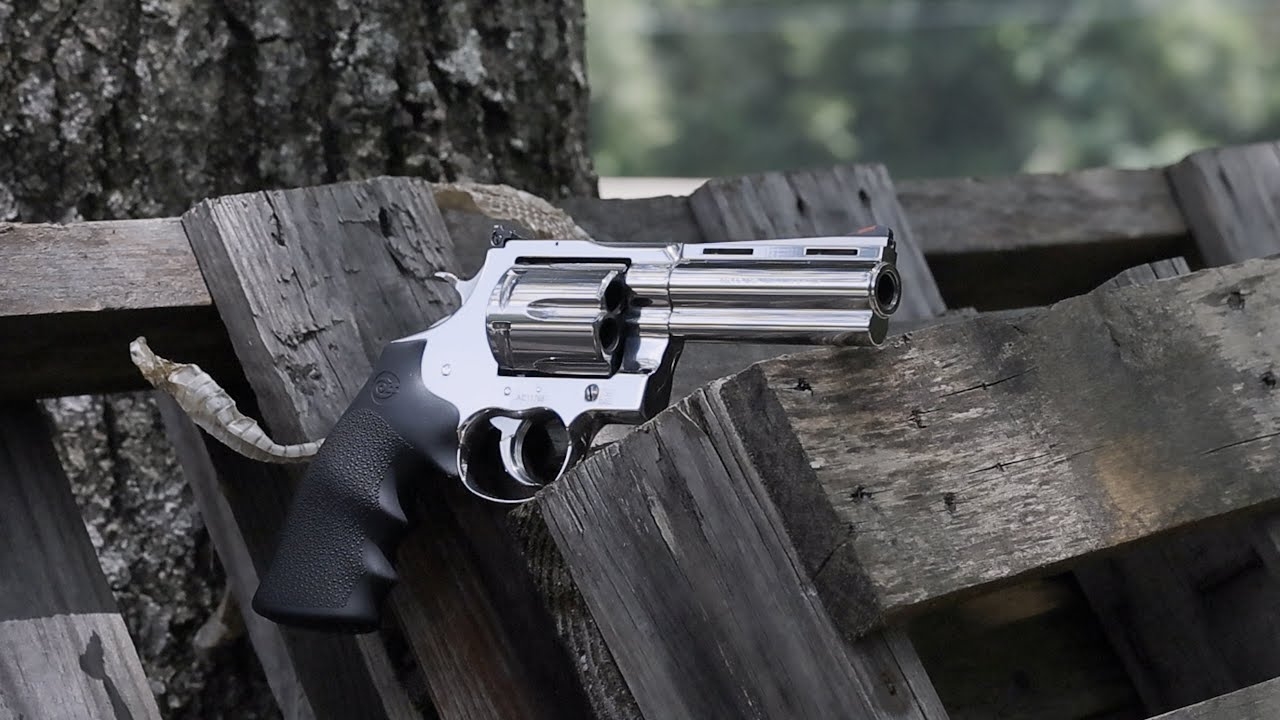
The return of the Colt Anaconda gave shooters a modern version of one of the company’s most desirable large-frame revolvers. The shorter 4.25-inch model may become particularly collectible because it balances the power of the .44 Magnum with dimensions that are more practical than the long-barreled hunting versions.
Modern Colt revolvers already benefit from strong name recognition, but future interest may depend on production changes and finish variations. Collectors often divide revolvers by barrel length, generation, roll marks, and small manufacturing differences. The shorter Anaconda could eventually become one of the less common configurations, especially if buyers continue favoring traditional six- and eight-inch models. It is also possible that today’s Colt revolver revival will be remembered as a distinct production era. Complete early examples from that period could become desirable even if they never reach the value of original Anacondas.
Smith & Wesson Model 327 TRR8
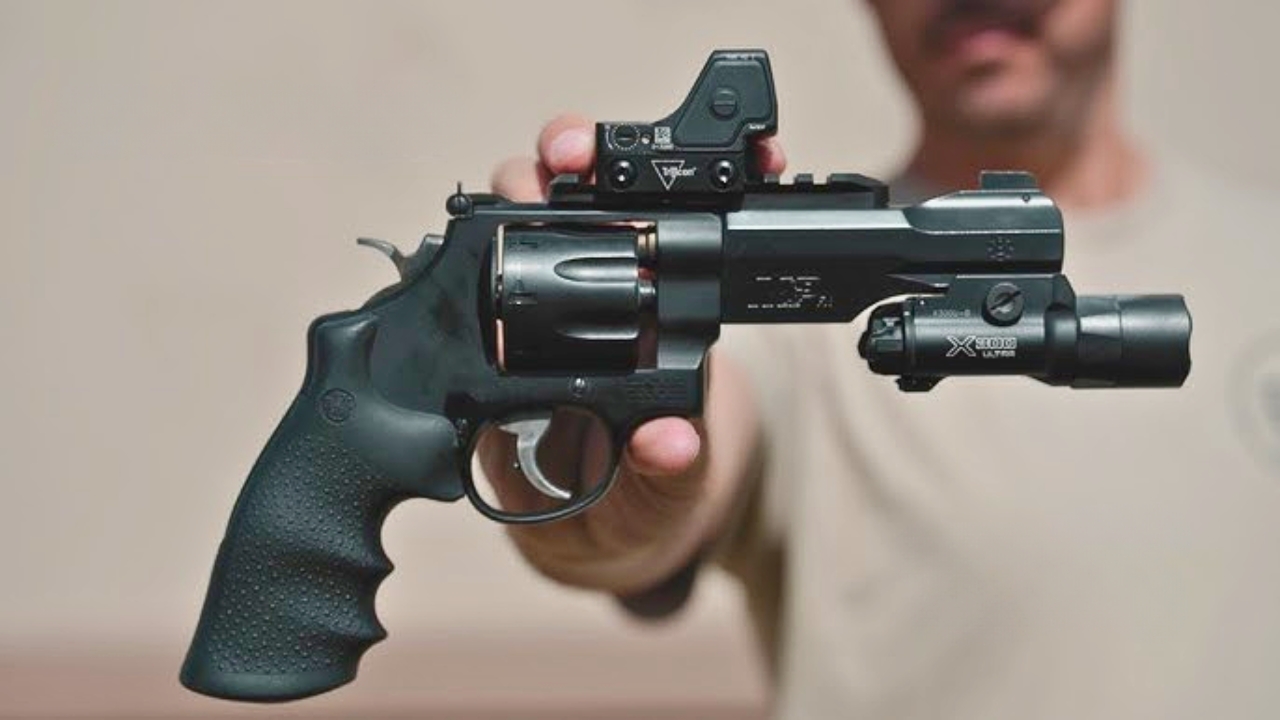
The Smith & Wesson Model 327 TRR8 is one of the most unusual revolvers in the company’s catalog. It combines an eight-round .357 Magnum cylinder with a lightweight scandium-alloy frame, removable rails, and a design influenced by tactical law enforcement requirements rather than traditional revolver styling.
The TRR8 may eventually become collectible because it captures a period when manufacturers attempted to keep revolvers relevant in a semi-automatic world. It looks different from nearly every classic Smith & Wesson and serves a purpose few other revolvers address. Its price and unconventional appearance keep it from becoming a common purchase, which may limit the number of clean examples available later. Future collectors interested in unusual factory configurations, performance-center revolvers, or the final stages of service-revolver development may view the TRR8 as one of the most interesting Smith & Wesson models of its era.
Ruger Super GP100

The Ruger Super GP100 was built as a competition-ready revolver, with an eight-round cylinder, relieved barrel shroud, adjustable sights, and features designed for rapid reloading. It is far removed from the standard GP100 most shooters associate with rugged field use.
Specialized competition guns often live hard lives. Many are fired extensively, modified, refinished, or repaired over years of matches. That could make factory-original Super GP100 revolvers increasingly difficult to locate. Production numbers are also likely to remain lower than those of ordinary Ruger revolvers because of the price and narrow audience. If revolver competition continues shrinking, the Super GP100 may eventually represent one of the last serious factory race revolvers offered by a major American manufacturer. Collectors tend to notice firearms tied to disappearing shooting disciplines, especially when the gun itself is visually distinct and mechanically interesting.
Ruger-57

The Ruger-57 helped break the 5.7x28mm cartridge out of its expensive niche. Before its release, shooters interested in the round had relatively few handgun choices. Ruger delivered a full-size pistol with a 20-round magazine and a price significantly below the FN Five-seveN.
That makes the Ruger-57 historically important even if newer 5.7mm pistols eventually surpass it. It may be remembered as the gun that proved the cartridge could succeed outside military-inspired or premium-priced platforms. Early-production models, first-year examples, and less common factory color combinations may attract collectors if the design changes or disappears. The pistol’s future value will also depend on the long-term fate of the cartridge. Either way, it represents a clear turning point in the civilian 5.7 market, and firearms associated with major market shifts often gain more appreciation with time.
KelTec P50
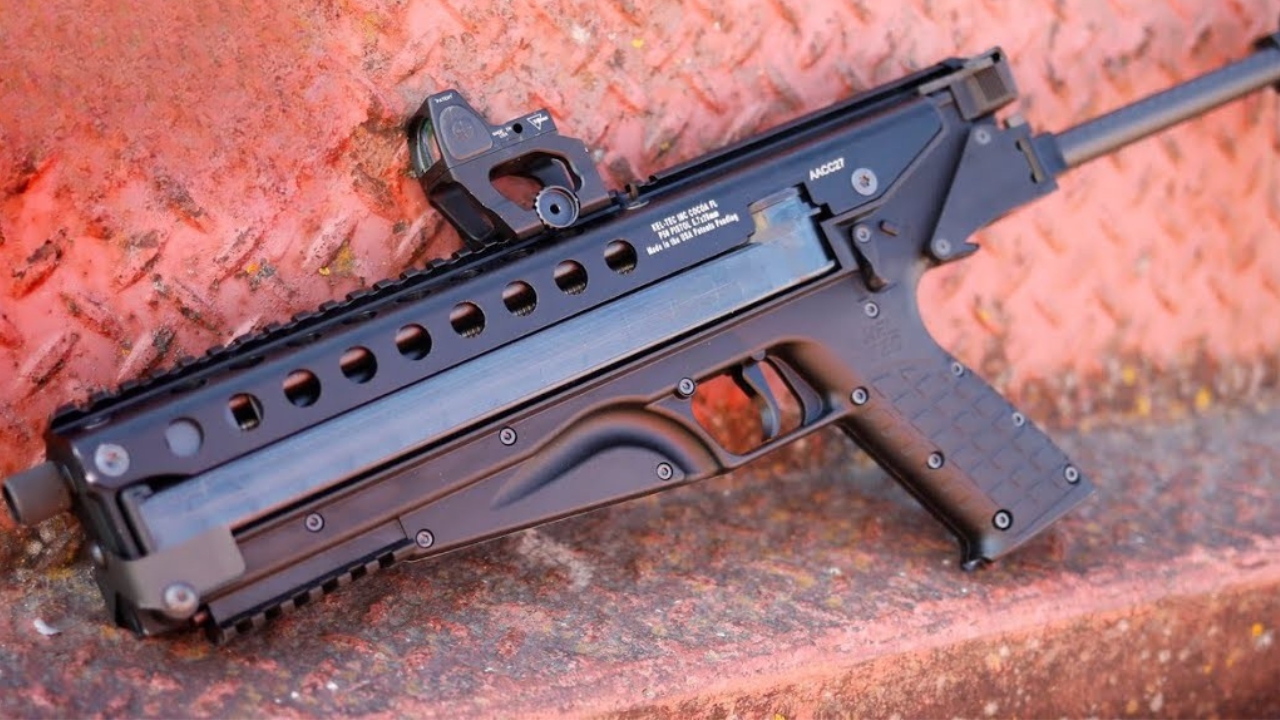
The KelTec P50 is exactly the kind of firearm collectors may ignore while it is available and chase after it disappears. It uses horizontally mounted 50-round P90 magazines and has a layout that looks closer to science fiction than a traditional pistol or carbine.
Its practical role is difficult to define, but that has never stopped unusual firearms from becoming collectible. The P50 is visually unmistakable, mechanically unconventional, and tied to the growth of the 5.7x28mm cartridge. It could remain in production for years, or KelTec could replace it with another unusual design with little warning. Factory accessories, original cases, braces or stock configurations allowed under changing laws, and limited color versions may all influence future demand. Even shooters who do not want one today are unlikely to confuse it with anything else years from now.
PSA Rock 5.7
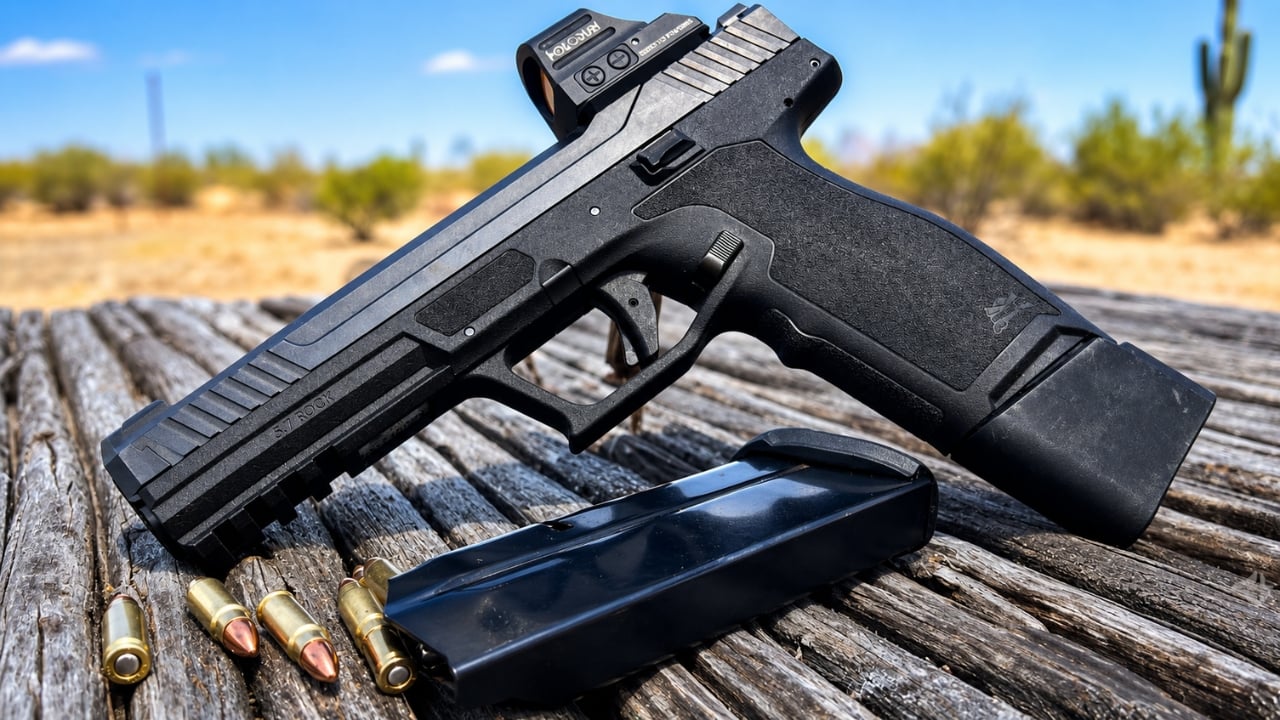
The PSA Rock 5.7 made the 5.7x28mm cartridge available in a high-capacity pistol at a price many more shooters could afford. It offers 23-round magazines, an optic-ready design in many configurations, and a lighter, more conventional layout than some earlier 5.7mm handguns.
Affordable firearms do not always become valuable, but they can become collectible when they represent an important stage in a cartridge’s development. The Rock may eventually be remembered as one of the pistols that turned 5.7 from a specialized curiosity into a widely available recreational round. Palmetto State Armory also produces frequent variations, colors, barrel lengths, and package combinations, which could create scarcity around certain configurations. Most will probably remain ordinary used guns, but early examples and unusual factory versions may develop a following among collectors interested in the growth of the 5.7 market.
Henry Homesteader
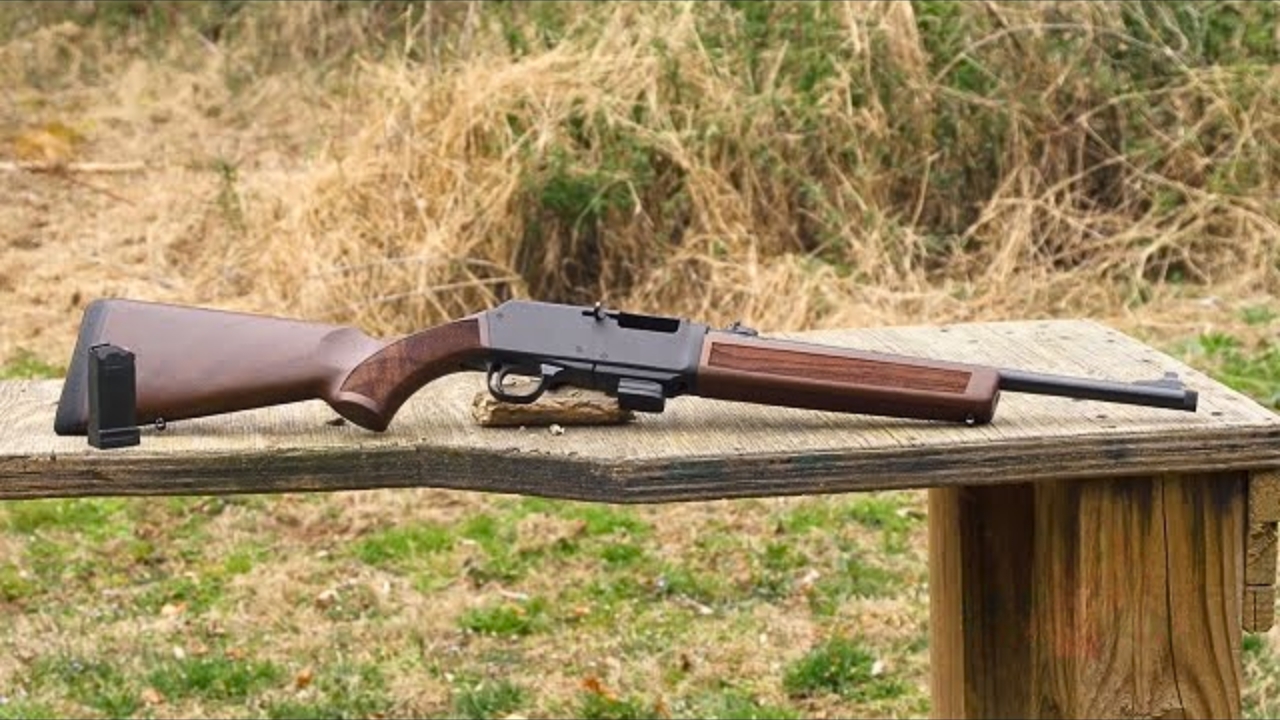
The Henry Homesteader is a rare departure from the lever-action rifles that built the company’s modern identity. It is a semi-automatic 9mm carbine with traditional styling, a wood stock, and magazine options that can include popular pistol patterns depending on the adapter used.
Its collector appeal may come from how unusual it is within the Henry catalog. Companies occasionally experiment outside their normal category, and those models often become interesting after production ends. The Homesteader also captures the period when pistol-caliber carbines exploded in popularity but most manufacturers relied on tactical styling and polymer furniture. Henry took the opposite path. If the rifle eventually disappears or remains a low-volume product, clean first-generation examples may become desirable to Henry collectors who want every major model the company produced.
Marlin Model 1895 Trapper
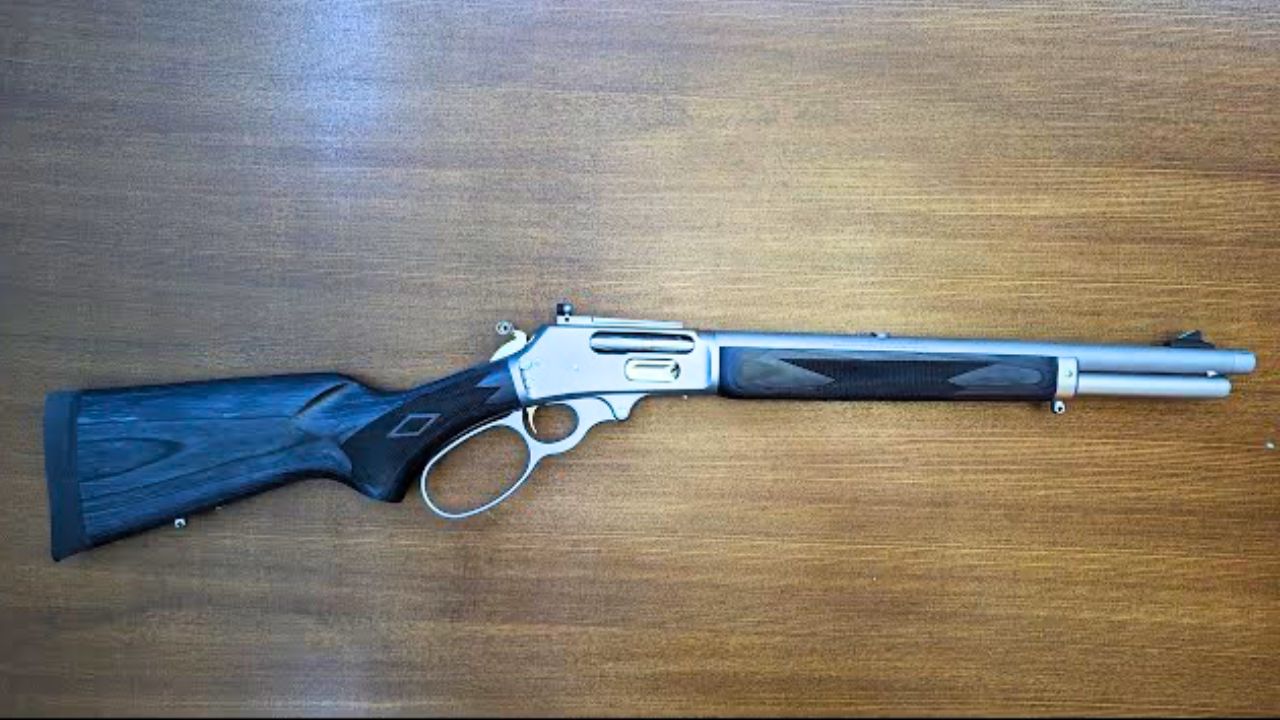
The Ruger-produced Marlin Model 1895 Trapper represents a major new chapter for one of America’s most recognizable lever-action brands. It combines stainless construction, a short barrel, Skinner sights, and the powerful .45-70 Government cartridge in a package built for rough outdoor use.
Early Ruger-made Marlins may eventually form their own collector category, just as older shooters distinguish between different ownership and production periods. The Trapper is particularly likely to stand out because of its compact configuration and immediate popularity among hunters and backcountry users. Many examples will be carried hard, exposed to weather, fitted with optics, and modified with aftermarket parts. That means clean, factory-original rifles from the early production years could become harder to find. Collectors often value the first successful models produced after a famous brand changes ownership, and the Trapper fits that pattern.
Smith & Wesson FPC
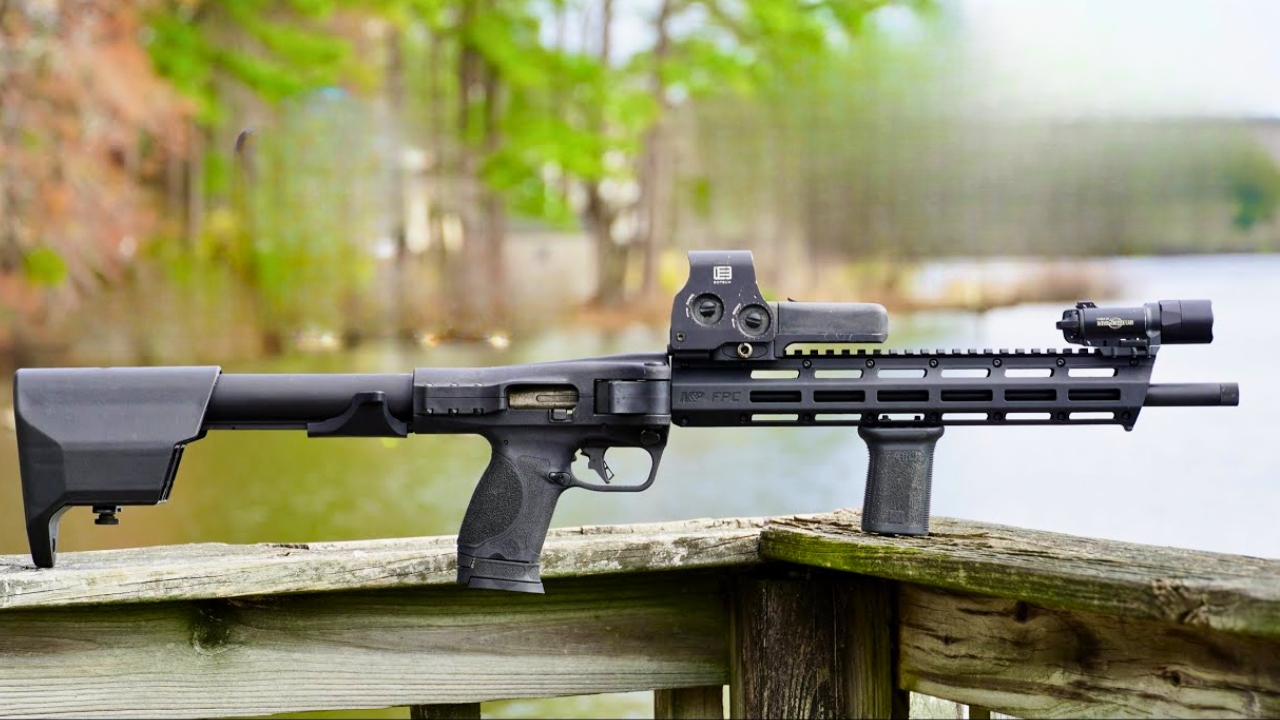
The Smith & Wesson FPC is a folding 9mm carbine designed around M&P pistol magazines. Unlike takedown rifles that separate into multiple pieces, the FPC folds sideways while keeping the optic mounted and the action enclosed. It was built for compact storage rather than traditional appearance.
Its collector potential depends on whether it becomes a long-running platform or a short-lived experiment. Folding carbines occupy an unusual category, and successful examples often develop loyal followings. The FPC also represents Smith & Wesson’s response to the growing demand for compact pistol-caliber carbines that can be transported discreetly. Early versions may eventually look basic if the company adds different calibers, barrel lengths, or upgraded models. That could make original examples interesting as the starting point of the platform, particularly if the design is later changed substantially.
Springfield Armory SA-35
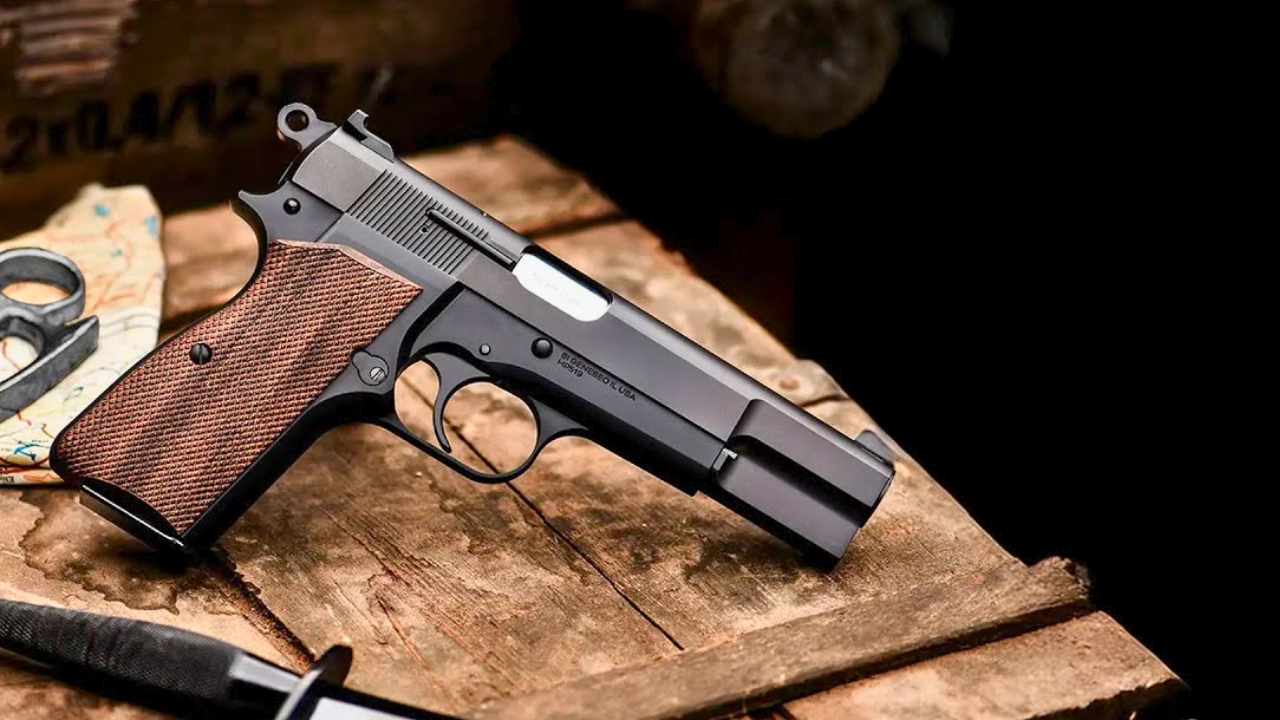
The Springfield Armory SA-35 brought the classic Browning Hi-Power pattern back to American shooters at a time when original pistols were becoming increasingly expensive. It retained the recognizable shape while adding practical changes such as improved sights, a larger safety, a 15-round magazine, and the removal of the magazine disconnect.
Its long-term appeal may come from being part of the Hi-Power revival that followed Browning’s discontinuation of the original design. Several companies introduced their own versions, but not all of them will remain in production. Early SA-35 pistols also developed a complicated reputation because of initial reliability complaints, which may create collector interest in production changes and serial-number ranges. Factory-original examples could become increasingly desirable if Springfield later updates or replaces the design. It may never carry the value of a Belgian Browning, but it could become an important piece of the modern Hi-Power story.
FN 15 Military Collector M4
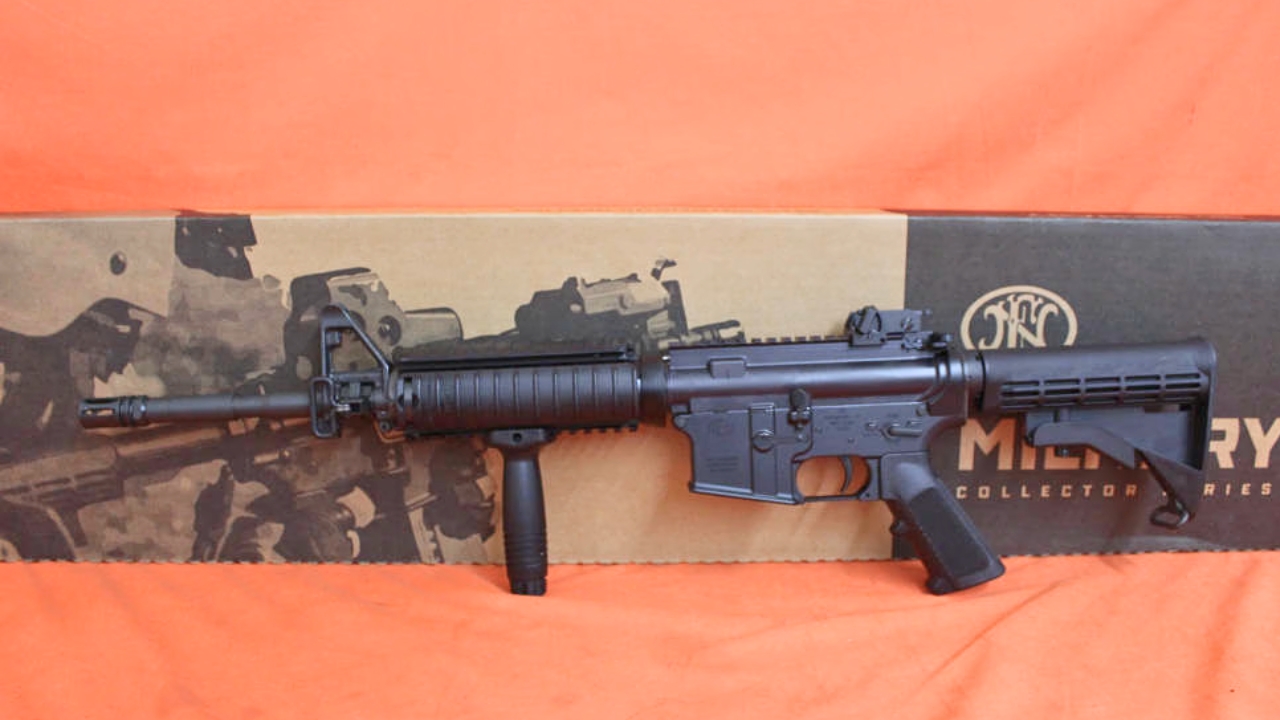
The FN 15 Military Collector M4 is designed to closely resemble the military M4 carbine while remaining a legal civilian rifle. It includes military-style markings, a 14.7-inch pinned barrel, appropriate furniture, and details intended to appeal to collectors rather than buyers simply looking for the least expensive AR-15.
Clone-correct and military-inspired rifles have become a major collecting category. As military equipment changes, civilian versions of older service rifles often gain nostalgic appeal. The FN name adds credibility because the company has produced M4 and M16 rifles under military contracts. Future collectors may place greater value on early configurations that remain unmodified and retain their original furniture, sights, and documentation. Many owners will replace parts to create custom rifles, which could make untouched examples less common. It is unlikely to become rare immediately, but it has the ingredients needed for long-term collector interest.
IWI Galil ACE Gen II

The IWI Galil ACE Gen II modernized the Galil platform with improved controls, rails, adjustable stocks, and chamberings that appeal to contemporary shooters. It is a capable rifle, but some enthusiasts prefer the more distinctive appearance of the first-generation ACE.
That division may help both generations become collectible. The Gen II represents IWI’s attempt to move the platform closer to current tactical rifle expectations, even if doing so removed some of the visual character people associated with the earlier model. Rifles chambered in less common cartridges or using unusual magazine patterns may become particularly desirable if those versions are discontinued. The Galil name already carries military history, and imported rifles can become scarce quickly when regulations, contracts, or market conditions change. Owners who keep their rifles in factory configuration may be rewarded if future buyers begin searching for complete examples.
Robinson Armament XCR-L
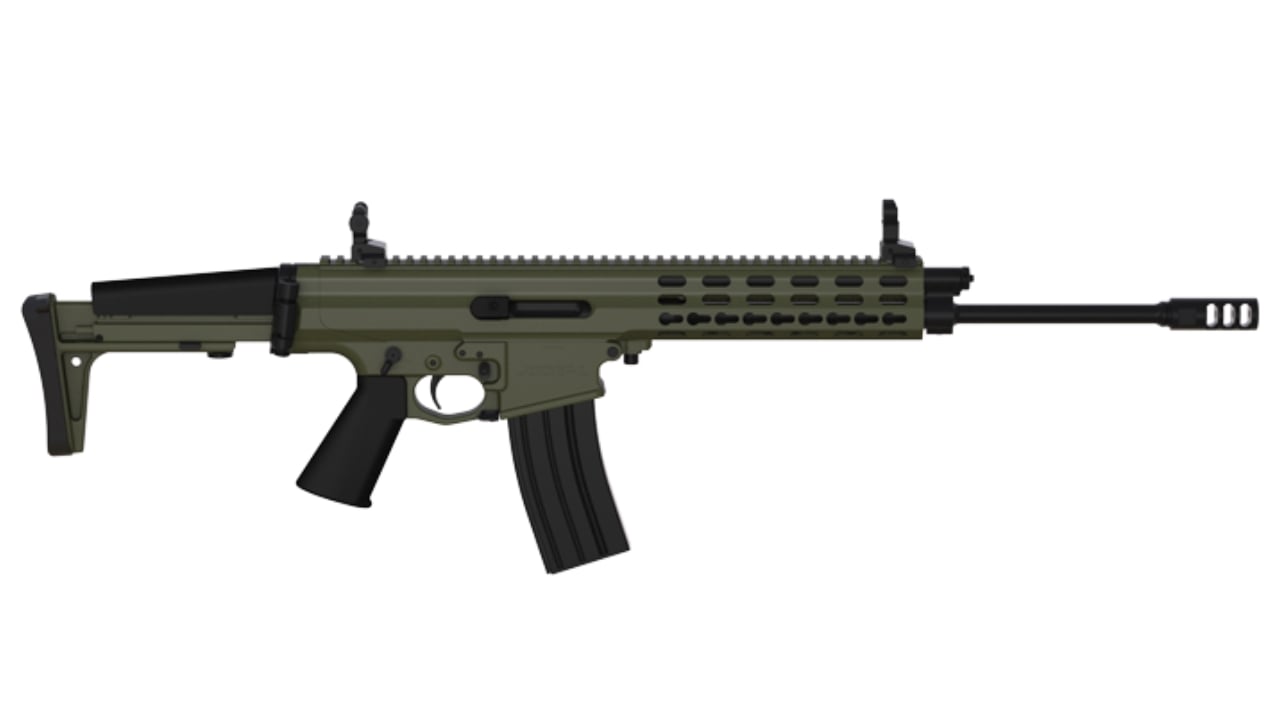
The Robinson Armament XCR-L has spent years existing outside the mainstream rifle market. It offers a long-stroke piston system, folding stock, caliber-conversion capability, and controls that differ meaningfully from the standard AR-15. Despite those features, it never achieved the widespread popularity of the FN SCAR or SIG Sauer MCX.
That may make it more interesting later. Firearms that were mechanically advanced but commercially overlooked often develop collector followings after production slows or ends. The XCR-L also represents an early stage of the modern modular-rifle movement, arriving before folding stocks and quick-change systems became common selling points. Numerous generations, barrel lengths, and caliber configurations could give collectors plenty of variations to chase. The smaller production numbers and limited dealer presence may make complete rifles harder to find than buyers expect once they are no longer readily available.
Barrett REC7 DI
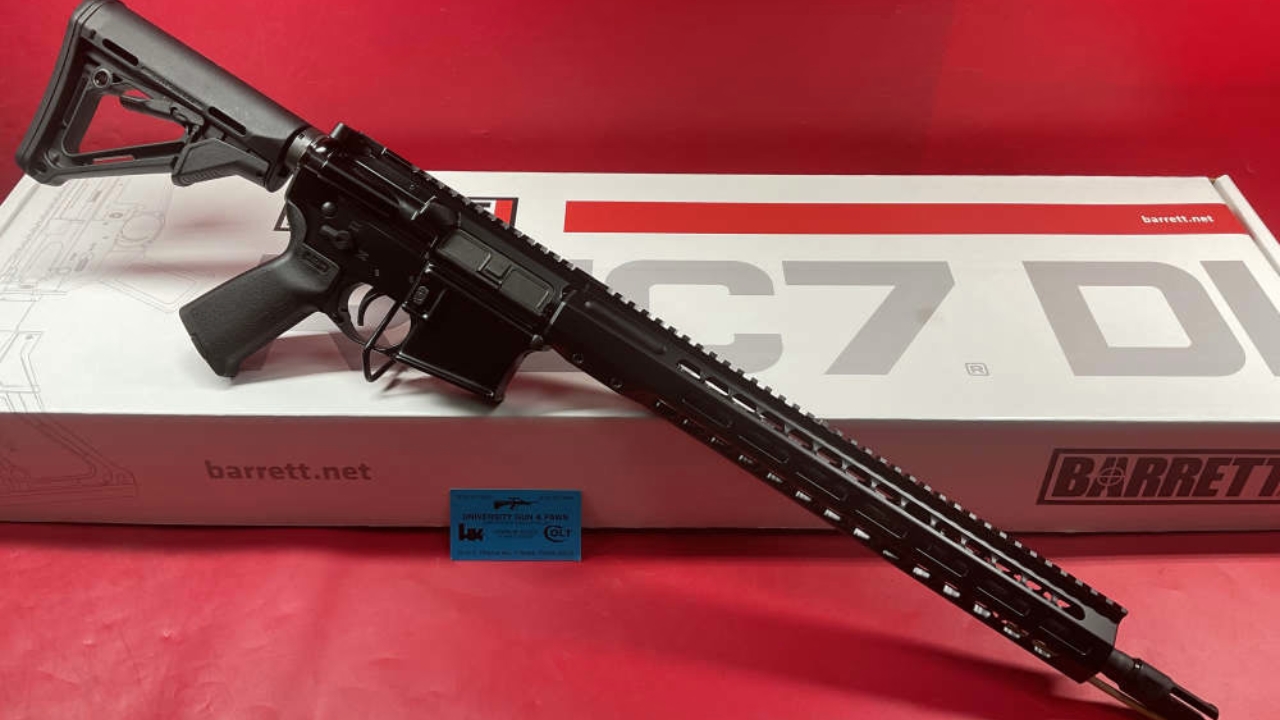
The Barrett REC7 DI is an AR-pattern rifle from a company better known for massive .50-caliber firearms. It combines high-quality components with the Barrett name, but it competes in a market overflowing with excellent AR-15s at nearly every price level.
That crowded market could limit its production life and create future collector interest. Brand collectors often seek unusual products that sit outside a manufacturer’s main identity, and a lightweight direct-impingement Barrett rifle fits that description. The REC7 line also documents Barrett’s expansion from long-range anti-materiel rifles into conventional carbines. Early configurations, factory SBRs, limited finishes, and complete examples with original accessories could become more desirable if Barrett eventually leaves the AR market. It may never become as famous as the M82, but rarity and the name on the receiver could make it much harder to find someday.
Daniel Defense DDM4 PDW
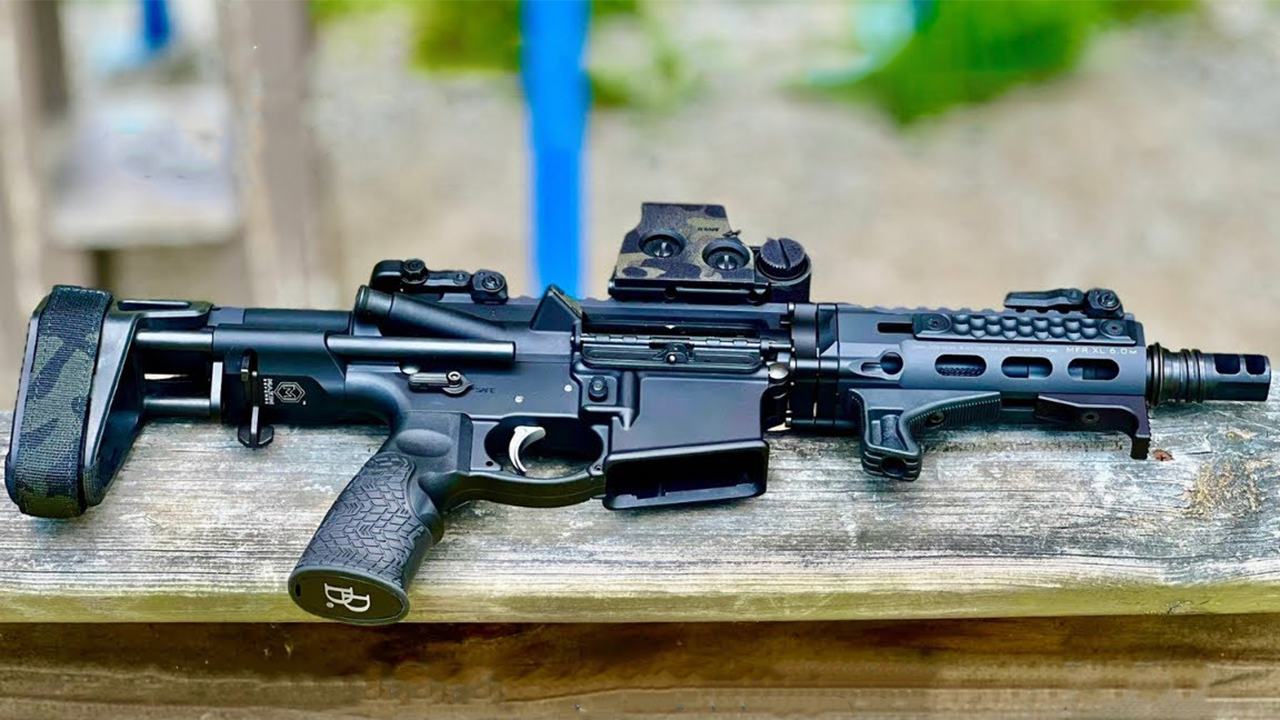
The Daniel Defense DDM4 PDW was built around the .300 Blackout cartridge and designed to remain extremely compact. Its short barrel, specialized brace or stock configurations, and premium construction made it one of the more recognizable factory personal-defense-style firearms of its period.
Changing regulations may have as much influence on its future collector status as the firearm itself. Models produced during uncertain legal periods often become tied to a specific chapter in firearms history. Original factory configurations can become especially desirable when owners alter them to comply with new rules or convert them into registered short-barreled rifles. The DDM4 PDW also reflects the height of civilian interest in compact .300 Blackout firearms. If the market shifts back toward longer rifles or different cartridges, it may eventually stand as one of the defining premium compact guns of its era.
Like The Avid Outdoorsman’s content? Subscribe to our newsletter so you never miss an article.
Here’s more from us: