Photo credit: Honest Outlaw/Youtube
Most guns start life with a job title. “Trench gun.” “Pocket pistol.” “Varmint rifle.” “Mountain carbine.” Then real life happens. A buddy needs something for a training class, your deer rifle gets rained on for three straight days, or you realize the gun you bought for one narrow use just keeps solving problems you didn’t plan for.
These are the kinds of firearms that were supposed to stay in their lane but ended up being the ones that get grabbed when you’re heading out the door and don’t want to think too hard. Not perfect. Not magical. Just useful in a way that’s hard to replace once you’ve lived with it.
1. Ruger 10/22
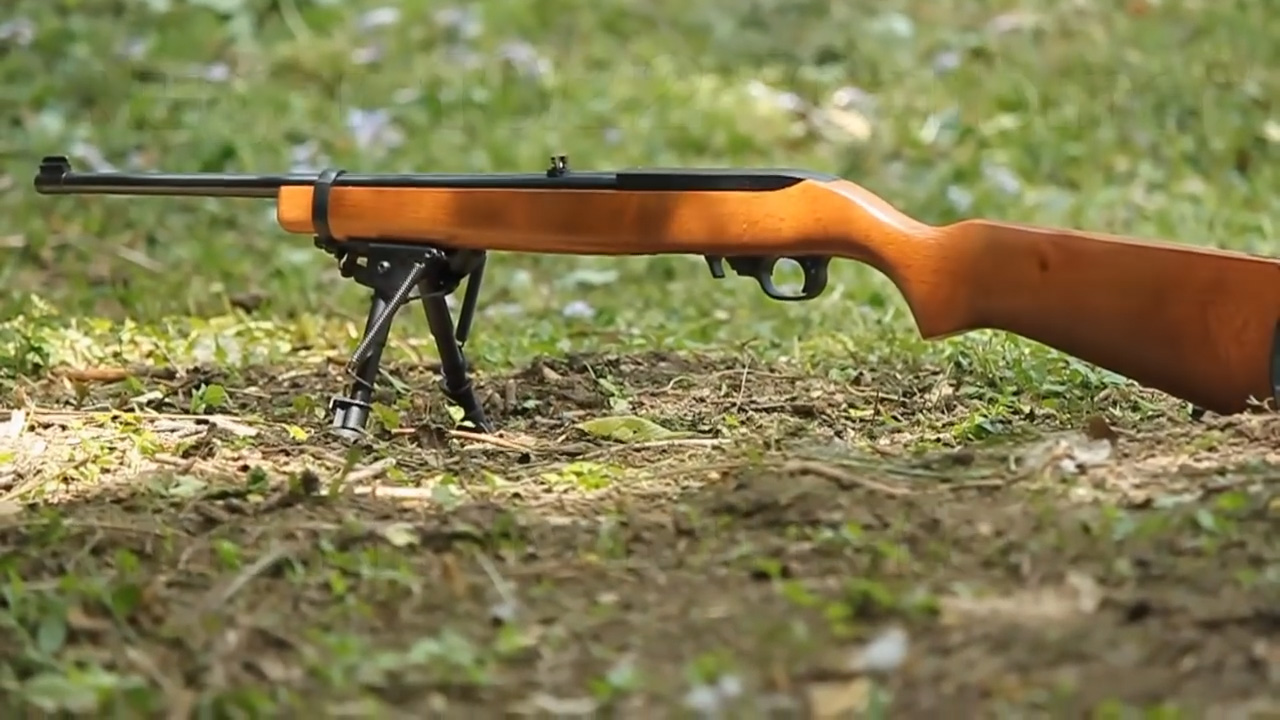
It’s “just” a .22 and most of us were introduced to it as a starter rifle. Then you realize it’s a small-game rifle, a cheap practice tool, a backyard pest problem-solver (where legal and safe), and the gun you loan to a new shooter because it won’t scare them off for life.
It carries light, points naturally, and runs dirty longer than it should. The aftermarket is almost ridiculous, but even bone-stock it’s hard to wear out. If you ever sold one to “upgrade,” you probably ended up buying another one later. Ask me how I know.
2. Glock 19
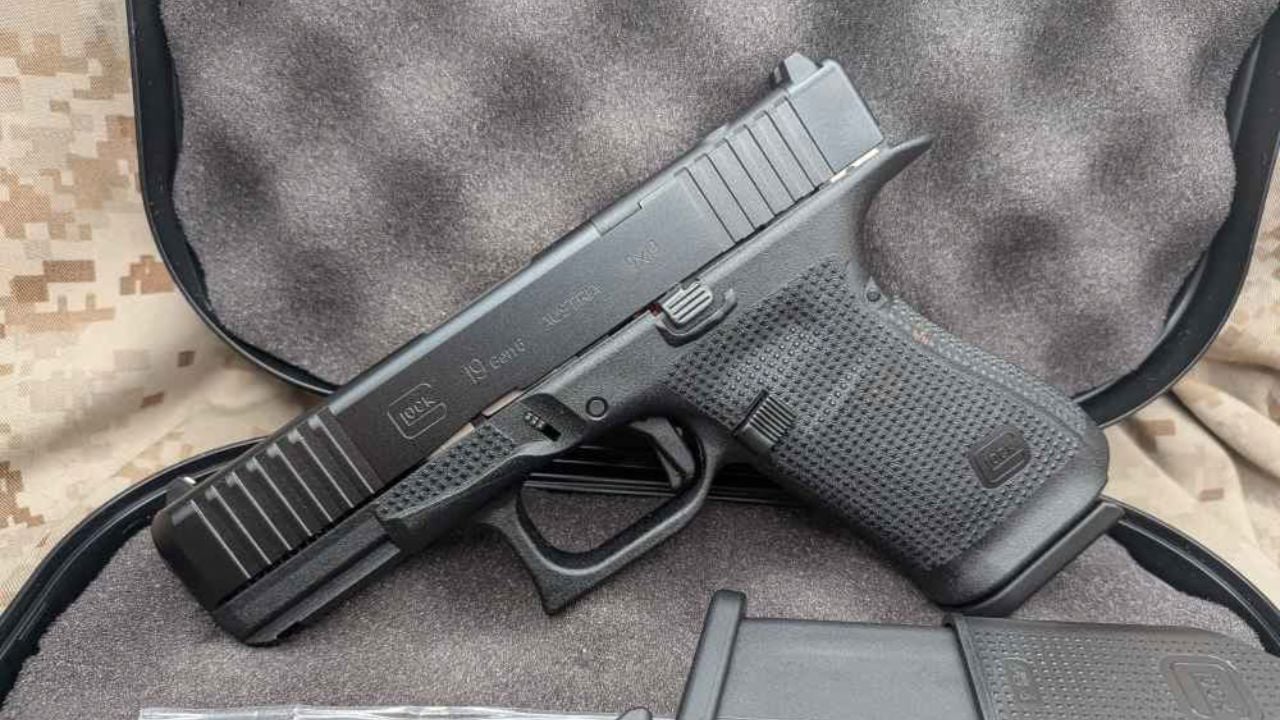
The G19 was built as a compact duty pistol, not a “do everything” gun. Somehow it became the default answer for carry, home defense, range practice, and even backcountry backup for folks who don’t want a boat-anchor on their belt.
It’s not glamorous. The trigger is fine, not dreamy. But magazines are everywhere, parts are everywhere, and it just keeps going with basic maintenance. When you want one pistol that doesn’t create problems, this is the boring answer that keeps being right.
3. Remington 870
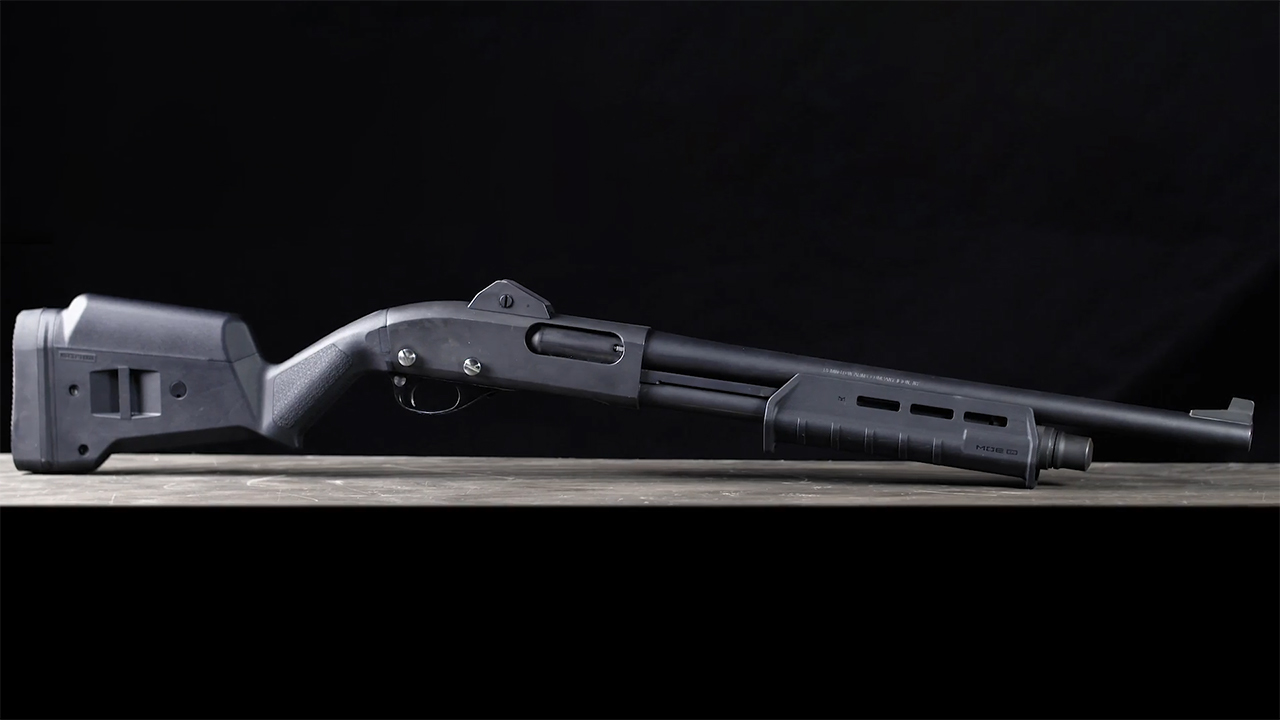
Originally a no-nonsense pump for hunting and police use, the 870 turned into the shotgun equivalent of a pocketknife. Bird gun one day, deer slug gun the next, then a camp gun after that. Barrels and chokes let it change roles without drama.
There are plenty of newer options, and yes, some later production guns didn’t have the same feel as the older ones. Still, the action is familiar, the controls make sense in the dark, and it’s easy to keep running. An 870 that’s been cared for is hard to hate.
4. Mossberg 500
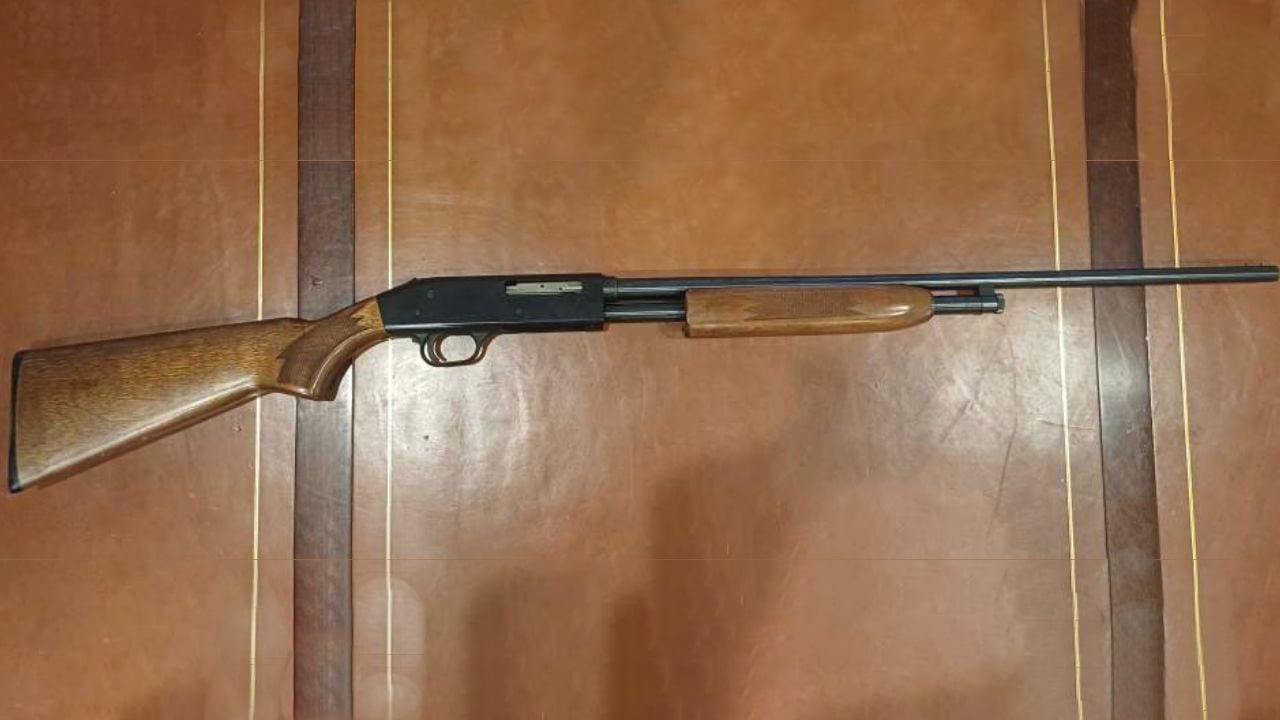
The Mossberg 500 was meant to be an affordable working shotgun, and it stayed that way. But it also proved you can be affordable and still be tough enough to live behind a truck seat, in a duck boat, or in a closet for a decade and still function.
The tang safety is a real advantage for lefties and for quick confirmation. It’s not as slick as an 870 out of the box, but it loosens up. When the weather is bad and you don’t want to baby a gun, the 500 earns its keep.
5. Ruger GP100
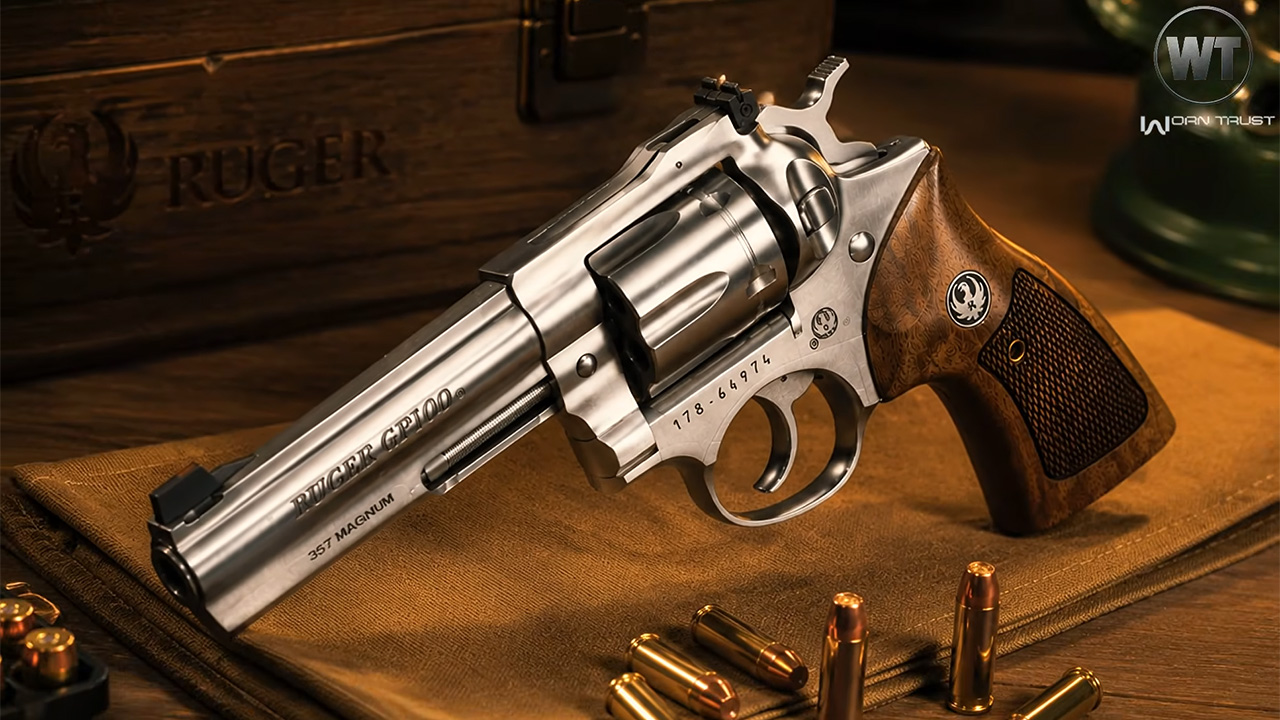
Ruger built the GP100 to be a durable .357 that could take a steady diet of full-power loads. That sounds like a niche goal until you spend time around revolvers that shoot loose. The GP100 stays tight, and the weight that makes it “not fun” to carry is also what makes it shootable.
It’s a woods gun, a nightstand gun, a range gun, and a “hand it to someone who needs a revolver that works” gun. Not a collector’s darling. Just a strong tool with a trigger that can be made very good with use and sensible tuning.
6. Smith & Wesson Model 10
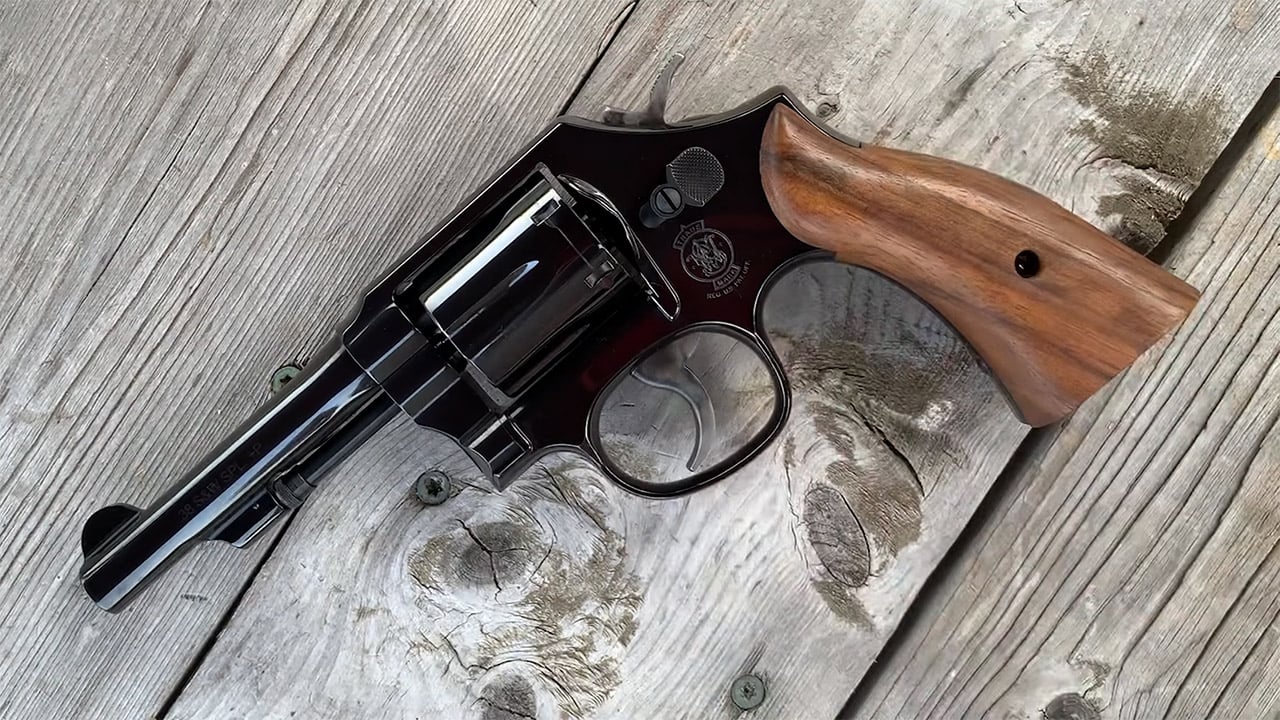
This one was born as a service revolver, plain as a fence post. And that’s why it keeps fitting in. Medium frame, decent sights, predictable recoil with .38 Special, and it points like a handshake.
It’s still one of the best “learn a revolver” guns ever made, and it’s a practical house gun for folks who don’t want to chase magazines around. There’s nothing fancy about it, and that is kind of the point.
7. Marlin 336

The 336 was designed to be a handy deer rifle, and it is. But it also turned into a brush gun, a saddle gun, a still-hunt rifle, and the “one rifle behind the seat” choice for people who want fast handling over long-range hype.
In .30-30 it’s friendly, effective, and doesn’t ruin your shoulder during a long sight-in session. The slim profile carries well in thick timber, and it cycles quick without needing you to come off the stock. In real hunting country, it’s hard to argue with.
8. Henry Big Boy Model X
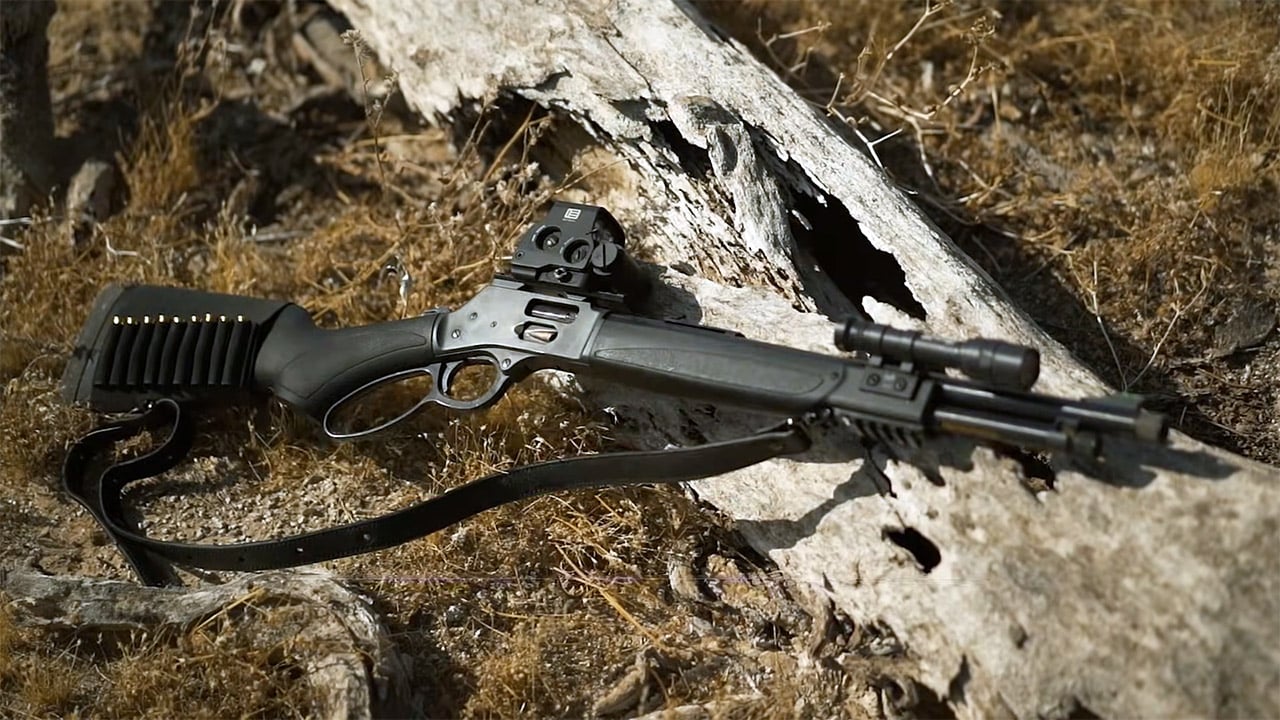
Lever guns were supposed to be old-school hunting rifles. The Model X showed up with modern furniture and threaded muzzle options and ended up being far more versatile than most folks expected.
In pistol calibers it’s comfortable to shoot, often suppressor-friendly where legal, and it works for everything from hogs in tight cover to walking around the farm checking fence lines. It’s not light, and it’s not cheap, but it’s a lever gun that fits modern life without losing its soul.
9. Ruger Mini-14

The Mini-14 was meant to be a light ranch rifle, and it still shines there. But it also turned into a training rifle, a home-defense rifle for folks who don’t want an AR, and a practical predator gun that doesn’t look “tactical” to every neighbor in the county.
Accuracy used to be the knock on older thin-barrel models, and some of that criticism was fair. The newer guns are better, and either way the handling is what keeps people coming back. It’s quick, it’s handy, and it feels like a rifle instead of a science project.
10. Colt LE6920

This rifle was built as a straightforward, duty-grade AR-15. It became the benchmark for “I need an AR that’s not going to surprise me,” and that’s why it ends up doing everything from range classes to coyote stands.
It’s not a boutique build. The furniture is basic. But it tends to be properly assembled, parts are standard, and it runs. When someone says, “I just want a solid AR,” this is the kind of gun they mean even if they don’t know it.
11. Springfield Armory M1A
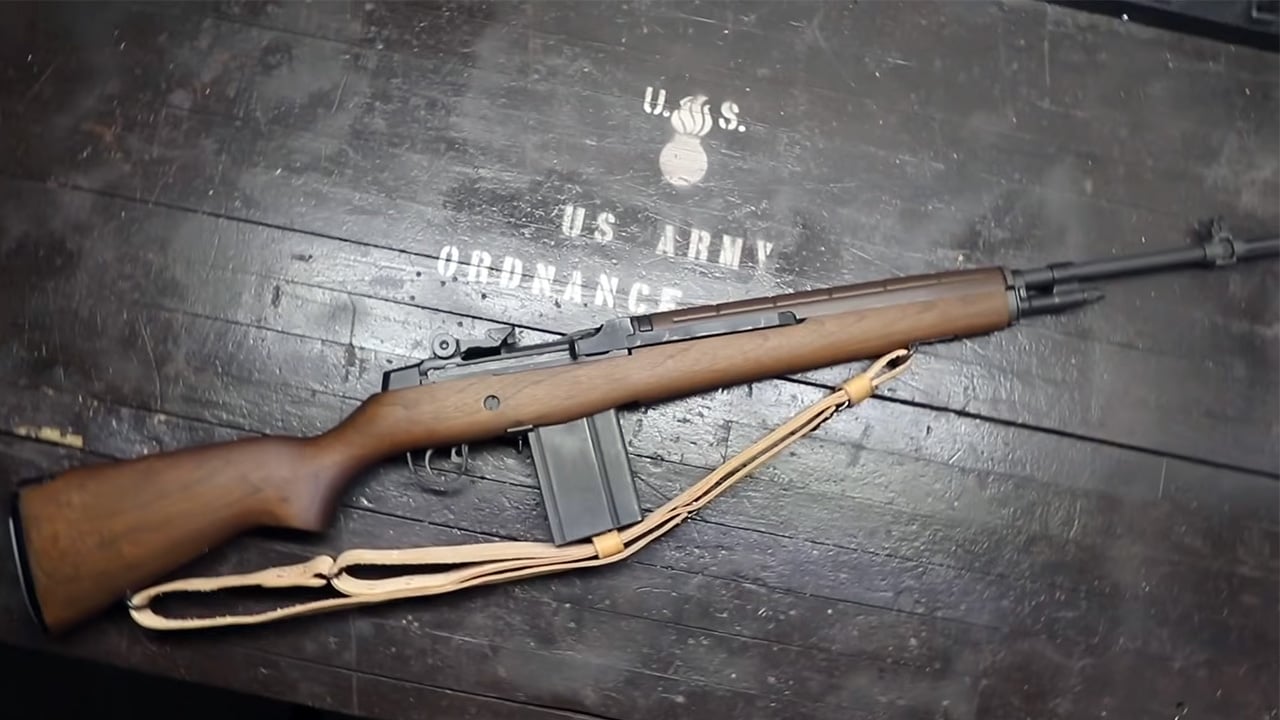
The M1A was born out of a battle rifle lineage, and a lot of folks buy it for history and vibes. Then they find out it’s a surprisingly capable hunting rifle in the right hands, especially in places where a .308 with good irons still makes sense.
It’s not light, and optics mounting can be a whole thing. Still, the balance is good, the recoil impulse is smooth, and it’s satisfying to run. If you enjoy shooting as much as you enjoy filling tags, it scratches both itches.
12. Ruger American Rifle

The Ruger American was built to be a budget bolt gun that shoots straight. It ended up being the rifle that rides in the truck, sits in the corner of the cabin, gets loaned to a nephew for deer season, and still prints honest groups.
The stock feels a little hollow, and it will never win a beauty contest. But it’s light enough to carry, accurate enough to matter, and the magazines and chamberings cover a lot of ground. It’s a working rifle that doesn’t ask you to baby it.
13. Savage Model 110
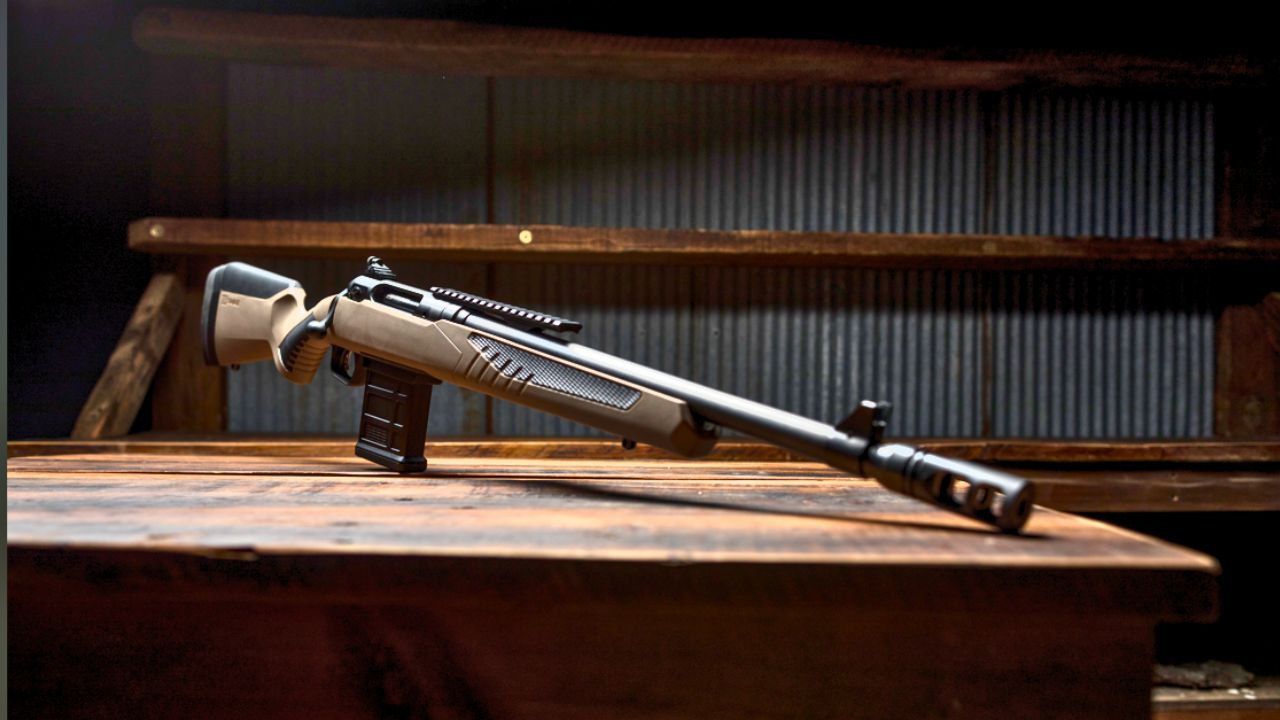
This rifle’s purpose was simple: a bolt gun that could be produced efficiently and shoot well. The 110 turned into the platform that got a lot of everyday hunters into real accuracy without spending custom money.
The AccuTrigger changed the game for normal people, and barrel swaps became a whole subculture. Even if you never touch a wrench, the 110 tends to be a steady performer. It’s not sexy, but it stacks seasons.
14. Tikka T3x Lite
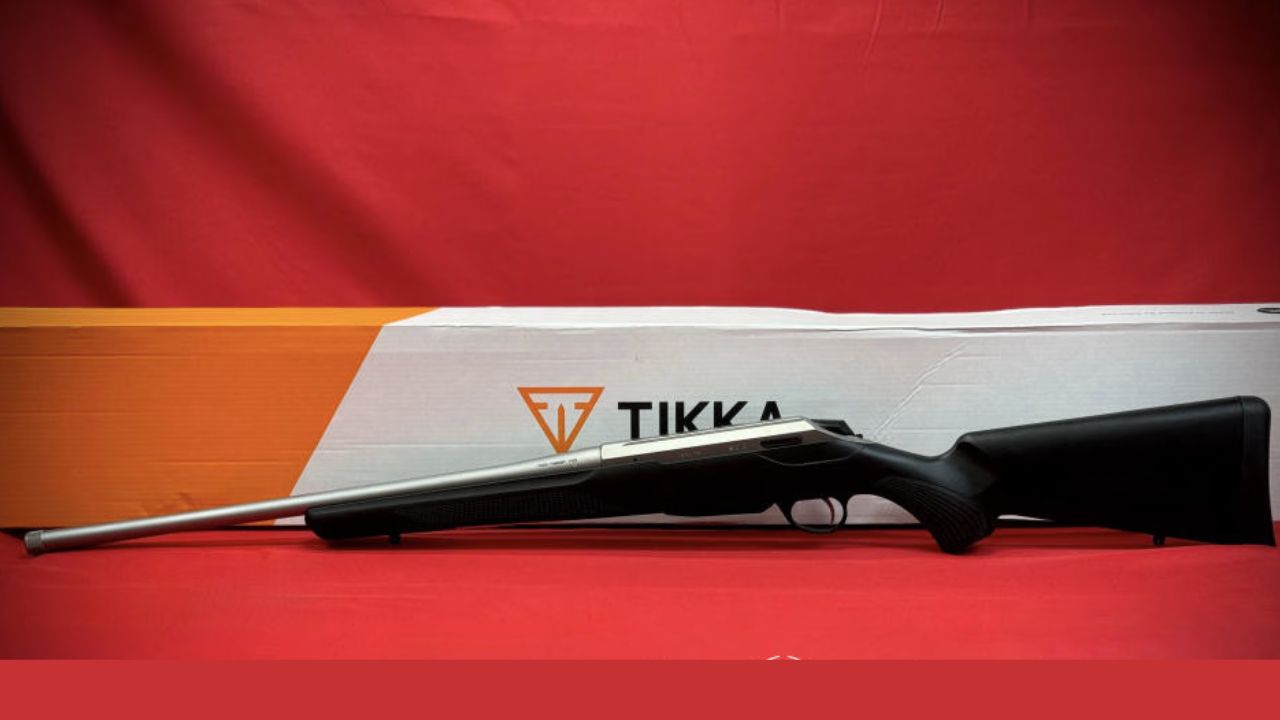
The T3x Lite is marketed like a mountain rifle, and it absolutely is one. What surprised a lot of shooters is how it behaves as an “everyday” rifle. The action is smooth, the accuracy is usually there, and it carries all day without making you hate life.
Light rifles can be unpleasant with heavier calibers, so cartridge choice matters. But in sensible chamberings it’s a rifle you can hunt with hard, then take to the range without feeling like you’re practicing with a punishment device.
15. CZ 457
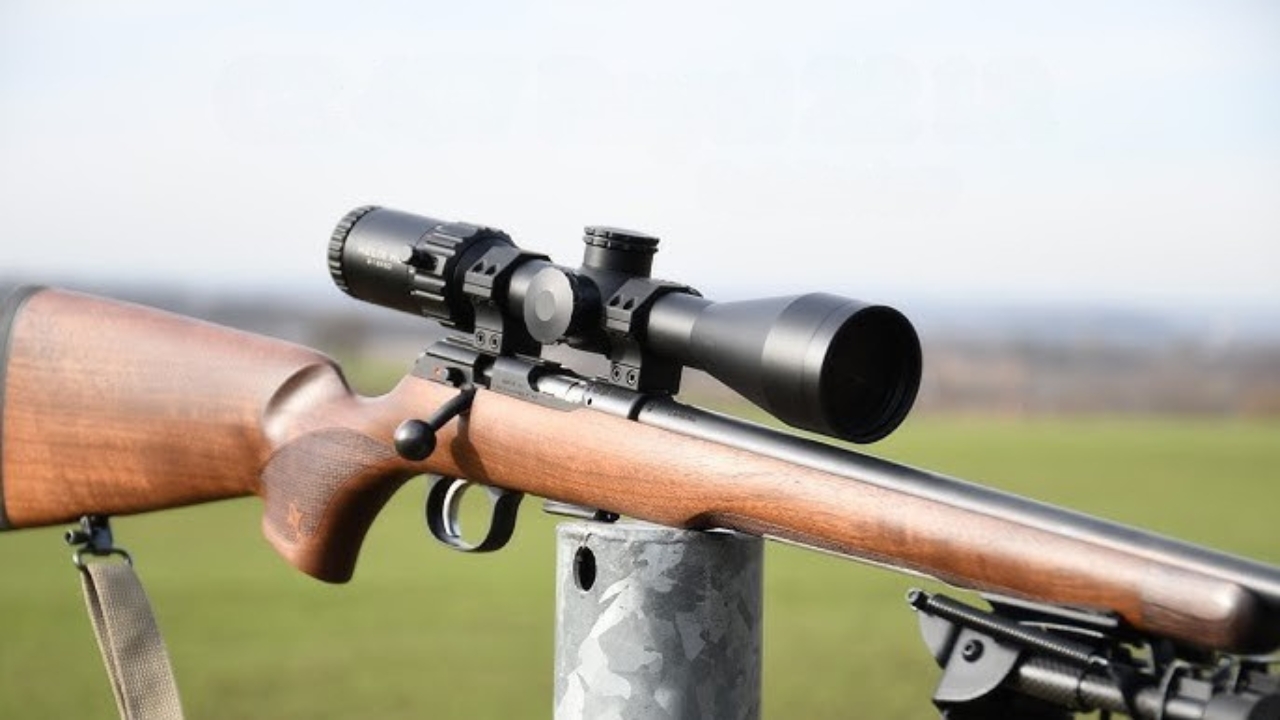
The 457 was built as a serious rimfire platform, the kind of gun meant for accuracy nerds. Then it became the .22 you take everywhere because it’s accurate enough to embarrass centerfire rifles at short range and quiet enough to be polite.
It’s a small-game rifle that makes head shots feel normal instead of lucky. It’s also a training rifle for positions, wind calls, and trigger control when centerfire ammo prices get stupid. Once you’ve owned a good bolt .22, you stop thinking of rimfire as “kid stuff.”
16. Beretta 1301 Tactical
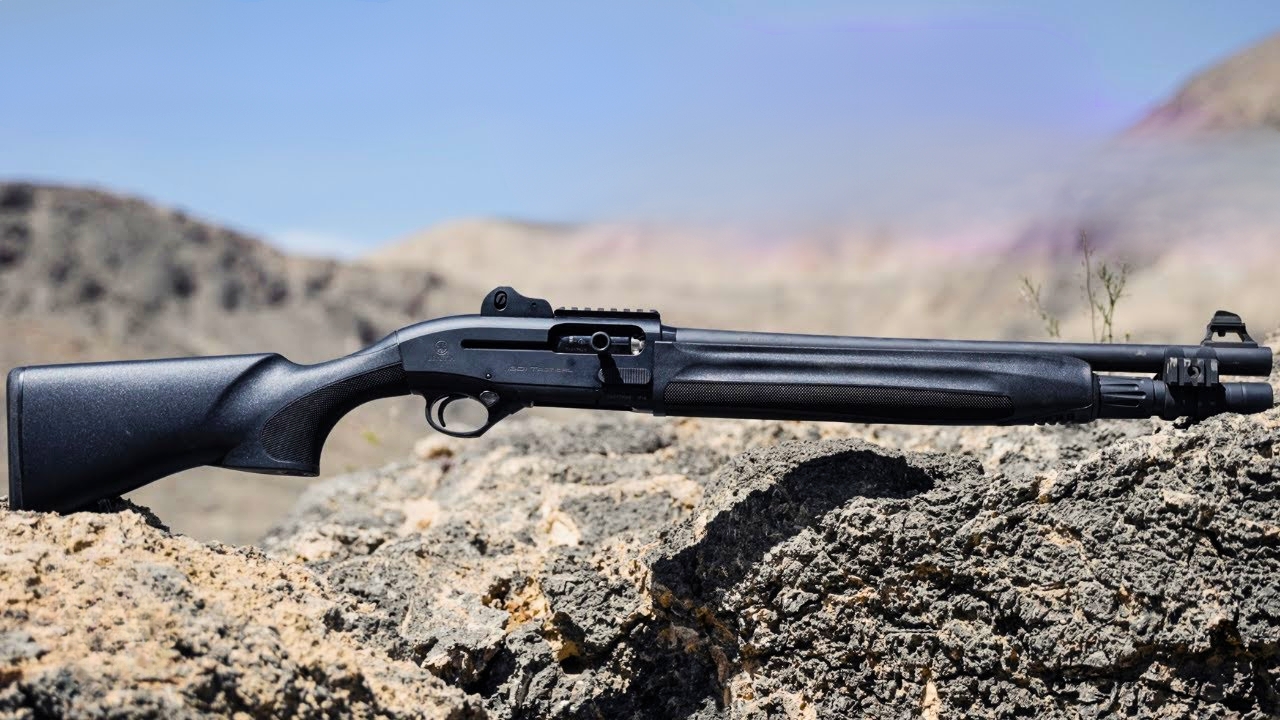
This one was designed for defensive use and fast cycling. Then bird hunters and clay shooters started paying attention because it runs like it’s angry and still doesn’t beat you up the way some hard-kicking autos do.
It’s light, quick, and the controls are laid out like Beretta actually asked people with cold hands what they needed. It’s not the cheapest semi-auto, and you’ll feel that when you swipe the card. But it’s the kind of shotgun that makes you trust a semi-auto again.
17. Benelli M2
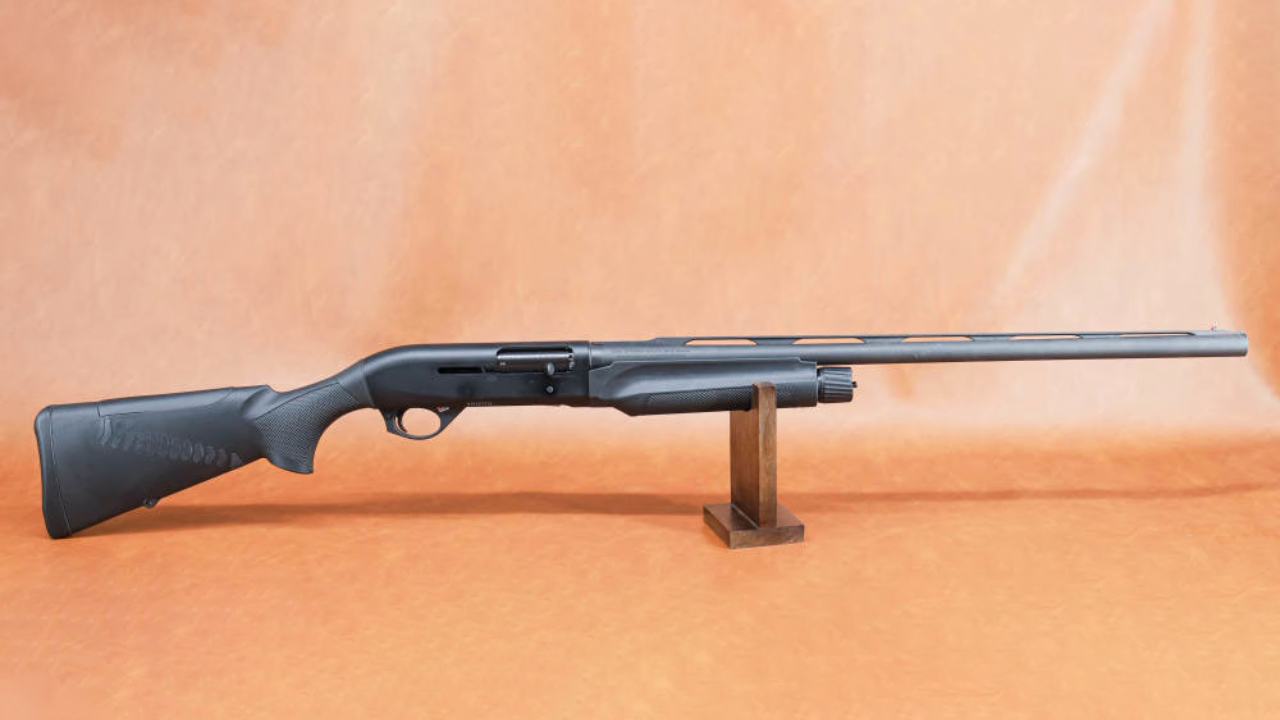
The M2 is a classic “reliable inertia gun” and a lot of folks bought it as a bird shotgun. It ended up being a crossover gun for everything: clays, waterfowl, turkey, and even defensive use for people who want a simple, clean-running semi-auto.
Inertia guns can be picky with ultra-light loads, depending on setup and shooter technique, but the M2 is generally forgiving. It carries well, it’s easy to maintain, and it’s the kind of shotgun that still feels good after a long day when your shoulders are tired.
18. Ruger Mark IV
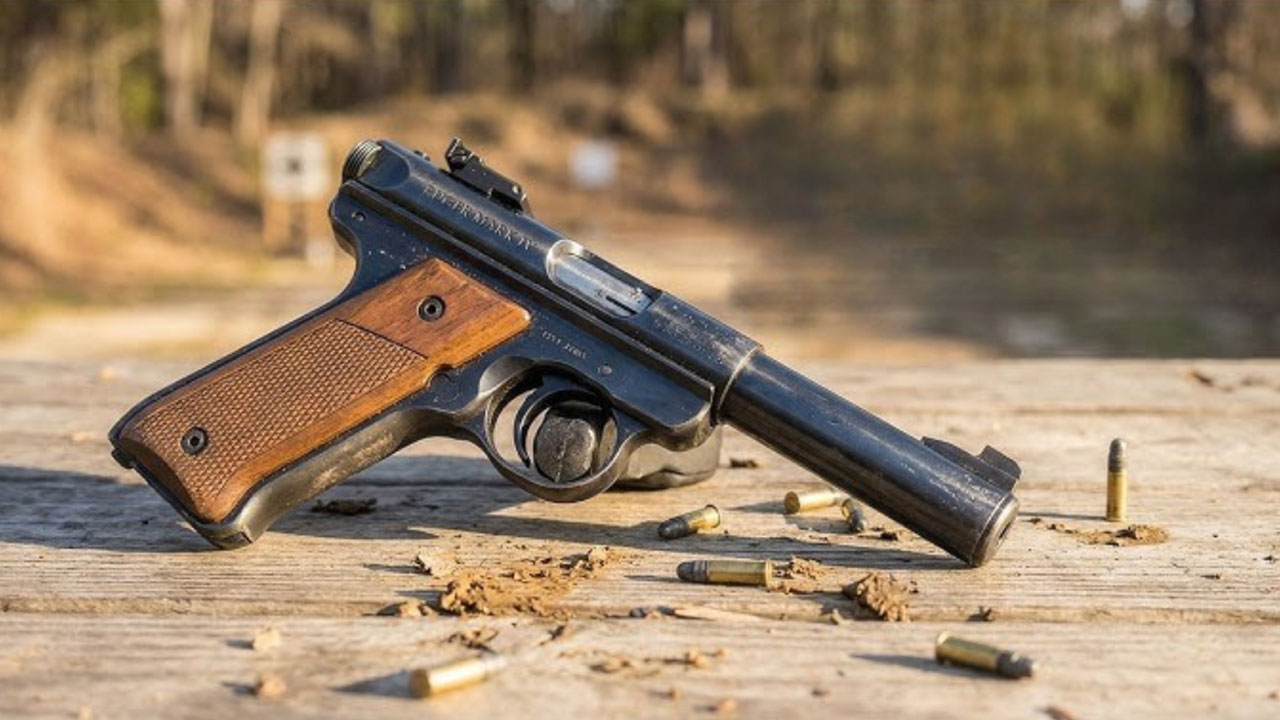
The Ruger Mark series was always a target .22 idea, but the Mark IV turned it into a practical tool again because of one simple change: takedown that doesn’t require a ritual and three swear words.
It’s a trainer, a plinker, a small-game handgun, and the pistol you bring to the range when you want to actually enjoy yourself. The grip angle isn’t everyone’s favorite, but the accuracy is there, and the reliability with decent ammo is hard to beat.
19. SIG Sauer P365

The P365 was built to solve one problem: make a small carry gun that doesn’t feel like a compromise. It did that, and then it turned into a “one pistol household” option for a lot of people who don’t want a drawer full of specialized handguns.
It’s small enough to actually carry, yet shoots larger than it looks if you practice. Magazines are common now, holster support is endless, and it’s easy to set up with or without an optic depending on your tastes. Not everyone shoots micro-compacts well, but this one made a lot of folks rethink what “too small” means.
20. Smith & Wesson Model 686

The 686 was designed as a robust .357 with adjustable sights, a revolver you could shoot a lot without it shaking itself apart. It ended up being a near-perfect “do most things” wheelgun: range work, woods carry, hunting backup, and even home defense if you like revolvers.
With .38s it’s soft and easy. With full .357 it’s serious without being miserable, especially in longer barrels. It’s not a pocket gun and it’s not cheap, but if you want one revolver that can live a long, useful life, this is one of the safest bets going.
The funny part about these “one-job” guns is that they rarely win internet arguments. They win Tuesday afternoons, damp Novembers, and the kind of real-world use that doesn’t care what’s trending. If you’ve got one in the safe that keeps getting picked over the flashy stuff, pay attention. That’s usually the one you’ll regret letting go.
Like The Avid Outdoorsman’s content? Subscribe to our newsletter so you never miss an article.
Here’s more from us: