Photo credit: Buckeye Ballistics/YouTube
Every old farm seems to have one: a lever gun that lived its whole life over a barn door, behind the kitchen stove, or on two nails in a mudroom. It was there for coyotes in the calf lot, a raccoon in the feed room, or a deer that needed putting down quick. Nobody called it a “collection.” It was just a rifle that worked.
Now the same rifles that rode out decades of dust and hay chaff are showing up at estate auctions and surprising families who thought Grandpa’s “old .30-30” was basically a wall hanger. Condition still matters, but so does the stamp on the barrel, the rollmark on the receiver, and whether the sight hood is still in the drawer where it fell 40 years ago. Here are 20 lever-actions that were treated like tools for a long time, until the prices started turning heads.
1. Winchester Model 1894 (pre-64)
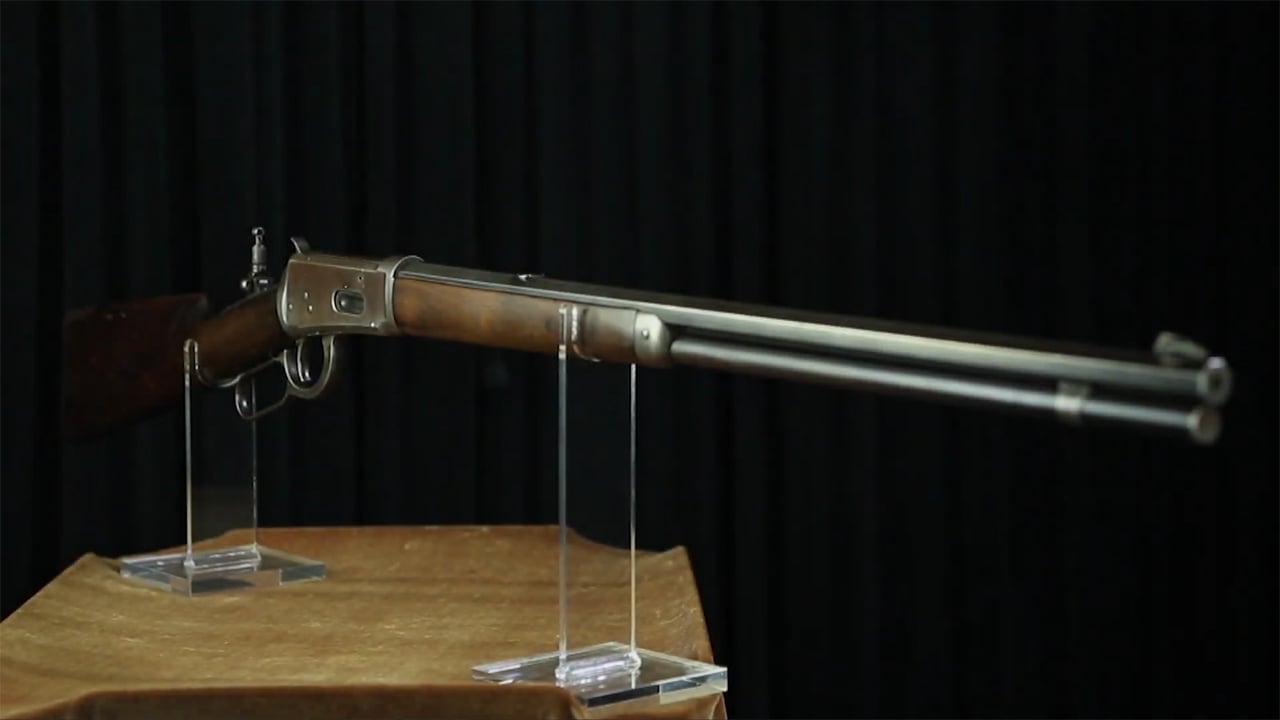
This is the one most folks mean when they say “old Winchester .30-30.” The pre-64 guns have that fit and finish you can feel the moment you work the lever, even if the stock is worn slick from a thousand one-handed carries.
They’re also the rifles that got used hard and put away wet, because they were common. The twist is they aren’t common anymore in nice shape, and even a rough one can bring attention if the receiver isn’t drilled extra and the parts are right.
2. Winchester Model 1894 “Saddle Ring Carbine”
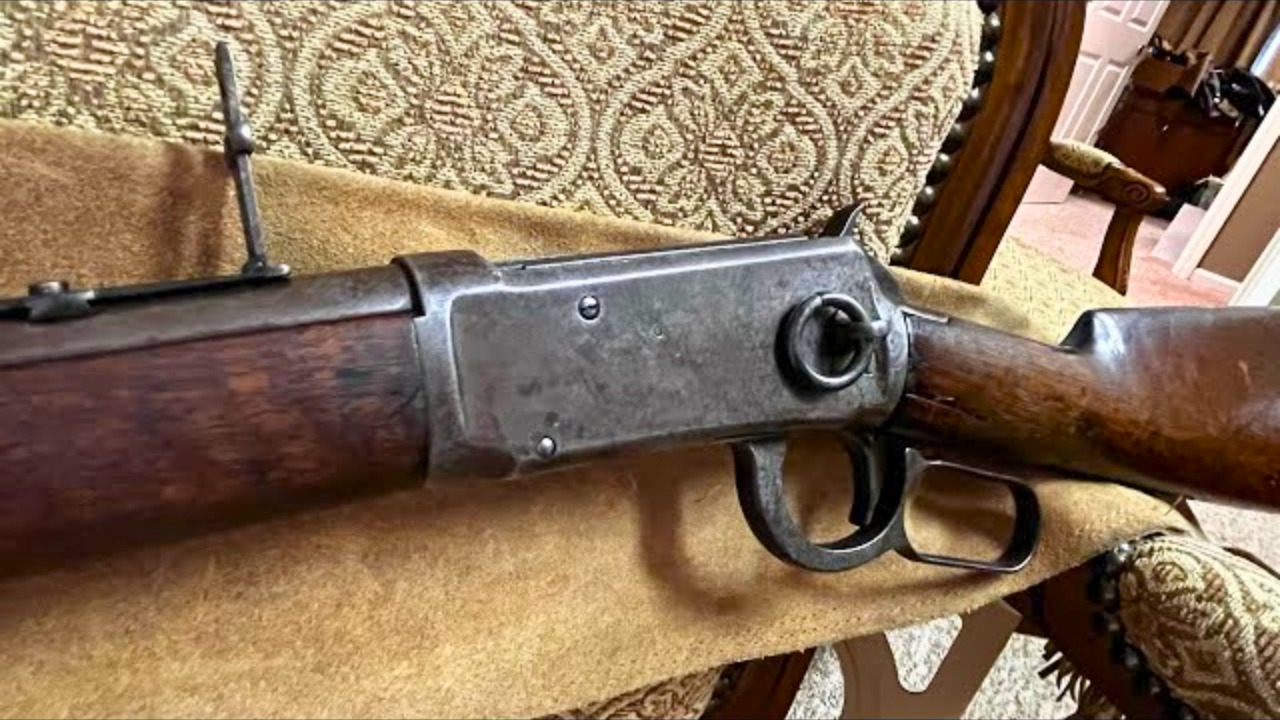
Short, handy, and honest. A saddle ring carbine looks like it belongs in a scabbard, even if it spent most of its time bouncing on a tractor rack.
Collectors like the details on these—correct barrel length, correct band configuration, correct ring setup. A missing ring won’t stop it from killing deer, but it can change the auction mood fast.
3. Marlin Model 336 (JM-stamped)
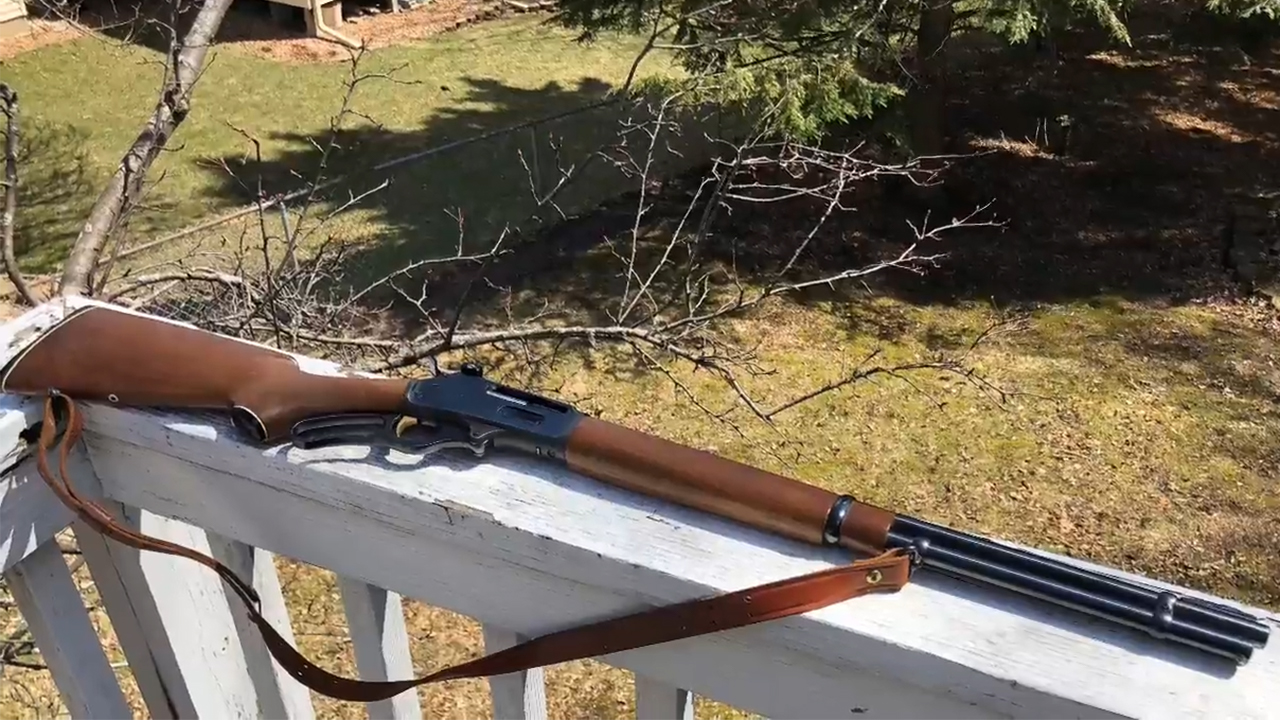
There’s nothing fancy about a 336, and that is kind of the point. They point quick in thick timber, they balance well with a simple 2-7 scope, and they’re easy to live with if you actually hunt instead of just talk about hunting.
The “JM” barrel stamp has turned into a shorthand for the earlier Marlin era, and buyers chase them hard. I’ve watched families shrug at a 336 like it’s a pawn shop special, then get real quiet when bidding starts.
4. Marlin Model 1895 (Guide Gun)
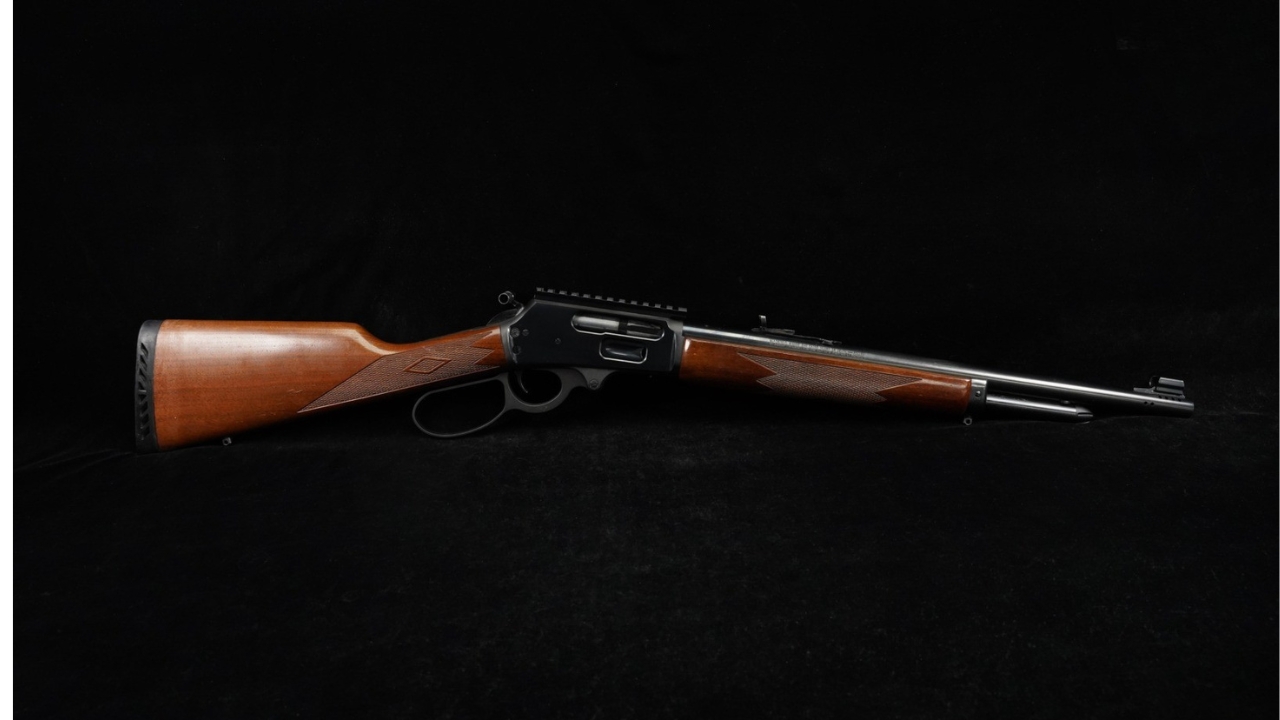
A lot of Guide Guns lived behind a truck seat or in a cabin corner because they were meant to be grabbed fast. Short barrel, big bore, loud as sin, and effective on anything that needs stopping.
Plenty of them are dinged up, and that doesn’t matter much. What matters now is that the good ones are no longer “just” a working .45-70, and clean examples bring numbers that make you double-check the screen.
5. Marlin Model 39A
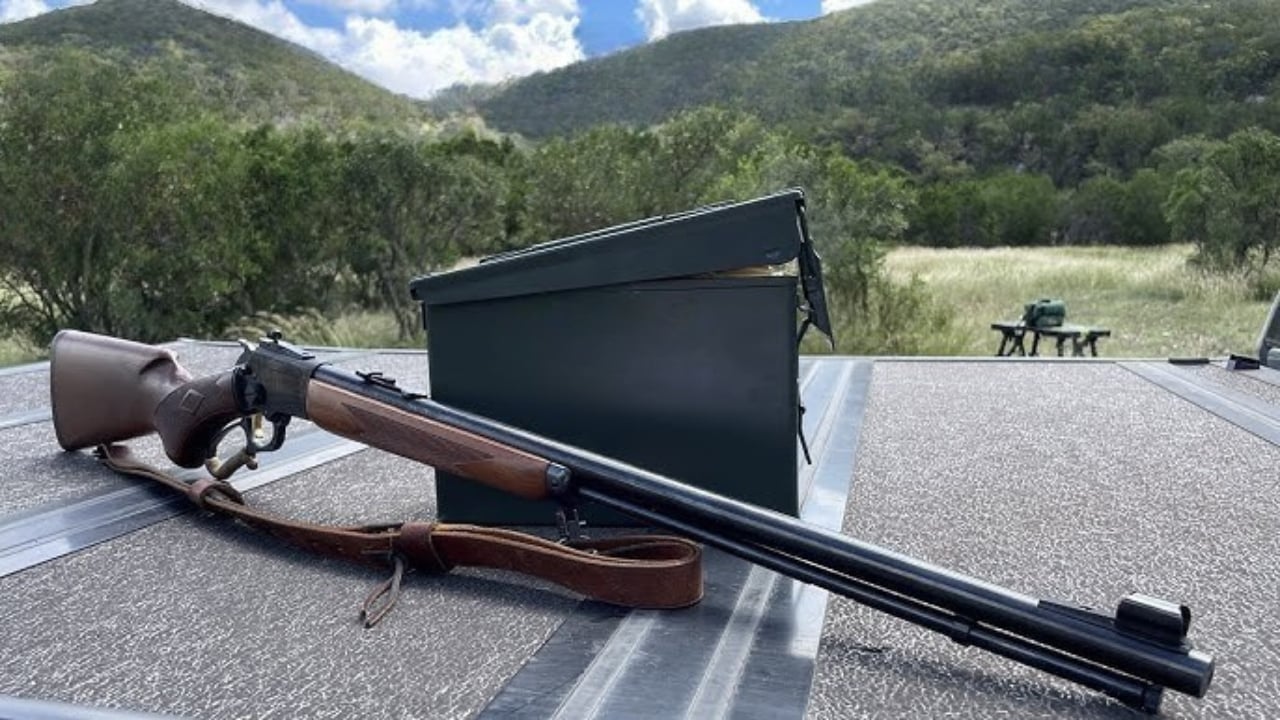
If you grew up with one, you know. A 39A is the kind of .22 you learn to shoot on, then you keep it because it keeps shooting. They’re smooth, accurate, and they feel like a real rifle instead of a toy.
Folks used to treat them like a farm tool for dispatching pests. These days, a clean 39A—especially with the right sights and no extra holes—pulls serious bids because new-production equivalents don’t feel the same.
6. Winchester Model 1892 (original production)
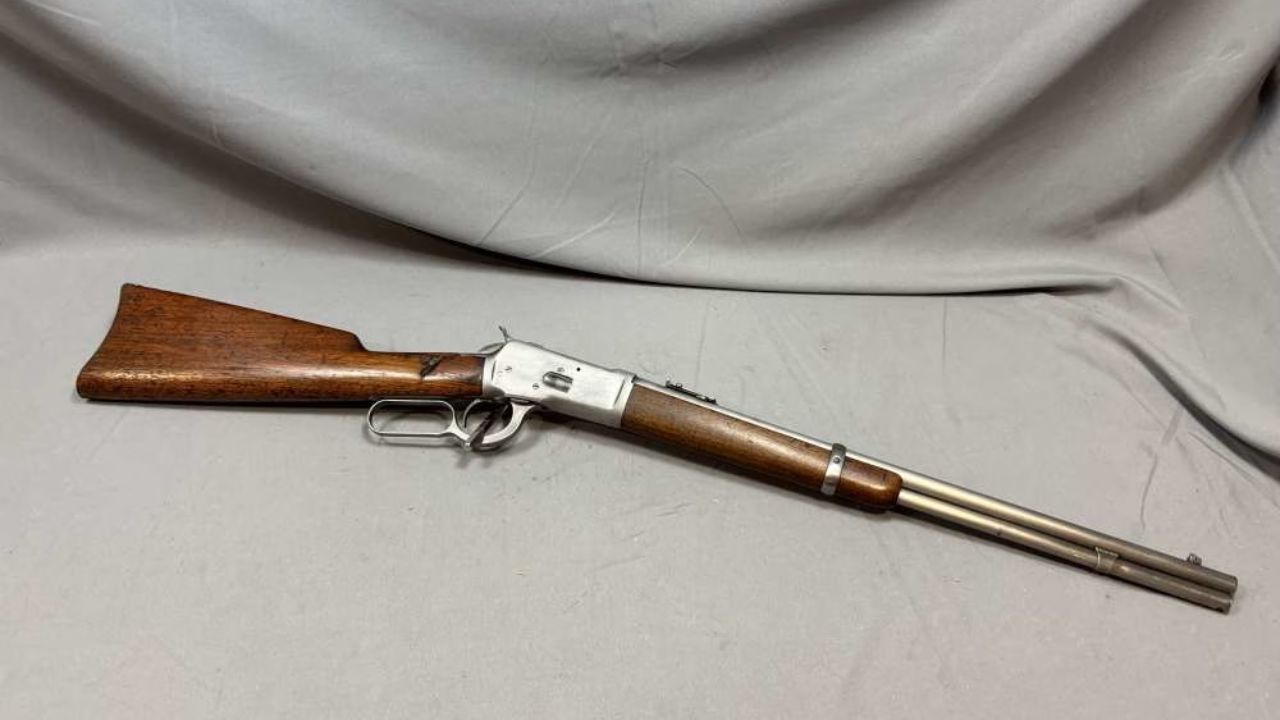
The 1892 is light in the hands and quick on target, and it has a mechanical slickness that’s hard to explain until you run one. A lot of them were carried as general-purpose ranch rifles in pistol calibers.
The downside is many got “improved” over the years—refinished metal, sanded stocks, aftermarket sights done wrong. A correct, honest rifle with normal wear is what gets collectors leaning forward.
7. Winchester Model 1873 (original production)
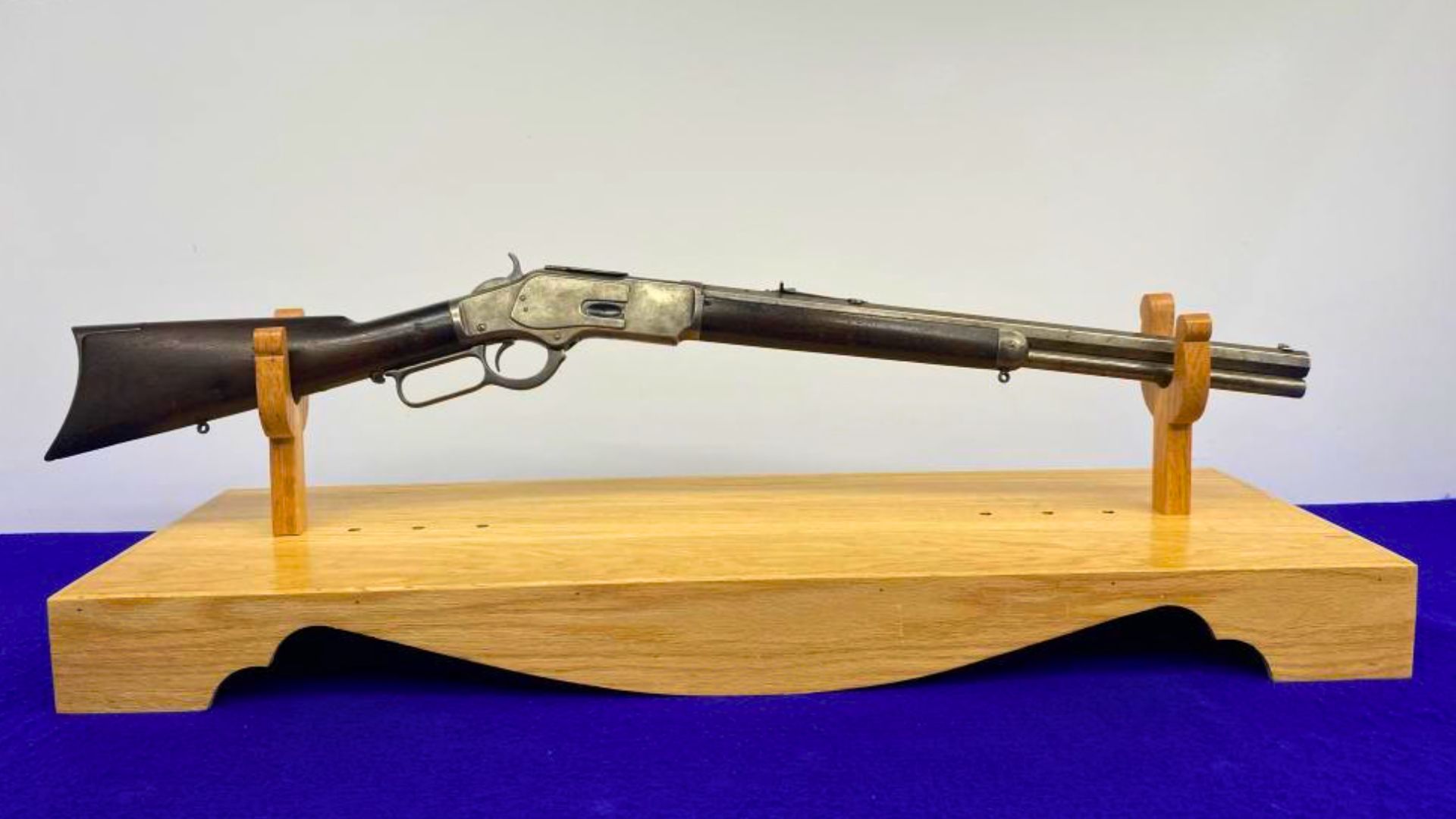
These weren’t barn guns everywhere, but where they were, they were treated like a family hammer. Same gun, same corner, decade after decade, usually in a pistol caliber that was also on the shelf in the kitchen cabinet.
Condition drives everything, but even tired examples get attention because the model carries so much history. If you ever handle one, you understand why people called it “the gun that won the West,” even if that line gets overused.
8. Henry Repeating Arms “Big Boy” (early production brass frame)
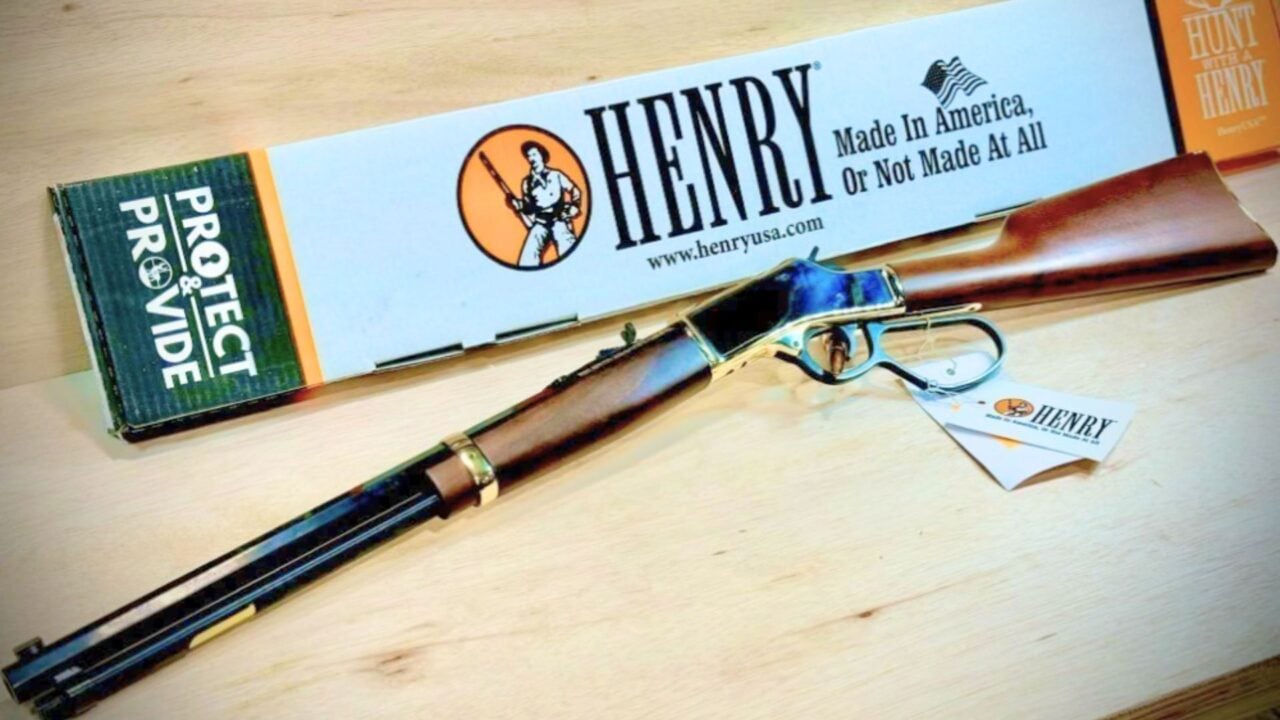
Henry Big Boys are common enough that some guys roll their eyes, but I’ve seen more than a few that sat as “the shiny one” over a door because it looked good and shot fine.
When pistol-caliber lever guns surged, these got pulled into the spotlight. They’re not everyone’s favorite to pack all day, but the demand is real, especially for clean examples with boxes and paperwork still tucked away.
9. Browning BL-22
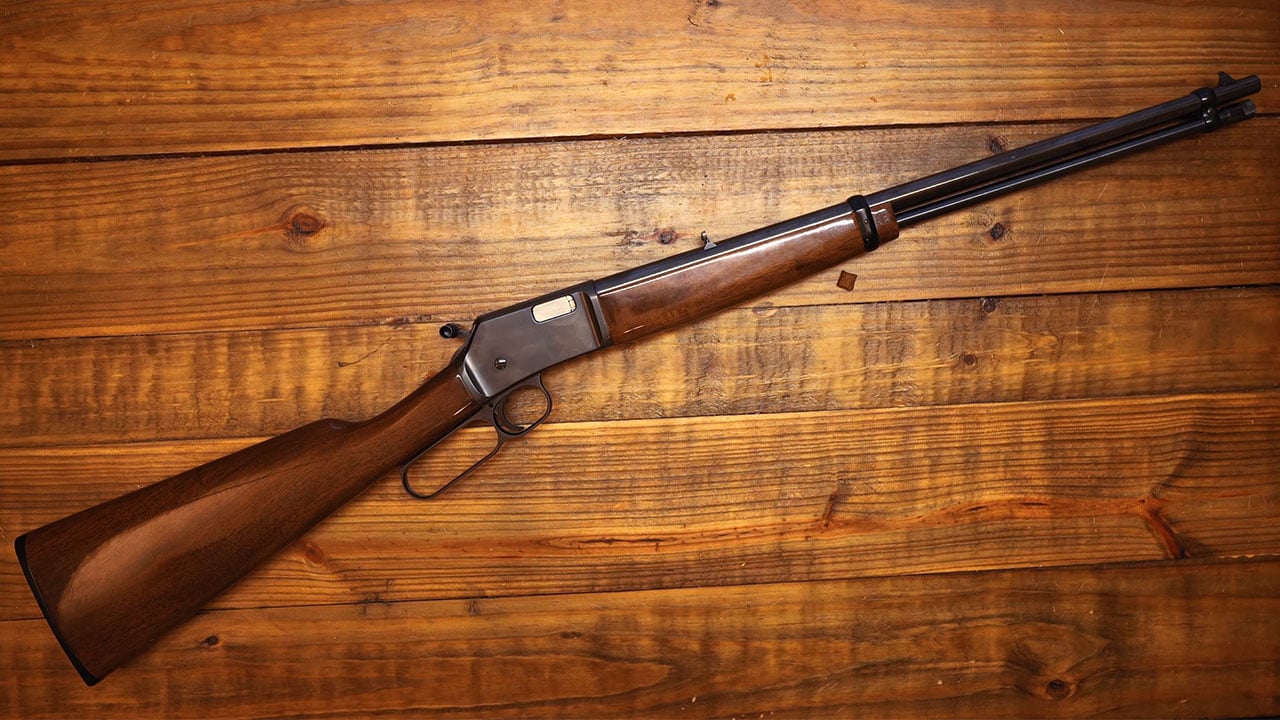
The BL-22 is one of those rifles that makes you grin. The short throw lever is fast, and the whole gun feels like it was built by people who actually cared about small details.
A lot of BL-22s were “kid rifles” that never got sold because they never quit. When they show up at auction now, bidders remember exactly what it felt like to burn through a brick of .22s on a summer afternoon.
10. Browning Model 71 (.348 Winchester)
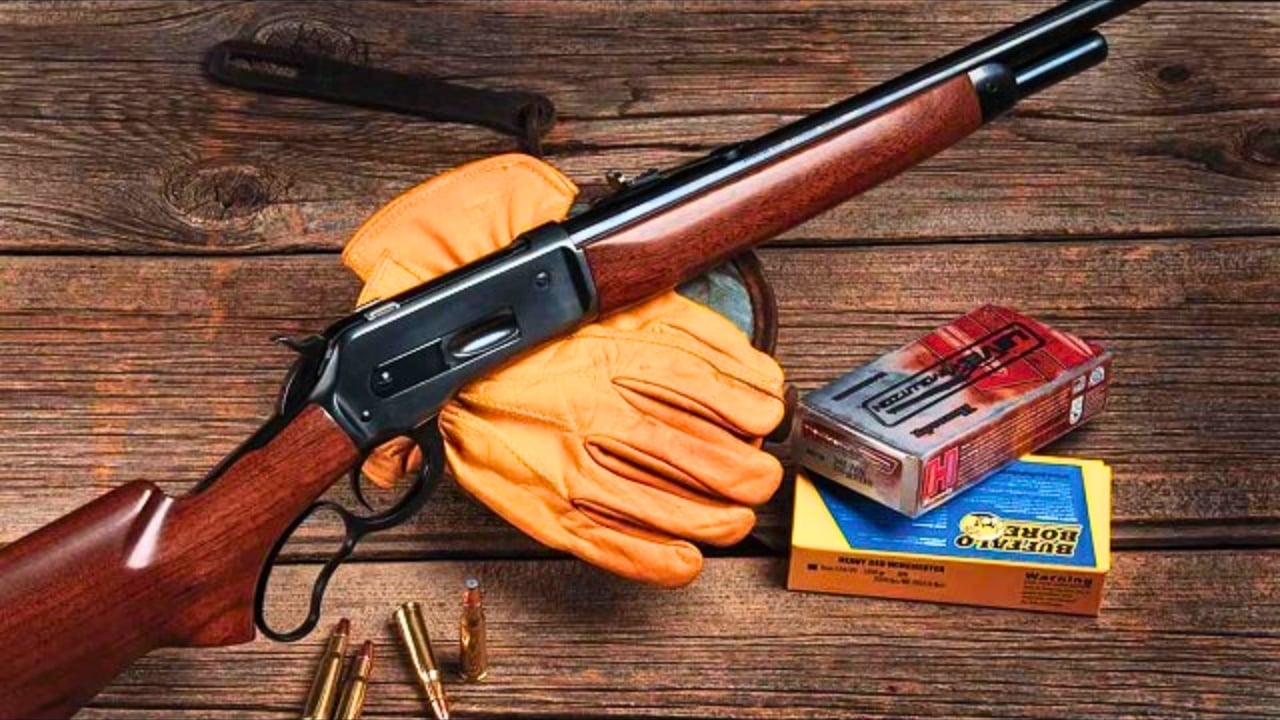
This is where the barn-door story gets interesting. Some of these sat ignored because .348 ammo wasn’t something you grabbed at the hardware store, so the rifle became more of a keepsake than a tool.
Then one day the right crowd sees “Browning 71” on a tag, and the room changes. It’s a serious rifle with a serious following, and it doesn’t take long for the bidding to get out of hand.
11. Savage Model 99 (rotary magazine)
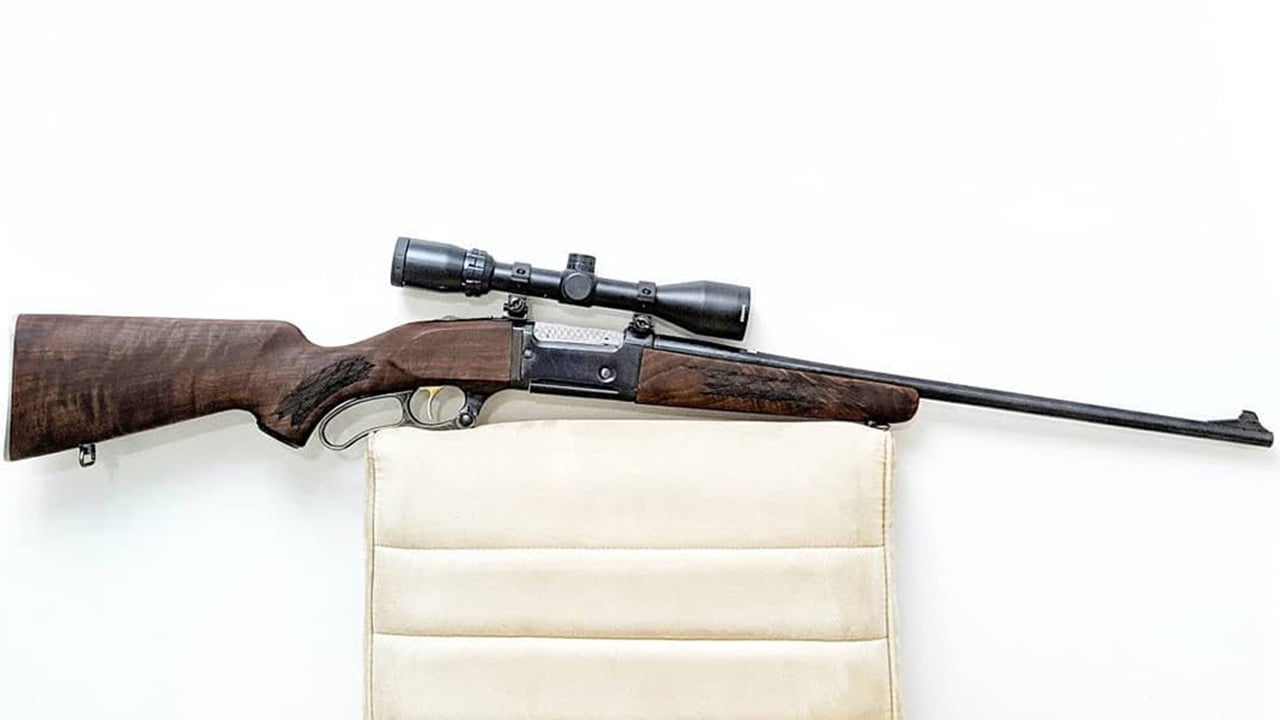
The 99 is the lever gun for guys who don’t really like lever guns. It carries more like a rifle, often shoots better than you’d expect, and the rotary magazine opens up pointy bullets without the tube-magazine worries.
Lots of them lived in .300 Savage or .250-3000 and kept filling freezers while everybody else argued about “modern cartridges.” Now, clean 99s—especially with good checkering and original sights—bring money that surprises folks.
12. Savage Model 99 in .250-3000

.250-3000 is a sweet-shooting old round, and it flat works on deer when you do your part. The rifles chambered for it tend to have a certain “gone hunting” look, because they actually went.
That caliber marking has become a magnet for collectors. If you’ve got one, don’t assume it’s just a light deer rifle. Check what you have before it goes on a folding table with a handwritten tag.
13. Winchester Model 88
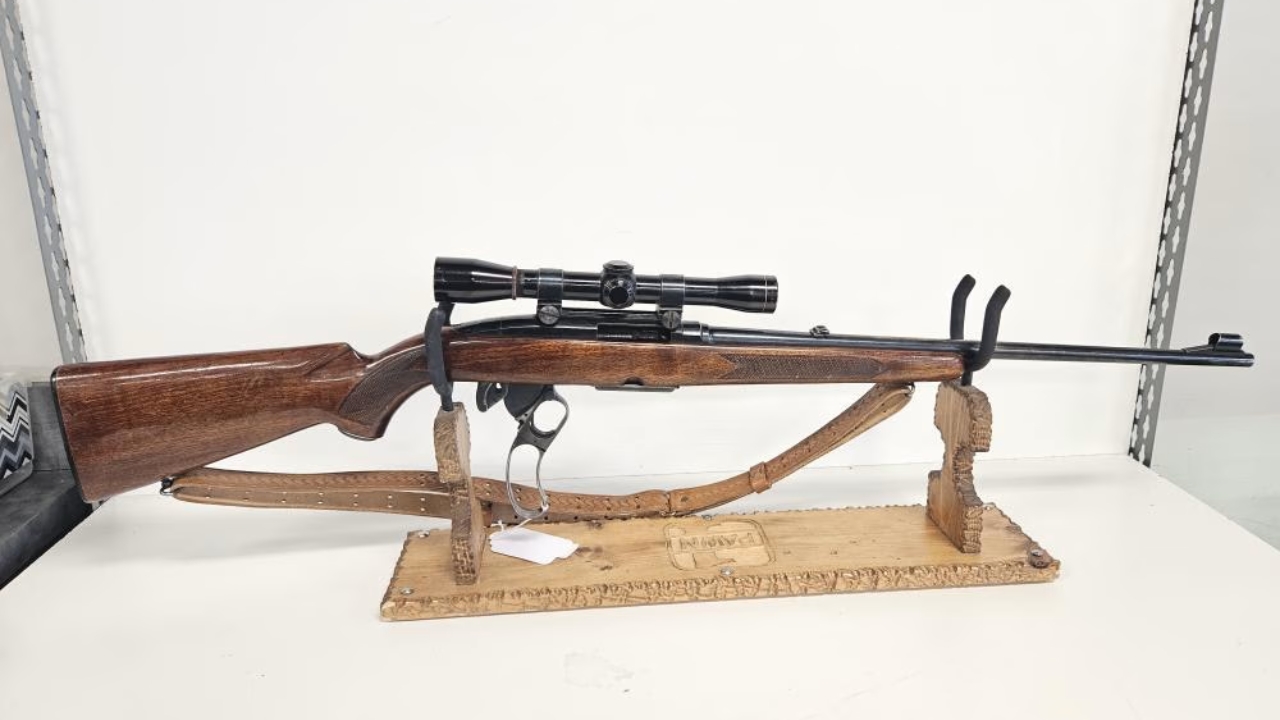
The Model 88 is a lever gun that feels like it’s trying to be a bolt gun, and I mean that in a good way. Detachable box magazine, sleeker lines, and usually chambered in cartridges folks still want for hunting.
They were “modern” in their day, so plenty got used hard and stored casually. The irony is they’ve become collectible because they’re different, and because good magazines aren’t as cheap as people think.
14. Winchester Model 9422

If you’ve ever cycled a 9422 that’s been shot and cleaned right, you know why people hoard them. They’re one of the nicest .22 lever guns ever made, and they run like they’re on bearings.
For years, they were just the .22 in the closet for grouse, rabbits, and cans. Now, the market treats them like a prize, especially in clean condition or in the harder-to-find variants.
15. Marlin Model 1894 (Micro-Groove era)
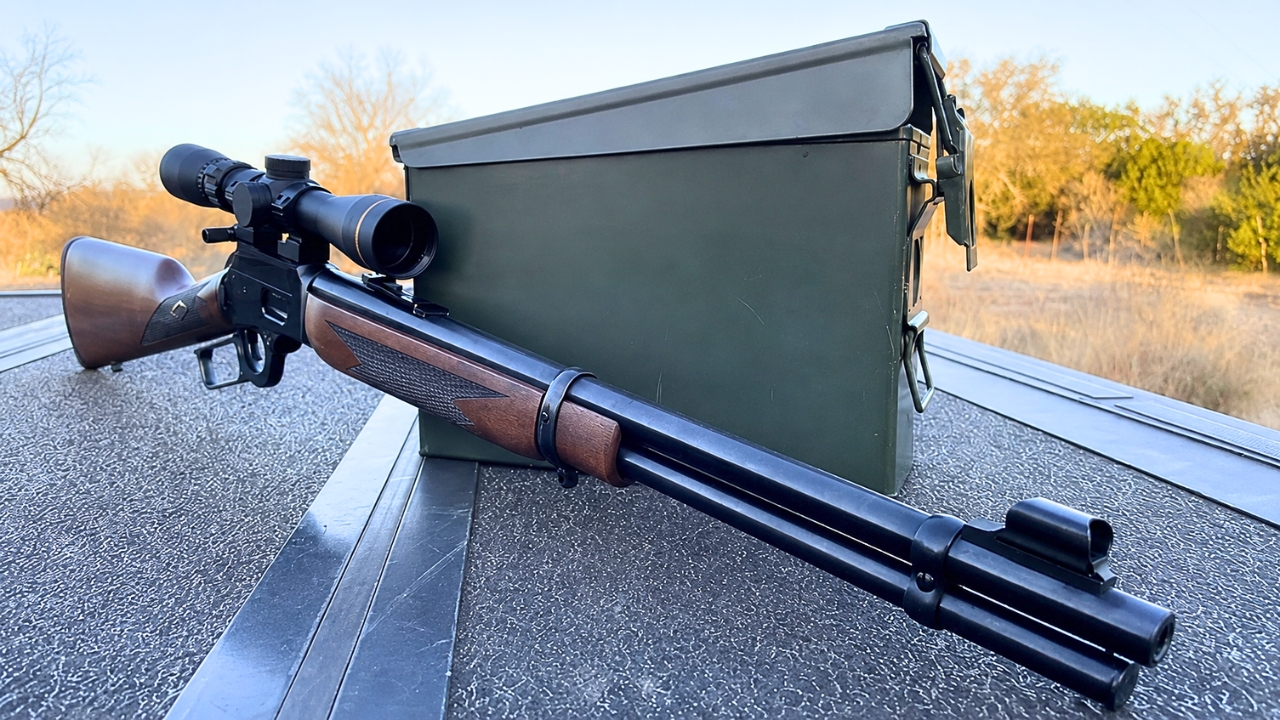
Marlin 1894s in .357 or .44 were classic “walk the fenceline” rifles. Easy to carry, quick to shoulder, and a handy match to a revolver in the same caliber.
Micro-Groove rifling gets argued about like politics. Some guns shoot cast bullets great, some take a little load tweaking, and some owners never bothered. Either way, the rifles themselves have climbed, and the clean ones don’t sit long.
16. Rossi Model 92
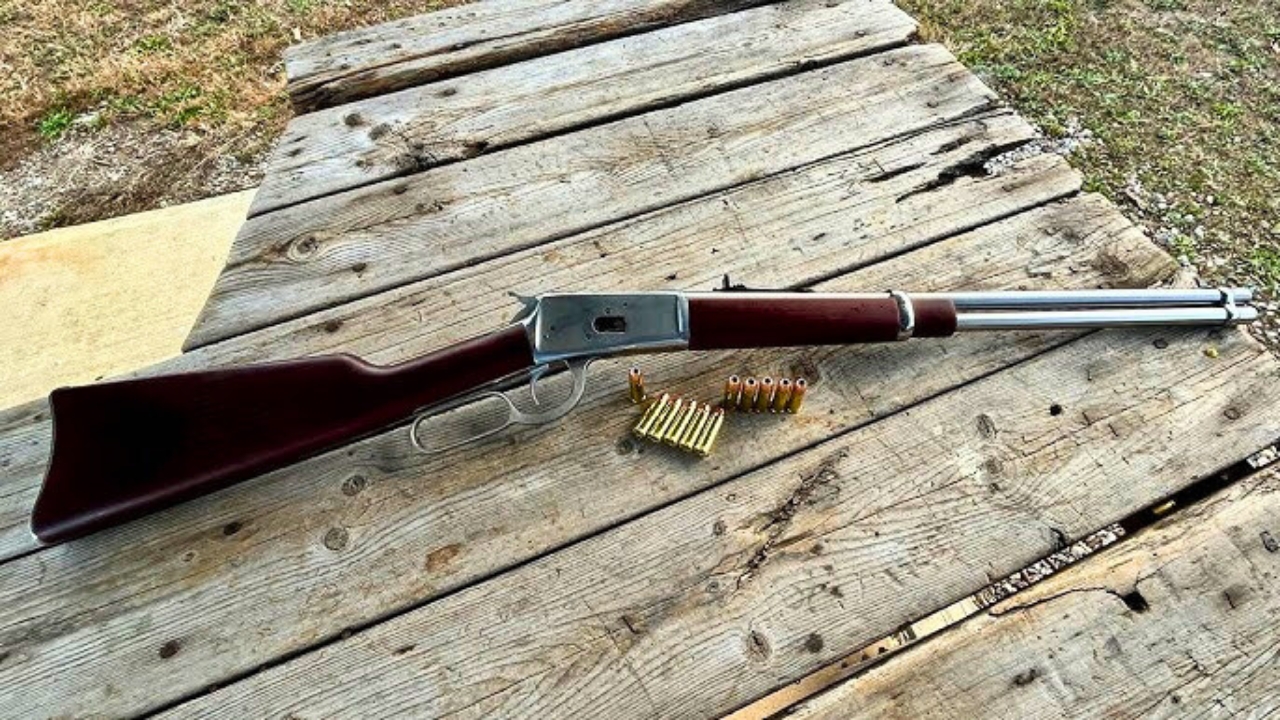
For a long time, Rossi 92s were the working man’s “good enough” lever gun. They rode in trucks, leaned in corners, and got loaned to buddies who forgot to wipe them down before handing them back.
They’re not high art, and you’ll find some with rough actions out of the box. But the prices on pistol-caliber levers dragged even these up, and a slicked-up, reliable Rossi has become a lot harder to buy cheap.
17. Uberti 1873 (Cimarron/Taylor’s import variants)
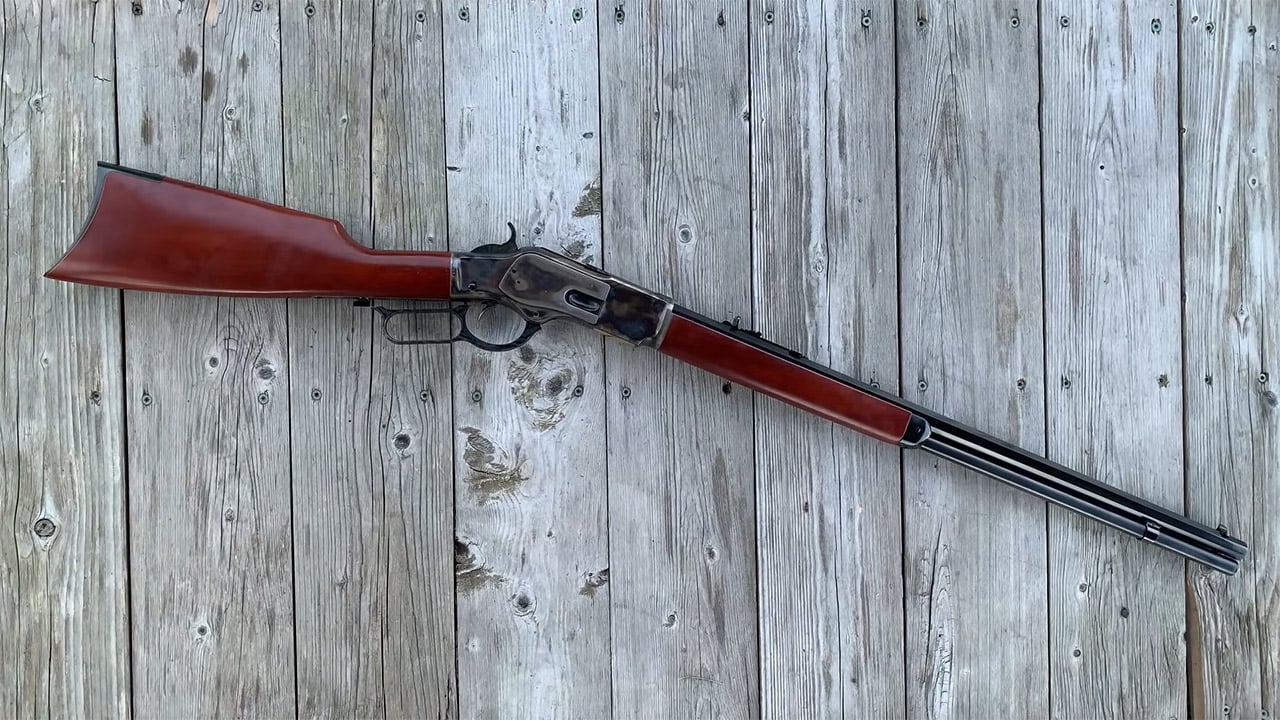
These were bought for cowboy matches, then ended up in closets when the owner got busy with life. A lot of them are barely fired, which is funny considering they were made to be run fast.
When they hit auctions, the folks who know what they are check the details—caliber, barrel length, finish, and whether it’s been “worked on” by somebody who wasn’t as good as they thought. A clean, unmolested Uberti can climb quick.
18. Colt Lightning (pump-action, but always in the lever-gun conversation)
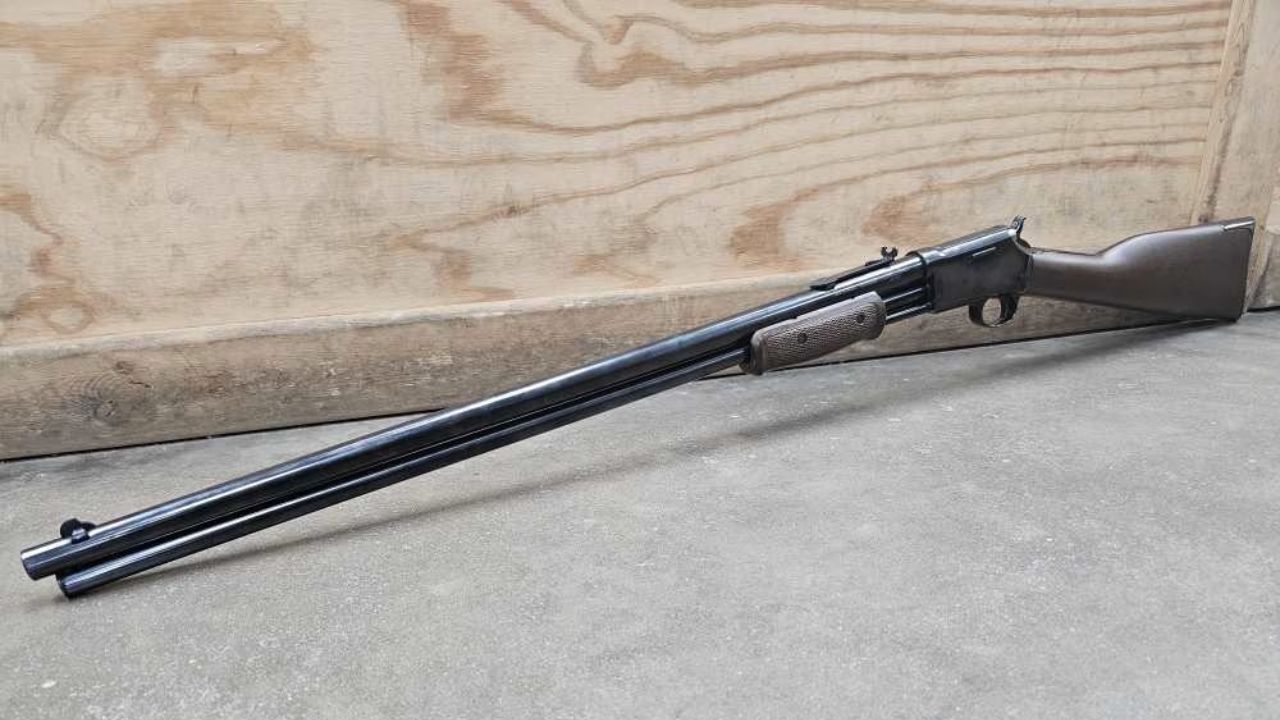
Yeah, it’s a pump, not a lever. Still, it lived in the same world: old ranch guns that got used until they got finicky, then parked above a door because “it’s got issues.”
Lightnings can be temperamental, parts and smithing aren’t as simple as with more common guns, and that kept a lot of them out of regular rotation. Collectors haven’t ignored them, though, and the surprise is how much even a problem child can bring.
19. Winchester Model 1895 (lever in “serious” calibers)
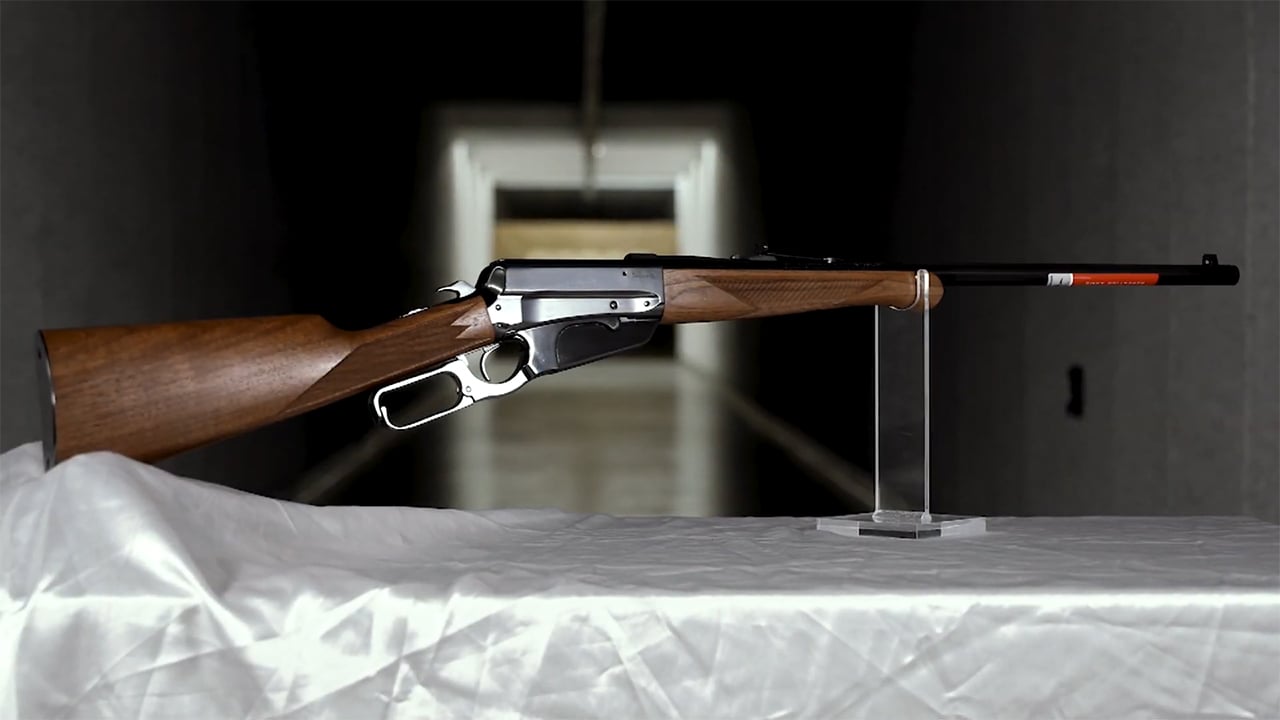
The 1895 is one of those rifles that makes you stop and look twice. Box magazine, beefy receiver, and chamberings that feel more “big game camp” than “barn lot.”
They aren’t as common as the 94s and 92s, so owners often didn’t shoot them much. When one shows up with the right markings and decent wood, it doesn’t take long for deep-pocket bidders to start acting like they’ve been waiting years.
20. Marlin Model 1893 (antique-era .30-30 and kin)
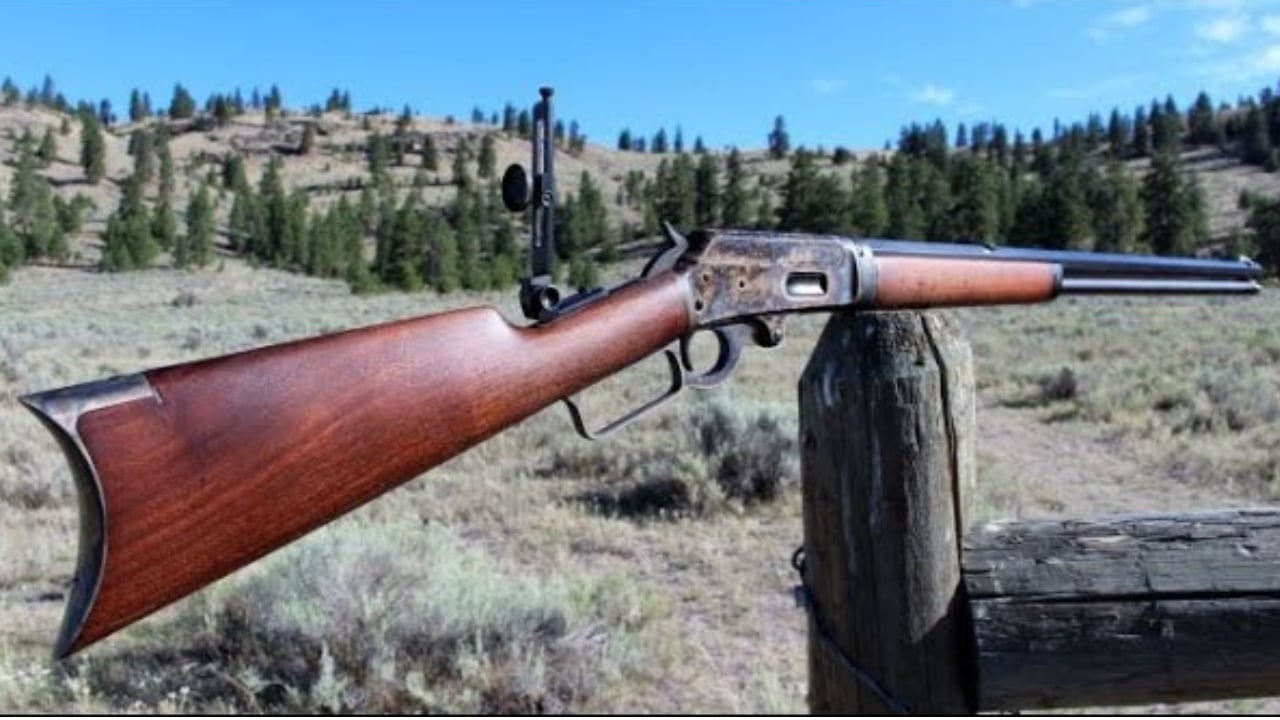
Before the 336, there was the 1893, and a lot of them were simply handed down until nobody remembered what, exactly, they had. They’re easy to overlook because they just look like “another old Marlin” to the untrained eye.
Look closer and you’ll see why collectors care: earlier manufacturing, different details, and real scarcity in good shape. If one spent decades above a door, the metal might be gray and the stock might be beat, but the model itself is what gets bidders interested.
If you’ve got an old lever gun that’s been living like a piece of farm decor, do it a favor and do yourself one too. Make sure it’s unloaded, wipe the dust off, and store it like you actually want to keep it—dry, secure, and protected from dings. Even if you never plan to sell, it’s nice knowing whether Grandpa’s “old deer rifle” is just a trusty tool, a sleeper collectible, or both.
Like The Avid Outdoorsman’s content? Subscribe to our newsletter so you never miss an article.
Here’s more from us: