Photo credit: WHO_TEE_WHO/Youtube
I used to think buying a rifle new was the “smart” move. Clean slate, warranty, no mystery wear, no half-bubba’d screws. Then I looked back over a couple decades of trading, “upgrading,” chasing trends, and talking myself into stuff at the gun counter when I should’ve just gone home and loaded ammo.
What gets me isn’t that I sold rifles. We all shuffle the safe. It’s that some of the reasons felt ironclad at the time, and now they don’t even hold water. A few were honest mistakes. A few were me getting bored. And a few… I can’t explain other than I was convinced the next rifle would fix something that wasn’t broken.
1. Remington 700 ADL (synthetic)
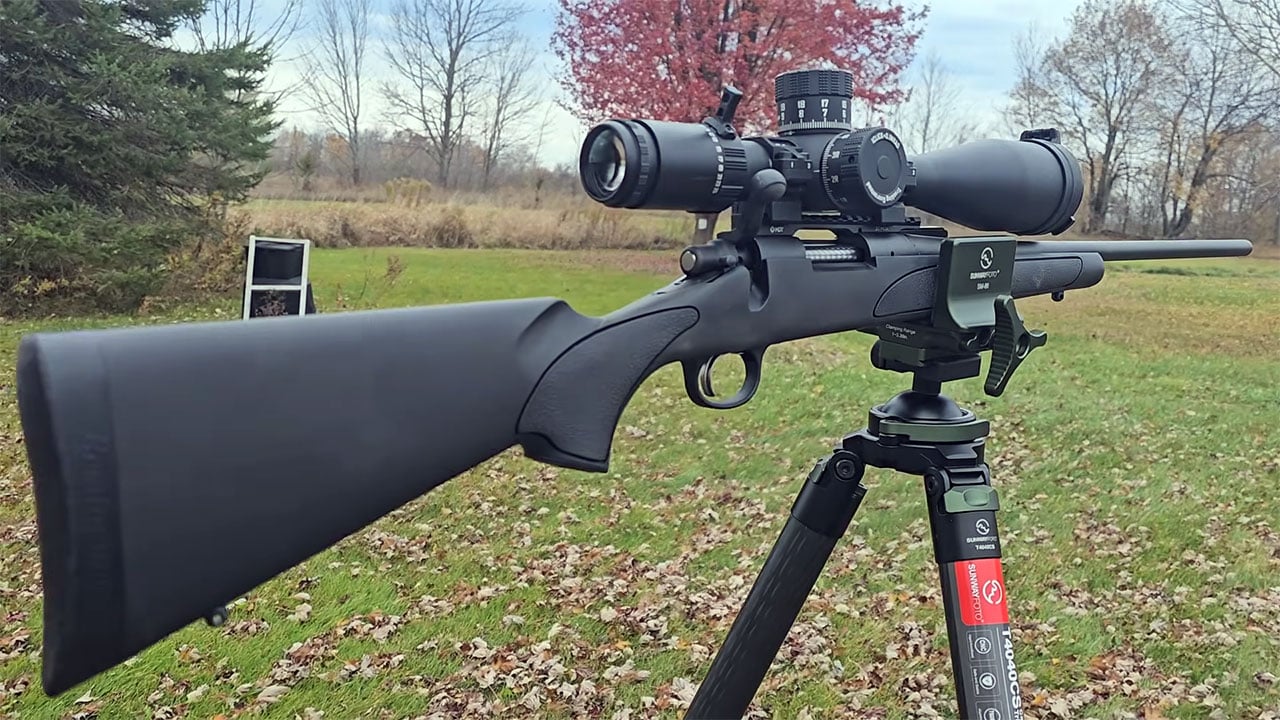
I bought a basic 700 ADL because it was the “default” deer rifle. It shot fine, carried fine, and the trigger was familiar. I sold it because I convinced myself I needed a detachable box magazine for hunting. In my head, that was going to make loading and unloading safer and faster. In real life, it just added one more thing to forget on the tailgate.
What still doesn’t make sense is how easy that rifle was to live with. Parts were everywhere, bases and rings were everywhere, and every shop in the country knows how to work on a 700. I replaced it later with something “better” and never shot tighter groups. That one hurts, mostly because it was boring in the best way.
2. Ruger American Rifle (Gen 1) in .308 Win

This was a pure practicality purchase. Lightweight, accurate enough, and I didn’t feel bad dragging it through cedar thickets. I sold it because the stock felt cheap and I got tired of the hollow fore-end flexing on a rest. I told myself it would never be a “real” hunting rifle.
Then I watched a buddy keep stacking deer with the exact same setup, year after year, while I bounced around chasing nicer finishes. The Ruger did everything it was asked, and it was the kind of rifle you can hand to a kid or keep behind a truck seat without babying. I miss the no-drama reliability more than I expected.
3. Savage Axis (original) in .270 Win
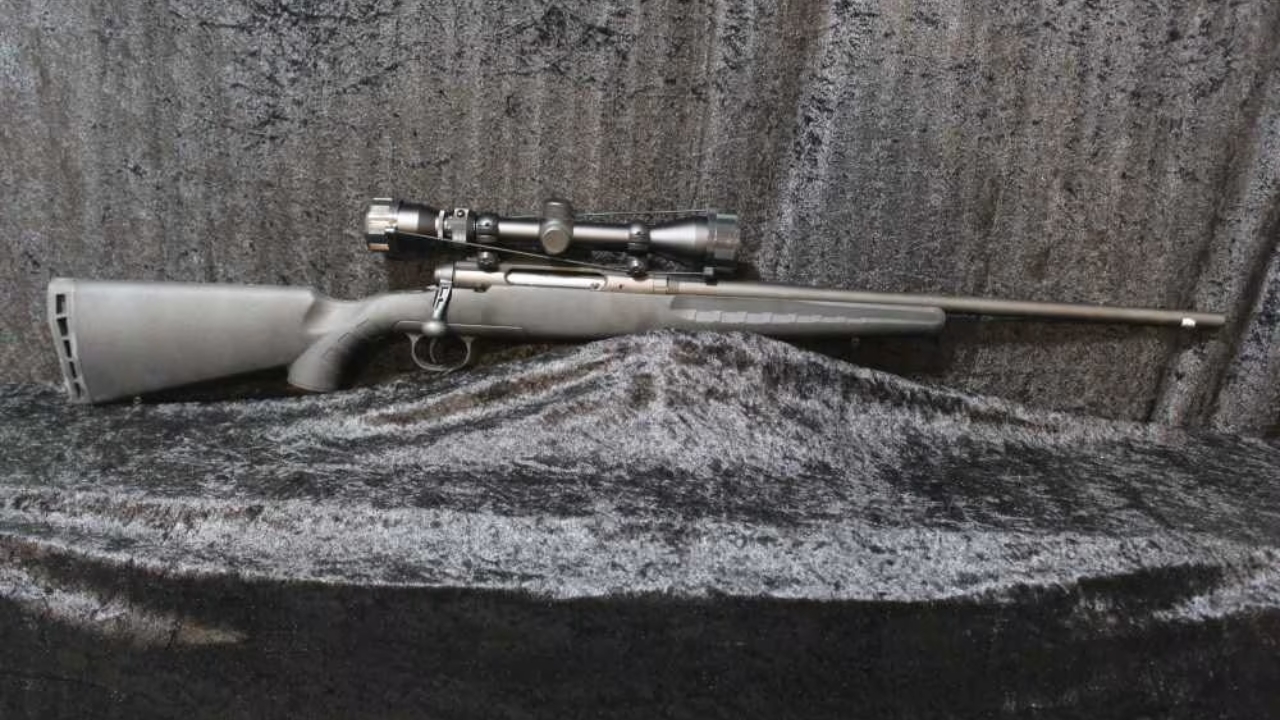
I bought the Axis during a season when money was tight and I needed a scoped rifle right now. It shot better than it had any right to, but that factory trigger and that bolt lift never felt “right” to me. I sold it after one range session where the action felt gritty and I decided it would only get worse.
Looking back, the thing was a tool, and it did tool work. I should’ve just cleaned it, learned its quirks, and hunted. Instead, I treated it like it was supposed to feel like a custom rifle. For a budget gun, it was dependable, and if you get one that shoots, you don’t let it go just because it isn’t smooth like a Model 70.
4. Tikka T3x Lite in 6.5 Creedmoor
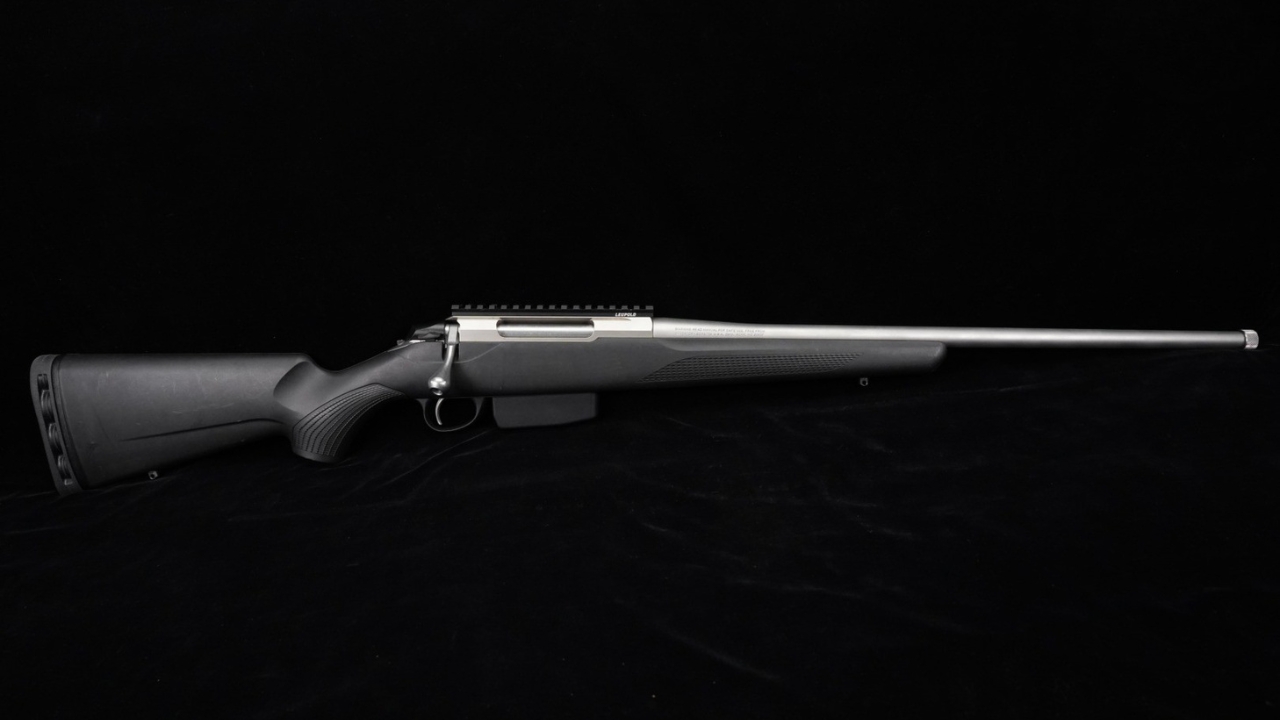
This one makes me shake my head. The Tikka was slick, accurate, and easy to tune with ammo. It carried like a mountain rifle and shot like a heavier gun. I sold it because I got wrapped up in the idea that 6.5 Creedmoor was “everywhere” and therefore too common, like somehow a cartridge being popular makes it less effective.
What I really did was trade a rifle that flat-out worked for a different rifle that didn’t fit me as well. Tikka magazines aren’t cheap, but they’re dependable. The action is the kind you notice in the cold when you’re wearing gloves and your hands are stiff. I could’ve hunted with that rifle for the rest of my life and never needed an excuse.
5. Ruger Gunsite Scout Rifle (bolt-action)
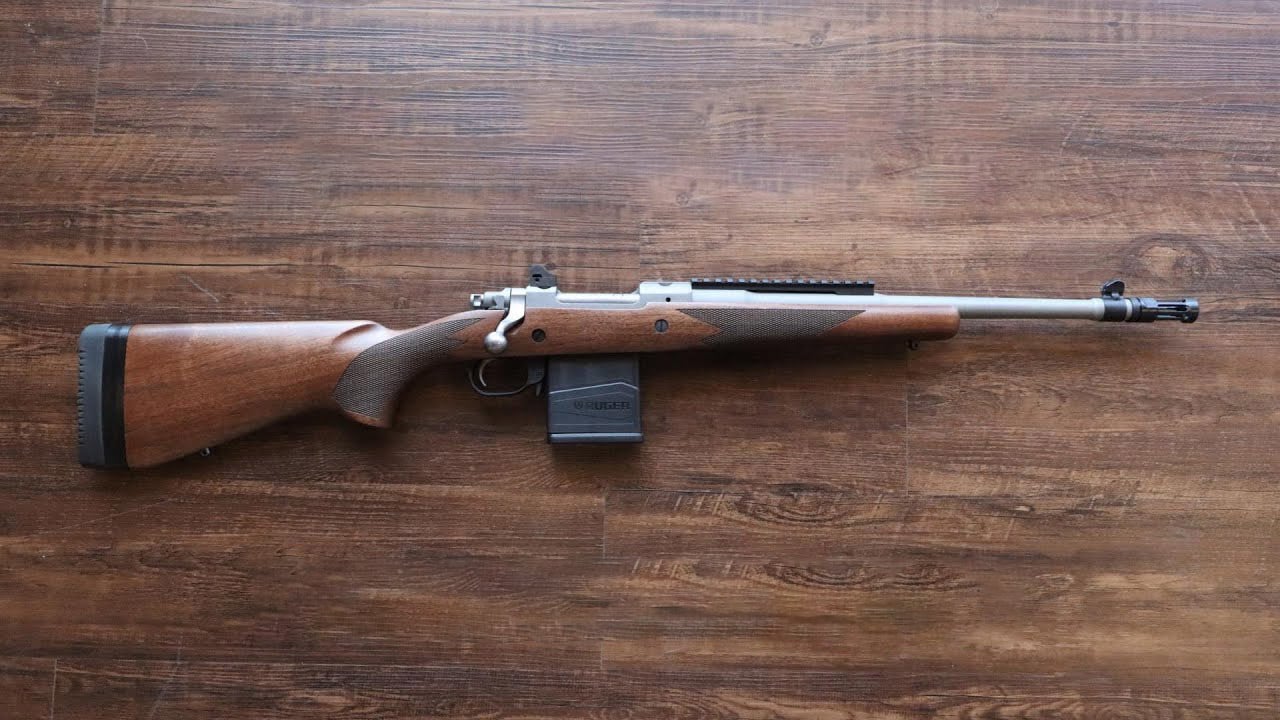
I wanted to love the scout idea. Short, handy, iron sights as a backup, and the whole “do-all” vibe. Mine ran AI-style magazines and it fed fine, but it never balanced the way I hoped. With a forward-mounted optic it felt nose-heavy, and with a conventional scope it felt like I was fighting the concept.
I sold it after realizing I was always grabbing a normal hunting rifle for hunting and a normal range rifle for range work. The scout did both okay, but it didn’t beat either. Still, I don’t fully understand why I let it go instead of just accepting it as a unique, useful rig for woods walking. Ask me how I know: “general purpose” can mean “doesn’t have a home.”
6. Springfield Armory M1A Scout Squad

This rifle was pure romance. Walnut, steel, and that sound of the action cycling. It also cost real money to feed, and it wanted real attention to keep it running the way I expected. I sold it after I got tired of chasing accuracy with different loads and mounts, and because every range day felt like I was packing a fence post.
Here’s the dumb part: I already knew it was heavy when I bought it. The rifle didn’t change—I did. I got more practical and less interested in “cool.” Even so, an M1A has a presence, and it’s hard to replace that if you miss it later. I don’t miss hauling it around, but I miss owning it.
7. Marlin 336 (Remington-era) in .30-30 Win

I grabbed a newer-production 336 because I wanted a lever gun for thick woods and it was what I could find. The rifle hunted fine, but the fit and finish never inspired confidence. The wood-to-metal looked rushed, the action felt rough, and it didn’t have that slick lever feel folks talk about.
I sold it and told myself I’d “just find an older one.” That is the part that still doesn’t make sense. Older Marlins don’t fall out of trees where I live, and when they show up they’re priced like collector pieces. The Remington-era gun wasn’t perfect, but it was a working .30-30 that would’ve killed deer just the same. I outsmarted myself.
8. Henry H009 Side Gate in .30-30 Win

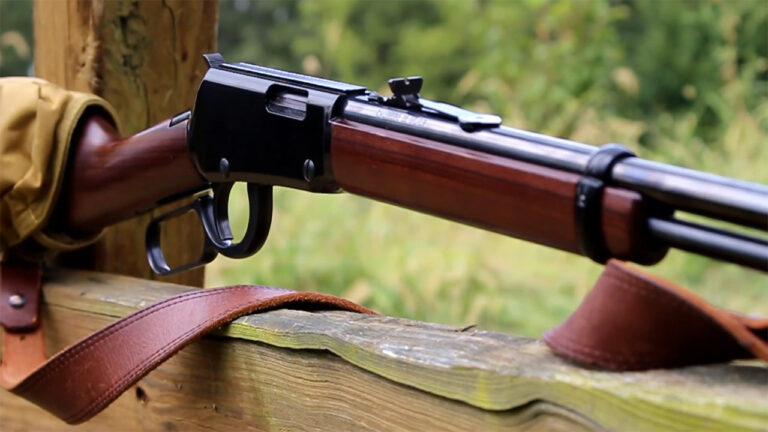
I bought the Henry when the lever gun itch came back. Beautiful rifle, smooth action, and it pointed naturally. I sold it because I decided it was “too nice” to bang around in a stand, which is a funny thing to say about a hunting rifle. I started babying it instead of using it.
The truth is, that rifle carried comfortably and shot better than my eyes could take advantage of with buckhorn sights. The side gate solved the one complaint folks used to have about Henrys, and it loaded easy even with cold fingers. I miss it most in late season when a light, quick lever gun just feels right. Owning a rifle you’re afraid to scratch is a me problem, not a rifle problem.
9. CZ 457 Varmint (.22 LR)
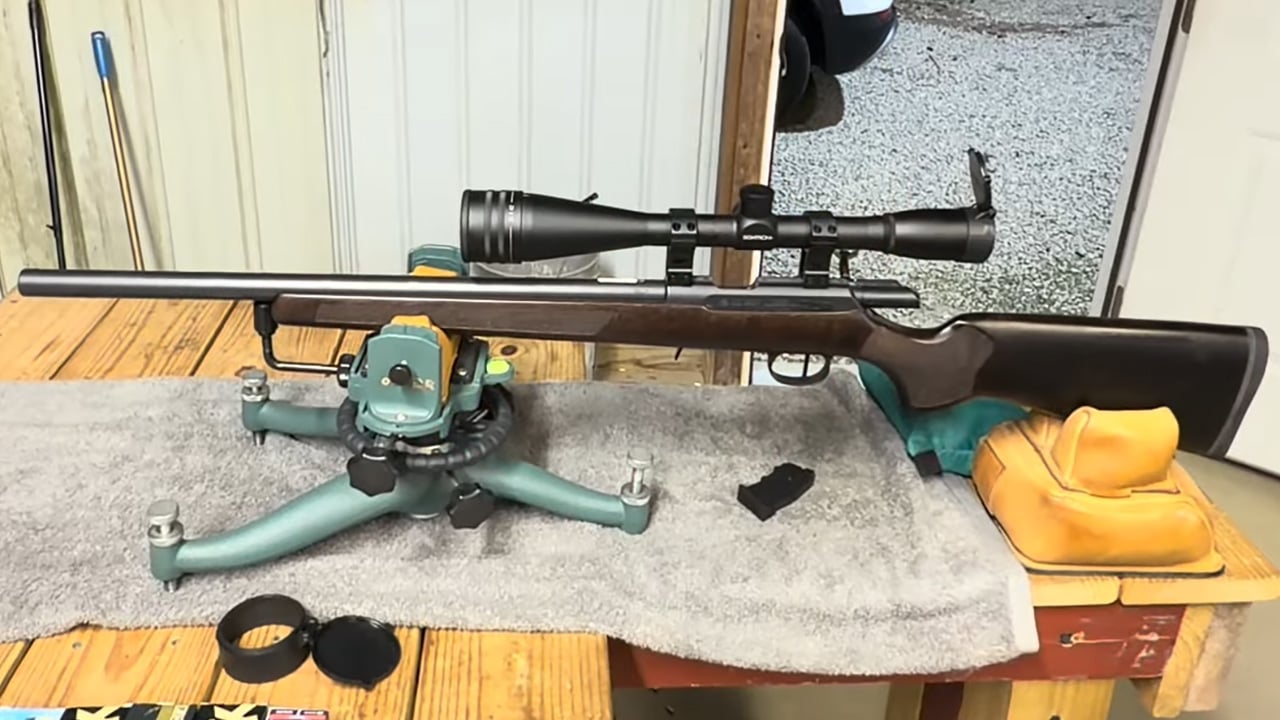
This was a rimfire I bought for “serious” practice—small groups, good trigger, quality barrel. It delivered. I sold it because I convinced myself I needed a lighter .22 to carry for squirrels and wandering the creek bottom. The heavy varmint profile felt like overkill for a woods gun.
Then I replaced it with a lighter rifle that didn’t shoot as well, and I stopped practicing as much because it wasn’t as satisfying. There’s something about a rimfire that’s accurate enough to call your shots that keeps you honest. The CZ magazines were easy to find, the action was smooth, and it made cheap ammo fun. I still don’t know why I didn’t just keep it and buy a beater .22 for the woods.
10. Ruger 10/22 Carbine
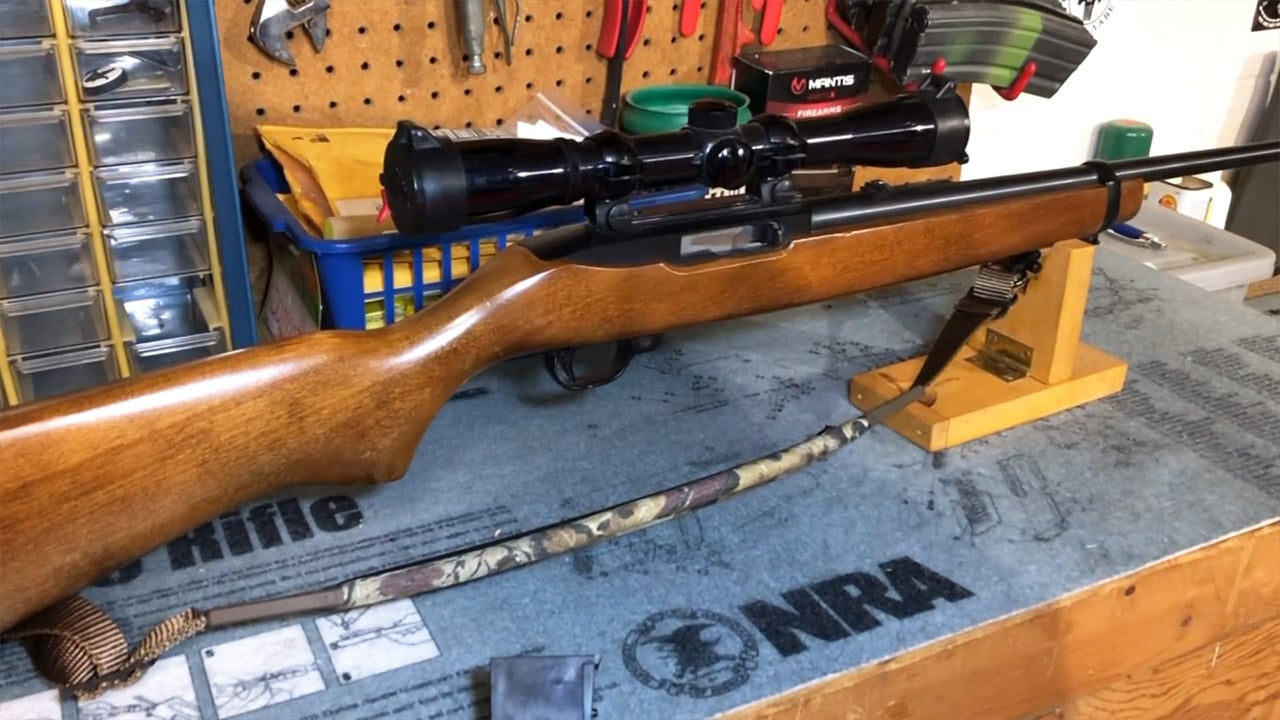
I’ve owned more than one 10/22, and I’ve sold more than one 10/22. Every time, I tell myself I’m “not a semi-auto .22 guy” and that a bolt gun makes me a better shot. Then spring hits, the woods get green, and I want a rifle that’s just plain fun again.
The part that doesn’t make sense is how useful they are around a rural place. You can keep it simple with the factory sights, or you can throw a low-power scope on it and call it good. Mags are everywhere, parts are everywhere, and if something breaks, it’s not a tragedy. There is nothing fancy about it, and that is kind of the point. I should’ve learned after the first time.
11. Mossberg MVP Patrol in 5.56 NATO
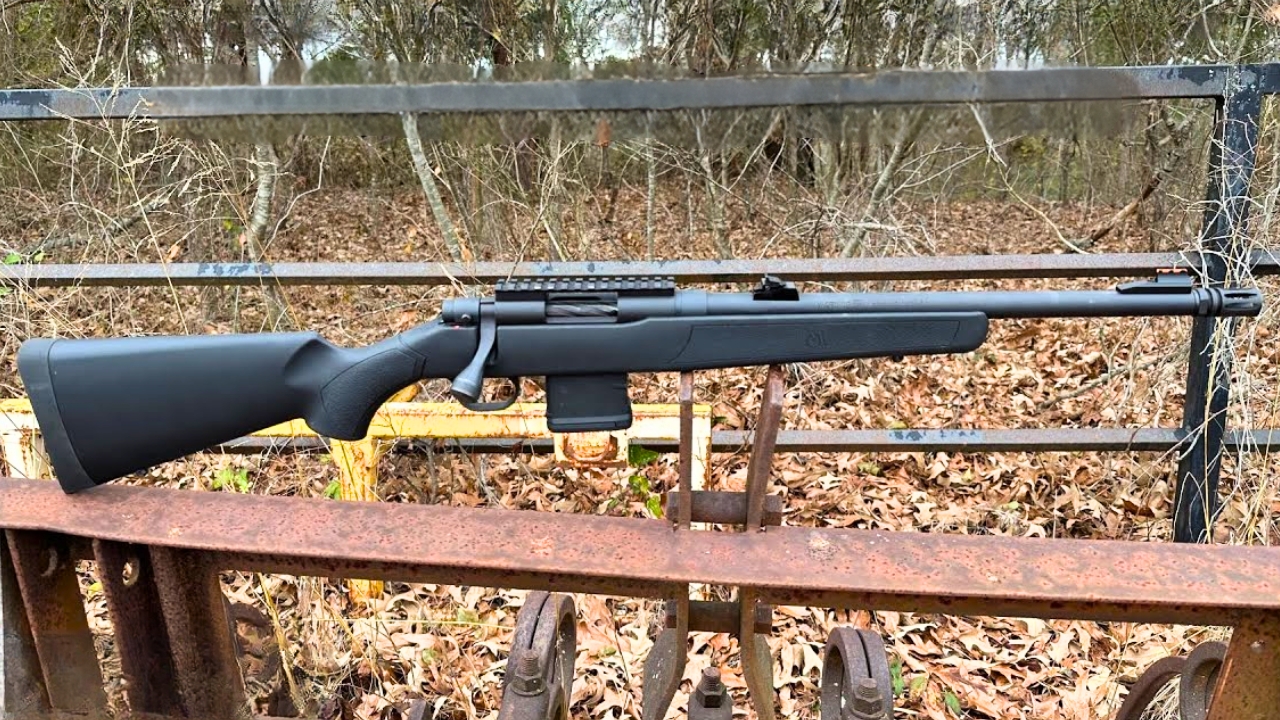
On paper, the MVP Patrol looked like the perfect bolt gun to pair with AR magazines. I liked the idea of one magazine type and a compact rifle for coyotes and truck duty. In practice, the feeding felt finicky with certain mags, and the bolt didn’t have the smooth confidence I want in a working rifle.
I sold it after one too many range sessions where it ran “almost” right. Almost is fine for a range toy; almost is not fine when you’re trying to make a quick shot and the rifle feels like it’s arguing with you. I still like the concept, but I should’ve handled reality better: some designs are clever, and clever sometimes comes with quirks you can’t un-feel.
12. Howa Mini Action 1500 in 7.62×39

I bought the Howa mini because the idea was perfect: light bolt gun, cheap ammo, mild recoil, and a handy little package for woods roaming. It shot surprisingly well with the right loads. I sold it because I got tired of hunting down the ammo it actually liked, and because magazine availability was more annoying than I expected.
Then ammo got weird for a while, and suddenly “cheap and everywhere” wasn’t a guarantee. The rifle itself was solid—typical Howa, better built than it needed to be for the price. What I really did was punish the rifle for market conditions and my own impatience. If I’d just stocked up when things were normal, it would’ve been a great little deer-and-coyote gun that didn’t beat me up.
13. Ruger Precision Rifle in 6.5 Creedmoor

This one was a trend purchase, no way around it. I wanted to stretch distance, learn wind, and play the long-range game without a custom build. The Ruger Precision Rifle delivered accuracy, and it’s adjustable enough to fit just about anybody. I sold it because it turned every range trip into a project—bipod, bags, data, heavy case, and then cleaning a rifle that collects grit like a shop vac.
I also realized I’m not a “drag a bench to the range” guy every weekend. I like field positions and hunting practice more than tiny groups at 800 yards. The RPR isn’t the problem; it does what it’s built to do. I just bought a specialized tool and expected it to feel like a general-purpose rifle. Still, when you hit steel way out there, it’s hard not to grin.
14. Daniel Defense DDM4V7 (AR-15)

I bought the DDM4V7 because I wanted to buy once, cry once. It ran great, felt well put together, and it had that “tight but not picky” feel in the receivers. I sold it because I decided I could build something “just as good” and free up cash for a hunting trip. I did build another AR, and it was fine, but it didn’t have the same smoothness.
What I underestimated was how nice it is to own an AR that doesn’t need tinkering. With the Daniel, I wasn’t swapping springs or chasing a gas issue or wondering why one mag acted weird. It just went bang and locked back. Sometimes paying for quality is really paying for time and peace of mind. I’d rather have one rifle that’s boring-reliable than three projects that “should” run.
15. Smith & Wesson M&P15 Sport II
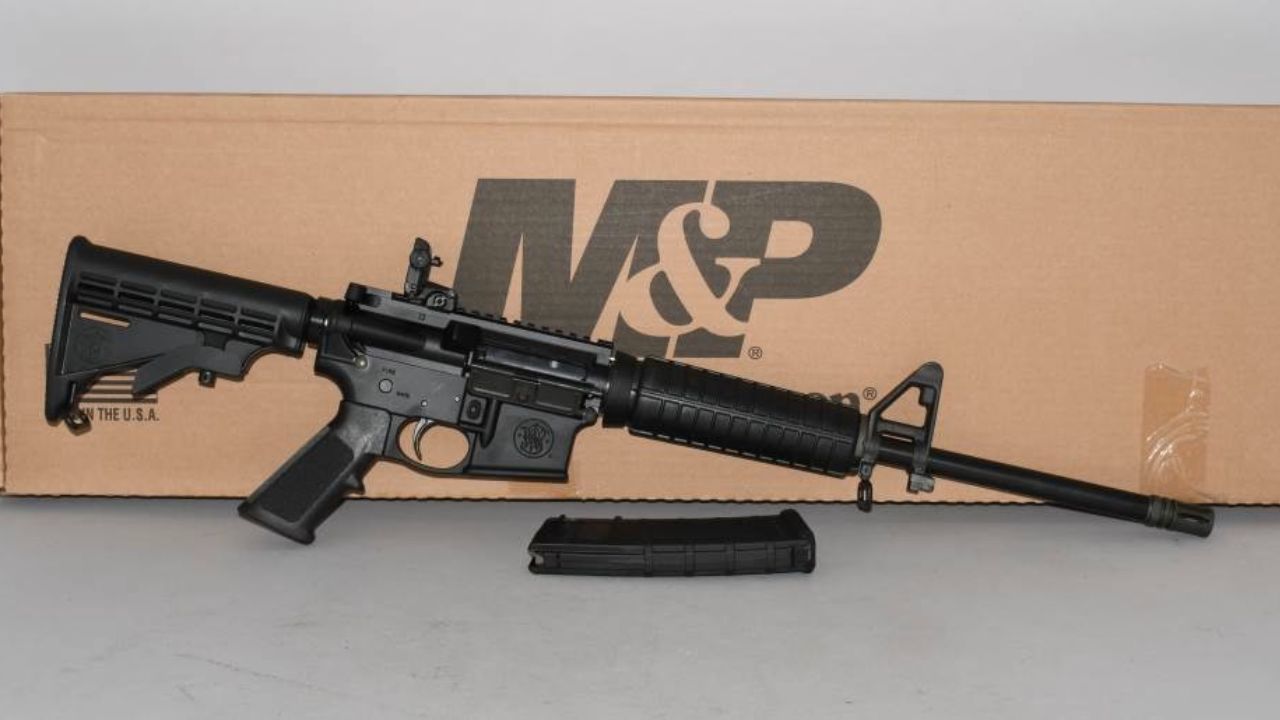
Then there was the opposite AR experience. I bought an M&P15 Sport II because it was affordable, light, and it worked. I sold it because it felt “entry level,” and I wanted free-float rails and a nicer trigger and all the stuff the internet says you need. The rifle didn’t ask for any of that.
Here’s what I miss: it was simple. It was the AR you could hand to a new shooter without worrying about some match trigger being too light. It was light enough to carry on a property walk, and it wasn’t so expensive that you’d lose sleep over a scratch. I’ve seen these rifles run hard with basic maintenance. Selling it wasn’t a disaster, but it was a reminder that “good enough” is often actually good.
16. Ruger Mini-14 Ranch Rifle
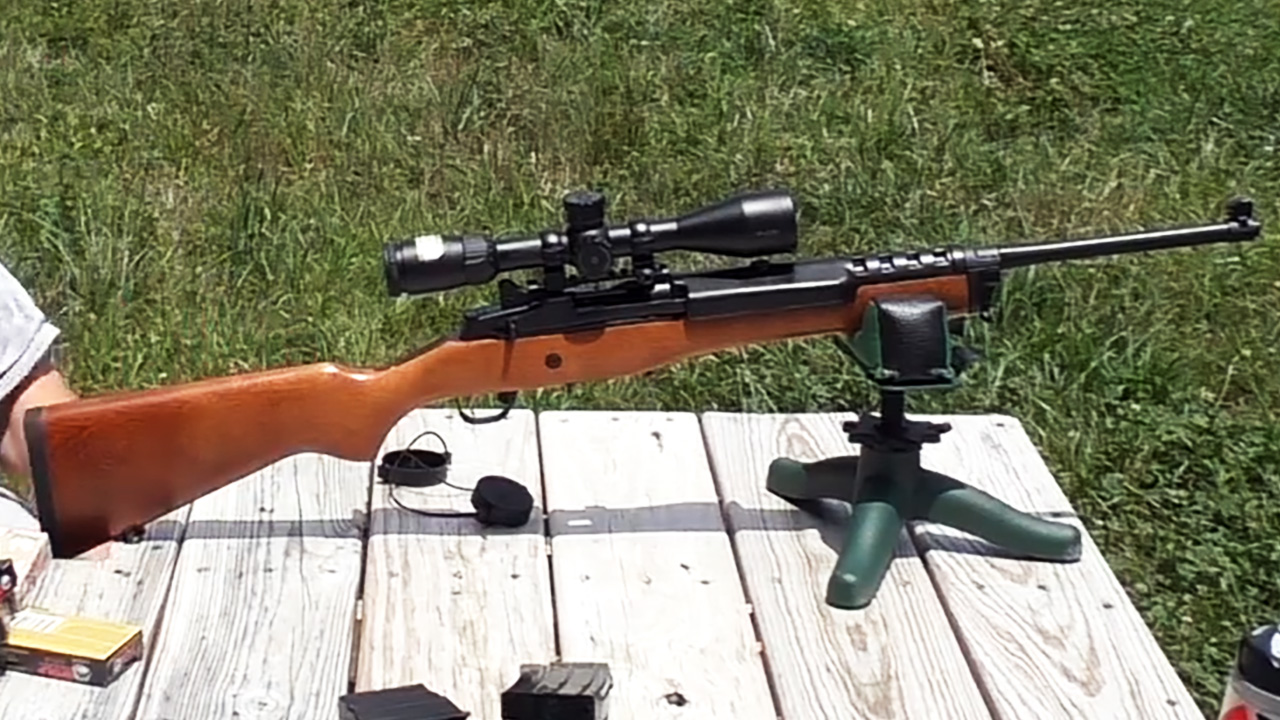
I bought a Mini-14 because I wanted something that wasn’t an AR, and I liked the traditional lines. It carried nice and pointed fast. I sold it because magazines were more expensive than I expected and because my particular rifle wasn’t as accurate as I wanted past 100 yards. Not terrible, just not confidence-inspiring for the way I like to shoot.
Now I see Minis as what they are: a handy ranch rifle, not a benchrest gun. They’re reliable, they shoulder naturally, and they don’t scream “tactical” to every neighbor within eyesight. If I’d kept mine and fed it the ammo it liked, it probably would’ve filled a very useful niche. I didn’t need it to be something else, but I insisted on measuring it by the wrong yardstick.
17. AKM-pattern rifle (Romanian WASR-10)
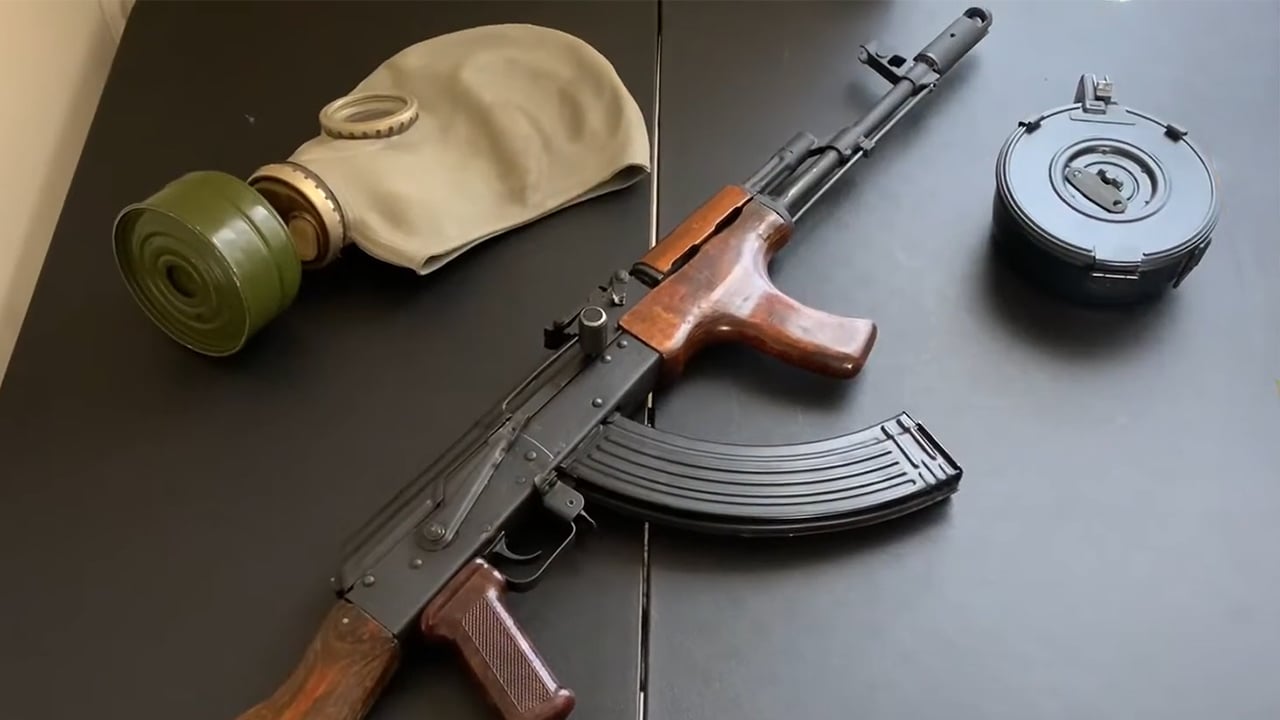
I bought a WASR-10 back when they were common, because I wanted a simple rifle that would run dirty and not care. It did exactly that. I sold it because I got annoyed by the ergonomics and the accuracy limitations, and because I thought I was “moving on” to more refined rifles.
Still, the WASR was honest. It ate cheap steel-case ammo, magazines were easy to find, and it was the kind of rifle you could take to the back forty and not baby. The safety was stiff, the sights were what they were, and it wasn’t winning any beauty contests. But it was dependable in the way some modern stuff isn’t. I don’t miss it for precision. I miss it for simplicity and the fact it always seemed ready to go.
18. Thompson/Center Compass in .30-06 Springfield
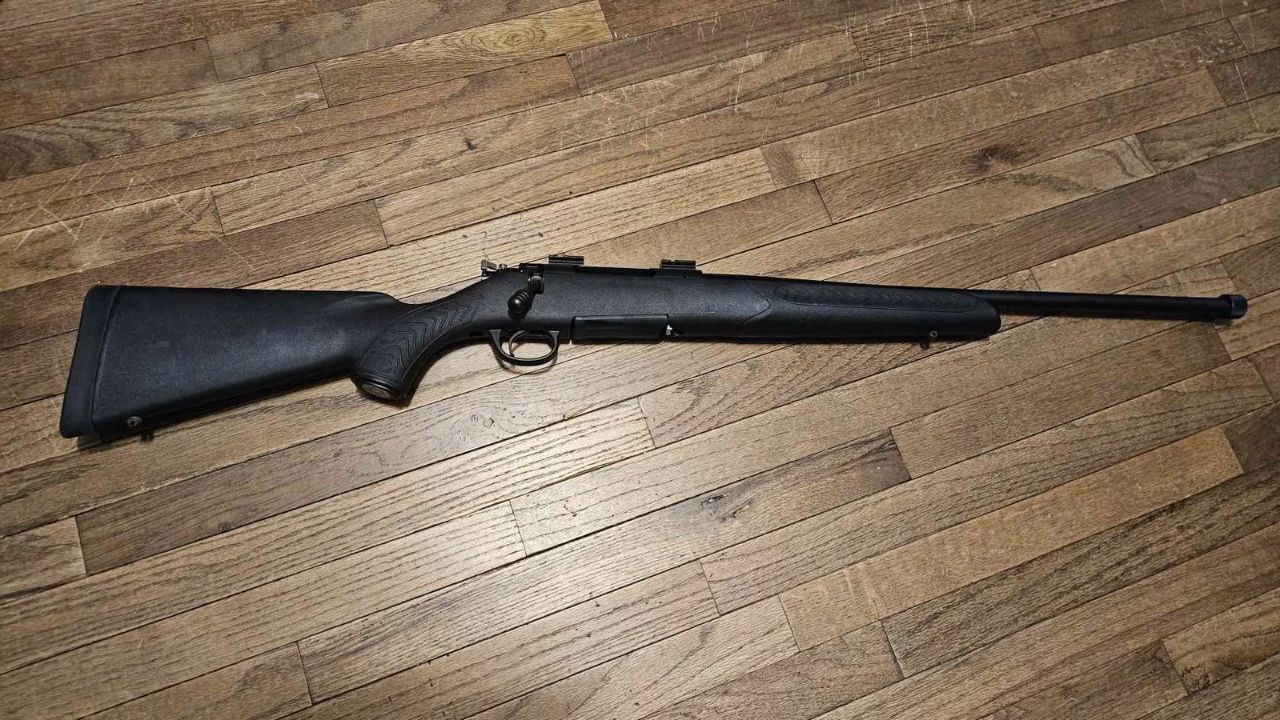
I bought a Compass in .30-06 because I wanted a no-frills rifle in a do-it-all cartridge. The rifle shot okay, but the overall feel was rough. The bolt wasn’t pleasant, the stock felt like an afterthought, and the whole package made me want to replace parts instead of just hunting with it. That’s not a good sign when you’re buying a budget rifle to avoid extra spending.
I sold it quickly and I’m still not sure why I didn’t just spend a little more from the start. The .30-06 wasn’t the issue. Recoil was manageable with a good pad, and ammo is everywhere. I think I just wanted to be able to say I found a “sleeper” bargain. Sometimes a bargain is just a bargain. If a rifle doesn’t make you want to practice, it’s not saving you anything.
19. Browning X-Bolt Hell’s Canyon Speed in 7mm Rem Mag
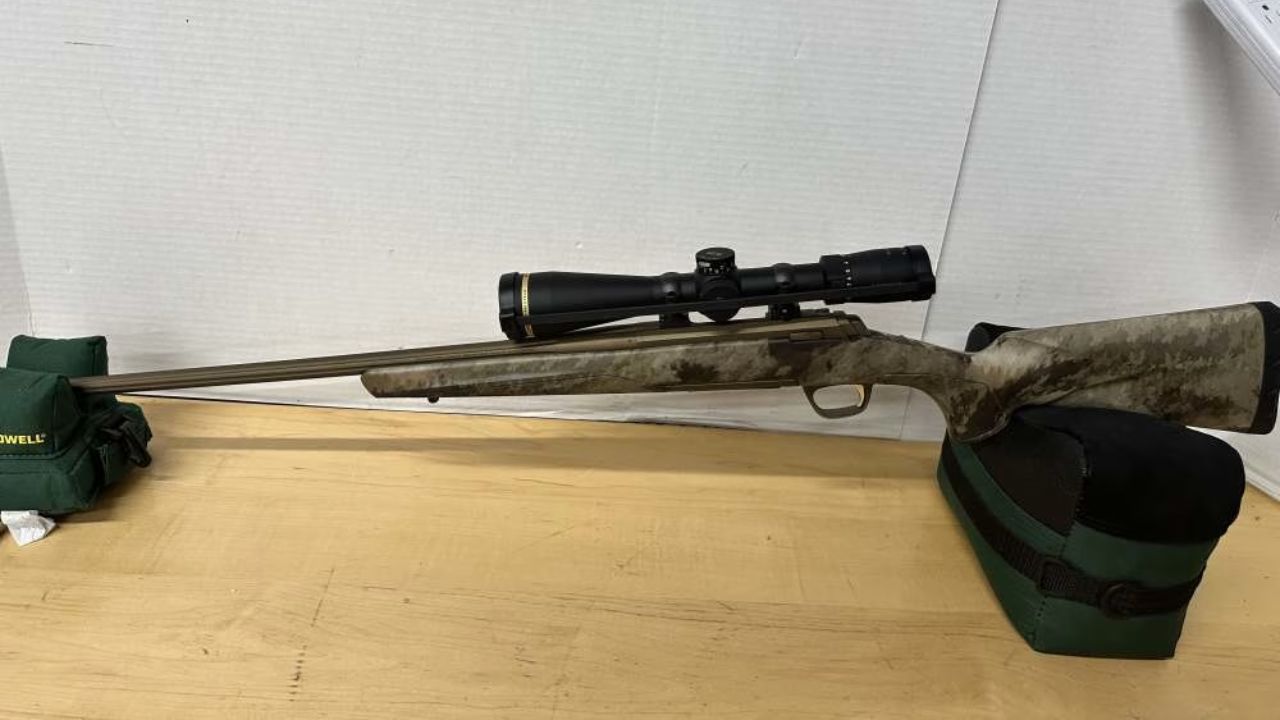
This rifle was light, sharp-looking, and flat-out accurate. I bought it for a western-style trip that never quite materialized the way I planned. I sold it because I decided the 7mm Rem Mag was more recoil and muzzle blast than I needed for the hunting I actually do. One afternoon under a covered firing line was enough to make me dread practicing with it.
What doesn’t add up is how well it carried and how well it shot. The X-Bolt action is smooth, the rotary magazine is convenient, and the whole rifle feels like a quality piece of gear. I should’ve either committed to it and practiced properly, or I should’ve bought the same rifle in a milder cartridge. Instead, I bailed completely. I still think about that rifle every time I handle a heavy, clunky gun and wish it balanced better.
20. Winchester Model 70 Featherweight in .308 Win
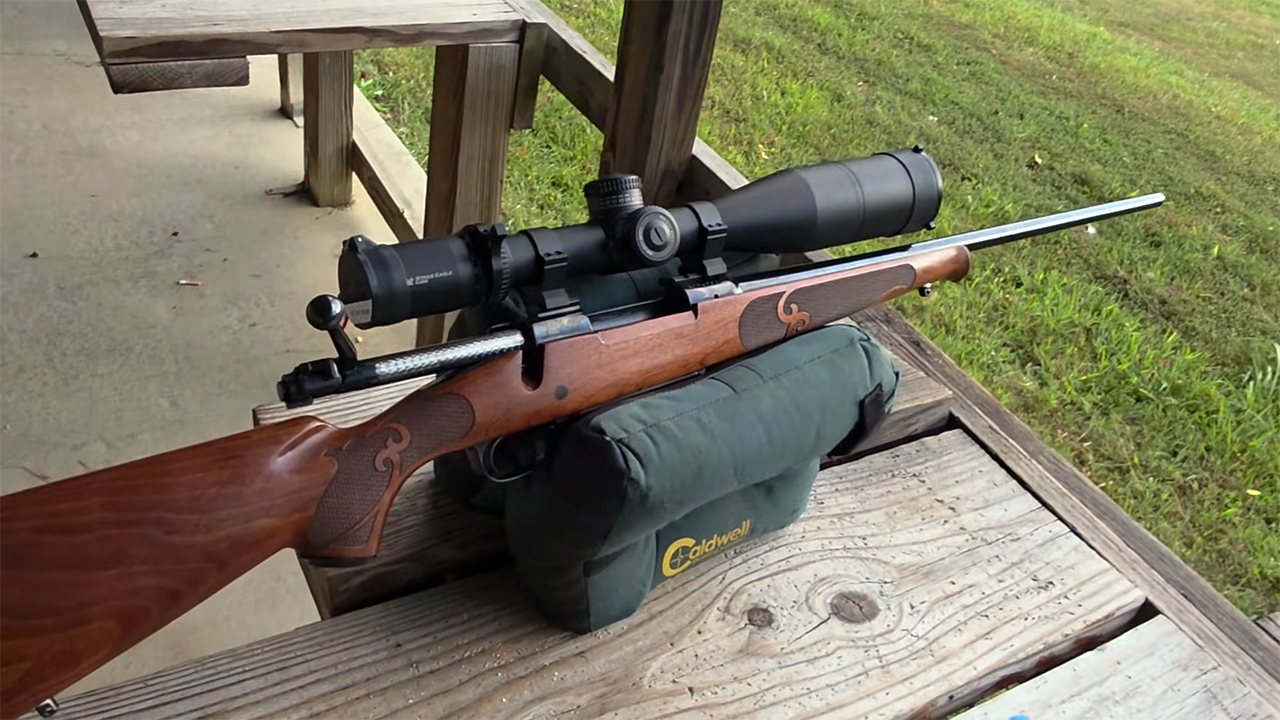
I bought the Featherweight because it felt like a “forever rifle.” Controlled-round feed, classic lines, good balance, and it carried like it belonged in the woods. I sold it during a phase where I was trimming down to “only what I use,” and for some reason I decided a classic bolt gun was replaceable. I had convinced myself I only needed one rifle, and it needed to be more modern.
That sale still bugs me because the Model 70 didn’t do anything wrong. It was the rifle I grabbed when I didn’t want to think about gear. The floorplate was simple, the safety was positive, and the rifle just settled into my shoulder. It also taught me something: usefulness isn’t always measured in features. Sometimes it’s measured in how a rifle makes you feel on a cold morning when you’re walking in before daylight.
I’m not saying you should never sell a rifle. Sometimes you need the money, sometimes you’re fixing a bad choice, and sometimes you just don’t like it. But if you’re about to move one down the road, slow down and ask yourself one question: is the rifle actually the problem, or are you chasing a feeling you’ll lose again as soon as the new-gun smell wears off?
Like The Avid Outdoorsman’s content? Subscribe to our newsletter so you never miss an article.
Here’s more from us: