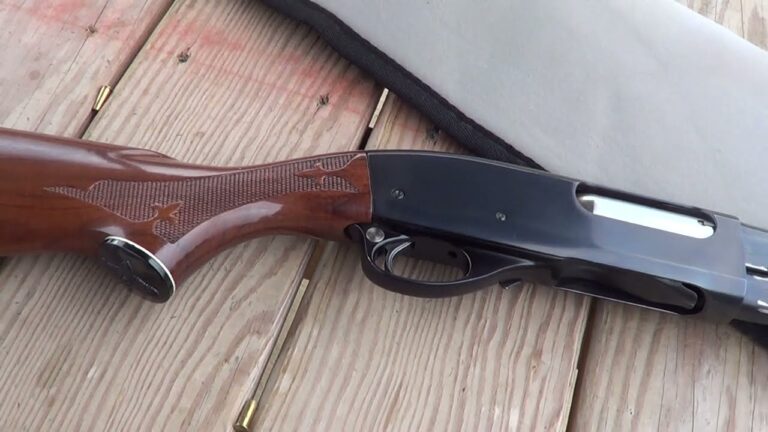
Photo credit: LastMinuteMan (LastMinuteMan)/Youtube
You can tell when a shopper knows what they’re doing. They don’t drift around staring at the glass like it’s a museum. They walk in, nod, and start asking the questions that matter: “How’s the trigger on that one?” “Are mags easy to find?” “Does it bite your hand?” “What’s the parts situation if I actually shoot it?”
The funny part is, the pistols that get asked about the most aren’t always the newest or the prettiest. They’re the ones with a track record, a purpose, and just enough quirks that a smart buyer wants to handle it before somebody else snatches it. Here are 20 handguns I see informed buyers go after early, before they ever get parked in the public display case.
1. Glock 19 (Gen 5)
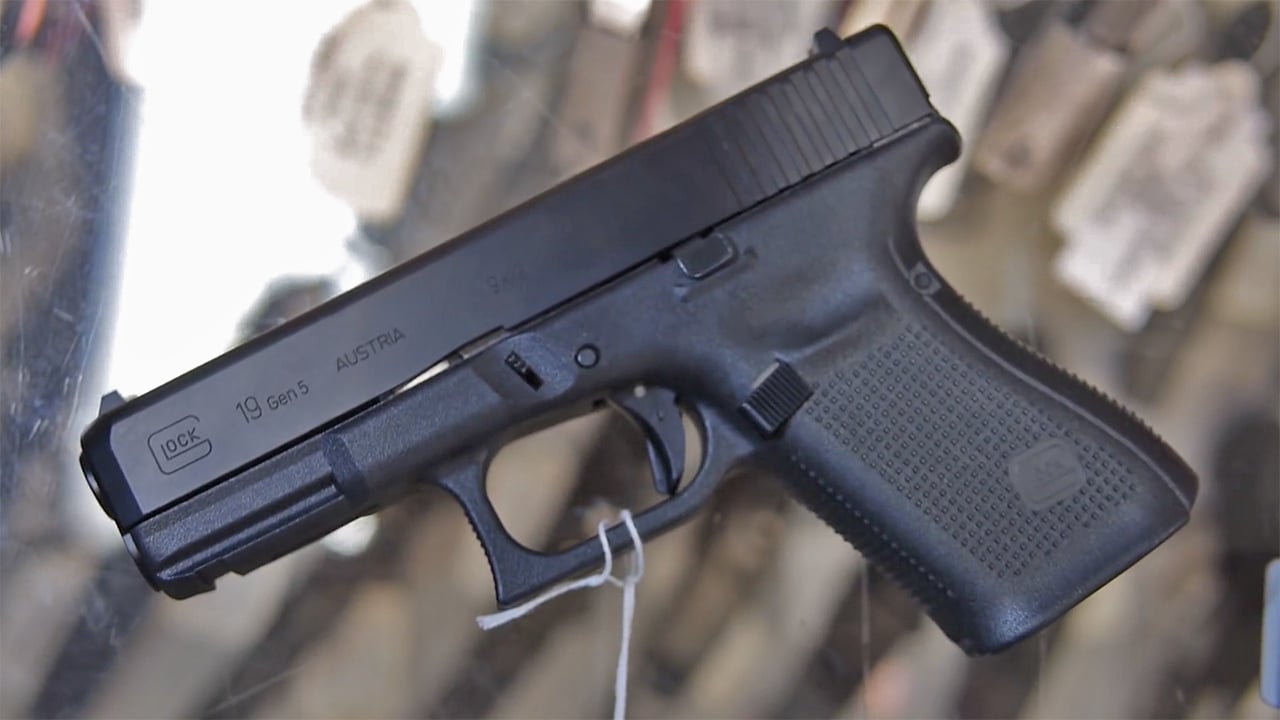
This is the one that gets requested like a cup of black coffee. It’s not exciting, but it’s useful, and buyers who actually carry tend to trust “useful” over “exciting.” Gen 5 smoothed out some stuff—no finger grooves, better barrel, better finish—and the gun just points naturally for a lot of hands.
The real reason people ask for it early is simple: it’s the measuring stick. If you’re comparing anything to anything, the Glock 19 sits in the middle of the map. Holsters, sights, mags, and small parts are everywhere, and that matters when you’re not just buying a range toy. If a shop has a clean one at a fair price, it won’t sit long.
2. Glock 43X MOS

Plenty of folks want thin and light until they shoot thin and light. The 43X hits a sweet spot: slim enough to carry all day, big enough to actually run without hating life. The MOS version is what gets asked for because more people are finally being honest about wanting an optic-ready carry gun.
Informed buyers also know what’s easy to live with. The 43X has simple maintenance, common Glock reliability, and magazines that are easy to track down. It’s not a “tiny gun” that disappears in your pocket, but it carries flat, and it doesn’t beat your hands up like a lot of micro-compacts do during a long practice session.
3. SIG Sauer P365 XL

The P365 changed the carry market whether you like SIG or not. The XL is the version that makes sense for normal hands—more grip, longer sight radius, and it shoots flatter. When someone asks for one before it hits the case, they’re usually looking for that balance of concealment and shootability.
The other reason is modularity. With the FCU setup, a buyer can change grip modules and slides without getting weird about it, and there’s a huge aftermarket. Still, it’s not magic. Some shooters don’t love SIG triggers out of the box, and you want to make sure it runs with the carry ammo you intend to use. Smart buyers know that and ask accordingly.
4. Smith & Wesson M&P 2.0 Compact (4-inch)

This is the gun for the guy who tried a polymer striker pistol years ago, didn’t love it, and then picked up an M&P 2.0 and went, “Oh. This fits.” The grip texture is aggressive in a good way, the ergonomics work for a lot of hands, and the compact size carries without feeling like a compromise.
Buyers who know their stuff also ask about the trigger generation. The newer ones are better, and most shops can tell you what you’re looking at. Magazines aren’t hard to find, and it’s a pistol that takes being shot a lot. If a person is planning to practice instead of just owning, this one tends to come up fast.
5. Heckler & Koch VP9
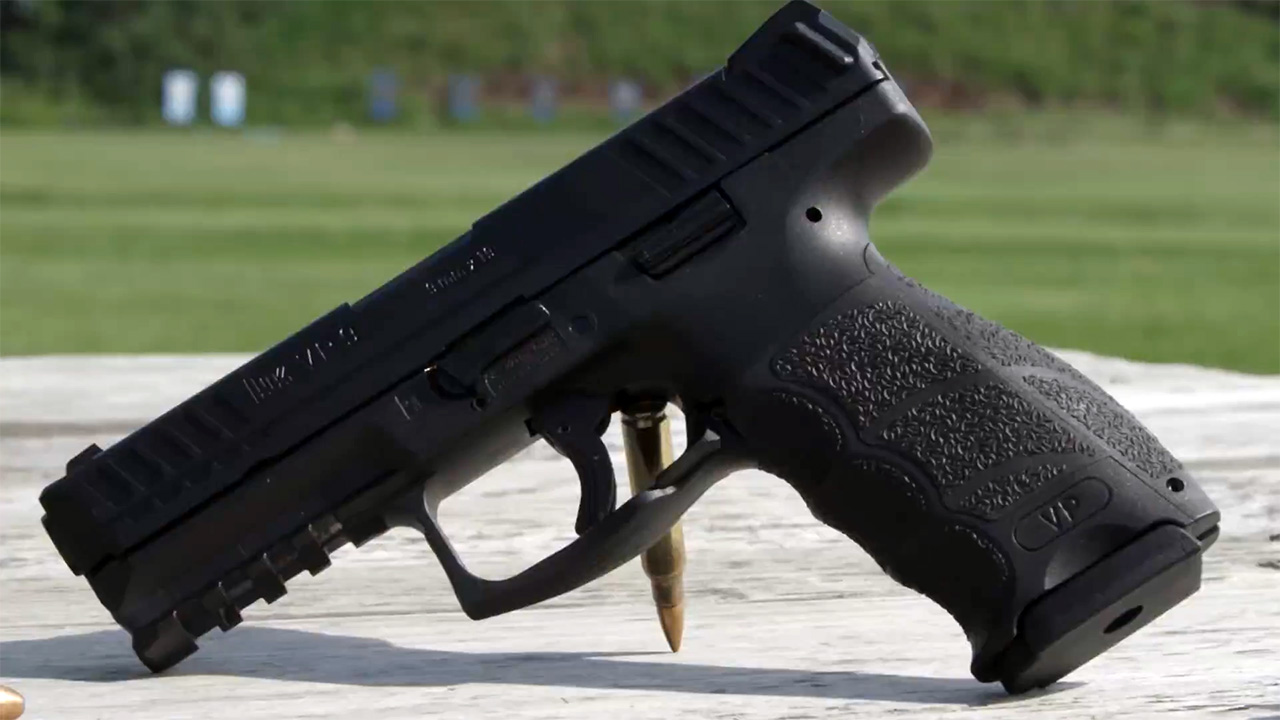
VP9 fans don’t usually wander in undecided. They come in wanting that particular feel—great ergonomics, a very shootable recoil impulse, and a trigger that tends to be good right from the factory. It’s one of those pistols that makes average shooters look a little better than they are.
What holds some people back is price and the “HK tax” mentality. But informed buyers know the VP9 has matured, parts and mags are more available than they used to be, and the guns run. If you get a chance to handle one, the grip and controls either click with you or they don’t. The buyers asking early already suspect it will click.
6. Walther PDP Compact
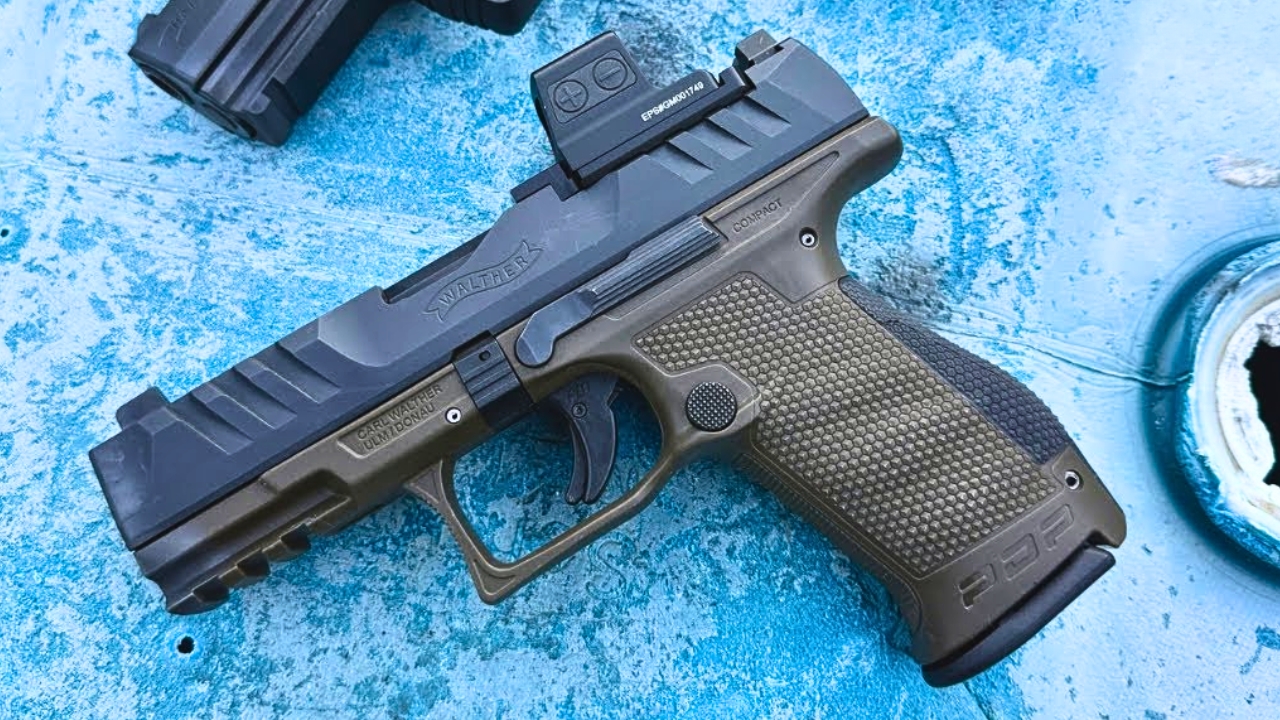
The PDP is what a lot of people want their striker-fired pistol to feel like: a fantastic out-of-the-box trigger, aggressive slide serrations you can grab with wet hands, and a grip that points naturally. It’s a “serious shooter” gun that still carries well in the compact sizes.
Knowledgeable buyers ask about it because they’ve probably shot one, or shot a buddy’s, and they remember the trigger. They’ll also ask which optic footprint and which model because Walther has a few variations, and you can get yourself turned around. It’s not the cheapest, but it feels like a pistol built for hard use instead of a brochure.
7. CZ P-10 C
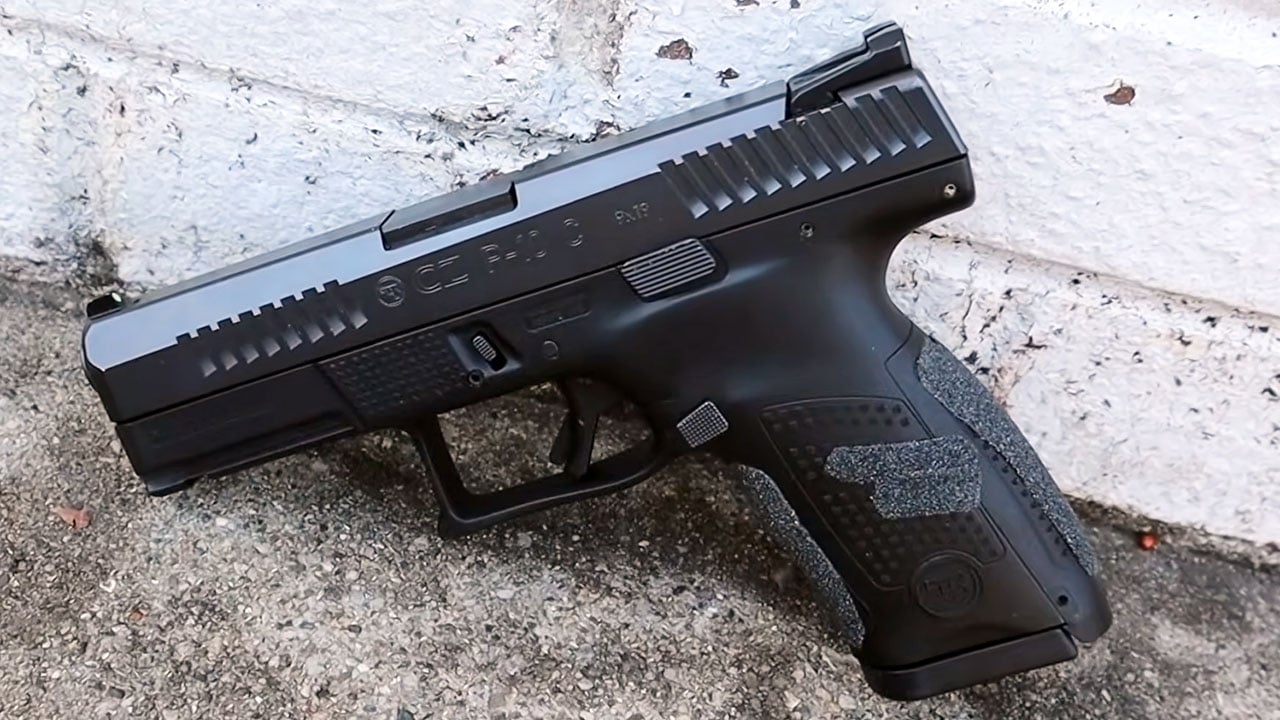
If you want a striker gun that feels like it was designed by someone who actually shoots, the P-10 C is hard to ignore. It’s a little understated, which is fine. The grip angle works for many shooters, the trigger is usually solid, and the gun tends to be boringly dependable.
Informed buyers ask about it early because the value is real, especially when pricing gets competitive. It’s also a pistol that rewards practice. It tracks well in recoil and doesn’t feel top-heavy. The one caution is to check magazine availability and make sure you’re buying the variant you want, since CZ has shuffled models and SKUs over time.
8. Beretta 92FS

This one is about confidence and history. The 92FS is big, smooth, and easy to shoot well if you can handle the size. It’s also the kind of pistol that a lot of people trust for home use because it’s steady and soft in recoil compared to many lighter polymer guns.
Buyers who ask about it before it hits the display usually want a clean example with a decent trigger and tight lockup. They also know to check the sights and understand what they’re getting: a full-size metal pistol that carries like a brick but shoots like a dream. If you grew up seeing them everywhere, it’s hard not to want one done right.
9. Beretta 92X (RDO-ready variants)

The 92X is what happens when Beretta admits people like modern features but still want the 92 feel. Better grip options, a more modern frame profile, and versions that are optics-ready. It’s a sensible update that keeps the soft-shooting character that made the 92 popular in the first place.
Informed buyers ask about the 92X because they want “old reliable” with a few fixes already handled. They’ll check how the decocker/safety is set up, whether it’s a G or F style configuration, and how it fits their hand. It’s still a big pistol, but if you’re buying a metal-frame handgun for range and home, it’s a strong pick.
10. Ruger SP101 (3-inch)
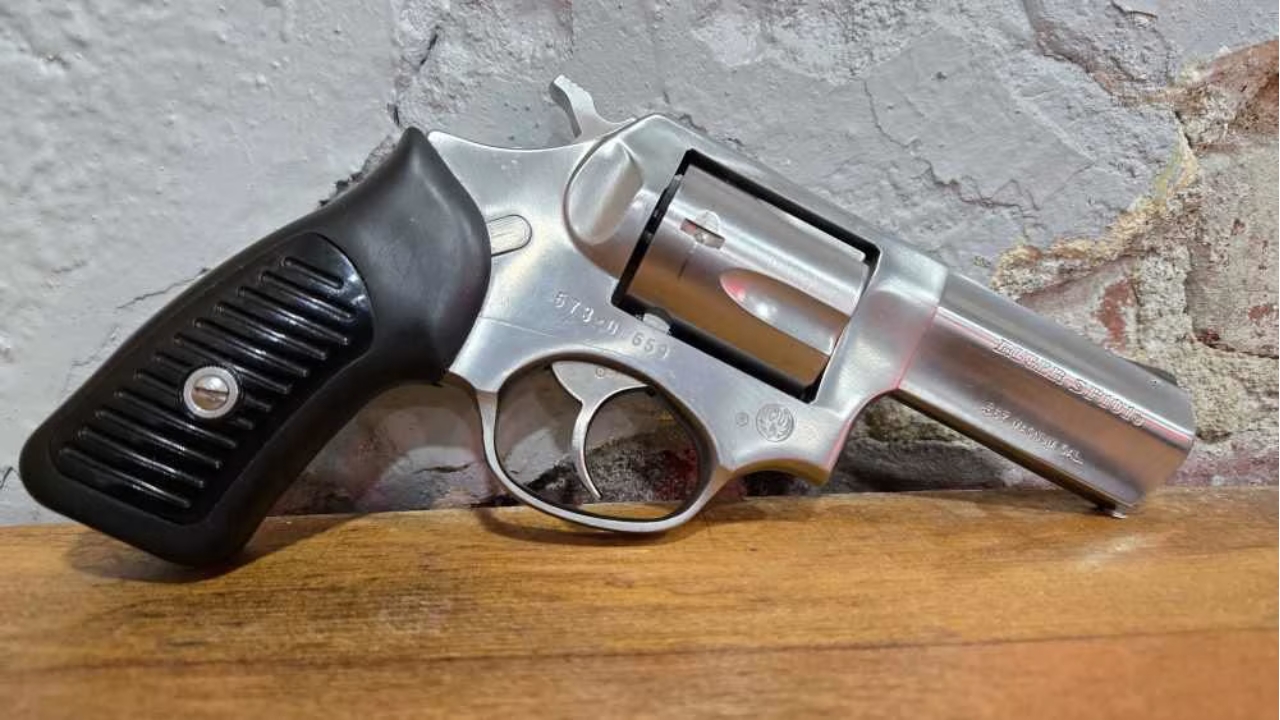
There’s a reason the 3-inch SP101 gets snapped up. It’s one of those revolvers that can live in a tackle bag, a glove box (where legal and secured), or a nightstand without being fragile about it. Stainless steel, stout lockwork, and simple manual of arms. Nothing fancy about it, and that is kind of the point.
Smarter buyers know to ask for the 3-inch because the extra barrel gives you better sights and a little more practical velocity, and it carries better than you’d think with a good holster. The downside is weight, especially compared to lightweight snubbies. But the weight is what makes it shootable with real .357 loads if you choose to run them.
11. Ruger LCR (in .357 Magnum)

The LCR is one of those revolvers that looks odd until you carry it. Then you get it. It’s light, it rides easy, and the trigger is usually smoother than you’d expect from a small revolver. The .357 version is popular because it lets you practice with .38 and keep .357 as an option.
Here’s the honest part: full-power .357 out of a lightweight snub is not fun. Not “a little snappy.” It can be miserable. Informed buyers ask about the LCR because they want the carry comfort and they already know their plan—often .38 +P for daily use and a steady diet of practice ammo. It’s a specialist tool, but a useful one.
12. Smith & Wesson Model 686 (4-inch)
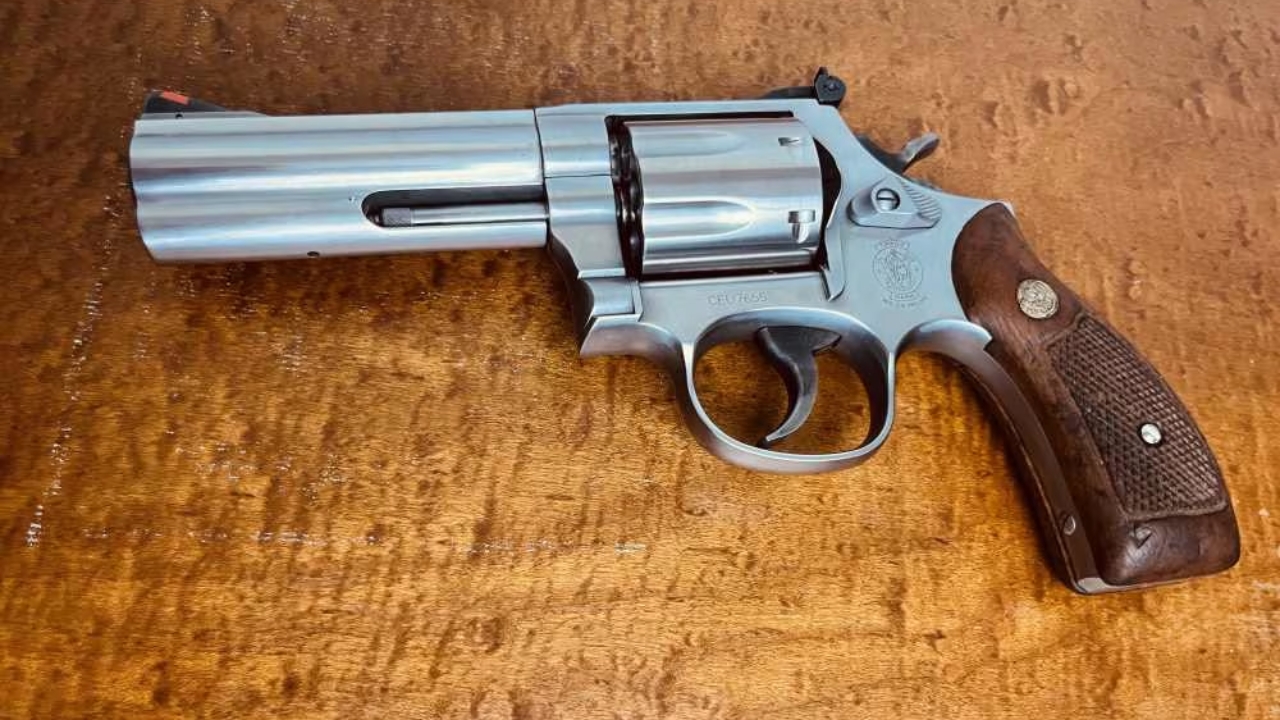
If you want a revolver that can do a lot of jobs, the 686 in a 4-inch is hard to beat. It’s a range gun, a woods gun, and a “hand it to someone who doesn’t shoot much and it’ll still work” gun. The weight soaks recoil, and the sight picture is usually excellent.
Informed buyers ask for it early because good ones don’t hang around long, especially clean examples. They’ll check timing, lockup, and the general feel of the action because revolvers are more about mechanical condition than brand reputation. It’s not the lightest thing to carry, but if you’re walking fence lines or checking trail cameras, a 686 on the belt makes a lot of sense.
13. Smith & Wesson Model 10 (police trade-in era)
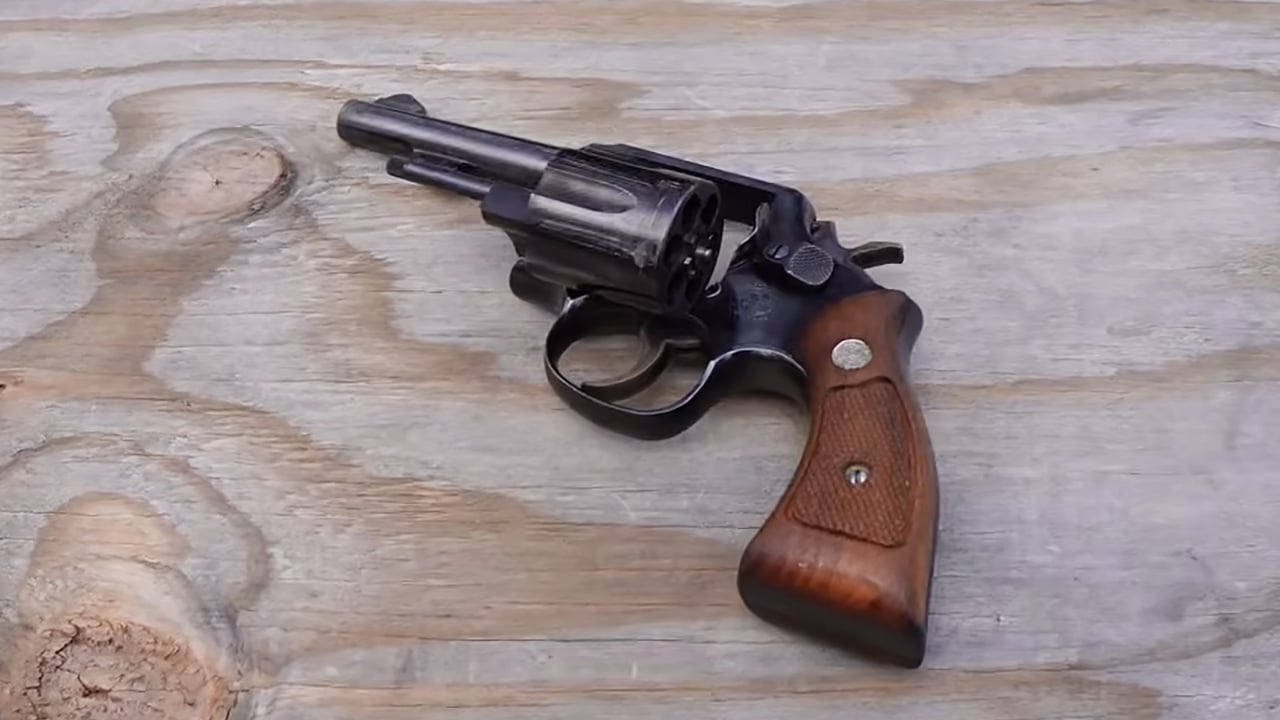
Old Model 10s are the kind of guns that make you wonder why we ever stopped making simple things well. They’re usually .38 Special, usually worn on the outside, and often slick as can be on the trigger because they were carried a lot and shot enough to smooth out.
Buyers in the know ask about them because they’re honest revolvers. No rails, no marketing, just a practical wheelgun that still works. They also know to check for endshake and make sure the cylinder locks up right. Ammunition is common, recoil is manageable, and the gun is as close to “grab it and it’ll do the job” as you can get in a handgun.
14. Colt Python (new production)
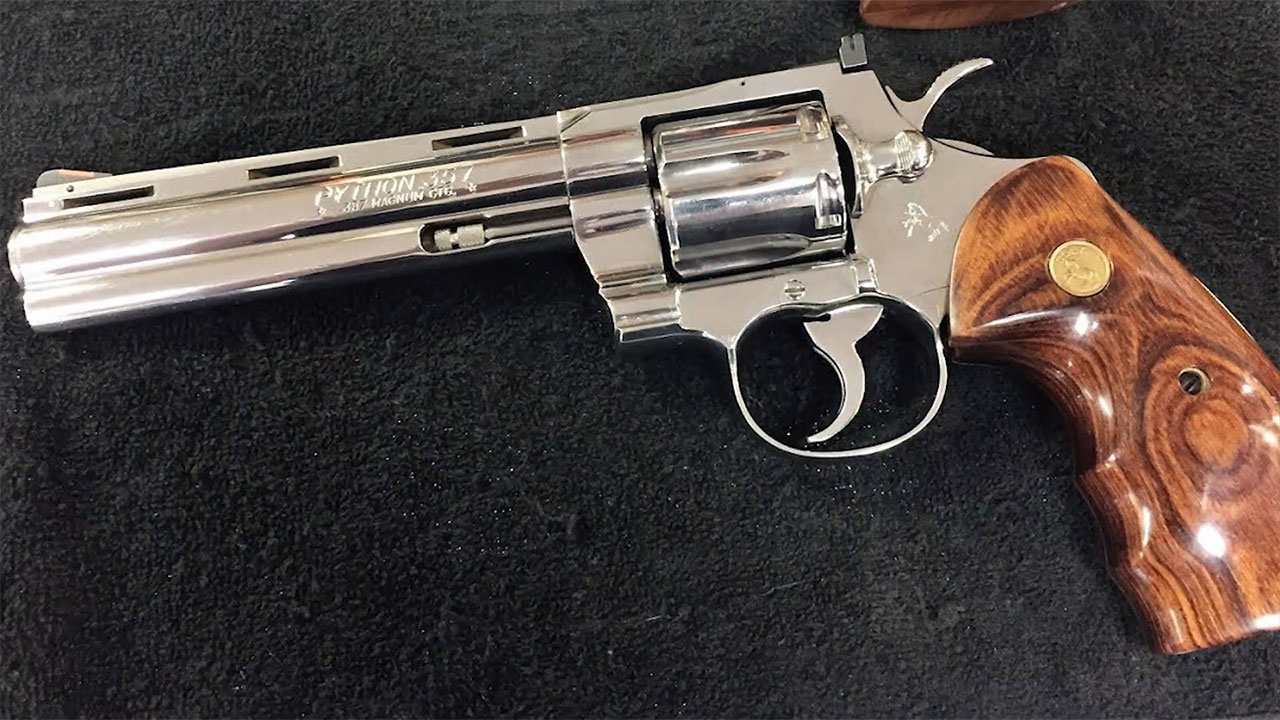
The Python brings out two types: the collector and the shooter who just wants the nicest .357 they can justify. New production Pythons look good, feel good, and they’re accurate. They also cost enough that informed buyers want to handle the exact revolver before they commit.
They’ll check the double-action pull, look for any oddness in cylinder timing, and make sure the sights are straight. A Python isn’t necessary for anything, but that’s not the point. It’s a “buy once, cry once” revolver for someone who appreciates a refined trigger and a premium finish. If one comes in at a fair price, folks ask to see it before it’s even tagged.
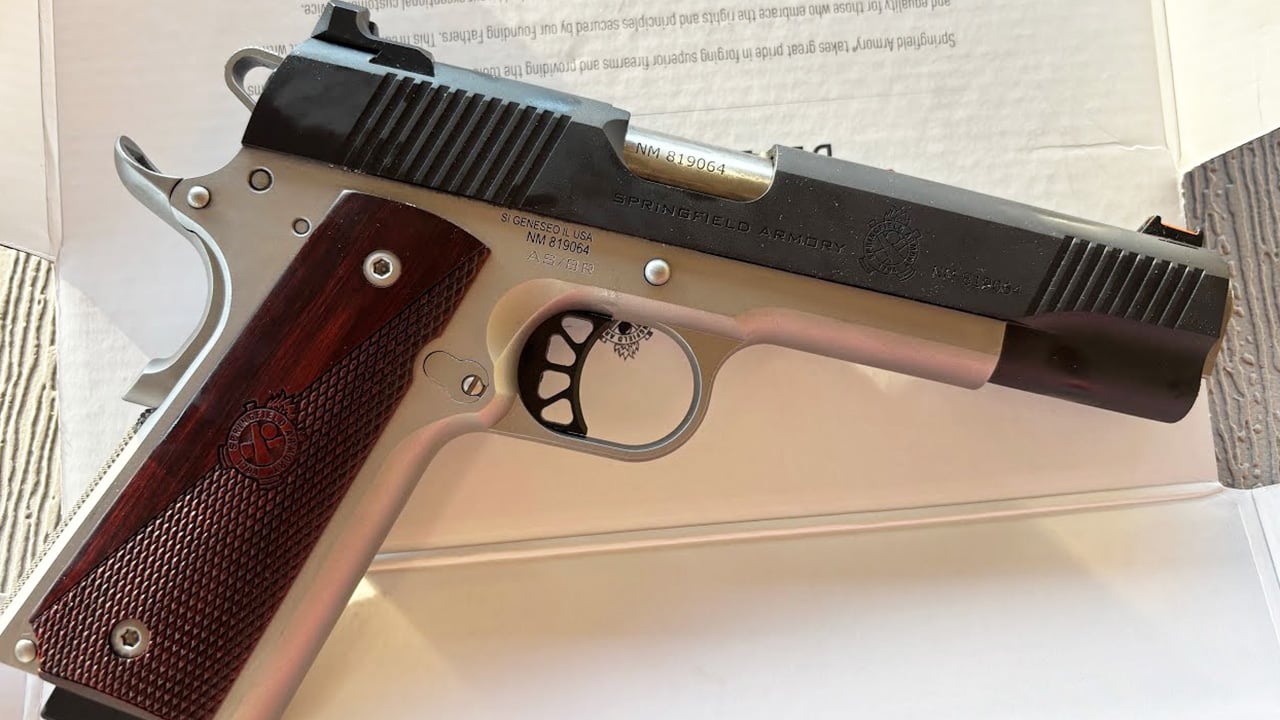
15. Springfield Armory 1911 Ronin
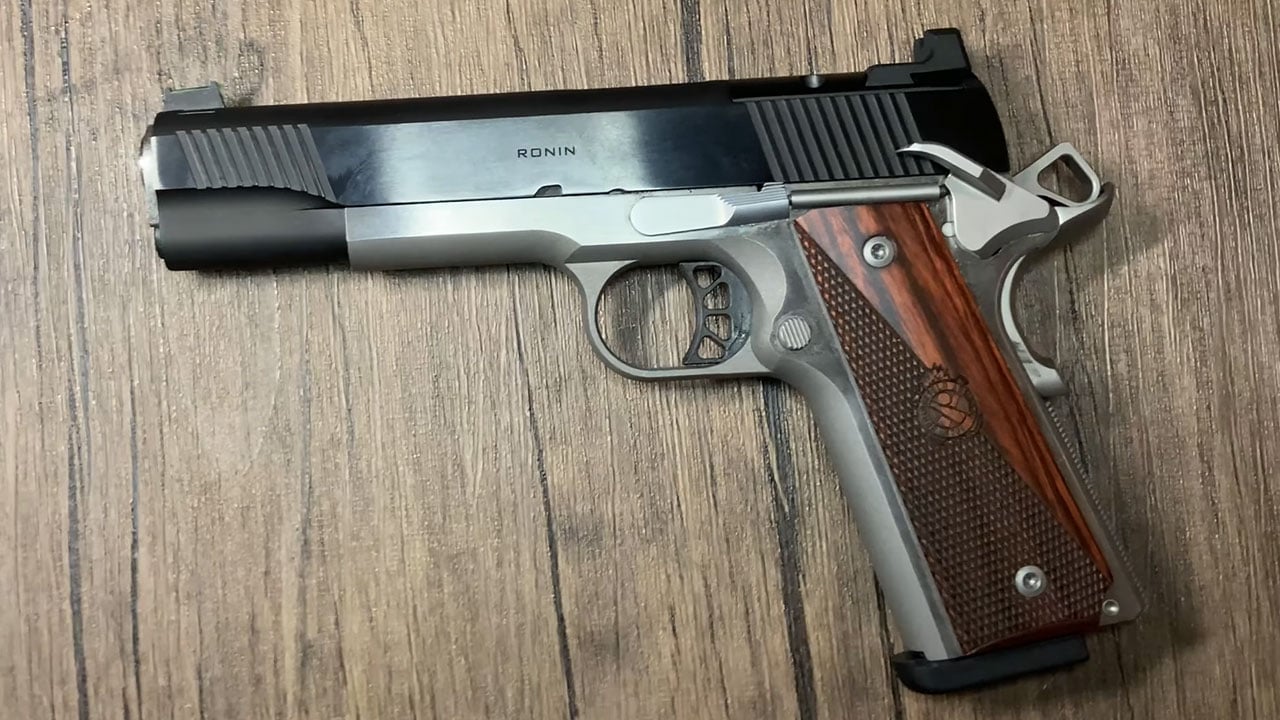
A lot of 1911s are either bargain-basement rough or priced like a used truck. The Ronin tends to land in that zone where you get a decent trigger and solid fit without feeling like you paid mostly for a rollmark. It’s also one of those pistols that points naturally for many shooters.
Informed buyers ask about it early because 1911 shopping is personal. You want to feel the safety, the slide movement, and the trigger break before you buy. They’ll also ask about magazines, because 1911 reliability can be magazine-sensitive. It’s not the gun I’d pick for everybody’s first defensive handgun, but for a shooter who trains and appreciates a single-action trigger, it’s a good working 1911.
16. Staccato P

This one gets asked about by guys who have already burned money on “almost as good” guns. The Staccato P is expensive, yes, but it shoots fast and flat, and it runs when it’s set up right. It’s the kind of pistol that makes you understand why competition-style designs exist in the first place.
Smart buyers also know it’s not a casual purchase. They’ll ask about holster fit, magazine cost, and what the shop can actually get for support. They’ll rack it, feel the trigger, and check the overall fit because a tight, smooth gun should feel like a tight, smooth gun. If you’re the type who practices hard and wants a pistol that keeps up, this is why it comes up before it hits the glass.
17. Ruger Mark IV (Standard/Target variants)
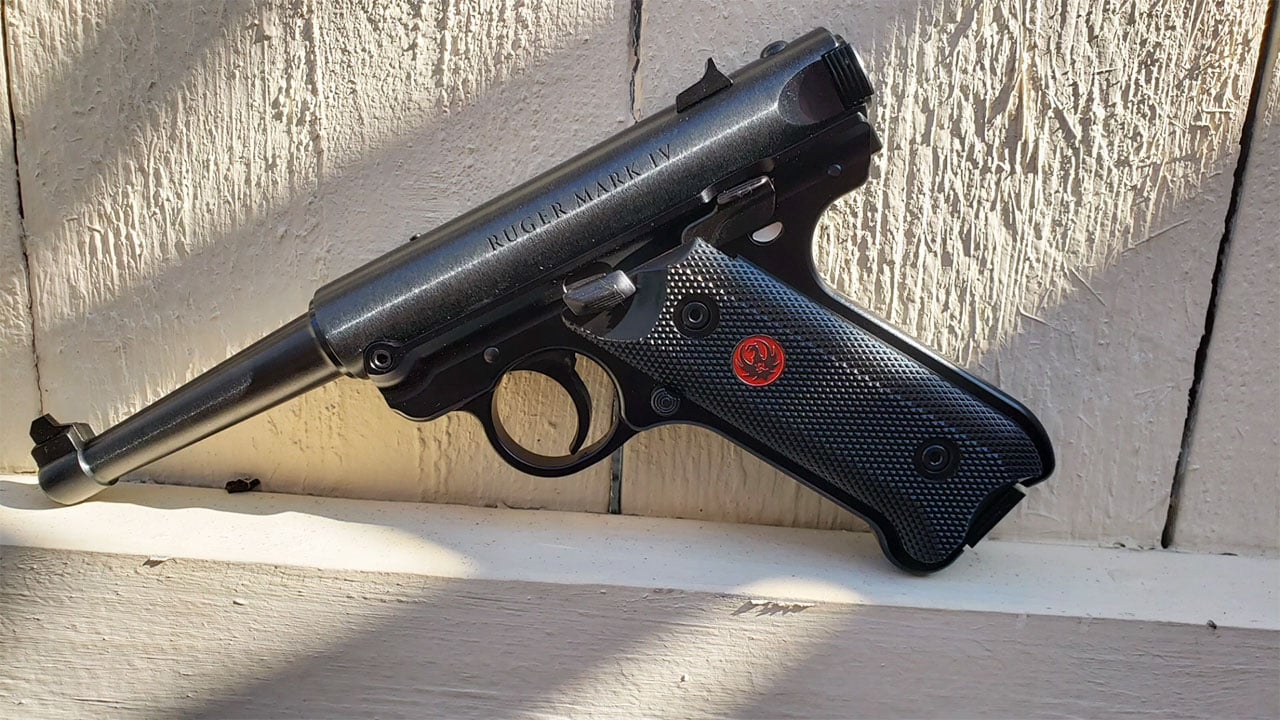
Every now and then a shopper asks for something that isn’t about carry or defense at all. The Mark IV is that gun. It’s for cheap practice, small-game camp use where legal, and plain fun. And because .22 pistols often get neglected, informed buyers will ask for the better ones first.
The Mark IV’s push-button takedown is the big deal. Older .22 pistols could be a headache to disassemble and clean, and a dirty rimfire can turn unreliable fast. Buyers want something they’ll actually maintain. The Mark IV also has strong aftermarket support and tends to be accurate enough to humble you. If you’re serious about improving trigger control without burning through centerfire ammo, it’s a smart buy.
18. Browning Buck Mark
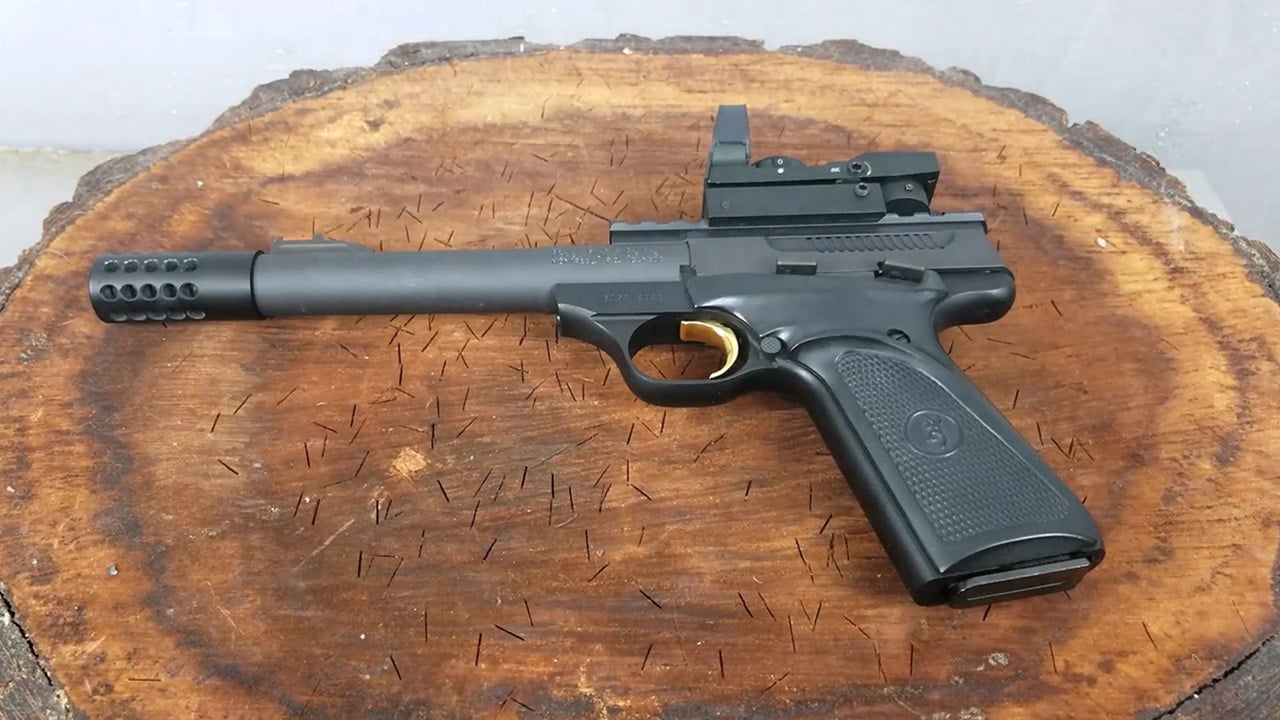
The Buck Mark is the other .22 pistol that experienced shooters quietly respect. Good trigger, good balance, and a reputation for accuracy that isn’t just internet talk. It also feels like a “real pistol” in the hand, which makes practice translate better to centerfire guns.
Informed buyers ask about Buck Marks because they’ve been around long enough to earn trust, and the good ones don’t always sit. They’ll ask how the sights are set up and whether it comes with the rail/top configuration they want. It’s not the simplest design in the world for deep cleaning compared to the Mark IV, but it runs very well when maintained. As a trail plinker or range trainer, it’s hard to argue against.
19. Magnum Research Desert Eagle (Mark XIX)
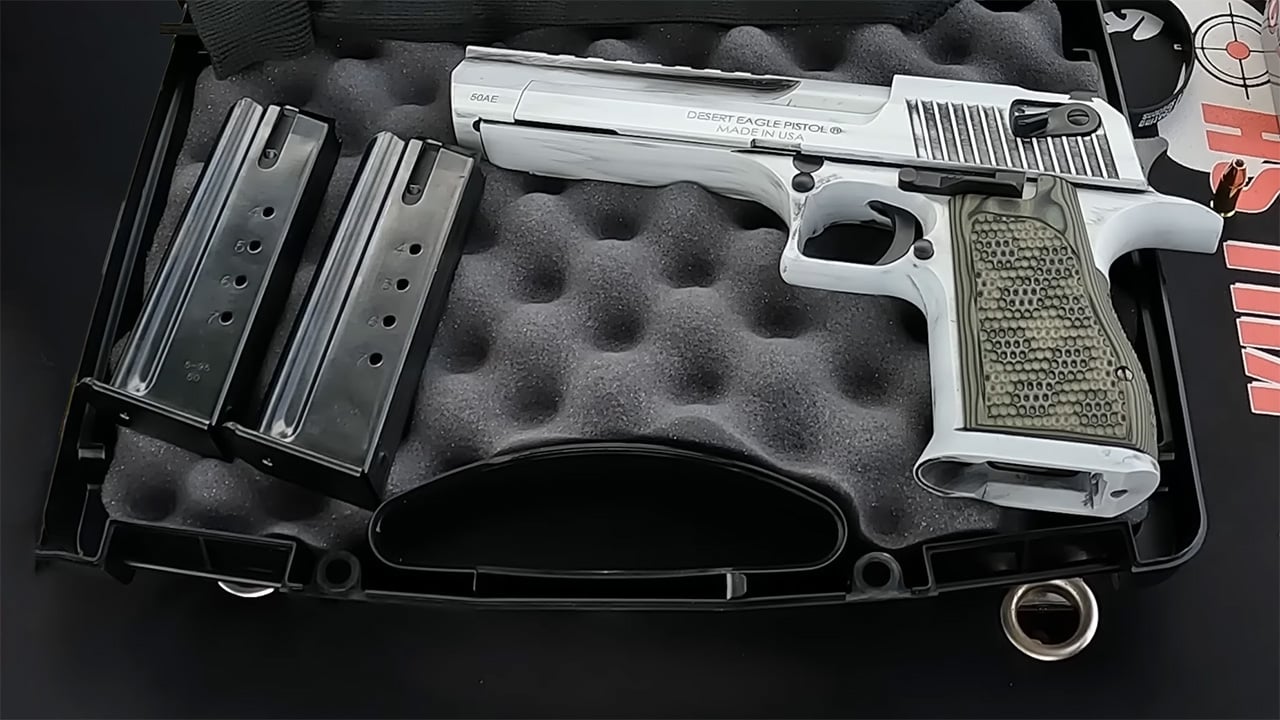
This is pure want, and there’s nothing wrong with admitting that. The Desert Eagle is big, loud, heavy, and impractical. It’s also one of those guns that everyone wants to shoot once, and a decent number of folks want to own just because it’s a Desert Eagle.
Buyers who know what they’re doing ask about it early because they also know the hidden costs. Ammo isn’t cheap, magazines aren’t cheap, and it’s not a pistol you neglect and expect to run perfectly. They’ll check the condition closely, ask what loads it prefers, and whether the shop has the correct magazines on hand. If you go into it with eyes open, it can be a blast. If you expect it to be a sensible “do everything” handgun, you’re in for a surprise.
20. FN Five-seveN

The Five-seveN gets asked about by the “I’ve done my homework” crowd and the “I just want something different” crowd, and sometimes that’s the same person. It’s light for its size, holds a lot, and recoils softly. It also has a feel all its own—kind of space-gun, kind of duty pistol.
Informed buyers ask early because the big question is always the same: ammo availability and cost. If you can’t feed it, it becomes a safe ornament. They’ll also handle it to see if the grip fits, because it’s not for every hand. It’s accurate, easy to shoot fast, and it fills a niche. But it’s a niche. Folks who ask for one before it hits the case usually already know why they want it.
The best gun-counter advice I can give is this: ask to handle the pistol you’re interested in, and be honest about what you’ll actually do with it six months from now. Carry all day? Shoot 500 rounds a month? Sit in a nightstand? The informed buyers aren’t magic—they just match the tool to the job, and they don’t wait until the good ones get picked over.
Like The Avid Outdoorsman’s content? Subscribe to our newsletter so you never miss an article.
Here’s more from us: