Photo credit: Screen Share/Youtube
Most semi-autos that earn a real spot in the safe do it for boring reasons: they run, they shoot where you point them, and they don’t ask for much. Then you open the box, load the magazine it shipped with, and suddenly you’re chasing gremlins that aren’t the gun’s fault. I’ve watched good pistols get blamed for cheap feed lips, soft springs, out-of-spec followers, or “bonus” mags that should’ve stayed on the factory floor.
This isn’t a hit piece on any of these firearms. It’s the opposite. These are solid, field-proven semi-autos that get unfairly judged because the included magazine is the weak link. If you’ve ever had a brand-new gun turn into a single-shot on the first range trip, you’ll recognize a few of these.
1. SIG Sauer P365

The P365 changed the carry game, and I’ll still say it’s one of the best blends of size, capacity, and shootability out there. But the early reputation bumps weren’t always the pistol. A lot of frustration came down to magazines that felt stiff, hard to seat on a closed slide, or just finicky until they broke in. When a micro-compact is running high spring pressure in a tiny package, the magazine matters more than most folks want to admit.
If your first box mag isn’t happy, you’ll see it as nosedives, sluggish feeding, or the slide failing to lock back when you swear you’ve got a proper grip. The fix usually isn’t mystical. Rotate mags, clean them, and don’t be afraid to mark them and track which one acts up. A fresh, known-good OEM mag can turn a “problem gun” into a boringly reliable one, and boring is what you want on your belt.
2. Glock 19 (with aftermarket “freebie” mags)
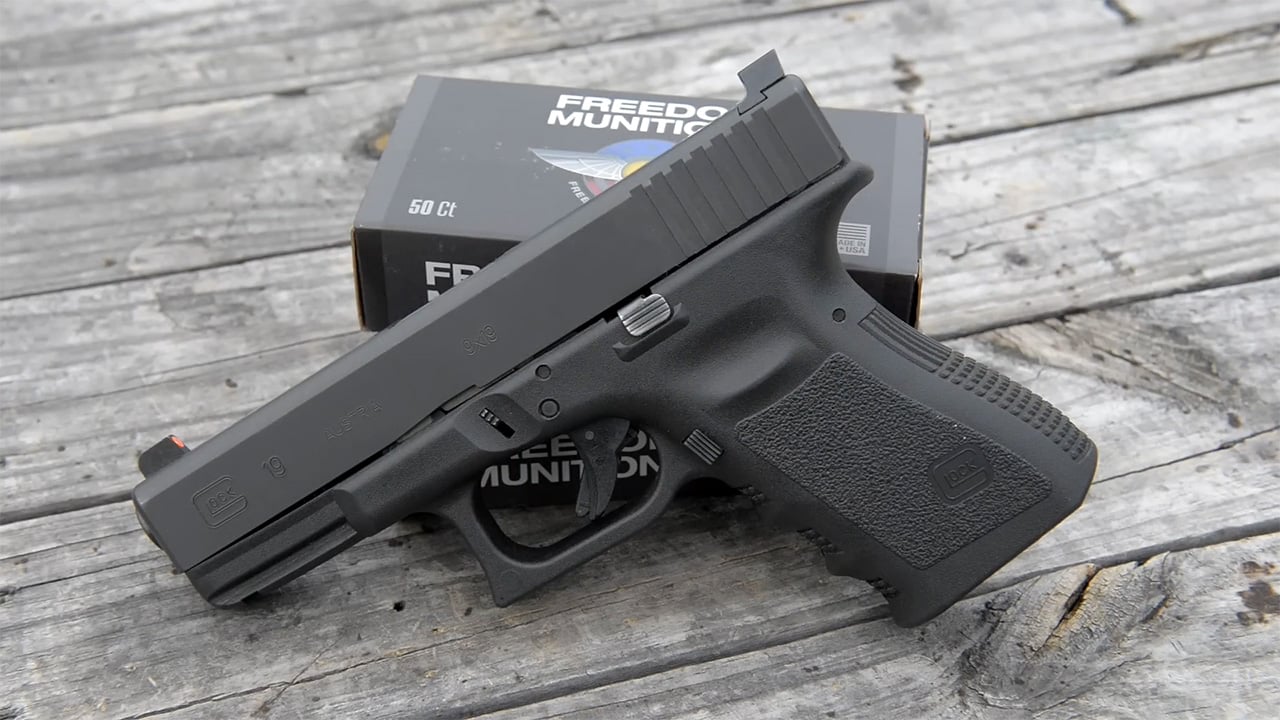
The Glock 19 will digest almost anything, which is why it’s so aggravating when a bad magazine makes it look unreliable. This shows up a lot when a shop tosses in an off-brand magazine to sweeten the deal. The gun runs like a sewing machine with factory mags, then suddenly you’re getting random failures to feed or the slide won’t lock back. Ask me how I know.
Glock magazines are a big part of the whole system. Feed angle, spring rate, follower shape—it all works together. When a bargain mag gets one of those wrong, the pistol gets blamed. If you’re going to carry a G19, do yourself a favor and prove your actual carry mags at the range. Keep the questionable ones for dry practice or the range bag, and don’t let a $12 mistake mess with a $500 handgun’s reputation.
3. Smith & Wesson M&P 2.0 (bundle mags)
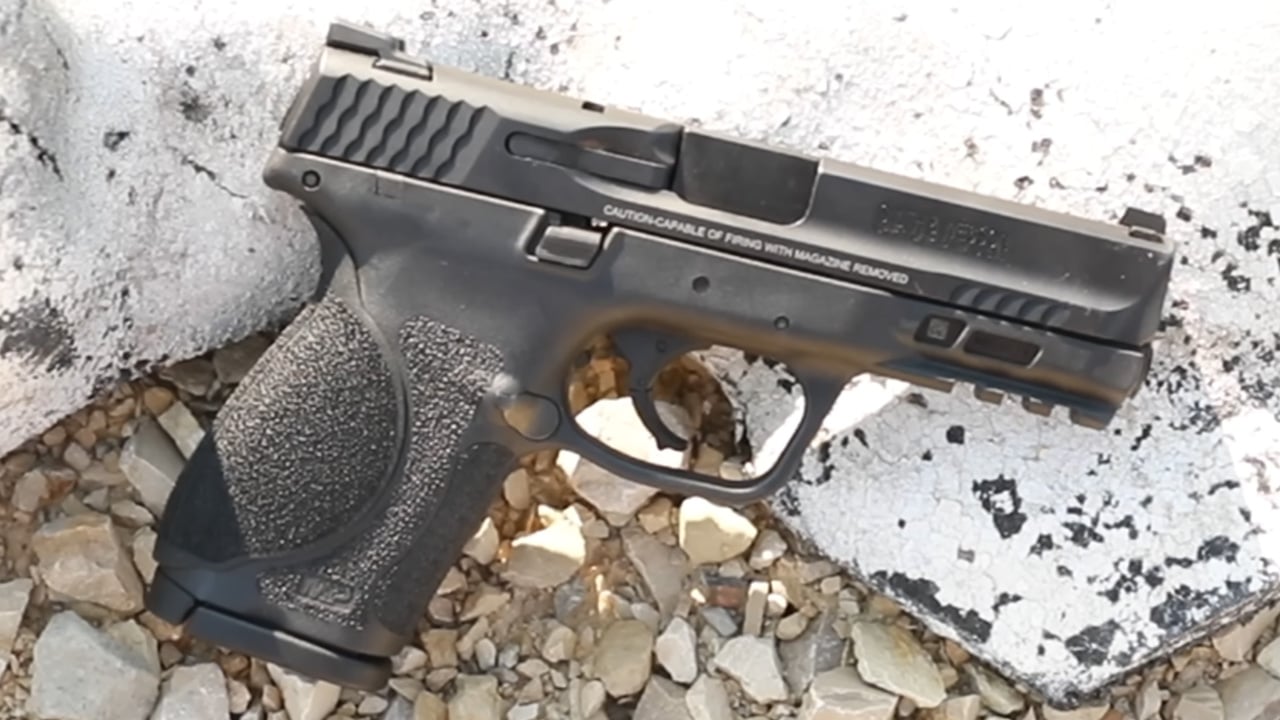
The M&P 2.0 is a hard-use pistol, and it points naturally for a lot of shooters who never quite warmed up to Glock angles. Where things get weird is the occasional “package” deal mag that doesn’t feel like the same quality as the originals. I’ve seen baseplates that don’t fit quite right and followers that feel gritty. That kind of small stuff can snowball once you add dust, pocket lint, or a little unburnt powder into the mix.
When the included mag is the culprit, the symptoms can look like shooter error: failure to lock back, a round popping loose under recoil, or that one magazine that always seems to cause trouble on the last two rounds. If the pistol is solid with the other magazines, believe the evidence. The M&P doesn’t need defending—just a magazine you can trust. OEM replacements aren’t cheap, but they beat chasing your tail.
4. Springfield Armory Hellcat

The Hellcat is another micro-9 that shoots bigger than it looks, but the short grip and high capacity make the magazine do a lot of work. Some of the early complaints I heard weren’t “the gun hates hollow points” so much as “this one magazine hates life.” A micro gun has less room for forgiveness. Slightly weak spring tension or a follower that drags can turn into a stoppage fast.
One thing that throws new owners is seating a fully loaded magazine with the slide forward. If your mag is tight and you don’t get it locked in, it’s not a feeding issue—it’s a not-fully-seated issue that shows up as an immediate click or a partial feed. The Hellcat itself is a keeper. Just don’t assume every magazine in the box is equally good, especially if one of them feels noticeably different when you load it or strip rounds by hand.
5. Ruger SR9 / SR9c
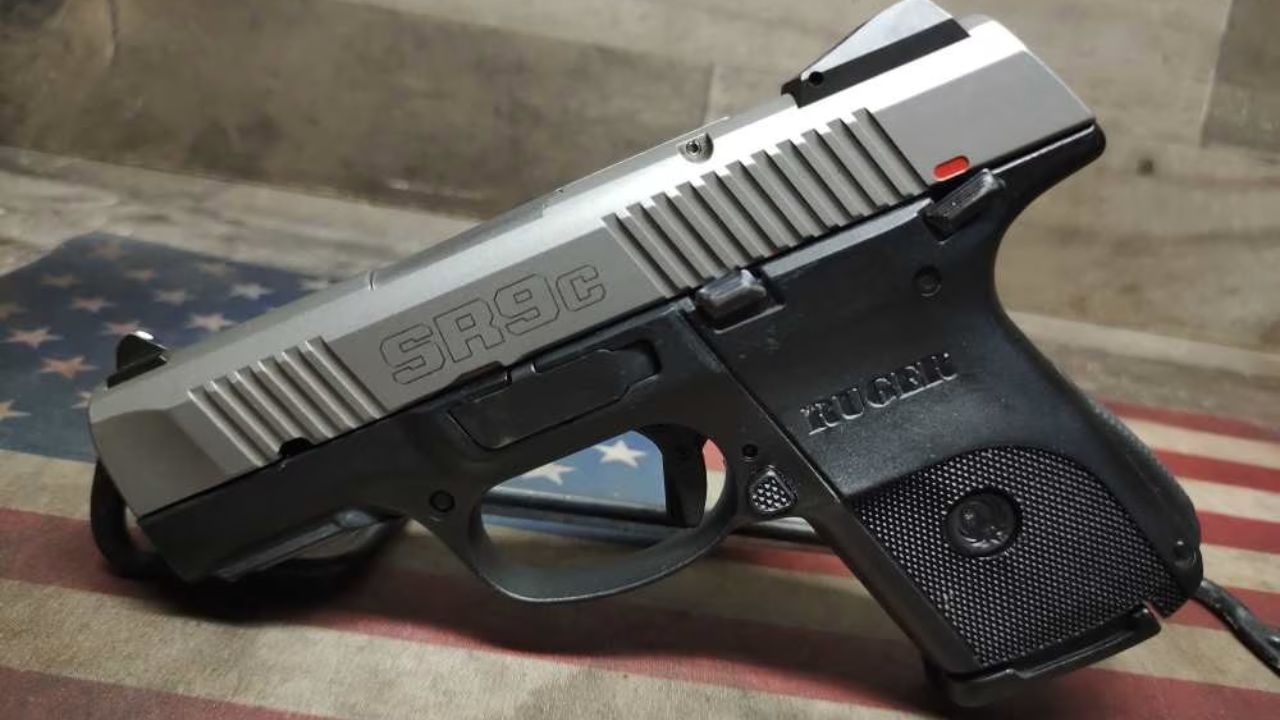
Ruger’s SR-series pistols are sleepers. They’re slim, accurate, and generally dependable, and you can still find them used at prices that make sense. The downside is that the factory magazines, especially older ones that have lived a hard life, can get temperamental. The SR9 is not the gun you want to diagnose using one worn-out mag you found at the bottom of a range bag.
Weak springs and tired feed lips show up as inconsistent feeding and last-round weirdness. And because the SR9 doesn’t have the same “every parts bin in America supports it” ecosystem as a Glock, folks tend to blame the gun and move on. If you’ve got an SR9 that otherwise shoots great, spend the money on a couple new magazines and keep the old ones as training spares. It’s a lot cheaper than replacing a pistol that didn’t really need replacing.
6. CZ P-10 C

The P-10 C is one of those pistols that surprises people the first time they press the trigger. It’s a clean, shootable striker-fired gun that doesn’t feel mushy. But magazines can be the make-or-break point, especially when you mix generations, mix baseplates, or end up with a questionable mag from a trade-in. I’ve seen one bad magazine make a P-10 look like it’s picky when it really isn’t.
When it’s the mag, you’ll get feed issues that appear random: a clean run for 30 rounds, then a hiccup, then fine again. That randomness is what messes with your confidence. The P-10’s factory mags are usually solid, so if one is acting up, isolate it. Mark it, test it, and don’t let it ride in your defensive rotation until it proves itself. There’s a big difference between “this gun is unreliable” and “this one magazine is a problem child.”
7. Walther PDP Compact
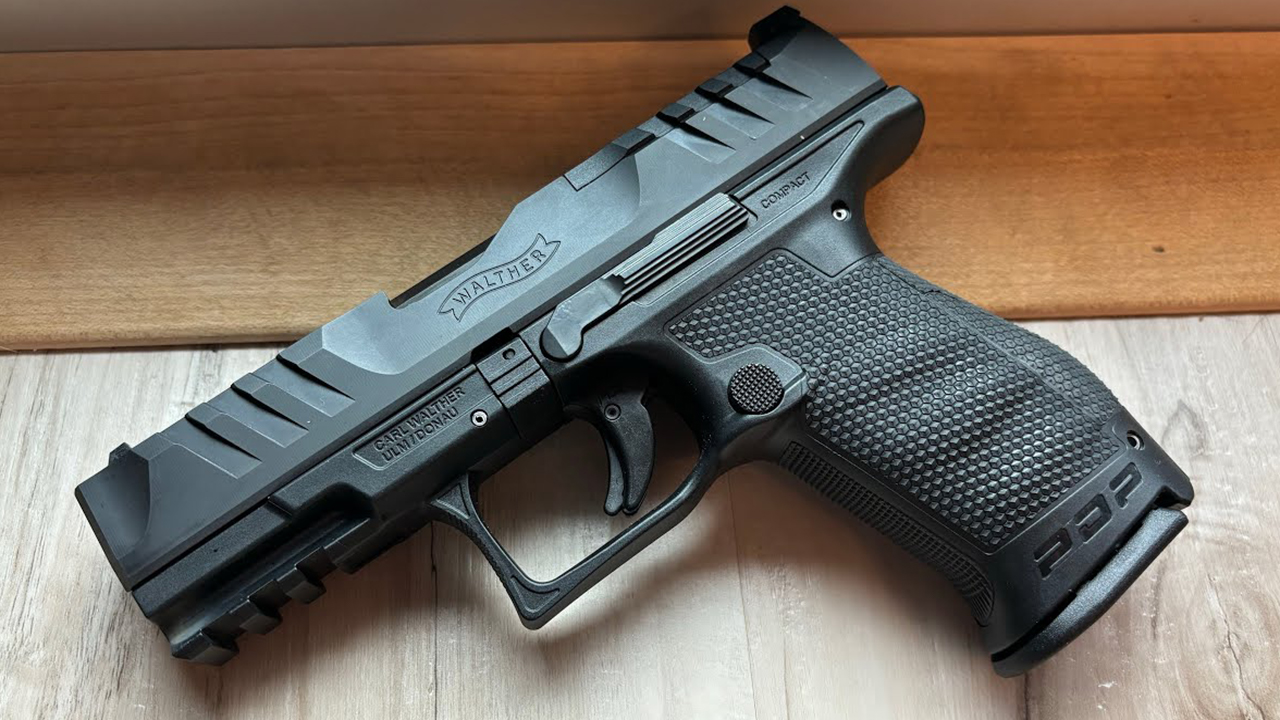
The PDP is a joy to shoot, and that’s not hype. The grip texture, the slide serrations, the trigger—it all feels like someone designed it for actual hands. Where the headache comes in is when you get a magazine that’s stiff, drags, or doesn’t drop free like the others. With a pistol as refined as the PDP, that kind of clunkiness stands out even more.
Most of the time, it’s not catastrophic failure. It’s a “why won’t this seat cleanly?” or “why does this one mag feel gritty?” annoyance that turns into distrust. Hunters and outdoorsmen are hard on gear, and grit happens. A magazine that’s already on the edge will show it fast when you’re in dusty truck consoles and range bags. The PDP is worth owning, but it deserves magazines that match the rest of the pistol’s quality.
8. H&K VP9

The VP9 is one of those pistols that fits a lot of hands, shoots flat, and just runs. The issue I’ve seen isn’t the design; it’s when the “included” magazines aren’t all from the same batch or same wear level—especially with used guns or package deals. One magazine will be slick and perfect, and the other will feel like it’s been dragged behind a four-wheeler.
Because H&K mags aren’t cheap, folks tend to keep using the questionable one and blame the pistol when it chokes. That one hurts, because the VP9 has earned its reputation. If you’re getting oddball failures, don’t start swapping recoil springs and chasing internet theories. Swap the magazine first. When the gun is boring with the good mags, you’ve found the culprit. Expensive mags are frustrating, but the VP9 is the kind of pistol you buy to avoid drama.
9. Beretta 92FS / M9
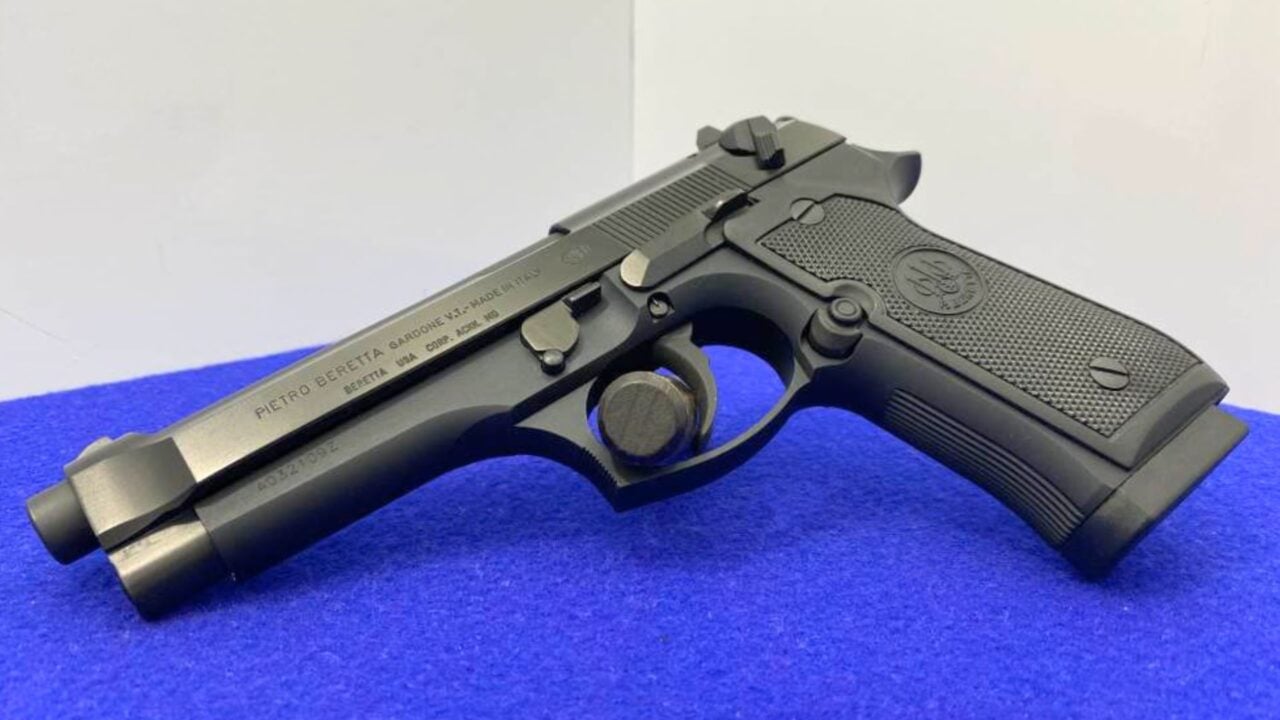
The 92-series Berettas are smooth, soft-shooting, and proven for decades. The “except for the magazine” problem is almost a tradition with these, because there are so many surplus and aftermarket mags floating around that look fine until they’re not. A worn spring in a 92 mag can turn a rock-solid pistol into a malfunction generator, especially when you start running it fast.
The tell is usually inconsistent feeding and failures to lock back. The pistol gets blamed for being “old and finicky,” when really it’s eating from a bad bowl. If you’ve got a 92 for home defense or range work, stick to reputable factory mags or known good aftermarket brands, and don’t get seduced by a pile of cheap surplus mags at a gun show. The Beretta is heavy, sure, but it’s a sweetheart when it’s fed correctly.
10. Ruger Mark IV
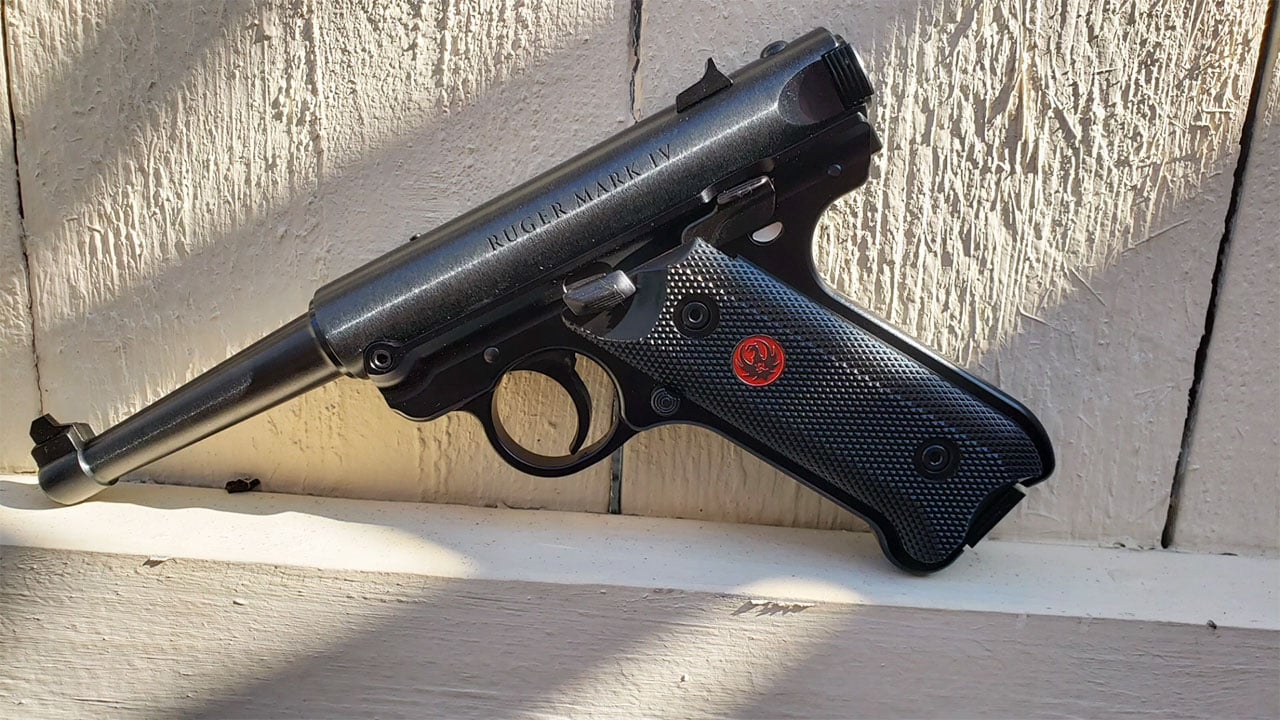
The Mark IV is about as close as you can get to a .22 LR handgun that just makes you smile. It’s accurate, easy to clean compared to earlier Marks, and it’ll turn an afternoon into a brick-of-ammo situation fast. But rimfire is rimfire, and magazine tolerance matters. If a Mark IV starts acting up, the magazine is one of the first places I look, because .22s don’t have the same margin for error as centerfire guns.
A slightly bent feed lip or a follower that drags can cause nose-up jams, stovepipes, or rounds that don’t present correctly. Then the owner starts blaming the ammo or the gun. Sure, .22 ammo varies, but a good Mark IV with a good mag will run a lot of it. Keep the mags clean, don’t drop them into gravel, and if one starts acting weird, don’t “make it work” for months. Rimfire magazines are consumable items in real life.
11. Smith & Wesson 15-22
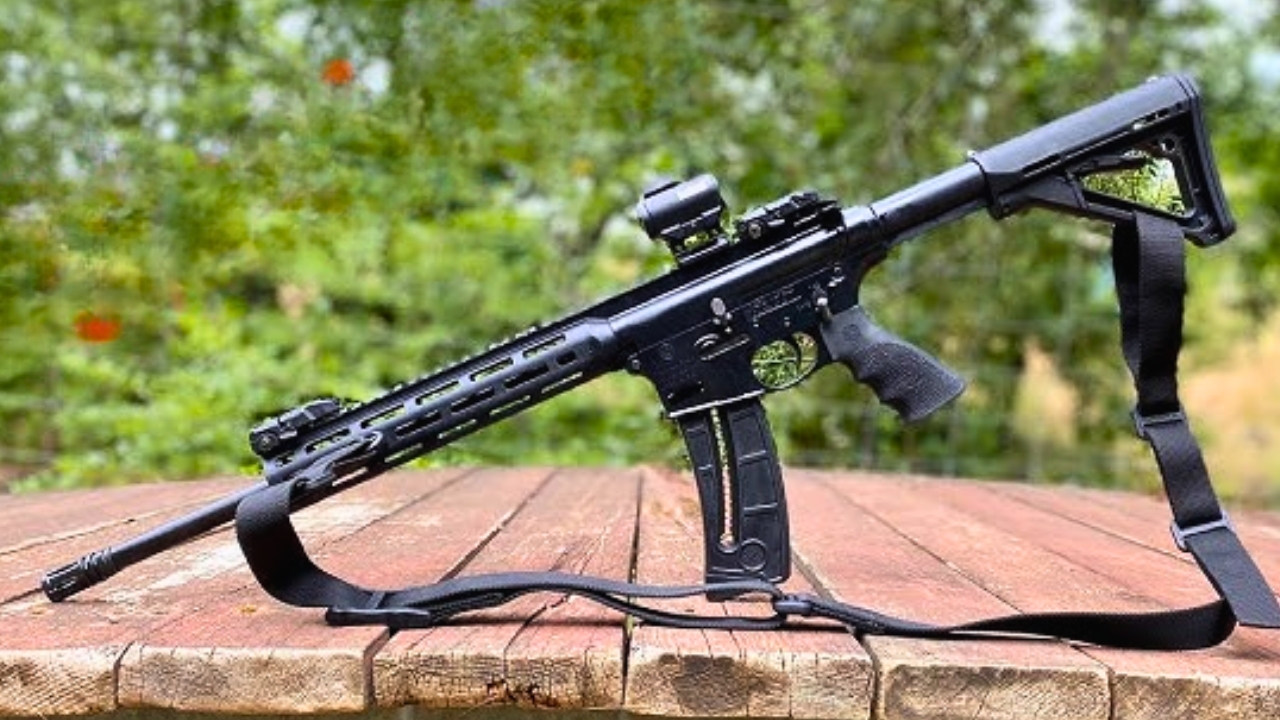
The 15-22 is one of the best training tools out there for new shooters and a great way to practice AR controls without burning centerfire money. When it runs, it’s a blast. When it doesn’t, it’s often magazine-related. Those polymer .22 mags take a beating, and if the feed lips get worn or the internal guts get dirty, reliability can fall off a cliff.
What makes this one tricky is that the rifle is so handy and light that people treat it like a toy. It gets tossed in the truck, jammed in a corner of the safe, and the mags live loose in a bag collecting grit. Then you show up to plink and it’s malfunction city. Keep the mags clean, don’t overthink loading technique, and retire the ones that start acting up. The rifle itself is usually fine, and it’s worth keeping a couple fresh mags around just to confirm what’s what.
12. Ruger Mini-14 (older factory mags vs. mystery mags)

The Mini-14 is the ranch rifle that refuses to die. It’s handy, it carries well, and it points fast in the woods. But the Mini has a long history of being judged by bad magazines. Factory Ruger mags tend to run. Random aftermarket mags, especially older ones, can turn a perfectly good Mini into a frustrating, jam-prone mess.
Here’s what happens: a guy buys a Mini at a good price, then grabs a pile of cheap mags to go with it. At the range, the rifle short-feeds and double-feeds, and the verdict becomes “Minis aren’t reliable.” Meanwhile, toss a couple factory mags in it and the gun behaves. Mini mags aren’t as cheap as AR mags, and I get the temptation. Still, if you want a Mini to earn its keep on coyotes or as a truck rifle, don’t handicap it with bargain-bin magazines.
13. Kel-Tec SUB-2000

The SUB-2000 is a practical folding carbine that fits in places a normal long gun won’t. It’s not fancy, and it’s not supposed to be. The whole concept leans hard on magazine compatibility, and that’s where the headaches start. Depending on the version, you’re using Glock, SIG, Beretta, or S&W-pattern mags, and not all of those mags are created equal—especially the off-brand ones.
When the SUB-2000 hiccups, owners often blame the blowback action or the light weight. Sometimes it’s as simple as a magazine that sits slightly wrong or has weak spring tension and can’t keep up. The carbine’s recoil impulse and cycling speed can expose marginal mags fast. If you’re going to rely on a folding carbine for camp, truck, or small-property pest work, pick one magazine type and stick with good examples. This is not the platform to test a stack of bargain mags with unknown history.
14. AR-15 (budget builds shipped with no-name mags)
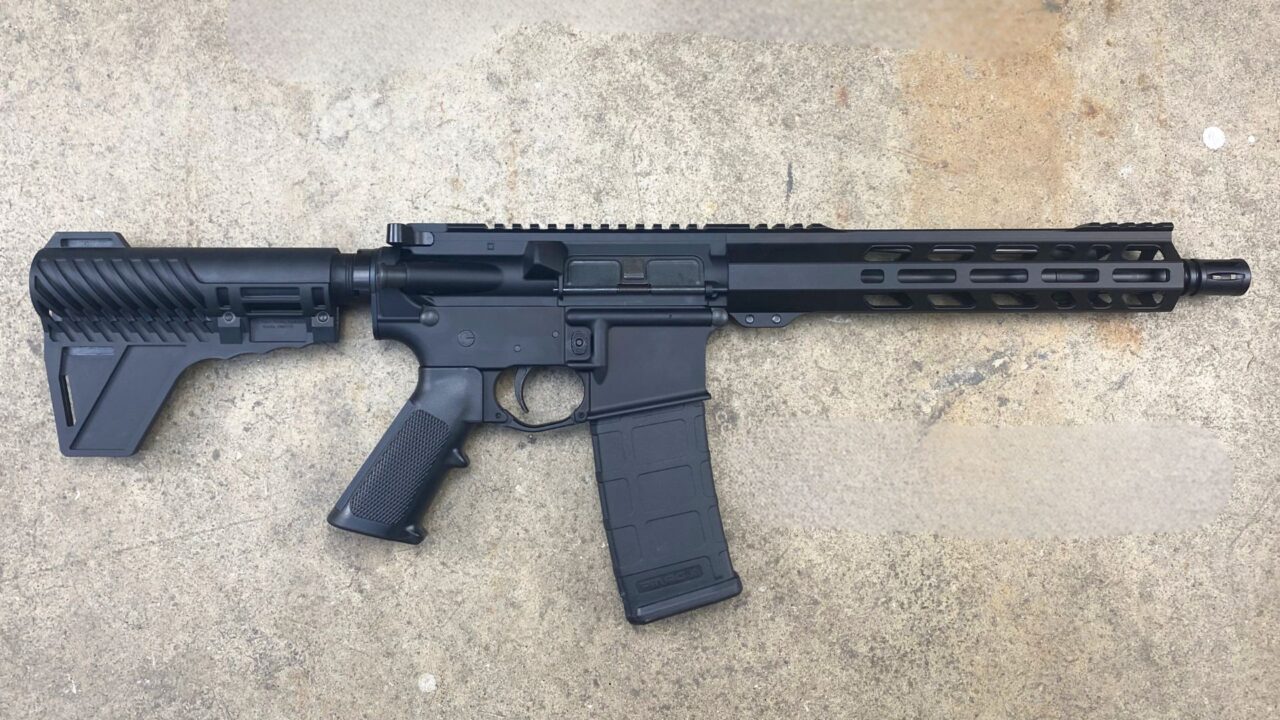
A basic AR-15 can be dead reliable, but the cheapest rifles often ship with the cheapest magazine they can throw in the box. It’s almost a joke: the rifle might be fine, the bolt and gas system are fine, and the one included mag is the only thing that won’t run. You’ll see bolt-over-base malfunctions, feeding issues on the right side of the stack, or the last round popping loose under recoil.
This one matters because it creates bad first impressions. A new shooter buys their first AR, it malfunctions in the first two mags, and they assume the whole platform is overhyped. Swap to quality mags—Magpul, Okay/SureFeed-style, or other reputable standards—and suddenly the rifle is boring. There are a lot of places to spend money on an AR, but magazines are one of the few upgrades that instantly remove variables. Keep the sketchy mag for malfunction drills if you want, but don’t judge the rifle by it.
15. AKM-pattern rifles (with “range pack” steel mags)

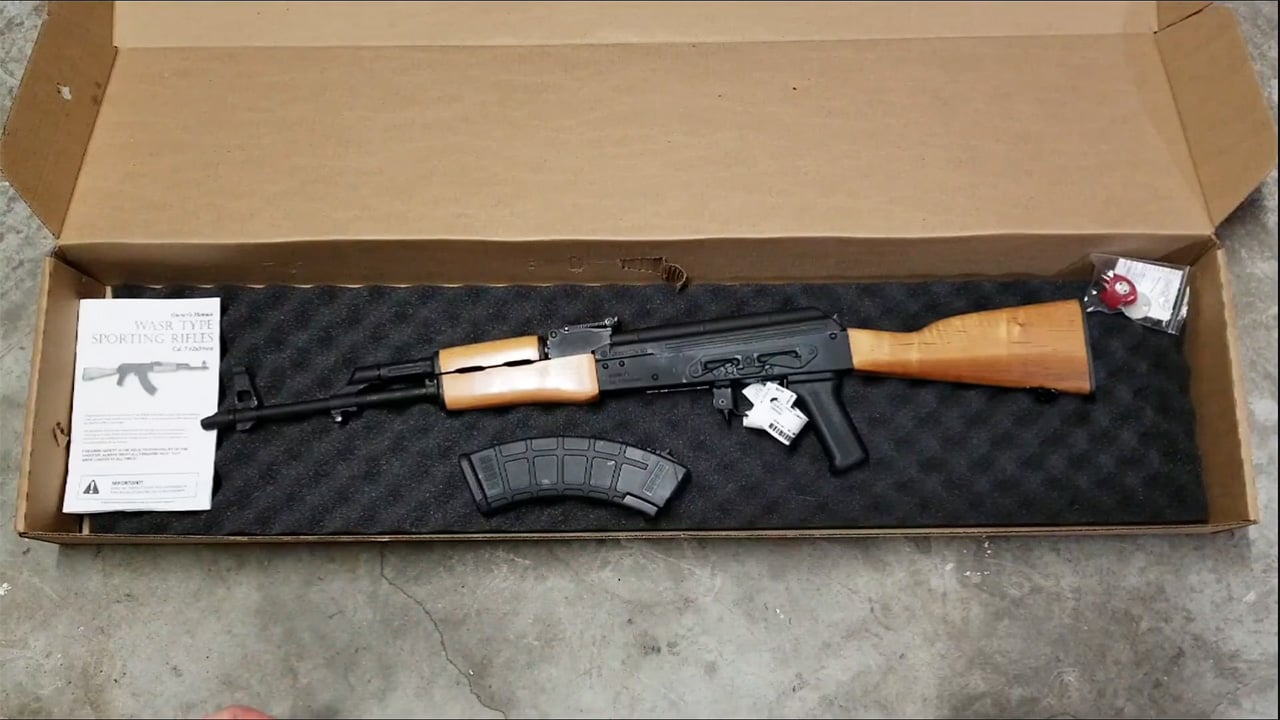
AKs have this myth of running no matter what, and a good one will. But they’re not magic, and magazines are the heart of the system. A lot of AKs get sold with a pile of random steel mags—some great, some worn out, some bent, some who-knows-what. One bad mag can cause failures to feed that make a shooter question the rifle, the ammo, and their life choices.
The symptoms are usually obvious once you look: wobble beyond normal, feed lips that are uneven, or a follower that binds. The frustrating part is AK mags can look tough even when they’re out of spec. If you’re setting up an AK for property use or as a rough-weather rifle, sort your mags. Keep the ones that lock up tight and feed clean, and mark the questionable ones for range-only. The rifle’s reputation depends on magazines more than internet arguments will admit.
16. FN 509

The FN 509 is built like a duty pistol should be: robust, grippy, and ready to get knocked around. When I’ve seen them act up, it’s often been magazine-related, especially when the mags are new and stiff or when one mag is just not quite right. A duty-style pistol is expected to run dirty and run hard, and a magazine that drags or doesn’t present rounds consistently will make it feel like the gun is “tight” or “picky.”
Sometimes it’s also a seating issue—fully loaded mags can be stubborn to lock in on a closed slide if you’re not giving it a firm push. That gets blamed on the gun, but it’s really a mag and spring tension thing. The 509 is a serious pistol, and it deserves serious mags. If one of yours is acting different than the others, believe your hands. Gear talks to you if you pay attention.
17. Canik TP9SF Elite
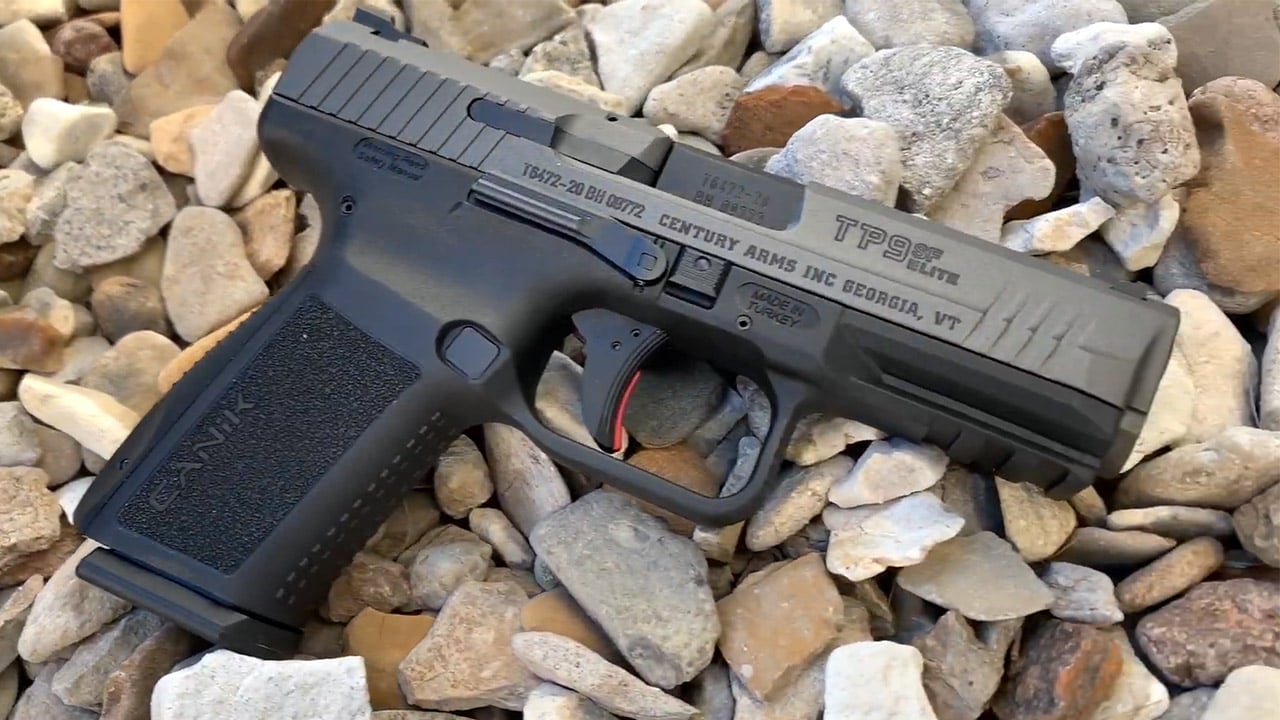
Canik pistols are hard to beat for the money, especially if you like a good trigger without paying custom-shop prices. The weak point I’ve seen isn’t the gun; it’s inconsistent magazines depending on what you end up with in the box or what the previous owner mixed in. When a Canik runs, it runs. When it doesn’t, it can look like “cheap gun problems” even though the design is generally solid.
Failures to lock back and occasional feeding issues are the common complaints, and both can be magazine-driven. Springs take a set, followers wear, and baseplates get dinged. If you bought a Canik because it was a deal, don’t undercut that win by trusting the one questionable magazine that came with it. Spend a little and get a couple known-good mags, then see what the pistol really is. Most of the time, it ends up being a lot better than the price tag suggests.
18. Taurus TX22
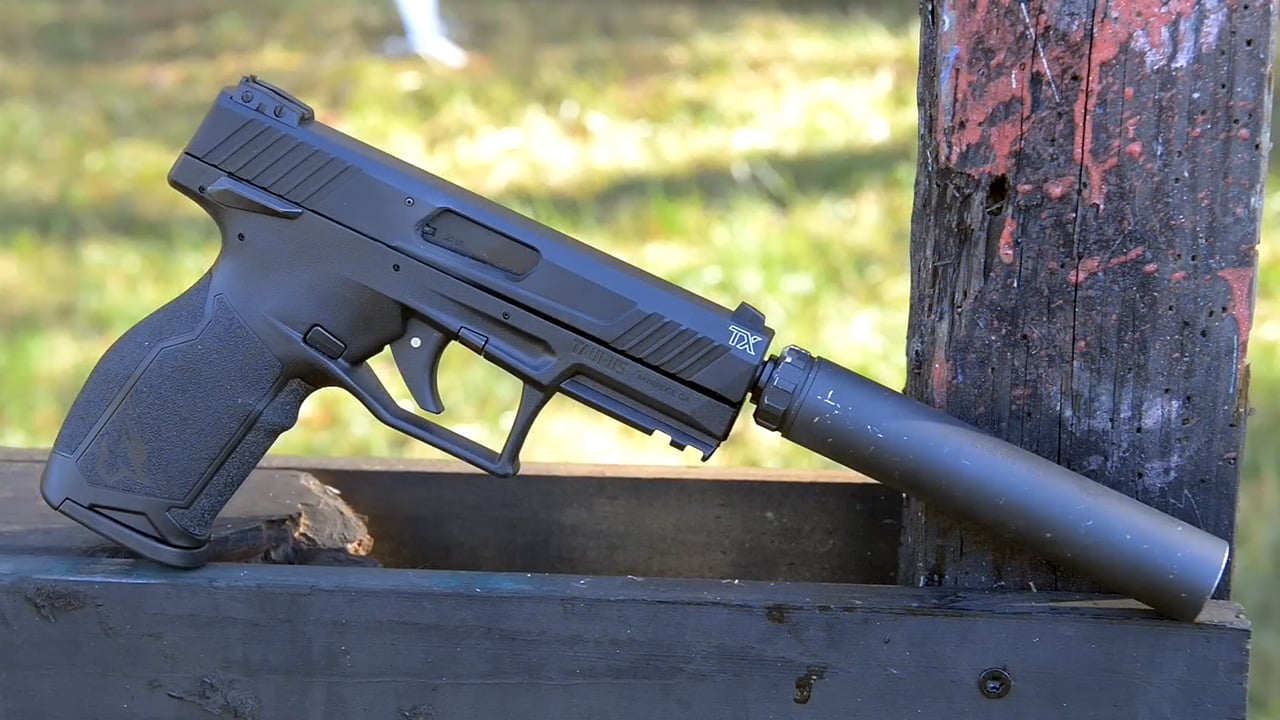
The TX22 earned its fan base honestly. It’s one of the more reliable .22 pistols out there, it holds enough rounds to stay fun, and it doesn’t beat up your hands. But .22 magazines are fussy by nature, and the TX22 is no exception. A magazine that’s slightly off can create rimlock-like behavior, weird presentation angles, or rounds that nose-dive at the worst time.
What makes this painful is that the pistol is often bought as a trainer or a “shoot it all afternoon” gun. That means mags get loaded and unloaded constantly, dropped on benches, stepped on in the grass, and generally abused. If you start getting hiccups, don’t automatically blame the pistol or the ammo. Isolate the magazine, clean it, and test with another mag you trust. The TX22 is a great tool for building good habits, but it can’t overcome a magazine that’s been beaten into bad geometry.
19. Ruger 10/22 (with off-brand rotary mags)
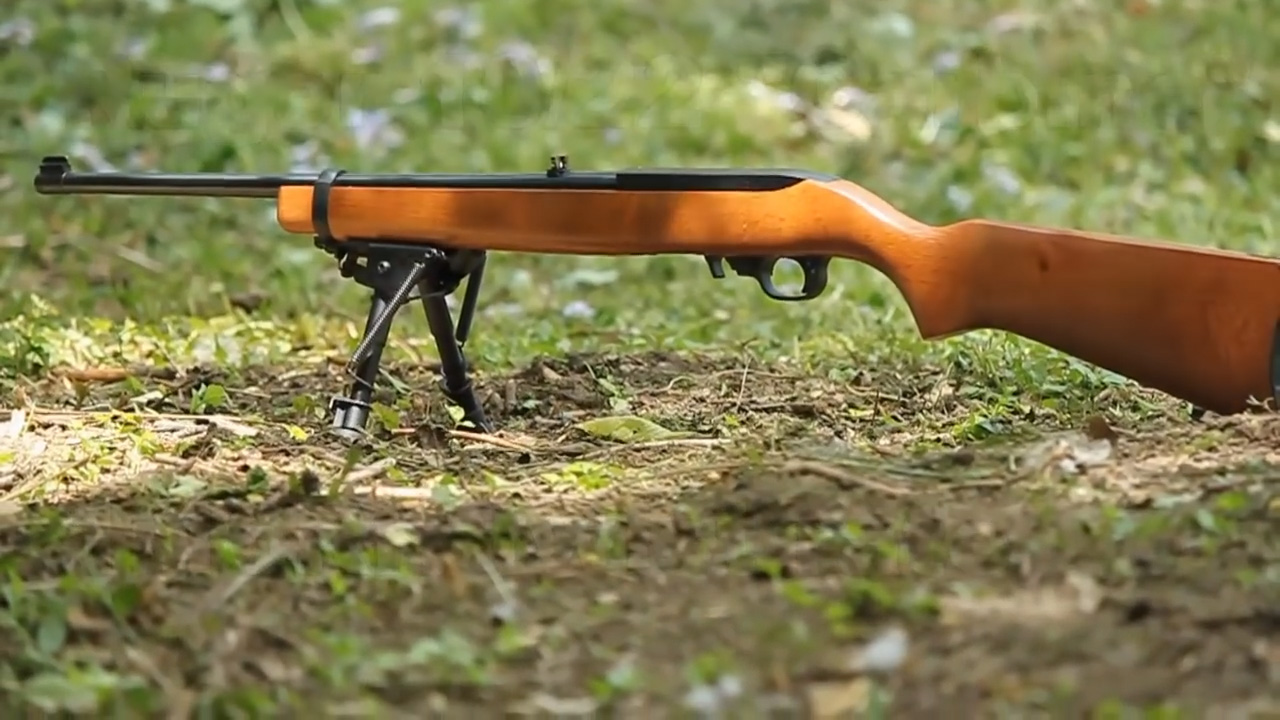
A 10/22 is as close to a rite of passage as we’ve got, and it’s still one of the most useful rimfire rifles ever made. The factory rotary magazine is a big reason why. When someone tells me their 10/22 “jams all the time,” I ask one question: what magazine are you using? Because the off-brand rotary mags can be all over the place, and the rifle takes the blame.
A bad rotary mag can cause everything from failures to feed to weird bolt-over-round issues that make you think the extractor is toast. Meanwhile, slap in a clean Ruger BX-1 or a good BX-25 and the rifle settles down. Yes, some 10/22s like certain ammo better than others, but magazines are the fast way to diagnose. If your 10/22 is a squirrel gun or a camp rifle, don’t let a questionable magazine turn it into a headache. The boring factory mag is boring for a reason.
20. Benelli M4 (when the “included” mag setup isn’t what you expected)
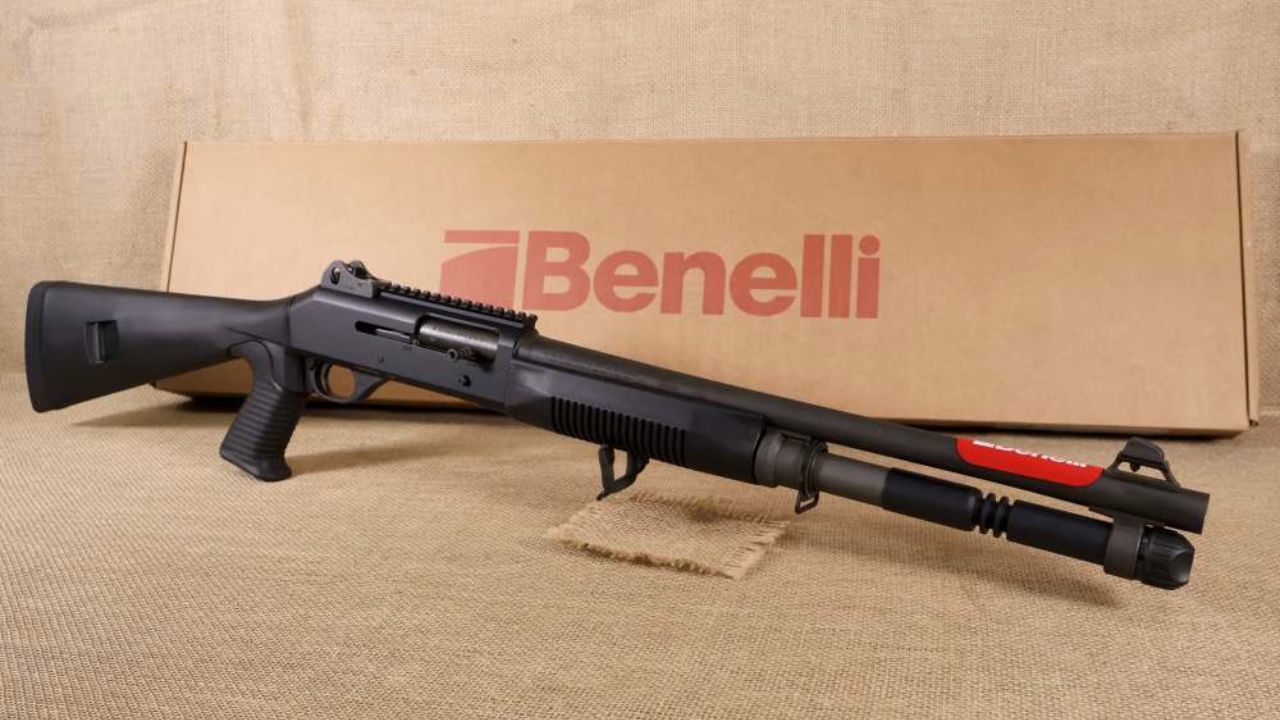
The Benelli M4 is an outstanding semi-auto shotgun, and it’s one of the few guns that feels like it was built to survive real abuse. The magazine gripe here isn’t usually feeding reliability like with pistols. It’s the disappointment factor: depending on the configuration and where you bought it, the tube setup you get in the box may feel like it holds the gun back from what you thought you were paying for. The shotgun is premium, and expectations are high.
For an outdoorsman, capacity and handling matter because you’re thinking about predators, hogs, or just a defensive shotgun that you can run confidently. If the factory configuration doesn’t match your needs, it can feel like you bought an M4 but got a “neutered” version of it. The important thing is not to let that sour you on the gun itself. Set it up within your local laws, use quality components, and remember the M4’s real value is how smooth and dependable it is when things get loud and fast.
If you’re diagnosing a semi-auto, don’t start with conspiracy theories. Start with the magazine. Mark them, rotate them, and be honest about which one causes trouble. A lot of “lemons” are just one bad mag away from being the dependable tool you thought you bought. And if you’re buying used, assume the magazine in the case might be the weakest part of the deal until it proves otherwise.
Like The Avid Outdoorsman’s content? Subscribe to our newsletter so you never miss an article.
Here’s more from us: