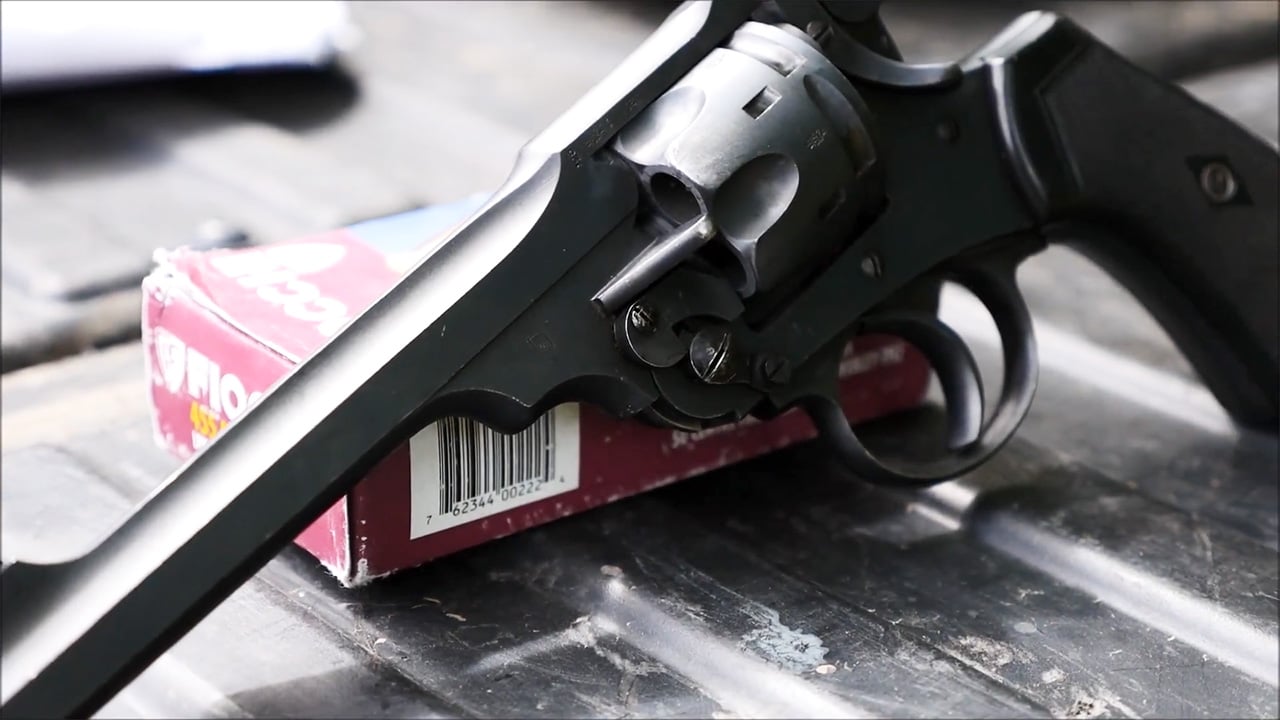
Photo credit: TFB TV/Youtube
Every revolver guy I know has at least one “safe queen” that comes out for wiping down and showing off, not for a long afternoon of hot loads and fast double-action strings. Sometimes it’s because the gun is rare. Sometimes it’s because parts are scarce. And sometimes it’s because there’s a well-known weak spot that can turn an expensive collectible into a paperweight if you lean on it too hard.
This isn’t a list of junk revolvers. Most of these are good guns, and a few are great. The issue is that each one has a reputation for one specific problem—cracks, timing wear, parts that are hard to replace, or designs that don’t love steady diets of modern ammo. If you own one, you can still shoot it. Just be honest about what it is and what it isn’t.
1. Colt Python (pre-2020)

The old Python is famous for that glassy action and the kind of polish you don’t see much anymore. It also has a reputation for going out of time if it’s run hard, especially with lots of fast double-action work. When it’s right, it feels like the cylinder locks up on rails. When it’s not, you’ll notice little things—carry-up getting lazy, lockup not feeling as bank-vault tight.
The real sting is that proper Python work isn’t “any gunsmith” work. The old Colt V-spring actions are their own animal, and the guys who truly know them are fewer every year. That makes owners cautious. A Python will ride to the range, fire a respectful box, and then go right back to display duty, because wearing it out is a rich man’s game.
2. Colt Diamondback
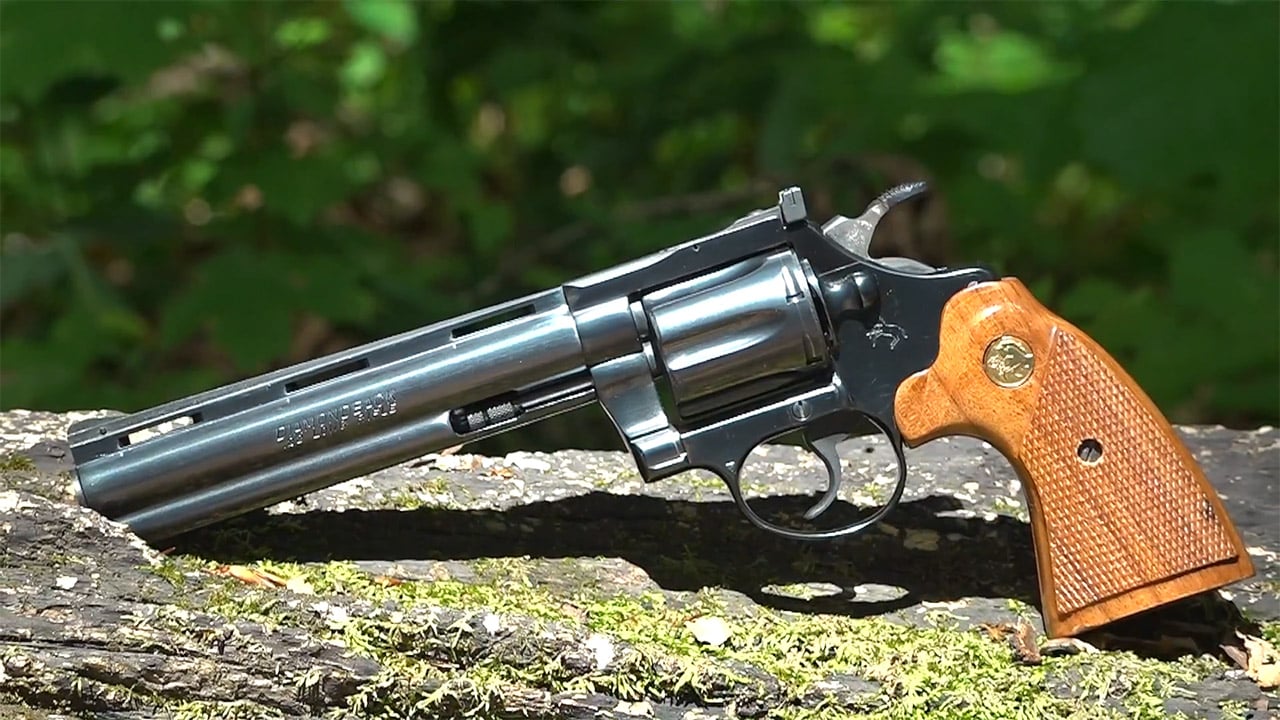
The Diamondback looks like a scaled-down Python, and that’s exactly why it lives in display cases. Same general vibe, same Colt double-action DNA, and the same sensitivity to being hammered on. Timing and hand wear show up quicker than most folks expect, especially if someone has been fanning it or doing cowboy stuff that looks cool until it breaks something.
Parts availability is the quiet problem. A cracked or abused Diamondback can be “fixed,” but it can also become a long-term project while you chase correct parts and a smith willing to fit them. That’s why collectors treat them like classic trucks with unobtainium trim. Drive it gently, enjoy it, and don’t pretend it’s a modern duty revolver.
3. Colt Detective Special (early models)
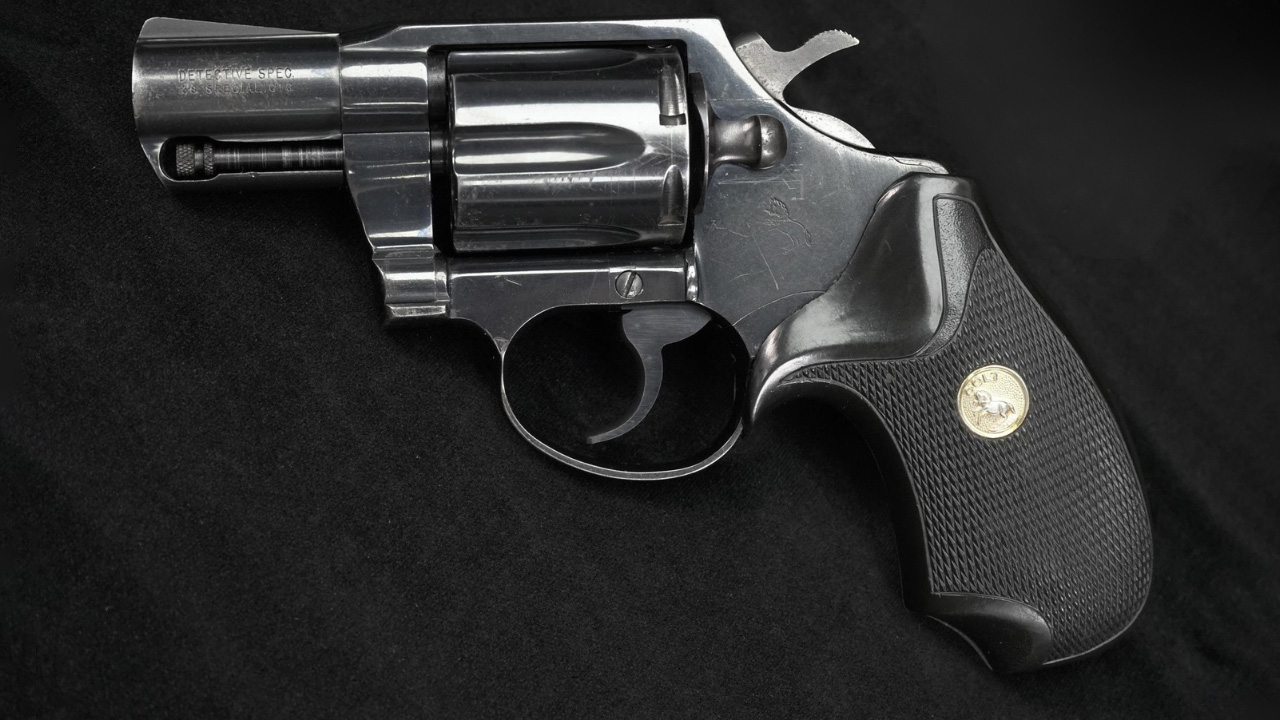
The Detective Special is one of the most practical classic snubs ever made. It carries flatter than you’d think, points naturally, and it has real history behind it. The known issue is that older examples—especially the earlier, lighter-framed guns—can take a beating with steady +P use, even if the gun technically “functions.”
Collectors like them because they’re honest, working-class Colts, but they also know what cracked frames and stretched guns look like. A lot of Detective Specials end up being shot with standard pressure .38s only, and not in huge volume. That’s not being precious—that’s just refusing to beat up a revolver that’s getting harder to replace in clean shape.
4. Colt Cobra (original alloy-frame)

The original Cobra is a dream to carry because it’s light, and it’s also why owners baby it. Alloy frames and heavy .38 loads don’t mix forever. The issue isn’t that it will blow up in your hand if you shoot it. It’s that wear and frame stretching become real concerns if you run it like a range beater.
These are the kind of revolvers that get loaded, carried, maybe fired for function checks, and then left alone. The collector value is tied to condition, and alloy-frame wear shows up as looseness and endshake sooner than steel guns. If you want to shoot a lot, there are better choices. If you want classic lines that disappear in a pocket holster, the Cobra makes sense—just don’t treat it like a K-frame.
5. Smith & Wesson Model 19 (K-frame .357)
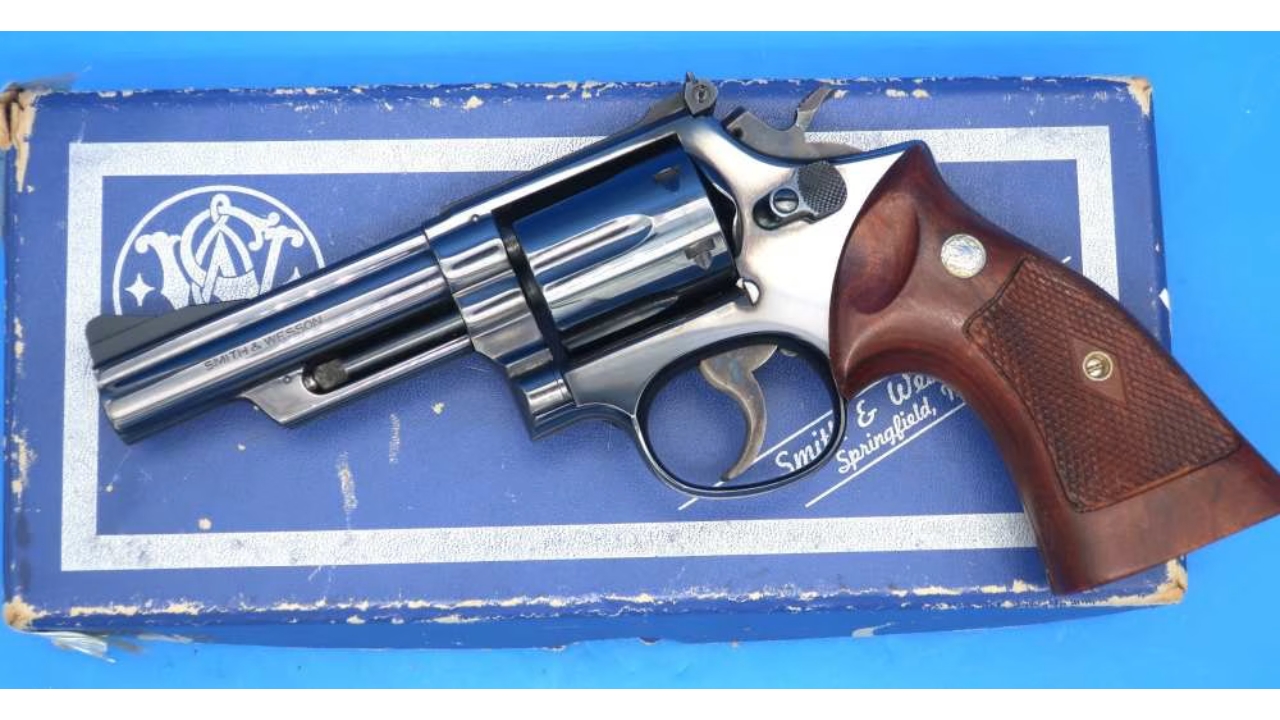
The Model 19 is one of the best-handling revolvers ever made, and it’s easy to see why cops carried them for years. The “one known issue” that keeps collectors from running them hard is forcing cone cracking—especially with lots of lightweight, high-velocity .357 Magnum loads. The flat cut at the bottom of the cone is the usual suspect.
With .38 Specials, the gun will feel like it’ll last forever. With sensible .357 use, it’s still a great shooter. But if you plan to live on 125-grain screamers and long range sessions, that’s where owners start getting conservative. Plenty of Model 19s live a happy life as a display piece that shoots .38s, because the last thing you want is to hurt a classic that balances that well.
6. Smith & Wesson Model 66 (K-frame stainless .357)
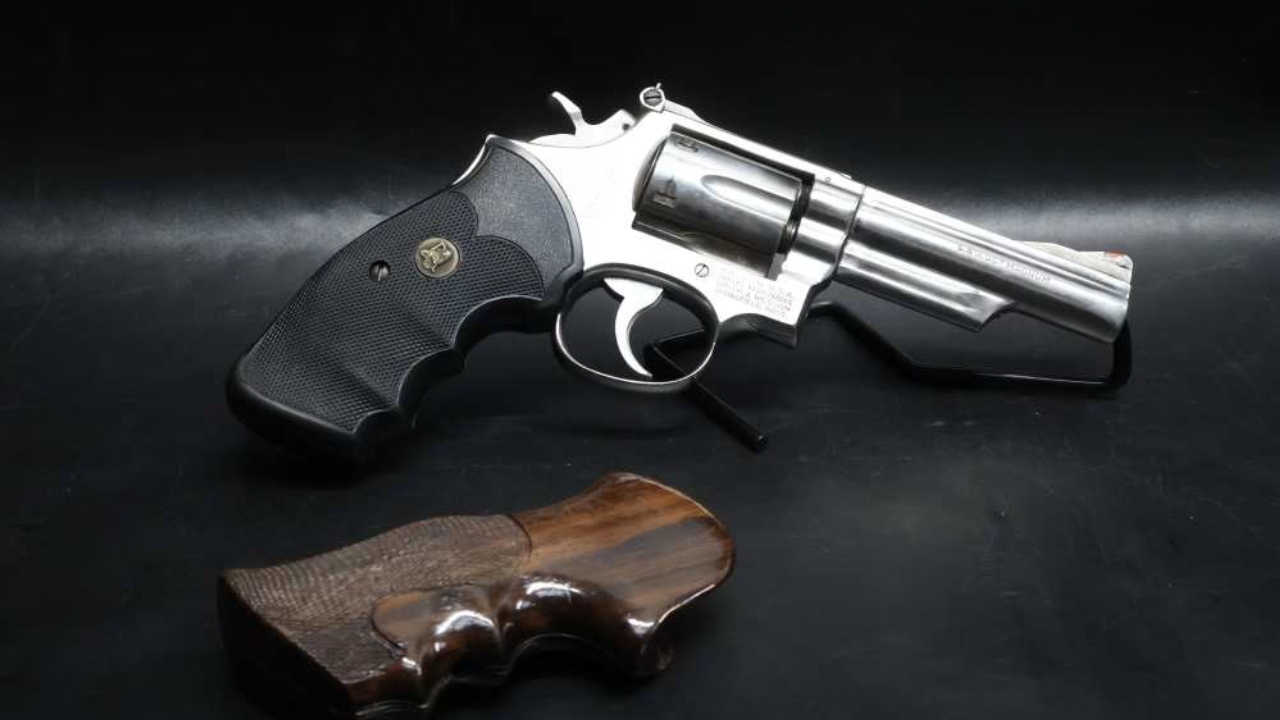
The 66 is the stainless twin to the Model 19, and it shares the same basic strength and the same limitations. It’s one of those revolvers that just fits normal hands. The sights are useful, the action is usually smooth, and it carries surprisingly well for a gun that shoots magnums.
Collectors still go light on the magnum diet for the same forcing cone reasons. You’ll see a lot of 66s that are “shot some, carried a lot,” because they were bought as real tools. A pristine one ends up being babied, not because it’s fragile, but because the known weak spot is well documented and nobody wants to be the guy who turns a clean 66 into a cracked-cone story.
7. Smith & Wesson Model 29 (early pinned-and-recessed)
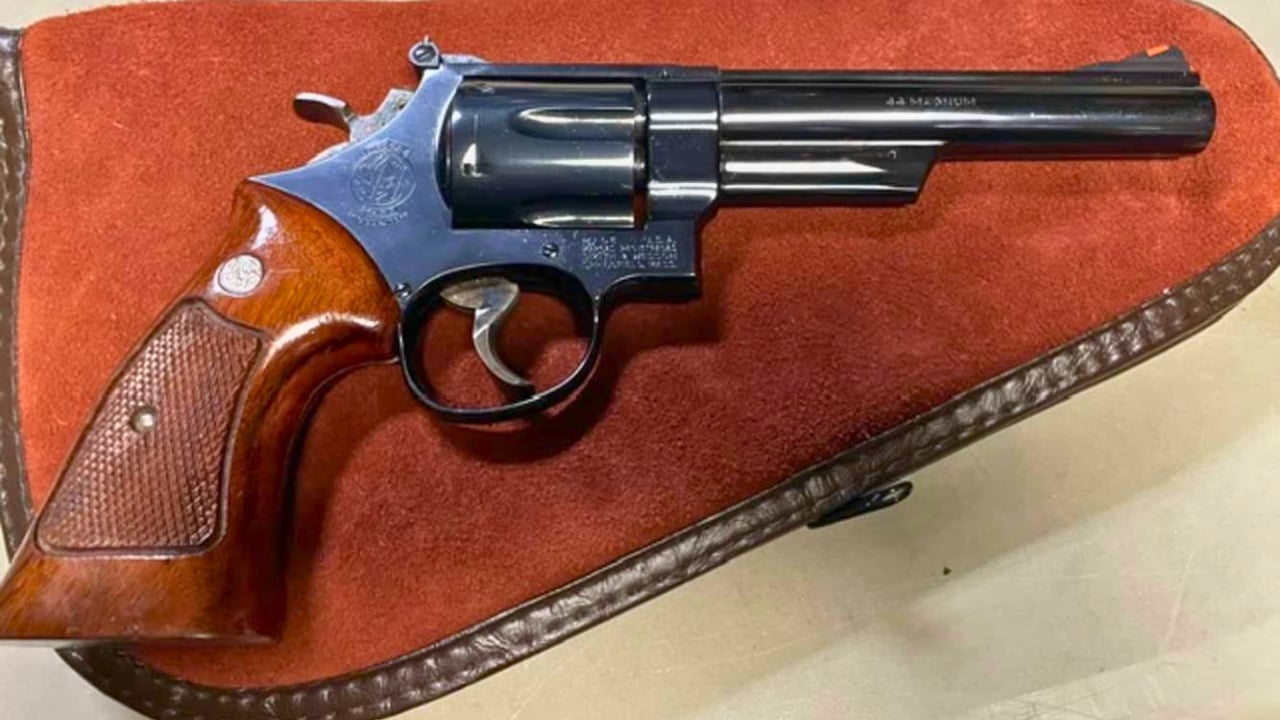
There’s something about an early Model 29 that just looks right—deep blue, classic lines, and that “Dirty Harry” shadow hanging over it. The issue isn’t that .44 Magnum is “too much.” It’s that heavy use of full-tilt magnum loads can shoot them loose over time. Endshake, timing wear, and general loosening are what owners worry about.
Modern N-frames can take a lot, but the early guns have enough collector pull that folks get cautious. You’ll see them fired occasionally, often with .44 Special, because it’s pleasant and still hits like a hammer. A clean pinned-and-recessed 29 isn’t the revolver you take to burn through a case of magnum ammo. It’s the one you admire, then shoot just enough to remember why it became an icon.
8. Smith & Wesson Model 57 (early .41 Magnum)
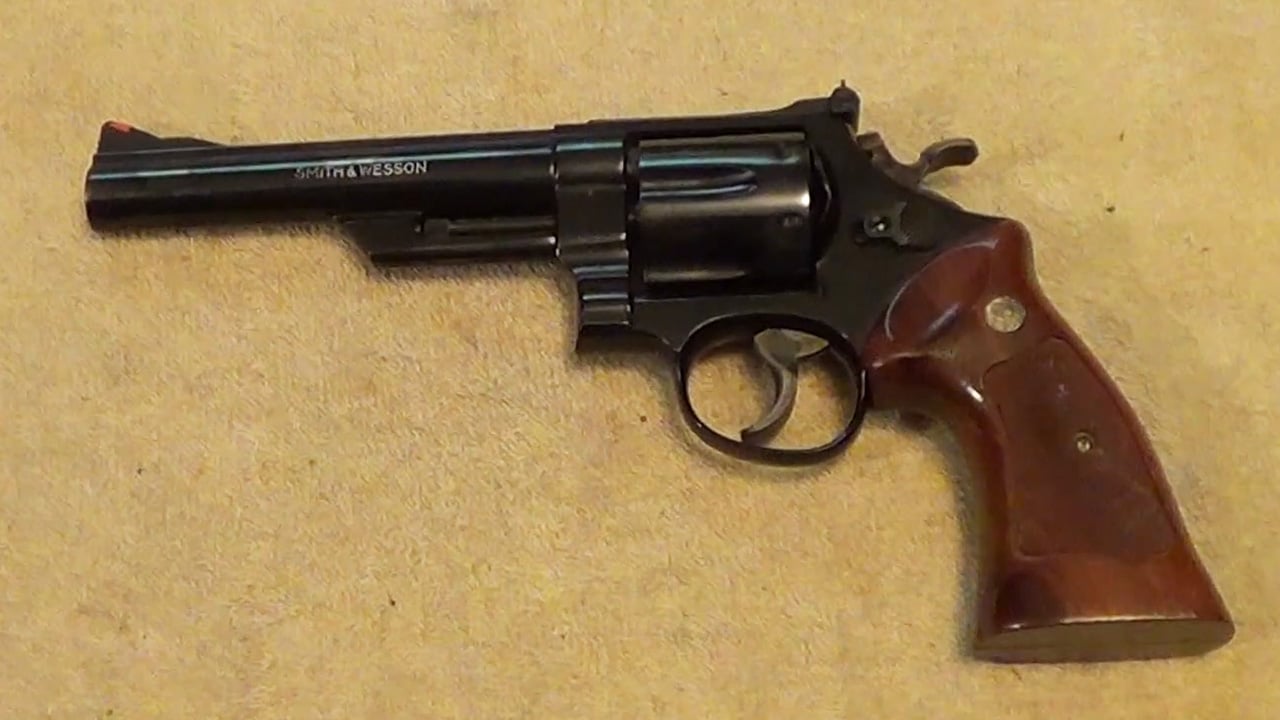
The Model 57 is the revolver that makes .41 Magnum fans talk a little louder than they need to. It’s a classy gun, usually accurate, and it has that “serious woods revolver” feel without being as common as the 29. The known issue is similar to the early .44s: heavy magnum use can loosen the gun over time, and owners hate seeing endshake creep in on a high-condition example.
Then there’s the ammo reality. .41 Magnum isn’t always cheap or easy to find in hunting towns, so many 57s don’t get shot much anyway. A collector buys one for the look, the nostalgia, and the “because I finally found one” factor. It gets displayed, maybe shot with a couple cylinders here and there, and then it goes back in the safe because it’s too nice to turn into a high-round-count experiment.
9. Smith & Wesson Model 27 (older .357 Magnum)
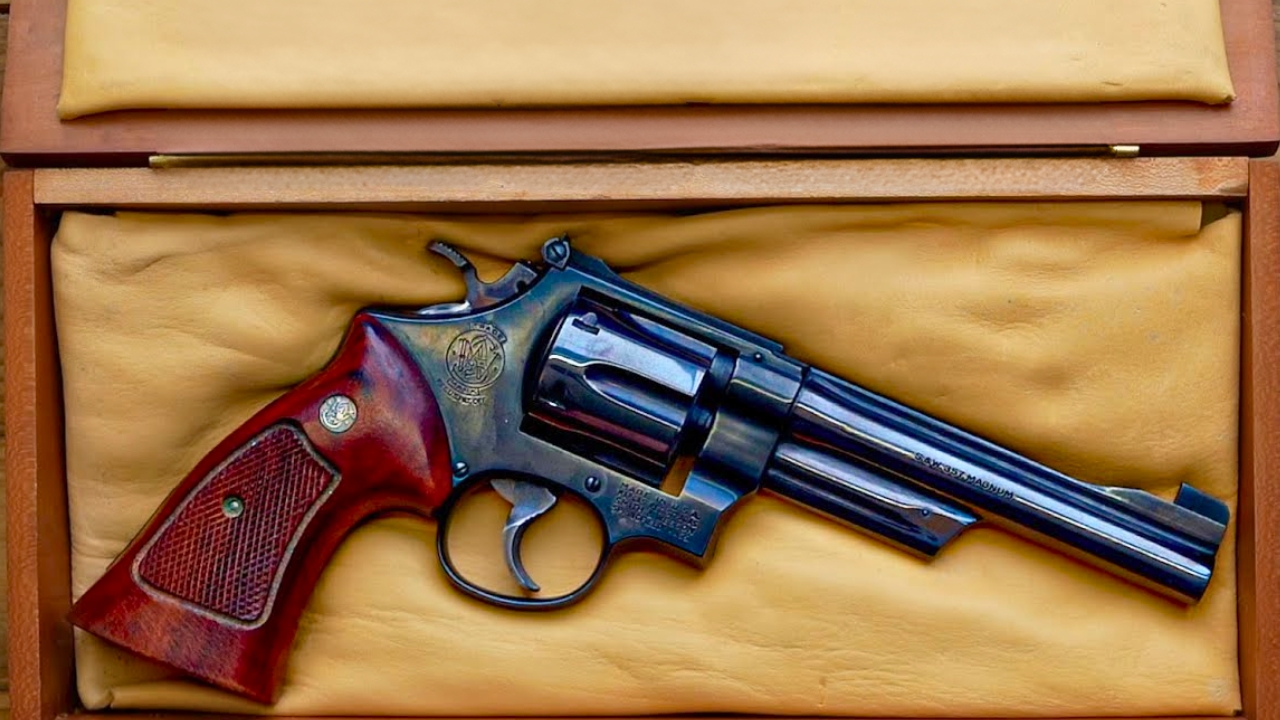
The Model 27 is big, overbuilt, and pretty much the opposite of a delicate revolver. So why do collectors hold back on shooting them? The common issue isn’t strength—it’s finish. Those high-polish blues and crisp checkering get worn and dinged fast if you treat the gun like a truck gun.
Once you put honest holster wear on a clean 27, you don’t get it back. And refinishing a collector-grade S&W is where value goes to die. So you’ll see guys bring a 27 to the range in a towel like it’s a family heirloom, shoot it carefully, and then wipe it down like they’re detailing a classic boat. It’s not about fear of breakage as much as fear of losing what makes it special.
10. Smith & Wesson Model 17 (K-22 Masterpiece)
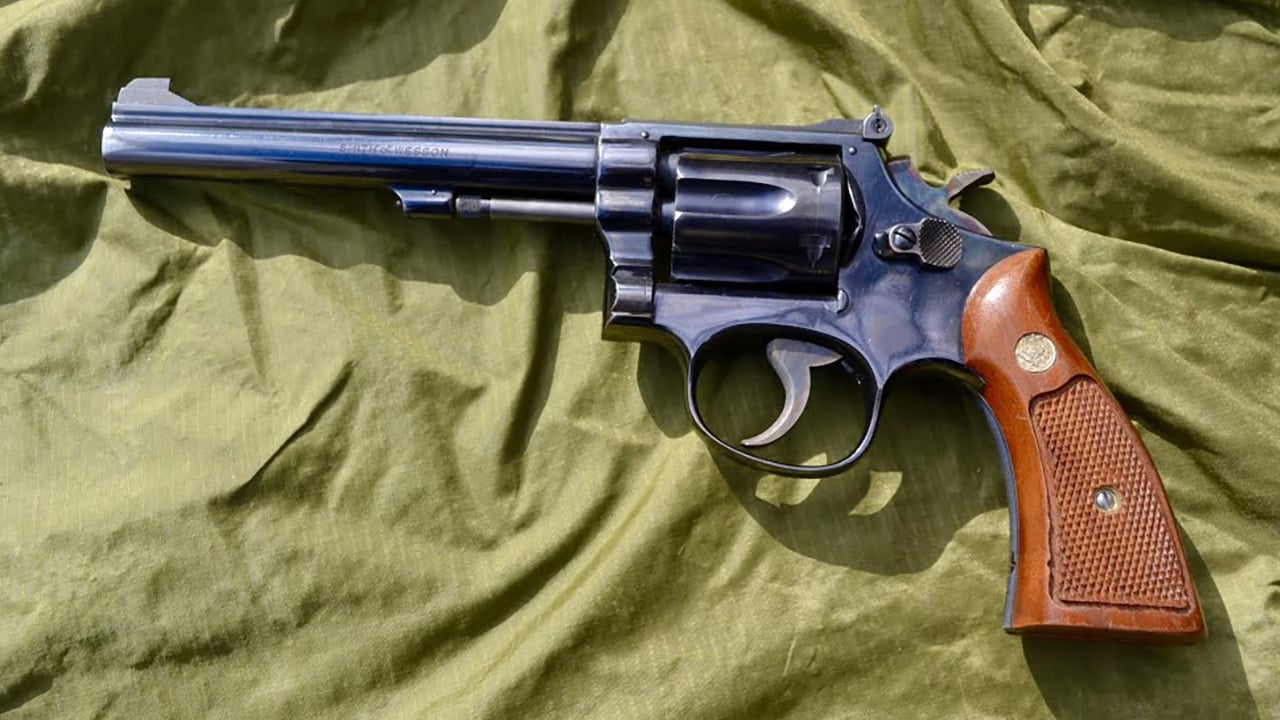
The K-22 is one of those revolvers that can make you a better shot in a hurry. Great sights, great trigger, and it rewards patience. The issue that keeps some collectors from shooting them hard is wear to the hand, ratchet, and timing from constant dry firing or heavy use—especially if somebody before you treated it rough and didn’t use snap caps.
Rimfire revolvers also live and die by how clean folks keep them. A dirty .22 can start feeling sluggish and gritty, and then people start forcing the action instead of cleaning it. That’s where damage happens. Clean, lightly used Model 17s bring real money now. Collectors love displaying them because they represent a time when a .22 revolver was built like a match gun, but they’re careful about turning a pristine one into a worn-out trainer.
11. Colt Single Action Army (1st and 2nd Generation)

A real Colt SAA is pure Americana, and it’s also not a modern Ruger. The known issue is that the old lockwork and metallurgy were designed around the pressures of the day. Run “Ruger-only” style handloads or treat it like a hot-rodded hunting revolver and you’re flirting with damage that can’t be shrugged off.
Collectors don’t just display these because they’re expensive. They display them because they’re history you can hold. Even standard loads add up when the gun is pushing 100 years old and still wearing original parts. A lot of owners will shoot mild .45 Colt or .38-40 equivalents and call it good. If you want to shoot hard, buy something made for it and let the Colt be what it is.
12. Colt New Service (large-frame double action)
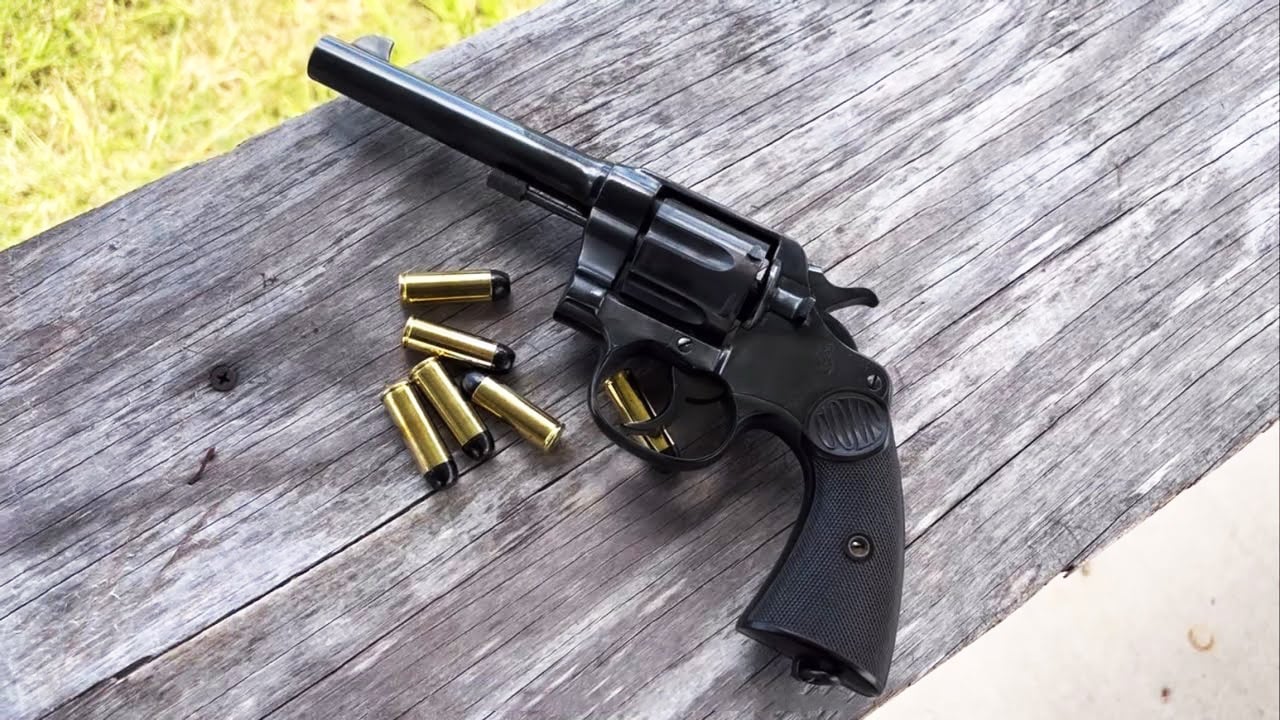
The New Service is one of those revolvers you pick up and immediately understand why it served for so long. Big frame, serious heft, and usually a long, deliberate trigger pull. The issue is age and parts scarcity. Many of these guns have been around long enough to see questionable “kitchen table” repairs, and once something breaks, finding correct internal parts can be an adventure.
Collectors tend to keep them as display guns because they’re often chambered in cartridges that aren’t as common today, and because they’re frequently in that gray zone of “still strong” but “I’m not going to push my luck.” A New Service in good condition is a neat piece of working history. But it’s not the revolver you use to test the upper edge of old cartridges, especially when replacement parts and knowledgeable hands aren’t sitting on every street corner.
13. Smith & Wesson Schofield (original or high-end reproduction)
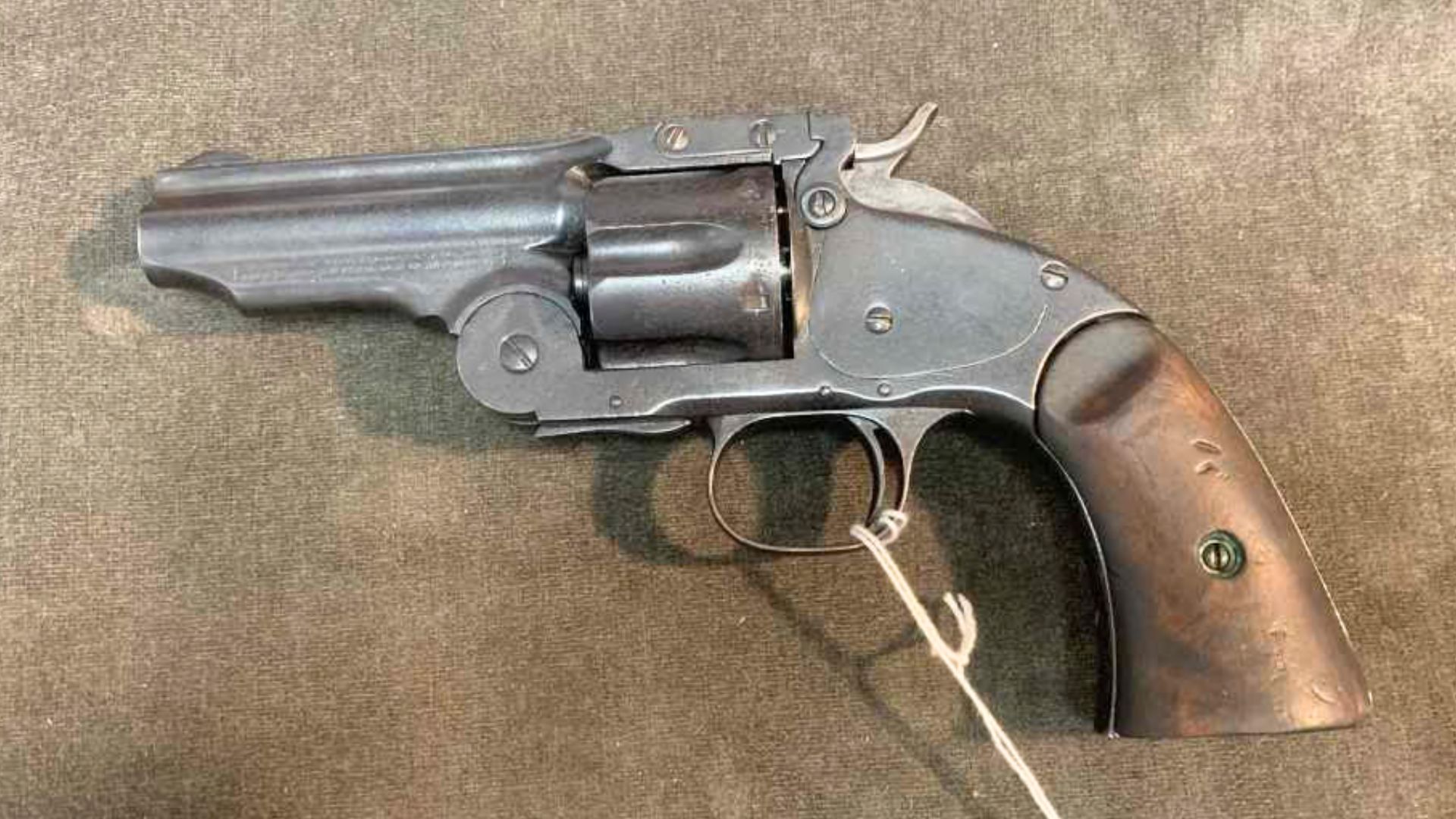
The Schofield pattern is slick, and the top-break action is just plain fun. The known issue is also the reason collectors slow down on shooting: top-break latch systems and hinge areas can wear, and once you start getting looseness, timing and lockup can go downhill fast. A tight top-break is a joy. A loose one is aggravating and sometimes unsafe.
Originals are obvious display pieces, but even some premium reproductions get treated gently because owners don’t want to accelerate wear on a design that has more moving interfaces than a solid-frame gun. It’s the kind of revolver you shoot for the experience, not for 500-round weekends. If you want a steady diet of heavy loads and hard use, a top-break is simply the wrong platform.
14. Webley Mk VI (original .455, many converted to .45 ACP)
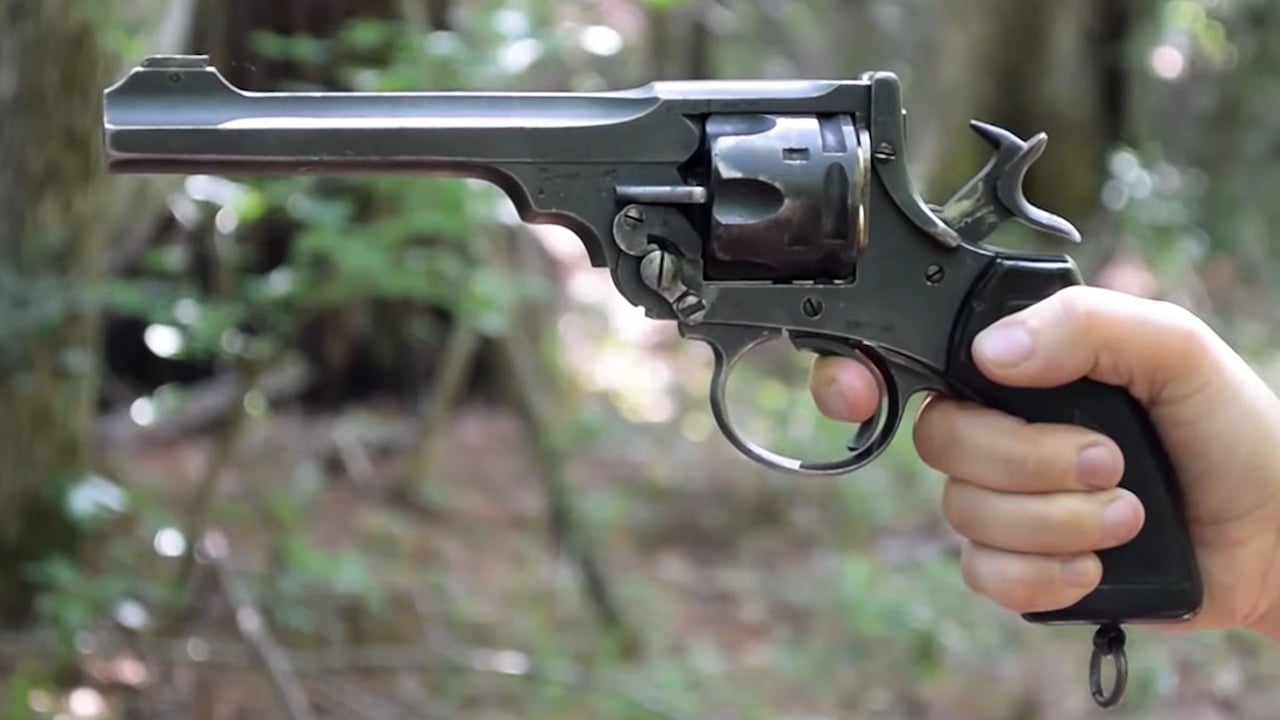
The big Webley has a vibe all its own, and it’s a true collector magnet. The issue that makes folks nervous is the common conversion to .45 ACP. A lot of these guns were shaved to accept moon clips, and while some shoot fine with mild ammo, the design was built around .455 Webley pressures. Full-power .45 ACP can be hard on them.
If you’ve ever handled one, you know it isn’t a “tight modern revolver” feeling. They have character, and sometimes that means a little play. Collectors will fire them with appropriate loads, but they’re not trying to prove anything by shooting them hard. Parts aren’t exactly hanging on peg hooks at the local shop, and once you crack or loosen a Webley, you’ve hurt a piece of history.
15. Manurhin MR73 (early production and high-condition examples)
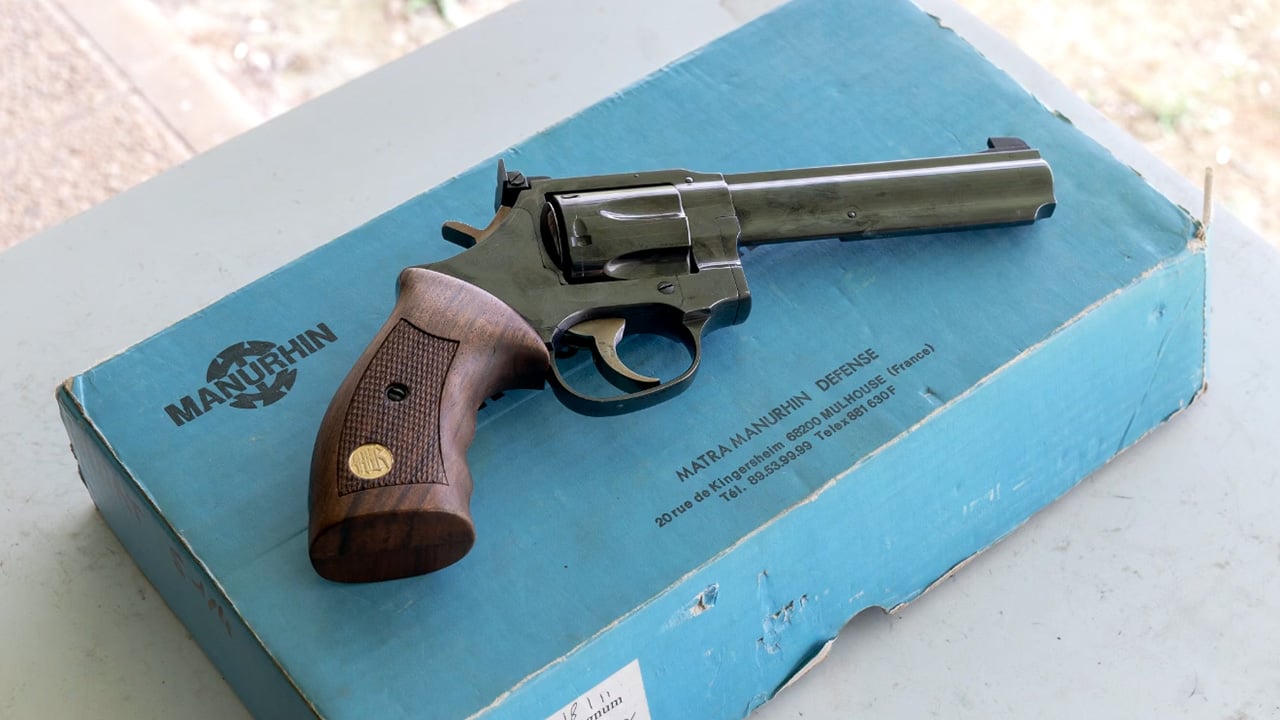
The MR73 is famous for durability, so the “issue” here isn’t that it can’t take shooting. It’s that it’s a high-dollar revolver with expensive, specialized parts and a collector market that rewards condition. Owners who buy them for display usually don’t want to put holster wear on that deep finish or risk any cosmetic dings on sharp edges.
There’s also the reality that not every local gunsmith has MR73 experience. If something does go wrong, you’re not guaranteed an easy fix, and the bill won’t be small. So the MR73 often becomes the revolver you show to your buddies who think all wheelguns are the same. It may get shot enough to confirm it’s as accurate as everyone says, then it goes back to “admire it” status because it’s too costly to treat casually.
16. Korth Combat / Korth PRS (older models)

Korth revolvers are like buying a German sports car: the quality is real, but so is the cost of anything that involves parts. The known issue collectors worry about is not a single design flaw as much as the combination of complexity and parts availability. If you break a spring or wear an internal piece, you’re not fixing it with generic parts out of a bin.
That makes owners gentle with them. They’ll shoot them, sure, but you don’t see many Korths getting run through high-round-count training classes. It’s a display gun because it’s a mechanical showpiece, and because it’s easy to turn a pristine, high-dollar revolver into a “needs factory attention” project with one bad drop or one steady habit of slamming the cylinder shut. Ask me how I know watching others do it—my blood pressure still climbs.
17. Ruger Security-Six (early production, high-condition)
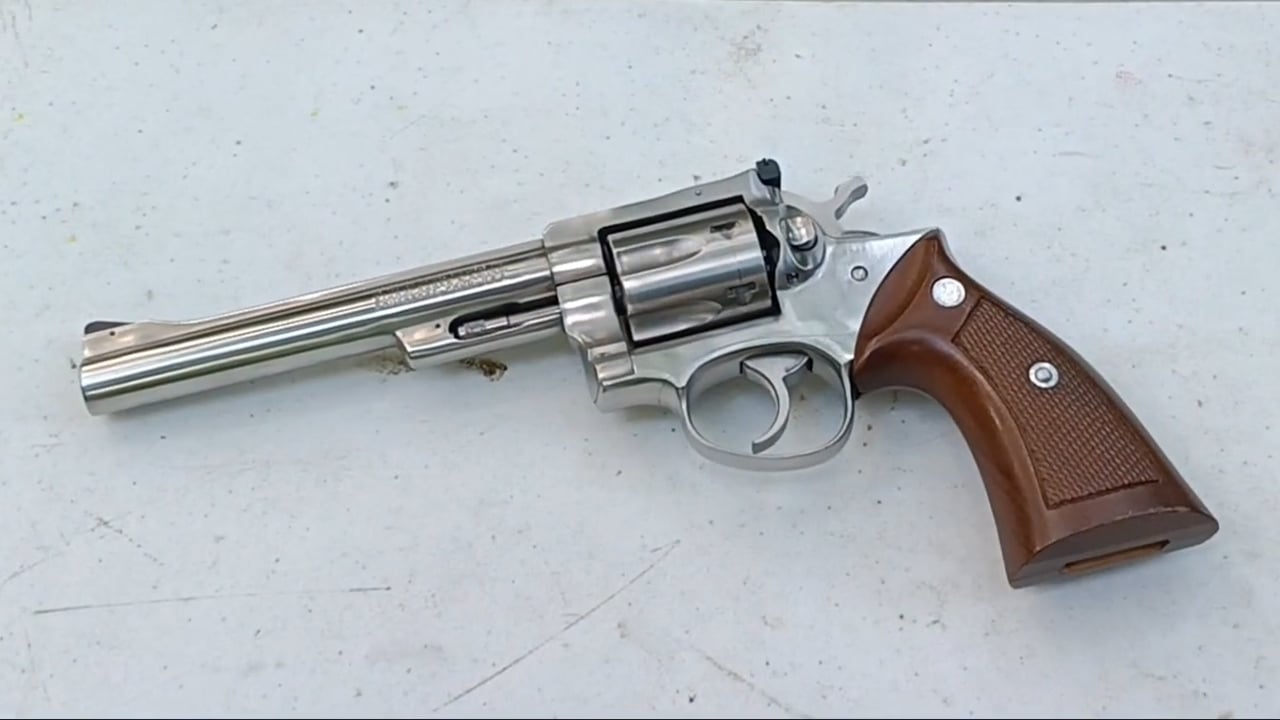
The Security-Six family is tough, and most of them are shooters. The collector angle comes from early production and certain variants that are getting harder to find clean. The known issue that makes display owners cautious is that when something does break or wear—like a transfer bar or small internal part—you’re not always guaranteed factory support the way you are with current production guns.
Ruger built a lot of these, but they’re out of production, and parts pipelines change. A Security-Six with the right markings, barrel length, or just unusually nice bluing tends to get babied. You’ll see guys shoot .38s through them all day, but they won’t necessarily run hot .357 loads nonstop. Not because the frame can’t take it, but because they don’t want to be the one hunting for a specific part later when the gun is too pretty to replace.
18. Smith & Wesson Model 12 (Airweight K-frame)
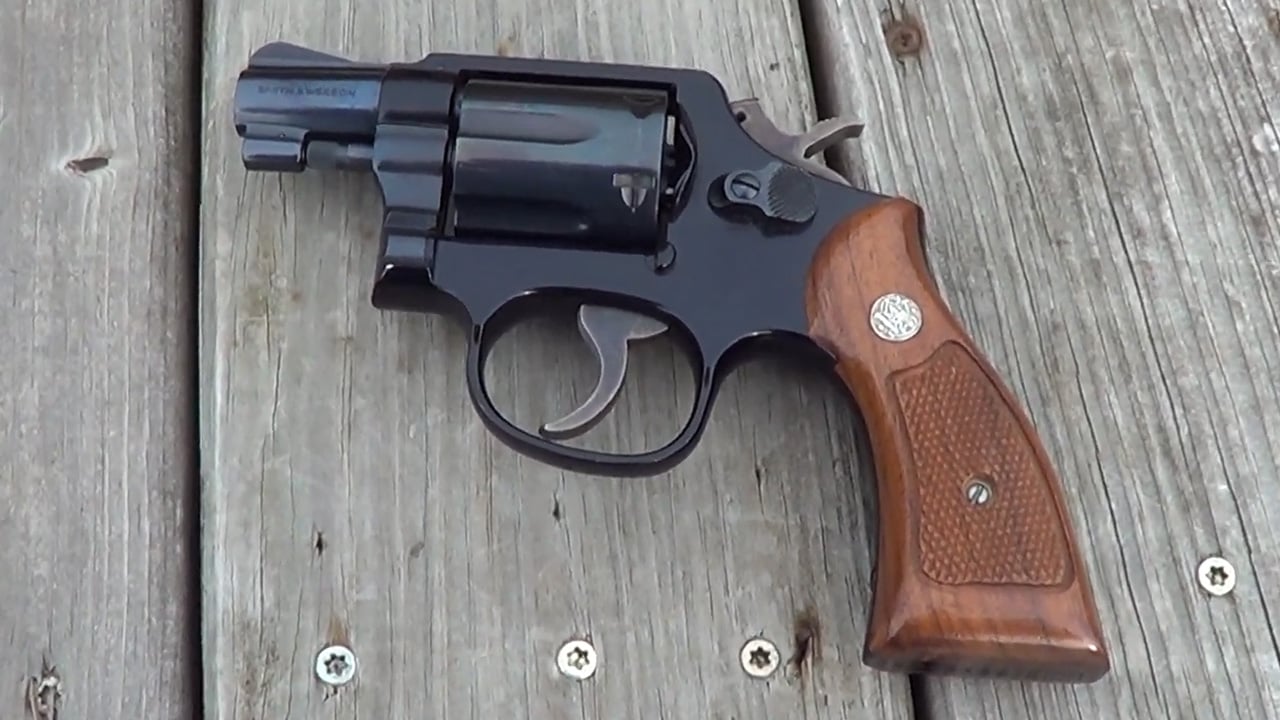
The Model 12 is one of those “sounds great” revolvers: K-frame handling in a lighter package. The issue is exactly what you’d guess—an aluminum frame that doesn’t love being pounded. High round counts and hotter loads can accelerate wear, and once an alloy frame is stretched or battered, it’s not like swapping a worn barrel.
Collectors keep Model 12s for the cool factor and the carry history, not for range marathons. They’re often found with honest carry wear and very little shooting wear, which tells you what they were for. If you’ve got one, it makes sense to stick to standard-pressure .38s and keep the sessions reasonable. They’re neat revolvers, but they’re also a reminder that “lightweight” always comes with a bill to pay somewhere.
19. Charter Arms Bulldog (early Stratford-era .44 Special)
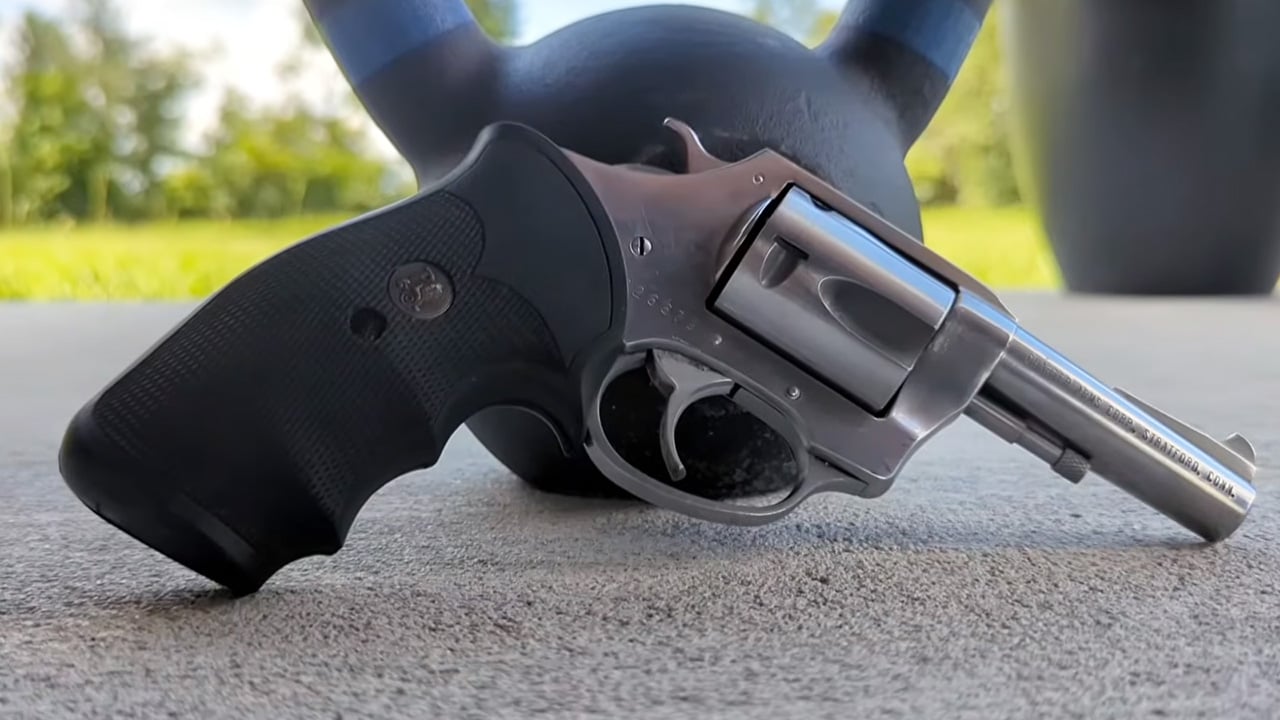
The Bulldog is a classic because it put .44 Special in a package normal folks could actually carry. Early Stratford guns have collector interest, and the known issue is durability under heavy use. These were never meant to be shot like a range toy with constant high-pressure loads. Even though .44 Special is generally mild, some modern defensive loads are snappy in a light gun, and the wear shows up.
Another problem is consistency. You’ll run into Bulldogs that are great and Bulldogs that feel rough or loose, and collectors tend to preserve the good ones instead of gambling with them. A clean early Bulldog looks right in a display because it represents a practical idea that still makes sense. But if you want a revolver you can run hard for decades, this isn’t the one I’d pick.
20. Colt Anaconda (original 1990s production)
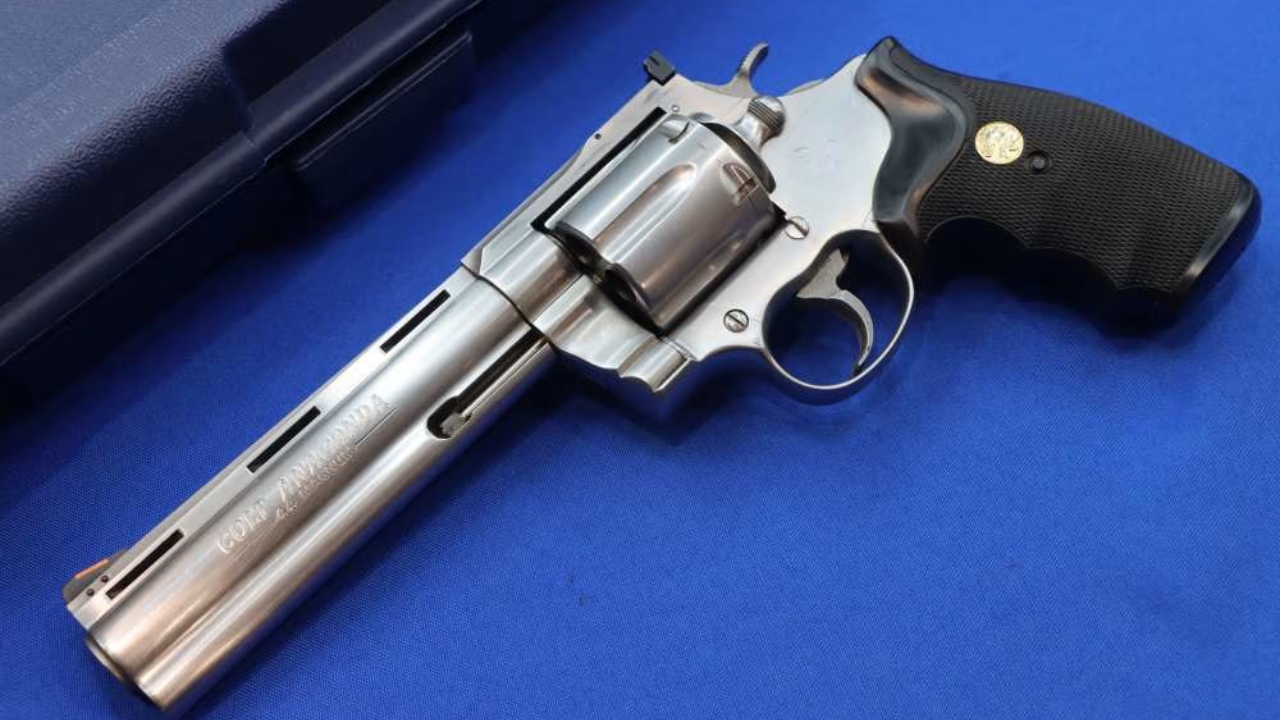
The original Anaconda has that big-frame Colt presence, and clean ones don’t sit on tables long. The known issue that makes owners cautious is the old Colt double-action system again—timing and hand wear, plus the fact that .44 Magnum encourages shooters to get carried away. When a big Colt starts showing timing issues, it’s not a cheap, quick tune-up.
Collectors buy Anacondas because they look like a million bucks and because they’re part of that era when Colt big-bore revolvers felt like something special. Many owners will shoot a little .44 Special and just enough magnum to satisfy curiosity. Then they stop. It’s not fear; it’s respect for a revolver that’s both desirable and increasingly expensive to have corrected if you push it past its comfort zone.
If you’ve got one of these, don’t panic and don’t lock it away forever. Just be honest about what you’re holding. Some revolvers are meant to be worked hard. Others are meant to be appreciated, shot occasionally, and kept in good shape for the next guy who understands why a wheelgun can be both a tool and a piece of history. Clean it, inspect it, feed it sensible ammo, and save the hard running for something modern and easy to service.
Like The Avid Outdoorsman’s content? Subscribe to our newsletter so you never miss an article.
Here’s more from us: