
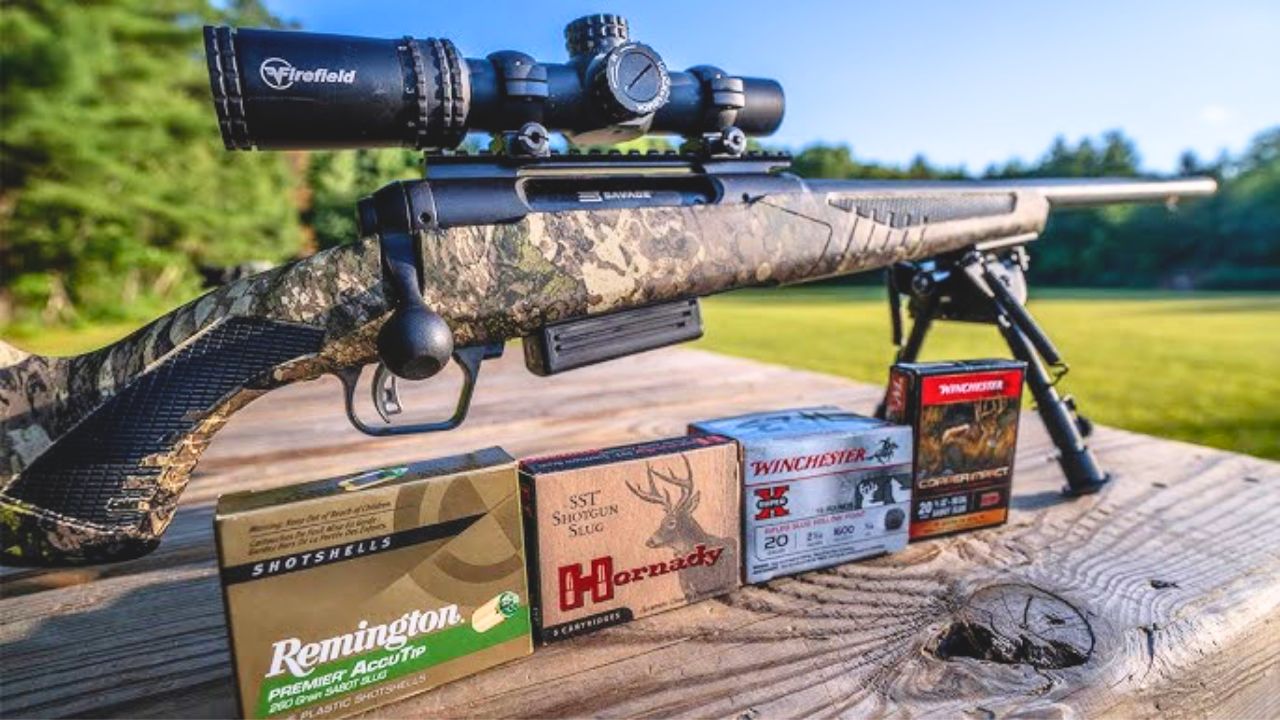
Photo credit: JackT/YouTube
Walk into any gun shop and ask about pump shotguns, and you’ll hear the same two model names before you finish your sentence. They’re good for a reason. But they’re not the only pumps worth owning, and they’re definitely not the only ones that’ll ride behind a truck seat, get dragged through a duck blind, or sit by the back door without being babied.
This is for the guy who already knows the usual recommendations and wants other solid options—some classic, some modern, some sleepers that don’t get enough credit. A few have quirks. A few are heavy. A couple are “why did they build it like that?” guns. Still, every one of these can earn its keep if you buy the right version and you’re honest about what you’re using it for.
1. Winchester SXP (Field or Defender)
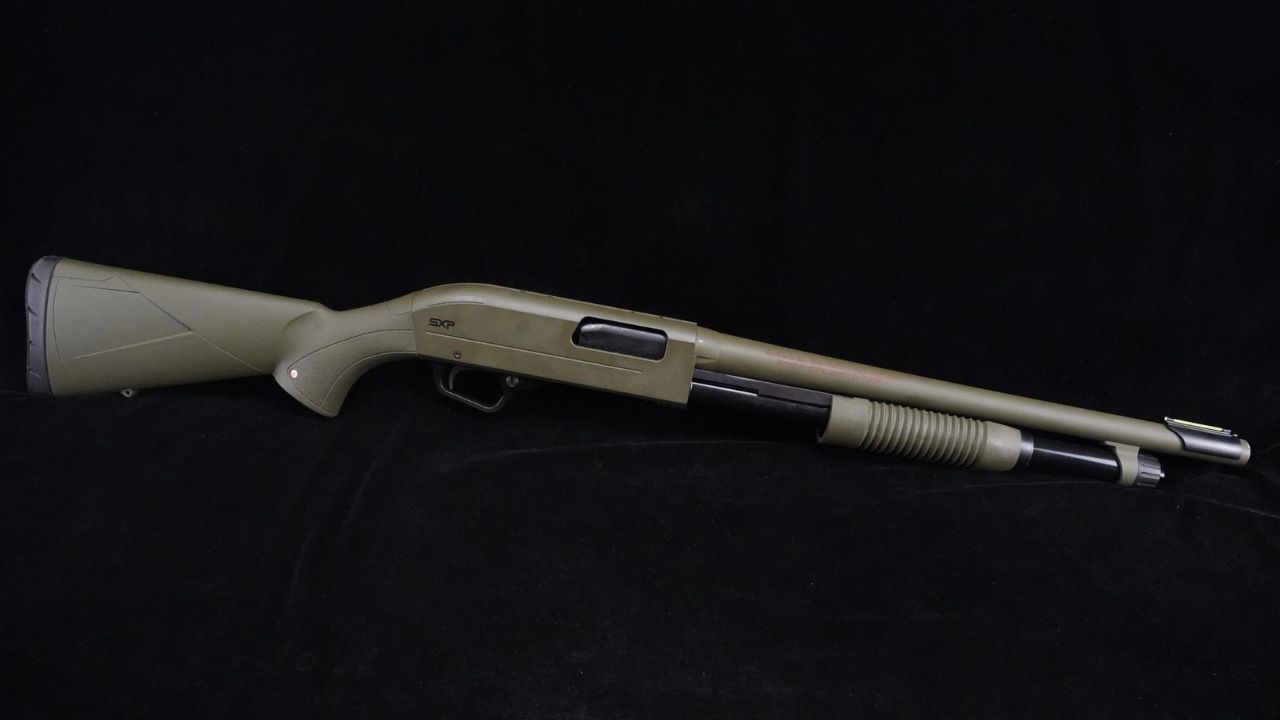
The SXP is one of those pumps that feels faster than you are, and that “inertia-assisted” action isn’t just marketing. If you’ve ever short-stroked a pump under stress or with gloves on, you’ll appreciate how the SXP wants to run.
It’s also usually sitting on the rack at a price that doesn’t hurt. Fit and finish can be a little plain, and the factory pad isn’t everyone’s favorite, but as a working shotgun it does a lot right for the money.
2. Winchester Model 12 (used, with honest wear)
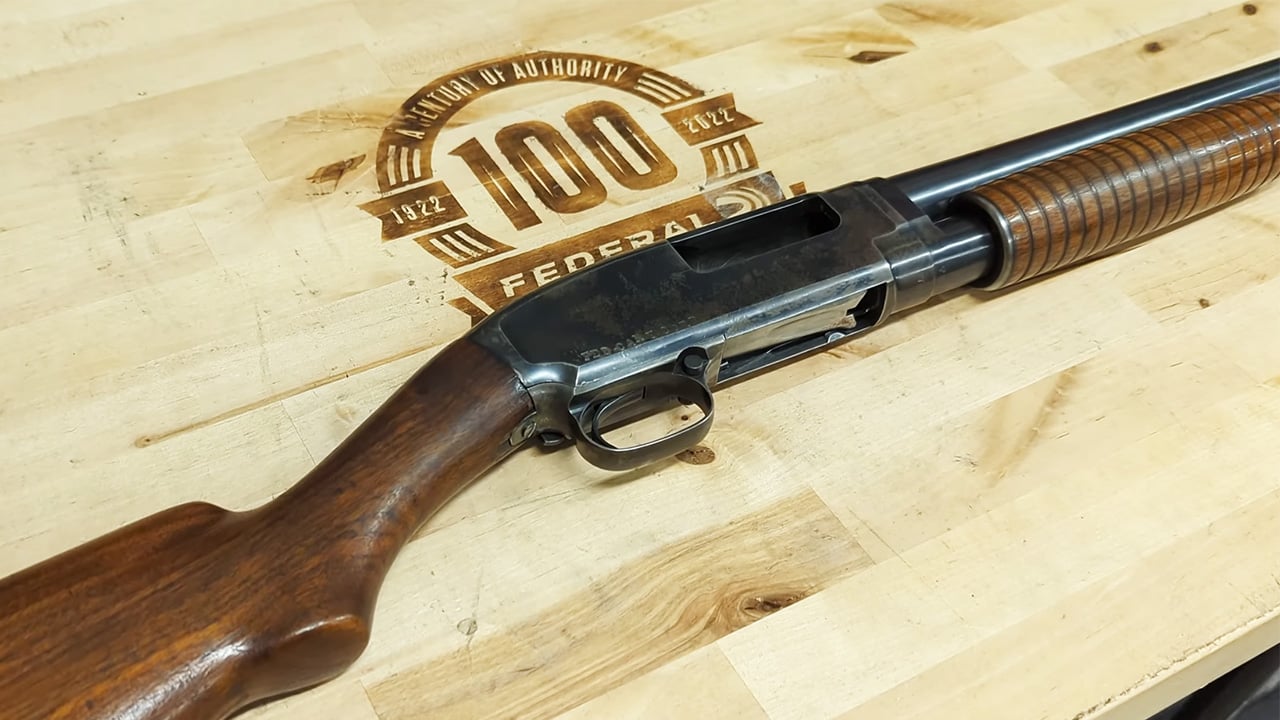
Carry a Model 12 for a morning and you’ll understand why old-timers still talk about them like a good dog. The action is slick, the balance is right, and it points like it’s reading your mind.
The downside is parts and smithing aren’t as casual as they used to be, and you don’t buy one expecting modern features. But if you find a solid field grade that hasn’t been “improved” by somebody with a file, it’s a forever gun.
3. Ithaca 37 (Featherlight and standard models)
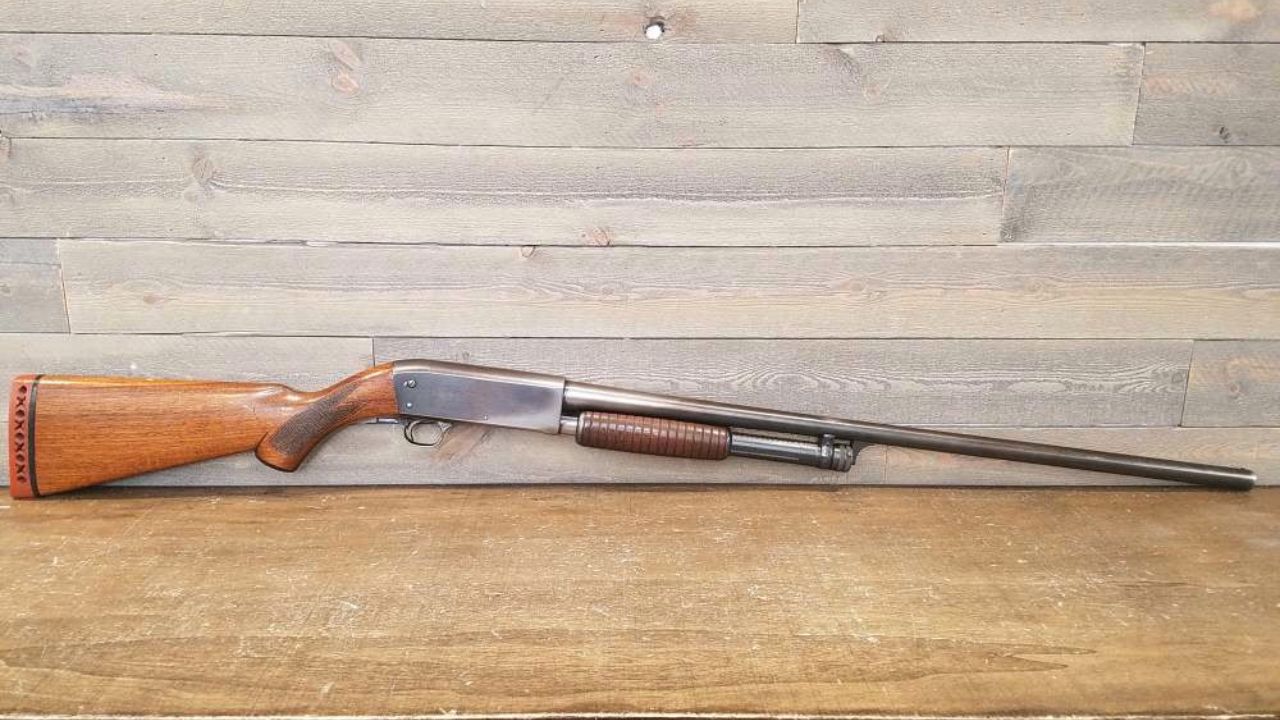
Bottom-eject is a love-it or hate-it thing until you hunt in nasty weather or you’re tired of hulls flipping into the next county. The Ithaca 37 carries light, shoulders quick, and it’s been dropping birds for a long time.
Older ones can be real gems, but condition matters. Check the action feel and lockup, and don’t assume every used one was treated kindly. A good one is hard to replace once you get attached. Ask me how I know.
4. Browning BPS (Hunter and Upland)
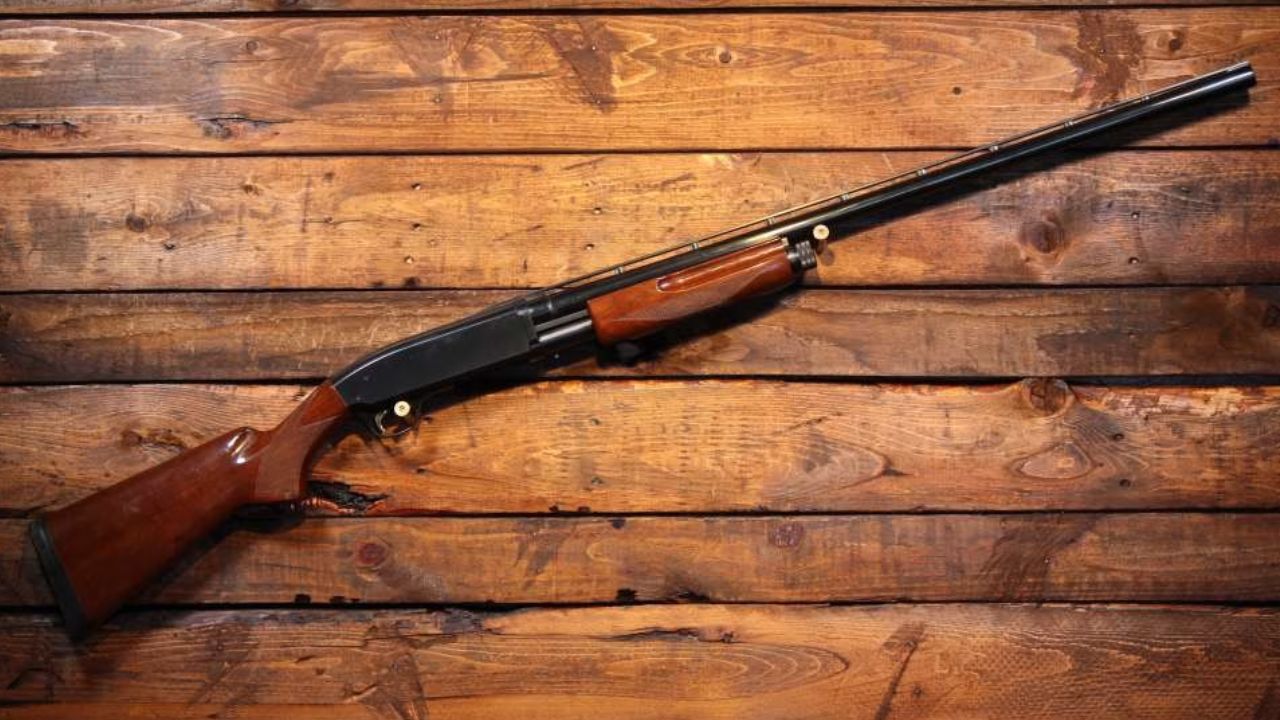
The BPS is like a farm wrench. It’s not flashy, but it’s stout, smooth, and built to last. You also get bottom ejection and ambidextrous friendliness without turning it into a science project.
They do run a little heavier than some other field pumps, and you’ll notice it on a long walk. Still, for turkey woods, grouse covers, or a duck blind where things get wet and muddy, the BPS takes it and keeps going.
5. Benelli Nova (standard)
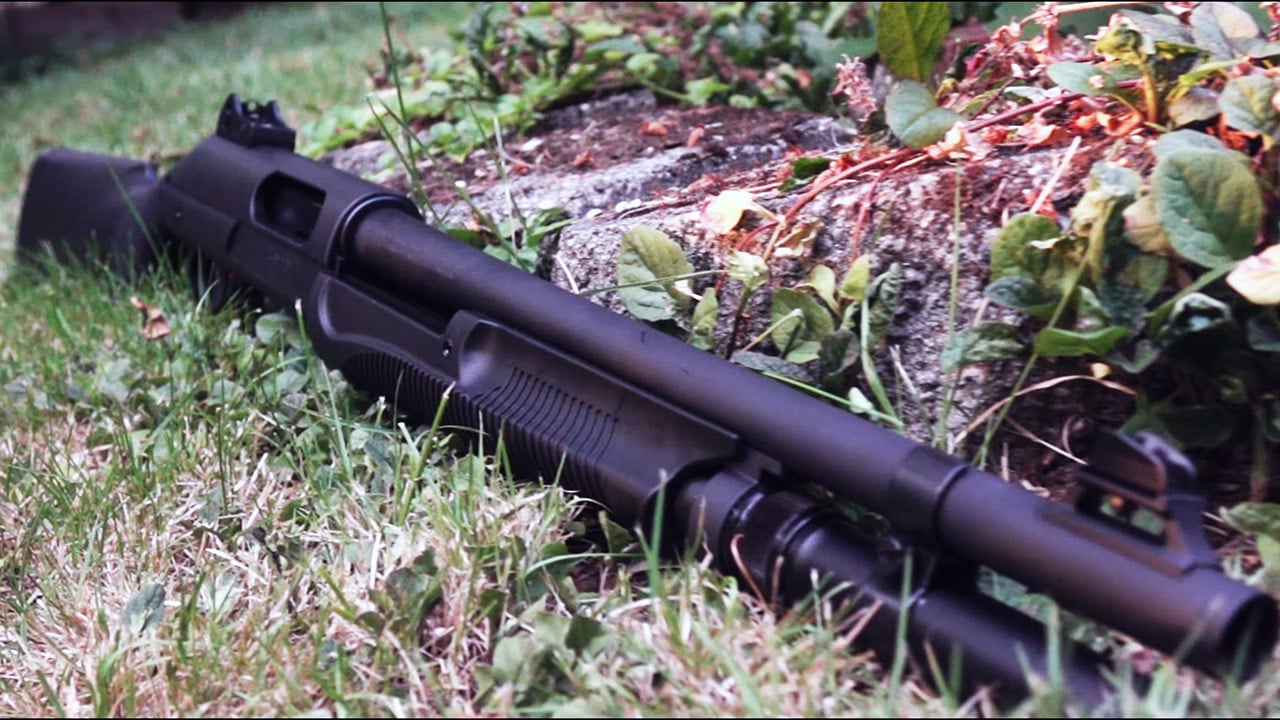
The Nova is a tough, simple pump that doesn’t act precious. Polymer over a steel skeleton makes some folks nervous until they realize the thing is basically weatherproof and doesn’t care about hard use.
It’s long in the receiver and not as trim as a classic upland gun, but as a “do everything and don’t complain” shotgun, it’s hard to argue with. If you want a pump that lives in rain gear season, this is one.
6. Benelli SuperNova

If you like the Nova idea but want a little more refinement, the SuperNova is the step up. The recoil reduction is real, especially with heavier loads, and the gun is generally friendly to shoot for long sessions.
The forend and ergonomics aren’t for everyone, and it can feel bulky compared to old walnut-and-blued guns. But for waterfowl, turkey, and “one shotgun for everything” households, it’s a very practical tool.
7. Remington Model 870 Wingmaster (older)
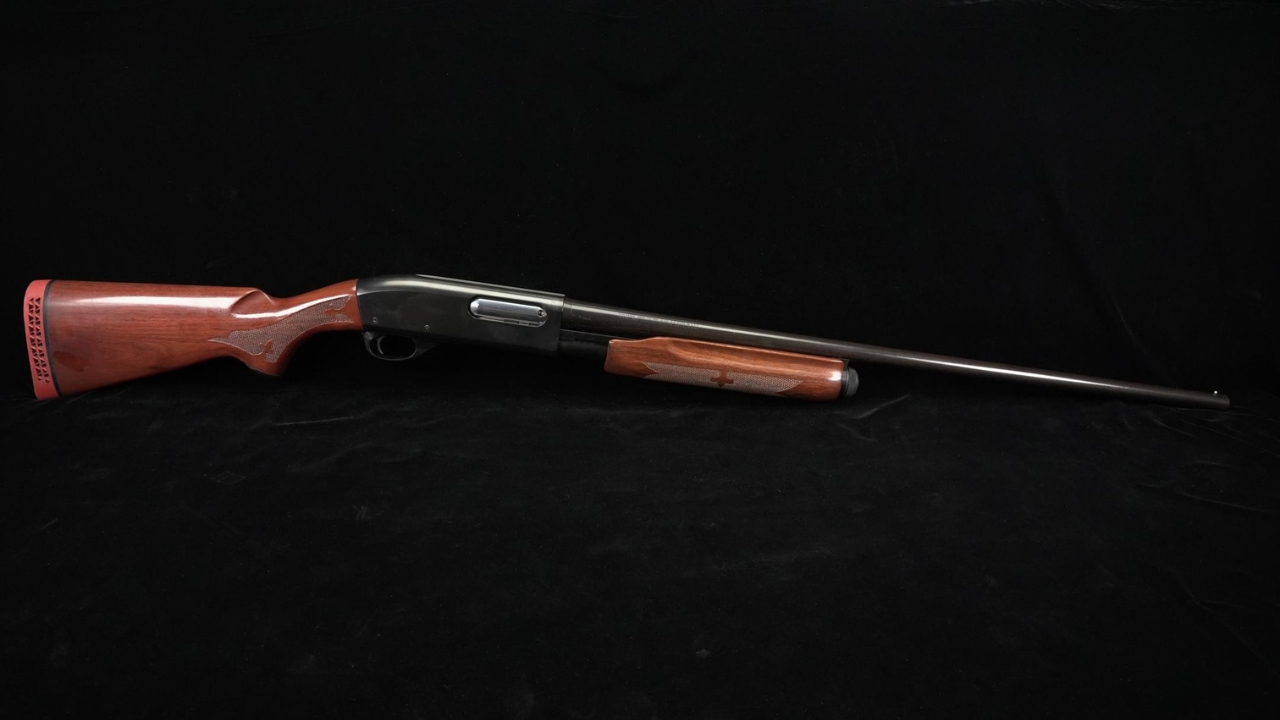
This is not the usual “recommended pump” you’re thinking of, because the Wingmaster conversation is really about older guns with that deep blue and smooth action. A good Wingmaster feels like it’s on ball bearings after it’s been run a little.
They’re not cheap like they used to be, and you need to know what you’re looking at when buying used. But if you find a clean one that hasn’t been abused, it’s the kind of shotgun you hand down without thinking twice.
8. Remington 7600 (pump rifle)

Yes, it’s a pump, and yes, it’s a shotgun list, but the 7600 deserves a nod because half the “pump shotgun guys” I know also swear by this rifle. It runs like a familiar shotgun and it’s fast on follow-up shots.
They’re getting pricier and harder to find, and magazines are something you should source early, not later. If your world is thick timber and quick shots, it’s a tool that fits the rhythm.
9. Mossberg 590A1
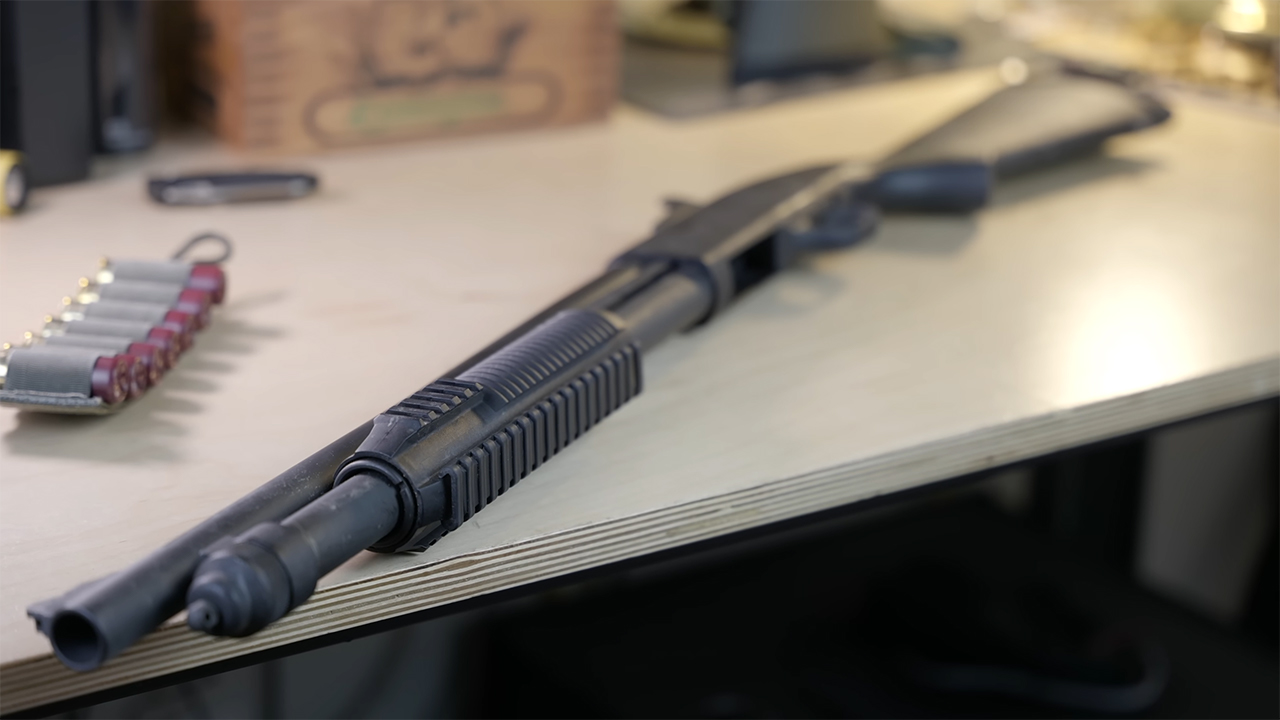
This one is built like it expects to be dropped on concrete and then used to finish the day. Heavy barrel, metal trigger guard on many versions, and a general “go ahead, try to hurt me” feel.
It’s not the lightest choice for carrying all day in the uplands, but for home defense, property carry, and rough-duty use, it’s a tank. Just be honest about weight and length when you set it up.
10. Mossberg 535 ATS
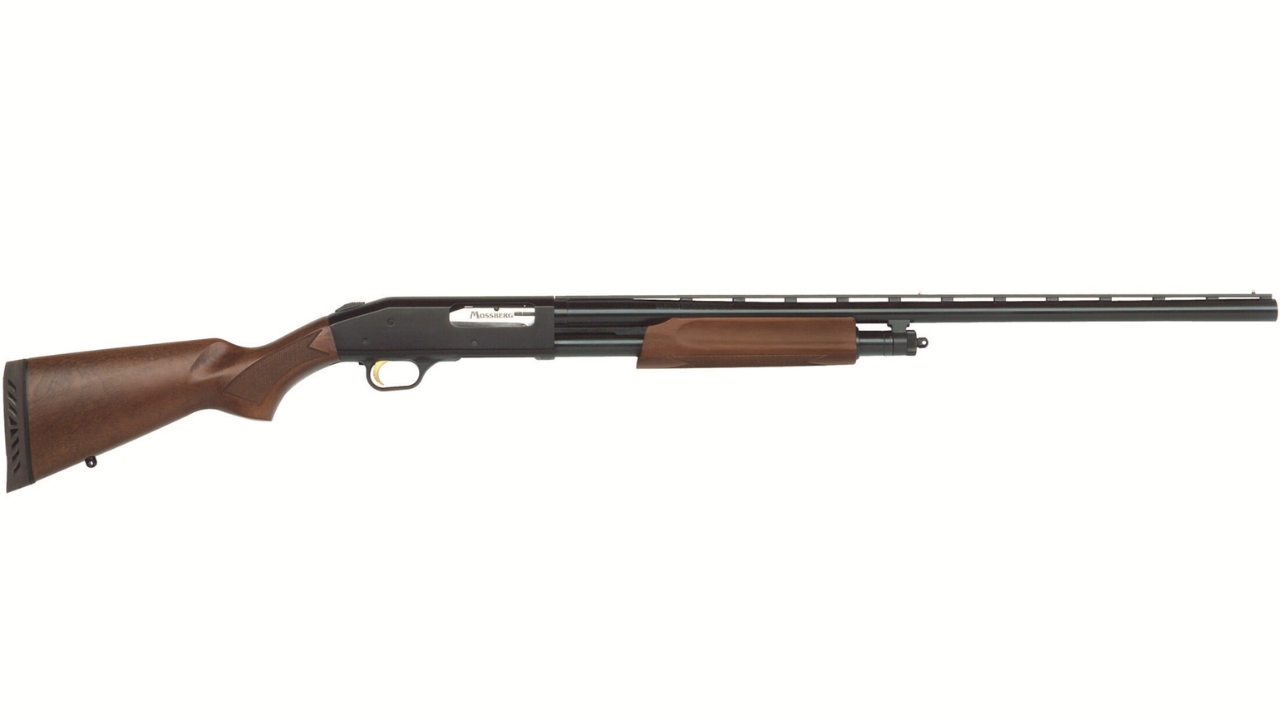
The 535 doesn’t get much love anymore, but it’s a handy option if you want a pump that can handle 3.5-inch shells without buying a dedicated waterfowl cannon. For big geese loads or turkey hunting, it gives you that flexibility.
It can feel a little clunky compared to slimmer guns, and recoil with heavy shells is nobody’s favorite hobby. Still, if you actually use the big shells, it’s a decent way to do it on a budget.
11. Mossberg 835 Ulti-Mag
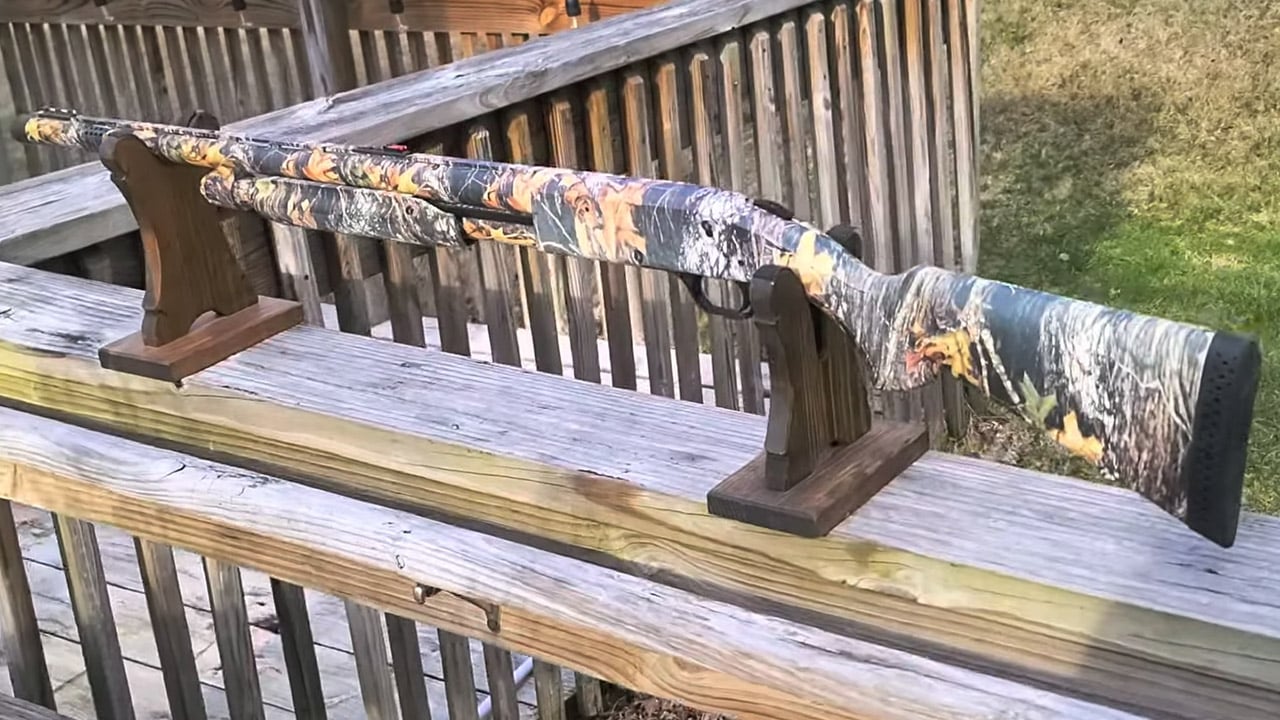
The 835 is another 3.5-inch pump that’s been knocking around duck camps for years. Overbored barrel, big payload capability, and a reputation for being a working man’s waterfowl gun.
It’s not a dainty shooter, especially with heavy loads, and it can be loud and snappy if you’re not set up right. But as a dedicated marsh gun, it’s been getting it done for a long time.
12. CZ 612 (Field or Magnum Waterfowl)
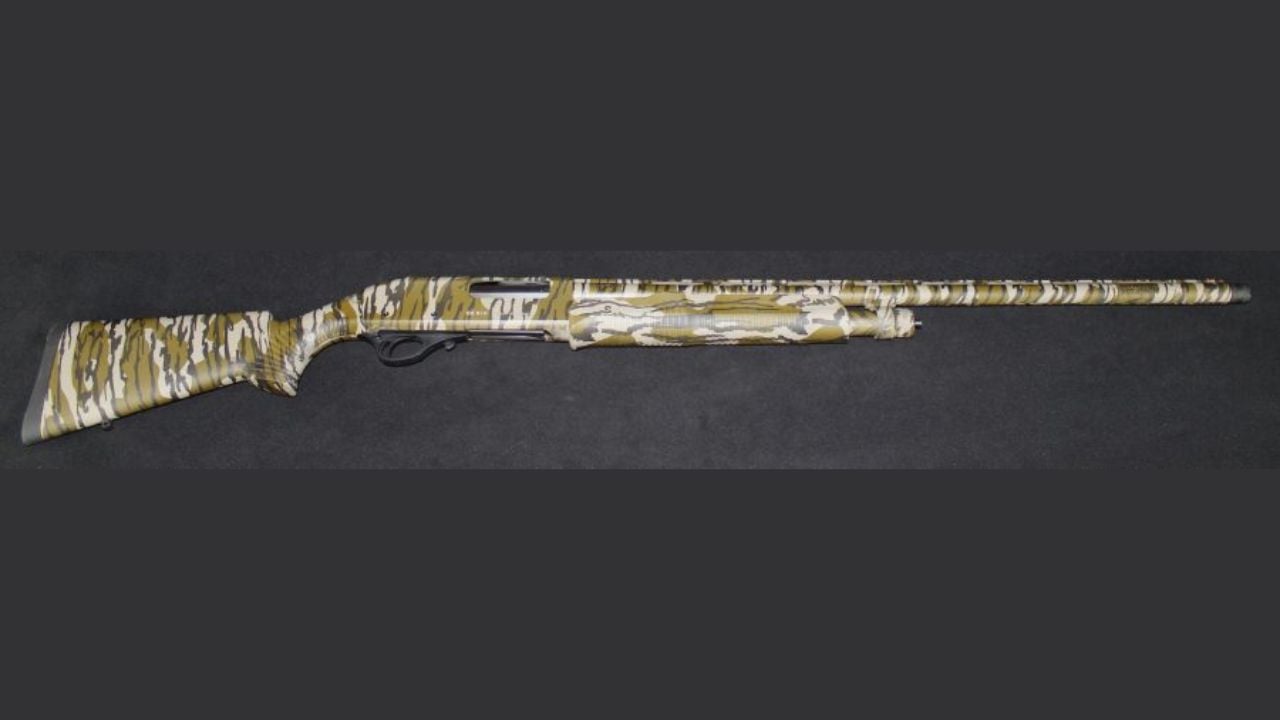
The CZ 612 is one of those sleeper pumps that surprises folks who think they have to spend big to get a decent action. It’s straightforward, generally reliable, and the fit isn’t half bad for the price range.
What you give up is the huge aftermarket and endless parts bins of the big names. If you buy one, buy it because it does what you need as-is, not because you plan on turning it into a custom build.
13. Weatherby PA-08
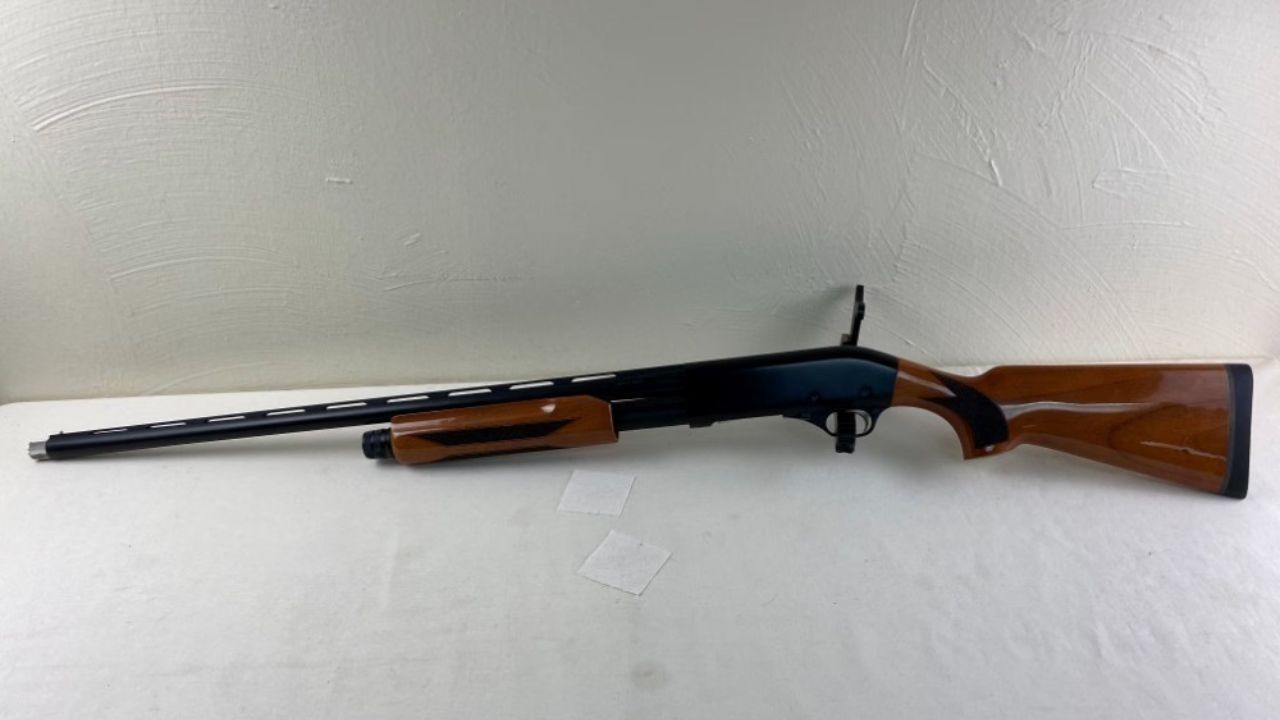
The PA-08 is another value pump that tends to run well if you keep it clean and don’t treat it like a pry bar. The gun points nicely, and plenty of folks use them for dove and ducks without drama.
It’s not a prestige piece and it won’t impress the guy at the range with a safe full of walnut. But if you want a pump that shoots where you look and doesn’t eat your paycheck, it deserves a look.
14. Stevens 320 (Security models)
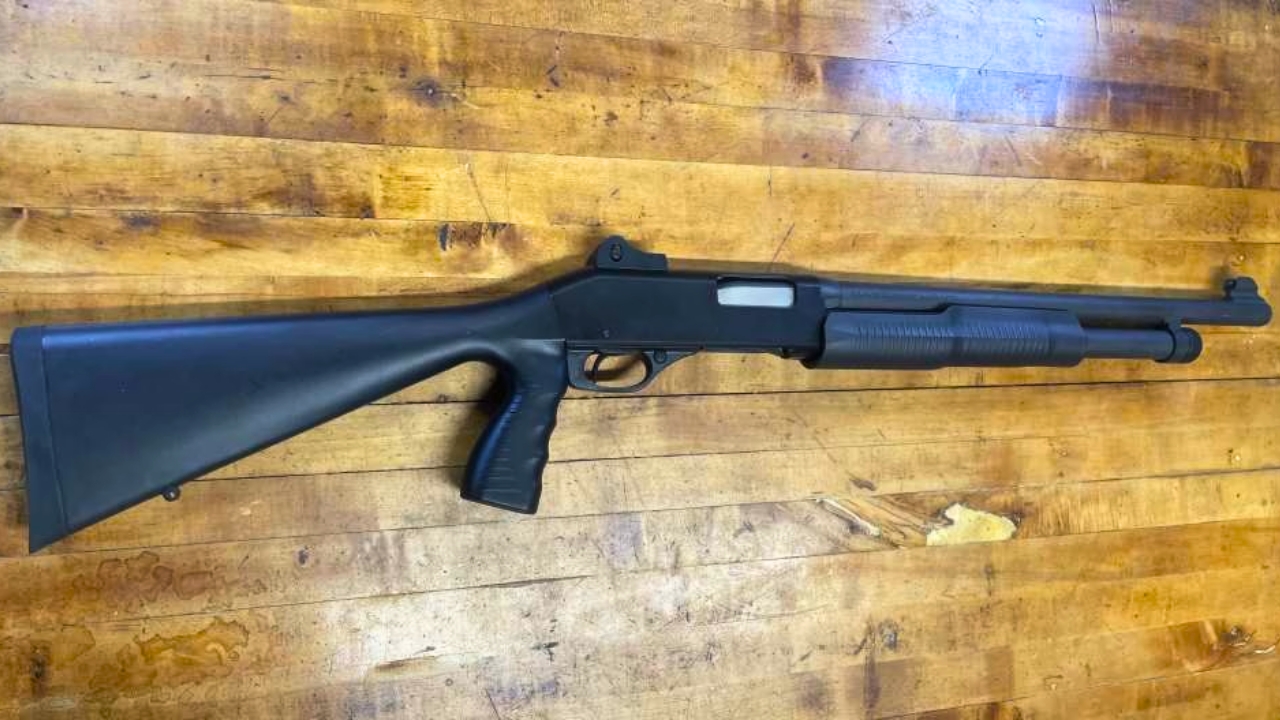
The 320 is a budget pump that actually makes sense in certain roles. If you need a basic home-defense shotgun and you’re not trying to spend a month’s grocery money, it can get you there.
You do need to accept that it’s a budget gun. The action won’t feel like a polished classic, and long-term hard use is where cheaper guns show their seams. But for a simple, kept-clean, shot-a-little setup, it’s workable.
15. H&R Pardner Pump (used)
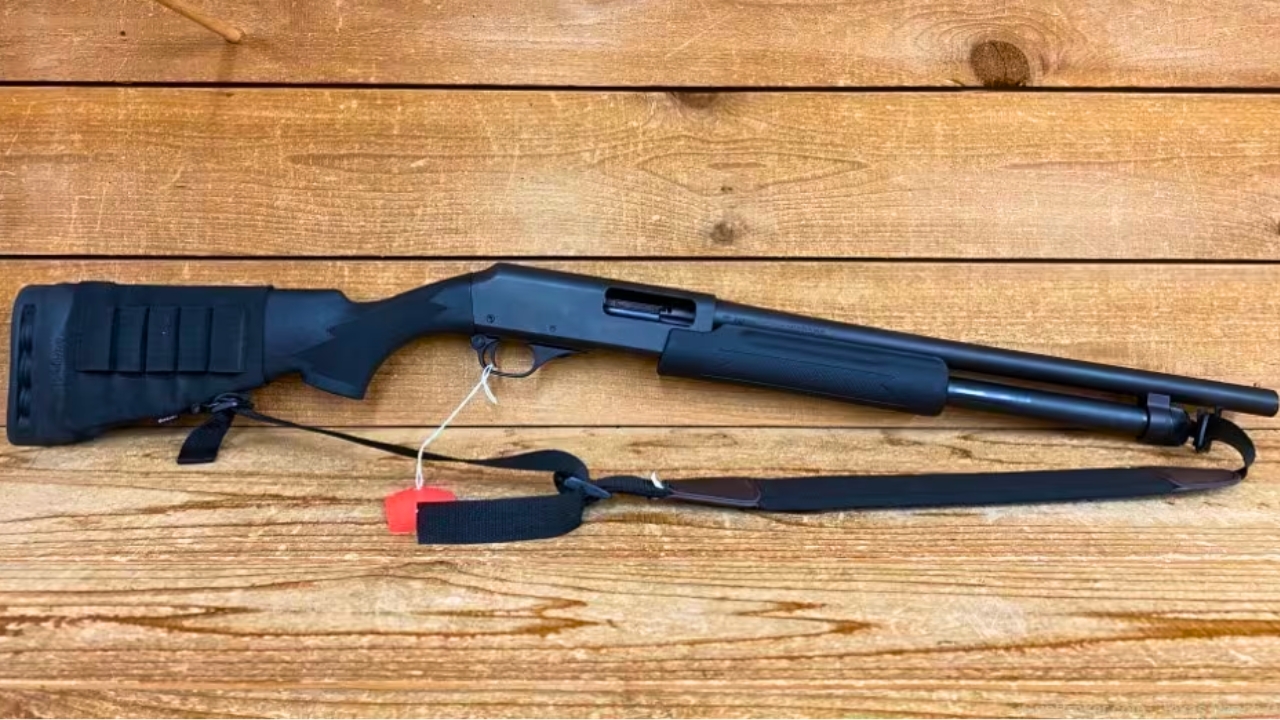
The Pardner Pump has been the “I just need a shotgun” answer for a lot of folks, and there’s a reason you still see them in closets and behind truck seats. They tend to be sturdy and simple, and they usually function.
They’re also not made anymore, so you’re in used-gun territory. Check the extractor/ejector function and overall wear. If it’s solid, it’s a surprisingly useful beater that you won’t cry over in bad weather.
16. Savage 212 (12 gauge slug gun)
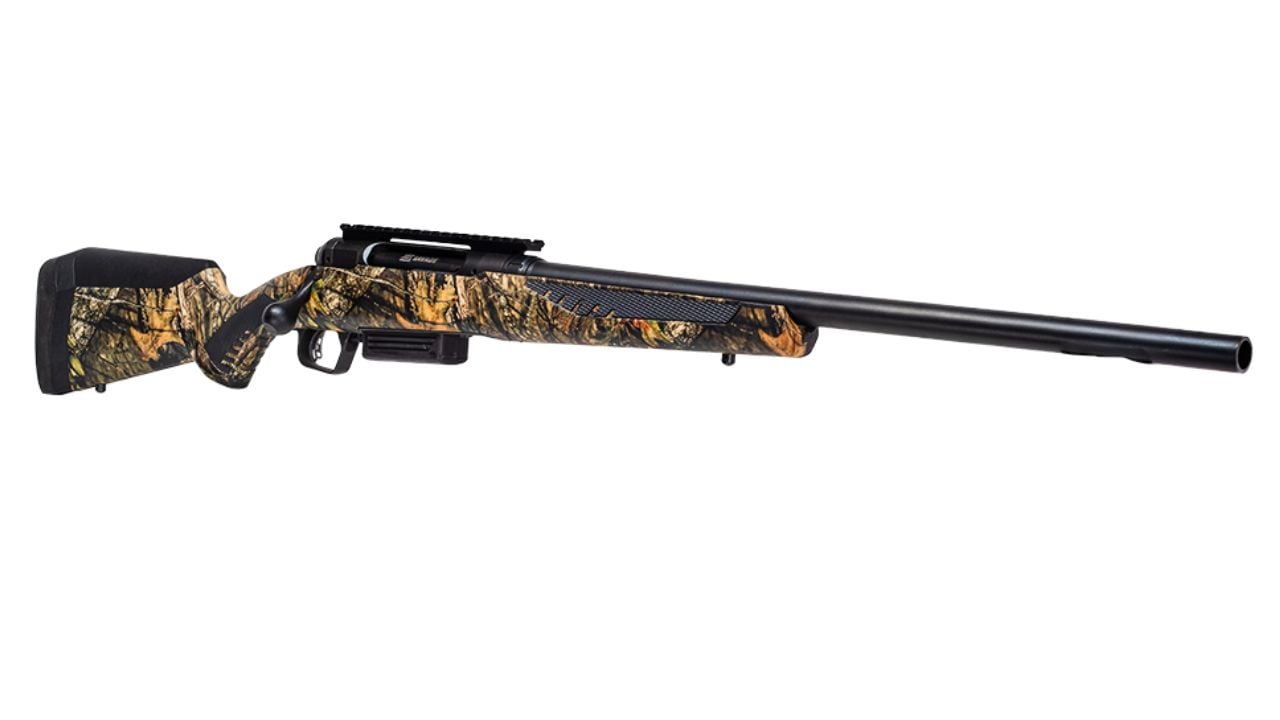
If you hunt shotgun-only areas and you’re tired of fighting with bead-sighted smoothbores, the Savage 212 is a purpose-built answer. Bolt-action slug guns get the attention, but the 212 has put a lot of venison in freezers.
It’s heavier than a bird gun and you’re not carrying it for fun. But it’s the kind of specialized tool that makes a hard job easier when the season and regulations demand it.
17. Remington 887 Nitro Mag

The 887 is ugly to some eyes, and the ArmorLokt exterior feels like a rain boot. Still, it was designed around harsh conditions, and there are hunters who swear by them for waterfowl because they don’t baby their gear.
It’s not a gun I’d recommend to someone who wants classic lines or a huge parts ecosystem. But as a “wet, cold, muddy, and still functioning” pump, it has a place—especially if you find one at the right price.
18. Fabarm STF/12 (professional-grade pump)
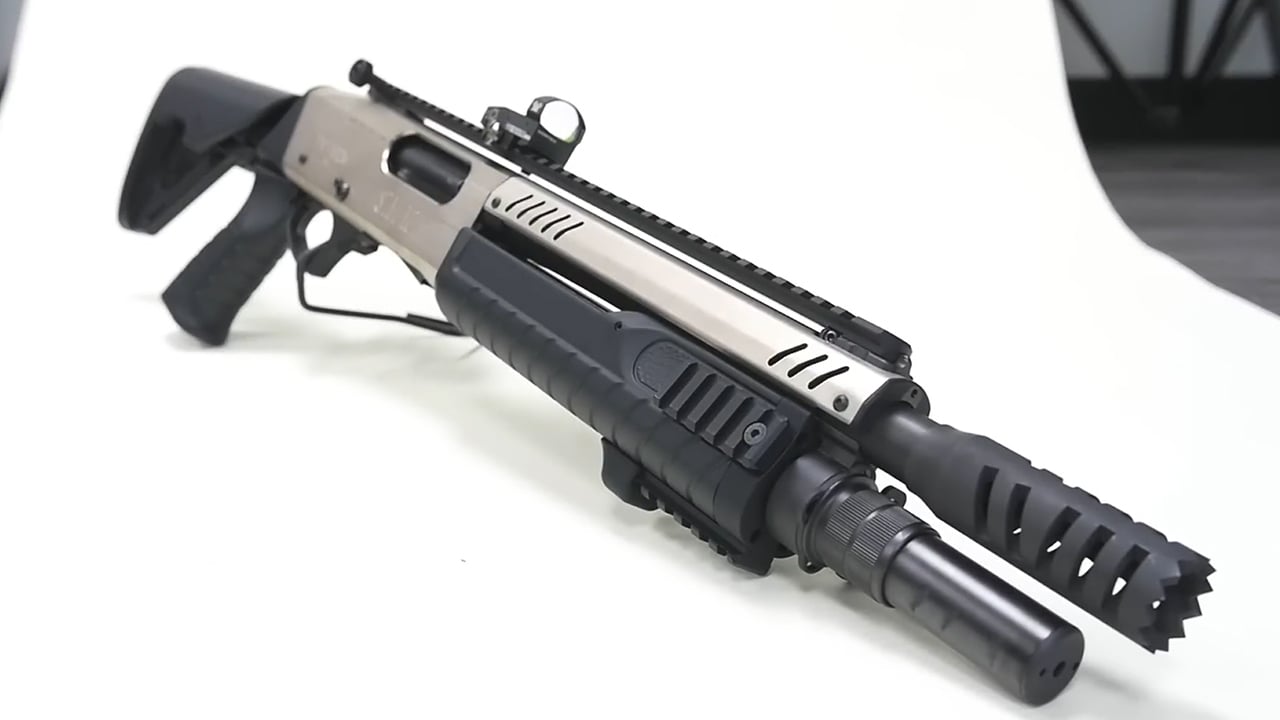
Fabarm pumps don’t show up in every small-town shop, but they’re built well and they run smooth. The STF/12 has a reputation for serious durability and a more refined feel than most “tactical” pumps.
You’ll pay for it, and you may not find accessories at every corner store. If you want a pump that feels like a premium tool instead of a budget compromise, it’s worth handling in person.
19. Kel-Tec KSG
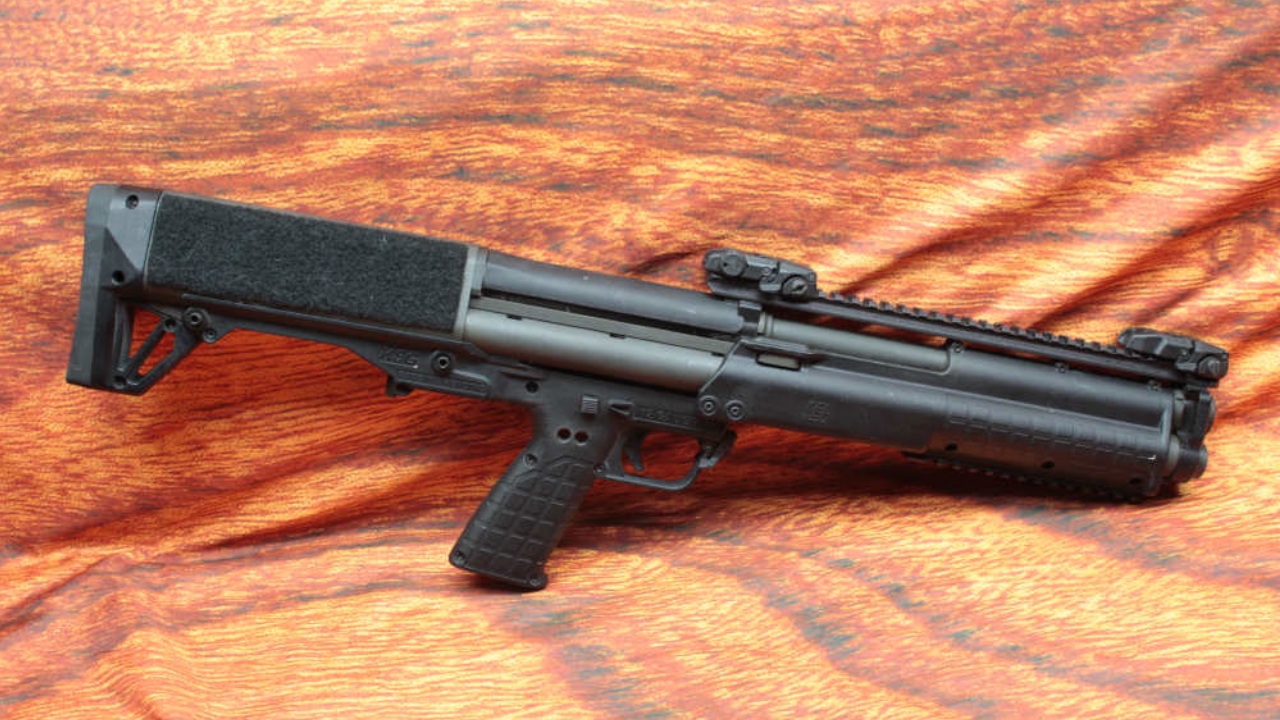
The KSG is not a traditionalist’s shotgun, and it’s not for everybody. But as a compact pump with serious on-board capacity, it fills a niche for folks who need maneuverability and storage-friendly dimensions.
It takes practice to run well, and you need to be disciplined about ammo management and safe handling. It’s a specialized tool, not a “buy it and forget it” farm gun, but it can work if you respect what it is.
20. Henry Repeating Arms Side Gate Lever Pump .410 (for small game and pests)

This one is a curveball, but a pump in .410 has its own kind of usefulness around rural property. For snakes, pests, and close-range chores, a handy .410 can be the right amount of gun without tearing everything up.
Ammo availability and cost can be the headache, and .410 isn’t magic on birds unless you’re realistic about range. Still, for a light, quick-pointing option that’s easy to carry, it earns a spot for the right owner.
The point of looking past the usual two recommendations isn’t to be contrarian. It’s to match the shotgun to the job, the weather, and the way you actually hunt or live. Handle a few, cycle the action with gloves on, shoulder them like you mean it, and think about parts, magazines (if applicable), and who can fix it when something finally breaks. A pump shotgun is supposed to be simple. Pick one that stays simple after the new-gun excitement wears off.
Like The Avid Outdoorsman’s content? Be sure to follow us.
Here’s more from us:


