Photo credit: Waffenmeister Kris/Youtube
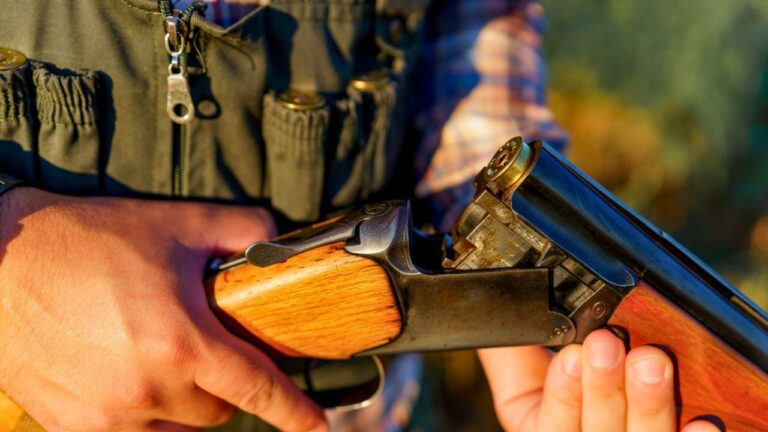
Every deer camp has at least one “safe that never gets opened.” It’s the one in the back bedroom, or the one tucked in a closet behind winter coats, holding rifles that haven’t seen daylight since the last time someone sighted-in on a paper plate and called it good. Then a family cleans out an estate, or a guy finally decides to thin the herd, and suddenly there’s a hard lesson: some of those “old” rifles got expensive while nobody was paying attention.
Not every dusty rifle is a retirement plan. Plenty of them are just… dusty rifles. But certain models have quietly climbed, mostly because they’re not being made anymore, the quality was better than folks appreciated at the time, or they hit that sweet spot of nostalgia and usefulness. Here are 20 that have a habit of surprising people when the safe door finally swings open.
1. Winchester Model 70 (pre-64)
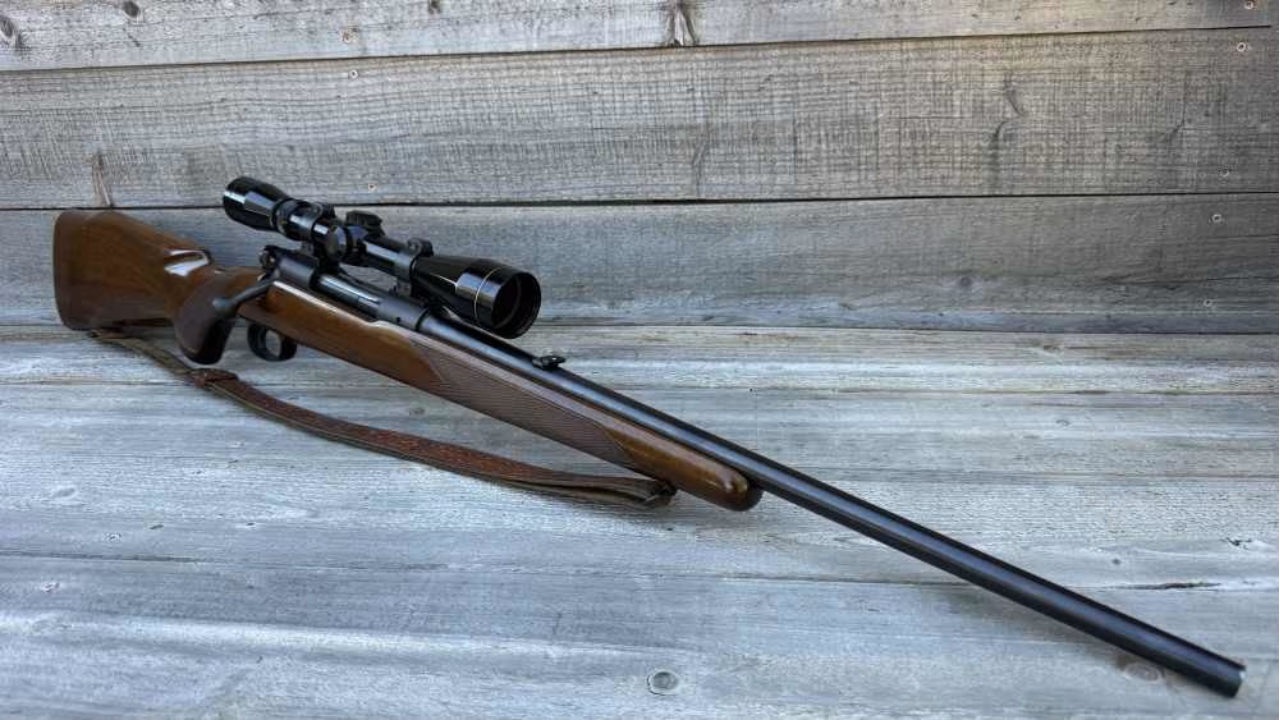
If you’ve ever worked a true pre-64 action, you know why this one keeps climbing. Controlled-round feed, slick bolt travel, and a feel that modern “budget” rifles can’t fake. A lot of them were bought as honest hunting tools and carried hard, which means clean examples are not getting more common.
What really drives value is originality: finish, sights, and un-messed-with stocks. A pre-64 that hasn’t been drilled extra, cut down, or refinished can make a man rethink selling in a hurry. Still hunts like it always did, too.
2. Winchester Model 94 (pre-1964)
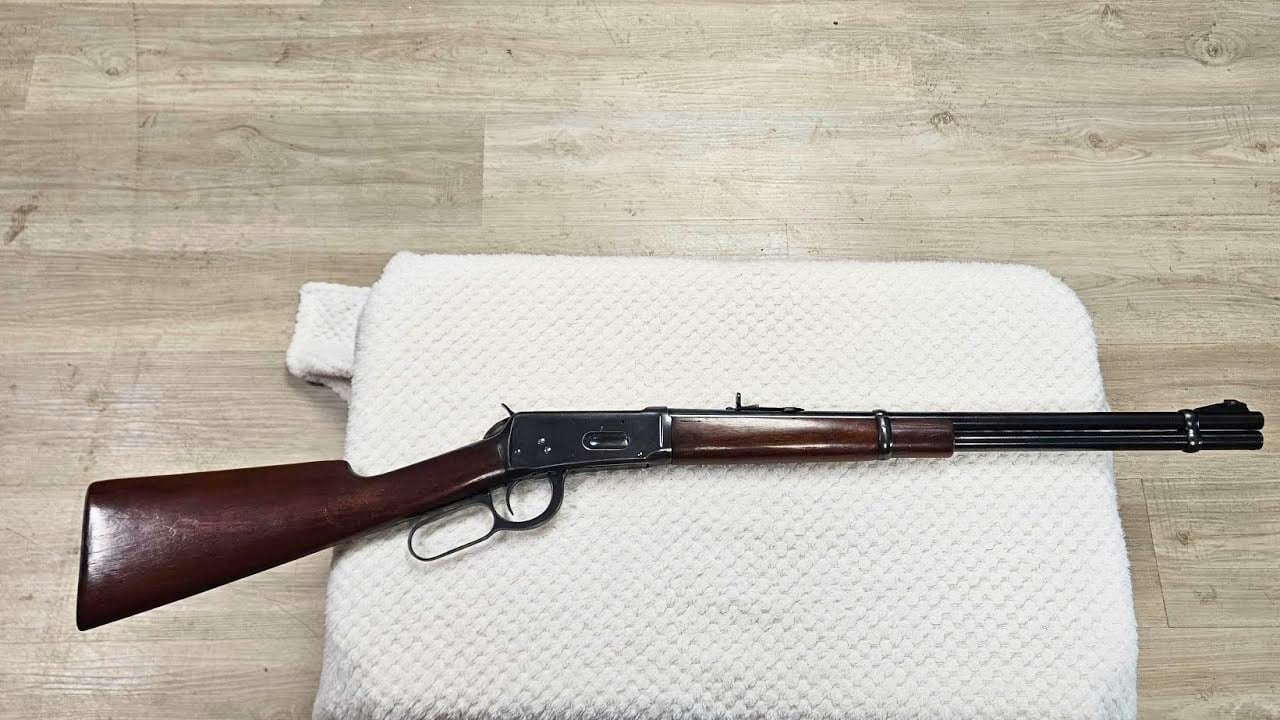
There are a million Model 94s out there, and that’s why folks shrug at them. But the earlier guns, especially in honest condition with decent bluing and tight wood-to-metal fit, have moved up more than most people realize.
They’re light, handy, and they point like a finger. A clean pre-64 in .30-30 is one of those rifles you can still take into the timber tomorrow and not feel undergunned. They’re also the kind of thing families hang onto, so when one hits the market, it doesn’t sit long.
3. Marlin 336 (JM-stamped)
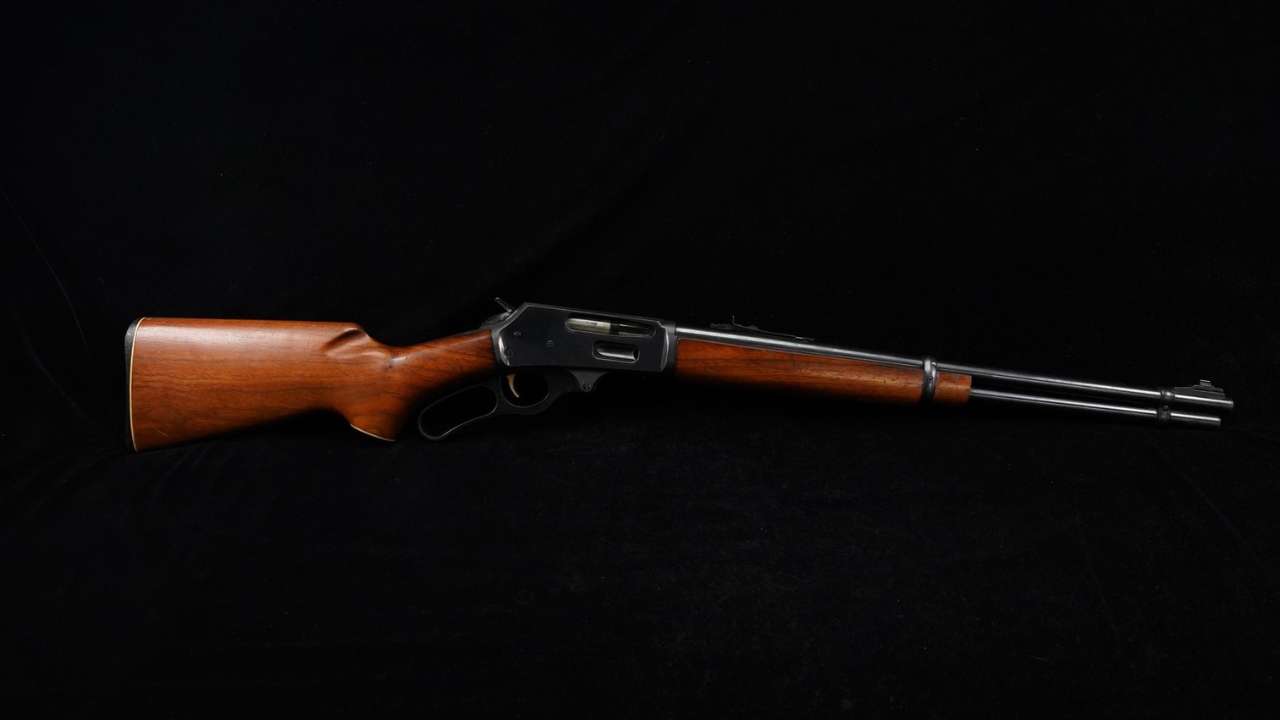
“JM” on the barrel is the quick tell, and yes, it matters. When production changed hands, the internet didn’t invent the quality differences out of thin air. The good older 336s feed smooth, lock up tight, and feel like they were built to be used, not just assembled.
These were working-class deer rifles, so many got truck-racked and knocked around. The ones that lived an easy life in a safe have become the ones everybody wants now, especially in .35 Remington or .30-30 with clean bores.
4. Ruger Mini-14 (early 180-series)

For years, early Minis got dumped cheap because folks wanted ARs, and the older thin-barrel guns weren’t known for tiny groups. Then magazines got easier to find, politics did what politics always does, and the “handy ranch rifle” idea started sounding good again.
An early Mini that’s clean, unmodified, and comes with factory mags tends to bring real money now. It’s not a benchrest gun, but it carries well, it’s fast on target, and it fits behind a truck seat without screaming for attention.
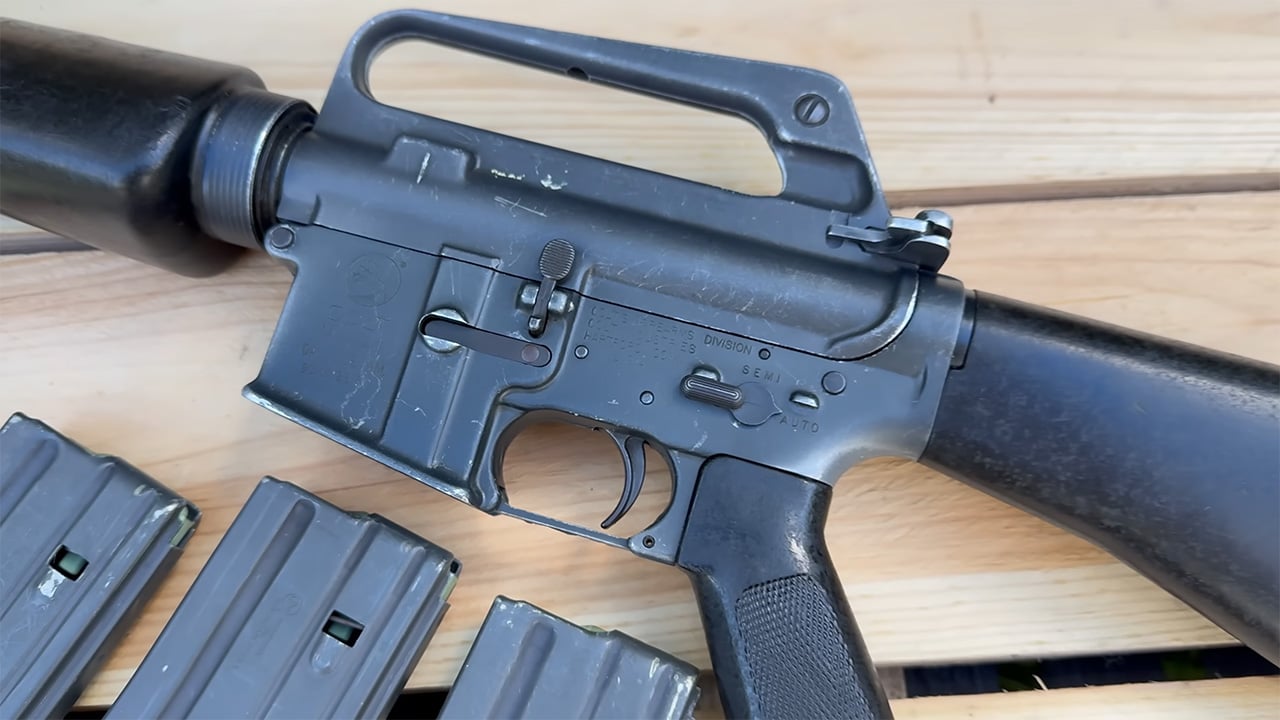
5. Colt AR-15 SP1
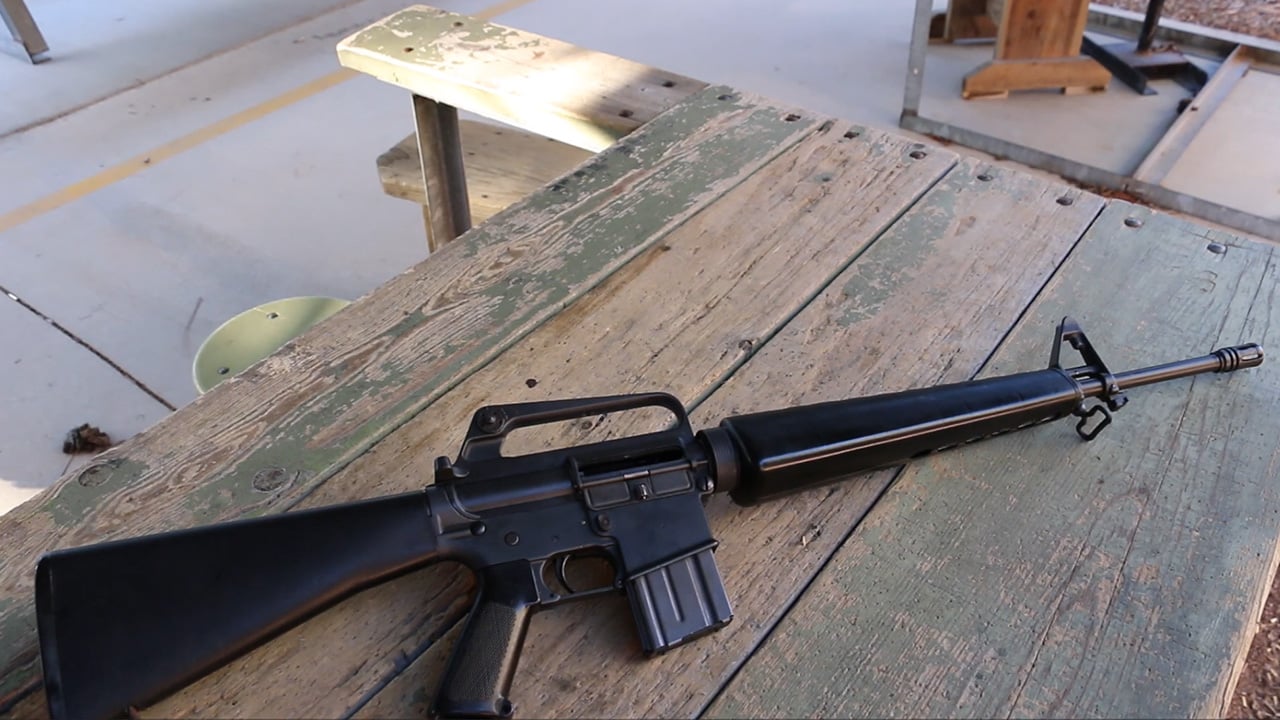
Old-school Colts used to be “just an AR.” Not anymore. The SP1 has that lightweight retro vibe, and collectors like rifles that haven’t been turned into science projects with three different handguards and a coffee-can muzzle device.
If it’s original and not beaten up, you’re looking at a rifle that has absolutely outrun what most owners paid. Parts correctness matters here, so the more “as it left the factory,” the better.
6. Colt M16A1/AR-15A1 style rifles (commercial variants)
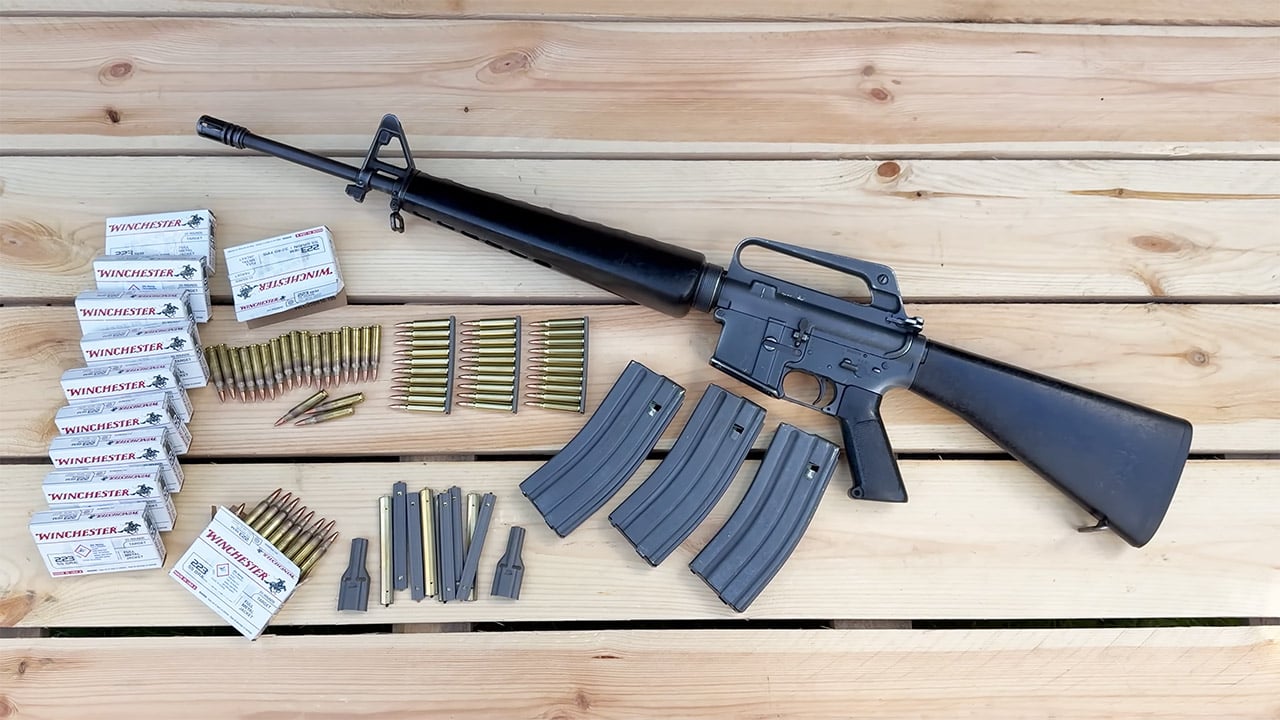
Even when they’re not true military rifles, the A1-style commercial Colts and close clones have gotten hot. Lightweight pencil barrels, fixed carry handles, simple furniture—turns out a lot of guys miss when rifles felt like rifles instead of accessories platforms.
These were ignored for a long time, which is exactly how stuff triples while sitting. Once nostalgia meets scarcity, the price tag gets stubborn.
7. Springfield Armory M1A (pre-ban and early production)
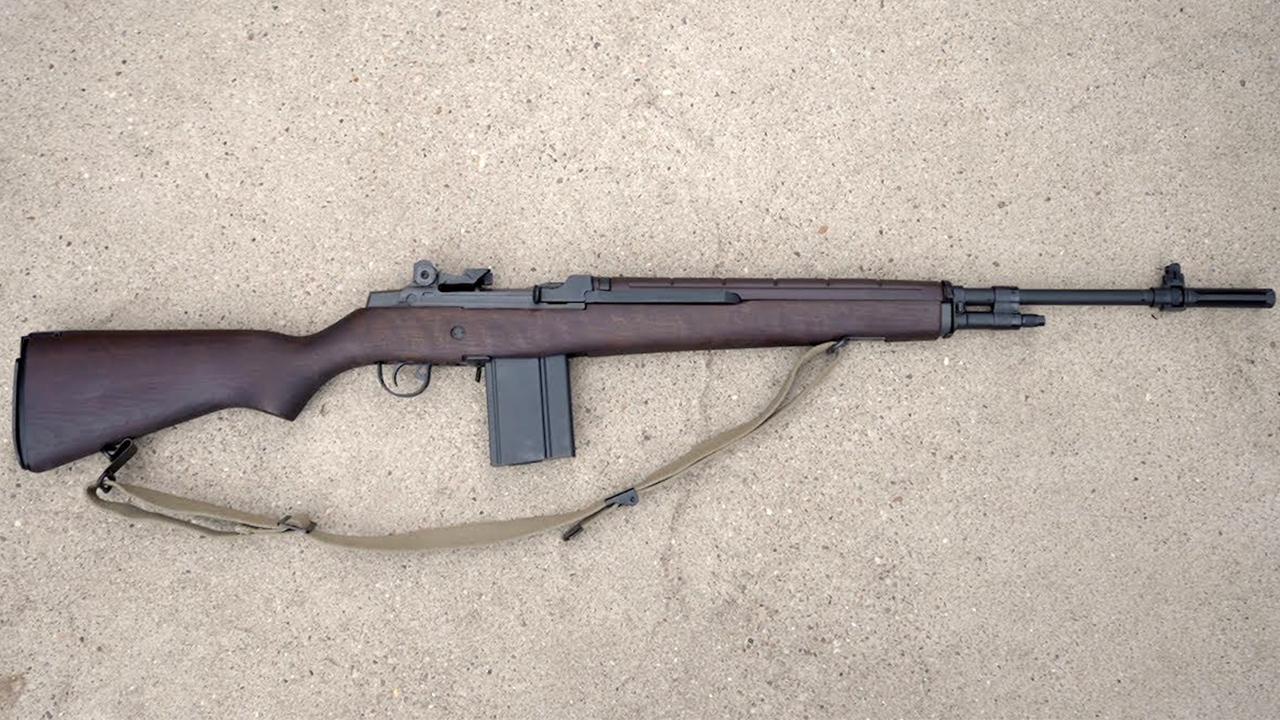
The M1A is heavy, it’s long, and it’s not cheap to feed. None of that stopped prices from climbing on older, well-built examples with good parts. There’s still something about that action and that sight picture that just feels right.
Early rifles with desirable components and a clean history are where the jump is. It’s also one of those guns a lot of folks swore they’d “get around to shooting more,” then didn’t. Meanwhile, the market did its thing.
8. U.S. M1 Garand (CMP-era buys)

Plenty of Garands were bought when they were affordable and plentiful. A lot of them went straight into safes because guys didn’t want to beat them up, didn’t want to chase ammo, or figured they’d restore them “someday.”
Fast forward and you’ve got a rifle with real history, real demand, and finite supply. Condition, correct parts, and documented provenance can turn an old mail-order buy into a serious asset.
9. U.S. M1903 Springfield (Remington/Smith-Corona and earlier)

The 1903 is one of those rifles that gets passed over until you actually pick one up. Good balance, strong action, and it’s a piece of American riflecraft that modern mass production doesn’t resemble.
Clean examples have climbed steadily, and the sporterized ones have not—there’s the painful part. If yours stayed original in the safe, you’re in better shape than the guy who cut the barrel and slapped on a bargain scope in 1978.
10. U.S. M1917 Enfield
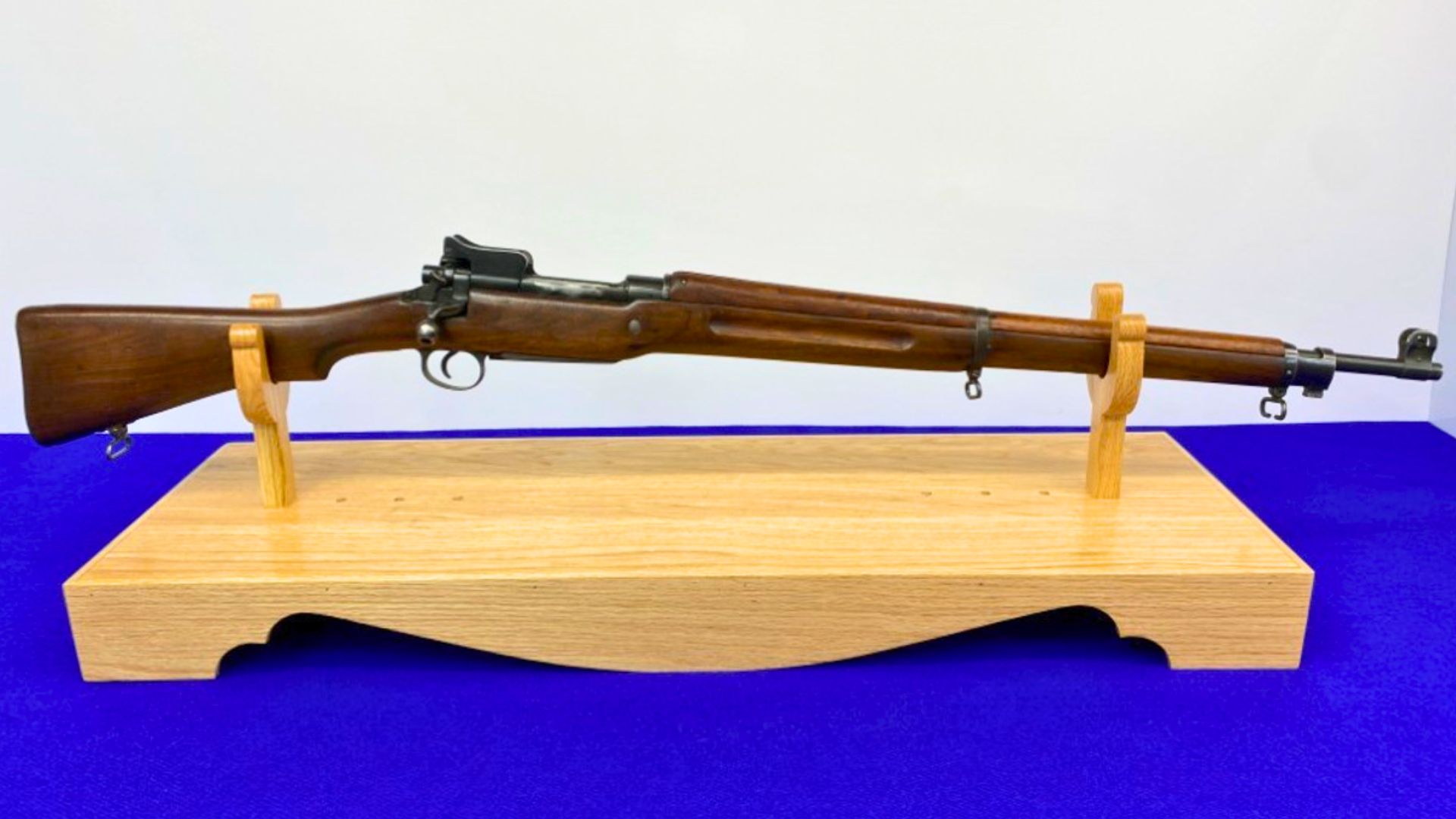
The M1917 lived in the shadow of the 1903 for a long time, which kept prices lower than they probably should’ve been. Then people started appreciating them for what they are: robust, accurate enough for real work, and tied to American history.
They’re not light, and the sights aren’t everyone’s favorite. But originality and condition matter, and the clean ones are not getting cheaper.
11. Soviet/Russian SKS (especially early imports)
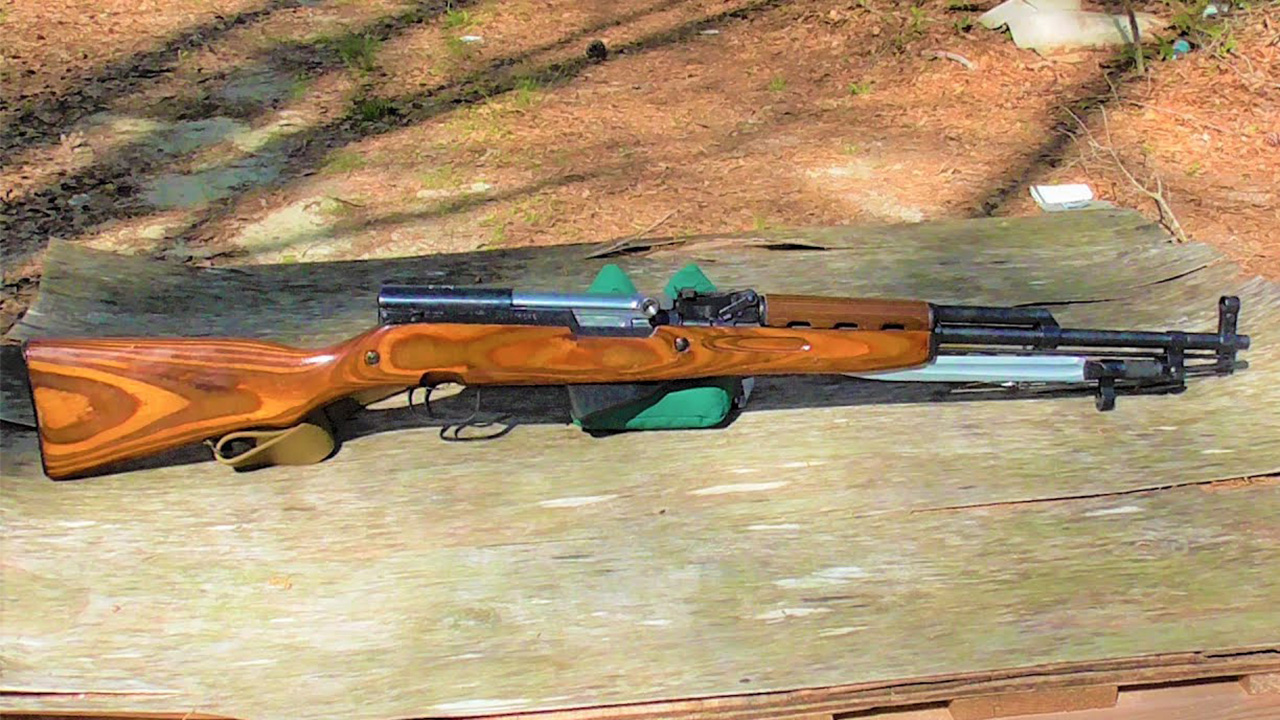
The SKS was once the “cheap trunk gun.” That era is over. Early imports, matching numbers, and rifles that haven’t been bubba’d with plastic stocks and questionable mags are the ones that surprise owners the most.
They’re simple, reliable, and they scratch that Cold War itch without being an AK. Add in the fact that a lot of them got beat to death, and it’s not hard to see why nicer examples keep marching upward.
12. Chinese Norinco SKS (original configuration)
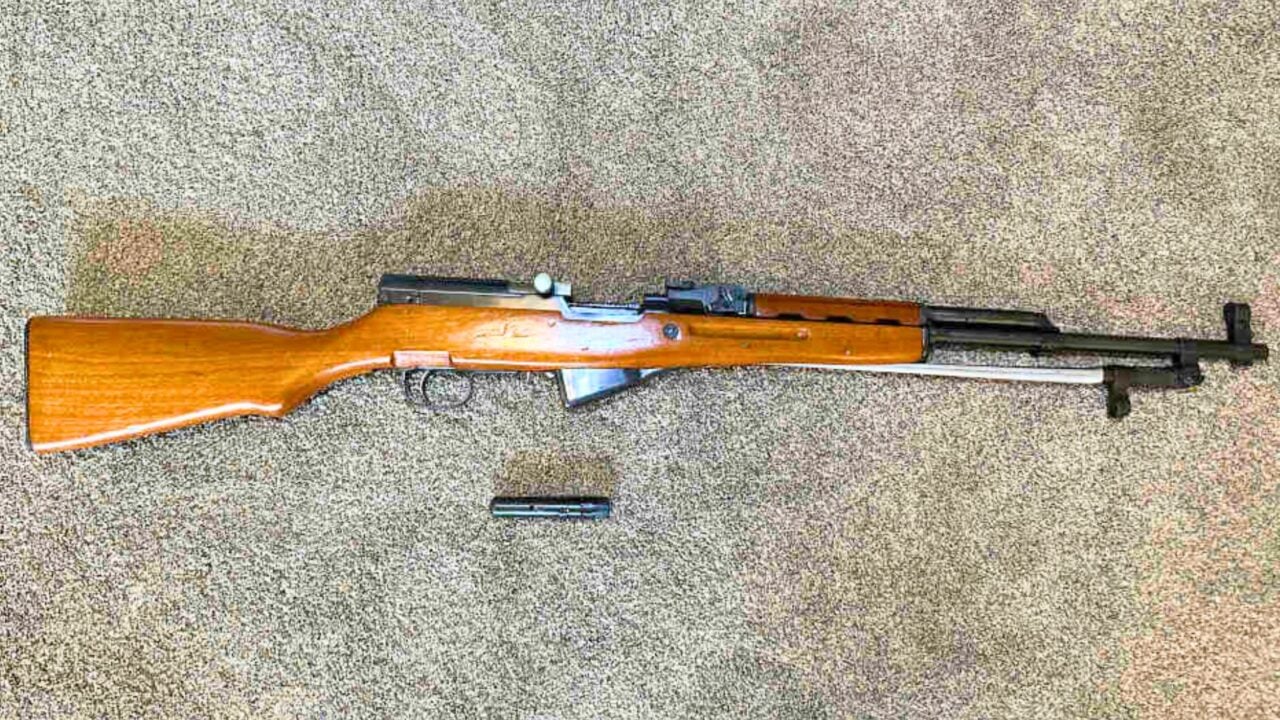
For a long time, “Made in China” meant “cheap,” and guys treated these like disposable plinkers. But clean, unmodified Norincos—especially with the original wood and fixed magazine—are getting harder to find.
They’re still not rare in the museum sense, but the market rewards condition and originality. If yours sat in the safe with the cosmoline cleaned out and the bayonet intact, it’s worth more now than most owners expect.
13. FN FAL (DSA, Imbel, and quality builds with good receivers)
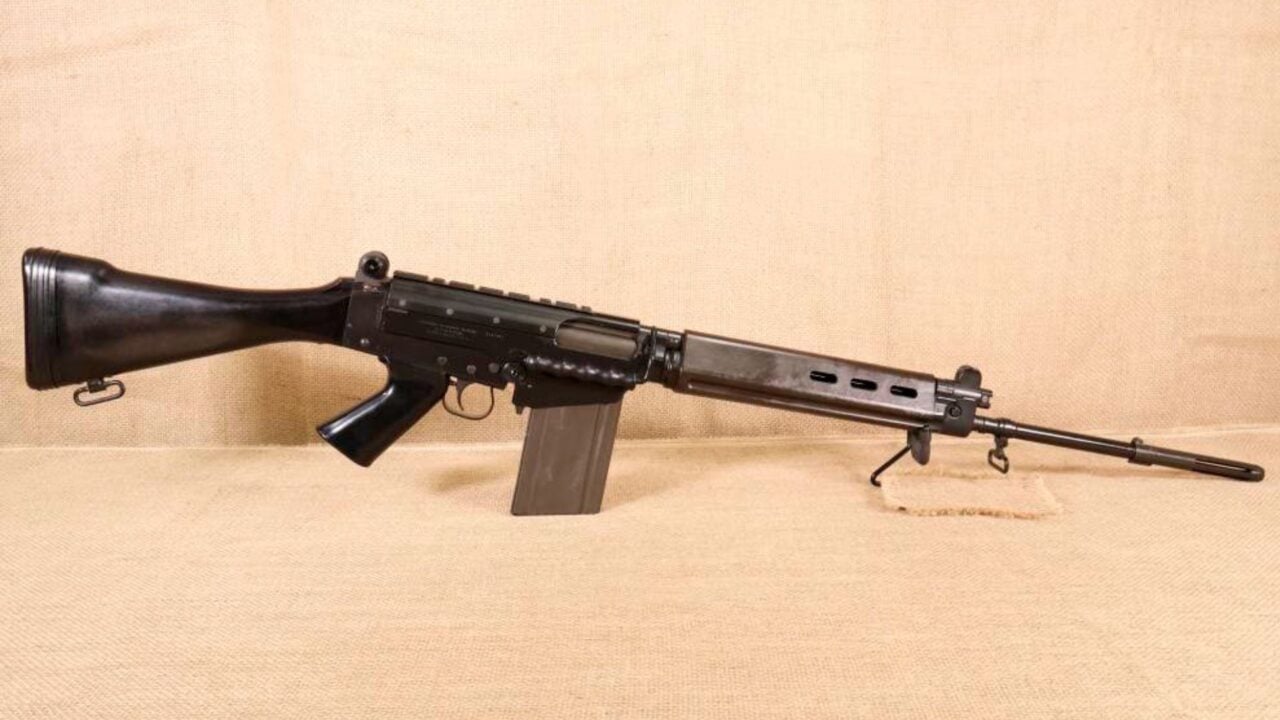
The FAL crowd is picky, and I get it. Builds vary, and a sloppy parts gun isn’t the same as a proper rifle with a good receiver and a competent assembly job. But the good ones? They’ve climbed.
Magazines used to be cheap and everywhere, then they weren’t. The “right” rifles became harder to source, and suddenly that FAL that sat in the back of the safe went from “cool but impractical” to “try replacing it now.”
14. Heckler & Koch HK91 / G3 pattern (pre-ban imports)

Roller-delayed rifles have a certain feel—especially the genuine imports—that the clone market doesn’t always nail. The originals have surged because they’re not coming in like they used to, and collectors are collectors.
They’re not soft shooters, and they’re not lightweight. But they’re iconic, durable, and the import marks and factory pedigree make a big difference on value.
15. Steyr AUG (pre-ban and early imports)
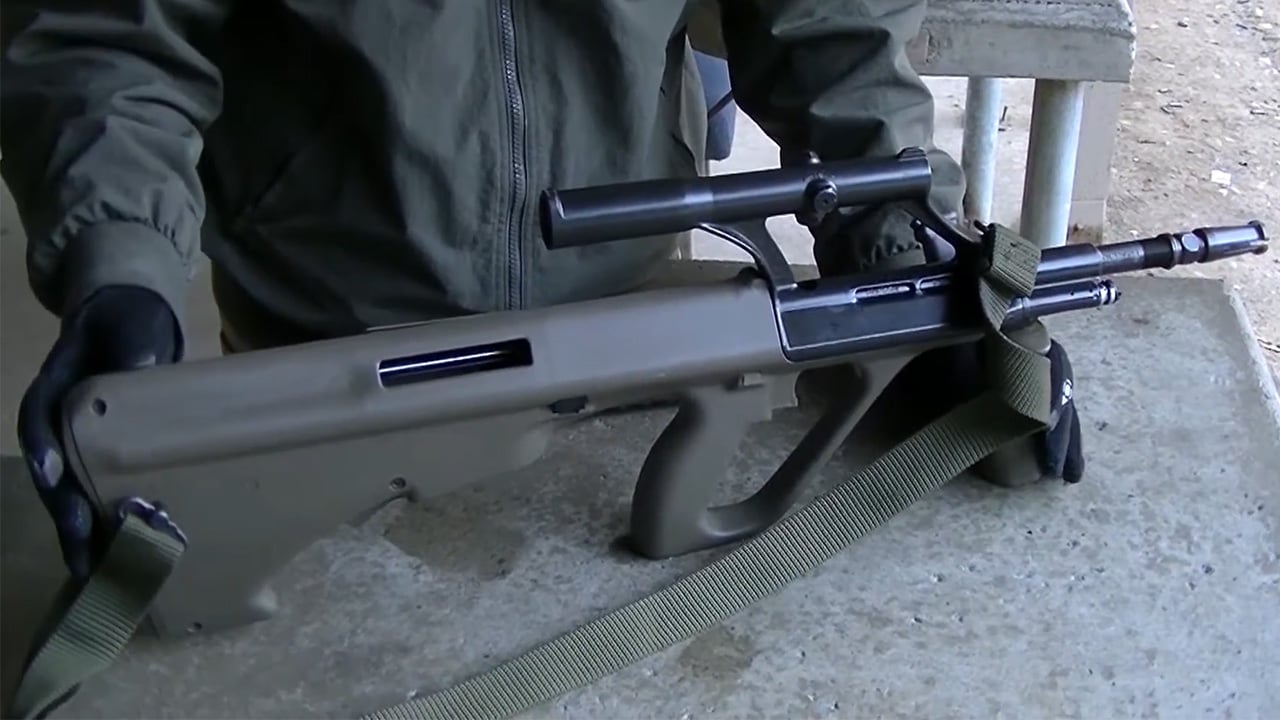
Bullpups aren’t everybody’s cup of coffee, and the AUG especially sat in that “neat but weird” corner for years. Then availability tightened, the retro-futuristic look became a thing, and people started paying up for the real deal.
If you bought one years ago and tucked it away, you might be sitting on one of the biggest surprises in the safe. Accessories and original components can swing the number a lot, too.
16. Ruger No. 1 (certain chamberings and early guns)
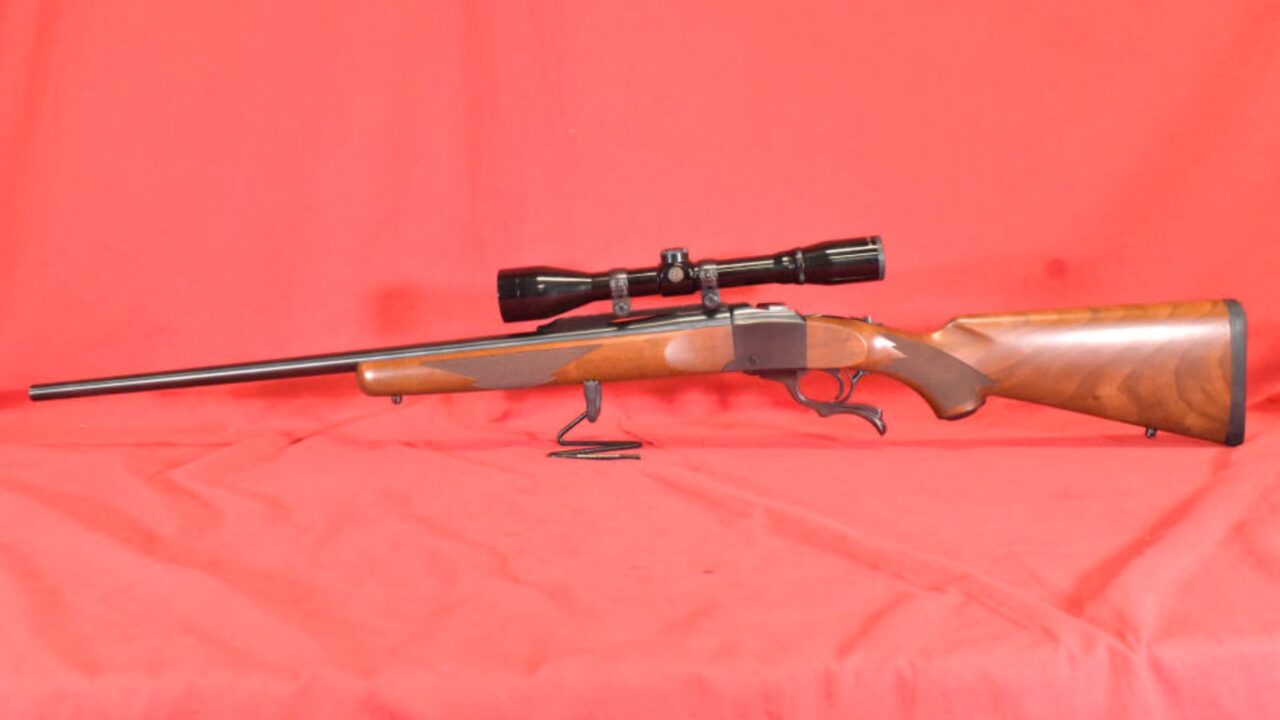
The Ruger No. 1 is the rifle that makes practical guys roll their eyes… right up until they shoulder one. They carry like a dream, they look like class, and in the right chambering they’re pure hunting rifle.
Some variations have jumped hard, especially clean older rifles and the chamberings folks chase. It’s not a “one rifle for everything” answer, but it’s one a lot of owners regret selling once they see what replacements cost.
17. Browning BAR (Belgian-made, early production)
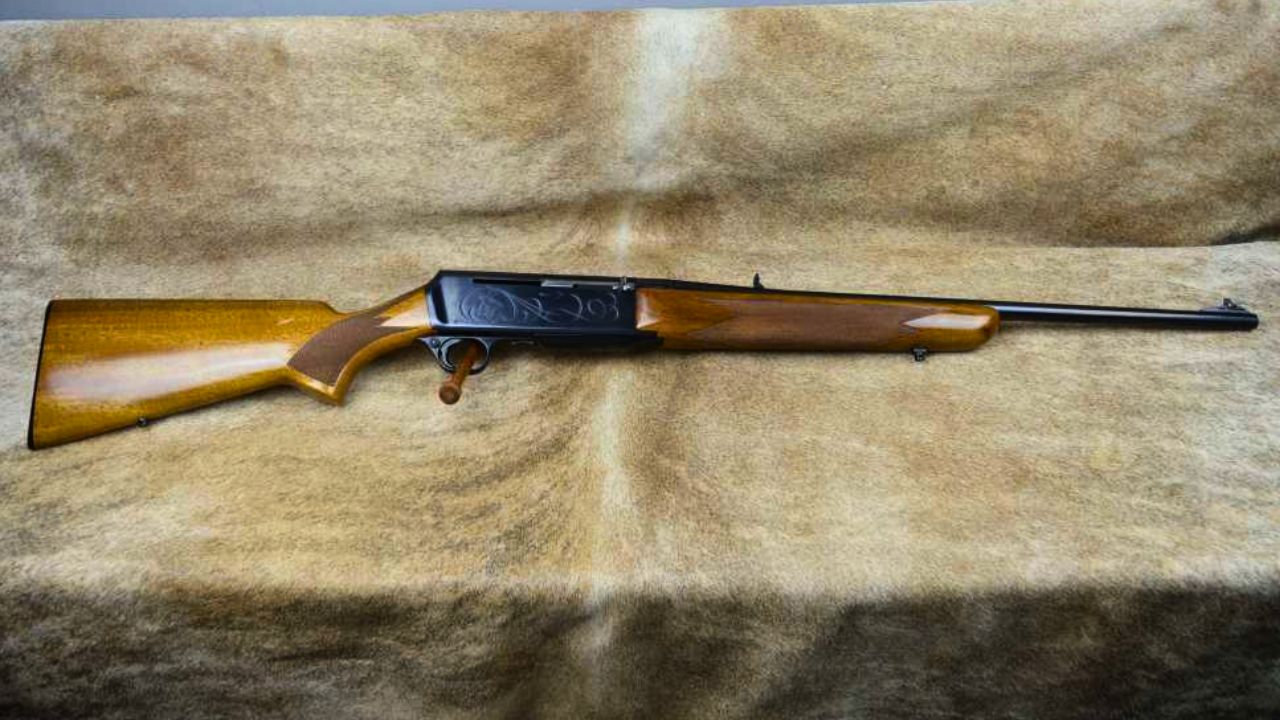
I’m talking about the sporting BAR here, not the WWII gun. The Belgian-made rifles have a reputation for fit and finish that newer versions don’t always match. They’re a little heavy, sure, but they settle on target nicely.
Because they’re hunting rifles and not “tactical,” many got ignored by the panic-buy crowd. Quietly, nice Belgian BARs have become harder to snag at reasonable prices.
18. Sako L61R Finnbear (and other classic Sako actions)

Sako rifles have a loyal following for a reason. Smooth actions, great triggers, and a level of machining that you feel the first time you cycle the bolt. A lot of these were bought by guys who took care of their gear.
When one has sat in a safe with a decent scope and a clean bore, it’s a serious find. They’re also the kind of rifle you hand to a kid and trust it will feed, fire, and hit where it’s pointed.
19. CZ 527 (especially in 7.62×39 and .17 Hornet)

The CZ 527 is a perfect example of a rifle folks didn’t realize they’d miss until it was gone. It’s handy, accurate, and just has that “right” feel for walking fields and woods. Then it got discontinued, and the prices started acting different.
In 7.62×39, it’s a bolt gun that makes that cartridge make sense for deer in the right places. In .17 Hornet, it’s a laser for varmints without the noise and recoil. Either way, they’re not bargain-bin rifles anymore.
20. Remington Model 700 (older BDLs and certain runs)
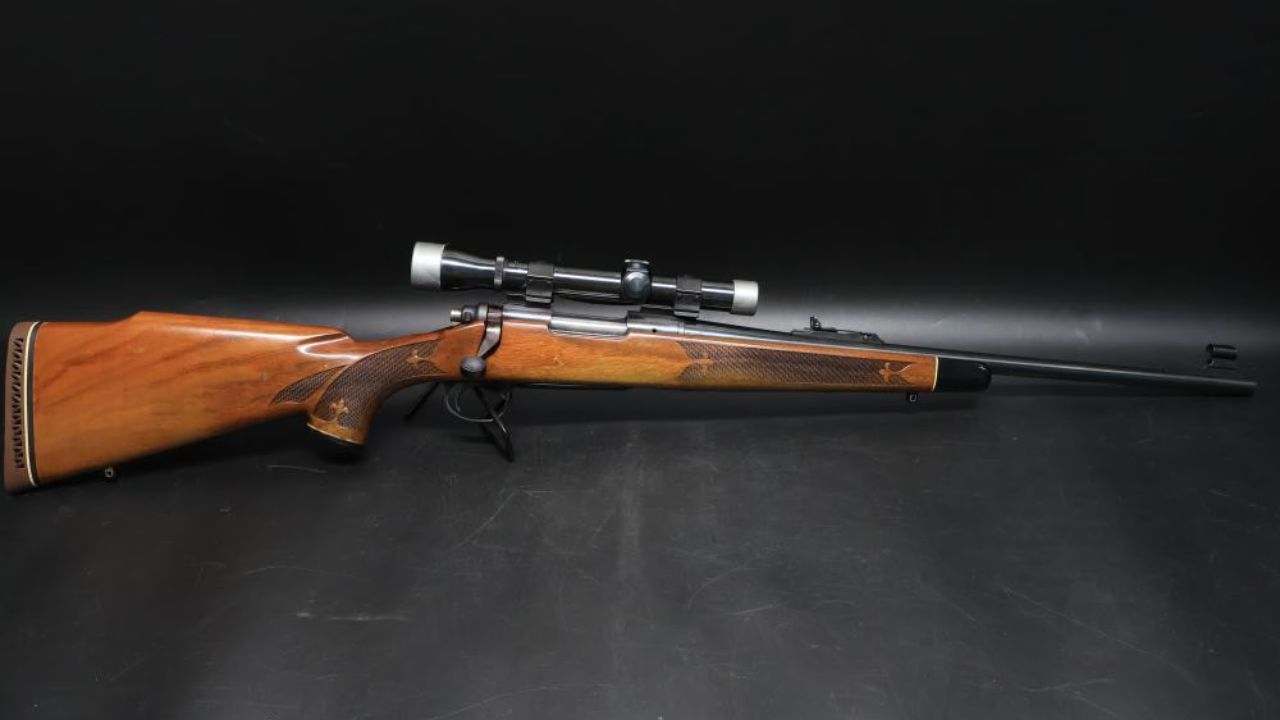
The Model 700 is complicated because the name covers a lot of ground. Not every 700 is special, and some eras left a bad taste for plenty of shooters. But older BDLs with walnut stocks, good bluing, and that classic look have surged in the last several years.
There’s also the simple reality that a clean, older 700 in a standard hunting chambering is still a darn useful rifle. Guys who sold theirs to fund the next new thing often end up paying more to get back to the same place. That one hurts.
If you’ve got a safe full of “maybe someday” rifles, it’s worth doing a slow inventory. Check serial numbers, look for matching parts on the milsurps, and be honest about what’s original and what’s been altered. And if you decide to sell, do it the right way and do it safely—because some of these aren’t just rifles anymore. They’re the kind of rifles you don’t replace easily once they’re gone.
Like The Avid Outdoorsman’s content? Subscribe to our newsletter so you never miss an article.
Here’s more from us: