Photo credit: 22plinkster/Youtube
There’s a certain kind of handgun that just keeps showing up. It’s in an old hip holster behind a truck seat, or wrapped in an oily rag at the bottom of a tackle box, or sitting in a pawn shop with honest wear and a price tag that makes you pause. The odd part is some of these pistols were built by companies that are long gone, merged out, or rebranded into something else. The gun didn’t get the memo.
This isn’t a love letter to everything old. Plenty of older designs are heavy, quirky, and not what I’d pick for a modern concealed carry setup. But these 20 have a track record for being made right, shot a lot, and kept on running even after the factory lights went out.
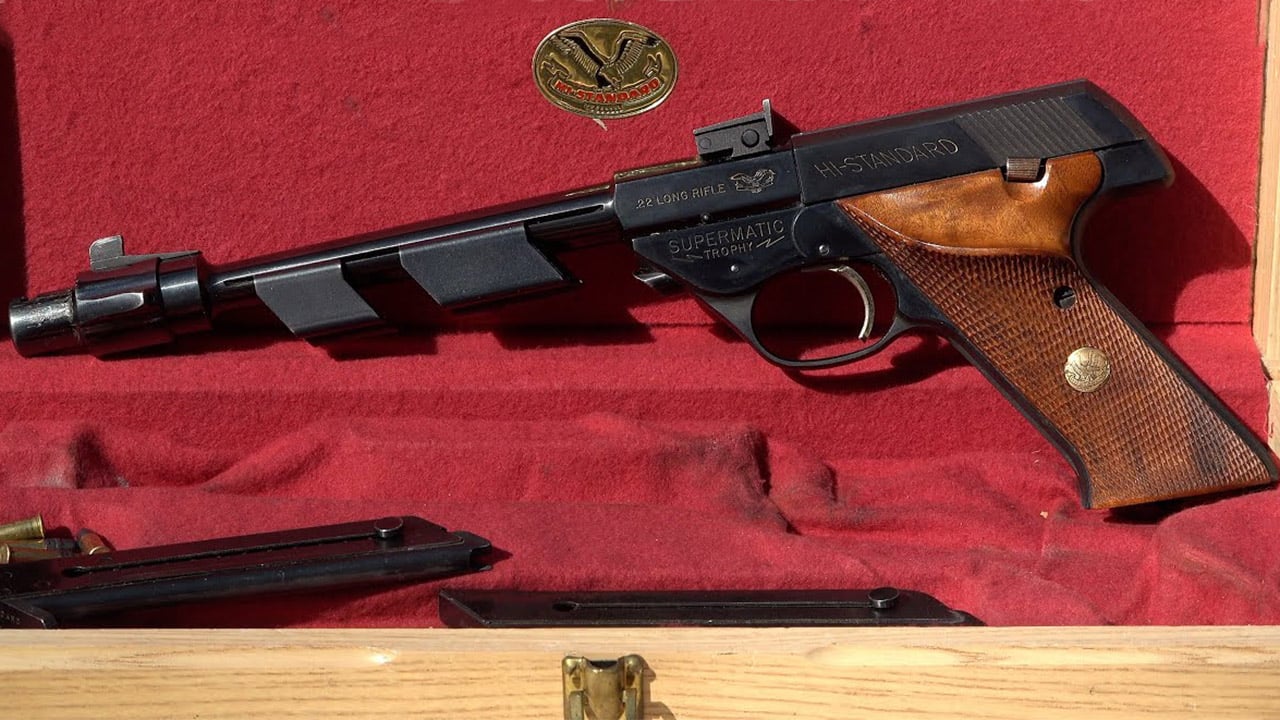
1. High Standard Supermatic Trophy

If you ever stood on a gravel pit “range” and watched a serious .22 guy work, there’s a good chance you saw a High Standard at some point. The trigger on a good one is the kind of crisp that makes you question why you accept mushy triggers on anything else. They balance well and feel like a target pistol should.
They can be a little picky on magazines and ammo, and worn feed lips will turn your afternoon into a malfunction drill. Still, when they’re right, they’re very right, and a whole lot of them are still punching tight groups decades after the company’s heyday.
2. High Standard Sentinel (revolver)
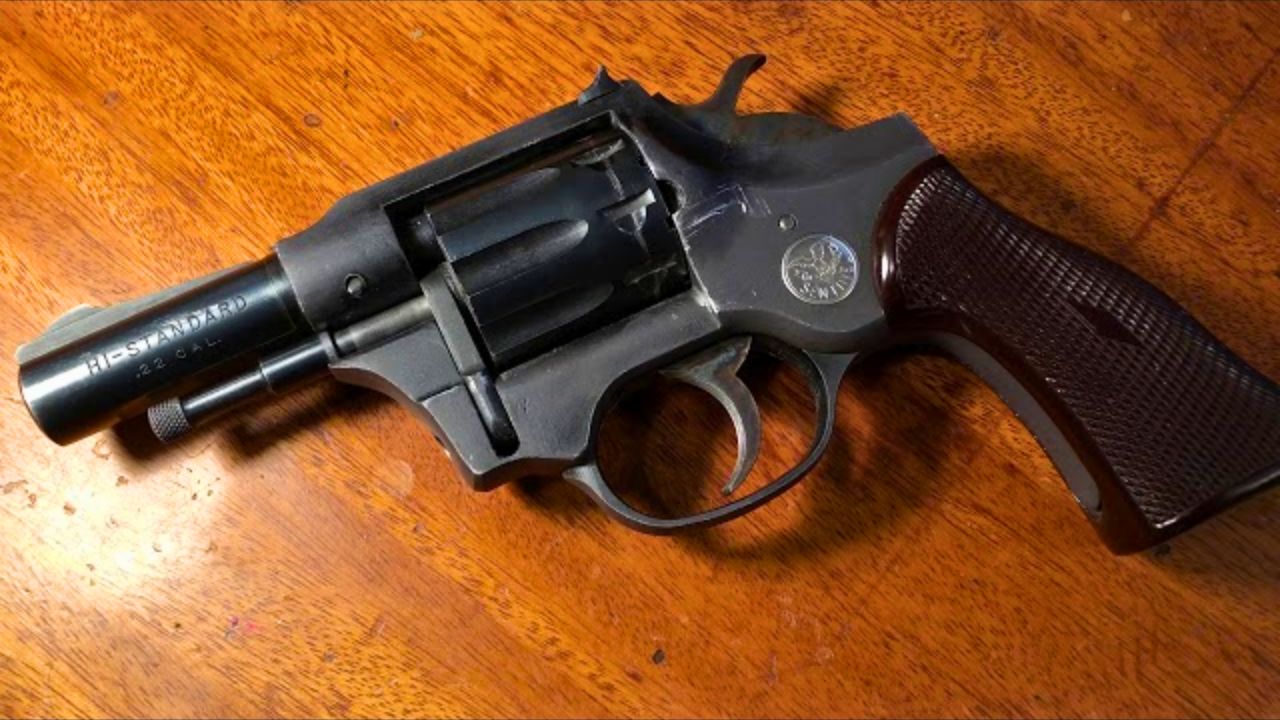
This is one of those revolvers that doesn’t get talked about until someone pulls one out and you go, “Oh yeah, those.” Light, handy, and usually chambered in .22, it’s a classic kit-gun idea for the woods. The ones that weren’t abused tend to lock up better than you’d expect.
It’s not a collector’s trophy the way a fancy Smith might be, but it’s a workhorse. If you find one with a decent bore and timing that still lines up, it can be a great trail companion that doesn’t mind getting knocked around.
3. Harrington & Richardson Model 929 Sidekick
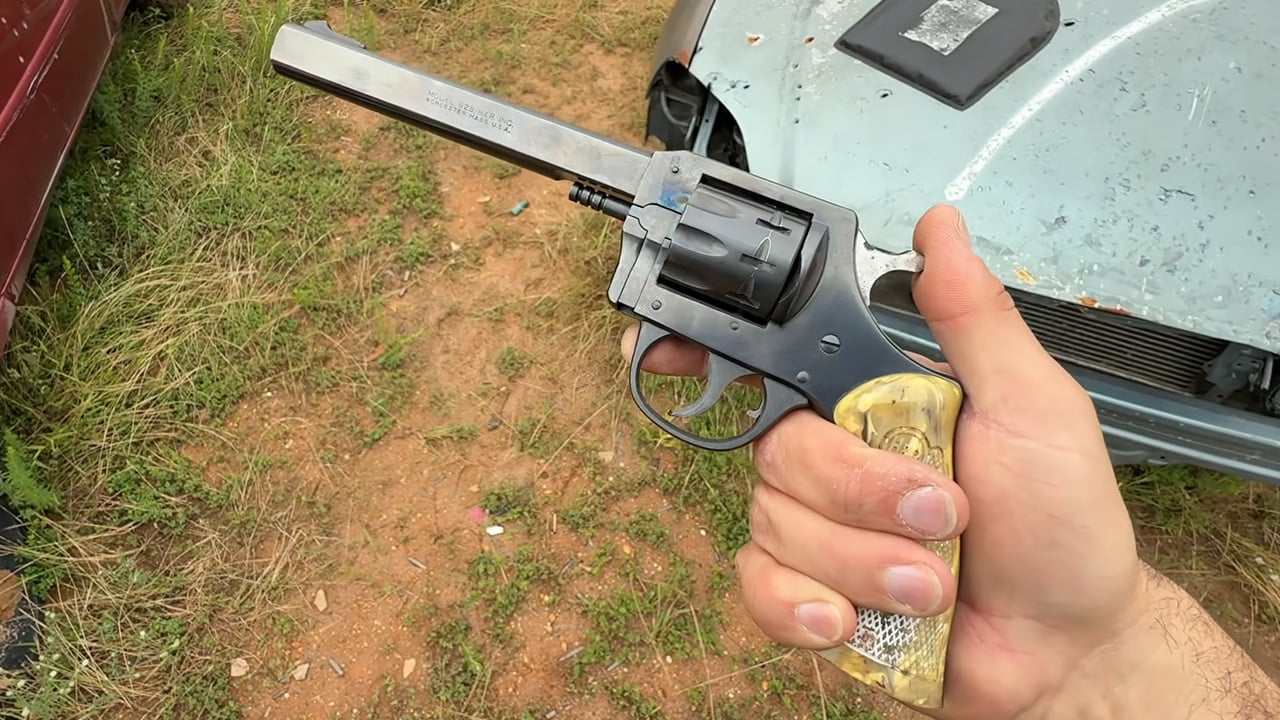
H&R revolvers lived in gloveboxes, barns, tackle boxes, and nightstand drawers for a long time. The 929 Sidekick is a good example: simple, affordable in its day, and usually still ticking. It’s the revolver version of an old farm hammer with the finish worn off.
Don’t expect refined double-action smoothness. What you get is a gun that can ride in a chore coat pocket, drop a grouse load in a stump for fun, and still be there next season. Just check the timing and cylinder lockup like you should with any used revolver.
4. Iver Johnson Safety Automatic (top-break revolver)
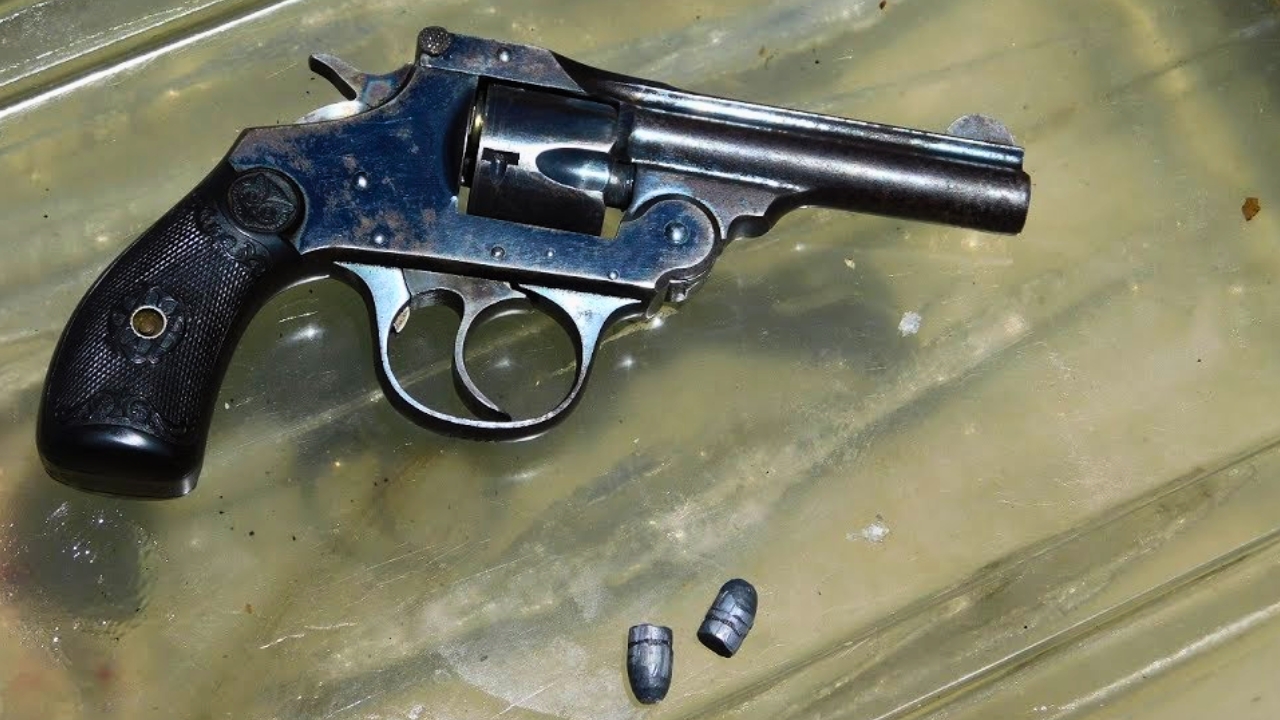
Top-break revolvers are a whole mood, and Iver Johnson made piles of them. These aren’t magnum-busting beasts, and they were never meant to be. They were made for the cartridges of the day and for folks who needed a simple defensive tool.
The reason they land on a list like this is survival. Plenty of them are still functional with nothing more than basic care, and the latch-and-eject system is surprisingly clever. If you’re looking at one today, you need to be realistic about caliber, pressure, and condition, but you can’t deny how long they’ve lasted.
5. Colt Woodsman
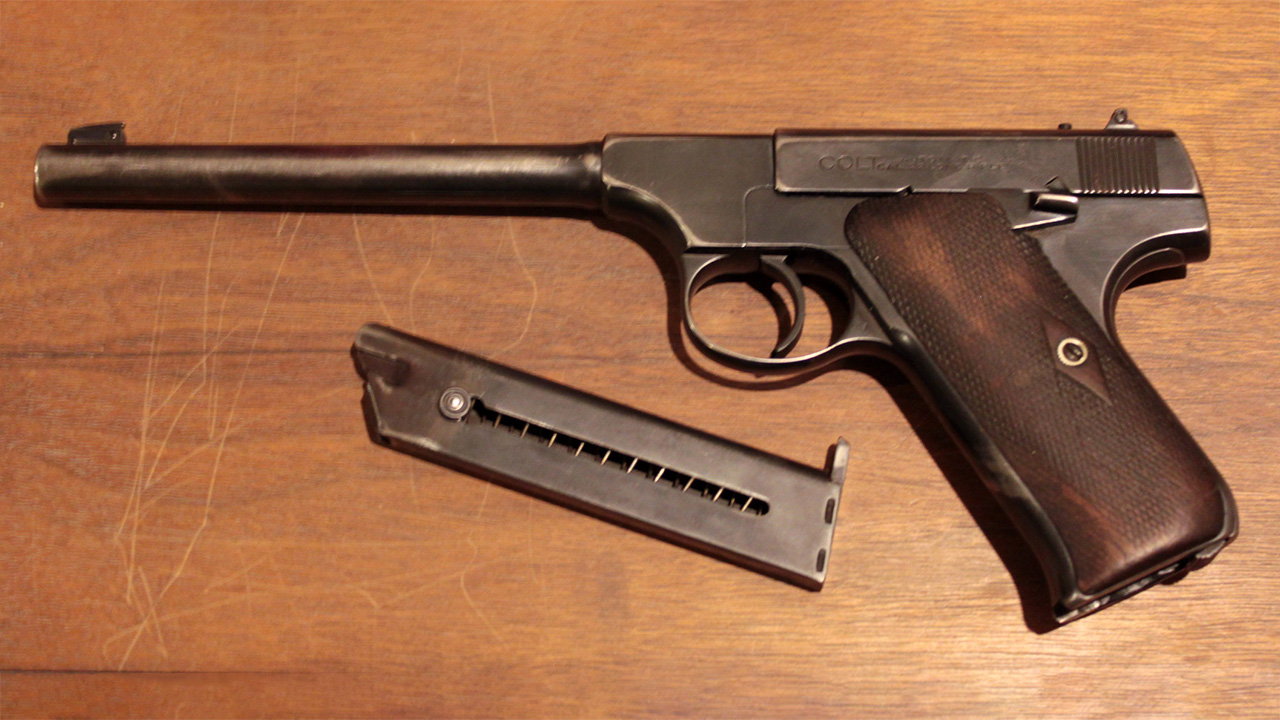
The Woodsman is one of those pistols that just feels “right” in the hand. It points naturally, carries flat, and has the kind of classic lines that make you slow down and appreciate good machining. For a lot of outdoorsmen, it was the .22 that rode along for potting pests and plinking after chores.
They’re not disposable, and they shouldn’t be treated like it. Find one that hasn’t been “improved” by backyard gunsmithing, feed it decent ammo, and it’ll still do exactly what it was built to do. The company isn’t gone, but the world that produced the Woodsman pretty much is.
6. Star Model B (9mm)
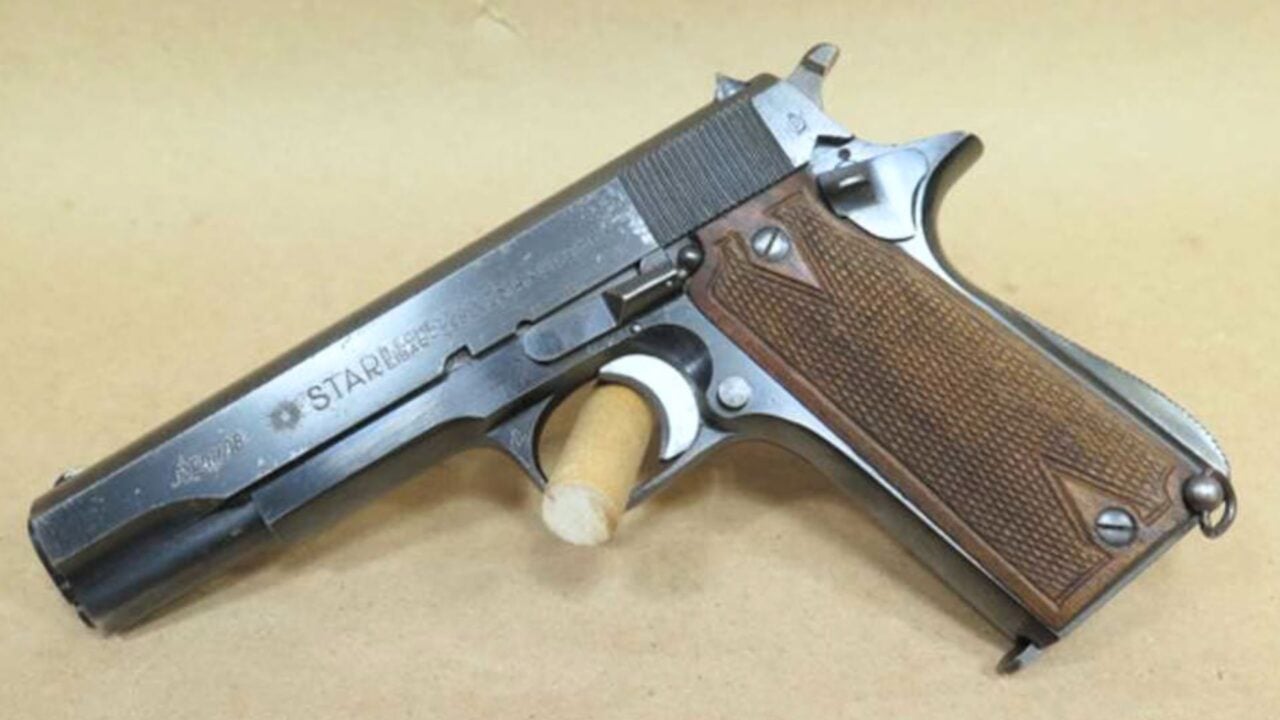
Star pistols are the definition of “better than they get credit for.” The Model B is a steel, single-action 9mm that feels like a practical cousin to the 1911, with its own Spanish flavor. They tend to be accurate, and the weight soaks up recoil in a way newer micro 9s can’t.
The catch is parts and magazines can be more of a scavenger hunt than a quick online order, depending on the variant. If you’ve got one that runs with a couple solid mags, it’s a hard pistol to dislike as a range gun or nightstand piece.
7. Star Model BM
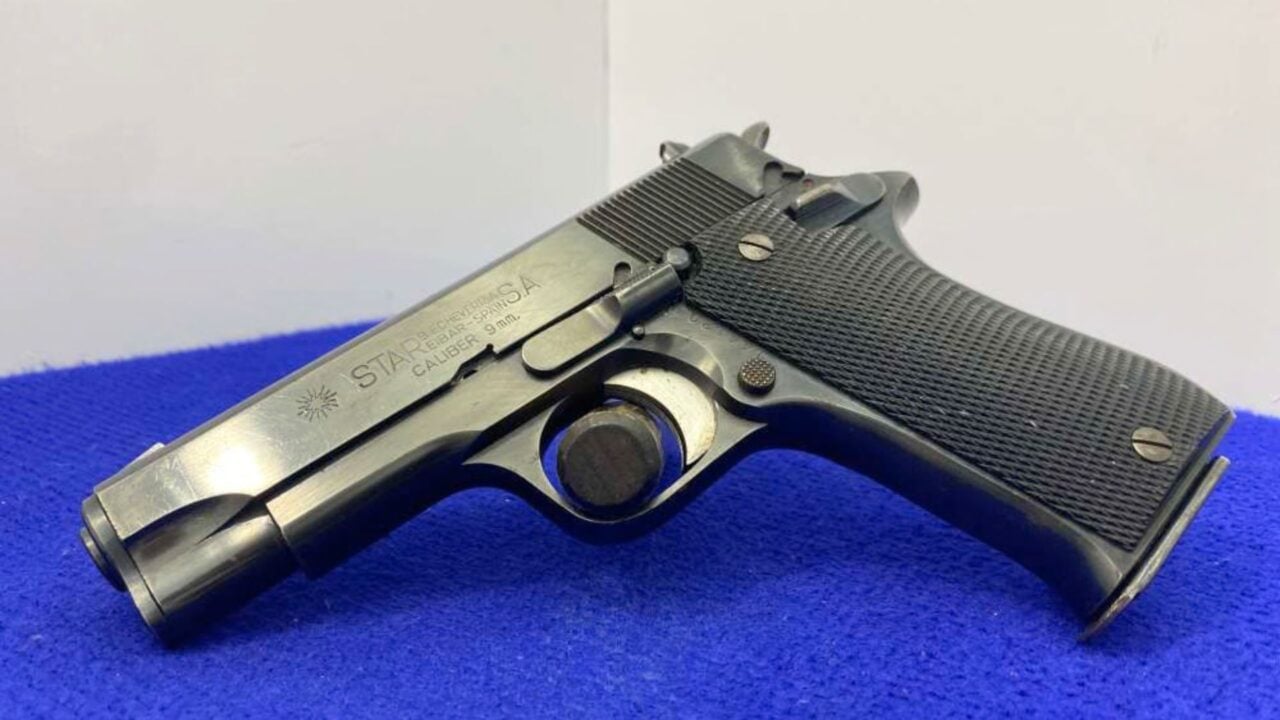
The BM is slimmer and more carry-friendly than the Model B, and it’s one of those old service pistols that makes you realize “thin” didn’t start with polymer. It’s usually reliable with ball ammo, and the trigger tends to be better than you’d assume at first glance.
Again, you don’t buy a Star because you want easy factory support. You buy it because you want a well-made old-school 9mm that still runs. If you find one, snag spare mags while you can and treat it like the capable tool it is.
8. Astra A-70
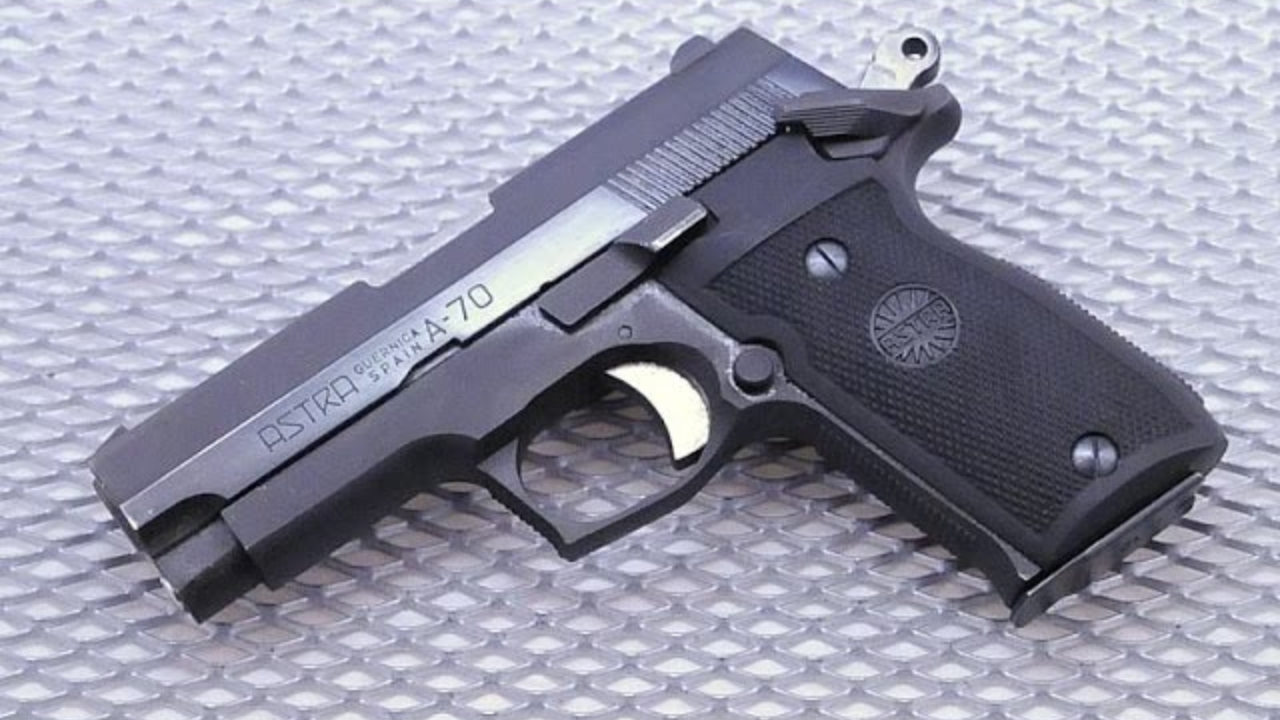
Astra made some solid working pistols, and the A-70 is a chunky, straightforward 9mm that feels built for duty. It’s not sleek. It’s not light. But it’s usually dependable, and the controls are sensible enough once you handle it a bit.
This is the kind of gun that ends up as a “boat gun” or “truck gun” because it looks plain and it’s affordable on the used market. The funny part is how many of them keep chugging along with minimal drama, even with owners who don’t baby them.
9. Astra 600/43
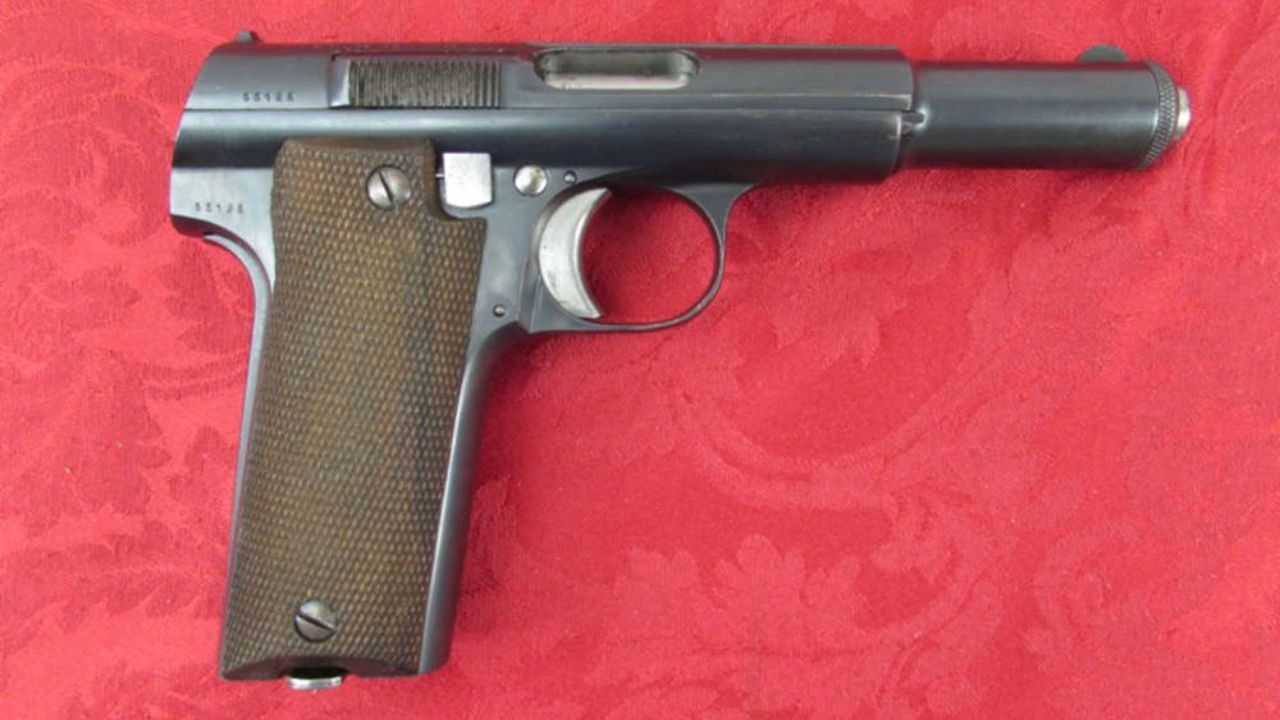
If you’ve ever handled an Astra 600, you know it’s a brick with a barrel. It was built for wartime needs, and it shows: simple, robust, and not worried about looking pretty. The blowback operation makes it heavier than it needs to be, but it’s built like it’s expecting a hard life.
Recoil can feel snappy because of the system, even with all that steel. Still, the ones in good shape tend to run and run, and it’s hard not to respect a pistol that was made for ugly times and survived into ours.
10. Llama 1911 (Max-I / Government-style variants)
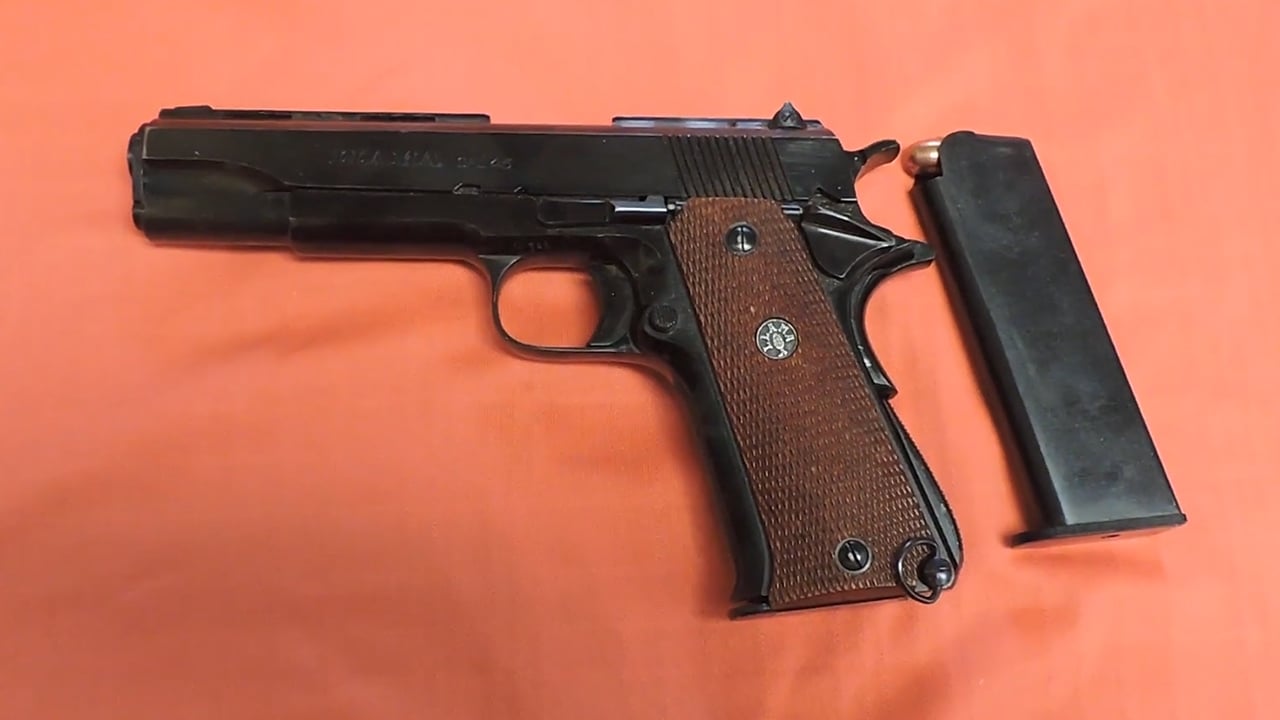
Llama made a lot of 1911-ish pistols, and the quality can be all over the map depending on era and model. But the good ones can be surprisingly solid. I’ve seen Llamas that have no business still running…except they are.
Here’s the truth: you need to inspect them carefully, and you should expect that some parts might not interchange perfectly with standard 1911 components. If you land a good example, though, it can be a faithful range gun that scratches the all-steel .45 itch without the premium price.
11. AMT Backup (.45 ACP / 9mm)
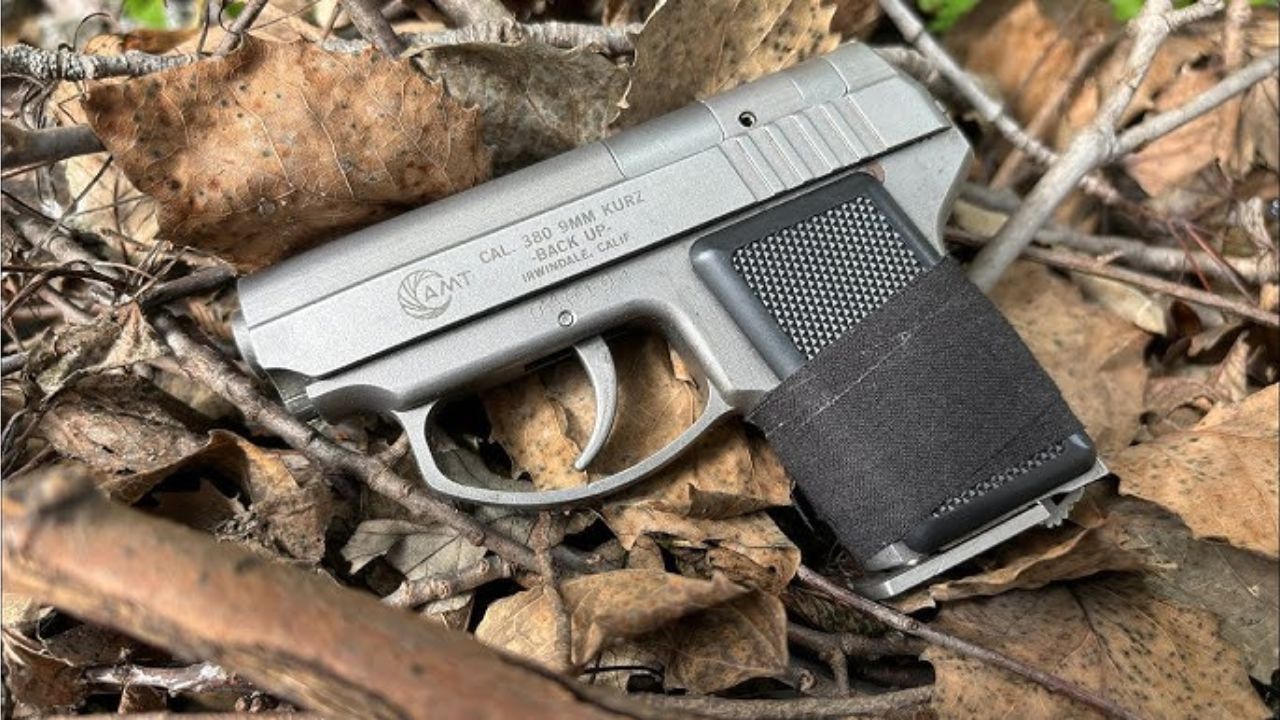
The AMT Backup has a reputation that depends on who you ask and which generation you’re talking about. Some were rough. Some were finicky. But the concept was ahead of its time: a small, stainless carry pistol meant to live close to the body and resist sweat.
When you find one that feeds well and has decent magazines, it’s impressive how much punishment that stainless little tank will take. It’s not my first choice for a modern everyday carry, but it’s a real example of a gun lasting longer than the brand’s best years.
12. AMT Hardballer
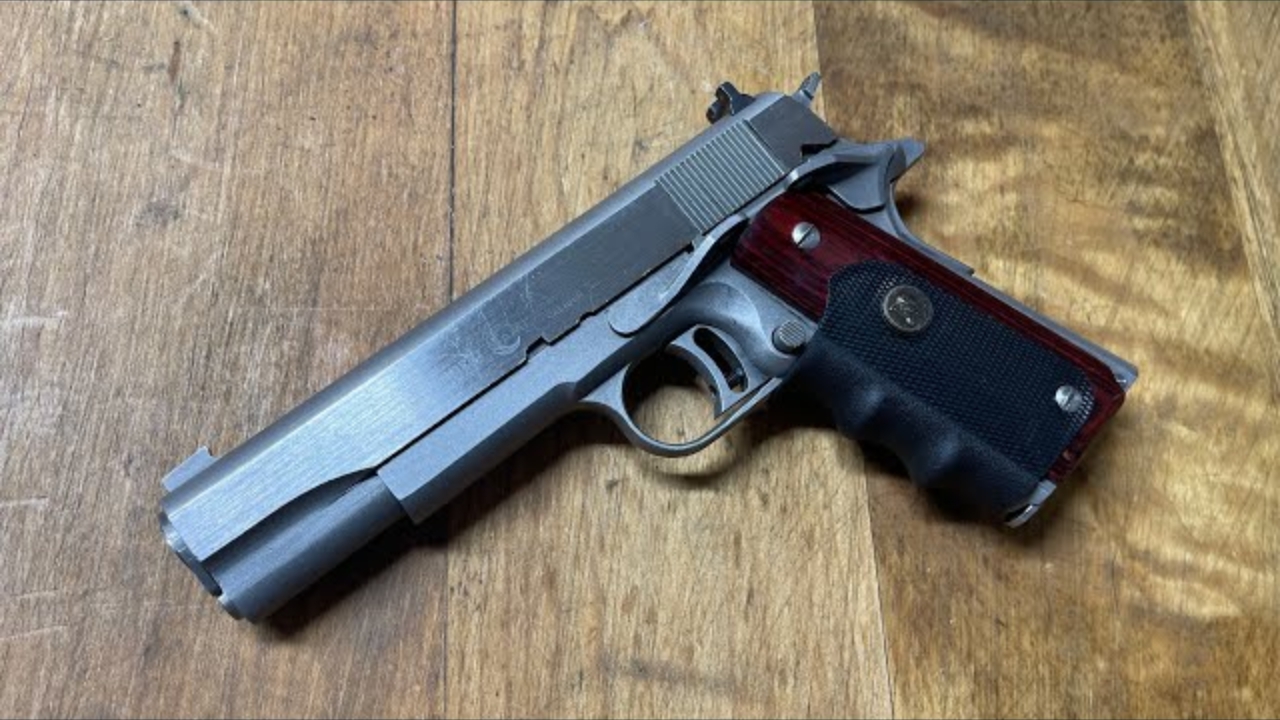
This pistol gets extra attention because of pop culture, but the real story is stainless steel in an era when that wasn’t common. The Hardballer can be heavy and a little clunky, but the full-size format helps it shoot soft, and the platform is familiar to anyone who knows 1911s.
They can be picky, and you shouldn’t expect match-grade fit. Still, plenty of them are alive and functioning, which says something about the basic bones. If you come across one that’s been maintained, it’s a neat slice of handgun history you can still shoot.
13. Arcus 94

Arcus pistols are basically Browning Hi-Power cousins with Bulgarian muscle. They’re not as refined as a true Browning, but they’re rugged and usually reliable. The all-steel construction makes them feel like they could survive a fall out of a tree stand.
They’re also one of those sleepers where the price doesn’t always match the utility. If you want an older-style service pistol for the range or as a bedside gun, an Arcus 94 can be a lot of handgun for the money.
14. Daewoo DP-51

The DP-51 is one of the more interesting “why didn’t this catch on more?” pistols out there. It has a unique trigger system and tends to shoot flatter than you’d expect. The grip feels good, and the gun has a practical, no-nonsense layout.
These can be hard to find and sometimes harder to feed with spare mags, depending on what’s available. But the ones that are out there keep getting passed around and kept running, which tells you owners see something worth holding onto.
15. Walther P38 (wartime and postwar pattern)

The P38 has one foot in “history book” and the other in “still a useful pistol.” The design was a big deal in its time, and it’s still mechanically interesting today. It’s also a reminder that service pistols used to be made with a lot of steel and a lot of intent.
They’re not tiny, and the sights can feel dated, but they point well. If you find one that hasn’t been shot loose and the locking block is in good shape, it’s a handgun you can actually take to the range, not just stare at.
16. Radom VIS wz. 35 (Polish VIS)
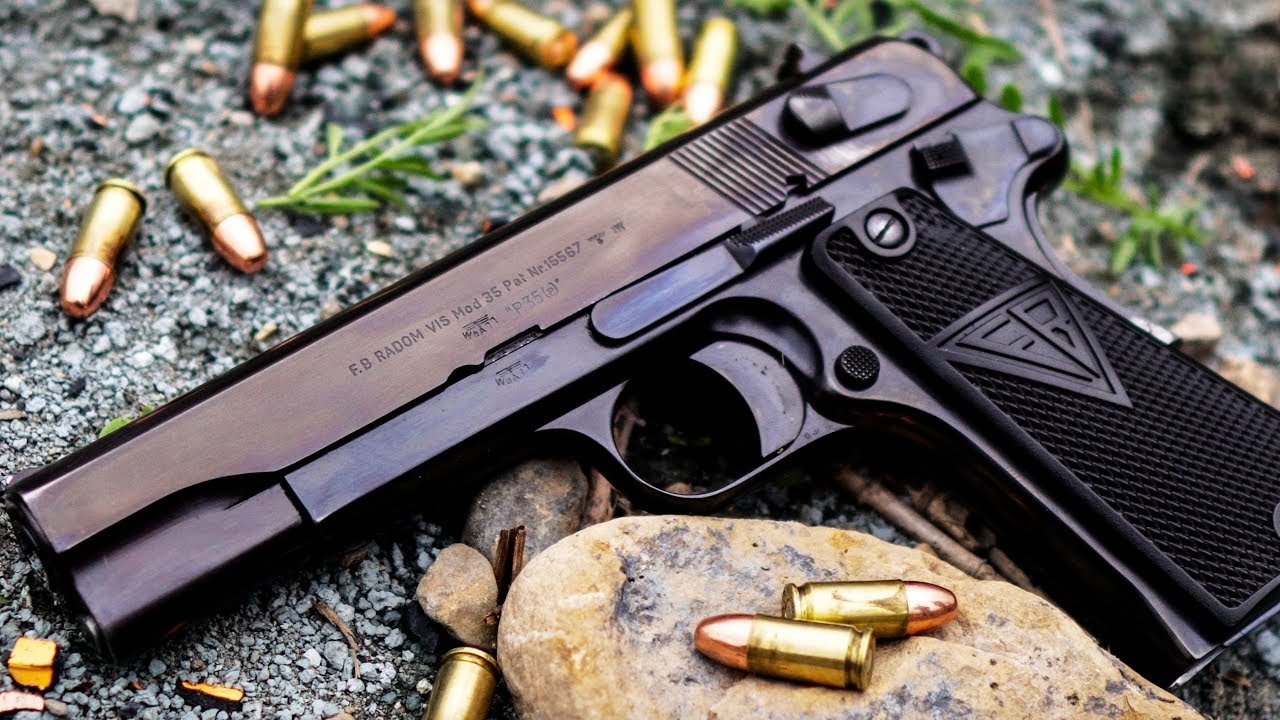
The VIS is one of those pistols that, once you handle it, you get why it has such a loyal following. It’s a 9mm service pistol with excellent ergonomics and quality that stands out, especially considering when many of them were made.
These are more “collector with range trips” than “daily beater.” Still, the fact that so many remain tight and shootable after the company and the era that produced them are long gone speaks volumes.
17. Smith & Wesson Model 52
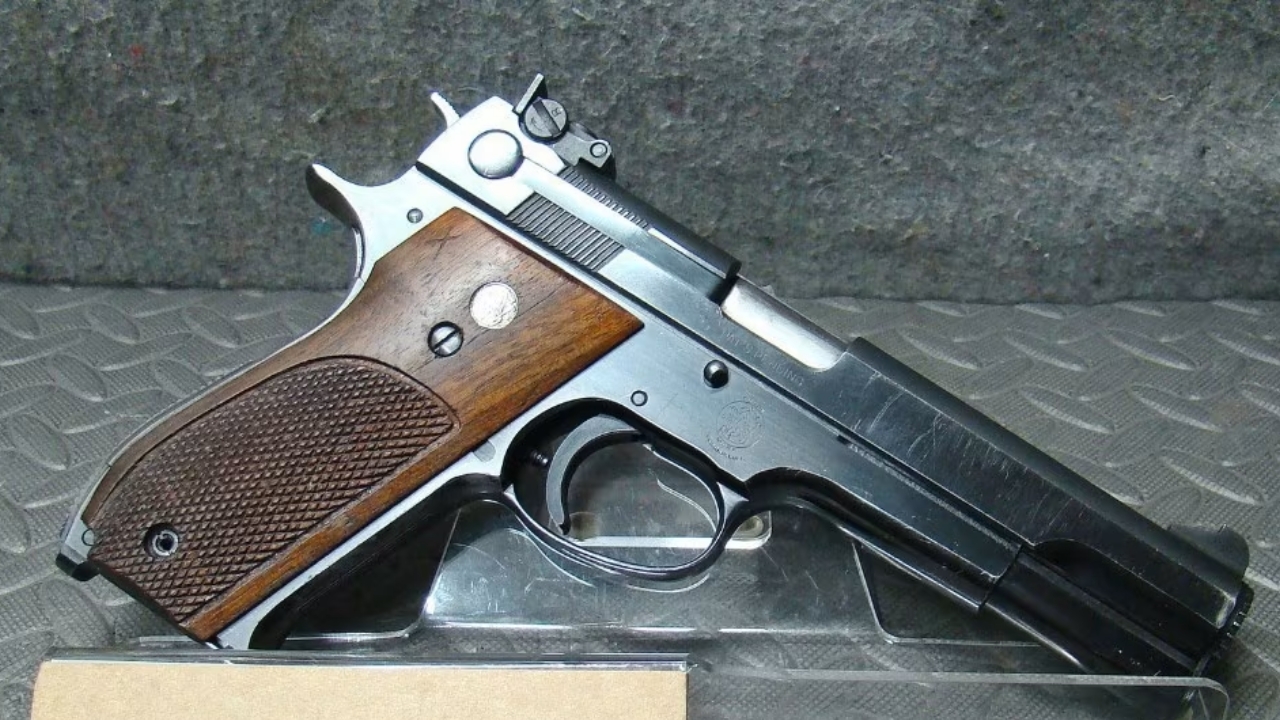
The Model 52 is a specialist: a target pistol built around .38 Special wadcutters. That means it’s not a do-it-all sidearm for the woods, and it’s definitely not something you grab for bear country. But for punching paper with scary precision, it’s a legend.
They’re also the kind of gun that teaches you what a good trigger really is. The fact that this niche pistol still has fans chasing magazines and keeping them tuned says a lot about how well it was put together.
18. Dan Wesson Model 15 (interchangeable-barrel revolver)
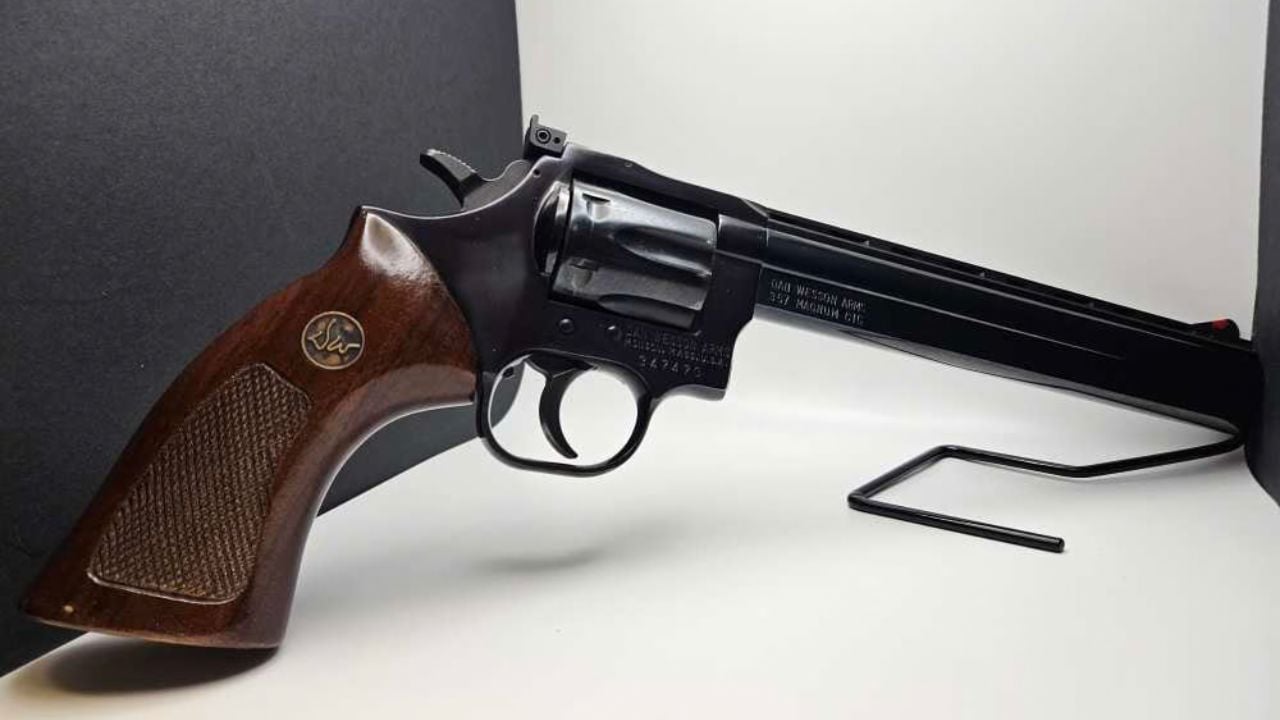
Dan Wesson revolvers have a practical, “built by folks who actually shoot” vibe. The Model 15, with its interchangeable barrel system, is one of those designs that was more than a gimmick. It let shooters tune the gun to the task, and the accuracy reputation is real.
Even with corporate changes and brand shifts over time, these revolvers are still out there being used. The lockwork is strong, and when you find one that’s been cared for, it feels like a serious tool.
19. FN Browning Hi-Power (classic pattern)
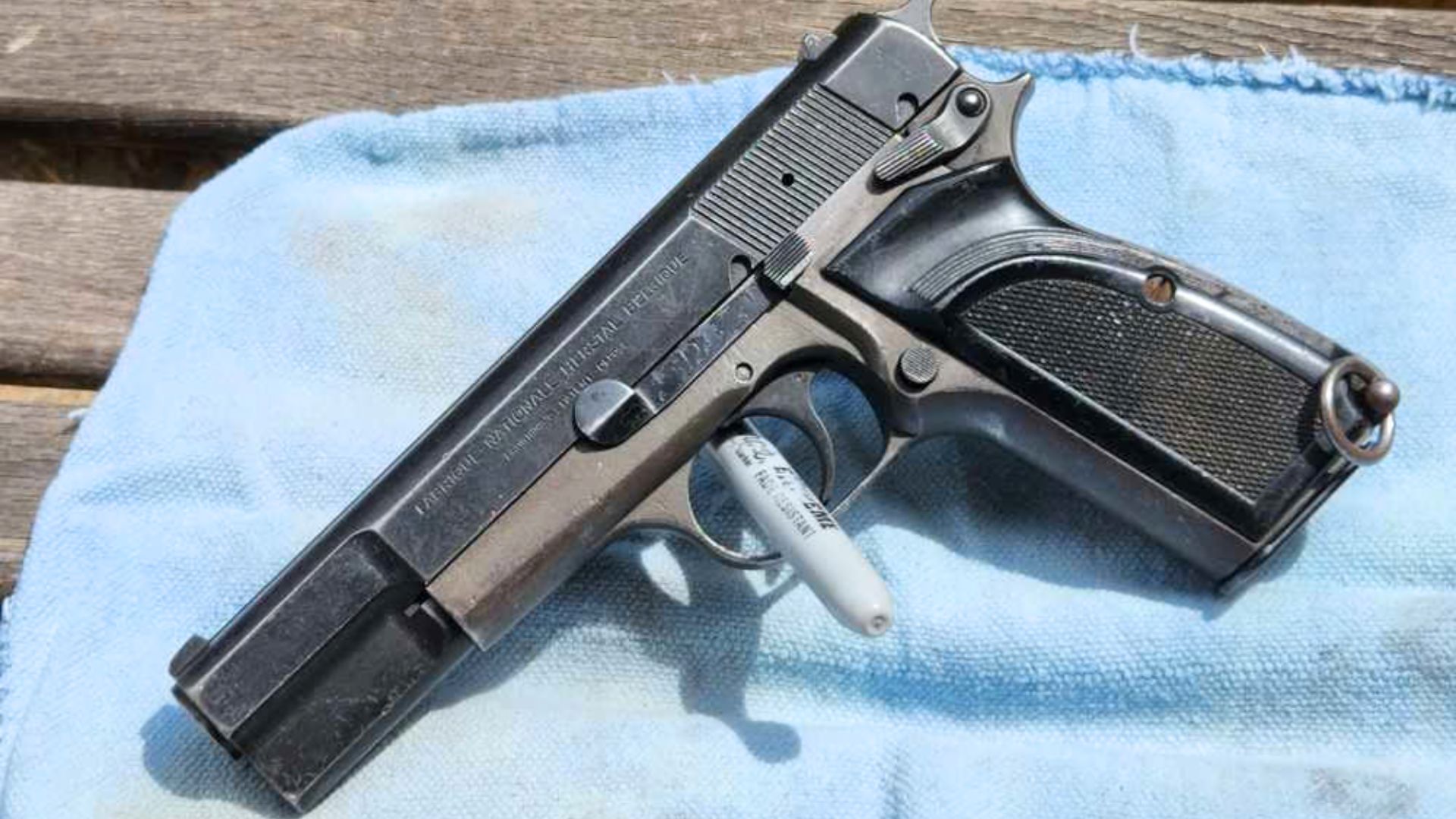
There are newer pistols that are lighter, higher capacity, and easier to mount lights and optics on. I know that. I own some of them. Still, the Hi-Power has a feel that’s hard to replace, and the design has earned its reputation the honest way.
It carries flatter than you’d think for a steel double-stack, and it points quick. Parts and magazines are generally not a problem, and there’s a reason these stayed in service around the world for so long. The original maker is still around, but the Hi-Power era is mostly over—and the pistols refuse to fade away.
20. Heckler & Koch P7
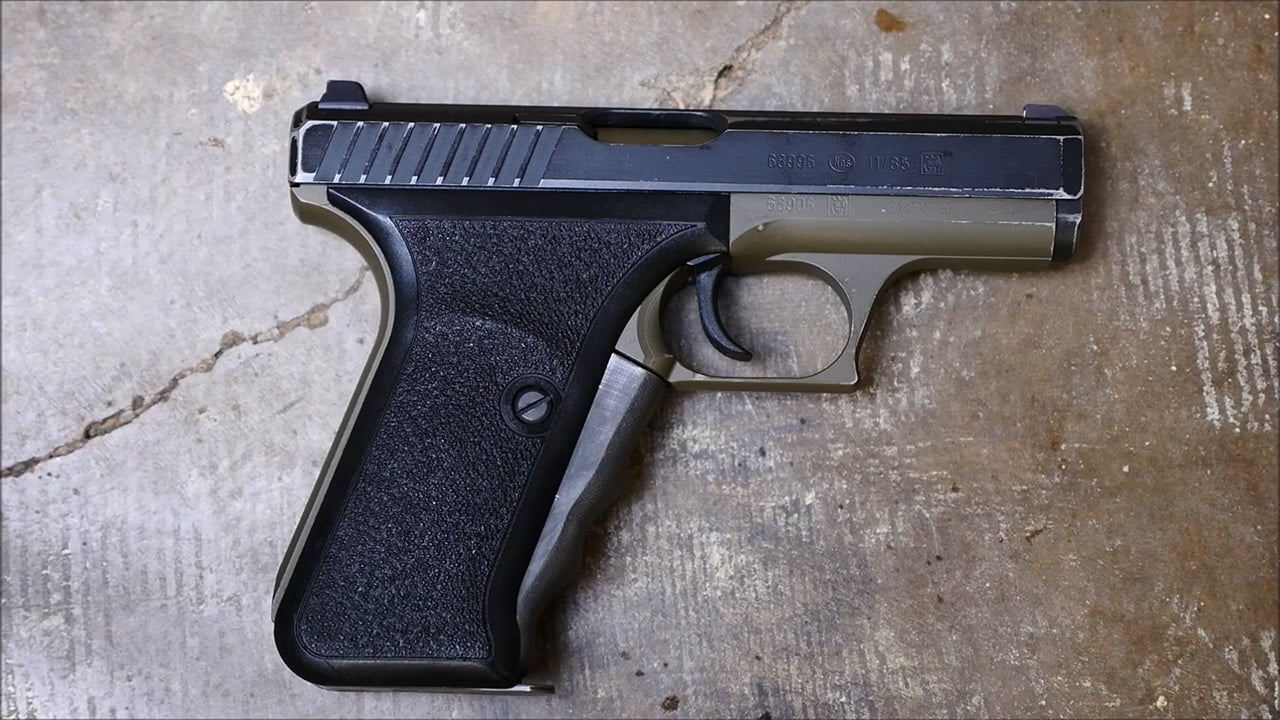
The P7 is one of the best examples of “they don’t build them like that anymore,” and for good reason. It’s expensive to make, complicated compared to most striker-fired guns, and it has quirks. But it’s accurate, incredibly well-made, and it carries flatter than many pistols with the same barrel length.
It also gets hot when you shoot it fast, and that’s not internet myth. Still, for a compact 9mm with real-world accuracy and build quality that borders on stubborn, the P7 is a standout. The company isn’t gone, but the P7 itself is a ghost of a manufacturing mindset that doesn’t pencil out today.
None of this means you should dump your modern carry gun and go hunting down obscure magazines for a 40-year-old import. But it does mean something when a handgun survives multiple owners, a couple hard decades, and the disappearance of the brand on the slide. If you’ve got one of these that runs, keep it clean, keep it safe, and don’t be too quick to trade it off for the newest thing that’ll be forgotten by next season.
Like The Avid Outdoorsman’s content? Subscribe to our newsletter so you never miss an article.
Here’s more from us: