Photo credit: Honest Outlaw/Youtube
You can learn a lot from watching gun videos. You can also learn the wrong things, especially when the camera only shows the “good take,” the ammo is sponsored, and the gun has had more work done to it than the host admits. Then you buy the same model, take it to the range or the deer woods, and find out it’s heavy, picky, uncomfortable, or just not that useful when it’s your money and your time on the line.
This isn’t about hating on fun guns. I like fun guns. But there’s a difference between “cool on screen” and “still makes sense after five range trips, one wet hunt, and a couple boxes of whatever ammo you can actually find.” Here are 20 specific guns that got a big boost online, then started looking a little rough once real-world use showed up.
1. Desert Tech MDRX

Bullpups look slick in videos because the barrel length and overall length numbers sound like a cheat code. The MDRX especially gets shown doing fast drills, and it looks like the answer to “one rifle that does everything.” In the real world, the weight is concentrated in a way some shooters hate, and the manual of arms is never as natural as a normal AR.
When you’re tired, cold, and wearing gloves, odd controls stop being “different” and start being “annoying.” Add in the fact that parts, mags, and support aren’t as universal as AR stuff, and you end up with an expensive rifle that can feel like a project instead of a tool.
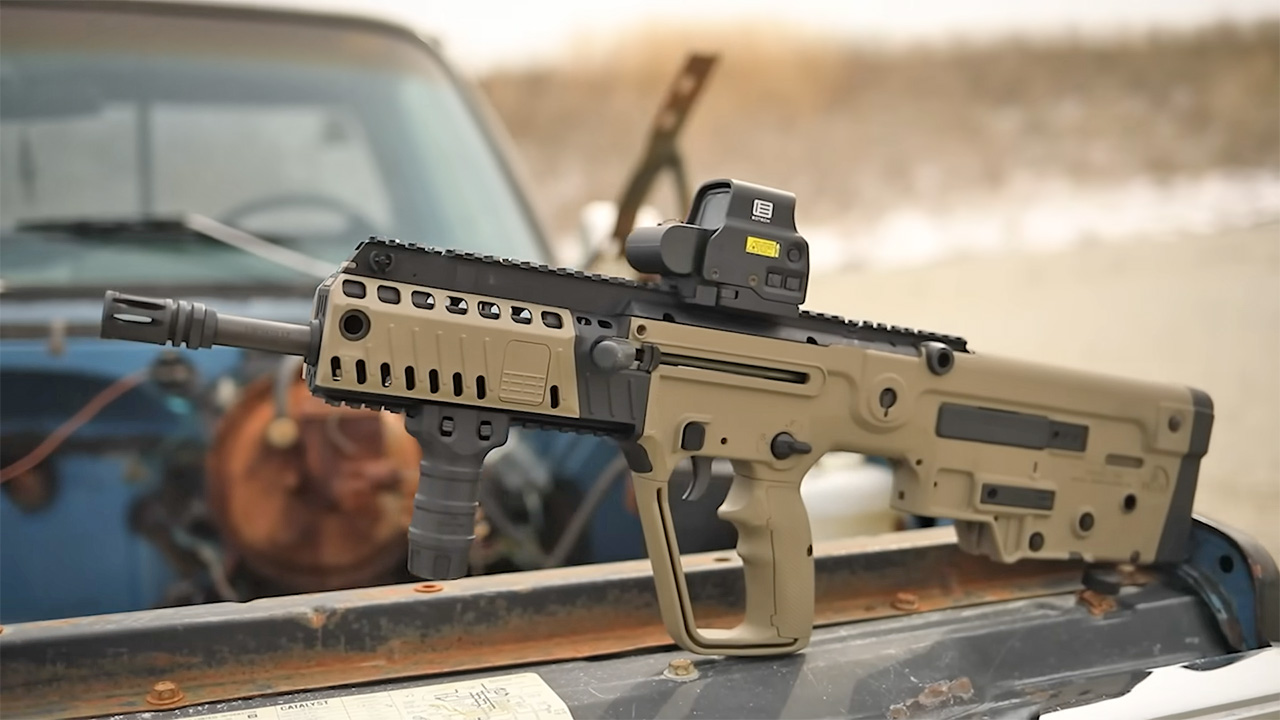
2. IWI Tavor X95

The X95 has a real reputation and it runs, so this isn’t a junk-gun pick. The embarrassment shows up when somebody buys one expecting it to replace their AR for everything from classes to coyotes. The trigger feel is the first rude awakening, followed by how weird some folks shoot it from improvised positions.
It’s also not the “light, handy” rifle people imagine. It’s compact, yes, but you still carry the weight, and it carries different. If you’re honest about your use, a plain AR and a good sling often wins.
3. Kel-Tec KSG
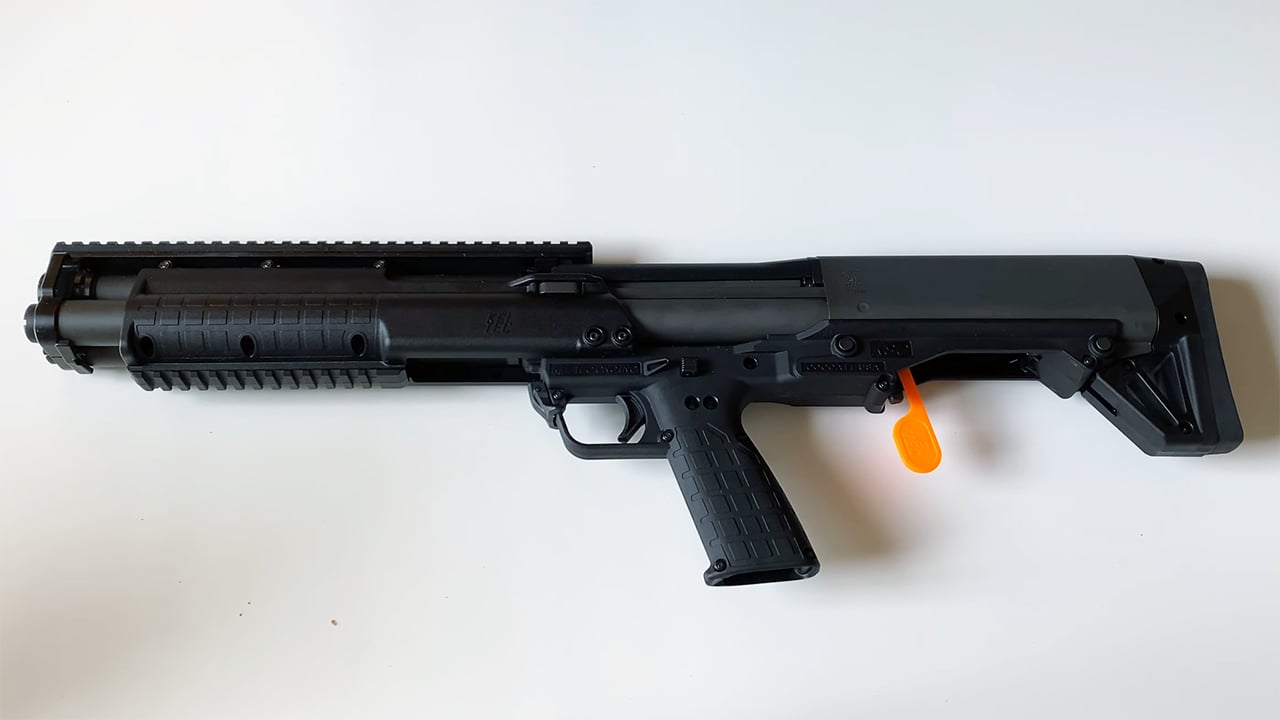
Every few months somebody rediscovers the KSG and acts like it’s the ultimate home-defense solution. Twin tubes, lots of capacity, short overall length—on camera it sells itself. In the real world, it can be a knuckle-buster, and short, light 12-gauges are not magic when recoil is involved.
The other problem is “manual of arms under stress.” Tube selection, loading, keeping track of what’s in which tube—none of that is hard on a quiet range. It gets a lot harder when you’re moving, thinking, and the gun’s beating you up.
4. Taurus Judge

The Judge is a classic “internet cool” gun: revolver, .410, and the idea of a handful of shot solving problems. The real world shows you patterns are often disappointing out of a short barrel, and the .45 Colt loads that shoot well aren’t always what the buyer ends up practicing with.
It’s also big for what it is. A lot of folks end up with a bulky revolver that’s not pleasant to carry and not especially great at any one job. Novelty wears off fast when ammo prices and practical accuracy show up.
5. Taurus Curve
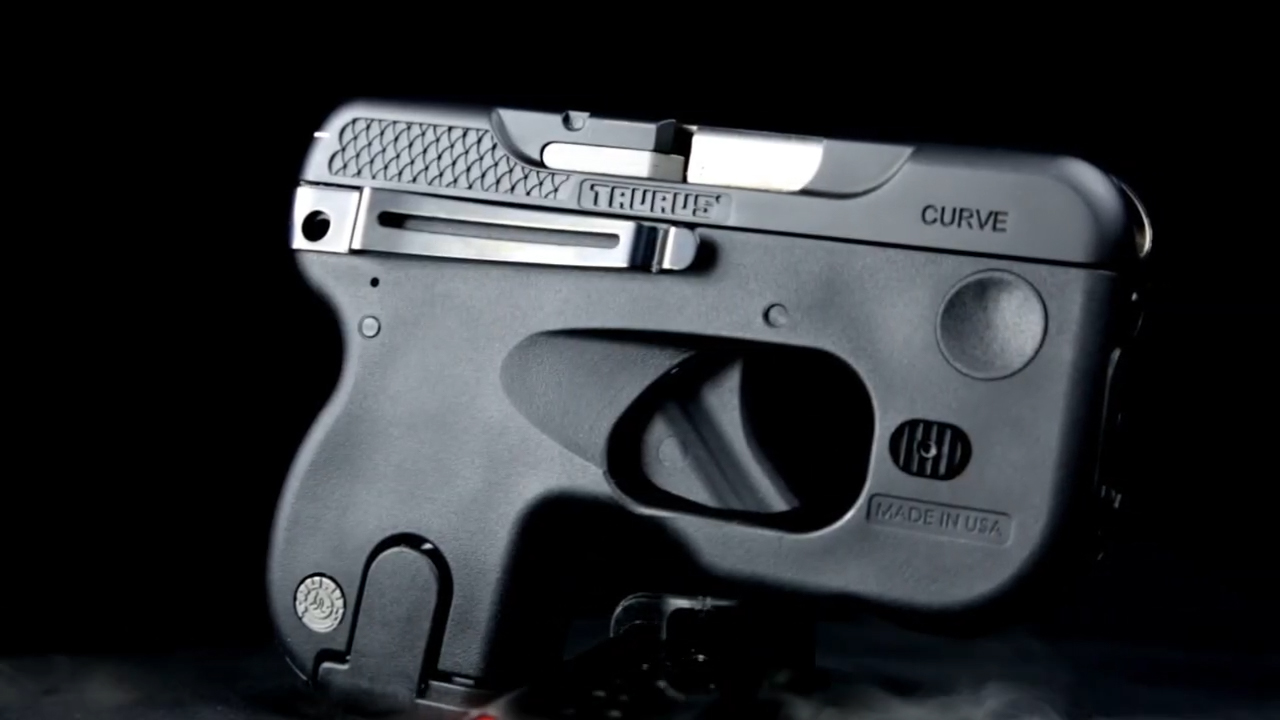
This one looked like the future when it popped up: curved frame, built-in light/laser versions, “made for carry” vibe. Then you actually try to shoot it well. The sights are rudimentary, the trigger isn’t doing you favors, and the weird shape doesn’t automatically make it comfortable.
It’s the kind of gun that seems like it solves a problem until you realize the problem was belt/holster choice and carry habits, not the shape of the pistol. Plenty of these ended up as safe fillers after one range trip.
6. Kel-Tec Sub2000
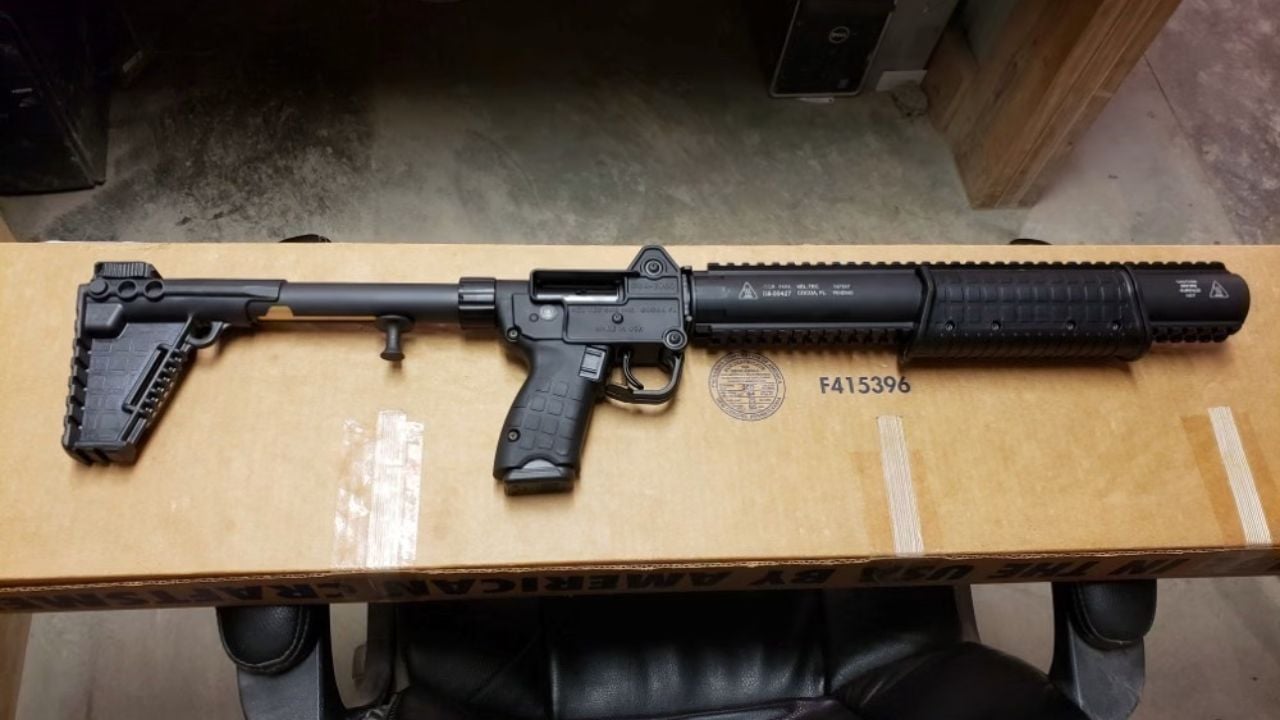
The folding gimmick is real, and it’s handy in a truck or backpack. On video it looks like the perfect “takes Glock mags” carbine that disappears until you need it. The real-world embarrassment is how many shooters can’t get comfortable behind it, especially with the factory sight setup and cheek weld.
It can also feel flimsy compared to more conventional pistol-caliber carbines. It’ll run, but “runs” isn’t the same as “I want to shoot this a lot.” When a gun isn’t enjoyable, practice drops off, and that defeats the point.
7. PSA AK-V

The AK-V scratches the PCC itch with an AK-ish vibe and cheap fun potential. Online it gets shown dumping mags and ringing steel, and it looks like a party. Then owners start noticing that not all 9mm PCCs are equally forgiving with magazines, ammo types, and small parts wear.
Some run great, some take tinkering, and the whole point of a 9mm carbine for many folks is boring reliability. When you buy “AK style,” you kind of expect it to eat whatever. If it doesn’t, the shine dulls.
8. FN SCAR 17S

The SCAR is a legend on the screen. Lightweight .308, proven name, and it just looks serious. The embarrassing part happens when the average shooter realizes they don’t actually enjoy feeding it, and they don’t enjoy the recoil impulse as much as they thought they would.
Then there’s optics and mounting considerations, and the cost of “doing it right” starts piling up. A SCAR can be awesome. It can also be a very expensive way to learn you’re more of an AR-10 guy, or even a “regular .308 hunting rifle with a good scope” guy.
9. Springfield Armory Saint (early entry-level builds)
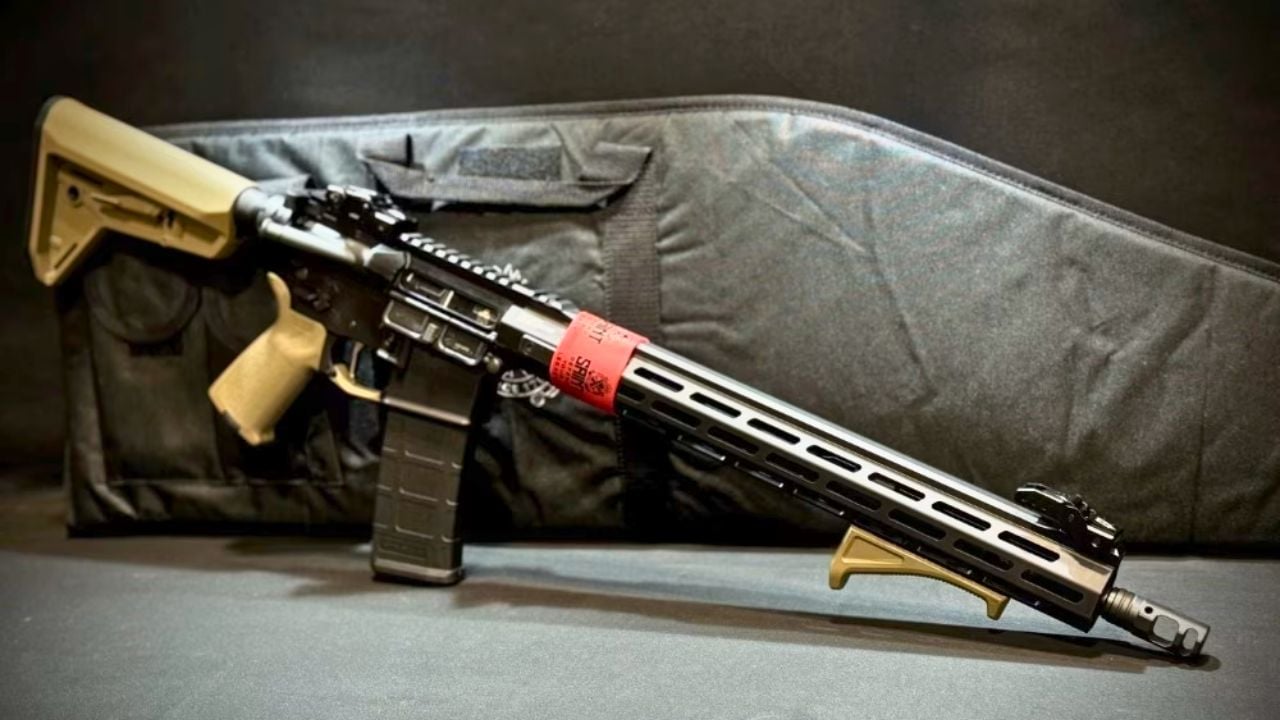
The Saint name got a big push as a starter AR, and plenty of them have been fine rifles. The embarrassment shows up when a buyer expects “ready for anything” and then hits a class schedule. Hot, dirty, high round counts expose corners you didn’t know existed.
Entry-level ARs can be totally serviceable, but the internet tends to talk like every AR is equal if it has a dust cover and a forward assist. Springs, gas, staking, and small parts matter. You notice that when the gun starts acting up at the worst time.
10. Remington R51
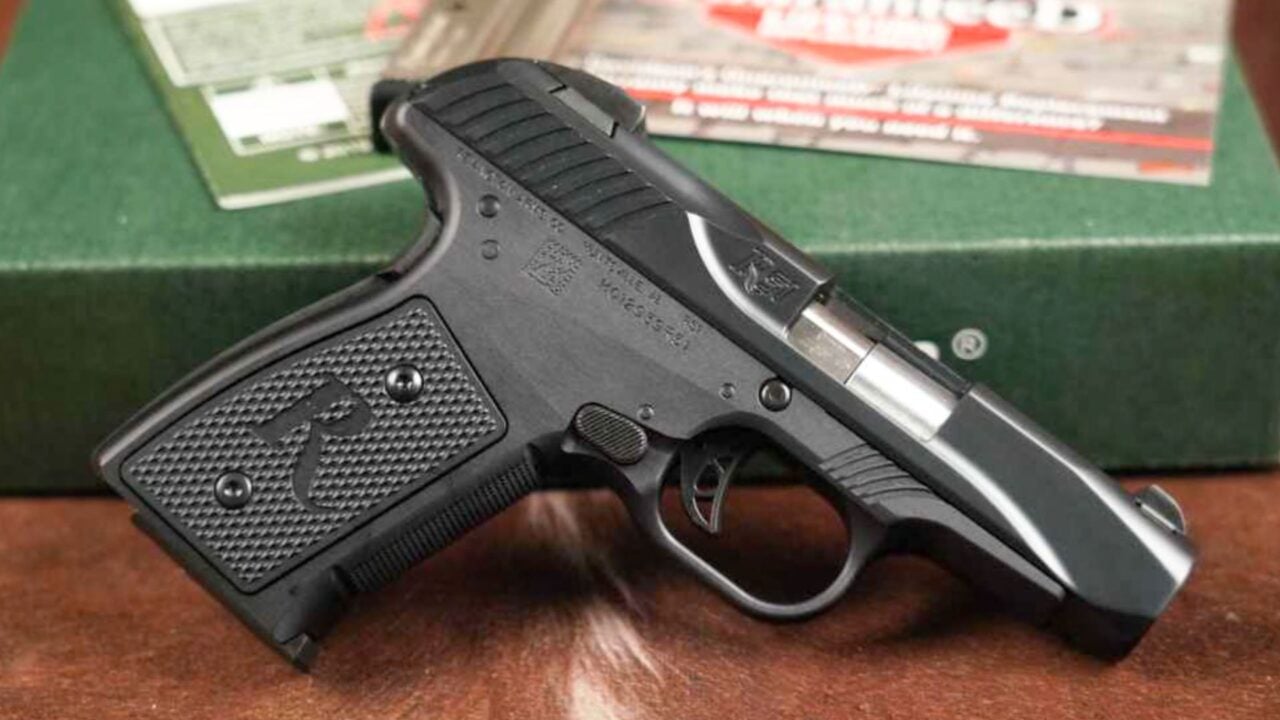
When the R51 came back around, the hype machine went to work: slim, classy, “new old design,” and supposedly a dream to carry. The real world had other plans. A lot of shooters ran into reliability and consistency problems that are hard to forgive in a carry pistol.
Carry guns aren’t collectibles for most folks. They’re appliances. If you’re doing tap-rack drills with your defensive pistol more than you’re shooting it, the romance is gone.
11. Kimber Custom II (and similar Kimber 1911s)
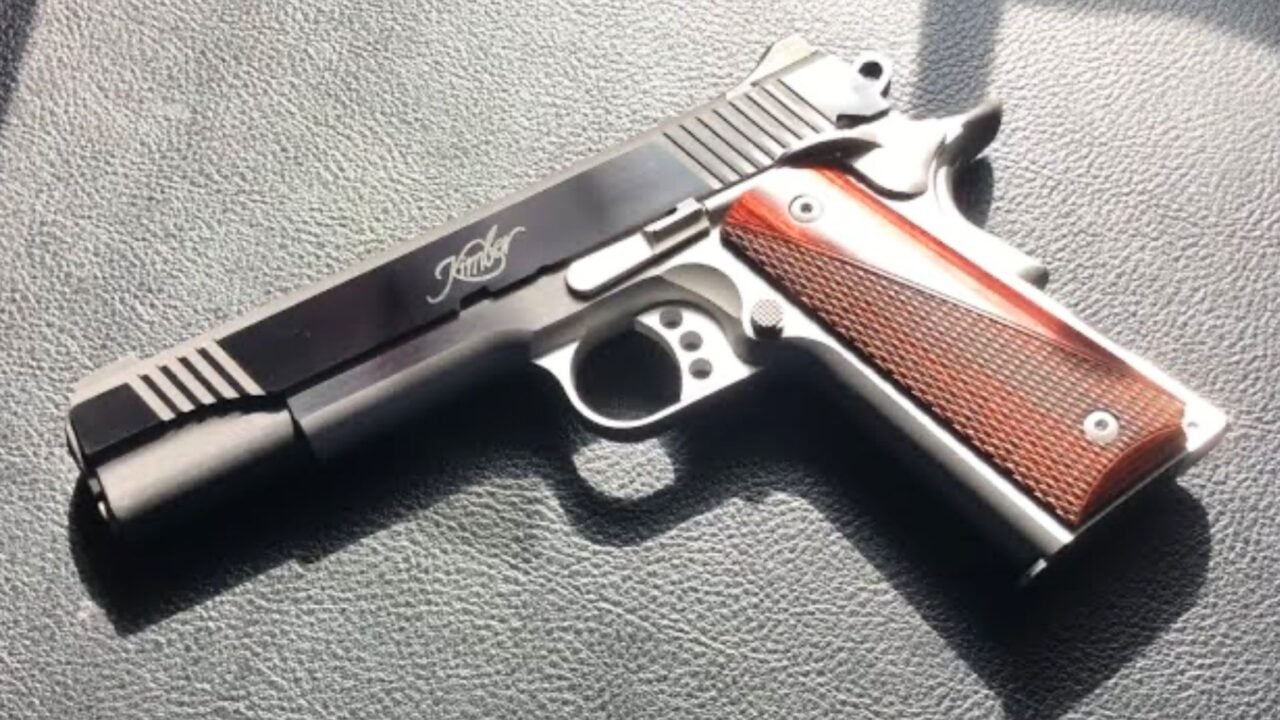
Kimber 1911s are pretty, and they get shown a lot because they photograph well and the 1911 has built-in cool points. The embarrassing part is watching a new 1911 owner find out that “tight” can become “picky,” especially with magazines and ammo. Then the maintenance reality hits.
Some run great. Some need attention. If you’re a guy who actually wants to shoot a lot and not chase little issues, a mid-tier 1911 can be a frustrating way to learn that the platform rewards patience and knowledge.
12. Smith & Wesson M&P Shield EZ (.380 or 9mm)
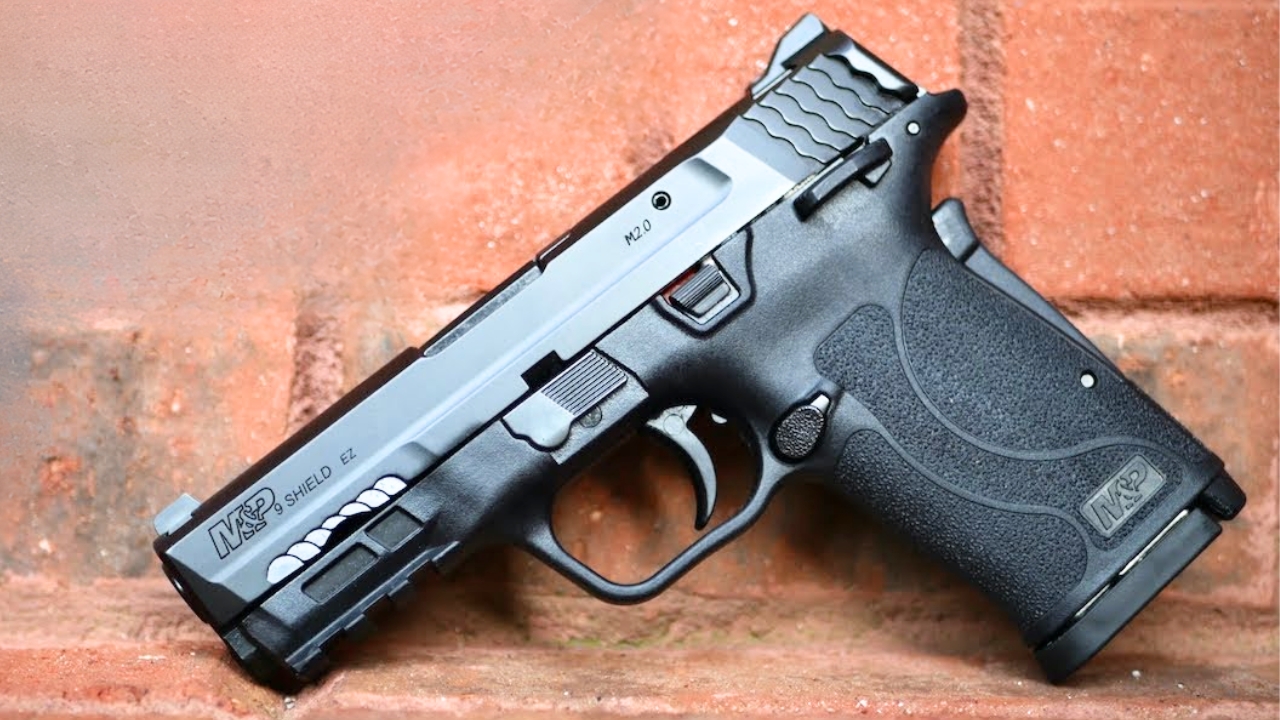
The EZ does what it claims: it’s easy to rack and easy to load. On video it’s the perfect answer for new shooters, hand strength issues, or folks who hate stiff springs. The real-world drawback is that “easy” sometimes comes with tradeoffs in feel, recoil characteristics, and how the gun behaves when you start shooting faster.
It’s also a gun that gets bought for someone else more than it gets chosen by the actual shooter. If the grip safety or controls don’t fit the user, confidence drops. A “helpful” purchase can turn into a closet gun quick.
13. Glock 44

A .22 Glock sounds like the best training tool ever, and that’s exactly how it gets pitched. In practice, rimfire pistols can be picky, and the G44 has had enough mixed experiences that it can feel like you’re troubleshooting ammo instead of training fundamentals.
If you get a good one and find ammo it likes, it’s a handy trainer. But a lot of shooters end up going back to a Ruger Mark series or a TX22 because they want reliable trigger time, not a science project.
14. SIG Sauer P365 (first-generation expectations)

The P365 changed the carry world, no doubt. But the early days were a lesson in what happens when hype outruns reality. When a gun becomes the answer to everything overnight, every little issue gets magnified because the expectations were sky-high.
In the real world, tiny pistols are snappy, small grips are small, and not everybody shoots micro-compacts well under speed. The “embarrassing” part isn’t that it’s bad—it’s that many buyers realized they’d been sold on capacity more than shootability.
15. Heckler & Koch VP9

The VP9 got pushed hard because it feels great in the hand and shoots softly. On camera it looks like the “finally, the perfect striker gun” pick. In real life, the paddle-vs-button debate, holster availability in some areas, and parts/mag costs start to matter more than the grip panels.
It’s a good pistol, but it’s not a magic charm. I’ve watched shooters buy one, still not practice, and then blame the gun when their groups don’t tighten up. The VP9 can’t fix that.
16. Ruger Precision Rifle (RPR)

The RPR made long-range shooting feel reachable, and it probably did more to sell people on “I can ring steel at distance” than any other rifle. The embarrassment happens when the owner realizes the rifle is heavy, awkward to haul, and not a great crossover hunting rig unless your “hunt” is 200 yards from the truck.
Also, long range is a system. By the time you buy glass, bipod, bags, data, and enough ammo to learn, you’re deep into it. A lot of RPRs end up barely used because the rifle was the easy part.
17. Savage Axis (early budget packages)
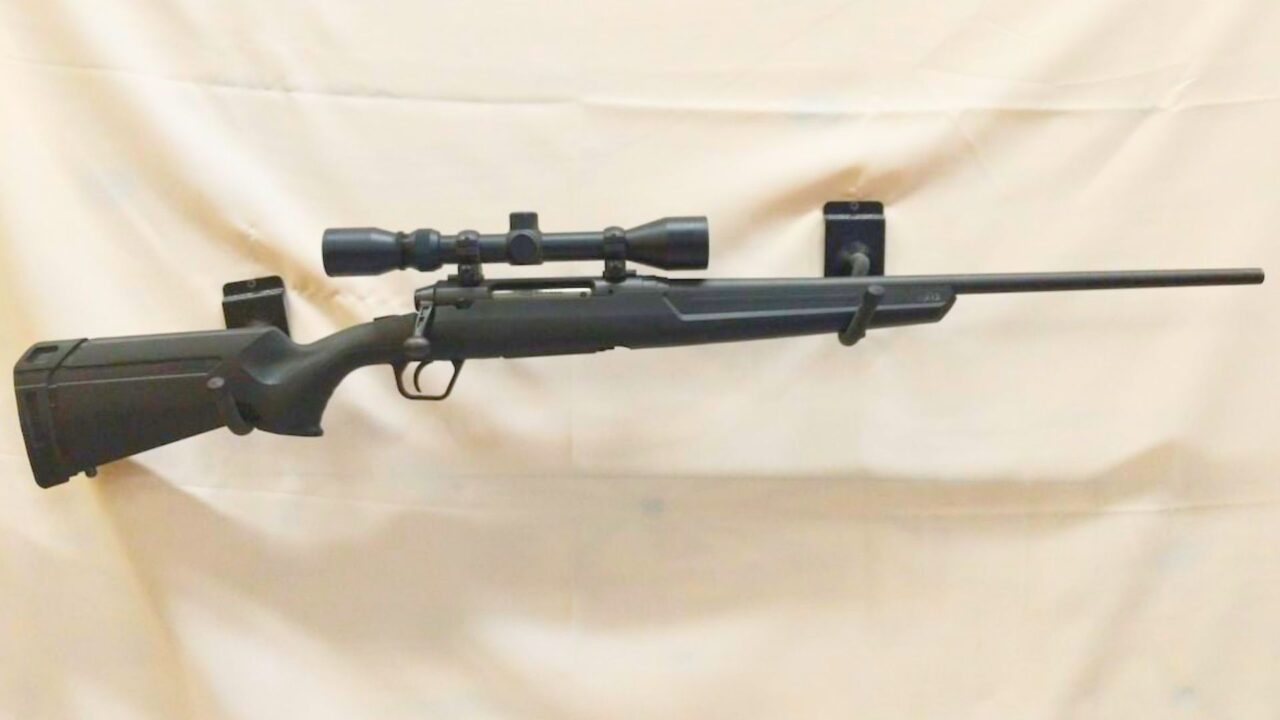
The Axis put meat in the freezer for a lot of folks, and I won’t pretend otherwise. The embarrassing part is the cheap-scope combo and the “this is good enough” mindset. A shaky scope, mushy turret tracking, and a flimsy stock can turn range day into a frustration festival.
The rifle itself can shoot, but the budget package often holds it back. When a new hunter misses or wounds because the setup won’t hold zero after a bump in the truck, that one stings.
18. Rossi Circuit Judge
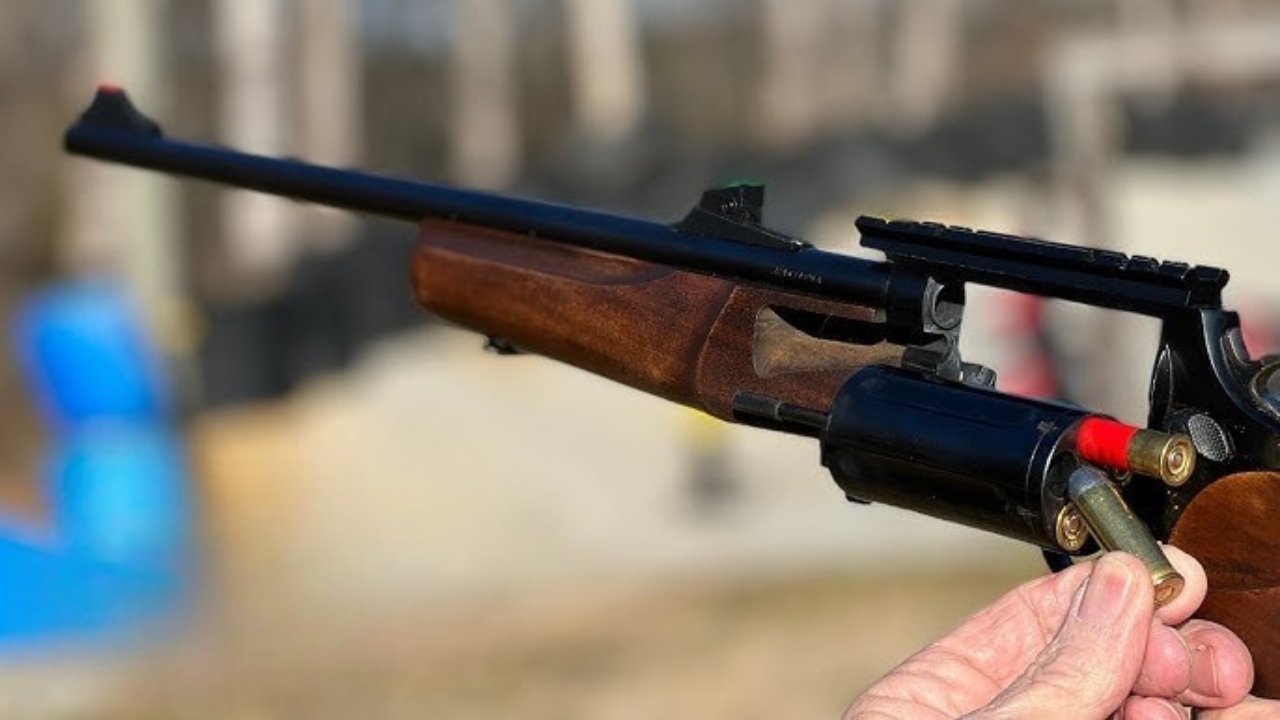
A revolving rifle that shoots .410 and .45 Colt is the kind of idea that sounds tailor-made for “one gun around the farm.” The reality is it’s a compromise machine. Cylinder gap blast and noise, limited practical accuracy compared to a real rifle, and .410 performance that isn’t as decisive as folks hope.
It’s fun, it’s different, and it has a place. But it’s not the do-it-all critter-getter a lot of buyers imagine when they watch someone casually drop steel with it on a sunny range day.
19. Chiappa Rhino 60DS

The Rhino looks like it came from a sci-fi movie, and the low bore axis idea gets talked up hard. Some shooters love how it handles recoil. Others find the trigger feel (especially in double action) and the odd sight picture harder to live with than expected.
Holsters and accessories aren’t as “grab it anywhere” as a normal revolver, either. If you’re buying a revolver as a working outdoors sidearm, conventional designs still win on simplicity and support.
20. Mossberg Shockwave (14-inch “firearm”)
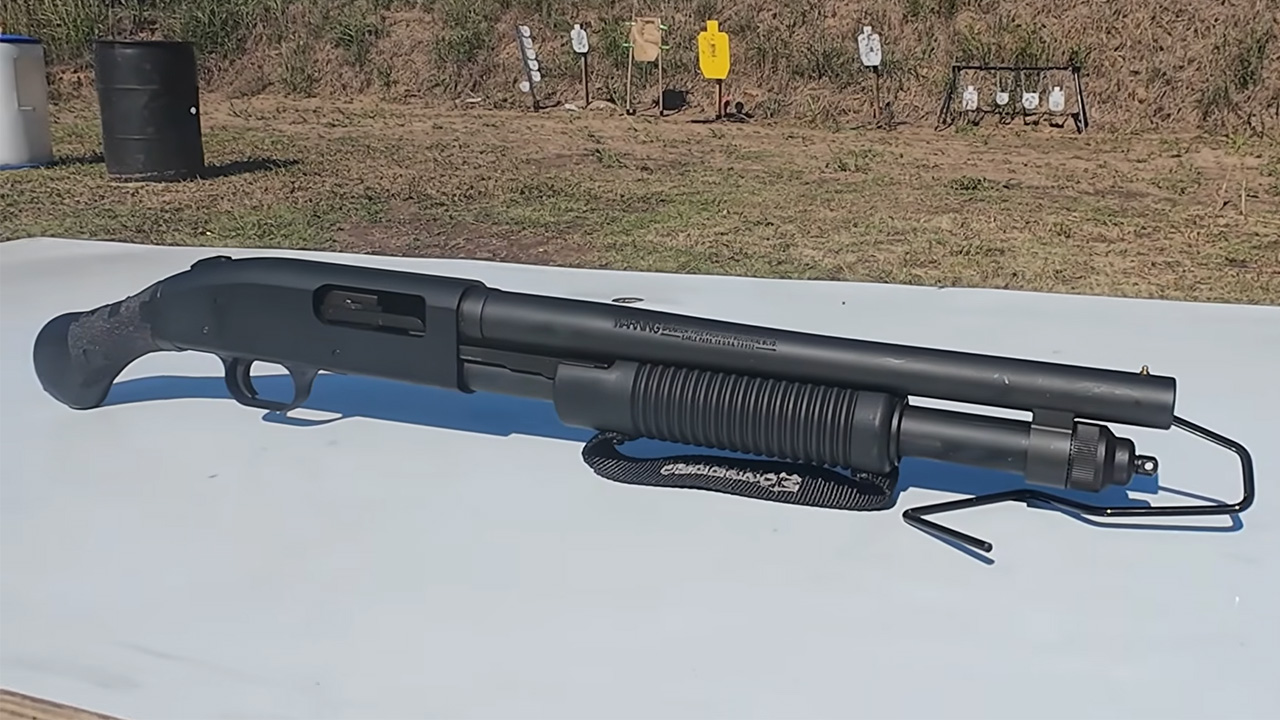
The Shockwave is the king of “looks awesome on camera.” It’s compact, intimidating-looking, and it prints clicks. The real-world problem is it’s hard to shoot well for most people, especially with defensive loads, and it takes real practice to run safely and effectively.
As a range toy, fine. As a serious defensive tool for the average homeowner who shoots twice a year, it’s often a confidence trap. A basic 18-inch pump with a stock is boring, and boring usually works better.
The common thread with all of these isn’t that they’re all “bad.” It’s that the internet rewards novelty and speed, and real life rewards comfort, repeatability, parts availability, and boring reliability. If you’re buying a gun to actually use—carry it, hunt with it, keep it by the bed, ride with it in the truck—pick the one that still makes sense when it’s raining, you’re tired, and the new-gun excitement is long gone.
Like The Avid Outdoorsman’s content? Subscribe to our newsletter so you never miss an article.
Here’s more from us: