Photo credit: Uzo Borewicz/Shutterstock.com
There’s a big difference between a sight that looks good on the counter and one that survives real-world use. The ones that fail under recoil, weather, or field abuse don’t usually explode in dramatic fashion—they just slowly lose zero, fog internally, or crack their mounts after a few trips out. A sight might handle a light rifle on the bench, but strap it to a .308 in the rain or drop it once in gravel, and you’ll learn fast which brands cut corners.
Durability doesn’t come from fancy coatings or flashy glass; it’s in the internals—how well the electronics, turrets, and mounting interfaces hold up. Cheap seals, thin housings, and sloppy construction all lead to failure when the environment turns rough. If you’ve ever watched a sight lose zero mid-season or fog up halfway through a hunt, you know the pain. Here are eleven sights that don’t stand up when things get hard, no matter what the marketing promises.
Bushnell Trophy Red Dot

The Bushnell Trophy Red Dot is affordable and easy to find, but it’s not built for hard use. Its aluminum housing looks tough, but the adjustment internals and battery connections tend to loosen after heavy recoil. Hunters and range shooters often report the zero shifting slightly after only a few boxes of ammo—especially on shotguns and ARs chambered in .308 or 7.62×39.
The lens coating also scratches easily, and the brightness settings are inconsistent. You can make it work for casual plinking or low-recoil setups, but it’s not a sight you want to trust in bad weather or rough terrain. Once it takes a few bumps, you’ll start seeing flickering reticles or dim output. It’s fine for a range toy, but under field conditions, it’s a headache waiting to happen.
Sightmark Ultra Shot
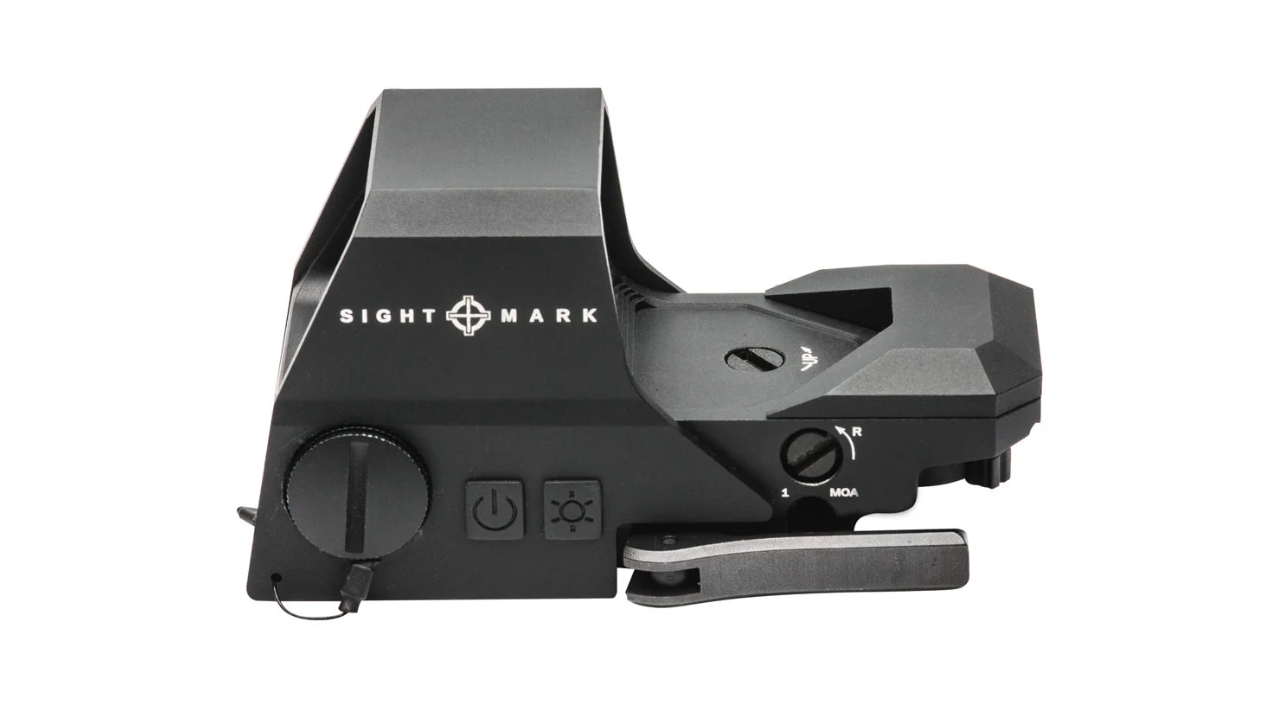
The Sightmark Ultra Shot looks the part of a duty-grade optic, but it’s notorious for losing zero under stress. The quick-detach mounts loosen over time, and the sight’s internals can’t handle prolonged recoil. After a few range trips with a heavier rifle, you’ll notice your point of impact wandering inches off target.
It also struggles with battery life and moisture resistance. Even light rain or high humidity can fog the lens or short the electronics. The reticle flicker is a known issue that shows up as soon as the sight starts taking real abuse. For rimfires or air rifles, it’s passable—but once you step into anything serious, it falls apart. You’ll spend more time re-zeroing than shooting.
Barska 1×30 Electro Sight
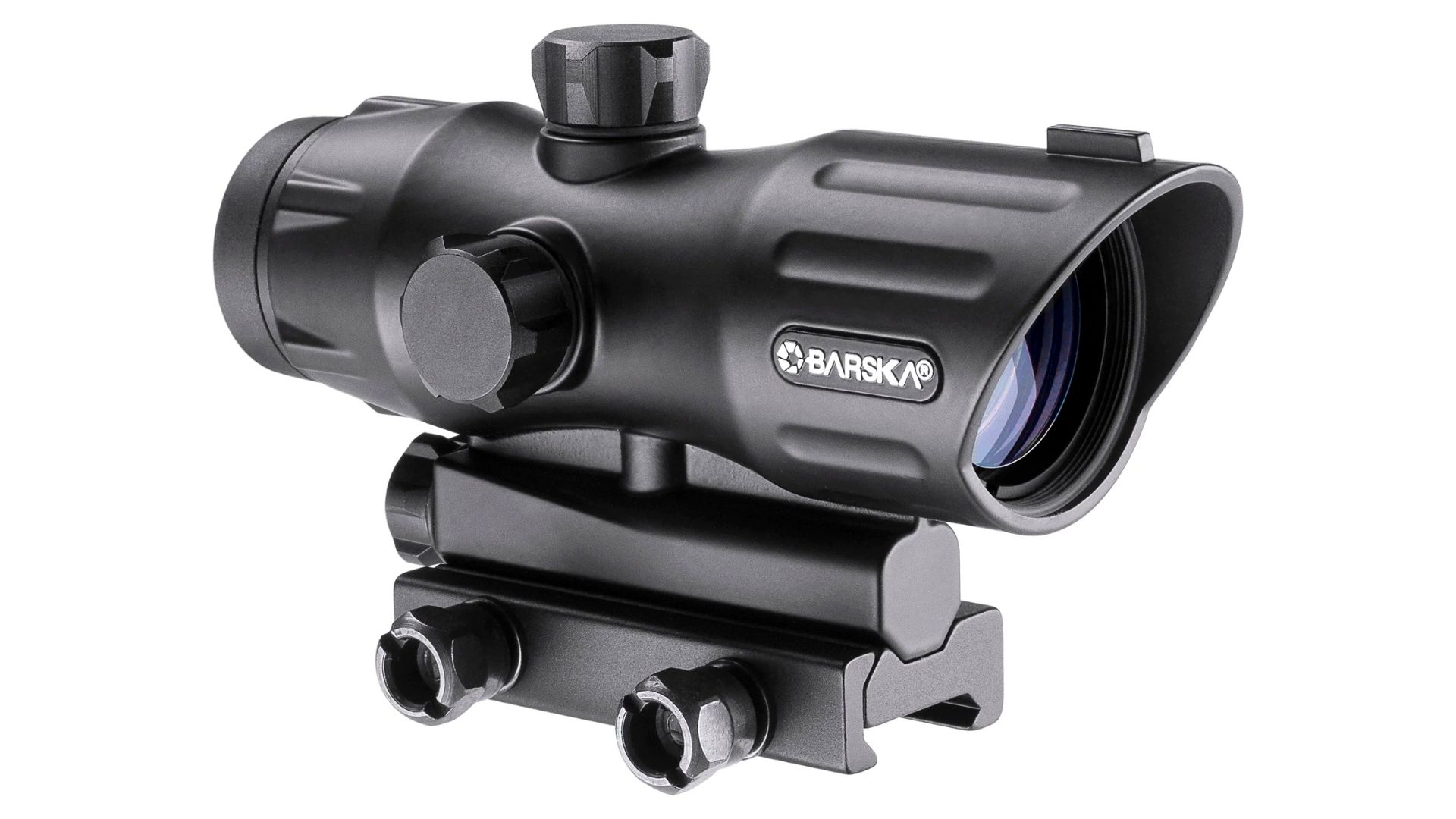
The Barska 1×30 Electro Sight is one of those optics that sells because of price, not performance. It’s light and compact, but the internals can’t handle much more than a .22 LR’s recoil. Mount it on anything larger, and you’ll see zero drift after just a few magazines. The mounting hardware often strips or loosens, and the glass clarity degrades fast when exposed to dust or rain.
Even on mild calibers, the adjustment turrets feel mushy and inconsistent. You can’t make precise corrections, and once the caps wear, they stop tracking accurately altogether. Barska’s warranty covers some issues, but the cost of shipping and downtime isn’t worth it. It’s a sight that might survive a weekend on a plinker, but for hard use, it’s out of its depth.
TruGlo Red-Dot Dual Color
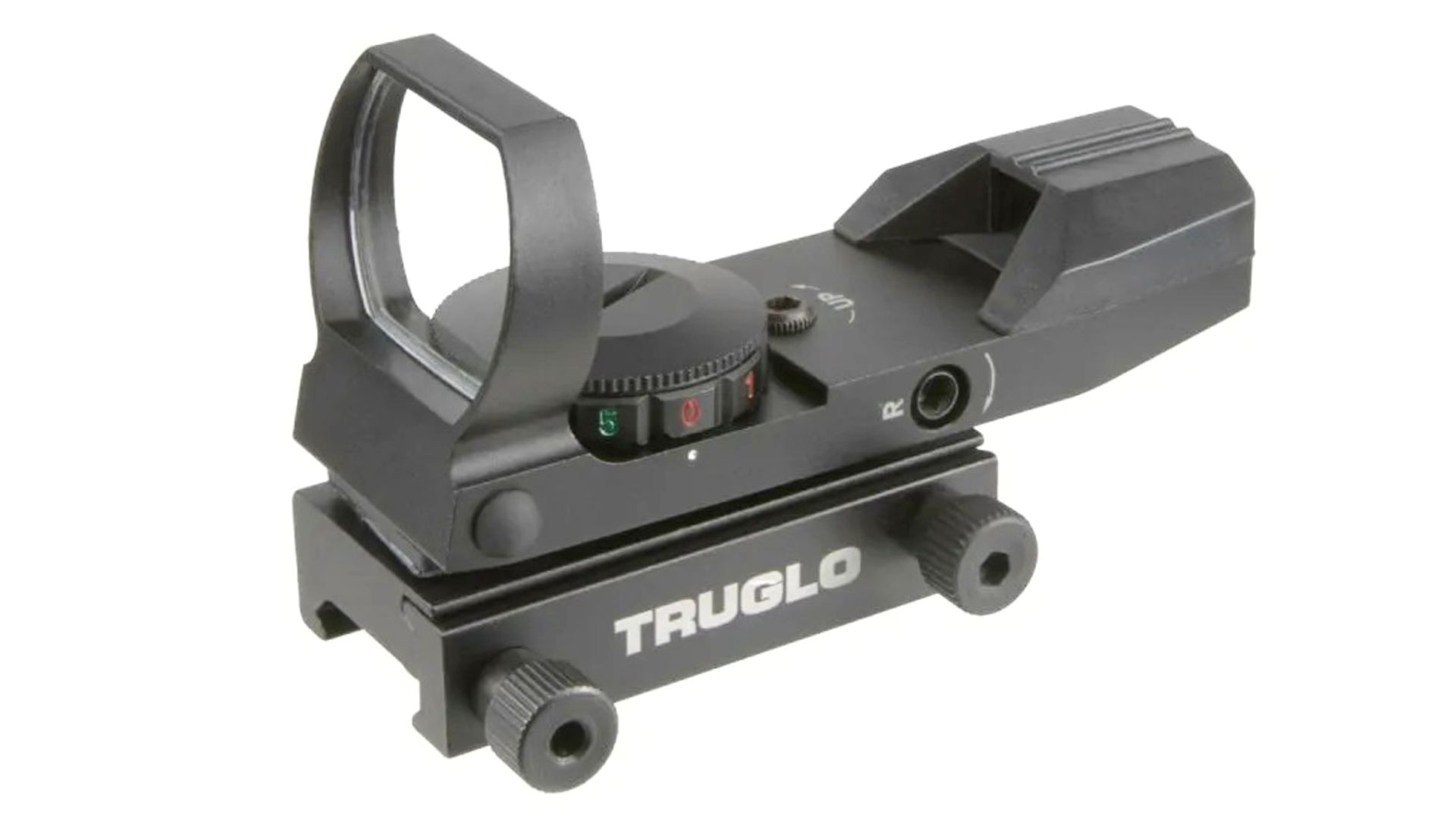
The TruGlo Red-Dot Dual Color looks appealing with its adjustable brightness and compact form, but it’s fragile. The housing isn’t sealed well, allowing condensation and dust to creep inside after field use. Even small impacts can misalign the emitter, causing the reticle to ghost or disappear entirely.
Battery life is another weak point—the contacts tend to loosen after repeated recoil, leading to flickering or total failure. On lightweight rifles or .22s, it holds up for a while, but anything heavier shakes it apart. The lenses scratch easily too, especially when cleaned with field rags or gloves. It’s fine for range fun or backyard shooting, but take it into a hard hunt or tactical course, and it’ll start showing cracks—literally and figuratively.
NcStar Tactical Series
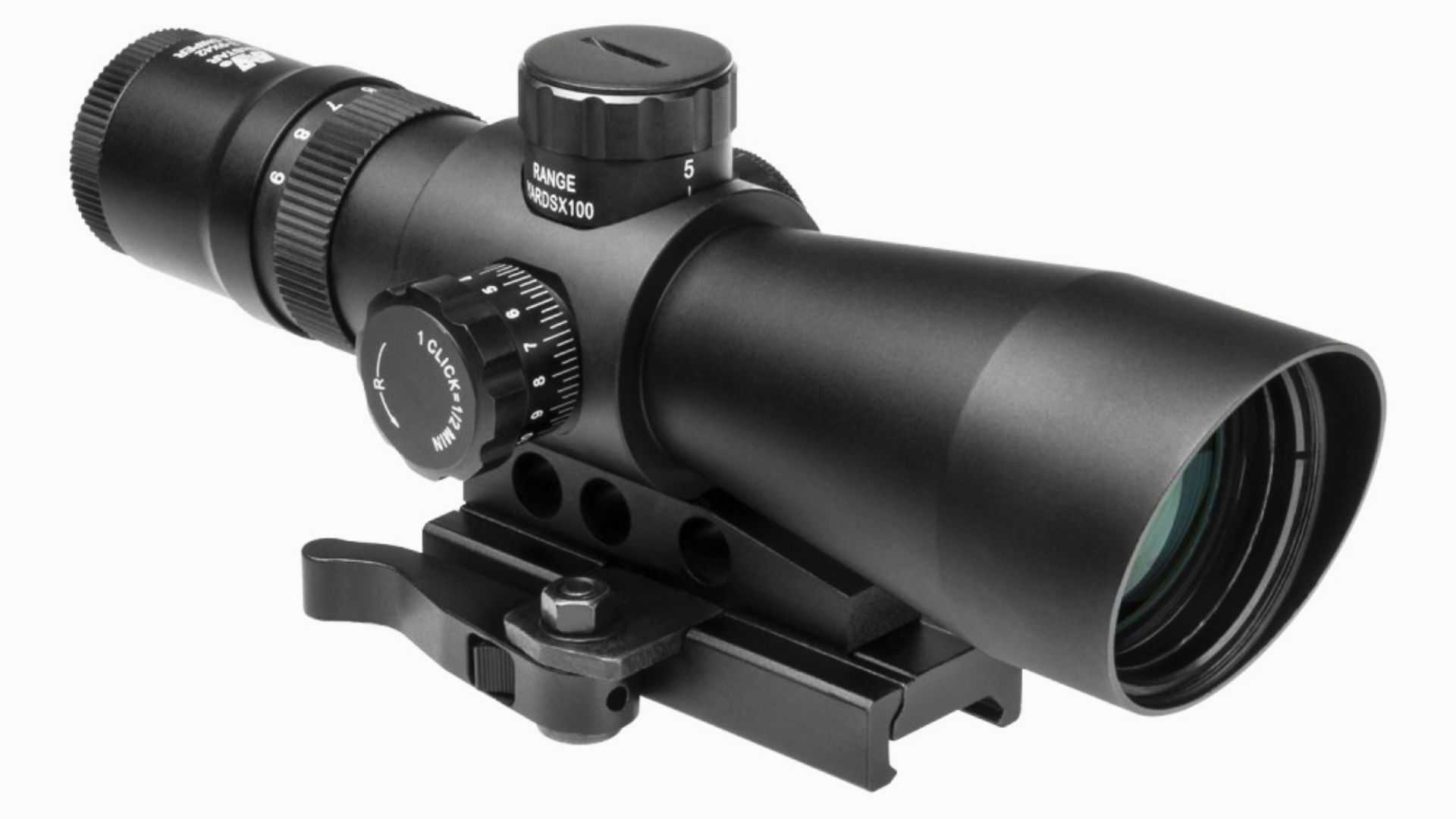
NcStar’s Tactical Series optics are cheap, and you get what you pay for. These sights have poor recoil management and minimal internal bracing, meaning they lose zero fast on anything above .223. The adjustment turrets often strip or seize, making re-zeroing nearly impossible once they’ve taken a hit or two.
Moisture and temperature changes also cause major issues. The lenses fog internally, and the coatings peel with regular cleaning. The reticle brightness fades quickly, sometimes cutting out completely mid-use. Mounting screws also have a tendency to back out under vibration, even with Loctite. They look rugged, but they’re built for airsoft-level stress, not for rifles that see real-world abuse.
Primary Arms Microdot Gen 1
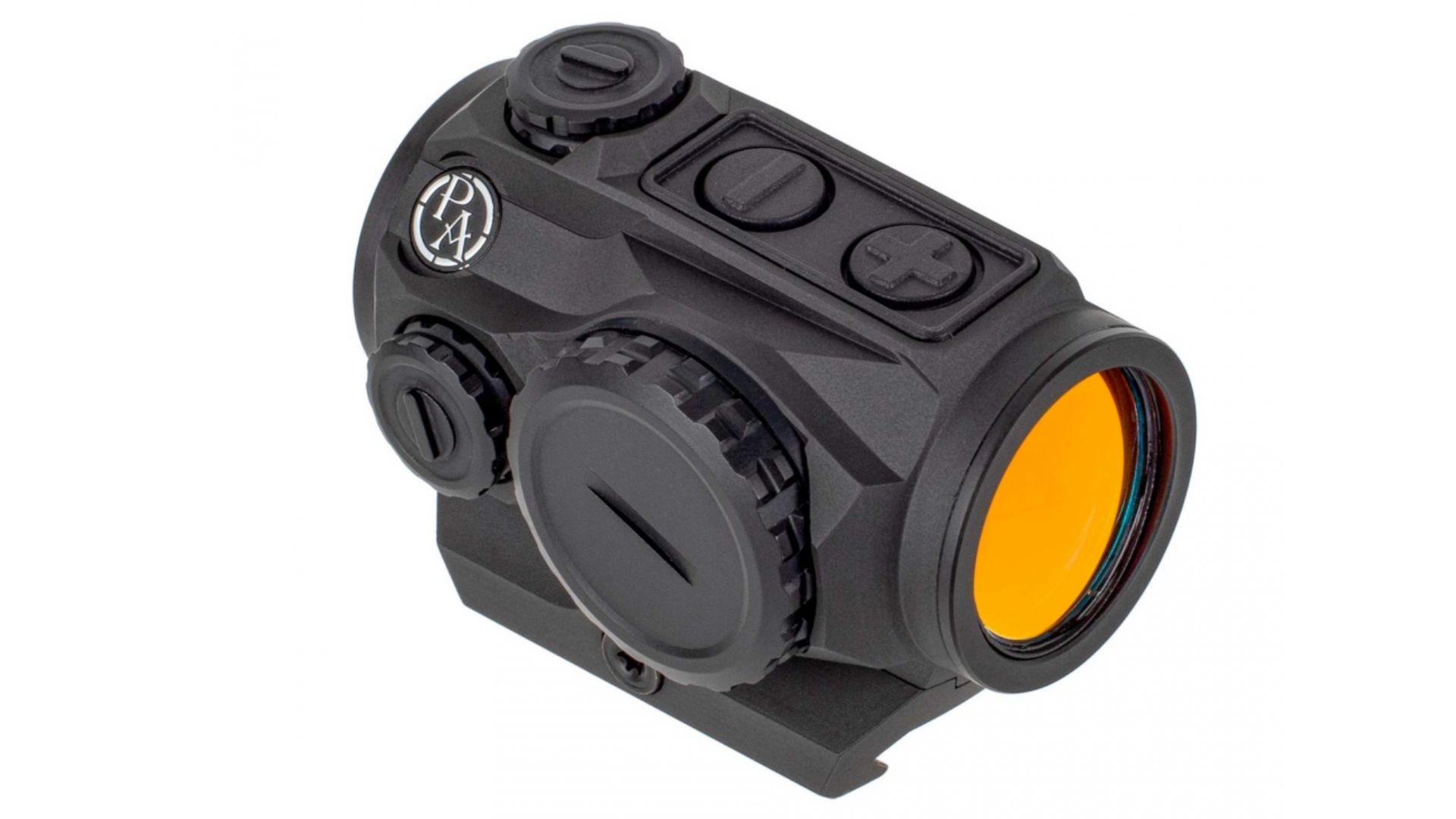
Primary Arms has improved a lot over the years, but those early Gen 1 Microdots were notorious for giving up under pressure. They worked fine for range use, but throw one on a 12-gauge or a .308, and you’d see the zero wander after a few hundred rounds. The internal solder points on the emitter and battery contacts were fragile, leading to intermittent reticle failures.
They also weren’t fully sealed, so moisture would creep in around the adjustment knobs. Once that happened, fogging or internal corrosion would set in fast. Primary Arms fixed most of these issues in later models, but the first-generation optics simply weren’t built to take hard use. If you still have one, it’s best kept on a rimfire rifle or a safe queen.
Bushnell TRS-25
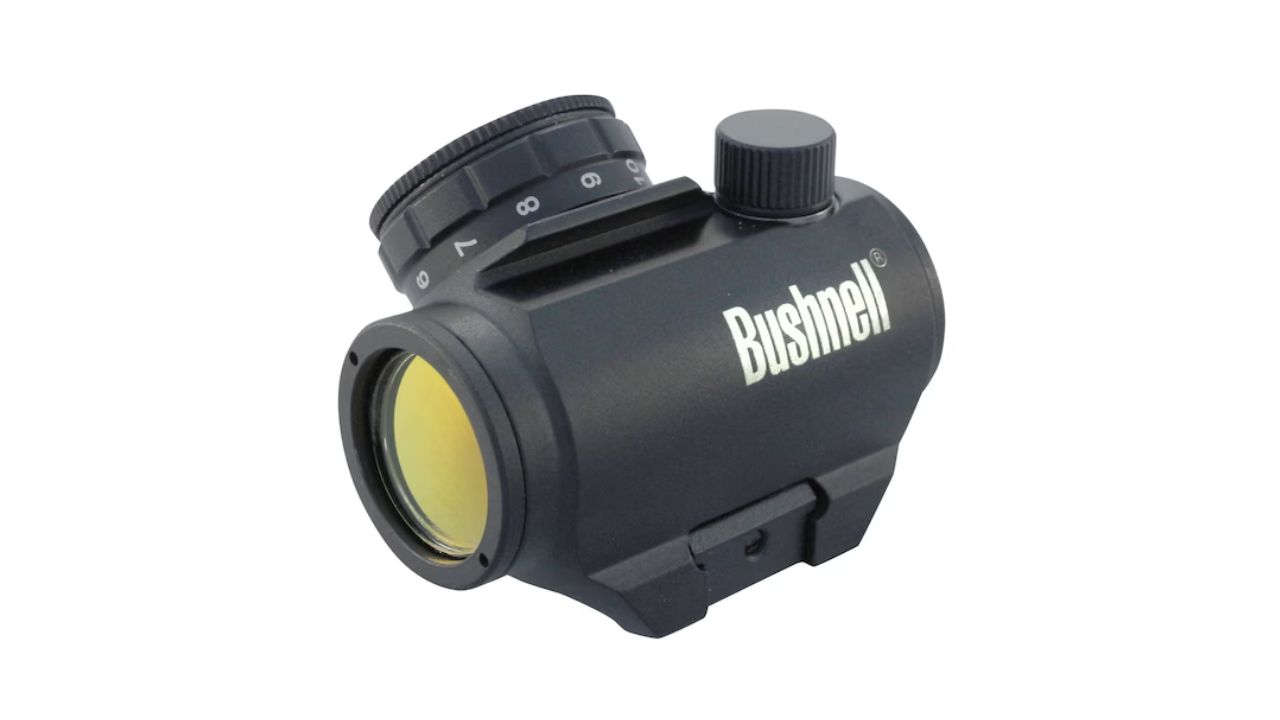
The Bushnell TRS-25 is one of the most popular budget red dots ever made, but it has limits. It handles light recoil well, but after extended use on rifles like AR-10s or slug guns, it starts losing zero. The turrets are prone to drift, and the adjustment detents wear down quickly. Some units even develop dim reticles due to poor battery connections.
Waterproof claims are generous at best. A few drops of rain won’t kill it, but sustained moisture or a dunk will fog the lens or short the emitter. It’s one of those optics that performs fine for casual shooters but isn’t meant for rough field work. Hard knocks, vibration, and heat cycles all shorten its lifespan significantly.
Pinty 4-in-1 Tactical Scope
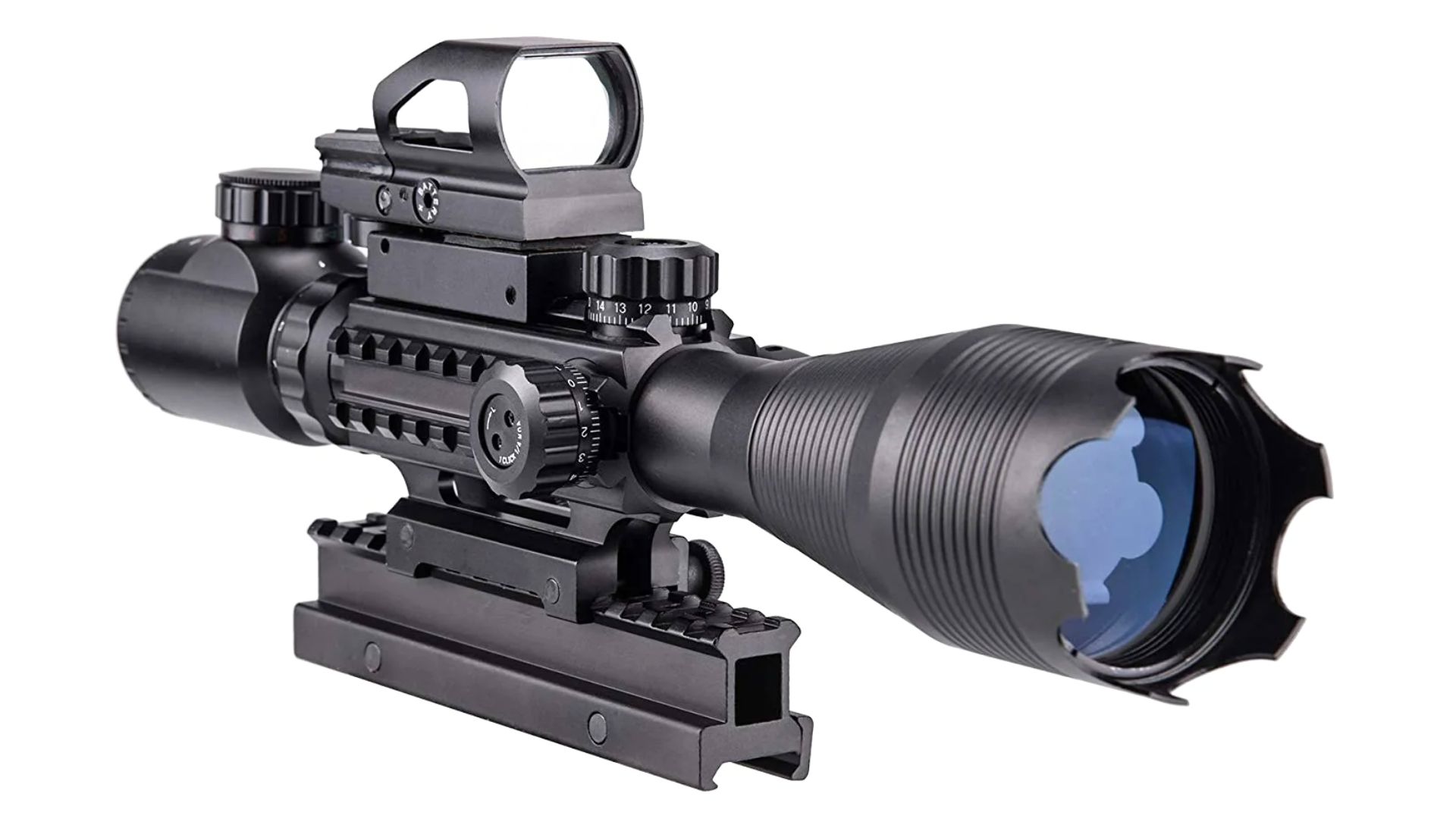
On paper, the Pinty 4-in-1 looks like a great value with its combo of scope, red dot, laser, and light—but in practice, it’s fragile and poorly aligned. The mounting system can’t hold zero because the whole unit flexes under recoil. Once that happens, every attached component becomes useless.
The electronics are cheap and prone to failure from vibration alone. After a few boxes of ammo, the red dot or laser will often stop working entirely. The glass quality is also subpar, causing glare and ghosting under bright light. It’s heavy, cumbersome, and not suited for anything beyond a .22 or air rifle. You can’t expect a multi-feature optic at that price point to hold up under real conditions, and the Pinty proves it every time.
UTG Bug Buster

The UTG Bug Buster has a loyal following, but it’s known to lose zero under hard use. Its spring-loaded internals and light build can’t handle rough recoil or heavy impacts. Hunters who use it on centerfire rifles often report wandering zeros or cracked reticle glass after extended use.
The scope’s seals are also a weak point. Moisture and fogging become an issue with even mild exposure to rain or cold. While it’s compact and affordable, it’s not a true field-grade optic. It might work for casual use or rimfires, but if you expect it to hold zero after being knocked, dropped, or banged in a truck rack, it won’t. It’s built for comfort, not punishment.
Simmons 8-Point Rifle Scope
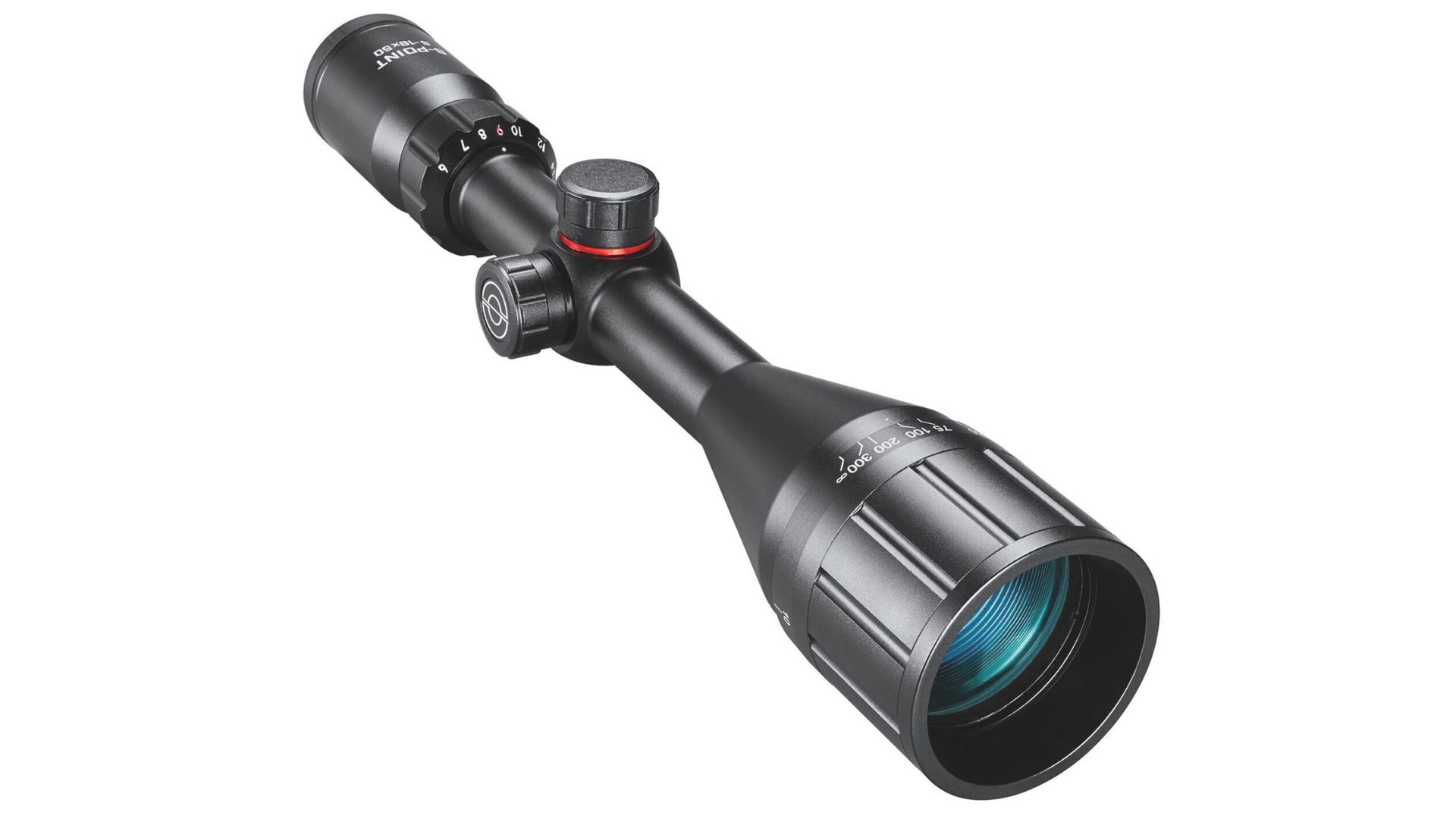
The Simmons 8-Point is popular with budget hunters, but it struggles to hold zero once recoil or weather enter the equation. The turrets feel loose, and after a few seasons, the internals start to drift noticeably. The glass is clear enough in ideal light, but it fogs internally fast when temperatures shift.
The scope’s tube is thin and dents easily, throwing off alignment if it’s over-torqued or bumped. Mount it on a .30-06 or larger and you’ll quickly notice your groups spreading out. It’s fine for a starter rifle or a backup gun, but not for heavy, consistent use. Once it starts losing zero, there’s no easy fix—you’ll be shopping for another before long.
Monstrum Tactical 1-4×24
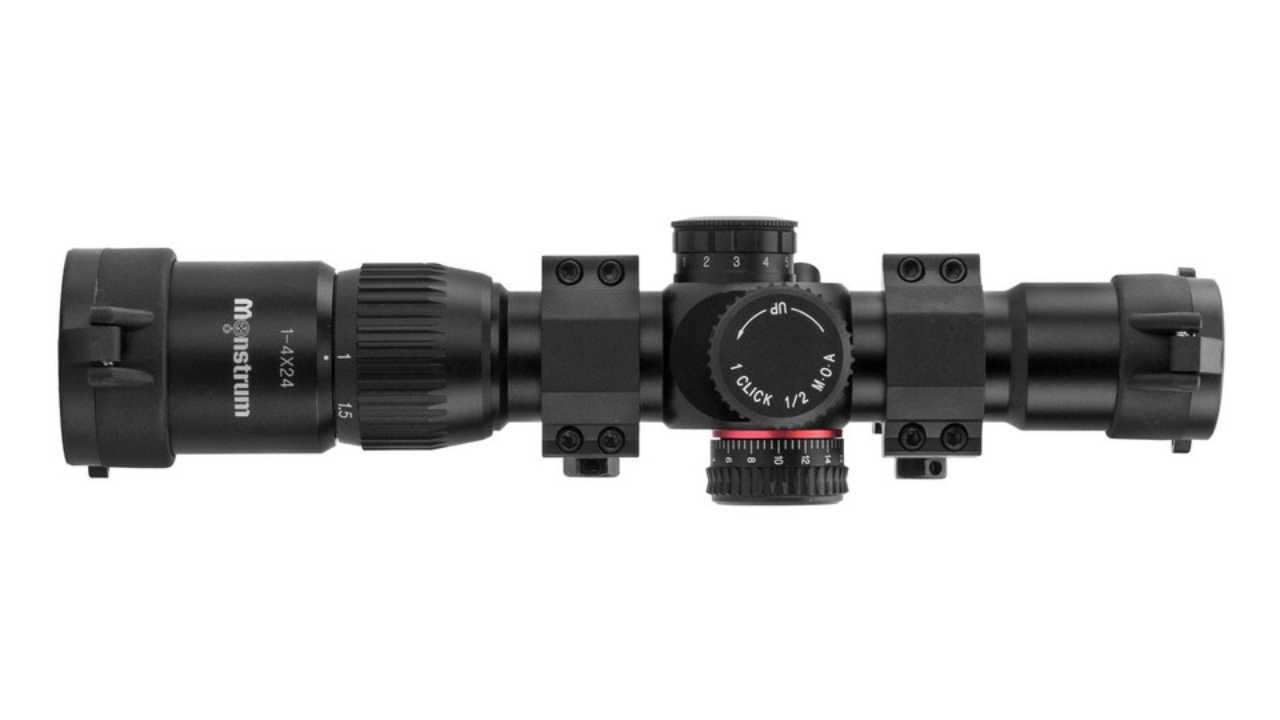
Monstrum scopes look rugged and come loaded with features, but the internals aren’t up to serious use. The reticle illumination system is prone to flickering, and the adjustment turrets lose precision after repeated recoil. Even moderate calibers cause tracking inconsistencies and zero shift over time.
The anodizing on the exterior wears quickly, and the seals aren’t moisture-resistant enough for hard hunting conditions. Once water gets inside, the fogging never really goes away. It’s an attractive, budget-friendly optic for casual shooters, but if you expect it to survive heavy recoil, rough handling, or constant transport, it won’t last. Like many budget sights, it performs well until you actually start depending on it. Then the problems show fast.
*This article was developed with AI-powered tools and has been carefully reviewed by our editors.