Photo credit: mixup98/Youtube
You can learn a lot about American manufacturing by running an old gun hard and paying attention to the little stuff. The way the action closes without feeling gritty. The way the checkering still has bite after decades. The way the bluing wears honest instead of flaking off in sheets. New guns can be great, but some of the older homegrown classics have a level of fit, steel, and plain competence that makes you stop and grin.
This isn’t a museum list. These are guns you can actually carry, hunt with, keep by the bed, or take to the range without babying them. Some are pricey now, some are still sleepers, and a few are heavy enough to remind you why “better” sometimes meant “more steel.”
1. Winchester Model 70 (pre-64)

There’s a reason this rifle gets talked about like a family member. The controlled-round feed feels like it was designed by somebody who had to make a rifle run in bad weather, with cold hands, when it matters. The bolt travel is smooth in a way that’s hard to describe until you’ve cycled one next to a cheaper modern action.
They aren’t magic, and you still need a good load and a steady trigger press. But the combination of machining, fit, and rugged simplicity is pure old-school American confidence. If you’ve got one that shoots, it’s a lifetime rifle.
2. Remington Model 700 BDL (older walnut/steel rifles)
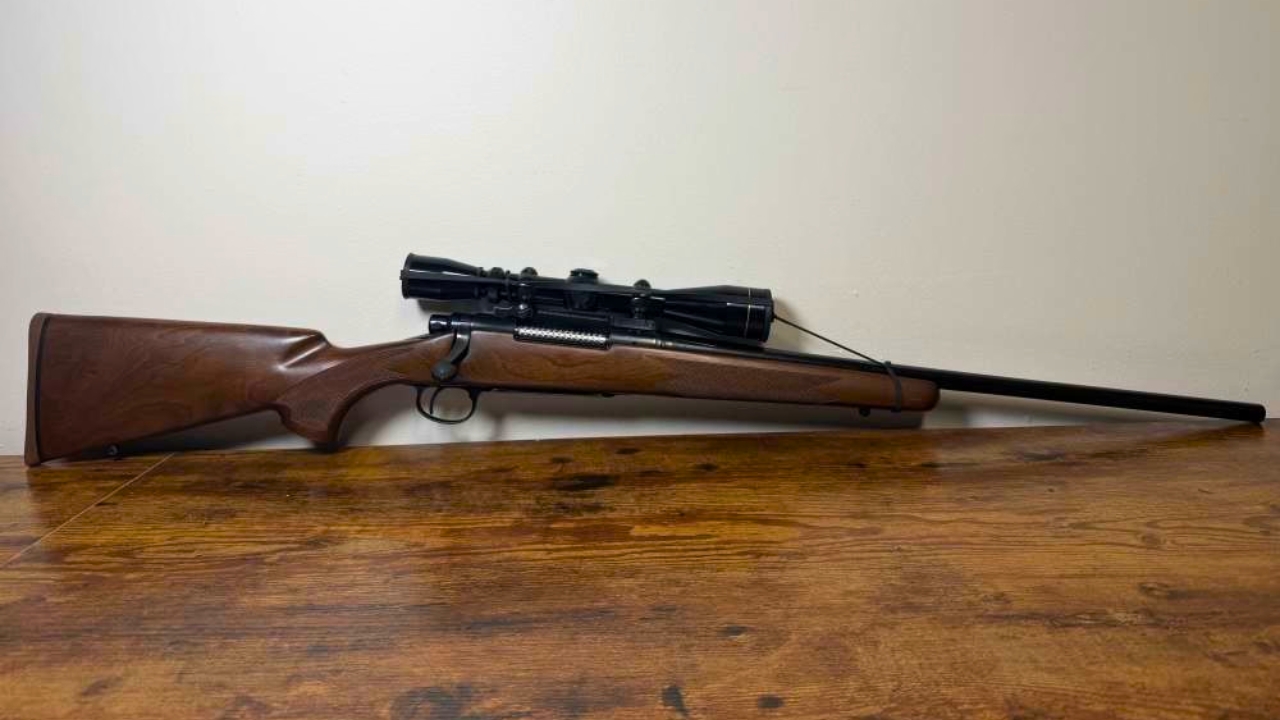
I’ve carried more than one 700 that looked like it belonged behind a truck seat, yet it still stacked bullets where it should. The older BDLs had that “finished” feel—deep bluing, good wood, and a bolt that didn’t feel like it was dragging over gravel.
Yes, there are modern debates around triggers and quality swings across eras. I’m talking about the classic hunting rifles that lived in scabbards and saddle racks and kept punching tags. They just work, and they balance right in the hands.
3. Ruger M77 Mark II
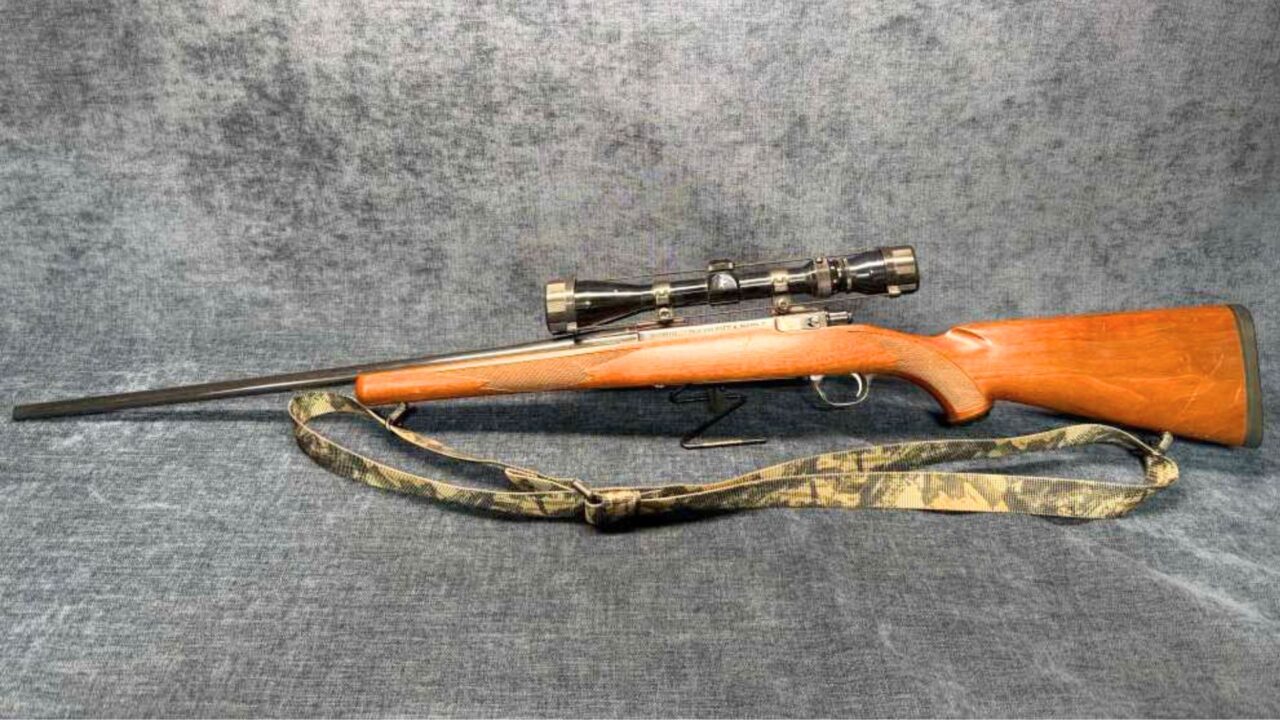
Ruger built these like they expected you to drop it in the rocks and keep hunting. The controlled-round feed is dependable, the integral ring system is sturdy, and the whole rifle has a “no-nonsense” vibe that fits elk camps and wet deer seasons.
Are they the slickest actions ever? No. But the Mark II is a working man’s rifle that can take years of hard use without getting fragile about it.
4. Savage Model 99
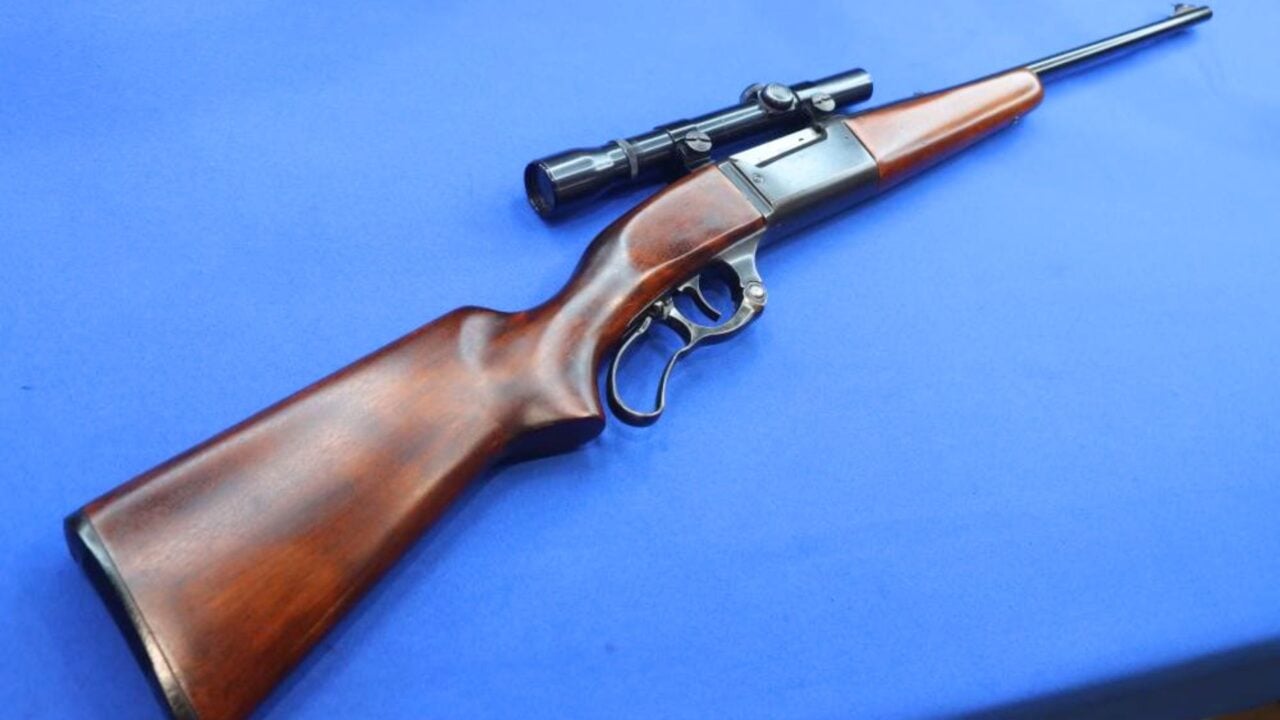
The 99 is one of those rifles that makes you appreciate American creativity when it was backed by real machining. A lever gun that can handle spitzer bullets thanks to its rotary magazine, and it still carries like a dream in the woods.
It’s not a “cheap lever gun,” and it never really was. The 99 feels like a smart design executed by people who knew how to make parts fit.
5. Marlin Model 336 (North Haven-era)

A good 336 points fast and carries easy, and the side-eject makes it simple to mount a scope without turning the rifle into a science project. The older ones have that solid lever throw—smooth, not loose, with a reassuring click when it locks up.
For thick woods whitetails, black bears over bait where legal, or just a truck rifle that doesn’t hate bad weather, a quality 336 is hard to beat. I get why folks hoard them.
6. Winchester Model 94 (pre-64)
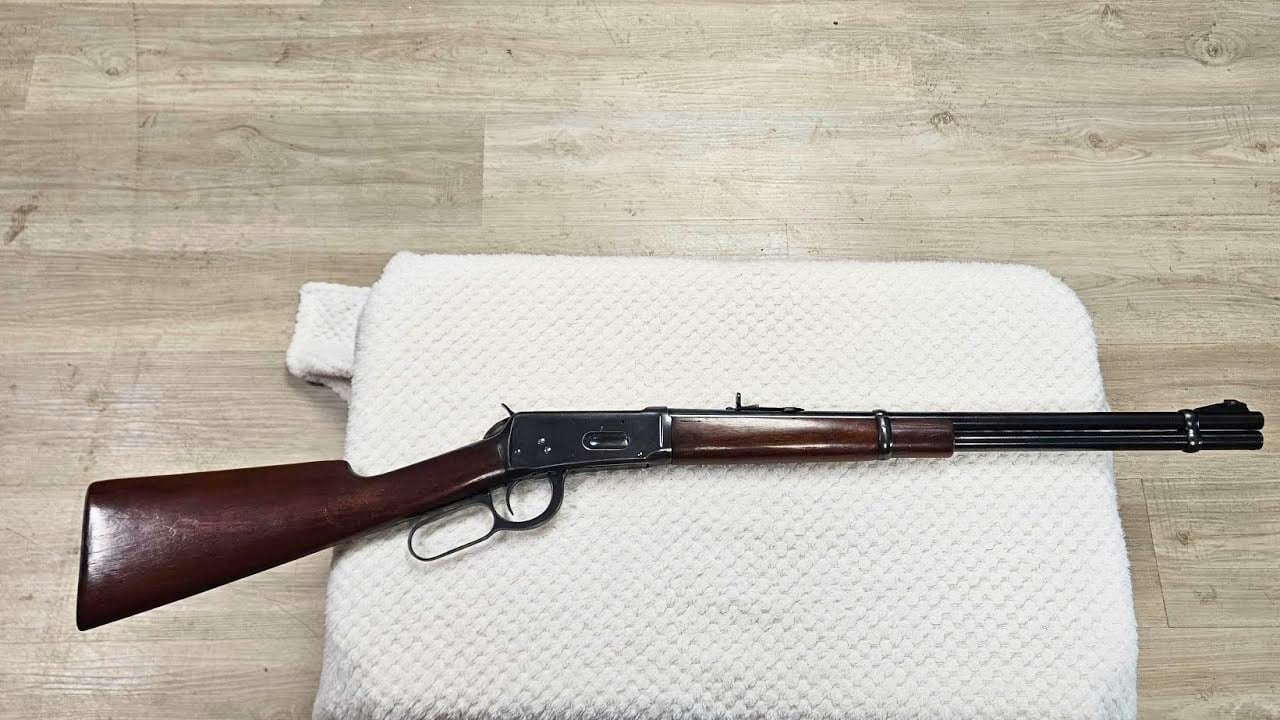
It’s not fancy, but it’s iconic for a reason. A good early 94 feels trim and alive in your hands, like it was built around actual carry instead of bench shooting. The steel and wood fit tends to be better than what you’ll see on a lot of later budget lever guns.
It’s also a reminder that “light” doesn’t have to mean flimsy. A worn 94 that still runs is proof enough.
7. Browning Auto-5 (Belgian production)
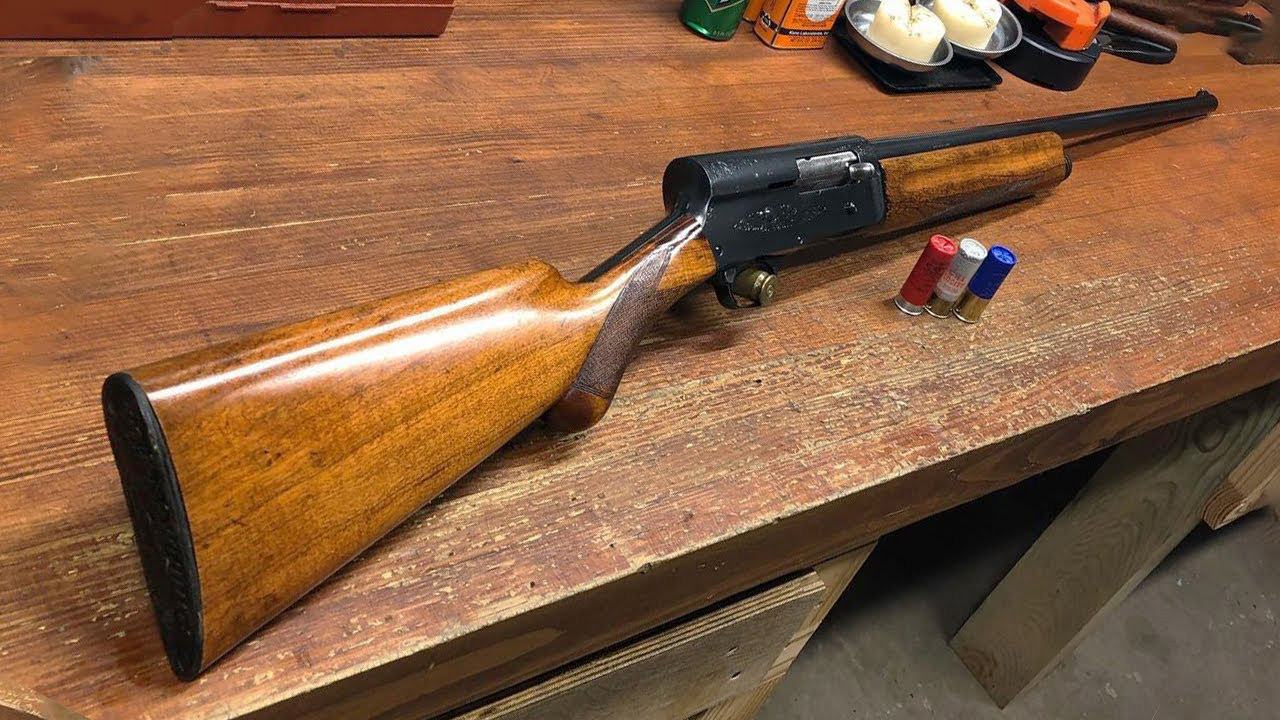
The humpback shotgun is a history lesson you can shoot. Long-recoil operation isn’t trendy, but those old Belgian Auto-5s were built with a level of polish and durability that still shows up on the skeet field today.
They can be particular about setup and friction rings, so you need to pay attention and keep it maintained. Do that, and you’ve got a shotgun that can outlast your shoulder.
8. Remington 870 Wingmaster
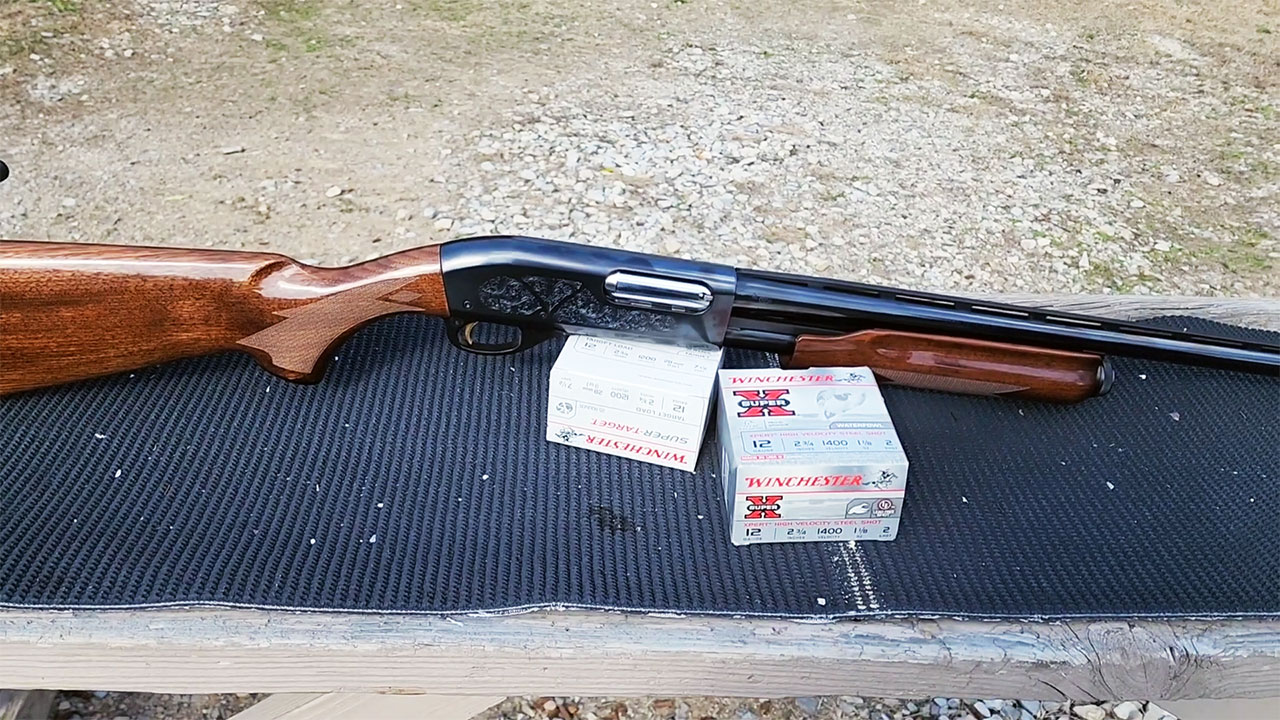
If you’ve ever handled an older Wingmaster, you know the difference the second you rack it. It’s not just smooth—it feels like parts that were actually fitted, not just assembled. The finish holds up, and the gun tends to run filthy without complaining.
It’s a pump shotgun, nothing exotic. But it’s a benchmark for what a “simple” gun looks like when it’s done right.
9. Ithaca Model 37
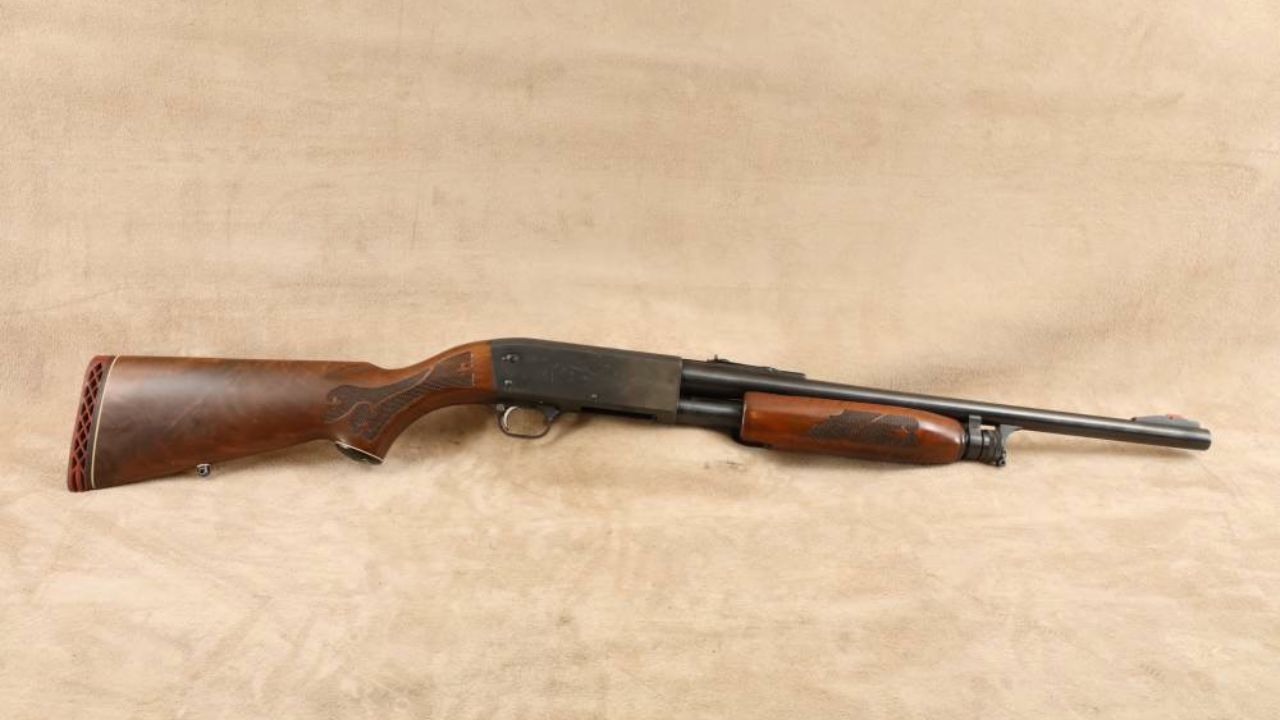
Bottom ejection is a lefty’s friend, but it’s also just a practical design in brush and nasty weather. A good Model 37 feels slim and quick, and the action has that slick, oiled feel you don’t always find anymore.
These are the kind of shotguns that end up riding behind the seat for decades. They don’t need attention. They need shells.
10. Winchester Model 12
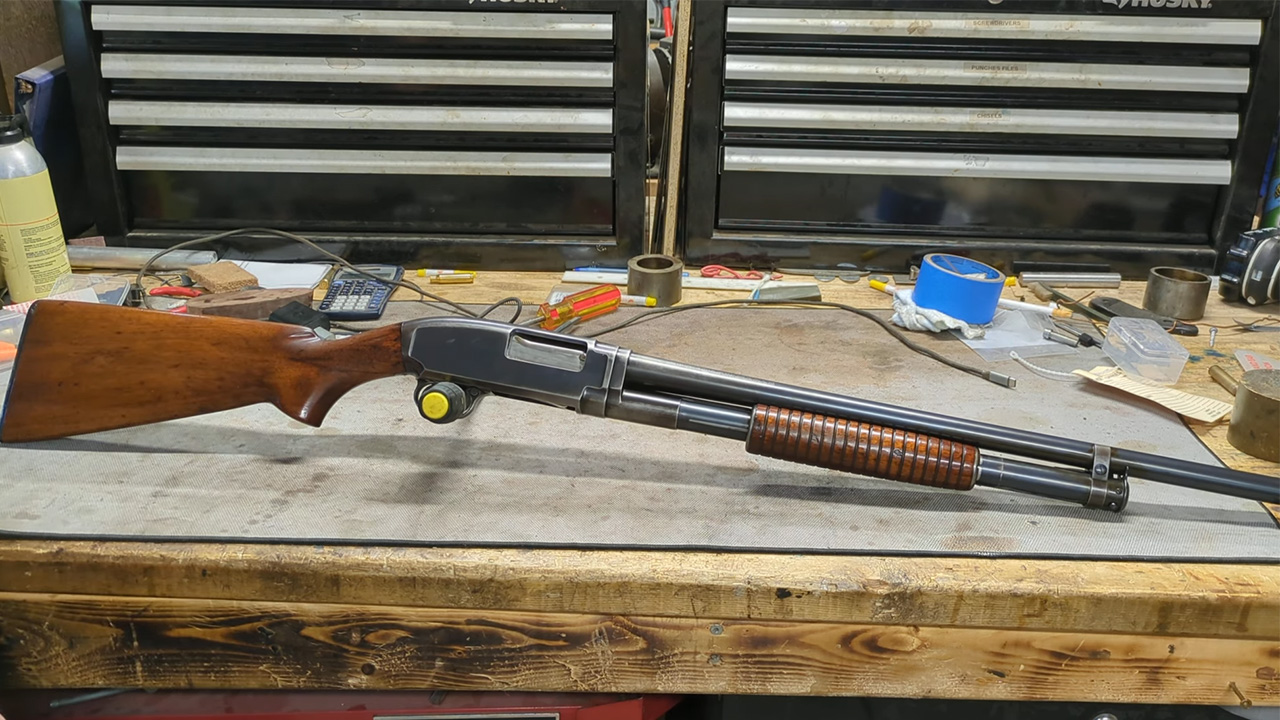
Old-timers call it “the perfect repeater,” and while that’s a big claim, I understand the affection. The Model 12 has a bank-vault feel when it locks up, and the machining inside looks like someone cared about every cut.
They can be heavy compared to modern upland guns, but for clays, ducks, and general shooting, they’re an American classic that earned the reputation honestly.
11. Colt Python (classic blued models)

There are revolvers that shoot well, and then there are revolvers that feel like a piece of machinery that was tuned by a watchmaker. The older Pythons have that kind of action—stacking the trigger in a way that’s smooth and deliberate.
They’re expensive now, and I’m not telling anyone to toss one in a tackle box. But as an example of what American revolver craftsmanship looked like at full stride, it’s right there.
12. Smith & Wesson Model 29

Dirty Harry stuff aside, the Model 29 is a serious revolver with a lot of steel and a lot of presence. Older ones, especially, show off clean machining and that classic S&W trigger feel that makes double-action shooting enjoyable instead of a chore.
It’s not a beginner’s handgun, and full-house loads will remind you quickly. Still, it’s a piece of American gunmaking that feels like it was built to last and to be used.
13. Smith & Wesson Model 10
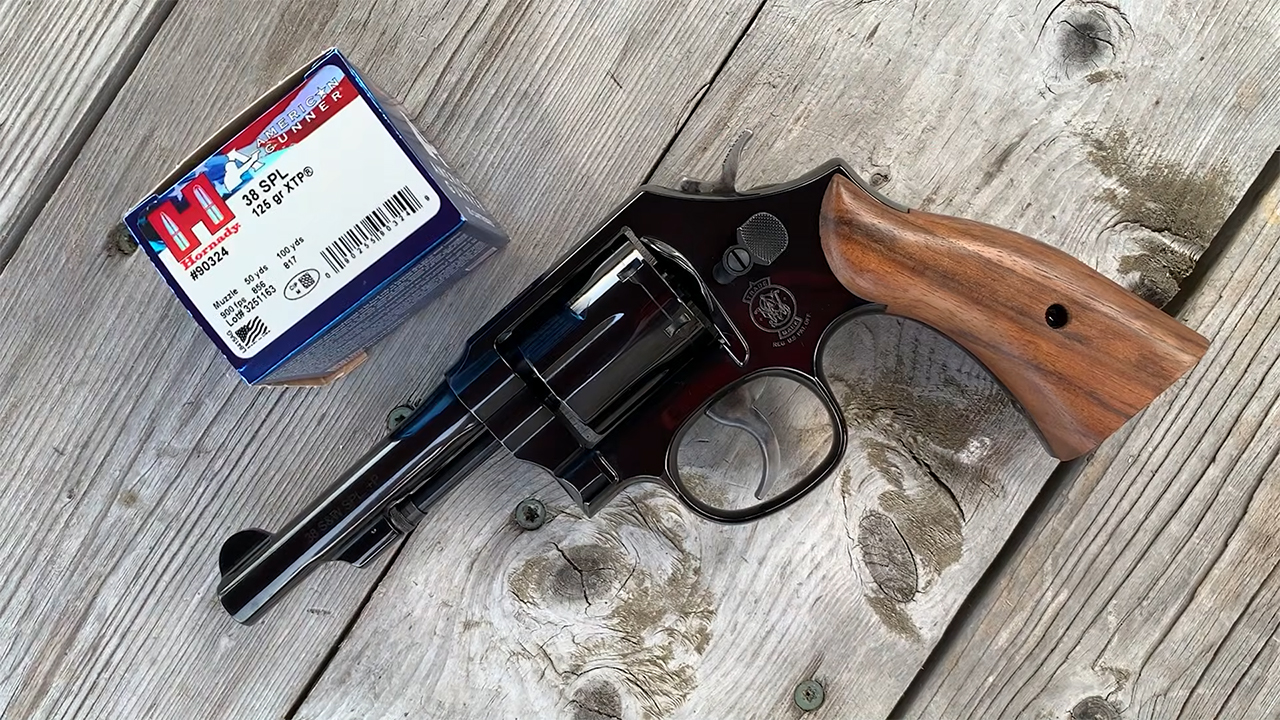
Here’s the “boring” one that isn’t boring at all. The Model 10 is what happens when a company makes the same basic revolver for decades and keeps refining it. It’s balanced, accurate, dependable, and easy to live with.
For a woods bum that wants a simple .38 that will always go bang, it’s tough to argue against. There’s nothing fancy about it, and that is kind of the point.
14. Ruger GP100
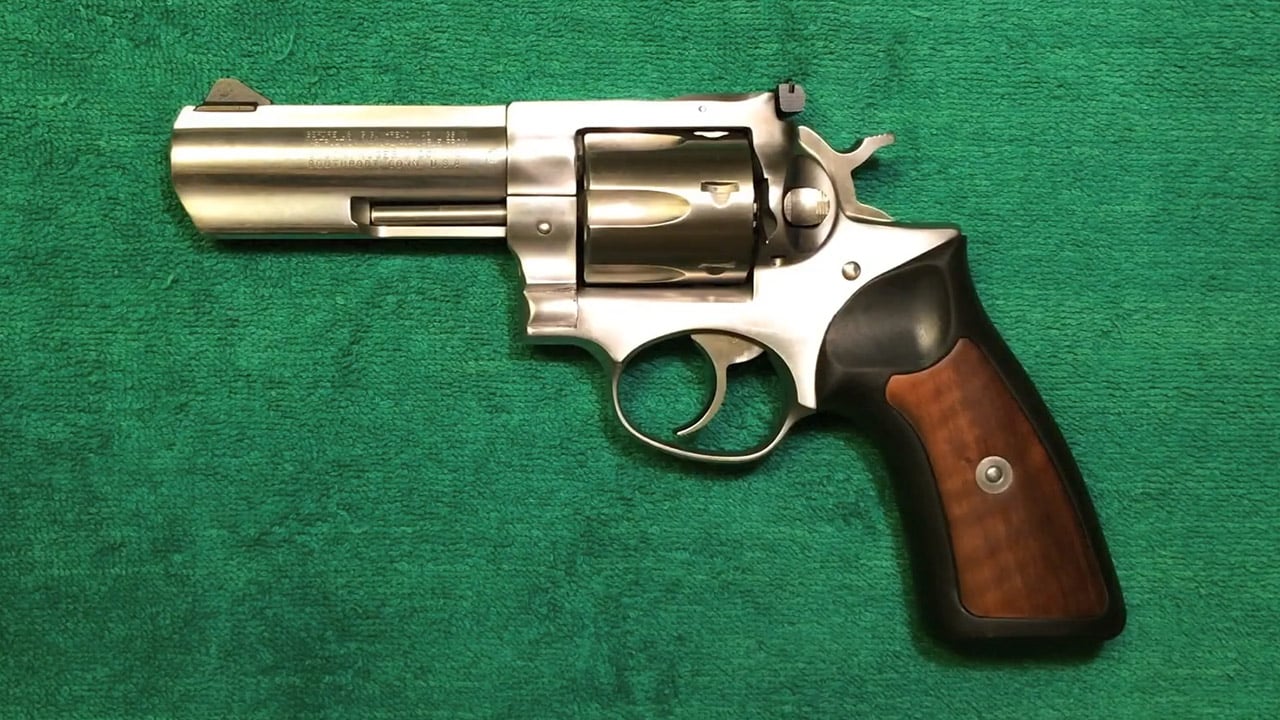
Ruger doesn’t do delicate. A GP100 feels like you could use it to pound tent stakes and then go shoot a clean group. The lockwork is robust, the frame is stout, and it handles hotter .357 loads without feeling like it’s being punished.
It may not have the same “polished” vibe as an old S&W, but it’s American manufacturing aimed at real-world durability. In the outdoors, that matters.
15. Colt M1911A1 (wartime production)
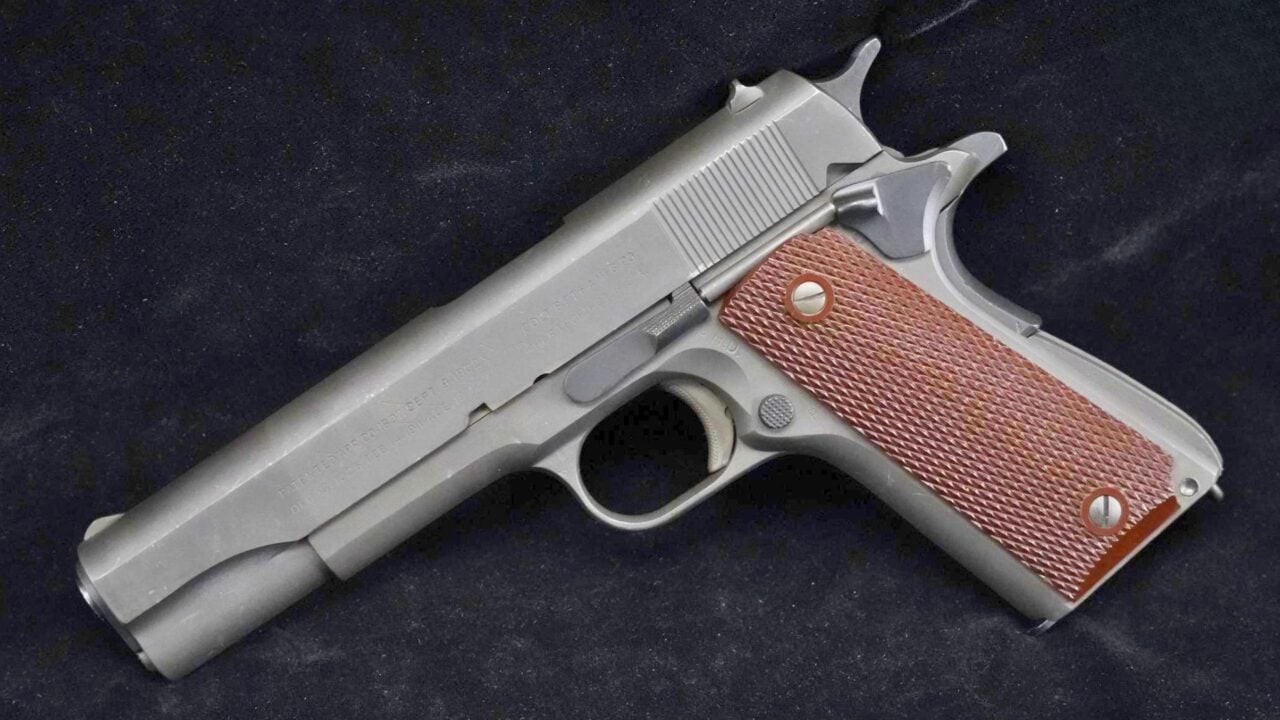
These pistols weren’t built to win beauty contests. They were built to be turned out by the ton, survive mud and sweat, and still run. That’s the impressive part: American industry taking a design and producing it at scale with consistent function.
Rattle is normal on some of them, and triggers vary. But you pick one up and you’re holding a slab of history that still does the job it was meant to do.
16. Springfield Armory M1 Garand

The Garand is the definition of “overbuilt” in the best way. The weight, the machining, the way the action cycles—everything about it feels like a country decided it was going to make the best battle rifle it could and then actually did it.
It’s also just plain fun to shoot if you feed it appropriate ammo and take care of it. Bring one to the range and somebody will always wander over to look.
17. Springfield Armory M1A (early USGI-parts rifles)
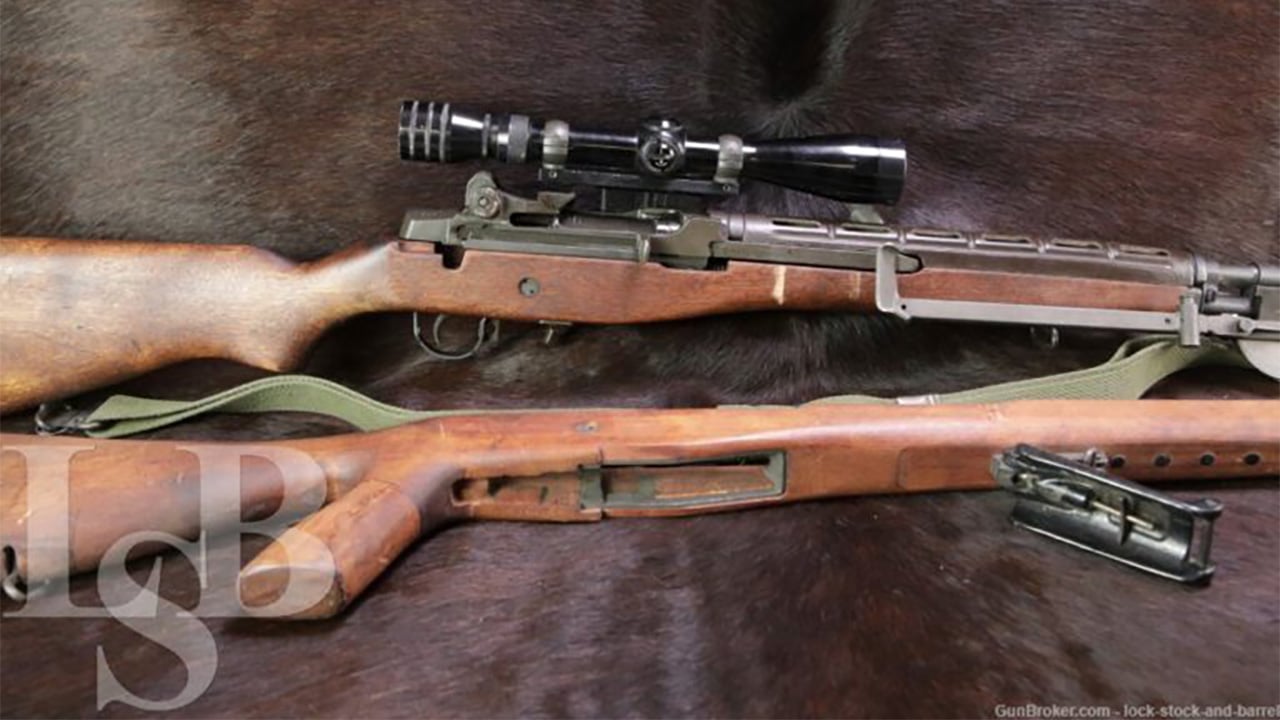
The M1A isn’t a lightweight mountain rifle, and nobody should pretend it is. But the early rifles built with a lot of USGI parts have a feel that’s hard to replicate—solid, consistent, and made for a long service life.
They’re accurate enough for most practical shooting, and they carry a certain old-American seriousness. It’s the kind of rifle you buy once and then just keep finding excuses to shoot.
18. Ruger 10/22 (older walnut-stock carbines)
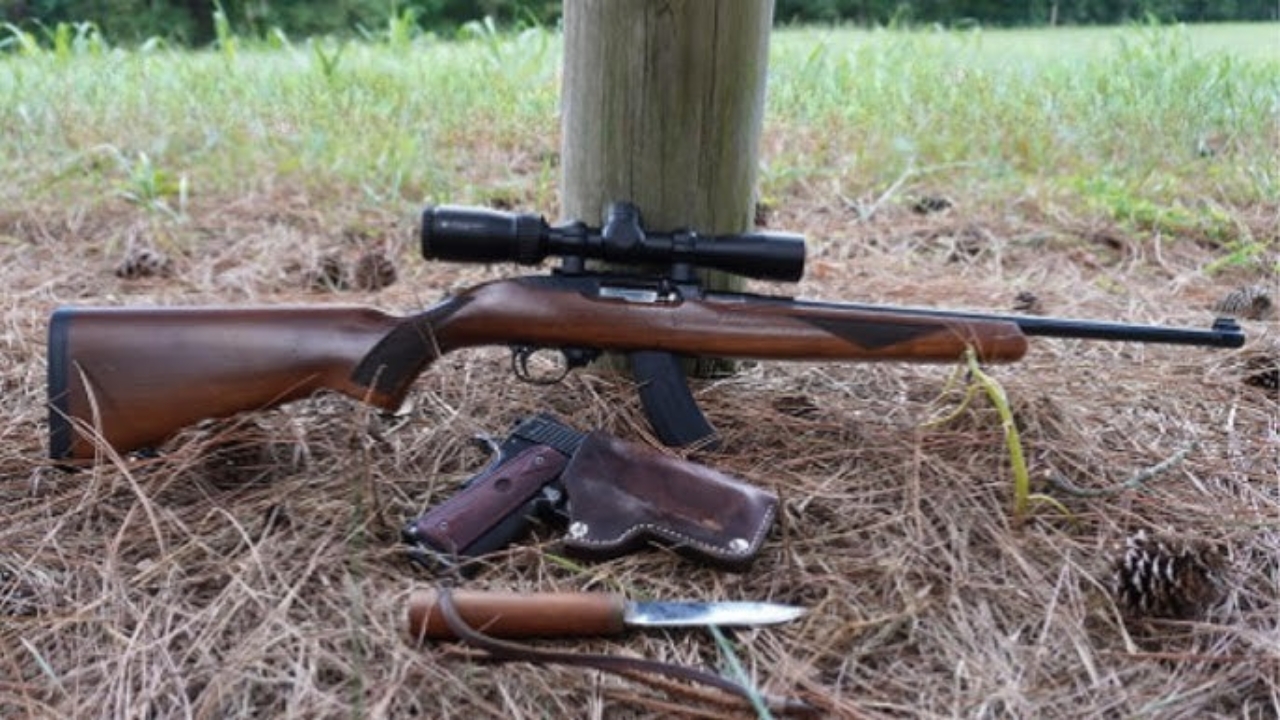
Everybody has seen a 10/22, which is exactly why it belongs here. It’s one of the best examples of American design meeting mass production and still being reliable, accurate enough, and endlessly useful.
The older walnut-stock versions just feel better in the hands, and they tend to age well. It’s also one of the few guns where parts, mags, and support are basically everywhere. That counts.
19. Marlin Model 60 (JM-era)

If you grew up shooting .22s, there’s a decent chance a Model 60 was in the mix. It’s not glamorous, and tube mags aren’t the hotness, but these rifles have put an unbelievable number of squirrels and tin cans in the dirt.
A good older one will run for years with basic cleaning and halfway decent ammo. It’s a humble reminder that “best” doesn’t always mean expensive.
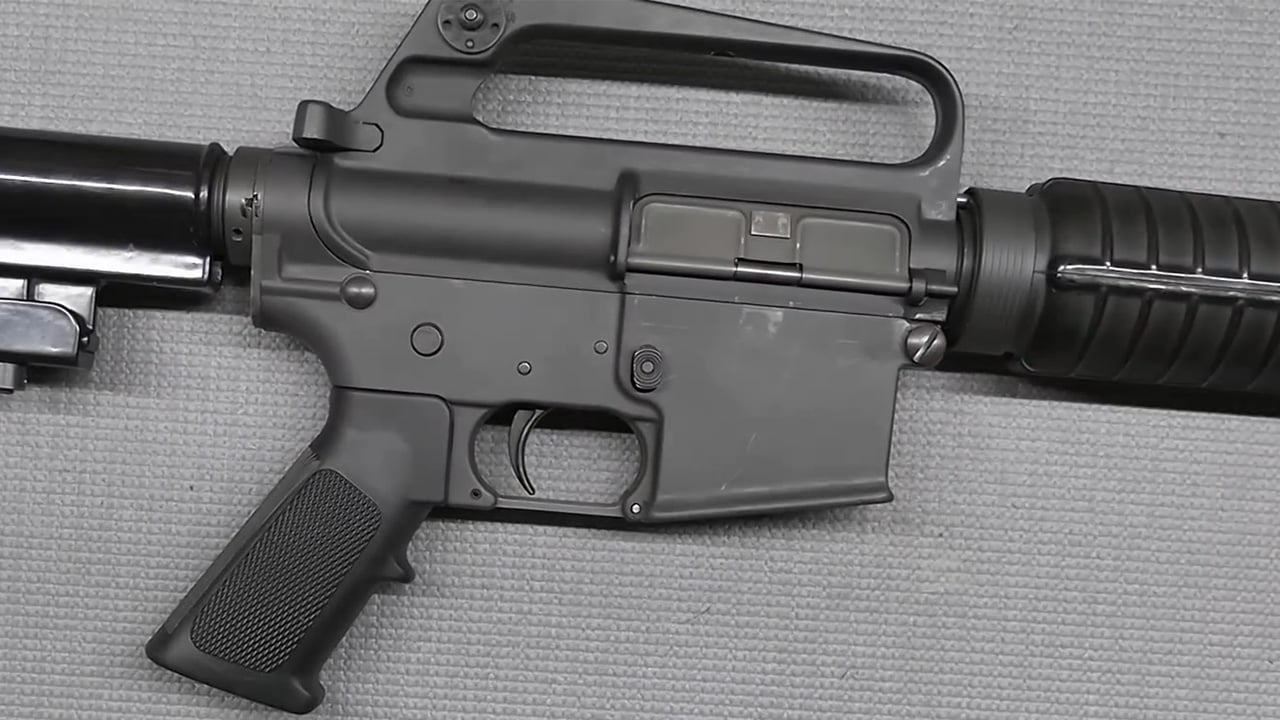
20. Colt AR-15 SP1
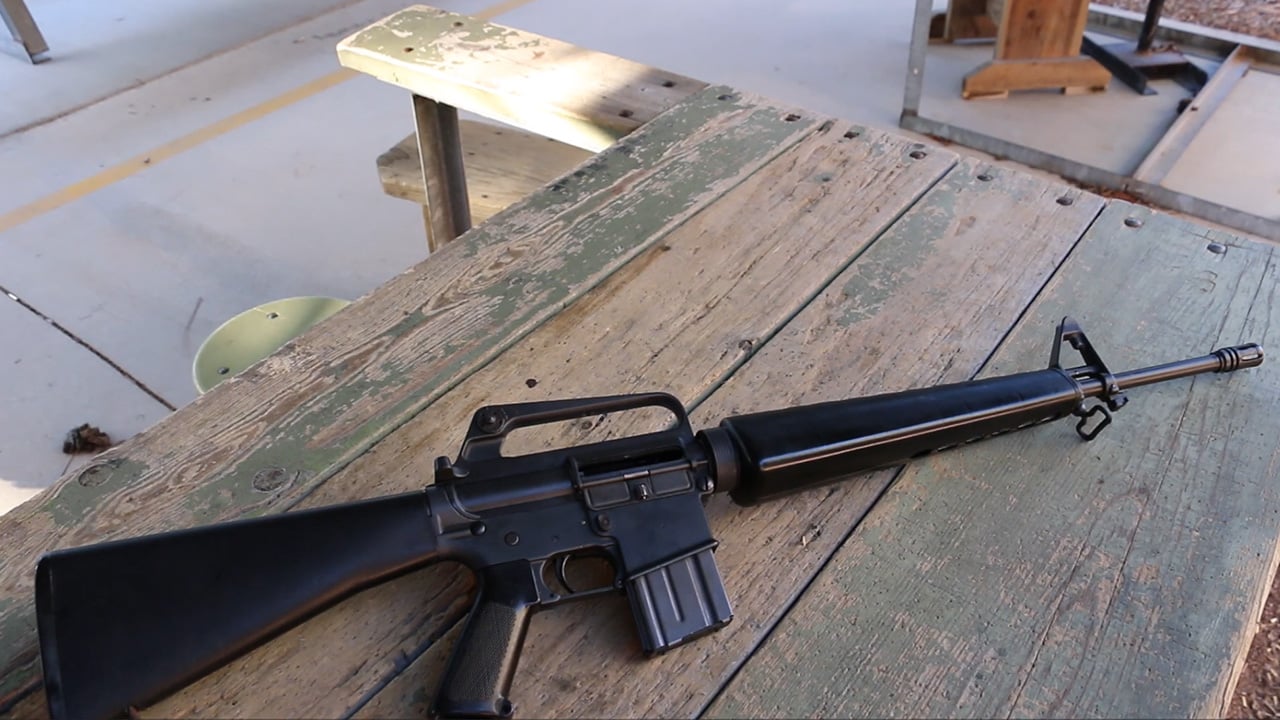
Before the AR became a whole lifestyle industry, there were simple, lightweight rifles like the SP1 that just handled well. The early Colt stuff tends to show careful assembly and a certain “right” feel in the controls and fit.
No, it’s not a modern duty setup with rails everywhere, and I’m fine with that. As a snapshot of American manufacturing and a rifle that still shoots flat and carries easy, it earns its spot.
The funny thing is how many of these aren’t “perfect” by modern internet standards. Some are heavy. Some are expensive. Some have quirks you have to learn. But they prove something important: when American companies were firing on all cylinders, they could build guns that weren’t just functional—they were durable, refined, and made to be passed down instead of replaced.
Like The Avid Outdoorsman’s content? Be sure to follow us.
Here’s more from us: