Photo credit: Kahr Firearms Group/Youtube
Some guns are easy to love in photos and hard to live with in person. They look cool, sound powerful, carry a famous name, or show up in enough online praise that buying one feels like the obvious move. Then the owner finally shoots it and realizes the gun is not what they imagined.
That’s why renting or borrowing before buying can save a lot of regret. A handgun can feel wrong in the grip. A rifle can kick harder than expected. A shotgun can swing poorly. A famous firearm can be more expensive, awkward, or unpleasant than the owner wanted to admit. These are the guns that often make people wish they had tried them first.
Desert Eagle .50 AE

The Desert Eagle .50 AE is almost made for impulse buying. It’s huge, famous, dramatic, and instantly recognizable. Plenty of people want one because it feels like the ultimate range-table conversation starter. That part is real. Nobody ignores a .50 AE Desert Eagle.
The problem is what happens after the novelty fades. It’s expensive to feed, heavy to hold, bulky to store, and not practical for most normal handgun uses. The grip is enormous, the recoil and blast are serious, and the gun requires proper technique to run well. Renting one first would show a lot of buyers what they’re really getting: a fun spectacle, not a handgun they’re likely to shoot every weekend. Some owners love that. Others realize they bought the experience when they only needed to rent it once.
Glock 29
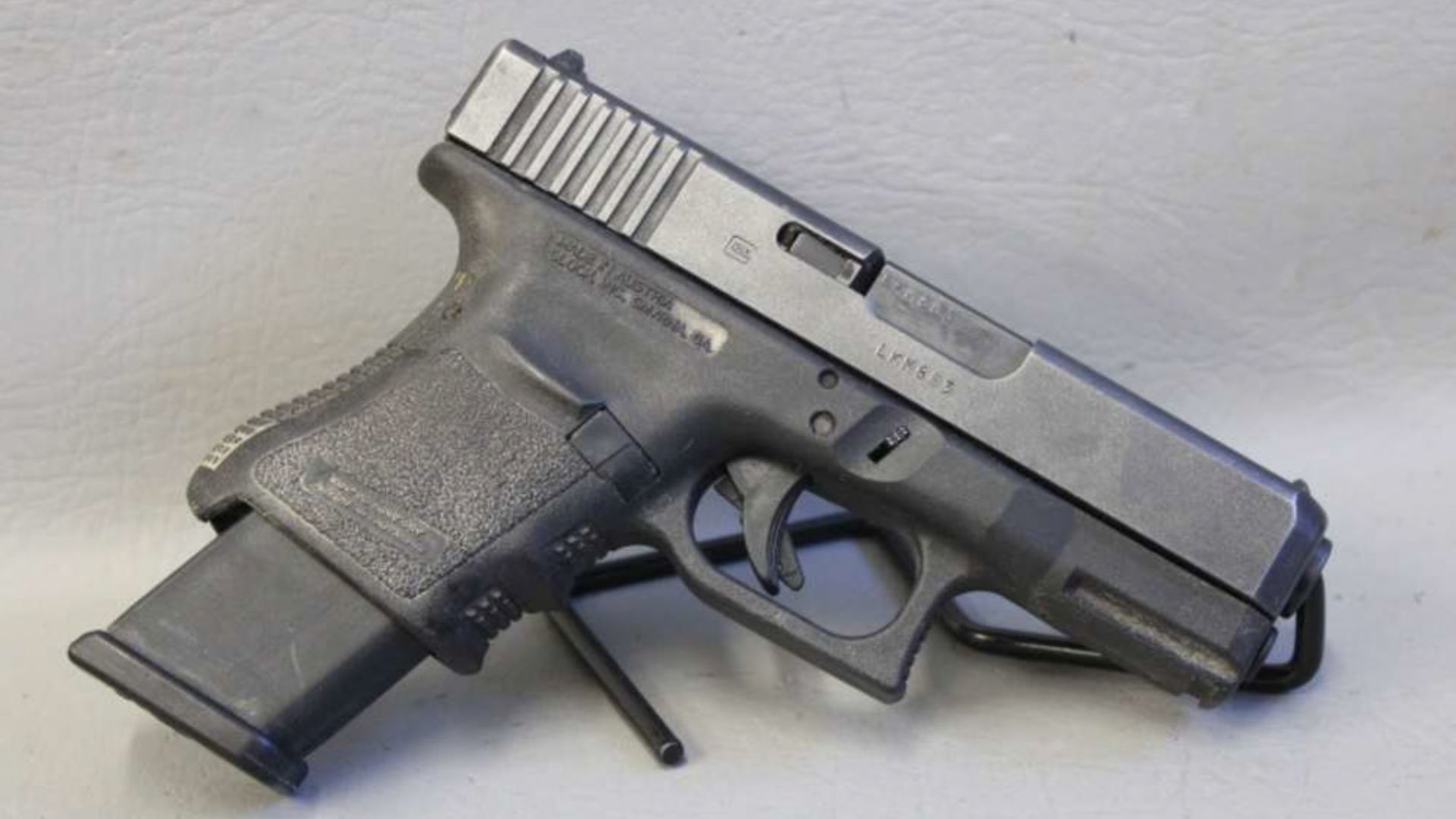
The Glock 29 sounds like a perfect idea to people who want serious 10mm power in a compact package. It has Glock reliability, a manageable footprint, and real woods-carry appeal. On paper, it looks like a compact pistol with far more authority than ordinary defensive rounds.
Then people shoot full-power 10mm out of it. The grip is thick, the recoil is sharp, and ammunition costs are not exactly friendly. It can absolutely make sense for the right owner, especially someone who wants a powerful compact outdoors pistol and is willing to train with it. But casual buyers may discover quickly that compact 10mm is not fun in the same way compact 9mm is fun. Renting one first would save a lot of “this seemed easier online” regret.
Smith & Wesson 500 Magnum

The Smith & Wesson 500 Magnum is another gun many people should experience before buying. It’s one of the most powerful production revolvers available, and that alone makes it tempting. The size, weight, and cartridge all make it feel like a bucket-list handgun.
A few cylinders at the range may satisfy that curiosity for a lot of shooters. The recoil, blast, ammo cost, and sheer bulk make it a serious commitment. It can be useful for handgun hunting and specialized big-game roles in the hands of someone who truly needs and practices with it. But for many buyers, it becomes a very expensive safe trophy after the first painful range session. Renting one first helps separate “I want to try that” from “I want to own that.”
SIG Sauer P938

The SIG P938 is easy to buy on looks and reputation. A tiny metal-frame 9mm with 1911-inspired controls sounds classy, capable, and easy to carry. It feels more refined than many polymer pocket pistols, and that can be enough to push someone toward the counter.
Shooting it may tell a different story. The small grip, short sight radius, and snappy recoil can make it harder to run than expected. The manual safety also requires real training and comfort with cocked-and-locked carry. Some people shoot the P938 well and genuinely like it, but others find it too small to enjoy and too demanding to trust casually. Renting one first would help buyers know whether they like the concept or actually like the gun.
Lightweight .357 Magnum Snubnose Revolvers

Lightweight .357 Magnum snubnose revolvers sell people on power and portability. A tiny revolver that can fire .357 Magnum sounds like the best of both worlds: compact enough to carry and powerful enough to inspire confidence. That’s the kind of idea that moves guns quickly.
Then the trigger gets pressed. Full-power .357 Magnum loads from a featherweight snub can be loud, sharp, painful, and difficult to control. Many owners end up carrying .38 Special or mild .357 loads instead, which makes the original buying logic less convincing. These revolvers can be useful, but only for shooters honest about recoil and practice. Renting one before buying would show immediately whether the owner can actually shoot it well.
KelTec Sub2000
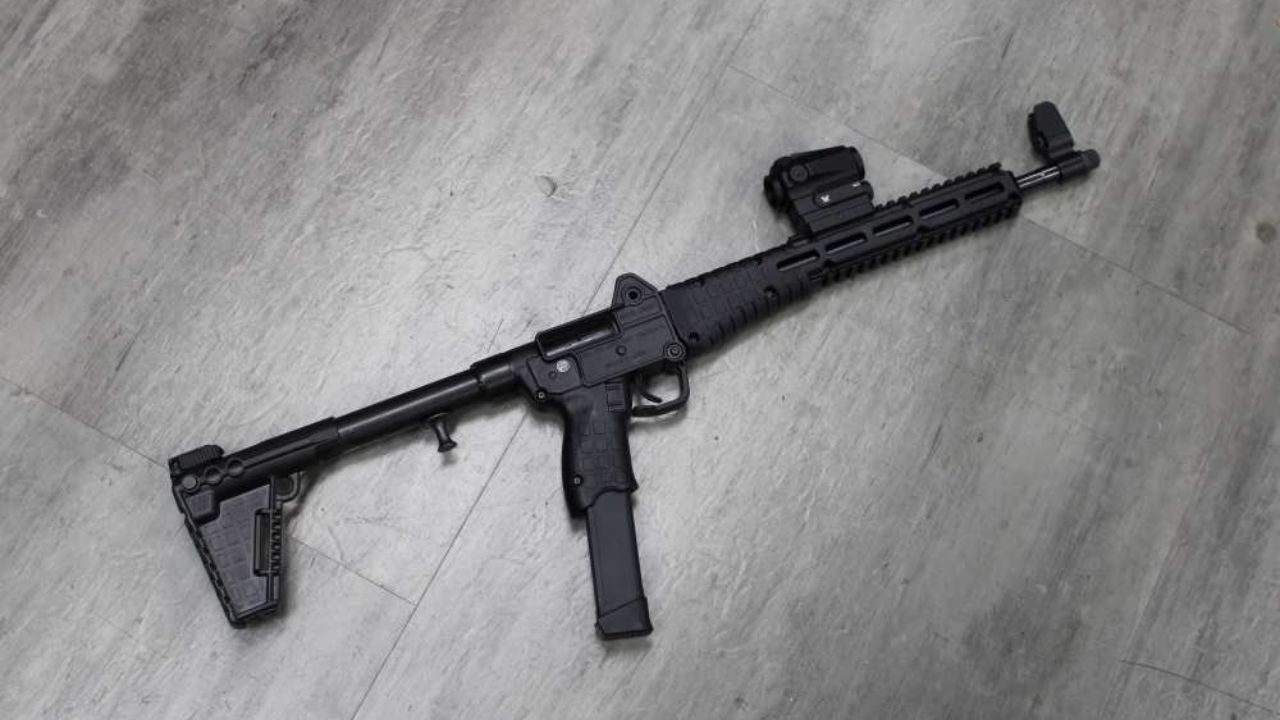
The KelTec Sub2000 is a gun people often buy because the concept is so clever. A folding 9mm carbine that can accept common pistol magazines depending on the version sounds extremely useful. It stores compactly, travels easily where legal, and offers low recoil in a simple package.
The shooting experience can be more divisive. The stock, cheek weld, sights, and overall feel are not as refined as more traditional carbines. Some owners love it for its storage convenience and accept the tradeoffs. Others discover they would rather have a sturdier, more comfortable pistol-caliber carbine that doesn’t fold. Renting or borrowing one first would help buyers figure out whether they value the folding trick enough to live with everything else.
Kimber Micro 9

The Kimber Micro 9 has a lot of shelf appeal. It’s small, attractive, metal-framed, and clearly more stylish than many polymer carry pistols. For buyers who like 1911-style controls, it can seem like the perfect little carry gun.
But tiny 9mm pistols are rarely as pleasant as they look. The Micro 9 can be snappy, the controls require commitment, and reliability should be tested carefully with carry ammunition and magazines. Some owners love them, especially if they already understand small single-action pistols. Others quickly realize they bought a beautiful gun that is harder to shoot than expected. Renting one first would reveal whether the buyer appreciates the platform or just likes the look.
Mossberg Shockwave
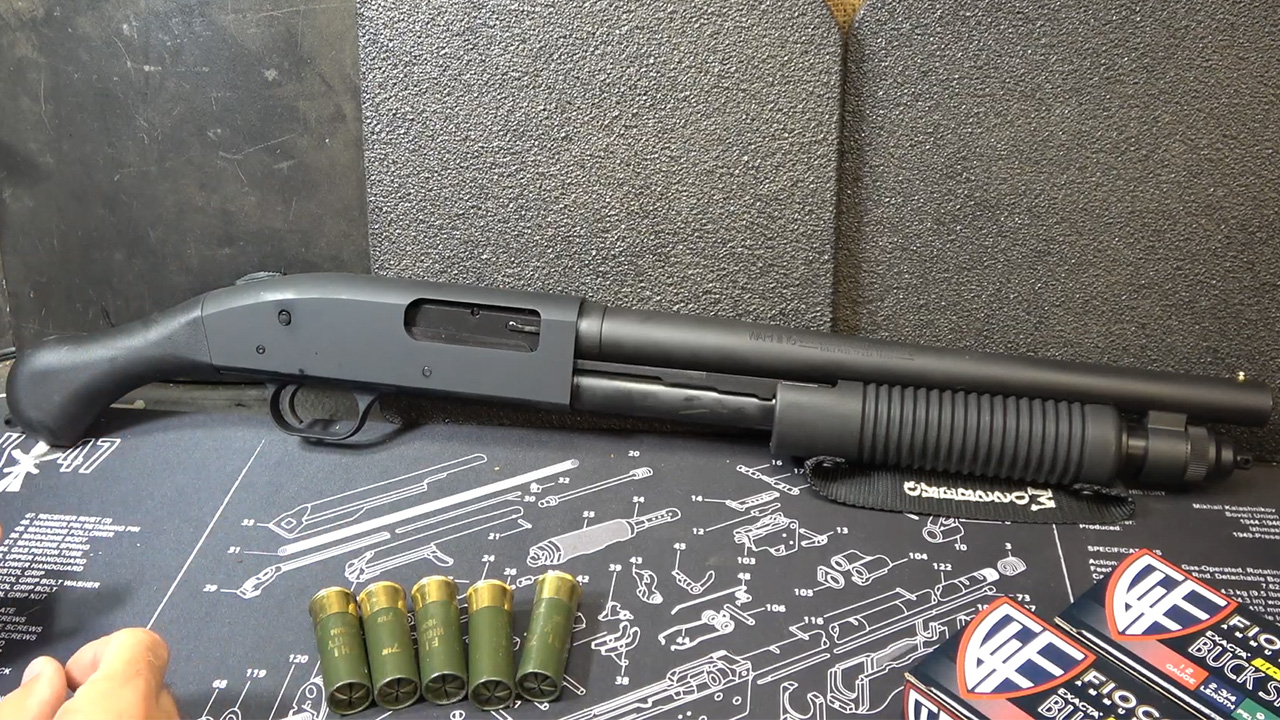
The Mossberg Shockwave looks like pure fun on the rack. A compact 12-gauge firearm with a bird’s-head grip has obvious “that looks wild” appeal. It seems like something that would be handy, intimidating, and entertaining all at once.
Actually shooting one can change that feeling fast. The Shockwave requires a specific technique, has stout recoil, and is harder to aim and control than a normal shotgun. It can serve niche roles, but it is not a simple substitute for a proper defensive shotgun, and it is not as easy to use as it looks. Plenty of buyers would be better off renting one once, enjoying the novelty, and then buying a full-stock shotgun they can run with confidence.
Walther CCP
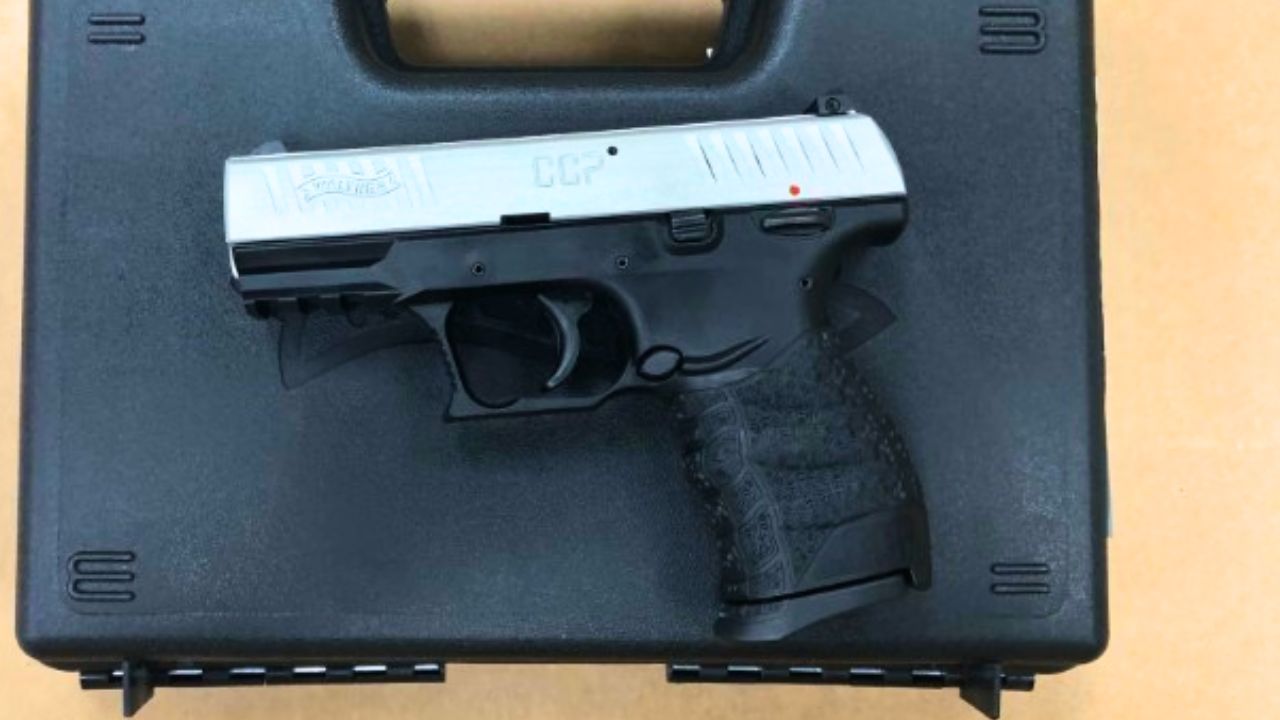
The Walther CCP is a gun people may wish they had rented because the concept sounds more appealing than the ownership experience for some shooters. A softer-shooting, easier-racking 9mm sounds excellent, especially for newer or recoil-sensitive shooters. That promise is enough to draw attention.
The tradeoffs show up later. The gas-delayed system, cleaning process on earlier versions, heat buildup during longer sessions, and general handling feel can make some owners wonder if they bought complexity when they wanted simplicity. Some shooters genuinely like the CCP and appreciate its lower recoil. Others would rather own a more conventional carry pistol. Trying one first helps determine whether the softer feel is worth the extra quirks.
North American Arms Mini Revolver
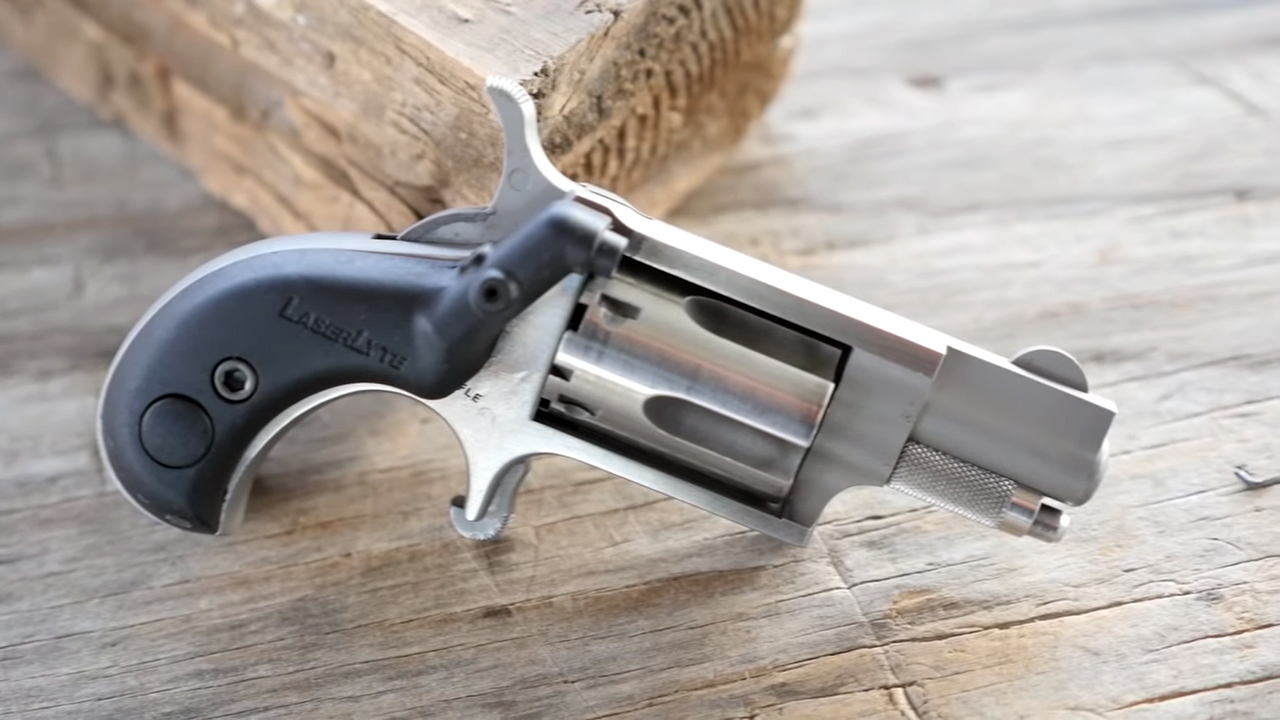
The North American Arms Mini Revolver is nearly impossible not to pick up when you see one. It’s tiny, clever, beautifully mechanical, and charming in a way most serious defensive guns are not. That charm can make buying one feel harmless.
Shooting and handling it seriously can sober people up quickly. The grip is tiny, the sights are extremely limited, loading is slow, and accuracy takes real effort. It can fill very narrow roles, and many owners enjoy them as curiosities or ultra-small backup options. But anyone expecting it to behave like a normal defensive revolver may regret the purchase. Renting or trying one first would show that the novelty is real, but so are the limitations.
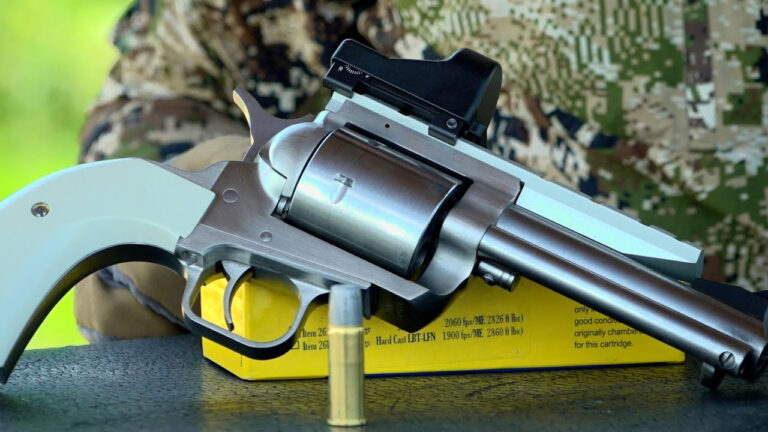
Magnum Research BFR
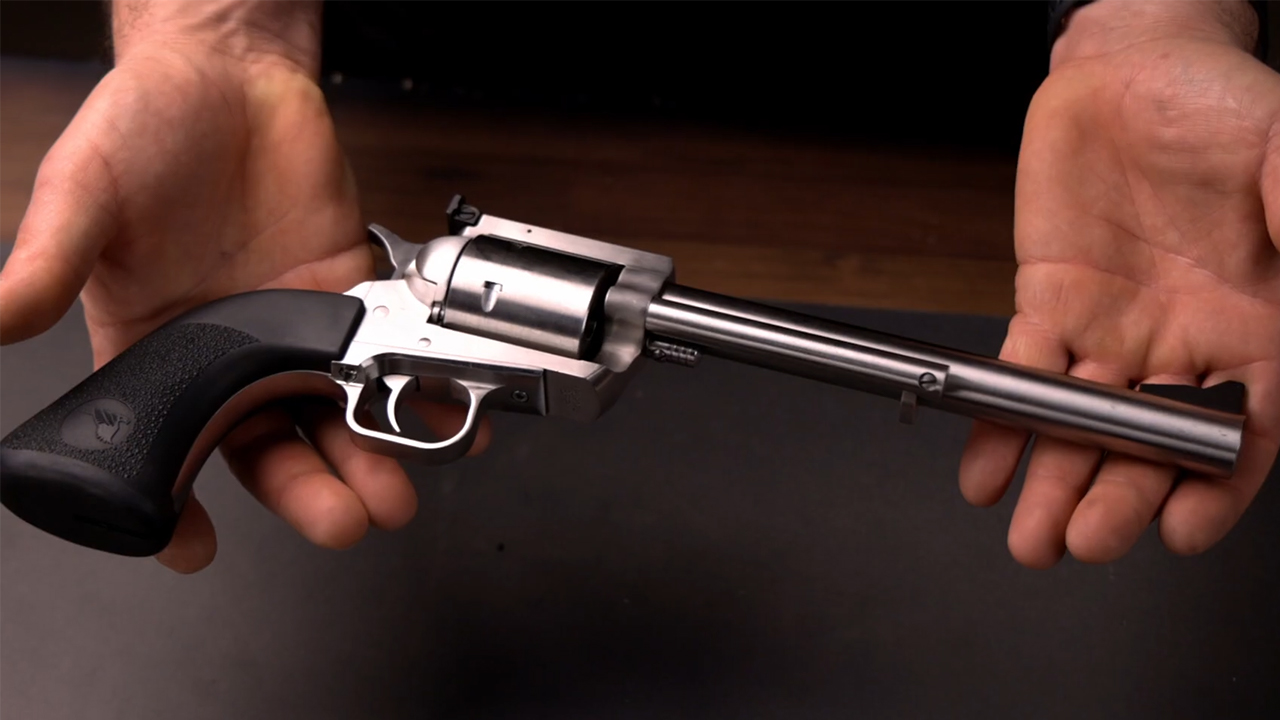
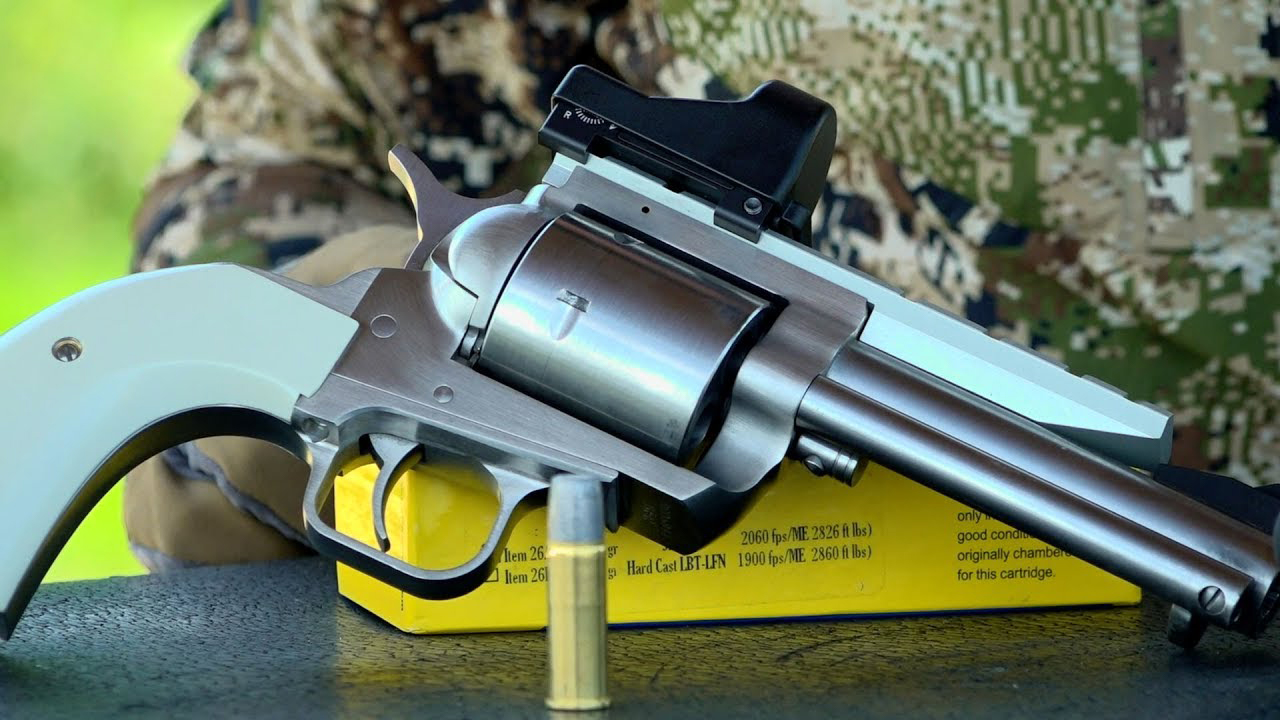
The Magnum Research BFR looks like a dream gun for people who love big revolvers. It comes in serious chamberings, has a huge presence, and feels like the sort of gun that turns any range trip into an event. That alone makes it tempting.
The reality is that it’s a specialized handgun. It’s heavy, expensive to feed, and can be punishing depending on chambering. It makes sense for handgun hunters, big-bore enthusiasts, and people who truly want to master a serious revolver. It makes less sense for someone who simply wants an exciting range toy. A rental session would tell many buyers whether the BFR is something they want to own or just something they wanted to experience.
Beretta Tomcat
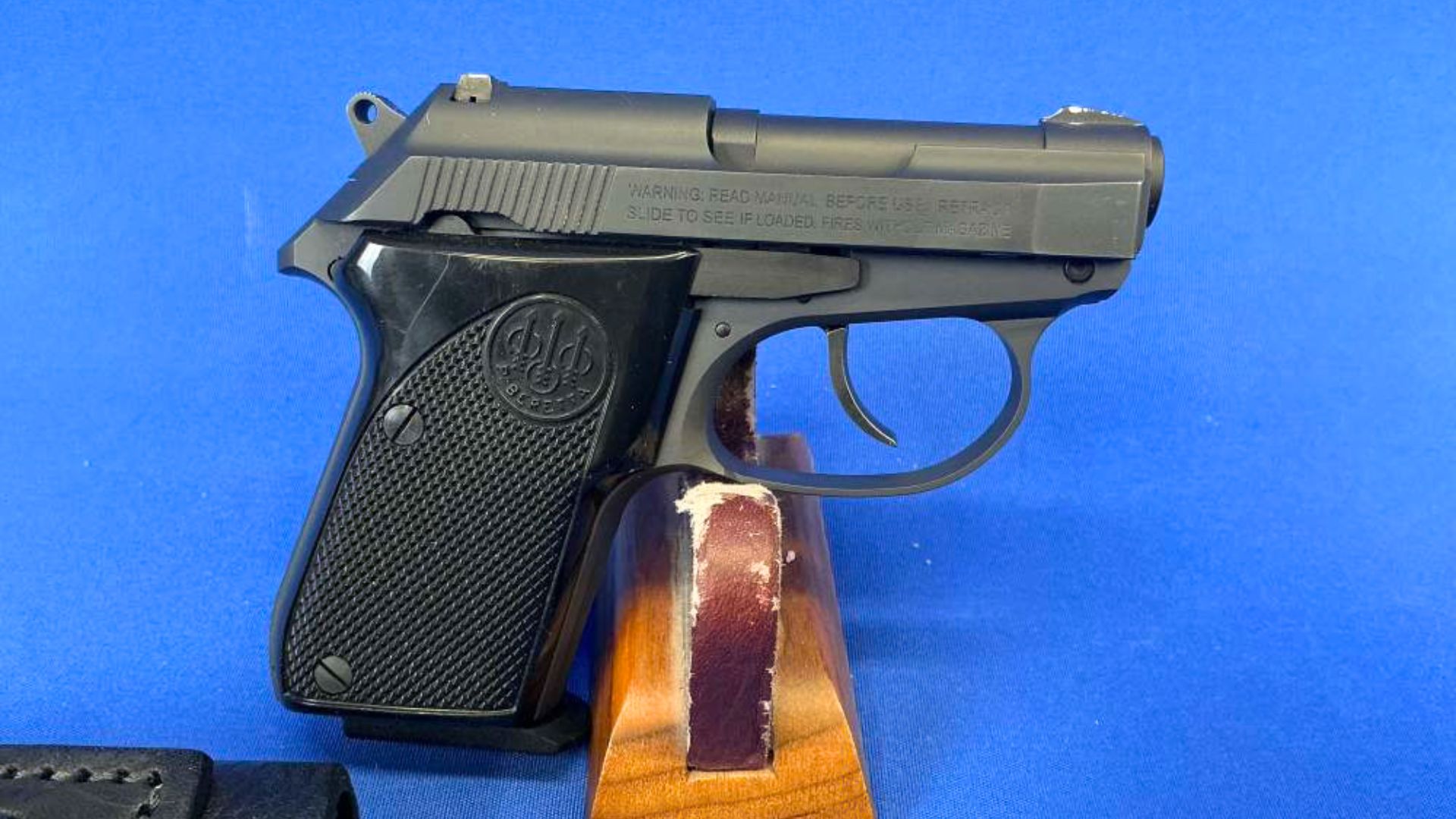
The Beretta Tomcat can tempt buyers because it is compact, charming, and built around a tip-up barrel that makes loading easier. For people with weaker hands or anyone drawn to little Berettas, the idea has obvious appeal. It looks friendly and clever.
The downside is that small blowback pistols can be wider, heavier, and more particular than buyers expect. The .32 ACP chambering is mild, but the gun’s size-to-power ratio does not impress everyone. It also has a reputation that makes ammunition choice and maintenance important. Some people love the Tomcat for exactly what it is. Others might have been happier renting one first and learning whether the cute little pocket pistol actually fits their needs.
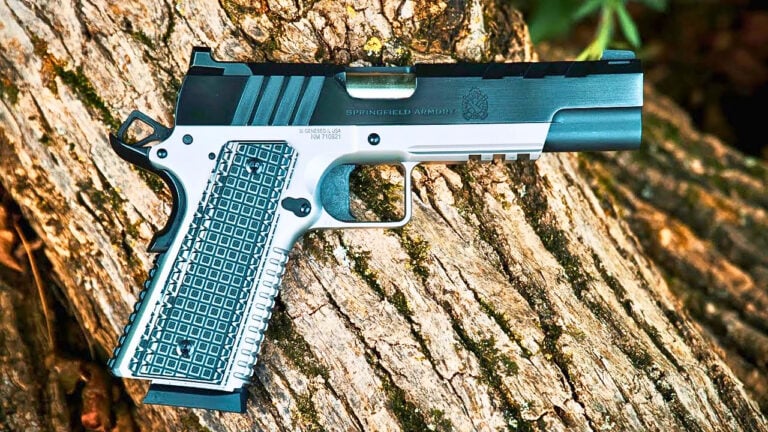
Springfield Armory XD-S .45 ACP
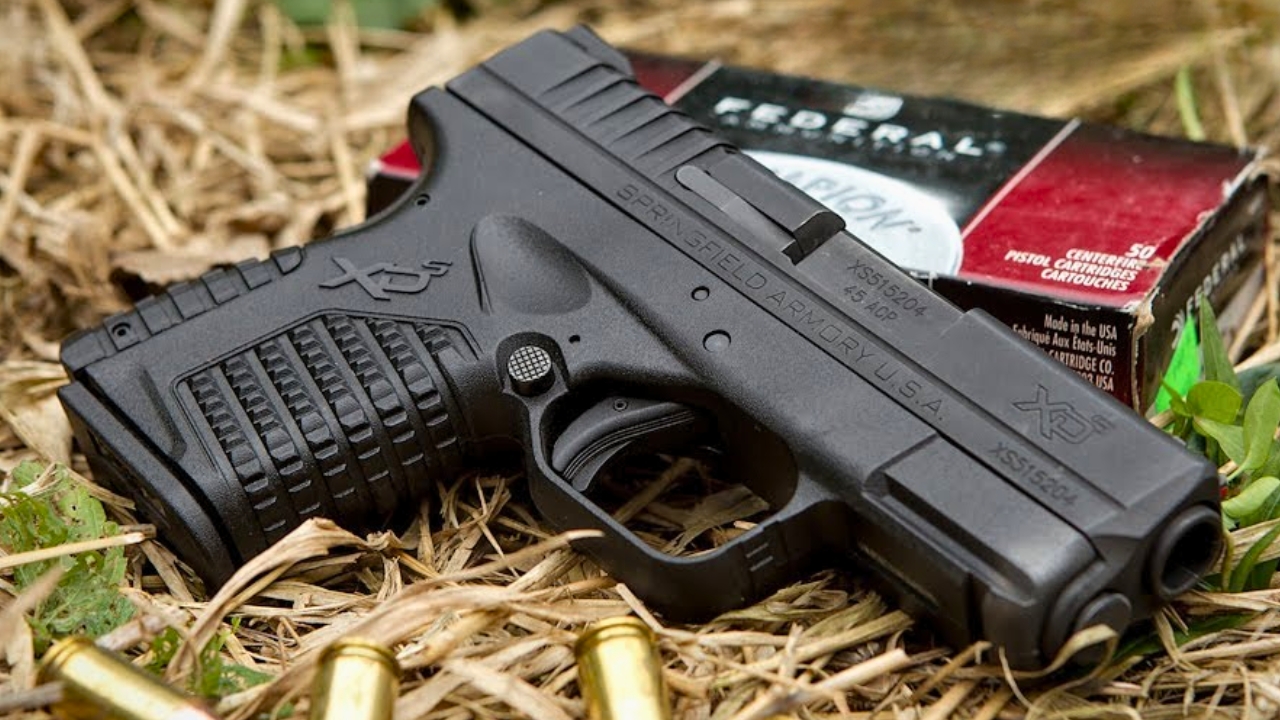
The Springfield XD-S in .45 ACP sounds appealing to buyers who want a slim carry pistol with big-bore power. A compact .45 that disappears easier than a full-size handgun seems like a strong defensive package on paper.
Then range time starts. Small .45 ACP pistols can be snappy, and the reduced grip gives the shooter less control than a larger platform. Capacity is limited, recoil recovery takes work, and some buyers may realize they shoot a similar-size 9mm much better. The XD-S .45 can work for people who train with it and like the platform. But it is exactly the kind of gun that should be tried first. Big caliber in a small pistol is not automatically better if the owner avoids practice.
Ruger LCR in .357 Magnum

The Ruger LCR in .357 Magnum is a smart-looking purchase for people who want a lightweight revolver with magnum capability. The LCR’s trigger is better than many small revolver triggers, and the gun carries easily. That makes the .357 version seem like a powerful little problem-solver.
The question is whether the owner actually wants to shoot .357 from it. Many people find full-power magnums harsh in lightweight revolvers and end up loading .38 Special instead. There is nothing wrong with that, but it may make the extra cost and recoil capability less important. Renting one first would show whether the buyer wants true .357 performance in that package or would be happier with a .38 Special model.
Chiappa Rhino
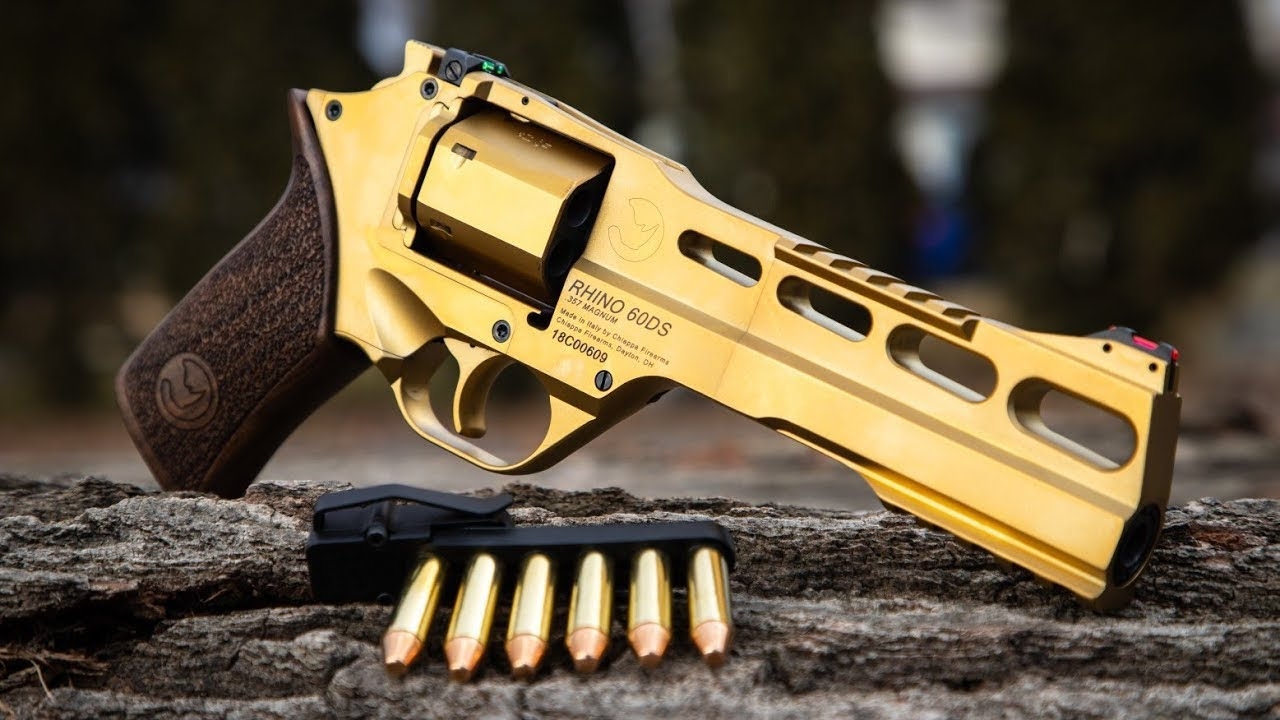
The Chiappa Rhino is one of the most visually unusual revolvers on the market. Its low bore axis, futuristic styling, and bottom-chamber firing design make it stand out immediately. People who like mechanical oddities can fall for it fast.
Shooting one is the only way to know whether that affection will last. The recoil impulse is different, the grip angle feels unusual, and the controls are not like a traditional revolver. Some shooters love the way it tracks and handles recoil. Others never warm up to the shape or manual of arms. It is too distinctive to buy purely on curiosity. Renting one first would help buyers decide if they want the weirdness forever or just want to say they tried it.
Like The Avid Outdoorsman’s content? Subscribe to our newsletter so you never miss an article.
Here’s more from us: