Photo credit: GunBox Therapy/Youtube
I like oddball handguns as much as the next guy. Half the fun of a Saturday range trip is watching somebody unbox something weird and hearing, “It was a deal.” But when you’re talking about a gun that might ride in a pack during elk season, sit in a nightstand, or get carried on the hip while you’re checking fence, the cute stuff stops being cute.
“Liability” isn’t always about the gun going off on its own. Sometimes it’s a gun that can’t be shot well under stress, can’t be fed with decent ammo, can’t be fixed without a scavenger hunt for parts, or turns a simple problem into a bigger one because it’s hard to run safely. Here are 20 handguns that tend to create more problems than they solve in real life.
1. Taurus Judge (and similar .410/.45 Colt revolvers)
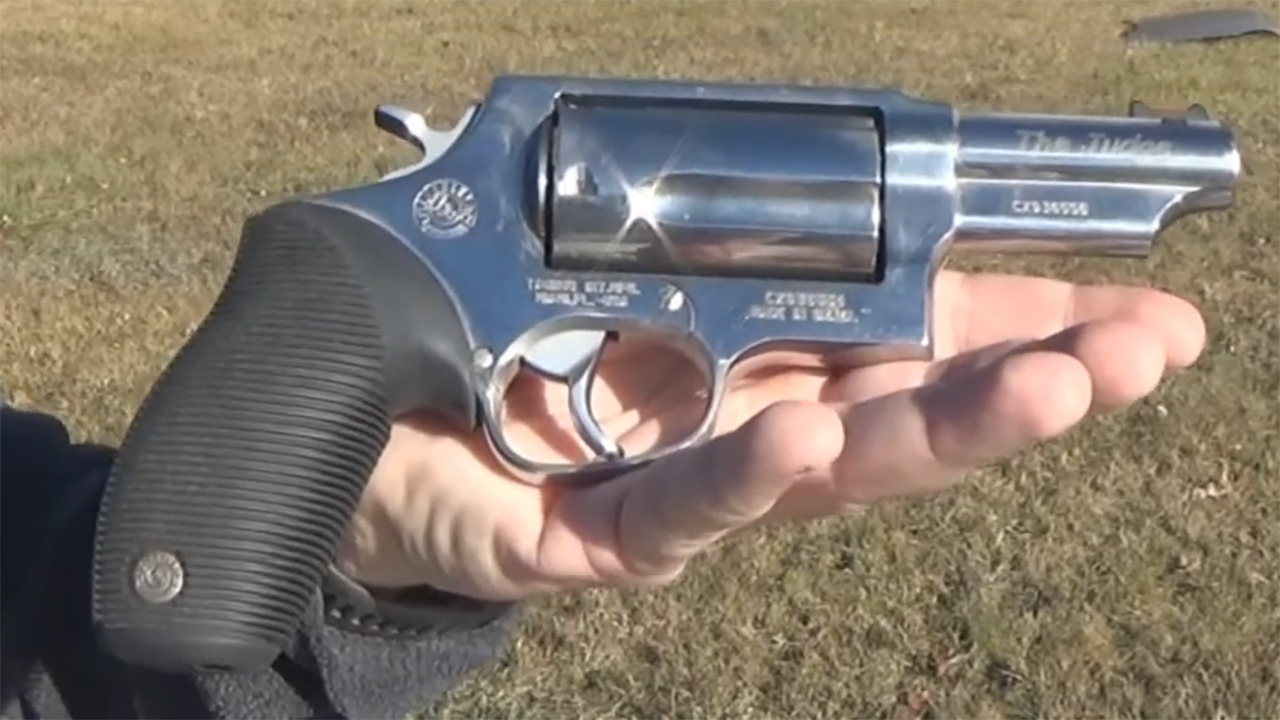
I get why they sell. A revolver that shoots shotshells sounds like a snake-killing, truck-gun miracle. In practice, the pattern out of a short barrel is often disappointing, and the .45 Colt side of the equation usually has a long jump to the forcing cone that doesn’t help accuracy.
They’re also big, heavy, and awkward to carry for what you’re getting. A solid .38/.357 revolver with proper shot capsules for snakes (where legal) or just a normal defensive load tends to be more predictable.
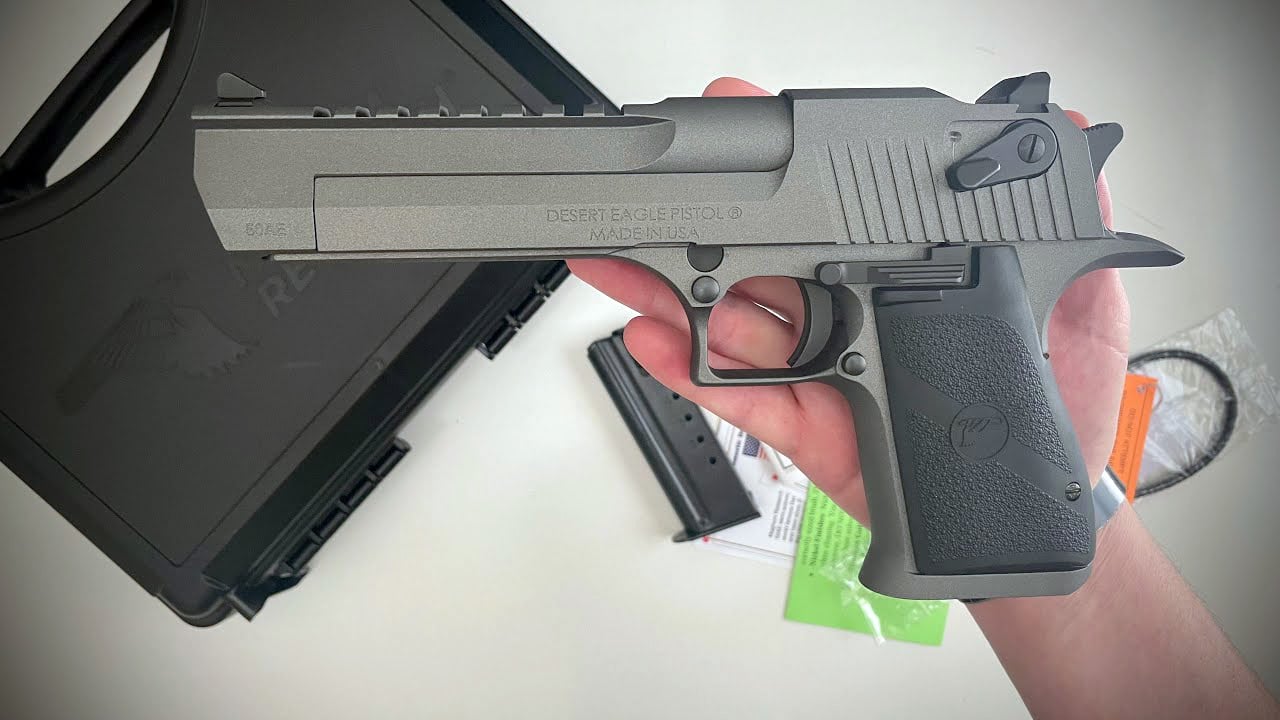
2. Magnum Research Desert Eagle (.50 AE / .44 Mag)
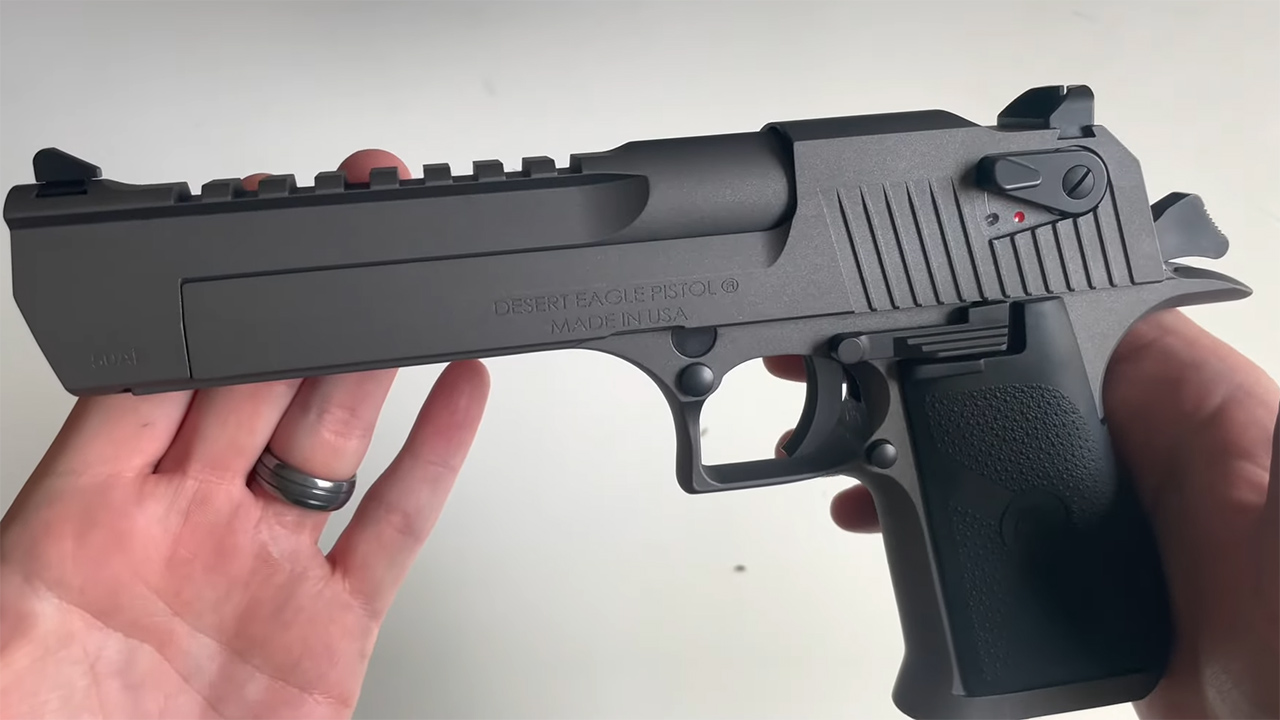
Every range has that one guy who brings one out like it’s a personality trait. They’re a blast, no doubt. They’re also enormous, heavy, picky about ammo, and not something you want to bet your safety on when you’re cold, wet, and your hands are numb.
If you actually need a hard-hitting sidearm in the woods, a robust revolver in .44 Mag or .357 with the right load makes a lot more sense and is simpler to keep running.
3. Heritage Rough Rider (.22 LR)

They’re cheap and they look like the Old West, so they end up in a lot of safes. But the Rough Rider line has a reputation for inconsistent fit and finish, rough actions, and safeties that confuse the manual-of-arms on a single-action revolver.
As a plinker, fine. As a “tackle box gun” or something you might actually rely on for pests around a barn, it can be more frustration than it’s worth.
4. Jennings/Bryco/Jimenez .380 and 9mm pocket pistols

These are the classic “Saturday night special” designs that were cheap for a reason. Soft metal, spotty magazines, questionable durability, and triggers that can feel like you’re dragging a cinder block through gravel.
The liability is simple: if it won’t run a couple boxes of ball without drama, it’s not a defensive tool. It’s a noisemaker. Those two things are not the same.
5. Hi-Point C9

I’ve seen Hi-Points run. I’ve also seen them choke on cheap mags, limp-wristing, and weird ammo. The bigger problem is size and carry: they’re brick-thick, heavy, and awkward, so folks buy them and then don’t actually carry them.
If your “carry gun” lives in the console because it’s miserable to wear, it’s not really a carry gun. It’s a glovebox project.
6. Kel-Tec P-32 / ultra-light micro .32s (as primary defense)
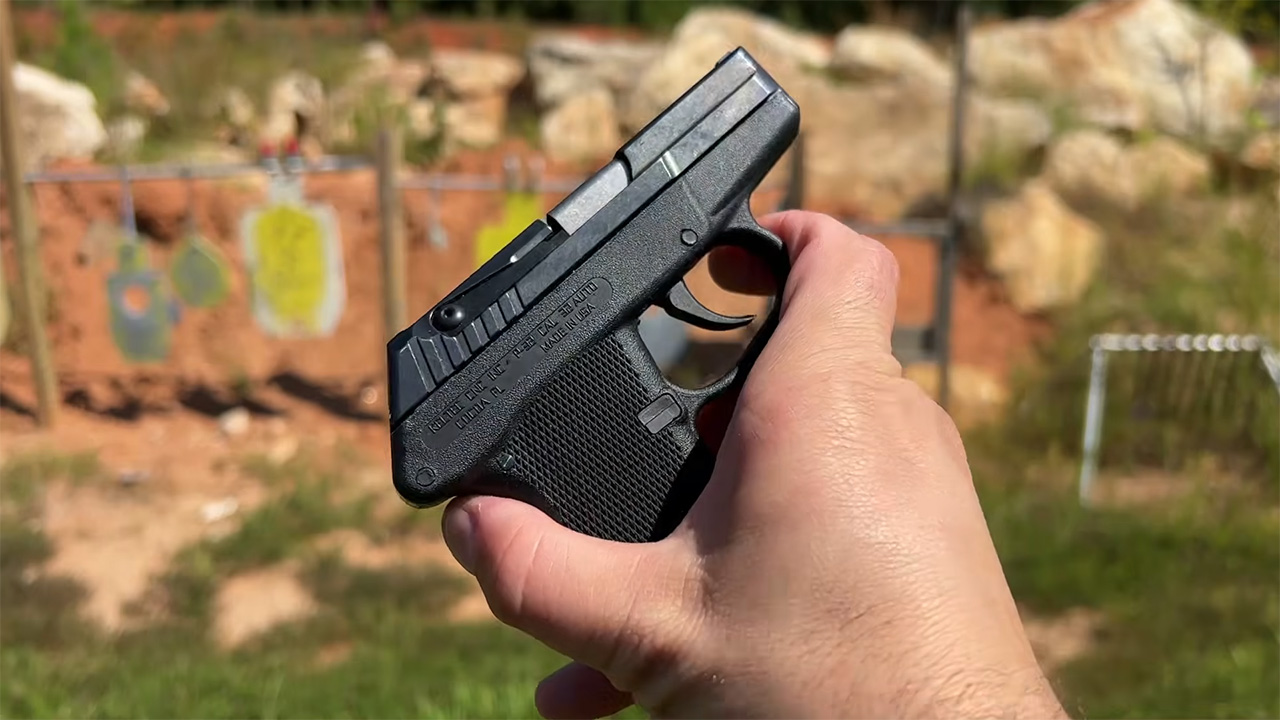
The P-32 is a neat little pistol and, in fair conditions, it can be reliable. The issue is that featherweight pocket guns are sensitive to grip and maintenance, and .32 ACP is a narrow lane for performance and ammo availability depending on where you live.
As a deep concealment backup, okay. As the one gun you’re trusting when a situation goes sideways, I’d rather see a proven micro 9mm or a small revolver you can actually control.
7. Kel-Tec PMR-30 (.22 WMR)

Thirty rounds of .22 Mag in a lightweight pistol sounds like the perfect “walking the property” setup. The catch is rimfire ignition and the magazine design. When they run, they’re fun. When they don’t, you’ll be doing more fiddling than shooting.
And .22 WMR isn’t always easy to find in quantity. A reliable 9mm with common magazines is boring, and boring works.
8. Walther P22
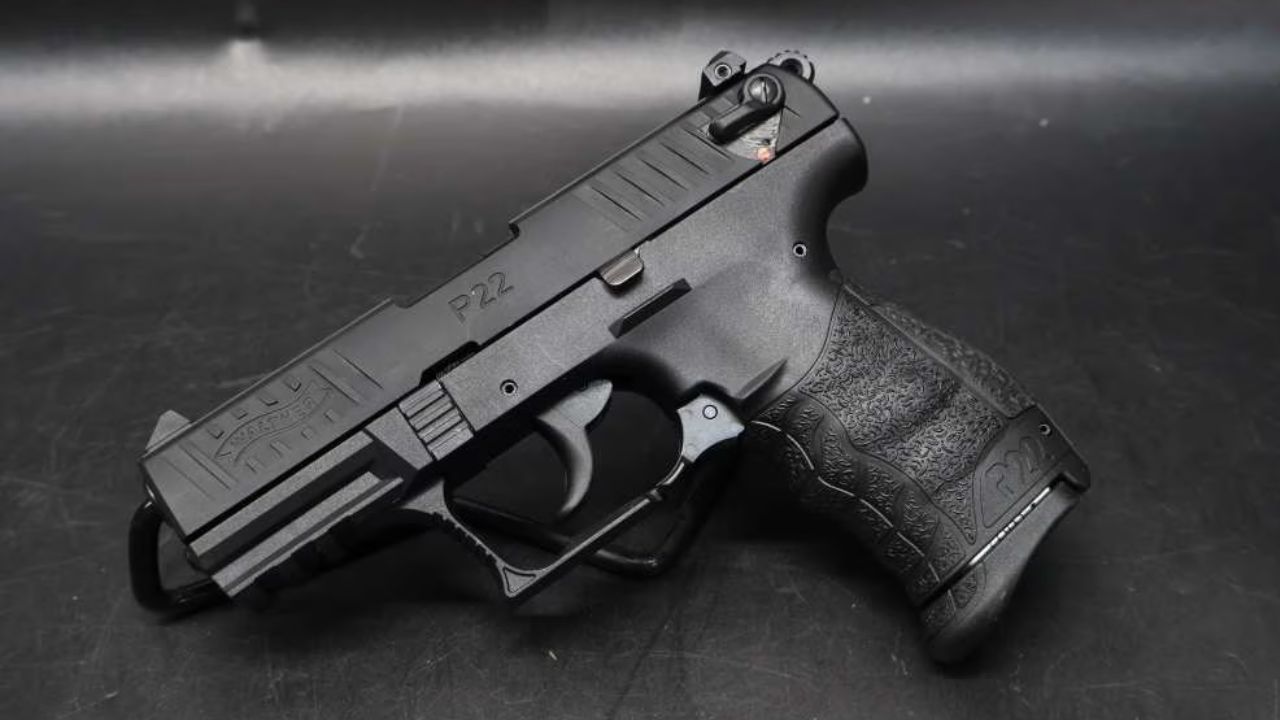
The P22 has been a common first rimfire pistol for years, and a lot of them are finicky. They can be ammo-sensitive, and the small controls plus light slide can make them feel “busy” in the hand.
A .22 pistol should be the easiest thing you own to run. If it’s constantly picky, it trains bad habits and burns range time.
9. Ruger LCP (early generations) as an all-purpose answer
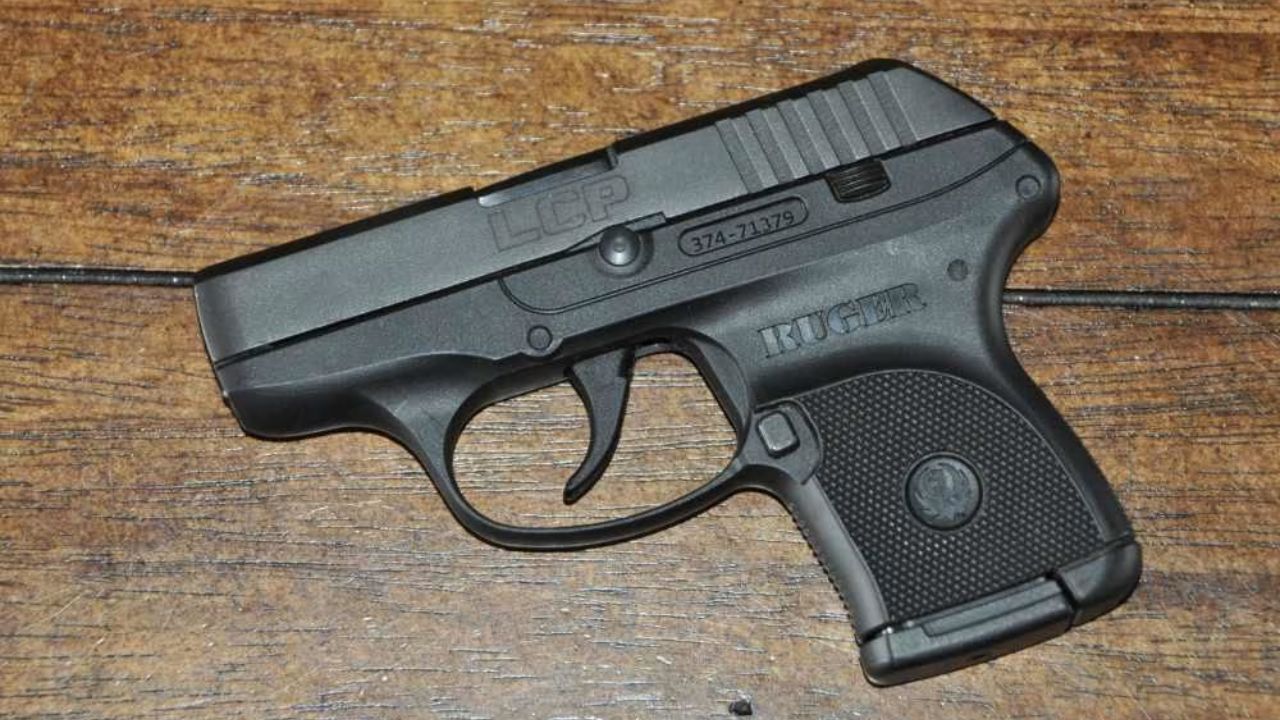
I carried an LCP for a long time. It disappears in a pocket and it’s light enough that you forget it’s there. But tiny .380s are hard to shoot well, easy to short-stroke with a bad grip, and not much fun to practice with.
The liability isn’t that it’s “bad.” It’s that folks buy it and never put in the reps because it’s snappy and unpleasant. A gun you don’t train with is a coin flip when you need it.
10. SCCY CPX series
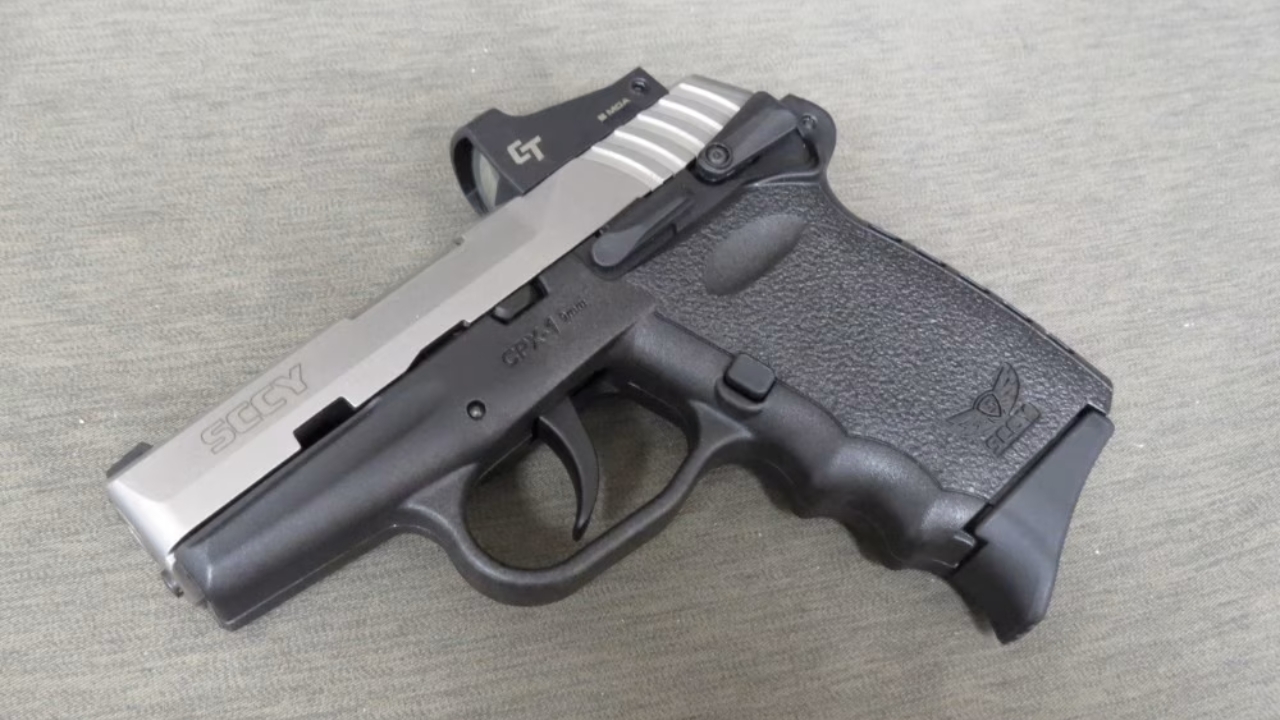
These show up on the gun counter as the budget alternative to the budget alternative. They’re not all junk, but enough have had reliability and trigger issues that I have a hard time recommending them for anything serious.
When you’re buying a defensive pistol, magazines, holsters, and parts matter too. The ecosystem around SCCY just isn’t as deep as the big players.
11. Diamondback DB9

Micro 9s are tough to engineer, and the DB9 has a history of being hit-or-miss depending on the individual gun and ammo. The recoil impulse is sharp, and the margin for user error is thin.
If you want a tiny 9mm, go with something that has a stronger track record and better support. This is not the category to gamble in.
12. “1911-style” pistols under $500 (no-name imports)

There are great 1911s, and there are 1911s that are basically a series of problems stacked in a trench coat. Cheap ones often come with sloppy extractors, questionable magazines, and tolerances that vary wildly.
A 1911 can be a wonderful shooter, but it’s not the platform to buy blind because it “looks cool.” If you’re not willing to vet it with real range time and good mags, it can turn into a jam-o-matic at the worst moment.
13. Kimber 1911s with spotty break-in expectations

This one hurts because some Kimber pistols run like sewing machines. Others seem to come with an unofficial requirement that you spend a few hundred rounds and a few hundred dollars “getting it sorted.”
In a hunting camp or a home-defense role, a handgun should run out of the box with quality ammo and magazines. If reliability is a maybe, it’s a liability.
14. Charter Arms Bulldog (.44 Special)
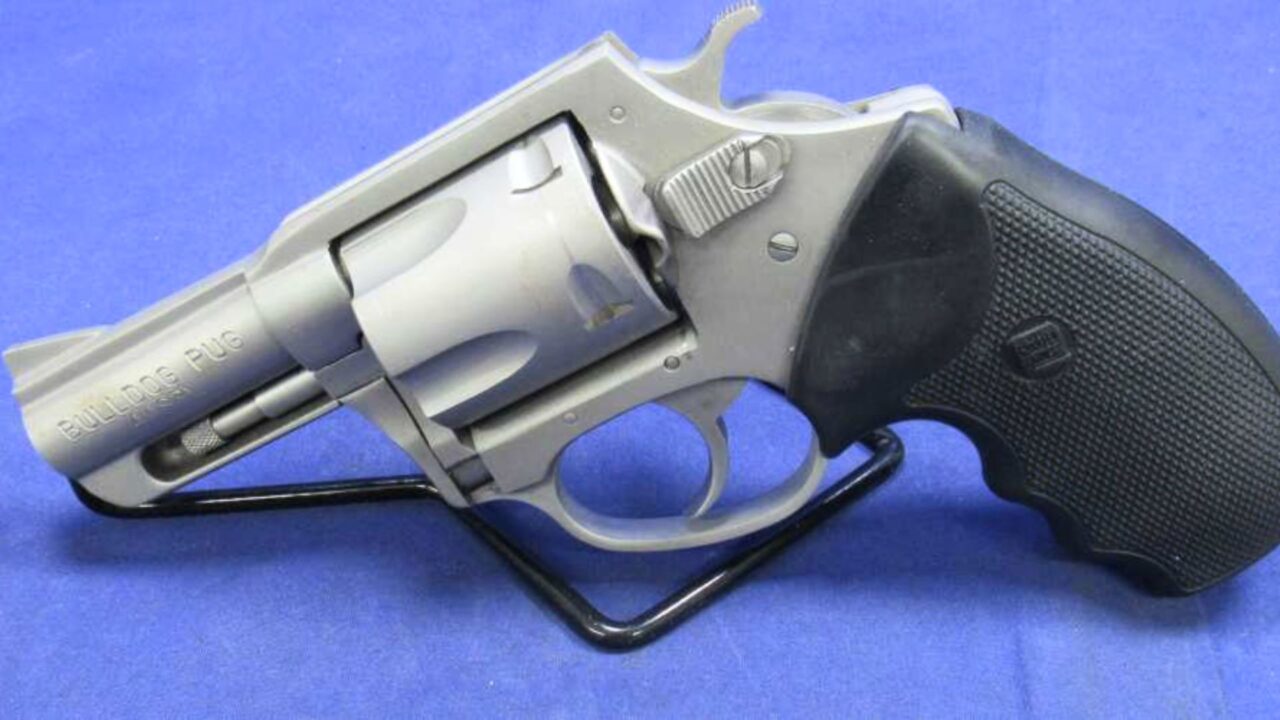
I love the idea of a light .44 Special. The Bulldog can carry easy and it points well. The trouble is durability and consistency. Some examples are fine, and some loosen up or start acting weird earlier than they should.
If you’re set on .44 Special, a stronger revolver from Ruger or Smith & Wesson is heavier, yes, but it tends to stay tight and predictable.
15. Rossi Circuit Judge revolver-based carbines’ handgun cousins (rough budget revolvers)
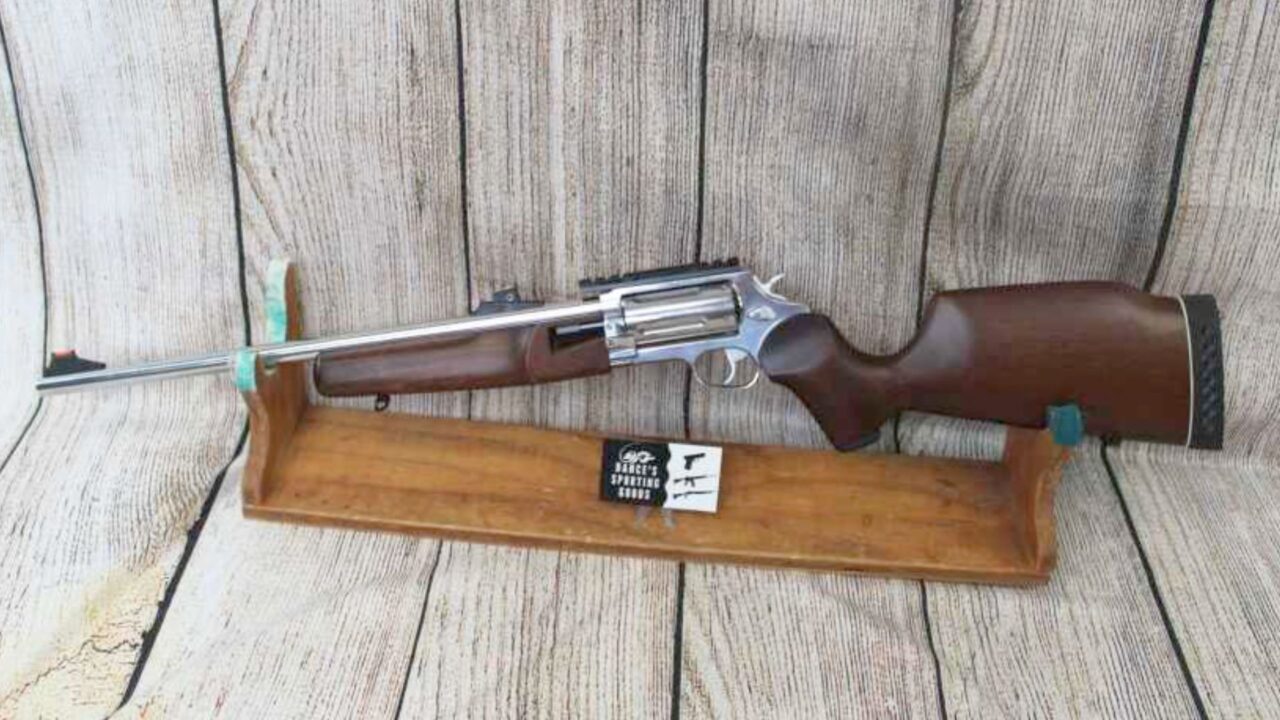
Rossi makes some decent stuff, but their bargain revolvers can be a mixed bag. Timing, trigger feel, and overall fit can vary a lot. Revolvers are not forgiving when the internals are off.
A finicky revolver is especially frustrating because most folks assume “revolver equals always reliable.” When one goes out of time, it’s not a quick field fix.
16. North American Arms mini revolvers (.22 Short / .22 LR) as a “real” defensive option

They’re well-made for what they are, and they disappear in a pocket. But they’re tiny to the point of being hard to hold, slow to reload, and hard to shoot accurately with any speed.
As a last-ditch backup, sure. As the handgun you grab for a bump in the night or a problem on the property, you’re asking too much from a very small tool.
17. Cobray/SWD M11-style “pistols” (MAC clones)
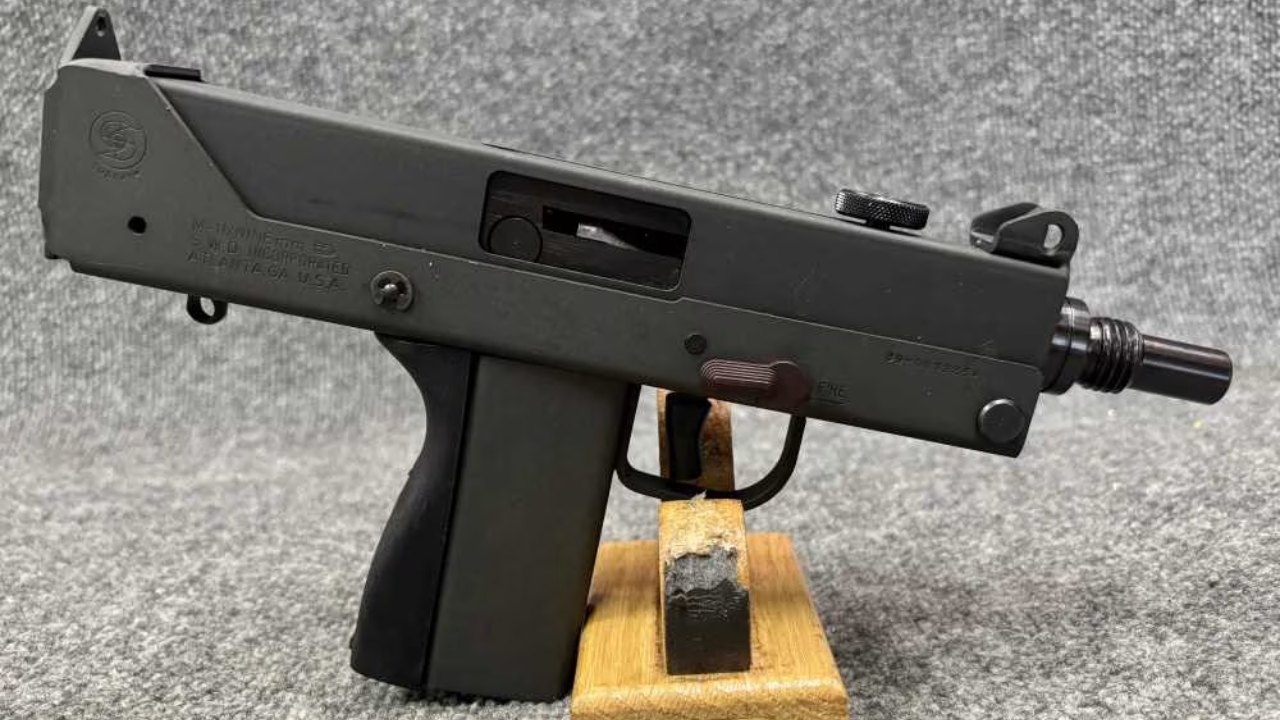
These are range toys and conversation pieces. They’re heavy, awkward, and not designed around practical sights or practical handling. Even in semi-auto form, they’re more about noise and vibe than control.
Try carrying one, try shooting it carefully, and you’ll see the issue fast. Real-world handguns need to be manageable, not just memorable.
18. “Saturday special” .25 ACP pocket guns (cheap vest pistols)
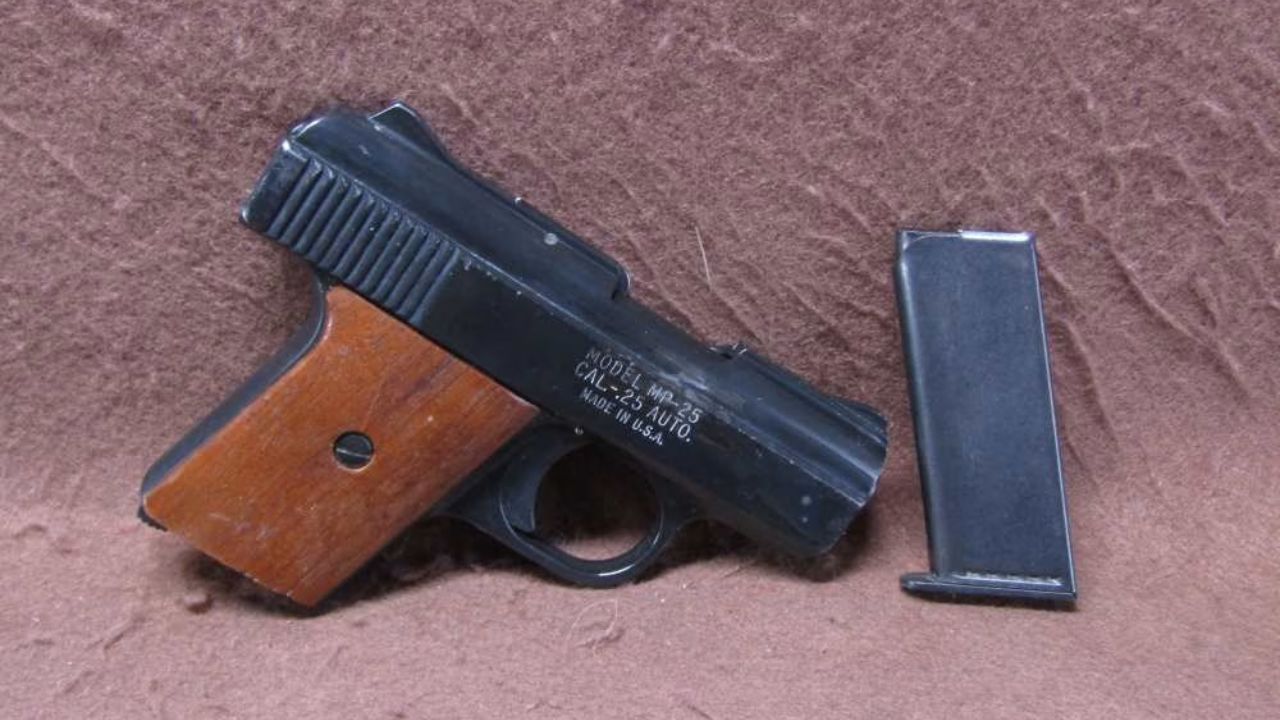
There are classy old .25s from quality makers, and then there are cheap little pot-metal guns that barely deserve the name. The problem is usually reliability and terrible sights, plus magazines that are hard to source.
If you inherit one, keep it as a keepsake. Don’t make it your plan. Modern micro pistols are safer, more durable, and easier to shoot.
19. Glock 44 (.22 LR)
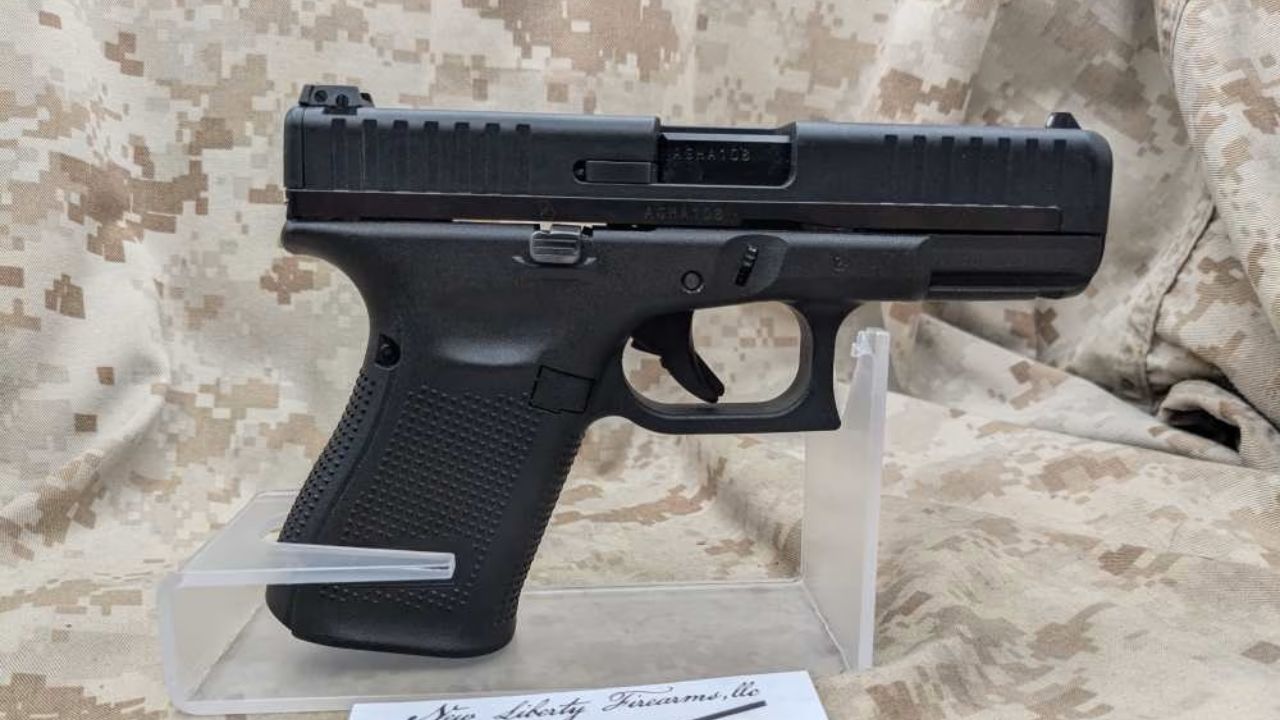
I wanted to love the idea: a .22 trainer that feels like a Glock. Some run fine, but enough have shown ammo sensitivity and inconsistent performance that it doesn’t always deliver on the “cheap practice” promise.
If your rimfire trainer causes malfunctions every other magazine, it stops being training and starts being troubleshooting. A Ruger Mark series or a quality .22 conversion can be a better path.
20. Ultra-light scandium/titanium snub-nose .357 revolvers
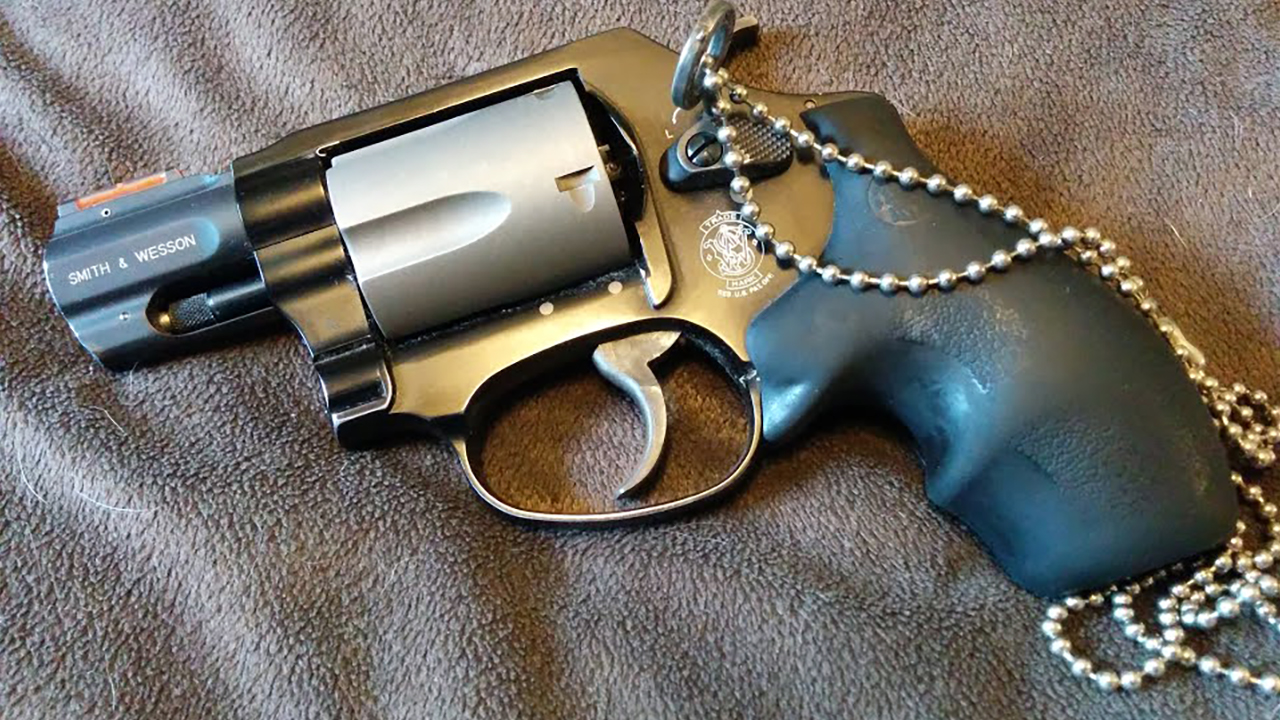
These sell to guys who want maximum power in minimum weight. Then they shoot it with real .357 loads and the whole plan changes. Recoil is brutal, follow-up shots get ugly, and practice sessions turn short in a hurry.
A snub .357 carried with .38 +P can make sense, but if the gun is so punishing that you avoid training, you’ve built a problem into your own setup. A slightly heavier revolver is often the smarter compromise.
If any of these are sitting in your safe, I’m not telling you to panic-sell them. I’m saying be honest about what role they’re filling and whether they’ve earned that spot with real trigger time and boring reliability. A handgun you can shoot well, feed easily, and trust to work is never exciting on the internet, but it’s the one you’ll be glad you had when things get real.
Like The Avid Outdoorsman’s content? Subscribe to our newsletter so you never miss an article.
Here’s more from us: