Photo credit: Bobbfwed – CC BY-SA 3.0/Wiki Commons
You can spot these pistols at any range where the regulars show up early and stay late. They’re the guns that look a little too thick, a little too heavy, maybe even a little too “duty” for everyday life. Years ago, plenty of shooters walked right past them because they felt like bricks compared to the new hotness.
Then rounds got cheaper, training got more common, optics started showing up on carry guns, and people got tired of temperamental micro-compacts. When you’re a few thousand rounds deep and you’ve carried through sweaty summers, rainy hunting camp mornings, and long days in the truck, “overbuilt” starts to sound a lot like “still works.” Here are 20 handguns that used to get dismissed for being too much gun, and why experienced shooters keep circling back to them.
1. Glock 17 (Gen3/Gen4)
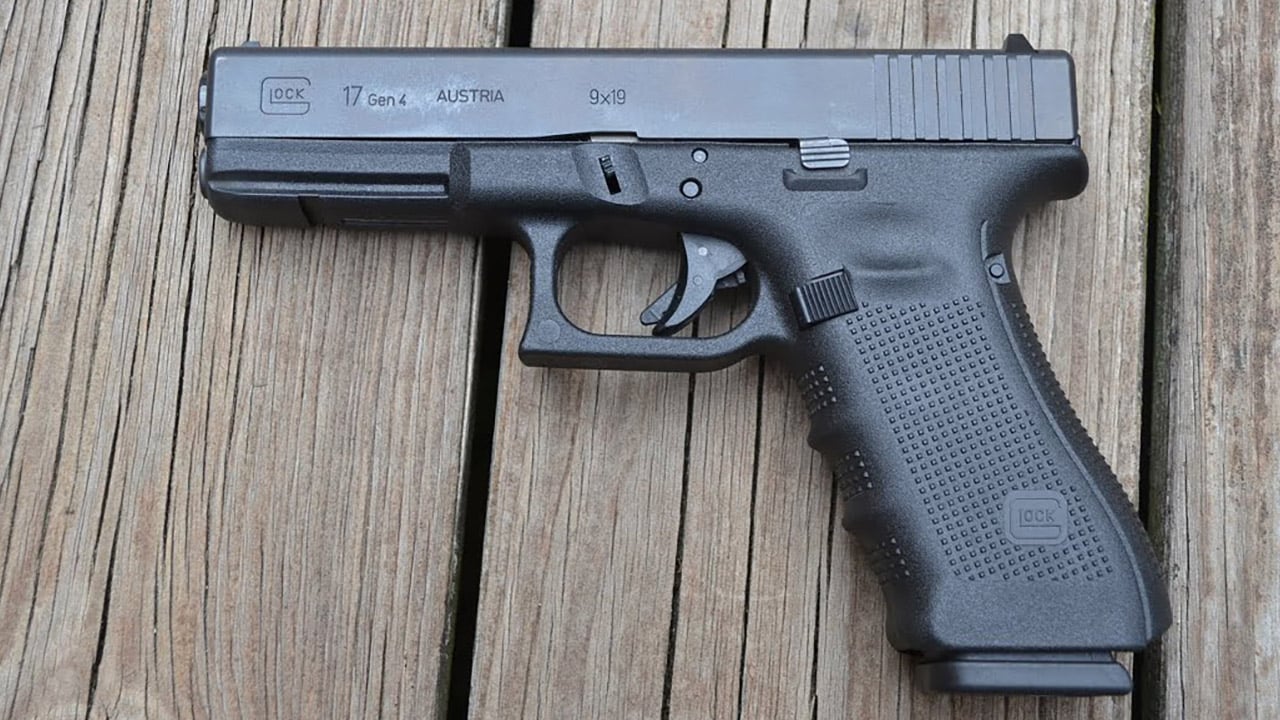
The Glock 17 used to be the definition of “why is it so big?” for a 9mm. Now it’s what a lot of folks end up with after they’ve tried smaller pistols and got tired of snappy recoil and tiny controls.
It’s boring, it’s blocky, and it runs. Magazines are everywhere, parts are everywhere, and it’s forgiving when your grip isn’t perfect because you’re cold, wet, or wearing gloves at deer camp.
2. Glock 19
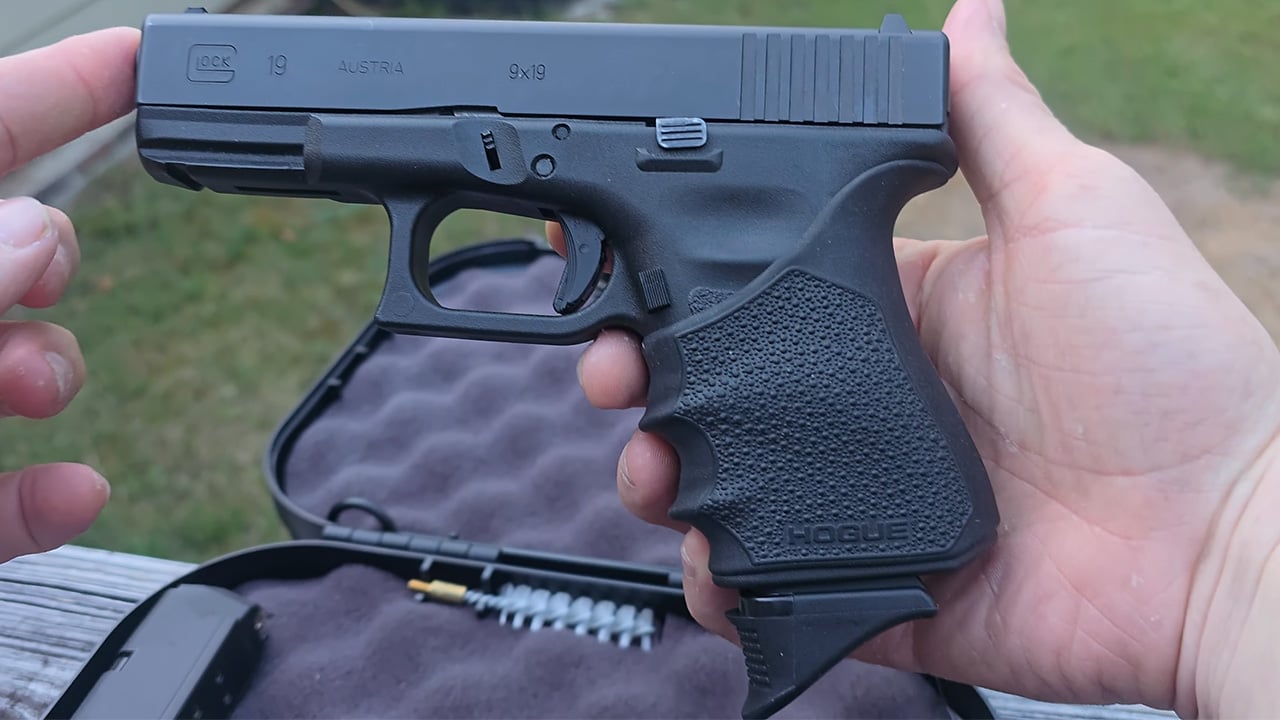
The Glock 19 gets called the “do-all” gun so often it sounds like a cliché, but it earned it. Years back, the thickness and brick-like feel had some shooters chasing slimmer single-stacks.
Then people started actually shooting their carry guns—like, a lot—and realized the 19 is the sweet spot for controlling recoil without going full-size. It carries well in a good holster, and it doesn’t beat your hands up in a weekend class.
3. SIG Sauer P226

The P226 has “service pistol” written all over it, and that’s why some folks dismissed it as too much metal to haul around. It’s not light, and it’s not trying to be.
But the weight is the point. It shoots flat, soaks up +P just fine, and the controls make sense if you grew up around traditional double-action pistols. When you find a good one, it’s the kind of gun you stop trading.
4. SIG Sauer P229

The P229 was the chunky little brother to the P226, and it got picked on for being “heavy for its size.” Fair criticism if you only handle it at the counter.
On the range, it’s steady and predictable, especially in .40 or .357 SIG where lighter guns can feel sharp and unpleasant. It’s also one of those pistols that tends to keep running even when maintenance gets a little casual.
5. Beretta 92FS / M9

Big grip, long slide, and a look that screams 1980s action movie. The Beretta 92 series got labeled oversized for a 9mm, and for some hands it is.
But the open-top slide and smooth cycling make it a soft shooter, and the gun just seems to last. If you’ve got time behind one, you know how fast you can run it when you stop fighting the size and let it do what it does.
6. CZ 75B

The CZ 75B used to be the pistol guys recommended right before they admitted it’s a little heavy. All-steel, full-size, and built like it expects hard use.
Experienced shooters like it because it points naturally and stays planted during fast strings. It’s also one of those designs that holds up over decades, which matters when “new model” cycles come and go.
7. CZ P-01
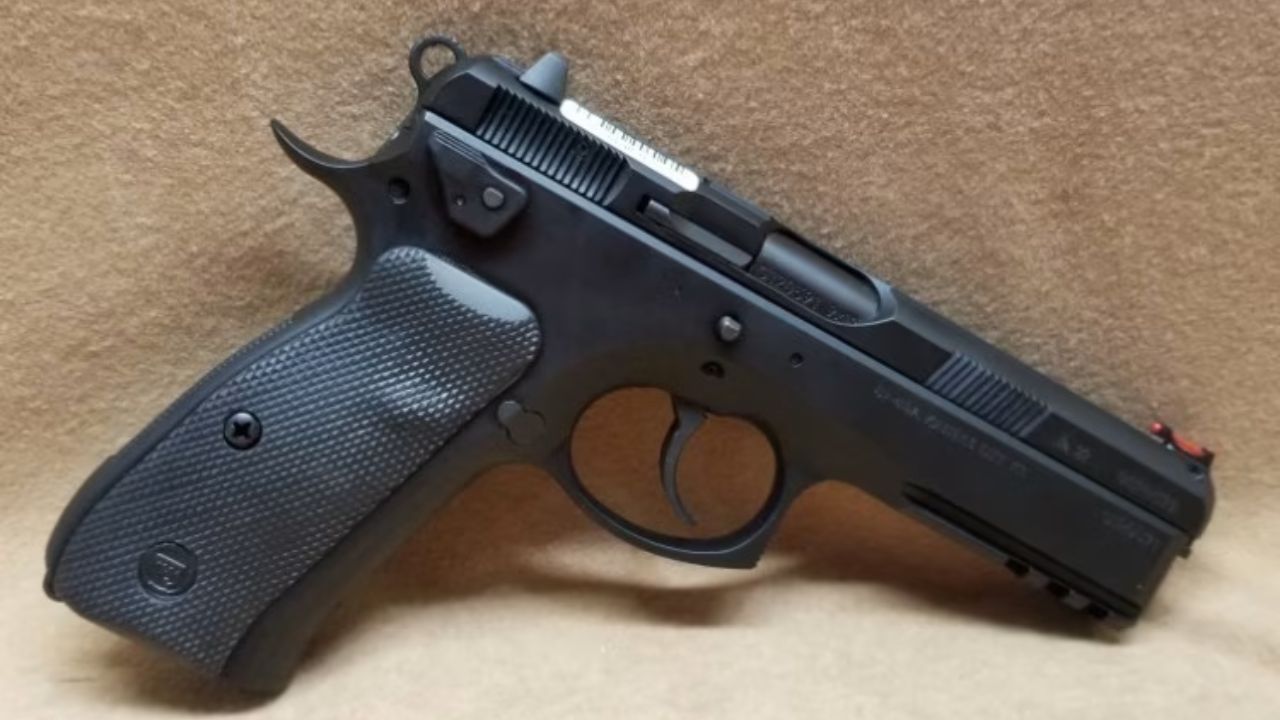
The P-01 catches flak because it’s not featherweight, even though it’s an alloy-framed compact. Compared to today’s slim polymer carries, it can feel dense.
Still, it carries closer than you’d think, and the shootability is real. With a decent belt and holster, you get a compact that behaves like a bigger gun, especially when you’re shooting on the move.
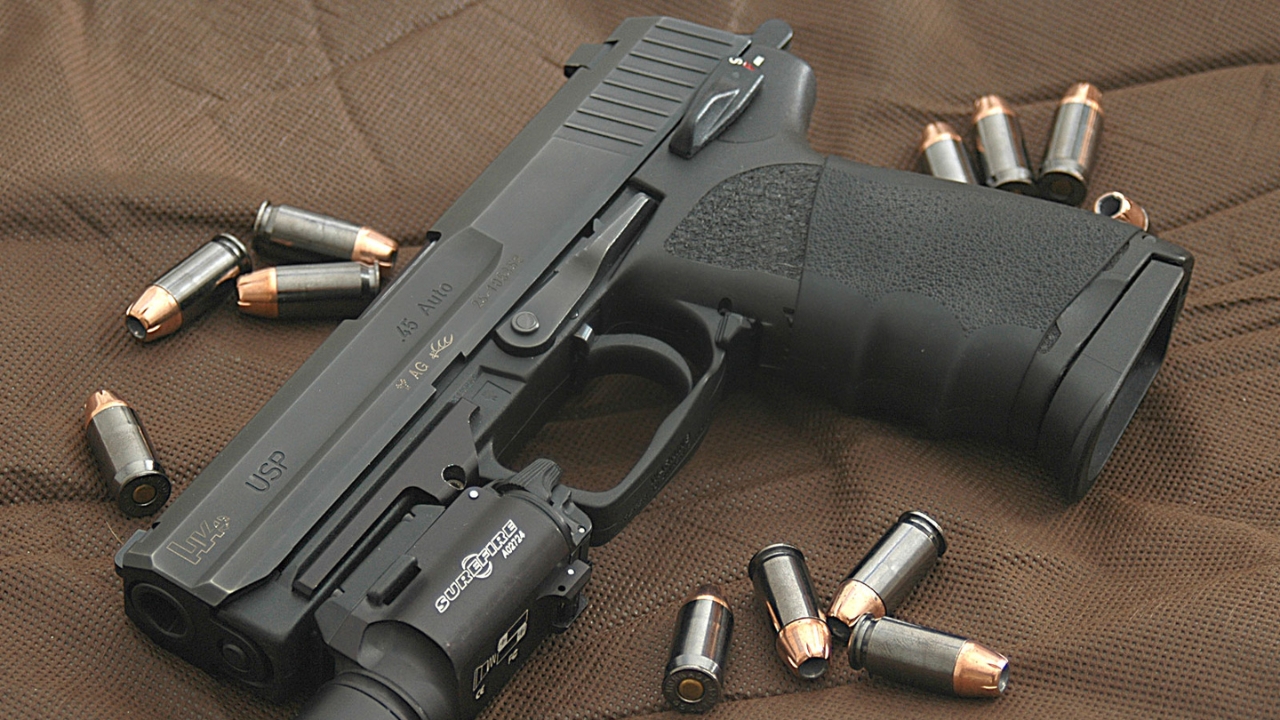
8. Heckler & Koch USP 9 / USP .45
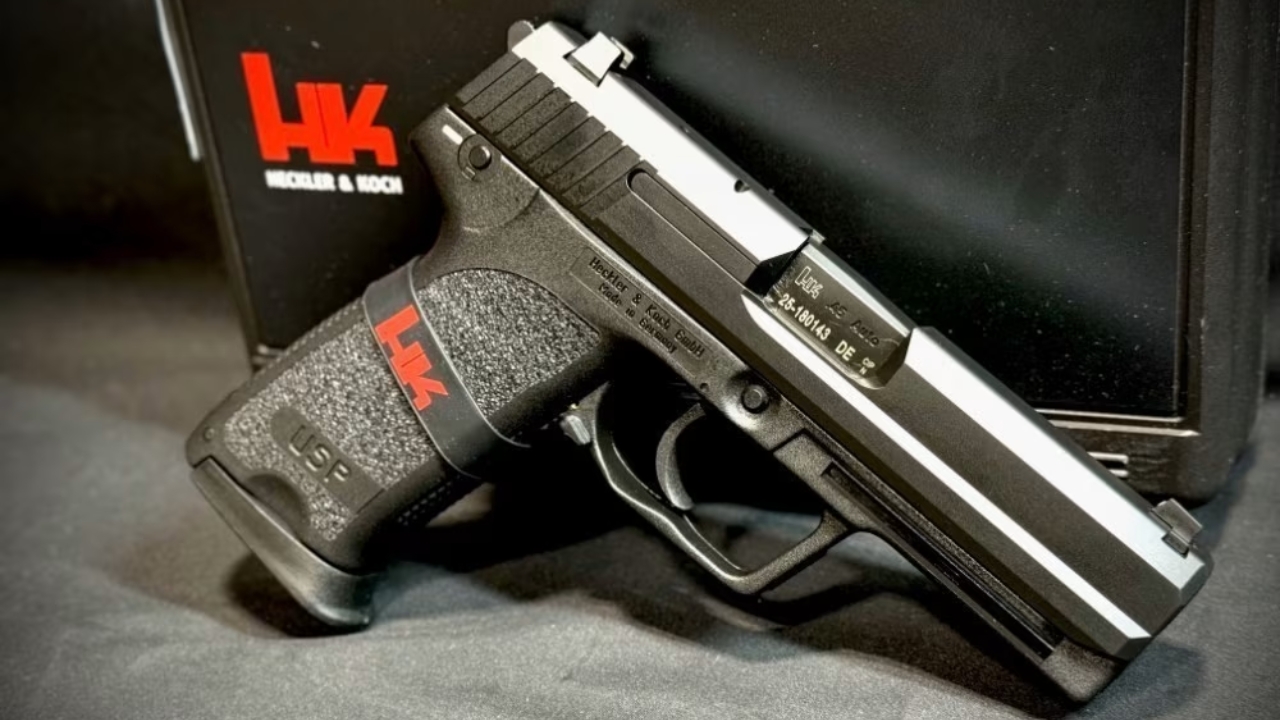
The USP line was “overbuilt” before that was even the conversation. Big controls, thick slide, and a general vibe of “this is made for ugly conditions.”
That thickness pays off when the gun is dirty, when your hands are numb, or when you’re feeding it a steady diet of real ammo instead of a couple magazines a year. It’s not trendy, but it’s hard to wear out.
9. Heckler & Koch HK45

The HK45 gets dismissed as bulky for a .45, especially when slimmer 1911s exist. But the HK45 isn’t trying to be slim; it’s trying to be reliable, controllable, and durable.
It’s one of the few .45s that keeps feeling “manageable” after a long range day. If you’ve ever watched a shooter flinch their way through a lightweight .45, you understand why this one keeps fans.
10. Ruger P89
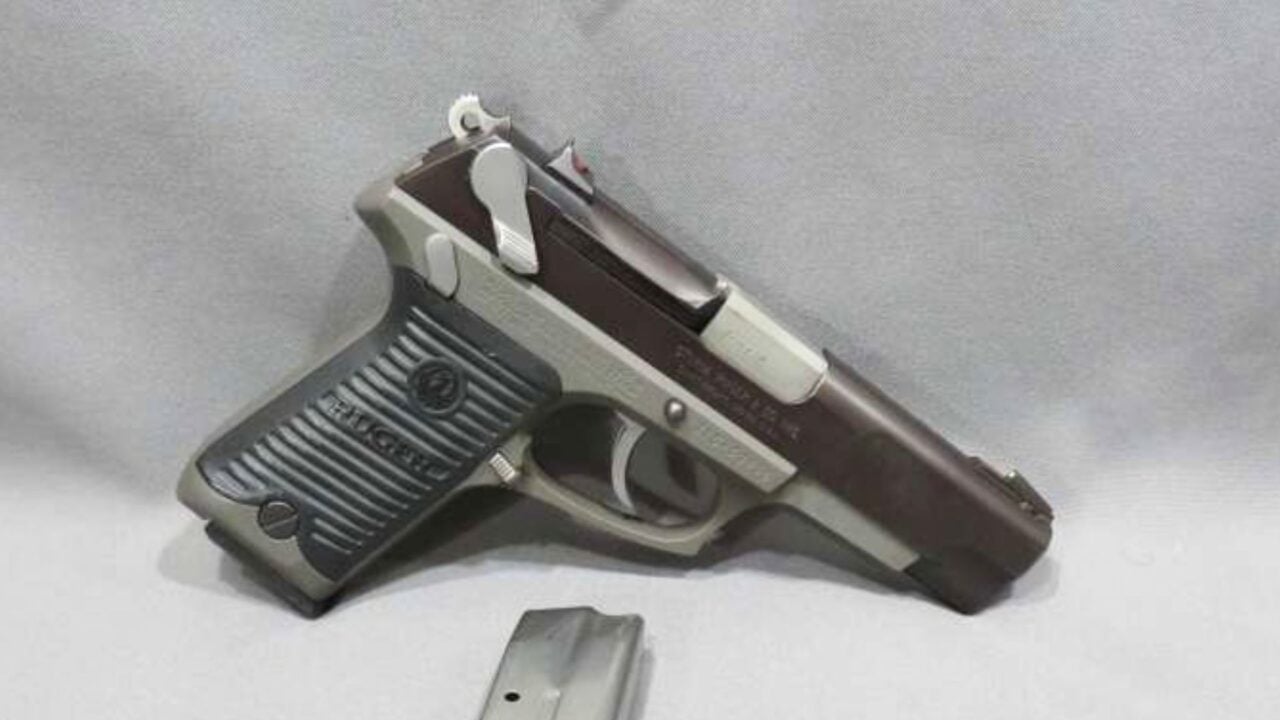
The Ruger P-series pistols were the original “boat anchors.” Nobody called them pretty, and plenty of folks laughed at the blocky lines and thick frames.
Then those same pistols kept functioning when cheaper guns choked. Magazines aren’t as plentiful as Glock mags, but they’re out there, and these Rugers have a reputation for digesting whatever you feed them without being delicate about it.
11. Ruger GP100
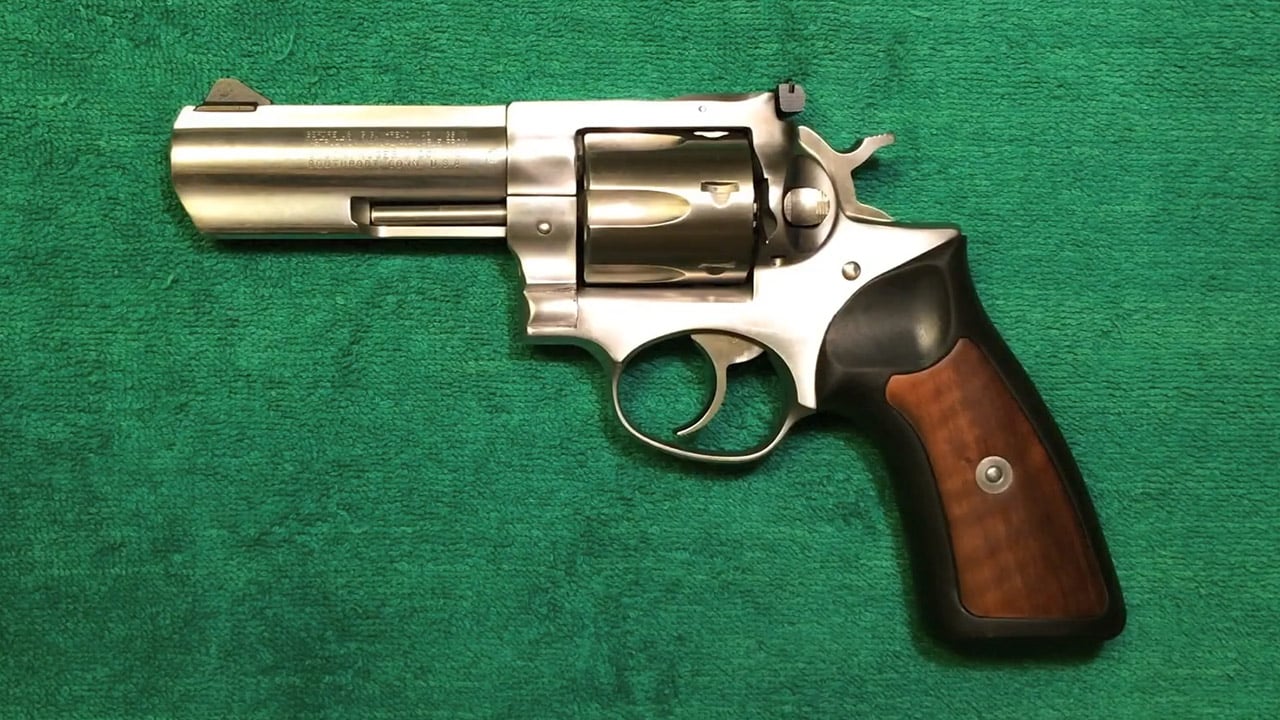
The GP100 is a revolver that feels like it was designed by someone who didn’t trust lightweight anything. It’s hefty, and that’s why some folks passed on it for trimmer wheelguns.
For outdoorsmen, that weight is comfort when you touch off full-house .357s. It’s a sidearm that can live in a chest rig during scouting season, take bumps and weather, and still lock up tight when it matters.
12. Smith & Wesson 686
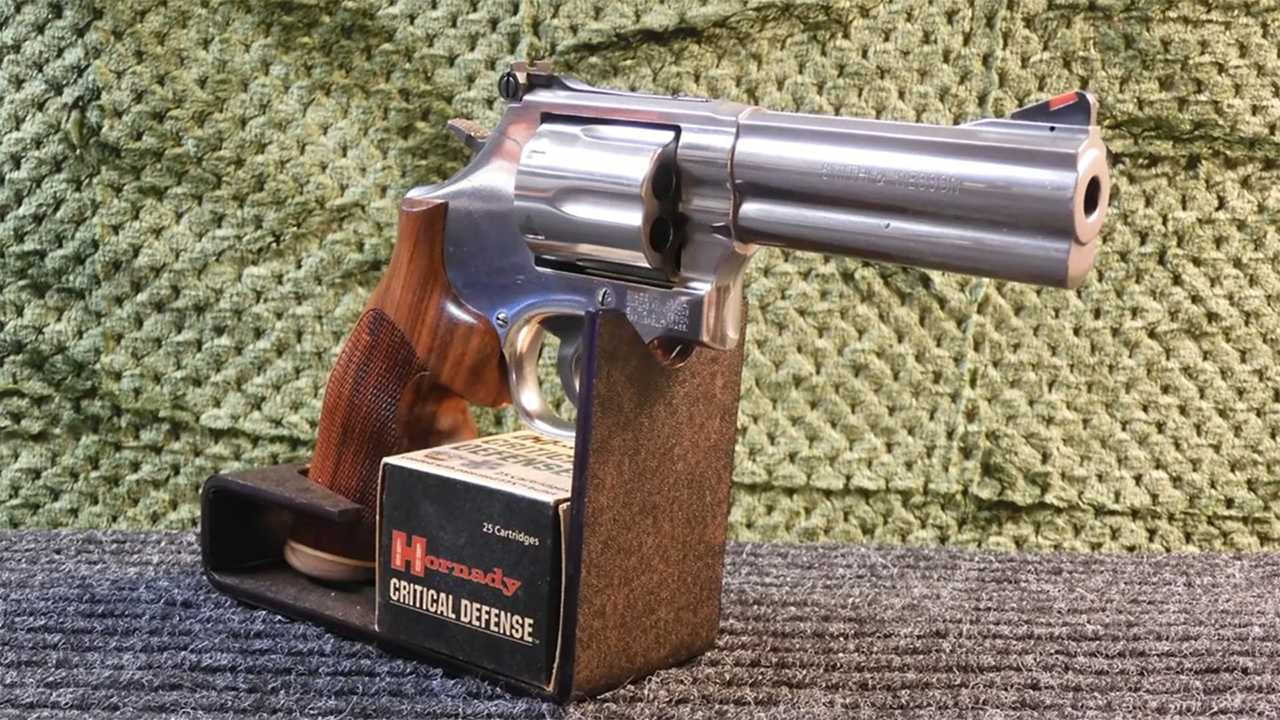
The 686 is another revolver that got labeled “too much gun” for casual shooting. A full-lug barrel and stainless construction will do that.
But if you actually shoot magnum loads, you start respecting mass. The 686 tends to stay smooth, stay accurate, and stay dependable long after lighter revolvers start feeling loose or punishing.
13. Smith & Wesson Model 629

Carrying a big .44 Magnum used to get you eye-rolls—until you spend time in places where “just in case” isn’t a joke. The 629 isn’t a beginner’s revolver, and it’s not supposed to be.
Experienced shooters appreciate the stainless toughness and the way the gun holds up under real use. It’s not something you carry to feel cool; it’s something you carry because you want a serious option when you’re away from help.
14. Ruger Redhawk
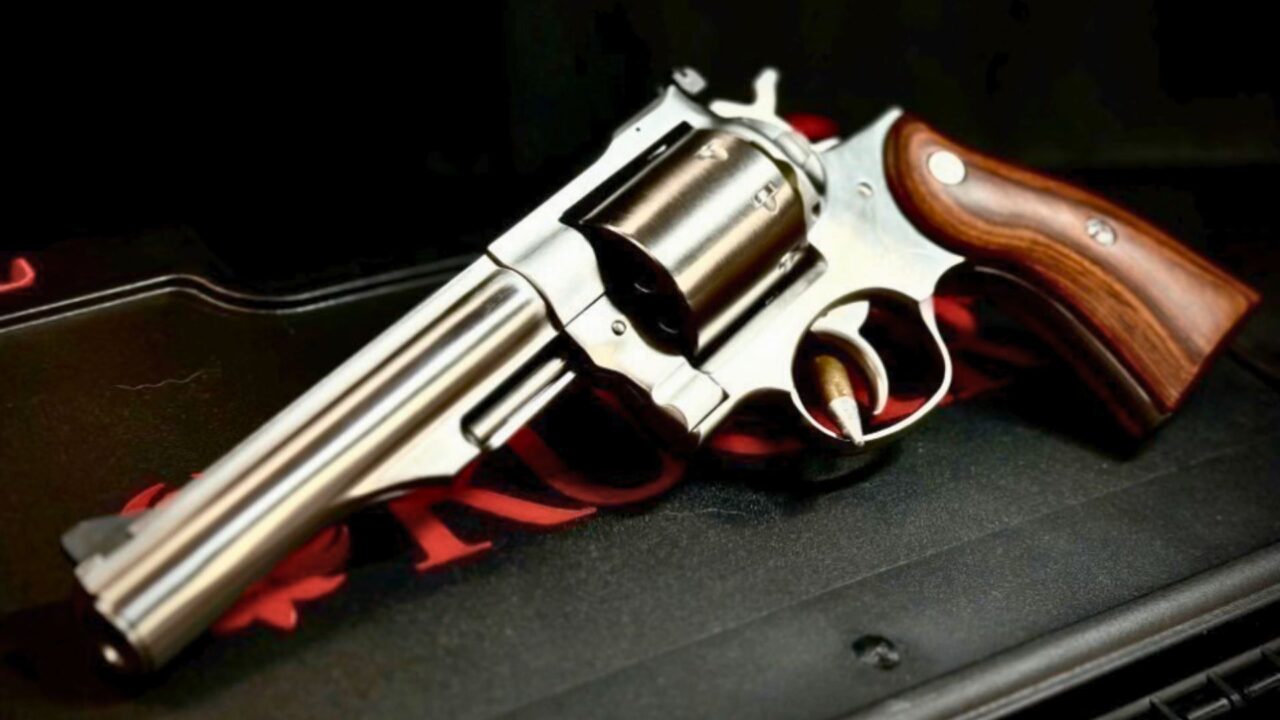
The Redhawk is the kind of revolver people call excessive right up until they have to fire heavy loads regularly. It’s big, it’s strong, and it’s not apologizing.
If your handgun needs to handle stout hunting or backcountry loads, “overbuilt” becomes the feature. It’s also a gun that tends to keep timing and lockup better than you’d expect after years of hard shooting.
15. Colt Delta Elite (10mm 1911)
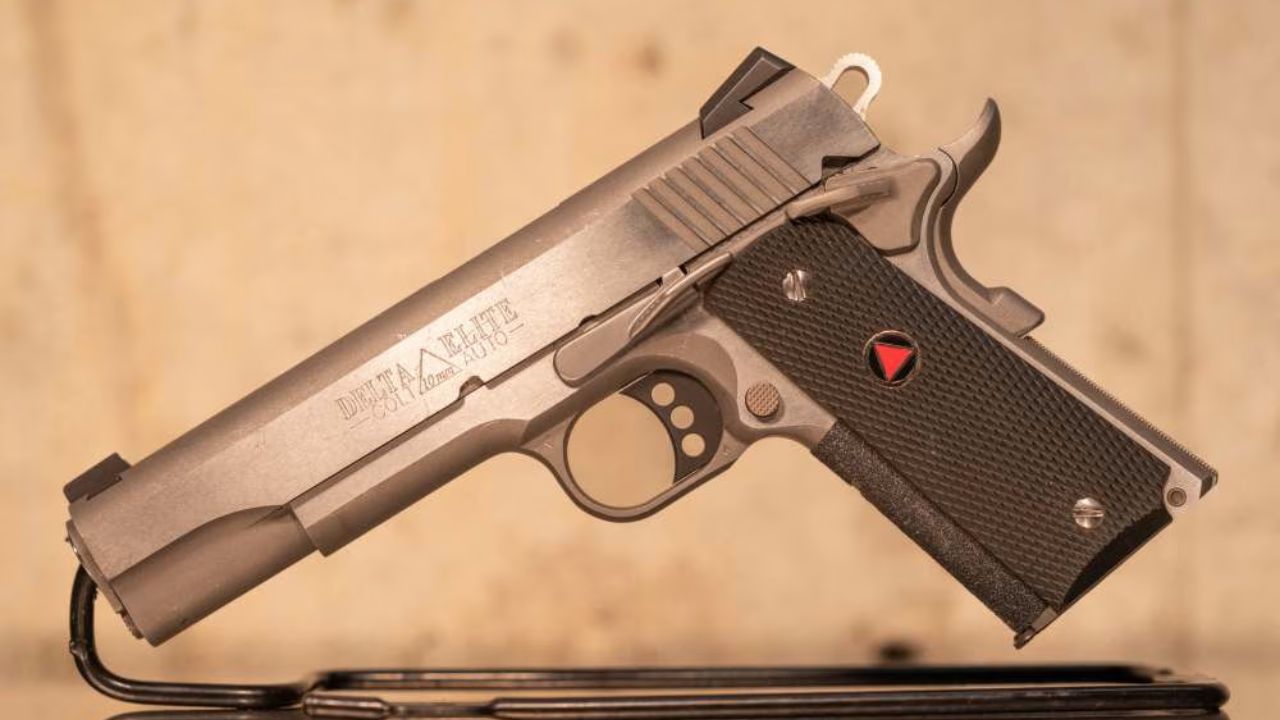
For a long time, 10mm felt like a novelty, and the Delta Elite got treated like an interesting relic. The recoil, the ammo cost, and the “who needs that?” attitude kept it niche.
Now more shooters understand where 10mm fits, especially for outdoors carry. The Delta Elite isn’t perfect, but it’s a real-deal platform that can be set up sensibly and shot a lot, not just admired.
16. Glock 20 (10mm)
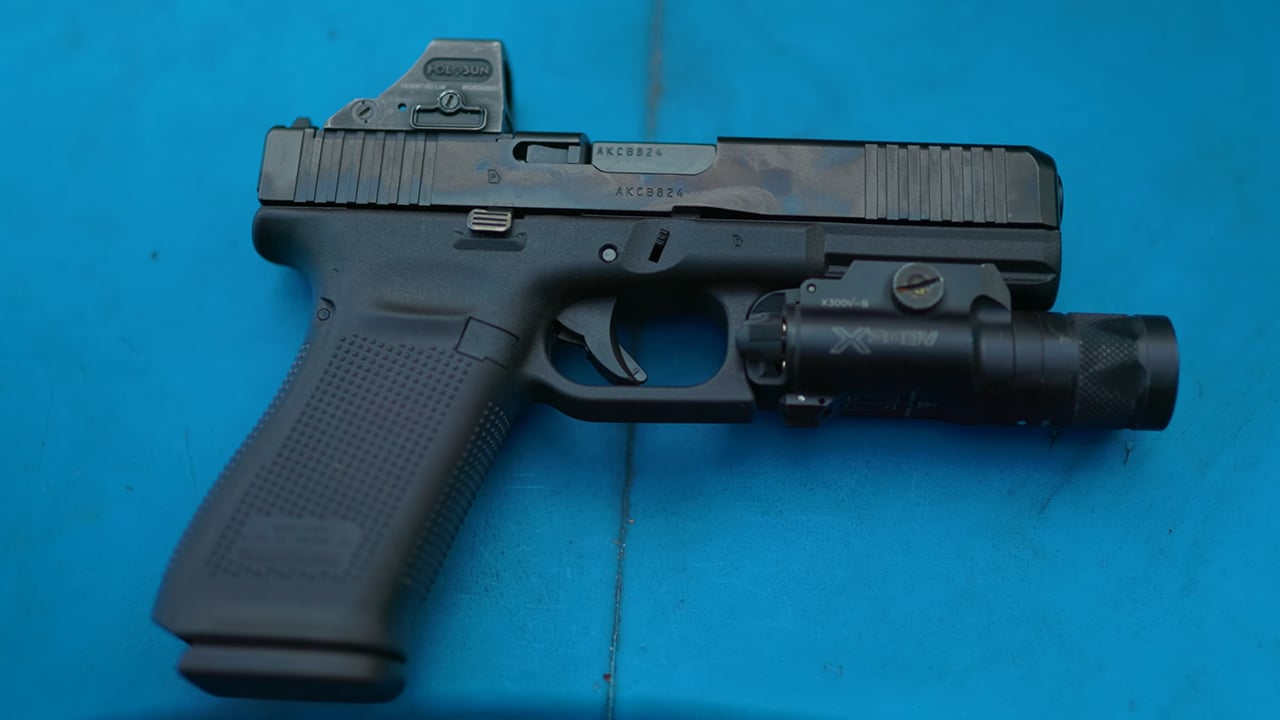
The Glock 20 is thick in the hand, and there’s no getting around it. That turned off plenty of buyers who wanted a 10mm that felt like a 9mm.
But the capacity, durability, and reliability are why it’s become a go-to for folks who spend time in the woods. It’s a working pistol that handles hard-use ammo without acting fragile, and magazines are easy to come by.
17. Springfield Armory XD-M 9mm
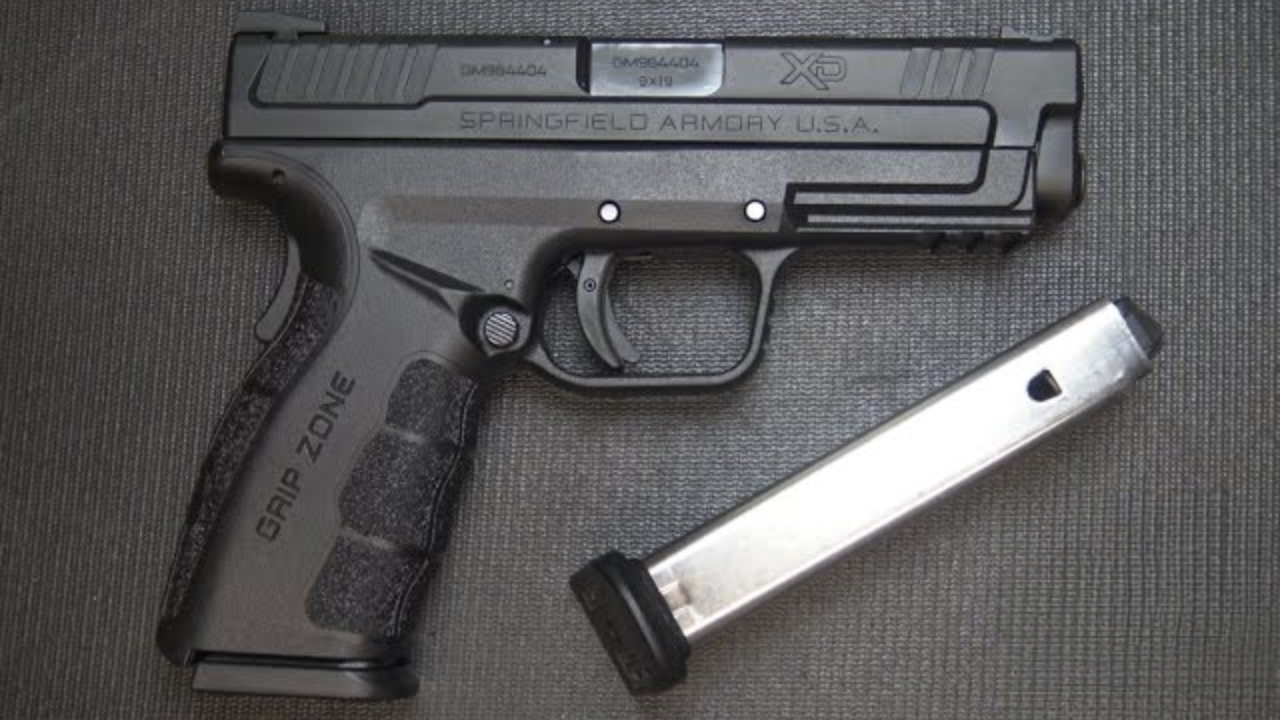
The XD-M line took heat for being chunky and a little top-heavy. It wasn’t the fashionable choice when slim carry guns started taking over the shelves.
But there’s a reason you still see XD-Ms showing up in training classes. They’re generally accurate, they handle high round counts better than critics admit, and the grip and controls work for a wide range of hands.
18. FNX-45
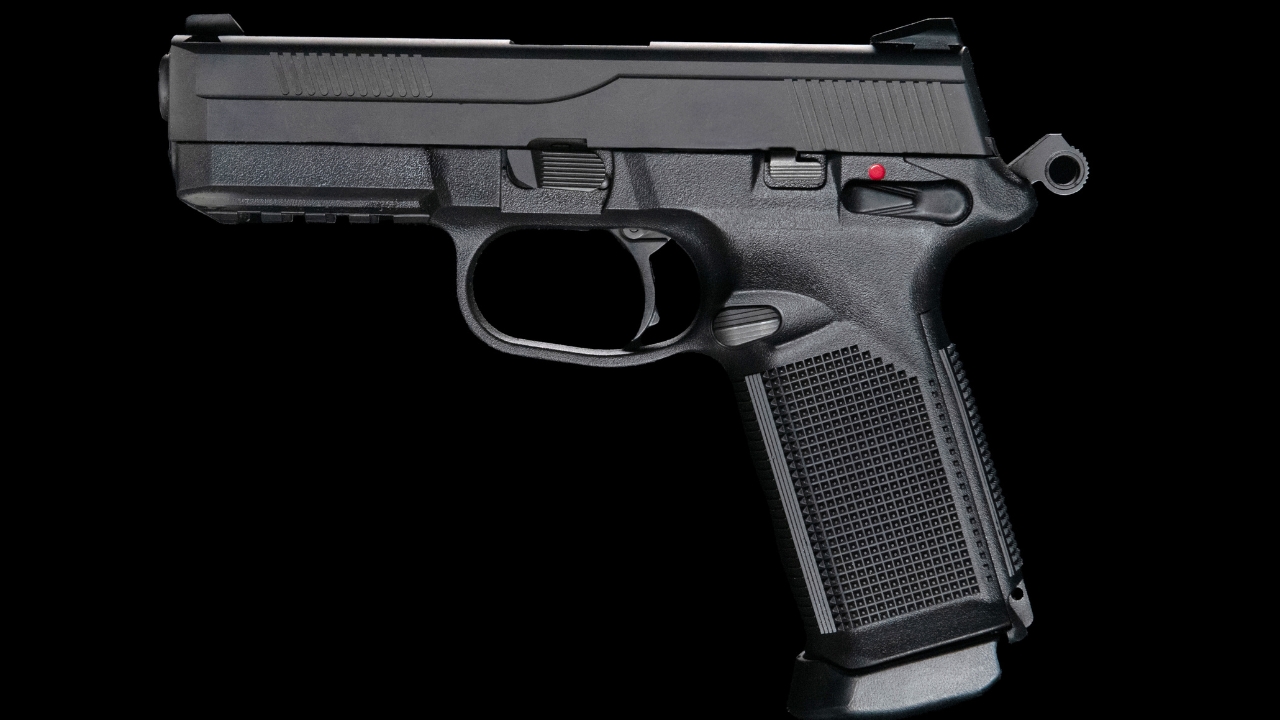
The FNX-45 is a big pistol. It’s also a .45 that carries a lot of .45, which used to be the exact reason people called it ridiculous.
Then optics-ready, suppressor-ready, and higher capacity stopped being “tactical internet stuff” and became normal requests. The FNX-45 is the kind of gun that shrugs off hard use and gives you options without feeling delicate.
19. Smith & Wesson M&P 2.0 Metal
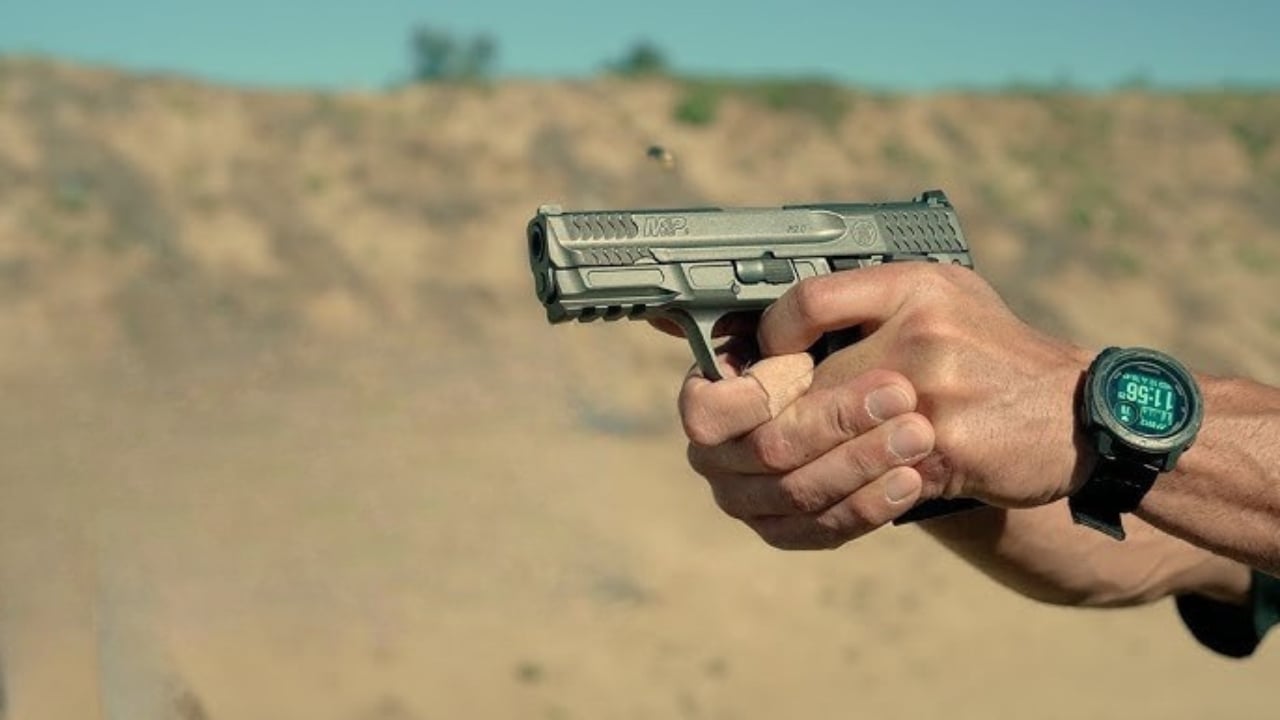
Metal-framed striker guns got called unnecessary for a while. “Why add weight?” was the common refrain, especially when polymer frames were proving themselves.
After enough range time, the answer shows up in the splits and the confidence. The added mass helps with recoil control and tracking, and it tends to feel more settled when you’re pushing speed or shooting one-handed.
20. Staccato P (2011)
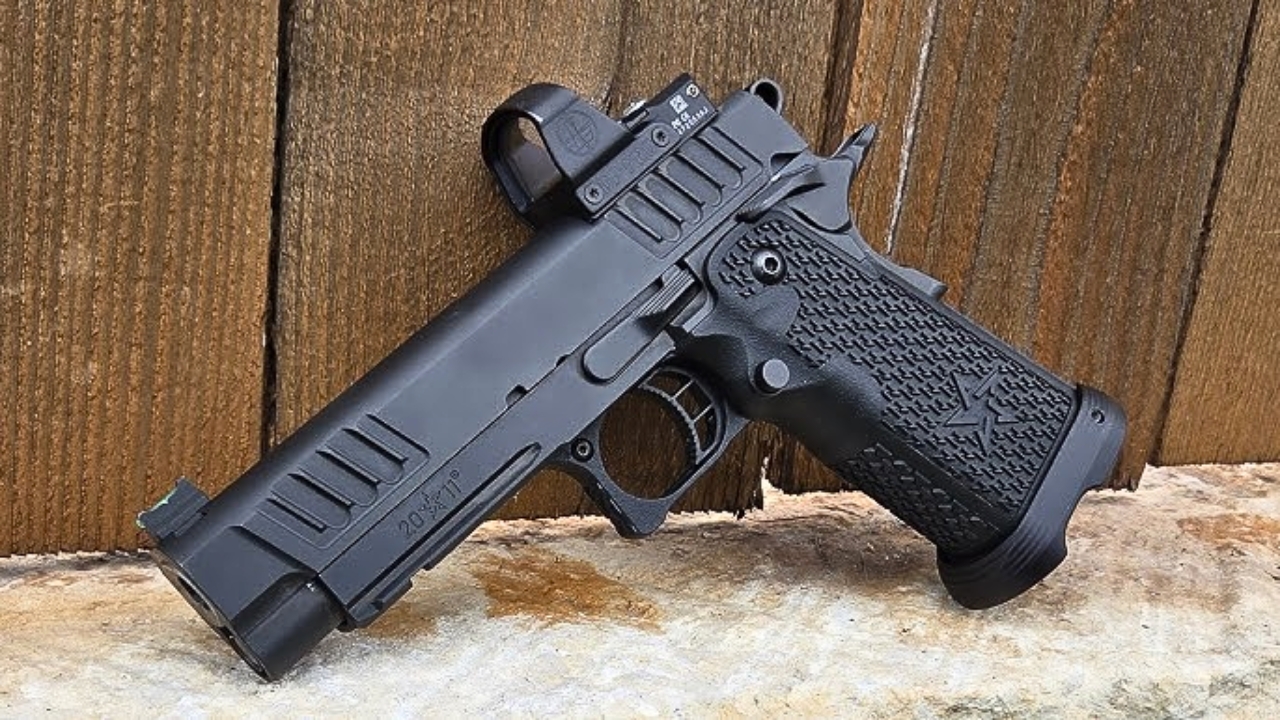
Double-stack 1911-style pistols used to get dismissed as too fancy, too expensive, and honestly too much gun for most shooters. The early reputation for finicky magazines didn’t help.
Now the modern 2011 market has matured, and the Staccato P is one of the clearest examples of “overbuilt” turning into “exactly right.” It’s soft, fast, dependable when maintained like any serious tool, and it makes sense for shooters who actually train.
Here’s the pattern: when you shoot more, carry longer, and start caring about consistency instead of novelty, you stop obsessing over ounces and start valuing durability and controllability. Not every one of these handguns is the best choice for every person, and a couple of them are still flat-out heavy. But if you’ve been around this long enough, you’ve seen it: the “too much gun” phase fades, and the guns that keep working are the ones you keep.
Like The Avid Outdoorsman’s content? Be sure to follow us.
Here’s more from us: