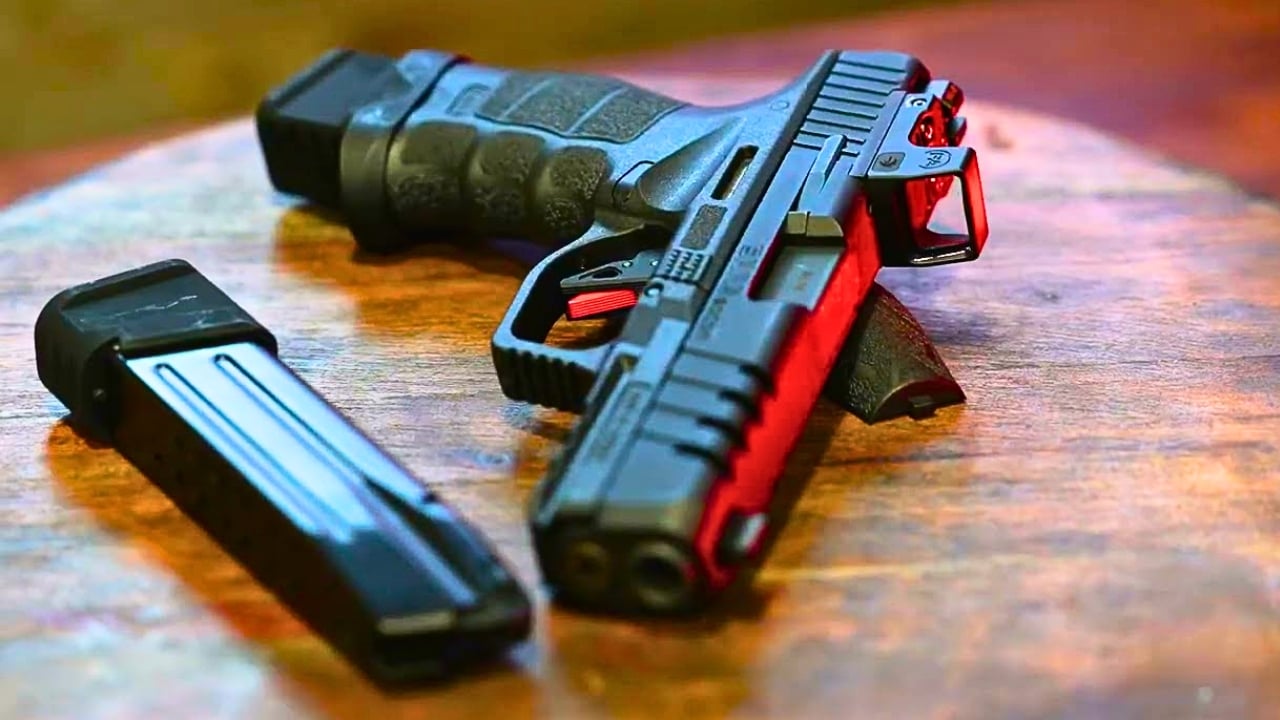
Photo credit: Sarsilmaz US/YouTube
You can find plenty of cheap handguns. Finding one that does not constantly remind you where the manufacturer saved money is harder. Rough triggers, weak sights, awkward grips, and bare-bones feature sets can quickly make a bargain pistol feel like something you should have spent more to avoid.
Around $600 or less, though, there are handguns that leave surprisingly little on the wish list. Some offer optics-ready slides and excellent triggers, while others win with straightforward reliability and unusually good ergonomics. Prices move around between dealers and configurations, but these 20 prove you can get a seriously capable handgun without entering premium territory.
Ruger RXM
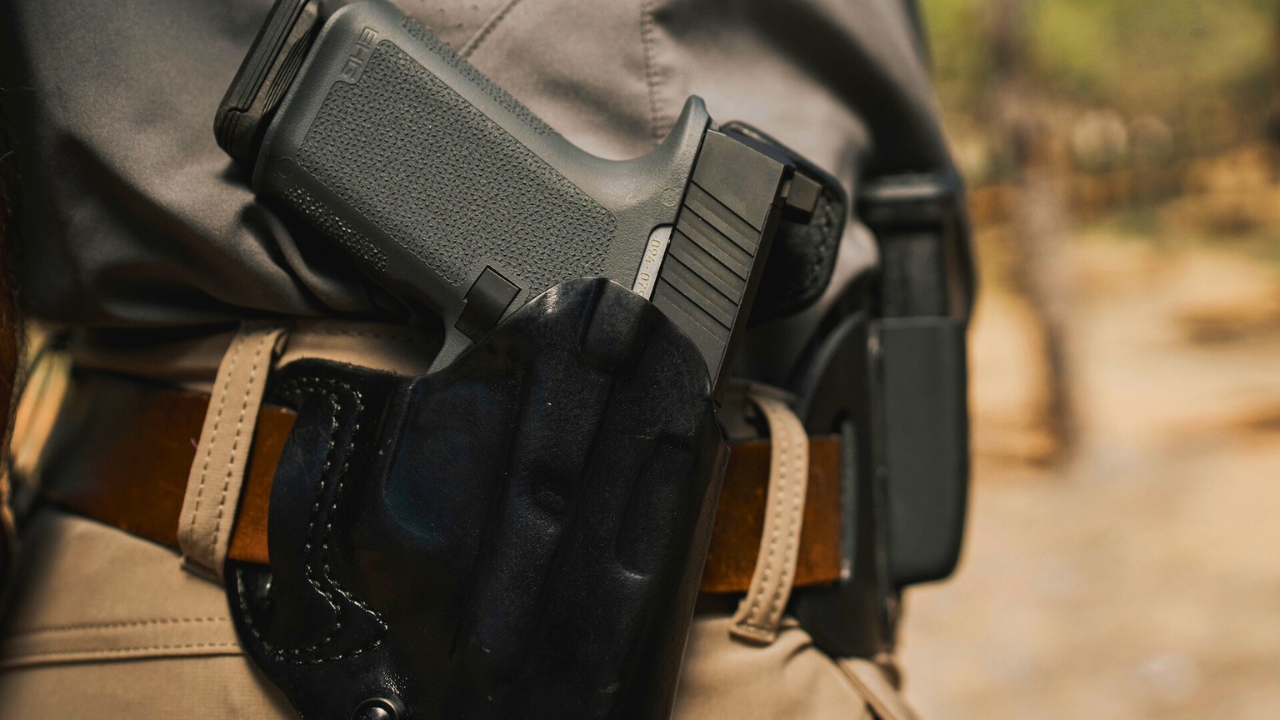
The RXM is exactly the kind of handgun that makes the sub-$600 category increasingly difficult for older designs. Ruger teamed up with Magpul on a modular 9mm that gives you a removable fire-control insert, an optics-ready slide, good steel sights, and a grip module that feels much more thought-out than its price suggests.
The other advantage is familiarity. Much of the design will immediately make sense to shooters accustomed to Glock-pattern pistols, and compatibility with a large existing parts ecosystem gives owners plenty of room to customize later. You do not have to modify it, though. That is what makes the RXM such a strong value. Straight from the box, there are remarkably few glaring weaknesses.
Rost Martin RM1C
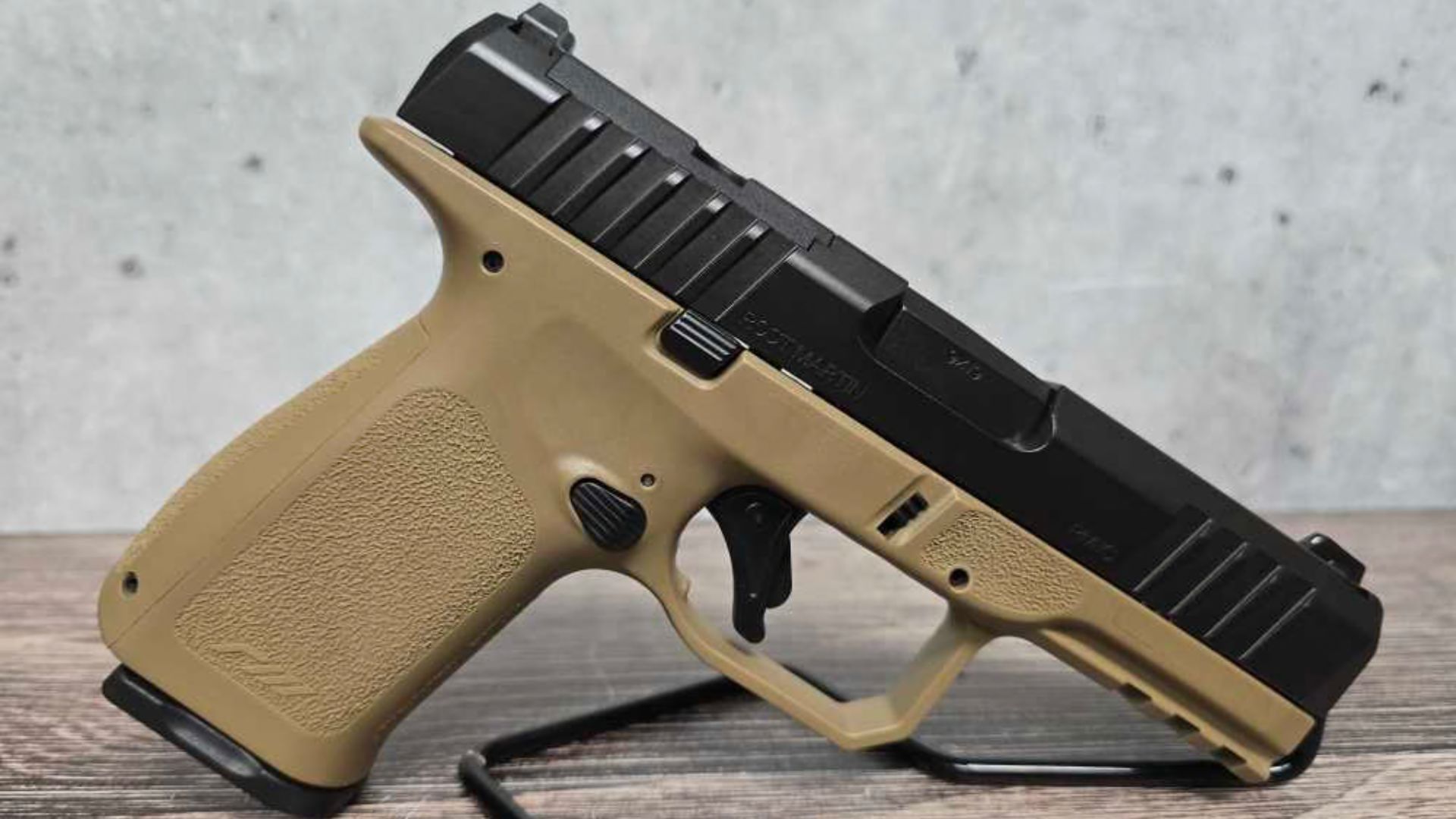
Rost Martin arrived without decades of brand recognition to lean on, so the RM1C had to compete largely on what you actually got for the money. That works in the buyer’s favor. The compact 9mm offers interchangeable backstraps, useful grip texture, an optics-ready slide, and dimensions that make it suitable for both concealed carry and range use.
It also feels much more polished than an unknown brand’s first pistol has any right to. Controls are easy to reach, recoil is manageable, and the pistol avoids many of the awkward details that can plague inexpensive designs. Buyers willing to step outside the usual names can get a surprisingly complete handgun without approaching $600.
CZ P-10 C

The P-10 C has reached the point where its pricing almost seems unfair to some competitors. You get excellent ergonomics, a very good striker-fired trigger, aggressive grip texture, and a compact frame that is large enough to shoot well without becoming difficult to carry.
It is also a mature design rather than an experiment. The P-10 C has been around long enough for its strengths and weaknesses to be well understood, and there are not many serious complaints to make about the basic package. When optics-ready examples can be found comfortably below the price ceiling, the value becomes even harder to ignore.
SAR9 Gen3
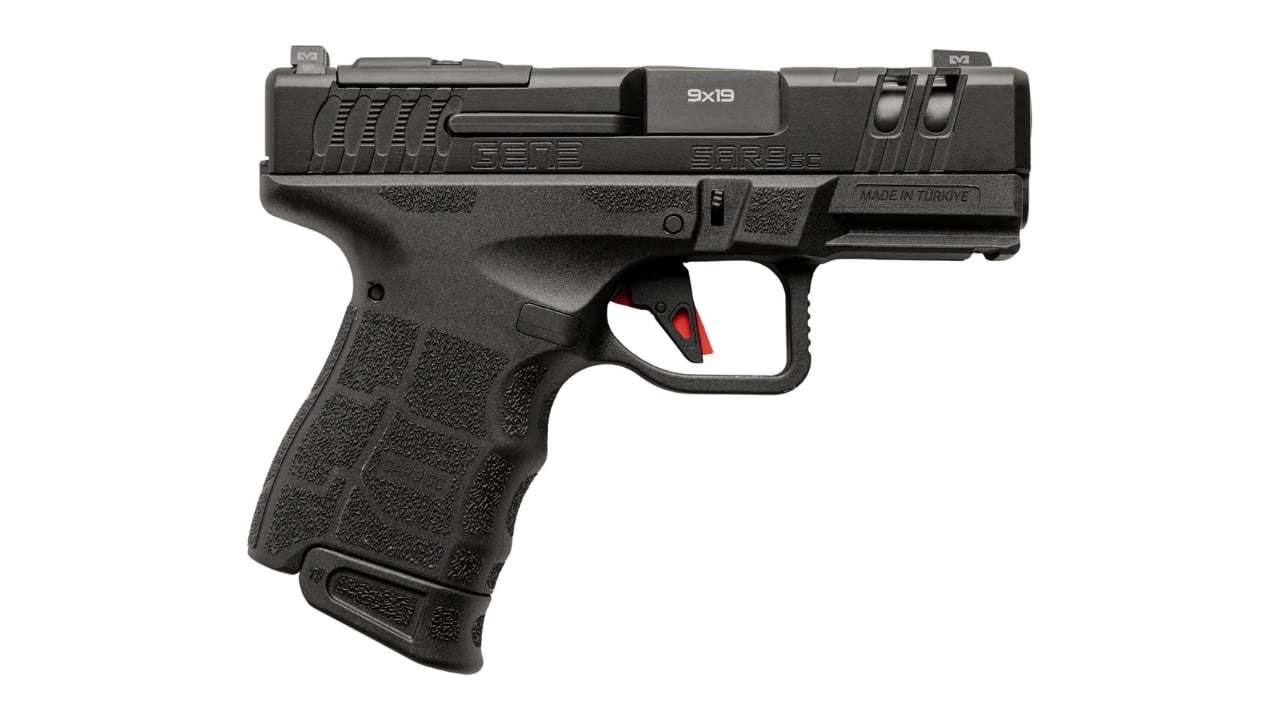
The SAR9 has always been a better pistol than its relatively quiet American reputation suggests. The Gen3 continues that theme with a full-size frame, adjustable grip components, good capacity, and ergonomics that borrow some very good ideas from considerably more expensive European service pistols.
The pistol’s strength is how easy it is to shoot. The grip gives you plenty of control, recoil is mild, and the gun feels built for actual duty-style use rather than simply reaching a low price. It may not impress someone shopping by logo alone, but its performance makes a very convincing argument.
Walther PDP Compact
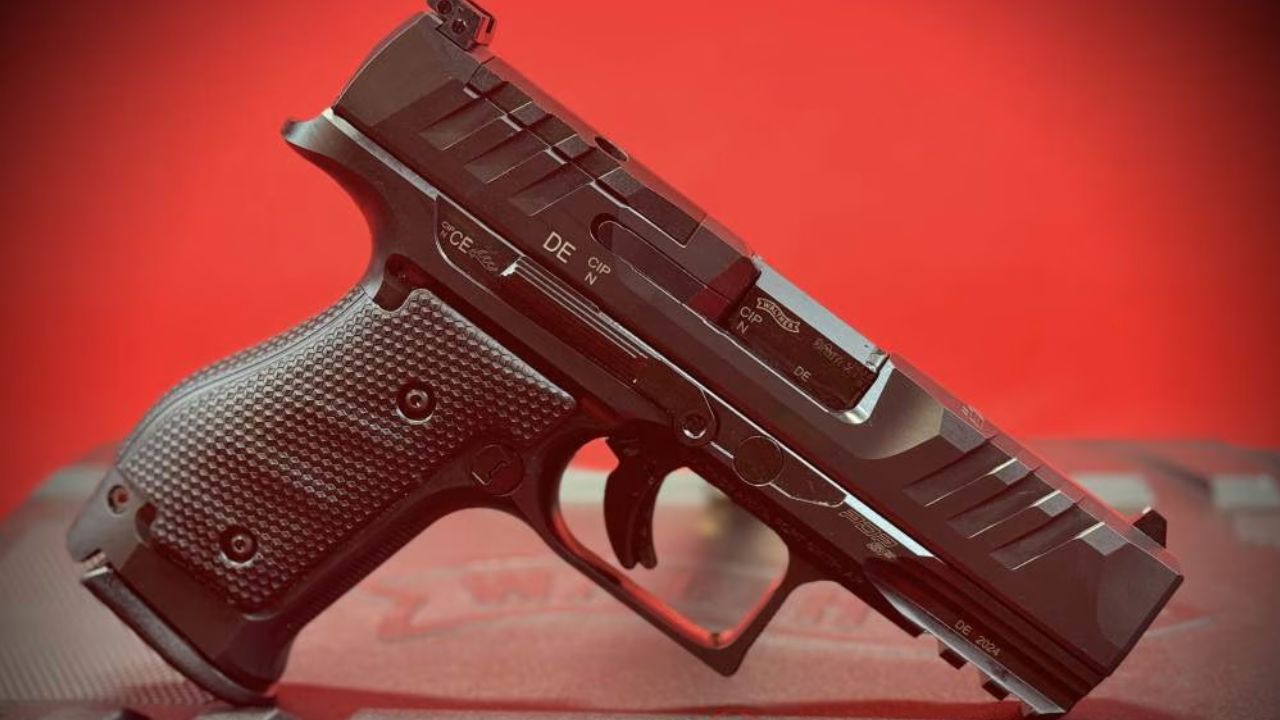
Getting a PDP Compact below $600 gives you access to one of the better factory striker-fired triggers without paying performance-pistol money. The trigger has a clean break and short reset, while Walther’s grip texture makes it easy to keep the pistol planted during rapid strings.
The compact frame is also extremely versatile. It can serve as a carry gun, home-defense pistol, or range handgun without feeling badly compromised in any of those roles. The slide is somewhat tall, but that is a small criticism considering how well the entire package shoots.
Stoeger STR-9 Combat
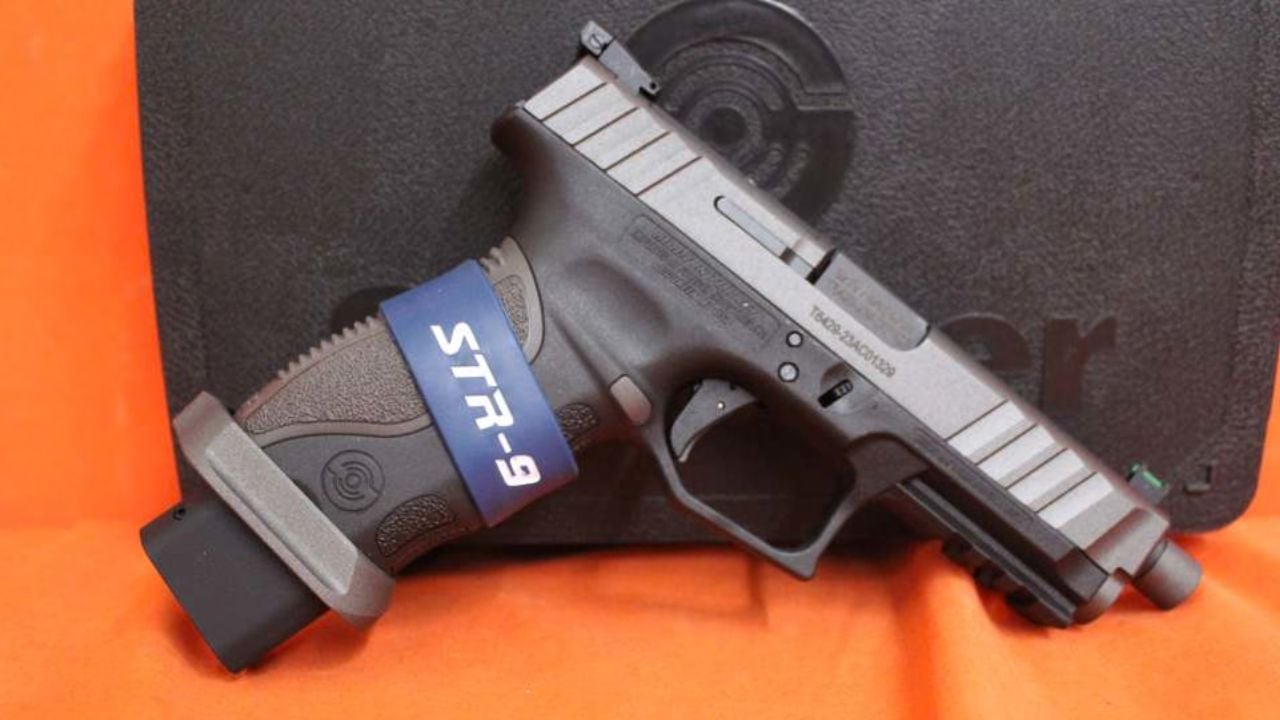
Stoeger is still so closely associated with shotguns that plenty of handgun shoppers walk straight past the STR series. The Combat model gives them a reason to stop. Depending on configuration, you can get features such as an optics-ready slide and threaded barrel without paying the price those extras usually command.
More importantly, the underlying pistol shoots well. The grip is comfortable, recoil control is good, and the controls are laid out sensibly. There is nothing bargain-bin about the experience once ammunition starts going through it. The lack of brand prestige may actually be the biggest thing keeping the price so attractive.
Springfield Armory XD Mod.3
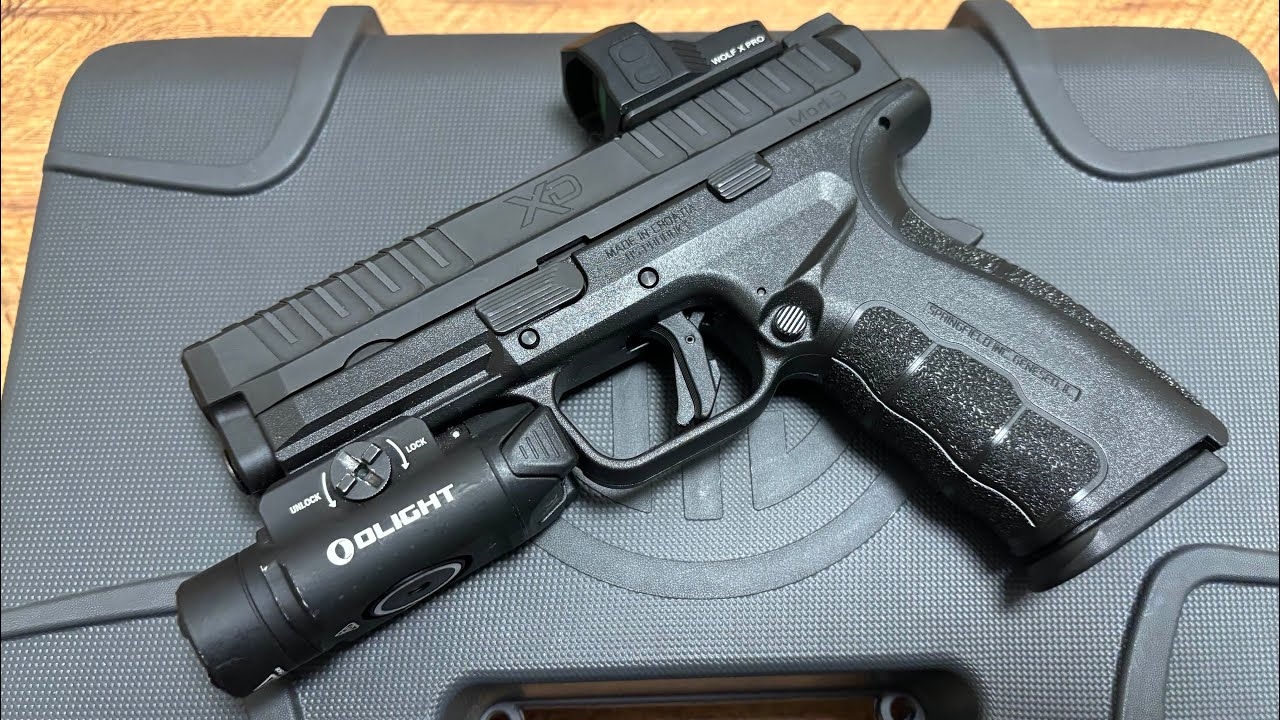
The XD family has been around long enough that some shooters stopped paying attention, but the Mod.3 makes a surprisingly strong argument for looking again. Springfield modernized the basic concept while keeping pricing aggressive, giving buyers a practical striker-fired pistol without unnecessary luxury features.
The grip is comfortable, the controls are familiar, and the gun provides a lot of usable pistol for the money. It may not generate the excitement of Springfield’s more expensive models, but that is exactly why it belongs here. You are buying function rather than hype.
Beretta APX A1
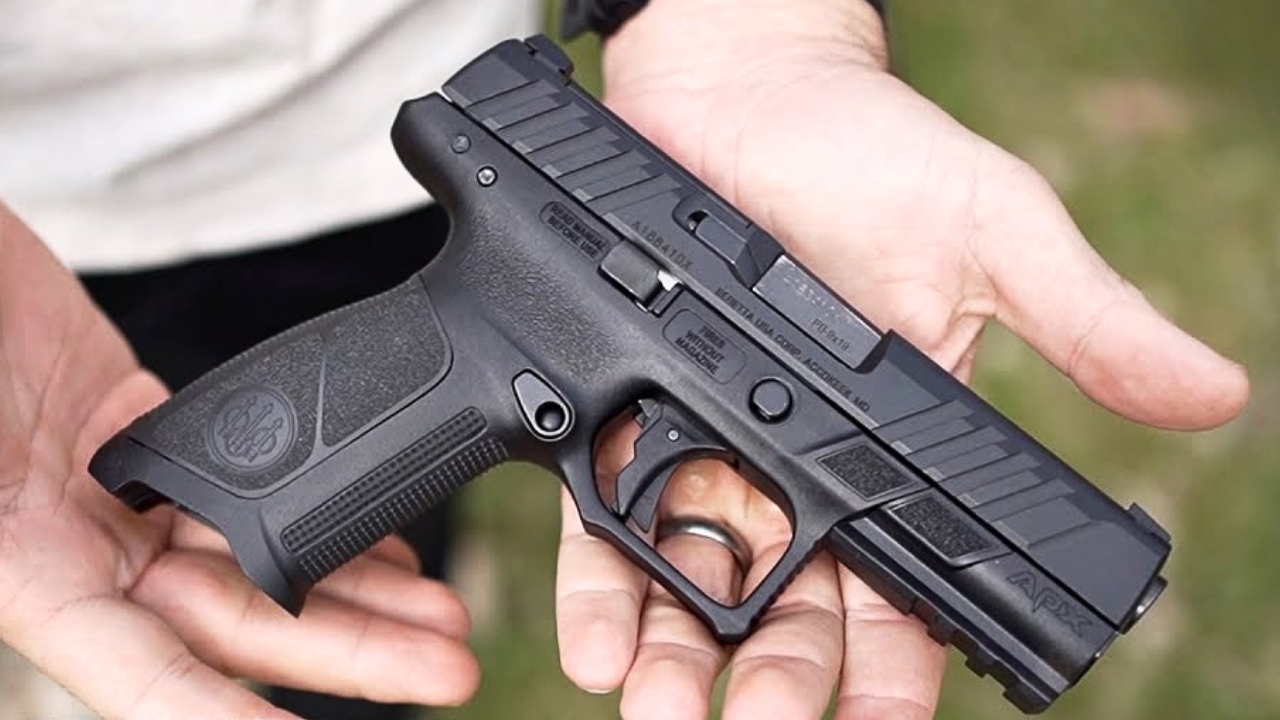
The APX A1 suffers mainly from living in an absurdly crowded market. Beretta gives you a robust chassis-based design, excellent slide serrations, sensible ergonomics, and optics-ready configurations while the gun frequently sells for far less than many comparable service pistols.
It also has the advantage of being extremely straightforward. There is not much about the APX A1 that requires adjustment or explanation. It points naturally, handles recoil well, and feels built for serious use. The design may not be glamorous, but at its typical price it is extremely difficult to complain.
Canik METE SF

Canik’s strong triggers are no longer a secret, and the METE SF puts that advantage into a compact size that is more versatile than the company’s giant competition pistols. The trigger is crisp, the reset is short, and the grip gives you excellent control.
You also get a generous feature set without needing to start replacing parts immediately. That matters because some affordable pistols become expensive once you add the sights, trigger, or optics capability you actually wanted. The METE SF starts much closer to finished.
Free for gun owners: If something happened to you tomorrow, would your family know where the guns are, who has the safe combination, or what to do first? Our free Gun Owner’s Family Checklist walks them through it. It takes about 15 minutes to fill out. Get your free copy here.
IWI Masada Slim

The Masada Slim packs impressive capacity into a thin carry-oriented package without making the grip feel excessively cramped. It has a straightforward trigger, good ergonomics, and enough size to remain controllable under recoil.
IWI also has far more firearms experience than the Masada’s relatively low profile might suggest. The pistol simply never developed the enormous American following enjoyed by several competitors. For buyers, that can translate into a very capable concealed-carry gun that does not carry a fashionable-name premium.
Smith & Wesson Bodyguard 2.0
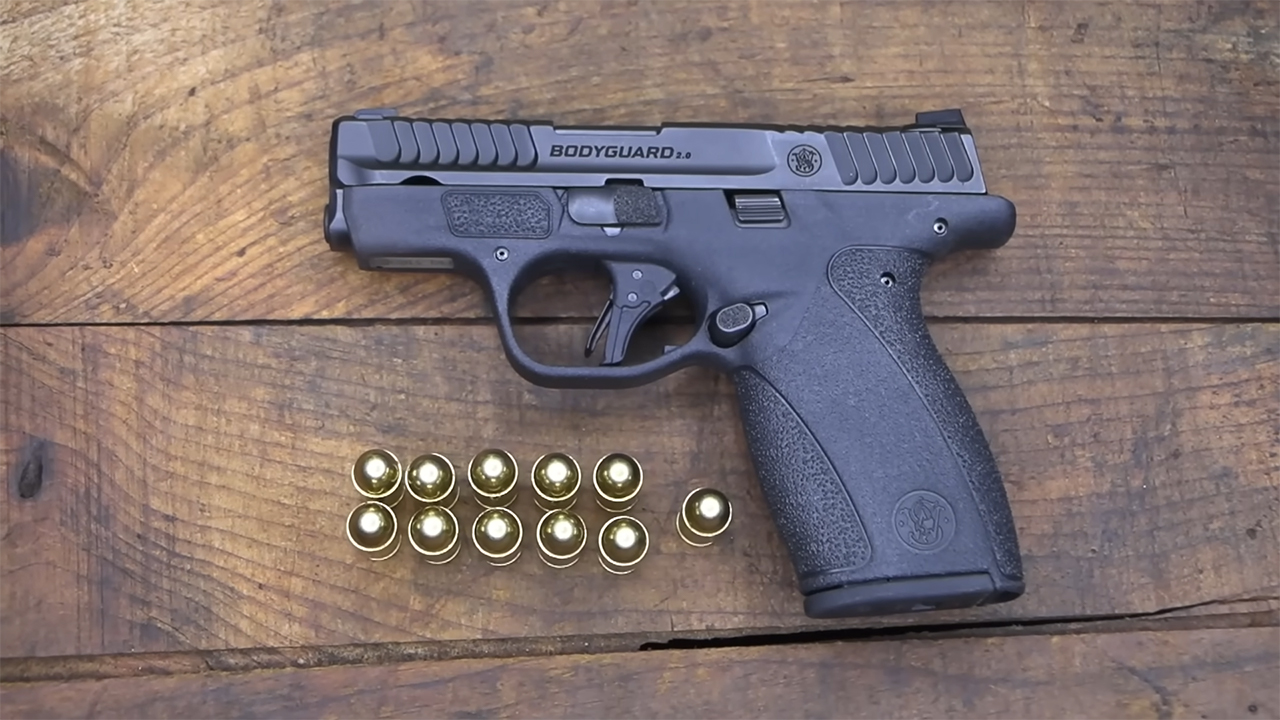
Tiny .380 pistols usually require you to tolerate terrible ergonomics in exchange for easy concealment. The Bodyguard 2.0 changed that equation considerably. Despite its extremely small dimensions, the grip feels surprisingly natural and the pistol provides useful capacity in a genuinely pocket-friendly package.
It is still a very small gun, so nobody should expect it to behave like a full-size range pistol. What makes it impressive is how few other sacrifices Smith & Wesson asks you to make. For deep concealment, it accomplishes its intended job remarkably well while remaining comfortably below the $600 ceiling.
Canik METE MC9L

Stretching the micro-compact platform with a longer grip makes a lot of sense for shooters who value control more than shaving the final fraction of an inch from a carry gun. The MC9L gives you that extra purchase while retaining the thin profile that makes this category so attractive.
You still get the trigger quality people expect from Canik, along with modern sights and an optics-oriented design. The larger grip makes the gun easier to manage during sustained practice, which is important because a carry pistol you hate shooting rarely gets enough range time.
Tisas PX-9 Gen 3
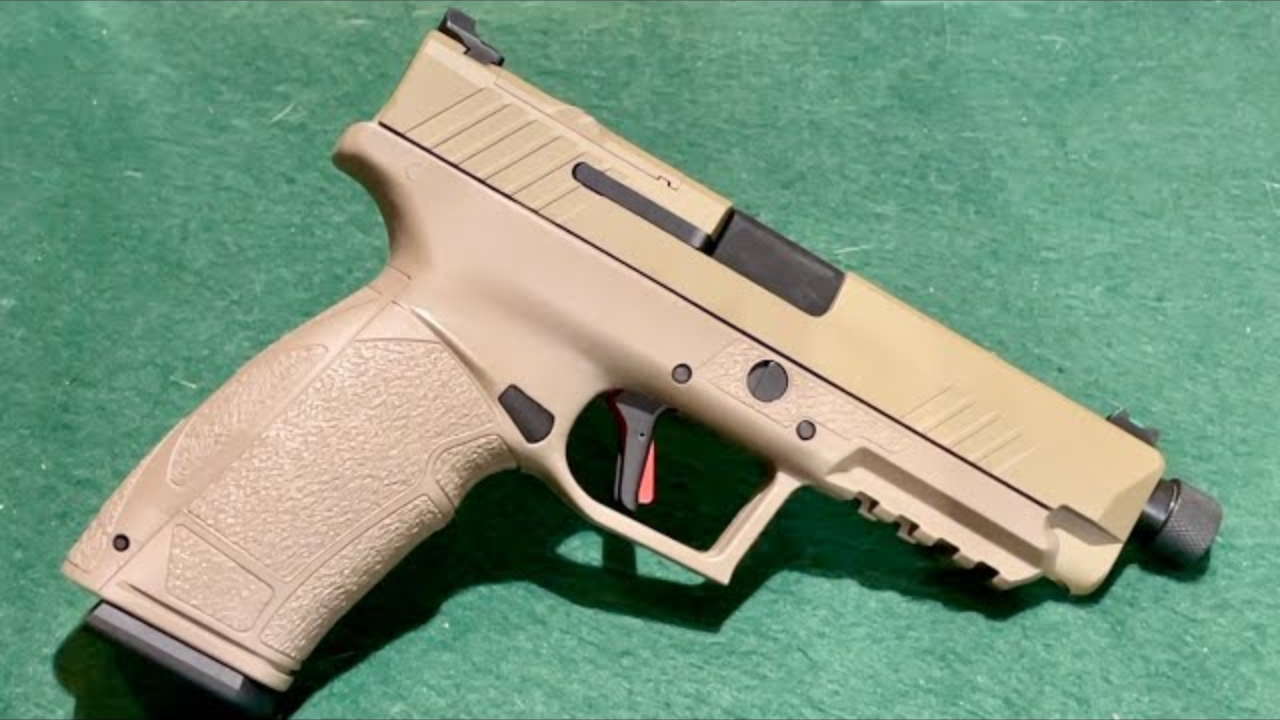
Tisas is better known in America for inexpensive 1911s, but the PX-9 Gen 3 deserves attention on its own merits. It gives buyers interchangeable grip components, useful texturing, good capacity, and configurations loaded with modern features.
What is surprising is how complete the pistol feels considering where it sits in the market. It does not seem like a gun built solely to hit the lowest possible retail price. The ergonomics are good, recoil is manageable, and there is little about it that immediately demands replacement.
Bersa TPR9C
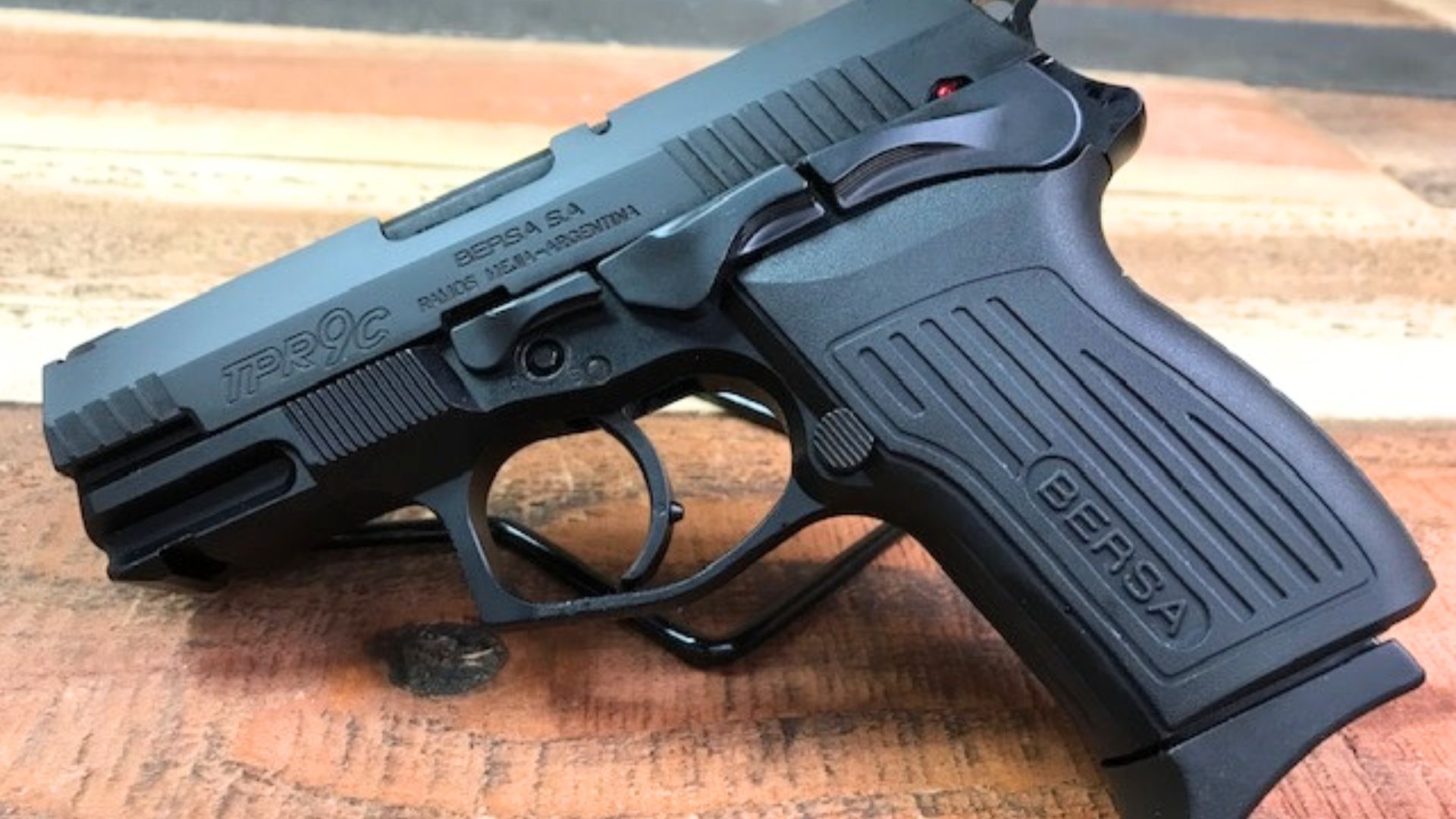
The TPR9C is a refreshing choice for shooters who do not want another striker-fired polymer pistol. You get a compact aluminum-frame handgun with traditional DA/SA operation and a decocker at a price where that combination has become surprisingly difficult to find.
The extra frame weight helps with recoil, and the single-action trigger makes the pistol easy to shoot accurately once the first double-action shot is gone. It is thicker than today’s micro-compacts, but shooters who value shootability and hammer-fired operation may consider that a very worthwhile trade.
Grand Power P1
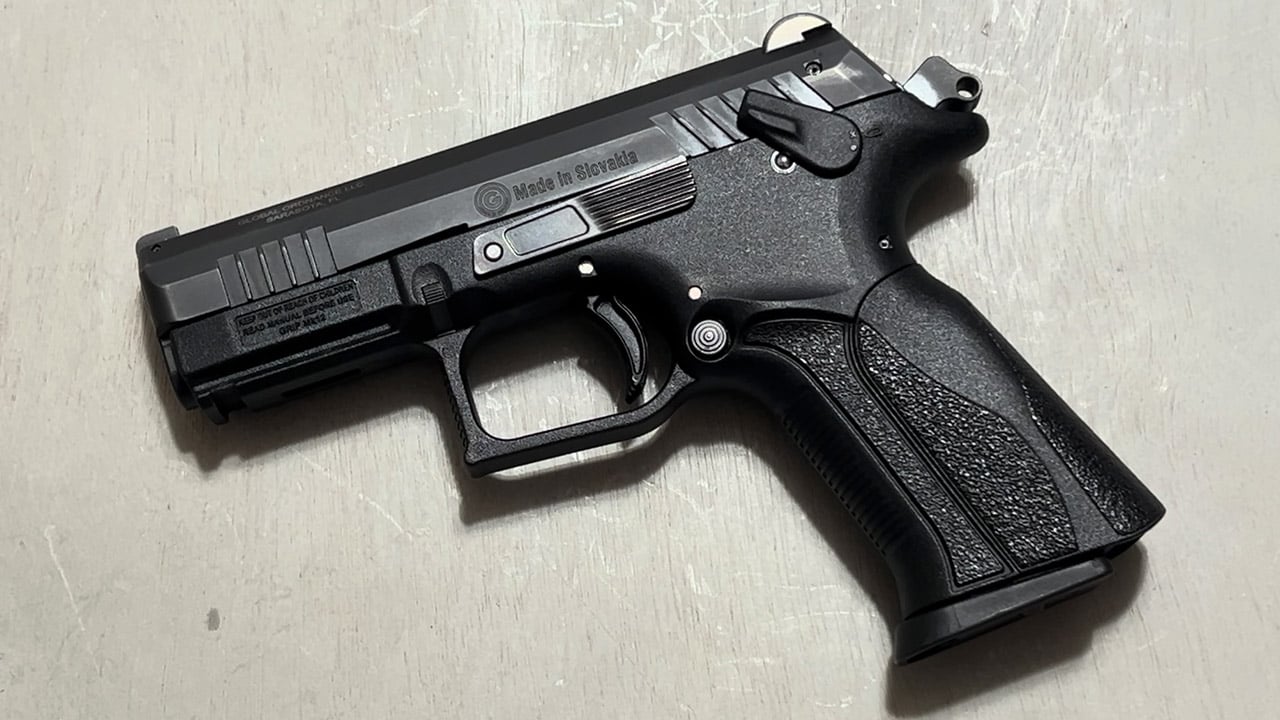
The P1 is another handgun that deserves far more attention than it receives. Its rotating-barrel operating system produces a noticeably smooth recoil impulse, while the hammer-fired trigger gives it a different personality from the interchangeable striker guns filling most display cases.
Grand Power’s biggest disadvantage is simply being less familiar to American buyers. The actual pistol offers strong ergonomics, very good shooting characteristics, and an interesting mechanical design without requiring exotic-pistol money. If you want something genuinely different under $600, the P1 makes a strong case.
Taurus TH9C
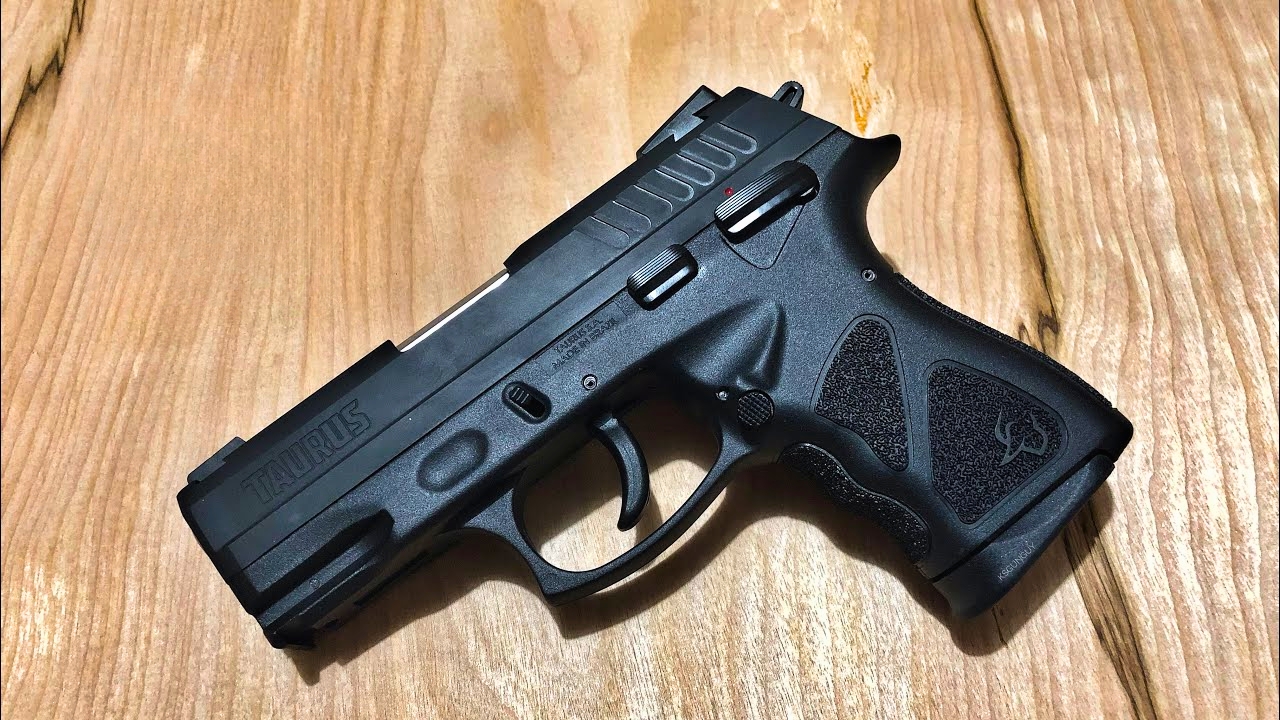
The TH9C may not have the prestige of more expensive hammer-fired compacts, but the actual package is surprisingly useful. It offers DA/SA operation, useful capacity, adjustable grip fit, and a compact frame at a price that leaves plenty of room in the budget for ammunition.
It also avoids trying to be excessively small. There is enough grip to control the gun comfortably, and the recoil impulse remains manageable. Shooters looking for an inexpensive traditional hammer pistol have fewer choices than they used to, which makes the TH9C more relevant than its modest reputation suggests.
EAA Girsan MC P35
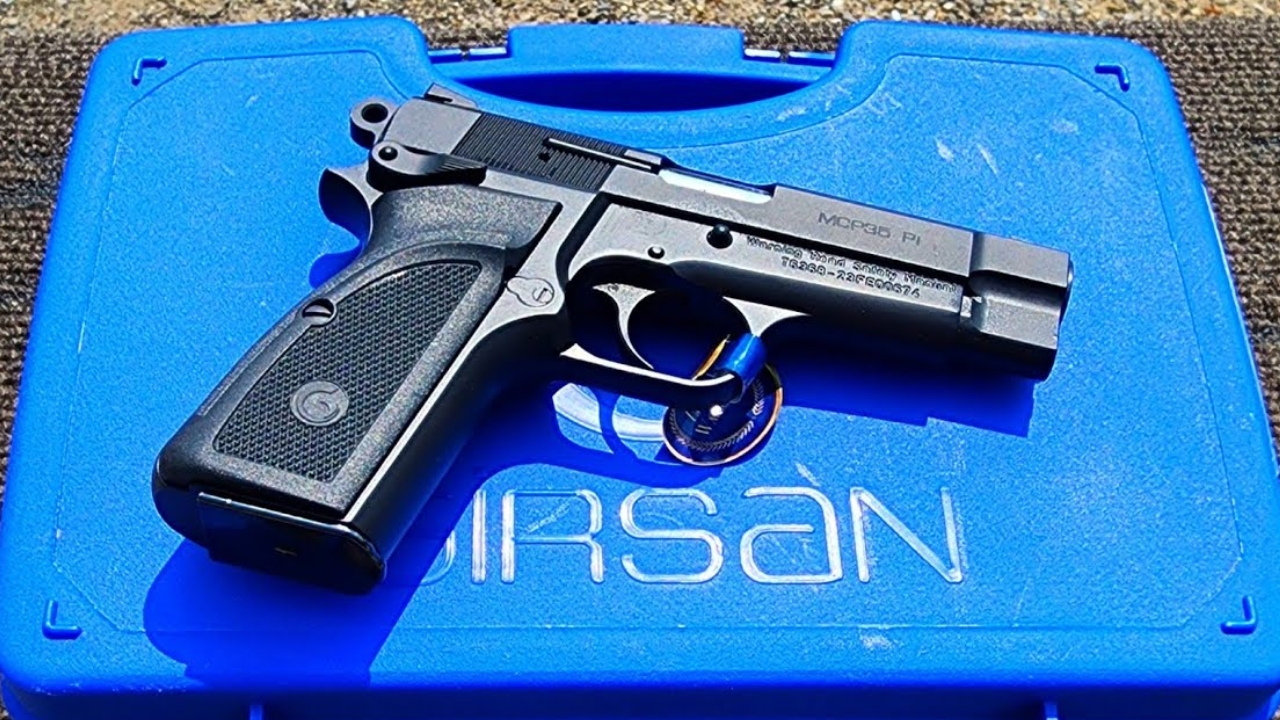
The MC P35 gives shooters access to the basic Hi-Power formula without paying collector prices for an original Browning. That means a steel frame, slim grip, single-action trigger, and one of the most naturally pointing handgun designs ever created.
There are more refined Hi-Power-pattern pistols available, but they also cost substantially more. The Girsan’s appeal comes from preserving the shooting characteristics that made the original famous while keeping the purchase price reasonable. For someone wanting a metal handgun under $600, it brings welcome variety to a polymer-heavy price bracket.
Ruger Security-380

The Security-380 solves a problem that spec-sheet comparisons often ignore: some shooters simply struggle with stiff slides and sharp recoil. Ruger’s Lite Rack system makes slide manipulation considerably easier, while the .380 ACP chambering keeps recoil modest.
The pistol also provides a much more substantial firing grip than a tiny pocket .380. That makes it pleasant enough to practice with instead of merely easy to carry. For newer shooters, older shooters, or anyone sensitive to recoil, the Security-380 provides real advantages without demanding much money.
Rock Island Armory MAPP FS
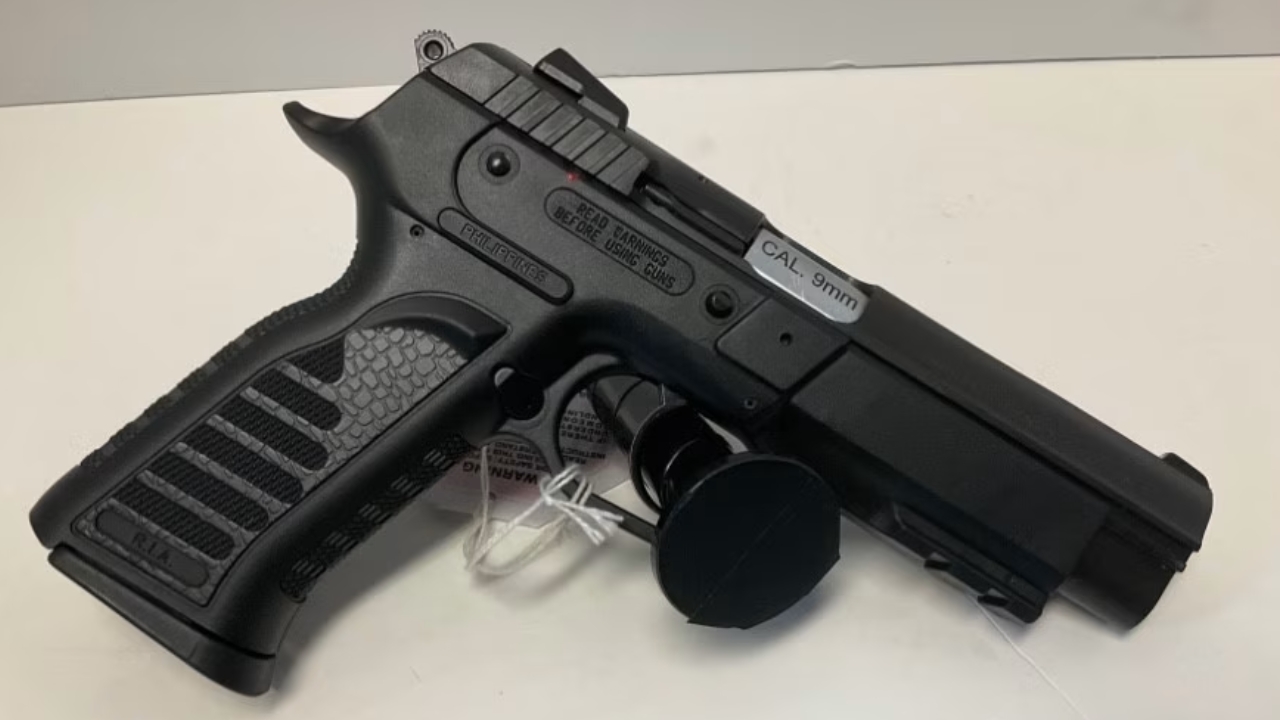
The MAPP FS is one of those obscure pistols that makes much more sense once you actually handle and shoot it. Its design borrows heavily from the CZ/Tanfoglio family, giving it comfortable grip geometry, a low slide, and traditional hammer-fired operation.
The polymer frame keeps weight down while maintaining the shooting characteristics that make this general design so pleasant. It does not have a huge aftermarket or fashionable reputation, but the fundamental pistol is solid. At the right price, it is an unusually interesting alternative to mainstream budget guns.
Kahr CM9
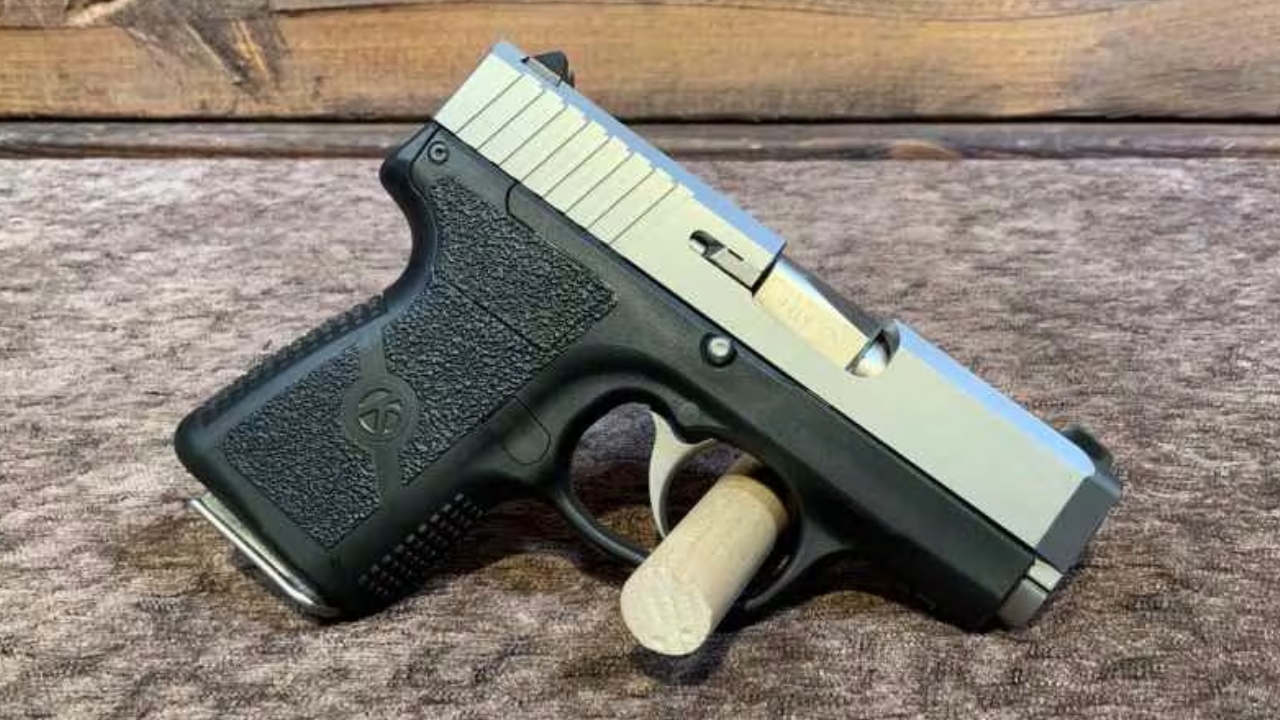
The CM9 comes from an earlier generation of concealed-carry pistols, but its basic strengths still matter. It is genuinely small, extremely thin, and uses a smooth double-action-style trigger that many shooters find predictable once they become accustomed to it.
Capacity is modest compared with newer micro-compacts, but that does not erase the gun’s strengths. For deep concealment, the CM9 disappears easily and has years of real-world use behind the design. It is also inexpensive enough that buyers who prioritize minimum size over maximum capacity can get exactly what they need without paying for features they do not.
Like The Avid Outdoorsman’s content? Subscribe to our newsletter so you never miss an article.
Here’s more from us: