Photo credit: Cranky Gun Reviews/YouTube
There are plenty of guns I would like to own, but wanting a firearm and believing it is still worth the asking price are two different things. Some rifles, pistols, and shotguns were fantastic buys when they were sitting in gun racks as ordinary working firearms. Years later, the exact same gun may be surrounded by collector interest, nostalgia, discontinued-production premiums, or simply sellers who know somebody will eventually pay too much for it.
Those are the guns that frustrate me most. I know I would enjoy owning them, and in many cases I would buy one this week if I found the right example at a sensible number. What stops me is paying collector money for something I primarily want to shoot, hunt with, or carry around the property. These 20 firearms would have a good chance of following me home if the price ever came back down to earth.
Winchester Model 94 Trapper .30-30

The Trapper version of the Model 94 is exactly the kind of rifle that became more desirable after people finally realized how useful short lever guns are. The compact barrel makes it exceptionally quick in thick timber, easy to maneuver inside a blind, and convenient to carry in a truck or on an ATV. Chambered in .30-30, it still delivers the kind of close- and moderate-range deer performance that made the cartridge famous in the first place. Years ago, these were practical little hunting rifles rather than objects people treated like investments, which is precisely how I would want to own one.
My problem is paying a large premium just because the market rediscovered short lever actions. At the right working-rifle price, I would add one immediately and actually take it hunting instead of worrying about every scratch.
Marlin 1894C .357 Magnum
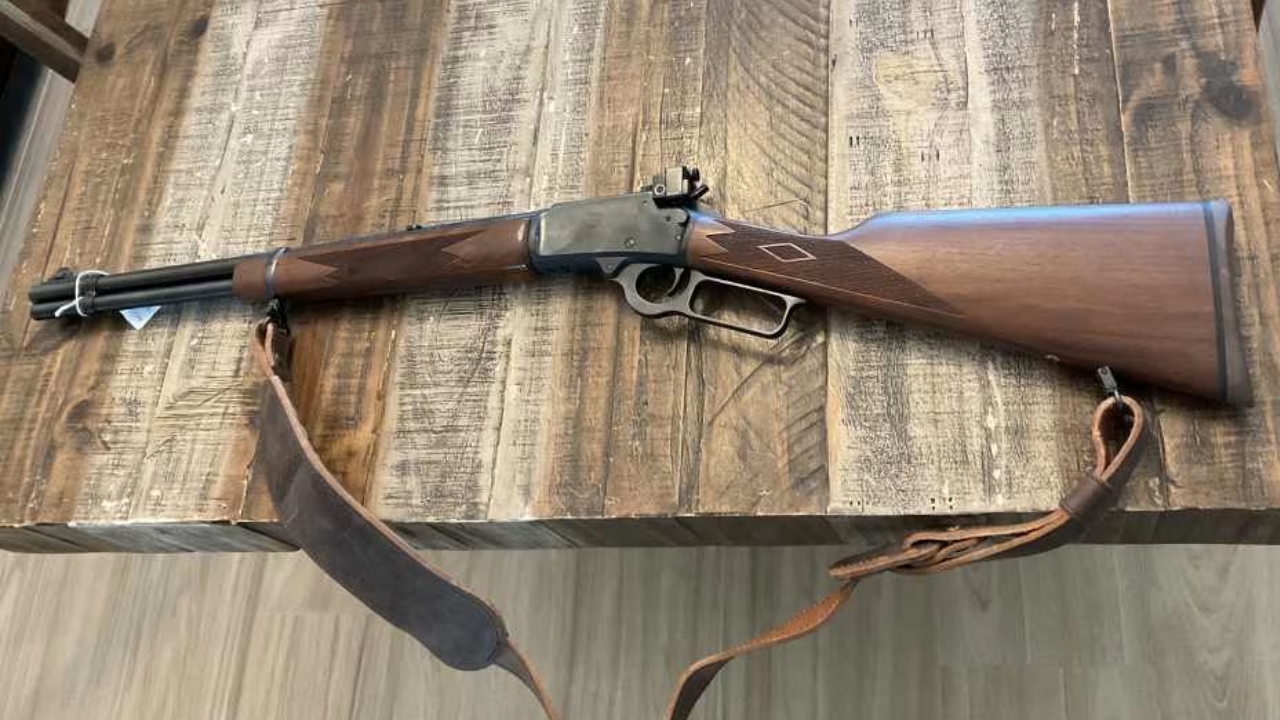
The older 1894C in .357 Magnum is one of the easiest rifles for me to justify because it is useful almost every time you leave the house on rural property. It is short, light, mild recoiling, and capable of running inexpensive .38 Special for casual shooting while stepping up to .357 Magnum when more performance is needed. The cartridge gets a worthwhile velocity increase from a rifle barrel, and the entire package is much easier to carry than most centerfire hunting rifles. It also pairs naturally with a .357 revolver if you like keeping ammunition common between guns.
What ruins the equation is when an ordinary used 1894C gets priced like a rare collector rifle. I want one because it is practical and fun, not because I intend to stare at it. At the old practical-rifle kind of price, I would buy one without much hesitation.
Remington Model 600 Mohawk
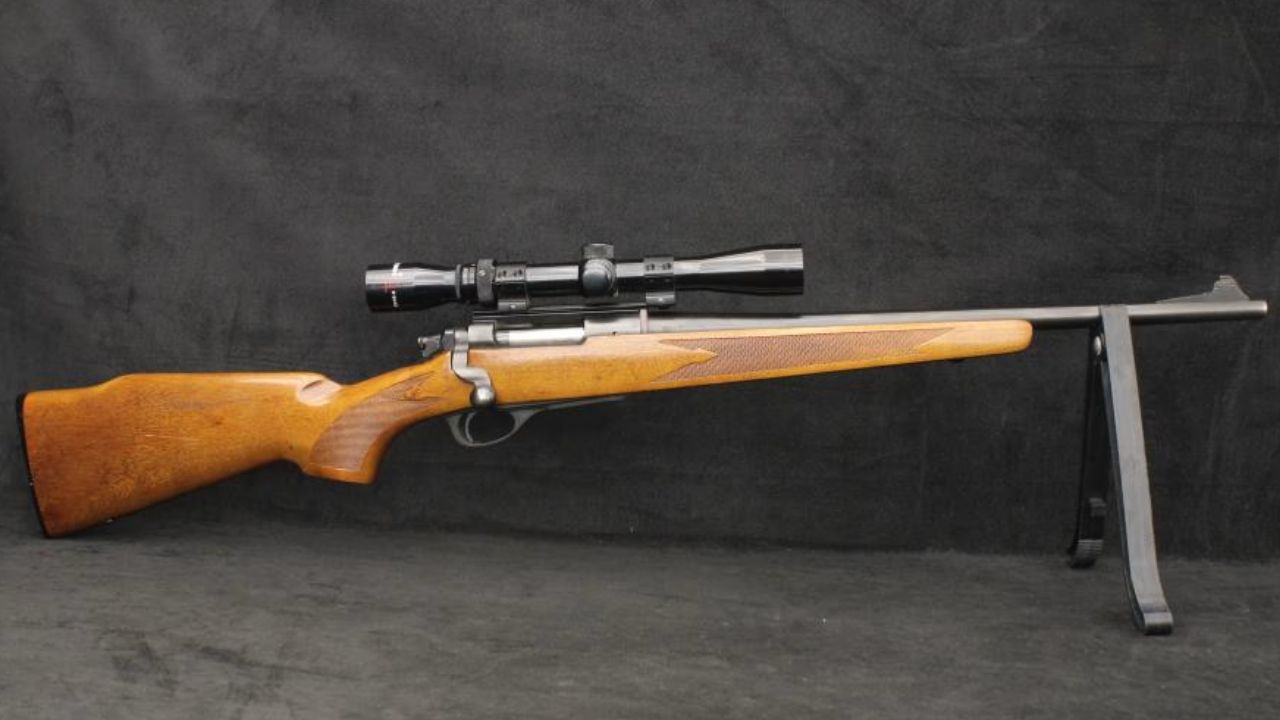
The Model 600 Mohawk came from an era when compact bolt rifles were far less common than they are today. Its short overall length, distinctive bolt handle, and handy balance make it exactly the sort of rifle that works beautifully in woods, stands, and tight hunting situations. Depending on chambering, it can be a lightweight deer rifle that carries almost effortlessly. What once looked unusual now looks remarkably forward-thinking because manufacturers are once again selling short, lightweight hunting rifles as something new.
The problem is that old Remington collectors figured out how interesting these rifles are. I would love to own a clean shooter, but I would want to treat it like a hunting rifle. Paying a premium for one that becomes too valuable to scratch defeats much of the reason I want it.
Ruger M77 RSI
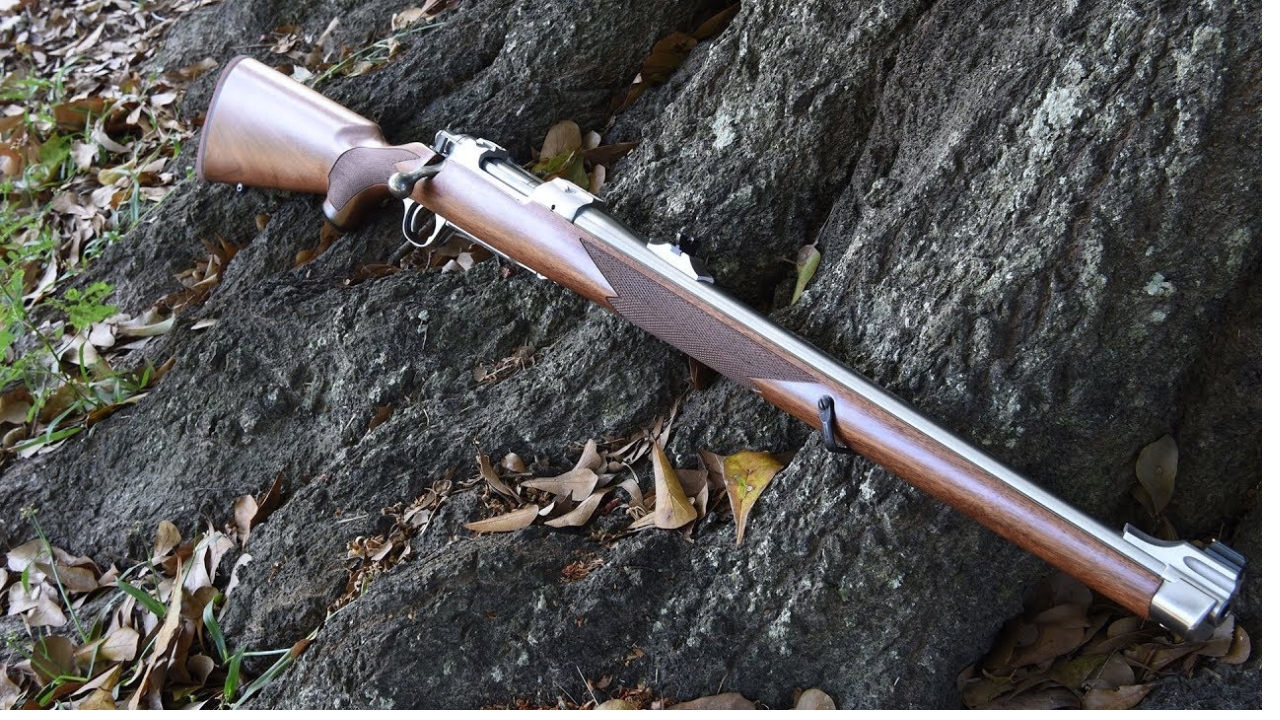
The M77 RSI has one feature that makes it immediately different from almost every rifle sitting in a modern sporting-goods store: the full-length Mannlicher-style stock. It gives the rifle a compact, traditional appearance while still using Ruger’s stout bolt-action platform. The shorter barrel and distinctive stock make it exceptionally handy, especially in woods where shots are relatively close and carrying comfort matters more than maximizing velocity. It also has enough personality that it never feels like another generic synthetic-stocked deer rifle.
I would happily own one in a sensible deer chambering if I found the right deal. What I do not want is to pay heavily for rarity and then feel guilty about taking it through brush. At a shooter-grade price, an RSI would be very difficult for me to leave behind.
Winchester Model 43
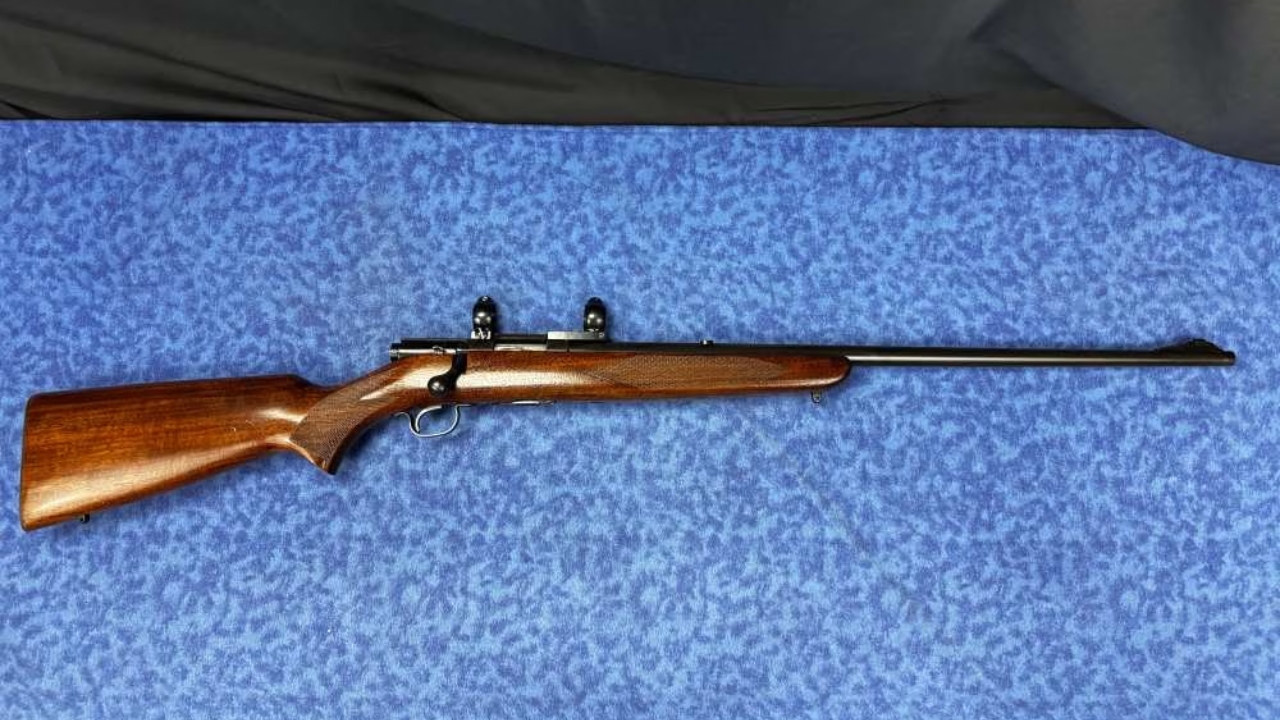
The Model 43 is one of those small bolt rifles that makes a lot more sense once you stop judging every rifle by big-game capability. Chamberings such as .22 Hornet made it a wonderfully useful walking-around rifle for varmints, predators, and property work. It has classic Winchester styling without the size and weight of a full deer rifle, and the slim action gives it an entirely different feel from today’s heavy-barreled varmint guns. There was a time when rifles like this were simply useful tools that happened to be nicely made.
Now the Winchester name and relative scarcity can push them into collector territory. I would want one specifically to carry and shoot. If I found a mechanically sound example priced like an old utility rifle rather than a museum piece, I would be extremely interested.
Remington 788 .243 Winchester

The 788 never had the prestige of the Model 700, and that was exactly why it used to be such an attractive buy. The rifles were plain, inexpensive, and surprisingly accurate. Many hunters discovered that the supposedly cheaper Remington could shoot groups that gave much more expensive rifles serious competition. In .243 Winchester, it becomes an excellent light-recoiling deer and predator rifle that is easy to practice with and useful across a wide range of hunting situations.
The 788 makes much less sense to me when nostalgia pushes its price close to newer premium hunting rifles. I like it because it represents an old-school value gun that performed above its class. If I could buy one at a price matching that original spirit, I would gladly put it back to work.
Savage Model 99 .250-3000
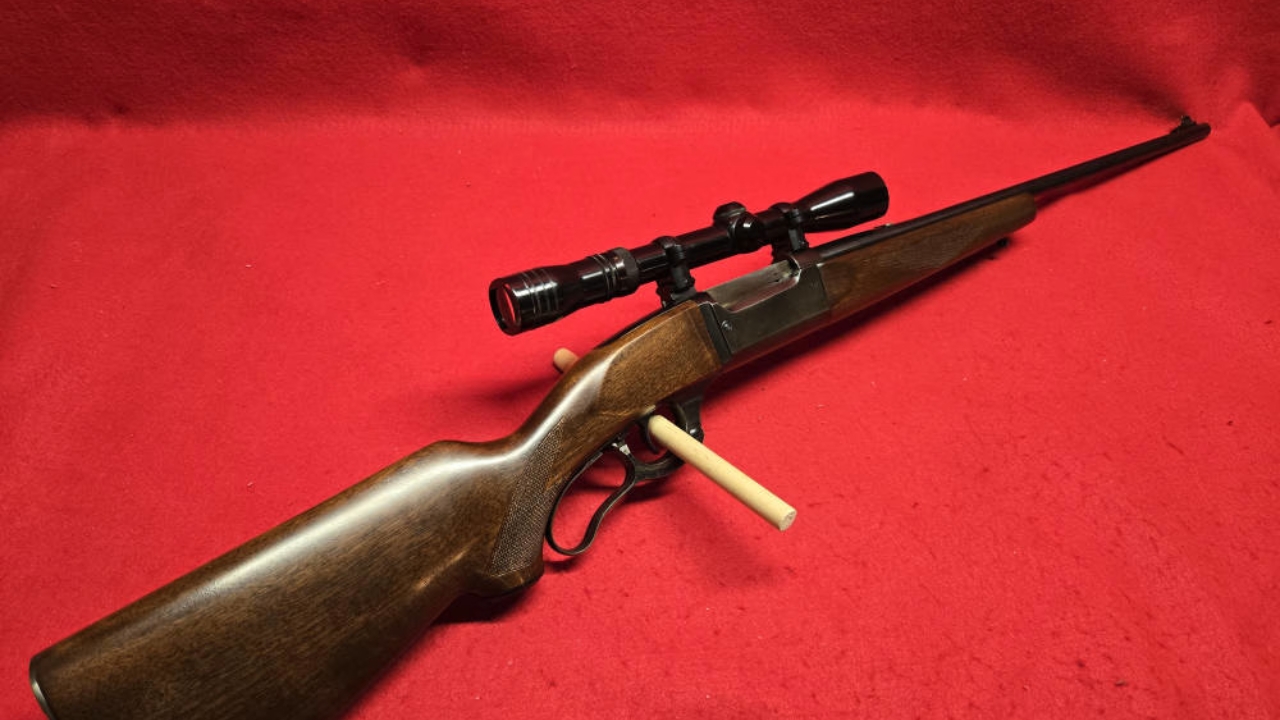
A Model 99 in .250-3000 is exactly the sort of rifle I want even though I know I do not actually need it. The rotary-magazine Savage was mechanically far more sophisticated than the traditional tube-fed lever rifle, allowing pointed bullets and cartridges that pushed lever-action performance in a more modern direction. The .250-3000 adds even more appeal because it is mild shooting, historically interesting, and capable enough for deer with appropriate ammunition and reasonable shot placement.
The problem is that the combination attracts both Savage collectors and hunters who understand what the cartridge represents. That can make a nice example far too expensive for someone who primarily wants to shoot it. Put one in front of me at an honest shooter price, though, and the decision would get very easy.
Browning Model 71
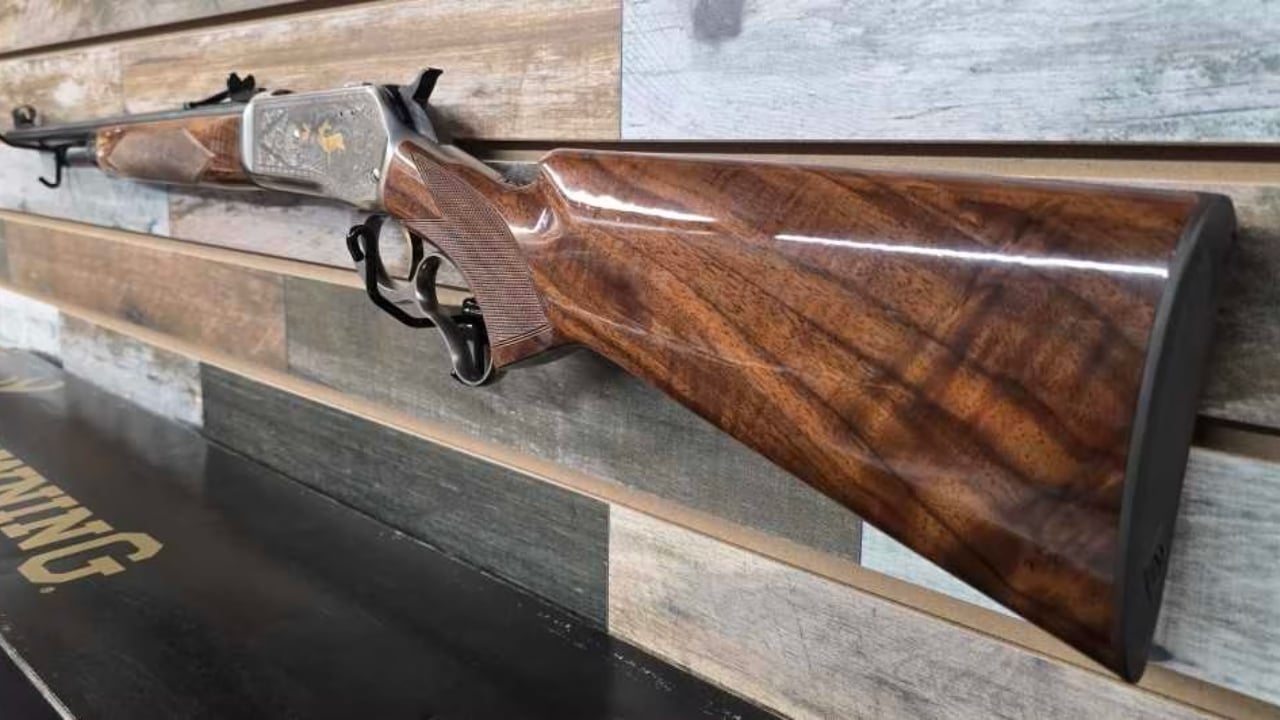
The Model 71 is one of those old lever guns that feels almost perfectly designed for a particular kind of hunting. Built around the .348 Winchester, it gives you a substantial cartridge in a smooth, fast-handling lever action with classic Browning and Winchester ancestry. The rifle carries far better than its power level might suggest and represents an era when big woods rifles were expected to handle serious game without looking tactical or specialized.
I would love to own one, but this is another case where collector value can overwhelm practical value. I would want to shoot it, develop a load it likes, and carry it into the woods. If the price made me afraid to put a mark on the stock, I would rather leave it to a collector.
Remington 760 Carbine
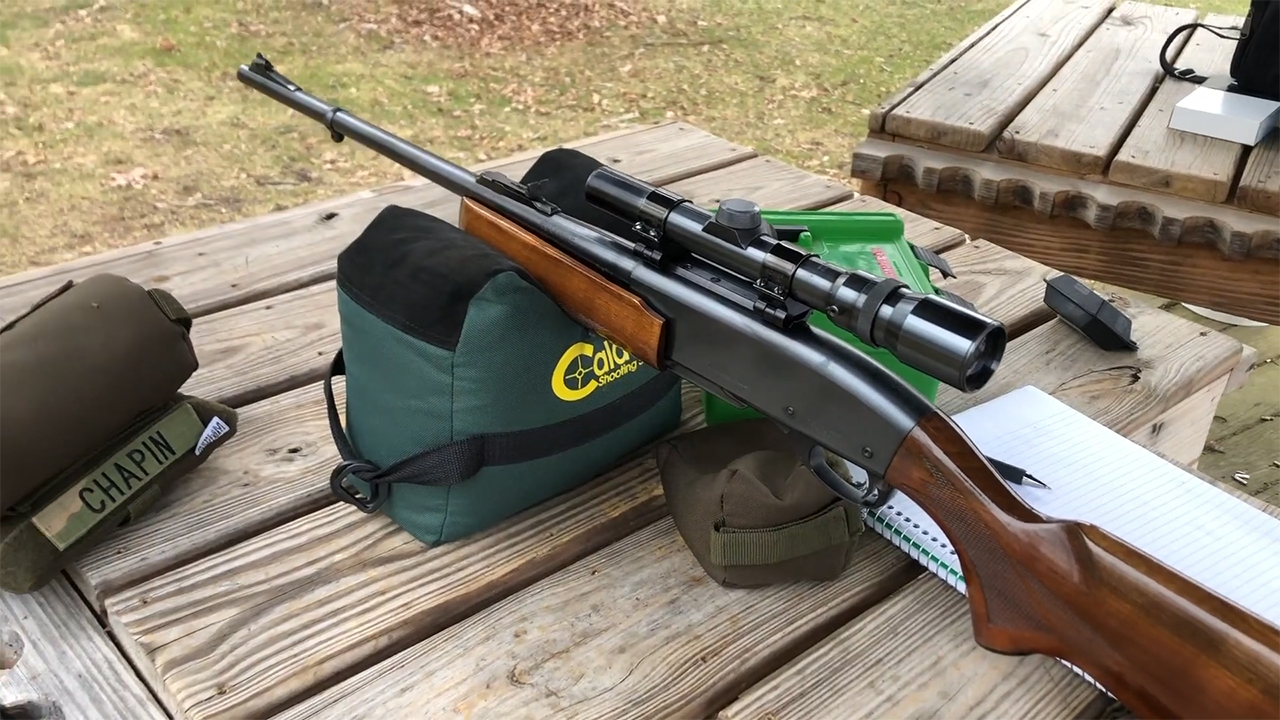
The 760 Carbine is exactly the kind of eastern deer rifle that used to be valued primarily because it worked. The short barrel makes it easy to maneuver in thick woods, while the pump action allows quick follow-up shots without the size or complexity of a semiautomatic. Chambered in cartridges such as .30-06, it gives hunters full-power rifle performance in a package that handles almost like a shotgun. For someone accustomed to pump shotguns, the operating system can feel instantly natural.
These have become much more interesting as hunters rediscover older Remington pumps. I would absolutely own one at the right price, but I would be buying it to carry in November, not to speculate on its value. A good shooter at a sensible number would be difficult to pass.
Winchester Model 100

The Model 100 is an old-school semiautomatic hunting rifle from an era before AR-style rifles dominated conversations about semiautos. Its traditional stock, detachable magazine, and common hunting chamberings made it look at home in any deer camp. It is not as modular or easy to maintain as a modern semiautomatic, but that is part of the appeal. It handles like a hunting rifle rather than a platform waiting for accessories.
I would want one because it represents a style of firearm that manufacturers barely build anymore. Condition, maintenance history, and applicable factory safety work have to be considered on older examples, which makes price especially important. Find a properly sorted example for sensible money and I would have a hard time walking away.
Colt Woodsman Sport
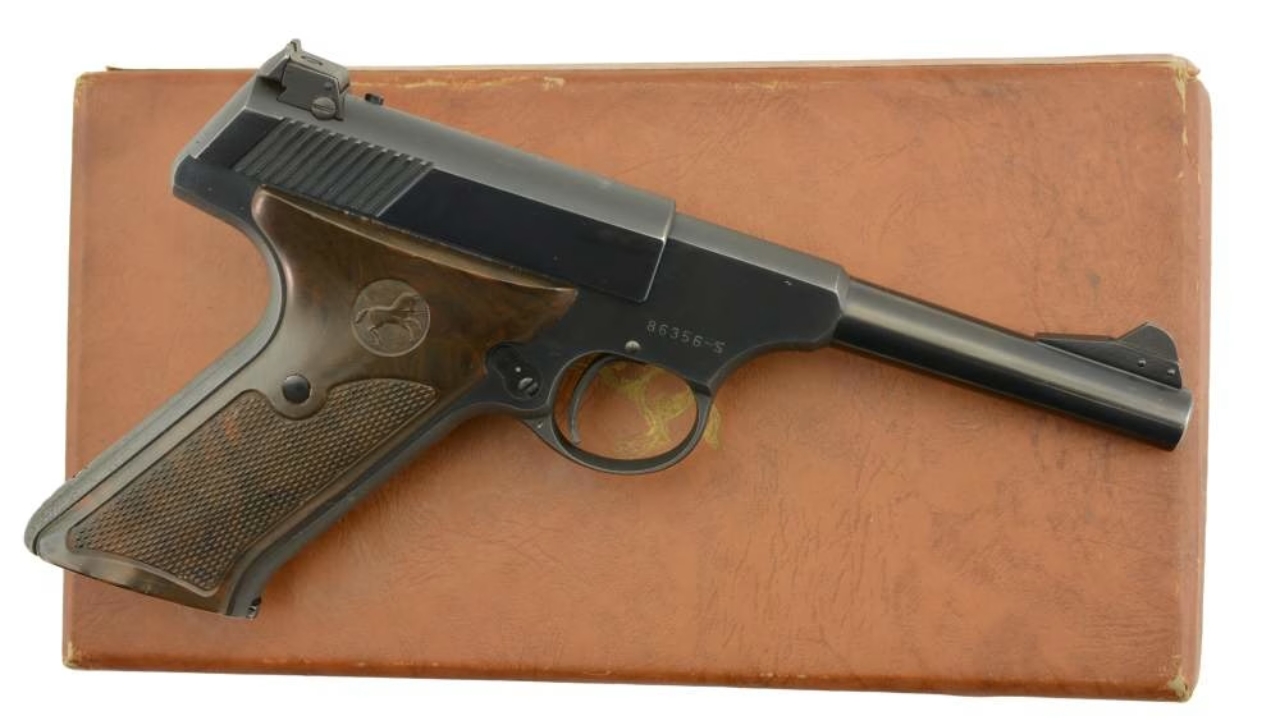
The Woodsman is one of the .22 pistols that immediately reminds you how much effort manufacturers once put into ordinary rimfires. The grip is slender, the balance is excellent, and the pistol feels like something designed around shooting rather than simply reaching a low retail price. A Sport model is particularly appealing because it remains practical enough for plinking, field carry, and informal target shooting without needing the specialized proportions of a dedicated competition gun.
I would love to own one that had already seen honest use. What I do not need is a pristine example priced entirely around collector condition. Give me a sound Woodsman with a little finish wear and a price that lets me shoot it without worrying, and it would earn a spot quickly.
High Standard HD Military
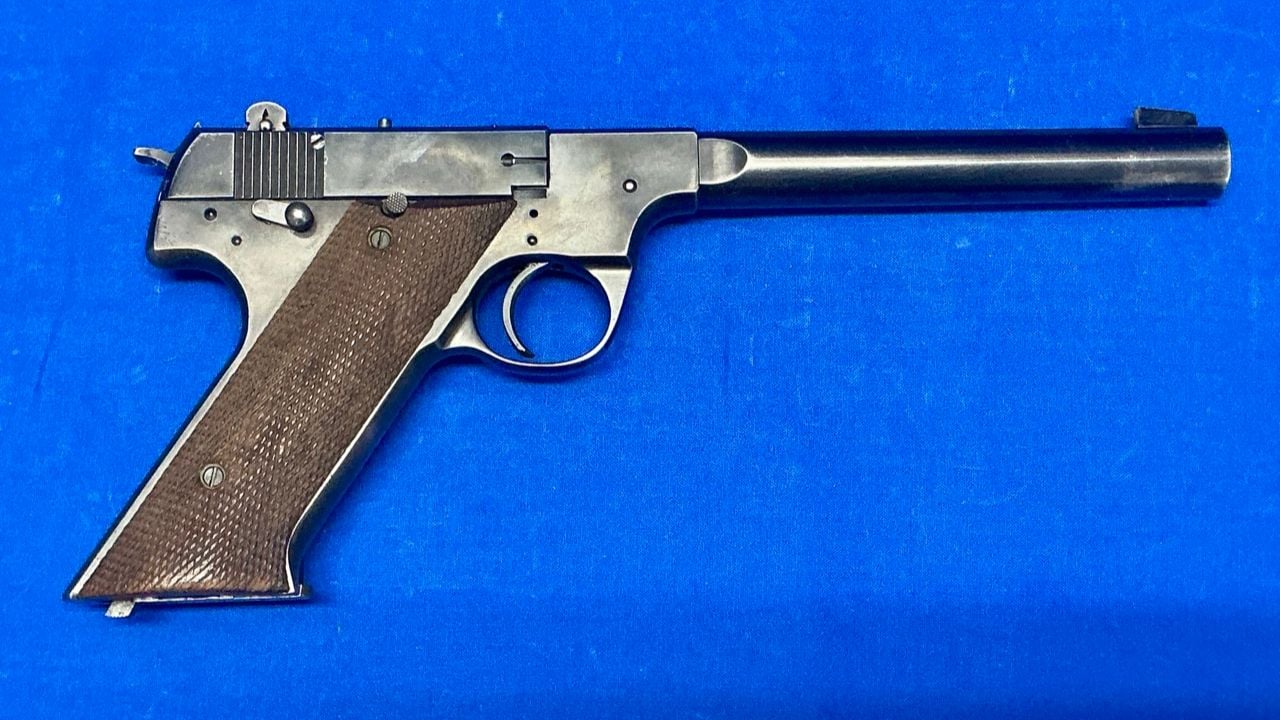
The HD Military is another old rimfire pistol that feels much more substantial than many inexpensive .22s sold today. Its fixed-barrel design, comfortable grip angle, and crisp single-action trigger make it extremely pleasant for deliberate shooting. These pistols were built during a period when American manufacturers could produce all-steel rimfires with serious machining without automatically pushing them into a premium niche.
That manufacturing model is largely gone, which is why I understand the attraction. I just do not want to pay collector pricing for something I want to put thousands of rounds through. A cosmetically worn but mechanically excellent HD Military at the right number would interest me much more than a flawless safe queen.
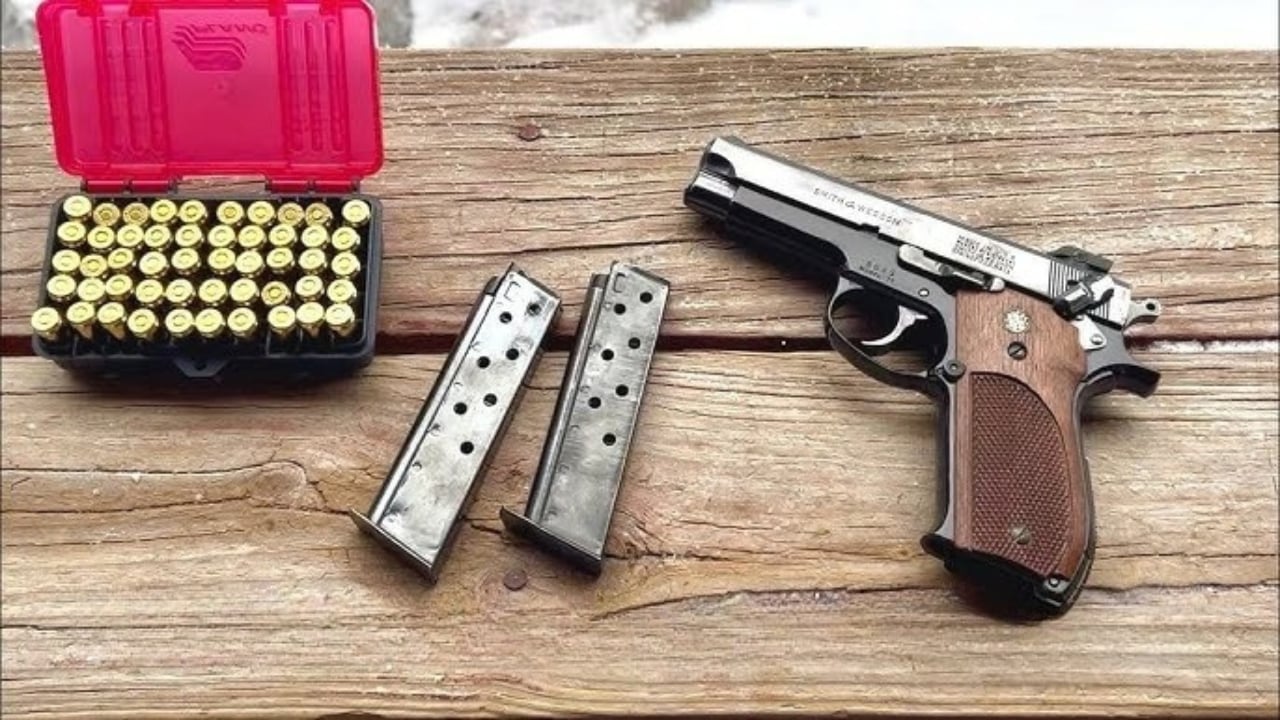
Smith & Wesson Model 39-2
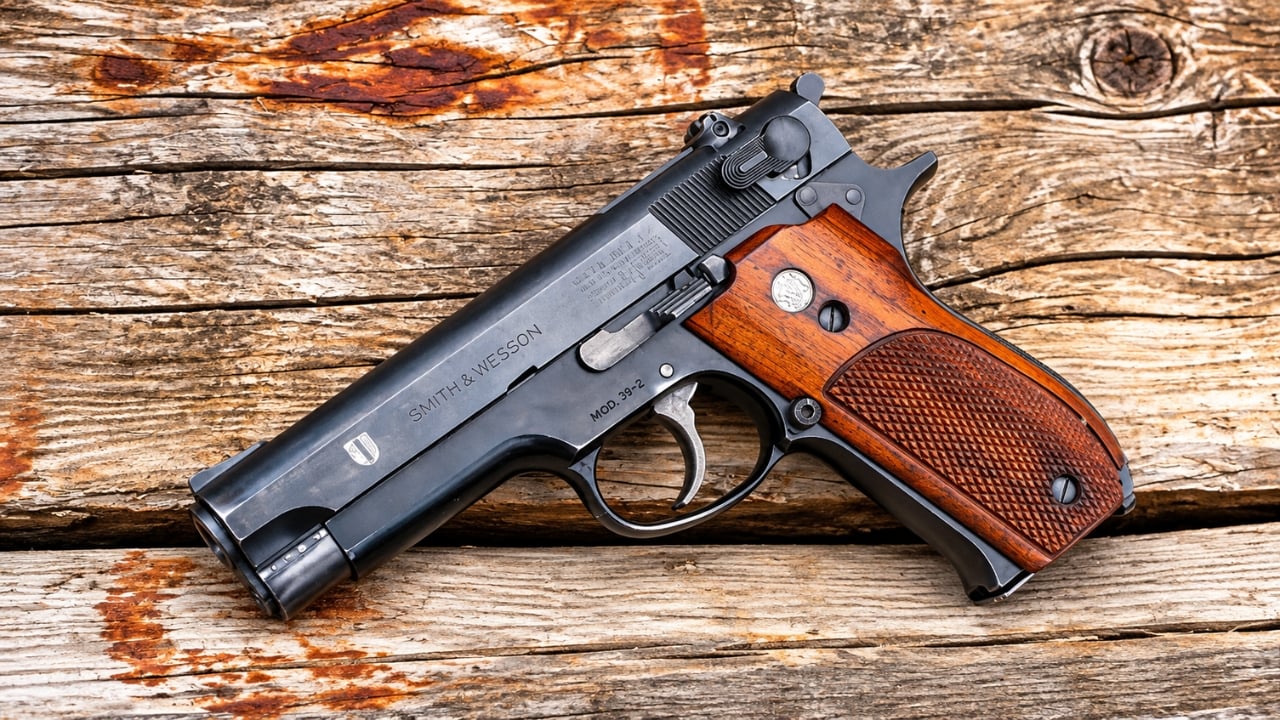
The Model 39-2 is one of the older semiautomatics I would buy because it occupies a space modern pistols have almost abandoned. It is a slim alloy-framed 9mm with a single-stack magazine and traditional DA/SA operation, giving it a light, elegant feel without becoming a tiny pocket gun. The grip is remarkably comfortable, and the pistol represents an important period when American manufacturers were transitioning toward modern service semiautomatics.
I am interested in it as a shooter, though, not just as history. When prices remain reasonable, the 39-2 is a fascinating alternative to another polymer pistol. Once collector interest pushes it too far, the practical argument disappears. At the right price, I would gladly add one and actually use it.
Beretta Model 81

The Beretta Model 81 gives you the classic Cheetah architecture in .32 ACP, and that combination is far more enjoyable than the cartridge’s modest reputation suggests. The alloy frame keeps the pistol light while still providing enough mass to make recoil almost nonexistent. The double-stack grip feels substantial without being enormous, and the open-top slide gives the pistol unmistakable Beretta character. It is the kind of gun that can turn an ordinary range session into something you actually look forward to.
When surplus examples were inexpensive, these were almost impossible to argue against. They become less compelling when prices start approaching modern premium carry-pistol territory. If I saw another clean one at the kind of price that originally made them so attractive, I would want it.
Star Model B Super
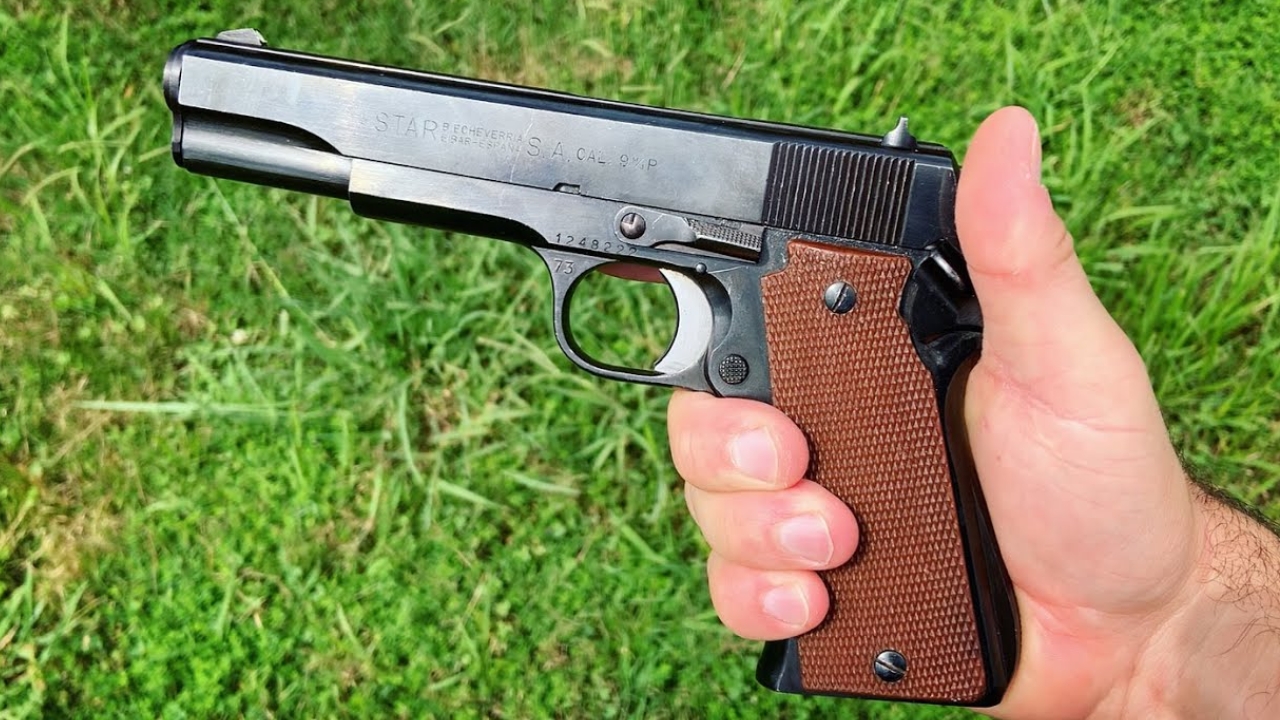
The Star Model B Super is a full-size Spanish 9mm that spent years being dismissed as an inexpensive surplus pistol. That low status hid a lot of what made the gun enjoyable. The all-steel frame soaks up recoil, the single-action trigger can be surprisingly good, and the basic layout feels familiar to anyone comfortable with traditional service pistols. It is not literally a 1911 despite the resemblance, and understanding that keeps expectations realistic.
This is exactly the kind of surplus gun I enjoy when the price remains tied to its original role as an affordable shooter. Once scarcity turns it into an expensive collectible, much of the fun disappears. Cheap enough to shoot hard, though, and I would absolutely want one.
Beretta Model 70 .32 ACP
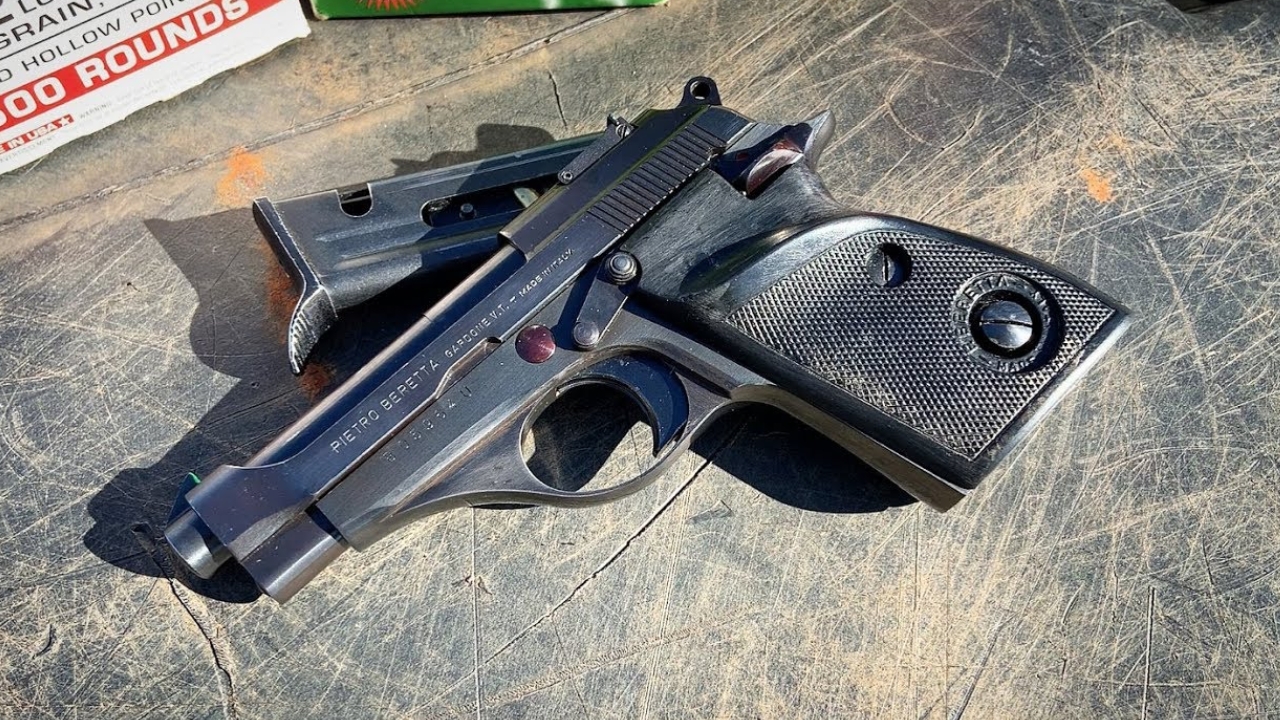
The Model 70 is small, slim, and built with a level of metal construction that makes today’s tiny polymer pistols feel almost disposable by comparison. In .32 ACP, recoil is mild, and the narrow grip makes the gun extremely comfortable for casual shooting. The design is straightforward, elegant, and unmistakably from an era when compact semiautomatics could be beautifully machined without being marketed as luxury objects.
I would want one as a range and collection pistol rather than pretending it is the most advanced carry option in 2026. The appeal depends heavily on price. At old-surplus money it is irresistible. At rare-European-pistol money, I can appreciate it just as easily while someone else owns it.
Browning BDA .380
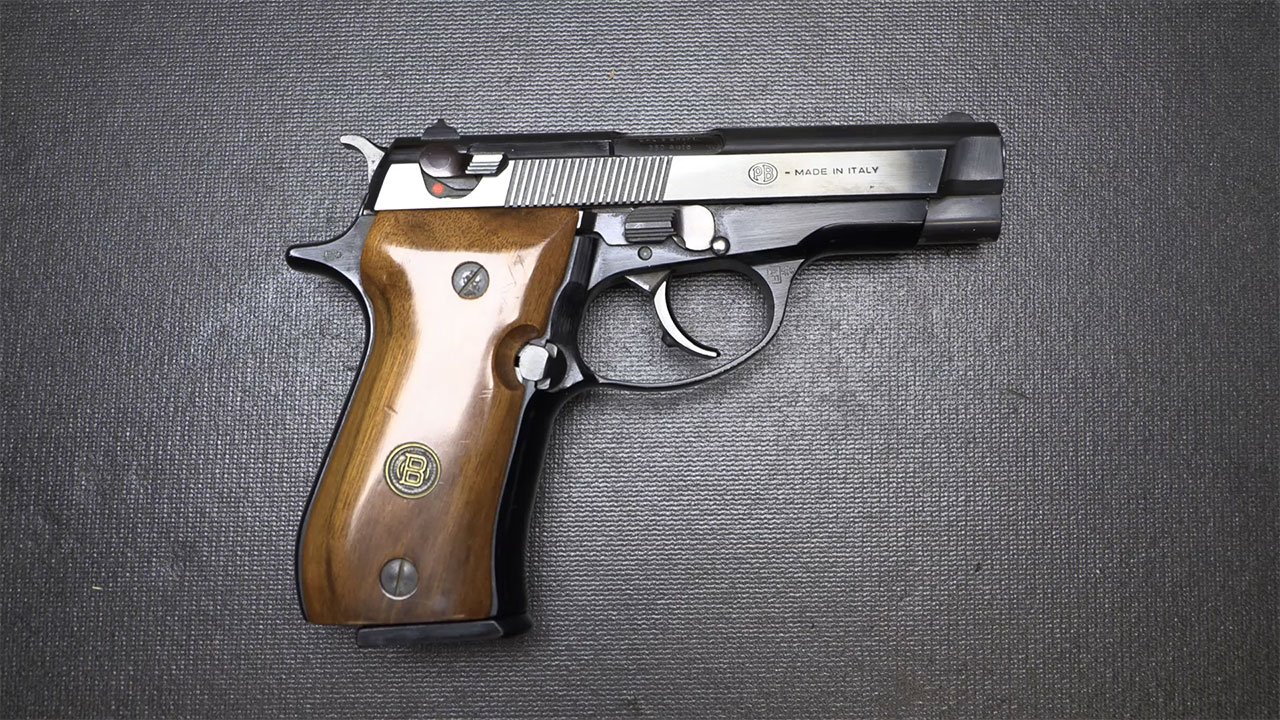
The Browning BDA .380 is mechanically related to Beretta’s compact blowback pistols but has enough styling and control differences to give it a personality of its own. The double-stack magazine, alloy frame, and larger-than-pocket-pistol proportions make it exceptionally pleasant to shoot for a .380. It is one of those guns that makes sense once you realize not every compact handgun needs to be pushed to the absolute minimum dimensions.
I would happily add one if I could find a clean example for a price that still treated it like a shooter. What makes me hesitate is paying heavily for the Browning rollmark when I primarily want the pistol because it feels good in the hand and is fun on the range.
Franchi AL-48
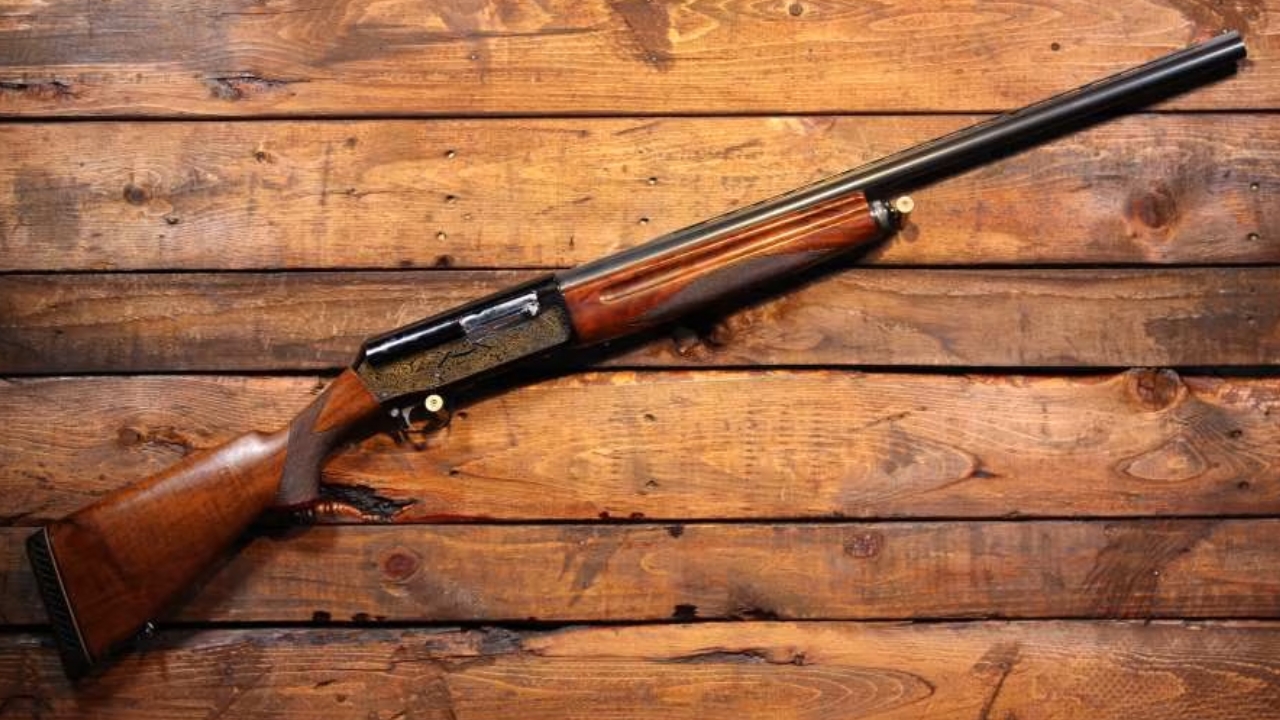
The AL-48 is one of the lightweight field shotguns I would love to have around because it applies the long-recoil operating principle in a package that can be remarkably easy to carry. For upland hunting, where a shotgun may spend hours in your hands for only a few seconds of actual shooting, that lack of weight matters. The gun also has enough mechanical character to feel different from the endless supply of modern gas and inertia semiautomatics.
This is not a shotgun I want because it is rare. I want one because it is useful. If I found the right gauge and configuration at an honest field-gun price, I would have no issue adding another old semiauto to the safe.
Ithaca 37 20-Gauge Featherlight
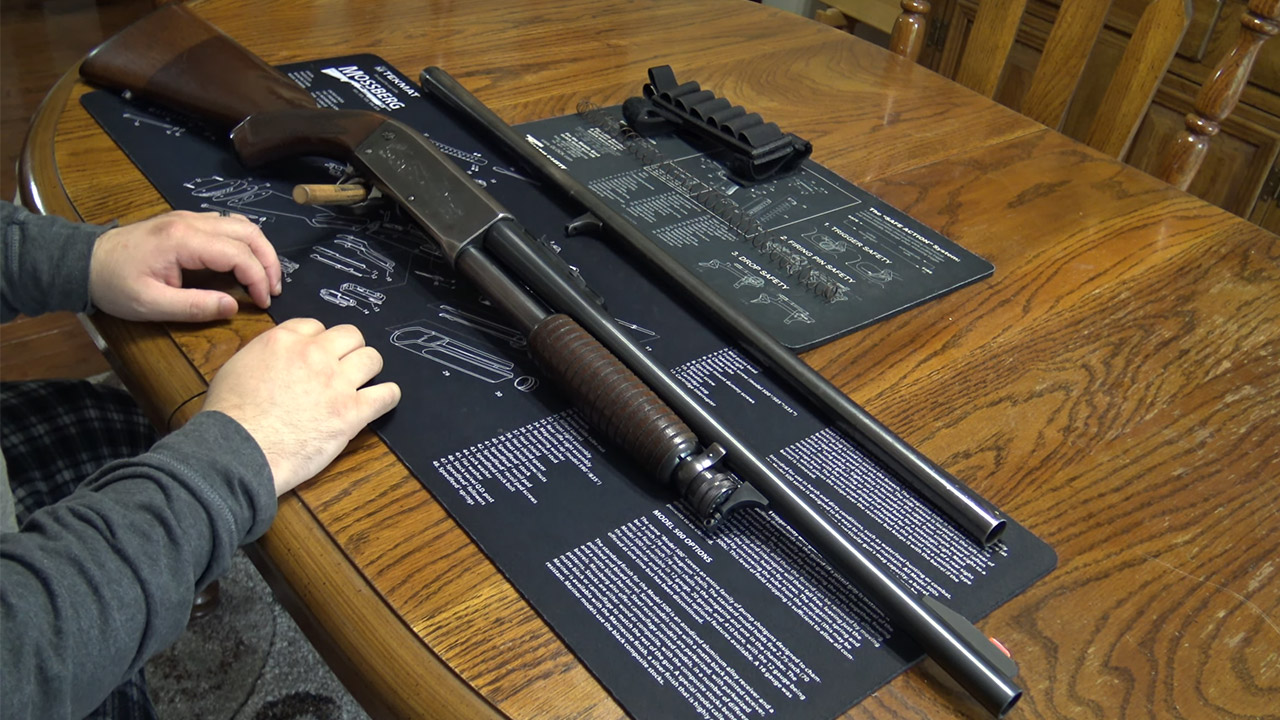
The 20-gauge Model 37 Featherlight is about as close as you can get to a shotgun that disappears in your hands. The receiver is trim, the bottom-ejecting action keeps the sides clean, and the lighter gauge makes the whole gun exceptionally pleasant to carry for rabbits, upland birds, and general field use. Older examples also develop wonderfully smooth actions after years of shooting, which gives them a feel that is difficult to reproduce on a brand-new pump.
The problem is finding the right one without paying disproportionately for nostalgia or condition. I want a Model 37 I can walk through briars with, not one I need to protect from them. At a proper shooter price, a 20-gauge Featherlight would come home with me.
H&R Handi-Rifle
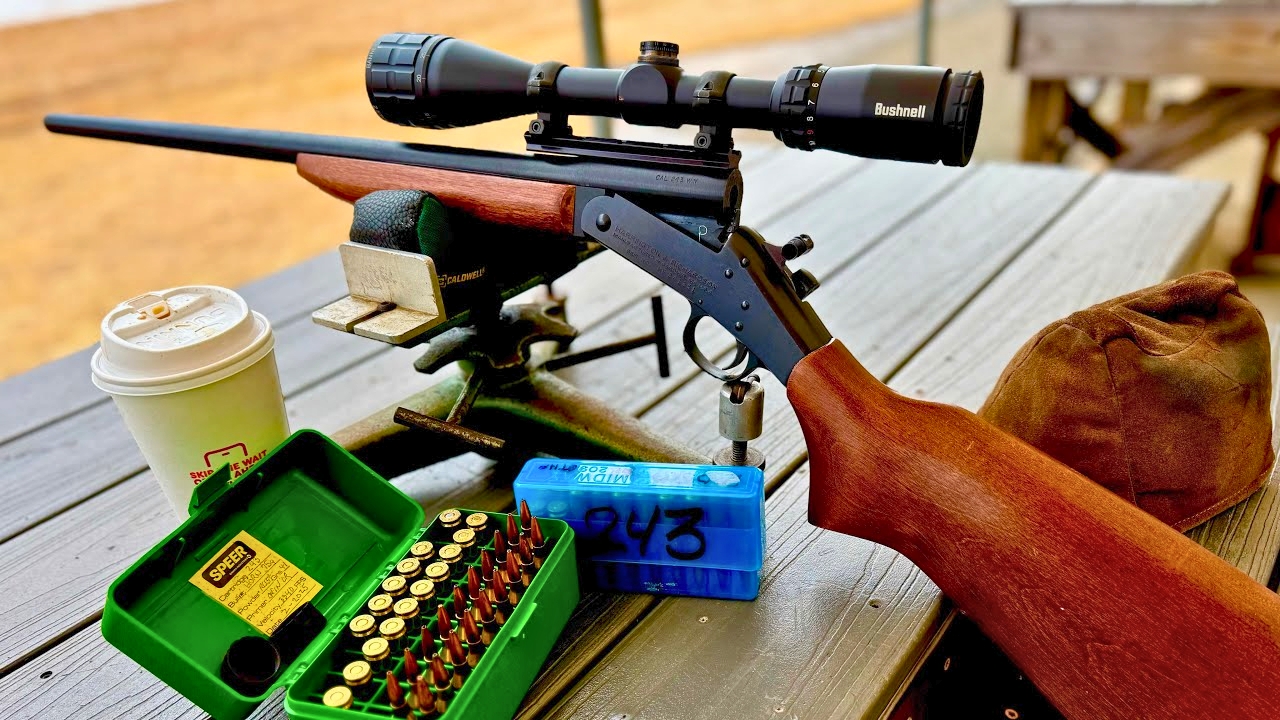
The Handi-Rifle may be the firearm on this list whose appeal depends most heavily on price. These were straightforward break-action single shots that made sense because they were inexpensive, mechanically uncomplicated, and available in an enormous range of useful chamberings. You could keep one behind the seat, use another as a deer rifle, and have a third chambered for a cartridge you simply wanted to experiment with. They were never supposed to be prestigious.
That is why high used prices make me lose interest immediately. The charm of the Handi-Rifle was getting an honest, accurate enough, single-shot rifle without spending much money. If I found one today for the kind of price that still respected that original purpose, I would gladly add another caliber to the safe.
Like The Avid Outdoorsman’s content? Be sure to follow us.
Here’s more from us: