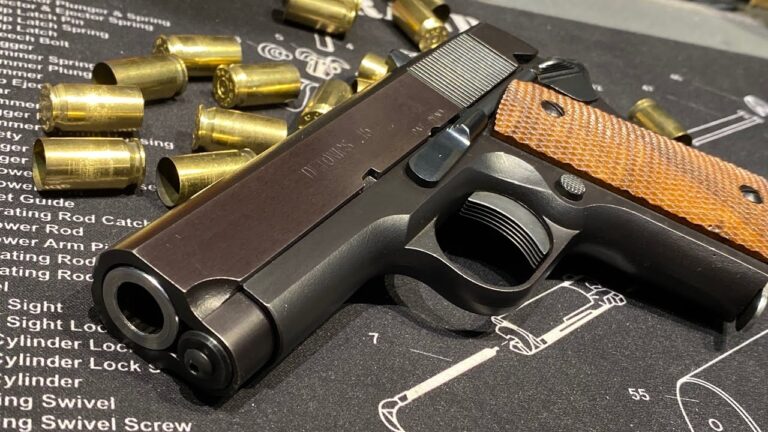
Photo credit: Alabama Arsenal/Youtube
Some rifles inspire almost no middle ground. Owners either defend them like family heirlooms or complain about every design decision the manufacturer made. That usually happens when a rifle does something very differently from the mainstream.
Bullpups, unconventional actions, unusual magazines, strange ergonomics, heavy recoil systems, and proprietary parts can all create that divide. The same feature one shooter considers brilliant may drive another person crazy. These 20 rifles have earned especially polarized reputations because owning one tends to produce a very strong opinion.
Steyr AUG

The AUG is one of the most recognizable bullpup rifles ever made, and people tend to know within a few minutes whether they love the layout. The rearward action keeps the overall rifle extremely compact without sacrificing barrel length, which makes it wonderfully handy in tight spaces.
The downside is that everything feels different from a conventional rifle. The trigger is never going to feel like a great AR trigger, reloads require different muscle memory, and the balance can seem strange at first. Fans see a brilliantly compact combat rifle. Critics see an expensive solution to a problem they never had.
IWI Tavor X95

The X95 creates the same kind of split. Owners who like bullpups appreciate the short overall length, excellent balance near the shoulder, and full-length barrel in a compact package.
Other shooters cannot get past the trigger feel, rearward magazine placement, and unusual manual of arms. The rifle is rugged and proven, but whether that matters more than ergonomics depends entirely on the shooter. Few rifles generate stronger opinions after a single range session.
FN FS2000

The FS2000 looks like something from a science-fiction movie, which is either part of the appeal or the first reason someone dislikes it. Its fully enclosed action and forward-ejection system make it unlike almost anything else on the civilian market.
That uniqueness also creates headaches. Parts are not common, the rifle is bulky in places, and the trigger is distinctly bullpup-like. Collectors love the strange engineering and rarity. Practical shooters often wonder why they would deal with all that complexity when an ordinary carbine works just fine.
KelTec RDB
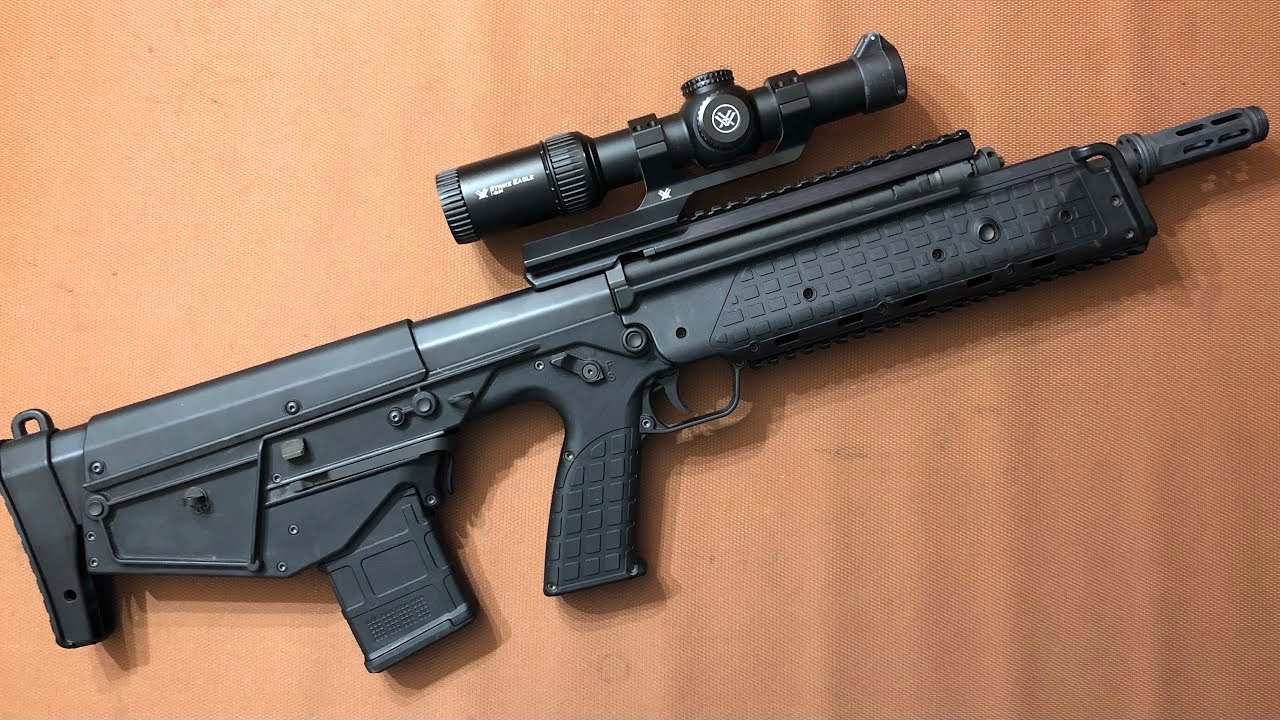
The RDB earns praise because it offers a relatively affordable bullpup with downward ejection, which makes it friendly for left- and right-handed shooters.
It also feels very different from more conventional rifles. The controls take time to learn, the trigger system is unusual, and some shooters simply never warm up to the KelTec feel. Owners who get along with it often become enthusiastic defenders because the rifle offers so much compactness for the money.
Desert Tech MDRX
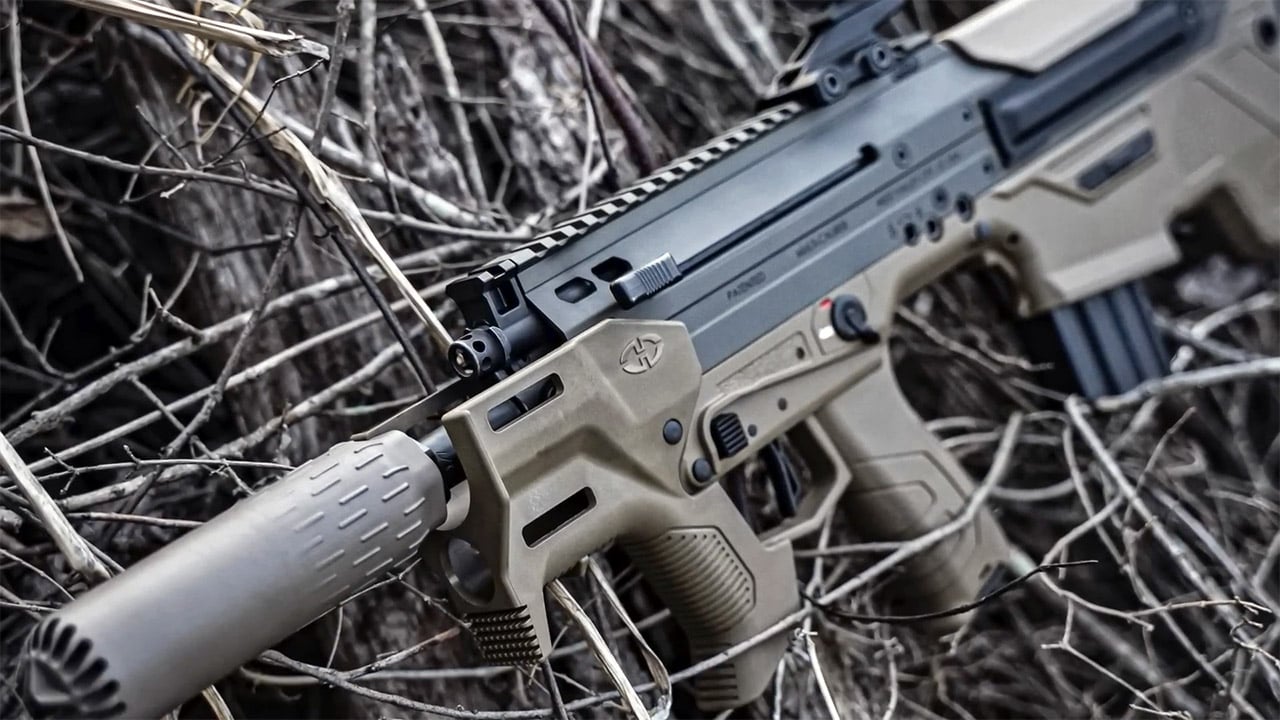
The MDRX attracts shooters who love modularity. The bullpup configuration keeps it compact, while the platform can be configured in different cartridges and barrel lengths.
That same complexity is what turns other owners against it. Caliber conversions, proprietary components, weight, and unconventional controls can make the rifle feel more involved than necessary. Some owners see a highly adaptable system. Others see a very expensive rifle that asks for too much patience.
Springfield Armory M1A

Few rifles have as much nostalgia attached to them as the M1A. Fans love the traditional stock, powerful .308 chambering, and connection to the M14.
Critics focus on the weight, cost, optics-mounting challenges, and the amount of work sometimes required to maintain top accuracy. It feels wonderfully old-school to some shooters and frustratingly outdated to others. There is rarely much middle ground.
Ruger Mini-14

The Mini-14 has inspired arguments for decades. Supporters love the light weight, traditional appearance, and simple handling.
Detractors point to older rifles with inconsistent accuracy, expensive magazines, and less flexibility than the AR platform. Newer Minis are better shooters than many early examples, but the debate never really disappeared. Owners tend to either appreciate what it is or constantly compare it with an AR-15.
HK SL8

The SL8 is a strange civilian adaptation of the G36 family, and that alone guarantees strong opinions. It is accurate, well made, and visually distinctive.
The thumbhole-style stock, limited magazine setup on some versions, and awkward civilian configuration frustrate shooters who want something closer to the military rifle. Collectors appreciate the HK engineering. Others see a rifle compromised by import restrictions and unusual design choices.
Robinson Armament XCR

The XCR has a devoted fan base because of its adjustable gas system, robust action, and modular design. Shooters who spend time learning the platform often praise its controls and mechanical layout.
The problem is that it has never developed the massive ecosystem of an AR. Parts, accessories, and long-term support are not as easy to take for granted. That makes some owners fiercely loyal and others unwilling to commit to a less common system.
SIG Sauer 556

The SIG 556 brought Swiss-style rifle engineering to the American market, but opinions were divided almost immediately. Fans love the piston action, substantial build, and distinctive feel.
Critics complain that it is heavy, less elegant than the original Swiss rifles, and harder to support than an AR. It remains a very capable rifle, but it is one of those platforms where owners either appreciate the uniqueness or resent every ounce and proprietary detail.
FN SCAR 16S

The SCAR 16S is light, reliable, and easy to handle, which has earned it a loyal following.
The price is what turns many shooters against it. Once the rifle costs far more than a quality AR-15, buyers start questioning every piece of polymer, every proprietary component, and every accessory expense. Fans say you are paying for a proven platform. Critics say you are paying for the name.
Galil ACE Gen II

The Galil ACE Gen II is built around a rugged Kalashnikov-style action but adds modern ergonomics, optics mounting, and improved controls.
Some owners love the combination because it provides AK reliability without traditional AK inconveniences. Others dislike the weight, bulk, and loss of the older Galil aesthetic. The Gen II is especially polarizing because even Galil fans argue over whether modernization improved or ruined the platform.
CZ Bren 2 Ms

The Bren 2 has a reputation for excellent handling, smooth operation, and modern controls. Owners who like it often describe it as one of the most refined piston carbines available.
Critics point toward cost, proprietary parts, and a smaller aftermarket than the AR platform. The rifle performs well, but buyers have to decide whether the unique platform is worth giving up the convenience of a much more common system.
Beretta ARX100
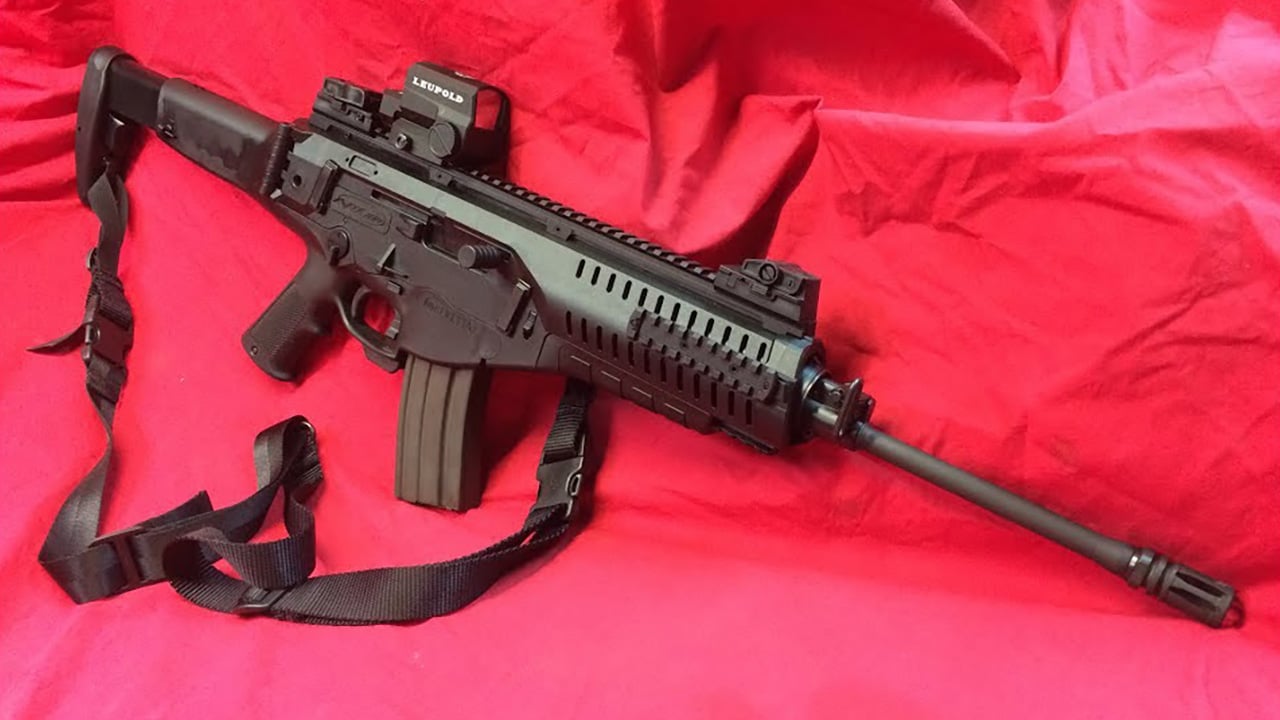
The ARX100 may be one of the most functionally clever rifles that never became truly popular. It has quick-change barrels, reversible ejection, ambidextrous controls, and a lightweight polymer-heavy construction.
Those same qualities make some shooters think it feels cheap or awkward. The styling is unusual, the trigger is not outstanding, and the rifle never developed broad aftermarket support. Fans love the engineering. Critics cannot get past the feel.
Bushmaster ACR

The ACR entered the market surrounded by enormous expectations. Its quick-change barrel system, folding stock, and modular architecture looked like the future of fighting rifles.
Owners who love it appreciate the smooth operation and excellent stock design. Critics point out that it became heavier, more expensive, and less revolutionary than early hype suggested. The ACR may be one of the best examples of expectations shaping owner opinion for years afterward.
SKS

The SKS used to be cheap enough that almost everyone forgave its quirks. Now that prices have climbed, owners argue much more intensely about what the rifle is actually worth.
Fans love the fixed magazine, simple piston system, mild recoil, and old-school military feel. Critics see an outdated rifle with awkward reloading and limited optics options. Both sides have a point, which is exactly why the SKS remains so divisive.
M1 Carbine

The M1 Carbine is light, compact, and one of the most pleasant centerfire rifles to carry. That combination creates a lot of loyal owners.
Others are disappointed by the cartridge, magazine sensitivity, and reliability problems that can show up with some commercial reproductions. Original examples are historically fascinating, but they can be expensive. Whether you see a brilliant lightweight carbine or an outdated collector piece depends heavily on expectations.
PTR 91

The PTR 91 gives shooters access to the roller-delayed HK G3-style system without paying for a true HK rifle.
Fans love the rugged action, .308 power, and mechanical character. Critics hate the recoil impulse, weight, ergonomics, and violent ejection. It is one of those rifles that feels tough and purposeful to one shooter and brutally crude to the next.
Century Arms C308

The C308 offered another relatively affordable route into the roller-delayed .308 world, which made it attractive to budget-minded buyers.
Owner experiences have varied enough to create very strong opinions. A good example can be a fun, durable rifle with inexpensive surplus magazines. A problematic one can become a frustrating project. Few things polarize owners faster than inconsistent quality combined with an unusual operating system.
Henry Long Ranger

The Long Ranger tries to give lever-action fans modern rifle performance through a detachable box magazine and rotating bolt. Owners who love lever guns often appreciate the ability to use pointed bullets and cartridges such as .308 Winchester or 6.5 Creedmoor.
Traditionalists may dislike how far it moves away from the classic tubular-magazine formula, while bolt-action shooters may wonder why they should complicate things with a lever at all. The rifle sits between two worlds, which practically guarantees that people either understand the appeal immediately or never do.
Like The Avid Outdoorsman’s content? Subscribe to our newsletter so you never miss an article.
Here’s more from us: